

SciArt Profile: Brittany Carr
Posted by the Node, on 28 March 2026
In this SciArt profile, we meet Brittany Carr, an Assistant Professor at the University of Alberta in the Faculty of Medicine and Dentistry, Department of Ophthalmology and Visual Sciences. In her artwork, Brittany uses acrylic, watercolour, gouache, and ink to create pictures of the natural world, while she is also a fan of using microscopy for ‘science’ art.
Can you tell us about your background and what you work on now?
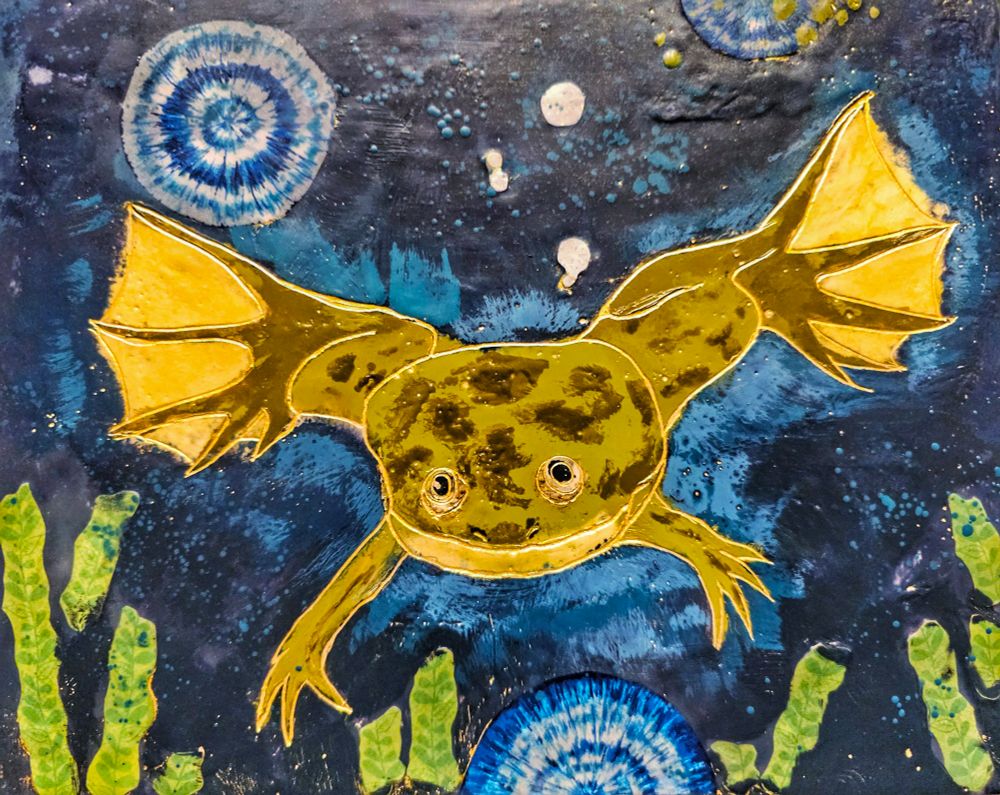
During my PhD research, I was interested in pharmacological control of myopia, and investigating off-target drug effects of muscarinic antagonists in the chicken eye. I then switched to inherited retinal degeneration for my postdoctoral studies, where I learned to use frogs as a model organism. I studied the effects of loss of two genes: PROM1 and CDHR1 on photoreceptor outer segment morphogenesis and retinal degeneration. I started my independent research career in 2022. I am still interested in PROM1 and in using frogs to develop other models of inherited and age-related blindness. We have a few interesting projects in the lab that a new for me including looking at microglia and retinal inflammation, and retinal development.
Were you always going to be a scientist?
I was always interested in science as a kid and read every science book that I could get my hands on. I was the first person in my family to go to university, however, so I didn’t know how it was possible for me to actually become a ‘real’ scientist. I joined a pre-med undergraduate program with the intention to go to Optometry school. I was fortunate enough as a 3rd year undergraduate student to meet an incredible mentor, who invited me to join his lab and gave me free reign to do science. The first time I prepared an immunofluorescence slide of chicken retinal amacrine cells and looked at it under the microscope, I was absolutely hooked. From then on, I knew academia was the only place I wanted to be and I was lucky enough to have landed myself in a lab where there was a mentor who knew exactly how to help me make it happen.
And what about art – have you always enjoyed it?
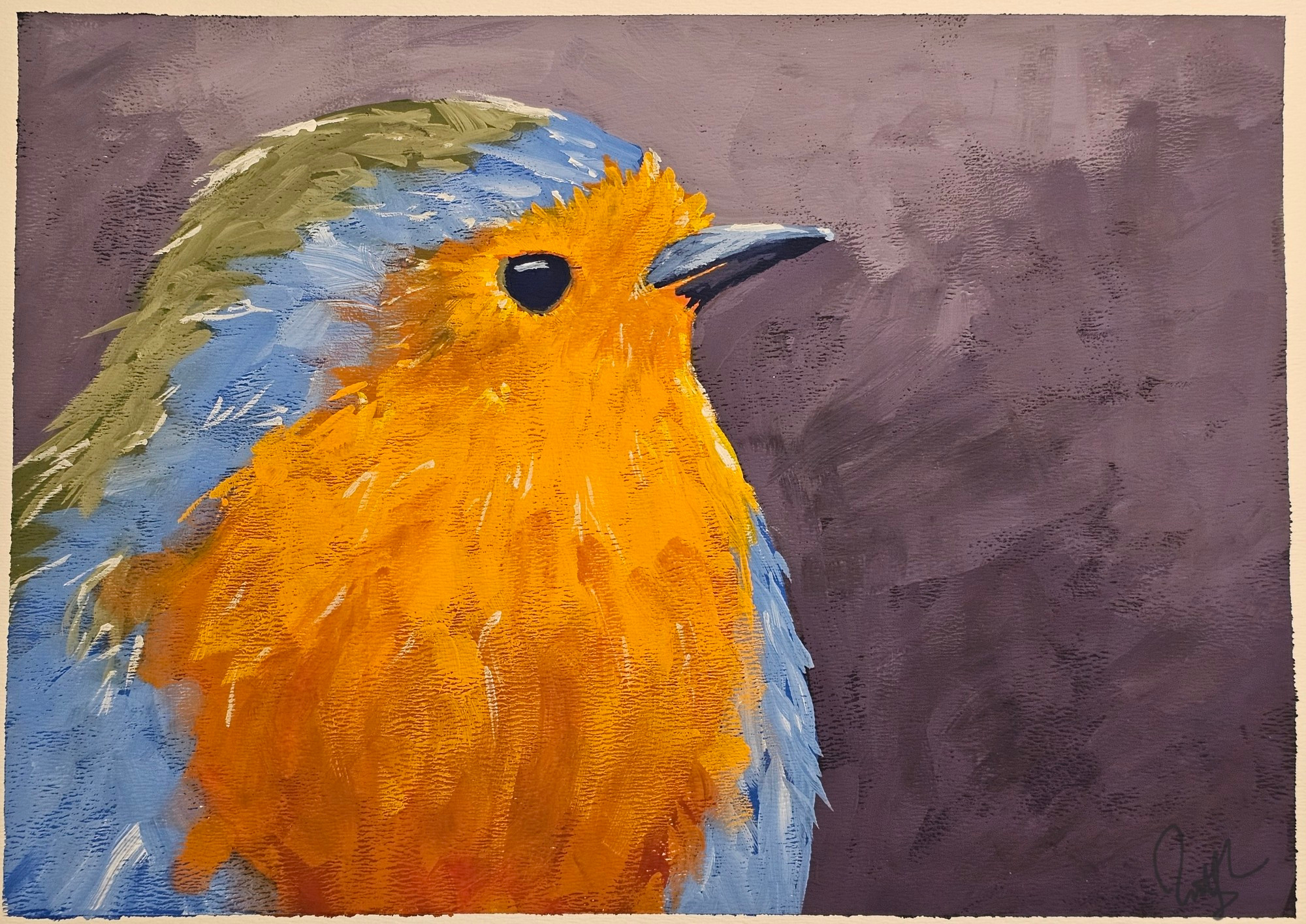
Yes, I have always enjoyed art and drawing. I spent a lot of time in elementary, middle- and high-school drawing instead of taking notes or doing homework during my classes. There was a time where I was at a crossroads and had to make the decision to choose between art school and science. I chose (at the time) to pursue optometry. Then, later on, when I discovered microscopy I got to learn a technique where I could express myself artistically again in a scientific career. I am a self-taught artist, but I recently moved a few blocks away from an Atelier, where I can now take art classes. It’s been a lot of fun getting to spend time just painting and growing my art skills.
What or who are your most important artistic influences?
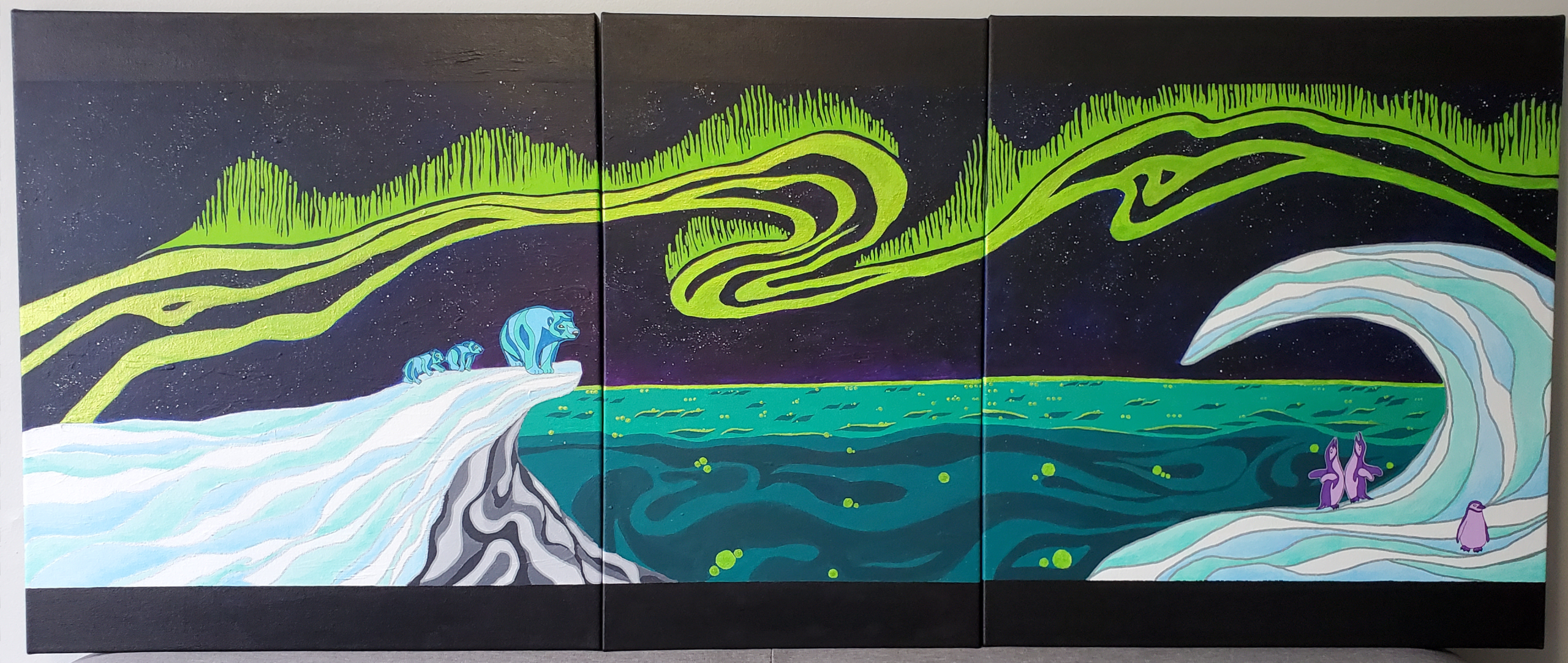
I have always been attracted to the ‘creepy’ or ‘weird’ artists, or loose, bright, and impressionistic landscape artists. People like H.R. Giger, Hieronymus Bosch, Francisco Goya, Francis Bacon. On the complete opposite end of the spectrum, Hester Berry, Julia Veenstra, and a whole bunch of local artists, including Di, Erinn Evans, Oksana Zhelisko, Jared Robinson, and Justina Smith.
How do you make your art?
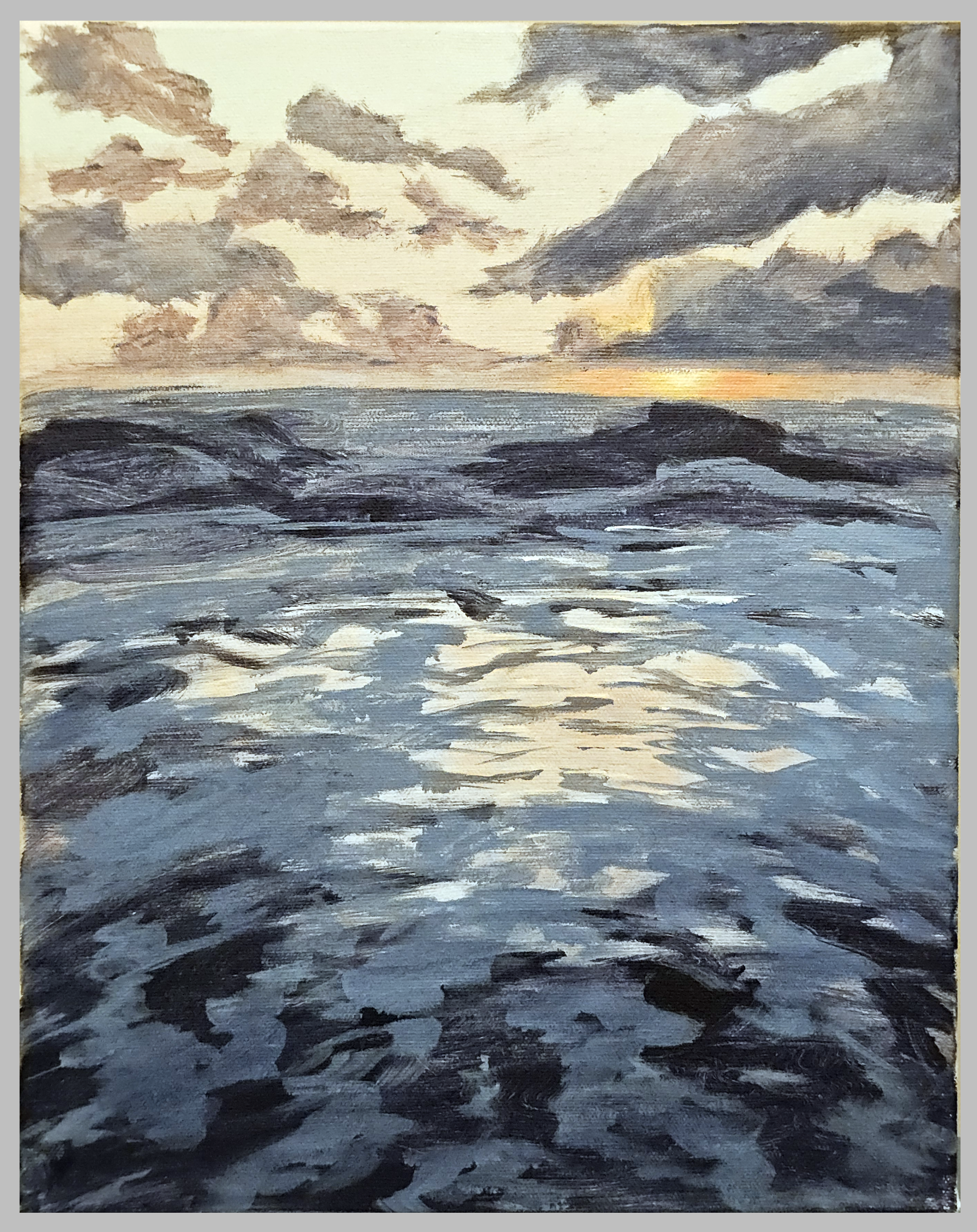
I dabble in a bunch of mediums, but primarily acrylic, watercolor, gouache, and ink. Practically speaking, I make most of my art in classes now, because running a lab and doing research is a lot of work, and nothing forces you to make art like paying money for a 4-6 hr block of time to do nothing else but make art. When the weather is nice, I like to take my sketchbook and work plein air. I am fortunate to live somewhere surrounded by nature, so I like to take advantage of that.
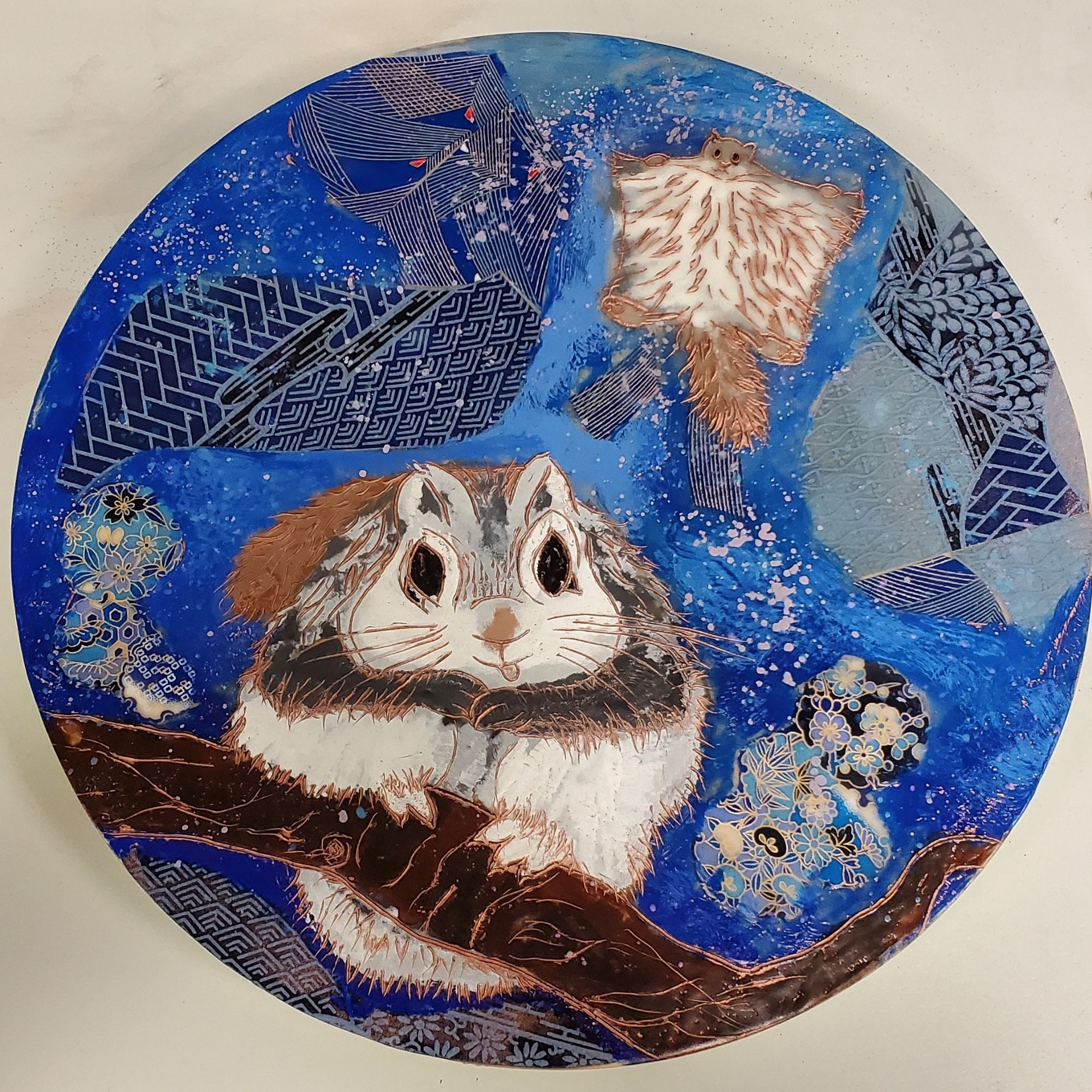
Does your science influence your art at all, or vice versa, or are they separate worlds?
I think that I like the same themes between my science and my art (nature, bright colours, high contrast), but they have two different goals. For science, you can make aesthetic things, but the goal is always to convey knowledge. Because of this, I approach my ‘science’ art differently than I do my traditional art, which for me, is just to make things that make me happy. I definitely take micrographs for aesthetic reasons, and most of these end up on social media and my webpage, not so often in actual papers or diagrams. The subjects that I draw in traditional art are not overtly science-themed, and instead are more focussed on landscapes and ‘macro’ nature, such as birds and animals, or silly things that I do just for the joy of it with no need to convey a message.
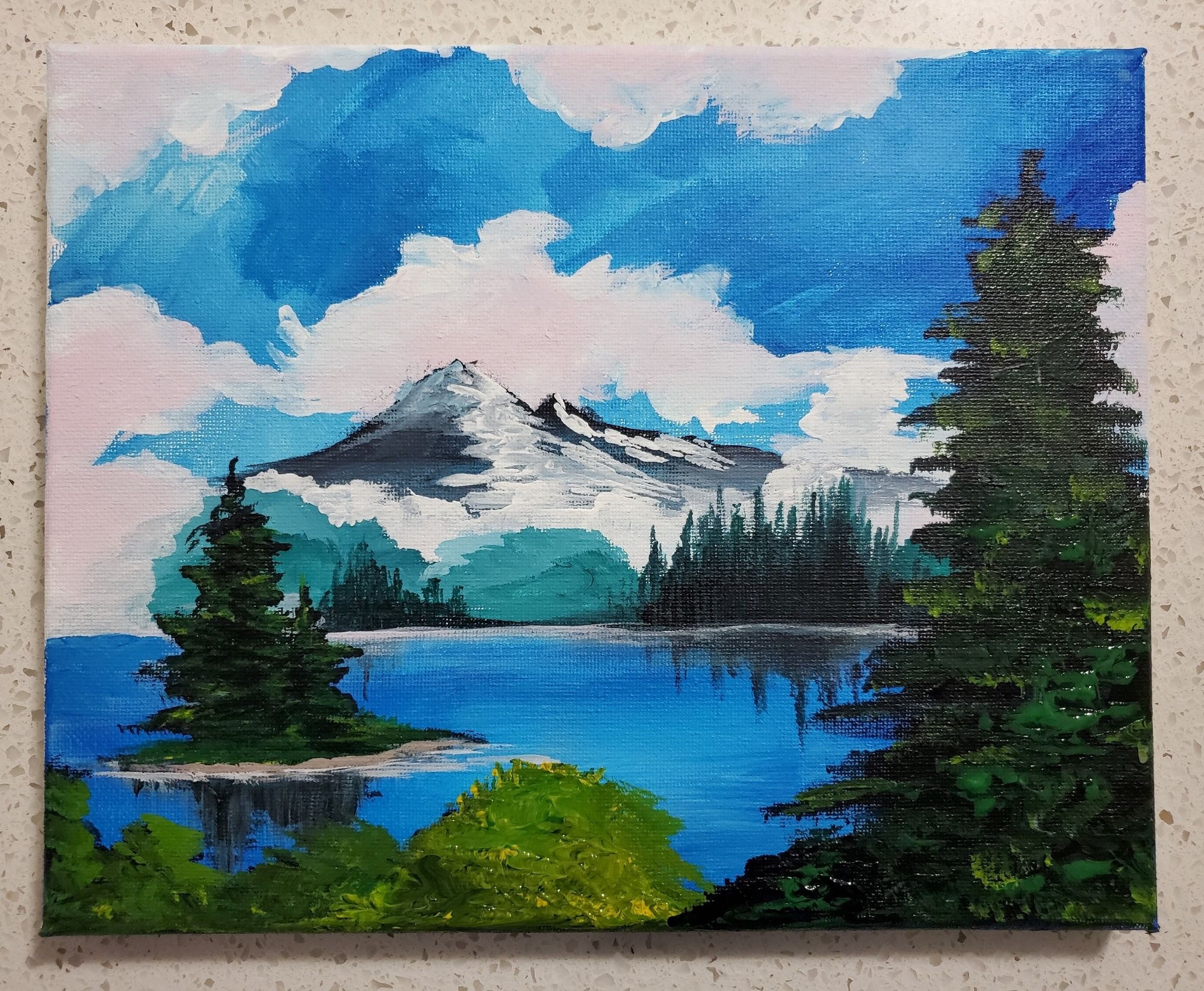
What are you thinking of working on next?
I’m the type of person that doesn’t paint until inspiration hits me, and then I can’t not paint until the idea in my head is realized. I live in a fairly quirky city now, and so I do want to do some small paintings of “Just Edmonton Things” that I have seen or experienced since moving here that I found funny or interesting.
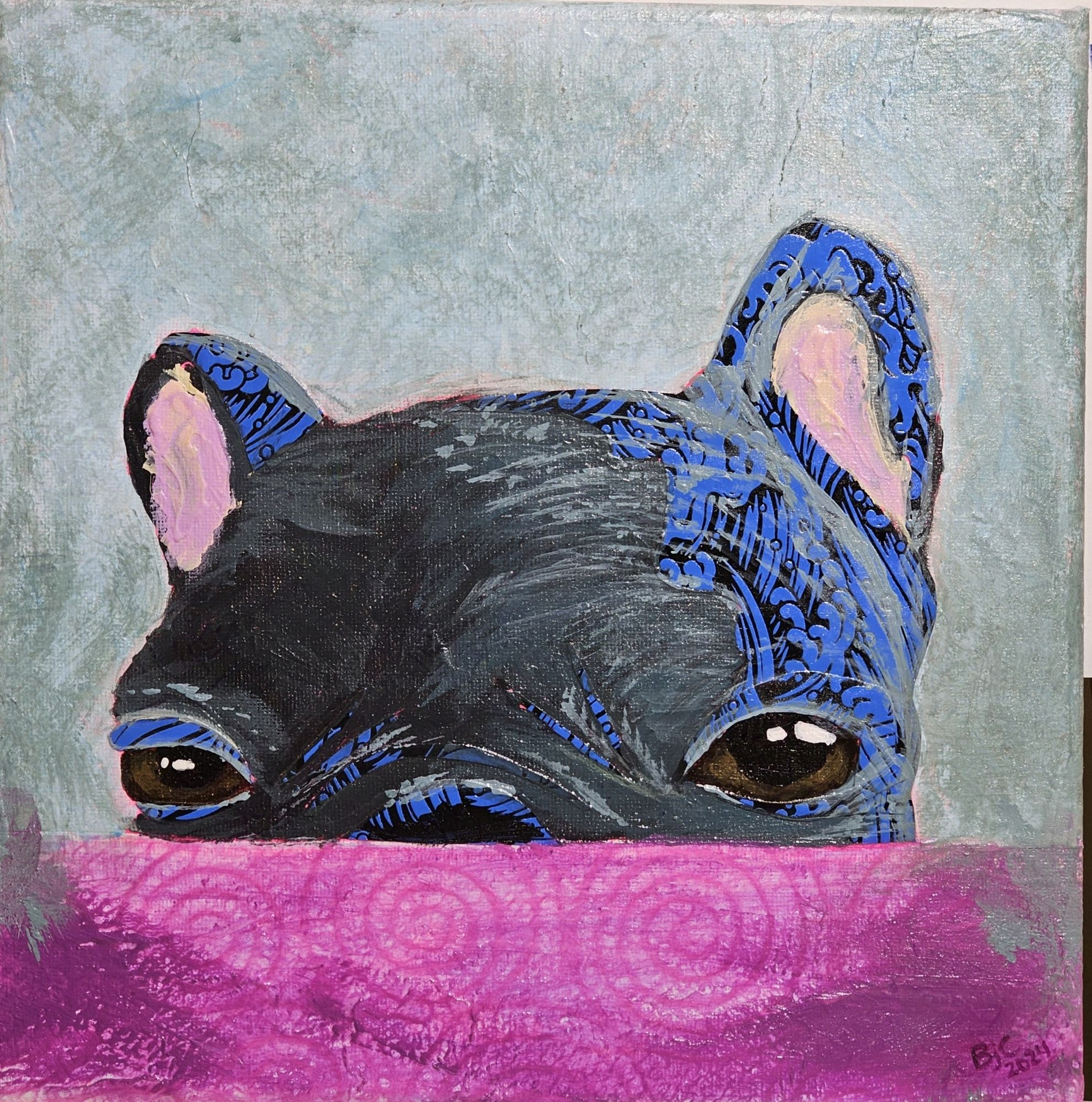
How/ where can people find more about you?
I am most active on bluesky @drbjcarr.bsky.social, where I post mostly about science, but share my art and photography too.
Get involved
Create an account or log in to post your story on the Node.
Sign up for emails
Subscribe to our mailing lists.