

SciArt Profile: Ramin Rahni
Posted by the Node, on 5 June 2026
In this SciArt profile, we meet Ramin Rahni, a developmental plant biologist from New York, USA, who recently moved to London, UK, to focus on his creative work. In his artwork, Ramin works across graphic design, motion graphics/animation, music, and video art, integrating precision and noise in ways both dramatic and understated.
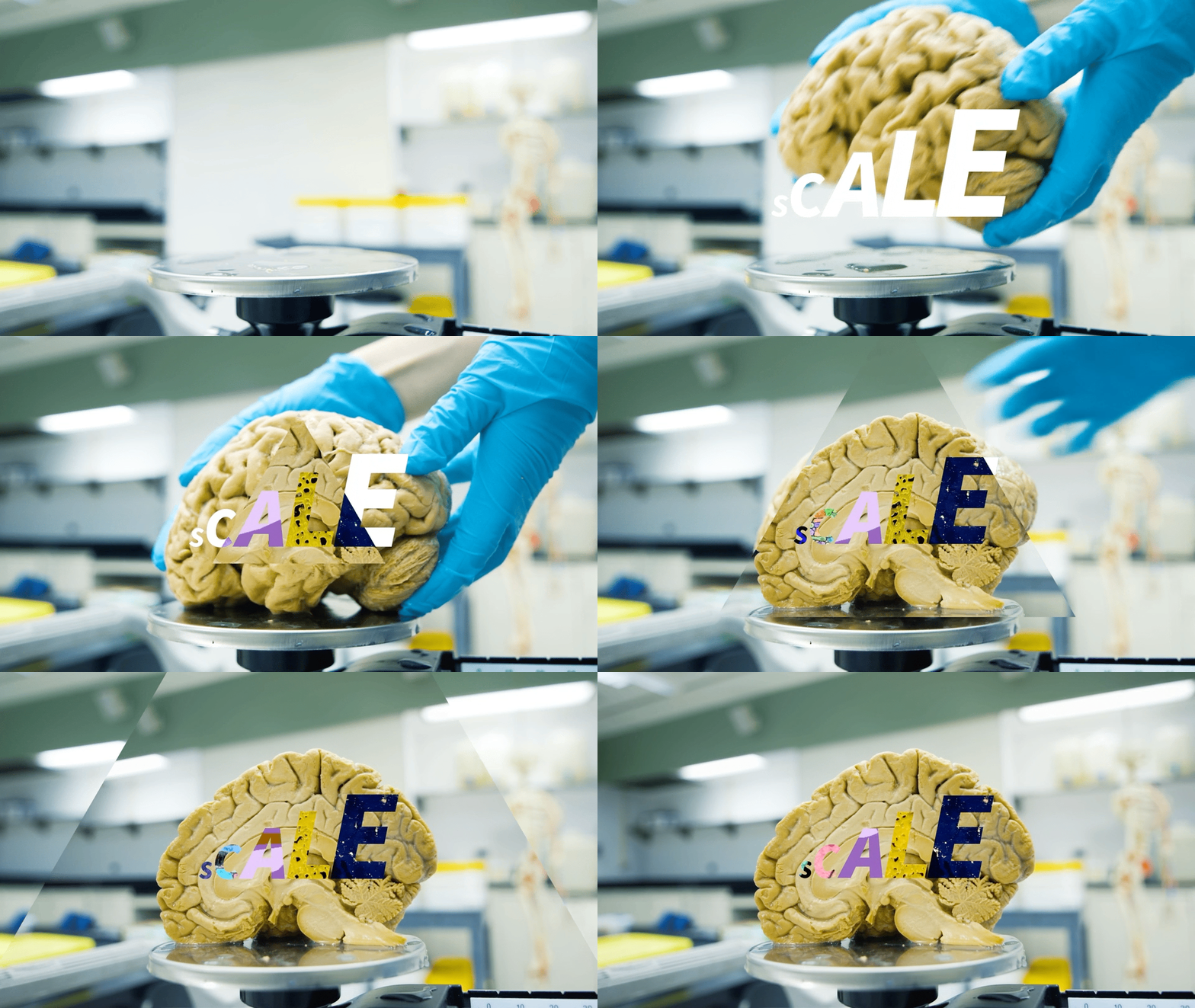
Can you tell us about your background and what you work on now?
I’m trained as a developmental plant biologist and did my PhD and postdoc at New York University, USA. I’m also a multidisciplinary artist and have always had creative projects going alongside my research, working across graphic design, motion graphics/animation, music, and video art. I just relocated from New York to London to focus more fully on creative work.
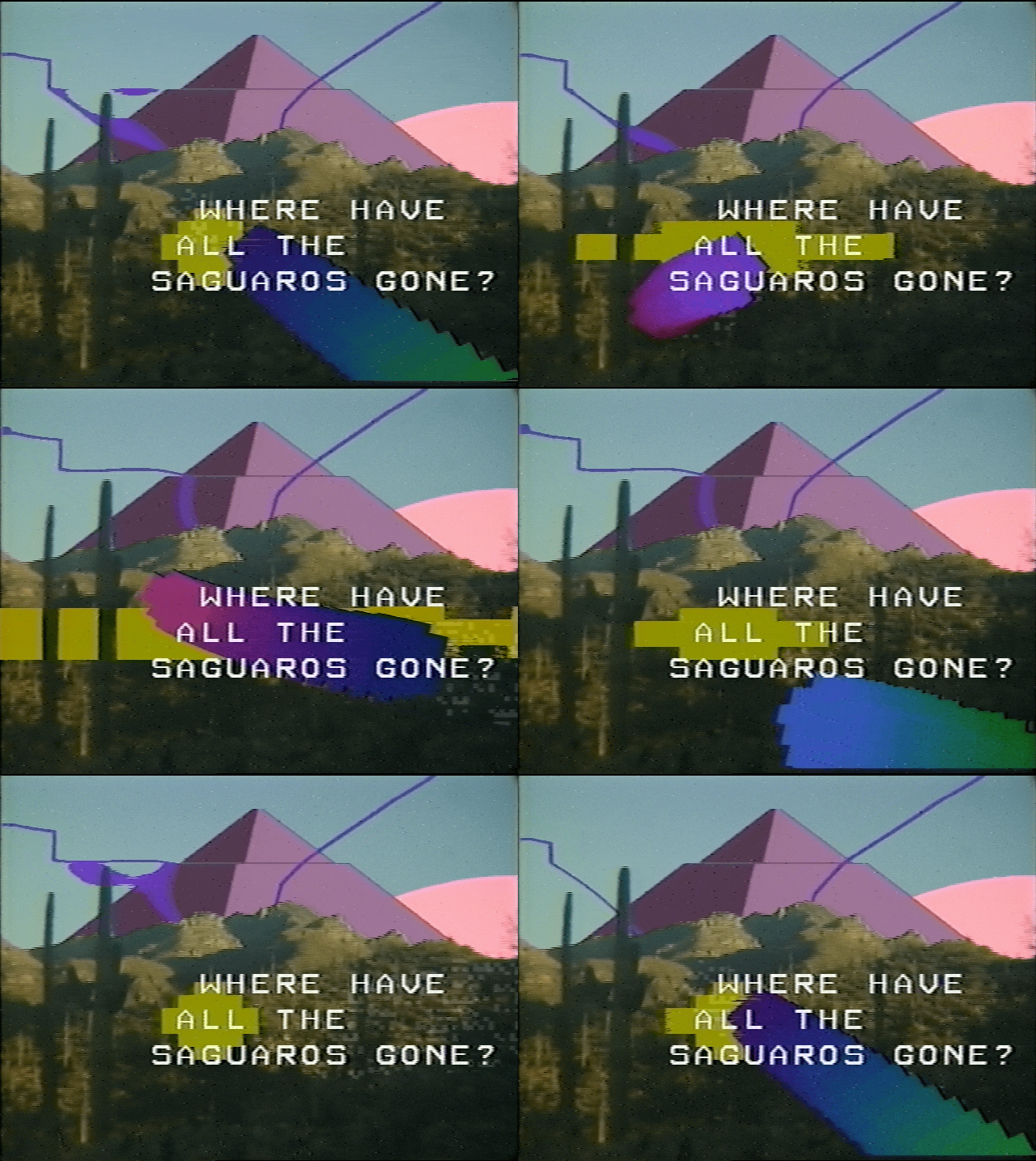
Were you always going to be a scientist? And what about art – have you always enjoyed it?
As a child, I really wanted to be an artist. To try to and encourage me to get more into science, my parents would get me these science coloring books on biology, astronomy, etc. Those books really informed my love of the synthesis of art and science. When I got interested in science again, towards the end of my undergraduate studies, it was really through a love of the figures and the aesthetics of science graphics. The creative problem-solving and hands-on nature of benchwork and experimental biology were also always really appealing and rewarding to me. But a PhD and a postdoc later, my favorite part of research is still the visuals.
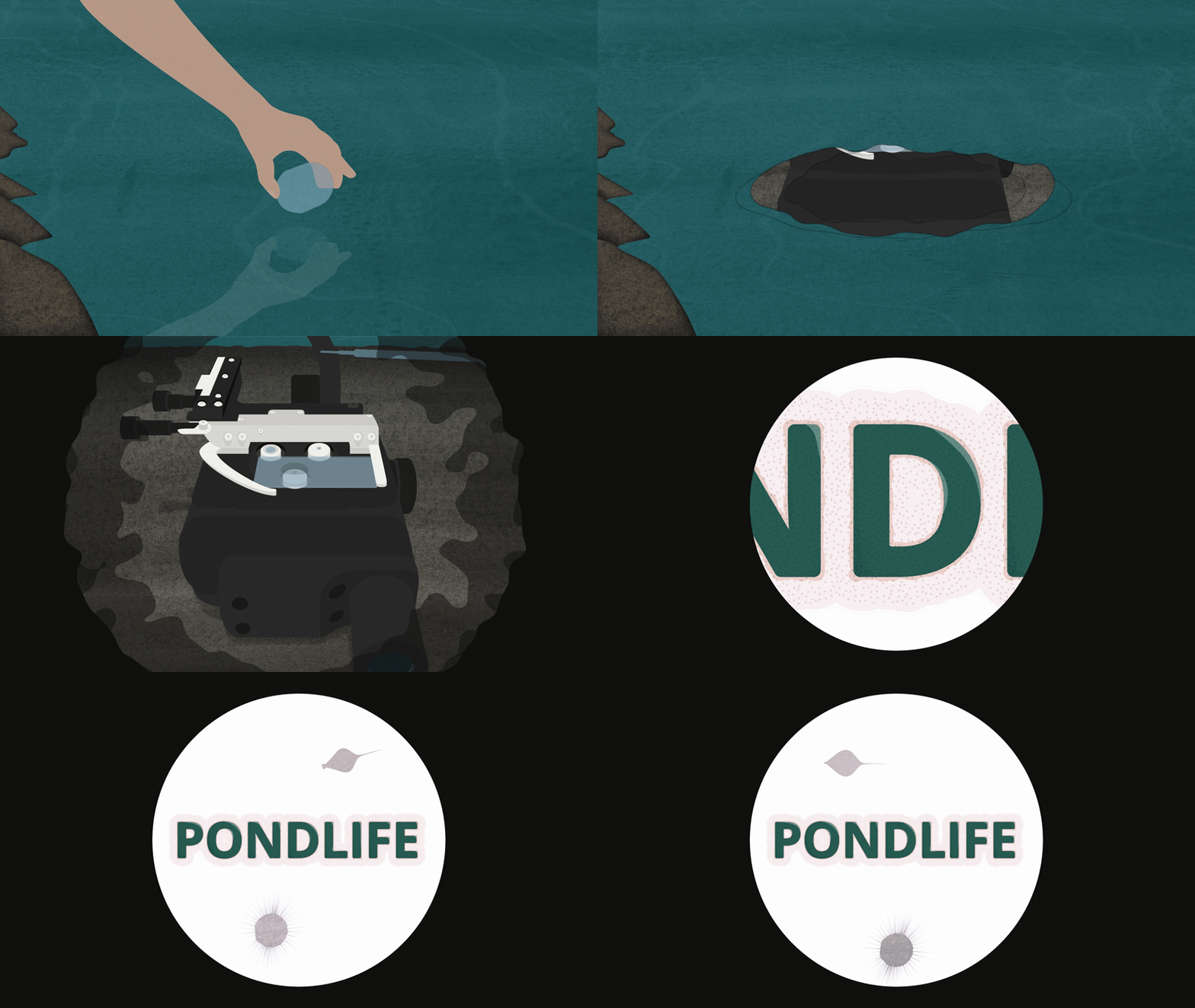
What or who are your most important artistic influences?
I’m equally drawn to precision and noise. On the one hand, I love the clean line art of technical drawings, manuals and other documentation, scientific and medical textbook diagrams, and architectural drawings. At the same time, I love experimental media of all kinds: works by people at the margins of their fields, outsider art, non-linear storytelling, purely textural and abstract pieces, horror B-movies, and high-concept works that don’t take themselves too seriously. Trying to integrate those extremes, in ways both dramatic and understated, motivates a lot of my creative work. For example, in a recent project for Pioneer Works Science Studios, I got to combine a 2D line-art animation style with more abstract textures I made using my video synthesizer.
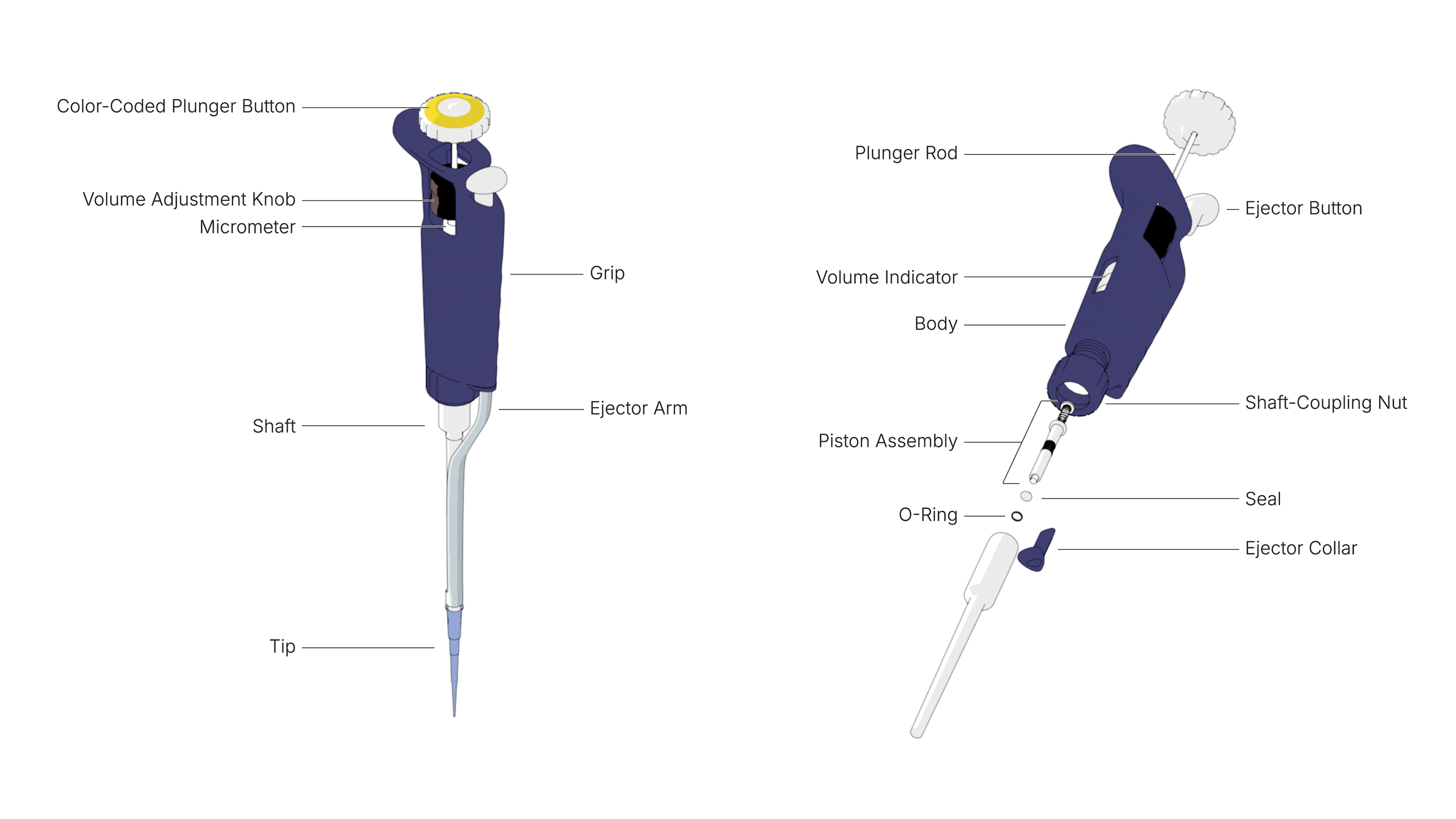
I struggle with favorites, but here are a few works I’ve enjoyed recently: The Wax Child by Olga Ravn, the architecture of the Kyoto International Conference Center, the fresh-mint ice cream from Towpath in London (it tastes like actual mint!), and Good Morning Extra! by Water With Water.
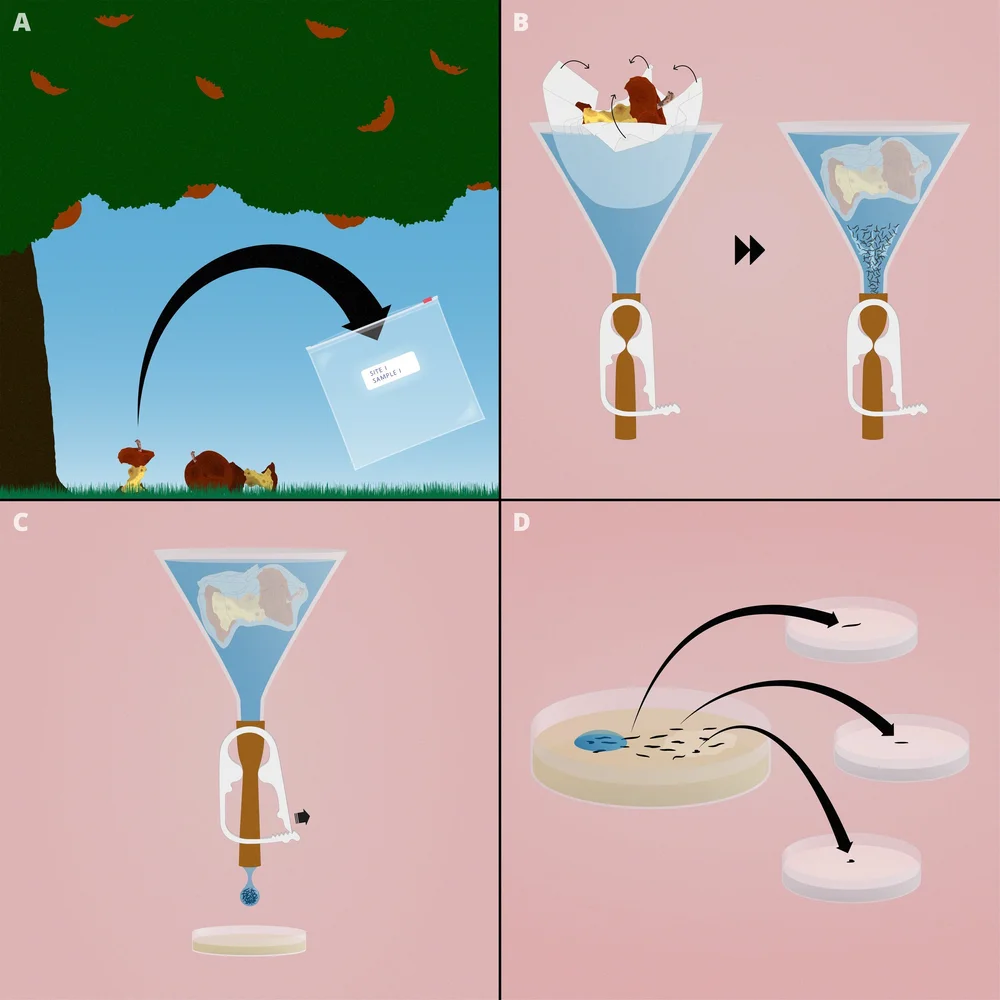
How do you make your art?
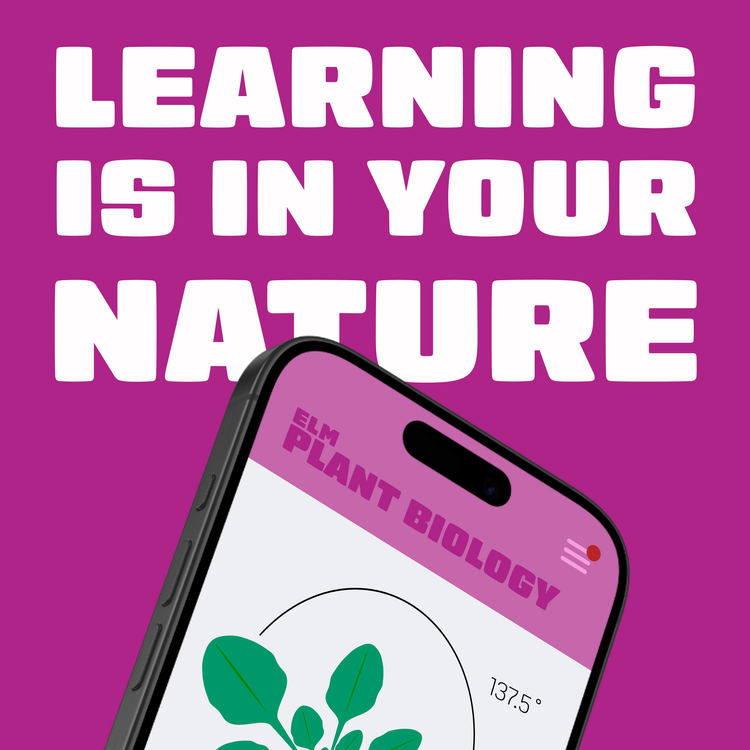
For my graphic design projects, I primarily work in Figma, Illustrator, and InDesign. I use After Effects for motion graphics, 2D animation, and compositing. I also use 3D software for a lot of my static and animated work, but render everything using toon shaders to give it all a technical line-art feel. Lately, I’ve been experimenting with interactive animations using Rive and developing interactive biology learning materials. I make my video art using analog modular video synthesizers.
Does your science influence your art at all, or vice versa, or are they separate worlds?
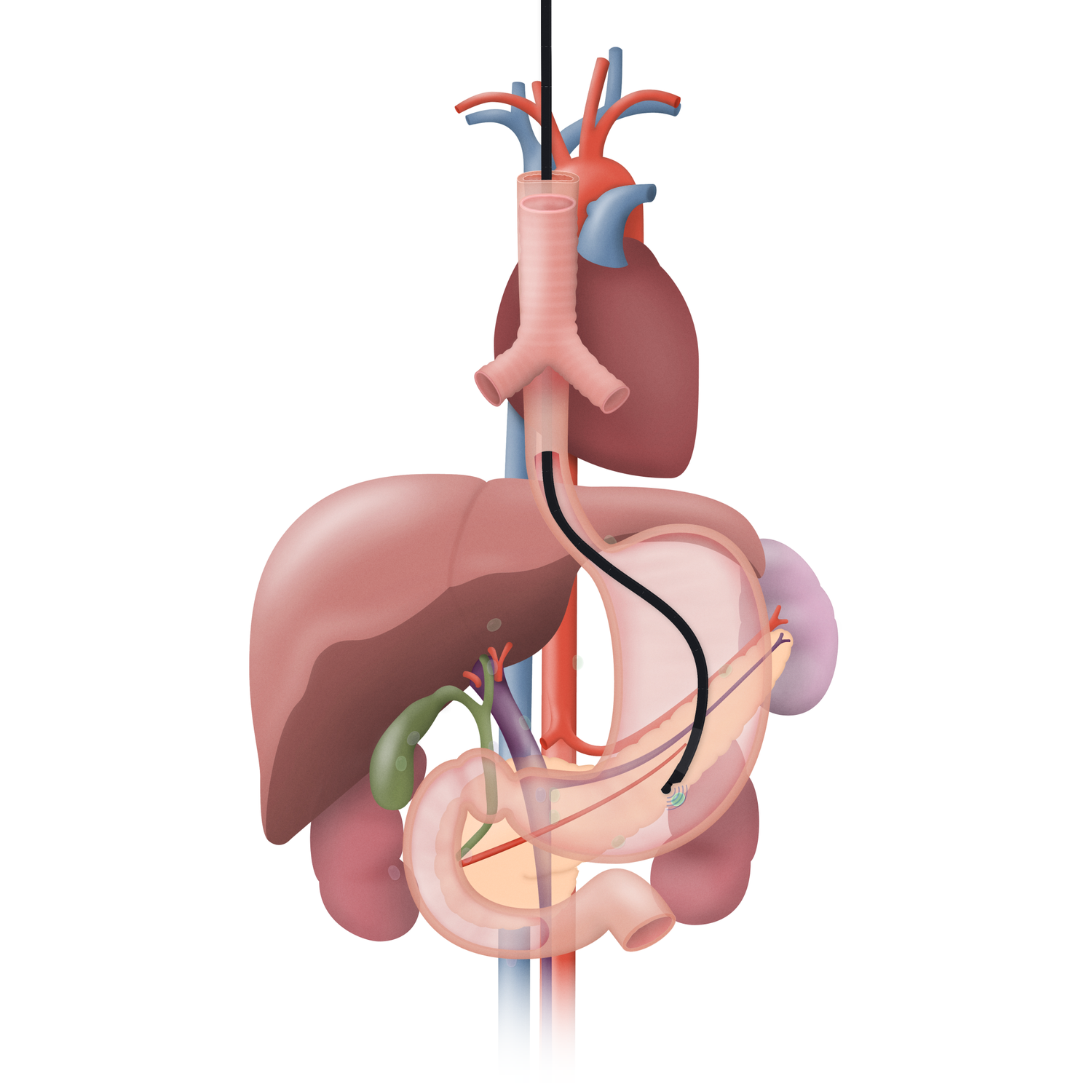
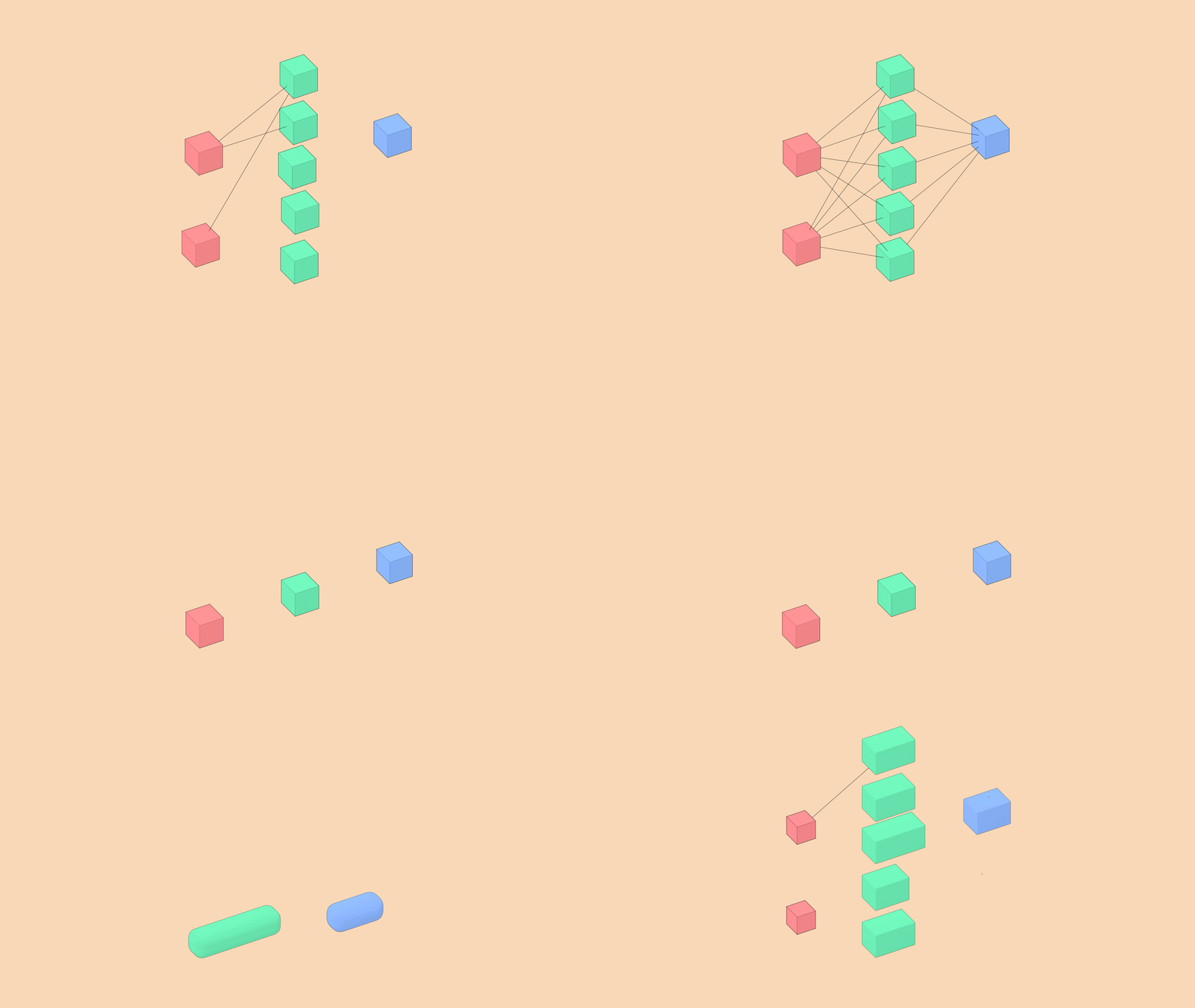
They definitely mutually reinforce one another. The meticulous, organized, and cross-disciplinary nature of science lends itself well to the pixel-perfect and collaborative demands of graphic design. And being able to think in terms of systems, parts, and processes helps with the procedural nature of making art using analog video or other node-based workflows.
What are you thinking of working on next?
On the personal side, I am working on an ongoing video art series called post-CAD that sits somewhere between postcards, graffiti, and thrift store re-paintings. Outside of my visual art practice, I play in the art rock duo Tar Of and the SWANA electronic duo Googoosh Dolls, and co-organize the annual technowruz series in NYC. We are about to mix a new Tar Of album so that’s next on my plate as well.
Professionally, I’m currently looking for opportunities where I can focus more fully on creative work informed by my science background, either in-house somewhere or within a studio or agency.
How/ where can people find more about you?
You can find me on Instagram @raminrahni and see more of my work at raminrahni.com
Get involved
Create an account or log in to post your story on the Node.
Sign up for emails
Subscribe to our mailing lists.