I appreciate my health and body, but I admit that there are times when I take all of the amazing biology inside my body for granted. My bones and muscles help me easily type this sentence, but the coordination that takes place to form the musculoskeletal system is far from simple. Today’s image is from a recent Development paper that finds the source of cells that form the tendon-bone attachment unit.
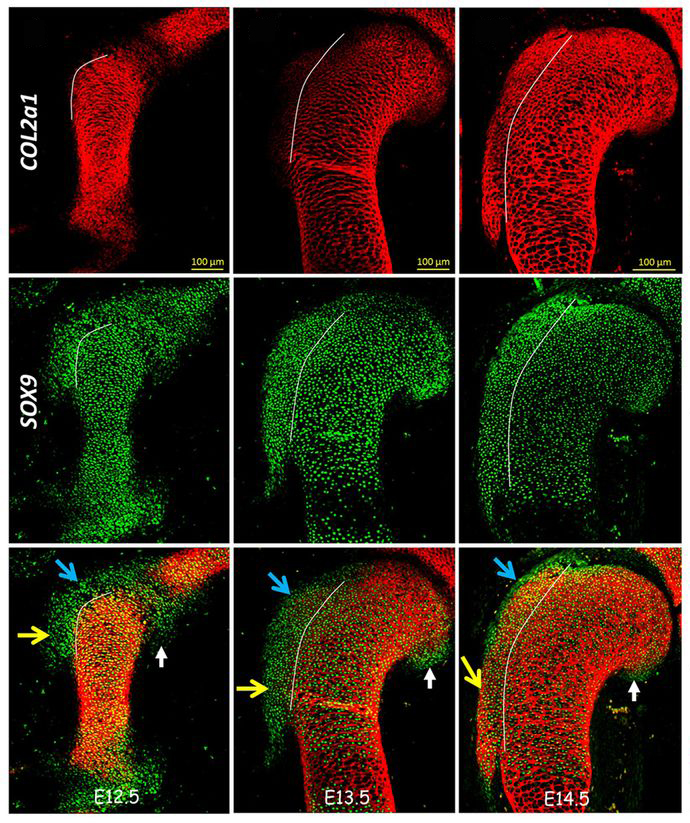
Tendons, muscles, and bones all work together to provide us with strength, stability, and mobility. Tendons connect muscles to the bone, and can withstand tension to provide additional stability. The tendon-bone attachment unit is a complex structure where the tip of the tendon is inserted into specific sites on the bone called eminences, and its formation during development is not completely understood. A recent paper identifies the source of progenitor cells that make up the bone eminence. Blitz and colleagues found that bone eminence progenitor cells are not descendants of cartilage-forming chondrocytes, which originate from mesenchymal stem cells in the lateral plate mesoderm. Instead, the tendon-bone attachment unit cells come from an external pool of progenitor cells that express both Sox9 and Scx. The eminences develop after early cartilage tissue has been formed, and are modularly added onto the bone. The specification of these progenitors depends on TGFβ signaling, and the differentiation of these progenitors into eminence cells depends on BMP4 signaling. In the images above, sections of the humerus bone (red shows cartilage, collagen II) in mice at different developmental stages show an external pool of Sox9-positive, Col2A1-negative cells (green, arrows) that differentiates into the tendon-bone attachment unit. These domains later differentiated and contained collagen II (right column).
For a more general description of this image, see my imaging blog within EuroStemCell, the European stem cell portal.
Personal Note: This will be my last post on The Node and EuroStemCell for a few months, as I await the August arrival of my second daughter. I’ll be keeping up with exciting stem cell discoveries when not totally sleep-deprived, and I look forward to posting more images soon! Thanks for reading!
Einat Blitz, Amnon Sharir, Haruhiko Akiyama, & Elazar Zelzer (2013). Tendon-bone attachment unit is formed modularly by a distinct pool of Scx- and Sox9-positive progenitors Development, 140 (14), 2680-2690 DOI: 10.1242/dev.093906
It’s been four full weeks since I arrived at the MBL Embryology course. Over that time, I came to appreciate the heritage left by previous generations of scientists at the MBL. This year marks the 120th anniversary of the Embryology course, which trained an unbroken line of eager scientists. One can easily see this spirit inherited in the passion and enthusiasm of our instructors, TAs and colleagues. While access to SEM, lightsheet and confocal microscopes and precise microinjection rigs available to us was thrilling, it was the people and their sincere attitude towards biology that overwhelmed me.
This course was a rare opportunity for me to observe embryonic development first-hand, as my research focuses on regeneration. At the MBL, I worked with chick and mouse embryos for the first time, and the beauty of their development captivated me. Watching the extraordinary feat of development executed on a routine and predictable basis inspired my curiosity. I was also impressed by the experimental and analytical techniques we learned over the course, such as electroporation, transgenic manipulations, 4D movies of development, and culture methods.
Zebrafish and Xenopus allowed us to take advantage of these methods in a comprehensive approach to understand gastrulation, or to focus on morphogenesis and organogenesis using cell-lineage tracing, transplantation, knockouts and morpholinos. This course environment encouraged attempting many new techniques and creative experiments. After discussing ideas and experimental designs with fellow students, I decided to perform cross-species transplantations between zebrafish and Xenopus. I inactivated the Spemann organizer in Xenopus by injecting a beta catenin morpholino and then attempted to rescue development by grafting the zebrafish organizer onto the frog host. One of the resulting embryos formed body axes correctly. Though it was eventually inviable, it first developed unmistakable somites and showed signs of movement. I could not think of getting my hands on an experiment like this elsewhere.
Along with all the experimental tools and techniques, we benefited from in-depth lectures and discussions with leading experts on their cutting-edge research. Each brought beautiful images, novel perspectives and compelling ideas. Their passion for developmental biology is infectious; they are all absolute inspirations to me. They always make me think: “How could I not have thought of that?” My world seems bigger now: full of more questions, more experimental approaches and more perspectives. I hope to continue my work following this course with this enthusiasm, determined to keep a broad understanding of developmental biology.
‘England is the only nation on earth that has managed to limit the power of kings by resisting them, and has finally established a wise system of government in which the ruler is all-powerful when it comes to doing good, and has his hands tied if he attempts to do evil.’ Voltaire, Lettres philosophiques (1734).
Recently, I read an editorial in a high profile journal from a high profile biochemist encouraging the scientific establishment to, amongst other things, ‘strike creative sparks among both individual investigators and self-assembled teams across the continuum, and incentivize support and participation from multiple stakeholders.’ This followed on from my recent introduction to all things Crick from Sir Paul Nurse, the Nobel Prize winner and inaugural director of the Francis Crick Institute for UK Bioscience Innovation and Incentivized Revenue Generation, or whatever it is called. For those who have been on Mars for the last couple of years, the Francis Crick Institute will replace the National Institute for Medical Research up at Mill Hill in north east London and is a collaboration between Imperial, UCL, KCL, CRUK, the Wellcome Trust and the MRC. It will be one of the largest and most prominent bioscience institutes in the world when it opens its doors near King’s Cross in 2015.
In his address, Sir Paul (who, lest it be forgotten, with his ‘President of the Royal Society’ hat on, has said some wonderful things about the need to keep basic science alive in the UK) talked of the need to identify ‘scientific athletes’. To this end the Crick will impose a career structure whereby PIs are hired for 6, possibly 12, years before being ‘supported’ to move on to a UK university appointment. For the cynical members of the audience (not just me), this meant that after, say, a very optimistic 4 years of a productive PhD plus 2 successive productive postdocs totalling 6 years, PIs are given 12 years at most before being ‘supported to move on’. A female colleague asked the excellent question of how this structure corresponds to lip service of supporting women in science, by implication those wanting a family. The honest answer came that scientists minded to would start a family once they have left the Crick ‘with support’! Just to re-emphasise the point: taking the very optimistic scenario above, this involves starting a family just when your contract expires, aged 43. Is it fair (or wise) to expect anyone interested in having a family, particularly a woman, to wait until 43? And in any case, do UK biology departments really face such an uncompetitive hiring market(!) that they need a steady supply of excellent but unemployed PIs aged at least 43 with no history of relying upon grant applications and no teaching experience?
But that’s not the main problem…
The language surrounding the Crick chimes perfectly with the recent trend away from emphasising basic research amongst research councils. To their credit, I have only ever heard MRC and BBSRC representatives publically state that they support the best science, irrespective of its field, likely outcome, or relation to strategic objectives. However, this meets with widespread scepticism in the scientific community in my experience, and quite correctly. If that were so, why do strategic objectives or impact statements exist at all? Such language also chimes perfectly with the move by the Wellcome Trust to decrease the breadth of its portfolio by concentrating funding in a smaller number of individuals (scientific athletes?) by getting rid of responsive mode project grants. At what point in history was science advanced by decreasing the breadth of people doing it? Indeed, to his credit Sir Paul Nurse in his Crick address did make the point that all things considered, small labs are more productive than large ones, not less – the target size for labs at the Crick will be 5.
Biology is forgetting itself. Fundamental insights cannot be dictated from above by working groups that develop strategy statements or policy documents. It is as simple as that. Physicists have asked governments to get together and put astonishingly vast amounts of money into building a very expensive tunnel containing a very large gun under the Alps, simply to further their goal of understanding the fundamental structure of nature. And they have succeeded. Why are we as biologists pandering to the need for ‘demonstrable impact in terms of revenue generation or societal benefit’ (I am not directly quoting BBSRC grant writing notes here, but I might as well be)? We all trot out the truism to one another that more eyes are better than fewer in science and that unexpected discoveries are often the most insightful. But that isn’t good enough. Yes Francis Crick (remember him?) and Jim Watson could not have written the impact statement for the structure of DNA. But the point is that they should never have had to*. We as biologists need to make this point to people in power, to the public, and above all to ourselves – lest basic biology be seriously compromised.
In the UK, we have a proud tradition of free enterprise and free exploration of the natural world, simply for its own sake. The oldest scientific society in the world (the one that now alas has only a part-time president) was founded here on these principles. Just under a century later, Voltaire escaped state interference in his ideas by coming here to express them. We ought to be extremely proud of this heritage. And we ought to defend it vigorously.
*they didn’t have to of course, but you know what I mean.
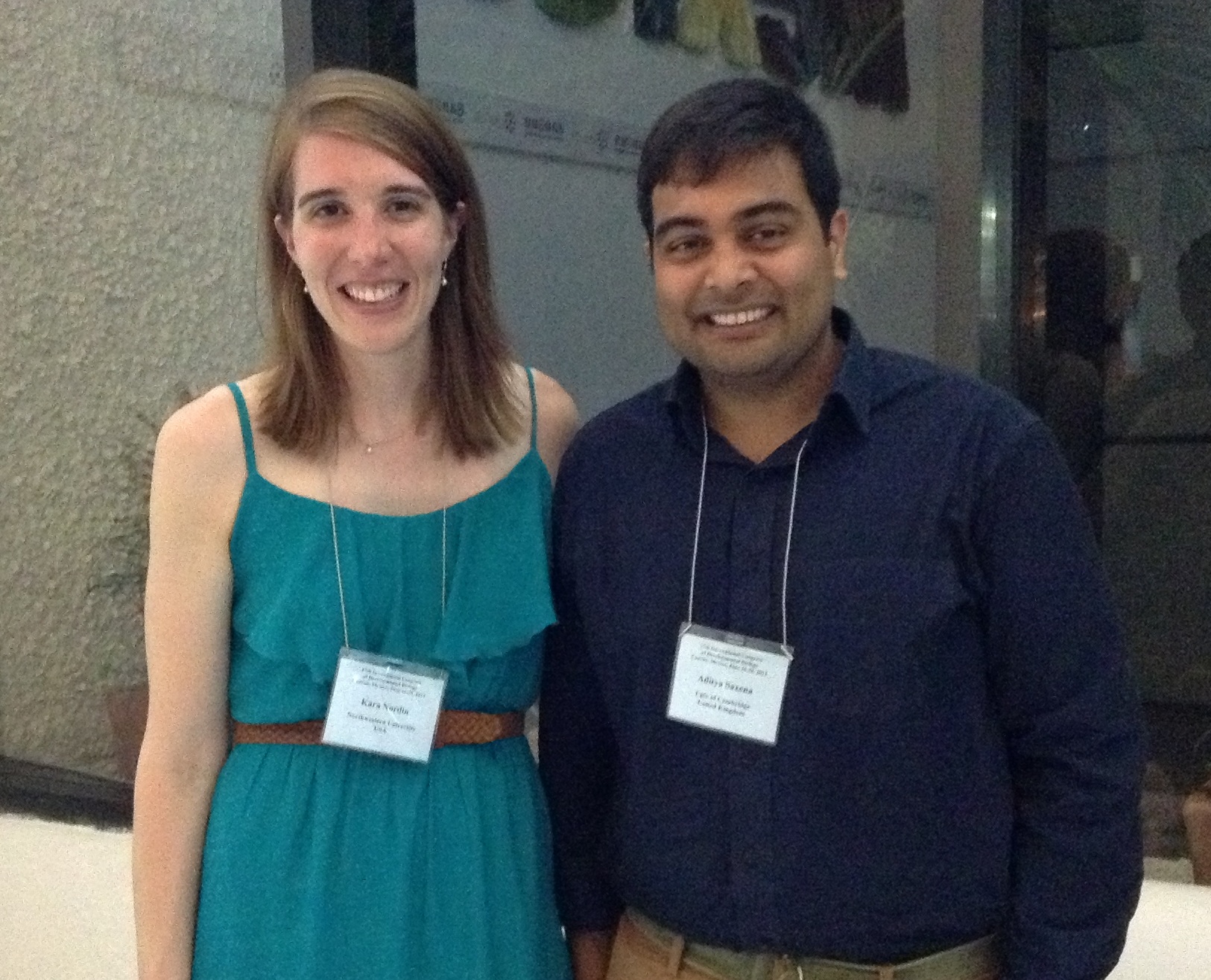
A few weeks ago we interviewed Aditya Saxena, who won the poster prize at the BSDB meeting. His prize was to travel to Mexico to attend the ISDB meeting. Continuing the interview chain, Aditya interviewed Kara Nordin, who won the SDB poster prize there. As a prize, Kara will be travelling to the UK in the Spring to attend the BSDB meeting and interview the next winner.
AS: Kara, congratulations. That is fantastic. Are you happy?
KN: I am very happy. I am very excited.
AS: Where do you work?
KN: I work in Carole LaBonne’s lab at Northwestern University, in Evanston Illinois, where we study neural crest development using Xenopus laevis as our model organism.
AS: Which year of your PhD are you in?
KN: I am finishing up my fifth year of graduate study.
AS: What was your poster about?
KN: I’m investigating a group of transcription factors called SoxE factors that are essential for neural crest development. Initially, they keep neural crest cells in a stem cell state, but later on direct formation of chondrocytes, melanocytes and glial cells. We are looking into how a related Sox protein, called Sox5, modulates SoxE function in a context specific manner and additionally has roles independent of SoxE function in setting up patterning in the early ectoderm.
AS: And what did you find?
KN: I have found that Sox5 inhibits the ability of SoxE factors to promote melanocyte development, whereas Sox5 promotes the ability of SoxE factors to promote chondrocyte development. Interestingly, the ability of Sox5 to bind DNA is important for inhibition of melanocyte specific genes, whereas the ability of Sox5 to dimerize is important for promotion of chondrocytic fates.
I also have determined that Sox5 has an even earlier role, independent of SoxE factors, during ectodermal patterning. We are looking into the mechanism behind how Sox5 affects the ectoderm, possibly through BMP signaling and how this may further regulate neural crest development.
AS: So you think there is cross-talk between Sox5 and BMP?
KN: That is one of the things we are looking into right now. We think it has a role in early ectodermal patterning, and we are trying to figure out how it causes the ectoderm to be properly patterned to be competent to form neural crest forming regions.
AS: And do you know the downstream targets that Sox5 actually controls?
KN: This is one of the things that we are currently working on. We would like to determine whether or not Sox5 directly regulates downstream targets of ectodermal patterning, for instance in epidermal and neural plate fated cells. We do know direct targets later on during neural crest cell differentiation stages, including Col2a1 and Dct, where Sox5 can regulate SoxE activation of these targets.
AS: So what are your plans for this project in the future?
KN: Right now, I am trying to nail down the mechanism behind how Sox5 is functioning to pattern the ectoderm. Because we are seeing such dramatic affects on ectodermal derivatives including the epidermis, neural plate, and the neural plate border forming regions we suspect it is playing a major role in an upstream signaling pathway.
AS: It sounds really complicated, the cross talks and the transcription factors that control it. Did you hit a point when you couldn’t go any further?
KN: It is surprising sometimes to see what different directions your project will take you. When we first looked at the in situ expression profile and found that it was expressed earlier in places outside of neural crest forming regions, that intrigued us. So we looked upstream of neural crest development, looking at how Sox5 may be also involved in setting up ectodermal patterning. We think it may be that Sox5 is involved in setting up the ectoderm to allow it to become competent to form neural crest tissue.
AS: How long do you have left of your PhD?
KN: I think a couple of years. I am submitting my first manuscript on Sox5 as a regulator of ectodermal patterning, as well as also trying to put together a second manuscript on Sox5’s roles to modulate SoxE function. I am also starting to think about where I would like to do my postdoctoral work.
AS: Do you think you will stay with neural crest cells?
KN: I really love studying neural crest development, but I also want to broaden my horizons, so I am also looking at other things. But the neural crest is really a great population of cells to study. It has given me the opportunity to try different techniques, and in particular a lot of biochemical experiments. It is a really a great system to develop a good foundation in experimental biology.
AS: Is this your first prize at a SDB meeting? Have you won prizes before?
KN: It is my first prize at SDB! Last year I attended the Xenopus meeting in France and I won a poster prize there as well.
AS: And are you looking forward to going to the BSDB meeting? Have you been to England before?
KN: I have never been to England before, so I am very excited. It will be a lot of fun.
AS: And maybe you will have more data to show then…
KN: Hopefully yes. By then I hope to have nailed down the mechanism and understand molecularly what is really happening.
Two Cancer Research-UK funded research associate positions, one based at UCL (Tada Lab) and the other at the University of Bristol (Martin Lab), are available from 1-September-2013, to study the earliest interactions of host with pre-neoplastic cells in Zebrafish larva. In particular we are interested in figuring out how epithelia can extrude pre-neoplastic cells and how the host innate immune system interacts in positive and negative ways with these cells (see Feng et al PLoS Biol, 2010;Current Biology, 2012 and Kajita et al. J Cell Sci, 2010). The post-holders will be involved in live imaging and genetic studies of these episodes at early stages of cancer initiation with a view to uncovering mechanisms which might guide development of cancer preventatives/therapeutics. Applicants should hold, or be about to obtain, a PhD in Developmental Biology/Cell Biology/Genetics, preferably with previous Zebrafish experience and with an aptitude for live cell imaging.
The positions are for 3 years for the first instance with a potential two-years extension.
An EMBO workshop organized by Alex Schier and James Briscoe, assembled a cast of young and seasoned biologists in Oxford to discuss progress and controversies on Morphogen Gradients, a central topic in Developmental Biology. I could only stay for half of the meeting but the message was clear: there is a new era in Developmental Biology. We could call it Systems Developmental Biology or, if you do not like the association with this vague word Systems, call it Quantitative Developmental Biology. IN any event, a change in the way problems are addressed was clear: measurement, quantification, modelling and more important, analytical approaches and a critical eye on the problem were central to each and every talk. You may want to say that this is a credit to the organizers, which it is, but it is also the fact that this is the new way of an interesting field and the way forward. Developmental Biology is coming of age. This is not the place to go through the customary list of speakers and talks that made up the meeting; you can get a glimpse of this in the website (http://events.embo.org/13-morphogen/). In any case, it was the general tone and drift that caught my eye.
The notion of ‘Morphogen’ was introduced by Alan M Turing in 1952 to consider the potential of diffusible chemicals (Morphogens) to generate spatial and temporal patterns through chemical reactions. In the 70s Lewis Wolpert and his disciples brought together Gradients and Morphogens in a much more biological context, that of the generation of specific patterns, and in doing so ushered an important new era in Developmental Biology. Central to the wolpertian view was the notion of Positional Information: that there were molecules which would diffuse from a source, generate gradients and elicit specific responses in a concentration dependent manner; cell would respond to a given concentration according to its position. The gradients became “gradients of Morphogens’ and were said to be Universal. The response was more flexible and was a cell type specific. The blend of Positional Information and Morphogen gradients placed itself at the center of pattern formation and allowed a conceptualization of developmental biology in terms of signals, responses, fields, scaling that is still with us. But there was a problem, the theoretical framework lacked data.
Jeremy Gunawardena has written recently on the role of theory in Biology (1, 2) and while he chose transition states in enzyme kinetics and the gene as his examples –their notions helped Biology well before they were identified experimentally- I would add “Morphogens’ as a third theoretical entity that helped the growth, in this case of developmental biology. By the late 70s the concept of Morphogen gradients was THE conceptual reference to deal with problems in pattern formation but………. there were no Morphogens. Those with long memories will remember the rise and fall of cAMP and DIF in Dictyostelium and of Retinoic acid in the specification of digits in the vertebrate limb, and how we had to adjust our lectures through the 80s as experiments and new findings wiped the slate clean on the role of these molecules. But finally, two molecules broke in and established themselves as bona fide Morphogens: Activin in Xenopus and Bicoid in Drosophila. To do this Activin, used a very traditional blend of Biochemistry and embryology, whereas Bicoid came through the route of Genetics. It was the Genetics that would become the tool of choice in Developmental Biology and that was going to reel in other candidates; the reason for this was and is that some of these substances are in concentrations which elude the detection thresholds of the biochemical techniques but the loss of function approached of Genetics do not have this limitation.
The 90s was a good time for Morphogen gradients as genes were identified encoding molecules that, with some leniency, would fulfil the wolpertian view; in particular the criteria of inducing patterns in a concentration dependent manner. A sense of triumph was in the air. Intriguingly, and this has been a sin of the genetic approaches to developmental biology, in the euphoria we forgot some of the basis of Morphogen gradients. What is the shape of the gradients and what consequences this would have for their interpretation? If they were based on diffusion, how reproducible are they? What is the role that time, the dynamics of gradient formation and read out, played in the development of pattern? How robust is the response? The theory of Morphogen gradients created a quantitative framework that needed to be explored. Moreover, Wolpert had been explicit in addressing the problem of pattern scaling, which needed to be related to the mechanism of Morphogen activity. These issues which, for the most part have been swept under the carpet, were at the center of the EMBO meeting.
In the early 00s, three laboratories, all of them working with Drosophila, rose to the challenge of dealing with the real questions of Morphogen gradients. They did so by blending physical approaches with an extension of the potential of genetics beyond the identification of genes challenge. John Reinitz and Eric Wieschaus in the US tackled the early pattern formation of Drosophila embryos and Marcos Gonzalez Gaitan, addressed the issue of the presumed gradients of Dpp in the wing imaginal discs and its consequences. This work was at first seen as esoteric, but in the course of time has established standards, reformulating questions and generating new perspectives on old problems; in the process, it has revealed some surprises. Many other people have followed and the meeting in Oxford was a lively exponent that these arguments are now at the heart of the discussions.
If the gradients required detailed interrogation and analysis, the response of the cells is in need of no lesser scrutinity. Wolpertian gradients posed linear gradients and linear interpretations but biological systems are different. Linear approximations might work in some instances but the response, particularly when signal transduction is in the middle, is more complicated. Here the work of James Briscoe (one of the organizers) on the translation of the continuous gradient of Sonic Hedgehog into discrete states in the vertebrate neural tube, paves the way for progress. Gradients need to be decoded and time, as well as the traditional spatial variable, plays an important role. On the side of the interpretation, more classical molecular biology techniques are important and the development of genomics is central to understanding this important part of the action of Morphogen gradients and the programme of the second day, which I had to miss, had much bearing on this. Networks and models linking patterns and genes are the elements of this analysis. Most importantly, as has been emphasized by Arthur Lander, there has to be a feedback between the input and the output and we are far from undertanding it. Early days, but moving forward.
Whereto Genetics in this new era? I have expressed my thoughts elsewhere (http://bit.ly/10fZkmK) but the meeting made one thing clear: Genetics has been useful to break the system into component parts and to identify those parts, but it is not the tool of choice to put the system back together; it cannot be. Genetics still works well to identify components but in the new era, it is a perturbation tool to challenge the system out of its comfort zone (the one chosen by Evolution) to test some of the predictions of the models. This much was also clear, though perhaps not explicit, at the meeting.
With a few exceptions, every talk I sat through in Oxford was quantitative, analytical and critical of itself and of the field. While there were glimpses of solutions to particular problems, there was a general feeling that there is a way to go in some of the important questions and this critical look at the problems is, it seems to me, a good thing. What we have in front of us, whether Morphogen gradients or decision making during development, are formidable tasks which cannot be ‘solved’ by joining gene names with arrows or drawing linear gradients that outline French flags (even Lewis Wolpert admits this). Over the last few years interactions with the Physical Sciences are changing Biology. The result goes beyond Biophysics, while this looks at Biology for problems that look like Physics, the new interactions looks at physics for inspiration and methods to address biological problems which, often, physics has never encountered. The benefits of this new approach were in display at the workshop in Oxford and make us look forward to a future that will not only give us more a satisfactory understanding of the system at the mechanical level, but also will begin a more mature and quantitative biology. After all, if there is a frustration in Biology (and this was an undercurrent of the meeting and where it differs from Physics) is that Natural Selection has ensured that there is fine tuning at all levels of description, from the levels and timing of the expression of a gene, to the scaling and dimensionality of tissues and organs. Such a system will require much that is new in terms of concepts and techniques. What a formidable challenges but also, what fun!
References
1. Gunawardena J. (2012) Some lessons about models from Michaelis Menten. Mol. Biol. Cell 23, 517-519.
2. Gunawardena J. (2013) Biology is more theoretical than physics. Mol. Biol.Cell 24, 1827-1829.
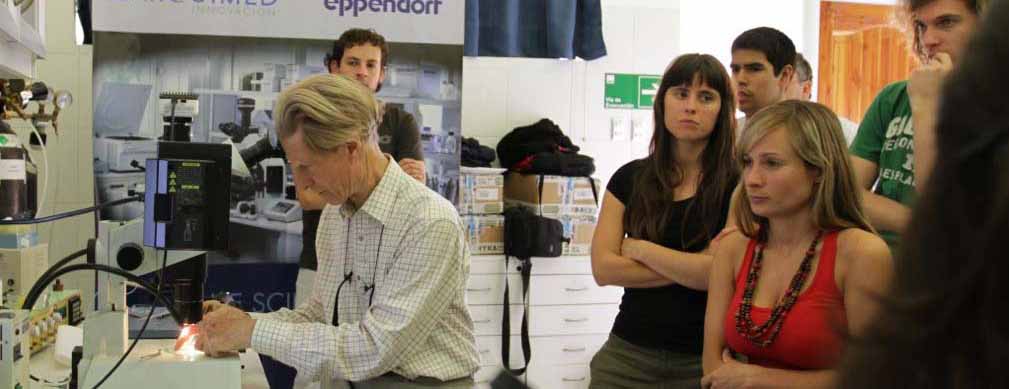
Olivier Pourquie, Nipan Patel, Claudio Stern, John Wallingford, Mary Mullins, Alejandro Sanchez-Alvarado, Andrea Streit, among other will teach, hands-on, the paradigms, problems and technologies of modern Developmental Biology. The course will start with a plenary lecture by Scott Gilbert about the history and concepts in Developmental Biology.
The course will take place between 5th and 17th January 2014 in Quintay-Chile. Full fellowships will be available for Latin American students.
New Fellowships for non-Latin American students are offered by the Society of Developmental Biology (SDB) and University College London (UCL). The fellowships will cover the full course fees and travel expenses. For more information about the fellowships go to:
Next week will see the 8th european zebrafish meeting happening in Barcelona, Spain. The Node will be there, and (if there is internet available) we will be tweeting from the conference using the hashtag #ezfish2013. So follow us on Twitter to find out what is happening! In addition, we have a group of Node zebrafish bloggers who will be reporting from the conference, so expect their meeting reports here on the Node.
If you are attending the conference, do look out for Cat. The Node will not have a stall, but Cat will be around, and is really looking forward to meet many zebrafish developmental biologists! You can see what Cat looks like in her introductory post. Looking forward to meet you there!
One of my favourite radio programs on the BBC is calledDesert Island Discs. In this programme, a politician, activist, actor, writer or scientist is asked: if you had to live in a desert island, what would be the 8 records/songs that you would take with you? Although it is interesting to know what kind of music renowned people like, the music is really just an excuse. The reasons to choose each song are normally engrained in the interviewee’s life and achievements, and as such the music is just the starting point to a very personal and interesting interview. Desert Island Discs has been broadcast since 1942, and a vast proportion of the archive is available online to browse and enjoy. While perusing, I found that not only many known scientists have been interviewed, but a selection of those are well known developmental biologists. Here are some of the highlights:
– Martin Evans, Nobel Prize winner for his pioneering work on isolating and analysing embryonic stem cells
– John Sulston, Nobel Prize winner for his work on lineage analysis and programmed cell death in C. elegans
– Lewis Wolpert, known for his work on positional information in developmental biology, and for proposing the ‘french flag’ model of morphogen gradients.
If you want to know a little about the lives and experiences of these developmental biologists, then why not listen to the interviews? Many other scientists have been interviewed over the years (as well as many other interesting personalities) and you can access and search the full archive here.
Here are the highlights from the latest issue of Development.
Extrinsic cue for dendrite polarisation
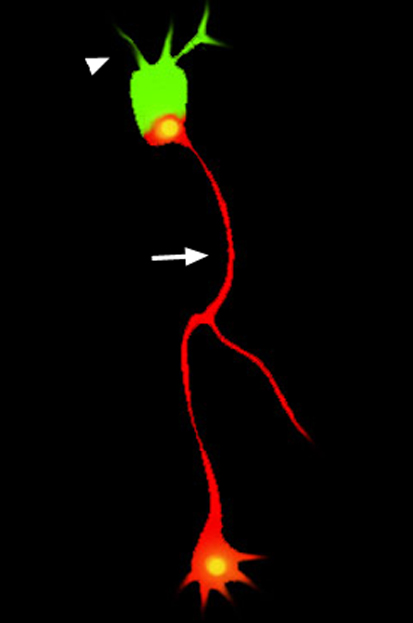
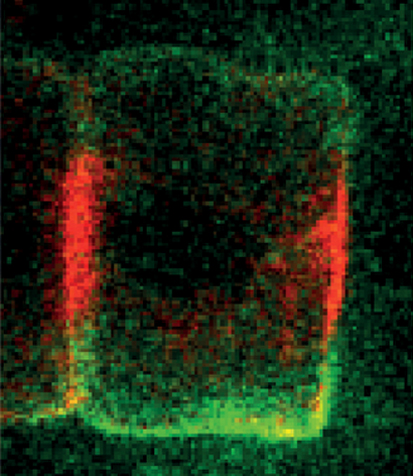
Most neurons have a single axon on one side of their cell body and multiple dendrites on the opposite side. The establishment of this polarisation, which is essential for neuronal function, probably involves both intrinsic and extrinsic factors. Although several intrinsic factors have been identified, the identity of the in vivo extrinsic signals remains unclear. To remedy this situation, Sarah McFarlane and co-workers (p. 2933) have been studying dendrite polarisation in Xenopus retinal ganglion cells (RGCs). They report that neuropilin-1 and plexinA1, which form a holoreceptor for members of the axon guidance family of class III secreted semaphorins (Sema3s), are necessary to bias dendrite extension to the apical side of RGCs in vivo.They report that sema3a and sema3f are expressed on the basal and apical sides of the Xenopus RGC, respectively. Moreover, ectopically expressed Sema3s and inhibition of receptor signalling disrupt dendrite polarisation. The researchers suggest that neuropilin-1 and plexinA1 are co-receptors for an extrinsic cue, probably a Sema3, that directs RGC dendrite polarisation independent of axon polarisation.
Bi-polarity in tubulogenesis
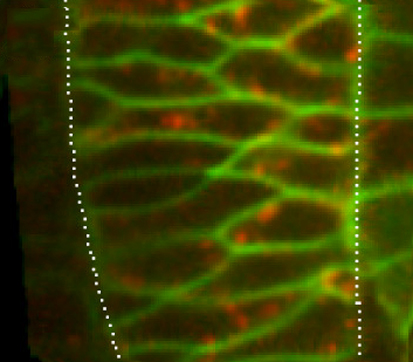
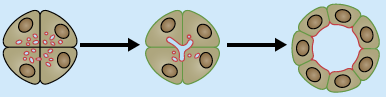
Apico-basal polarisation is a crucial step in the formation of biological tubes. In model systems in which tubulogenesis occurs in cell clusters, the inner surface of each cell in the cluster differentiates into an apical domain where lumen secretion occurs, thus ensuring the formation of an unobstructed lumen. But in many developmental contexts, tubes form from simple cords of cells, which presents a unique challenge for the formation of a continuous lumen. On p. 2985, Di Jiang and colleagues investigate how this challenge is overcome during tubulogenesis in the Ciona intestinalis notochord, which is made up of a single file of geometrically identical cells. The researchers show that, during early tubulogenesis, a patch that contains the highly conserved Par complex and a set of tight junctions becomes established at both ends of the notochord cells. The formation of these two apical domains, they report, is controlled by Par3. Together, these results suggest a new mechanism for tubulogenesis from a simple cell cord that requires the formation of bi-apical cells.
Plants and animals converge to imprint
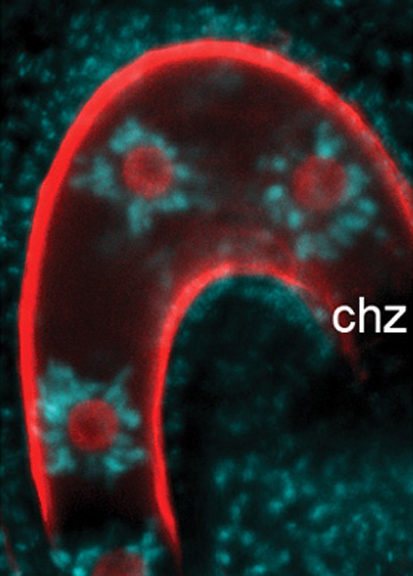
In mammals and plants, parental genomic imprinting, which results from mitotically stable epigenetic modifications, restricts the expression of specific loci to one parental allele. During gametogenesis in mammals, imprinting involves sex-dependent de novo DNA methylation and non-coding RNAs but does a comparable mechanism operate in plants? Here (p. 2953), Thiet Minh Vu, Frédéric Berger and colleagues report that de novo RNA-directed DNA methylation (RdDM), which depends on small interfering RNAs, regulates imprinting at several loci in Arabidopsis endosperm. By dissecting the expression of various members of the RdDM pathway, the researchers show that RdDM is required in somatic tissues to silence both parental alleles, whereas repression of RdDM in female gametes contributes to the activation of the maternal allele. Hence, both de novo DNA methylation and non-coding RNAs play a role in the regulation of imprinted loci in plants and mammals, which suggests that convergent evolutionary processes contribute to imprinting in these distinct groups of eukaryotes.
Rubbing out epigenetic marks in PGCs
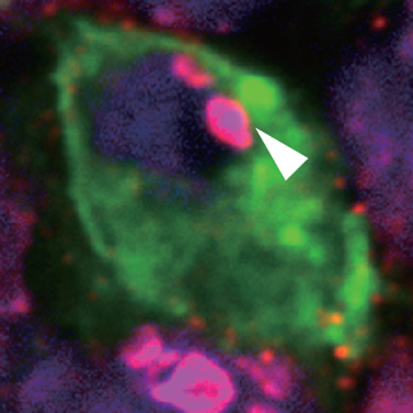
During the migration of primordial germ cells (PGCs) to the genital ridge and during gonadal development, the stepwise erasure of DNA methylation and histone dimethylation marks ensures PGC totipotency and prevents the accumulation of epimutations. On p. 2892, Yoshiyuki Seki and co-workers explore the mechanisms underlying genome-wide epigenetic reprogramming in mouse PGCs by investigating the dynamics of epigenetic modifications in transposable elements. CpG methylation is markedly decreased in short interspersed nuclear elements (SINEs) in migrating PGCs, they report, but not in long interspersed nuclear elements (LINEs). By contrast, CpGs are rapidly demethylated in both SINEs and LINEs in gonadal PGCs. Four major factors that maintain DNA and histone methylation during DNA replication (and whose inhibition is associated with replication-dependent passive demethylation) are repressed at distinct stages of PGC development, they report, and DNA demethylation of transposable elements is disturbed in PGCs in which proliferation is impaired. These and other results suggest that PGCs use both active enzyme-catalysed DNA demethylation and passive demethylation for genome-wide epigenetic reprogramming.
Wnt signalling in early embryos
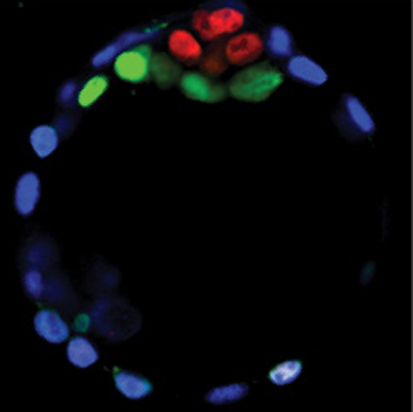
The Wnt signalling pathway is clearly required for gastrulation in mammalian embryos, but little is known about its extra-embryonic and preimplantation functions. Here (p. 2961), Janet Rossant and co-workers investigate the requirements for Wnt signalling in early mouse development using a mouse line that carries a floxed allele for the porcupine homolog (Porcn) gene. Porcn is required for the acylation and secretion of all 19 mammalian Wnt ligands, so Porcn function represents a bottleneck for Wnt signalling. Using zygotic, oocyte-specific and visceral endoderm-specific deletions of Porcn, the researchers show that Porcn-dependent Wnt signalling is not required for preimplantation development or for implantation itself, and they confirm that gastrulation is the first Porcn/Wnt-dependent event in embryonic tissues. They also identify chorio-allantoic fusion as the first major Porcn/Wnt-dependent event in extra-embryonic tissues. Together, these findings show that, although Porcn-dependent Wnt signalling is important for embryonic and placental function, it does not have an essential role in preimplantation development or in blastocyst lineage specification.
Gpr125 helps set gastrulation in motion
During vertebrate gastrulation, polarised cell behaviours orchestrated by Wnt/planar cell polarity (PCP) signalling drive the convergence and extension (C&E) movements that elongate the embryo. Xin Li, Florence Marlow, Lilianna Solnica-Krezel and colleagues now identify Gpr125, an adhesion G protein-coupled receptor, as a novel modulator of Wnt/PCP signalling during gastrulation in zebrafish embryos (p. 3028). The researchers show that overexpression of Gpr125 impairs C&E movements in zebrafish embryos and that reduced Gpr125 function exacerbates the C&E defects and the facial branchiomotor neuron migration defects seen in embryos with reduced Wnt/PCP signalling. Gpr125 directly interacts with Dishevelled (Dvl), they report, and recruits Dvl to the cell membrane, a prerequisite for Wnt/PCP activation. Finally, they show that Gpr125 and Dvl mutually redistribute into discrete membrane subdomains and recruit a subset of PCP components into membrane subdomains. Thus, the researchers suggest, Gpr125 might act as a component of PCP membrane complexes and as a modulator of Wnt/PCP signalling in vertebrates.
Plus…
Tubulogenesis
In this poster, Luisa Iruela-Arispe and Greg Beitel summarise our current understanding of the various processes by which tubes form during development, and the cellular and molecular mechanisms underlying tubulogenesis.
See the Development at a Glance article on p. 2851
Oct transcription factors in development and stem cells: insights and mechanisms
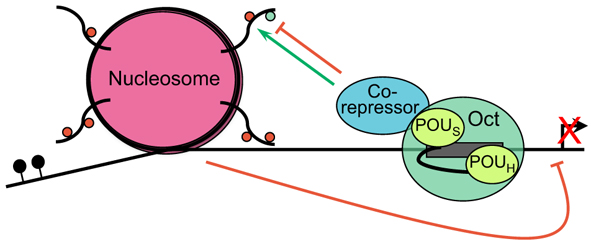
Oct proteins play varied and essential roles during development. Here, Dean Tantin outlines our current understanding of Oct proteins and the regulatory mechanisms that govern their role.


 I appreciate my health and body, but I admit that there are times when I take all of the amazing biology inside my body for granted. My bones and muscles help me easily type this sentence, but the coordination that takes place to form the musculoskeletal system is far from simple. Today’s image is from a recent Development paper that finds the source of cells that form the tendon-bone attachment unit.
 Einat Blitz, Amnon Sharir, Haruhiko Akiyama, & Elazar Zelzer (2013). Tendon-bone attachment unit is formed modularly by a distinct pool of Scx- and Sox9-positive progenitors Development, 140 (14), 2680-2690 DOI: 10.1242/dev.093906