Mae West was no biologist when she told us all that “Too much of a good thing can be wonderful.” I shudder to think how little development would take place if any one cell type was produced in large amounts. Thankfully, stem cells and those involved in tissue regeneration understand the importance of moderation. Today’s image is from a recent Development paper showing how Fox1/4 proteins restrict certain cell fates in lung epithelium, both during development and tissue regeneration.
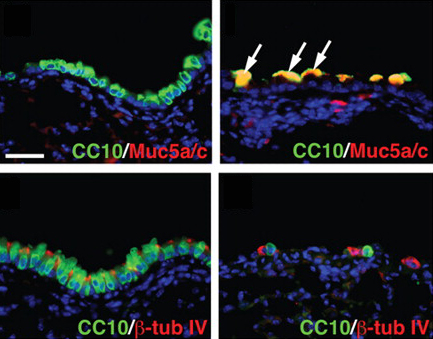
The epithelial layer in our lungs is made of several cell types, including secretory Clara cells, ciliated epithelial cells, neuroendocrine cells, and large goblet cells. During irritation or injury, such as pollution or cigarette smoke, goblet cells increase the production of mucus. Only a few goblet cells are typically found in healthy lungs, but asthma or COPD (chronic obstructive pulmonary disease) patients have an increased number of goblet cells. A recent Development paper describes the role of the transcription factors Fox1 and Fox4 in regulating the cell fate decisions that produce goblet cells during development and tissue regeneration. Specifically, Li and colleagues found that Fox1/4 restricted the goblet cell lineage program by repressing disulfide isomerase anterior gradient 2, Agr2. In addition, Li and colleagues found that Fox1/4 deletion caused a catastrophic loss of tissue regeneration, by driving differentiation of all secretory cells into the goblet cell lineage program. The images above show lung tissue after chemical injury by naphthalene, which causes a rapid loss of Clara secretory epithelial cells from the airways. Control tissue (left column) regenerated by day 20. Without Fox1/4 (right column), tissue regeneration was defective, as seen as the presence of too many goblet cells (top row, arrows) and the lack of ciliated epithelial cells (β tubulin IV in red, bottom row).
For a more general description of this image, see my imaging blog within EuroStemCell, the European stem cell portal.
Li S, Wang Y, Zhang Y, Lu MM, Demayo FJ, Dekker JD, Tucker PW, & Morrisey EE (2012). Foxp1/4 control epithelial cell fate during lung development and regeneration through regulation of anterior gradient 2. Development (Cambridge, England), 139 (14), 2500-9 PMID: 22675208
Here are the research highlights from the current issue from Development:
Cxcr4a sets proliferative response to Hh
The Hedgehog (Hh) pathway controls both patterning and proliferation during development, but how do embryonic cells distinguish between these activities? On p. 2711, Pia Aanstad and colleagues provide data that indicates that proliferative responses to Hh signalling are context dependent. The researchers show that activation of Hh signalling promotes endodermal cell proliferation in zebrafish gastrula stage embryos but inhibits proliferation in neighbouring non-endodermal cells. Expression of the chemokine receptor Cxcr4a in gastrula stage endoderm determines the proliferative response to Hh signalling, they report, but does not affect the expression of Hh target genes involved in patterning. Finally, they show that Cxcr4a inhibits the activity of cAMP-dependent protein kinase A (a negative regulator of Hh signalling), and propose that Cxcr4a enhances Hh-dependent proliferation by promoting the activity of Gli. Together, these results indicate that Cxcr4a is required for Hh-dependent cell proliferation but not for Hh-dependent patterning. Thus, parallel activation of Cxcr4a might enable Hh signalling to control both patterning and proliferation during development.
Hh maintains testis somatic stem cells
Stem cells are specified and maintained by specific microenvironments called niches. In the Drosophila testis, somatic cyst stem cells (CySCs) give rise to cyst cells, which ensheath the differentiating germline stem cells (GSCs). Both stem cell pools are arranged around a group of somatic cells – the hub – that produce niche signals for both lineages. Now, Christian Bökel and co-workers report that CySC but not GSC maintenance requires Hedgehog (Hh) signalling in addition to Jak/Stat pathway activation (see p. 2663). The researchers report that CySCs unable to transduce the Hh signal are lost through differentiation, whereas Hh pathway overactivation in CySCs increases their proliferation. The additional cells generated by excessive Hh signalling remain confined to the testis tip and retain the ability to differentiate. Because Hh signalling also controls somatic cell populations in the fly ovary and the mammalian testis, these new observations reveal a greater organisational similarity between the somatic components of gonads across the sexes and phyla than previously appreciated.
ncRNAs keep genes silent
Noncoding RNAs (ncRNAs) help to establish transcriptional gene silencing during development by interacting with DNA and chromatin-modifying enzymes. But do they also help to maintain gene silencing? Here (p. 2792), Chandrasekhar Kanduri and colleagues explore the involvement of the Kcnq1ot1 ncRNA in the maintenance of gene silencing at the Kcnq1 imprinted domain in the mouse embryo. The Kcnq1 domain contains ubiquitously imprinted genes (UIGs), which show imprinted silencing in placental and embryonic tissues; placental-specific imprinted genes (PIGs), which are silenced on the paternal chromosome in the placenta only; and several non-imprinted genes (NIGs). By conditionally deleting the Kcnq1ot1 ncRNA at different stages of mouse development, the researchers show that this ncRNA is required to maintain UIG silencing throughout development, whereas silencing of some PIGs is maintained independently of Kcnq1ot1 ncRNA. Intriguingly, the researchers identify enhancer-specific histone modifications associated with actively transcribed NIGs. These, they propose, may limit the spread of ncRNA-mediated silencing. Together, these results suggest how ncRNAs might maintain transcriptional silencing in a spatiotemporal manner.
In vivo activities of miRNAs revealed
Hundreds of microRNAs (miRNAs) – short RNAs that mediate networks of post-transcriptional gene regulation – have been recorded in animals. Because cell-based assays and bioinformatics provide evidence for large numbers of functional targets for individual miRNAs, it is not obvious that manipulation of miRNAs will lead to interpretable phenotypes at the organismal level. However, on p. 2821, Eric Lai and co-workers describe a genome-wide transgenic resource for the conditional expression of Drosophila miRNAs and, surprisingly, report that the majority of the miRNA transgenes in their collection induce relatively specific mutant phenotypes when expressed in the developing wing. Many of these phenotypes resemble those produced by alterations in signalling and patterning genes and, notably, their specificities were not predictable from computational studies, thereby highlighting the usefulness of in vivo phenotypic assays of miRNA activity. Finally, the unexpectedly broad capacity of different miRNAs to generate specific dominant phenotypes in flies suggests that gain-of-function of diverse mammalian miRNAs may also generate an array of specific disease conditions.
A rib-tickling Hox10 motif
During the development of the vertebrate axial skeleton, Hox genes belonging to paralog group 10 play a role in blocking rib formation in the lumbar region of the vertebral column. Here (p. 2703), Moisés Mallo and colleagues investigate the molecular basis of the rib-repressing function of Hox10 proteins. The researchers identify two conserved motifs (M1 and M2) that flank the homeodomain of Hox10 proteins and show that M1, which is located next to the homeodomain’s N-terminal end, is required for Hox10 rib-repressing activity in mice. M1 contains two potential phosphorylation sites, they report, mutation of which to alanines results in a total loss of the rib-repressing properties of Hox10 proteins. Other experiments suggest that the activity of M1 requires interactions with more N-terminal parts of Hox10 and that M1 might also regulate Hox10 activity by altering the protein’s DNA-binding affinity through changes in the phosphorylation state of two conserved tyrosines in the homeodomain. Together, these results provide new insights into the regulation of rib development by Hox10 proteins.
Modelling EGFR patterning of fly epithelium
Epidermal growth factor receptor (EGFR) signalling regulates numerous processes throughout Drosophila development. For example, during oogenesis, an EGFR activation gradient induced by Gurken (a TGFα-like ligand secreted from the oocyte) patterns the follicular epithelium. On p. 2814, Stanislav Shvartsman and colleagues present a revised mathematical model for this important process, which initiates the formation of two dorsal eggshell appendages. Each of these appendages is derived from a primordium that comprises a patch of cells expressing the transcription factor gene broad (br) and an adjacent strip of cells expressing rhomboid (rho), which encodes a protease in the EGFR pathway. Previous models of eggshell patterning have not fully accounted for the coordinated expression of br and rho. The new model, however, proposes that the sequential action of feed-forward loops and Notch-mediated juxtacrine signals activated by the EGFR signalling gradient establishes rho expression, successfully describes the wild-type br and rho expression patterns, and accounts for changes in these patterns in response to genetic perturbations.
Plus…
Toward a blueprint for regeneration
Tissue regeneration has been studied for hundreds of years, yet remains one of the less understood topics in developmental biology. The recent Keystone Symposium on Mechanisms of Whole Organ Regeneration, reviewed by Gregory Nachtrab and Kenneth Poss, brought together biologists, clinicians and bioengineers representing an impressive breadth of model systems and perspectives. See the Meeting Review on p. 2639
Evolutionary crossroads in developmental biology: annelids
Annelids (the segmented worms) have a long history in studies of animal developmental biology, particularly with regards to their cleavage patterns during early development and their neurobiology. As reviewed by David Ferrier, Annelida are playing an important role in deducing the developmental biology of the last common ancestor of the protostomes and deuterostomes.
Evolutionary crossroads in developmental biology: the spider Parasteatoda tepidariorum
Spiders belong to the chelicerates, which is an arthropod group that branches basally from myriapods, crustaceans and insects. Hilbrant, Damen and McGregor describe how the growing number of experimental tools and resources available to study Parasteatoda development have provided novel insights into the evolution of developmental regulation and have furthered our understanding of metazoan body plan evolution.
The most striking realization I have had over the course of last four weeks spent at MBL, Woods Hole is how limitless is the scientific spirit . Pioneers of classical embryological manipulation techniques appreciating the importance of mathematical modeling, groups going to non-model organisms in search of an answer, groups identifying novel questions by merely observing or rather comparing differences between two organisms in one aspect of development, all are examples of the same. Working with a wide range of organisms we have been able to appreciate the diversity of body plan, and its molecular, cellular and behavioral attributes. It’s like learning is fun so, trying to create a five-limbed tetrapod and two-headed frog was fun but also every failed attempt made us realize the importance of temporal and spatial context in development. Not every experiment performed has to be hypothesis driven and so we see fish organiser grafted into frog and mouse organiser into chick, imagination and curiosity are the only drive here. We enjoy the freedom to explore and experiment. Faculties and TAs are available around the clock, eager to help better define the question and design experiments. This encourages to think and ask questions without bothering about practical limitations. A glimpse of the wonderful scientific outcome of this can be seen in the “Fish-bowl” previously known as “Sweat-box”, the one hour post-talk discussion session with the speaker. The speaker is bombarded with questions by students, not all of whom are working in the same field. Many of the questions, including the naive ones, provide novel directions or lead towards yet unexplored possibilities. It’s the most fulfilling one-hour of the day for me and I hope all my course-mates and faculties share the feeling.
Though I am part of a vertebrate developmental biology group, organiser grafts, tissue transplants, gastrulation, chimeras etc. have mostly been text book concepts for me. Learning these classical techniques and concepts from the experts in the field was overwhelming. As they went down memory lane, we learned the evolution of the field. Sitting through the talks we were introduced to the discovery aspects of many molecular and cellular phenomena that so far we have been reading as facts. How the field started from inquisitive observation and systematic documentation followed by attempts to interpret the same. Hypotheses were generated and tools to validate the hypothesis were created. Need based emergence and evolution of the fields of molecular biology, imaging, biomechanics, bioinformatics and so on took place. You are introduced to different model organisms, their advantages as well as limitations. Also to the most recent techniques available for different kind of expression and functional analysis for different organisms, along with feedback on the performance . You get to hear about the questions that led to adoption of non-model organisms in labs and that make groups run more than one lab spread across globe on seasonal basis. In the lab session, you find faculties and TAs happy to help you try any and every experiment you can think of, always ready with tips from their experience and demonstrations. This deroots almost any hesitation one has in working with new model organisms or trying different techniques. It’s all about daring to try something new and different combined with patience and perseverance. In the last two weeks I have had the privilege of working with five different vertebrate species with experiments ranging from classical grafting, skeletal preps., bead implantation to assess the morphogenetic potential of proteins and drugs, to laser ablation, mouse embryo culture, mouse in utero electroporation and TALEN injection in transgenic fish lines. Imagine !!!
You set up a time-lapse last night to capture cellular movements along with lineage tracing by injecting dye in a two-cell zebrafish embryo. Today morning you found that due to improper sealing , and subsequent evaporation of embedding media, you could not capture anything. You are very upset and sitting quiet and calm at the dining table. “What happened?”, comes from your friends. And then comes a long list of strange disasters, time-lapse of an unfertilized egg, time-lapse of a dead embryo, embryo crawling out of the field just few minutes into time-lapse and so on. You just can’t help laughing all your worries away and happily start the next attempt for the same experiment. The group has participants from places spread all over the world. Strangely, you don’t feel the diversity unless, one of your group members suddenly in the middle of the night in the confocal room, tired after a long day, starts speaking Pourtuguese. It’s only after looking at your expression-less face with wide open eyes that she recalls you being an Indian . You enjoy a refreshing laugh together and move on with your experiment trying to find the best possible orientation of the mouse embryo for the time lapse. That small element lying there somewhere deep within us which wants us to read “the mind of nature” is what connects us all beyond our differences.
Last week, I attended the “Growing a Human Part” talk at the Royal Institution, with talks by John Gurdon and Helen Blau. You can read the announcement on the Node, and find the summary below in my collected tweets.
The audience at the talks was quite diverse. There was a class of high school students, and many regular attendees of RI public events. Both speakers did a great job of explaining the basics of stem cell research and the state of the field of regenerative medicine.
At the end of the evening, John Gurdon had an ethical, philosophical question for the audience. Paraphrased, the question was as follows:
Suppose a six-month-old baby dies in an accident. Skin cells of the baby are saved and frozen. Assume that the parents can’t have any more children of their own, and that there are no technological barriers to human cloning. Would you be in support of the parents using the skin cells of their dead child to generate a “twin”?
You can read below (in the Storify) how the audience answered, but what do you think?
Reflecting on all the great talks over the course of four days, this meeting has been one of the most enjoyable I’ve been to – I’m sure it was due to equal parts setting and participants. Having a small number of high caliber participants was amenable to lively follow-up discussions either over food, drink, or a friendly game of croquet – again kudos to the organizers and the Company of Biologists. After yet another fantastic lunch we all abruptly disband to the four corners of the world, but, as someone once said, no party can last forever. Back to the lab, fresh with either new or more refined questions to test.
I leave you with some summary points that were articulated on the last day by Sir John Gurdon. Food for thought if you will.
What is the significance of epigenetic memory? To establish and stabilize the somatic cell identity?
However eventually all things will exchange because the marks that maintain this epigenetic memory are either dynamic or can be perturbed.
Hence, what determines the exchange or transition of epigenetic marks? And, what is the basis of resistance.
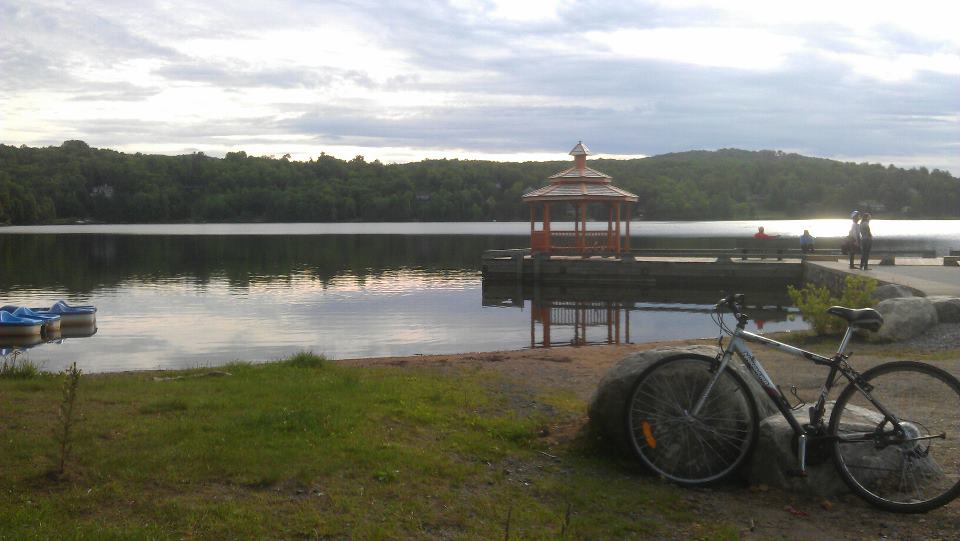
This year’s limb conference was held on the 3-7 June at the scenic Mont-Tremblant, Quebec in Canada hosted at Le Grand Lodge hotel. During the winter, it is one of North America’s most popular skiing destination, but during the summer periods, it becomes a stunning location with views across the mountains of trees and magnificent lakes (see photo).
The conference began with a welcome dinner followed by the evening keynote lecture chaired by one of the organisers, Jacques Drouin. Cliff Tabin unfortunately could not attend to give the keynote lecture, however Denis Duboule “stepped in” and gave a wonderful and exquisite talk on his group’s current work on chromatin remodelling and regulation of the Hox genes.
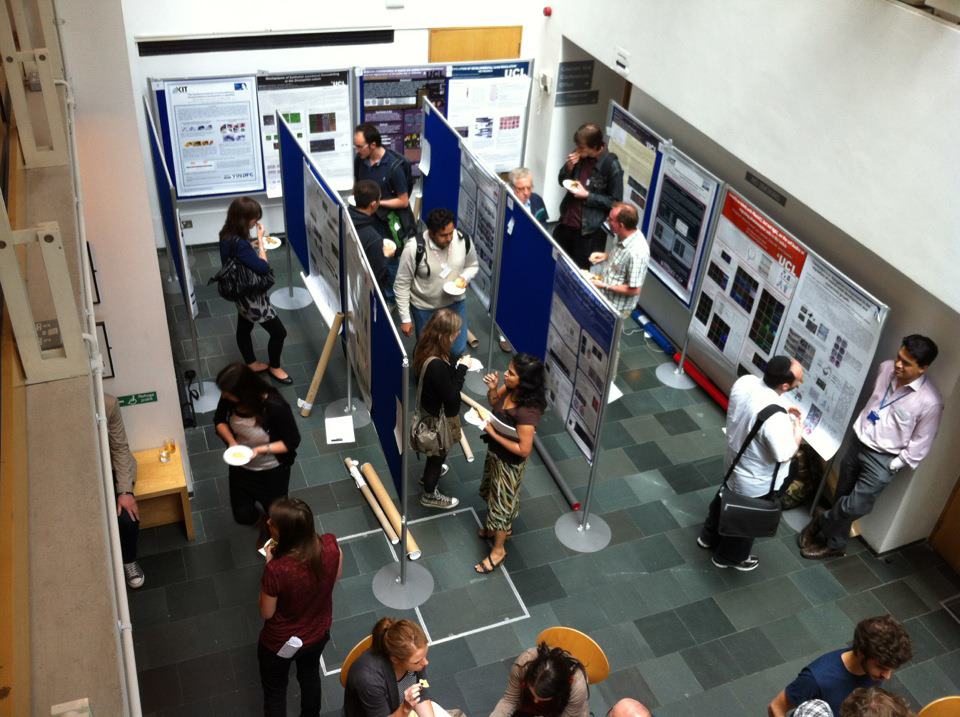
After a tasty continental breakfast with freshly made pancakes and waffles, the first session of the next day was on ‘Growth and patterning’ chaired by Laura Lettice. The standout talks from this session were by Rolf Zeller (looking at bovine limb development), Gregg Duester (role of retinoic acid in patterning), Sevan Hopyan (cell rearrangements in limb development) and Brian Harfe (role of SHH in early limb buds) with plenty of interesting questions following each talk. The second session on ‘Limb initiation and identity’ was chaired by Chi-Chung Hui, with great talks by Qiyan Mao (cell motility in the zebrafish limb bud) and Yasuhiko Kawakami (role of islet1 in mice hind limb development). The session was followed by the first poster session with attention-grabbing posters by Kelsy Lewis (3D atlas mapping musculoskeletal morphogenesis in mouse limb) and Mandy Mason (roles of 5’ Hoxd genes and Meis2 in bat wing) that drew in large audiences. The evening concluded with a 4-course meal with the main dish being salmon and peach sauce – who would have thought they go together. The free open bar was also handy, which meant unlimited beers and wine for everyone to enjoy.
The third day began with a session on ‘Patterning’ chaired by Benoit Robert with many distinguished speakers such as Marian Ros (5’ Hox genes regulating digits via Turing-type mechanism), James Sharpe (using computational model of digit patterning via Wolpertian positioning information with a Turing-type mechanism) – it is of a nice coincidence that we also celebrate 100 years of Alan Turing’s birth this year as well – and Elazar Zelzar (modulation of chondro-progenitor cells). After lunch, the session concluded with a roundtable discussion on ‘Thalidomide: 50 years later’ by Robert Seegmiller, Trent Stephens and Neil Vargesson. Also present at this discussion was Mercédes Benegbi, a Thalidomide survivor and from the Thalidomide Victims Association of Canada, who gave a very emotional talk on the background of the disaster that started 50 years ago. Very fittingly, she received the longest and loudest applause at the end and reminded everyone (should they have forgotten) why scientists do the research they do and prevent such events occurring again in the future. The next session was on ‘Genetics, human malformations and regeneration’ chaired by Sevan Hopyan with standout talks by Etienne Vincent (roles of BMPs and Msx1 on axolotl regeneration) and Alison Elliott (presenting two patients with longitudinal limb deficiency). The second poster session then followed with stimulating posters by Jessica Rosin (regulatory elements controlling expression of Shox genes) and Matthew Towers (temporal requirement of Shh in chick wing development) – the session was again accompanied with free alcohol.
The fourth day started with a session on ‘Epigenetics, the genome and development’ chaired by Marie Kmita with exciting talks by H. Scott Stadler (role of HOTCHON in chondrogenesis and patterning), John Cobb (characterisation of limb enhancer downstream of Shox2) and Miguel Torres (HoxA cluster epigenetic regulation underlies cell-autonomous generation of proximodistal patterning). Due to a free-slot in the timetable, it was suggested and agreed there would be a discussion by Miguel Torres and Gregg Duester on the role of retinoic acid in proximodistal patterning chaired by Jacques Drouin. Both speakers gave a short presentation outlining their cases on whether retinoic acid is required for proximodistal patterning which drew plenty of discussion from the audience. This was a ‘hot’ debate with many questions remaining to be answered; however it was fantastic to witness two leading scientists putting forward their data and their arguments. For me, personally, this was the talk that I will remember for a long time and was very privileged to have been of attendance. The last session was chaired by Gen Yamada on ‘Comparative approaches and evolution’ with talks by Marie-Andrée Akimenko (actinodins, a fish-specific gene family lost during fin-to-limb transition) and Nicola Illing (5’ Hoxd genes and Meis2 in the bat wing). After more than three days of fantastic talks, posters, food, debates and discussions, the evening ended with cocktails (or sparkling wine), announcement of prizes for talks and posters, the farewell dinner and a gathering around a bomb-fire on the beach. The next day, we all had to checkout of the hotel and depart to Montréal-Trudeau airport and return to our homes. Many thanks go to the organisers and sponsors for a wonderful conference and I hope to attend the next limb meeting in two years’ time, I believe, in Florida. My personal thanks go towards the travel awards I received to allow me to attend the meeting. This report will also be submitted to the BSCB newsletter.
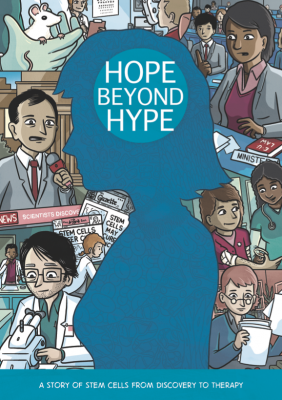
Stem cells are often in the media and are promoted as wonder cells that can solve the problems of most diseases. The stories told throughout this film give the story of stem cells behind the hype and describes the real state of stem cell research and therapies today as well as what we are aiming for in the future! My first thought after watching Stem Cell Revolutions was: wow, is education supposed to be this entertaining? Although I have been working in the stem cell field for a few years now, I learnt a lot from watching this film so a big personal thank you to the makers of the film- Amy Hardie and Clare Blackburn for producing a documentary that provides such amazing and enthralling insights into the stem cell research field.
Stem Cell Revolutions takes us on a journey that begins with how stem cells were discovered around 50 years ago following the study of patients in Hiroshima who were suffering from radiation damage. Following research examining the “factory where blood cells are made” , the bone marrow, Canadian scientists Till and McCulloch discovered blood stem cells: the first discovery of stem cells!! The story moves on to the discovery of other adult stem cell populations and the development of therapies for example Howard Green’s work on skin grafts and then onto restoring vision in India using stem cells. This then brings us to possibly the most controversial stem cell category, embryonic stem cells, whose discovery is discussed by Sir Martin Evans, who won the Nobel Prize for medicine in 2007 for his discoveries involving embryonic stem cells.
We then change gears and move on to the fascinating story of how Professor Shinya Yamanaka’s work in which adult cells e.g. skin cells can be turned into an embryonic stem cell-like state, which as Connie Eaves says “turned our understanding of human development on its head” . The field of iPSC research is a relatively new stem cell field and I think what is great in this section is that we learn that this work had its basis in the cloning work completed in frogs by Sir John Gurdon and the creation of Dolly the Sheep by Sir Ian Wilmut. The ending of the film is led by the interesting question ‘Where Could It Lead?’. I for one am excited by finding out where stem cell research leads us in the next decade. Furthermore, the challenges that the stem cell field faces in terms of restrictions by legislation, ethical issues and current limitations of stem cell technology are all dealt with in a manner that gives the truth behind sensationalism reported in the media.
The stem cell story is told via interviews with many of the key players who work at the cutting edge of stem cell research field from Connie Eaves to Sir Martin Evans and Austin Smith to Shinya Yamanaka, many of whom I have been lucky enough to learn from directly, and whose expertise and inside knowledge provide great strength to this film. Additionally, the documentary really shows of the global nature of stem cell research and how communications across the globe are leading to progression. However, I believe the real genius in this documentary was the inclusion of acclaimed author Margaret Atwood, who provides a perspective from a non-scientist. I particularly enjoyed the challenging interactions between Margaret Atwood and Professor Austin Smith– director of the Cambridge Stem Cell Institute. Another great highlight is the animations and illustrations along the journey- stem cell biology really comes to life via these means. I have to admit I am not sure of the significance of the dancing man, or why we need to see Austin cycling to/from the institute, though the latter really did make me smile.
Stem Cell Revolutions gives us the current status of stem cell research in a captivating yet easy to digest manner and leads us into what is possible in the future! It is a must see for anyone who wants to learn about stem cell biology. It is amazing to think that many discoveries that lie in wait may be uncovered by a very simple question as posed by Margaret Atwood to describe the origins of both art and science:-“What if?”.
June marked the start of summer in the Northern Hemisphere, as well as the Node’s second birthday. We celebrated this occasion with… a plethora of conferences, courses, workshops, and job postings! It was our busiest month ever, in terms of site visits as well as in number of posts, so let’s see what everyone has been up to.
Courses
The annual Embryology Course started again this month in Woods Hole, and the first update from this year’s students comes from Andrew Mathewson.
“Time has become an abstract concept for my fellow students and me; it seems like we just got here and yet have known one another for months. We engage in science almost every hour of every day. There is no work – only play. I was imaging immunostained plankton on a new Nikon A1 confocal microscope at 3am Saturday morning. I would have gone all night except I did not want to miss Nipam Patel’s famous butterfly lecture at 9am the same morning. Again, this isn’t work. I want to be doing this – and so does everyone else here.”
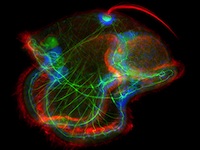
Meanwhile, a record number of people voted for a Development cover from some of the images taken by last year’s students. This beautiful image of a ribbon worm pilidium larvae (left) won this round.
Conferences and workshops
The International Society for Stem Cell Research holds its annual meeting. This year, the meeting was held in Yokohama, and even the Emperor and Empress of Japan were there! For a full recap, see the posts by James and Dongjin, and the collected tweets from the meeting.
Later that month, the Company of Biologists held a workshop on epigenetics in the south of England. The Company of Biologists workshops are invitation-only for speakers, but every workshop reserves a few slots for PhD students, postdocs and new PI’s, who can apply to attend. David, Roopsha and Emmanuelle were three of lucky attendees at this workshop, and they wrote about their experience on the Node. If you would like to attend a future workshop, please have a look at the upcoming workshops and find out how to apply.
At the start of June, the fourth annual Young Embryologist Meeting took place in London, and Sorrel reported on the day.
Research
Paul wrote about a new method to improve the quality of images taken with halogen light microscopes, and the effect this might have on developing nations:
“The pages of the Node itself are testament to the power of fluorescent imaging to inspire and delight. Wakayama’s team are hoping that inexpensive modification of existing halogen microscopes in schools and teaching labs will help bring science to life for the next generation of budding researchers.”
Also on the Node:
-Lots of new jobs on the jobs page
Earlier this month, I attended the annual meeting of the International Society for Stem Cell Research, which was held in Yokohama this year. I won’t go into much detail about the meeting itself, because James and Dongjin wrote some great posts about it for the Node. If you haven’t yet read them, take a look:
The ISSCR always encourages tweeting at their conference, and I tried to livetweet some of the talks, where possible. Although there was wifi in all the hallways and lobbies of the conference centre, and in the rooms of at least one of the hotels, there was (almost) no wifi in the seminar rooms or the exhibit hall, which is where everything happened! That may have been one of the reasons that very few people took part in the Twitter conversation. Because we were in Japan, all of the non-Japanese attendees relied on wifi for their tweeting. I did keep track of everyone’s tweets, and collected many of them in a Storify, which you can find below.
One of the things I found on Twitter was a poll started by Paul Knoepfler. He could not attend ISSCR, but set up a poll to ask participants what they thought of the conference. From the percentage distribution of the answers it seems that only about twenty people have responded, but they overwhelmingly voted that the conference was “so so”. Unfortunately none of the respondents left a response, so it’s not clear what they didn’t like, or whether they had attended the conference before. It’s a big meeting, and takes some getting used to if you’ve only been to smaller events. I personally had the impression that there were more clinical and applied posters than in previous years, but the topics covered in the talks were very broad and included a lot of fundamental research.
Another online aspect of the ISSCR Meeting was the new ISSCR Connect, allowing ISSCR attendees to catch up after the conference and see some of the talks in the concurrent sessions that they missed. They’re offered by a staggered schedule. At the moment, people who attended the conference can log in and view the talks from the first group of concurrent sessions. (No link, because it’s only available to meeting attendees.) ISSCR Connect also has a networking section, and three groups – including the Node – used ISSCR Connect to announce a small get-together.
The Node’s meetup was during the Thursday afternoon coffee break, in the Exhibition Hall. The Hall was open to everyone for coffee and posters, and people interested in meeting other developmental biologists could drop by our little corner. Some people stayed for most of the break, while others came by briefly just to say hello or to grab some freebies. To the left is a picture of our little corner before people arrived. (Once they did, I didn’t have time to take photos!)
It was interesting to note that, even though the conference was in Japan, and there were many Japanese people there, I barely met any of them. A few came by the Node coffee break, but only to take some information from the table. It’s unfortunate, because I would have liked to meet more Japanese researchers!
On this same trip, before the conference started, I had a chance to interview Development‘s newest editor, Haruhiko Koseki. He observed that, in general, Japanese students and postdocs are not as likely to join in with social activities or be as assertive as scientists from other countries, and he believes that that might actually affect their success as scientists! The full interview will appear in Development and on the Node later this year, so keep an eye out for that.
Finally, below is the Storify from the conference. (My favourite part is the exchange about invisible mice between “Yogioner” and “R.J.” on Thursday afternoon.)
In October, the MBL in Woods Hole will host the 5th high level short course on developmental gene regulatory networks. Course directors are Eric Davidson and David McClay, with Isabelle Peter as Assistant Director.
From the course directors:
“This high level short course on developmental gene regulatory networks will be offered to graduate students, postdocs, and PI’s who wish to adapt or advance network approaches to their own research. The previous 4 editions of the course elicited extremely positive reviews from participants, and the 2012 Faculty includes some of the best scientists in this field in the world. For a description of the Course, the detailed Course Syllabus, and application materials, see http://hermes.mbl.edu/education/courses/special_topics/gern.html”


 Mae West was no biologist when she told us all that “Too much of a good thing can be wonderful.” I shudder to think how little development would take place if any one cell type was produced in large amounts. Thankfully, stem cells and those involved in tissue regeneration understand the importance of moderation. Today’s image is from a recent Development paper showing how Fox1/4 proteins restrict certain cell fates in lung epithelium, both during development and tissue regeneration.
 Li S, Wang Y, Zhang Y, Lu MM, Demayo FJ, Dekker JD, Tucker PW, & Morrisey EE (2012). Foxp1/4 control epithelial cell fate during lung development and regeneration through regulation of anterior gradient 2. Development (Cambridge, England), 139 (14), 2500-9 PMID: 22675208
 The Hedgehog (Hh) pathway controls both patterning and proliferation during development, but how do embryonic cells distinguish between these activities? On p.
 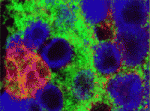 Stem cells are specified and maintained by specific microenvironments called niches. In the Drosophila testis, somatic cyst stem cells (CySCs) give rise to cyst cells, which ensheath the differentiating germline stem cells (GSCs). Both stem cell pools are arranged around a group of somatic cells – the hub – that produce niche signals for both lineages. Now, Christian Bökel and co-workers report that CySC but not GSC maintenance requires Hedgehog (Hh) signalling in addition to Jak/Stat pathway activation (see p.
 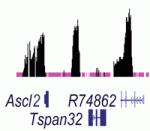 Noncoding RNAs (ncRNAs) help to establish transcriptional gene silencing during development by interacting with DNA and chromatin-modifying enzymes. But do they also help to maintain gene silencing? Here (p.
 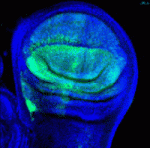 Hundreds of microRNAs (miRNAs) – short RNAs that mediate networks of post-transcriptional gene regulation – have been recorded in animals. Because cell-based assays and bioinformatics provide evidence for large numbers of functional targets for individual miRNAs, it is not obvious that manipulation of miRNAs will lead to interpretable phenotypes at the organismal level. However, on p.
 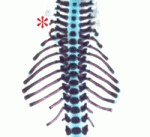 During the development of the vertebrate axial skeleton, Hox genes belonging to paralog group 10 play a role in blocking rib formation in the lumbar region of the vertebral column. Here (p.
  Epidermal growth factor receptor (EGFR) signalling regulates numerous processes throughout Drosophila development. For example, during oogenesis, an EGFR activation gradient induced by Gurken (a TGFα-like ligand secreted from the oocyte) patterns the follicular epithelium. On p.
  Tissue regeneration has been studied for hundreds of years, yet remains one of the less understood topics in developmental biology. The recent Keystone Symposium on Mechanisms of Whole Organ Regeneration, reviewed by Gregory Nachtrab and Kenneth Poss, brought together biologists, clinicians and bioengineers representing an impressive breadth of model systems and perspectives. See the Meeting Review on p.
 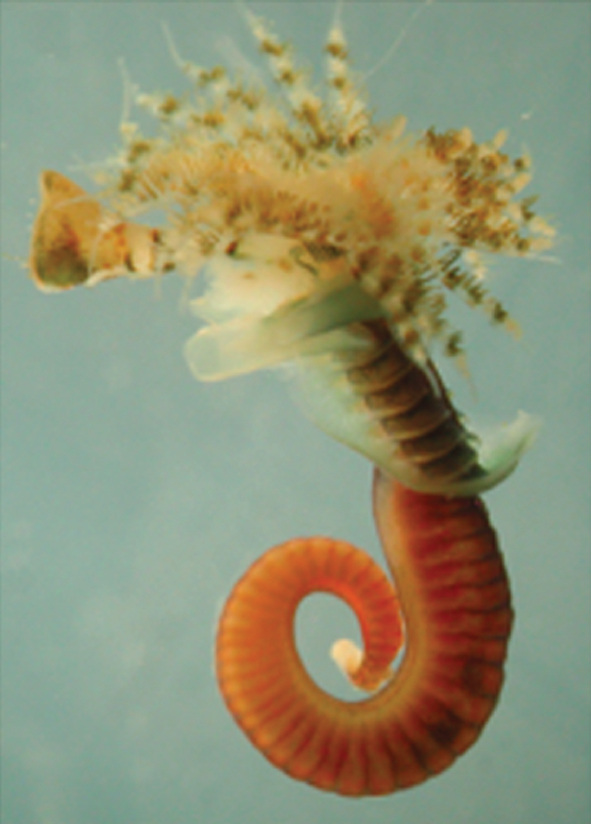 Annelids (the segmented worms) have a long history in studies of animal developmental biology, particularly with regards to their cleavage patterns during early development and their neurobiology. As reviewed by David Ferrier, Annelida are playing an important role in deducing the developmental biology of the last common ancestor of the protostomes and deuterostomes.
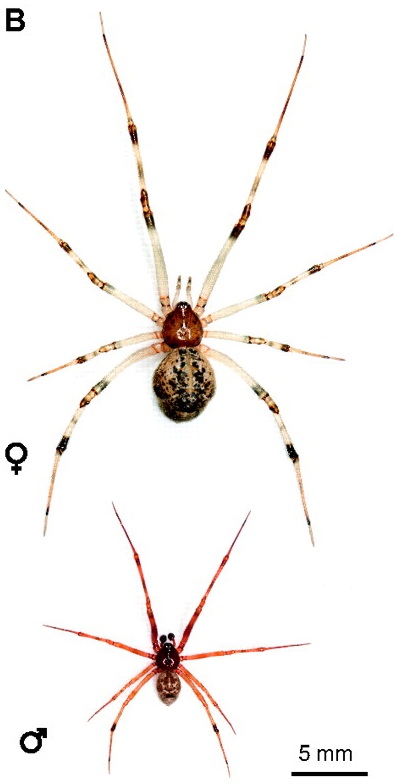 Spiders belong to the chelicerates, which is an arthropod group that branches basally from myriapods, crustaceans and insects. Hilbrant, Damen and McGregor describe how the growing number of experimental tools and resources available to study Parasteatoda development have provided novel insights into the evolution of developmental regulation and have furthered our understanding of metazoan body plan evolution.