The community site for and by
developmental and stem cell biologists

January in preprints

Posted by , on 5 February 2026

Welcome to our monthly trawl for developmental and stem cell biology (and related) preprints.

The preprints this month are hosted on bioRxiv – use these links below to get to the section you want:

Developmental biology

Cell Biology

Modelling

Tools & Resources

Research practice and education

Spotted a preprint in this list that you love? If you’re keen to gain some science writing experience and be part of a friendly, diverse and international community, consider joining preLights and writing a preprint highlight article.

Developmental biology

| Patterning & signalling

Notch signaling in the embryonic ectoderm promotes periderm cell fate and represses mineralization of vibrissa hair follicles
Dianzheng Zhao, Yunus Ozekin, Erin Binne, Irene Choi, Aftab Taiyab, Trevor Williams, Hong Li

A Genetic Mechanism Linking Hippo Signaling to Dorsoventral Patterning for Control of Head and Eye Development
Basavanahalli Nunjundaiah Rohith, Neha Gogia, Arushi Rai, Amit Singh, Madhuri Kango-Singh

An APP-centered molecular gateway integrates innate immunity and retinoic acid signaling to drive irreversible metamorphic commitment
Ryohei Furukawa, Mizuki Taguchi, Narufumi Kameya, Keisuke Tanaka, Haruka Sato, Takehiko Itoh, Yuh Shiwa

MEIS1 is Required for Establishing Bergmann Glia–Specific Properties in the Developing Cerebellum
Kentaro Ichijo, Toma Adachi, Tomoo Owa, Minami Mizuno, Kyoka Suyama, Kaiyuan Ji, Koichi Hashizume, Ikuko Hasegawa, Eriko Isogai, Masaki Sone, Yukiko U. Inoue, Ryo Goitsuka, Takuro Nakamura, Takayoshi Inoue, Satoshi Miyashita, Kenji Kondo, Tatsuya Yamasoba, Mikio Hoshino

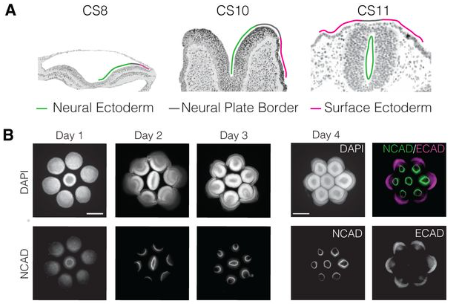
Cell position is more important than cell shape or age for the acquisition of cell identity in the brown alga Ectocarpus
Denis Saint-Marcoux, Bernard Billoud, Sabine Chenivesse, Carole Duchêne, Aude Le Bail, Jane A. Langdale, Bénédicte Charrier

From Saint-Marcoux et al. (2026). This image is made available under a CC-BY-NC 4.0 International license.

The Joubert gene TMEM67 is required for the correct establishment of spinal dorsal identities in human organoids
Wiegering, K. Bools, I. Anselme, L. Metayer-Derout, O. Mercey, E. Balissat, Y. Bijek, M. Catala, S. Schneider-Maunoury, A. Stedman

Single-Cell Profiling of the Developing Organ of Corti Identifies Etv4/5/1 as Key Regulators of Pillar Cell Identity
Susumu Sakamoto, Matthew W. Kelley

Coordinated inhibition of SOX9 and cell cycle progression by microRNA-200 restricts sebaceous gland fate specification
Arpan Das, Yuheng C Fu, Haimin Li, Megan A. Wong, Annalina Che, Anumeha Singh, Jimin Han, Glen Bjerke, Dongmei Wang, Rui Yi

Smoothened turnover regulated by Hedgehog signaling in Drosophila
Ryo Hatori, Wanpeng Wang, Thomas B. Kornberg

Lipid-mediated reinforcement of FGF/MAPK signaling enables robust otic placode specification
Stephanie R. Peralta, Natalia Maiorana, Michael L. Piacentino

Evidence of autonomous neural specification for both brain and ventral nerve cord tissue in Annelida
Nicole B. Webster, Johnny A. Davila-Sandoval, Allan M. Carillo-Baltodano, Skyler Duda, B. Duygu Özpolat, Néva P. Meyer

| Morphogenesis & mechanics

Force-dependent stabilization of apical actomyosin by Lmo7 during vertebrate neurulation
Miho Matsuda, Sergei Y. Sokol

Depletion of S100A4+ stromal cells results in abnormal nipple development and nursing failure
Denisa Jaros Belisova, Ema Grofova, Viacheslav Zemlianski, Zuzana Sumbalova Koledova

A Cell Size-Dependent Competition Between Geometry and Polarity Governs Nuclear and Spindle positioning in Early Embryos
Aude Nommick, Macy Baboch, Celia Municio-Diaz, Jeremy Sallé, Remi Le Borgne, Nicolas Minc

Extrinsic MMPs drive epithelial shape change via basal ECM disassembly in the Drosophila wing disc
Chigusa Hinata, Hirotatsu Nakagawa, Shigeaki Nonaka, Katsuya Nozaki, Yoshikatsu Sato, Shizue Ohsawa

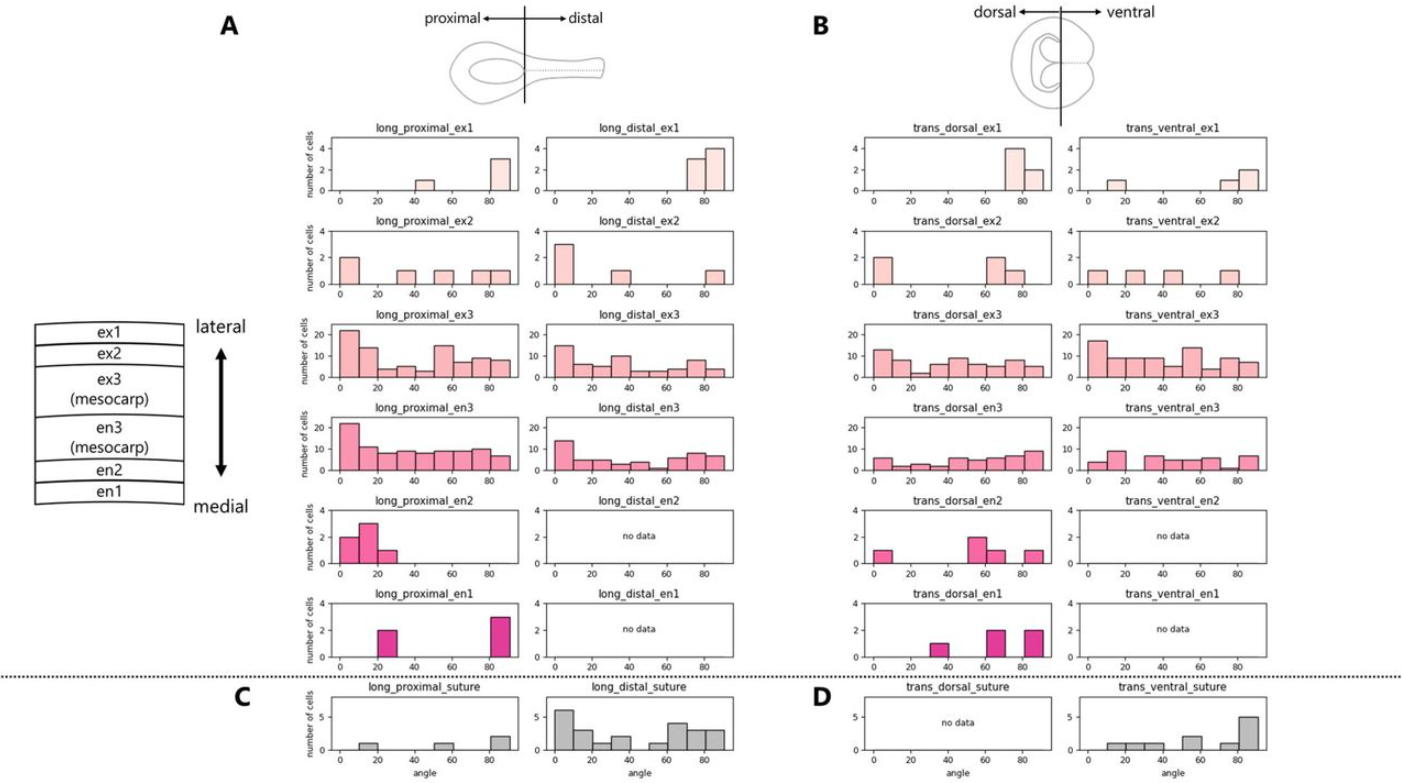
A collagen orientation switch reshapes fin architecture
Rintaro Tanimoto, Kazuhide Miyamoto, Koji Tamura, Shigeru Kondo, Junpei Kuroda

From Tanimoto et al. (2026). This image is made available under a CC-BY-NC 4.0 International license.

Recognizing dUTPase as a mitotic factor essential for early embryonic development
Nikolett Nagy, Otília Tóth, Eszter Oláh, László Henn, Gergely Attila Rácz, Edit Szabó, György Várady, Fanni Beatrix Vigh, Zita Réka Golács, Martin Urbán, Tímea Pintér, Orsolya Ivett Hoffmann, László Hiripi, Hilde Loge Nilsen, Angéla Békési, Miklós Erdélyi, Elen Gócza, Gergely Róna, Judit Tóth, Beáta G. Vértessy

Planar polarization of endogenous ADIP during Xenopus neurulation
Satheeja Santhi Velayudhan, Keiji Itoh, Chih-Wen Chu, Dominique Alfandari, Sergei Y. Sokol

RNA Polymerase III subunit Polr3a is required for craniofacial cartilage and bone development
Bailey T. Lubash, Roxana Gutierrez, Kade Fink, Colette A. Hopkins, Jessica C. Nelson, Kristin E.N. Watt

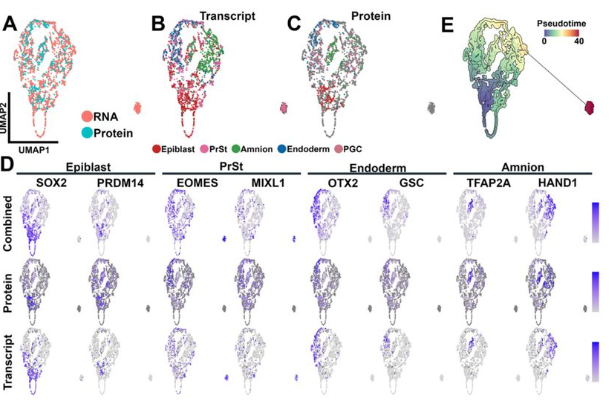
Cell-cycle inhibition preserves robust development but rebalances lineages in mouse gastruloids
Maxine Leonardi, Yves Paychère, Felix Naef

Distinct roles of the Lyve1 lineage in heart development
Konstantinos Klaourakis, Karolina Zvonickova, Jacinta Kalisch-Smith, Nicola Smart, Duncan Sparrow, David G. Jackson, Paul R. Riley, Joaquim M. Vieira

Spatial Variation in Cortex Glia Cell Cycle Supports Central Nervous System Organization in Drosophila
Vaishali Yadav, Syona Tiwari, Meenal Meshram, Ramkrishna Mishra, Rakesh Pandey, Richa Arya

| Genes & genomes

IAP retrotransposons contribute to the transcriptional diversity of the murine placenta
Samuele M. Amante, Maria L. Vignola, Cyril Pulver, Tessa M. Bertozzi, Anne C. Ferguson-Smith, Marika Charalambous, Miguel R. Branco

MYRF drives heterochronic miRNAs and LIN-42, and amplifies oscillatory programs for stage transitions
Zhao Wang, Shiqian Shen, Xiaoting Feng, Di Chen, Qian Bian, Yingchuan B. Qi

Yin Yang 1-Dependent PcG Function is Essential for TET2 Expression and Early T cell Development
Yinghua Wang, Sahitya Saka, Xuan Pan

A role for HDAC3 in regulating histone lactylation and maintaining oocyte chromatin architecture and fertility
Inês Simões-Gomes, António Jacinto, Ana Pimenta-Marques

The histone code of love: epigenetics of maturation of gonads in the human blood fluke Schistosoma mansoni
Christoph Grunau, Zhigang Lu, Avril Coghlan, Max Moescheid, Thomas Quack, Cristian Chaparro, Eerik Aunin, Jean-Francois Allienne, Adam Reid, Nancy Holroyd, Matt Berriman, Gilda Padalino, Karl F. Hoffmann, Christoph G. Grevelding, Ronaldo de Carvalho Augusto

Histone H3K9 Methyltransferases Regulate Cortical Growth by Coordinating Heterochromatin Formation and Neural Progenitor Dynamics
Sophie Warren, Chris Hemmerich, Ram Podicheti, José-Manuel Baizabal

A developmental timer coordinates organism-wide microRNA transcription
Peipei Wu, Jing Wang, Brett Pryor, Isabella Valentino, David F. Ritter, Kaiser Loel, Justin Kinney, Sevinc Ercan, Leemor Joshua-Tor, Christopher M. Hammell

Identification of germline chromatin modifying factors that influence zygotic transcription activation in C. elegans
Mariateresa Mazzetto, Paige Adekplor, Valerie Reinke

The SynMuvA lin-15A licenses natural transdifferentiation by antagonizing identity safeguarding mechanisms
Sarah Becker, Marie-Charlotte Morin, Julien Lambert, Shashi Kumar Suman, Francesco Carelli, Alex Appert, Stéphane Roth, Sarah Hoff-Yoessle, Jessica Medina-Sanchez, Manuela Portoso, Stéphanie Le Gras, Julie Ahringer, Sophie Jarriault

Decoding the cell intrinsic and extrinsic roles of PRC2 in early embryogenesis
Chengjie Zhou, Meng Wang, Zhiyuan Chen, Yi Zhang

Endogenous retroviral elements LTR8B and MER65 regulate the PSG9 locus that promotes trophoblast syncytialization Insights into placental evolution and pre-eclampsia pathology
Manvendra Singh, Yuliang Qu, Amit Pande, Julianna Zadora, Florian Herse, Martin Gauster, Xuhui Kong, Rongyan Zheng, Rabia Anwar, Katarina Stevanovic, Ralf Dechend, Marie Cohen, Attila Molvarec, Jichang Wang, Miriam K. Konkel, Bin Zhang, Cedric Feschotte, Gabriela Dveksler, Sandra M. Blois, Laurence D. Hurst, Zsuzsanna Izsvák

Single-cell spatially resolved transcriptomic characterization of the developing mouse cochlea
Philippe Jean, Sabrina Mechaussier, Amrit Singh-Estivalet, Céline Trébeau, Aurore Gaudin, Laura Barrio Cano, Andrea Lelli, Fabienne Wong Jun Tai, Sébastien Megharba, Sandrine Schmutz, Sarra Loulizi, Sophie Novault, David Hardy, Carolina Moraes-Cabe, Milena Hasan, Christine Petit, Raphael Etournay, Nicolas Michalski

A conserved C. elegans zinc finger-homeodomain protein, ZFH-2, continuously required for structural integrity and function of alimentary tract and gonad
Antoine Sussfeld, Berta Vidal, Surojit Sural, Daniel M. Merritt, G. Robert Aguilar, Yasmin Ramadan, Oliver Hobert

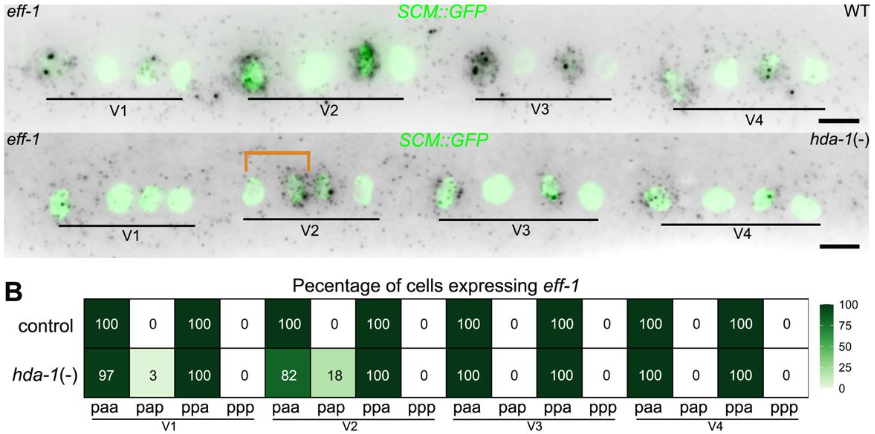
let-7 miRNA and lin-46 mRNA are the two essential targets of the LIN28 RNA-binding protein in developmental timing
Jana Brunner, Anca Neagu, Dimos Gaidatzis, Lucas J. Morales Moya, Helge Großhans

Conserved Roles of Sp1 in Zebrafish Development and Early Organogenesis
Ankita Sharma, Sudiksha Mishra, Greg Jude Dsilva, Saurabh J Pradhan, Pavan Dev Govardhan, Sanjeev Galande

An Asynchronous Production Line of Meiotic Prophase I in the Mouse Fetal Ovary
Chang Liu, Ziyi Jin, Gan Liu, Guofeng Feng, Jie Li, Yiwei Wu, Hao Jia, Lin Liu

Aging, dauer, and stature phenotypes are conferred by structure-directed missense mutations in the endogenous AGE-1/phosphatidylinositol 3-kinase catalytic subunit
You Wu, Tam Duong, Neal R. Rasmussen, Kent L. Rossman, David J. Reiner

Mapping of CELF1-RNA interactions reveals post-transcriptional control of lens development
Justine Viet, Matthieu Duot, Agnès Méreau, Yann Audic, Iwan Jan, David Reboutier, Catherine Le Goff-Gaillard, Sarah Y Coomson, Salil A Lachke, Carole Gautier-Courteille, Luc Paillard

microRNAs affecting development of body pigmentation in adult Drosophila melanogaster
Abigail M. Lamb, Jennifer A. Kennell, Eden W. McQueen, Evan J. Waldron, Patricia J. Wittkopp

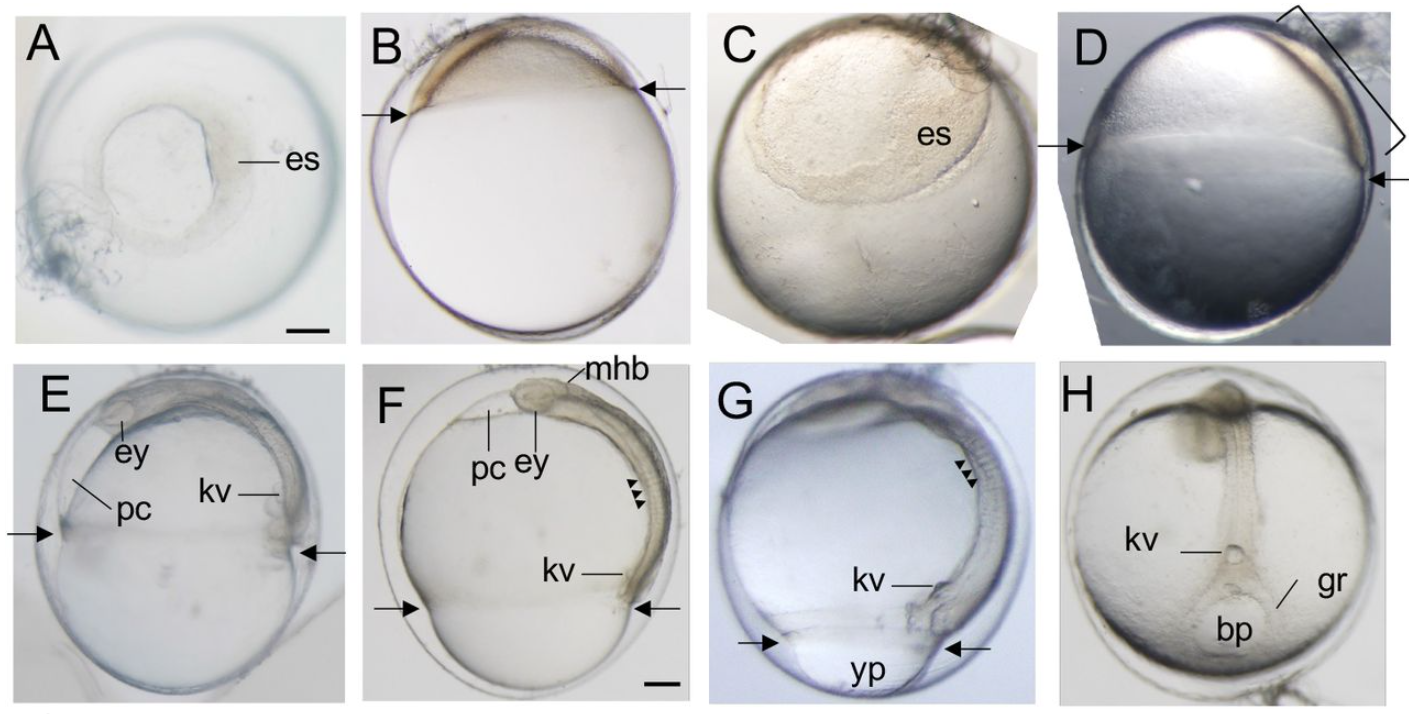
Identification of miR-187 as a modulator of early oogenesis and female fecundity in medaka
Marlène Davilma, Stéphanie Gay, Manon Thomas, Sully Mak, Fabrice Mahé, Laurence Dubreil, Jérôme Montfort, Aurélien Brionne, Julien Bobe, Violette Thermes

From Davilma et al. (2026). This image is made available under a CC-BY 4.0 International license.

Parthenogenote-Derived Brain Unveils the Critical Role of Paternal Genome in Neural Development
Marina Takechi, Yezhang Zhu, Zezhen Lu, Ying Zeng, Ken-Ichi Mizutani, Toru Nakano, Li Shen, Shinpei Yamaguchi

A panoramic view of the expression and function of the Doublesex/DMRT gene family in C. elegans
Chen Wang, Yehuda Salzberg, Meital Oren-Suissa, Oliver Hobert

Lamin A/C directs nucleosome-scale chromatin remodeling to define early lineage segregation in mammals
Alice Sherrard, Liangwen Zhong, Caroline Hoppe, Srikar Krishna, Scott Youlten, Curtis W. Boswell, Stephen Cross, Fiona E. Sievers, Goli Ardestani, Denny Sakkas, Liyun Miao, Zachary D. Smith, Berna Sozen, Antonio J. Giraldez

| Stem cells, regeneration & disease modelling

Prenatal corticosteroid exposure disrupts vascular-immune interactions and impairs steroidogenesis in the fetal testis
Satoko Matsuyama, Lauren Hudepohl, Kazuhiro Matsuyama, Shu-Yun Li, Meghana Ginugu, Xiaowei Gu, Matthew J. Kofron, Vikram Ravindra, Tetsuo Shoda, Tony DeFalco

Hyaluronan underlies the emergence of form, fate, and function in human cardioids
Stefan M. Jahnel, Anna Dimitriadi, Julia Kodnar, Vasileios Gerakopoulos, Yajushi Khurana, Maximilian Mayrhauser, Tobias Ilmer, Keisuke Ishihara, Sasha Mendjan

Profibrotic Changes Following Tension Application in a Fetal Lamb Model of Long Gap Esophageal Atresia
Jessica C. Pollack, Nicolas Vinit, Shelley Jain, Rachel Conan, Melanie Bates, Mia Kwechin, Alicia Eubanks, Mike Xie, Amanda Muir, Emily Partridge

Ybx1 Deficiency Causes ROS-Driven IBD-Like Intestinal Inflammation and Postnatal Lethality
Bo Zhu, Lakhansing Pardeshi, Yingying Chen, Xianqing Zhou, Wei Ge

Dynamic Reorganization of Developmental to Adult Genome Topology Controls the Initiation and Stabilization of the Human Muscle Stem Cell State
Matthew A. Romero, Peggie Chien, Chiara Nicoletti, Hanna L. Liliom, Gabriella Cox, Emily Skuratovsky, Kholoud Saleh, Devin Gibbs, Lily Gane, Dieu-Huong Hoang, Luca Caputo, Jimmy Massenet, Débora R. Sobreira, Pier Lorenzo Puri, April D. Pyle

A single cell atlas defines perinatal factors that drive murine bone marrow development
Brian M Dulmovits, Carson Shalaby, Fangfang Song, James Garifallou, Joshua Bertels, Fanxin Long, Christopher S Thom

Aging disrupts tissue homeostasis and constrains blastema-mediated regeneration in the Cladonema medusa
Ren Kanehisa, Hiroko Nakatani, Sho Takatori, Taisuke Tomita, Masayuki Miura, Yu-ichiro Nakajima

Capturing self-renewing multipotent neural crest stem cells from human pluripotent stem cells
Yayoi Toyooka, Nami Kawaraichi, Daisuke Kamiya, Teruyoshi Yamashita, Yusaku Komoike, Kimiko Fukuda, Teppei Akaboshi, Hirokazu Matsumoto, Makoto Ikeya

Fibroblast-specific Deletion of Yap/Taz Impairs Mouse Postnatal Dermal Development by Suppressing Collagen Production and Deposition
Alexandre, Ava J Kim, Kirk C Hansen, Maxwell McCabe, Jun Young Kim, Zhaoping Qin, Zhaolin Zhang, Tianyuan He, Chunfang Guo, John J Voorhees, Gary J Fisher, Taihao Quan

Activation of developmental transcription factors using RNA technology promotes heart repair
Riley J. Leonard, Mason Sweat, Steven Eliason, William Kutschke, Brad A. Amendt

In vivo xenogenic reconstitution of human alveolar epithelial architecture and function
Akira Yamagata, Satoshi Konishi, Satoshi Ikeo, Hiroshi Moriyama, Senye Takahashi, Naoyuki Sone, Satoshi Hamada, Atsushi Saito, Takashi Kawaguchi, Shu Hisata, Akira Niwa, Toshiaki Kikuchi, Hirofumi Chiba, Megumu K. Saito, Koichi Hagiwara, Toyohiro Hirai, Mio Iwasaki, Takuya Yamamoto, Takeshi Takahashi, Shimpei Gotoh

PI3K inhibitor-free differentiation and maturation of human iPSC-derived arterial- and venous-like endothelial cells
Oliwia N. Mruk, Ralitsa R. Madsen

Scalable high-fidelity human vascularized cortical assembloids recapitulate neurovascular co-development and cell specialization
Shubhang Bhalla, Belda Gulsuyu, Damian Sanchez, Jayden M. Ross, Santhosh Arul, Adnan Gopinadhan, Muhammet Öztürk, Tanzila Mukhtar, Jonathan J. Augustin, Jerry C. Wang, Joseph Kim, Chang N. Kim, Sena Oten, Yohei Rosen, John M. Bernabei, Vijay Letchuman, Shantel Weinsheimer, Helen Kim, Elizabeth E. Crouch, Edward F. Chang, David Haussler, Mircea Teodorescu, Arnold R. Kriegstein, Tomasz J. Nowakowski, Ethan A. Winkler

Isthmin-1 is a Key Regulator of Induced Pluripotent Stem Cell–Derived Cardiomyocytes Maturation through Activation of p53 Signaling
Haowen Guo, Xin Zhou, Yang Shi, Bin Zhou, Jiaqi Tang, Faxiang Xu, Yanchen Guo, Fang Chen, Dongming Su, Qingguo Li

Cellular basis of accelerated whole-tooth regeneration
Talha Mubeen, Haowen He, George W. Gruenhagen, Anoushka Satoskar, Jeffrey T. Streelman

From Mubeen et al. (2026). This image is made available under a CC-BY 4.0 International license.

Identification of distinct functions of GLIS3 in β-cell generation critical to prevention of neonatal diabetes
David W. Scoville, Sara A. Grimm, Xin Xu, Benedict Anchang, Anton M. Jetten

Maternal lipids prime quiescent neural stem cells to reactivate in response to dietary nutrients
Md Ausrafuggaman Nahid, Susan E. Doyle, Kelly E. Dunham, Michelle L. Bland, Sarah E. Siegrist

Developmental programming of hematopoietic stem cell dormancy by evasion of Notch signaling
Patricia Herrero-Molinero, Eric Cantón, María Maqueda, Cristina Ruiz-Herguido, Arnau Iglesias, Jessica González, Brandon Hadland, Lluis Espinosa, Anna Bigas

Preconceptional immunomodulation partially corrects pregnancy abnormalities induced by endometriosis in a mouse model, with normalization of transcriptional alterations observed in the developing fetal-maternal interface at the single cell level
Kheira Bouzid, Roxane Bartkowski, Alix Silvert, Fabiana Moresi, Camille Souchet, Marine Thomas, Isabelle Lagoutte, Vaarany Karunanithy, Brigitte Izac, Charles Chapron, Pietro Santulli, Frédéric Batteux, Céline Mehats, Louis Marcellin, Ludivine Doridot

| Plant development

Novel repressors of cambium activity in Arabidopsis
Xing Wang, Jingyi Han, Emma K. Turley, Riikka Mäkilä, Anne-Maarit Bågman, Julia M. Kraus, Qing He, Hanan Alhowty, Joanna Edwards, Yuqi Li, Raluca Blasciuc, Wiktoria Fatz, Wenbin Wei, Miguel de Lucas, Siobhán M. Brady, Shixue Zheng, Chunli Chen, Ari Pekka Mäh-önen, J. Peter Etchells

AGP-Ca2+ binding is essential for pollen development and pollen tube growth in Arabidopsis thaliana
Jessy Silva, Maria João Ferreira, Paul Dupree, Matthew R. Tucker, Maria Manuela Ribeiro Costa, Sílvia Coimbra

Rewiring vascular patterning through translational control in Arabidopsis
Donghwi Ko, Raili Ruonala, Huili Liu, Ondrej Novak, Karin Ljung, Nuria De Diego, Robert Malinowski, Ykä Helariutta

Functional Redundancy of ZmSWEET6a/b in Mediating Sugar Transport and Redox Homeostasis for Maize Primexine Formation
Yan Zhang, Shuangtian Bi, Fengkun Sun, Jiajun Bu, Yurong Wang, Mateus Mondin, Zhaobin Dong, Weiwei Jin, Wei Huang

Arabidopsis GLK transcription factors interact with ABI4 to modulate cotyledon greening in light-exposed etiolated seedlings
Pengxin Yu, Friederike Saga, Miriam Bäumers, Ute Hoecker

Comprehensive characterisation of IAA inactivation pathways reveals the impact of glycosylation on auxin metabolism and plant development
Rubén Casanova-Sáez, Aleš Pěnčík, Federica Brunoni, Anita Ament, Pavel Hladík, Asta Žukauskaitė, Jan Šimura, Ute Voß, Ondřej Novák, Malcolm Bennett, Karin Ljung, Eduardo Mateo-Bonmatí

N-terminal phosphorylation inhibits Arabidopsis katanin and affects vegetative and reproductive development in opposite ways
Vivek Ambastha, Graham Burkart, Rachappa Balkunde, Ram Dixit

A conserved and predictable pluripotency window in callus unlocks efficient transformation in grasses and beyond
Yiyi Wang, Mengjiao Chu, Zhixia Wang, Jinhao Shao, Haijuan Zhang, Zhibiao Nan, Chunjie Li, Lei Lei

Two-step polar plastid migration via F-actin and microtubules ensures unequal inheritance during asymmetric division of Arabidopsis zygote
Keigo Tada, Hikari Matsumoto, Takao Oi, Zichen Kang, Tomonobu Nonoyama, Satoru Tsugawa, Yusuke Kimata, Shuhei Kusano, Shinya Hagihara, Shintaro Ichikawa, Yutaka Kodama, Minako Ueda

Ribosome profiling reveals distinct translational programs underlying Arabidopsis seed dormancy and germination
Maria Victoria Gomez Roldan, Elodie Layat, Julia Bailey-Serres, Jérémie Bazin, Christophe Bailly

Phosphovariants of the canonical heterotrimeric Gα protein, GPA1, differentially affect G protein activity and Arabidopsis development
David Chakravorty, Sarah M. Assmann

Wounding-Induced Redirection of Sugar Transport Fuels Tissue Repair
Rotem Matosevich, Mika Della Zuana, Itay Cohen, Idan Efroni

EARLY FLOWERING 3 (ELF3): a novel role in integrating environmental stimuli with root stem cell niche maintenance
Ali Eljebbawi, Rebecca C. Burkart, Laura Czempik, Vivien I. Strotmann, Xuelei Lai, Mark d. Tully, Luca Costa, Chloe Zubieta, Stephanie Hutin, Yvonne Stahl

The circadian clock gates lateral root development
Sota Nomoto, Allen Mamerto, Shiho Ueno, Akari E Maeda, Saori Kimura, Kosuke Mase, Ayano Kato, Takamasa Suzuki, Soichi Inagaki, Satomi Sakaoka, Norihito Nakamichi, Todd P. Michael, Hironaka Tsukagoshi

Initiation of asexual reproduction by the AP2/ERF gene GEMMIFER in Marchantia polymorpha
Go Takahashi, Saori Yamaya, Facundo Romani, Ignacy Bonter, Kimitsune Ishizaki, Masaki Shimamura, Tomohiro Kiyosue, Jim Haseloff, Yuki Hirakawa

A MICROTUBULE ASSOCIATED PROTEIN is required for division plane orientation during 3D-differential growth within a tissue
Zsófia Winter, Dorothee Stöckle, Takema Sasaki, Sophie Marc Martin, Yoshihisa Oda, Joop EM Vermeer

A shift in developmental allometry underlies the transition to a multi-ovulate strategy from a single-ovulate ancestral state in Phlox (Polemoniaceae)
Bridget Bickner, Elena M Kramer

Auxin coordinates cell states during Arabidopsis root development
Cassandra Maranas, Sydney VanGilder, Linda Nguyen, Jennifer Nemhauser

A chloroplast-localized protein AT4G33780 regulates Arabidopsis development and stress-associated responses
Zhengchao Yang, Zhiming Yu

From Yang & Yu (2026). This image is made available under a CC-BY 4.0 International license.

Root-Suppressed Phenotype of Tomato Rs Mutant is Seemingly Related to Expression of Root-Meristem-Specific Sulfotransferases
Alka Kumari, Prateek Gupta, Parankusam Santisree, Injangbuanang Pamei, Satyavati Valluri, Kapil Sharma, Kavuri Venkateswara Rao, Shivani Shukla, Srilatha Nama, Yellamaraju Sreelakshmi, Rameshwar Sharma

| Environment, evolution and development

Programming of Embryonic Blood Brain Barrier and Neurovascular Transcriptome by an Anticipatory Acoustic Signal of Heat in the Zebra Finch
Prakrit Subba, Mylene M. Mariette, Katerina A. Palios, Michael G. Emmerson, Elisabetta Versace, Katherine L. Buchanan, David F. Clayton, Julia M. George

Developmental Hypoxia Increases Susceptibility to Cardiac Ventricular Arrhythmias in Adult Offspring
Mitchell C Lock, Kerri LM Smith, Aga Swiderska, Hayat Baba, Andrew Silverwood, Julia Dyba, Olga V Patey, Youguo Niu, Sage G Ford, Freja Steinke, Katherine Dibb, Andrew W Trafford, Dino A Giussani, Gina LJ Galli

Hypoxia couples growth and developmental timing by decoupling steroid synthesis and secretion
George P. Kapali, Alexander W. Shingleton

Early exposure to PFAS disrupts neuro-muscular development in zebrafish embryos
Zainab Afzal, Brian N. Papas, Vandana Veershetty, Evan E Pittman, Charles Hatcher, Jian-Liang Li, Warren Casey, Deepak Kumar

In vitro sexual dimorphism establishment in schistosomes
Remi Pichon, Magda E Lotkowska, Jude L. D. Bulathsinghalage, Madeleine McMath, Mary Evans, Benjamin J. Hulme, Kirsty Ambridge, Geetha Sankaranarayanan, Simon Kershenbaum, Sarah D. Davey, Josephine E. Forde-Thomas, Karl F. Hoffmann, Matthew Berriman, Gabriel Rinaldi

Maternal cardiometabolic dysfunction and fetal sex-specific alterations to uterine vascular reactivity in an ovine model of diet-induced obesity during pregnancy
Rachael C. Crew, Anna L.K. Cochrane, Youguo Niu, Sage G. Ford, Clement L.R. Cahen, Skaai H. Davison, Michael P. Murphy, Susan E. Ozanne, Dino A. Giussani

Prenatal Exposure to Bacterial Extracellular Vesicles Influences Fetal Gut Immunity and Immune Programming
Manuel S. Vidal, Ananth Kumar Kammala, Madhuri Tatiparthy, Ryan C. V. Lintao, Rahul Cherukuri, Ourlad Azeleus Tantengco, Shelly A. Buffington, Enkhtuya Radnaa, Lauren S. Richardson, Ramkumar Menon

Evolutionary dynamics of temporal transcription factor series in the insect optic lobe
Konstantina Filippopoulou, Elisavet Iliopoulou, Claire Julliot de La Morandière, Christy Lee, Marina Marcet-Houben, Toni Gabaldón, Jingyi Jessica Li, Nikolaos Konstantinides

lncRNAs contribute to caste differentiation as a regulatory layer in ants
Guo Ding, Fuqiang Lin, Jixuan Zheng, Dashuang Zuo, Zijun Xiong, Chenyan Liao, Bitao Qiu, Wenjiang Zhong, Jie Zhao, Weiwei Liu, Guojie Zhang

Sex chromosomes and sex hormones contribute jointly and independently to sex biases in cardiac development
Daniel F. Deegan, Gennaro Calendo, Priya Nigam, Raza Naqvi, Arthur P. Arnold, Nora Engel

Cell Biology

Mechanically competitive regulation of cell volume in cytoplasm-sharing cells connected by intercellular bridges
Hiroshi Koyama, Kanako Ikami, Lei Lei, Toshihiko Fujimori

Interface-Resolved Proteomics of Cell–Cell Membranes Reveals Early Spatial Polarity in a Vertebrate Embryo
Fei Zhou, Peter Nemes

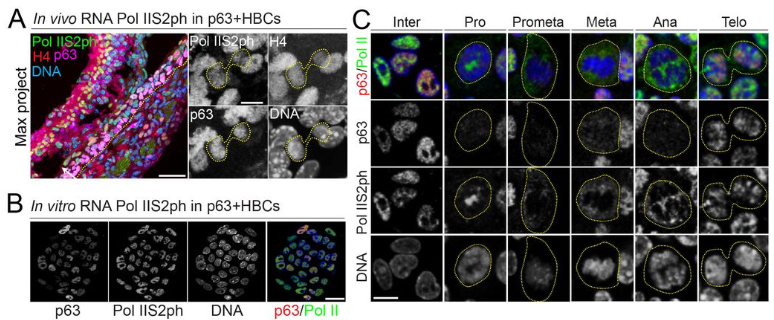
Direct labeling of microtubule turnover reveals in-lattice repair and stabilization patterns in developing neurons
Ciarán Butler-Hallissey, Harrison M. York, Florence Pelletier, Jean-Marc Goaillard, Jérémie Gaillard, Manuel Théry, Pascal Verdier-Pinard, Christophe Leterrier

From Butler-Hallissey et al. (2026). This image is made available under a CC-BY-NC 4.0 International license.

C. elegans E3 ubiquitin ligase EBAX-1 promotes non-apoptotic linker cell-type death through target-directed miRNA degradation
Lauren B. Horowitz, Olya Yarychkivska, Yun Lu, Shai Shaham

Kinesin-1 trans-synaptically regulates synaptic localization of SARM1 for asymmetric neuron diversification
Anaam Khalid, Peter Sahyouni, Jun Yang, Shengyao Yuan, Rui Xiong, Chiou-Fen Chuang

Lysosome-Related Organelles Orchestrate Guanine Crystal Formation in Pigment Cells
Anna Gorelick-Ashkenazi, Yuval Barzilay, Tali Lerer-Goldshtein, Tsviya Olender, Zohar Eyal, May Glaser, Yonatan Broder, Nadav Mishol, Rachael Deis, Merav Kedmi, Dvir Gur

P-glycoprotein exofection between fetal and maternal cells as a mechanism of intercellular material transfer at the feto maternal interface
Madhuri Tatiparthy, Amanda Wang, Vineeth Mahajan, Pilar Flores-Espinosa, Emmanuel Amabebe, Tilu Jain Thomas, Xiao-Ming Wang, Lauren S Richardson, Ramkumar Menon, Ananth K Kammala

Modelling

Clocks and Dominoes: Timing Mechanisms of Embryogenesis
Yonghyun Song, Brian D. Leahy, Hanspeter Pfister, Dalit Ben-Yosef, Daniel J. Needleman

Integrative Inference of Spatially Resolved Cell Lineage Trees using LineageMap
Xinhai Pan, Yiru Chen, Xiuwei Zhang

A proteomic signature of oocyte quality from models of varying oocyte developmental competence
Emily R. Frost, Dulama Richani, Anne Poljak, Ananya Vuyyuru, Xuihua Liao, Elise Georgiou, J M Binuri Gunasekara, Bettina P. Mihalas, Irene E. Sucquart, Kaushiki Kadam, Lindsay E. Wu, Robert B. Gilchrist

MorphoLearn: A morphology-driven workflow to decipher 3D electron microscopy segmentation in diatoms
Clarisse Uwizeye, Serena Flori, Jhoanell Angulo, Pierre-Henri Jouneau, Benoit Gallet, Pascal Albanese, Giovanni Finazzi

How simple physics drives the earliest stages of embryogenesisAlaina Cockerell, Peyman Shadmani, Krasimira Tsaneva-Atanasova, David M. Richards

Early multi-omic signatures and machine learning models predict cardiomyocyte differentiation efficiency and enable robust hPSC differentiation to cardiomyocytesAustin K. Feeney, Aaron D. Simmons, Elizabeth F. Bayne, Yanlong Zhu, Mason R. Pentes, Paulo F. Cobra, Jianhua Zhang, Timothy J. Kamp, Ying Ge, Sean P. Palecek

Tools & Resources

Establishing genetically controlled, closed colonies of an ascidian
The Ciona bio-resource consortium

HoloBio A Holographic Microscopy Tool for Quantitative Biological Analysis
Waira Mona, Maria J. Gil-Herrera, Emanuel Mazo, Daniel Córdoba, Sofia Obando, Maria J. Lopera, Rene Restrepo, Carlos Trujillo, Ana Doblas, Raul Castaneda

Array-CNCC: precise aggregation and arrayed plating facilitate quantitative phenotyping of human cranial neural crest cells and craniofacial disease modelling
Ewa Ozga, Katarzyna M Milto, Martina Demurtas, Lawrence E Bates, Graeme Grimes, Takuya Azami, Jing Su, Carlo De Angelis, Marco Trizzino, Jennifer Nichols, Hannah K Long

Sixteen isotropic 3D fluorescence live imaging datasets of Tribolium castaneum gastrulation
Franziska Krämer, Stefan Münster, Frederic Strobl

Integration of early-stage cryopreservation and cell cycle modulation into a flexible kidney organoid differentiation system
Xiaotian Yan, Jina Wang, Ming Xu, Chunlan Hu, Siyue Chen, Yufeng Zhao, Jiyan Wang, Ruiming Rong, Tongyu Zhu, Weitao Zhang

A robust human airway organoid platform enables scalable expansion and trajectory mapping of pulmonary neuroendocrine cells
Noah Candeli, Lisanne den Hartigh, Nicholas Hou, Andrés Marco, José Antonio Sánchez-Villacaña, Andrea Garcia-Gonzales, Shashank Gandhi, Francesca Sgualdino, Alyssa J. Miller, Jason Spence, Susana Chuva de Sousa Lopes, José L. McFaline-Figueroa, Hans Clevers, Talya L. Dayton

“All-in-one” Single-Cell Proteomic Analysis of Protein Alterations in Human Oocytes Undergoing in Vitro Aging
Jue Zhang, Yuting Lu, Shuoping Zhang, Xingyao Wang, Jiao Lei, Feitai Tang, Shen Zhang, Ge Lin

Real-time single-molecule imaging in zebrafish embryos uncovers non-canonical translation
Maëlle Bellec, Kenny Mattonet, Tatsuya Morisaki, Margaux Lay, Jie Liang, Damien Avinens, Vincent Martinet, Delphine Muriaux, Timothy J Stasevich, Jérémy Dufourt, Didier Y R Stainier

Integration of in situ hybridization and scRNA-seq data provides a 2D topographical map of the developing retina across species
Heer N. V. Joisher, ChangHee Lee, Chaitra Prabhakara, Isabella van der Weide, Yichen Si, Nicholas Lonfat, Constance Cepko

From Joisher et al. (2026). This image is made available under a CC-BY 4.0 International license.

Research practice & education

Development and field test of an intervention to reduce conflict in faculty-doctoral student mentoring relationships
Trevor T. Tuma, Emily Q. Rosenzweig, Justin A. Lavner, Yichi Zhang, Erin L. Dolan

Collective AI use is associated with researcher engagement: Real-time evidence from a scientific conference
Hiroyuki Okada, Shigeto Seno, Ung-il Chung, Naganari Okura

The Demographic and GDP Impacts of Slowing Biological Aging
Raiany Romanni-Klein, Nathaniel Hendrix, Richard W. Evans, Jason DeBacker

Leveraging a hybrid cross-disciplinary training model to accelerate global bioinformatics capacity
Taras K. Oleksyk, Daryna Yakymenko, Sylwia Bożek, Viorel Munteanu, Wojciech Pilch, Zoia Comarova, Victor Gordeev, Grigore Boldirev, Dumitru Ciorbă, Viorel Bostan, Christopher E. Mason, Alexander G. Lucaci, Nadiia Kasianchuk, Daria Nishchenko, Victoria Popic, Andrei Lobiuc, Mihai Covasa, Martin Hölzer, Joanna Polanska, Alex Zelikovsky, Vasili Braga, Mihai Dimian, Paweł Łabaj, Serghei Mangul

Cloud-Connected Pluripotent Stem Cell Platform Enhances Scientific Identity in Underrepresented Students
Samira Vera-Choqqueccota, Drew Ehrlich, Vladimir Luna-Gomez, Sebastian Hernandez, Jesus Gonzalez-Ferrer, Hunter E. Schweiger, Kateryna Voitiuk, Yohei Rosen, Kivilcim Doganyigit, Isabel Cline, Rebecca Ward, Erika Yeh, Karen H. Miga, Barbara Des Rochers, Sri Kurniawan, David Haussler, Kristian López Vargas, Mircea Teodorescu, Mohammed A. Mostajo-Radji

Beyond Deficit and Coexistence: Modeling the Knowledge–Conspiracy–Mistrust Configuration in Public Understanding of Science
Ahmet Süerdem, Svetlomir Zdravkov, Martin J. Ivanov

Uncovering Conceptual Biases in DNA Stabilization: A Student-Led Investigation
Charlotte Polo, Ameeta Thandi, Olivia Chandler, Paula Lugert, Alyssa Hammoud, Theertha Madhi, Malena Ayala, A.J. Berrigan, Andrew Chen, Kate Gillett, Sohan Sanjeev, Mya Sareen, Sean Yu, Yang-yang Zuo, Shawn Xiong

Fine-Grained Detection of AI-Generated Writing in the Biomedical Literature
Richard She

Thumbs up (No Ratings Yet)
Loading...

Tags:
Categories: News, Research, Resources

Navigate the archive

Use our Advanced Search tool to search and filter posts by date, category, tags and authors.

Catch up on Development presents… webinar on the environment and evolution

Posted by , on 29 January 2026

OurJanuary webinar featured two early-career researchers studying development, evolution and the environment. Here, we share the talks from Chee Kiang (Ethan) Ewe (Tel Aviv University) and Max Farnworth (University of Bristol).

Catch up on previous webinars and sign up to the Development presents… mailing list to learn about the upcoming webinars as they are announced.

Chee Kiang (Ethan) Ewe (Tel Aviv University)

Talk and Q&A

Max Farnworth (University of Bristol)

Talk and Q&A

Thumbs up (No Ratings Yet)
Loading...

Tags: , , , , ,
Categories: Development presents..., Video

Behind the paper: “Spatially organized cellular communities shape functional tissue architecture in the pancreas”

Posted by , on 28 January 2026

How the project started

If you are in the pancreas field, you may be either part of the endocrine or the exocrine band. Now, this may not be like the Sharks and the Jets in West Side Story, but you better know your position. Whether this separation reflects the actual spatial segregation of both compartments and their different embryonic development is an idea perhaps worth exploring. In any case, our question was linked precisely to that spatial segregation: why do both compartments develop in different regions of the organ?

First of all, we know that what lies around the pancreatic epithelium (what we call the microenvironment) is crucial for its development. Since the 60s1, great works have progressively characterised the microenvironment with greater and greater detail, from early elegant experiments using explants, to more elaborate mouse genetics studies where specific cellular components and signalling pathways were perturbed2,3. The single-cell revolution brought a new twist: the degree of cellular heterogeneity populating the microenvironment, especially mesenchymal cells, was much higher than anticipated. The question then was: how is this heterogeneity spatially distributed?

Mapping the pancreas and deciphering maps.

Spatial transcriptomics (ST) appeared to us the best way to answer the question, but at the time we started the project, sequencing-based approaches did not provide the resolution needed to map a small, branched organ like the embryonic pancreas. On the other hand, image-based approaches only allowed for mapping the expression of a handful of markers. Thanks to the early discussions Francesca Spagnoli (PI of the lab) had with Cartana, the biotech at Karolinska Institute, which developed the In Situ Sequencing (ISS) technology and was later acquired by 10x Genomics, we were able to pioneer this approach. In parallel, access to the first single-cell RNASeq datasets of the murine embryonic pancreas -from our lab and others in the field4– enabled us to identify the most informative set of marker genes and design robust panels for the ISS experiments. Running the ISS technology on pancreas was not immediately immediately straightforward; it required considerable effort and a series of optimization experiments carried out by me and another postdoc in the lab., Jean Francois Darrigrand. Finally, by profiling the spatial distribution of sets of markers, we were able to create a cartography of the mouse embryonic pancreas (Fig. 1).

Fig. 1 ISS image of selected marker genes in E17.5 pancreas. Close-ups of selected probe genes and their spatial distribution in the tissue are shown in (i) and (ii) dashed boxes.

But a map is only an instrument, and the information obtained from it will largely depend on how you read it. When analysing a geographical map, your answers may vary depending on the level of aggregation: you can look at it from the country perspective, zoom in and separate by region or zoom in even more and analyse every city and small town independently. Similarly,  when observing an organ, one can use different magnification lenses. First, the pancreas originates from two groups of progenitor cells growing independently (dorsal and ventral pancreatic buds), until they fuse around E14.5 in the mouse embryo. As shown in the 3D images below, generated by a PhD student in the lab, Anna Salowka, the architecture of each bud is not homogeneous along its axes.  At the organ level, we discovered that the mesenchyme surrounding the ventral and dorsal pancreas is distinct (Fig. 2A). Furthermore, along the dorsal pancreas -from the duodenum to the region next to the spleen- specific mesenchyme subsets are selectively enriched (Fig. 2B).

Fig. 2 (A) Representative ISS image showing selected genes in dorsal pancreas (DP) and ventral pancreas (VP) at E12.5. Scale bar, 100 μm. (B) Representative three-dimensional (3D) rendering of light-sheet fluorescent microscopy image (left) and confocal microscopy images (right) of E12.5 pancreas stained with indicated antibodies. Right: Confocal IF images show transverse cryosections of DP at tail (i) and stalk (ii) levels. Hoechst was used as nuclear counterstain. Scale bars, 100 μm. Asterisk indicates approximate position of the spleen.

To increase the resolution of our analysis to meso- and micro- scales (Fig. 3), Gabriel Herrera (at the time rotation student in the lab) brough into the project his bioinformatic skills to implement pipelines to analyse the spatial data. What we found is that the tissue is organised in concentrical niches enriched in mesothelial, mesenchymal, exocrine or endocrine cells.  When comparing exocrine and endocrine niches, we found that proliferative mesenchyme was preferentially located around acinar cells, whereas another subset, which we termed Mesenchyme (M)-II, was enriched in the endocrine niche.

Fig. 3 Schematics of the spatial analysis frameworks: At cellular scale (left), spatial neighborhoods encompassing the 10 closest cells around each cell were used to calculate cluster pair neighborhood enrichment; at tissue scale (right), tissue areas with similar local cell type composition were clustered to identify tissue domains.

We then focused on the latter association and identified putative Ligand:Receptor interactions between M-II and endocrine cells (Fig. 4). In particular,  Wnt5a and Collagen VI molecules caught our attention because of their potential role in creating a niche favourable for endocrine and, specifically, beta-cell differentiation. Consistently, functional experiments using mouse pancreatic explants demonstrated that blocking Wnt5a signaling hampered endocrinogenesis by perturbing the JNK pathway. On the other hand, explants treated with Collagen VI showed a higher number of endocrine cells.  By examining human foetal pancreatic tissue, Georgina Goss, a postdoc in the lab, showed that Collagen VI is also enriched around human endocrine cells. Finally, I went on embedding human iPSC-derived endocrine cells in hydrogels containing different ECM mixes, and discovered that  Collagen VI, in a conserved fashion, increased the number of beta-cells in the cultures.

To complete our study, we decided to have a glimpse of the adult pancreas. What we found is that different mesenchyme subsets are enriched inside and around islets of Langerhans, ducts and acini. A long-standing question in the field is to track the origin of the adult pancreatic mesenchyme. Our dataset enabled us to fill this gap. Using in silico analysis, we identified fate trajectories connecting the embryonic and adult mesenchyme. Our results suggested that the Spleno-Pancreatic mesenchyme could be one of the origins of the adult mesenchyme which we confirmed using in vivo lineage tracing.

Fig 4: Spatial organization of the pancreatic mesenchyme during embryonic development

What’s next?

Several questions remain open, and several arose during the project. If the pancreatic tissue is carefully distributed, how is that architecture shaped? What signals link epithelial compartments to the formation of their surrounding microenvironment? Our results also raise questions regarding the function of the different levels of organisation: Why does pancreas development need gradients of signalling along the proximodistal axis? It would be interesting to test whether the disruption of that axis causes defects in the separation of the pancreas and surrounding organs. Further research is also needed to understand the function of the secretion of specific ECM components, such as Collagen VI, around exocrine and endocrine cells. In the case of Collagen VI, it would be interesting to investigate how it affects tissue stiffness, as it has been shown that control of the mechanotransducer YAP is crucial for endocrinogenesis. Finally, the spatial organization of the microenvironment during human embryonic development needs further characterization, but using similar approaches we are now beginning to understand it, so if you want to know a little bit more about it, check out the new preprint from the lab5.

Access the article: Torres-Cano, A., Darrigrand, J. F., Herrera-Oropeza, G., Goss, G., Willnow, D., Salowka, A., Ma, S., Chitnis, D., Rouault, M., Vigilante, A., & Spagnoli, F. M. (2025). Spatially organized cellular communities shape functional tissue architecture in the pancreas. Sci Adv, 11(46), eadx5791. https://doi.org/10.1126/sciadv.adx5791

References

1.  Golosow, N. & Grobstein, C. Epitheliomesenchymal interaction in pancreatic morphogenesis. Developmental Biology 4, doi:10.1016/0012-1606(62)90042-8 (1962/04/01).

2.  L, L. et al. Pancreatic mesenchyme regulates epithelial organogenesis throughout development – PubMed. PLoS biology 9, doi:10.1371/journal.pbio.1001143 (2011 Sep).

3.  C, C. et al. A Specialized Niche in the Pancreatic Microenvironment Promotes Endocrine Differentiation – PubMed. Developmental cell 55, doi:10.1016/j.devcel.2020.08.003 (10/26/2020).

4.  Byrnes, L. E. et al. Lineage dynamics of murine pancreatic development at single-cell resolution. Nature Communications 2018 9:1 9, doi:10.1038/s41467-018-06176-3 (2018-09-25).

5.  Goss, G. et al. Mesodermal-niche interactions direct specification and differentiation of pancreatic islet cells in human multilineage organoids. bioRxiv, 2025.2012.2013.694117, doi:10.64898/2025.12.13.694117 (2025).

Thumbs up (No Ratings Yet)
Loading...

Tags: , , ,
Categories: Research, Uncategorized

Lab meeting with the Ditadi lab

Posted by , on 27 January 2026

This is part of the ‘Lab meeting’ series featuring developmental and stem cell biology labs around the world.

Where is the lab?

Andrea: You can find the Ditadi lab at Ospedale San Raffaele, as part of the San Raffaele Telethon Institute for Gene Therapy, in the north-east corner of Milan, Italy. Milan is a great spot for both science and life, with a myriad of places to visit, plenty of things to do and a rich community of great labs to collaborate with.

Regarding us, you can find more on our LinkedIn page and our official website.

Research summary

Andrea: We want to understand how human blood cells form. For this, we use human pluripotent stem cells as a model, integrating developmental, cell and molecular biology, as well as a bit of immunology. We study human developmental biology in a dish: we study early mesoderm patterning and follow the process all the way to mature blood cells, including hematopoietic stem cells, trying to work out which signals guide each step. We are developmental biologists working at an institute that focuses on genetic diseases and their therapy, so we also use the cells we generate to look at diseases from a developmental perspective. At the same time, we explore how to engineer and arm these cells in unique ways so they can be used in clinical settings in the future.

Lab roll call

Let’s start in order of length of service in the lab.

We have Lauren Randolph, post-doctoral fellow, who is studying how hemogenic cells give rise to blood.

Claudia Castiglioni, PhD student, who aims to identify the earliest commitment to blood cell fate.

Riccardo Piussi, former Master’s student now PhD student-wannabe (and hopefully soon-to-be), working to decipher the regulation of self-renewal in emerging HSCs.

Deborah Donzel, a postdoctoral fellow, and Nikita Pinto, another former Master’s student now turned research assistant, are partners in modeling a ribosomopathy that affects red blood cells only postnatally to decipher proteostasis regulation across different stages of hematopoietic development.

Elena Morganti, a postdoctoral fellow, and Bianca Nesti, a Master’s student, who teamed up to model a pediatric autoimmune disease as a way to understand the role of embryonic lymphocytes in health and disease.

Alessandra Guerreschi, a Master’s student who recently joined our lab and is gearing up to investigate the multiple roles of Notch signaling in hematopoietic development.

Favourite technique, and why?

Andrea: It is not exactly a technique, but my favourite moment in the lab is simply watching cells under the microscope. We do not do much imaging; most of our days are spent in the hood doing cell culture. Even now, when I am sadly not doing many experiments any longer, I still have this habit that I actually stole from my postdoc advisor. When I need a break from the desk and the administrative tasks, I go to the lab for what I call a bit of “cell therapy”. I grab a few plates and spend some time simply looking at cells under the microscope. I love it. Observing cells in cultures is very informative, cells talk to us all the time.

If I need to choose a proper technique, I would choose flow cytometry. We use it a lot. It may not be as high-throughput as some newer methods, but it gives us robust full gene expression data at the single-cell level, and we can learn a lot from what comes out of the cytometer.

Andrea, apart from your own research, what are you most excited about in developmental and stem cell biology?

Andrea: Recently, I have been following the evo-devo field with a lot of interest. I find it fascinating to think about how cells and tissues evolved, and for a lab like ours that tries to recreate how blood cells are formed in vitro, understanding how they appeared in the first place feels very relevant.

Another field that I find extremely exciting is synthetic biology. I am fascinated by how we can now “prod” cells and systems and modify their responses. I remain a developmental biologist at heart, but the environment where we work has opened my eyes to how we can push the boundaries of therapeutic innovation. Alongside the clinical application of stem cells, synthetic biology is transforming the way we think about medicine and how we might design future therapies.

Andrea, how do you approach managing your group and all the different tasks required in your job?

Andrea: I am not sure I can say I am set into one approach, at least yet. I think it is always evolving, as the people in the lab, as well as the lab itself, need change over time. In general, I try to spend time getting to know the people in my group, recognizing the strengths and weaknesses, and trying to exploit the former while helping them work on the latter. I often think of the group as an orchestra or a music band. First, I need to hear the sound of each instrument, help them get tuned and then my job is to compose some music that fits them. Let’s say that some composition takes more time than others. But in the end, the goal is to nurture the love and passion for the true privilege of doing research for everyone.

As for managing the different tasks, I often wish I had more hours in the day; that would be a great superpower. So, I try to clear out the things I do not enjoy, the administrative duties and emails, as quickly as possible. This gives me protected time for what I love: reading, thinking and spending time with the team in the lab. I am not sure I always find enough time for that, but I try very hard.

What is the best thing about where you work?

AD: Without a doubt, being surrounded by young and bright people. It is energizing and another privilege of this job.

CC: The thing I value most about being at SR-Tiget is the stimulating environment, where science truly comes alive. Ideas are shared freely, we have the resources to bring them to life, and we constantly get to learn from seminars by scientists from around the world.

NP: The best thing about working at SR-Tiget in Milan is the combination of different scientific topics and a truly collaborative environment, where you can walk into a lab or an office to ask for help and know that someone will genuinely take the time to help you solve a problem.

RP: What I like most about where I work is the general drive of the institute to do high-level science and to set ambitious goals. In the lab, I really appreciate the way we reason scientifically and the fact that we constantly challenge our ideas by asking questions every day.

LNR: The best thing about where I work is the science and the people. I really enjoy the project that I am working on and find it both challenging and engaging. I am also really lucky to work with incredibly collaborative and supportive colleagues who really treat the lab as a family. It makes it a joy to spend time with them, both in and out of work, and to do and talk science together.

DD: The best things about where I work are the research topic and the people I work with. My enthusiasm for the project keeps me focused and driven, even during challenging periods. I’m also fortunate to work with colleagues who are open to sharing ideas and knowledge, which creates a collaborative environment that helps us move forward together.

BN: What I appreciate most about working at SR-Tiget is the highly stimulating scientific environment, both at the institute level and within my own laboratory. The presence of diverse expertise, frequent seminars and strong resources fosters a continuous exchange of ideas and supports high-quality research.

EM: What I like most about where I work is the young and supportive environment. I feel that people around me are genuine and open-minded, and this makes my days very pleasant and enjoyable.

AG: Even though I haven’t been here long, I’ve really noticed how welcoming and supportive everyone is. It makes it easy to ask questions, learn quickly and feel like part of the team right away.

What’s there to do outside of the lab?

AD: Despite being in love with my job and not feeling the need to escape, life is too short, and I have so many interests – books, music, sport, hiking, biking, food, friends, etc. – so I try to do a bit of it all. To be coordinated with the family, in particular, two kids who keep me happy and busy.

CC: Outside of the lab, I really enjoy canoeing on the Navigli, the famous canals in Milan. Being on the water allows me to slow down and take a break from the busy pace of the lab. I love the feeling of paddling along the canals, enjoying the surroundings and reconnecting with the city.

NP: Having grown up in Milan, I sincerely love this city and everything it offers. Outside of the lab, I like different things, from baking and crocheting to spending time with family and friends while enjoying the city’s cultural life, like its aperitivo culture and different neighborhoods. Recently, I also joined the Red Cross as a volunteer, where I am involved in social inclusion activities with homeless people, as well as assistance roles during public events. These experiences help me stay grounded, connected to the community and maintain balance alongside research.

RP: This job takes a lot of time and energy, but outside of the lab I really enjoy spending time with my family and friends. I also love fishing. I enjoy it for its unpredictability and complexity; it requires analyzing many variables and accepting failure without expectations. Every small decision can make a difference, and while nothing is guaranteed, everything is possible, like in science.

LNR: Outside of the lab, I enjoy traveling, reading, and all things food-related. In Milan, I particularly enjoy access to the ballet, opera, and theater.

DD: Outside of the lab, I really enjoy going for walks—especially in parks or outside the city, where I can reconnect with nature. Living in Milan, I also like going to the theater and meeting friends for an aperitivo.

BN: Outside the lab, I enjoy spending time reading, as it offers a break from continuous scientific reflection while still keeping my mind engaged in a pleasant way. I also like to take advantage of the many cultural and recreational initiatives that Milan has to offer, often in the company of my friends.

EM: I usually try to spend time in nature and clean air when I am not in the lab. Milano is really close to beautiful mountains and lake,s and those are my favorite spots for the weekend. I also enjoy food, art and history.

AG: In my free time, I enjoy reading and spending time in the mountains outside of Milan, whether it’s hiking, skiing or horseback riding. Skiing, in particular, is a great way to unwind on the weekends and enjoy the outdoors. Being able to combine outdoor activities with some quiet time to read makes my free time really enjoyable.

Thumbs up (4 votes)
Loading...

Tags: , , ,
Categories: Lab Life, News

Why Seeing Still Matters in Biology

Posted by , on 26 January 2026


or, Why all biologists needs data visualization


Biology probes form and function of Life. Form is easy to grasp: cells under a microscope, subcellular structures in electron micrographs, or organisms on camera readily present their shapes.

Many microscopy images arranged in columns, each showing a different gene expressed/mRNA distribution in the egg chambers
Figure 1: Examples of microscopy images that allow understanding of Life: Fruit fly ovaries development and the changing RNA localizations during the process. Jambor, 2015


Function is different: it emerges from molecular compositions, interactions, and temporal changes. Such data is not directly visible – we use statistics to make sense of it.
But summaries and p-values alone rarely reveal how complex biological systems are organized, the variability in the samples and the resulting uncertainty in the data, or unexpected relationships and pattersn. As datasets grow larger and more complex, these insights only become accessible when data are visualized.

A chart showing many details about comparison of embry and oocyte gene expression.
Figure 2: Statistical chart comparing RNA localizations across development Jambor et al.


Despite being used widely, data visualization is still treated as a final step in research, a way to communicate results once the real analysis is finished. In reality, visualization plays a much earlier and more fundamental role. Visuals expose batch effects, hidden subpopulations, nonlinear behaviors, and experimental artifacts that often remain invisible to summary statistics alone. These insights directly shape which data can be trusted, which controls are needed, and which experiments should come next.

While the urgency to visualize data feels modern, the principle itself is not new. Seeing has always been central to biological understanding. Darwin’s and Linnaeus’s classification of species relied on careful visual comparison. In the nineteenth century, Florence Nightingale pioneered statistical charts to reform healthcare, while John Snow’s maps of cholera outbreaks transformed how disease transmission was understood. In the twentieth century, Michaelis and Menten introduced the kinetic plot as a standardized visual language for enzyme activity, and more recently, interactive genome browsers have made entire genomes navigable at nucleotide resolution.

Today, data visualization is however still poorly formalized in the life sciences. It lacks dedicated training programs, shared standards, and institutional recognition. This gap matters, as data visualization leads to hypotheses generation, insightful data presentation, and builds trust in the results.


Just as early scientists needed training in scientific drawing to accurately document what they observed, today’s researchers must learn to engineer and interpret data visualizations with comparable rigor. In an era where biology increasingly unfolds in data rather than images alone, learning how to see again has never been more important.

PS – I wrote this looking for discussions on this topic – feel free to reach out helena.jambor – at – fhgr.ch

Thumbs up (3 votes)
Loading...

Categories: Uncategorized

Decoding Whole Genome Doubling: Insights From Evolution, Development and Disease

Posted by , on 21 January 2026

Reflections from a Workshop by Nivedita Mukherjee1 and Mateus de Oliveira Lisboa2

1National Centre for Biological Sciences, Tata Institute of Fundamental Research, 560065, India (NCBS-TIFR)

2Core for Cell Technology, School of Medicine and Life Sciences, Pontifícia Universidade Católica do Paraná (PUCPR)

Last November, a unique gathering took place at Fanhams Hall in Hertfordshire, UK, for The Company of Biologists’ workshop titled “Decoding Whole Genome Doubling: Insights from Evolution, Development, and Disease.” Organised by Renata Basto and Zuzana Storchova, the workshop brought together a highly interdisciplinary cohort of scientists studying whole-genome doubling (WGD) across organisms, from flies and frogs to plants and humans.

As two of ten early-career researchers selected to participate, we had the rare opportunity to engage in close discussions with leaders in the field, present our own work, and explore the diverse biological contexts in which the entire chromosomal complement of a cell is doubled, changing its ploidy – the number of copies of the genome. Across three intense days, we uncovered how such changes can drive cellular adaptations, precipitate disease, and drive evolutionary innovation.

A Biological Balancing Act

Ploidy variation is ubiquitous in biology. Even within a single organism, cells often carry different numbers of genome copies depending on the tissue type and developmental stage. For example, while humans are diploid as a species, polyploid cells are routine in organs such as the liver, heart and pancreas. These can arise from either programmed or accidental WGD, resulting from the skipping of one or more cell-cycle steps or through cell fusion. Once polyploidy arises, the cell is thrust into a new regime, one that demands extensive adaptation if it is to continue functioning or proliferating without compromising genome integrity.

Initial responses to genome doubling can be defensive. DNA damage and stress-response pathways are activated, and cell death is a common outcome unless these surveillance mechanisms are suppressed. Survival alone, however, is not enough. To continue to divide successfully, polyploid cells must carefully segregate their excess chromosomes. This often involves re-establishing functional mitotic spindles despite the presence of supernumerary centrosomes. Several talks highlighted molecular strategies that allow polyploid cells to survive and divide by rewiring apoptotic signalling and stabilising centrosome numbers.

Bigger Cells, Bigger Questions

Polyploid cells aren’t just more complex; they’re physically larger. This increase in volume comes with consequences: intracellular transport must traverse greater distances, metaphase spindles must span wider plates, and increased metabolic demands must be sustained. Several speakers described how these physicochemical constraints can be systematically probed using in silico models alongside in vitro perturbations.  

Beyond these geometric and energetic challenges, it is tempting to assume that increased DNA content translates to increased gene expression. However, multiple presentations demonstrated that gene expression scales unevenly and nonlinearly with ploidy, with pronounced disparities between transcript abundance and protein yield. In some contexts, specific genes are selectively up- or down-regulated, rewiring the cell’s regulatory network in unexpected ways. This decoupling of genome content from functional output overturns the view of polyploid cells as merely “amplified” versions of their diploid counterparts.

Genomic Instability and Interventions

For a cell, doubling its genome is not always a deliberate developmental strategy or a trivial bookkeeping error; it is often a high-risk gamble. Cardiomyocytes, for instance, become increasingly polyploid with age or heart disease, accompanied by a substantial accumulation of mutations. Whether polyploidy in such settings is adaptive, maladaptive, or merely tolerated remains an open question—one that echoes broader uncertainties about where normal physiology ends, and pathology begins.

Polyploidy-related genomic instability is also characteristic of cancer, with genome-doubled tumours showing many more chromosomal aberrations than diploid tumours. While high levels of such aberrations can be lethal, genome doubling also casts a paradoxical safety net by creating “genomic backups” that restore essential functions. At its extremes, WGD-induced genomic instability can be spectacular. One striking example is chromothripsis, where mis-segregated chromosomes trapped within micronuclei shatter and reassemble in chaotic ways, creating the genomic equivalent of a misassembled jigsaw puzzle. 

A silver lining is that, while such drastic mutational events can accelerate cancer cell evolution, their dependence on these aberrant states may also be their undoing. Because WGD imposes unique cellular stresses, polyploid cancer cells acquire distinct vulnerabilities that may be therapeutically exploitable. The workshop highlighted several efforts to leverage these weaknesses, offering hope for selective treatments that preferentially target cancer cells while sparing normal tissue.

Innovation Across Evolutionary Time

At the macro scale, genome doubling acts as a powerful driver of evolutionary change. Ancient WGDs have profoundly shaped the genomes of present-day microorganisms, plants, and vertebrates, with recent events producing drought-resistant plants, pest-resistant crops, and amphibians adapted to arid environments. Polyploid lineages often adapt rapidly, restructuring physiological and metabolic pathways, and frequently adopting self-pollination or asexual reproductive strategies to overcome early barriers to evolutionary establishment.

Across the tree of life, WGD is frequently followed by episodes of rapid diversification, though these bursts typically occur only after a delay. This “radiation lag” is thought to reflect the time required for re-diploidisation, during which redundant genomic content is reduced, and ohnologues or duplicated genes diverge in function. As gene dosage is re-balanced and new regulatory networks emerge, WGD becomes a springboard for long-term evolutionary innovation.

Such innovations may confer resilience during periods of ecological upheaval. Compelling evidence for this comes from the observation that WGD events in the evolutionary history of species are disproportionately clustered around major extinction events, such as the Cretaceous–Palaeogene boundary. Interestingly, environmental stressors, such as extreme heat or cold, can induce the formation of unreduced gametes, providing a direct link between ecological pressures and the origin of polyploid species.

A Shared Language for Polyploidy

Amid the breadth of scientific discussions at the workshop, one unifying theme stood out: WGD is neither an anomaly nor a biological accident. From plants surviving climate shifts to tumours evading physiological checks, genome doubling repeatedly emerges as a powerful strategy in life’s toolkit. Yet it remains a double-edged sword, capable of driving adaptation or unleashing instability.

This raises big questions. In healthy tissues, polyploidy seems to balance on a knife-edge between careful regulation and stochasticity. Understanding this balance could reveal why certain cells become polyploid, how tissues keep their abundance in check, and what stops them from turning cancerous. In cancer cells, it’s still unclear if WGD is a driving force or a downstream manifestation of genomic instability. Moreover, scientists are still figuring out how evolutionary pressures shape newly formed and established polyploid lineages, and how the opportunities for adaptation and diversification play out across different tissues and species.

What the field now needs is a shared language across disciplines. Polyploidy in microbes, plants, animals, cancer, and development has too often been studied in silos. By integrating these perspectives, we may finally decipher how a single genomic event reverberates from the scale of individual cells all the way to the evolution of multicellular species.

This workshop marked a step in that direction, and for us, a turning point in our understanding of what it means to live with, adapt to, and evolve through an extra genome.

Mateus de Oliveira Lisboa is a PhD student at the Core for Cell Technology, PUCPR (Brazil), studying how whole-genome doubling shapes cell fate, evolution, and disease. With a background in chromosome biology, stem cells, and the cancer microenvironment, he integrates molecular biology and bioinformatics to explore the causes and consequences of large-scale genomic alterations, always through an evolutionary lens. Outside the lab, he explores mountains, photography, astronomy, and birds.

Nivedita Mukherjee is a PhD student at the National Centre for Biological Sciences (NCBS–TIFR), Bengaluru, India, where she studies cancer evolution through the computational analysis of large-scale genomics datasets. Her research integrates statistical genomics and evolutionary theory to examine how whole-genome doubling reshapes selective pressures in cancer. Beyond research, Nivedita writes popular science articles and enjoys singing, travelling, photography, and reading.

Thumbs up (2 votes)
Loading...

Tags: , , , , , , , , , , , , , , , , ,
Categories: Uncategorized

The hard truth about how hard it is to publish in Development 

Posted by , on 20 January 2026

[Editorial from Development by James Briscoe, Swathi Arur, Anna Bigas, Dominique Bergmann, Benoit G. Bruneau, Cassandra G. Extavour, Paul François, Anna-Katerina Hadjantonakis, Haruhiko Koseki, Thomas Lecuit, Matthias Lutolf, Irene Miguel-Aliaga, Samantha A. Morris, Kenneth D. Poss, Elizabeth J. Robertson, Peter Rugg-Gunn, Debra L. Silver, James M. A. Turner, James M. Wells, Steve Wilson.]

Cover of Issue 1 Volume 153 of Development

Every researcher knows the anticipation and trepidation that come with submitting a paper to a journal. Years of effort have been distilled into a few thousand words and a handful of figures containing the metaphorical (and often literal) sweat from long hours and hard toil in the lab. What will the reviewers say? How will the editor deal with it? At Development, we understand the anxiety and the investment that goes with a paper submission. Our mission is to provide the kind of expert, constructive review that not only evaluates your work but helps it achieve its full potential for lasting scientific impact. But we know that the comments provided by reviewers don’t always live up to this expectation. We’ve heard the concerns. Some of these frustrations reflect deeper, systemic issues across scientific publishing: the feeling that revision requests can expand beyond what is feasible, that editorial decisions are not always transparent, and that standards can seem uneven across subfields such as developmental and stem cell biology. These are not challenges unique to Development, but we acknowledge them and continue to refine our editorial practices to address them wherever possible.

We’ve been told that Development is ‘too hard to publish in’, that reviews are unnecessarily harsh, that revisions are excessive and time-consuming. These criticisms matter to us. Even though sometimes it might be more perception than reality, we won’t pretend that there isn’t some truth in these criticisms. As active research scientists ourselves, we Editors face similar frustrations with our own papers. We want to be transparent about Development’s reviewing process and explain how we endeavour to get the balance right so that it serves both authors and the scientific community.

First, the numbers behind the perception. The bottom line is that, for the past 10 years, 35-45% of papers submitted to Development ultimately get published. Let us break this down. Roughly 65% of the manuscripts submitted to Development are sent out for peer review. We only editorially reject papers when the topic of the article is beyond our scope and expertise, or it is clear to us that the study would not be supported by our peer reviewers. A rapid rejection allows authors to quickly redirect their manuscript to more appropriate venues and, where relevant, we facilitate direct transfers to our sister journal, Biology Open. Of the papers we send for peer review, well over 50% receive positive reviews from reviewers and we ask the authors to revise and resubmit these…

Thumbs up (No Ratings Yet)
Loading...

Tags: , , ,
Categories: News

December in preprints

Posted by , on 19 January 2026

Welcome to our monthly trawl for developmental and stem cell biology (and related) preprints.

The preprints this month are hosted on bioRxiv – use these links below to get to the section you want:

Developmental biology

Cell Biology

Modelling

Tools & Resources

Research practice and education

Spotted a preprint in this list that you love? If you’re keen to gain some science writing experience and be part of a friendly, diverse and international community, consider joining preLights and writing a preprint highlight article.

Developmental biology

| Patterning & signalling

Smarcc1 is essential for the patterning of the optic stalk and differentiation of the optic nerve head astrocytes
Nitay Zuk-Bar, Shai Ovadia, Guizhong Cui, Alexey Obolensky, Eyal Banin, Ron Ofri, Naihe Jing, Ruth Ashery-Padan

From Zuk-Bar et al. (2025). This image is made available under a CC-BY 4.0 International license.

An NKX2-5 homolog is required downstream of BMP signaling to pattern the sensory-adhesive organ of a tunicate larva
Christopher J. Johnson, Joshua Kavaler, Christina D. Cota, Alberto Stolfi

PBX-dependent and independent Hox programs establish and maintain motor neuron terminal identity
Manasa Prahlad, Weidong Feng, Oyunsuvd Bat-Erdene, Yihan Chen, Paschalis Kratsios

The extracellular matrix in selective decussation of retinal ganglion cell axons: β2 laminins regulate the ipsilateral projection
Alanis Hernandez-Arce, Madeline Turo, Adam N. Robinson, Skylyn McNamara, Danny Yeo, Reyna I. Martínez-De Luna

EXPRESSION OF ANO1 IN HUMAN GASTROINTESTINAL TRACT DURING EMBRYONIC AND FETAL DEVELOPMENT
Vladimir Petrović, Aleksandra Veličkov, Marko Jović, Julija Radenković, Braca Kundalić, Dušan Miljković, Vukota Radovanović, Goran Radenković

Mon1‑Rab7 axis is essential for transport, localization and anchoring of oskar mRNA
Vasudha Dwivedi, Vrushali Katagade, Sourav Halder, Jyotish Sudhakaran, T Anjana, Girish S Ratnaparkhi, Vasudevan Seshadri, Anuradha Ratnaparkhi

Intrinsic and non-cell autonomous roles for a neurodevelopmental syndrome-linked transcription factor
Jayson J. Smith, Seth R. Taylor, Honorine Destain, Grace Kim, David H. Hall, John G. White, David M. Miller III, Paschalis Kratsios

Wnt and Nodal asymmetries stratify mouse laterality phenotypes in the absence of node flow
Amaia Ochandorena-Saa, Emeline Perthame, Zoé Oulerich, Alexander Chamolly, Thierry Blisnick, Johanna Lokmer, Cécile Rouillon, Philippe Bastin, Sigolène M. Meilhac

Comparison between the activities of canonical Wnt ligands in human pluripotent stem cell differentiation
Eleni Anastasia Rizou, Aryeh Warmflash

Fetoplacental circadian rhythms develop and then synchronize to the mother in utero
K.L. Nikhil, Keenan Bates, Elizabeth Sapiro, Jacob L. Amme, Ronald McCarthy, Sarah L. Speck, Varun Vasireddy, Ethan Roberts, Carmel A. Martin-Fairey, Miguel-E. Domínguez-Romero, Sandra Paola Cárdenas-García, Sarah K. England, Erik D. Herzog

Regulation of motor neuron differentiation in the Ciona larva
Sydney Popsuj, Tenzin Kalsang, Christina D. Cota, Alberto Stolfi

Notch receptors involved in the choice between intestinal secretory and enterocytes and differentiation of Bestrophin 4 cells
Samah Allayati, Pijush Sutradhar, Morgan Prochaska, Lea Maney, Christian Choy, Abrielle Swartz, Kenneth Wallace

Developmental regulation of intestinal best4+ cells
Abhinav Sur, Ella X. Segal, Michael P. Nunneley, Jason W. Sinclair, Morgan Kathleen Prochaska, Louis E. Dye, Yalan Wu, Liezhen Fu, Yun-Bo Shi, James Iben, Benjamin Feldman, Jeffrey A. Farrell

Scaling of the Bicoid morphogen gradient: the effect of state dependent diffusion
Priya Chakraborty, Shyam Iyer, Richa Rikhy, Mithun K. Mitra, Amitabha Nandi

Retinoic acid coordinates the orderly construction of the mammalian body in the anterior-to-posterior sequence
Anita Banerjee, Sameera Krishna Yallapragada, Gabriel Torregrosa-Cortés, Bhakti J Vyas, Ramkumar Sambasivan

Optogenetic Rescue Reveals Spatiotemporal Rules of Germ-Layer Patterning
Naomi Baxter, Robert Piscopio, Joseph Rufo, Dasol Han, Isobel Whitehead, Jasmine Dhillon, Siddharth S. Dey, Maxwell Z. Wilson

Exosome secretion is required for sonic hedgehog dispersal and signal gradient formation in the embryonic limb mesenchyme
Sean Corcoran, Joshua Fisher, Timothy A. Sanders, Edwin Munro

Actin and myosin dynamics during epithelial remodeling in avian gastrulation
Yu Ieda, Carole Phan, Olinda Alegria-Prévot, Aurélien Villedieu, Jérôme Gros

α-Parvin regulation of cell re-arrangement is critical for ureteric bud branching morphogenesis
Xinyu Dong, Fabian Bock, Ali Hashmi, Nada Bulus, Glenda Mernaugh, Gema Bolas, Shensen Li, Wanying Zhu, Meiling Melzer, Kyle Brown, Colton Miller, Olga Viquéz, Eloi Montañez, Ambra Pozzi, Sara A. Wickström, Roy Zent

Mitophagy upregulates WNT5A/Ca2+ signalling to accelerate fibroblast migration and wound healing
Matthew Hunt, Monica Torres, Nuoqi Wang, Shannon Hinch, Margarita Chatzopoulou, Gustavo Urbano-Quispe, Etty Bachar-Wikström, Jakob D Wikström

Reciprocal interactions between EMT and BMP signalling drive collective cell invasion
Yuri Takahashi, Alexandra Neaverson, Lara Busby, Filip Twarowski, Carlos Camacho-Macorra, Guillermo Serrano Nájera, Benjamin Steventon

Temporal Control of Decidual Inflammation by HOXA10 is Essential for Implantation and its Dysregulation is Associated with Early Pregnancy Loss
R Sharma, B Negi, R Ponsankaran, S Patil, G Godbole, A Mishra, S Shyamal, D Modi

Phosphatidylinositol 5-phosphate 4-kinase (PIP4K) regulates sugar homeostasis in Drosophila
Arnab Karmakar, Padinjat Raghu

YAP levels regulate anteroposterior elongation of hESC-derived gastruloids
Elizabeth Abraham, Thomas Roule, Olivia Mae Pericak, Mikel Zubillaga, Naiara Akizu, Conchi Estaras

| Morphogenesis & mechanics

Characterizing the role of mitochondrial dynamics during Drosophila convergent extension using NADH fluorescence lifetime imaging
Maria Espana-Pena, Alan Woessner, Colten Nichols, Kyle P. Quinn, Adam C. Paré

Primordial cardiomyocytes orchestrate myocardial morphogenesis and vascularization but are dispensable for regeneration
Jisheng Sun, Lu Chen, Jinhu Wang

Murine implantation chamber formation precedes natural and artificial decidualization
Harini Raghu Kumar, Noura Massri, Aishwarya V Bhurke, Akanksha Kapur, Pooja Gadhiya, Ripla Arora

From Kumar et al. (2025). This image is made available under a CC-BY 4.0 International license.

Genetically engineered ESC-derived embryos reveal Vinculin-dependent force responses required for mammalian neural tube closure
Ian S. Prudhomme, Eric R. Brooks, Nilay Taneja, Bhaswati Bhattacharya, Brian J. LaFleche, Yasuhide Furuta, Jennifer A. Zallen

Peristaltic contractions drive gut anisotropic growth through collective cell rearrangements
Koji Kawamura, Yoshiko Takahashi, Masafumi Inaba

HIF1α controls somitogenesis and spine development by regulating levels of intracellular oxygen in the presomitic mesoderm
Matthew J. Anderson, Angela Yao, Brittany Laslow, Ernestina Schipani, Mark Lewandoski

VEGF/ERK activation and PI3K inhibition together drive a vein-to-artery transition in an in vitro model of human angiogenesis
Amir Ugokwe, A.L. Pyke, E. Trimm, M. Chakraborty, X. Fan, L.T. Ang, K.M. Loh, K. Red-Horse

From patterning to secretion: Kv2.1 subunits as regulators of zebrafish hatching gland morphogenesis and function
Ruchi P Jain, Rosa R Amini, Vladimir Korzh

The developing tendon and enthesis are hypoxic and rely on hypoxia-inducible factor 1a (Hif1a) during postnatal development
Stephanie S. Steltzer, Nicole Migotsky, Tessa Phillips, Syeda N. Lamia, Ki Won Lee, Sueng-Ho Bae, Connor Leek, Sydney Grossman, Moaid Shaik, Allison Risha, Kaitlyn Frey, Claudia Loebel, Jun Hee Lee, Yatrik M. Shah, Adam C. Abraham, Megan L. Killian

Rootletin Fiber Dynamics Integrate Cytoskeletal Programs to Shape Neuroepithelial Architecture
Axelle Wilmerding, Glòria Casas Gimeno, Paula Espana-Bonilla, Susana Usieto, Murielle Saade

Cytoplasmatic polyadenylation of mRNA by TENT5A is critical for enamel mineralization
Goretti Aranaz-Novaliches, Olga Gewartowska, Frantisek Spoutil, Seweryn Mroczek, Pavel Talacko, Karel Harant, Ana-Matilde Augusto-Vale, Irena Krejzova, Carlos Eduardo Madureira Trufen, Pawel Krawczyk, Ales Benda, Vendula Novosadová, Radislav Sedlacek, Andrzej Dziembowski, Jan Prochazka

Loss of cilia drives centriole clustering and elimination during mammalian spermatogenesis
Jun Jie Chen, Xiangyu Gong, Michael Mak, Feng-Qian Li, Ken-Ichi Takemaru

Maturation Differentially Regulate Protein Kinase C-Mediated BK Channel Activation in Ovine Middle Cerebral Artery
Michell Goyal, Ravi Goyal

Mitophagy promotes metabolic reprogramming to enhance keratinocyte migration via ANGPTL4 during wound healing
Matthew Hunt, Nuoqi Wang, Monica Torres, Jenna Villman, Ilkka Paatero, Shannon Hinch, Gustavo Urbano-Quispe, Margarita Chatzopoulou, Etty Bachar-Wikström, Jakob D Wikström

Girdin controls the pace of 3D tracheal cell intercalation by coupling adherens junctions to the actin cytoskeleton in Drosophila
Sandra Carvalho, Patrick Laprise, Antoine Guichet, Véronique Brodu

| Genes & genomes

Hepatocyte-like cells die via steroid hormone and nuclear receptor E75-mediated apoptosis
Devika Radhakrishnan, Noah Landgraf, Luigi Zechini, Alessandro Scopelliti, Neha Agrawal

Early disruption of neurogenesis and neural architecture by Amyloid-β and Tau during Drosophila development
Khushboo Sharma, Neha Tiwari, Madhu G. Tapadia

From Sharma et al. (2025). This image is made available under a CC-BY-NC 4.0 International license.

GnRH-1 Neurons Are Not in the Goofy Group: 123cre Tracing Sets the Record Straight
Enrico Amato Jr., Mia V. Call, Noah M. LeFever, Mya Aviles-Carlos, Nikki M. Dolphin, Paolo E. Forni

Cysteine protease cathepsin B promotes high population density-induced mutagenesis, driving genome evolution and competitive growth in response to the crowding stress
Bin Yu, Yuji Suehiro, Bryan J. Johnson, Eui-Seung Lee, Dongdong Li, Yawen Huang, Joshua Johnson, Guangshuo Ou, James DeGregori, Shohei Mitani, Ding Xue

Endogenous retrovirus IAP forms virus-like particles and traffics across the maternal-fetal barrier
Abby J. Bergman, Guillaume Cornelis, Julie C. Baker

Functional architecture of cardiac TF regulatory landscapes in control of mammalian heart development
Virginia Roland, Johannes Tüchler, Andrea Esposito, Mattia Conte, Matteo Zoia, Ekapaksi Wisnumurti, Virginie Tissières, Julie Gamart, Raquel Rouco Garcia, Ines J. Marques, Akshay Akshay, Vincent Rapp, Brandon J. Mannion, Jennifer A. Akiyama, Prateek Arora, Harry Walker, Ali Hashemi Gheinani, Beth A. Firulli, Gretel Nusspaumer, Anthony B. Firulli, Guillaume Andrey, Axel Visel, Nadia Mercader, Javier Lopez-Rios, Mario Nicodemi, Iros Barozzi, Marco Osterwalder

Gadd45 regulates fate decisions of myeloid-type blood progenitor cells in Drosophila
Priyasi Jaiswal, Bama Charan Mondal

MYC/MAX balance dictates cell progenitor fate by altering the HOX program in the Drosophila eye
Sara Monticelli, Giorgio Milazzo, Suleman Khan Zadran, Martina Santulli, Nicola Balboni, Silvia Strocchi, Ettore De Giorgio, Pieter Mestdagh, Angela Giangrande, Roberto Bernardoni, Giovanni Perini

Inferring Cell Differentiation Dynamics with Unobserved Progenitors
William Howard-Snyder, Richard Zhang, Henri Schmidt, Michelle Chan, Benjamin J. Raphael

Transcriptional control of neuronal maintenance by SOX2 during inner ear innervation
Sukanya Raman, Akshara Dubey, Anubhav Prakash, Raman Kaushik, Lakshini Kannan, Palak Chugh, Raj K Ladher

Genetic characterization of the apterous Life Span Enhancer in Drosophila melanogaster
Cindy Reinger, Michèle Sickmann, Dimitri Bieli, Klemens E. Fröhlich, Alexander Schmidt, Markus Affolter, Martin Müller

Modular to cyclic TCA governs hematopoiesis in Drosophila
Ajay Tomar, Shaon Chakrabarti, Tina Mukherjee

Chromatin Accessibility Shapes Developmental-Specific Lineage Plasticity in Hematopoiesis
Sara Palo, Keiki Nagaharu, Mikael Sommarin, Rasmus Olofzon, Virginia Turati, Shamit Soneji, Göran Karlsson, Charlotta Böiers

| Stem cells, regeneration & disease modelling

FTO promotes skeletal muscle differentiation and regeneration by regulating m6A-modified c-Myc
Paromita Dey, Bijan K. Dey

Activin/TGF-beta signaling levels coordinate whole-body regeneration with genotoxic stress in Schmidtea mediterranea
Haleigh Brownlee, Amit Dubey, Nirurita Mahadev, Zachary Castles, Andrea Rauschmayer, Hannah Ashraf, Blair W. Benham-Pyle

Wnt/β-catenin signaling promotes zebrafish osteoblast dedifferentiation by wnt10a-mediated inhibition of NF-κB
Hossein Falah Mohammadi, Denise Posadas Pena, Dila Gülensoy, Ivonne Sehring, Gilbert Weidinger

Sustained ERK signaling couples the injury response to organizer formation during Hydra head regeneration
I.Y. Juanico, A.W. Stockinger, A.K. Virgen, N. Srisrimal, S.E. Campos, C.E. Juliano

Seizures, increased interhemispheric synchrony, altered brain transcriptomics and a leaky blood-brain barrier result from loss of ap3b2 in a CRISPR tadpole model of DEE48
Sulagna Banerjee, Cabriana W. Earl, Samuel C. Robson, Paul Szyszka, Caroline W. Beck

Metabolic Maturation Unveils Left Ventricular Identity in WNT ON/OFF Human Pluripotent Stem Cell-Derived Cardiomyocytes
Joaquín Smucler, Julia María Halek, Denisse Saulnier, Sheila Lucia Castañeda, Agustina Scarafía, Guadalupe Amín, Alejandra Guberman, Gustavo Sevlever, Santiago Miriuka, Lucía Natalia Moro, Ariel Waisman

A stem cell knockout village reveals lineage rewiring and a non-canonical islet cell fate in monogenic diabetes
Dingyu Liu, Bicna Song, Zhaoheng Li, Stephen Zhang, Tabassum Fabiha, Jiahui Zhao, Ayaka Inoki, Julie Piccand, Chew-Li Soh, Gary Dixon, Aaron Zhong, Nan Hu, Renhe Luo, Batu Ozlusen, Vipin Menon, Ting Zhou, Xiaojie Qiu, Gerard Gradwohl, Dapeng Yang, Kushal Dey, Wei Sun, Wei Li, Danwei Huangfu

Human embryo implantation involves Syncytin-2/MFSD2A-mediated heterokaryon formation with maternal endometrium
Tomas E. J. C. Noordzij, Martina Celotti, Ruben van Esch, Lisa Sackmann, Adriana Martìnez-Silgado, Franka de Jong, Hiromune Eto, Harry Begthel, Jeroen Korving, Theresa M. Sommer, Gaby S. Steba, Nicolas Rivron, Esther B. Baart, Johan H. van Es, Hans Clevers, Katharina F. Sonnen

Loss of MITF activity leads to emergent cell states from the melanocyte stem cell lineage
Alessandro Brombin, Stephanie MacMaster, Jana Travnickova, Cameron Wyatt, Hannah Brunsdon, Emma Ramsey, Hong Nhung Vu, Eirikur Steingrimsson, Tamir Chandra, E. Elizabeth Patton

From Brombin et al. (2025). This image is made available under a CC-BY-NC 4.0 International license.

Ecdysone Receptor autonomously controls germ cell differentiation in the Drosophila ovary
Lauren E. Jung, Alexandria I. Warren, Changhong Yin, Weihua Huang, Allison C. Simmons, Samantha I. McDonald, Lindsay A. Swain, Victoria E. Garrido, Daniel N. Phipps, BiClaireline Cesar, Danielle S. Finger, Zhipeng Sun, Todd G. Nystul, Elizabeth T. Ables

Scube2 Modulates Coronary Vessel Formation during Cardiac Growth and Regeneration in Zebrafish
Ann Nee Lee, Ke-Hsuan Wei, Kaushik Chowdhury, Muhammad Abdul Rouf, An-Ju Chu, Yu-Jen Hung, Ku-Chi Tsao, Yan-Ting Chen, Yuh-Charn Lin, Yao-Ming Chang, Rubén Marín-Juez, Ruey-Bing Yang, Shih-Lei (Ben) Lai

Gestational inhibition of CSF1R signaling using PLX5622 drives musculoskeletal changes in postnatal offspring
Rouzbeh Ostadsharif Memar, Matthew Rosin, Siddharth R. Vora, Jessica M. Rosin

Placental insufficiency causes fetal growth restriction in mice lacking Delta-like homologue 1
Maria Lillina Vignola, Ruben Esse, Valeria Scagliotti, Chiara Servadei, Dominika Kardasz, Eugenia Marinelli, Claire Dent, Marika Charalambous

Spatial gene expression maps in vertebrate limbs display conserved and regenerative species-specific features within connective tissue
Conor L. McMann, Chanyoung Park, Jennifer K. Cloutier, Peter W. Reddien

Human-specific NOTCH2NL promotes astrogenesis by expanding proliferative glial progenitor states
Riina Ishiwatari, Xuanhao D. Sheu, Rintaro Amano, Yuki Y. Yamauchi, Pauline Rouillard, Takuma Kumamoto, Yusuke Kishi, Kazuo Emoto, Ikuo K. Suzuki

Proteostasis Remodeling Across Development Defines Fetal, Neonatal, and Adult Hematopoietic Stem Cell States
Helena Yu, Yoon Joon Kim, Katelyn Chen, Andrea Z. Liu, Mary Jean Sunshine, Robert A.J. Signer

Mesodermal-niche interactions direct specification and differentiation of pancreatic islet cells in human multilineage organoids
Georgina Goss, Alejo Torres-Cano, Martina Pedna, Heather Wilson, Michelle Simon, Flavia Flaviani, Alessandra Vigilante, Francesca M. Spagnoli

A novel and critical role of the intracellular Zona Pellucida protein 2 (ZP2) for blastocyst formation in mice
Thomas Nolte, Steffen Israel, Hannes C.A. Drexler, Georg Fuellen, Michele Boiani

A Single Cell Atlas of the Newt Iris During Lens Regeneration
Olivia M. Williams, Kelsey E. Ahearn, Joseph L. Sevigny, Nicole Farber, Disha Hegde, Kenneth J. Lampel, Jenna Loporcaro, Leo Napoleon, Jacob Nipoti, Timothy Ralich, Brooklyn Wallace, W. Kelley Thomas, Konstantinos Sousounis

Mosaic hotspot PIK3CA mutations cause non-cell-autonomous vascular overgrowth and pan-lineage dysregulation at disease onset
Hannah Brunsdon, Nuoya Wang, Micha Sam Brickman Raredon, Ralitsa R Madsen, Robert K Semple, E. Elizabeth Patton

AAV-mediated neuronal expression of FOXG1 restores oligodendrocyte maturation, myelination, and hippocampal structure in mouse models of FOXG1 syndrome
Jaein Park, Holly O’Shea, Shin Jeon, Dongjun Shin, Liwen Li, Seon Ung Hwang, Michael Kofi Anyane-Yeboa, Songlin Yang, Camille F. Harrison, Yeong Shin Yim, Jae W. Lee, Soo-Kyung Lee

The germline-restricted chromosome orchestrates germ cell development in passerine birds
Niki Vontzou, Yifan Pei, Israel Campo-Bes, Wolfgang Forstmeier, Moritz Hertel, Manuel Irimia, Bart Kempenaers, Sylvia Kuhn, Katrin Martin, Jakob C. Mueller, Kim Teltscher, Annelie Mollbrink, Xesús Abalo, Matthew T. Biegler, Simone Immler, Francisco J. Ruiz-Ruano, Alexander Suh

Rapamycin Differentially Impacts Germline Stem Cell Quiescence Across Diverse Genetic Backgrounds of Drosophila Melanogaster
Sahiti Peddibhotla, Miriam Gonzaga, Tricia Zhang, Yasha Goel, Jun Sun, Benjamin R. Harrison, Daniel E. L. Promislow, Hannele Ruohola-Baker

An RNA ligase shapes transcriptional profiles, neural function, and behaviour in the developing larval zebrafish
Fiona S. Klusmann, Anna C. Kögler, Katja Slangewal, Onur Önder, Heike Naumann, Andreas Marx, Armin Bahl, Patrick Müller

The regenerative potential of adult Nestin+ cerebellar astroglia is limited compared to in neonates
N. Sumru Bayin, Daniel N. Stephen, Richard Koche, Alexandra L. Joyner

| Plant development

Interplay between petal identity and cell layer identity in petunia flowers
Quentin Cavallini-Speisser, Emma Désert, Evelyne Duvernois-Berthet, Pierre Chambrier, Patrice Morel, Brice Letcher, Carine Rey, Jérémy Just, Suzanne Rodrigues Bento, Daniel Bouyer, Marie Monniaux

Robust division orientation of cambium stem cells requires cortical division zone components but not the preprophase band
Xiaomin Liu, Pantelis Livanos, Laura Sophie Schütz, Sabine Müller, Thomas Greb

From Liu et al. (2025). This image is made available under a CC-BY 4.0 International license.

Alternative splicing of PIF4 regulates plant development under heat stress
María Niño-González, Benjamin Alary, Dóra Szakonyi, Tom Laloum, Paula Duque, Guiomar Martín

The phytolongin AtPhyl2.1 is involved in cell plate formation and root development
Valerie Wattelet-Boyer, Matthieu Buridan, Yuri L. Negroni, Chiara Mafficini, Franziska Dittrich-Domergue, Lilly Maneta-Peyret, Emily Breeze, Michela Zottini, Elide Formentin, Francesco Filippini, Lysiane Brocard, Patrick Moreau

An embryo-derived peptide signal directs endosperm polarity in Arabidopsis
Audrey Creff, Jack Rhodes, Camille Salaün, Julien Larive, Vincent Bayle, Emma Turley, Tatsuya Nobori, Duarte D. Figueiredo, Benoit Landrein, Cyril Zipfel, Gwyneth Ingram

A SABATH family enzyme regulates development via the gibberellin-related pathway in the liverwort Marchantia polymorpha
Shogo Kawamura, Eita Shimokawa, Maika Ito, Isuzu Nakamura, Takehiko Kanazawa, Megumi Iwano, Rui Sun, Yoshihiro Yoshitake, Shohei Yamaoka, Shinjiro Yamaguchi, Takashi Ueda, Misako Kato, Takayuki Kohchi

Salt stress disrupts local auxin and COP1 gradients in Arabidopsis apical hooks
Elizabeth van Veen, Jesse J. Küpers, Xizheng Chen, Yu Him Tang, Thijs de Zeeuw, Kilian Duijts, Scott Hayes, Christa Testerink, Charlotte M. M. Gommers

CYSTEINE-RICH RLK2 regulates development via callose synthase-dependent symplastic transport in Arabidopsis
Adam Zeiner, Julia Krasensky-Wrzaczek, Sunita Jindal, Jakub Hajný, Mansi Sharma, Filis Morina, Elisa Andresen, Mirva Pääkkönen, Hendrik Küpper, Johannes Merilahti, Michael Wrzaczek

| Environment, evolution and development

Lateral inhibition governs ancestral cellular patterning in fossil and extant liverworts
Josep Mercadal, Susan Tremblay, Leonie Kraska, Martin A. Hutten, Pau Formosa-Jordan

Cell type diversification and phenotype convergence underlying white fin-ornamentation of cyprinid fishes
Delai Huang, Tiffany Liu, August A. Carr, Pietro H. de Mello, Yipeng Liang, Leah P. Shriver, François Chauvigné, Stephen L. Johnson, Joan Cerdà, Gary J. Patti, David M. Parichy

Epigenetic Coalitions Couple Tissue Growth to Generate Periodic Colour Patterns in Birds
Zhou Yu, Wei Zhao, Chih-Kuan Chen, Ya-Chen Liang, Hans I-Chen Harn, Wen-Chien Jea, Tzu-Yu Liu, Tsz Yau Law, Ting-Xin Jiang, Ping Wu, Edward Chuong, Qing Nie, Cheng-Ming Chuong

Spatial and temporal coordination of signaling pathways in tissue differentiation: developmental atlas of protein expression during zebra finch beak maturation
Renée A. Duckworth, Sarah E. Britton, Cody A. Lee, Kathryn C. Chenard, Alexander V. Badyaev

The number of anal fin-rays is decided by two heritable traits, anteroposterior length of the anal fin and interval between the anal fin-rays
Tetsuaki Kimura

Graded BMP signals modulate yellow and red color in fishes impacting adult pigment pattern and behavior
Delai Huang, Pietro L. H. de Mello, Tiffany Liu, Yu Liu, Emaan H. Kapadia, Yipeng Liang, Jianguo Lu, Joseph C Corbo, David M Parichy

From Huang et al. (2025). This image is made available under a CC-BY-NC 4.0 International license.

Embryonic development of the Mediterranean starfish Hacelia attenuata
Silvia Caballero-Mancebo, Laurent Gilletta, Janet Chenevert, Stefania Castagnetti

Multiple retinoic acid pathway factors function together during development of a mollusc
Kim Dao, J. David Lambert

Cell Biology

Role of the obligate STRIPAK complex component Mob4 in zebrafish vascular development and stability
Tvisha Misra, Shimon M. Rosenthal, Mengyi Song, Nathan J. Stutt, Laura McDonald, Ashish R. Deshwar, Anne-Claude Gingras, Ian C. Scott

From Misra et al. (2025). This image is made available under a CC-BY-NC 4.0 International license.

Steroid hormone‑dependent glial‑neuronal interaction promotes brain development during Drosophila metamorphosis
Eisuke Imura, Naoki Okamoto, Naoki Yamanaka

3-Mercaptopyruvate Sulfurtransferase (MPST) Regulates Mitochondrial Metabolism and Epithelial Differentiation in Neonatal Patient-derived Airway Cells
Abhrajit Ganguly, Cynthia M. Carter, Aristides Rivera Negron, Paul T. Pierce, Lynette K. Rogers, Matthew S. Walters, Y.S. Prakash, Trent E. Tipple, Arlan Richardson

Development of the Early Childhood Duodenum across Ancestry, Geography and Environment
Joshua de Sousa Casal, Krishnan Raghunathan, Chelsea Asare, Abigail Plone, Nazanin Moradinasab, Junaid Iqbal, Lianna F. Wood, Elsy M. Ngwa, Xia Chen, S. Fisher Rhoads, Clara Baek, Dur-e Shahwar, Neha S. Dhaliwal, Madison Wong, Max Garrity-Janger, Lily P. Gillette, Stephanie Regis, Fatima Zulqarnain, Asra Usmani, Jason D. Boisvert, Casey R. Johnson, Jackson Larlee, Michael D. Anderson, Daniel Zeve, Elisa Saint-Denis, Thomas G. Wichman, Jeffrey La, Ashish Jain, Liang Sun, Lauren Scudari, Natalie N. Bhesania, Zehra Jamil, Michelle Galeas-Pena, Adam R. Greene, Aneeta Hotwani, Fedaa Najdawi, Shyam S. Raghavan, Donald E. Brown, Christopher A. Moskaluk, Heather H. Burris, Piotr Sliz, Phyllis R. Bishop, Scott B. Snapper, Kamran Sadiq, Sarah C. Glover, Muhammad Imran Nisar, Sana Syed, Jocelyn A. Silvester, Jose Ordovas-Montanes, Jay R. Thiagarajah

Oxygen availability and hypoxia-independent action of HIF1α controls human trophoblast maturation and function
Johanna Lattner, Javier Bregante, Michaela Burkon, Ornella Elezaj, Meritxell Huch, Michele Marass, Claudia Gerri

Constitutive Yap activation in distal nephron segments disrupts epithelial identity and nephron patterning
Zeinab Dehghani-Ghobadi, Eunah Chung, Mohammed Sayed, Christopher Ahn, Yueh-Chiang Hu, Hee-Woong Lim, Joo-Seop Park

Neonatal phlebotomy-induced anemia compromises mitochondrial bioenergetics in the developing hippocampus
Thomas W. Bastian, Diana J. Wallin, Amanda K. Barks, Raghavendra B Rao, Michael K. Georgieff

Proteomic profiling of Elp1-deficient trigeminal ganglia reveals disruption of neurotrophic and metabolic pathways in a familial dysautonomia mouse model
Carrie E. Leonard, Lauren Clarissa Tang, Beatrix Ueberheide, Lisa A. Taneyhill

aPKC-ζ III promotes trophoblast fusion by altering Par-3 interactions with Hippo Signaling Kinase LATS1
Sumaiyah Z. Shaha, Wendy K. Duan, Juan Garcia Rivas, Ivan K. Domingo, Meghan Riddell

Maternal protein restriction alters chromatin accessibility in neuroprogenitors of the fetal hypothalamus of rats
Valérie Amarger, Morgane Frapin, Pieter Vancamp

Human CSB-deficient iPSCs exhibit impaired DNA damage repair and stress responses following BPDE exposure in an early developmental model
Alessia Lofrano, Wasco Wruck, Nina Graffmann, James Adjaye

SMARCA2/4-Dependent Chromatin Remodelling Establishes Gene Regulatory Programs in Early Human Embryos and Blastoids
Sam S.F.A. van Knippenberg, Maria Tryfonos, Joke De Busscher, Mairim Solis, Chloe Lorent, Oceane Girard, Suresh Poovathingal, Marta Wojno, Sherif Khodeer, Jade De Clercq, Antonina Mikorska, Inge Smeers, Eva Wigerinck, Yara Meynen, Thierry Voet, Laurent David, Hilde Van de Velde, Vincent Pasque

The long noncoding RNA Peanut (Gm11454) promotes neurogenesis and rod photoreceptor differentiation during postnatal retinal development
Jade Enright Hostetler, Fion Shiau, Xiaodong Zhang, Shiming Chen, Philip A. Ruzycki, Seth Blackshaw, Brian S. Clark

Modelling

The (un)likelihood of clock-driven lateral root priming; A modeling exploration
Kirsten H. ten Tusscher

Cell size control emerges from the vein-dependent coordinated divisions of distinct cell groups in Drosophila wing
Kaoru Sugimura, Ryu Takayanagi, Toshinori Namba, Zeping Qu, Shuji Ishihara

Human trunk embryoids with patterned anterior-posterior and dorsal-ventral body axes: utility for understanding human development and disease
Tianming Wu, Hao Yu, Brian S.H. Wong, Kexin Teng, Weiman Xiang, Ling Xu, Jianan Zhang, Angel Y.F. Kam, Ethel S.K. Ng, Joaquim Vong, Jiannan Zhang, Bo Gao, Stephen K.W. Tsui, Stephen Dalton

Determining the age of single cells using scBayesAge
Chanyue Hu, Matteo Pellegrini

Cilia.io: Computer vision and machine learning reveal spatial patterns of cilia beating dynamics in the spinal cord
Ece Atayeter, Jason Ho, Talon G. Blottin, Ilyena B. Joe, Ron S. Sistrunk, Bo Zhang, Lilianna Solnica-Krezel, Andreas Gerstlauer, John B. Wallingford, Ryan S. Gray

Tools & Resources

Engineering protein expression dynamics with Tet-ON and dTAG degron systems: from precise control to oscillations
Benjamin Noble, Oliver Cottrell, Andrew Rowntree, Veronica Biga, Florence Woods, Xinjie Wang, Nancy Papalopulu, Anzy Miller

Integrated Single-cell Analysis Uncovers Regulatory Logic of Cranial Ectoderm Development
Ceren Pajanoja, Jenaid Rees, Ed Zandro M Taroc, Laura Kerosuo

Advancing Knock-In Approaches for Robust Genome Editing in Zebrafish
Anjelica Rodriguez-Parks, Ella Grace Beezley, Steffani Manna, Isabella Silaban, Sarah I Almutawa, Siyang Cao, Hossam Ahmed, Megan Guyer, Sean Baker, Mark P Richards, Junsu Kang

Spatiotemporal Atlas of Heart Development Reveals Blood-Flow-Dependent Cellular, Structural, Metabolic, and Spatial Remodeling
Jooyoung Park, Shuofei Sun, Rohit Agarwal, Andreas Stephanou, Mong Lung Steven Poon, Hyun Maeng, Peyton Lancaster, Iwijn De Vlaminck, Jonathan Butcher

The Heterogeneous Nature of Atrioventricular Conduction Tissues in Tetralogy of Fallot demonstrated by Hierarchical Phase-contrast Tomography
V Sabarigirivasan, J Brunet, H Dejea, A Crucean, A Jegatheeswaran, C Capelli, E Pajaziti, Theresa Urban, Joanna Purzycka, Paul Tafforeau, C L Walsh, P D Lee, A C Cook

DySTrack: a modular smart microscopy tool for live tracking of dynamic samples on modern commercial microscopes
Zimeng Wu, Octavian Voiculescu, Alessandro Mongera, Roberto Mayor, Mie Wong, Jonas Hartmann

From Wu et al. (2025) This image is made available under a CC-BY 4.0 International license.

Assessing the impact of carrier solvent and solid phase extraction blank toxicity on fish embryo testing
Jakob Pfefferle, Sarah Johann, Henner Hollert, Riccardo Massei

Research practice & education

Chromatin profiling for everyone: FFPE-CUTAC for the theory and practice of modern molecular biology
Yiling Xu, Steven Henikoff, Kami Ahmad

The currency of research access: How undergraduates leverage social capital to gain research experience
Christopher James Zajic, Trevor T. Tuma, Erin L Dolan

Science-wide mapping and ranking of institutions based on affiliated authors
John P.A. Ioannidis, Jeroen Baas, Roy Boverhof, Cyril Voyant

A thirty-year trend of increasing clinical orientation at the National Institutes of Health
Brad L. Busse, James M. Tucker, Summer E. Allen, George M. Santangelo, Kristine A. Willis

Prediction of transformative breakthroughs in biomedical research
Matthew T. Davis, Brad L. Busse, Salsabil Arabi, Payam Meyer, Travis A. Hoppe, Rebecca A. Meseroll, B. Ian Hutchins, Kristine A. Willis, George M. Santangelo

Funders’ expectations for open science in cardiovascular research: A Scoping review of the largest cardiovascular research funders
Anna Catharina Vieira Armond, Al Mamoune Alaoui, David Moher, Jean Rouleau, Kelly D. Cobey

Using GPT-4 to Automate the Generation of Lay Summaries for Cancer Publications
Emma Purdie, Tony Yu, Jochen Weile, Diana Lemaire, Melanie Courtot

React-to-Me: A Conversational Interface for Interactive Exploration of the Reactome Pathway Knowledgebase
Helia Mohammadi, Fatemeh Almodaresi, Gregory F J Hogue, Adam Wright, Marija Orlic-Milacic, Nancy T Li, Amin Mawani, Lincoln Stein

To be or not to be a PI: Advice for trainees in the biomedical/basic sciences
Hei-Yong G. Lo, Lily L. Nguyen, Kristine M. Sikora, Bruce Mandt, Angeles B. Ribera

Trump Administration Impacts on Early Career Scientists and How To Fight Back
Crystal Hammond, John Patrick Flores, Siara Rouzer, Kassandra Fernandez, Amy Ralston, Adriana Bankston

Thumbs up (No Ratings Yet)
Loading...

Tags:
Categories: News, Research, Resources

Loke Centre for Trophoblast Research in Cambridge launch registration for the 2026 Annual Meeting, themed ‘Epigenetics of embryogenesis and placentation’

Posted by , on 19 January 2026

The 2026 Loke CTR annual meeting theme, “Epigenetics of embryogenesis and placentation” brings together leading clinical and basic scientists to explore topics including the interplay of environment, genetics and epigenetics in DOHaD, mechanisms of cell fate and lineage development, genomic imprinting, X chromosome inactivation, and the role of repetitive elements in trophoblast and early development.

Where: Old Divinity School, St John’s College, All Saints Passage, Cambridge CB2 1TP 

When: Thursday 16th and Friday 17th July 2026  

Format: Hybrid

Registration is now live and you can find out more about the programme and speakers here https://www.trophoblast.cam.ac.uk/ctrconferences/loke-ctr-annual-meeting-2026

Also accepting abstract submissions for short talks, flash talks and poster presentations.

Thumbs up (No Ratings Yet)
Loading...

Categories: Uncategorized

What a Gene Regulatory Network Is — and What It Is Not !

Posted by , on 13 January 2026

Pedro Martinez. Departament de Genètica, Microbiologia i Estadística, Universitat de Barcelona

Gene Regulatory Networks: An Introduction and Their Historical and Conceptual Context.

The concept of a gene regulatory network has, by now, a long history. It was essentially developed in the papers that Britten and Davidson published in 1969 and later. In these works, they proposed the idea that genes—particularly transcription factors—constitute the underlying mechanisms that causally explain development and evolution. This paradigm shifted earlier views of developmental processes as “linear” epistatic relationships, which had incorporated concepts such as “master regulatory genes” positioned at the top of epistatic hierarchies. Although ideas like pleiotropy had long been recognized, implying that linear sequences of gene action were unrealistic representations of how genes build structures, the notion that development could still be depicted as a set of linear processes in which transcription factors act on one another remained attractive and was, in some sense, reinforced by classical developmental genetics.

The advent of genomic technologies and the ability to study interactions between numerous transcription factors and cis-regulatory sequences enabled a more complex view of development. In this framework, many factors act through mutual interactions, in hierarchical architectures, driving processes forward in a largely directional manner. Gene regulatory networks (GRNs, from now on) were instrumental in giving mechanistic form to older concepts such as developmental trajectories in Waddingtonian landscapes, where developmental decisions were visualized as the movement of a system downstream along a valley shaped by both external physical constraints and internal constraints built into the architecture of the network. Moreover, GRNs offered hints about what “emergent properties” may depend on—phenomena in which novel, nonlinear properties arise at different biological scales, even though the proposed underlying explanations were never entirely clear.

However, as with many concepts introduced in science, the use of the term gene regulatory network has gradually lost precision. In a substantial fraction of articles, it is employed in a very loose way. This trend has run parallel to the pressure to use “fashionable” terminology in papers, grant proposals, reports, and other scientific outputs—a problem that is not foreign to many disciplines.

Gene Regulatory Networks: Clarifying What Counts—and What Does Not

A Gene Regulatory Network is a graphical representation of the physical interactions between transcription factors (TFs) and their target cis-regulatory regions that drive a specific developmental process. The representation aims at completeness: it should indicate the full set of transcription factors involved, as well as all the cis-regulatory elements to which they bind (often located in other transcription factors). Needless to say, TFs also regulate other classes of genes, including those coding for signalling molecules and structural proteins. These gene products are, of course, essential for establishing intercellular communication and for generating the specific phenotypes of cells and tissues in which they are expressed. However, TF networks are the most relevant component because they constitute the driving engine of the process. TFs are the true, physical effectors that modulate new gene activities and are ultimately responsible for pushing development forward.

While all of the above may seem almost self-evident, what is striking in many papers is that the links between TFs and their regulatory binding sites are often hardly demonstrated. There is no such thing as a network of factors if the interactions are not experimentally established; otherwise, the implied causality collapses. Once again, we end up with mere correlations between TF activities, without any explanation of how the interactions drive specific parts of the developmental process. A network cannot be based on the assumption that correlations between expression patterns—whether in natural conditions or after gene perturbations—and the presence of putative open chromatin sites are sufficient, even if all these data appear together in correlated datasets (e.g., ATAC-seq profiles or transcriptomic datasets). TF binding relationships must be demonstrated. Moreover, the binding events must not only occur but also be functionally significant. For instance, binding sites may be occupied without being functional.

In this context, only those representations whose nodes and edges have been experimentally verified can truly be called networks. Moreover, we should be cautious about calling a small set of genes a network. There is an obvious impossibility in representing a bona fide network with a very limited number of components. A good network should aspire to completeness, and this requires a substantial number of experimentally demonstrated interconnections.

Alternatively, what we often have is merely a collection of correlated data, which may generate preliminary hypotheses. These hypotheses must then be rigorously tested if they are to become genuine GRNs with any degree of predictive power.

It is the completeness of a GRN that provides a genuinely mechanistic understanding of a developmental process—not merely the description of the actors involved, even when some interactions can be demonstrated. By definition, causal explanatory frameworks (Johansson et al., 2024) should always include:

  1. Linking antecedent causes to subsequent effects;
  2. Describing the pathways from cause to effect (not just establishing a correlation);
  3. A clear temporal sequence, in which the cause must precede the effect; and
  4. An explanation of the “why” of a process, offering reasons for the observed events or states.

In this context, only GRNs reveal the causal and mechanistic relationships needed for a veritable (and verifiable) understanding of development. This does not mean that GRNs are the only explanatory tool—physical forces and complex cell behaviors also account for complementary aspects of developmental processes. However, these should be integrated into a holistic framework in which the core explanatory level is provided by the nuclear events that contribute to build a GRN.

REFERENCES

Britten RJ, Davidson EH. Gene regulation for higher cells: a theory. Science. 1969 Jul 25;165(3891):349-57. doi: 10.1126/science.165.3891.349.

Johansson, LG. et al. (2024). Causal Explanations. In: A Primer to Causal Reasoning About a Complex World. Springer Briefs in Philosophy. Springer, Cham. https://doi.org/10.1007/978-3-031-59135-8_8

Peter, I. S., & Davidson, E. H. (2015). Genomic control process : development and evolution / Isabelle S. Peter, Eric H. Davidson. (1st ed.). Elsevier. (for a general review)

Thumbs up (5 votes)
Loading...

Tags: , ,
Categories: Uncategorized