
The community site for and by
developmental and stem cell biologists

Postdoctoral Position in Lymphatic Biology

Posted by , on 19 May 2016

Closing Date: 15 March 2021

POSTDOCTORAL POSITIONS are available to study different aspects of lymphatic biology in health and disease, including the cellular and molecular mechanisms controlling the development of the of the lymphatic vasculature in mice, endothelial cell plasticity and reprogramming, as well as different aspects of lymphatic function in metabolic diseases. Highly motivated individuals who recently obtained a PhD. or MD degree and have a strong background in molecular, vascular and developmental biology are encouraged to apply. Interested individuals should send their curriculum vitae, a brief description of their research interests, and the names of three references to:


Guillermo Oliver, PhD (guillermo.oliver@northwestern.edu)

Director Center for Vascular and Developmental Biology

Northwestern University Feinberg School of Medicine

303 East Superior Street, 10-107

Chicago, Illinois 60611

Phone: 312-5031651

Thumbs up (No Ratings Yet)
Loading...

Categories: Jobs

Navigate the archive

Use our Advanced Search tool to search and filter posts by date, category, tags and authors.

In Development this week (Vol. 143, Issue 10)

Posted by , on 17 May 2016

Here are the highlights from the current issue of Development:


How the zebrafish got its tail

Embedded Image

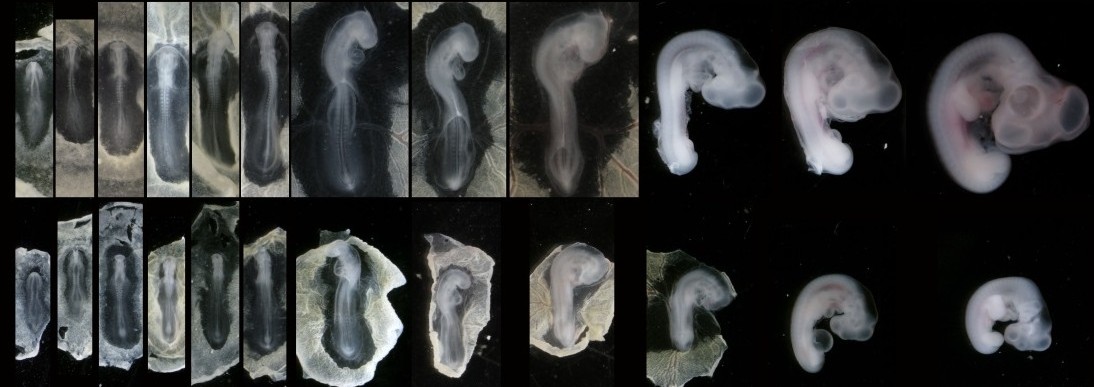
Posterior axis elongation is a crucial process during metazoan development. In principle, axial extension can be driven either by tissue growth or by tissue rearrangement – or by a combination of the two. In vertebrates, studies based primarily on chick and mouse have suggested that the presence of a posterior proliferative zone is key for driving axial elongation. Here (p. 1732), Ben Steventon and colleagues assess the relative contribution of volumetric tissue growth versus tissue deformation (lengthening along one axis while narrowing in the other) to posterior body elongation in the zebrafish. During early phases, elongation proceeds without growth and with minimal cell proliferation. At later stages, cell proliferation is confined primarily to the segmented region of the embryo and not to the elongating unsegmented tailbud. Thus, convergent extension-like movements, involving cells entering the posterior trunk from more lateral positions, are the major driving force of elongation in the zebrafish. Through comparative analyses in other vertebrates, the authors’ data suggest a correlation between posterior volumetric growth – as seen in dogfish and mouse but not lamprey or zebrafish – and nutrient availability during embryogenesis.


Navigating the brain: the many paths of the interneurons

Embedded Image

In the mouse forebrain, interneurons (INs) are born in the ganglionic eminences and preoptic area, and migrate from there to the cortex and other brain regions. The medial ganglionic eminence produces most INs of the neocortex – particularly the early born ones – whereas a minority of later-born cortical INs, as well as INs of other brain regions, derive from the caudal ganglionic eminence (CGE). What specifies the different populations of INs and how they reach their targets, is still incompletely understood. Michèle Studer and colleagues now (p. 1753) analyse IN migration from the CGE, finding that, in addition to the well-known caudal migratory stream (CMS), populations of INs also migrate rostrally by taking medial and lateral paths (the MMS and LMS, respectively). INs in the different paths appear to express different subsets of transcription factors and give rise to distinct sub-populations of mature INs. The authors identify the COUP-TFI nuclear receptor as a key regulator of identity and fate of the MMS and LMS INs. These data uncover an unexpected complexity in the migratory paths of CGE-derived INs that might be crucial for defining the huge diversity of mature IN types in the brain.


Head development under hypoxia

Embedded Image

The early amniote embryo develops in a hypoxic environment: until blood circulation commences, oxygen availability in the developing tissues is low. What consequences does this have for development? On p. 1742, Nobue Itasaki and co-workers investigate the role of the hypoxia-responsive HIF pathway in regulating cranial neural crest cell (CNCC) production in the chick – which normally occurs in a hypoxic environment. They find that, upon embryo culture under normoxia, fewer CNCCs emerge from the neural tube; this phenotype can be rescued upon drug-induced activation of the HIF-1α pathway. Consistent with this, the authors observe reduced expression of known markers and regulators of migratory neural crest – several of which have previously been implicated as HIF-1α targets. It therefore appears that hypoxia is necessary for normal CNCC production, but is it sufficient to induce ectopic CNCCs? Activation of HIF-1α at later stages, after blood circulation has normally commenced, can induce CNCC production in in vitro explants, though only weak effects are seen in embryos. These data highlight the importance of the hypoxic environment for normal cranial development and imply that the initiation of blood circulation might have broad developmental consequences related to oxygen availability and HIF signalling.


Coactivator complexes in the spinal cord

Embedded Image

In the vertebrate spinal cord, the LIM-homeodomain transcription factors Isl1 and Lhx3 act in concert with the linker protein NLI to regulate neuronal differentiation: Lhx3/NLI complexes promote V2a interneuron fate, whereas Lhx3/Isl1/NLI complexes direct motor neuron differentiation. However, how these complexes mediate transcriptional activation is still poorly understood. Soo-Kyung Lee and co-workers now (p. 1721) elucidate a role for the single-stranded DNA binding proteins Ssdp1/2 in this process. Ssdps are known to interact with NLI in various contexts and have been implicated as possible components of LIM-containing complexes. Here, the authors show that Ssdp1/2 interact with Lhx3, Isl1 and NLI, and that they are required for efficient activation of target genes – both in vivo and in vitro. In both chick and mouse, Ssdp1/2 knockdown compromises V2a and motor neuron differentiation. Mechanistically, Ssdp1/2 appear to be involved in recruiting histone-modifying enzymes to Lhx3/Isl1 targets, triggering deposition of active chromatin marks. Thus, this work identifies Ssdps as key components of transcriptional regulator complexes in the spinal cord and it is likely that they play similar roles in other developmental contexts.


Making a mammary gland with Blimp1

Embedded Image

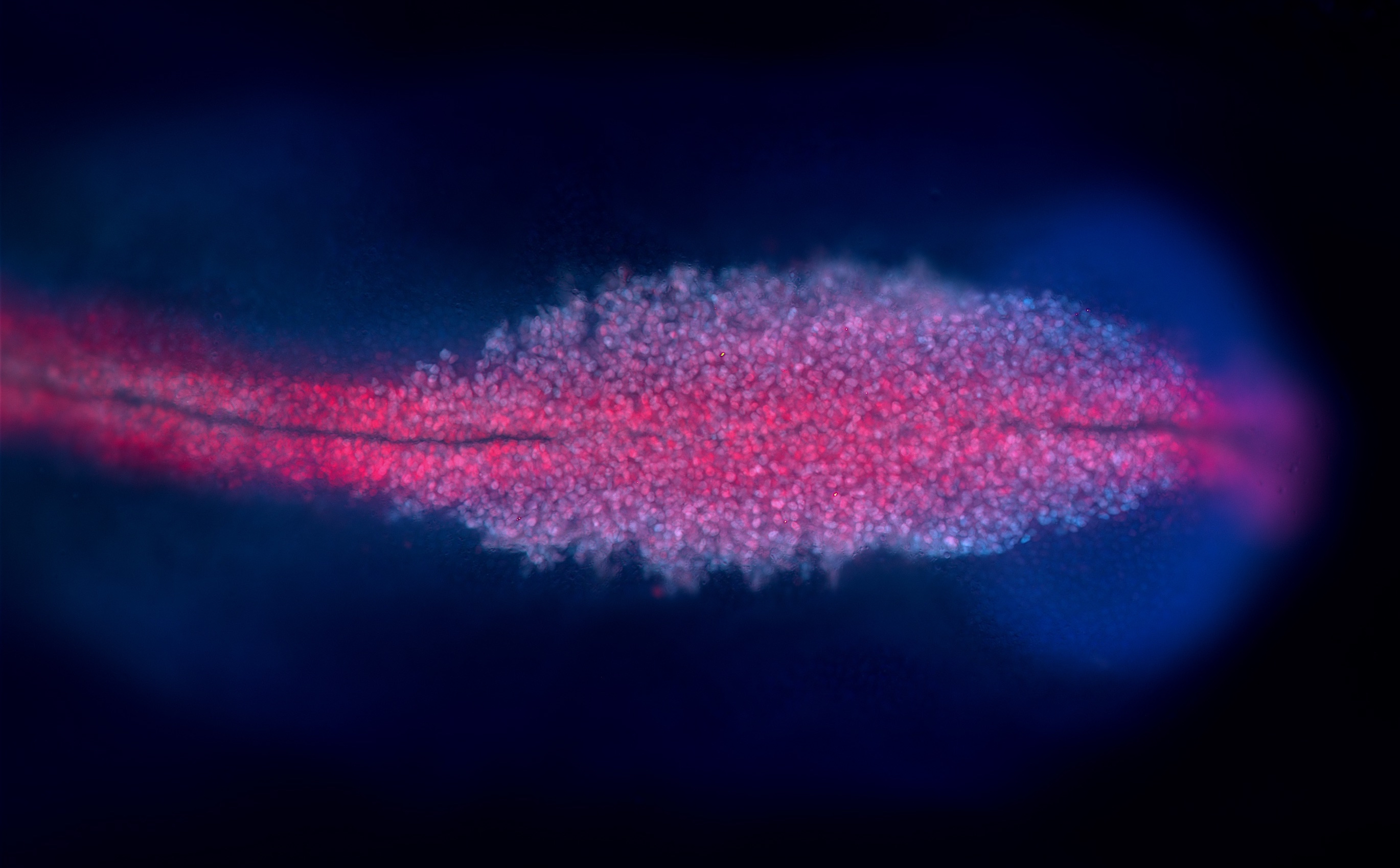
Uniquely among mammalian organs, the mammary gland of the female undergoes repeated cycles of expansion and regression during pregnancy, suckling and weaning. The tissue must therefore be equipped with hormone-responsive mechanisms for cell proliferation, differentiation and subsequent destruction. Various populations of progenitor cells have been identified and characterised, but our understanding of their properties and lineages is still incomplete. Here (p. 1663), Elizabeth Robertson and colleagues identify the transcriptional repressor Blimp1 as a marker of a progenitor population in the luminal compartment of the mouse mammary gland – rare in virgin females but expanding dramatically in pregnancy. They further demonstrate that Blimp1 is required for cell proliferation, polarity establishment and maintenance, and for the efficient production and secretion of milk components. While the mechanisms by which Blimp1 exerts these effects have yet to be elucidated, these data identify an important new regulator of mammary gland development and a new subpopulation of progenitor cells in the mammary epithelium.


PLUS:


Of sex and determination: marking 25 years of Randy, the sex-reversed mouse

Randy largeOn Thursday 9 May 1991, the world awoke to front-page news of a breakthrough in biological research. From Washington to Wollongong, newspapers, radio and TV were abuzz with the story of a transgenic mouse in London called Randy. Why was this mouse so special? The mouse in question was a chromosomal female (XX) made male by the presence of a transgene containing the Y chromosome gene Sry. This sex-reversal provided clear experimental proof that Sry was the elusive mammalian sex-determining gene. Twenty-five years on, Koopman, Sinclair and Lovell-Badge reflect on what this discovery meant for our understanding of how males and females arise and what remains to be understood. Read the Spotlight on p. 1633


An overview of mammalian pluripotency

pluripotMammalian pluripotency is the ability to give rise to all somatic cells as well as the germ cells of an adult mammal. Here, Juan Carlos Izpisua Belmonte and colleagues provide a summary of mammalian pluripotency both in vivoand in vitro, and highlight recent and future applications of pluripotent stem cells for basic and translational research. Read the poster article on p. 1644


Neurogenesis in Cancun: where science meets the sea

F2.large (2)In March 2016, meeting organizers Sebastian Jessberger and Hongjun Song brought together over 100 scientists from around the world to Cancun, Mexico to present the latest research on neurogenesis. Here, Jenny Hsieh and Chun-Li Zhang describe the exciting work that was presented and highlight some of the emerging themes from the meeting. Read the Meeting Review on p. 1649


Thumbs up (No Ratings Yet)
Loading...

Categories: Research

PhD position on evolution of non-embryonic developmental strategies in urochordates

Posted by , on 17 May 2016

Closing Date: 15 March 2021

A three years Ph.D. position is available at the Observatoire Océanologique de Villefranche-sur-Mer -LBDV (UPMC – Sorbonne Universités).

We are seeking a highly motivated student to join an international project, DEVODIVERSITY, funded by the French Agence Nationale de la Recherché (ANR) and the São Paulo Research Foundation (FAPESP).

By using molecular and cell biology, NGS transcriptomic, genomic, and ecological approaches, a multidisciplinary consortium led by two teams, the Tiozzo Lab at the Villefranche-sur-Mer Developmental Biology Laboratory in France (CNRS-UPMC) and the Brown Lab at the Istituto de Biociências in Brazil (USP), will study the evolution of regeneration, asexual reproduction, and clonality in several species of ascidians (Urochordata), and examine how ecological factors affect distribution ranges, evolution of life cycles and developmental strategies.

The Ph.D. will be mainly based at the LBDV (Villefranche sur Mer, France) with the possibility to spend few months at the USP (Sao Paulo, Brazil).

The applicant should contact directly Stefano Tiozzo (tiozzo@obs-vlfr.fr) providing a letter of interest, a CV and the contact of three potential referees.

Start date will be October 2016.


For more details about the project please contact Stefano Tiozzo.


—————————————————————————————-
Stefano Tiozzo, PhD
Regeneration TeamSorbonne Universités, UPMC Univ Paris 06, CNRS,
Laboratoire de Biologie du Développement de Villefranche-sur-mer (LBDV),
06230 Villefranche sur-mer,
FrancePh:+33 4 93 76 39 78  Fax:+33 4 93 76 37 92
web: http://biodev.obs-vlfr.fr/~tiozzo/tiozzo-lab/
—————————————————————————————-

Thumbs up (3 votes)
Loading...

Categories: Jobs

Postdoctoral Position in Anatomical Networks, Evo-Devo and Macroevolution

Posted by , on 17 May 2016

Closing Date: 15 March 2021

A Postdoctoral researcher is sought to join the Rui Diogo lab (www.ruidiogolab.com), at the Howard University College of Medicine, Department of Anatomy (Washington DC). For more details on the research done at the lab, and the papers/chapters/books published in recent years, see also:
https://www.researchgate.net/profile/Rui_Diogo
Diogo’s books: http://www.amazon.com/Rui-Diogo/e/B001JS2K96

We are interested in a candidate that will have the ability to combine two or more – and ideally all four – items; there is a strong competition, so please make sure you have the necessary skills and interest and drive for this position:

1) contribute to uncover evolutionary and developmental mechanisms underlying both hard tissue (cartilages and bones) and soft tissue (mainly muscles) formation and patterning during ontogeny of a wide range of vertebrate taxa. Some of the issues and broader questions in which we are particularly interested include: the parallelism between ontogeny and phylogeny, the remarkable similarity between the hard and particularly the soft tissues of the upper and lower limbs of tetrapods, the importance of evolutionary reversions/neotenic events, the study of birth defects in human and non-human primates and their implications for medicine and for the understanding of evolutionary biology, and the regeneration of hard and soft tissues in key vertebrate taxa. For more information about these subjects and about other issues being studied in the lab, please see www.ruidiogolab.com.

2) you should have good writing skills, and a profound interest in reading, as you will be expected to lead, and help write, review papers and probably books/book chapters on the broader macroevolutionary topics covered above. In turn, by doing this you can relatively rapidly get a substantial experience in publishing in top journals and monographs.

3) you will also help build and maintain a website, so you need to have and be able to show previous skills on website design, managing, maintenance.

4) you will be mainly involved in learning, the framework of anatomical networks, and helping in anatomical network analysis, which relate directly to broader discussions on evolvability, complexity, modularity and integration

In summary, this will be a highly demanding – and expected to be a highly-demanded – position, in a very productive lab, in which there is a relatively high independence, where the drive of the postdoc is essential to make her/him more productive, taking advantage of the broader scope and numerous collaborations of the lab.

There are funds available for one year, starting fall (September) 2016, with the hypothesis of extending the position for two years, in case of excellent results and fit within the lab, i.e. the second contract depending on the productivity, interest and dedication of the candidate. There are possibilities to continue being part of the lab after the two-year period of the post-doc position. The post-doc will also have the opportunity to learn, and potentially to then become an instructor/faculty of human gross anatomy; this will further allow him/her to also postulate for faculty positions in medical schools in the DC area (including Howard University) as well as in other regions.

Interested candidates should send a CV including research interests, a list of publications and the names and contact information for three references to Rui Diogo, at rui.diogo@howard.edu. Please write “post-doc in Diogo’s lab” followed by your last name in the email subject.

Howard University is a historical University situated in the center of Washington DC, which is a beautiful, green and enjoyable city with numerous cultural and outdoor activities. The Department of Anatomy provides a prosperous, resourceful and multidisciplinary environment for biomedical research, includes faculty with a broad experience in developmental biology, paleontology, neurobiology, comparative anatomy and medicine. We have strong ties with surrounding institutions, particularly with George Washington University, and the candidate will probably have the opportunity to do part of his/her research at those institutions and thus to expand his/her knowledge and academic connections.

Qualifications/Experience:
The successful candidate will have a PhD degree with a broad experience in developmental biology (e.g., doing/using developmental techniques such as antibody staining, in situs, and cell tracing, among others) and/or evolutionary biology, and hopefully both, backed by publications in peer-reviewed journals, and also some experience in comparative anatomy. He/She will have the skills and motivation to pursue a career in research, be interested in studying and comparing a wide range of taxa and various model organisms and in discussing various evolutionary and developmental issues, and be able to fulfill at least some, and ideally all four, items listed above.

Contact Information:
Rui Diogo
USA

E-mail Address:
rui.diogo@howard.edu


Thumbs up (No Ratings Yet)
Loading...

Categories: Jobs

Senior Lab Research Scientist – Human Embryo and Stem Cell Laboratory

Posted by , on 16 May 2016

Closing Date: 15 March 2021

To apply please use the following link:

https://jobs.crick.ac.uk/pls/corehrrecruit//erq_jobspec_version_4.display_form?p_company=1&p_internal_external=E&p_display_in_irish=N&p_applicant_no=&p_recruitment_id=002843&p_process_type=&p_form_profile_detail=&p_display_apply_ind=Y&p_refresh_search=Y


Senior Lab Research Scientist – Human Embryo and Stem Cell Laboratory

This is a full-time fixed term 3 year position on Crick Terms and Conditions of Employment.

Salary is competitive plus benefits, subject to skills & experience


OVERVIEW

We are looking for a highly motivated Senior Lab Research Scientist to join the laboratory of Kathy Niakan, to understand mechanisms of lineage specification in human embryos and stem cells. A successful candidate will support a team of 4 PhD students and postdocs. The majority of their time will be spend in the human embryo and stem cell facility where they will support multiple tasks including the maintenance of lab equipment, the organisation and culture of embryos, genome editing, advanced stem cell derivation and culture. In addition, the post holder will assist with the coordination of research licences, lab reagents and the lab budget.


The successful candidate is likely to be an energetic, focused, and productive individual with a desire to work in a congenial, dynamic, and collaborative research environment. Good organizational, analytical, and communication skills are essential.


The Laboratory Research Scientist will be a member of the Niakan lab at the Francis Crick institute at the Mill Hill Laboratory. The lab will move to the Francis Crick institute central London site around September 2016. Working alongside other laboratory members, the post holder will support multiple research projects, enabling the accurate and full interpretation of data generated both externally and within the lab. The post holder will report directly to the Group Leader, Kathy Niakan.


PROJECT SUMMARY

The focus of our lab is to understand the influence of signalling and transcription factors on differentiation during early human development. During preimplantation development totipotent human zygotes differentiate into pluripotent embryonic cells, which form the foetus, and extra-embryonic cells, which form the placenta and yolk sac. The central question we are addressing is what are the molecular mechanisms that regulate embryonic stem cell pluripotency and how is it disengaged during cellular differentiation? We seek to define the genetic hierarchy acting during differentiation, the influence of extracellular signalling and the extent to which these mechanisms are conserved between humans and mice. The molecular basis of these early cell lineage decisions are of fundamental biological importance and have significant clinical implications for infertility, miscarriages, developmental disorders and therapeutic application of stem cells.


Our lab uses approaches of retroviral transduction to derive human induced pluripotent stem cells; mouse embryonic and extraembryonic stem cell derivation and genome editing    to generate genetically modified embryos and stem cells; microdissection/micromanipulation and computational biology to profile human preimplantation embryos and novel culture conditions to derive alternative human stem cell lines. Our lab has a Human Fertilisation and Embryology Authority (HFEA) research licence and we collaborate closely with in vitro fertilisation clinics.


For more information please visit: www.crick.ac.uk/kathy-niakan


KEY RESPONSIBILITIES

These include but not limited to;

  • To maintain lab and cell culture equipment and ensure that the lab and cell culture activities run as efficiently as possible
  • To help manage the lab consumables budget and order as appropriate
  • Liaise with other support staff as appropriate
  • Manage the inventory of embryos, cell lines and animal stocks
  • Assist in the coordination of research licences and lab inspections
  • Conduct experimental work including embryo thaw, genome editing and culture in line with best practice and UK regulation
  • Keep accurate records of all work carried out
  • Problem solve regarding defective equipment
  • Instruct and advise students, post-doctoral fellows, and collaborators on the use of equipment and techniques
  • Coordinate the shipment of reagents to colleagues
  • Assist with and conduct cell culture experiments
  • Attend group meetings and key talks relevant to the lab
  • To communicate the lab results at meetings as appropriate
  • To contribute to the preparation of scientific manuscripts


ABOUT US

The Francis Crick Institute (the Crick) is a registered charity whose purpose is to conduct biomedical research into all aspects of human health and disease. Dedicated to research excellence, the institute will be a world-leading centre of biomedical research and innovation.

In 2016, the Crick will move to a single new, purpose built research centre in St. Pancras which will house some 1,500 staff.


KEY EXPERIENCE AND COMPETENCIES

The post holder should embody and demonstrate our core Crick values: Bold, Imaginative, Open, Dynamic and Collegial, in addition to the following:

 BSc or equivalent

  • Accountable and reliable
  • Works ethically and with integrity
  • Highly motivated
  • Resourceful
  • Experience in bench work including cell culture and molecular biology
  • Outstanding organisation skills
  • Ability to multi-task and integrate the demands of different activities in parallel
  • Excellent skills in written and oral communication
  • Ability to prioritise and manage own time
  • Proficiency in basic Microsoft programmes (Word, Excel, PowerPoint)

to apply please follow the following link: https://jobs.crick.ac.uk/pls/corehrrecruit//erq_jobspec_version_4.display_form?p_company=1&p_internal_external=E&p_display_in_irish=N&p_applicant_no=&p_recruitment_id=002843&p_process_type=&p_form_profile_detail=&p_display_apply_ind=Y&p_refresh_search=Y

For any questions, please contact us on jobs@crick.ac.uk or the kathy.niakan@crick.ac.uk

PLEASE NOTE: ALL OFFERS OF EMPLOYMENT ARE SUBJECT TO SUCCESSFUL SECURITY SCREENING AND CONTINUOUS ELIGIBILITY TO WORK IN THE UNITED KINGDOM.

Thumbs up (No Ratings Yet)
Loading...

Categories: Jobs

Science Portfolio Adviser/Developer – Cellular and Developmental Sciences

Posted by , on 13 May 2016

Closing Date: 15 March 2021

Wellcome Trust

Science Portfolio Adviser/Developer – Cellular and Developmental Sciences


The Wellcome Trust is a global charitable foundation dedicated to improving health. We support bright minds in science, the humanities and the social sciences, as well as education, public engagement and the application of research to medicine.


We are seeking up to two Science Portfolio Advisers or Developers to contribute to managing the Cellular and Developmental Sciences portfolio within our Science division. You will liaise with internal and external stakeholders, including other funders, and provide our community of researchers with support and advice. You will need to keep abreast of the scientific field and attend key national and international conferences in the field.


You will have a PhD and postdoctoral scientific experience in a relevant discipline. Some experience working outside academia in a research, funding or policy role is desirable. You should be confident interacting with your peers and the external scientific community. You will also be able to demonstrate that you can:


  • see the big picture and recognise scientific potential and opportunities
  • assimilate complex issues and work across science areas
  • demonstrate the necessary personal attributes to lead and manage teams
  • communicate effectively and confidently with individuals and groups
  • work effectively and cooperatively within a team/matrix structure
  • apply your strong analytical and written skills to the development of briefing/position documents.


The salary will be between £36,000 and £52,000+ pa, dependent on experience.


For more information and to apply online, visit: https://jobs.wellcome.ac.uk/iRecruit/VacancyDetail.aspx?VacancyUID=000000002536


Closing date for applications: 12 June 2016

Interview date: 4 & 8 July 2016


Thumbs up (No Ratings Yet)
Loading...

Categories: Jobs

Recovering from an earthquake: update from IMEG

Posted by , on 13 May 2016

I recently learned that the recent earthquakes in Kumamoto, Japan, severely affected the Institute of Molecular Embryology and Genetics (IMEG) – home to a large community of developmental biologists. Fortunately, none of the institute’s staff were seriously injured, but there was significant damage to the building and the research infrastructure and it will take a long time for the institute to recover. With the permission of Ryuichi Nishinakamura, the institute’s Director, I am reposting here extracts from the news bulletins he has been putting out via the institute’s website – where he has been doing a great job of keeping people updated.

I’m sure that many of you will know (or at least know of) some of the researchers at IMEG, and we wanted to spread the word more widely about the situation there – and give people the opportunity to send messages of support. Any comments left below will be forwarded to Ryuichi.

IMEG has a fundraising campaign open for donations to help in their recovery efforts. While the primary aim of this post is not to solicit donations, any assistance that can be offered – financial or otherwise – would obviously be greatly appreciated. Further details on the fundraising efforts can be found here.

You can also see photos from the institute here


APRIL 19th

The building of the Institute of Molecular Embryology and Genetics (IMEG) at Kumamoto University was severely damaged by the big earthquake on April 14th, 2016. On the early morning of April 16th, another earthquake even bigger than the first, brought devastating damage to our institute.  There was no electricity, water, or gas in the entire city. Many people, including myself, evacuated to emergency shelters or stayed in cars for several nights.

I am very relieved to report that no one at our institute, including graduate students, was severely injured. However, the grounds surrounding the building have become rippled, multiple tiles were ripped off the exterior walls, and many cracks have developed in the wake of the earthquakes. I was shocked at first, but the foundation of the building turned out to be well maintained, and the building is unlikely to collapse. In order to avoid injuries from falling objects, general entry to the building is prohibited. Staff members, however, are already in the building working hard toward the recovery of the institute. Although it will take more than a year for the entire recovery, we are confident that we will be able to resume our research activities soon.

Much of the equipment, including the mass spectrometer, the next-generation sequencer, the FACS, and the microscopes, has fallen onto the floor. Because IMEG is one of the members of the MEXT program for Joint Usage/Research Center, many researchers from all over the county have used our facility and received professional support at the core facility, the “Liaison Laboratory Research Promotion Center (LILA)”. This facility has also contributed greatly to our own research activities. Therefore, we are trying to restore all the equipment as early as possible, although the cost may be high.

We were also fortunate to have the supply of electricity, water, and gas remain constant for the Center for Animal Resources and Development (CARD), which is one of the top level mouse facilities in Japan. The mice in this building are alive and safe. The cryopreserved embryos that are stored in the liquid nitrogen tanks in the basement are also unharmed. I am relieved because these mice are also important resources for the scientific community.


APRIL 25th

We will recover the laboratory infrastructures to relaunch research activities by following two steps. First, we will attach the fundamental research instruments firmly to the floors (e.g., several types of benches including clean benches, microscopies, PCs, and incubators). We plan to move some of them from the upper to the lower levels inside the main building to ensure greater safety. Second, we will do our best to repair the advanced instruments (e.g., fluorescence-activated cell sorters [FACS], mass spectrometers, next-generation sequencers, and confocal microscopes) that have provided support for research activities so far in laboratories nationwide in Japan, because we have a mission to return to serving our institute as a Joint Center for Research again. We need time to complete the fixes, as we should wait until the afterquake clusters have passed before bringing technical supports to our institute. As we progress in the preliminary investigation, we face the fact that many instruments are too damaged to be repaired after having fallen to the ground. We tentatively consider that it will take a great deal of time and money to repair the buildings, lab environments, and instruments.

Rather than feeling battered, we are now excited to overcome this difficulty. While we have evacuated students from Kumamoto to their hometowns or other remote locations, the faculty and staff remain in Kumamoto to recover the institute. We start each morning by cleaning the laboratories. Then we meet for lunch to share information and encourage each other while eating bread and rice balls voluntarily provided by the professors. In the afternoon, all staff members separate into groups to carry out the processes. We share information through e-mail and on a whiteboard located in front of the entrance. All the institute’s employees have been making tremendous efforts in the restoration.

This update concluded with a ‘PS’ focussed on the staff:

More than 10 days have passed since the 2016 Kumamoto earthquakes. There were over 850 aftershocks. Some of our staff members still live in their cars because of the high degree of house damage or fear of aftershocks. Families were forced to take refuge in other areas. We cannot take baths or cook because of delays in the restoration of gas. Furthermore, water has not been restored in some districts. Our staff members face physical and mental fatigue. I would like to tell our staff members, please do not overexert yourself. Take on only what you can. Please rest so that you do not feel pushed to your limits, visit a hospital if you need to, or take refuge in a surrounding area. Further, our work prioritizes “safety first,” not “speed.” We have to tackle the problem using a long-term strategy. It is important not to do too much too quickly.


MAY 2nd

In addition to the damage to the buildings, the basic equipment on the upper floors is severely damaged, including the bench, cell culture system, microscope, and computers. Earthquake-proof fixation had been performed but was insufficient; some laboratory devices had fallen from the wall along with the fixation equipment. Although we thought that we had adequately prepared for earthquakes after the Great East Japan Earthquake in 2011, this situation shows that our preparation was not sufficient. It is difficult for us to decide how to use the upper floors in the future.

Our campus has four buildings, including our own, making it the central hub of studies utilizing mice. For example, our research at IMEG on the development of mouse organs and bodies contributes significantly to the iPS research on organ reconstruction. The mouse facility (CARD) contributes to animal studies nationwide by producing, keeping, and storing genetically engineered mice. Animal studies need researchers, animals, and equipment in place to produce good results. Fortunately, no researchers have been lost. The mouse facility building is damaged, but the mice are unharmed and are being kept safe. However, a lot of equipment was damaged. Few of the laboratories at our university are well funded, though we have produced results that can compare to any other research institutes in the world. The secret lies in our sharing scheme. We have shared animal facilities, expensive, cutting-edge machines, and support staff to help us use the environment, which have enabled our small laboratories to work efficiently. These items were the lifelines of the above-mentioned scheme, and they have been damaged. Not only have the facilities in our institute been shared by all of us but also three other buildings, as well as those on the neighboring medical school campus. Additionally, researchers across the nation come here to conduct studies using these instruments because IMEG is a Ministry of Education-rated hub for sharing and joint research institutes. It is detrimental not only to research by Kumamoto University but to that by nationwide researchers that we cannot provide the hub at this moment. We should return to the front line of research as soon as possible.

Unfortunately, many of the manufacturers’ staff members will be delayed in coming to Kumamoto because of aftershocks, and their arrival may be further delayed due to consecutive holidays. The details of the damage sustained by many machines should become clear around the middle to the end of May. The total losses seem to be enormous. It will take between several months to one year to resume our studies owing to the need to negotiate the budget, make repairs, order replacements, conduct bidding, and then allow time for manufacture and delivery. We will do our best to minimize the delay of our studies. Thank you for your continuous support, regardless of whether it is in or out of our institute. In addition to our studies, it is challenging to support foreign students as they return to our school, students whose houses were severely damaged, and students expecting graduation soon. We would appreciate your kind consideration of making a contribution toward rebuilding Kumamoto University’s entire system.

Ryuichi Nishinakamura

Thumbs up (3 votes)
Loading...

Categories: News

Postdoctoral Fellow in Indianapolis: Pancreas development and disease

Posted by , on 12 May 2016

Closing Date: 15 March 2021

The laboratories of Dr. Raghu Mirmira and Dr. Ryan Anderson at the Indiana University Diabetes Center have an opening for a PhD and/or MD Postdoctoral Research Scientist with skills in the following areas: cell biological techniques (immunohistochemistry, confocal imaging), molecular biology, mouse genetics, and/or immunology and inflammation research.  In addition, experience with mouse or zebrafish embryology is highly desired. The postdoctoral research scientist will conduct semi-independent projects including the study of beta cell development and function in mouse and zebrafish, islet gene transcription and chromatin structure, and cytokine signaling in the context of type 1 and type 2 diabetes.  Interested applicants are encouraged to send an updated CV and names of 3 references to Dr. Raghu Mirmira, MD, PhD, Director of the Center for Diabetes and Metabolic Diseases, Department of Pediatrics, Indiana University School of Medicine, USA, via email: rmirmira@iu.edu.

Thumbs up (No Ratings Yet)
Loading...

Categories: Jobs

Desiccated embryos at the piano

Posted by , on 12 May 2016

A few weeks ago, as I listened to Classic FM while trying to finish some of my projects on the Node, I came across a piano composition by Erik Satie called ’embryons desséchés’, the dessicated embryos. At the time I was too busy but now that I have a bit more time I tried to investigate this piece. I had planned to write a fairly detailed post about the background of this work and whether there was any connection between this french composer and science. However, it seems to be surprisingly difficult to find information about these desiccated embryos!

This piece was composed by Satie in 1913, and it is actually 3 short pieces. Each part is named after a different embryo:

1- (Desiccated embryo) of a Holothurian (sea cucumber)

2- (Desiccated embryo) of an Edriophthalma (this is a disused classification)

3- (Desiccated embryo) of a Podophthalma (stalk eyed crustaceans, like crabs or lobsters)

While searching for more information I came across what looks like an excellent talk on this piece by Anne-Elizabeth Halpern (in French). Unfortunately my French is not quite up-to-speed, so I can’t give you the full details, but from what I can gather Satie was quite interested in the world around him in all its aspects, and this included science. He didn’t think that science was incompatible with art and music. My friend Caroline Fabre was kind enough to translate the first few minutes of the talk for me, and apparently the speaker explains how the embryos represent the promise of the future, but since they are dry there isn’t much of a future here. They are meant to represent how our individual destiny and potential can be asphyxiated by the weight of traditions. The pieces themselves are meant to be parodies of his own music (and that of other people, e.g. he parodies Chopin in part 2) as if these little pieces are little desiccated embryonic citations of this old music.

I must admit that this is not my favorite work by Satie, but clearly he didn’t mean it to be. Do check out the rest of the talk if you are interested (and you can speak French!). While it seems that the embryos are meant as a metaphor for other things, it would be interesting to know where Satie got the idea for this work. Did he have scientist friends? Was he shown marine embryos (desiccated or not?). Do let me know if you find anything else! I finish with a video I found on YouTube of the three pieces:


Sources:

Wikipedia

Les Ernest


Thumbs up (5 votes)
Loading...

Categories: Discussion

Deputy Director of Allen Discovery Center at Tufts University

Posted by , on 11 May 2016

Closing Date: 15 March 2021

The Allen Discovery Center at Tufts University is seeking a versatile, highly-motivated, experienced individual to assist the Director (Michael Levin, www.drmichaellevin.org) in center startup, and development and management of on-going operations.

http://alleninstitute.org/what-we-do/frontiers-group/discovery-centers/allen-discovery-center-tufts-university/

Duties and Responsibilities:

The Deputy Director (DD) of the Allen Discovery Center at Tufts will work closely with the Director and the Center faculty and staff across Tufts University and collaborating institutions to manage the complexity of its operations, ensure successful implementation of Center goals, and implement its growth in scope and activities. The DD will report directly to the Institute Director and will have responsibility for aspects of scientific and technology development operations, facilities, IT and knowledge infrastructure, communications, intellectual property, and business development efforts. He or she will initially manage two direct reports, growing as needed to implement and manage all activities of this new multi-disciplinary research and development Institute. The DD will be expected to have a solid understanding of the scientific principles driving the Center mission, in order to provide strategic planning and management assistance to the Director. He or She will be one of the public faces of the Institute, occasionally speaking to press and science writers. He or she will help develop and manage the Center’s operational policies and procedures to ensure the successful implementation of the specific aims of the Center’s Scientific Plan. This includes oversight of research operations toward milestones, and of effective collaborations among multiple constituents, including but not limited to: external Institute faculty, the funding Foundation, Tufts administration, commercial vendors, as well as industry, philanthropic institutions, and the public.


Specific responsibilities include:

  • Together with Institute Director and members, on an annual basis help develop and refine the Center’s strategic plan. This plan will include start-up phase as well as plans to grow the institute to meet long-range goals and acquire new funding.
  • Implement the strategic plan for the creation of the institute, including establishing necessary infrastructures (facilities, instrumentation, IT, operating procedures, regulatory/compliance, and communication/oversight protocols). Initial steps will include hiring an administrative assistant and an engineer (whose job will be to help synthesize custom-built technology into novel instrumentation, and provide state-of-the-art IT infrastructure for the Institute), and evaluating and implementing digital systems for knowledge management, collaboration tools, and milestone tracking.
  • Help shape and implement an operations plan to support the Institute’s strategic research directions, as well as future opportunities for growth.
  • Develop and implement plans for designing, building out, and equipping the research facilities as needed for the strategic plan.
  • Oversee the efficient and effective day-to-day research and technology development operations of the Institute. Maintain regular oversight and communication with all participants to ensure continued progress along Center milestones and provide regular actionable reports to Director.
  • Strategically oversee the budget of the institute, establishing and implementing spending priorities in consultation with Institute Director, maintaining oversight of the spending in different categories.
  • Identify and pursue novel funding opportunities in our scientific focus areas.
  • Manage and supervise support staff reports, including hiring and review, responsibilities. Excellent interpersonal skills are a must; administrative and scientific interaction with scientists, from students to senior faculty, will be required.
  • Work with the Director, to develop and implement a staffing plan, including hiring of technical personnel and faculty recruitments.
  • Manage manuscript submission process. Assist with creation of Center audiovisual materials, interfacing to graphic artists as needed.
  • Occasionally give lectures on aspects of the work to various audiences and audience levels. The ideal candidate will be able to travel, to give scientific talks about the various Center research directions and results.
  • Identify, assess and inform the Director, the Institute faculty, and its various stakeholders of internal and external issues that affect the research operations or technology development at the Institute. Stay apprised of developments in industry and availability of new technical or human resources that provide new opportunities.
  • Continually analyze current scientific literature to help identify new technologies, data, and human expertise that could impact aspects of the strategic plan. Bring new ideas and potential collaborations to the attention of the Director.
  • Direct efforts related to business development, identification and cultivation of new funding sources and industry relationships worldwide, including design and execution of marketing and public relations activities, and speaking in public forums on behalf of the Center.
  • Together with Director and other Center participants, write grants to expand funding portfolio, targeting government sources, foundations, and industry partners.
  • Write invention reports (and interact with the IP/Tech Transfer office as needed).
  • Work closely with appropriate Tufts University administration to maintain accountability for directing the information and data integrity of the Center and its faculty groups and for all their Information Technology functions. This includes all communication networks (voice and data), hardware and software for research and development, data storage and retrieval and all computer systems operations.
  • Assist with regular progress reports to the Foundation, as well as managing the regular site visits, external evaluations, and participants’ scientific retreat.

Required Education, Experience and Skills

  • A PhD degree in science or engineering (ideally Biology); demonstrated significant experience managing an academic research center or consortium, or industry research group focused on basic discoveries. A degree in business administration would be a plus.
  • A strong background in biology (ideally, developmental or regenerative biology, cell biology, neuroscience, or bioengineering). Expertise in related fields (computer and information science, mathematics, artificial life, engineering) is a plus, as is a significant publication record.
  • Management experience, especially in the start up of a new results-focused, research and development organization (academic or industry) strongly preferred. Experience in management of staff required.
  • Strong computer and information science skills (including presentation tools, knowledge management, and collaboration technology). Comfort with computer use sufficient to evaluate new software performance against milestone specs is a plus.
  • Outstanding written and verbal communication skills are essential, with an emphasis on synthesizing work products from multiple teams and facilitating interaction and accountability; excellent listening and collaboration skills are important especially in linking scientific vision to resource allocation and administrative operations.
  • Demonstrated skills that derive from the experience of having implemented a vision for the strategic direction of an organization worldwide, engaged and won the support of various stakeholders and constituencies, energized and integrated multidisciplinary groups with multiple priorities.        You will then be contacted to facilitate application through our HR department. Candidates proceeding to the next phase will be asked for references.


To begin application process:

Please email a cover letter and complete CV to: William.Baga@tufts.edu


About the Center

The Allen Discovery Center at Tufts University is dedicated to fundamental advances in re-writing the morphogenetic code. Its focus is a novel vision for understanding and controlling large-scale patterning in vivo: extending the frontiers of multi-scale biophysics, to gain control of the interplay between physiology and genetics toward unprecedented capabilities in developmental and regenerative biology. Located in state-of-the-art new facilities on the Tufts main campus, it has pioneered a unique approach to the understanding and control of biological structure and function.

Under the leadership of director Dr. Michael Levin, molecular genetics, biophysics, and computer science are integrated toward new technology and conceptual advances. The Center faculty collaborate to develop a multi-level understanding of the mechanisms and information processing utilized by networks of cells as they build and repair complex anatomical structures. Exploiting biophysical and genetic mechanisms of cellular decision-making, the work of the Center seeks to understand the information processing, computation, and patterning processes that drive embryogenesis, regeneration, and tumor suppression. Technology developed in the Center is used to modulate the ubiquitous bioelectric circuits that enable all cells to coordinate their activities toward specific anatomical and functional end-states, thus rewriting the rules of pattern regulation and enabling top-down reprogramming beyond the level of individual cells. This new aspect of epigenetics has significant implications for developmental biology, evolution, unconventional computation, and synthetic bioengineering. By developing novel approaches to the control of growth and form, the Center’s efforts will drive transformative advances and applications to birth defects, regenerative medicine, and cancer. The Center is highly collaborative and consists of 9 external faculty at various institutions world-wide, in addition to facilities and scientific personnel at Tufts.

Thumbs up (1 votes)
Loading...

Categories: Jobs