In our recent survey many of you told us that you like the Node to be even more a place where the community can discuss and share ideas. We totally agree, but to make this happen we need your help and participation!
To encourage more discussions we decided to launch a new feature called Question of the Month! Every month we will post a question on an interesting or controversial topic. We need you to join the discussion and share your thoughts by leaving a comment. With everyone’s participation, both in these discussions and in other posts and comments on the blog, we can make the Node an even better forum of ideas! So here is the first question:
In the current climate of budget constraints and political pressure there is a noticeable shift in the type of science preferred by funders, with funding increasingly going to projects with clear translational potential. Developmental biology is a basic science, but it feeds into our understanding of disease and regenerative medicine. But do funders recognise this? In other words:
Is Developmental Biology at risk because of the increasing emphasis on applied science?
Join the discussion- leave a comment below with your thoughts! You can comment anonymously if you prefer! And if you have any ideas for future questions please drop us an email!
Here are the highlights from the current issue of Development:
ActivinA-ting spiny neuron production from hPSCs
The medium-sized spiny neurons, the main projection neurons of the striatum, are generated in the lateral ganglionic eminence (LGE) and degenerate in the early stages of Huntington’s disease (HD) – for which no pharmacological treatment is yet available. Hence, an efficient way to derive striatal neurons is crucial for disease modelling, drug development and cell-replacement therapy. Striatal neurons have previously been generated from human pluripotent stem cell (hPSC)-derived neural progenitors treated with sonic hedgehog (SHH), or SHH plus Wnt pathway inhibition. Now, Meng Li and co-workers (p. 1375) report a more robust and efficient way to generate functional striatal neurons from hPSCs. They show that activin A induces LGE characteristics in hPSC-derived neural progenitors. This is independent of SHH but requires CTIP2, a transcription factor required for striatal neuron development. Furthermore, the activin-patterned neural precursors efficiently generate functional DARPP32+ GABAergic striatal neurons in vitro, and acquire striatal spiny neuron properties without overgrowth or teratoma formation upon engraftment in a rat HD model. Altogether, these findings uncover a novel role for activin A in striatal projection neuron specification and establish a robust protocol for deriving these neurons.
Cofilin the gap in neural tube closure
Neural tube closure occurs through highly orchestrated cell shape changes mediated by actin dynamics. Its failure results in some of the most common and severe human congenital malformations. Cofilin 1, an actin-depolymerising protein, is known to be involved in neural tube closure but its precise functions had not been elucidated. In this study (p. 1305), Joaquim Grego-Bessa and colleagues show that the absence of cofilin 1 in mouse leads to defective neural tube closure, reduced cell number, altered cell shape and cell cycle kinetics. The protein is enriched at both apical and basal domains of the neuroepithelium but, intriguingly, has opposing activities on either side of the cell. Apically, although localisation of the apical polarity complexes remains unchanged, phosphorylation of myosin light chain is impaired in cofilin 1 mutants. By contrast, basally, the absence of cofilin 1 leads to an accumulation of actin and phosphorylated myosin light chain, ectopic tight junction-like structures and disruption of the basement membrane and hence of epithelial organisation. Altogether, these results shed light on the cellular mechanisms of neural tube closure and reveal a dual role for cofilin that is presumably dependent on the intracellular context.
Preserving progenitor pools in the kidney: a balancing act
The nephrons are the filtration units of the kidney that excrete toxins, balance salt and water content in the blood and regulate blood pressure. Their number is determined during kidney development by the size of the nephron progenitor cell (NPC) pool, which exhausts in early postnatal life in mouse. Understanding the mechanisms that regulate the balance between NPC self-renewal and differentiation is a crucial endeavour. In this issue, two papers provide insights into the molecular cues controlling NPC self-renewal.
On p. 1228, Zubaida Saifudeen and colleagues report that the specific deletion of p53 in mouse NPCs leads to hypoplastic kidneys, reduced nephron number and elevated blood pressure. p53 is classically associated with restraining proliferation, but the observed phenotype suggests a positive role for p53 in progenitor renewal: in mutants, NPC proliferation is reduced while senescence, apoptosis and the levels of known regulators of NPC survival remain unchanged. Furthermore, using functional genomics, the authors find that p53 regulates factors involved in cell-matrix interactions and metabolism. They then show that mutants display aberrant ATP and reactive oxygen species levels in NPCs. Altogether, these results uncover an unexpected contribution of p53 to NPC self-renewal capacity, energy metabolism and niche architecture.
In the second study (p. 1254), Martin Kann and co-workers identify growth arrest-specific 1 (Gas1) as a direct target of Wilms’ tumor suppressor protein 1 (WT1), a transcription factor required for NPC self-renewal and differentiation. Phenotypically, the loss of GAS1 is similar to p53 depletion, with mutant mice displaying hypoplastic kidneys and decreased nephron numbers, stemming from reduced NPC proliferation. The authors further analyse the mechanism by which GAS1 acts in NPCs, finding that it modulates the response to fibroblast growth factor (FGF) signalling, a known regulator of NPC growth and proliferation, by specifically promoting the AKT pathway branch downstream of receptor activation. This study therefore links WT1 to FGF-mediated regulation of NPC proliferation, providing additional insights into the mechanisms by which this key transcription factor functions.
PLUS…
Positional information and reaction-diffusion: two big ideas in developmental biology combine
The two most influential ideas in the field of pattern formation are those of Alan Turing’s ‘reaction-diffusion’ and Lewis Wolpert’s ‘positional information’. Much has been written about these two concepts but some confusion still remains, in particular about the relationship between them. Here, Jeremy Green and James Sharpe address this relationship and propose a scheme of three distinct ways in which these two ideas work together to shape biological form. See their Hypothesis article on p. 1203
Cellular and molecular insights into Hox protein action
Hox genes encode homeodomain transcription factors that control morphogenesis and have established functions in development and evolution.Here, Yacine Graba and colleagues discuss the molecular and cellular mechanisms underlying the diverse and context-dependent functions of Hox transcription factors during morphogenesis and organogenesis. See the Review article on p. 1212
Heather Hendrickson (Senior Lecturer in Molecular Bioscience, Massey University)
I have had my personal ups and downs with live performance. I was 4 years old when, convinced I was a dance prodigy, my enthusiastic whirling became frenetic and I flung myself directly at my grandmother, landing in a humiliated heap at her feet. Despite the signs, it still took me years to recognize that dance performance was not to be my destiny. I was fortunate enough to find science. Today I am a Senior Lecturer in Molecular Bioscience at Massey University in New Zealand. The research in my laboratory focuses on the evolution of bacteria, DNA replication and segregation and bacteriophage discovery. For the past two years I have also been the Chair of the Outreach Committee for my Institute. This position put me in touch with our campus External Relations team, the group that designs and implements strategies for university engagement with the public.
When a national TV station in our city came looking for a science news correspondent, our external relations team asked me if I was interested in trying this. As a result, I have made monthly TV appearances on a nationwide morning program in New Zealand for the past two years. We are very lucky to have this forum for a weekly science update, with five academics from around the country talking to the public about science for 5 minutes each week, in a live interview format . This has been a huge learning opportunity for me and has opened up a wealth of other opportunities in science communication, including radio interviews, a podcast, public talks, other TV programs and filming for a documentary.
In my natural environment, the bench.
What is it like to do science communication on Live TV?
The morning program, First Line, has a large share of the pre-work family viewing audience: young families, mature couples and singles who want a dose of news before heading to school or work. The goal of the station is therefore to provide viewing material that will keep them tuned in.
As with any science outreach, the audience comes first, so I choose my topics carefully. Perfect stories are those about recent science topics that both I and that the public find interesting. The story should have an “aha!” factor. If the stories are good the rest is easy, as long as you have a store of natural enthusiasm for the topics. I read widely, check online sources like Science Daily Headlines, Twitter and even Facebook for recent trending science news. I am also subscribed as a journalist with the Science Media Center in New Zealand. This is an invaluable resource, as I receive updates about embargoed press releases that I can research in order to present the most “up to date” science news available.
Once I have chosen 3-5 stories, I send abstracts, articles on-line, videos and anything else that might be helpful to the producer, the day before we go on air. The producer and I choose three stories from my prescreened ideas. Selected stories have been everything from bacteriophage therapy and antibiotic resistance (close to my heart) to advances in robotics and climate change (very far afield). When in doubt I call on old friends or other experts to put things in context for me.
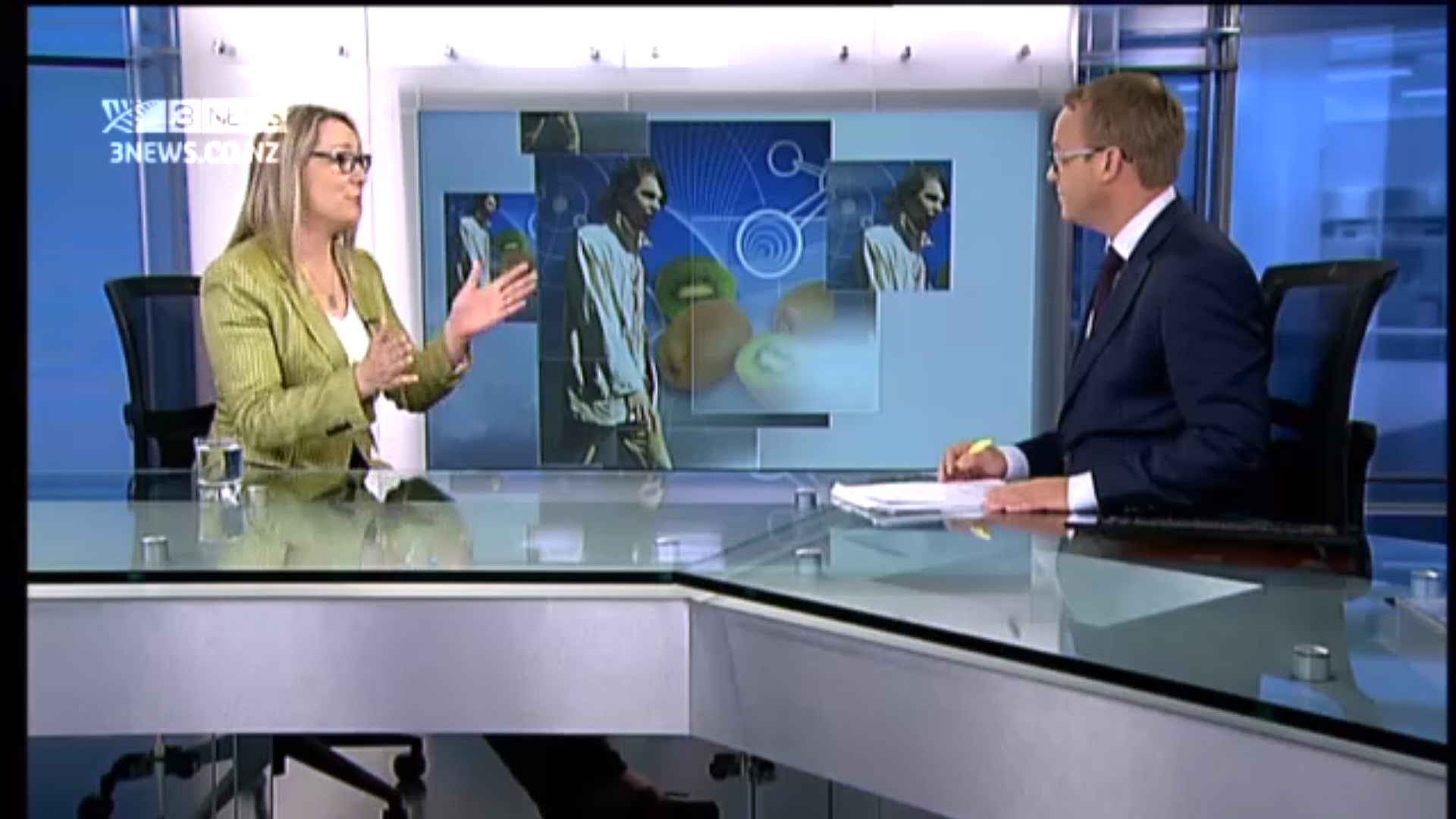
On First Line, TV3, New Zealand. Note the video monitor behind us has both kiwifruits and a zombie!
Once the topics are selected the task is to choose my big concepts and simplify, simplify, simplify. I have about 1.5 minutes of discussion for each topic, and I must assume my audience has no knowledge of acronyms, techniques, or context. This changes what I choose to talk about. If the topic is relevant then the language should come fairly naturally. Complex ideas must be translated into normal language.
By the morning of the interview, I have in mind a summary of what the work is, why it is important and what comes next for this field. I have very rarely been given questions in advance, so I have to be ready to guide a strange or off topic question to a productive point.
I arrive at the studio 45 minutes before go on air, and head into make up for a 15 minute hair and make up session with the amazing professionals on staff. About 5 minutes before my segment I am invited on set, say hello to the hosts and get my microphone subtley installed.
Top Tips for going live:
1) Don’t wear things that make noise, the mics are sensitive!
2) Sit up straight but lean slightly forward to physically engage the interviewer.
3) Avoid the temptation to look at the tele-prompters or the camera.
4) Smile and maintain eye contact with the interviewer, even at the end of the interview.
5) If a question seems strange, simply ask for clarification. This is a conversation!
6) Keep things simple, engaging and light-hearted (where appropriate).
7) Obstinate hosts can drive ratings so don’t take things personally. You are there for the audience (not the interviewer) so play along, but know your limits in advance.
Me and Professor Steve Pointing doing the end of year wrap up, December 2014.
How is Live TV science outreach different?
The biggest difference between TV-based outreach and classroom-based outreach is that when you do face to face outreach with students or the public you can see the effects immediately. Sometimes their faces light up with recognition or understanding, and other times you can hear expressions of awe. I think that for many of us this is one of the most rewarding parts of science communication. This does not happen when you do science communication on live TV. When I walk out of the TV station after my five minutes on air, I don’t know who might have seen the spot or what they thought. I have occasionally received appreciative e-mails from viewers afterwards, but these are few and far between .
Should you get involved in live TV science outreach?
The public funds our work, so we owe it to them to tell them about discoveries and progress that are relevant to their lives. I also remind myself that there are little science nerds out there that don’t know it yet. Maybe some of them even think that they are destined to be great dancers! I like the idea of inspiring the kids of today to be the scientist of the future.
So if you think that live TV outreach sounds fun, you should go for it. Not sure if you can pull it off? Do a trial run with someone from your external relations or press team on campus. These groups will have direct experience with live television, live radio or print media, and they will have great tips and leads for you to make contact with journalists. They are also likely to know the local media personalities and can give you an idea of what to expect.
1x Postdoc and 1x Research Assistant Positions: Regulation of Cell Death and Cell Growth in Drosophila
One postdoc and one 50% research assistant positions are available in the laboratory of Dr Yun Fan in the School of Biosciences at the University of Birmingham, United Kingdom.
Current research in the laboratory is focused on 1) to identify and characterize key regulators of compensatory cell proliferation and tissue homeostasis in response to apoptotic stresses; and 2) to understand how apoptosis susceptibility can be modulated at the cellular level. Our approach is to combine Drosophila genetics with molecular, biochemical and imaging techniques (click here for more details).
Postdoc applicants must have a relevant PhD (or equivalent), while Research Assistant applicants must have a BSc (or equivalent) in Biological Sciences. Experience with genetics, molecular biology, immunohistochemistry, confocal microscopy and biochemical techniques would be preferred.
These are fixed-term appointments, available for up to 36 months. The posts will be available from 1st June 2015.
Department/Location: Wellcome Trust – Medical Research Council Cambridge Stem Cell Institute, University of Cambridge
Salary: £28,695-£37,394
Reference: PS04734
Closing date: 20 April 2015
Fixed-term: The funds for this post are available until 30 September 2017 in the first instance.
Applications are invited for a computational biologist to join the research group of Dr Paul Bertone at the Wellcome Trust – Medical Research Council Stem Cell Institute at the University of Cambridge. We are applying state-of-the-art experimental and computational methods toward the understanding of transcriptional regulation in pluripotent stem cells from rodents and primates.
We work closely with the groups of Dr Jennifer Nichols and Professor Austin Smith at the SCI, and seek to fill this position with a postdoctoral scientist who will join a new collaborative project funded by the BBSRC. This arrangement provides an excellent environment for research and career development, as the post holder will benefit from the resources and expertise of both experimental and computational environments to lead this multidisciplinary initiative.
The group applies large-scale gene expression profiling, comparative genomics and regulatory systems modelling to mammalian embryogenesis and stem cell biology. The post holder will have the opportunity to lead related computational projects, but will also work in partnership with experimentalists and contribute to the design and execution of collaborative studies. He or she will have a strong publication record, excellent communication skills, and enjoy working on ambitious projects at the frontiers of genomics and biotechnology.
Candidates will have a solid background in computation and current knowledge of eukaryotic genomics. Expertise in statistical methods and Unix scripting are essential. Additional experience with high-throughput sequencing data, numerical computing or regulatory systems modelling is desirable but not required. Applicants should hold a PhD in a relevant field (e.g. Bioinformatics, Applied Mathematics, Computer Science, Biomedical Engineering, or Biochemistry/Molecular Biology with a computational component). Previous experience in stem cell biology is not necessary.
Once an offer of employment has been accepted, the successful candidate will be required to undergo a health assessment.
To apply online for this vacancy and to view further information about the role, please visit: http://www.jobs.cam.ac.uk/job/5481. This will take you to the role on the University’s Job Opportunities pages. There you will need to click on the ‘Apply online’ button and register an account with the University’s Web Recruitment System (if you have not already) and log in before completing the online application form.
The closing date for all applications is the Monday 20th April 2015.
Please upload your Curriculum Vitae (CV) and a covering letter in the Upload section of the online application to supplement your application. If you upload any additional documents which have not been requested, we will not be able to consider these as part of your application.
Interviews will be held towards the beginning of May 2015.
Please quote reference PS04734 on your application and in any correspondence about this vacancy.
The University values diversity and is committed to equality of opportunity.
The University has a responsibility to ensure that all employees are eligible to live and work in the UK.
A PhD position available is available in my laboratory.
We are seeking a highly motivated PhD student for a project on somatic lineage reprogramming between liver and pancreas cells.
The main focus of the laboratory is to elucidate the mechanisms that pattern the embryonic endoderm in order to generate distinct organs, such as the pancreas and liver (Heinrich et al. Nat Cell Biol. 2015; Rodriguez-Seguel et al. Genes Dev. 2013; Petzold et al. Development 2013). To this aim, we perform comparative studies using both amphibian and mammalian model systems, including mouse embryos and embryonic stem cells. Future aims are directed towards applying developmental regulators of the fate decision between liver and pancreas to lineage reprogramming strategy in order to generate functional pancreatic beta-cells.
Applicants must have a Master in a relevant subject (i.e. Biology, Biochemistry, and Developmental Biology), experience in experimental laboratory research, and experience with stem cells or iPS cells would be preferable. Excellent organizational and record-keeping skills, a meticulous approach to practical work, the ability to work effectively and flexibly as part of a team, and ability to plan and execute experimental research independently are required.
Interested applicants should provide a CV, a statement describing career goals, and contact information for at least two referees. Additional information about our lab. and the Max Delbrueck Center can be found on our website.
Interested individuals can forward materials to:
francesca.spagnoli [a] mdc-berlin.de
Francesca M. Spagnoli, MD PhD
Group Leader
Max Delbrück Center for Molecular Medicine
Robert-Rössle-Str. 10
13125 Berlin
Germany
End of March is the application deadline for the Gurdon Studentship scheme. This scheme provides financial support to allow highly motivated undergraduate students an opportunity to engage in practical research during their summer vacation. We look for students with a strong academic record and clear career vision, who have taken the initiative to establish contacts with a research laboratory where they can perform projects in the area of Developmental Biology. We expect this experience to enrich and complement their portfolio of expertise and to inspire them to pursue a career in research.
In 2014, 10 successful applicants spent 8 weeks in the research laboratories of their choices, and the feedback we received was outstanding. Please, read the student reports kindly sent to us by Benedetta Carbone, George Choa and George Hunt.
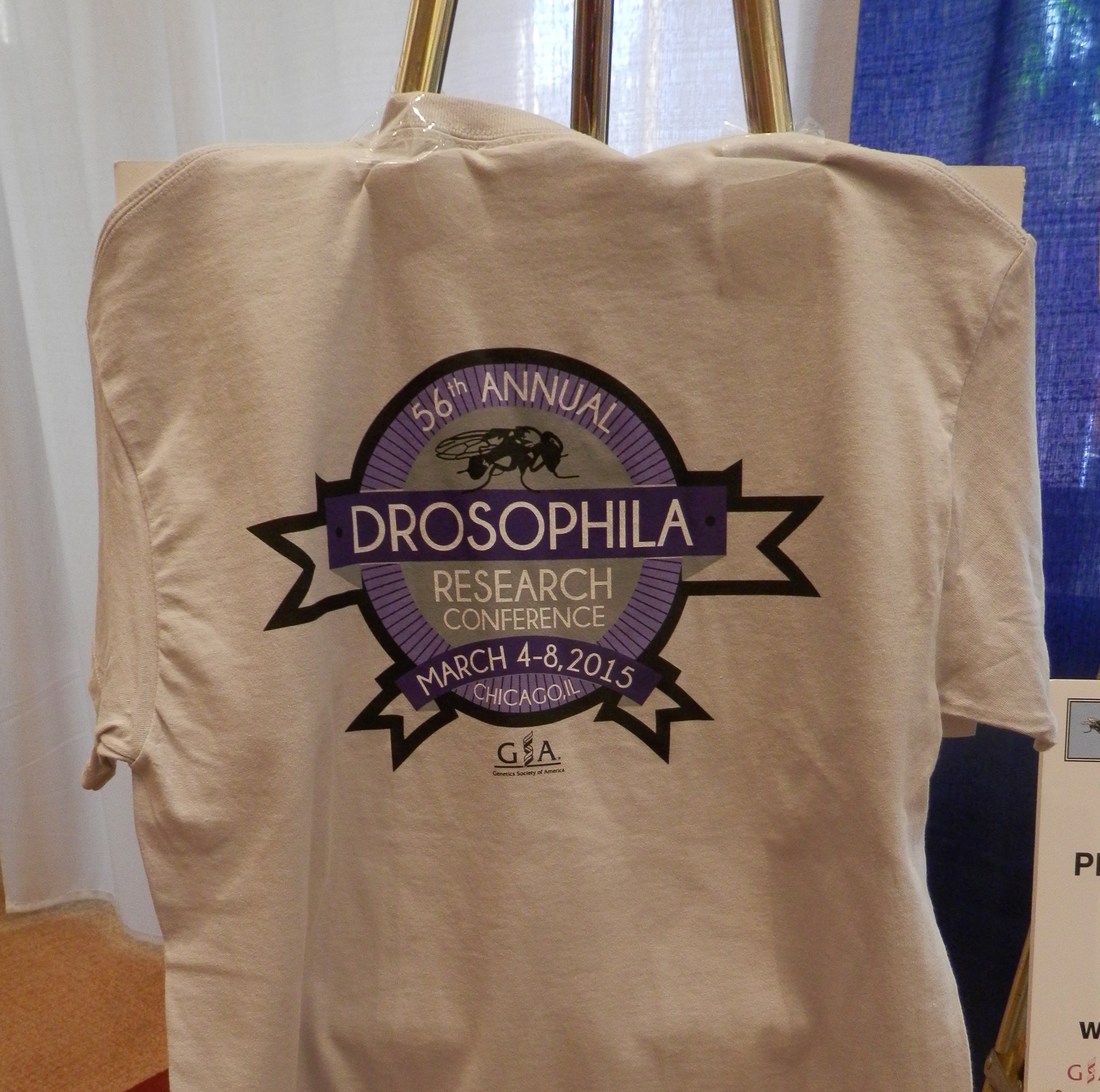
I’m reporting from the Drosophila meeting. You can read the post on days 1 and 2 here and on day 3 here.
Day 4 of the fly meeting was by far the most intense. Starting at 8.30 a.m., talks and poster presentations only really finished at 11.15 p.m.! However, the fly community takes their science very seriously, and you would be surprised by the number of people who stayed until the last talk!
The day had several sets of concurrent sessions, so I jumped around from ‘Regulation of Gene Expression’ to ‘Cell Biology & Cytoskeleton’ and ‘Stem Cells’. In the evening I attended the workshop on CRISPR-Cas 9, and a quick show of hands demonstrated how widely the fly community has embranced this technology. Several speakers talked about how they are using CRISPR. For example, Hugo Bellen (Baylor College of Medicine) talked about how the MiMIC technology is being combined with CRISPR, while David Stern (Janelia Research Campus), is developing CRISPR in a variety of Drosophila species. Indeed, David exemplified the generosity that the fly community is known for, by bringing with him several vials of fly lines expressing cas9 to give away. The floor then opened for questions, ranging from the specifics of how many kbs could be deleted to whether tissue-specific or mitochondria CRISPR had been attempted. I also attended the developmental mechanics workshop that followed, covering a variety of talks on the mechanical forces at work during development, from those applied by a corset of muscles around the eggs chambers to the system that anchors the wing during development.
Meeting t-shirt
The last day saw a final plenary session, covering a variety of topics. For example, Christine Rushlow (New York University) talked about Zelda (named after the Nintendo game character), an important regulator of early gene expression following the maternal-to-zygotic transition. She proposed a model by which enhancers in these genes have high nucleosome occupancy, and that Zelda is able to lower this nucleosome barrier. Also in this session, Heinrich Jasper (Buck Institute for Research on Ageing) examined the relationship between proliferation and immune response in the intestinal epithelium. Normally, intestinal stem cells don’t proliferate much, unless they are exposed to damage or stimuli. The ageing epithelium, however, shows over proliferation, dependent on the presence of bacteria. This leads to the question of how stem cell homeostasis is related to immune homeostasis. Matthew Gibson (Stowers Institute) talked about the role of Decapentaplegic (Dpp) in the wing disc, but not before remind us of the contributions of T.H.Morgan, Turing and Wolpert to our understanding of morphogens. Matthew showed that the characteristic Dpp stripe observed in wing discs is required for patterning, but not growth, of this structure. The last talk of the meeting was by Ulrike Heberlein (Janelia Research Campus), who is using the fly as a model to study alcohol dependence. You can watch some videos showing the effects of ethanol vapours on flies here. Her lab is trying to understand how alcohol addiction is dependent on both environmental and genetic influences. For example, a few years ago they showed that male flies that have been rejected by females (because the females had already mated) are ‘courtship depressed’, and show a higher preference for alcohol (read their paper in Science here).
You may also remember how in day one (see post here) Allan Spradling called for fly researchers to play an active role in persuading the public and politicians that fly research is worth supporting. In the last session Andrea Page-McCaw provided a short list of how any of us can do this right now, and many of her suggestions are applicable for any scientist keen on encouraging funding in Biology:
Overall it was a very enjoyable meeting. Great science was presented, and as Drosophila is a great model to study developmental biology on, there were a lot of talks relevant for the Node! In addition, the fly community is very active on social media, so not only could attendees follow talks in other sessions on twitter, but researchers who couldn’t make it to the meeting were also following the talks remotely!
If my posts encouraged you to attend the next Drosophila meeting then you are up for a treat! Next year the fly meeting will be combined with a variety of other model organism meetings in the Allied Genetics Conference! This epic endeavour by the Genetics Society of America will see a variety of model organism meetings taking place concurrently in a single location in Orlando. This means that you will be able to attend the fly meeting AND pop in and out of other model organism meetings next door! You can find out more information about this meeting here.
Here are the highlights from the current issue of Development:
Dmrt1: a common thread in sex determination
Dmrt1 and its related genes play a key role in sex determination in a broad range of metazoan species. However, Dmrt1 has become dispensable for testis determination in mammals, and this function is instead carried out by Sry, which is a newly evolved gene found on the Y chromosome. Now, Peter Koopman and colleagues show that, even though its function is not normally required, Dmrt1 is able to drive female-to-male sex reversal in mice (p. 1083). The researchers show that the transgenic overexpression of Dmrt1 in XX mouse foetal gonads is able to induce testis formation. The resulting gonads exhibit typical testicular size and vascular patterning, and contain Sertoli cells that express the hallmark testis-determining gene Sox9. By contrast, the expression of ovarian markers is repressed and granulosa cells are absent. The researchers further show that this testis phenotype persists into adulthood; male internal and external reproductive organs develop, whereas female structures are absent. Together, these findings suggest that Dmrt1 has retained the ability to act as a sex-determining factor in mammals, highlighting a common thread in the evolution of sex-determination mechanisms in metazoans.
Uncovering feedback in plant stem cell networks
In plants, stem cell proliferation is negatively regulated by the receptor kinase CLAVATA1 (CLV1) and its peptide ligand CLAVATA3 (CLV3). Previous studies have suggested that CLV1 acts redundantly with other receptor kinases, such as BAM1, 2 and 3, but the molecular mechanisms underpinning this redundancy have been unclear. Now, Elliot Meyerowitz and co-workers interrogate the role of CLV1-CLV3 signalling in the Arabidopsis shoot apical meristem (p. 1043). They first show that CLV1 functions exclusively in rib meristem (RM) cells that express the transcription factor WUSCHEL, which is required for stem cell maintenance. The researchers further show that BAM1 and BAM3 expression is absent in these CLV1-expressing cells, suggesting that CLV1 represses BAM1/3 expression. In line with this, they reveal that BAM1 and BAM3 are transcriptional targets of the CLV1-CLV3 signalling pathway. Finally, they report that CLV1 in the RM is necessary and sufficient for the negative regulation of stem cell proliferation, independent of BAM function; the apparent genetic redundancy observed is due to the ectopic expression of BAM genes in the absence of CLV1-CLV3 signalling. Together, these findings clarify the role of CLV1-CLV3 signalling and uncover a novel feedback loop that operates in the plant stem cell niche.
Gata2b: an early regulator of HSC emergence
Hematopoietic stem cells (HSCs) give rise to all cells of the adult blood system, and understanding how these cells first arise during embryogenesis is important for developing regenerative medicine-based strategies for producing HSCs in vitro. Here, David Traver and colleagues demonstrate that Gata2b acts as an early regulator of zebrafish hematopoietic precursors (p.1050). The zebrafish genome contains two Gata2orthologues – gata2a and gata2b – and the researchers show that gata2b is expressed in a distinct subpopulation of endothelial cells within the dorsal aorta (DA), which gives rise to HSCs; gata2a in contrast is expressed throughout the DA. This expression of gata2b is Notch-dependent and occurs prior to the expression of runx1, which to date has served as an early marker of zebrafish HSCs. Using lineage tracing, the researchers further show that gata2b-expressing cells give rise to adult HSCs. Finally, knockdown studies indicate that gata2b is required for the formation of functional HSCs. In summary, this study reveals that Gata2b functions as an early marker and regulator of HSCs, prompting further studies into the role of Gata2 during HSC emergence.
Magi keeps an eye on AJ remodelling
Adherens junctions (AJs), which are specialised E-cadherin-based cell contacts, are continuously remodelled during tissue morphogenesis, as cells change shape and position. The accumulation of Bazooka (Baz), the Drosophila PAR3 homologue, is thought to specify where new E-cadherin complexes are deposited during AJ remodelling, but what regulates Baz localisation? Here, Alexandre Djiane and colleagues show that the scaffold protein Magi regulates Baz localization and hence AJ remodelling inDrosophila eye epithelial cells (p. 1102). By studyingMagi mutants, the researchers first show that Magi is required for the correct sorting of interommatidial cells during pupal eye development. They further show that Magi directly interacts with the Ras association domain protein RASSF8. This interaction, they report, is mediated by a WW domain-PPxY binding motif and is required for Magi function in the fly eye. They further demonstrate that Magi recruits a RASSF8-ASPP complex to AJs and that this, in turn, is required for the cortical recruitment of Baz to AJs during junctional remodelling. Overall, these findings highlight the importance of this novel Magi-RASSF8-ASPP complex for AJ remodelling and tissue morphogenesis.
PLUS…
Skeletal stem cells
Skeletal stem cells (SSCs) reside in the postnatal bone marrow and give rise to cartilage, bone, hematopoiesis-supportive stroma and marrow adipocytes. Here, Paolo Bianco and Pamela Robey discuss the biology of SSCs in the context of the development and postnatal physiology of skeletal lineages, to which their use in medicine must remain anchored. See the Development at a Glance poster article on p. 1023
Mammary gland development
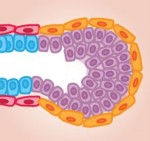
The mammary gland provides an excellent model for studying ‘stem/progenitor’ cells, which – in this context – allow for the repeated expansion and renewal of the gland during adult life. Here, Mina Bissell and colleagues discuss the various cell types that constitute the mammary gland, highlighting how they arise and differentiate, and how the microenvironment influences their development. See the Review on p. 1028
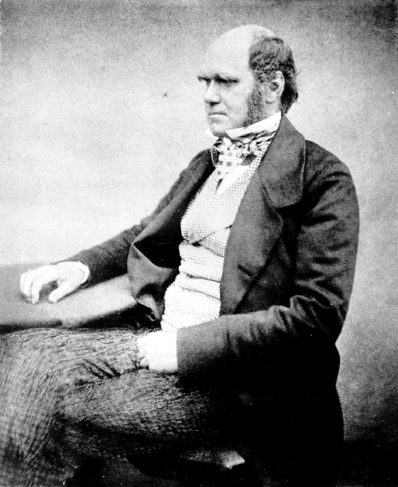
Could we simultaneously make it easier for professional scientists to do research on tight budgets, and improve public understanding of science, by facilitating professional-amateur collaborations? Not that long ago, amateur scientists such as Darwin, Wallace, and Mendel laid the foundations of modern biology. Today, a few button clicks gives access to vast troves of knowledge, and a few dollars buys technologies that even well-funded labs could not get a few decades ago. So, it should be much easier for amateurs and hobbyists to do scientific research now than it was in Darwin’s era. The IGoR wiki aims to pool the talents of professional, amateur, and novice scientists.
But why should professional scientists care? One reason is that doing research often requires far more skills than one person can truly master, and many of those skills are not emphasized in academic training. For example, in my own work I’ve often needed to do a little bit of machining, electronics, photography, and programming. Of course I could have saved a lot of time if I had mastery of those skills, in addition to all the skills that are more central to my research. It would have been very convenient to have an easy way to connect with the many non-scientists and amateurs who have expertise in the skills I needed.
Being able to tap into the wider, non-professional community could allow scientists to do research faster, cheaper, and better, by gaining access to a wider range of skills. One might be able to crowd-source the design and construction of a custom device, or a new image processing algorithm. Perhaps aquarium hobbyists could help one figure out how to culture an interesting non-model organism in lab. For example, I’d love to be able to keep my favorite bryozoans growing year round without running seawater, so I could do a side project that’s been nagging at me but which I can’t devote time to. Perhaps amateur naturalists could also help find collecting sites for interesting organisms. There are endless other possibilities.
Facilitating amateur-professional interactions would also improve public understanding of science. This is especially important in areas that intersect with developmental biology; voters are routinely called upon to make decisions related to stem cells, genetics, or evolution. The premise of every graduate school is that the best way to learn how science works is to do it, yet there are few opportunities for adult non-scientists to experience the creative and intellectual side of research. The success of the citizen science movement shows that many people are interested in participating in science. However, most citizen science projects are designed to get a large number of volunteers to do a defined task, rather than to help non-scientists plan research and interpret results. This leaves a big gulf between non-scientists and professionals.
We could help to solve both problems at once by creating mechanisms to make it easier for experienced scientists to tap into the skills and talents of amateurs and hobbyists, and for novices to tap into the knowledge and advice of experienced researchers. By doing both at once, one could build a broad community representing diverse skills, resources, and experience levels.
Developmental biology is ripe for this. Although a lot of developmental biology depends on expensive reagents and high-tech equipment, plenty of high-value, low-tech research remains to be done. Two of my all-time favorite papers (1, 2) used nothing more than glass needles and intelligence to identify, and partially solve, a paradox of ctenophore development: when an embryo is split in two, each half develops into half an embryo; yet the adults can regenerate an entire half of their body. The authors documented ontogenetic transitions in these phenomena, and then deciphered the roles of specific cell lineages in patterning and regeneration. In my own work, I’ve found that the most useful biomechanical techniques for working with embryos are things like micropipette aspiration, which would be easily accessible to amateur microscopists (it was developed in the 1950’s (3)). There are myriad questions in developmental biology that could be investigated with low-budget techniques.
Are there many interested amateurs and non-scientists who might want to do real research? Yes! There is a growing number of community labs (generally focused on synthetic biology) in bigger cities. There are other online or offline communities of enthusiasts of various organisms. One of my favorite examples is a mushrooming club I joined in Pittsburgh, because there were hobbyists who had an amazing knowledge of mycology. Another of my favorite examples is Slimoco, an online community of slime mold enthusiasts: artists, engineers, hobbyists, etc. Yes, there are plenty of people with kooky ideas; but if the best way to learn how science works is by doing it, then creating mechanisms for participation in the creative and intellectual life of science should help more people become better scientists.
I’m trying to implement one idea for building an online community for research and outreach (IGoR), and I’d greatly appreciate your input on it. Setting it up as a wiki should help people break out of their existing social or professional networks, and it should help one discover unexpected forms of solutions, or problems one hadn’t considered. It is open to experienced scientists who want to tap into the talents of non-scientists and amateurs, but it’s also open to novices who want to try their hand at doing their own research with community feedback. Being equally open to professionals, amateurs, and novices should help build a diverse enough pool of skills, knowledge, and resources to solve many kinds of problems.
If you are interested in the idea, please take a look. Quick and easy things, like posting comments and rating pages on the IGoR site, will help the wiki take life and become a valuable resource for scientists at all experience levels.
1. Henry JQ, Martindale MQ. 2000. Regulation and regeneration in the ctenophore Mnemiopsis leidyi. Developmental biology.227(2):720-33. DOI:10.1006/dbio.2000.9903. http://www.ncbi.nlm.nih.gov/pubmed/11071786
2. Martindale MQ. 1986. The ontogeny and maintenance of adult symmetry properties in the ctenophore, Mnemiopsis mccradyi. Developmental biology.118(2):556-76. http://www.ncbi.nlm.nih.gov/pubmed/2878844
3. Mitchison JM, Swann MM. 1954. The Mechanical Properties of the Cell Surface: I. The Cell Elastimeter. J Exp Biol.31(3):443-60. http://jeb.biologists.org


 The medium-sized spiny neurons, the main projection neurons of the striatum, are generated in the lateral ganglionic eminence (LGE) and degenerate in the early stages of Huntington’s disease (HD) – for which no pharmacological treatment is yet available. Hence, an efficient way to derive striatal neurons is crucial for disease modelling, drug development and cell-replacement therapy. Striatal neurons have previously been generated from human pluripotent stem cell (hPSC)-derived neural progenitors treated with sonic hedgehog (SHH), or SHH plus Wnt pathway inhibition. Now, Meng Li and co-workers (p.
  Neural tube closure occurs through highly orchestrated cell shape changes mediated by actin dynamics. Its failure results in some of the most common and severe human congenital malformations. Cofilin 1, an actin-depolymerising protein, is known to be involved in neural tube closure but its precise functions had not been elucidated. In this study (p.
  On p.
On p.  In the second study (p.
 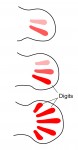 The two most influential ideas in the field of pattern formation are those of Alan Turing’s ‘reaction-diffusion’ and Lewis Wolpert’s ‘positional information’. Much has been written about these two concepts but some confusion still remains, in particular about the relationship between them. Here, Jeremy Green and James Sharpe address this relationship and propose a scheme of three distinct ways in which these two ideas work together to shape biological form. See their Hypothesis article on p.
 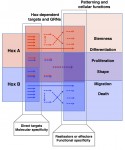 Hox genes encode homeodomain transcription factors that control morphogenesis and have established functions in development and evolution.Here, Yacine Graba and colleagues discuss the molecular and cellular mechanisms underlying the diverse and context-dependent functions of Hox transcription factors during morphogenesis and organogenesis. See the Review article on p.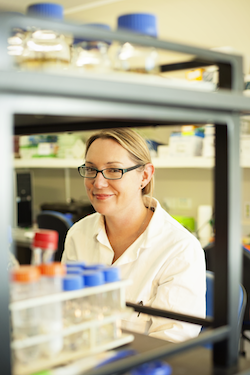


 Dmrt1 and its related genes play a key role in sex determination in a broad range of metazoan species. However, Dmrt1 has become dispensable for testis determination in mammals, and this function is instead carried out by Sry, which is a newly evolved gene found on the Y chromosome. Now, Peter Koopman and colleagues show that, even though its function is not normally required, Dmrt1 is able to drive female-to-male sex reversal in mice (p.
  In plants, stem cell proliferation is negatively regulated by the receptor kinase CLAVATA1 (CLV1) and its peptide ligand CLAVATA3 (CLV3). Previous studies have suggested that CLV1 acts redundantly with other receptor kinases, such as BAM1, 2 and 3, but the molecular mechanisms underpinning this redundancy have been unclear. Now, Elliot Meyerowitz and co-workers interrogate the role of CLV1-CLV3 signalling in the Arabidopsis shoot apical meristem (p.
  Hematopoietic stem cells (HSCs) give rise to all cells of the adult blood system, and understanding how these cells first arise during embryogenesis is important for developing regenerative medicine-based strategies for producing HSCs in vitro. Here, David Traver and colleagues demonstrate that Gata2b acts as an early regulator of zebrafish hematopoietic precursors (p.
 Adherens junctions (AJs), which are specialised E-cadherin-based cell contacts, are continuously remodelled during tissue morphogenesis, as cells change shape and position. The accumulation of Bazooka (Baz), the Drosophila PAR3 homologue, is thought to specify where new E-cadherin complexes are deposited during AJ remodelling, but what regulates Baz localisation? Here, Alexandre Djiane and colleagues show that the scaffold protein Magi regulates Baz localization and hence AJ remodelling inDrosophila eye epithelial cells (p.
  Skeletal stem cells (SSCs) reside in the postnatal bone marrow and give rise to cartilage, bone, hematopoiesis-supportive stroma and marrow adipocytes. Here, Paolo Bianco and Pamela Robey discuss the biology of SSCs in the context of the development and postnatal physiology of skeletal lineages, to which their use in medicine must remain anchored. See the Development at a Glance poster article on p.
  The mammary gland provides an excellent model for studying ‘stem/progenitor’ cells, which – in this context – allow for the repeated expansion and renewal of the gland during adult life. Here, Mina Bissell and colleagues discuss the various cell types that constitute the mammary gland, highlighting how they arise and differentiate, and how the microenvironment influences their development. See the Review on p.
  Today, a few button clicks gives access to vast troves of knowledge, and a few dollars buys technologies that even well-funded labs could not get a few decades ago. So, it should be much easier for amateurs and hobbyists to do scientific research now than it was in Darwin’s era. The
  Facilitating amateur-professional interactions would also improve public understanding of science. This is especially important in areas that intersect with developmental biology; voters are routinely called upon to make decisions related to stem cells, genetics, or evolution. The premise of every graduate school is that the best way to learn how science works is to do it, yet there are few opportunities for adult non-scientists to experience the creative and intellectual side of research. The success of the citizen science movement shows that many people are interested in participating in science. However, most citizen science projects are designed to get a large number of volunteers to do a defined task, rather than to help non-scientists plan research and interpret results. This leaves a big gulf between non-scientists and professionals.
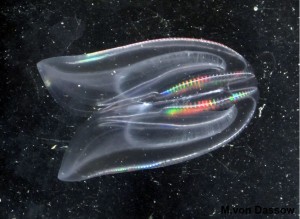 Developmental biology is ripe for this. Although a lot of developmental biology depends on expensive reagents and high-tech equipment, plenty of high-value, low-tech research remains to be done. Two of my all-time favorite papers (1, 2) used nothing more than glass needles and intelligence to identify, and partially solve, a paradox of ctenophore development: when an embryo is split in two, each half develops into half an embryo; yet the adults can regenerate an entire half of their body. The authors documented ontogenetic transitions in these phenomena, and then deciphered the roles of specific cell lineages in patterning and regeneration. In my own work, I’ve found that the most useful biomechanical techniques for working with embryos are things like micropipette aspiration, which would be easily accessible to amateur microscopists (it was developed in the 1950’s (3)). There are myriad questions in developmental biology that could be investigated with low-budget techniques.