
The community site for and by
developmental and stem cell biologists

2016 Canadian Developmental Biology Conference Report

Posted by , on 17 April 2016

Surrounded by the breathtaking landscape of the Rocky Mountains, hundreds of graduate students and researchers gathered for the 8th biennial Canadian Developmental Biology Conference at the Banff Centre, minutes outside of Banff, Alberta. This four-day conference was filled with a variety of stimulating seminars and poster sessions, reflecting some of the latest advances in the field of developmental biology; meanwhile the easy-going conference atmosphere encouraged a number of friendly and thought-provoking discussions between students, post-docs, and scientists from across Canada and abroad.

20160318_144114

Researchers from diverse backgrounds presented in the meeting’s five main scientific sessions, incorporating a number of model organism systems and developmental processes.  The first session – stem cells and regeneration – included a talk from Jeff Biernaskie (University of Calgary) on the application of adult dermal stem cells to promote wound-healing after skin grafts, using a mouse xenograft model. The session also included a talk from Rohan Khadilkar (University of British Columbia), who received the award for the best post-doctoral presentation on his research on the Drosophila hematopoietic stem cell niche and the role of septate junctions in moderating HSC differentiation. The second session focused on gene expression and development. Julie Claycomb (University of Toronto) presented on the role of an Argonaute protein, CSR-1, in licensing C. elegans germline gene expression through small RNAs and chromatin modifications. Other talks were Marie Kmita’s (University of Montréal) exploration of a Hoxa11 antisense enhancer to regulate distal limb development, and Alexandra Dallaire’s (Best student talk winner, CHU de Québec Research Centre) discussion of how microRNAs mediate mRNA stability in C. elegans.

Following were sessions on growth, differentiation and patterning – including a talk from Dominique Bergmann (Stanford University) on asymmetric cell division and fate specification in plant stomatal cells – as well as cell proliferation, migration and morphogenesis. The latter, featured, amongst others, a presentation by Vanessa Auld (University of British Columbia) on glia-ECM interactions in Drosophila and their role in protecting the peripheral nervous system. The fifth and final session focused on developmental models of disease. One of the highlights from this session was a talk by Brian Ciruna (Princeton University) on a zebrafish ciliary-defect model of scoliosis.

In addition to the five primary sessions, a major highlight was the keynote lecture and conference education session. Keynote speaker Freda Miller (University of Toronto), gave a captivating presentation on the use of the mouse cerebral cortex to study neurogenesis and the role of translational repression in regulating neuronal cell fates. This lecture was a wonderful way to start the conference and sparked many interesting discussions during the night’s opening reception. Furthermore, all attendees enjoyed an interactive presentation by Scott Barolo (University of Michigan), who demonstrated how the game Mastermind could be used to teach scientific thinking strategies.

On the final evening of the conference, attendees donned their cowboy boots and Western attire and headed over to MountainView Barbeque for a buffet-style meal and lively night of socializing. The barbeque was complete with a huge bonfire and live country music band, and to led hours of cheerful conversation and even some line-dancing.
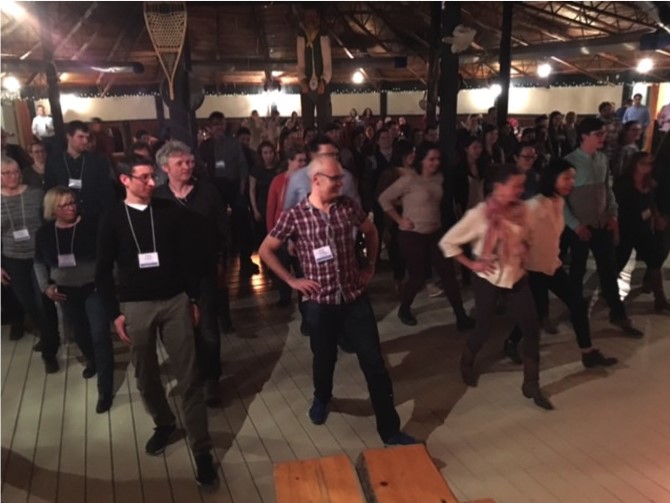
linedancing
This year’s conference provided an excellent opportunity for Canadian and international biologists from all career stages to interact and discuss leading findings in developmental biology research. On behalf of all conference attendees, I would like to say a tremendous thank you to the conference organizers, Savraj Grewal, Dave Hansen and Sarah McFarlane (University of Calgary), for putting together an excellent program of speakers and events, including the poster sessions, 60-second science presentations and conference banquet. Also to Paul Mains for organizing the judging of trainee poster presentations, and to the meeting sponsors (CIHR, SDB and many others). Congratulations to all the winners of the poster competition (below) and the Society of Developmental Biology travel and financial awards. Namely, Rohan Khadilkar for the best postdoctoral talk (SDB cash award), and Alexandra Dallaire (SDB travel award) and Anna Kobb (SDB cash award) for the best graduate student talks.

The 9th Canadian Developmental Biology conference will be held in 2018 in Mont-Tremblant, Québec. Looking forward to seeing you all there!

By: Isabella Skuplik

Student poster award winners: Aarya Chithran, Miranda Hunter, Katharine Goodwin, Rotem Lavy, Enrique Gamero-Estevez, Adam Kramer, Tanya Foley, Corey Arnold, Sonya Widen, Eric Hall, Raghda Gemae, Mriga Das, Victoria Yan, Isabella Skuplik, Bensun Fong, Dova Brenman.

Postdoctoral poster award winners: Matthew Hildebrandt, Pierre Mattar, and Sérgio Simões (SDB cash awards), Guang Yang (SDB travel award).

Travel award winners: Sarah Garner, Siavash Amon, Amanda Baumholtz, Scott De Vito, Adrienne Elbert, Sarah Gignac, Zachary Hall, Adam Kramer, Stephanie Tkachuk, Jessica Yu.
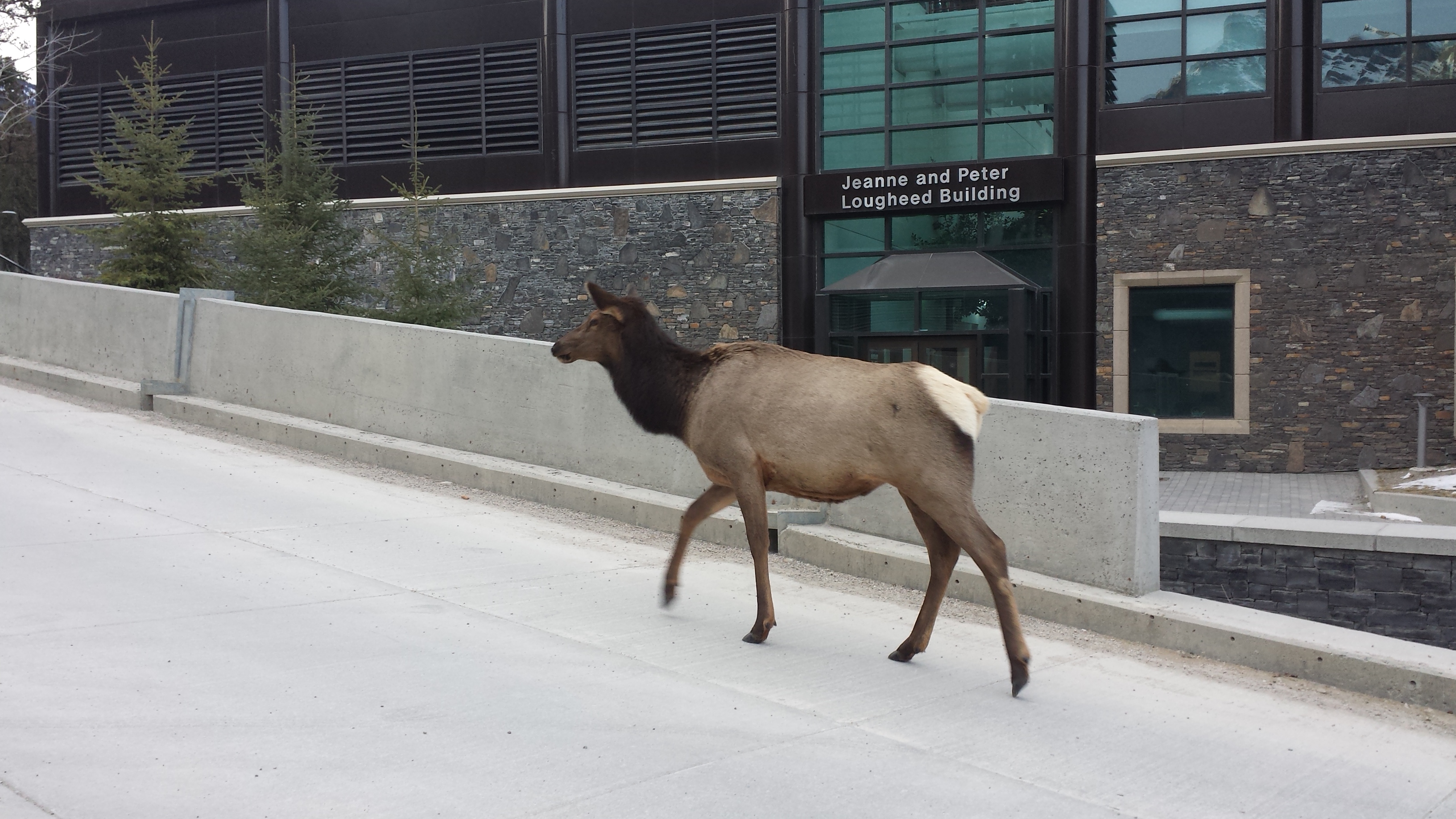
Elk passing through the Banff Centre campus

Thumbs up (9 votes)
Loading...

Tags:
Categories: Events

Navigate the archive

Use our Advanced Search tool to search and filter posts by date, category, tags and authors.

The SDB-BSDB Interview Chain: Valeria Yartseva interviews Mathew Tata

Posted by , on 15 April 2016

Valeria Yartseva was the winner of last year’s Society for Developmental Biology (SDB) meeting poster competition. Her prize was to attend the spring meeting of the British Society for Developmental Biology (BSDB), held jointly with the British Society for Cell Biology at the University of Warwick in the UK. Continuing the interview chain, Valeria interviewed Mathew Tata, who won the poster prize at the meeting. Matthew’s prize will be to attend the SDB meeting in Boston, USA, in the summer.


VY: Congratulations on winning the BSDB poster prize Mathew.

MT: Thank you very much!


VY: Can you tell us a little about your lab?
MT: I work in the lab of Professor Christiana Ruhrberg at the Institute of Ophthalmology, at University College London, in the UK. As a lab we work on the development and disease of blood vessel growth. In particular, I work on the development of the mammalian brain. I want to understand how brain vessels are involved in brain development and how they may contribute extrinsic signals.


VY: How long have you been in this lab?

MT: Too long! I have overstayed my welcome and have been there for 4 years now.


VY: That is actually quite short for the States. That is considered being an over-achiever!

MT: Yes, I guess it is quite normal.


VY: Could you briefly tell us what your poster is about?

My poster is about how the vasculature is important in stemness within the mammalian CNS. The interaction between blood vessels and Vascular Endothelial Growth Factor with stem cells in the adult has been well characterised.  However, very little is known about their role in the embryo. I wanted to know whether there was any correlation between the blood vessels and neural development in the embryo, and specifically the effect of blood vessels in embryonic neuroprogenitor cells. I showed that there was a spatiotemporal correlation between embryonic neurogenesis and blood vessel growth. In addition, I discovered that if you take away blood vessel growth in the embryonic hindbrain using mouse mutant models, neuroprogenitor cells rapidly exit the cell cycle and terminally differentiate, and this impairs the growth of that area of the nervous system.  We haven’t yet identified the candidate niche molecule, but we have a few ideas.


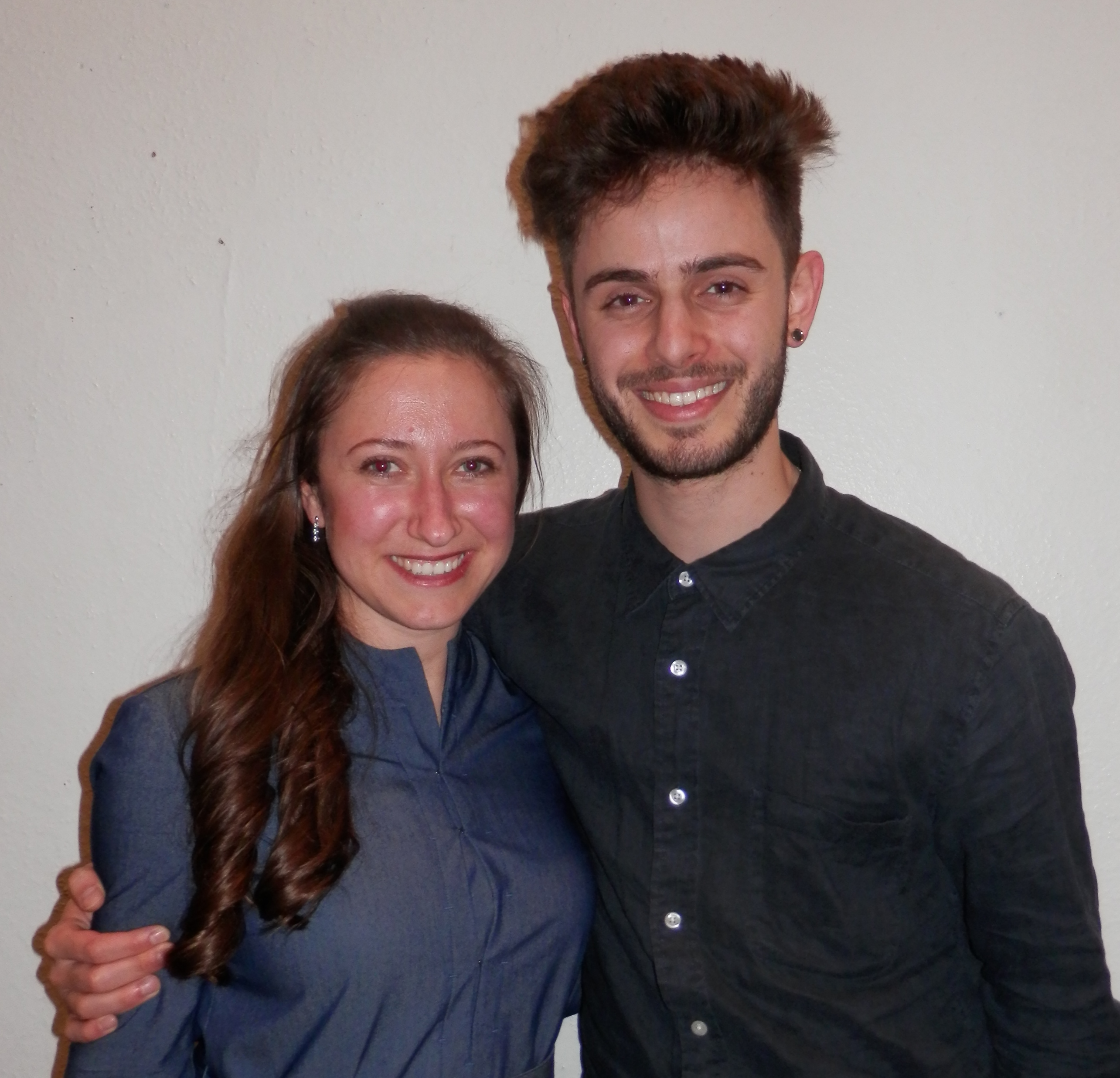
Valeria and Mathew


VY: That sounds really fascinating. What is the single experiment that you are most proud of?

MT: They have all been equally painful! I would say that the first time I actually observed neuroprogenitor cell processes interacting with vessels was very exciting.  Everything I had seen up until then was highly ambiguous, so it was nice to confirm that I was in the right area and was looking at the problem from the right perspective. There is still much to be learnt about it though!


VY: Have you won a poster prize at a meeting before?

MT: I only won one at my university, but that was a small affair, nothing at this scale. So I am a bit humbled.


VY: What is next for you?

MT: That is the 10 billion dollar question! I am still very much in love with research and I really enjoy being at the bench. But there are other things that interest me as well, like communication and I especially enjoy teaching. At the moment I am just enjoying pursuing my thesis and trying to get a paper out (as the old story goes). I think I will be looking at postdocs for sure.


VY: And will you be attending the SDB meeting later this year?

MT: Absolutely!


VY: Thank you so much, this has been a pleasure!

MT: Thank you!


Thumbs up (9 votes)
Loading...

Tags: , ,
Categories: Interview

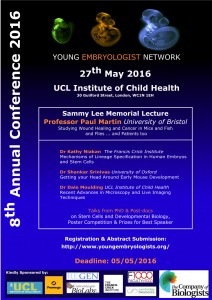
8th Young Embryologist Network Conference

Posted by , on 14 April 2016

YEN_Conference_2016_v4-1

ImageJ=1.49b

8th Young Embryologist Network Conference

27th May 2016

09:15-18.00 UCL Institute of Child Health

Registration and abstract submission are now open!

The 8th Young Embryologist Network Conference aims to bring together developmental biologists from across the UK (and beyond) to discuss their work.

This year, YEN is honoured to have Professor Paul Martin from the University of Bristol present The Sammy Lee Memorial Lecture. As well as three talk sessions and a poster break, we will also have imaging session to discuss the latest advances in microscopy and live imaging techniques. Additionally, we have included a novel session to discuss the recent development over human and mouse embryology that will be presented by Dr Srinivas (University of Oxford) and Dr Niakan (The Francis Crick Institute).

As in previous years, this meeting is completely free thanks to the generosity of our sponsors: The Company of Biologists, New England Biolabs, REGEN, F1000, Cambridge Bioscience, Promega and UCL Institute of Child Health.

We are looking for talks and posters from PhD students and Post-docs on Evo-Devo, Stem Cell and Developmental Biology

The deadline for abstract submission is Midnight 5th of May 2016.

For more information go to our website!

Thumbs up (2 votes)
Loading...

Categories: Events, News

A DNA laboratory for everybody: Bento Lab

Posted by , on 14 April 2016

opener
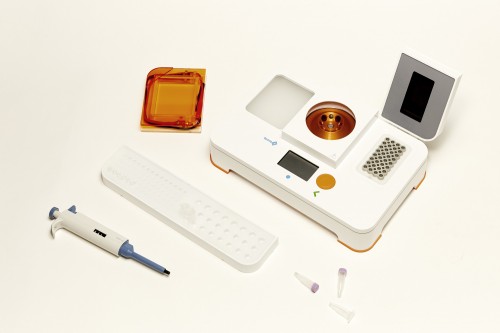
Bento Lab – a low-cost portable DNA laboratory has been funded on Kickstarter in less than 36 hours. The team, led by Philipp Boeing and Bethan Wolfenden aims to transform hands-on molecular biology teaching and citizen science. They are raising funds on Kickstarter for another 7 days towards hands-on molecular biology education. Here, Philipp explains what motivated the project.
You can connect with Bento Lab on Twitter and Facebook, and support the project on Kickstarter.
 

What is Bento Lab?

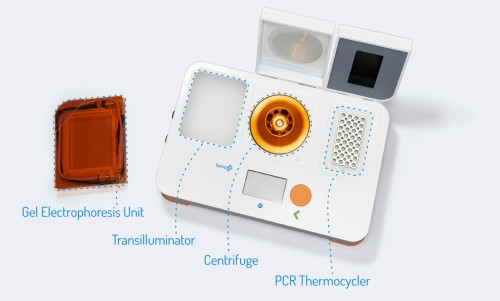
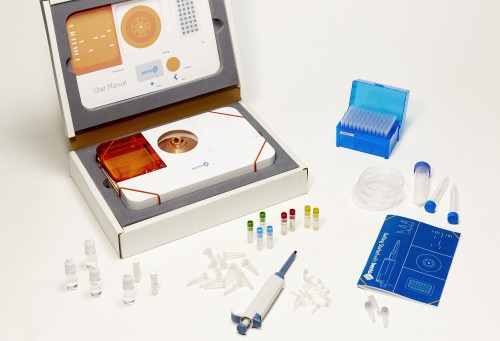
Bento Lab is a minimal molecular biology laboratory, containing the essentials tools for genetic analysis. There’s a centrifuge, a PCR thermocycler to copy DNA, and a system for gel electrophoresis, to visualise DNA.

infographic-with-labels


How was the idea of Bento Lab born?

Bento Lab was born out of a series of workshops and projects that my co-founder Bethan and I undertook since 2012. We were very interested in exploring how different groups outside of academia and industry interacted with emerging biosciences, groups such as artists and designers, parents and teachers, and hobby scientists. In particular, we were fascinated by the maker community, a growing network of enthusiasts engaging with electronics, computing and other technologies as a hobby. In molecular biology, a small but growing community of Do-it-yourself biologists was emerging, analogous to the maker community. We thought this was very interesting and could potentially play a really interesting role of fostering hands-on literacy for topics like genetics.

But we noticed quickly, that the community was still in its infancy. There were many interesting open hardware projects, but for many newcomers the lack of guidance could be a bit frustrating. Seemingly every week, emails would be sent to the mailing list asking how to get started. Because there were no easy to use and affordable starter tools, for many their initial spark of interest didn’t turn into a longer-term hobby. Bethan and I saw a real need for an infrastructure for engaging with molecular biology as an ambitious beginner, something that could accompany you on the journey from someone with an interest to a seasoned citizen scientist or even a professional. We saw that these things existed in other communities, for example with Arduino in electronics. This is what we had in mind for Bento Lab.

Kickstarter and beyond

Of course, we are only at the beginning. What’s very exciting is that we got such an overwhelming amount of support for our Kickstarter campaign. For the past 6 months we have beta-tested Bento Lab devices with users from all around the world, and we are very excited to work with all of our Kickstarter supporters in the coming months and see their projects come to life.

We’ve also designed a Starter Kit for Bento Lab with experiments designed for learning all the basic procedures, how to interpret results, how to ask for help, how to be a responsible scientist – all those aspects. With this project, we don’t just want to build an easy-to-use laboratory, but foster a community.

starter

Although we reached our target for funding on Kickstarter, we have two more exciting stretch goals that we’re moving towards. We’ve been approached by many schools and teachers about using Bento Lab in the classroom and this is really exciting for us. If we reach £150,000 in funding, we can fund a pilot programme to work with teachers, education organisations and academic partners to create teaching materials for hands-on genetics in the classroom. Personally, I think this could be really significant and I would have loved to have done practical genetics experiments when I was in school.

If you know of anyone who you think we should talk to for the Bento Lab project in general or the educational pilot in particular, please get in touch, we’d love to hear from you.

Thumbs up (18 votes)
Loading...

Tags:
Categories: Outreach, Societies

Light sheet microscopy 101: Get started with a short video protocol

Posted by , on 13 April 2016

Here you can find out more about our video protocol on using light sheet microscopy to image zebrafish eye development.


Light sheet fluorescence microscopy has quickly become a popular technique in developmental biology. This method is very gentle to the samples, with fast acquisition speed and allows capturing the samples from any angle or from multiple angles at the same time (so called multi view imaging) (Stelzer, 2015). Such multi view imaging overcomes the degradation of the signal in Z axis and allows imaging of large specimens with high and almost isotropic resolution. The fact that light sheet microscopy is trending was confirmed when it was voted the method of the year 2014 by Nature Methods.

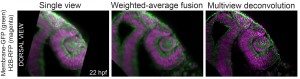
A comparison of image quality among single view data and data processed by two different strategies of multiview fusion
A comparison of quality among single view images and data processed by two different multiview fusion algorithms. The image shows developing zebrafish eye and neural tube.


The major obstacle to mainstream adoption of this method was until recently the technical complexity for many biologists without a background in optics and computer science (Reynaud et al., 2015). The good news is that things have started to change and performing successful light sheet experiments is getting easier. For some time now, there are commercially available light sheet microscopes, which are easy to operate and the software solutions are not lagging behind, with plugins to process the resulting datasets as clickable GUIs (Amat et al., 2015; Preibisch et al., 2014; Preibisch et al., 2010) or Zeiss own solution in ZEN software. One word of warning, your hardware still has to be prepared to handle large volumes of data.

We recently contributed a video protocol (Icha, Schmied et al., 2016) to document a versatile light sheet microscopy experimental pipeline using a commercial microscope and an open source software solution for data processing. Specifically, we used the Lightsheet Z.1 microscope from Zeiss and the Multiview reconstruction application in Fiji to process the data. We demonstrated our approach by imaging several stages of retinal development in zebrafish. The general application for our pipeline would be long-term time-lapse imaging of morphogenetic processes during development using single or multi view acquisition. The protocol will take you through the essential steps of a light sheet microscopy experiment from mounting the sample to processing the data. The most complicated step is not taking the images, but the subsequent combination of image information from multiple views together. The solution we use is embedding fluorescent beads around the sample to register the different views onto each other and thereby to reconstruct the imaged volume of the sample.

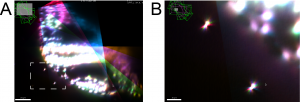
A) a snapshot from BigDataViewer with overlapping views shown in different colors B) a magnified area with two fluorescent beads
A) Snapshot from BigDataViewer with overlapping registered views shown in different colors. B) Magnified view showing two fluorescent beads and the overlap of the point spread functions from the different views.


In the associated text, you will find a step-by-step protocol including all the experimental details plus troubleshooting in the discussion section. This should be especially useful for the newcomers to the light sheet fluorescence microscopy field.

This video protocol was created as a collaboration between the Norden lab (twitter @NordenLab) and the Tomancak lab (twitter @PavelTomancak) at MPI-CBG in Dresden. Enjoy and don’t hesitate to contact us in case you have questions. The full video is also available on the Norden lab website.

wordle_final

Other useful links:

EMBO course in Light sheet microscopy 2016

SPIM – Light Sheet Microscopy Literature Database

Open source hardware: DIY light sheet microscopes

Open SPIM wiki page

Open SPIN microscopy

Nature Methods method of the year 2014 thematic issue


References:

Amat, F., Höckendorf, B., Wan, Y., Lemon, W. C., McDole, K. and Keller, P. J. (2015). Efficient processing and analysis of large-scale light-sheet microscopy data. Nat Protoc 10, 1679–1696.

Icha, J., Schmied, C., Sidhaye, J., Tomancak, P., Preibisch, S., Norden, C. (2016). Using Light Sheet Fluorescence Microscopy to Image Zebrafish Eye Development. J Vis Exp 110, e53966.

Preibisch, S., Amat, F., Stamataki, E., Sarov, M., Singer, R. H., Myers, E. and Tomancak, P. (2014). Efficient Bayesian-based multiview deconvolution. Nat Meth 11, 645–648.

Preibisch, S., Saalfeld, S., Schindelin, J. and Tomancak, P. (2010). Software for bead-based registration of selective plane illumination microscopy data. Nat Meth 7, 418–419.

Reynaud, E. G., Peychl, J., Huisken, J. and Tomancak, P. (2015). Guide to light-sheet microscopy for adventurous biologists. Nat Meth 12, 30–34.

Stelzer, E. H. K. (2015). Light-sheet fluorescence microscopy for quantitative biology. Nat Meth 12, 23–26.

Thumbs up (4 votes)
Loading...

Tags: , , , ,
Categories: Research, Resources, Video

BSCB/BSDB Spring Meeting 2016: BSDB medals & all other awards

Posted by , on 13 April 2016

BSDBlogoThe joint BSDB/BSCB spring meeting has yet again been a great and most successful event. As every year most of our Awards are announced on this meeting and the BSDB would like to congratulate all prize winners and awardees.

Quick AccessWaddington | C Tickle | Beddington | Summary

Enrico Coen: winner of the 2016 BSDB Waddington Medal

EnricoCoen2The BSDB is delighted to announce Enrico Coen CBE FRS (John Innes Centre, Norwich) as the 2016 winner of the Waddington Medal. Professor Coen was awarded the medal for his pioneering contributions to understanding patterning and morphogenesis in plants, particularly snap dragon flowers. His work elegantly combines molecular genetics, diverse imaging techniques and computational modeling (see the Coen lab site). He is also well known for his popular science books ‘The art of genes’ (1999) and ‘Cells to civilisations’ (2012), and his painting, which has appeared on the cover of Cell and the walls of the Royal Society.

The medal talk was a pleasure to watch and is now available on YouTube. It was a scholarly masterpiece of conceptual brilliance, presented with inspiring enthusiasm, enriched with beautiful images, illustrated with enlightening and entertaining movies of pottery (!!!) and computer models, and even spiced up with live experiments.It will soon be available on the BSDB’s YouTube channel. An interview performed by Cat Vicente during the Spring meeting is scheduled to be published in Development.

The Cheryll Tickle Medal revealed

AbigailTucker As reported previously, the BSDB has introduced the Cheryll Tickle Medal, awarded annually to a mid-career, female scientist for her outstanding achievements in the field of Developmental Biology. The BSDB is proud to announce the inaugural awardee Abigail Saffron Tucker who gave her outstanding and memorable Cheryll Tickle Award Lecture on the evolution of shape which can be watched on YouTube. To read more about Abigail, please download the BSDB Newletter 2015 or go to the post on The Node.

CherrylTickleMedal-2On this occasion, for the first time the actual medal was revealed, which was designed by Andreas Prokop and Megan Davey in discussion with Cheryll Tickle. It shows the famous digit aberrations that occur upon transplantation/manipulation of the zone of polarizing activity (ZPA) or implantation of beads soaked in retinoic acid or sonic hedgehog (for details see Towers & Tickle, 2009, Int J Dev Biol 53, 805ff.). Cheryll performed much of this work in chick as illustrated by the feather on the medal’s flip side, which also shows the typical tool set required for experimental operations and the BSDB logo depicting in ovo development from egg to embryo.

Elena Scarpa: the BSDB Beddington Medal winner

ElenaScarpaThe BSDB is proud to announce the 2016 Beddington Medal winner Elena Scarpa. Elena studied in Turin (Italy), went for her Wellcome Trust fellowship-funded PhD project to the laboratory of Roberto Mayor (UCL, London), and works now in the group of Benedicte Sanson (Univ. Cambridge) on the role of mechanical tension in orienting cell divisions in the Drosophila embryo. Her Beddington Medal talk described the outcome of her successful PhD project (submitted in April 2015) and was entitled Cadherin switch during EMT in neural crest cells leads to contact inhibition of locomotion via repolarisation of forces”.Elena introduced her project with the following words: “Contact Inhibition of Locomotion (CIL) was discovered by Abercrombie and colleagues over 60 years ago as the process through which migrating cells move away from each other after cell-cell contact. More recently, it has been shown to play important roles in vivo during morphogenesis and cancer invasion, but its molecular mechanisms have not been elucidated. In all systems where it has been investigated, the CIL response seems to rely on cell-cell contact dependent signalling. In particular, Eph-Ephrin signalling has been found to be responsible for CIL in cancer cells and in neurons, while in neural crest Wnt-PCP and N-Cadherin dependent cell-cell adhesion are required for CIL. However, it remained unclear why certain cells display an efficient CIL response while many other cell types do not exhibit CIL and instead remain in contact after cell collision, thus forming a stable cell-cell adhesion. During my PhD, I undertook a comparative approach to pursue this mechanism and ask why some cells exhibit CIL, while others, like epithelial cells, remain in contact and form stable junctions.”

The details of this research are described in her 2015 publication entitled “Cadherin Switch during EMT in Neural Crest Cells Leads to Contact Inhibition of Locomotion via Repolarization of Forces” (Dev Cell 34, 421-34), and an interview with Elena has been published here on The Node.

Summary of all BSCB/BSDB awards

Medal Awards

  • BSDB Waddington Award winner: Enrico Coen CBE FRS (John Innes Centre, Norwich) who gave a talk about his pioneering contributions to understanding patterning and morphogenesis in plants (available on YouTube), and an interview will be published soon in Development.
  • BSCB Hooke Award winner: Thomas Surrey (Crick) who presented the lecture “Microtubule cytoskeleton dynamics: mechanistic insight from reverse engineering” that is available on YouTube. See more information about Thomas here.
  • BSCB WICB Award winner: Lidia Vasilieva (Dept Biochem., Univ. Oxford, Oxford) who presented the talk “Towards understanding mechanisms of gene expression” that is available on YouTube. Read more information about Lidia here.
  • The BSDB Cheryll Tickle Medal winner: Abigail Saffron Tucker who gave her Cheryll Tickle Award Lecture about the evolution of shape available on YouTube. To read more about Abigail, please download the BSDB Newletter 2015 or go to the post on The Node.
  • BSDB Beddington Award winner: Elena Scarpa (now Univ. Cambridge in the group of Benedicte Sanson) for her work entitled “Cadherin switch during EMT in neural crest cells leads to contact inhibition of locomotion via repolarisation of forces” which was performed in the laboratory of Roberto Mayor (UCL).

PhD Poster Prizes

  • 1st BSDB PhD Poster Prize winner (visit to 2016 SDB-ISD meeting, Boston): Mathew Tata (University College London, group of Christiana Ruhrberg) – P117 “Regulation of embryonic neurogenesisi by germinal zone vasculature” – read an interview in The Node.
  • 1st BSCB PhD Poster Prize winner (visit to 2016 ASCB meeting, San Francisco): Emma Stewart (University of York) –  P65 “RNA-dependent localisation of the nuclear matrix protein CIZ1 to the inactive X chromosome
  • 2nd BSDB PhD Poster Prize (£75 cash prize): Laura Martin-Coll (DanStem, University of Copenhagen) – P87 “A single-cell analysis of progenitor heterogeneity at the onset of pancreas formation
  • 2nd BSCB PhD Poster Prize (£75 cash prize): Alex Pool (Barts Cancer Institute, Queen Mary University) – P56 “DDR1 localisation to adherens junctions prevents efficient clustering of supernumerary centrosomes
  • 3rd BSDB PhD Poster Prize (£50 cash prize): Leila Thuma (University of Bristol) – P159 “Modelling immune cell diapedesis from vessels to wounds in the Drosophila pupal wing veins
  • 3rd BSCB PhD Poster Prize (£50 cash prize): Saroj Saurya (Oxford University) – P74 “Drosophila Ana1 stabilises centrioles and also promotes centriole elongation in a dose-dependent manner

Postdoc Poster Prizes

  • Joint 1st BSDB Prize (£150 cash prize): Guilherme Costa (University of Manchester) – P144 “Cellular localisation of mRNA during angiogenesis”
  • Joint 1st BSDB Prize (£150 cash prize): Sophie Gilbert (University of Oxford) – P29 “How the worm completes its skin
  • 1st BSCB Prize (£300 cash prize sponsored by MDPI): Dimitra Aravani (University of Leicester) – P104 “HHIPL1: a new gene that promotes atherosclerosis
  • 2nd BSDB Prize (£125 cash prize): Filip Wymeersch (MRC Centre for Regenerative Medicine, University of Edinburgh) – P134  “Transcriptionally dynamic neuromesodermal progenitors coexist alongside a stable niche during axis elongation
  • 2nd BSCB Prize (£75 cash prize): Kyojiro Ikeda (Sir Dunn School of Pathology, University of Oxford) – P141  “PTEN regulates CDC42-dependent morphogenesis through beta-arrestin1/ARHGAP10 signalling
  • 3rd BSCB Prize (£50 cash prize): Amy Barker (Queen Mary University of London) – P18 “Characterising intracellular trafficking of Junctional Adhesion Molecule C (JAM-C)

Others

  • The BSCB Science writing Prize winner (chosen by Barbara Melville; @keyeri) is Girisaran Gangnatharan (PhD student, Montpellier) for an essay about zebra fish models of regeneration entitled “Heart disease: fishing for a cure
  • The BSCB Image Award winners are:
    • Anna Franz (School Biochem, Univ Bristol)
    • Ronan Mellin (IGMM, Human Genetics Unit, Edinburgh)
    • Helen Weavers (School Biochem, Univ Bristol)

Quick AccessWaddington | C Tickle | Beddington | Summary

Thumbs up (1 votes)
Loading...

Tags:
Categories: Events, News, Societies

Three Group Leader Positions at DanStem: Stem Cell Biology, Pancreatic Cancer and Bioengineering (Fixed-term, 6 years)

Posted by , on 13 April 2016

Closing Date: 15 March 2021

The Novo Nordisk Foundation Section for Basic Stem Cell Biology, Danish Stem Cell Center, Faculty of Health and Medical Sciences University of Copenhagen

The University seeks to appoint three Group Leaders in Pancreatic Cancer, Stem Cell Biology and Bioengineering to The Novo Nordisk Foundation Section for Basic Stem Cell Biology (BasicStem) at the Danish Stem Cell Center (DanStem) to commence as soon as possible. The positions are for six years with possible extensions depending on the outcome of a peer reviews.


Background

The Danish Stem Cell Center (DanStem) is an international research center at the University of Copenhagen. The overall scientific goal is to develop new stem cell-based therapeutic approaches, currently in the area of diabetes and cancer addressing basic questions in stem cell and developmental biology and seeking to identify the factors that govern the development of different cell types in the body. Read about DanStem at www.danstem.ku.dk/.


Group Leader in Pancreatic Cancer

Particular interest in basic and disease-oriented pancreatic cancer biology

Group Leader in Stem Cell Biology

Particular interest in addressing fundamental questions in stem cell biology by using single cell behaviour analysis

Group Leader in Bioengineering

Particular interest in addressing fundamental questions in stem cell biology using bioengineering approaches. Experience with materials science and/or devices (e.g. microfluids) would be an advantage.

The Group Leaders duties will primarily consist of:

  • Developing a strong research program.
  • The Group Leaders must be willing to synergize with other DanStem scientists and contribute to common activities at DanStem such as seminars and PhD courses.
  • The Group Leaders are expected to take full responsibility for training and supervision of young researchers, for management of each of their own group, and for publication/dissemination of research results.
  • The Group Leaders are expected to actively contribute to teaching activities and education activities
  • Academic assessments

The closing date for applications is 23.59 pm, May 1st, 2016

Apply online: http://employment.ku.dk/all-vacancies/?show=795295

Only online applications will be accepted.

Thumbs up (No Ratings Yet)
Loading...

Categories: Jobs

Enrico Coen: the 2016 BSDB Waddington medal winner

Posted by , on 11 April 2016

BSDBlogoEnricoCoen2The BSDB is delighted to announce Enrico Coen CBE FRS (John Innes Centre, Norwich) as the 2016 winner of theWaddington Medal. Professor Coen was awarded the medal for his pioneering contributions to understanding patterning and morphogenesis in plants, particularly snap dragon flowers. His work elegantly combines molecular genetics, diverse imaging techniques and computational modeling (see the Coen lab site). He is also well known for his popular science books ‘The art of genes’ (1999) and ‘Cells to civilisations’ (2012), and his painting, which has appeared on the cover of Cell and the walls of the Royal Society.

The medal talk was a pleasure to watch and is now available on YouTube. It was a scholarly masterpiece of conceptual brilliance, presented with inspiring enthusiasm, enriched with beautiful images, illustrated with enlightening and entertaining movies of pottery (!!!) and computer models, and even spiced up with live experiments.It will soon be available on the BSDB’s YouTube channel. An interview performed by Cat Vicente during the Spring meeting is scheduled to be published in Development.

Thumbs up (2 votes)
Loading...

Tags: ,
Categories: News

‘Rising Stars’ fellowships (based at Welsh institutions)

Posted by , on 8 April 2016

Closing Date: 15 March 2021

‘Rising Star’ fellowships will be very prestigious and highly competitive positions, designed to attract the very best ‘rising stars’ of academic research. ‘Rising star’ packages will be funded at approximately £0.2m per annum and can involve collaboration with relevant commercial or third sector organisations

‘Rising Star’ applications can be submitted at any time.

Eligibility Criteria

Rising Star Fellowships applicants should meet the eligibility criteria set out below:

Applicants should have over 7 years of experience since completion of PhD (or equivalent degree) and scientific track record showing great promise
Applicants should have an excellent research proposal
Applicants can be of any nationality
Applicants must submit a completed application form and associated documents (supervisor form, ethics form, and CV)
Applications must comply with the fundamental ethic principles as detailed in the ethics section
Applicants must have the support of their chosen host institution

Link


Thumbs up (1 votes)
Loading...

Categories: Jobs

POSTDOCTORAL POSITION IN CELL and DEVELOPMENTAL BIOLOGY

Posted by , on 7 April 2016

Closing Date: 15 March 2021

Post doctoral position available to study the genetic and epigenetic control of stem cell attributes and pluripotency, focusing on the neural crest gene regulatory network (NC-GRN). Neural crest cells are stem cell-like progenitors that migrate extensively and whose genesis was central to the evolution of vertebrates. Misregulation of components of the NC-GRN underlies numerous human diseases and congenital disorders. Studies involve post-translational regulation of known network components, and use of proteomics and next generation sequencing to identify novel components. 

Highly motivated applicants with a PhD and strong background in cell and molecular biology and/or developmental biology are encourage to apply. Please send a CV, brief description of research interests, and the names of three references to:

Carole LaBonne, PhD (clabonne@northwestern.edu)
Department of Molecular Biosciences
Northwestern University, Evanston, IL 602028


Thumbs up (No Ratings Yet)
Loading...

Categories: Jobs