
The community site for and by
developmental and stem cell biologists

A Day in the Life of an MBL Embryology Student – #embryo2015

Posted by , on 10 July 2015

For the second instalment of our blog from the 2015 Woods Hole Embryology course, we decided to do something a little bit different this time around, and write a “Day in the Life” style blog, to complement the excellent Day in the Life of a Model Organism series which The Node has recently been running.  Our experience here at the Embryology course is hard to put into words, but perhaps this will give you a feel for what goes on here on a day-to-day basis.


A typical day in the life of an MBL Embryology student:

0730: The embryology students begin to stir, as the collective gargle of 24 alarm clocks echoes through the halls of the Brick Dorm where we’re all staying. As the mass brawl to get in the shower begins, at least 4 people will be locked out of their bathroom.

0800: The embryologists slowly begin to trickle out of the Brick Dorm and take the 30 second walk over to Swope for breakfast. There will be a relatively small group of early risers present who were victorious in the battle to get in the shower. We fight the hoards of other students to get one of the big tables, as we always try and sit together – including coursemates, teaching assistants and faculty. The conversation frequently falls to either science or observations about the quality of the food. Some mornings the conversations revolve around reconstructing the events of the previous night and figuring out who stayed up the latest (or who went to bed at all). Before we head out for lecture, we all make sure to fill up our coffee cups – we’re going to need it.

0900: Another 30 second walk and we’ve arrived at the Speck Auditorium for the morning lecture. Richard and Alejandro alternate introducing the speakers. When Richard introduces someone, they are often subjected to an interview that includes asking the names and occupations of their parents, a la James Lipton. The speaker uses a repurposed fishing rod as a pointer. The first talk is usually a general background to an organism, a concept, or a methodological approach.

0910: At least one oversleeper rushes in.

0930: The latecomer can be witnessed engaging in the “head-drop behavior” so famed among MBL students by the fourth week of the course.

1000: More coffee is required immediately. A core group of caffeinistas heads off to Pie in the Sky, the best coffee place in town. Inevitably, we get stuck on the wrong side of the drawbridge and arrive for the second lecture 10 minutes late. Everyone else congregates outside Rowe to soak up a bit of sunshine.

1015: The second lecture, a research talk, begins.

1100: After the lectures, we walk back to the Loeb Laboratory and the infamous “Sweat Box”. The course students now have about 60-90 minutes to roast the speaker with questions, or to stimulate further discussion about the material they just learned. Certain Sweat Box sessions from years gone by are still infamous among the course alumni.

1230: Lunch at Swope. Some days, a few of us grab sandwiches and head to the beach for a quick swim. Everyone refills their coffee cups.

1330: Head to the lab to finish up last week’s experiments, only to discover that transferring immunostained mouse embryos from BABB back to PBS leaves you with mouse-shaped salt crystals. A new discovery?!?

1400: A new module begins. We are introduced to a new animal system via a short lecture and technical demonstrations on a variety of complex manipulations, dissections and experimental approaches. With little more than a list of available reagents and a vague idea of a hypothesis, most of us jump right in.

1500: I can do this.

1510: I can’t do this.

1530: Realize that the person who invented the procedure you’re attempting is standing behind you and that they can probably give you some pretty good advice.

1600: I can do thi… no wait, I squashed it. It’s dead. Ah well, twelfth time’s the charm!

1700: Excitement as someone shouts “Hey, come see this! It’s really cool!”

1800: Shane, our trusty CA and softball coach, announces a last minute softball practice before dinner. If you’re not in the middle of an experiment (or even if you are), grab a mitt and head to the field.

1900: Head to dinner at Swope. Alternatively, decide you can’t take one more meal at Swope and walk to Jimmy’s for a buffalo chicken tender sub and cheese fries. Make definite plans to go for a run the next morning. You can’t accept it yet, but these plans are beyond doomed.

2000: Back to Lowe for a chalk talk by the module TAs.

2100: Can you believe it’s 9 PM already?!

2130: Realize that you’re falling asleep. Maybe coffee and/or popcorn and/or some luminous American snacks from the breakroom will help. While in the breakroom, end up making an elaborate experimental plan with a few other students. Maybe it’s a crazy plan – we can’t tell anymore – but if we work together we can give it a shot!

2230: Start dissecting and fixing embryos.

2330: Realize that you never signed up for a confocal to image your immunostained arthropods. Thankfully Nipam Patel is on it – he’s booked the next 4 hours. Head over to Lillie with Nipam and the rest of your group. Bring coffee, you might be here a while.

0015: Start running a confocal stack. Realize it will take about 30 minutes to run, so you may as well run to the Kidd before last call for a pitcher of beer with the other students, TAs and faculty who are surely already there hanging out on the deck.

0100: Back to the confocal. The immunostaining worked and we have a beautiful image! (Or more accurately, the immuno failed, but the nuclei stained with DAPI look amazing!)

0130: Sign off of the confocal and head back to the lab to put your samples on the fridge. It’s only 1:30AM, you’re going to get a good night sleep tonight!

0132: On your way from the lab to the dorm, walk by the breakroom. I guess you could just pop in for a moment to say hello…

0200: Eat some cheese puffs out of a wine glass (it’s the only bowl you can find). Engage in an intense debate about the design of this year’s course t-shirt.

0300: After a long, productive day, it’s finally time to hit the hay. You’ve got just enough energy left to brush your teeth and crawl into the top bunk. Your brain is full, you’re completely exhausted, but every moment was worth it. Even the BABB thing…

0857: Wake up, realize what time it is, sprint to lecture and get ready to do it all again.

As the days/weeks progress, we’re getting increasingly tired (and slightly crazier). It feels like our first course dinner was more than a year ago… even watching the fireworks on the 4th of July feels like it was at least a month ago! At the same time, we cannot believe the course is almost over. We’ve all become so close over the past few weeks, we can’t even begin to process the thought of saying good-bye to each other. Where else are we going to find a bunch of people excited to be running 5 experiments at the same time? How are we going to function back home when there’s no one else around that thinks starting a new experiment at 2am is a good idea?
One more week to go. Exhausted, but not even close to getting tired of being here.

Shun Sogabe, Elena Boer, Joe Hanly

Follow our progress at #embryo2015

Thumbs up (14 votes)
Loading...

Tags: ,
Categories: Education, Lab Life

Navigate the archive

Use our Advanced Search tool to search and filter posts by date, category, tags and authors.

Postdoctoral Position in Carnegie Institution, Department of Embryology (USA)

Posted by , on 7 July 2015

Closing Date: 15 March 2021

Job description: A NIH-funded postdoctoral position for a highly self-motivated scientist is available in the ZZ lab at Carnegie Institution for Science, Department of Embryology. Research in our lab focuses on the impact of transposons during animal development, disease, and aging processes. We build tools to quantify the transposon activities and uncover the mechanisms that control transposons. The candidate will join a young and highly energetic family. Current research directions in our lab include:

  1. Studying piRNA biogenesis and transposon silencing in animal (mouse and fly) germline.
  2. Building transposition reporter system to probe transposition events.
  3. Uncovering transposon control mechanisms in somatic cells.
  4. Establishing genome-wide sequencing method to quantify DNA breaks.

Job requirements: Applicants should be creative individuals who are willing to ask big questions and challenge established dogmas.

Please email your C.V. and contact information of at least three references to Zhao Zhang (zhang[at]ciwemb.edu). For more information, please visit: https://emb.carnegiescience.edu/labs/zhao-zhang

Thumbs up (No Ratings Yet)
Loading...

Categories: Jobs

Histopathology Technician

Posted by , on 6 July 2015

Closing Date: 15 March 2021

Department/Location: Wellcome Trust – Medical Research Council Cambridge Stem Cell Institute, University of Cambridge, UK

Salary: £27,057-£32,277

Reference: PS06462

Closing date: 30 July 2015

Fixed-term: The funds for this post are available for 12 months in the first instance.

The Wellcome Trust – Medical Research Council Cambridge Stem Cell Institute draws together outstanding researchers from 25 stem cell laboratories in Cambridge to form a world-leading centre for stem cell biology and medicine. Scientists in the Institute collaborate to generate new knowledge and understanding of the biology of stem cells and provide the foundation for new medical treatments.

Applications are invited from enthusiastic, self-motivated, adaptable histopathology technician, to provide a high quality histopathology research resource, which processes and evaluates human and mouse tissues including embryos for the Institute’s research staff, researchers within the University and organisations outside the University.

You will have worked in a histopathology/immunohistochemistry research laboratory in an academic or industry setting and be a medical laboratory scientist with a degree or equivalent in biological or medical science. You must have a proven background with sound practical knowledge and experience in histopathological techniques and immunohistochemistry and experience with in situ hybridisation would be desirable. Experience of tissue microarrays would be an asset.

The successful candidate will be responsible for the day-to-day organisation of the service; as lead histologist you will allocate work to the junior histology staff, monitoring the quality of the work produced. You should have demonstrable experience of producing sections from frozen and paraffin wax materials. Many research projects involve experimental tumour models that require histological and/or cytological processing, including immuno-histochemistry, in situ hybridisation, enzyme histochemistry and special stains.

You will advise service users on all aspects of histological techniques, develop and improve existing protocols to suit the service users’ requirements, and assist with the preliminary interpretation of results. You will be responsible for training users, and technical staff in histological techniques. You will be responsible for ensuring that the Institute complies with the Human Tissue Act requirements.

You should have excellent interpersonal and communication skills, a professional attitude, be able to work as part of a team and have a pleasant and helpful manner, an eye for detail and able to be patient, both with users and with the work undertaken.

You must be able to work independently and efficiently within a team and be able to prioritise the workload. Technical and/or line managerial experience would be desirable.

Be familiar with the standard Microsoft office package and have experience of image handling/output software and experience with database entry portals.

To apply online for this vacancy and to view further information about the role, please visit: http://www.jobs.cam.ac.uk/job/7417. This will take you to the role on the University’s Job Opportunities pages. There you will need to click on the ‘Apply online’ button and register an account with the University’s Web Recruitment System (if you have not already) and log in before completing the online application form.

The closing date for all applications is Thursday 30 July 2015.

Informal enquiries about the post are also welcome via email on cscrjobs@cscr.cam.ac.uk.

Interviews will be held towards the middle of August 2015. If you have not been invited for interview by 10 August 2015, you have not been successful on this occasion.

Please quote reference PS06462 on your application and in any correspondence about this vacancy.

The University values diversity and is committed to equality of opportunity.

The University has a responsibility to ensure that all employees are eligible to live and work in the UK.

Thumbs up (No Ratings Yet)
Loading...

Categories: Jobs

Research Assistant (Chalut Lab) – Part-Time

Posted by , on 6 July 2015

Closing Date: 15 March 2021

Department/Location: Wellcome Trust – Medical Research Council Cambridge Stem Cell Institute, University of Cambridge, UK

Salary: £24,775-£28,695 pro rata

Reference: PS06457

Closing date: 16 July 2015

Fixed-term: The funds for this post are available until 31 August 2016 in the first instance.

The Wellcome Trust – Medical Research Council Stem Cell Institute draws together outstanding researchers from 25 stem cell laboratories in Cambridge to form a world-leading centre for stem cell biology and medicine. Scientists in the Institute collaborate to generate new knowledge and understanding of the biology of stem cells and provide the foundation for new medical treatments.

This post will be based at the Stem Cell Institute in the City Centre of Cambridge. Applications are invited for the position of a half-time research assistant in the laboratory of Dr. Kevin Chalut’s to study embryonic stem cell biophysics using hydrogel technology. This project is aimed towards potential commercialisation.

The main duties will encompass a wide range of techniques and will include: preparation of novel cell culture substrates using a custom-made design; embryonic stem cell culture work; and preparation of new cell lines. Molecular biology techniques such as Western blotting, cloning and qPCR will also be used. Practical experience working with mammalian cell culture and qPCR is essential. Experience with chemistry and/or bioengineering would be advantageous. Duties could also include laboratory management tasks.

The ideal candidate should have considerable laboratory experience, and be interested in research at the interface of Physics and Stem Cell Biology. Good communication, organisational skills are essential, as well as the ability to work independently and as part of a team. The post will require a flexible approach to working hours.

You should ideally have been awarded a MSc degree or equivalent and have at least one year of basic laboratory experience, but exceptional candidates with a BSc degree may be considered.

The position will be under the direct supervision of Dr. Chibeza Agley.

To apply online for this vacancy and to view further information about the role, please visit: http://www.jobs.cam.ac.uk/job/7412. This will take you to the role on the University’s Job Opportunities pages. There you will need to click on the ‘Apply online’ button and register an account with the University’s Web Recruitment System (if you have not already) and log in before completing the online application form.

The closing date for all applications is Thursday 16 July 2015.

Please upload your Curriculum Vitae (CV) and a covering letter in the Upload section of the online application to supplement your application. If you upload any additional documents which have not been requested, we will not be able to consider these as part of your application.

Informal enquiries about the post are also welcome via email on cscrjobs@cscr.cam.ac.uk.

Interviews will be held at the end of July or the beginning of August 2015. If you have not been invited for interview by 24 July 2015, you have not been successful on this occasion.

Please quote reference PS06457 on your application and in any correspondence about this vacancy.

The University values diversity and is committed to equality of opportunity.

The University has a responsibility to ensure that all employees are eligible to live and work in the UK.

Thumbs up (No Ratings Yet)
Loading...

Categories: Jobs

Research Associate (Chalut and Franklin Labs)

Posted by , on 6 July 2015

Closing Date: 15 March 2021

Department/Location: Wellcome Trust – Medical Research Council Cambridge Stem Cell Institute, University of Cambridge, UK

Salary: £28,695-£37,394

Reference: PS05553

Closing date: 16 July 2015

Fixed-term: The funds for this post are available for 3 years in the first instance.

The Wellcome Trust-Medical Research Council Cambridge Stem Cell Institute (SCI) comprises 200 researchers spanning fundamental science through to clinical applications (http://www.stemcells.cam.ac.uk/). Our goal is to advance disease modelling, drug discovery and regenerative medicine through understanding the mechanisms that control stem cell fate.

We are seeking an enthusiastic and highly motivated person to join the SCI to be co-supervised by Dr. Kevin Chalut and Prof. Robin Franklin. This project, which is also a collaboration with Dr. Ulrich Keyser in the Department of Physics, will investigate the role of the mechanical and material properties of the cell nucleus in regulating cell fate decisions. This BBSRC-funded project, continues our recently published work (Pagliara, et al., Nature Materials, 2014), which outlined the role of force-induced changes in nuclear shape and volume during stem cell differentiation.

We are seeking motivated researcher with a proven track record of successful research. The candidate must have a PhD in Physics or Biology or at the interface. It is essential that the candidate is driven to use principles of physics to better biological questions. The successful applicant should have experience in molecular biology techniques, cell culture and advanced microscopy. It would be beneficial for the candidate to have experience in biophysical techniques such as microfabrication and/or atomic force microscopy. In this collaborative project the candidate will need to show their ability to work within a highly interdisciplinary team.

To apply online for this vacancy and to view further information about the role, please visit: http://www.jobs.cam.ac.uk/job/6405. This will take you to the role on the University’s Job Opportunities pages. There you will need to click on the ‘Apply online’ button and register an account with the University’s Web Recruitment System (if you have not already) and log in before completing the online application form.

The closing date for all applications is Thursday 16 July 2015.

Please upload your Curriculum Vitae (CV) and a covering letter in the Upload section of the online application to supplement your application. If you upload any additional documents which have not been requested, we will not be able to consider these as part of your application.

Informal enquiries about the post are also welcome via email on cscrjobs@cscr.cam.ac.uk.

Interviews will be held towards the end of July or beginning of August 2015. If you have not been invited for interview by 24 July 2015, you have not been successful on this occasion.

Please quote reference PS05553 on your application and in any correspondence about this vacancy.

The University values diversity and is committed to equality of opportunity.

The University has a responsibility to ensure that all employees are eligible to live and work in the UK.

Thumbs up (No Ratings Yet)
Loading...

Categories: Jobs

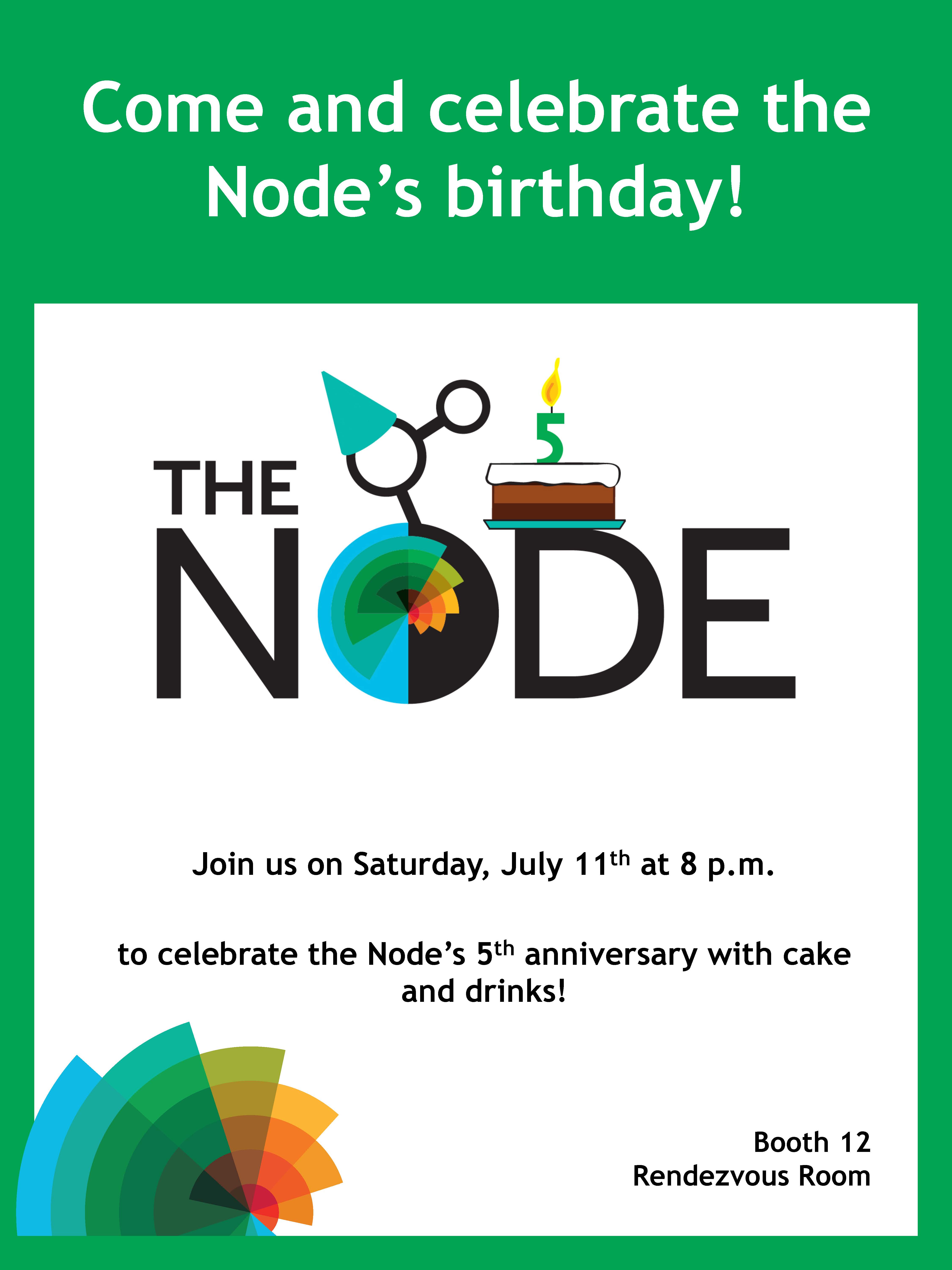
Celebrate the Node’s birthday at the SDB meeting!

Posted by , on 6 July 2015

This week will see the Society for Developmental Biology (SDB) meeting take place in Snowbird, in Utah, and we will be there! Come by booth nr 12 (Rendezvous room) if you would like to say hello and chat about the Node!

We also need your help:

  • We would love to feature a meeting report about this conference , so if you would like to blog for the Node about it get in touch.
  • We will be doing some filming at the conference, and would like to record a few of you telling us what you think about the Node. Do get in touch or visit us at the stand if you would like to get involved!

Finally, and as you have probably already gathered, this year we are celebrating our 5th anniversary and we want to mark the occasion. So come by booth 12 on Saturday (11th July) at 8 p.m. for cake and drinks. We look forward to celebrating the Node’s birthday with you!

If you are not attending then follow us on twitter. If the internet connection is good we will be tweeting from the meeting using the hashtag #2015SDB.


Node birthday poster2


Thumbs up (No Ratings Yet)
Loading...

Categories: News

The people who make the Node happen

Posted by , on 3 July 2015

This year we are celebrating the Node’s 5th anniversary, and this wouldn’t have been possible without the help of many people. Our biggest thank you goes to you, our community! The Node is only a lively, dynamic website because you read, post, comment and share the word with your colleagues.

Another big thanks goes to The Company of Biologists, the not-for-profit publisher behind the Node, as well as the editors and staff at Development for their contributions. We’re also hugely grateful to Jane Alfred, who was the Executive Editor at Development when the project was launched, and Eva Amsen, the first Node community manager. It’s thanks to their efforts and vision that the Node exists!

Many hundred people have contributed to the Node in the last 5 years, but a few authors stand out for their long engagement with the Node, and the number of posts they’ve contributed. As a special thanks, here are the Node’s top contributors (other than the internal staff) in the last 5 years!


Natascha Bushati

Natascha smaller


“Being a blogger on the Node has given me a great opportunity to develop my science writing skills and gain experience in communicating science while still doing research as a postdoc in the lab. I’m convinced that this experience also set me apart from other applicants when I applied for my first editorial jobs.”


Natascha first contributed to the Node in 2010, when she was doing a postdoc with James Briscoe at the NIMR. She reported from meetings, interviewed scientists, wrote about papers and considered alternative careers. She has now moved on to a career in publishing, and is currently an Associate Editor at Nature Cell Biology.


Thomas Butts

Thomas photo


“A great place to write (and occasionally rant) for its own sake, but which has useful and totally unpredictable outcomes too (like book offers). A blog version of what science should be.”


Thomas has contributed to the Node since 2011, when he was a postdoc with Richard Wingate at King’s College London. Over the years Thomas has shared his thoughts on a variety of topics, from specific research papers to the state of science funding. He now has his own lab at Queen Mary University of London.


Kim Cooper

KCooper


“I always get excited to see posts on the Node from students and postdocs, especially the summer blog from the Woods Hole Embryology Course. As an alumnus of that course, it’s fun to see the lineage continue and to hear first hand how the amazing experience impacts each class of participants.”


Kim started posting on the Node in 2010, when she was a postdoc with Cliff Tabin at Harvard Medical School. At that time she was establishing jerboas as a model to study limb development. Since then she has started her own lab at UC San Diego.


Gary MacDowell

Gary


“I first dipped my toe into the pool of blogging with the Node, and it has helped me to both improve my writing and communicate about frogs, developmental biology and science in general!”


Gary has written about a variety of topics over the years, from posts about Xenopus research, to discussions on the different issues with the current scientific system and, more recently, advertising the Young Embryologists Network USA meetings which he organises. In his early days as a Node blogger he was a PhD student at the University of Cambridge with Anna Philpott, but he is now a postdoc with Michael Levin at Tufts University.’


Megan Wilson

M Wilson


“As a lecturer and researcher in Developmental Biology, the Node is a fantastic resource, not only for information about some of the latest research highlights but also education resources such as a “day in the life of a (insert your favourite model animal) lab” and outreach activities.“


Megan first started writing for the Node in 2013, after hearing about it at the ISDB meeting in Mexico. She has her own lab in Otago, and her posts have kept the Node community up to date with some of the developmental biology research and activities going on in New Zealand.


EuroStemCell bloggers

The Node has collaborated with EuroStemCell for several years. Every month a post about a stem cell image published in a recent paper is highlighted on both EuroStemCell and on the Node. We would like to thank Erin Campbell and Christèle Gonneau, the two bloggers who have participated in this collaboration:

Erin Campbell
Erin Campbell

Christèle Gonneau
Christèle Gonneau


Thumbs up (3 votes)
Loading...

Categories: News

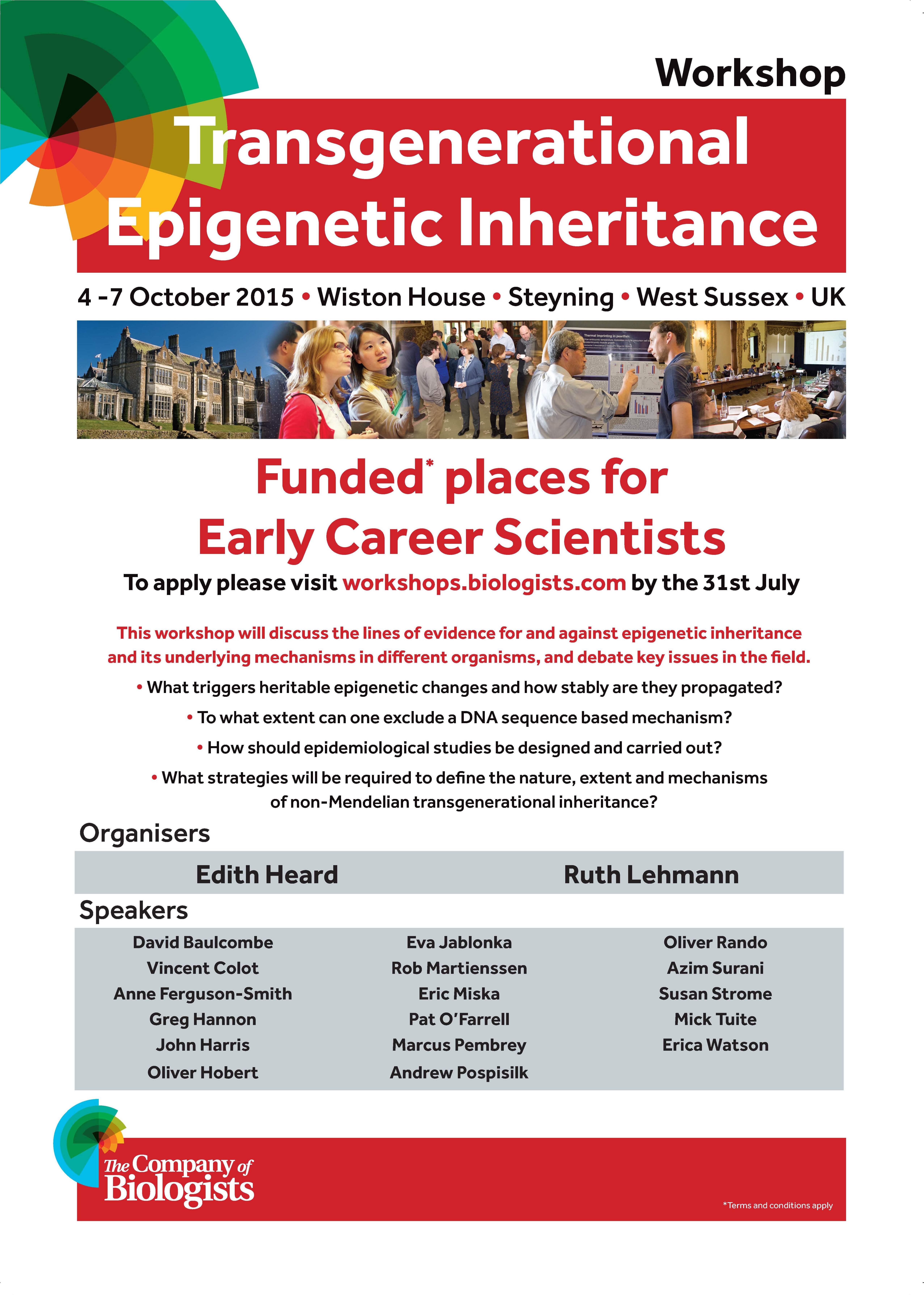
Funded places still available for the workshop ‘Transgenerational Epigenetic Inheritance’!

Posted by , on 2 July 2015


Transgenerational epigenetics workshop new poster

For more information click here or the image!

Thumbs up (No Ratings Yet)
Loading...

Tags: ,
Categories: News

EuroStemCell Newsletter June 2015: Stockholm, stem cells and summer

Posted by , on 2 July 2015

ISSCR_15_0165This month’s newsletter has a focus on the recent annual meeting of the International Society for Stem Cell Research, which was held in Stockholm at the end of June. If you weren’t able to be there, we have lots you can catch up on here. At the ISSCR, EuroStemCell discovered that they have recently published draft guidelines for stem cell research and clinical translation and are inviting comments on these before producing a final version. Please consider taking participating in this. Also in this newsletter, we report on the opening of a dynamic new multidisciplinary institute at the University of Copenhagen and profile another interview with EuroStemCell partner, Austin Smith.

Thanks, as always, for reading and keeping in touch, and for sharing your stories, views and expertise. If you’re interested in getting involved, have comments or suggestions, or just want to say hello, get in touch via Twitter, Facebook, or using our contact form.

We wish you a pleasant summer!

Read the EuroStemCell June 2015 newsletter here


Thumbs up (No Ratings Yet)
Loading...

Tags: ,
Categories: News

5 years, 5 posts- celebrating the Node’s 5th anniversary!

Posted by , on 2 July 2015

Happy birthday to us! It has been 5 years since the Node was first launched, and we have come a long way. Over the last 5 years, over 1,500 posts have been published, almost as many users have registered and we can now boast over 5,000 visitors a month!


Node 5th anniversary 2


The only proper way to celebrate a birthday is by having a party. If you are attending the coming Society for Developmental Biology meeting, please join us on Saturday the 11th of July at 8 p.m. at the Company of Biologists stand (nr 12, Rendezvous Room). There will be cake and drinks and it would be great to celebrate this occasion with you!

During our history we have featured so many interesting posts that is difficult to know which ones to highlight. We had series about alternative careers, outreach and model organisms. We have highlighted hundreds of papers, meetings  and discussed so many issues. To mark our 5 years running we decided to highlight our 5 most read, highest rated and most commented posts. You will notice one obvious omission from these lists. Our cover competitions have always been so popular that if we included them in a top 5 list we couldn’t highlight anything else!

We hope that you enjoy this journey through some of the most popular posts on the Node!


Top 5 most viewed posts


The Node went viral on twitter in 2013, when our Storify of the famous #overlyhonestmethods hashtag tweets was retweeted 789 times!


Back in the early days of the Node our then community manager Eva highlighted the beautiful animations of the intestinal crypt that accompany the talks of stem cell biologist Hans Clevers.


++DNA_9bx

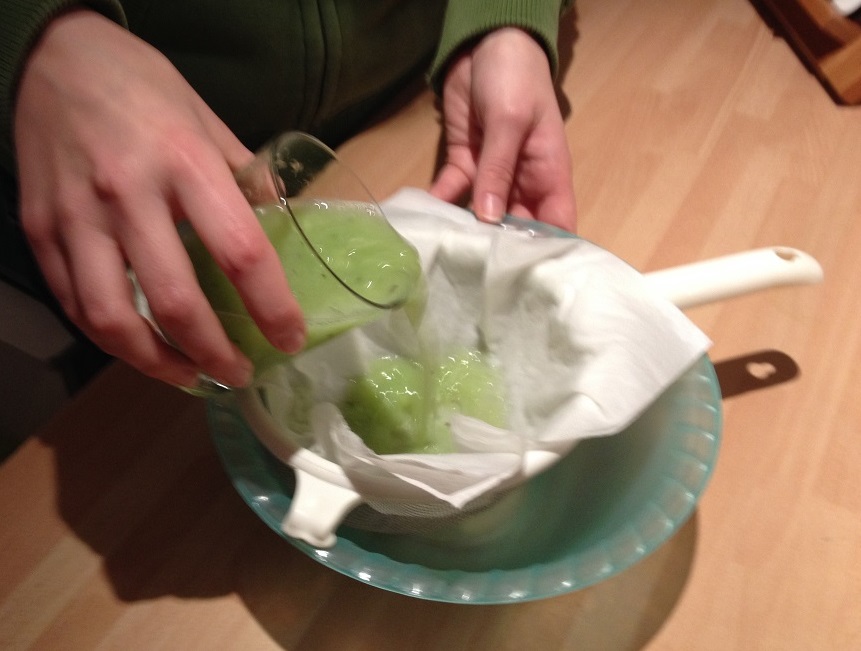
Since late 2013 we have been running an outreach series, highlighting interesting outreach projects as well as sharing easy activities that anyone can use. Katie Howe participated in this series with a step-by-step guide to extracting DNA from kiwis.


Over the years we have reposted selected articles from Development. In 2014 we reposted this Spotlight article which argues that, in light of the availability of new genome editing techniques, the use of morpholinos in zebrafish may be obsolete. This post generated a lot of discussion!


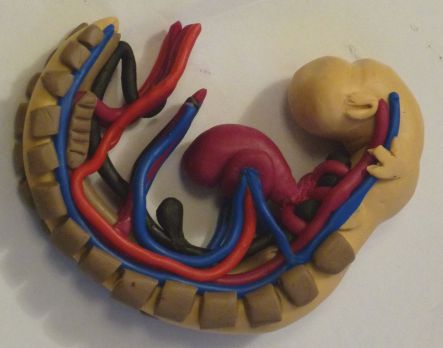
One of our earliest posts, this contribution by Shelley Edmunds explains how you can use modelling clay to teach undergraduates about embryology concepts, including detailed photos of how to make your own 4 week old human embryo!

Completed embryo model


Top 5 most liked posts


In 2011, Kara contributed to our alternative careers series by writing about how she had left the bench to become an editor at Cell. 2 years later she wrote on the Node about how she had returned to academia to become an assistant professor, showing that no career path is set in stone and that you have the freedom to try new things and find what you really enjoy doing!


Thomas Butts doesn’t hold back when stating his opinions on the Node, and this post was no exception. Here he shares his thoughts on what is wrong with UK Biology research in particular, and with the field more generally.


2012 saw the launch of a Node essay competition, which proved very popular. This essay by Máté Varga was one of the short listed essays up for voting, and discusses a not so far away future of artificially altered development.


Alejandro Alvarado photo 3

In this literary piece, Ewart tells the journey of pluripotency from the perspective of a cell.


Over the years we have featured many interviews with developmental biologists. Back in 2013 we met Alejandro Sanchez Alvarado, who studies regeneration in planarians and is one of the directors of the Woods Hole Embryology course.


Top 5 commented posts


An editorial by Jordan Raff, editor-in-chief of Biology Open, discussed the issues with the current publishing system and why it is changing.


In 2011 the Node paired up with BenchFly to create a group meeting bingo for developmental biologists, and several of you suggested the best words to feature in it. Unfortunately 4 years is a long time on the internet and the bingo card is no longer available online!


Several of you shared your thoughts on whether there are too many postdocs and PhD students in the current scientific system, or whether the expectation that they will have their own labs is the real issue.


In 2010, changes in the way postdocs were funded in Canada triggered a discussion on whether this was a positive or negative change.


Back in 2010, Heather shared her thoughts on how she keeps track of primers used in her lab, and asked the community for input.


Thumbs up (2 votes)
Loading...

Categories: News