Mouse embryonic stem cells (mESCs) are by definition cells that can self-renew (make identical copies of themselves) and specialize into any cell type of the body. Since their discovery, scientists have used them to produce various specialized cell types in culture but also to produce transgenic mouse lines. When injected into a mouse early embryo, mESCs can become any cell type of the body but can also be passed on to the next generation. Using this technique, scientists have been able to generate hundreds of transgenic mouse models, from which resulting studies have been invaluable for the progress of biology and medicine.
However, although mESCs are able to integrate into embryos, mESCs cultured in a dish do not organize themselves into structures that are similar to embryos. If aggregated into balls, called embryoid bodies, they can develop into a disorganized mass that does not resemble an embryo. Very interestingly, van der Brink and colleagues have published, in Development, a culture protocol with which they obtain mESCs structures that exhibit collective behaviors similar to those of the cells in the early mouse embryo: axis elongation, axial organization and early cell specialization. They thus call these structures gastruloids, in reference to gastrulation, one of the key and central process of early embryo development.
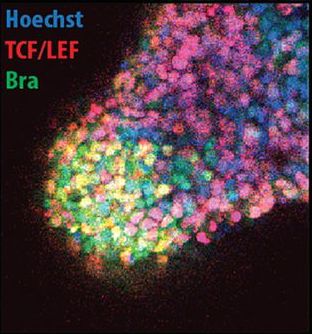
In this picture you can observe the cells of the tip of a gastruloid. The protein brachyury is shown in green, presence of protein TCF/LEF is shown in red and Hoechst (blue) corresponds to the cells nuclei. The yellow cells at the very tip express both brachyury and TCF/LEF, a characteristic specific of cells of the primitive streak structure in early embryos. This observation, along with others in the study, suggests that the gastruloids formed by mESCs undergo developmental movements that resemble the ones of early embryos.
Although the impact of such interesting observations is hard to determine yet, it is fascinating nevertheless to obtain such complex organized structures in vitro. This hopefully will open new ways of studying early development and disentangle early development mechanisms so far unknown.
Picture Credit:
van den Brink, S., Baillie-Johnson, P., Balayo, T., Hadjantonakis, A., Nowotschin, S., Turner, D., & Martinez Arias, A. (2014). Symmetry breaking, germ layer specification and axial organisation in aggregates of mouse embryonic stem cells Development, 141 (22), 4231-4242 DOI: 10.1242/dev.113001
Here are some of the highlights on the Node in the last month:
Discussion:
– Following your feedback to our survey, this month we launched a new feature to encourage more discussion on the Node- Question of the Month! Every month you can expect a new question on an interesting or controversial topic, and we hope that you will join the discussion by leaving your thoughts. Our first question is about developmental biology funding.
– Rebecca posted about her visit to the USA Congress, and shares her thoughts and experience on how best promote science research funding with political representatives.
Also on the Node:
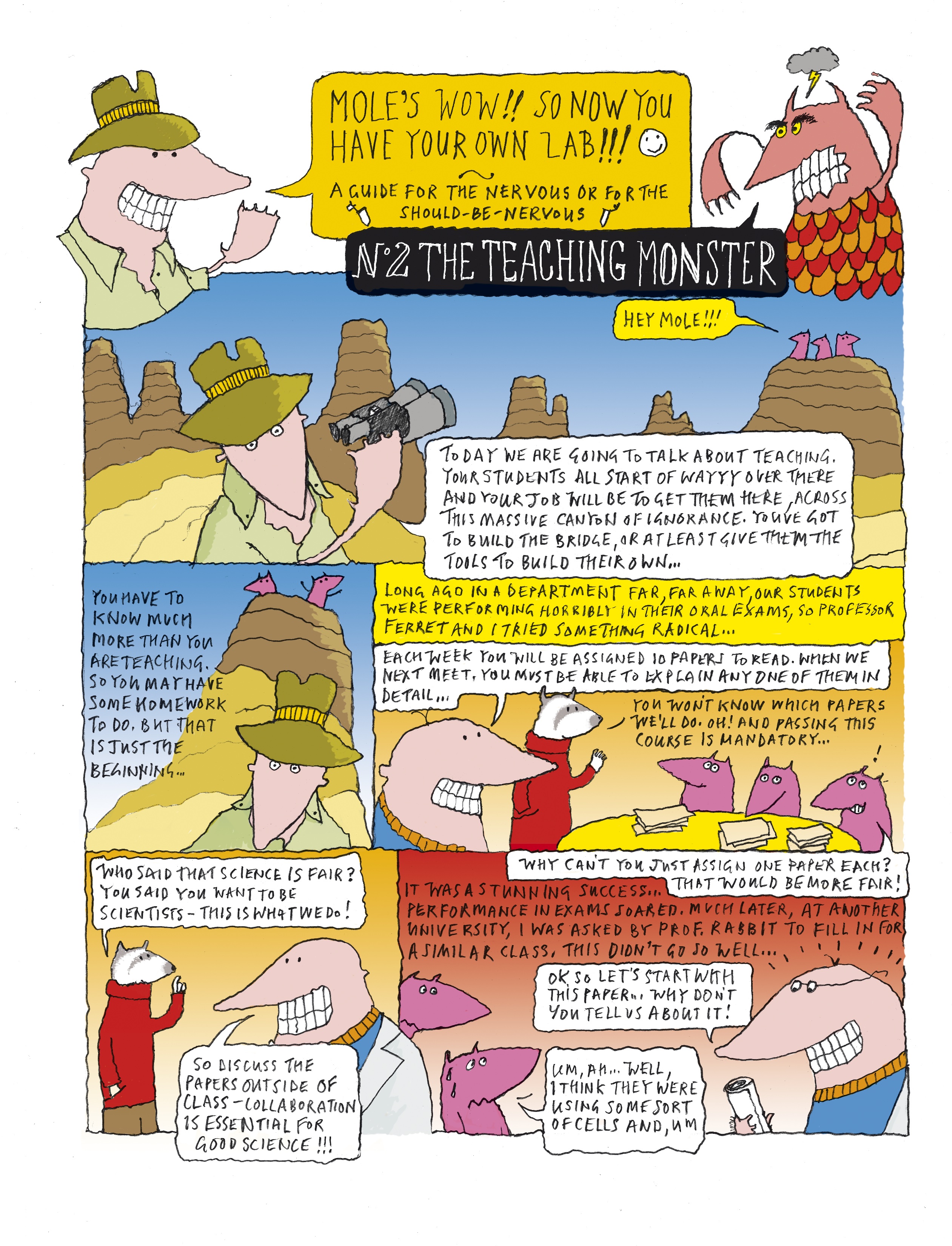
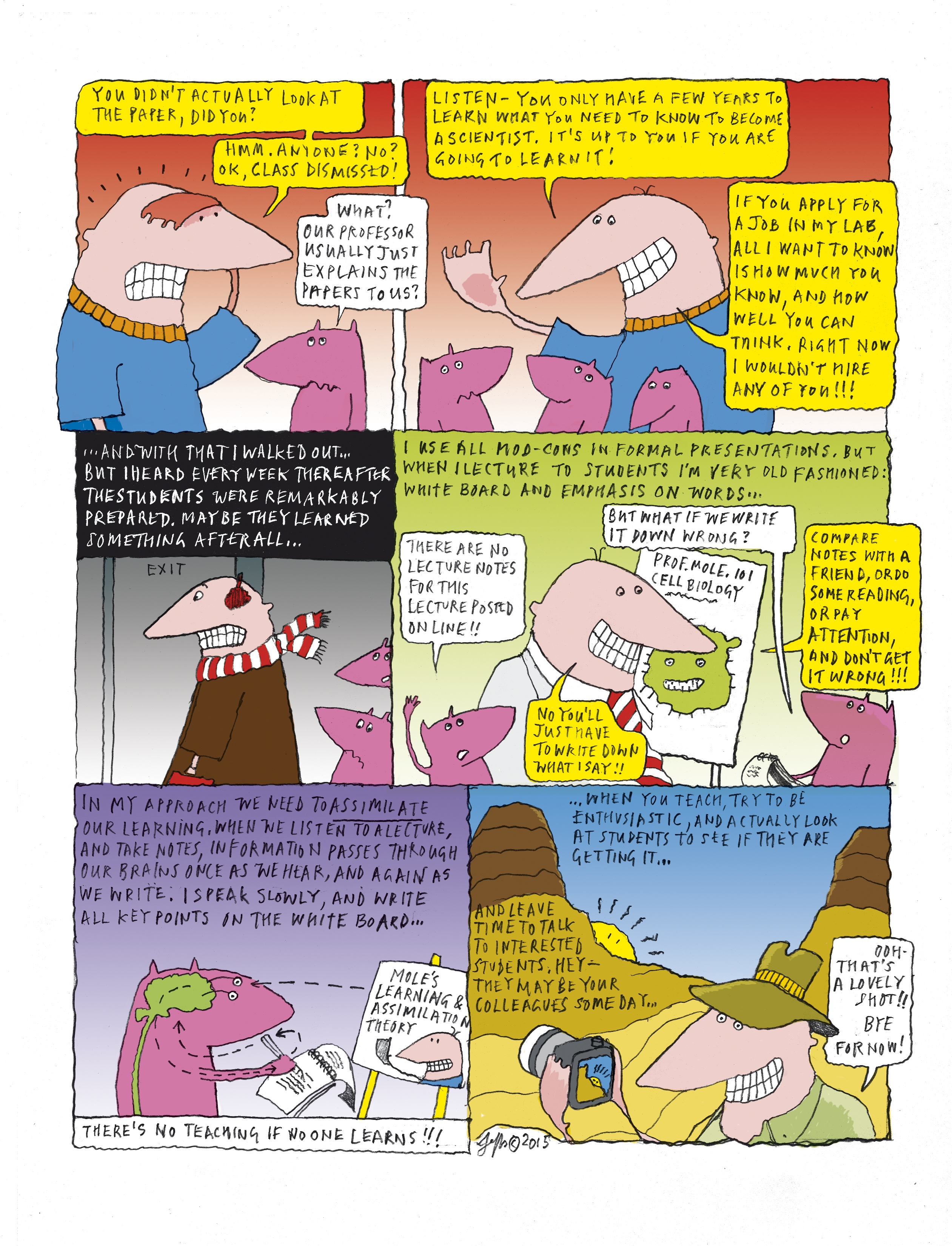
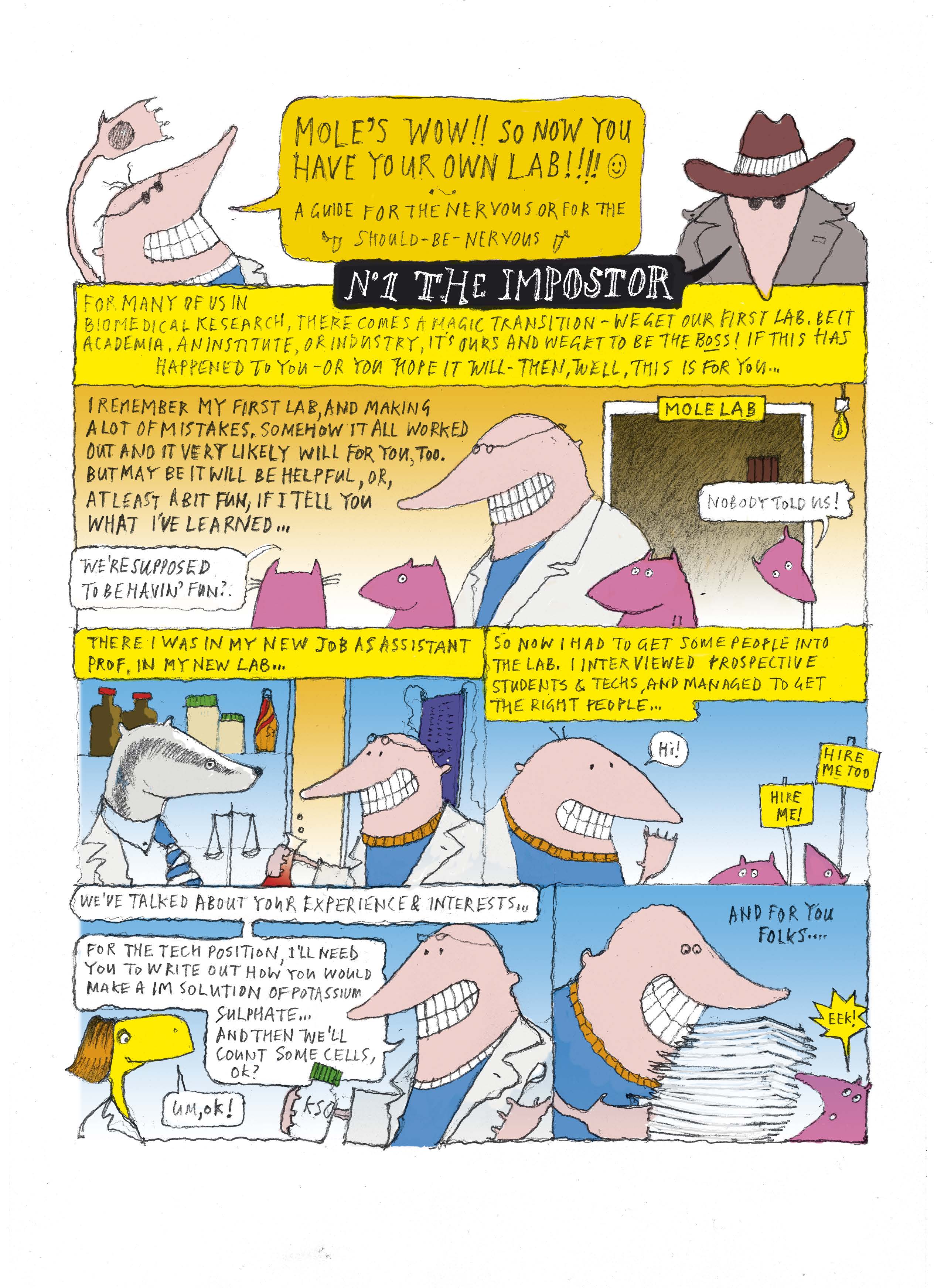
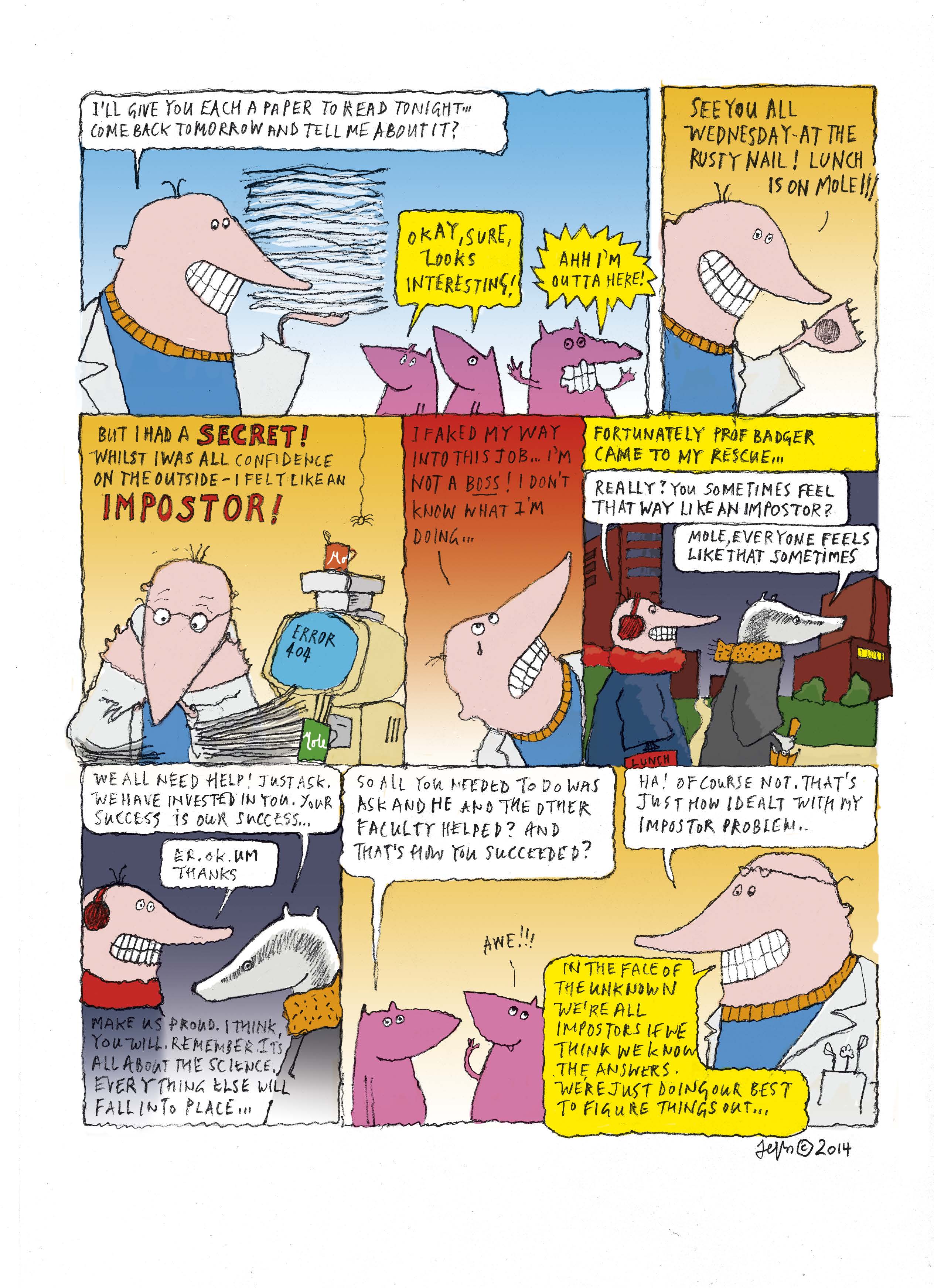
– The Journal of Cell Science posted part 1 and part 2of a series of cartoons about the ups and downs of establishing your own lab.
Report on GUDMAP Outreach at ISN World Congress of Nephrology (ISN WCN) March 13-17, 2015 Cape Town, South Africa
Author: Chris Armit
Date: 23rd March 2015
Introduction
The International Society of Nephrology (ISN) holds biennial meetings throughout the world, and this was the first ISN WCN to be held in Africa. There was attention brought by the scientific program to maternal and child renal health, both of which are key problems in the developing world. There was additional emphasis on translational and clinical nephrology, with the session entitled ‘Congenital anomalies of the kidney and urinary tract: Prenatal through adulthood’ being of particular relevance to developmental biologists.
In addition, for the first time particular attention was paid to renal nurse involvement through their involvement both as speakers with the support of the Renal Care Society of South Africa and similar nurse associations around the world. It was anticipated by the ISN Committee that this would have great relevance, and is potentially of enormous impact on renal care in resource-poor settings of Africa where nephrologists and even non-specialised physicians are very scarce, and where life-death decisions for people with kidney disease often depend on well-trained nursing staff.
Congenital anomalies of the kidney and urinary tract: Prenatal through adulthood
This session opened with a talk entitled ‘Organogenesis of the kidney’ by Melissa Little (University of Melbourne). Melissa introduced some of the key events in nephrogenesis and collecting duct formation, and provided an insightful overview of some of the key differences in kidney development between human and mouse. Following this, Melissa introduced the GUDMAP Project and GUDMAP Database as invaluable resources for researchers in the field wishing to know more about genitourinary development and the molecular anatomy of the developing kidney. There followed a more detailed discussion on GUDMAP, with reference to compartment isolation by LCM/FACS, expression profiling by arrays and RNA-seq, spatial validation by ISH, and the generation of transgenic reporter mice. Gene expression profiles of anchor genes defining nephron subcompartments were introduced as an illustrative way of identifying molecular anatomical profiles in GUDMAP sample data. In addition, comparative analysis of molecular markers of stage III and stage IV nephron were used to demonstrate the use of GUDMAP in identifying proximodistal expression patterns in GUDMAP SISH expression data. In addition, Melissa very kindly advertised the presence of a GUDMAP Exhibitor Stand at the ISN WCN where more information about the project could be obtained.
Recent data from Melissa’s lab highlighted the importance of hypoxia in congenital anomalies during embryonic development with Beta-catenin as a potentially important prognostic factor. Specifically, downregulation of the Beta-catenin BATGAL reporter is observed following hypoxia and this precedes the medullary collapse that is observed following hypoxic insult. Consequently, there is great interest in the role of Wnt/Beta-catenin signalling in the response to hypoxia. Of interest, medullary collapse was additionally observed in Cited1 knockout mouse embryos. The Cited1 knockout shows placental vasculature abnormalities, but not metanephros vascular abnormalities, and this highlights a potential role of systemic hypoxia in medullary collapse and may be relevant to understanding congenital kidney anomalies in clinical scenarios where systemic hypoxia may be important (e.g. pre-eclampsia).
Professor Melissa Little (University of Melbourne) introduced kidney development to a clinical audience and highlighted the role of the GUDMAP resource.
The second speaker Nine Knoers (UMC Utrecht, Netherlands) spoke on ‘The next generation sequencing revolution’ and introduced this topic to a primarily clinical audience who were less aware of recent developments in this technology. Using renal dysplasia as a specific clinical example, Nine Knoers pointed out that Pax2 and Hnf1b are mutated in 10-15% of kidney dysplasia patients. However, in the majority of cases of renal dysplasia a gene association has not been identified. There was emphasis on how next-gen sequencing of cohorts of patients could be used to find genes associated with specific congenital disorders.
There was a change to the advertised program, and the third speaker was Christel du Buisson (Stellenbosch University, South Africa) who provided clinical case studies of antenatal hydronephrosis. In the first example of antenatal hydronephrosis, a case was presented where foetal pelvic ureteric junction obstruction was demonstrated by ultrasound. In this case study it was shown that a diuretic renogram did not differentiate between a functional abnormality or an obstruction. In a second case study of antenatal hydronephrosis, a case of primary vesico-ureteric reflux was presented where the developmental anomaly reflects abnormal insertion of the ureters into the developing kidney. Taken together these case studies highlight the inherent difficulties of diagnosing kidney disease in a pre-term clinical environment.
The final speaker in this session was Tong Zhang (Changzheng Hospital, Shanghai, China) who spoke on an ‘Interaction between Polycystin-1 and the tuberous sclerosis complex (TSC1/2) gene products and its role in regulating canonical WNT signaling’. It is known that TSC1/TSC2 activates mTor and disrupts PI3Ksignaling (Zhang et al., J Clin Invest. 2003 Oct;112(8):1223-33) but a direct role of these gene products in inducing Beta-catenin/WNT signalling has not been reported previously. I considered it appropriate to point out some recent work by Nils Lindstrom, Neil Carragher, and Peter Hohenstein of the University of Edinburgh and Roslin Institute who have shown that the PI3K pathway and the Beta-catenin pathway have opposing roles in self-renewal and differentiation of nephron progenitor cells (Stem Cell Reports, 2015, http://dx.doi.org/10.1016/j.stemcr.2015.01.021), with PI3K signaling triggering premature differentiation of the nephron progenitors. It is unclear whether TSC1 and TSC2 have a dual role in regulating in both these pathways but I consider this to be of potential interest.
GUDMAP Exhibitor Stand
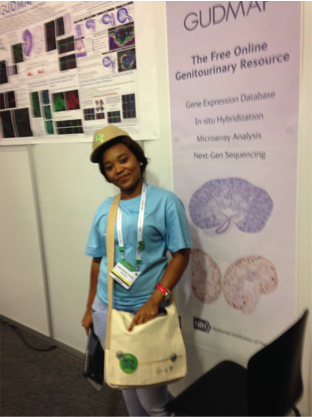
The GUDMAP Exhibitor Stand promoted GUDMAP as ‘The Free Online Genitourinary resource’ and was used to invite discussion on the scope of the GUDMAP Project and to provide live demos on how to use the GUDMAP web resource. Dr Simon Harding and Dr Frances Wong of the GUDMAP Editorial Office provided excellent exhibitor material in the form of banners and leaflets. Whereas there was some interest at the Exhibitor Stand on the Saturday afternoon, this increased following Melissa Little’s talk on the Sunday morning and there was a steady flow of interested parties to the GUDMAP Exhibitor Stand for the remainder of the Congress.
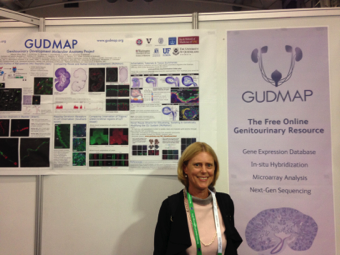
Prof. Melissa Little (University fo Melbourne) at the GUDMAP Exhibitor Stand
At the Exhibitor Stand, there was great interest in the scope of the GUDMAP Project and how it was funded. Following the session on ‘Congenital anomalies of the kidney and urinary tract: Prenatal through adulthood’ there was a lot of interest in the compartment-specific analysis that Melissa had mentioned in her talk. The GUDMAP Poster served as an excellent overview of the project, with online demos being used to show users how to find these data using the GUDMAP Database. There was additional explanation of using SISH to validate gene expression patterns following cDNA microarray analysis, and of using gene strips as a means of finding OMIM disease associations, in situ expression images, and array and RNA-seq data for a gene of interest. Andy McMahon’s ‘Comparing Mouse and Human Kidney Development’ section of the GUDMAP poster was particularly relevant for a clinical audience and highlighted the similarities between human and mouse at early stages of kidney development. A number of clinicians that visited the stand were surprised by how similar the Six2 and Cytokeratin gene expression patterns were between human and mouse, and this highlighted the importance of the mouse as a model organism for investigating kidney development and disease.
There was additional interest from clinicians who had attended the plenary talk by Barry Brenner (Harvard Medical School) entitled ‘Hypertension and kidney disease: The fault is not in our stars, but may be in our embryos’. In this talk, Barry Brenner emphasised the striking clinical correlation between low birth weight and low nephron number/kidney mass, and used as case studies two twin studies whereby the identical twin with low birth weight developed hypertension and kidney disease in later life. Clinicians who had attended this talk wished to know more about kidney development, and the GUDMAP poster and the GUDMAP online tutorials were particularly illustrative in this respect. On several occasions I was asked whether GUDMAP has any data on hypertension, to which I replied that the GUDMAP Database archives gene expression data on normal genitourinary development, and does not explore specific disease models. However, from the feedback I received I believe that if GUDMAP were to host primary data of mouse models of kidney disease then this would be of wide interest to the ISN community. There was additional interest as to whether GUDMAP had primary data relating to cell proliferation and cell death as this could be a means of addressing the phenomenon of nephron number/kidney mass as outlined in Barry Brenner’s talk. This may also be of wide interest to the nephrology community.
Comparison between human and mouse kidney development was of great interest at the GUDMAP Exhibitor Stand. This image shows the hGUDMAP (human GUDMAP) data that was showcased at the Exhibitor Stand.
There was considerable interest in epigenetics following the plenary talk by Katalin Suszstak (Perelman School of Medicine, University of Pennsylvania) entitled ‘Epigenetics: Finding the missing heritability of complex diseases’. Katalin specifically discussed 5-mC methylation in the context of chronic kidney disease, and reported on some major findings over the last 5 years, including the seminal work by Bechtel et al (Nature Medicine 2010; 16, 544–550) to demonstrate that Dnmt1-dependent methylation determines fibroblast activation and fibrogenesis in the kidney. There was additional discussion on the role of Tet proteins in renal fibrosis, with tubule-specific Ksp2-Cre deletion of Tet2 being shown to alter regeneration after kidney injury and induce renal fibrosis. Katalin additionally pointed out that from a clinical perspective, 5-azacytidine has been used as a FDA-approved DNA methyltransferase inhibitor since 2004 for the treatment of myelodysplastic syndromes, however there is recent interest in its use in the treatment of renal fibrosis. Following this plenary session, there was interest at the GUDMAP Exhibitor Stand as to whether GUDMAP will host primary data relating to epigenetic modifications during kidney development.
As mentioned in the introduction, there was an emphasis on renal nurse involvement at the ISN WCN. At the GUDMAP Exhibitor Stand there were additional visits from nursing and technical staff who were interested in understanding more about the developing kidney and its role in health and disease. The GUDMAP web resource, and in particular the schematics and online tutorials that are made freely available were particularly welcomed by these health professionals.
A Fresenius health professional at the GUDMAP Exhibitor Stand.
This is a call for the registration to the EMBL Master Course for Bioimage Data Analysis to be held from 7 June (Sun) – Saturday, 13 June (Sat) 2015. The deadline for registration is April 16, 2015. This course will focus on computational methods for analyzing images of proteins, cells and tissues, to boost the learning process of participants who have an immediate need to deploy image analysis in their own research. The course extends from the basic foundations of image processing and programming to the actual implementation of workflows using scripting in ImageJ macro and Matlab languages. Among those workflows, topics that are interesting for developmental biologists could be:
– Quantitative Evaluation of Multi-cellular Movements in Drosophila Embryo
A report in the Node written by Julian Sosnik, a student of the course last year, could be informative for you as well [link]. We aim to gather expert knowledge to organize a world-leading course for image analysis in the fields of biophysics, cell biology and developmental biology.
The course will take place in Heidelberg, Germany at the EMBL Advanced Training Centre. Registration and motivation letter deadline is April 16, 2015. Please visit our course website for more details.
7th Young Embryologist Network Annual General Meeting
15th May 2015
09:15-17:30 King’s College London
Registration and abstract submission are now open!
The 7th Young Embryologist Network AGM aims to bring together developmental biologists from across the UK (and beyond) to discuss their work. This year is likely to be the largest YEN AGM yet!
This year, YEN is honoured to have Professor Magdalena Zernicka-Goetz (University of Cambridge) present The Sammy Lee Memorial Lecture. As well as three talk sessions and a poster break, we will also have career-development guidance, comprising of a Careers Q&A session and presentations from newly established PIs.
As in previous years, this meeting is completely free thanks to the generosity of our sponsors: The Company of Biologists, New England Biolabs, Roche, REGEN, F1000, Transnetyx, Cambridge Bioscience, MRC: Centre for Developmental Neurobiology, University College London: CBD and The Francis Crick Institute.
We are looking for talks from embryologists, stem cell biologists and developmental biologists who work on one or more of the following topics:
– Stem Cells and Differentiation
– Early Embryonic Development
– Forces in Morphogenesis
Posters are encouraged relating to any research topic within embryology, stem cell biology and developmental biology.
The deadline for abstract submission is Midnight 21st April.
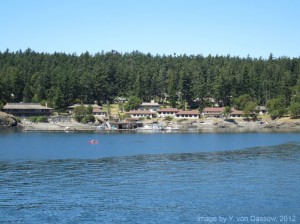
There are still a few spots open in the Comparative Invertebrate Embryology course at the Friday Harbor Labs. As I described in a previous post, it’s a great opportunity to see the diversity of developmental processes among animal phyla. Of course this would be valuable for people interested in evo-devo, but it would also be valuable for everyone from bioengineers, who might be inspired by seeing how cells and tissues organize themselves in different organisms, to ecologists, who might gain a deeper understanding of early life stages.
If you are interested in the course, please see the course description at: http://depts.washington.edu/fhl/studentSummer2015.html#SumA-4 . One change from my last post is that Dr. Billie Swalla, a great evolutionary developmental biologist, and the director of the Friday Harbor Labs, will now be co-teaching it with me.
A postdoctoral position is available at the University of California – Davis to study the molecular mechanisms, phylogenetic patterns, and functional consequences of transcriptome evolution in Drosophila. The project is based on the integration of RNA-seq, ChIP-seq, transgenic manipulation of gene expression and DNA-protein binding, and quantitative phylogenetic analysis to understand the roles of gene cooption, gene duplication, and de novo gene origin in the evolution of tissue-specific regulatory circuits. This work involves a collaboration between the labs of Artyom Kopp (developmental genetics and evo-devo), David Begun (evolutionary and population genomics), and Brian Moore (phylogenetic and comparative analysis). Additional aspects of this project may range from cell type specification to the evolution of enhancer sequences. Postdocs will be encouraged to develop independent research reflecting their own interests, within the broad field of developmental and evolutionary genomics.
Candidates should have demonstrated expertise in experimental molecular genetics and genomics, with an emphasis on RNA-seq and ChIP-seq analysis, genome annotation, and comparative genomics. Some experience in developmental biology and transgenic methods is also desirable. Initial appointment is for one year, extendable by mutual agreement. Our labs and the entire department provide a very supportive atmosphere. The broader research environment at UC – Davis offers postdoctoral fellows chances for collaboration with leading experts in fields ranging from cell and developmental biology to evolutionary genomics and phylogenetics. Northern California, where Davis is located, provides outstanding recreational opportunities. Interested applicants should contact Artyom Kopp (akopp@ucdavis.edu) with a CV, a brief statement of research interests and experience, and the names of three references.
On March 18, 2015, 24 graduate student scientists from twelve graduate programs across the country descended on Capitol Hill. We represented the National Science Policy Group, a network of graduate students committed to promoting science research funding and interested in issues at the intersection of science and public policy. Last Wednesday was our Congressional Visit Day, the second organized by NSPG, and we had over 50 meetings scheduled with the Congressional staff of senators and representatives from across the country.
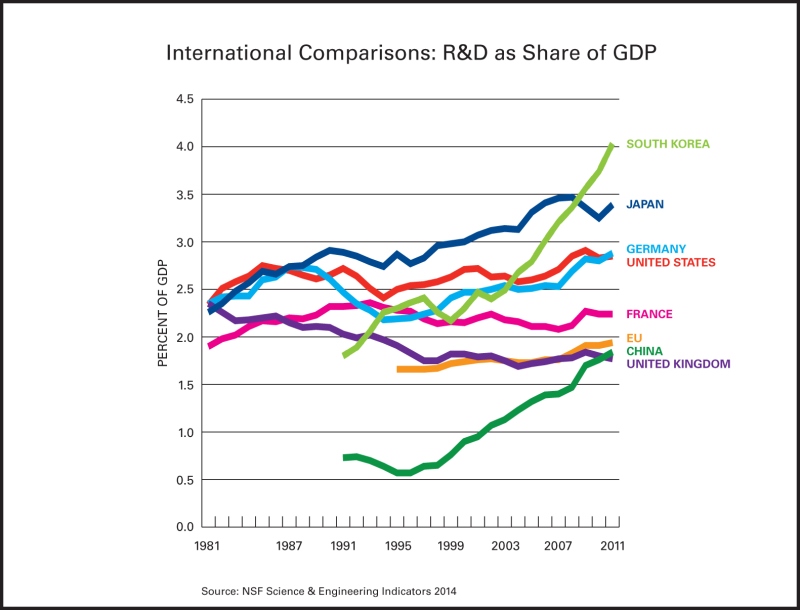
Our message was that funding levels for all scientific research disciplines should be increased. While absolute funding levels have increased slightly over the past decade, they are not keeping up with inflation, and investment in science research as a percent of GDP has declined (Figure 1). We know that investments in science increase the country’s economic prosperity and quality of life for people here and across the globe. Reducing science budgets affects everyone, not just scientists.
Figure 1. Science research budgets by country, as percent of GDP. From the Science Coalition “Science Matters” campaign (http://www.sciencecoalition.org/science-matters).
Convincing Congressional staffers
Articulating how science is foundational to our economy was crucial during our Congressional meetings. Most of our meetings were with legislative aides, often those who deal with science and technology issues. Realizing that members of Congress have diverse platforms, we tried to demonstrate to each staffer how science funding advances the interests of their Congressperson. For example, when talking with the LA for my state senator, Claire McCaskill (D-MO), I reminded the aide of specific examples of basic science research that produced an unexpected benefit for our armed forces – a major focus of Senator McCaskill’s platform. I talked about HemCon, a bandage that stops hemorrhaging in minutes and can save lives on the battlefield, a product that was developed by the US Army Medical Research and Material Command. I also talked about how research into the basic biology of mantis shrimp yielded unexpected insights into how to design better body armor for military vehicles.
Like many in Congress, my senator is also very concerned with jobs and the economy in Missouri and the nation. I spoke about how a large part of the human genome was sequenced at Washington University in St. Louis, the huge economic impact this project has had – a return of $65 for every $1 invested – and that many of the jobs created from this investment were created in St. Louis. My goal was to give the staffer specific examples that he and Senator McCaskill can use to justify to her constituents and to her peers in Congress why increasing science research funding advances the Senator’s platform and the welfare of our country.
NSPG represents graduate students from a wide array of disciplines. We believe that increased efforts in all fields are needed for our country to make sustained advances in our economy and human welfare. To this end, NSPG was advocating for funding increases in all scientific disciplines. When I spoke with the legislative aide to the senior senator from my state, Sen. Roy Blunt (R-MO), I knew that as a three-time cancer survivor Senator Blunt has supported biomedical research funding for much of his career. I hoped to expand his view to include all sciences, making the case that it’s unpredictable where the next breakthrough will come from, so we need to fund all curious scientists.
The National Science Policy Group: YOUR student movement
Our second message was that NSPG is a resource for our members of Congress. We want to be the constituent group they go to for anecdotes on how tight federal science funding hurts developing researchers, or to find a compelling story of unexpected advances from basic science funded in their district. We believe the message of how flat-lining funding levels and decreased purchasing power in the federal science budget impact research is important to come from graduate students, as we are the next generation of scientists already affected by the current funding situation.
NPSG is only two years old and growing fast. Working with this group has been extremely rewarding. I have met graduate students from across the country and across disciplines that share my sense of urgency that science can – and should – inform public policy. Realizing that my own science policy student group at Washington University in St. Louis is tapping into this nationwide sentiment is very gratifying. Anyone who is interested in learning more about the National Science Policy Group or joining our effort can find more information on the NSPG webpage. Please also feel free to get in touch with me through the comments section for more information.
Hope for the future
Finally, the most gratifying moment of my visit to the Hill came Tuesday afternoon during a pre-Hill Day training session by the American Association for the Advancement of Science. Retired Rep. Bart Gordon (TN-D), a long-time champion of scientific research, addressed the crowd of several hundred scientists across disciplines and generations. He told us of the science research and development cycle as he saw it: investments in basic science research generate new knowledge, which generates new technologies, products, and services, which increase the welfare of Americans when they take advantage of new products or health technologies. This activity boosts the economy, increasing money available to invest in science research and start the process all over again.
“He gets it”, I thought.
I traveled to the Hill just to hear our message spoken back to me before I even walked into a Congressional office building. This experience showed me that our message is taking hold and progress is happening, if very slowly. If we continue advocating for science, I believe that the prospects for federal science funding just might improve.