
Best of both – balancing research and outreach
Posted by Anne Osterrieder, on 7 March 2014
I have been trying to pin-point when exactly I became interested in science outreach. The earliest I can think back is when we had to dissect Helix aspersa, the garden snail, in our undergraduate zoology practical. It was a slimy business. Our lecturer had asked us to remove the specimen’s body from its shell. It popped out in a spiral, covered in mucus. I took it apart carefully, holding my breath and trying to keep a steady hand whilst unravelling its insides with my shiny new dissecting instruments. As I uncovered its digestive system, its muscles and its ‘love dart’, incision by incision my initial feeling of disgust turned into deep fascination.
A few weeks later I was looking for a present for my little cousin. The book “Die Schnecke” (“The Snail”) seemed like the perfect choice. We read it together, sitting on the ground and admiring the illustrations. I guess that a passion for science communication has always been a big part of my love for science.
Thanks to my supervisors and my University I have been able to develop this passion into an official part of my job. My last post-doc position included a day per week dedicated to outreach, funded by my Faculty. In 2012 I became the University’s first Research and Science Communication Fellow. Now my time is split between plant cell biology and science communication, with a bit of teaching sprinkled on top.
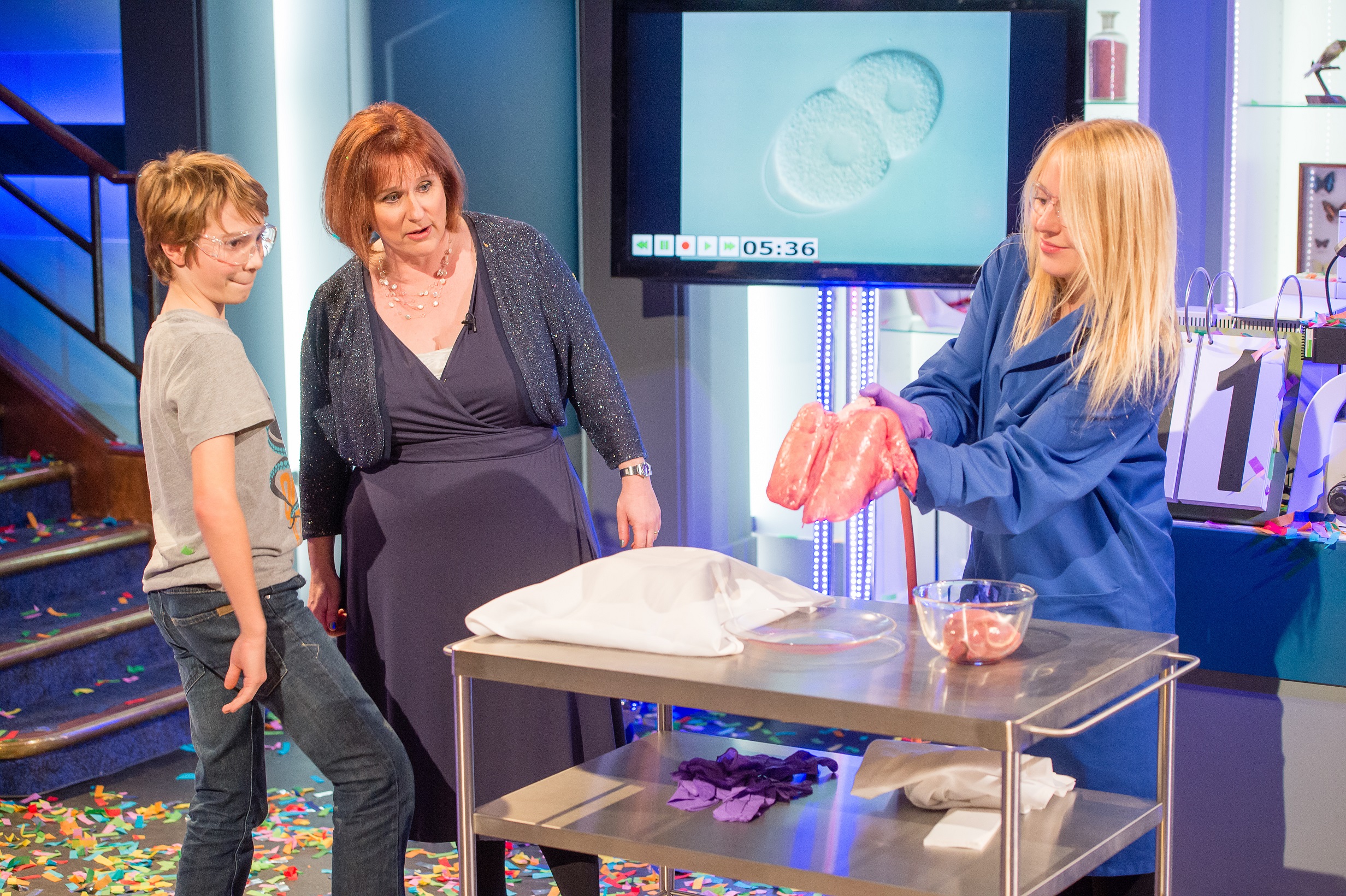
The split is not mathematically accurate and I do not work exactly 2.5 days per week on each. Rather, things come in phases. March is extremely busy with the Oxfordshire Science Festival, and our Brookes Science Bazaar of which I am now the lead organiser. Last year Dr Niall Munro, a lecturer in American Literature, and I developed a training programme for early career science and humanities researchers. With input from a science journalist and poet, our participants paired up to explore interdisciplinary ‘Visions of the Future’, and presented their work on a theatre stage.
I always have several smaller, long-term projects running on the side, such as our DNA gel electrophoresis loan kit scheme or our partnership with the Oxford Academy. Between busy periods I focus on research and restrict my activities to ‘one-offs’ like SciBar or Science Showoff, and social media. I also run internal and external training sessions for researchers and mentor students and scientists who want to dip their toe into science communication.
Sometimes people ask me if I prefer science or science communication. I reply that both have their upsides and downsides. I love the excitement of coming up with hypotheses and designing experiments to test them. But in science, progress tends to be slow. Plants need to grow. Experiments need to be repeated or suddenly stop working for no obvious reasons. This can be very frustrating. When I put hard work and long hours into science communication projects, I know that I will (usually!) get a good outcome. Without exception, all of my projects have been extremely rewarding. I often joke that outreach keeps me sane because it is a positive balance to the constant stream of failures and rejections in science. Sometimes however things happen too fast or sudden and I need to react quickly, for example when two kids are starting to fight in our workshop or volunteers drop out at the last minute.
Juggling research, science communication and teaching is difficult, but not unique to my position. Like many other early career researchers, I am still learning how to squeeze productive bursts into an increasingly fragmented work day. Being able to say ‘no’ is as much an important skill as knowing how to perform a scientific method, and I am getting better at it. I also try to regularly pause and assess – in all areas of my job – whether I am working too much in the ‘urgent, but not important’ quadrant, and not enough in the ‘important, but not urgent’ one.
So how do you get started with outreach? My main advice would be to start small. Engage in existing initiatives: Become a STEM Ambassador, volunteer at your local Science Festival, the British Science Festival or the Big Bang Fair. Try out different communication channels (hands-on activities, comedy gigs, science songs or blog posts, just to name a few!), locations (university, pub, theatre, museum, city centre…) and audiences (children or adults). But at the same time, be realistic about your time and your resources. Always keep in mind your audience and what you want to achieve. Read up on evaluation. Collaborate with others. Volunteer as a research group to run a stall at an event. Write an article with a fellow PhD student, or find like-minded people on Twitter. Work as a team to bounce ideas around and split tasks between you. Once you have tested the water, don’t be afraid to think bigger – who knows where it might lead!
Further reading:
National Co-ordinating Centre for Public Engagement – How to do it.
So you want to do a science communication project?
 This post is part of a series on science outreach. You can read the introduction to the series here and read other posts in this series here.
 (2 votes)
 Loading...
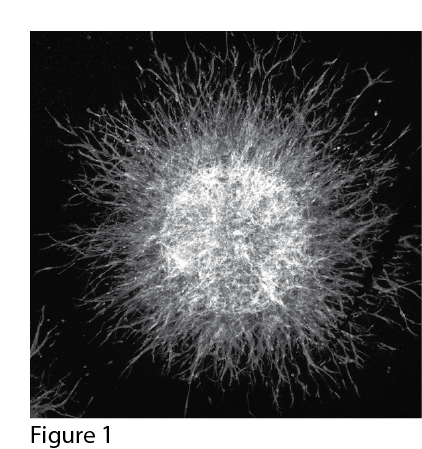
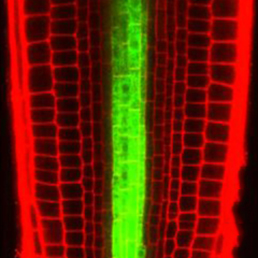 In the Arabidopsis root, xylem is organised into a central file of metaxylem that is flanked by protoxylem. Xylem fate is determined by HD-ZIP III transcription factors; high levels promote metaxylem formation whereas low levels specify protoxylem. The factors that downregulate HD-ZIP III levels are known but those that promote HD-ZIP III expression have remained elusive. Yunde Zhao, Ykä Helariutta, Jan Dettmer and colleagues now show that auxin biosynthesis promotes HD-ZIP III expression and metaxylem specification in Arabidopsis (
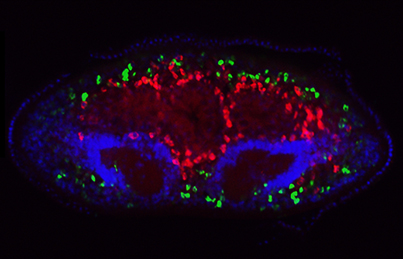 The transcriptional co-factor Yorkie (Yki; YAP in vertebrates) is a key effector of the Hippo signalling pathway and has been implicated in growth control and patterning, as well as stem cell regulation and regeneration, in flies and vertebrates. Now, on
 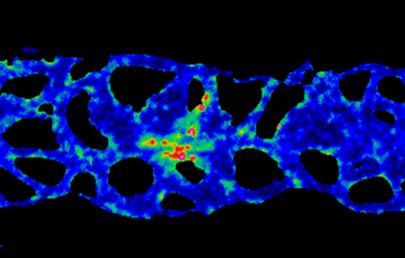 Collective cell migration occurs in many developmental contexts but a full understanding of this process has been hampered by a lack of quantitative analyses in 3D in vivo contexts. Using the zebrafish lateral line primordium as a model, Darren Gilmour and co-workers set out to tackle this problem (
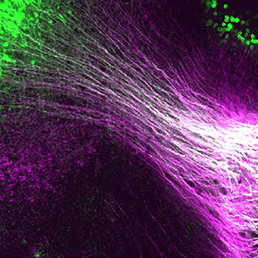 During nervous system development, navigating axons ‘decide’ whether or not to cross the midline. Various factors that influence axon guidance and midline crossing have been identified but it remains unclear if any one transcription factor can drive the complete midline crossing transcriptional programme. Here (
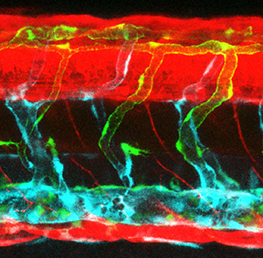 In mice, the formation of lymphatic vessels (lymphangiogenesis) requires the homeodomain transcription factor Prox1. Here, Stefan Schulte-Merker and colleagues examine whether the role of Prox1 is conserved in zebrafish (
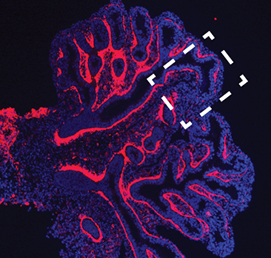 The mesenchymal compartment of the lung plays a crucial role during lung development but, unlike its epithelial counterpart, its regulation is largely uncharacterised. Now, Gianni Carraro, Saverio Bellusci and colleagues report that miR-142-3p modulates WNT signalling to balance mesenchymal cell proliferation and differentiation during mouse lung development (
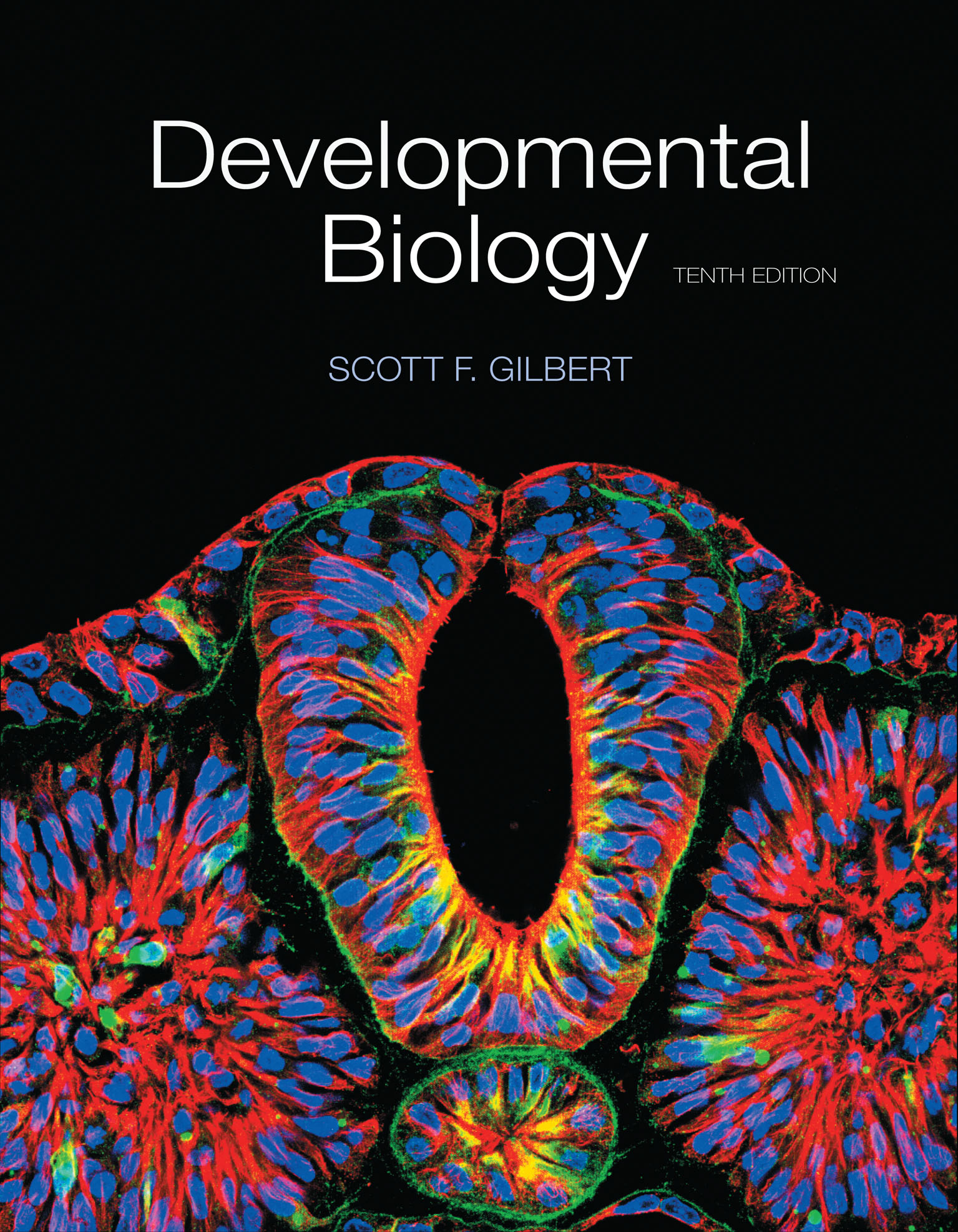 First published in 1985, Developmental Biology by Scott F. Gilbert has been an influential textbook for a generation of scientists. Here, Timothy Weil provides a brief review of the latest (10th) edition of the series. He comments on updates to the text, highlights details of particular interest to lecturers, and compares this book with other resources available in the internet era. See the Spotlight article on p.
 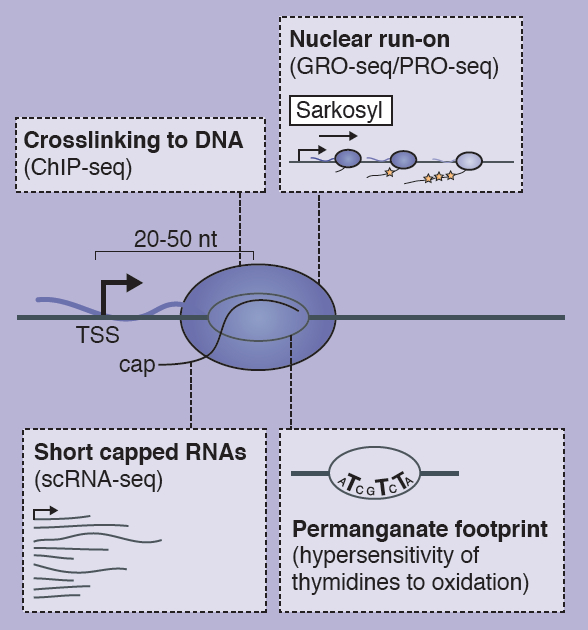 The transcription of developmental control genes by RNA polymerase II (Pol II) is commonly regulated at the transition to productive elongation, resulting in the promoter-proximal accumulation of transcriptionally engaged but paused Pol II. In their poster article, Bjoern Gaertner and Julia Zeitlinger review the mechanisms and possible functions of Pol II pausing during development. See the Development at a Glance article on p.
  Much of the focus in muscle regeneration has been placed on identifying and delivering stem cells to promote regenerative capacity. As these efforts have advanced, we have learned that complex features of the microenvironment in which regeneration occurs can determine the success of these approaches . Here, James Tidball and colleagues discuss how myeloid cells can influence muscle regeneration, focussing on how processes in muscle and myeloid cells are co-regulated. See the Review on p.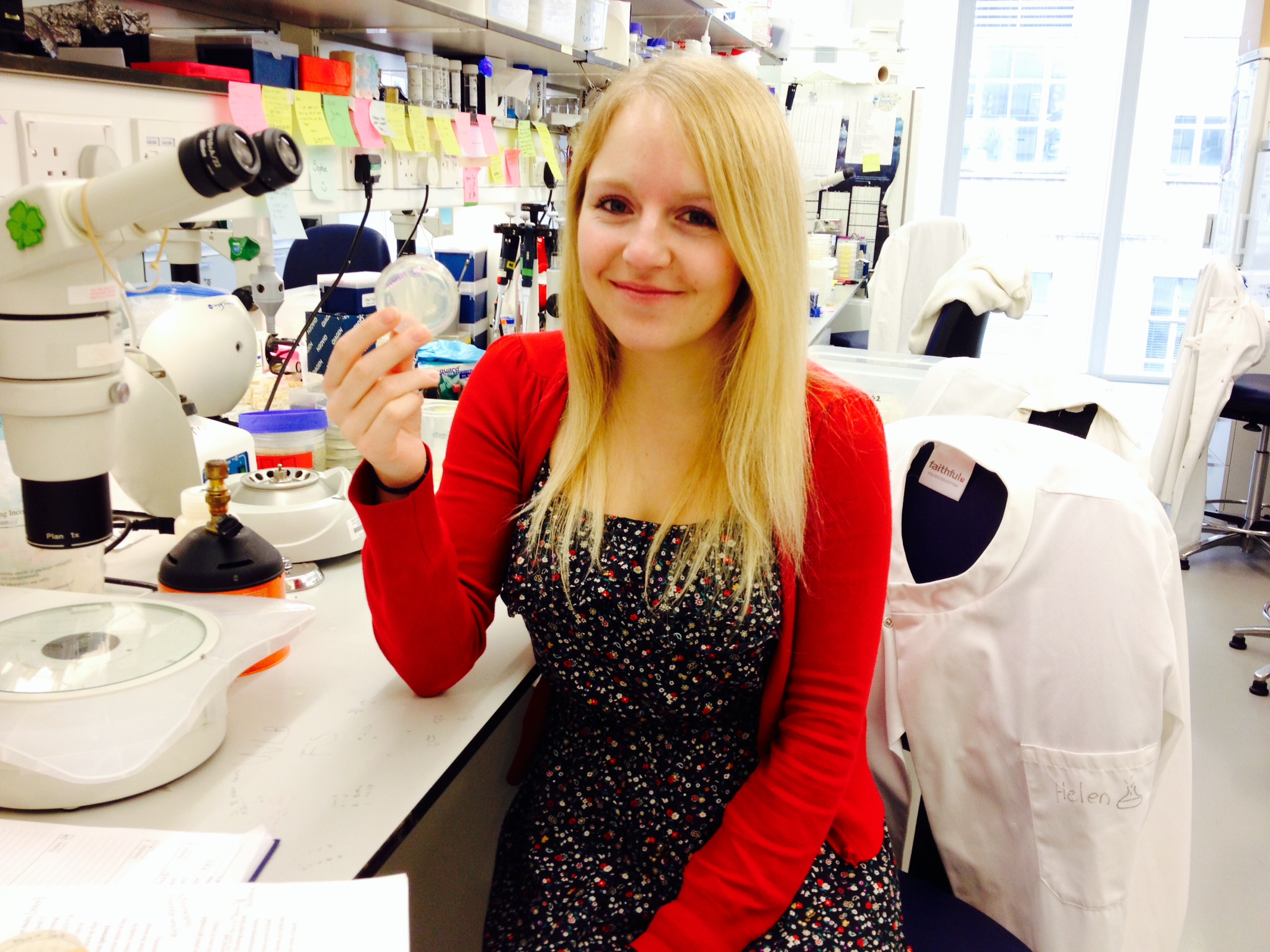
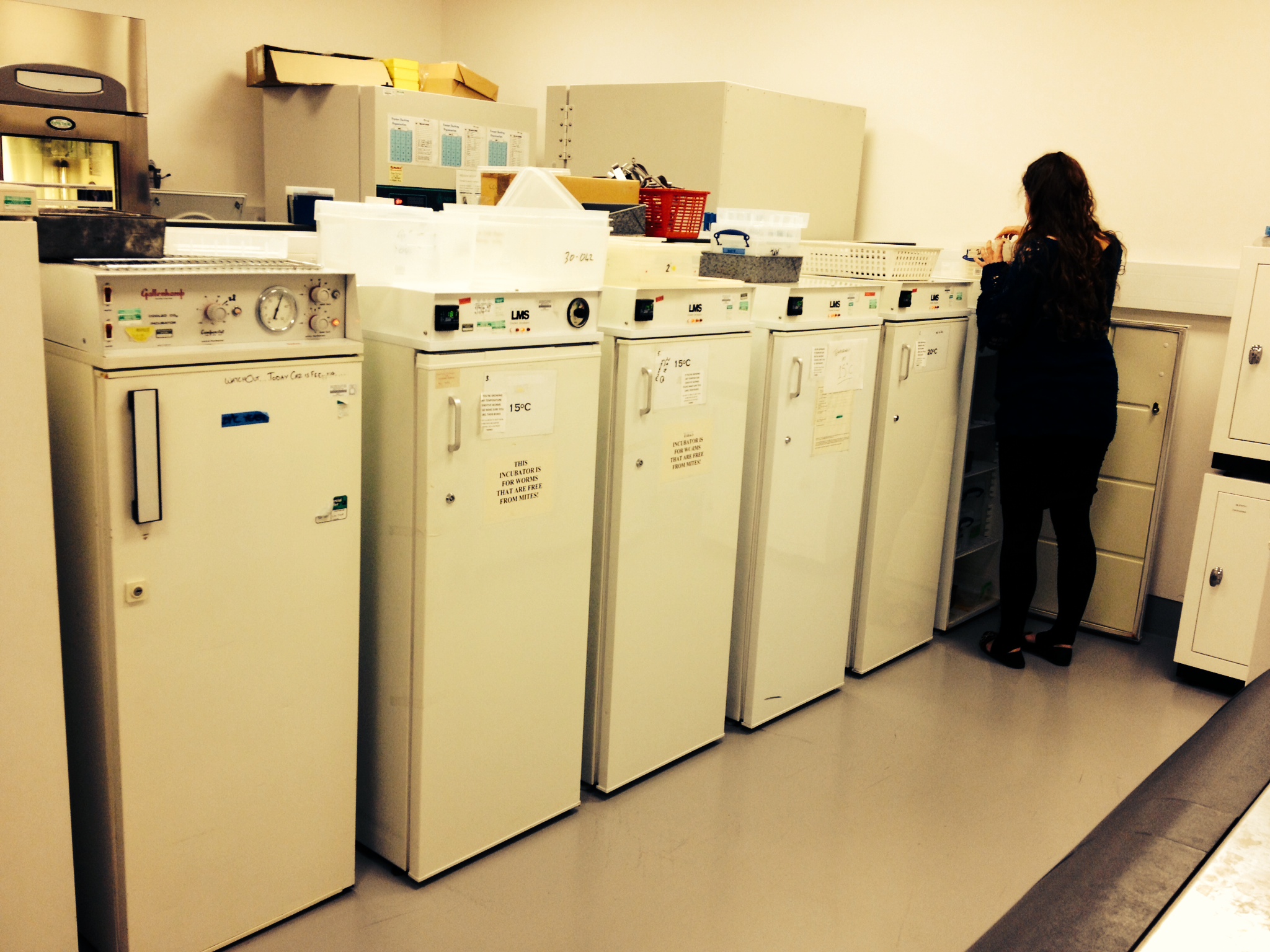
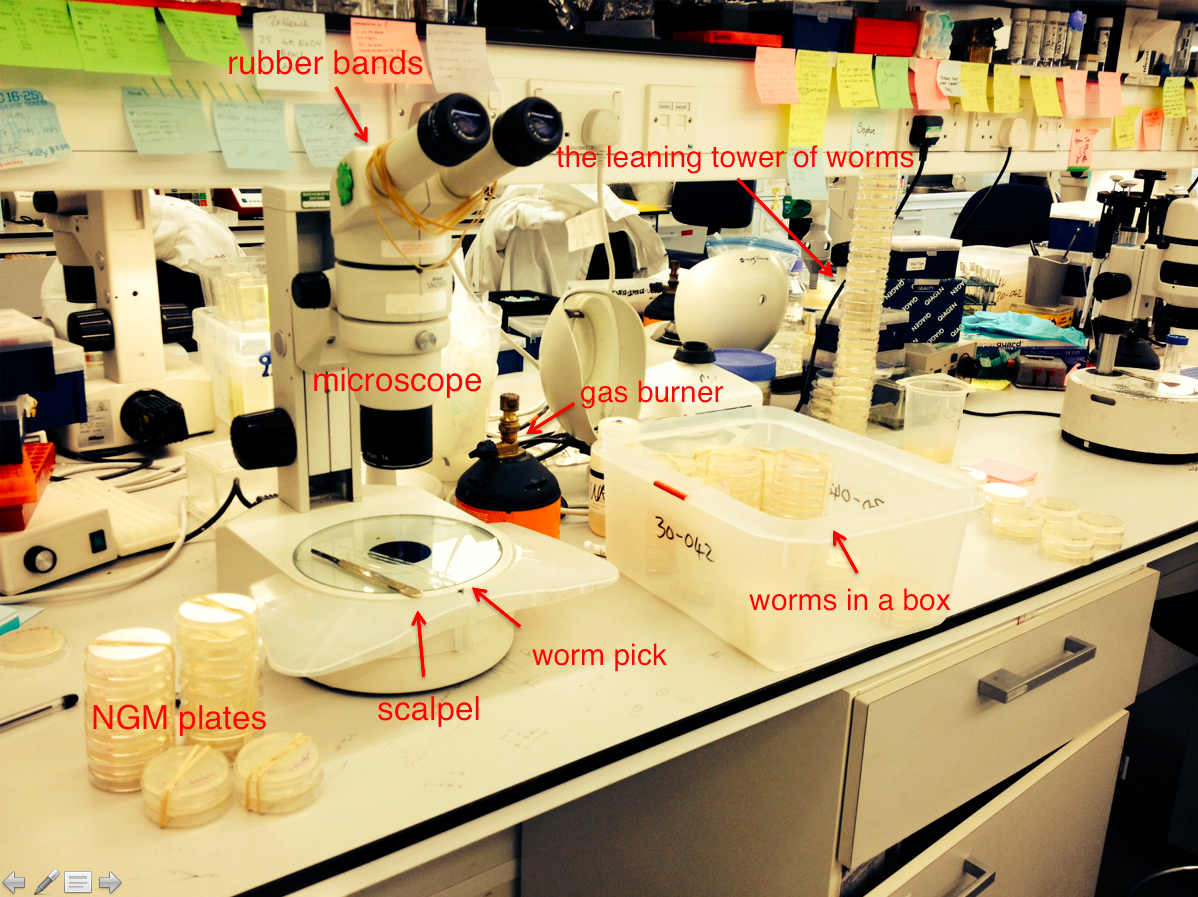
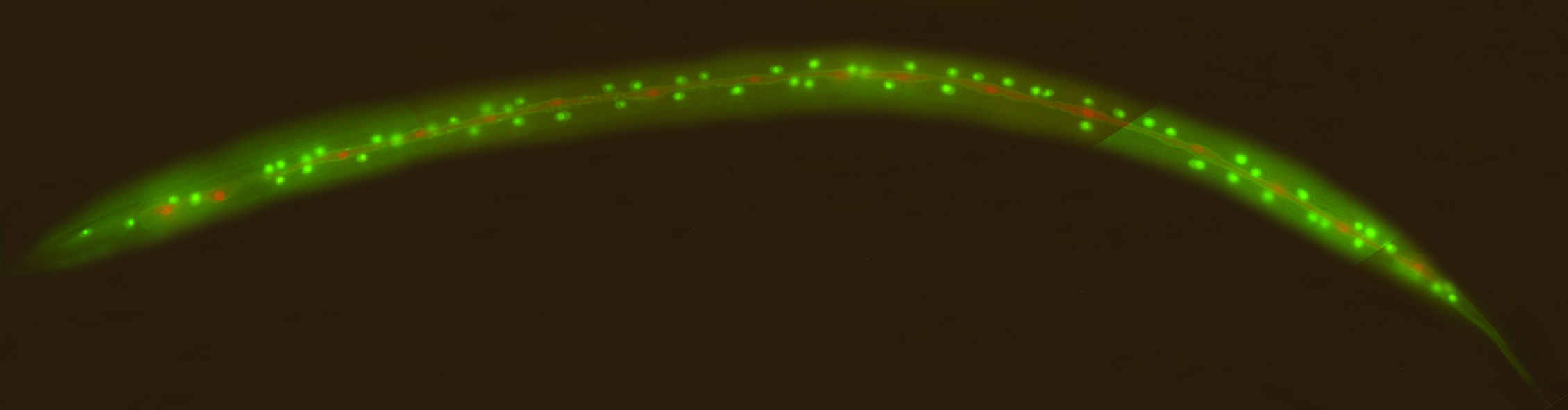
 This post is part of a series on a day in the life of developmental biology labs working on different model organisms. You can read the introduction to the series
  (14 votes)
 (No Ratings Yet)