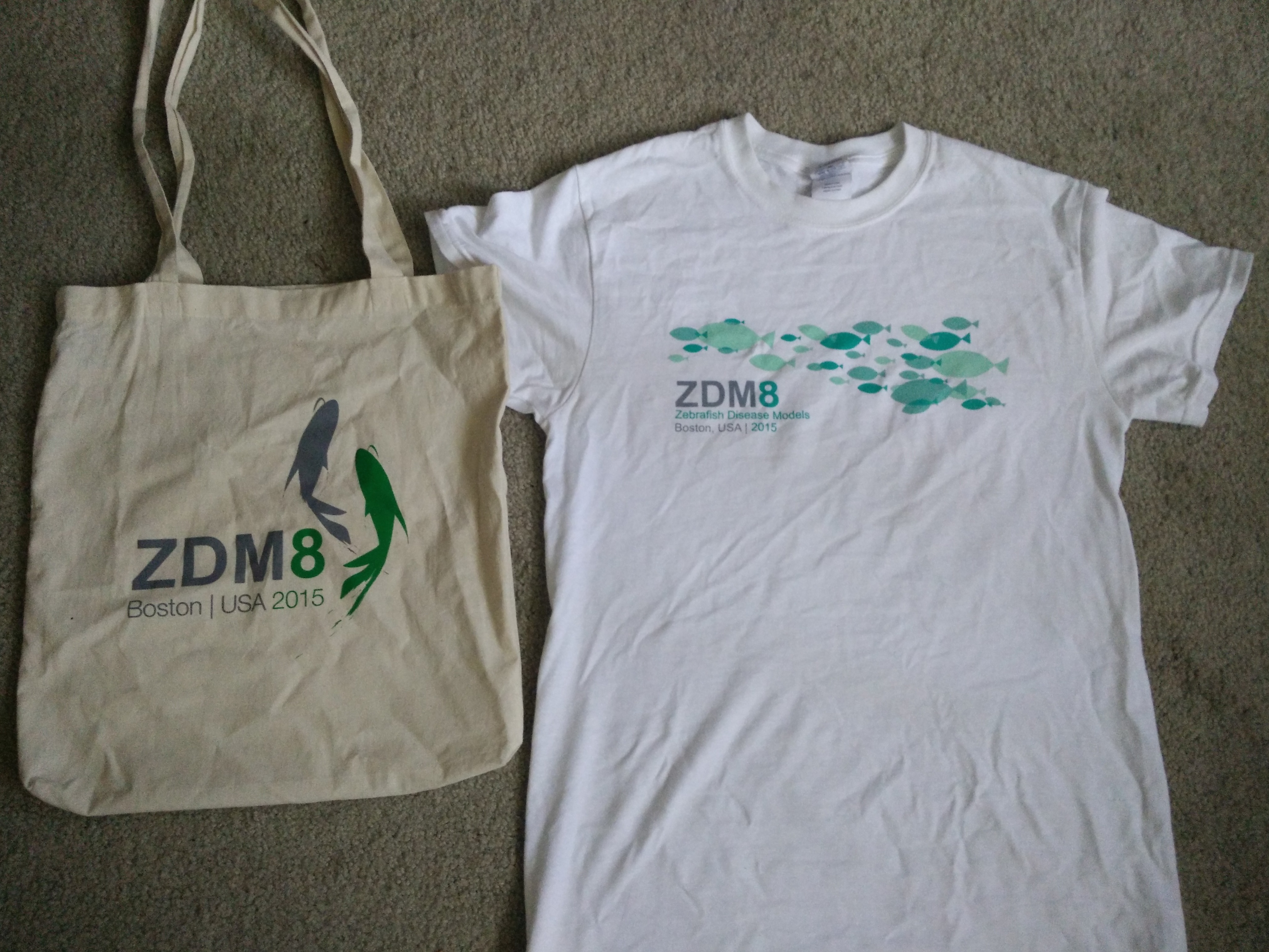
I was fortunate to attend the 8th annual Zebrafish Disease Model (ZDM) meeting in Boston (24th Aug-27th Aug) organized by the Zebrafish Disease Models Society (ZDMS). The aim of the meeting was to foster interaction among researchers working in wide array of human diseases such as cancer, muscle disorders, gastrointestinal diseases, cardiovascular, neural disorders and hematological abnormalities with a common theme of using zebrafish as model system. The organizing committee did a wonderful job in inviting a thoughtful list of speakers, which included graduate students, postdocs, young and established PIs. All the talks were followed by thought provoking questions and constructive suggestions. I was thrilled to learn the advantages of using zebrafish as a model to study life-threatening diseases. Zebrafish being transparent, it is possible to image what happens when development goes wrong at a very high resolution in vivo, which was presented through stunning images and videos by the presenters. Cool videos such as cancer cell escaping the vascular system and the cute fish in a tank learning to behave in socially approved ways after treatment with the drug of interest will remain in my memory for a long time. It was also amazing to learn how the field not only adapted the cutting edge CRISPR genome editing technology but also trying to fine tune it for better use (tissue specific CRISPR, CRISPR-repressor fusion). There was a session called lightning talks (5min each speaker) that featured the highlights of the selected trainees work, kind of a trailer of a movie. Later those trainees also got a chance to present posters to further explain their research in more detail. The poster session showcased great science using cutting edge techniques which altogether emphasized the fact that study of developmental processes with therapeutic approach is the path to be taken.
There was a Meet-the-Expert lunch session one day where we had a chance for an informal chat with the pioneers of the field. We got advice on different stages of our scientific career, how to become the ‘happy’ postdoc they would like to hire, lab dynamics to keep in mind when setting up your own lab and alternative careers were some of the topics discussed. Another key point of the conference was ‘Research Interest Groups’ where we had the opportunity to attend a close-knit group of researchers working a similar field. I attended the cardiac and muscle group. Many important topics were discussed, bottom line being we should keep working on promoting the sense of community by sharing information about antibodies, reagents and transgenic fish lines.
The conference also had three excellent keynote speakers. Dr. Ross Keegan’s eloquent keynote talk emphasized taking a holistic approach to treat diseases with the use of complex drugs and personalized medicines. Presence of Dr. Mark Fishman from Novartis during the conference dinner made things extra special. He delivered an engaging talk on some of his recent work using zebrafish to study social behavior. The last keynote talk was from Dr. Amy Wagers, she again emphasized how using zebrafish can significantly reduce to time from lab to clinic.
Some of the fun activities were, a mixer on Day 1 at the local Yard House where I met old friends and made some awesome new fish friends. On day 2 there was free time in the afternoon for activities in Boston. Since it’s always been my dream to visit Harvard I took the time to go for a walking tour of Harvard University. Every second on the campus was inspiring.
All together it was a fantastic gathering showcasing the power of zebrafish as a model to solve bigger questions. Four days surrounded by the pioneers in the field at the heart of science, Harvard was a dream come true for me. I came back as a more confident and passionate graduate student to continue doing science with a purpose for a better world.
To keep up with this being an international society, next year’s conference will be in Singapore in October. For more information or to become a member of this awesome society please visit http://zdmsociety.org
Amrita Mandal,
Graduate Student
Molecular and Developmental Biology Graduate Program
Written by: Tonni Anderson, Michelle Facette, Margaret Frank, Cara Haney, Nathanaël Prunet, Michael Raissig, Jose Sebastian, Nidhi Sharma, and Wanpeng Wang
On the first night of 2015 FASEB Mechanisms in Plant Development Meeting, participants gathered at the Vermont Academy in Saxtons River, VT to listen to the Keynote speaker, Jan Traas, who foreshadowed much of what was to come over the next few days with his talk entitled “A multi-scale view of plant development”. Jan presented his work on the cell wall matrix and introduced the idea that increased cell expansion is based on a polymerization mechanism of the matrix, which in turn is regulated by the orientation of the load-bearing micro-fibrils.
The next morning, the first session focused on Meristems and Short Range Signaling. David Jackson presented identification of new regulators of meristem size in maize. He showed that heterotrimeric GTP-binding proteins mediate signaling downstream of CLAVATA receptors and that differentiating cells signal back to the meristem and regulate stem cell homeostasis. Hiroo Fukuda then discussed the regulatory networks controlling xylem and phloem formation in vascular meristems. He presented a new experimental system that uses the ectopic induction of vascular tissue in leaves and cotyledons to further understand the mechanisms underlying vascular development. Zach Nimchuk took us back to the shoot apical meristem and discussed the cooperation and redundancy of the CLAVATA and BAM receptor kinases in perceiving the CLAVATA3 signal. Next, Sarah Hake discussed the function of BEL1-like transcription factors, which bind DNA as heterodimers with KNOX gene KNOTTED1, in vascular and inflorescence patterning in maize shoot meristems. She was followed by Nidhi Sharma who talked about regulation of SHOOTMERISTEMLESS (STM) protein and hypothesized that auxin is responsible for destabilization of STM in leaf primordia at shoot apex. Marcus Heisler concluded the session by discussing the role of the abaxial/adaxial boundary in determining the position of lateral organ formation in the shoot apical meristem, and showed how ectopic abaxial/adaxial boundaries can induce ectopic lamina outgrowth and organ patterning.
To open the Gene Regulation and Gene Networks session, Siobhan Brady presented central and specific regulators of cell wall synthesis and metabolism that were identified by network analyses of data derived from a large yeast 1-hybrid screen of transcription factors. Next, Ikram Blilou presented her recent work on how the complex relationship between the SCARECROW, SHORTROOT and JACKDAW/BALD IBIS transcription factors contribute to cell specification in the root and specific cell activities. Following Ikram, Joakim Palovaara presented his powerful and elegant INTACT method to analyze spatial and temporal transcription in the developing Arabidopsis embryo. Thereafter, Nathanaël Prunet explained the developmental origin of the extra stamens in superman mutant flowers via the analysis of CLAVATA3, APETALA3 and SUPERMAN expression. Ross Sozzani (accompanied by a raucous thunderstorm) introduced a Dynamic Bayesian Network algorithm that, when applied to root transcriptomic data, efficiently identified new players in root stem cell maintenance. Mark Estelle closed the session by describing how the universally important hormone auxin can have diverse functions. He offered two mechanistic models, showing how different auxin-binding transcription factors have different auxin binding affinities and that under environmental (temperature) stress, TIR1 is stabilized by the HSP90 chaperone.
The third session focused on Modeling and Patterning Mechanisms. The first speaker, Ottoline Leyser, discussed apical dominance and how axillary meristems compete for reactivation by establishing auxin transport canalization toward the stem. This process depends on lateral auxin transport and can be modulated by cytokinins and strigolactones to provide plasticity towards environmental changes. Veronica Grieneisen followed the first talk by discussing how computational models have allowed us to dissect the intricate flow of hormones and nutrients in plants. She used auxin and boron transport in the root meristem as a model to elucidate how fast dynamic regulation of transporters can be key to maintain stable internal fluxes. Next up was Alexis Maizel, who presented recent data on how plants employ oriented cell division and anisotropic growth to shape their organs. He illustrated this beautifully using light-sheet microscopy and computational models to provide quantitative analysis of lateral root morphogenesis. Siobhan Braybrook then presented a project that emerged from discussions from the preceding FASEB meeting on mechanisms in plant development. She discussed the diversity of pavement cell shape in Angiosperms, and presented a detailed, quantitative analysis of wiggled-shape pavement cells in maize. Ernst Aichinger then presented work on the gene regulatory network underlying the maintenance of the root stem cell niche, and presented a detailed analysis of WOX5, which has a central role in this process. Edith Pierre-Jerome concluded the session by showing how she uses an artificial, user-defined auxin response circuit in yeast to understand how specificity in the auxin response is encoded.
Zach Lippman started the Evolution and Comparative Development session by presenting on three fasciated shoot mutants, all of which mapped to distinct arabinosyltransferase genes; each enzyme performs a specific addition of an arabinose sugar onto the CLAVATA3 (CLV3) peptide. He further demonstrated that a tri-arabinosylated CLV3 has full function, whereas loss of arabinosylation progressively leads to severe clv3-like shoot fasciation and enlarged meristem phenotypes. Lior Tal presented next on a new delayed flowering mutant called late termination (ltm). Genetic and transcriptomic analyses indicate that this new mutant may act in parallel with the well-described CLAVATA and SINGLE FLOWER TRUSS pathways. Courtney Hollender presented an in-depth molecular and genetic characterization of TILLER ANGLE CONTROL1 (TAC1) and LAZY1, two genes that are involved in the regulation of branching angle in plum and Arabidopsis. In the second part of the session Madelaine Bartlett presented on B-class MADS box gene evolution in floral organ specification in the grasses. She demonstrated that B-class gene homodimerization re-emerged in the grasses, whereas they usually work as obligate heterodimers in most other plant lineages. Jill Harrison concluded the session with a talk about the role of auxin transport in the evolution of branching body plans. She demonstrated that while vascular plant branching is regulated by polar auxin transport via PIN-FORMED (PIN) proteins, a non-canonical form of bi-directional auxin transport regulates gametophytic branching in Physcomitrella (a model moss).
Stefanie Sprunck opened the Cell Biology session with beautiful live-cell imaging data showing that upon fusion of sperm and egg cells, there is transmission of paternal membrane proteins to the developing embryo, which has exciting implications for epigenetic inheritance. Stefanie’s collaborator Guido Grossman presented a modified RootChip, which is used to treat a root with two different treatments to study distinct developmental behaviors at the same time. Moritz Nowack used a combination of genetic and 4D-imaging methods to uncover mechanisms underlying developmentally-regulated programmed cell death in root caps. Mark Settles found a conserved U12 splicing mechanism necessary in both maize and humans for promoting cell differentiation and repression of cell proliferation during embryogenesis implying conservation of cell fate transition mechanisms in humans and plants. Polar localization of proteins was a shared theme for both Michelle Facette and Jaimie Van Norman. Michelle explored the timing of recruitment of polar-localized complexes to subsidiary guard mother cells during stomatal development, and Jaimie found unexpected patterns of polar localization of RLKs in roots related to ground tissue patterning. Contrary to other presenters studying root meristem, Tonni Andersen unveiled a potential role of passage cells in nutrient uptake in fully differentiated root cells.
Miltos Tsiantis opened the Emerging Models session with research on the evolution of a genetic program that controls leaf complexity in the Brassicas. He showed that complex leaf formation in Cardamine hirsuta (closely related to Arabidopsis) is promoted by the activity of REDUCED COMPLEXITY (RCO), a HD-ZIP transcription factor that arose through a duplication of LATE MERISTEM IDENTITY1 (LMI) and has been lost Arabidopsis. Scott Poethig presented next on the role of heterochrony (variation in the timing of a developmental process) in the evolution of vegetative phase change in the Acacieae – a tribe of woody legumes. He showed that the promotion of vegetative phase change in Acacia is correlated with a reduction in microRNA156/157 levels. In the second part of the session, Rob Martienssen presented a case for single gene heterosis of oil content in palm soil, in which heterozygosity for two amino acid substitutions in the highly conserved MADS-box DNA binding domain of the Shell gene leads to a significant increase in oil content. Next, Michael Raissig presented genetic dissection of stomata development in Brachypodium—a grass model. Taking a comparative approach, he showed that the genetic network regulating stomata genesis has been rewired to generate diverse stomatal patterns between eudicots and grasses. Claire Bushell concluded the session with computational modeling of bladder trap formation in Utricularia gibba (an aquatic carnivorous plant). She demonstrated how simple computational models that account for tissue polarity and growth rate can be used to reliably predict the formation of the complex three-dimensional structure of the bladder trap.
The Biotic Influences and Long-range Signaling session was kicked off by Jack Schultz who discussed how insects transform vegetative tissue into nutrient-rich habitats by switching on carpel-specific transcripts. Chris Kuhlemieir used petunia as an example to demonstrate how simple genetic changes can result in dramatic shifts in preferred pollinators. Dong Wang showed that alternative splicing determines whether a vesicle targeting protein is targeted to the bacteroid membrane or the plasma membrane during nodulation. This special targeting contributes to the unique identity of the membrane at the bacterial-plant interface. In the short talks, Cara Haney demonstrated that the make-up of the root-associated microbiome is genetically determined, and that bacterial-induced resistance or susceptibility is coupled to plant nutrient status. Devin O’Connor used Brachypodium to infer functions of sister-of-PIN1, an auxin transporter lost from the brassicas. Unlike AtPIN1, “sister” is enriched at auxin maxima or convergence points. Aman Husbands presented paradoxical data regarding how the START domain functions in HD-ZIP transcription factors. He found the START domain is required for efficient dimerization but dispensable for transcriptional activation. In a study to unravel why shoot-root grafting increases plant vigor, Margaret Frank identified mobile transcripts moving between the shoot and root, which could be a mechanism for the observed graph heterosis.
The final session, Abiotic and Epigenetics, kicked off with David Nelson presenting data linking the karrikin- and strigolactone-responsive pathways during seedling morphogenesis. Terri Long provided new insights into iron sensing and response and presented new molecular players uncovered by genetics, biochemistry and mathematical modeling. Jose Sebastian presented findings that crown roots, specific to monocots, are reversibly suppressed during drought stress and that direct water contact with the crown is necessary for their formation. Alexander Jones presented new gibberellin biosensors and found that cells in the elongation zone are more rapidly importing GA. In the second part of the session, Franziska Turck presented how plants can make life-changing phase change decisions “without a brain”. She showed a model of 3D chromatin architecture around the main flower-inducing FT locus that both includes an activating and repressing chromatin loop. Next, Gerardo del Toro presented his recently published study of how ecotype background influences paternal genome activation in the embryo using an elegant crossing scheme to paternally complement a suite of embryonic-lethal mutants. In addition, he presented their recent parent-specific dataset showing a strong maternal bias at early embryonic stages. Finally, Wanpeng Wang presented that mutations in MYB3R1 suppresses the tso1 (“ugly” in Chinese) mutant phenotype, genetically connecting supposed subunits of the cell-cycle regulating DREAM complex at Arabidopsis meristems.
At the end of the meeting, the organizers Dominique Bergmann and Rüdiger Simon concluded the meeting by saying that it covered indeed “a multi-scale view of plant development” and by honoring recently deceased visionaries of plant development Ian Sussex and Fred Sack. Doris Wagner and Marja Timmermans will organize the next meeting in 2017.
One of the other projects we have been working on in the last months is the Node’s anniversary video, which you can watch below. We had a great time putting it together, and we particularly enjoyed filming several of you talking about the Node and why you use it! We hope that you will enjoy the video!
What would you like to see on the Node in the next 5 years? Share your thoughts below, or drop us an email!
Great success, at least 25 Masters and PhD students applied to these fellowships.
We want to encourage the participation at our meeting (www.spbd-meeting2015.com) of the future generation of developmental biologists, and found some extra funding that allows us to offer up to 10 fellowships to Masters students (with lab experience already) and 1st year PhD students. Normally, these students do no participate for lack of sponsorship, but with these fellowships they can now join us at Algarve for the best Dev Biol meeting of the year!!
Fellowship cover registration and all other expenses (except travelling!) and you can find more information at www.spbd-meeting2015.com
Encourage students in your lab to apply!
Do not lose this special opportunity and join us at Algarve!
The process of embryo implantation consists of multiple steps: blastocyst apposition, adhesion to uterine luminal epithelial (LE) cells, and removal of the epithelial cells encasing the blastocysts. How the blastocyst trophectoderm breaches the luminal epithelial barrier has been studied for decades, the mechanism of the abstraction of LE cells was not clearly understood. Since the discovery of cell apoptosis mechanism, a putative thought has been that LE cells around the implanting embryo undergo this programmed cell death once they are attached with the blastocyst (Joswig et al, 2003; Parr et al, 1987). This mechanism indicates that degeneration of LE cells is a maternal intrinsic response to implanting embryos (Finn & Hinchliffe, 1964; Krehbiel, 1937). Although others suggested that trophoblast cells have a role in triggering epithelial cell apoptosis (Joswig et al, 2003), it is believed that trophoblast cells need to wait passively for the autolysis of apoptotic epithelial cells in order to get in contact of stromal cells.
However, our study shows that embryos play an active role in removing LE cells (Li et al, 2015). We have shown that LE cells in direct contact with the blastocyst are endocytosed by trophoblast cells by adopting the nonapoptotic cell-eat-cell process (entosis) in the absence of Caspase3 activation. About half a century ago, Finn and McLaren observed that degenerated uterine epithelial cells are taken up by the trophoblast cells (Finn & McLaren, 1967). The endocytosed epithelial cells were named as “W-body”. However, these notions were primarily based on observations of cell integrity and structure, but it was not clear whether it is entosis or phagocytosis, since both of them involve engulfment of one cell by another cell. In phagocytosis, only dead or dying cells are engulfed, whereas live cells are internalized in entosis. Our results showed that trophoblast cells actively engulf proximate live epithelial cells. This observation challenges the dogma that uterine epithelial cells undergo apoptosis attributed by maternal responses with minimal role played by embryonic cells in eliminating the LE cells.
Although our results demonstrated that trophoblast cells are able to entosize epithelial cells both in vivo and in vitro, we cannot rule out the possibility that the involvement of other mechanisms to remove LE cells during implantation. In fact, we observed that in the absence of embryos, epithelial cells undergo apoptosis in a longer time span in pseudopregnant mice. It would be interesting to examine whether blockage of entosis or epithelial cell apoptosis could completely block implantation and cause pregnancy failure. It is possible that embryos will still be able to complete implantation without entosis, although the implantation process may be delayed. However, most defects during the early implantation events result in either pregnancy failure or late stage pregnancy defects (Cha et al, 2012; Wang & Dey, 2006).
Although trophoblast cells are known to be invasive, our report is the first one to show that they are able to endocytose live cells. Trophoblast cells also play a key role during placentation. It has been shown that maternal endothelial cells are substituted by trophoblast cells (Cross, 2005). The mechanism is still not clear. Is it possible that entosis also plays a role during placentation?
We have shown previously that LE cells begin to lose their apicobasal polarity pending blastocyst implantation (Cha et al, 2014; Daikoku et al, 2011). The transition of LE cells from a high to a low polar state is critical to implantation, since the LE retains high polarity in mice with uterine inactivation of Msx, Klf5 or overexpression of Wnt5a, and blastocysts remain encased within the intact epithelium past day 6 of pregnancy which results in implantation failure (Cha et al, 2014; Daikoku et al, 2011; Sun et al, 2012). Therefore the initial phase of the implantation process requires a transition from high to lower polar state in the epithelium. In addition, usually epithelial cells in vivo are anchored onto the basement membrane, adhered to neighboring epithelial cells by junctional proteins, and aligned as a single layer. The cell-in-cell structure of entosis suggests that the engulfed cell loses connections to its neighboring LE cells and basal lamina, causing epithelial cells to be more flexible and thus easier to be engulfed. Therefore, it would be interesting to examine whether entosis requires decreases in epithelial polarity.
Our results showed that some trophoblast cells on the surface of the blastocyst became enlarged and formed dome-shaped bulges during entosis. The mechanism of reorganization of trophoblast cytoskeleton is not clear. Our study also showed that entosis is only observed in mural trophectoderm, which differentiates into trophoblast giant cells. The giant cell layer is the border between fetal and maternal tissues, and functions as a protective shell for fetal growth. We speculate that the early entosis of maternal cells by the cells in mural trophectoderm makes the future giants cells chimera of maternal and fetal origin, and thus facilitating the protective role of trophoblast giant cells.
References:
Cha J, Bartos A, Park C, Sun X, Li Y, Cha SW, Ajima R, Ho HY, Yamaguchi TP, & Dey SK (2014). Appropriate crypt formation in the uterus for embryo homing and implantation requires Wnt5a-ROR signaling. Cell reports, 8 (2), 382-92 PMID: 25043182
Cha J, Sun X, & Dey SK (2012). Mechanisms of implantation: strategies for successful pregnancy. Nature medicine, 18 (12), 1754-1767 PMID: 23223073
Cross JC (2005). How to make a placenta: mechanisms of trophoblast cell differentiation in mice–a review. Placenta, 26 Suppl A PMID: 15837063
Daikoku T, Cha J, Sun X, Tranguch S, Xie H, Fujita T, Hirota Y, Lydon J, DeMayo F, Maxson R, & Dey SK (2011). Conditional deletion of Msx homeobox genes in the uterus inhibits blastocyst implantation by altering uterine receptivity. Developmental cell, 21 (6), 1014-25 PMID: 22100262
Finn CA, & Hinchliffe JR (1964). Reaction of the Mouse Uterus during Implantation and Deciduoma Formation as Demonstrated by Changes in the Distribution of Alkaline Phosphatase Journal of reproduction and fertility, 8, 331-338 PMID: 14248593
Finn CA, & McLaren A (1967). A study of the early stages of implantation in mice Journal of Reproduction and Fertility, 13, 259-267 : 10.1530/jrf.0.0130259
Joswig A, Gabriel HD, Kibschull M, & Winterhager E (2003). Apoptosis in uterine epithelium and decidua in response to implantation: evidence for two different pathways. Reproductive biology and endocrinology, 1 PMID: 12801416
Krehbiel RH (1937). Cytological Studies of the Decidual Reaction in the Rat during Early Pregnancy and in the Production of Deciduomata Physiological Zoology, 10, 212-234
Li Y, Sun X, & Dey SK (2015). Entosis allows timely elimination of the luminal epithelial barrier for embryo implantation. Cell reports, 11 (3), 358-365 PMID: 25865893
Parr EL, Tung HN, & Parr MB (1987). Apoptosis as the mode of uterine epithelial cell death during embryo implantation in mice and rats. Biology of reproduction, 36 (1), 211-225 PMID: 3567276
Sun X, Zhang L, Xie H, Wan H, Magella B, Whitsett JA, & Dey SK (2012). Kruppel-like factor 5 (KLF5) is critical for conferring uterine receptivity to implantation. Proceedings of the National Academy of Sciences of the United States of America, 109 (4), 1145-1150 PMID: 22233806
Wang H, & Dey SK (2006). Roadmap to embryo implantation: clues from mouse models. Nature reviews. Genetics, 7 (3), 185-199 PMID: 16485018
An annual celebration of the biosciences, with events around the UK and beyond
Biology Week showcases the important and amazing world of the biosciences, getting everyone from children to professional biologists involved in fun and interesting life science activities.
Biology Week 2015 will run from Saturday 10th – Sunday 18th October. Get involved with the biggest week in the biology calendar by organising your own event, finding out what’s happening in your local area, or sharing and following #BiologyWeek.
Biology Week 2014 was a huge success with over 100 events taking place nationwide from 11th – 18th October. Take a look at Biology Week 2014 highlights on Facebook, Storify, or by reading our blog.
Other events included bug hunts, competitions, dinosaur digs, online experiments, and lectures, organised by our members, member organisations, schools, and individuals – anyone can get involved!
Here are the highlights from the current issue of Development:
Tubulogenesis at single-cell resolution
Formation of the blood vessels involves complex endothelial morphogenesis, including directional cell migration and lumen formation. Understanding the cell biological processes underlying vessel formation in vivo requires the ability to analyse the behaviour of single cells at high spatiotemporal resolution within developing tissues, which has been challenging. Taking advantage of the genetic tools and optical clarity of zebrafish embryos, Brant Weinstein and colleagues (p.2951) develop a robust method to label both the nuclei and membranes of individual endothelial cells (ECs) and monitor their behaviour using two-photon imaging. Using these tools, they first investigate the cellular basis of the plexin D1knockdown phenotype. Their data suggest that the defective migration of ECs in plexin D1morphants can be attributed to differences in the protrusive activity of wild-type versus morphant ECs. In a second set of experiments, the authors show that lumens form both within and between ECs, suggesting that multiple mechanisms contribute to tubulogenesis in this system. In addition to providing insights into the cellular basis of vessel formation, this work presents a set of tools that should be valuable to the community for future analyses.
Oxygen helps the brain grow
It is known that adult neural stem cells are found in a hypoxic environment and are sensitive to oxygen tension. However, whether oxygen tension also regulates neural progenitor behaviour during development has been unclear. Now (p. 2904), Alexander Storch and co-workers investigate the effects of maternal hypoxia or hyperoxia on cortical development in mice. They find that exposure of pregnant mothers to different atmospheric oxygen tensions causes changes in foetal brain oxygenation, and that this has consequences on overall brain volume: hypoxic embryos have smaller brains, whereas hyperoxia causes increased brain size. At the cellular level, the hypoxic foetal cortex shows reduced proliferation of progenitors and increased apoptosis. By contrast, hyperoxia induces the accumulation of a population of proliferative progenitor cells in regions of the cortex more basal to the main zones of proliferation. These cells, similar to the outer subventricular zone progenitors that are normally rare in rodents but more common in primates, apparently contribute to increased corticogenesis. Although the mechanisms by which oxygen signalling regulates cortical development remain unknown, these intriguing results point to an important role for oxygen tension during foetal neurogenesis.
RAy regeneration: one pathway, many roles
The zebrafish caudal fin is a powerful model for understanding the cellular and molecular processes underlying regeneration. Following amputation, a proliferative blastema forms, from which all the tissues of the fin regrow. Many aspects of this regenerative process are still poorly understood. For example, what is the source of the various lineages, how do these diverse cell types differentiate in appropriate proportions, and how is their spatial patterning controlled? In two related papers, Nicola Blum and Gerrit Begemann investigate the regeneration of the fin rays, uncovering crucial roles for retinoic acid (RA) signalling – which is known to be important for bone formation during development – at multiple steps of the process.
On p. 2894), the authors uncover a complex series of requirements for active or suppressed RA pathway activity in the bone lineage. RA is known to be synthesized in the blastema immediately following amputation, but the authors find that this inhibits dedifferentiation of osteoblasts to a proliferative preosteoblast state. Subsequently, RA signalling promotes proliferation of the preosteoblasts, then inhibits their differentiation, and is finally required for new bone matrix production. Given these apparently opposing roles for RA at different stages of ray regeneration, levels of the RA-synthesizing enzyme Aldh1a2 and the RA-degrading enzyme Cyp26b1 appear to be tightly regulated in the blastema, in both a spatial and temporal manner.
On p. 2888), Blum and Begemann analyse the role of RA signalling in the spatial control of ray regeneration, such that each ray is separated by an interray region. They find that Cyp26a1 (a paralogue of the blastema-expressed Cyp26b1 discussed above) is expressed in the basal epidermal layer overlying the osteoblasts but absent from the cells overlying the interray tissue. Thus, a low-RA environment exists in the epidermis around the regenerating ray. This permits expression of Sonic hedgehog (Shh), again specifically in the epidermis around the ray, which in turn promotes proliferation of osteoblasts. When this spatial restriction of RA is abolished – using Cyp26a1 inhibitors – osteoblasts spread into the interray regions and the patterning of the regenerating fin is disrupted. Together, these two studies reveal multiple roles for RA in ray regeneration, and highlight the complex signalling dynamics required to achieve efficient and precise regeneration.
Hippo/Notch cross-talk in the neural crest
Vascular smooth muscle is derived, in part, from the neural crest in a differentiation programme regulated by the Jagged1-Notch signalling pathway. However, there is also evidence that Hippo signalling regulates vascular smooth muscle development. Several studies have detailed mechanisms by which the Hippo and Notch pathways interact and, on p. 2962, Jonathan Epstein and colleagues identify a new level of cross-talk between these two pathways – via direct interaction between Yap (a Hippo pathway-regulated transcription factor) and the Notch intracellular domain (NICD). They first show in mice that deletion of Yap and the functionally related protein Taz in the neural crest leads to loss of crest-derived vascular smooth muscle; this phenotype is reminiscent of that caused by deletion of Rbp-J – the transcription factor downstream of Notch. They then provide evidence in cell culture models that Yap and NICD physically interact and co-occupy the enhancers of a subset of known Notch target genes, and that the Yap/NICD/Rbp-J complex is important for induction of vascular smooth muscle differentiation. Thus, as well as shedding light on how the vascular smooth muscle forms, this work provides insights into the mechanisms of signalling pathway cross-talk and its importance during development.
PLUS:
An interview with Didier Stainier
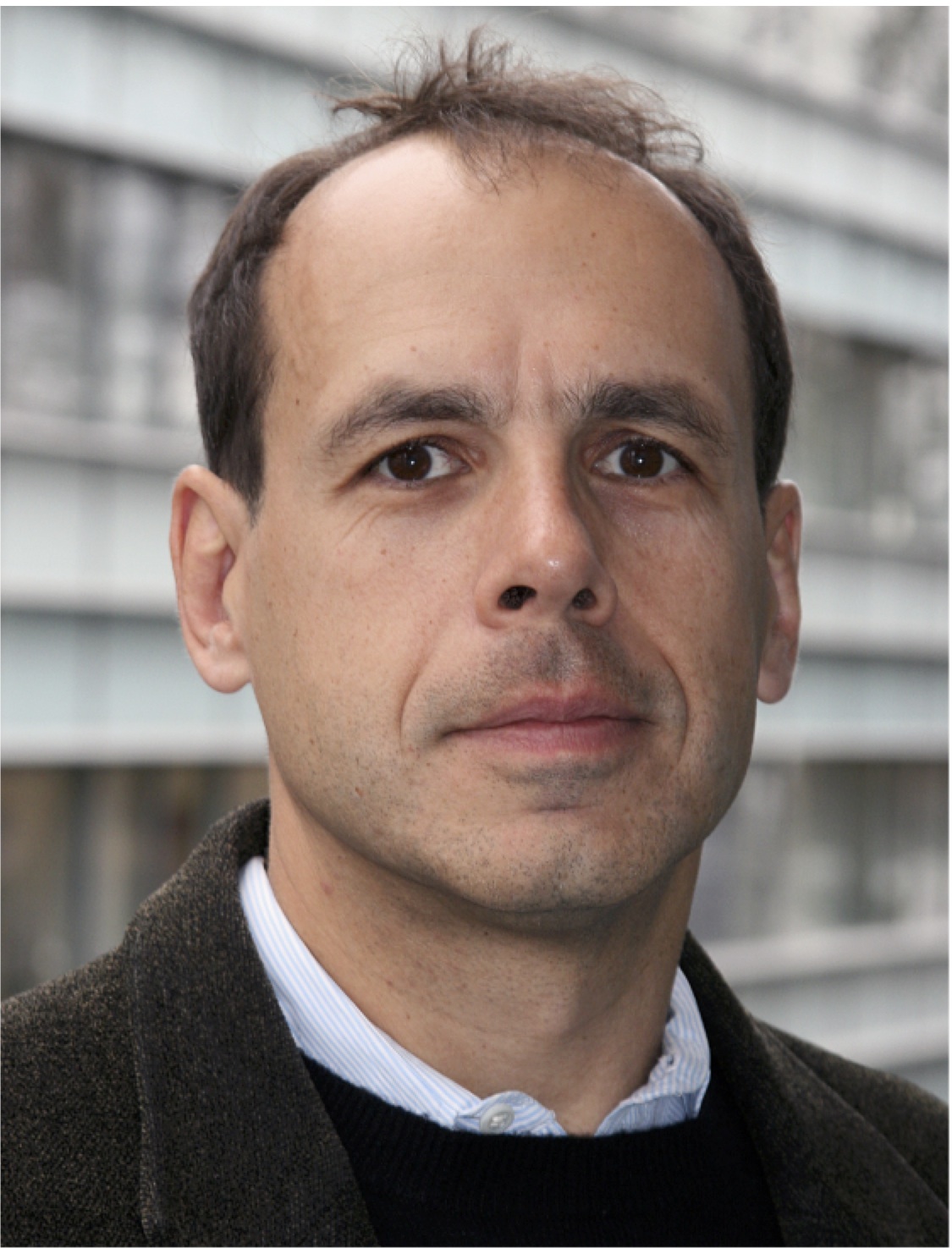
Didier Stainier is a Principal Investigator at the Max Planck Institute for Heart and Lung Research in Bad Nauheim, Germany. Having spent most of his career in the USA using zebrafish to study organ development, Didier recently moved back to Europe and is now branching out to study organ development in mice. At a recent conference, we caught up with Didier and asked him about his career, his thoughts on funding, view on morpholinos and his advice for young researchers. See the Spotlight on p. 2861
Neuromesodermal progenitors and the making of the spinal cord
Neuromesodermal progenitors (NMps) contribute to both the elongating spinal cord and the adjacent paraxial mesoderm. It has been assumed that these cells arise as a result of anterior neural plate patterning. However, as the molecular mechanisms that specify NMps in vivo are uncovered, and as protocols for generating these bipotent cells from mouse and human pluripotent stem cells in vitro are established, the emerging data suggest that this view needs to be revised. See the Hypothesis by Storey et al on p. 2864
Trithorax and Polycomb group-dependent regulation: a tale of opposing activities
Polycomb and Trithorax group chromatin proteins play important roles promoting the stable and heritable repression and activation of gene expression, respectively. Here, Geisler and Paro review recent advances that have shed light on the mechanisms by which these two classes of proteins maintain epigenetic memory and allow dynamic switches in gene expression during development. See the Review on p. 2876
Featured movie
Our latest featured movie shows ocular morphogenesis in a zebrafish embryo. It is from a recent paper where Link and colleagues show that the transcriptional regulators Yap/Taz and Tead are necessary and sufficient for optic vesicle progenitors to adopt retinal pigmented epithelium identity. Read the paper here: http://bit.ly/1KJIPqP [OPEN ACCESS]
Didier Stainier is a Principal Investigator at the Max Planck Institute for Heart and Lung Research in Bad Nauheim, Germany. Having spent most of his career in the USA using zebrafish to study organ development, Didier recently moved back to Europe and is now branching out to study organ development in mice. At a recent conference, we caught up with Didier and asked him about his career, his thoughts on funding, view on morpholinos and his advice for young researchers.
What first got you interested in developmental biology and was there anyone in particular who inspired you?
When I was young, my mother worked in the Zoology Department at the University of Liège, Belgium, and when she was busy at work we would often go to the department museum. So I spent a lot of time there. At that time, my dad was also working in a lab – he trained in the Pharmacy Department where his father was a professor. Most of my extended family was actually in the medical field, practicing as doctors or pharmacists, so science was a major part of my environment growing up. Then, when I was 15, I moved to the UK, actually to Wales. I studied at the United World College of the Atlantic, and there I had a very inspiring biology professor called Alan Hall. He was a somewhat quirky, Cambridge-educated fellow who was a most enthusiastic and committed teacher. I then went back to Liège for university, but essentially this was not very satisfying as the biology textbooks we were using there were older than those I had used in high school in Wales. I also wanted to start doing research during my undergraduate studies and in Belgium, at the time, this wasn’t possible until the masters level. So, I transferred to the USA. There I worked in an immunology lab at Brandeis University and took a developmental neurobiology course with Eve Marder, who was my academic advisor. From there, I moved to Harvard for my graduate studies, where Doug Melton had recently arrived. I did several lab rotations – my first was actually with Doug – and eventually joined Wally Gilbert’s lab to work in developmental neurobiology.
How, why and when did you start working with zebrafish?
When I joined his lab, Wally had just come back to Harvard from Biogen and was starting some new projects. His lab was very eclectic: there was the sequencing technology subgroup, the origin of introns subgroup and the immunology subgroup. As you might imagine, Wally was a very inspiring person – he’s probably the person who shaped me the most scientifically. One of the projects that he wanted to start was to look for cell surface molecules involved in axon guidance and target recognition in the developing mouse brain, and I thought that this would be a very interesting project to take on. A couple of years later, a psychiatry fellow came to the lab and set up the zebrafish model with the goal of developing insertional mutagenesis techniques. Although I did not work with fish in Wally’s lab, I was of course exposed to them and so they were very much on my mind when I was looking for a post-doc position in 1989. One of the people I applied to work with was Mark Fishman, who’d just received a large chunk of money to set up a cardiovascular research centre at Massachusetts General Hospital, Boston. We discussed the possibility of doing some zebrafish work and, shortly thereafter, he asked me to get a zebrafish heart project off the ground and then put some major resources into it. He also recruited Wolfgang Driever as a junior faculty member to the centre; Wolfgang had recently finished his PhD with Jani (Christiane) Nüsslein-Volhard, in Tübingen, Germany, and so had also been exposed to zebrafish. Wolfgang first went to Eugene, Oregon, for several months to train with Monte Westerfield, Chuck Kimmel and Judith Eisen, and during that time Mike Pack and I got started with a few tanks on a bench. Wolfgang then came back from Eugene to start his own lab, we moved to a new building and set up the first fish room, and things really took off from there.
How did the big zebrafish screen, which was published as a Special Issue of Development in 1996, come about?
Well, many of us wanted to do genetic screens; one of the reasons Mark and I wanted to work with zebrafish was to be able to carry out a screen for heart mutants, and Wolfgang, of course, also wanted to do screens. Thus, there was some prior arrangement to decide who would ultimately focus on specific developmental processes and follow up on the mutants relevant to these processes, but it really was a team effort. There were many interesting characters in the team, several of whom have become very prominent in the field. We certainly learnt a lot from each other and it was a very productive period. The large screen taking place in parallel in Jani’s lab at the time also added to the excitement, and it was Jani who suggested and coordinated the Development Zebrafish Special Issue. The Special Issue was a great opportunity to present our work, although much of the writing was done without me – at that time, communication was not as easy as it is now – as I had left to set up my own lab at UCSF in 1995. One also has to remember all the pioneering work done in Eugene, as it played a major role in attracting people into the zebrafish field. In addition, many people, including myself, spent time in Eugene learning how to work with zebrafish.
Recent advances in genome engineering have raised lots of debate about the use of morpholinos – in both zebrafish and other model organisms – with regards to how and when they should be used and whether they’re actually reliable. I know you have commented on this in a few recent publications (Schulte-Merker and Stainier, 2014; Stainier et al., 2015; Rossi et al., 2015), but what are your thoughts on this now?
My thoughts, which I believe are shared by many others in the field, are that we need to keep an open mind as key data keep being generated. Taking extreme views one way or another is not good for the field. There are of course many potential reasons why antisense technology can lead to artefacts, and people need to be careful and aware of the various caveats of the tools they’re using. I try to see opportunities when others may see downsides and, if some of the observations that we have made recently turn out to be widely applicable, they should open the door to some very compelling biology. There might indeed be some interesting and intriguing reasons for the discrepancies between mutant and morphant phenotypes as we have seen evidence of genetic compensation in mutants but not in morphants. Getting to the root of these discrepancies and understanding the mechanisms underlying compensation will not be easy, but it will certainly be a worthwhile endeavour. We will try to pursue these issues but, regardless, I think that morpholinos, much like siRNAs and other antisense tools, are reagents that can give you valuable information if used with appropriate care and scepticism. Understanding all the effects morpholinos are causing inside a cell is also an important goal that will provide further clarity on what is clearly a complex situation.
I gather that you’re now starting some mouse-based studies, again carrying out forward genetic screens to identify new players in developmental process. What was the motivation behind this?
When I was thinking about moving the lab from UCSF to Germany, we held a lab retreat and I asked the students and postdocs what projects or kind of work they would like to tackle, setting financial limitations aside. About half the scientists mentioned that they would like to do some mouse work. At the time we were mostly working on zebrafish; we had some collaborations with mouse people but we weren’t doing any mouse work ourselves. However, several scientists, some of whom had come from mouse labs, thought that they would like to complement their zebrafish studies with mouse studies, and there were others who were getting reviews of their papers with requests for mouse data. Mouse work was also something that I wanted to get back to, having been an extensive part of my PhD, and I wanted to get a deeper understanding of the work that was going on in other vertebrate development labs. There were many reasons to move from the USA to Germany, but when you move to an institution like the Max Planck, it gives you the opportunity to think about projects that you would not otherwise be able to do.
And so we thought about the various types of screens that we wanted to carry out and the phenotypes we should be looking for and, given that zebrafish don’t have lungs and that the Max Planck Institute we were moving to is a heart and lung institute, we decided to focus on the respiratory system. The goal of our screen is to look for cell differentiation phenotypes in the lung and trachea, and we are starting to see some very interesting phenotypes, including some that should represent informative disease models. Importantly, now that the activation energy to work on mouse has been lowered substantially, several people in the lab are pursuing their own projects using both fish and mice.
During that big move from the USA to Germany, did you notice any obvious differences in lab culture or in the funding situation between the two countries?
There are various ways of funding scientific research around the world. At one end of the spectrum, one goes to a university or research institute, they give you a little start-up money and then expect you to come up with grant money to fund everything else. At the other end of the spectrum would be a Max Planck Institute, where the Max Planck Society provides substantial core funding. It’s a real privilege to be working in a Max Planck Institute. I appreciate that there are advantages to writing research proposals and grants, because it forces one to think carefully through every step of the project, but after a while this mode of thinking becomes automatic before starting up any new project. In terms of lab culture, I think that we’ve been able to maintain the same kind of culture and set-up that we had in the USA: a physically wide-open lab to stimulate communication with a mostly flat hierarchy.
What is your advice to young researchers today?
I would like to tell young researchers to follow their dreams of course, but I also want to stress that they need to reach out to society and inform them about the value of basic science as well as the value of working with model systems, even very basic model systems. In the USA, and in other countries, the emphasis – and hence the funding – is increasingly being placed on translational research. This switch in focus is one of the reasons I moved from the USA to Germany: I felt that, in order to keep running a lab in the USA investigating several different topics, I would have had to move to more translational work. I had a hard time imagining myself not being able to pursue the kind of basic research required for innovative translational work. I’d like to think that the tide will turn and that there will be renewed appreciation of seeking knowledge for the sake of knowledge itself, for one never really knows when a basic science finding will transform translational research – the CRISPR/Cas9 technology is just one recent example of such a transformative finding arising from basic science. In this context, I really appreciate the value that the Max Planck Society places on basic science.
What would people be surprised to find out about you?
Well, I played quite a bit of rugby when I was young, first in Belgium, then of course in Wales, and then when I went back to Belgium. Actually, just before I moved to the USA, I played very briefly on the Belgian national junior team. I also played with the Harvard Business School team when I was a graduate student at Harvard. Moving to San Francisco to set up my lab, and starting a family at the same time, brought an end to this hobby.
References:
Rossi, A., Kontarakis, Z., Gerri, C., Nolte, H., Hölper, S., Krüger, M. and Stainier, D. Y. (2015). Genetic compensation induced by deleterious mutations but not gene knockdowns. Nature 524, 230–233.doi:10.1038/nature14580
Schulte-Merker, S. and Stainier, D. Y. R. (2014). Out with the old, in with the new: reassessing morpholino knockdowns in light of genome editing technology. Development141, 3103–3104.doi:10.1242/dev.112003
Stainier, D. Y. R., Kontarakis, Z. and Rossi, A. (2015). Making sense of anti-sense data.Dev. Cell 12, 7–8.doi:10.1016/j.devcel.2014.12.012
At Development, we’re always thinking about how we can best serve our community, and striving to ensure that the journal is publishing the most important and relevant research for its readership. To help us going forwards, we’re now asking for your feedback with a community survey designed to gauge how well Development represents and serves the modern developmental biology community. Do our papers reflect the cutting edge of the field? What do you think about the recent expansion of our stem cell content? This is your chance to tell us what you think about the journal, and to help us shape the future of Development.
Please take the time to complete this survey – it shouldn’t take more than a few minutes to fill in, and your feedback is invaluable to us. Thanks for your help!


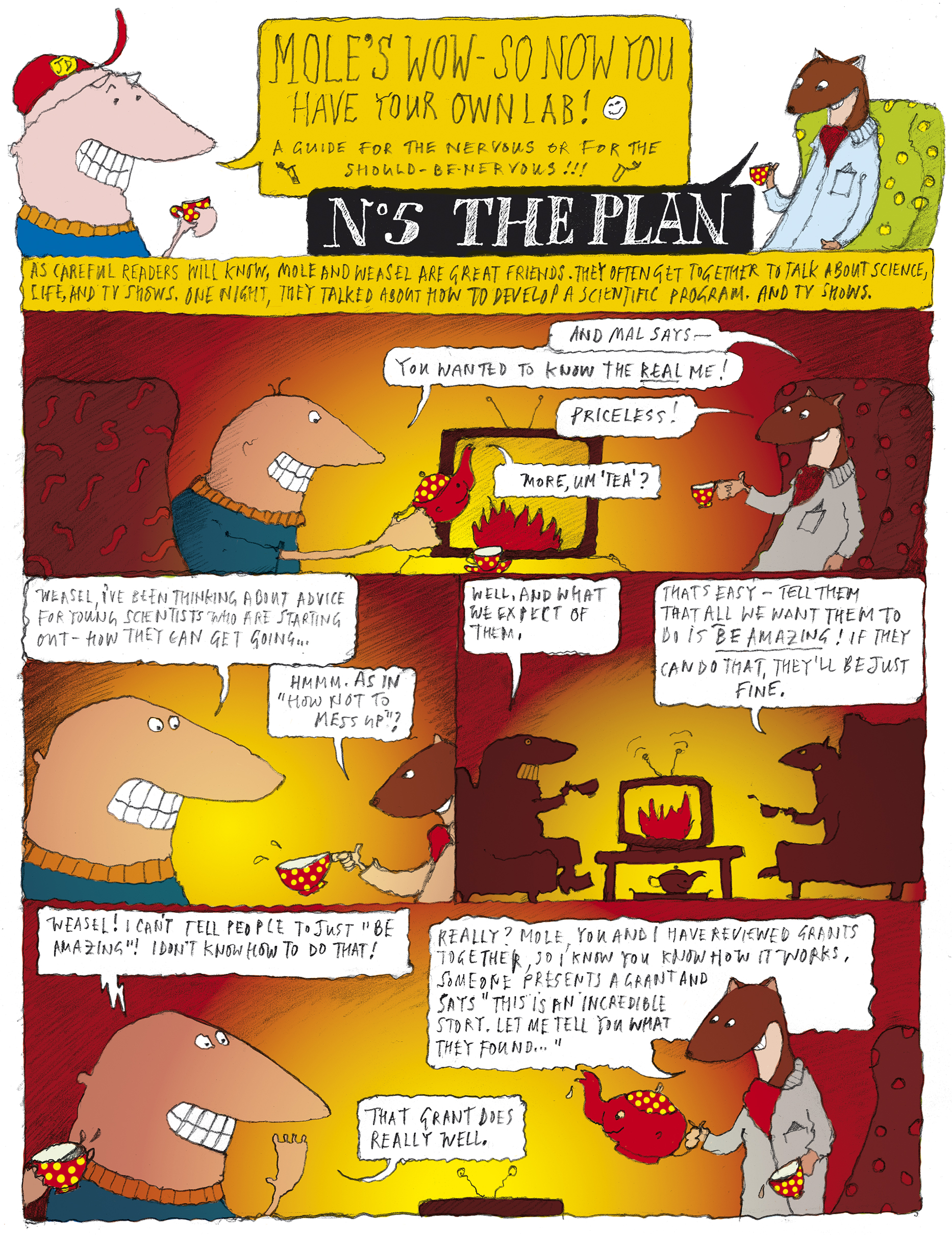
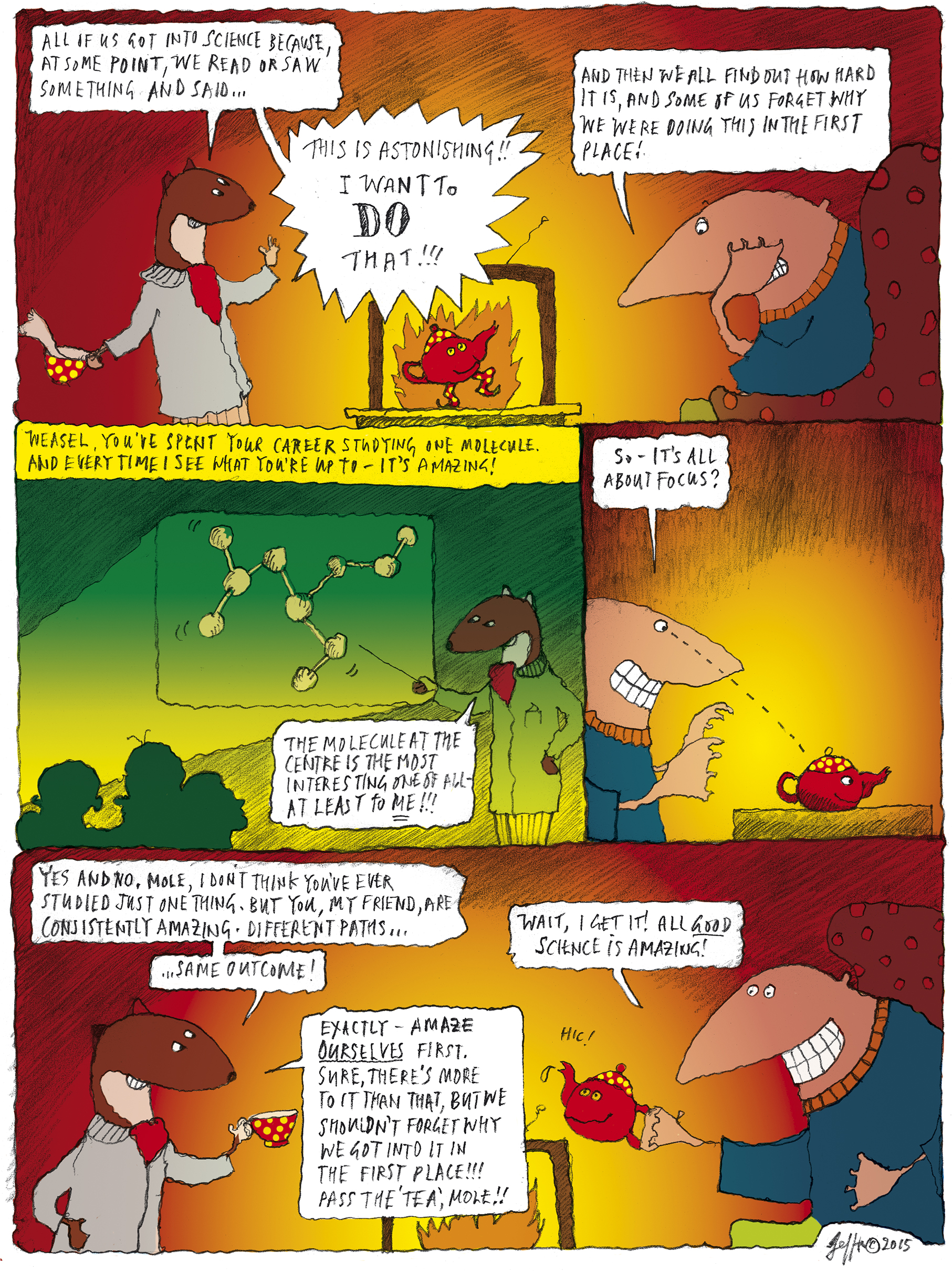



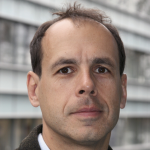 Didier Stainier is a Principal Investigator at the Max Planck Institute for Heart and Lung Research in Bad Nauheim, Germany. Having spent most of his career in the USA using zebrafish to study organ development, Didier recently moved back to Europe and is now branching out to study organ development in mice. At a recent conference, we caught up with Didier and asked him about his career, his thoughts on funding, view on morpholinos and his advice for young researchers. See the Spotlight on p.
 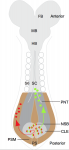 Neuromesodermal progenitors (NMps) contribute to both the elongating spinal cord and the adjacent paraxial mesoderm. It has been assumed that these cells arise as a result of anterior neural plate patterning. However, as the molecular mechanisms that specify NMps in vivo are uncovered, and as protocols for generating these bipotent cells from mouse and human pluripotent stem cells in vitro are established, the emerging data suggest that this view needs to be revised. See the Hypothesis by Storey et al on p.
 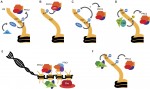 Polycomb and Trithorax group chromatin proteins play important roles promoting the stable and heritable repression and activation of gene expression, respectively. Here, Geisler and Paro review recent advances that have shed light on the mechanisms by which these two classes of proteins maintain epigenetic memory and allow dynamic switches in gene expression during development. See the Review on p.