
The community site for and by
developmental and stem cell biologists

From bench to newspaper

Posted by , on 20 February 2015

Alongside my main role as community manager of the Node I am also Development’s online editor, and one of my responsibilities is writing press releases. I recently wrote a press release on a Development paper that received some media attention, and I was surprised by the way the story was covered. The articles ranged from balanced reports to over-hyped pieces. This experience highlighted some of the pitfalls of the way science stories reach the media, so I thought I would share my thoughts on it here.
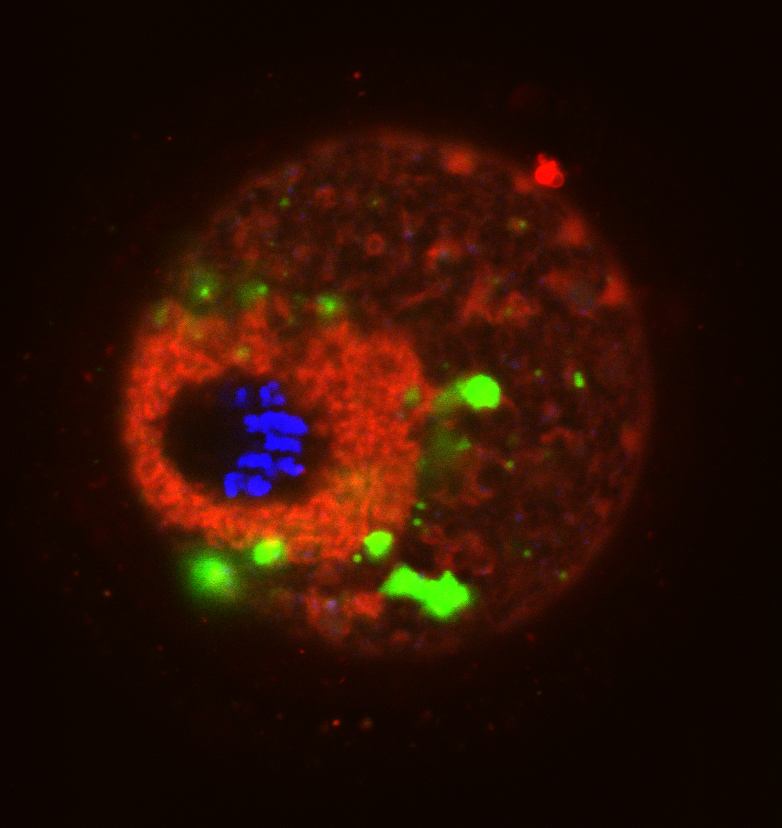
 

Image 1We don’t often write press releases on Development papers. Most of our papers are primarily of interest to the scientific community, but we do occasionally publish work with a clear broader impact. One such article was a recent paper by Rebecca Robker and colleagues. It examined at the cellular level why the oocytes of obese mice are less fertile and showed that oocytes from these mice have high levels of ER stress, leading among other things to loss of mitochondria in the offspring and reduced fertility. In addition, the authors were able to show that these effects can be reversed before conception by treating the obese mice with ER stress inhibitors (one of which is currently in human clinical trials for diabetes). You can read the paper here and the ‘In This Issue’ summary in Development here. Although basic research, this work touches on two issues of interest to the general public- obesity and fertility. Both we and The University of Adelaide press office wrote press releases on the article (here and here).

A little background for those of you not familiar with press releases. Journalists work to tight deadlines and don’t have the time to go through the table of contents of all journals to find news-worthy content. Instead, they rely on press releases produced by journals or institutes. These are very short articles that answer the big 5 W’s: who, what, where, when and why. Journalists will wade through lists of press releases every day in search of a good story, so press releases often have an attention-grabbing title and are written in such a way that the most important information is right at the beginning. A press release is not the final news article on the work, but rather aims to interest the journalist in the story and encourage them to investigate further.

I don’t have a lot of experience writing press releases, but my strategy is to focus on a single, main message. I decided that in this case the press release should focus on the fact that the damage to the oocytes was revertible. Having written the piece, I sent it to the corresponding author for approval and to ask for appropriate quotes. This is important as it gives the author the opportunity to check that the press release reflects the work accurately. The final version was then emailed to our press contacts and posted on EurekAlert! (a widely-used press release site) in advance of the publication date, under a strict embargo.

The paper by Robker and colleagues reached some high profile websites and newspapers, but the quality of the reporting was quite varied. The Science magazine news website and The Scientist wrote good pieces on the work. They described the main experiments conducted and discussed the limited implications of the work to humans. In both cases the journalists involved contacted other researchers in the field to provide an independent expert opinion. At the other end of the scale was the piece published by the Daily Mail, a UK-based tabloid. The Daily Mail article over-hyped the work, claiming that a cure for obesity-related fertility problems had been found. Importantly, at no point was it mentioned that the work was conducted in mice. Not all generalist newspapers misrepresented the work though, as the balanced article released by the Mail & Guardian in South Africa attests. As some of the comments left by readers of the Daily Mail show, misrepresenting scientific work has implications for the way scientists, and indeed doctors, are perceived, and some of the coverage appeared to suggest that an off-the-shelf drug is already available to help obese mothers. The NHS (UK National Health Service) website wrote an excellent piece attempting to dispel these misconceptions, providing a detailed explanation of the research as well as discussing how the work had been misrepresented in the media.

At a time when we are increasingly aware of the importance of communicating science to the public, newspapers and news sites are a fantastic way to reach a wide audience. Scientists have to play an active part to help ensure that the work is represented accurately, but once a press release is out there, they have no control over how their study is described. One thing you can do is to work hard with the press officers at your institute or journal to produce the best press release possible. In addition, be available for interviews and use this as an opportunity to steer reporters in the right direction (more advice on this here). For me, this has been a story with mixed blessings: though disappointing to read inaccurate reporting, it is heartening to see that journalists appreciate the importance of basic research and its potential implications for human health.


We would love to hear your thoughts on communicating with the press, so leave a comment below!


Image credit: Macarena Gonzalez

Thumbs up (8 votes)
Loading...

Tags: , ,
Categories: Discussion

Navigate the archive

Use our Advanced Search tool to search and filter posts by date, category, tags and authors.

Postdoctoral Positions in Developmental Organogenesis

Posted by , on 19 February 2015

Closing Date: 15 March 2021

POSTDOCTORAL POSITIONS are available to study the cellular and molecular mechanisms controlling the development of the lymphatic vasculature and the visual system using available mouse models and 3D self-organizing stem cells and iPS. Highly motivated individuals who recently obtained a PhD. or MD degree and have a strong background in stem cells and molecular and developmental biology are encouraged to apply. Interested individuals should send their curriculum vitae, a brief description of their research interests, and the names of three references to:

Guillermo Oliver, Ph.D (guillermo.oliver@stjude.org)
Member
Department of Genetics
St. Jude Children’s Research Hospital
332 N. Lauderdale
Memphis, TN 38105
USA
www.stjude.org/departments/oliver.htm

Thumbs up (No Ratings Yet)
Loading...

Categories: Jobs

Postdoctoral position in chromatin regulation and epigenetic control of Drosophila development

Posted by , on 19 February 2015

Closing Date: 15 March 2021

Stockholm University, Sweden, invites applications for one postdoctoral position in the laboratory of Professor Mattias Mannervik at the Department of Molecular Biosciences, The Wenner-Gren Institute (http://www.su.se/mbw/research/research-groups/integrative-biology/group-mannervik). The position is scheduled to start as soon as possible.

Transcriptional coregulators are proteins that facilitate communication between transcription factors and the basal transcription apparatus, in part by affecting chromatin through post-translational modification of histones. As such, they contribute to generation of cell-type specific gene regulatory networks and epigenetic control of animal development (see Mannervik et al. Science, 284, 606-609). This laboratory is using molecular, genetic, and transgenic approaches in Drosophila melanogaster to elucidate the molecular mechanisms of transcription and chromatin regulator function during development. The project will involve genome-wide analysis by ChIP-seq technology and CRISPR/Cas9-mediated genome engineering.

The position is available immediately and requires a recent Ph.D. as well as extensive experience in molecular biology techniques. The successful applicant should have a high-quality publication record, and motivation to study underlying mechanisms of gene regulation in development. The position will be funded with a fellowship, and includes health insurance.

Stockholm University is one of the largest and most prominent universities in Sweden, located in the nation’s capital city, beautifully surrounded by the first national city park in the world. For further information, see http://www.su.se/english/ and http://www.academicstockholm.se/

Application: 
Applications marked with reference number SU FV-0499-15 should be submitted electronically as a single PDF file to mattias.mannervik@su.se and to registrator@su.se. The application deadline is March 8, 2015

Applications should comprise the following:

1) a personal statement describing research interests (1-2 paragraphs), research experience (1–2 paragraphs) and career goals (1-2 paragraphs)

2) curriculum vitae

3) bibliography

4) names, e-mail adresses, and phone numbers of three references


Thumbs up (No Ratings Yet)
Loading...

Tags: , , , ,
Categories: Jobs

Looking for PhD student to investigate how actin regulates YAP activity in skin regeneration and skin cancer

Posted by , on 15 February 2015

Closing Date: 15 March 2021


We are looking for a PhD student with experience in Hippo/YAP cell biology, molecular biology and mouse handling, and a keen interest in dermatology and regeneration. Department of Anatomy, School of Medical Sciences, UNSW, Sydney. For inquiries and/or applications, please contact Dr. Annemiek Beverdam (A.Beverdam@unsw.edu.au).

SoMS UNSW PhD Student February 2015


Thumbs up (No Ratings Yet)
Loading...

Categories: Jobs

Senior Post-Doctoral Research Associate in Nanoformulation Safety Assessment using Xenopus laevis

Posted by , on 13 February 2015

Closing Date: 15 March 2021

Senior Post-Doctoral Research Associate in Nanoformulation Safety Assessment

(to commence May 4th 2015)

University of East Anglia, Norwich, UK, in collaboration with Procarta Biosystems Ltd, Norwich, UK , Consorzio Interuniversitario Per Lo Sviluppo Dei Sistemi A Grande Interfase (CSGI), Florence, Italy and Nanovector, Turin, Italy, are looking to recruit an experienced researcher. The position will be based at University of East Anglia, for 13 months. The position is funded by the European Union under Framework 7 SP3-PEOPLE program, Support for training and career development of researchers (Marie Curie), “Industry-Academia Partnerships and Pathways” (IAPP), Grant Agreement number 612338, DNA TRAP – Delivery of Nucleic Acid-Based Therapeutics for the Treatment of Antibiotic-Resistant Pathogens.

The recruit should have knowledge and experience of performing safety tests on drugs or nanomaterials using in vitro cell culture models and/or in vivo models such as Xenopus laevis or zebrafish.

The candidate should have a PhD degree in cell biology, molecular biology, nanomedicine or developmental biology or at least 4 years full-time equivalent research experience post-degree. Background in Drug development will be particularly appreciated. Moreover, ability to collaborate in a highly multidisciplinary environment is absolutely required (molecular biologists, chemists, industry and academic partners, materials scientists). The candidate should have excellent interpersonal skills and experience of training or supervising others.

The candidate should not have resided or carried out his/her main activity in the UK for more than 12 months in the 3 years immediately prior to his/her recruitment. Short stays in the UK, such as holidays, are not taken into account. This position offers generous remuneration and includes a monthly mobility allowance, based on the family status of the candidate. Applications are invited from all nationalities, and are not restricted to the European Union countries.

Eligible candidates will be selected based on scientific skill and relevance of their research experience to the project and their ability to meet the criteria regarding mobility and research experience described above. This is an equal opportunity position.

These Marie Skłodowska-Curie Fellowship appointments are offered an annual salary of the Sterling equivalent of €78,624 per annum, plus an additional monthly Mobility Allowance of €1344 for candidates who are married or supporting a dependent child, or €941 without. These amounts are subject to UK employment tax and national insurance, including employer’s national insurance contributions and any other employment costs such as employer pension contributions.

Informal enquiries can be sent to: christopher.j.morris@uea.ac.uk or grant.wheeler@uea.ac.uk

Closing date for applications: 6th March 2015

Proposed interview date: 23rd March 2015

Thumbs up (No Ratings Yet)
Loading...

Categories: Jobs

(Developmental) Biology around the internet- February 2015

Posted by , on 12 February 2015

Here is February’s round-up of some of the interesting content that we spotted around the internet!


News & Research:

– A new technique called ‘expansion microscopy‘ makes tissues swell up in order to observe structures at higher resolution.

– Mary Lyon, the mouse geneticist who proposed the theory of X-chromosome inactivation, died last December. Obituaries on her life and research can be read in the Guardian and Nature.

– How English became the only language of science– an interesting historical overview in Aeon.

– A recent blog post argued that papers should be written with more style and beauty. Do you agree?

– Plant developmental biologist Caroline Dean is the winner of the 2015 FEBS | EMBO Women in Science Award

– ‘Fly Room‘ is a feature film on the relationship between one of T H Morgan’s students and his daughter, and provides an interesting insight into the early years of fly genetics. The next screening will be at Janelia Farm!

– An opinion piece in Science compared the maternity/paternity leave support for postdocs in the US and in Europe.

– ‘In the 1970s, radical scientists thought they could change the world’- thought provoking article in Mosaic.

– ‘Not your average technician‘- article on Nature News  on technicians with unusual jobs.

– An interesting article in the Guardian discussed the interplay between science and science fiction.

– Christiane Nüsslein-Volhard, the grande dame of developmental biology– article by the Lindau Nobel Laureate meeting

– The Sanger institute released a new website with a variety of educational resources about the genome.


Weird & Wonderful:

– ‘Thank you ants for helping me science‘- a cute project shows that the scientific method can be applied by all age groups!

– This xkcd comic explores the gut (macro) fauna.

– Following the success of the Lego Research Institute set, two more science lego projects you can vote for: HMS Beagle and Scientists in History.

– We spotted this fantastic poster/t-shirt from last year’s SDB meeting:


Beautiful & Interesting images:

– We spotted a couple of science cakes in the last few weeks: this muscle fibers cake and a cell division cake

– Is it snowing where you are? Here are some Nobel Prize snowflakes to cheer up your day!  


Videos worth watching:

– What is Evo-Devo and how did this field come to be?- Arkhat Abzhanov explains in this video!

– Is your PI away all the time? This video shows that you are not alone.

– And the Manchester Fly Facility produced this great educational video on the history and importance of Drosophila in biomedical research.


Keep up with this and other content, including all Node posts and deadlines of coming meetings and jobs, by following the Node on Twitter


Thumbs up (3 votes)
Loading...

Tags:
Categories: News

How to eradicate an organ

Posted by , on 11 February 2015

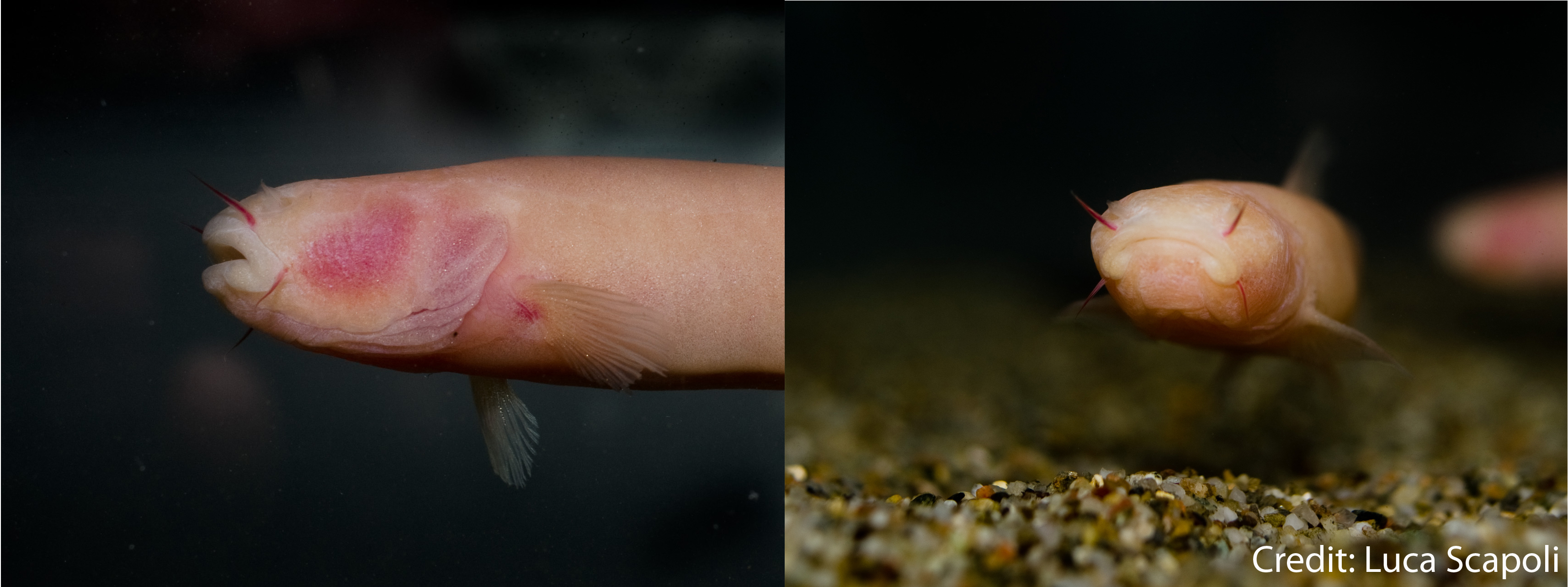
 Phreatichthys andruzzii, lateral view (left), frontal view (right)

Adaptations of some fish species to their environment can be most peculiar, especially within cave dwelling kinds. The so called troglomorphisms slowly turn these fish into almost grotesque looking creatures with no eyes, lost pigments and no scales on the one hand, but with enhanced alternative sensory systems on the other hand.

Cavefish of different orders have been found in cave systems from Mexico to China, all revealing different degrees of adaptations to their life underground. One astonishing example for extreme troglomorphism is represented by the species Phreatichthys andruzii. These fish have been living for about 2 million years in complete darkness in a place, where one would not expect swimming fish at all: under the Somalian desert. Due to this total isolation from surface streams, adult P. andruzzii exhibit full regression of eyes, scales and pigments (see pictures). Remarkably, and similar to the well studied Mexican cavefish Astyanax mexicanus, eyes start to develop during embryogenesis following the stereotypic patterning of eye field determination and subsequent evagination, forming the optic cups. Despite the effort, apoptosis is initiated in later stages and ultimately leads to the loss of the organ. Both species have clearly been evolving separately from each other in two different continents, but concerning the eye loss, the outcome is very similar.

Thus in order to investigate, whether the development is similar on the molecular level as well, or if there maybe are differences, we started an intensive in situ hybridization (ISH) study of key transcription factors and components of regular vertebrate eye development (based on zebrafish and medaka). In the cavefish Astyanax it has been shown that midline signalling of shh (sonic hedgehog) is expanded in early developmental stages, when the eye field is forming, which leads to dysregulation of subsequent transcription factor expression and guidance. When we analysed the early developmental stages of P. andruzzii, we could not detect any obvious deviation of transcription factor patterning and corresponding eye formation. Moreover, when we looked at later stages, we even detected an establishing ciliary marginal zone (CMZ), the teleost stem cell niche of the eye. This observation is further supported by anti-PCNA immunohistochemistry, revealing active proliferation in the CMZ. Taken together, until the onset of further differentiation, the early patterning and formation of the Phreatichthys eyes proceed as in surface species like D. rerio.

From this stage onwards, normal morphogenesis of the vertebrate eye is accompanied by highly stereotypic differentiation of retinal progenitor cells (RPCs), which results in the characteristic layering of the eye. Retinal ganglion cells (RGCs) are born first, 
followed by horizontal, amacrine and bipolar cells and the late-born rod and cone photoreceptors, as well as non-neuronal Müller glia cells. Since no discrete layering of the cavefish retina has been observed at any time point, we studied this developmental phase by addressing cell type specific transcription factor genes with ISH. Our data revealed that only the first born RGCs are established, but not maintained. Detailed analysis of processes of these neurons also revealed no connection to the optic tectum, rendering them functionless. This disruption of the typical differentiation cascade consequently inhibits generation of further cell types and no layering occurs.

Furthermore, we detected massive apoptotic events spreading over the entire neuroretina from this time point onwards, which might very well be triggered by the dysregulated differentiation, in order to protect the eye against aberrant proliferation. Thus, we speculate that a simple differentiation block building on intrinsic control mechanisms elegantly eliminates the Phreatichthys retina.

In comparison to Astyanax, a different strategy is being followed to eradicate the eye during embryogenesis, which specifically blocks differentiation and layering of the neuroretina. In several Astyanax populations this layering proceeds, but apoptosis eventually intervenes, too. By studying these diverse modes of eye degeneration within cavefish species, light can be shed on the different developmental checkpoints and how they are controlled in normally developing vertebrate eyes.


Photographs courtesy of Luca Scapoli.
Stemmer, M., Schuhmacher, L., Foulkes, N., Bertolucci, C., & Wittbrodt, J. (2015). Cavefish eye loss in response to an early block in retinal differentiation progression Development, 142 (4), 743-752 DOI: 10.1242/dev.114629

Thumbs up (7 votes)
Loading...

Tags: ,
Categories: Research

Postdoctoral & Technician Position Investigating the Cell Biology of Neurodegeneration

Posted by , on 10 February 2015

Closing Date: 15 March 2021

cover 3One postdoctoral and one technician positions, both fully funded for 3 years, are available in the laboratory of Dr. Natalia Sanchez-Soriano at the Institute of Translational Medicine, Department of Cellular and Molecular Physiology, University of Liverpool, UK. We are seeking highly motivated, collaborative, interactive but independent candidates to study fundamental microtubule- and transport-related mechanisms underlying the formation and maintenance of axons and synapses, and their links to neurodegeneration. Ideally, applicants should be trained in neuro- and/or cell biology, molecular biology and imaging, and have experience with the model organisms Drosophila. For more information about our group see https://sanchezlab.wordpress.com

The laboratory benefits from a highly interactive scientific environment in the Department of Cellular and Molecular Physiology at the University of Liverpool, and an outstanding neurobiology community in the Northeast of England. In addition, Liverpool offers broad cultural and recreational opportunities. Interested candidates should email Natalia Sanchez-Soriano (Natalia1 [at] liverpool.ac.uk) with a statement of interest together with a CV.

Thumbs up (No Ratings Yet)
Loading...

Tags: , , ,
Categories: Jobs

Woods Hole images 2014 round 3- vote for a Development cover

Posted by , on 10 February 2015

Time for the slightly delayed third round of images from the 2013 Woods Hole embryology course! Below you will find 4 beautiful images from the course. Choose the one you would like to see in the cover of Development by voting on the poll at the end of the post (you can see bigger versions by clicking on the images). The poll is set up to allow only one vote per person, so please stick to this rule to give all the images a fair chance!

Voting will close noon GMT on March the 2nd.


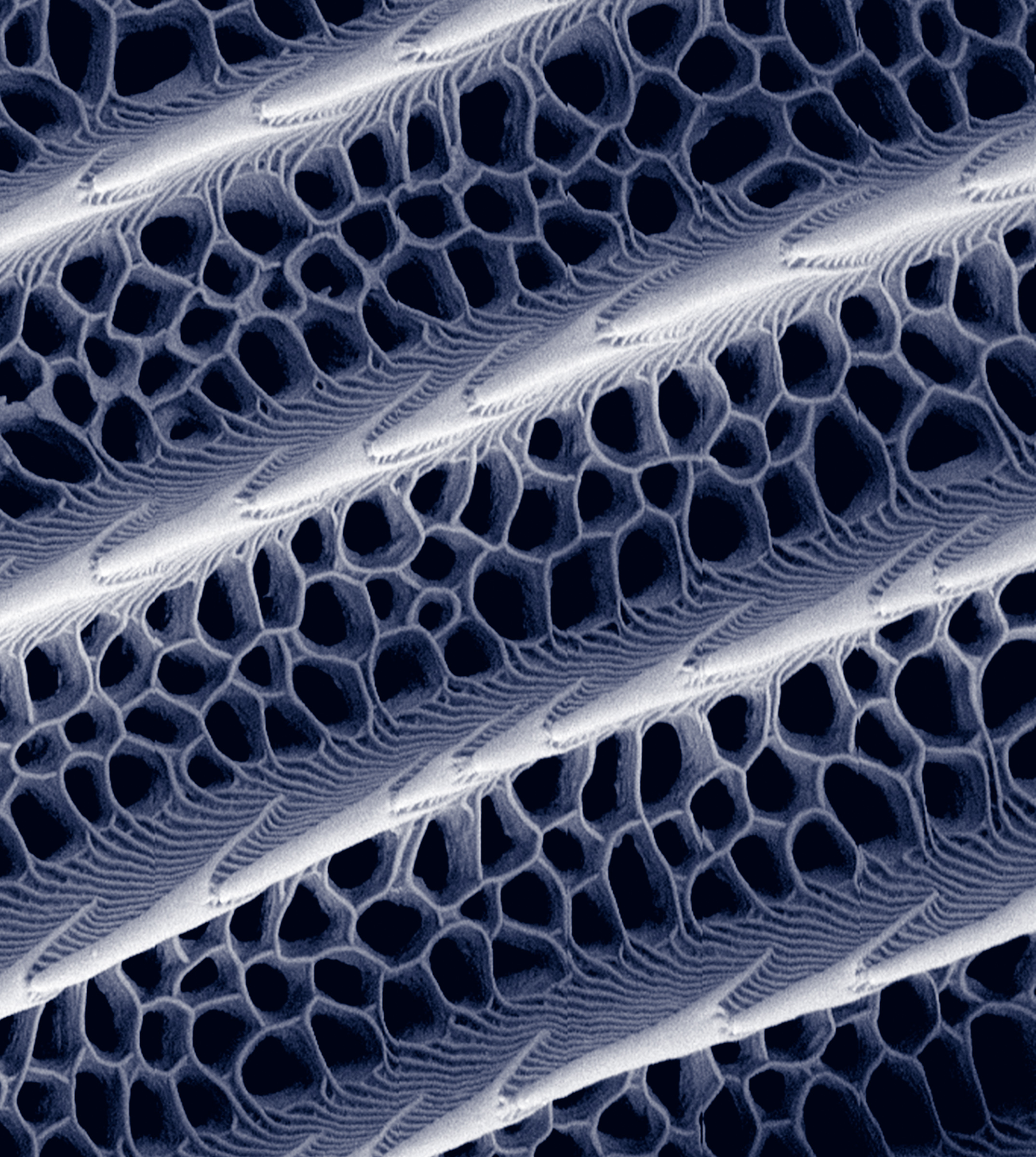
1. Scanning electron micrograph of a black scale from the butterfly, Papilio blumei. Visible is the elaborately sculptured lattice between the microrib-covered ridges. Acting in concert with melanin inside the scales, these scale cuticle nanostructures are thought to contribute to making these scales exceptionally black by trapping light through internal reflection. Imaged on a Zeiss Supra40VP SEM. Distance between ridges is approximately 2 µm. This image was taken by Lara Linden (Duke University, USA).


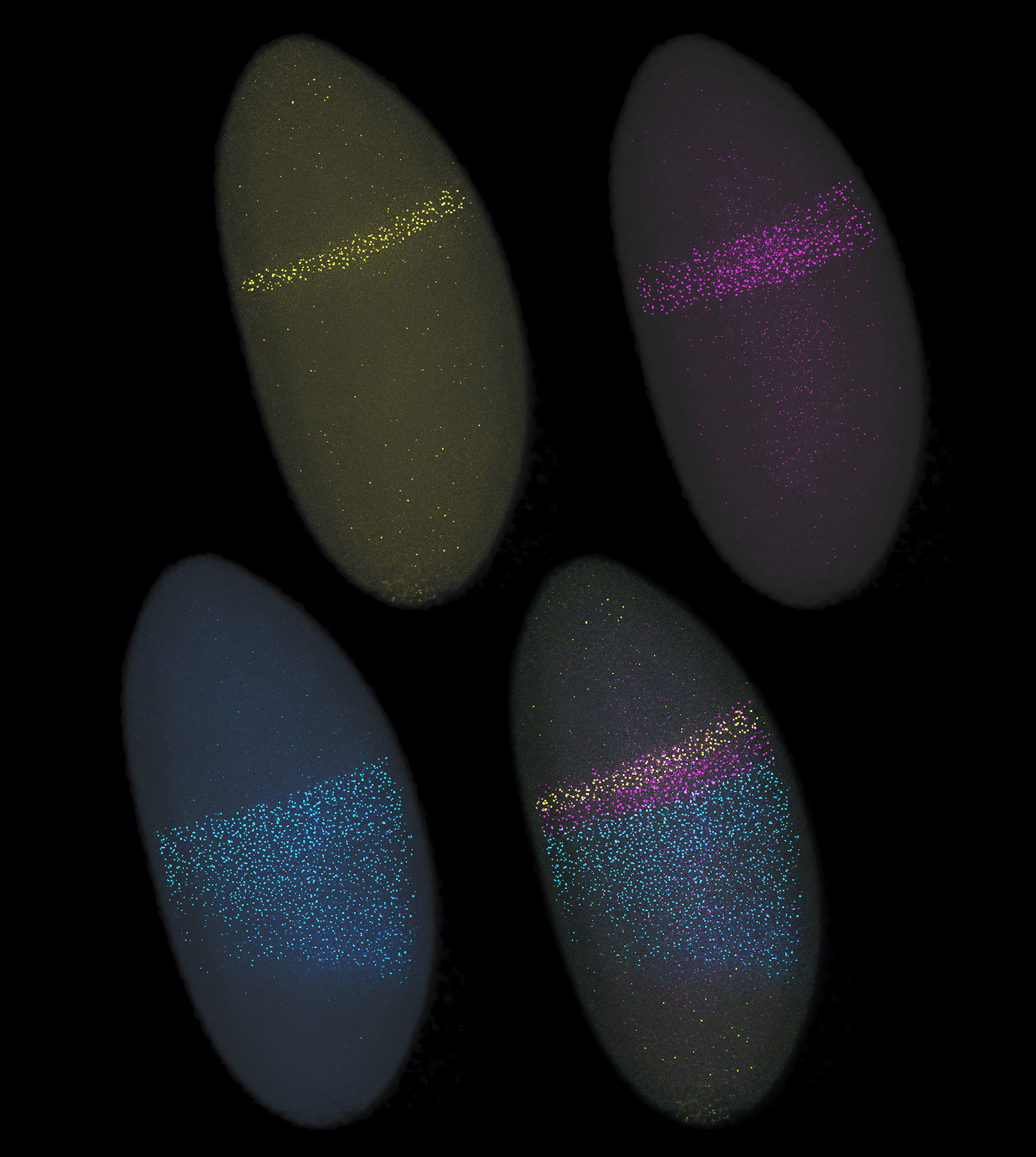
2. Blastoderm stage Drosophila melanogaster embryo. In situ hybridization for the 5’ end of Scr in yellow, Antp in blue (from the P1 promotor, 5’ in the first intron), and a previously uncharacterized lincRNA in pink. Imaged on a Leica SP8 confocal. This image was taken by Wiebke Wessels (James Cook University, Australia).


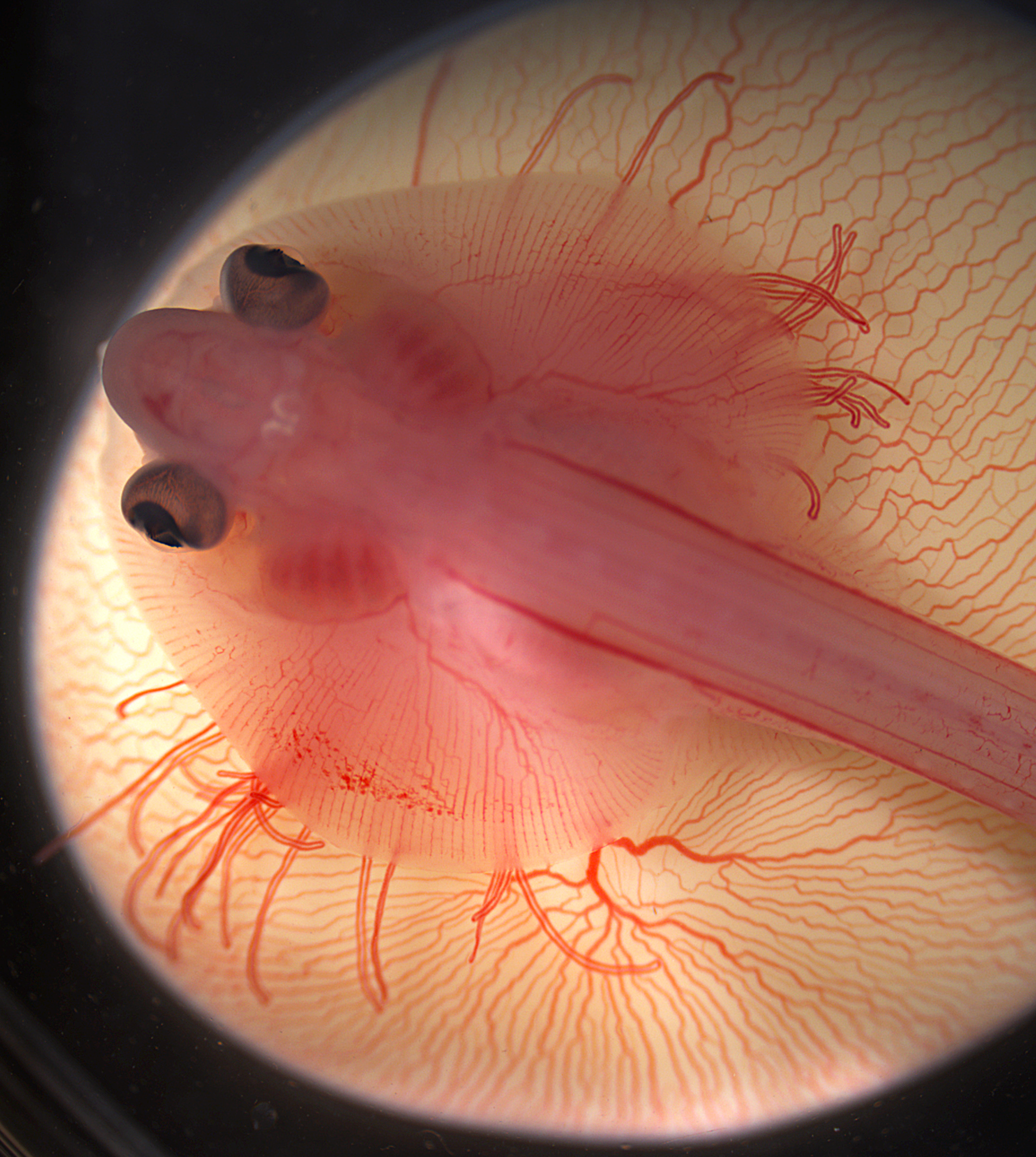
3. Living embryo of the little skate (Leucoraja erinacea) sitting atop its yolk at approximately ten weeks of development. Imaged on a Zeiss Discovery.V20. This image was taken by Mary Colasanto (University of Utah, USA) and Emily Mis (Yale University, USA).


4. Wing of the Blue Mountain Swallowtail (Papilio ulysses). The blue scales seen here contain no blue pigment, rather the physical interaction of light with cuticle-based nanostructures of the scale creates a metallic blue color. Imaged on a Zeiss Discovery.V20 with image planes stacked using Helicon Focus. This image was taken by Emily Mis (Yale University, USA) and Misty Riddle (UC Santa Barbara, USA).


Thumbs up (4 votes)
Loading...

Tags: , , , ,
Categories: Images

In Development this week (Vol. 142, Issue 4)

Posted by , on 10 February 2015

Here are the highlights from the current issue of Development:


Pathways to human hypothalamic neurons

FigureThe dysfunction of hypothalamic neurons is implicated in a number of common diseases, including obesity, hypertension, and mood and sleep disorders. To date, studies of human hypothalamic neurons have been limited due to their inaccessibility, but now (on p. 633), Florian Merkle, Kevin Eggan, Alex Schier and colleagues use two complimentary techniques to differentiate human pluripotent stem cells (hPSCs) into an array of neuropeptide-producing hypothalamic neurons. In the first approach, the researchers use a self-patterning strategy to generate hypothalamic progenitors from hPSCs (both embryonic stem cells and induced pluripotent stem cells). The subsequent maturation of these progenitors leads to the generation of neuropeptide-producing neurons that are morphologically similar to their in vivo counterparts. In the second, more readily scalable approach, the researchers direct the differentiation of hPSCs into hypothalamic progenitors by modulating pathways known to play a role in hypothalamic development. These progenitors, they report, can also be matured into neuropeptidergic neurons that adopt the gene expression profiles and morphological properties of their counterparts in the human brain. Finally, the authors demonstrate that in vitro-derived human hypothalamic neurons are able to integrate into the mouse brain and continue to express hypothalamus-specific neuropeptides. The cells generated by these approaches thus offer a promising tool for disease modelling, drug screening and therapeutic cell transplantation.

Plant embryogenesis: the ins and outs of auxin flow

FigureDirectional transport of the plant hormone auxin plays an essential role in plant development. To date, most studies of auxin transport have focussed on the PIN family of auxin efflux transporters but now Jiri Friml and colleagues show that the AUX1 and LIKE-AUX1 (LAX) auxin influx carriers are required during plant embryogenesis (p. 702). The researchers first demonstrate that the pharmacological inhibition of auxin influx in both microspore-derived Brassica napus embryos and Arabidopsis thaliana embryos results in defects in early embryogenesis. They further reveal thatAUX1, LAX1 and LAX2, but not LAX3, are expressed during Arabidopsis embryo development. These differentially expressed influx carriers, they report, are required for correct embryo development; patterning defects and defective cotyledon and root formation are observed inaux1 lax1 lax2 triple mutants. Further genetic interaction studies reveal that aux/lax and pinmutations have additive effects on cotyledon development, suggesting that AUX/LAX carriers act in concert with PIN transporters. Finally, the researchers uncover a positive-feedback loop between MONOPTEROS-dependent auxin signalling and auxin transport, highlighting a role for balanced and regulated auxin influx and efflux during plant development.

Morphogenesis in full force

FigureConvergent extension (CE) is a morphogenetic process that shapes the early vertebrate embryo. During CE, embryonic tissues elongate along one axis while narrowing in the other, but how are the appropriate forces generated and regulated during this event? Here, Lance Davidson and colleagues investigate the mechanical control of CE in Xenopus embryos (p. 692). They develop a new method for measuring tissue-scale force production, which involves embedding embryonic tissues in a gel-based force sensor. Using this approach, they report that force production during CE is regulated by myosin II contractility; reduced elongation rates are seen when tissues are treated with a ROCK inhibitor but, surprisingly, these are only evident when tissues are challenged with the mechanical constraints of the gel. By altering gel composition, the researchers further demonstrate that CE is adaptive and can accommodate to stiffer microenvironments, suggesting that mechanical feedback produces greater stresses to overcome the constraints of the gel. Finally, they report that the notochord does not contribute to force production, whereas the paraxial mesoderm and prospective neural tissues are major contributors to elongation forces. This study thus sheds light on the mechanical control of CE and offers an exciting new tool that can be used to probe force production in developing tissues.

Lending weight to mitochondrial transmission

FigureOver-nutrition and obesity during pregnancy are known to result in lasting developmental and metabolic consequences in offspring. Here, using the Blobby mouse model for obesity, Rebecca Robker and co-workers (p. 681) probe the mechanistic origins of these changes and test if they are reversible. They demonstrate that obese females produce cumulus oocyte complexes that exhibit changes in gene and protein expression associated with ER stress. They further show that oocytes from obese mice contain normal levels of mitochondrial (mt) DNA, but display reduced mitochondrial membrane potential and higher levels of autophagy compared with control oocytes. Following in vitro fertilization, the oocytes from obese mice form blastocysts that contain reduced levels of mtDNA and exhibit reduced developmental potential. When transferred to normal-weight surrogates, these blastocysts give rise to foetuses that are heavier than controls and exhibit reduced mtDNA content in the kidney and liver. Importantly, many of these obesity-dependent changes in oocyte characteristics and developmental potential can be reversed by treatment with ER stress inhibitors. Together, these studies demonstrate that obesity induces mitochondrial dysfunction that is transmitted to offspring, and that these defects can be alleviated by using interventions prior to conception to improve embryo and foetal development.

Vascular patterning goes out on a limb

FigureDuring limb morphogenesis, developing digits are initially interconnected by soft tissue but then become separated as this tissue undergoes programmed cell death (PCD) and regresses. Now, Elazar Zelzer and co-workers demonstrate that vascular patterning in the mouse limb regulates interdigital cell death by a reactive oxygen species (ROS)-dependent mechanism (p. 672). They demonstrate the presence of a complex and high-density capillary network within interdigital regions at the onset of PCD; by contrast, the developing digits are unvascularized. As PCD progresses, they report, the vasculature concomitantly becomes remodelled. They further show that a decrease in interdigital blood vessel numbers, induced by inactivating VEGF in the limb mesenchyme, inhibits PCD. By contrast, hypervascularization following VEGF overexpression in the limb leads to elevated PCD and an expansion of the domain in which PCD occurs. Finally, the researchers demonstrate that interdigital PCD is dependent on oxygen and the production of ROS. Together, these findings highlight a novel function for vascular patterning, and suggest the existence of a mechanism by which vascularization of interdigital regions leads to an increase in tissue oxygenation, which in turn triggers ROS production and PCD.
Activin/Nodal signalling in stem cells

DEV607Activin/Nodal growth factors control a broad range of biological processes, including early cell fate decisions, organogenesis and adult tissue homeostasis. Here, Siim Pauklin and Ludovic Vallier provide an overview of the mechanisms by which the Activin/Nodal signalling pathway governs stem cell function in these different stages of development. See the Review on p. 607
 

The melanocyte lineage in development and disease

DEV620Melanocytes have an apparently simple aetiology, differentiating from the neural crest and migrating through the developing embryo to specific locations within the skin and hair follicles, and to other sites in the body. Here, using a cross-species approach, Richard Mort, Ian Jackson and Elizabeth Patton discuss melanocyte development and differentiation, melanocyte stem cells, and the role of the melanocyte lineage in diseases such as melanoma.See the Review on p. 620

Thumbs up (No Ratings Yet)
Loading...

Categories: Research