
The community site for and by
developmental and stem cell biologists

Friday Harbor Comparative Embryology Course – Applications open until Feb. 26

Posted by , on 10 February 2015


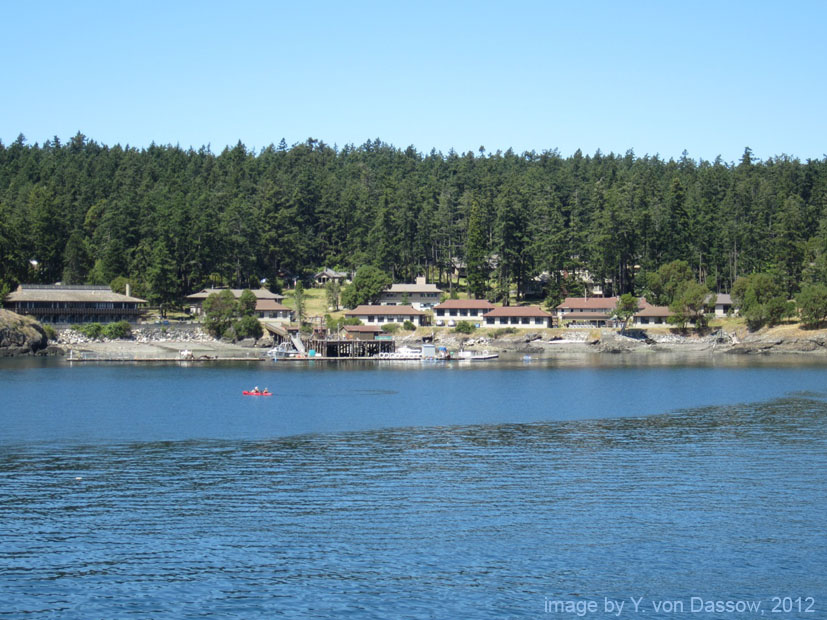
Friday Harbor LabsTaking the Comparative Invertebrate Embryology course at the Friday Harbor Labs was one of the pivotal experiences of my graduate life, and it was possibly the most valuable, and enjoyable, course I’ve ever taken. I was a student in the course several years ago, when it was taught by two great scientists, Dr. Charles Lambert and Dr. Mark Martindale (it is taught by different instructors every year). I loved seeing the amazing diversity of marine invertebrate embryos and larvae, and watching their development in real time, after collecting the animals from their natural habitats. One of the things I especially appreciated about the course is that it gave me an opportunity to watch and observe organisms closely, on their own terms, rather than immediately trying to convert them into data points to answer a specific question. This let me see aspects of the embryos and larvae that I would not have noticed otherwise.


The Friday Harbor embryology course transformed my research path. At the time I took it, I was a graduate student working on biomechanics and pattern formation in invertebrate colonies, and was more interested in physiology and marine biology than development. I took the course because I felt a need to get a complete picture of invertebrate biology, and it sounded like fun (it was). I loved the complexity of the larvae, with their muscles, ciliated bands, guts, skeletons, and behavior; but as I watched the embryos transform themselves from egg, to blastula, to gastrula, and beyond, I learned to love them for their own sake. At the same time I gained a feel for their variety and for their natural environments.
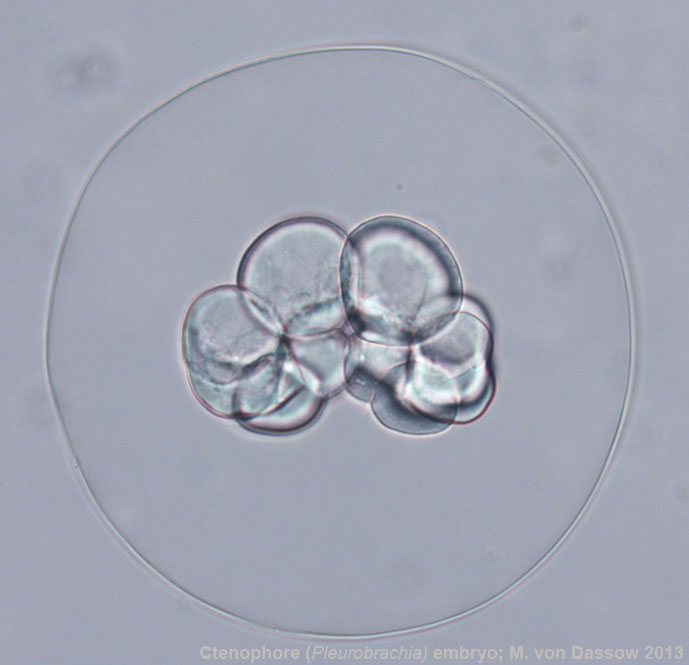
Pleurobrachia embryoSo, after finishing my Ph.D., I switched from working on adult animals to working on embryos, focusing on the biomechanics of gastrulation in frogs (with Dr. Lance Davidson), and then struck out on my own to study echinoderm blastula formation. The memory of my experiences at Friday Harbor has continued to shape my research, making me think hard about the kinds of variation organisms have to tolerate in nature, variation due to things like salinity, temperature, and maternal condition. And it made me keenly aware of the diversity of developmental processes within and among animal phyla. This gave me a broad perspective on the mechanics of morphogenesis, and how it relates to development-environment interactions and developmental evolution.


Hermissenda with eggsMy personal experience in the course led me to my own peculiar niche in developmental biomechanics, but other former students have gone on to study cell and molecular biology, evo-devo, larval ecology, and many other fields. One of the great things about the Friday Harbor course is that it bridges cell and molecular perspectives with ecological and evolutionary perspectives to provide an integrated view of animal development. So the course is very useful for both biologists who wish to understand diversity in developmental modes for ecological or evolutionary studies, and cell and developmental biologists who wish to broaden their knowledge of embryos beyond the standard model systems. The focus is on watching and observing living embryos and larvae from as many different kinds of marine animals as one can get one’s hands on (typically a few species from each of over a dozen phyla).

I loved being a student so much that I jumped at the chance to co-teach the course this summer with Dr. Yale Passamaneck, an excellent evolutionary developmental biologist who has worked with several invertebrate phyla.

Applications are still open, and we have a few spots left that we hope to fill. Applications are needed before February 26th. Financial aid may be available.

If you are interested in the course, please see the course description at: http://depts.washington.edu/fhl/studentSummer2015.html#SumA-4

The course runs from June 15 – July 17, 2015 (5 weeks).


Thumbs up (3 votes)
Loading...

Tags: , , ,
Categories: Events

Navigate the archive

Use our Advanced Search tool to search and filter posts by date, category, tags and authors.

Specifying stem cells, specifically

Posted by , on 5 February 2015

Bone marrow transplants save lives. It’s as simple as that.

The reason bone marrow transplants are so effective is because this squishy tissue is home to haematopoietic stem cells (HSCs), which spend their lives happily producing every single blood cell that will ever circulate around your body.

As a result, if anything goes wrong with your own blood, it is possible to remove your bone marrow (which, for whatever reason, is producing sub-optimal cells) and replace it with somebody else’s which is doing the job just fine.

But it isn’t always quite that straightforward. Finding immunologically compatible tissue isn’t trivial, and there are always more patients needing transplants than there are donors on the list. Also, even if you do manage to find a compatible donor, sometimes their bone marrow just doesn’t contain enough stem cells to be effective.

So, an alternative way of replacing the haematopoietic stem cells in patients with blood disorders is required, and has been the target of many research teams around the globe for years. The golden goal is to be able to generate haematopoietic stem cells in the lab that are genetically matched to the patient, and recent advances in generating induced pluripotent stem cells (iPSCs) from human cells has brought this prospect tantalizingly close – but to date, nobody has managed to successfully generate patient-specific HSCs in the lab.

One major stumbling block in achieving this goal has been a fundamental lack of understanding of how, when and where HSCs actually originate in the first place; how can we possibly attempt to mimic this process in the lab if we don’t know how it works in in a living, breathing organism?

This is exactly the question that scientists in Roger Patient’s lab at the WIMM in Oxford have been asking, and have published their latest findings in Nature Communications.

It is known that during embryonic development of all examined vertebrates, haematopoietic stem cells originate from a layer of arterial cells on the ventral side of the dorsal aorta, known as the haemogenic endothelium [1]. This process is believed to be extremely transient, and is regulated by a complex array of inputs from a variety of signaling pathways, including Wnt16 [2], VegfA [3] and Bmp4 [4].

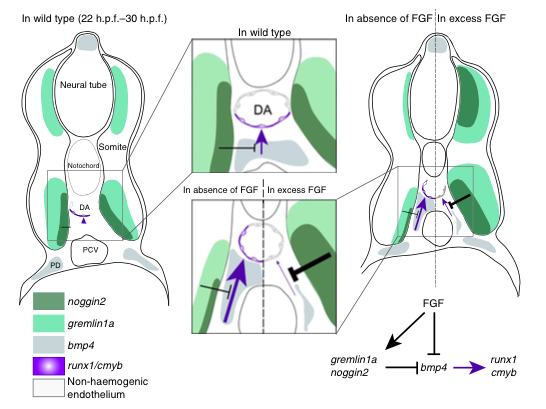
Role of FGF signalling in the formation of HSCs. Pouget et al, Nature Comms (2014)

Recent research has shown that runx1, a key gene required for emergence of HSCs across many vertebrate species, is directly activated by the Bmp4 signalling pathway in vitro [5], and it is also known that just before definitive (or adult) haematopoiesis is activated in developing embryos, the aortic region switches from a BMP repressive to active environment [4]. However, the mechanism underlying this switch has remained elusive – until now.

Through a series of careful experiments in zebrafish, scientists in the Patient lab have found that the FGF signaling pathway is a negative regulator of HSC emergence via its control of bmp4 activity in the aortic floor, and therefore could be component of the mechanism underlying the switch from a BMP repressive to active environment that is required for HSC emergence.

Not only do these findings add a crucial piece to the puzzle in understanding how HSCs develop in vivo, but could also help to develop more efficient strategies to generate patient-specific haematopoietic stem cells in the lab.


The original research article was published in Nature Communications in November 2014: FGF signaling restricts haematopoietic stem cell specification via modulation of the BMP pathway

This post was written by Bryony Graham (@bryony_g) and was originally published on the WIMM blog.


1. Swiers, G., Rode, C., Azzoni, E., & de Bruijn, M. (2013). A short history of hemogenic endothelium Blood Cells, Molecules, and Diseases, 51 (4), 206-212 DOI: 10.1016/j.bcmd.2013.09.005

2. Clements, W., Kim, A., Ong, K., Moore, J., Lawson, N., & Traver, D. (2011). A somitic Wnt16/Notch pathway specifies haematopoietic stem cells Nature, 474 (7350), 220-224 DOI: 10.1038/nature10107

3. Leung A, Ciau-Uitz A, Pinheiro P, Monteiro R, Zuo J, Vyas P, Patient R, & Porcher C (2013). Uncoupling VEGFA functions in arteriogenesis and hematopoietic stem cell specification. Developmental cell, 24 (2), 144-58 PMID: 23318133

4. Wilkinson, R., Pouget, C., Gering, M., Russell, A., Davies, S., Kimelman, D., & Patient, R. (2009). Hedgehog and Bmp Polarize Hematopoietic Stem Cell Emergence in the Zebrafish Dorsal Aorta Developmental Cell, 16 (6), 909-916 DOI: 10.1016/j.devcel.2009.04.014

5. Pimanda, J., Donaldson, I., de Bruijn, M., Kinston, S., Knezevic, K., Huckle, L., Piltz, S., Landry, J., Green, A., Tannahill, D., & Göttgens, B. (2007). The SCL transcriptional network and BMP signaling pathway interact to regulate RUNX1 activity Proceedings of the National Academy of Sciences, 104 (3), 840-845 DOI: 10.1073/pnas.0607196104

Thumbs up (1 votes)
Loading...

Tags: , , , , , ,
Categories: Research

BSDB Conference Grant application deadline extended!

Posted by , on 4 February 2015

Conference Grant applications of BSDB members for the BSDB/BSCB Spring meeting can be submitted until Sunday the 8th of February. Please, note that you will require an abstract and support statement as is explained here.

Thumbs up (No Ratings Yet)
Loading...

Tags: ,
Categories: Events, News, Societies

Scholarships Available for the CSHL Xenopus Course

Posted by , on 3 February 2015

9-21 April 2015 Cold Spring Harbor Lab Xenopus course:

Xenopus is an extraordinary in vivo model for cell and developmental biology. The ease of loss- and gain-of-function approaches allows rapid mechanistic analysis; this can be combined with classic embryological manipulations and state of the art imaging. As advances in human genomics rapidly expand our list of novel disease genes, Xenopus is emerging as a powerful, high-throughput system for studying unknown gene function.

For this year’s course, we are fortunate to have two fully funded fellowships for applicants who come from non-standard backgrounds (ie, physics, math, computer science, engineering), as well as several half scholarships for people entirely new to Xenopus.

Informal queries to Karen Liu (karen.liu@kcl.ac.uk) or Mustafa Khokha (mustafa.khokha@yale.edu).

Deadline for applications: 23 February.

http://meetings.cshl.edu/courses/2015/c-xeno15.shtml

Thumbs up (1 votes)
Loading...

Tags:
Categories: Events

BSDB Gurdon Summer Studentship Report (3)

Posted by , on 3 February 2015

In 2014, the British Society of Developmental Biology (BSDB) has initiated the Gurdon Summer Studentship program with the intention to provide highly motivated students with exceptional qualities and a strong interest in Developmental Biology an opportunity to engage in practical research. The 10 successful applicants spent 8 weeks in the research laboratories of their choices, and the feedback we received was outstanding. Please, read the student reports, kindly sent to us by George Hunt.


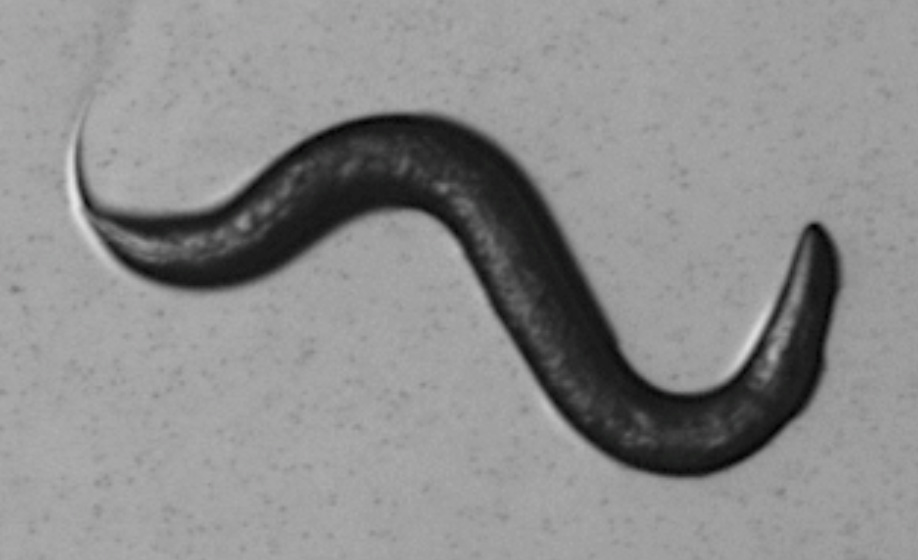
Hunt-1Modelling Developmental Neurological Disorders and Childhood-Onset Epilepsy in Caenorhabditis elegans

During the summer of 2014 I was a recipient of a Gurdon Summer Studentship awarded by the BSDB. The studentship provided the opportunity to undertake a research project in the Laboratory of Ian Hope at the University of Leeds where I study Biology.

Abnormalities in the development of the central nervous system have been implicated in the epilepsy group of chronic neurological disorders. These disorders affect fifty million people worldwide and are characterized by spontaneous recurrent seizures resulting from excessive, synchronous neuronal activity [1,2]. Improving our understanding of the biomolecular basis of epilepsy is of great importance in the search for new therapeutics. Caenorhabditis elegans provides a genetically amenable, and experimentally tractable system to model disease-relevant mutations and was the focus of this study.

Homo sapiens KCNT1 encodes a sodium-activated potassium channel that is widely expressed in the central nervous system and mutations of KCNT1 have been identified in patients with drug-resistant childhood-onset forms of epilepsy. The C. elegans KCNT1 orthologue slo-2 is widely expressed in both neurons and muscle cells [3] where it is activated during hypoxia-like physiological conditions by raised concentrations of chloride and intracellular free calcium [4]. Protein alignment identified KCNT1 amino acid residues implicated in childhood-onset epilepsy that are conserved from H. sapiens to C. elegans SLO-2. These KCNT1 variants, R474H and R928C, are associated with malignant migration partial seizures in infancy (MMPSI) [5] and autosomal dominant nocturnal frontal lobe epilepsy (ADNFLE) [6], respectively.

In order to generate R474H and R928C epilepsy-associated variants of C. elegans slo-2, equivalent mutations were introduced using the CRISPR-Cas9 system [7] to produce novel transgenic strains which can then be used to study the role of these mutations in the development of epilepsy.

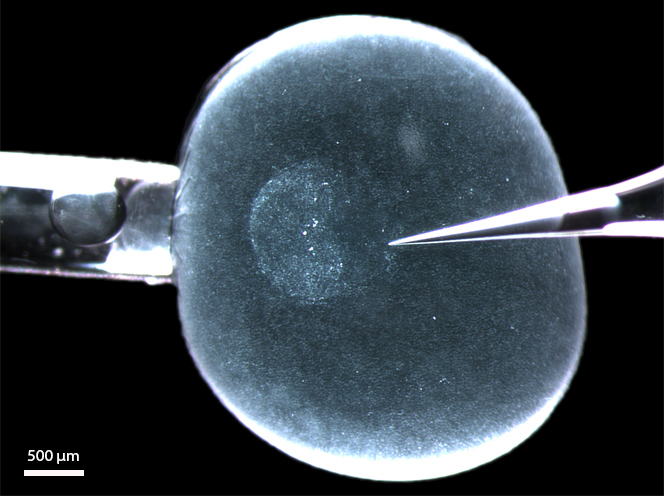
Synthetic guide RNAs (sgRNA) were used to direct Cas9 nuclease activity to regions of the slo-2 locus in close proximity to the target mutational sites. Cas9-mediated cleavage generates double-stranded DNA breaks (DSBs) that are repaired in vivo by either homology-directed repair (HDR), using a homologous template, or by non-homologous end joining (NHEJ), which generates short insertion/deletion (indel) mutations. To incorporate the epilepsy-linked point mutations into the C. elegans genome, worms were microinjected with plasmid vectors expressing the modified sgRNAs and Cas9 alongside slo-2 fragments that had been PCR mutagenized to include the desired point mutations. This generated DSBs at the slo-2 locus followed by HDR to mend the DSB and introduce the desired point mutations.

Hunt-2From fifteen F0 hermaphrodites injected, I obtained twenty-eight transgenic F1 individuals. Ten of these produced transgenic progeny and ten independent transgenic strains were established of which six had been targeted with the R474H equivalent alteration and four with the R928C equivalent. Microinjected DNA forms large extra-chromosomal arrays that are not transmitted to all progeny in a brood and the rate of successful CRISPR-Cas9 alterations in C. elegans varies depending on target loci [7]. To screen transgenics for alterations of slo-2, I performed single worm PCR on progeny of transgenic individuals to amplify slo-2 fragments containing the target mutation loci and assayed fragment length for the presence of indels by agarose gel electrophoresis. Following CRISPR-Cas9 generation of a DSB, activation of the NHEJ repair pathway can produce short indels at the repaired loci, providing a useful method for confirming successful CRISPR-Cas9 activity. Smaller than expected slo-2 fragments were detected in the progeny of transgenic individuals from three different strains; however, further extensive screening is required to determine whether these represent deletions within slo-2 or non-target amplification. Following confirmation of the efficacy of the CRISPR-Cas9 system the next step will be sequencing of slo-2 to identify mutants with the desired epilepsy-linked point mutations.

The transgenic and mutant strains will provide a useful resource in further studies of the biomolecular basis of drug-resistant childhood-onset epilepsies as they should allow production of the specific genomic modifications sought in slo-2. The effects of the slo-2 mutations on the functioning of the C. elegans neuromuscular system would then need to be characterized and findings could provide improvements in our understanding of how specific KCNT1 variants give rise to epilepsy. This research will contribute to an existing network of KCNT1 research currently being undertaken by Jonathan Lippiat and Steve Clapcote at the University of Leeds.

Overall, the BSDB Gurdon Summer Studentship provided a great opportunity to experience working in a professional research laboratory, and has strongly reinforced my desire to pursue a career in research.

References:

[1] Kwan, M.D. Schachter, S.C. and Brodie, M.J. (2012) Drug-Resistant Epilepsy. The New England Journal of Medicine 365, 919-926

[2] Engel, J.E.R. (2013) Seizures and Epilepsy (2nd Edition), New York: Oxford University Press

[3] WormBase web site (2014) Release: WS244 — [LINK]

[4] Santi, C. et al. (2003) Dissection of K+ currents in Caenorhabditis elegans muscle cells by genetics and RNA interference. PNAS 100, 14391-14396

[5] Barcia, G. et al. (2012) De novo gain of function KCNT1 channel mutations cause malignant migrating partial seizures of infancy. Nature Genetics 44, 1255-1259

[6] Heron, S.E. et al. (2012) Missense mutations in the sodium-gated potassium channel gene KCNT1 cause severe autosomal dominant nocturnal frontal lobe epilepsy. Nature Genetics 44, 1188-1190

[7] Friedland, A,E. et al. (2013) Heritable genome editing in C. elegans via a CRISPR-Cas9 system. Nature Methods 10, 741-743

Thumbs up (6 votes)
Loading...

Tags: , ,
Categories: Education, Lab Life, Research, Societies

This month on the Node- January 2015

Posted by , on 2 February 2015

Our jobs page has been busy this month, with several new postdoc positions advertised. Here are some of the other highlights:


Research:

– Christoph and his colleagues wrote about their recent Development paper, where they inhibited the Rho-kinase ROCK in the rabbit embryo, discussing the implications of their work in our understanding of the evolution of vertebrate gastrulation.
– and Chistele’s latest Stem Cell Beauty post focused on a Stem Cell Reports paper where Meinhardt and colleagues embed embryonic stem cells in a 3D matrix to generate 3D neuroepithelial cysts.


Meetings:

– Do you want to attend the Abcam Adult Neurogenesis meeting in Dresden for free? Then apply to become the official meeting reporter!

– and the newly created Pan-American Society for Evolutionary Developmental Biology is running their first meeting this August.


SEDB Meeting


The Node survey:

The Node was launched almost 5 years ago, and it is now time to revise its design and functionalities. Help us develop the Node for the future by answering a few questions in our survey. To thank you for your time, at the end of the survey you can choose to enter a prize draw to win a bag of goodies from the Node and Development!


bees squareAlso on the Node:

– Our latest model organism post comes all the way from Dunedin in New Zealand! Read Megan’s post ‘A day in the life a honeybee lab‘!

– There are many ways to get involved in science outreach. We have reposted a Development Spotlight article on this topic.


Happy reading!

Thumbs up (No Ratings Yet)
Loading...

Categories: Highlights

A day in the life of a maize lab

Posted by , on 1 February 2015

Maize has a rich history as a model organism for genetics; Rollins Emerson began describing mutants in the 1930’s. Large chromosomes, amenable to cytology, aided Barbara McClintock in her critical discovery of transposable elements for which she earned a Nobel Prize in 1983. As developmental biologists, we treasure maize for its large and varied meristems, which are totipotent, like animal stem cells. These are excellent for microscopy, particularly RNA and protein in situ hybridization. Now, GFP-tagged fusion protein lines are also available (http://maize.jcvi.org/cellgenomics/index.php).

Maize is a domesticated form of Teosinte and comparison to its ancestor has revealed loci important for grass domestication (see Doebley and Stec, 1993 and Doebley et al., 1997). Grasses include most staple starches, not only corn but wheat, rice, sorghum, millet, sugarcane and others. So, there are practical benefits to studying maize as well.

Field season sets apart the daily life of a maize developmental geneticist from that of colleagues working with laboratory organisms. Controlled pollinations are technically simple, requiring only bags, staples and markers, and yet are undeniably physical. We use waxed bags to protect the ear shoots from rogue, windborne pollen. A few days later, the tassel, which bears staminate flowers and pollen, emerges. Not many geneticists are dwarfed by their subjects and need to wrangle 40cm of male inflorescence into a brown paper bag. This is particularly true for those of us who are below average height.


Bagging a maize tassel in Nayarit, Mexico, January 2015. Photo by Angus Vajk.

Bagging a maize tassel in Nayarit, Mexico, January 2015. Photo by Angus Vajk.


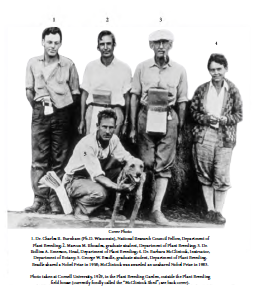
Of course, laboratory life does not end as soon as the kernel hits the soil. Summers are rife with mad-dash    genotyping and tissue collection and the normal responsibilities of correspondence, teaching and writing. This is   why the real joy is tending the winter nursery. Frequently, particularly off-season, we fly thousands of miles to attend our winter nurseries. East Coast-based maize geneticists typically send winter plantings to Puerto Rico whereas those of us on the West Coast winter in Mexico or Hawaii. Yes, these trips are romantic — in the travel sense — where you feel a connectedness with researchers that came before. These trips are coordinated reunions of former and current colleagues such that fond memories of potluck BBQs, scorpion sightings, torrential rains and of near-death driving experiences are commonly recalled and newly generated. I regularly picture McClintock and Emerson (referred to by Rhoades as “the spiritual father of maize genetics”) in their make-shift pollinating aprons and knickers and feel proud to carry on illuminating the wonders of maize.


Reprinted with permission of W. B. Provine, the Department of Plant Breeding and Genetics, and the publisher, from Kass, Lee B. (Ed.).  2013. Perspectives on Nobel Laureate Barbara McClintock’s publications (1926-1984): A Companion Volume. The Internet-First University Press.  URI:http://hdl.handle.net/1813/34897

Reprinted with permission of W. B.Provine, the Department of Plant Breeding and Genetics, and the publisher, from Kass, Lee B. (Ed.). 2013. Perspectives on Nobel Laureate Barbara McClintock’s publications (1926-1984): A Companion Volume. The Internet-First University Press. URI:http://hdl.handle.net/1813/34897


In preparation for winter nurseries, lab members from all over the country package seeds for individual experiments and these are carefully organized. Shipping is timed with colleagues. Field management companies receive our seeds (after phytosanitary inspection) and carefully plant them for us. Multiple, staggered plantings are prepared so that inbred (homozygous control) lines (think ecotype if you work with Arabidopsis) are shedding pollen for the largest window of time; these we often share – knowing a colleague will happily return it to us.

A few lucky researchers will perform the controlled pollinations for their co-workers. I have been fortunate enough to be a staff research associate in the developmental genetics lab of Dr. Sarah Hake at the Plant Gene Expression Center – a collaborative institute of the USDA Agricultural Research Service and the UC Berkeley Department of Plant and Microbial Biology – for fifteen years. I have pollinated on Molokai eight times and in Mexico four. Pollinating schedules are coordinated so that we break up the work, each going for 1-2 weeks in overlapping windows. We frequently mop up the last few crosses for our friends or help each other while the field is peaking and most plants are sexually mature. Sometimes, there are not enough hours in the day so we must help each other – pollinating by headlamp is not recommended!


Dr. Clint Whipple, Assistant Professor at Brigham Young University and Dr. Cliff Weil, Professor at Purdue University look for lodicule (a floral organ) phenotypes in maize spikelets over lunch at José’s taco stand.

Dr. Clint Whipple, Assistant Professor at Brigham Young University and Dr. Cliff Weil, Professor at Purdue University look for lodicule (a floral organ) phenotypes in maize spikelets over lunch at José’s taco stand.


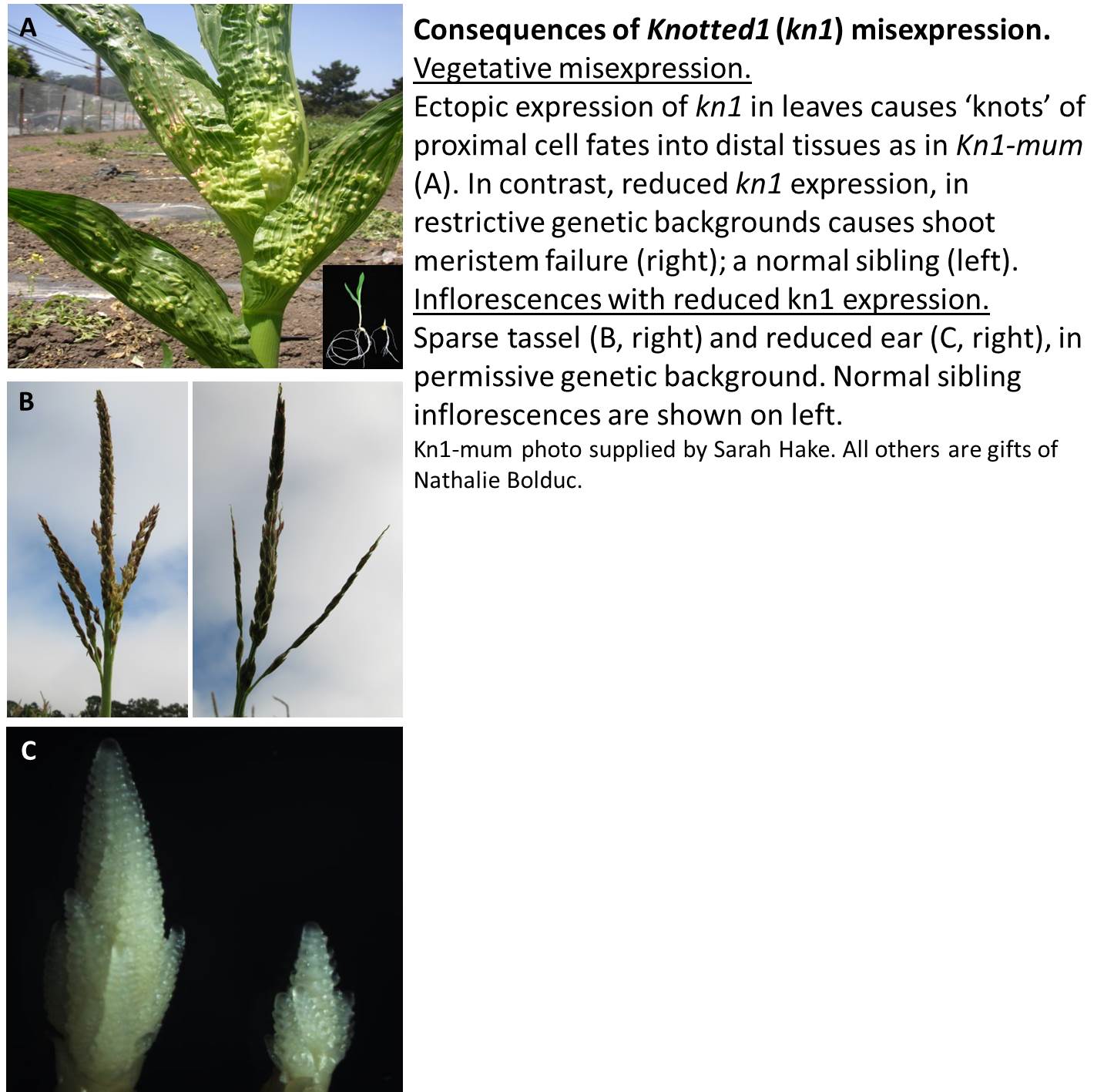
Most of us are mutant-lovers; perhaps including the reader? Nothing is better than traipsing about in a jungle of new and old “friends” as we frequently call them. People have studied maize for about a hundred years, so we even call some of our best friends “classic mutants.” These include such beauties as knotted1 (kn1), with its telling gain-of-function phenotype of protuberances of proximal tissue fates into distal organs and a satisfyingly opposite loss-of-function phenotype of small, early-terminating inflorescences. Knotted is required for meristem maintenance and causes ectopic growth when ectopically expressed (e.g. in leaves). Or, depending on background, loss of function mutants may be shootless, not unlike mutants of its related Arabidopsis gene, shootmeristemless. Kn1 was the first homeobox gene cloned in plants. To me, there is no clearer example of shared descent. If animal homeobox genes regulate proximal/distal patterning in limbs and plant homeobox genes regulate proximal/distal patterning in leaves, then we have all originated from the same lovely stew.


kn1 fig for blog post

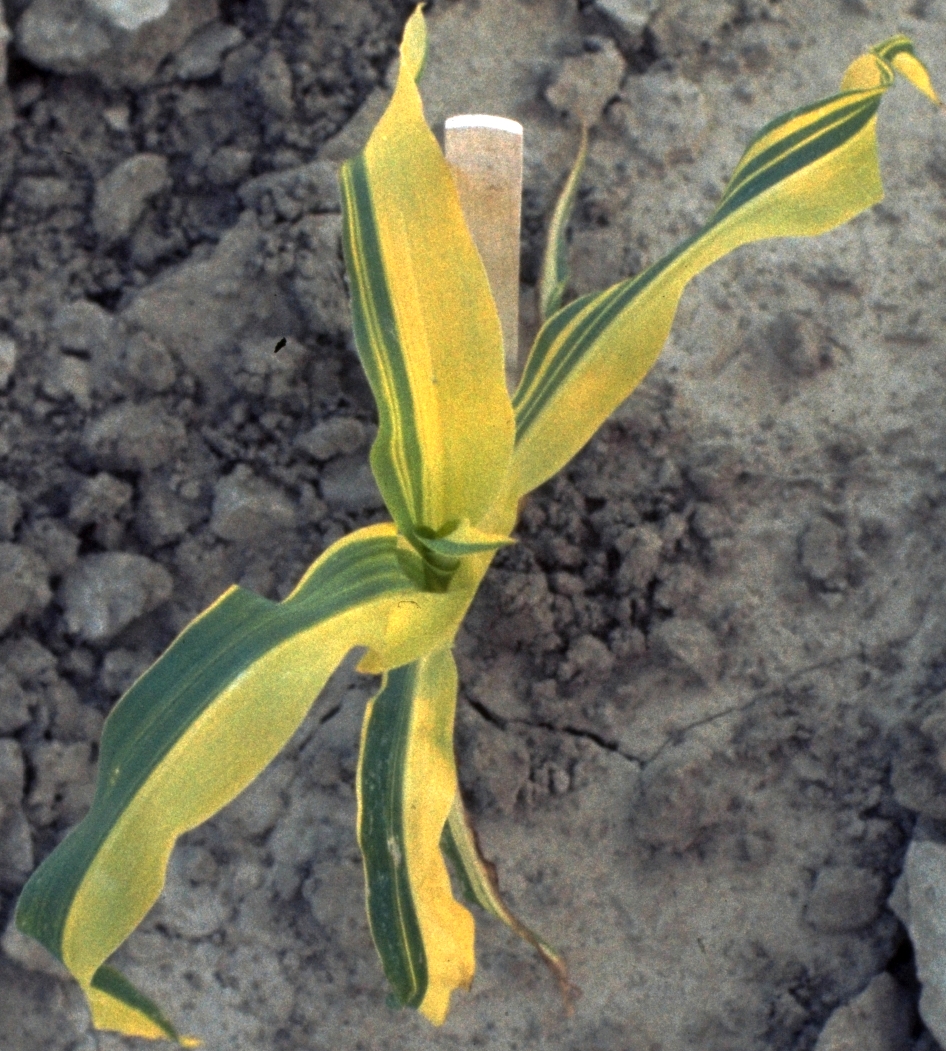
A real pleasure is to tour a field of families from a mutagenesis experiment. Ideally, this is done by the side of an expert. Perhaps, Gerry Neuffer will show you his favorite half-plant chimera, visible only as an M1 (+/-) plant because it would not survive without the healthy half of the plant coaxing it along.


Oil yellow Chimera:  An immature half-plant chimeric greenish brilliant yellow, Oy1-N1459, M1 mutant origin plant , showing consequence of EMS-induced mutation in two-stranded sperm nucleus of treated pollen grain. Photo and caption courtesy of Gerald Neuffer, please see his wiki at http://mutants.maizegdb.org/doku.php.

Oil yellow Chimera: An immature half-plant chimeric greenish brilliant yellow, Oy1-N1459, M1 mutant origin plant , showing consequence of EMS-induced mutation in two-stranded sperm nucleus of treated pollen grain. Photo and caption courtesy of Gerald Neuffer, please see his wiki at http://mutants.maizegdb.org/doku.php.


Gerry Neuffer and Sarah Hake at the Gill Tract Research Plot, near Berkeley, CA (2006). Photo courtesy of Sarah Hake.

Gerry Neuffer and Sarah Hake at the Gill Tract Research Plot, near Berkeley, CA (2006). Photo courtesy of Sarah Hake.


He would even tell you that the frequency of certain mutants occurring in EMS populations is different than those arising from transposon populations such as Mutator or Ac/Ds. This would open the fascinating topic of his hypotheses regarding the mechanisms behind these long-term observations (for review see his chapter, Neuffer et al., ‘Mutagenesis – the Key to Genetic Analysis’ in the Handbook of Maize, 2009 pp 63-84), which is best had over a plate of lomo pork at the annual luau on Molokai, Hawaii.

Our pollinated ears are anxiously awaited and will land at their home research institutes in mid-March. This is also the timing of the annual Maize Genetics Conference. This year, and every other it is held in the Midwest of the US. If you are an aspiring or confirmed mutant lover, consider attending March 12-15, 2015 in St. Charles, Illinois or attending in the future. I hope to meet you there!


Node day in the life new doodle squareThis post is part of a series on a day in the life of developmental biology labs working on different model organisms. You can read the introduction to the series here and read other posts in this series here.


Thumbs up (7 votes)
Loading...

Tags: , ,
Categories: Lab Life

Post-Doctoral Positions in Evolutionary Developmental Biology

Posted by , on 23 January 2015

Closing Date: 15 March 2021

Fully funded post-doctoral positions are available to investigate molecular, genetic and cell biological mechanisms of development in the sea anemone Nematostella vectensis in the Gibson lab at the Stowers Institute for Medical Research.  Broad project goals are: 1) To utilize established genome engineering and advanced imaging methods to investigate the morphogenesis of polarized epithelia during early embryonic development and 2) To utilize established gain- and loss-of-function approaches to interrogate signal transduction, pattern formation, and growth control in an early-branching metazoan system. Specific research goals are flexible and can be fit to the interests of successful applicants.

Candidates should be dynamic and highly motivated with a demonstrated record of creativity and a recent PhD degree. Experience in genomics, cell and molecular biology and experimental embryology are highly desired, along with training in confocal microscopy and phylogenetic analysis. To apply, please send a single .pdf file containing your CV, email addresses for 3 references, publications and a statement of postdoctoral research interests to: mg2@stowers.org.

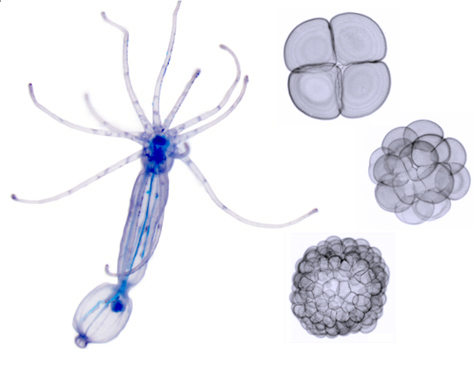
   stellaAdimage

Thumbs up (No Ratings Yet)
Loading...

Categories: Jobs

Postdoctoral Position for Evolutionary Neurobiologist at the EMBL/CRG Systems Biology Unit

Posted by , on 23 January 2015

Closing Date: 15 March 2021

Our laboratory, at the EMBL/CRG Systems Biology Unit in Barcelona, is looking for an excellent and highly motivated postdoc to study the functions and evolutionary impact of neural-specific alternative splicing in vertebrates.

The major goal of the project – funded by the European Research Council (ERC) – is to understand the in vivo functions and evolutionary impact of a program of neural-specific protein isoforms that are conserved across all vertebrates. These isoforms, sometimes diverging by only one or two aminoacids from the onneural isoforms due to microexons (see Cell 2014, 159:1511-23), are expected to be crucial for terminal neurogenesis and synaptic function, and unique to vertebrate species. The applicant will mainly use zebrafish as a model organism to investigate these questions. In addition to these, the candidate will be encouraged to develop his/her own scientific ideas.

The applicant is expected to be passionate about evolution, neuroscience and/or developmental biology.

Strong experience on zebrafish research, particularly on nervous system development and/or in vivo neuronal differentiation, is required. Previous experience with the CRISPR-Cas9 system, and interest on transcriptomic analyses are an advantage, but not necessary. The applicant should be able to work rigorously, independently and flexibly. The candidate will be responsible for his/her own project within the research group, including carrying out experiments, data analysis and interpretation. Fluency in English (spoken and written) is expected.

The position has a fully covered, competitive salary for up to five years, but the applicant will also be encouraged to apply for independent funding.


The Institute
The Centre for Genomic Regulation (CRG), is an international biomedical research institute of excellence, based in Barcelona, Spain, whose mission is to discover and advance knowledge for the benefit of society, public health and economic prosperity.

The breadth of topics, approaches and technologies at the CRG permits a broad range of fundamental issues in life sciences and biomedicine to be addressed. Research at the CRG falls into four main areas: gene regulation, stem cells and cancer; cell and developmental biology; bioinformatics and genomics; and systems biology.

With more than 350 scientists from 41 countries, the CRG excellence is based on an interdisciplinary, motivated and creative scientific team that is supported by high-end and innovative technologies.

The centre’s other main strategic goals are: to translate basic scientific findings into benefits for health and economic value for society; to provide advanced and excellent training to our scientists; and to communicate and establish a bilateral dialogue with society.

For further information: www.crg.eu


Requirements

Studies:

  • PhD in Biology-related areas

Technical skills required:

  • Experience on zebrafish research, particularly on nervous system development and/or in vivo neuronal differentiation.

Additional beneficial skills:

  • Experience with CRISPR-Cas9 system.
  • Interest and experience on transcriptomic analysis.

Languages:

  • Fluent level of English

Soft skills:

  • Passion for evolutionary biology.
  • A highly motivated and organized candidate.
  • Capable of working in group, and with a high degree of work autonomy.

The Offer

  • Duration: 1 year renewable contract up to 5 years.
  • Estimated annual gross salary: A competitive salary will be provided, which will be well matched relative to the cost of living in Barcelona, and adjusted according to experience.
  • Starting date: as soon as possible from April 2015.


We offer work in a highly stimulating environment with state-of-the-art infrastructure, providing the successful applicant with unique opportunities to develop a strong technical portfolio.


Application Procedure
All applications must include:

  1. A presentation letter addressed to Manuel Irimia
  2. A full CV including contact details.
  3. Two contacts for further references.


All applications must be addressed to Manuel Irimia and be submitted to the following email address: rrhh@crg.es. Please include as email subject the reference “Postdoc-NeuralAS”.


Deadline: Please submit your application by 13th February 2015

Centre de Regulació Genòmica (CRG)
Doctor Aiguader 88, 08003 Barcelona (Spain)

Thumbs up (1 votes)
Loading...

Categories: Jobs

Stem cells…now showing in 3D

Posted by , on 22 January 2015


Meinhardt et al, 2014


Growing organs in vitro is one of the ultimate dreams of any stem cell biologist. As such, it seems obvious that some of these organs will need to be grown in 3D. This is why stem cell 3D culture systems are very fashionable among scientists. They are increasingly successful and a fair amount of exciting scientific publications have blossomed in the recent years.

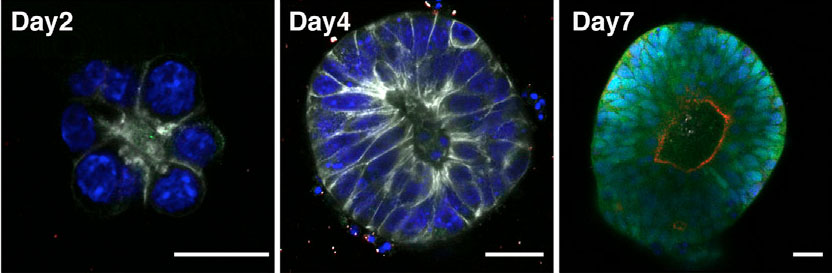
One of these was recently published in Stem Cell Reports by Meinhardt and colleagues. They show that individual embryonic stem cells (stem cells that can become any type of cell in the body), when embedded in a 3D matrix and grown with a medium that induces neural differentiation, can form structures (called neuroepithelial cysts) that mimic early neural development.

In this picture, you can observe mouse embryonic stem cells cultured in the 3D matrix (called Matrigel) for 2 days (left picture), 4 days (middle picture) and 7 days (right picture). Up until day 4 of culture, you can observe a fairly simple “flower” structure with the protein E-cadherin in white and cell nuclei containing DNA in blue. After 7 days in culture, you can observe a more organized structure with a lumen (inside space of a tubular structure) with the proteins Sox1 in green and N-cadherin in red, which are typical markers of ‘neuroepithelial’ cells. Also, the expression of N-cadherin is polarized. From these observations, the authors conclude that in their culture conditions, mouse embryonic stem cells grow into an organized structure of more specialized ‘neuroepithelial’ cells.

Further experiments presented in this study show that both the timing and the developmental steps that are observed during the differentiation of mouse embryonic stem cells into these neuroepithelial cysts are similar to those observed during mouse development. Additionally, they show that upon stimulation with various “morphogenetic” factors (substances governing tissue development and the positions of the various specialized cell types within a tissue) they can obtain structures resembling a patterned neural tube with a dorso/ventral axis.

This study nicely illustrates how 3D stem cell culture systems are an invaluable tool to study the action morphogenetic factors during the development of organs Also, these “mini organs” could also constitute a source of tissues (in this case, the neural tube), which hopefully, one day in the near future, will find their way into real 3D stem cell therapies!


Picture credit:

Meinhardt, A., Eberle, D., Tazaki, A., Ranga, A., Niesche, M., Wilsch-Bräuninger, M., Stec, A., Schackert, G., Lutolf, M., & Tanaka, E. (2014). 3D Reconstitution of the Patterned Neural Tube from Embryonic Stem Cells Stem Cell Reports, 3 (6), 987-999 DOI: 10.1016/j.stemcr.2014.09.020

Thumbs up (2 votes)
Loading...

Tags: , ,
Categories: Research