
The community site for and by
developmental and stem cell biologists

The 8th European Zebrafish Meeting

Posted by , on 25 July 2013

By Leonardo Valdivia and Joaquín Letelier

Here is a report about sessions performed during the 8th European Zebrafish meeting held in Barcelona. The post is divided in different topics to make it easy to read.  Of course we did not cover all sessions and tried to focus on talks related to developmental biology, but we have also included some interesting talks beyond the main topic of the Node. We hope you enjoy it! (as we did).


Advances in Imaging

Vikas Trivedi started the session using two-photon SPIM microscopy to image the developing heart. He showed that during its formation a variety of cells are present in the heart primordium, perform different behaviors and adopt diverse morphology; these cellular features are essential for proper development of this organ. Next, Andrea Bassi showed a new technology for blood flow observation based on optical projection tomography (OPT). By rotating the samples in 360˚ a 3D reconstruction of the vasculature is obtained, which is then used to measure speed and direction of blood cells with no need of fluorescent labeling. Later on, Peter Eimon nicely showed a method for phenotyping embryos using whole animal tomography. With this analysis it is possible to do high resolution reconstruction of the embryos and measure different phenotypic features. Taking advantage of this technique (named hyperdimensional in vivo phenotyping) he showed that drugs that generate craniofacial defects produce similar phenotypic “signatures”. Finally, Gopi Shah showed a 4-lens SPIM system to obtain 2D projection images of a whole embryo in real-time, which allowed deep analysis of early zebrafish development.


Morphogenesis and Organogenesis

One of the recurrent topics in the meeting was morphogenesis. Given the nice and attractive conditions of our favourite model organism, attending these talks was a pleasure for the eyes and the mind.

Caren Norden kicked-off the session with an excellent talk about non-apical dividing progenitors in the developing retina and how the retinal architecture have a role on the emergence of this mode of division; she showed that retinal ganglion cells loss shift mitosis to basal locations, repositioning divisions in the developing retina. Keeping on eye formation, Toshiaki Mochisuki next examined the development of the lens. He explored into the cell dynamic within this structure and how cells change their position over time: cell divisions are the driving force for the cell movement observed during lens development and cell contacts influence cell division orientation and differentiation.

After dealing with the eye, the topic moved into heart developmentIn this part, Emily Noël talked about heart looping; by mutant analysis and explant culture, she proposed a pathway for amplifying a tissue intrinsic looping mechanism. Later on, Nadia Mercader showed beautiful in vivo imaging of heart beating and how this movement controls morphogenesis of the epicardium. She also showed amazing optical tweezing experiments, which allowed her to move single cells in the pericardial cavity. We really enjoyed it.

Esteban Hoijman introduced the next change in focus with a nice in vivo analysis of the inner ear formation. By using a breathtaking live imaging approach he nicely described the hollowing of this structure (lumen expansion), and showed is mediated by an actomyosin mesh and hydrostatic pressure. In the next talk, Nikoalus Obholzer provided a framework for system-level studies of the ear formation creating a 4-dimensional cell-based atlas of the ear. Such a good contribution will be helpful for testing hypothesis about ear formation.

Live imaging kept us amazed in the last two talks. Rachel Verdon presented a detailed view of pronephros development and glomerular filtration, providing a good model for kidney organogenesis. Finally, physics met the early embryo and Amayra Hernandez-Vega showed a dissection of the cellular mechanics driving epiboly, based in hydrodynamics as gastrulation goes on.

The talks provided a very good overview on several systems and a good taste about how the morphogenetic processes can be analyzed from different points of view and using different tools.


Gene Regulation and Genomics

This session started with an encouraging talk by Kerstin Howe from Sanger Institute about new improvements in the zebrafish reference genome that will result in a new version (GRCz10) in early 2014. Next, Todd Townsend introduced a novel method to get gene expression profiles from different tissues during development. His group developed an elegant system (BLRP-Rpl-BirA technology) to capture entire polysomes from specific cells with high affinity. With those samples they can determine which genes are active in confined cells during any developmental stage. Later on, Gustavo Gómez performed ChIPseq and RNAseq analysis to dissect the downstream targets of Etsrp/Etv2, a transcription factor essential for induction of vascular lineages. This work will help unravel new pathways involved in the development of vasculature. Finally, Miler Lee showed how maternal factors are cleared and zygotic genes activated during the maternal to zygotic transition. Using a sequencing approach on wild type and morphant embryos, he is getting deeper in the mechanisms that govern this essential process early in development.


New Technologies for Gene Manipulation

During the last years an explosive growth of new technologies has made fish an outstanding model for gene manipulation. This session provided a good update of some new tricks and resources that all the researchers in our field should know.

In the first talk Peggy Jungke introduced a productive gene trap screen for driving the expression of inducible Cre recombinase in different tissues of the embryo. These new zebrafish lines will allow the researchers to use conditional alleles or lineage-tracing approaches (for example the recently published zebrabow!). You can search for driver lines in http://crezoo.crt-dresden.de/crezoo/.

Carole Gauron was next, who introduced new optogenetic tools to manipulate cellular parameters in single cells or restricted tissues. She was able to induce and report apoptosis with this approach, opening new opportunities for regenerative studies.

It is well known that one of the most popular advantages of the zebrafish is transgenesis and Christian Mosimann introduced a new method to do it. He adapted a system used for single insertions of DNA fragments in predefined locus in fly, a technology that was not available for fish. This opens the possibility for inserting your favourite fragment of DNA in a simple, reliable and rapid manner. It will be helpful to increase the number and position of these landing sites in different fish lines to perform transgenesis in a highly controlled fashion. We look forward to hear more about it.

The next two talks aimed to show and compare current efforts for generating knock-out fish models using different approaches. Raman Sood compared the efficiency of ZFN (Zinc Finger Nucleases) and TALENs (Transcription Activator Like Effector Nucleases), giving useful parameters to keep in mind, especially for labs that are currently starting (or thinking) to work with these powerful custom designed nucleases. The next talk was given by Gaurav Varshney who introduced a new method for mapping insertional elements in the zebrafish genome, from a collection of mutagenised fish via this approach. This work is framed into the ambitious project for mutating all coding element in the zebrafish genome. Gaurav updated the efforts for the insertional mutants and encourage the audience to visit http://research.nhgri.nih.gov/ZInC/ for searching mutants for particular genes. The database is frequently updated, so keep an eye on that.

Finally, Koichi Kawakami (the father of the well known tol2 approach in zebrafish) reported the efforts for a large-scale Gal4 gene trap screening. He showed quite a few examples of specific pattern for those lines, providing reliable driver tools for manipulating UAS driven transgenes. All the lines that he showed (and many others) are available in http://kawakami.lab.nig.ac.jp/ztrap/. Importantly, he encouraged the audience to visit his lab in Japan for screening fish and find new drivers. His group can provide travel grants, so contact Koichi if you are interested!


Brain and Neural Crest Development

In this plenary session one of the most interesting talks (only because we like eye development!) was by Henrik Boije, who showed elegant data relevant to the formation of the retina. Using knockdown and transplantation techniques, he is dissecting how intrinsic and extrinsic factors can alter cell fate during retinal maturation. Next, Myriam Roussigne introduced the role of fgf signaling in the left-right asymmetry of the brain. She based her studies on the parapineal organ, a small group of cells migrating collectively from the midline to the left side of the developing brain. She showed fgf signaling activation restricted to few parapineal cells on the left side could be a key step for migration.

Finally, Angela Nieto showed how newly generated neurons maintain cell-cycle factors in a silenced state, as re-enter to this process leads to neuronal death. She placed scratch2 as a key regulator: knocking down this gene induces postmitotic neurons to the re-enter the cell cycle. Normal expression of scratch2 gene maintains high p57 (cell cycle inhibitor) by downregulation of miR-25.


Stem Cells and Regeneration

Fish has great potential for providing clues about tissue regeneration, something that is missed (or nearly) in mammals. Therefore a lot of attention is paid to understand how we can improve this process taking lessons from our favourite model. In this session the focus were stem cells (which are obviously linked to the regenerative process) and how they are controlled and organised in different context in zebrafish.

In the first talk, Michell Reimer nicely took advantage of combined approaches in fish. He showed that dopamine controls development and regeneration of motor neurons; this idea came up after a drug screen performed in his lab, encouraging the multidisciplinary approaches for finding completely new data. Alessandro Brombin then showed how cells in the brain contribute to the optic tectum and torus semicircularis. By using 4-dimensional time-lapse imaging, he tracked single cells all over the way. Given the recently published zebrabow approach, we can anticipate that similar strategies will be now possible in multiple colours including also cell shape in the equation.

Many of us use finclip for genotyping fish lines and we know empirically that after a few time the missing tissue grows back; fin regeneration is a well-established (and simple) model for tissue regeneration, but importantly it can be also used as a model for vertebrate limb regeneration. Mate Varga explored into the cellular mechanisms controlling this process: he showed that autophagy is increased during caudal fin regeneration in adults and this event is required for carrying out this task. In the same line of research, Rita Mateus explored into how the regenerated fin tissue knows how much to grow; she involved the Hippo pathway and mechanical interaction between the cells as critical players. Both talks were complementary and generated interesting questions.

David Stachura introduced a change from the regeneration topic, performing clonal analysis of hematopoietic stem cells and progenitors (which is a nice model for studying developmental restriction). He presented a successful assay to isolate and enrich hematopoietic progenitors for studying differentiation. In the future, using different and new transgenic lines could nicely complement it.

The next two talks investigated aspects of stem cell biology in the zebrafish retina. Vincent Tropepe talked about a mutant with defects in the ciliary marginal zone, a region in the postembryonic retina that contains stem cells allowing life-long growth of the fish eye. Mutants had an enlarged stem cell niche with decreased differentiation, meaning that the process is blocked in the transition. In the zebrafish eye there is a second stem cell population that is more active during regeneration: the Müller glia. Using a protocol for killing photoreceptors in the adult retinae, David Hyde talked about signals that make Müller glia to re-enter in the cell cycle for contributing to regenerate lost cells. He showed a multistep process in which dying photoreceptors secrete factors that are received by Müller glia, which then also start to produce and secrete them for amplifying the signal. This results in enhanced proliferation that helps to repopulate lost photoreceptor cells.

Finally, Laure Bally-Cuif showed data from an emergent model for neural stem cell biology: the adult pallium. She showed how notch3 dependent signalling gates cell cycle entry and limits neural stem cell amplification, proposing this pathway as an essential node of control.

All the talks were fantastic and covered different aspects from a broad point of view, which were carefully chosen by the organizers.


Cancer

Scientist interested in cancer use different techniques to study the growth, development and migration of tumour cells, and analysis in living organisms is imperative. In recent years, zebrafish has become an attractive model for studying this disease.

In this special session we learned what is currently possible to do with our favourite model organism. The speakers showed a combination of transgenic lines, genetic and molecule screens, and cell biology.

In the first talk Thomas Look emphasised that neuroblastoma is the most common extra cranial solid tumour in children. His group developed different transgenic lines as accurate models for inducing these tumours, which will be ideal for elucidating the cellular mechanisms of the synergy between oncoproteins. The next talk was by Marina Mione who explored post-transcriptional gene regulation by micro-RNAs during cancer transformation, a process by which a normal cell begins behaving like a tumour cell. She focused on melanoma and also generated transgenic lines displaying highly invasive cancer.

One big bottleneck for treatment is when cancer cells become resistant to therapies. Shelly Sorrells addressed this issue analysing mutants for genes involved in the resistant to ionizing radiation. Next, Paul Essers presented data about a zebrafish mutant model for the von Hippe-Lindau tumor suppressor gene and how it is required for the DNA damage response pathway.

Finding new molecules to block metastasis is always a challenge in the fight against cancer and Viviana Gallardo presented efforts towards this end. She showed a rapid in vivo screening for collective and single cell migration inhibitors, using the lateral line primordium (collective migration) and immune cell system (single migration) as they share molecular signatures and migratory behaviour with tumour cells. Some identified compounds showed a strong specific inhibitory effect (including some natural extracts); those results are very promising for finding new pharmacological treatments.

The last talk was by Yi Feng. She introduced another transgenic tumour model and showed astonishing movies of in vivo interaction between leucocytes and tumour cells, with immune cells surrounding and “biting” malignant cells. Amazing.

A big round of applause end up the session and we probably got more questions than answers, which is a good sign of research going forward.

We have to say that the whole meeting was very good organized and all worked perfect. Moreover, key lectures by Sydney Brenner and Denis Duboule were fantastic, showing us how far biology can go.

Now Barcelona is gone, but we look forward to Oslo 2015!

Our best fishes!

Thumbs up (14 votes)
Loading...

Tags: , ,
Categories: Events

Navigate the archive

Use our Advanced Search tool to search and filter posts by date, category, tags and authors.

The Fly Room Project

Posted by , on 24 July 2013

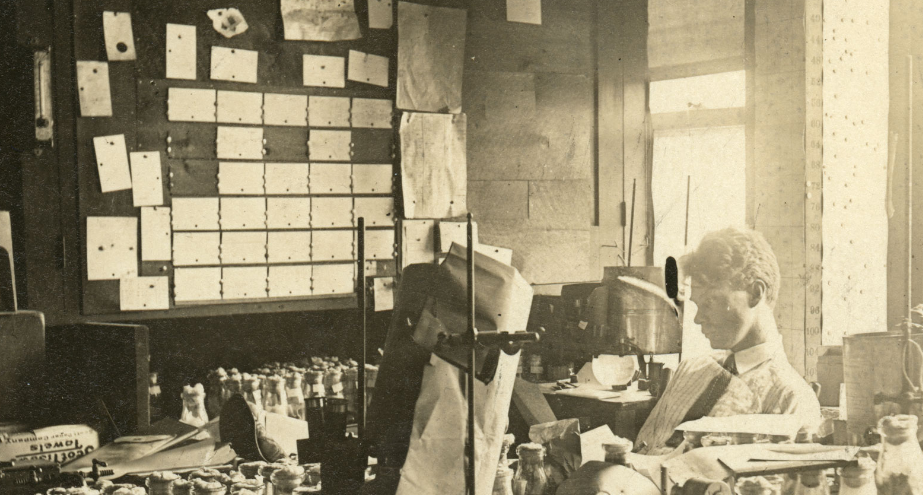
The field of modern genetics owes a lot to the pioneering work of Thomas Hunt Morgan on the little fruit fly. A great part of his work was conducted in a small, busy fly room at Columbia University, famous not only for the great science that was done there but also for its democratic social environment. At least 5 people who worked with Morgan or one of his students went on to win Nobel Prizes, and Morgan himself was awarded the Nobel prize in 1933 for his work on the role of chromosomes in heredity.


The fly room original photo

A new exhibition starting today in New York allows you to visit a reconstructed version of the 1920s fly room- including hundreds of milk bottles with fruit flies, vintage microscopes and original documents from the scientists including index cards with mutant fly drawings. There will also be projections of reenactments of events that happened there and macroscopic images of fruit flies. The exhibition is accompanied by a lecture series focusing on the importance of the discoveries in Morgan’s fly room in today’s research, taking place in the reconstructed room itself.

So whether you are a fly pusher yourself, or just an enthusiastic of the history of science, and you happen to be in New York, why not pop down to Pioneer Works in Brooklyn and visit the exhibition? If you are not lucky enough to have a chance to visit the exhibition, do not despair- the reconstructed fly room has also been used as film set! The feature film ‘The fly room’ focuses on the relationship between one of Morgan’s students, Calvin Bridges, and his 10 year old daughter, and is scheduled to hit cinemas early next year. So look out for it!


Reconstructed fly room


The Fly Room exhibition will be showing at Pioneer Works in Brooklyn, New York from the 24th of July to the 20th of August.

You can find out more about the exhibition and the lecture series here and you can read an article in The Scientist about the feature film or visit the film’s website.

Thumbs up (4 votes)
Loading...

Tags: , ,
Categories: Events

Fish, pharma & flamenco: highlights of the 6th Zebrafish Disease Models workshop

Posted by , on 24 July 2013

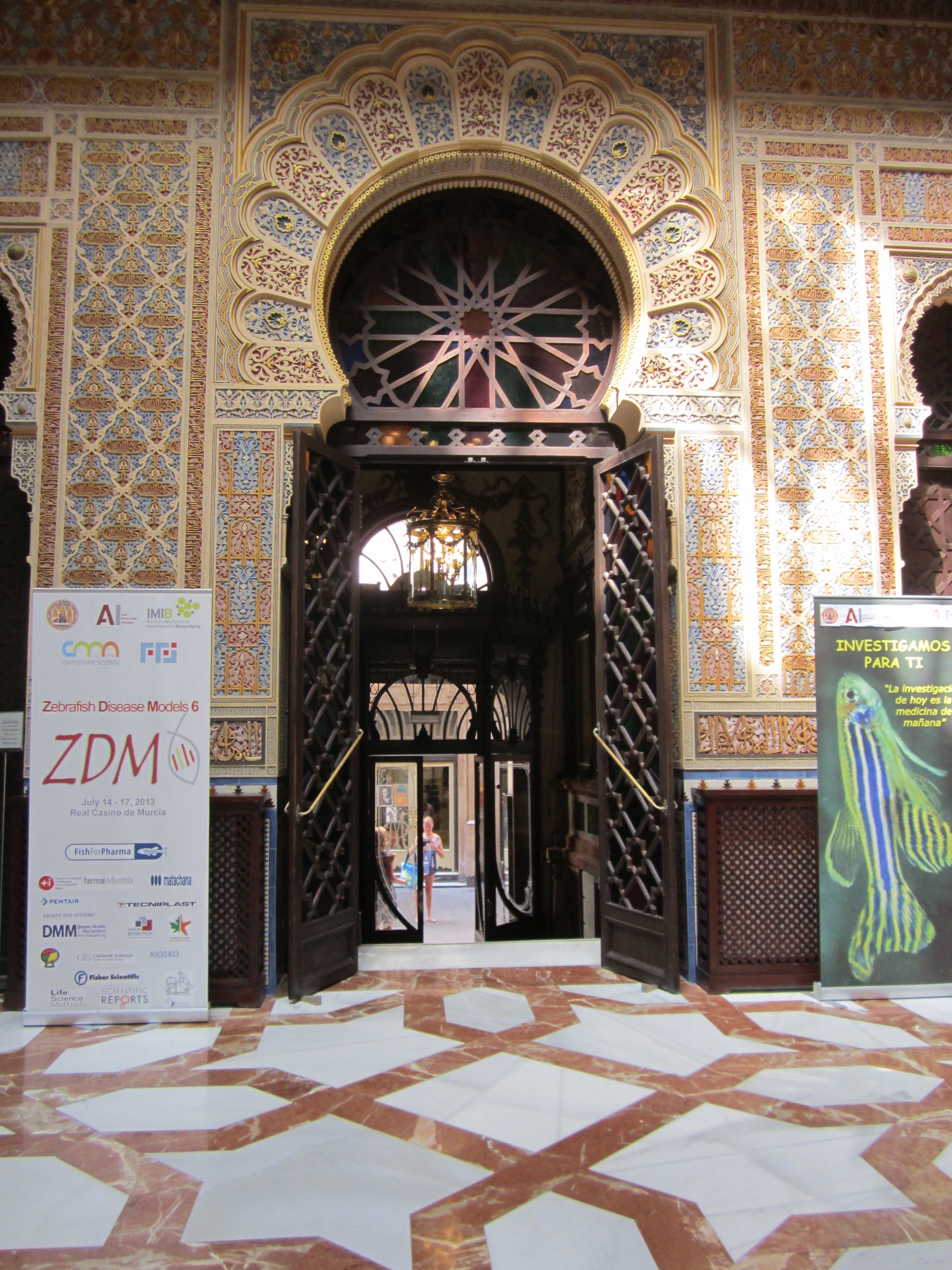
IMG_6220 Set against a beautiful backdrop of baroque architecture and cobbled streets in Murcia, Spain, the 6th Zebrafish Disease Models workshop (ZDM6) kicked off with an awe-inspiring keynote talk on developing therapeutics using zebrafish, given by Leonard Zon. Regaling the audience with the stories behind two approaches that have shown concrete clinical promise since their discovery in the Zon lab – leflunomide-based treatment of melanoma and prostaglandin E2 in transplantation therapy – Leonard provided optimism to this community of researchers seeking to take fish studies from tank to bedside. Moreover, those who had travelled directly from the 8th European Zebrafish meeting in Barcelona, where Leonard had closed the ‘Disease Models’ session, were delighted to hear about previously undisclosed, unpublished work with the potential to translate into novel therapies.

The first part of the meeting focused on haematopoiesis; the overriding themes were the identification of factors involved in the specification and maintenance of haematopoietic stem cells, and the dissection of signalling pathways that specify the critical timing of these events. Several speakers, including David Stachura and Trista North, emphasised that perturbations of haematopoiesis are associated with a variety of human diseases, so efforts to characterise the genetically similar haematopoietic system in zebrafish are important from a clinical, as well as a developmental, point of view.

On a more pragmatic note, Nathan Lawson began a discussion that persisted throughout the workshop on technologies for genetic manipulation of zebrafish. His lab has established and characterised a number of knockout mutants, providing useful models for understanding vascular biology and cardiovascular disease. However, using the analogy ‘the good, the bad and the ugly’, Nathan emphasised that reverse genetics approaches aren’t always successful for the IMG_6340elucidation of gene function, and the frequently observed phenotypic discrepancy between morphants and knockout mutants can lead to inconclusive findings. Many groups are now turning to genome editing technologies such as TALENs and the CRISPR/Cas system to generate new and improved fish models of disease.

Cancer was the major topic of the second part of the meeting. The zebrafish has proven to be an ideal model organism for studying tumour initiation and progression, as highlighted by Liz Patton, who gave an overview of her group’s pioneering work using zebrafish models of malignant melanocyte development. Melanoma incidence continues to rise, and the rate of relapse after therapy is discouragingly high. The identification of cellular factors that can induce melanoma regression is crucial for guiding new therapeutic approaches, as exemplified by the Patton group’s recent discovery of the role of MITF in melanoma onset and survival. As a cancer that can be robustly and reproducibly modelled in zebrafish, several zebrafish-based mechanistic insights into melanoma were presented in subsequent talks. By contrast, Manfred Schartl’s talk focused on the small aquarium fish medaka, which his group has exploited to examine the importance of miRNAs (and other non-coding RNAs) in melanoma pathology. In the Schartl lab, transgenic medaka that present with different types of melanoma in different genetic backgrounds have been generated, providing a unique platform for studying the pathological characteristics underlying various forms of the disease.

Another example of an good model for cancer was described by A. Thomas Look, whose lab recently developed a robust zebrafish model of neuroblastoma, an aggressive cancer of the peripheral sympathetic nervous system that accounts for 10% of all childhood cancer deaths. Using this model, Thomas showed that anaplastic lymphoma kinase (ALK) works in cooperation with the MYCN oncogene to drive neuroblastoma. The group is now using the model to examine synergy between other oncogenes and tumour suppressors in neuroblastoma, and also to determine the functional relevance of polymorphisms implicated by GWAS and sequencing studies. Given that neuroblastoma is clonal in nature, coding mutations are just the tip of the iceberg, stressed Thomas.

Multiple groups have generated zebrafish xenotransplantation models to study cancer. David Langenau, who had prepared two different talks and let the audience vote on which they’d prefer to hear, described how high-throughput transplantation methods in zebrafish can be used to track single cells and investigate cell heterogeneity in cancer. Jason Berman later gave a talk on the use of human tumour xenograft zebrafish models to identify drug targets and test the efficacy of anti-cancer therapies, bolstered by proof-of-principle studies of leukaemia. Claire Lewis’s success in using zebrafish xenotransplantation models to shed light on macrophage regulation of tumour relapse (after therapy) led her to describe herself as a ‘zebrafish convert’, having predominantly worked on mice until recently. Despite recapitulating the tumour microenvironment in a way that in vitro models cannot do, and being a more cost-effective and rapid system than mice xenografts, a discussion that followed several talks on this topic highlighted that further studies are needed to quantify the predictive capacity of zebrafish xenotransplantation models and firmly launch the approach into the pharmacological arena.

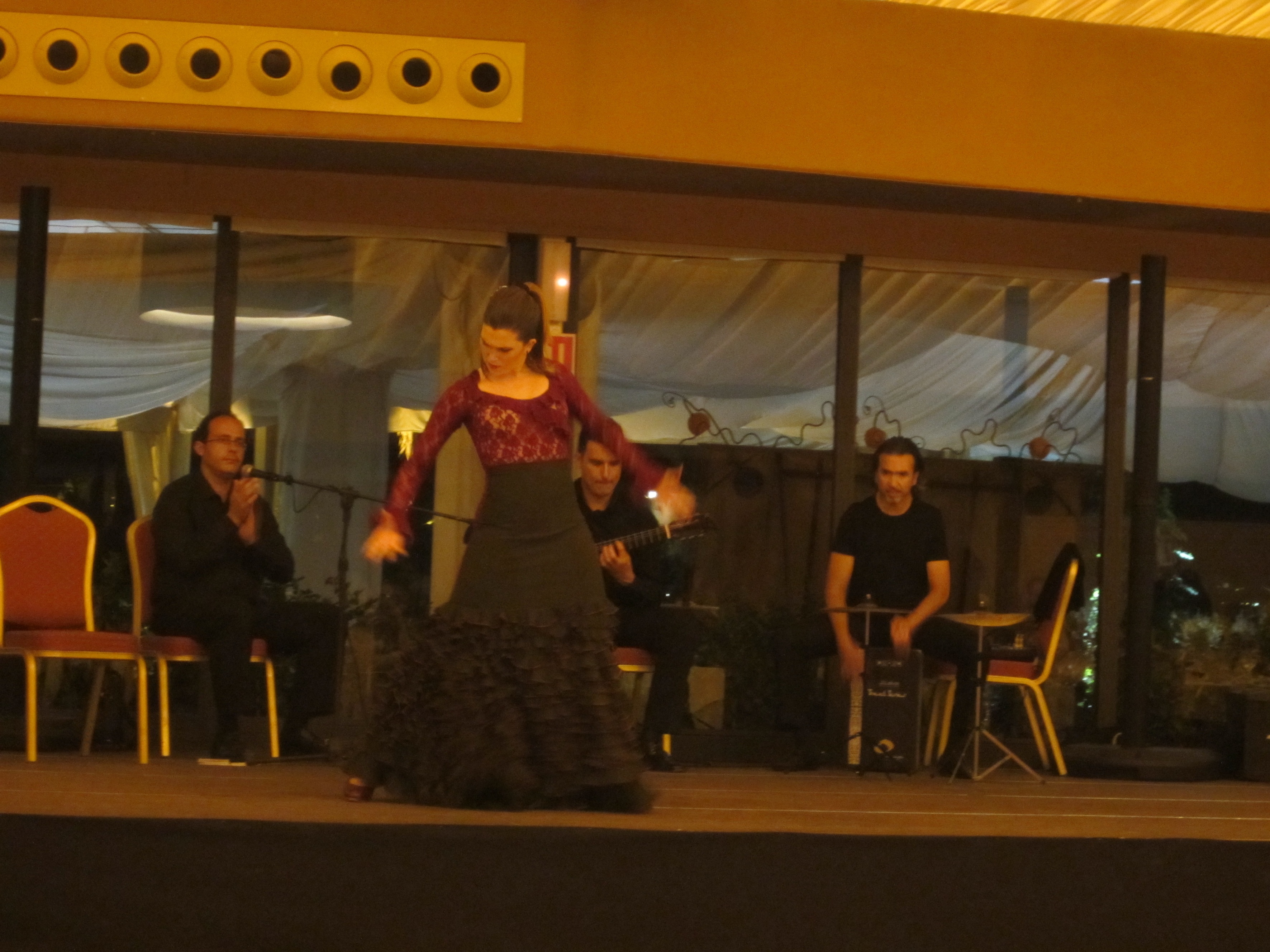
IMG_6294On the final day of the meeting, with the audience looking noticeably bleary-eyed after a night of fine-dining and flamenco dancing that lasted until the early hours, a whirlwind of impressive data were presented on infection and immunity. Annemarie Meijer talked about innate immunological defence mechanisms that, she emphasised, are relevant to all of the diseases discussed at the meeting. Recently, Annemarie and colleagues performed a functional analysis of a zebrafish line with a truncated version of Myd88, a key component in Toll-like receptor signalling. Using this tool, the group showed that the immune response to Salmonella and Mycobacterium infections differs at the level of gene expression, and provided evidence that Myd88 signalling has an important protective role in the early stages of tuberculosis. Talks by Astrid van der Sar and Herman Spaink further demonstrated the utility of zebrafish for modelling tuberculosis, while Serge Mostowy and Robert Wheeler presented data relevant to infection by Shigella flexneri or Candida albicans, respectively. Clearly, the range of infectious diseases that can be modelled using zebrafish is diverse and, frequently, these studies provide insight into immune pathways that are also relevant to complex diseases such as autoimmune disease and cancer.

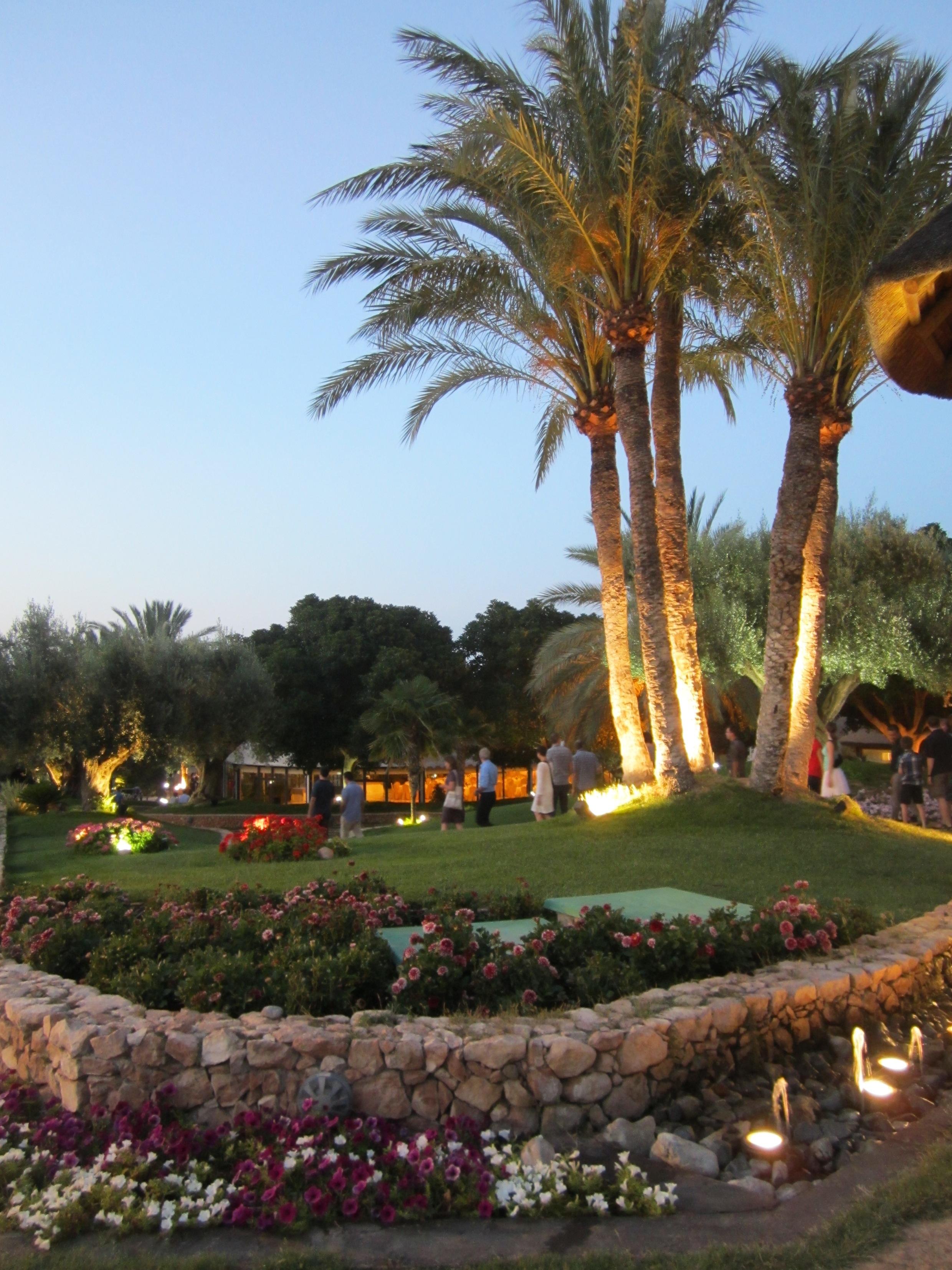
All in all, the combination of an excellent scientific programme and a IMG_6270succession of lively networking events created yet another successful zebrafish disease models workshop. Attendees seemed to unanimously agree that the small size of the meeting and targeted sessions are a winning formula that they hope to emulate again next year, perhaps close in time and location to the 2014 GSA Zebrafish Genetics meeting in Madison, WI. James Amatruda, professor in paediatric oncology research at UT Southwestern Medical Center, and Jill de Jong from the Chicago Center for Childhood Cancer and Blood Diseases will take the baton from Maria L. Cayuela (University Hospital Virgen de la Arrixaca), and Jorge Galindo-Villegas and Victoriano Mulero (University of Murcia) as  organisers of the next meeting. If their enthusiasm for the task matches their zest for flamenco dancing, we are certainly in for a treat! Regardless of the location and format, DMM hopes to support the workshop again in subsequent years.

Paraminder Dhillon, DMM Scientific Editor

Selected DMM articles discussed at the workshop:

Research
Monique Anchelin, Francisca Alcaraz-Pérez, Carlos M. Martínez, Manuel Bernabé-García, Victoriano Mulero, and María L. Cayuela
Premature aging in telomerase-deficient zebrafish
Dis. Model. Mech. 2013, doi:10.1242/dmm.011635

Resource
Michiel van der Vaart, Joost J. van Soest, Herman P. Spaink, and Annemarie H. Meijer
Functional analysis of a zebrafish myd88 mutant identifies key transcriptional components of the innate immune system
Dis. Model. Mech. 2013 6:841-854, doi:10.1242/dmm.010843

Research
Remi L. Gratacap, John F. Rawls, and Robert T. Wheeler
Mucosal candidiasis elicits NF-κB activation, proinflammatory gene expression and localized neutrophilia in zebrafish
Dis. Model. Mech. 2013 dmm.012039; AOP


Read more DMM zebrafish-focused articles here:
http://dmm.biologists.org/site/collections/zebrafish.xhtml


Thumbs up (5 votes)
Loading...

Tags: , , , , , ,
Categories: Events

Principal Technician PS01478

Posted by , on 23 July 2013

Closing Date: 15 March 2021

The Wellcome Trust – Medical Research Council Stem Cell Institute draws together outstanding researchers from 25 stem cell laboratories in Cambridge to form a world-leading centre for stem cell biology and medicine. Scientists in the Institute collaborate to generate new knowledge and understanding of the biology of stem cells and provide the foundation for new medical treatments.


Principal Technician

Salary: £33,230 – £44,607pa


To assist the Institute Administrator in the day-to-day running of the Institute the key aspects of the role are: Leadership, Communication and Problem Solving.

The role holder will be responsible for building maintenance and security, implementation Health and Safety procedures, and organisation and supervision of the Institute’s technical and cleaning staff.  Experience in managing building projects and refurbishments is desirable.

You should be able to demonstrate experience in recruitment, supervision and performance management and will have excellent written and oral communication skills.  You will be responsible for procurement and purchasing of high value goods and services and must have a good understanding of financial accounting processes. Practical experience of computerised accounting packages and familiarity with University Financial System is desirable but training can be provided.

Educated to degree level or equivalent in a biological science or related subject, you will have previous management experience in a senior post in a science-related area in either higher education or industry setting as well as excellent motivational and interpersonal skills. Extensive experience in a biomedical environment including a period of hands on research is essential.

The building is multi-occupancy building and you will act as the Safety Officer for the Stem Cell Institute and the Cambridge Systems Biology Centre and will liaise with the Department of Chemical Engineering and Biotechnology in all matters relating to building maintenance.

To apply, please visit our vacancies webpage:

http://www.stemcells.cam.ac.uk/careers-study/vacancies/

Informal enquiries are also welcome via email: cscrjobs@cscr.cam.ac.uk

Applications must be submitted by 17:00 on the closing date of 8th September 2013.

Interviews will be held week commencing 23rd September 2013. If you have not been invited for interview by Tuesday 17th September 2013, you have not been successful on this occasion.

Thumbs up (No Ratings Yet)
Loading...

Categories: Jobs

Six weeks in Woods Hole

Posted by , on 23 July 2013

Six weeks of Science.

Forty-four days of lectures, discussions and (sometimes crazy) experiments at the bench.

One thousand fifty-six hours in Woods Hole, attending to the 125th Embryology Course organized by MBL.

I look at the pictures taken during this period and I see a time lapse of the development of 24 students who discovered new models, techniques and perspectives to look at their research and at the world.

Which is the answer at the question “What is the Embryology Course in Woods Hole?”

The Embryology Course in Woods Hole is lectures in the auditory room with major experts in the field of development, it is the possibility of getting into a true scientific discussion after the lecture, it is the experiments in the laboratory at each time of the day and night, it is sharing of knowledge and skills and, much more than this, it consists of a continued cultural exchange thanks to the thirteen Countries represented by the 24 students.

During the Embryology Course we had the unique opportunity of using invertebrate and vertebrate models. After sea urchin, nematodes and arthropods (weeks 1 and 2) and then Xenopus, zebrafish, chick and mouse (weeks 3 and 4), we could approach to Cnidaria, Planaria, Spiralians, Ctenophores, Ascidians and Annelids. Most of these animals are non-model organisms for developmental biology and most of us had never worked on them. The laboratory was full of these organisms with uncommon shape and different colors. The week 5 was dedicated to regeneration and transplant. We evaluated the regeneration ability of the anemone Nematostella, of different species of Planaria and we transplanted tissues from one labeled Hydra to another. We spent days doing movies of the ascidian metamorphosis and of fertilized worm egg development. After each experiments, we did antibody staining or in situ hybridization and we spent hours and hours facing the microscope in order to capture our results. Surprisingly this life-style is not hard, your brain is always activate and your body full of adrenalin, and like playing children, we were never ready to go to bed.

But the Embryology Course is also outside the laboratory. On July 4th all Woods Hole was involved in the parade and the Embryology class bring colors and laughs in the street. During these weeks we train both the mind and the body. With great pleasure I can state I belong to the class, that, after many years, won the Softball match “Embryology vs. Physiology”. We were a real good team not only on the softball field but also in the kitchen. In the laboratory we share our skills and in the kitchen we shared the typical foods of our country. On the table there was pasta, salads, sushi, tandoori chicken, guacamole, turkish salad, chocolate cakes and sweets with peanut butter.

And finally, it is arrived, the dreadful final week 6, the last six days in this Wonderland of Science. Alice, the time is over, and you must wake up, even though there are nor Queen neither playing cards running after you-. The time for the cleaning up of your bench is arrived, suddenly.

Thank you Embryology Course, thank you all the student, thank you the faculties, thank you the TAs, thank you MBL, thank you all the people that makes it possible each year and thank you Woods Hole, the watering landscape of this great experience.

I am thinking that exactly one years ago 24 students were leaving this place with our same feelings, scientifically and personally enriched as we are now. How many Embriology Course students look at this sea and say goodbye to this shore? But I hope. I really do hope that the bonds that link us will be more strong than the distance and the time. And maybe one of us will get back as a lecturer or invited speaker for the 150 year Anniversary Symposium.

Above all, I hope that this Course will be organized over and over, because it is a unique occasion for improving knowledge, acquiring new techniques, working with a vast choice of models, interact with experts in the different fields of development.

During the 2013 Embryology Course, we won several times. We won in the softball match and we won as developing researchers. May those will attend to the 2014 Embryology Course feel grateful and satisfied as I feel now.

Thumbs up (7 votes)
Loading...

Tags:
Categories: Events

ESF QuanTissue Workshop

Posted by , on 22 July 2013

The 8th European zebrafish meeting first started with the “ESF QuanTissue” workshop, a 4 hour session where speakers showed current research about basic mechanisms that regulate cellular behavior during morphogenetic processes. Talks were given by outstanding scientists studying in detail mechanistic behind epiboly, rhombomeres and MHB formation, proneuromast assembly, somitogenesis, and tracheal morphogenesis.

In the first talk, Carl-Philipp Heisenberg showed how the Enveloping Cell Layer spreads during epiboly to completely engulf the embryo at the end of gastrulation. Using laser cuts, cell ablation and embryo deformation to induce ectopic tension, he dissected the role of orientation of the mitotic spindle as a key regulator of this process. Then, Guillaume Salbreux and Philippe-Alexandre Pouille, talked about physics behind epiboly, how pulling forces and friction govern the movement of cells during early gastrulation and mediates shape changes.

Next, Cristina Pujades finely showed the role of apical actomyosin cables in cell segregation during rhombomeres boundary formation. Acting as barriers, these cables prevent cells to intermingle between adjacent rhombomere domains. Before the coffee break, Jordi Casanova (the fly “intruder”), showed his beautiful data about how tracheas are formed by migration and cell intercalation during development, a process that require modification of cadherin accumulation to change cell shape and allow cells to execute their normal behavior.

Later on, Mansi Gupta explored the relevance played by the extracellular matrix on the establishment of gradients of secreted factors (like fgf8) during gastrulation. Heparan sulfate molecules perform an active role in gradient formation regulating fgf8 diffusion from it source. Then, Virginie Lecaudey, showed her fantastic work related to dissect signaling pathways required for rosette formation during proneuromast assembly. These rosettes are formed by constriction of the apical side of epithelial cells mediated by fgf signaling. She showed that shroom3 is essential for rosette formation and that this gene act downstream of fgf signaling to promote apical constriction and hence rosette formation in the proneuromast.

Finally Daniele Soroldoni, showed amazing data related to the role of gene expression waves during somitogenesis. He visualized the activity of the segmentation clock and quantitatively compared the rate of somite formation and the release of gene expression waves in the pacemaker region. Surprisingly, he found that the period in the pacemaker region is different to the period of somitogenesis.

Overall, the workshop was very interesting, with high quality talks. The mechanistic behind different processes during development is getting unraveled.

This post is part of a series of posts on the 8th european zebrafish meeting.

Thumbs up (13 votes)
Loading...

Tags: , , ,
Categories: Events

ERC funded Post-doctoral position: Pasteur Institute, Paris

Posted by , on 19 July 2013

Closing Date: 15 March 2021

How stem cells contribute to tissues during growth and regeneration remains largely unknown in vertebrates. Skeletal muscle provides an excellent paradigm to investigate this issue since powerful transcription factors that play important roles in specifying and determining skeletal muscle identity have been identified. The Tajbakhsh lab has a wide range of genetically modified mice and has been investigating this question in the context of developmental and regenerative biology.


Project: Mechanisms regulating asymmetric and symmetric cells divisions in adult muscle stem cells in the mouse. This project follows from previous work in the laboratory demonstrating asymmetric segregation of DNA strands to daughter cells, and direct association of this phenomenon with daughter cell fates (Nature Cell Biology 2006, Nature Reviews Molecular Cellular Biology, 2009; Cell, 2012).


Funding: ERC Advanced Grant. Funding is available for the postdoctoral position for 3 years with the possibility of an extension. Applicants willing to apply for their own independent funding, however, are encouraged to do so.


Requirements: A doctoral degree, strong experience in cellular and molecular biology and microscopy. Proficiency in English is required. Outstanding, highly motivated candidates who are creative minded and independent are encouraged to apply.


Application process: Please send one PDF file to shaht@pasteur.fr with the following:

–  cover letter

– concise summary of previous research activities

– curriculum vitae including the publication list and contact details for 2 referees


Prof. Shahragim Tajbakhsh

Stem Cells and Development

Dept. of Developmental & Stem Cell Biology

Pasteur Institute

25 rue du Dr. Roux

75015, Paris, FRANCE

E-mail:   shaht@pasteur.fr

Thumbs up (No Ratings Yet)
Loading...

Categories: Jobs

Post Doctoral Research Associate Position available in Tooth EvoDevo in UK

Posted by , on 18 July 2013

Closing Date: 15 March 2021

Postdoc: USheffield.SharkEvoDevo

A Post-doctoral Research Associate position is available in evolutionary developmental biology of shark and ray dentitions, Department of Animal and Plant Sciences, University of Sheffield, UK. This is an ideal opportunity for an ambitious Post-doctoral Research Associate to work in the Laboratory of Gareth Fraser at the interface of evolutionary and developmental biology. This project aims to explore novel morphological and genetic methods to understand the evolution and development of tooth patterning and functional mechanisms responsible for tooth regeneration in a comparative framework in sharks and rays. The work will be performed in a large, high profile 5* research department with a strong commitment to research-led teaching. The position is funded by the Natural Environment Research Council (NERC) in collaboration with the Natural History Museum (Dr. Zerina Johanson), King’s Collage London (Prof. Moya Smith) and Birkbeck, University of London (Dr. Charlie Underwood) to study the evolution of chondrichthyan dentitions. The overall aim of the project is to use an integrative evo-devo approach to study the dentition in a major group of jawed vertebrates, the chondrichthyans.

Potential candidates will have a PhD or equivalent experience in evolutionary or developmental biology, preferably in vertebrates, and a track record of publishing in leading specialist or multidisciplinary journals. A strong interest and/or background in evolutionary biology, palaeobiology, developmental biology or regenerative biology would be desirable. The post is fixed-term for 2 years with the potential for extension.

To apply please follow the current vacancies page at: http://bit.ly/1atNZan For informal enquiries about this position and the Department of Animal and Plant Sciences at the University of Sheffield, please contact Dr. Gareth Fraser at: g.fraser@sheffield.ac.uk or 0114 222 4317. Gareth J. Fraser, Ph.D Lecturer in Zoology Department of Animal and Plant Sciences Alfred Denny Building University of Sheffield Western Bank Sheffield S10 2TN UK Phone: +44(0)1142224317 Email: g.fraser@sheffield.ac.uk Website: Fraser Lab Gareth Fraser

Thumbs up (No Ratings Yet)
Loading...

Categories: Jobs

“Working with Zebrafish Genome Resources” Workshop during the 8th European Zebrafish Meeting

Posted by , on 18 July 2013

This was my first time in lovely Barcelona. I travelled from London the day before the zebrafish meeting kicked-off (in order to be well rested and alert for all the talks and posters!). I attended the “Working with Zebrafish Genome Resources” workshop and I have to say it was absolutely helpful for any scientist working with fish (although the same principles taught can be easily applied to other model organisms). The workshop was organized by the Wellcome Trust Sanger Institute crew, which are experts in the field and provide most of the genomics resourced we use everyday in our work.

It started at 10.30 on the first day of the meeting. The workshop was composed of several modules designed to get an overview of each topic with examples explained by the trainers (which we could follow in our own computers) and with proper discussion of theory and methods. After a general introduction, we started with the hands-on learning.

Even if I knew some things about the topics, I was amazed by such an amount of options for analyzing sequences and how useful it is to handle the available genomic tools in a proper way. The first talks were about manual genome annotation and de novo analysis of sequences, covering some basic resources to access sequence information using Entrez and UniProt, Vega browser and some tools for alignment and open reading frame finders; it was all complemented with hands-on worked examples. Even if some of us were familiar with these resources, it was very helpful to understand the theory behind.

The second part was a deep swimming into genome browsing, using Ensembl, NCBI map viewer and UCSC genome browser. We got a nice idea about why it can be useful to look at the whole genome, and we were demonstrated some of the features and applications of this potent tools. It included more worked examples, which nicely complemented the theory about search and retrieve across the whole genome, basic comparative analysis, features around specific genes and chromosomal regions. Overall it was quite useful.

The third module was to learn how to explore gene function and disease, and sequence variation. A useful search for polymorphisms and their consequences on transcripts and proteins was presented, and how biological pathways associated with those gene products can be altered in several conditions. Even if this module was focused on zebrafish data when possible, disease database were primarily concerned with humans, as there is more sequence variation information for our specie than for zebrafish. However this results in a fantastic way to reinforce the importance of favourite model organism for human disease.

The final module was based on deep comparative sequence analysis. We were shown how to retrieve sequences from different organisms to identify putative homologous genes and compare genomic contexts for potential regulatory function. This is a powerful tool when we want to model human diseases and also for generating transgenic animals. The instructors were very helpful when we got our own genomic problematic sequences and were happy to help us analyzing them.

After this module finished, it was time to register in the zebrafish meeting and the garden party was about to start. The enormous effort of the speakers for organizing this workshop (and patience for helping us one by one!), together with the meeting organizers, made possible a successful experience that will have a good impact in the scientific career of those who attended. The instructors said the workshop would be organized again during the zebrafish meeting in Madison on next year and I really recommend registering on it. Thumbs up for the workshop!


This post is part of a series of posts on the 8th european zebrafish meeting.

Thumbs up (6 votes)
Loading...

Tags: , , , ,
Categories: Education, Events

A fantastic trip in Sydney, supported by a Travelling Fellowship

Posted by , on 16 July 2013

With the support from The Company of Biologists, I was lucky to obtain the opportunity to visit Macquaire University in Australia for approximately two months. It was a fantastic trip, and I have made a lot of progress which I think will contribute enormously to my future research-career plans.

I am a master degree student, studying in Jiangxi Agricultural University, China. My research field mainly focuses on the biology of honey bees. In order to apply for the Travelling Fellowship, we designed a research plan on honey bees, aiming to determine whether there is a sub-caste of worker bees who specifically feed queen larvae. We started and finished this project during this trip, and we fortunately obtained very interesting results from our experiments.

First, the background of this study. Whether honey bee young larvae develop into queens or workers depends on the amount and type of food received during early larval development. For instance, the food can differ in  the content of sugar, proteins, vitamins and microRNA. In addition, many previous studies indicated that the division of labor of honey bees depends on the requirements of its social environment. Our previous study on the genetic differentiation between nurses attending worker larvae (AWL) and others attending queen larvae (AQL) revealed that hundreds of genes were significantly differentially expressed between them as well.

However, the results of the behavioral experiment that we completed in this trip indicated that there were no special royal nurses in the honey bee colony when the queen larvae suddenly emerge. Nurses attended both worker larvae and queen larvae. Our results also revealed that there was no difference in age between AQL and AWL. The only difference detected was that AQL were significantly more active in term of attending activities, and needed a short break (couples of minutes) before attendance, whereas AWL could keep on attending worker larvae without any break. These behavioral differences suggest that producing Royal Jelly (which is specifically fed to queen bees and is more nutritive than Workers Jelly), is possibly more labour intensive, but bees are not required to change roles to achieve this. This study highlights a novel model for the interaction between the environmental factors and the division of labor in eusocial insects. Therefore, we aim to publish these results soon, and hope it could be accepted by the journal Molecular Ecology.

Furthermore, during this trip, I have found some differences between the scientists from Australia and China. For example, people from China and Australia do their scientific work in different ways. Chinese researchers consider more the results that they can obtain in their scientific work, whereas Australian focus on the processes of their work more. This difference may reflect different cultures. I have decide to make this difference known to chinese people that I interact with in my future career, as it may help them understand more easily the scientific work outside China, and communicate with scientists of other nations more efficiently.

My English has also improved rapidly during this period studying in Australia, which is enormously helpful for my further career. Thus, I thank the Company of Biologists for giving me a chance to study overseas: thank you! I hope the Travelling Fellowship program can help more people wherever he/she comes from, and more and more Chinese students or young scientists can be supported in the future.


work in Macquiare University

Thumbs up (4 votes)
Loading...

Tags: , , ,
Categories: Funding, Research