preLights is a preprint highlighting service that is centred around a community of early-career researchers. Launched in 2018, this initiative has gained significant attention from researchers as well as the publishing industry, being nominated for an ALPSP Award for Innovation in Publishing in 2019. As preLights nears its 1,000th post, we are looking for the right person to join us for the next phase of community building and the site’s growth and development.
Joining an experienced and successful publishing team, this is an exciting opportunity for an enthusiastic and motivated team player to take a step into publishing or for someone already working in publishing to extend their interest in online communities. Please see the full job description for further details.
To apply, or for more information, contact recruitment@biologists.com. Applications should be received by 31 December 2020, although late applications may be considered. Interviews will be virtual and are expected take place in January. Applicants should be eligible to work in the UK.
preLights, a preprint highlighting service that is centred around a team of early-career researchers, is looking for a new Community Manager.
Launched in 2018, preLights has gained significant attention from researchers as well as the publishing industry, being nominated for an ALPSP Award for Innovation in Publishing in 2019. As we near our 1,000th post, we are looking for the right person to join us for the next phase of community building and the site’s growth and development.
Joining an experienced and successful publishing team, this is an exciting opportunity for an enthusiastic and motivated team player to take a step into publishing or for someone already working in publishing to extend their interest in online communities. Please see the full job description for further details.
To apply, or for more information, contact recruitment@biologists.com. Applications should be received by 31 December 2020, although late applications may be considered. Interviews will be virtual and are expected to take place in January.
The Company of Biologists is also looking for a Features and Reviews Editor for the journal Disease Models & Mechanisms, see the job description here.
We at the Node and Development were greatly saddened to hear about the recent death of Kathryn Anderson, Professor & Chair of the Developmental Biology Program at the Memorial Sloan Kettering Cancer Center in New York,. Kathryn’s lab worked on the genetic pathways directing embryonic patterning and morphogenesis in the mouse embryo.
We also point readers towards this tribute from Tamara Caspary on Twitter – the dozens of replies show how highly the community thought of Kathryn.
I am heartbroken that Kathryn Anderson passed away this morning- at home and in her sleep. My thoughts are with her husband, her lab members and all my colleagues who loved her as I did. 1/n
— Tamara Caspary (she, her, hers) (@TamaraGenes) December 1, 2020
I was lucky enough to interview Kathryn for Development in 2016 – the year she won the SDB Edwin Conklin Medal. She was a generous interviewee and I can still remember sitting in Boston with her, bonding over our shared love of Radiohead!
Earlier in the year, we were similarly saddened to learn about the death of José Luis Gómez-Skarmeta, PI at the Centro Andaluz de Biología del Desarrollo in Seville who worked on vertebrate gene regulation, evolution and morphogenesis.
At the recent SEBD virtual meeting, a session on gene regulation was held to honour José Luis, and the society also announced the launch of the ‘José Luis Gómez-Skarmeta Awards for scientific excellence in Developmental Biology’. This year, the award were won by Manuel Irimia and Alvaro Rada-Iglesias.
Exciting PhD project supervised by Dr Sanchez-Soriano and Dr Alison Twelvetrees through the MRC DiMeN Doctoral Training Partnership on mechanisms of synapse loss during neurodegeneration and ageing.
The aim of this studentship is to understand the processes of ageing and neurodegeneration, through the study of mechanisms of synaptic loss. You will be part of a multidisciplinary collaboration between two experienced groups at the Institute of Systems, Molecular & Integrative Biology (ISMIB, University of Liverpool) and the Sheffield Institute for Translational Neuroscience (SITraN, University of Sheffield).
Nerve cells are organised into complex neuronal networks, wiring the body or brain regions over distances up to a meter away in humans. For this, neurons extend long and thin processes called axons. At the tip of these axons, neurons establish synapses, specialised neuronal cell junctions which contain complex machinery for rapid transmission of signals to partner cells. The maintenance of this synaptic machinery fails during ageing and in disease, and the resulting synaptic malfunction is an important cause for cognitive, sensory and motor decline. Maintaining synapses requires transport of synaptic proteins from the cell body to the distant synapses up to a meter away. The Jun-Kinase (JNK) signalling pathway is a key regulator of this process. Importantly, physiological changes such as oxidative stress typically occurring during ageing and neurodegeneration, alter JNK activation patterns. The goal of this project is to understand how the JNK pathway regulates the transport and precise delivery of synaptic components and how it links to synapse loss occurring during ageing and disease.
This studentship represents a unique opportunity to integrate in vivo models of ageing and neurodegeneration capitalising on the brain of the fruit fly Drosophila as a highly efficient model, together with mouse and rat neuronal models and in vitro reconstitutions assays. Using these systems, you will study the role of JNK during the regulation of intracellular transport and synaptic decay. You will receive training by the two supervisory groups in neuronal cell biology (fly neurons in culture and in vivo in the adult Drosophila brain, primary neuronal culture from mouse and rat), in genetic strategies, in quantitative live imaging of cultured neurons and whole tissue, in analytical methods, techniques required for in vitro reconstitution of transport assays with complementary quantitative analysis. Understanding the causes of synapse decay during ageing or disease is crucial to providing new avenues for therapeutic intervention.
Creative individuals with an eye for detail are encouraged to apply. The successful applicant will be based in the Institute of Systems, Molecular & Integrative Biology supervised by Dr Sánchez-Soriano (sanchezlab.wordpress.com/research), whilst working closely with the SITraN lab, Department of Neuroscience in Sheffield under the supervision of Dr Alison Twelvetrees (www.twelvetreeslab.co.uk). Applications from candidates, ideally with some background in cell biology, genetics, neuroscience and/or biomedical sciences are welcome. Interested applicants should contact Dr Sanchez-Soriano to discuss the project: n.sanchez-soriano@liverpool.ac.uk.
Hand2 delineates mesothelium progenitors and is reactivated in mesothelioma
Karin D. Prummel, Helena L. Crowell, Susan Nieuwenhuize, Eline C. Brombacher, Stephan Daetwyler, Charlotte Soneson, Jelena Kresoja-Rakic, Manuel Ronner, Agnese Kocere, Alexander Ernst, Zahra Labbaf, David E. Clouthier, Anthony B. Firulli, Héctor Sánchez-Iranzo, Rebecca O’Rourke, Erez Raz, Nadia Mercader, Alexa Burger, Emanuela Felley-Bosco, Jan Huisken, Mark D. Robinson, Christian Mosimann
CSF1R-dependent macrophages control postnatal somatic growth and organ maturation
Sahar Keshvari, Melanie Caruso, Lena Batoon, Anuj Sehgal, Ngari Teakle, Omkar L. Patkar, Cameron E. Snell, Chen Chen, Alex Stevenson, Felicity M. Davis, Stephen J. Bush, Clare Pridans, Kim M. Summers, Allison R. Pettit, Katharine M. Irvine, David A. Hume
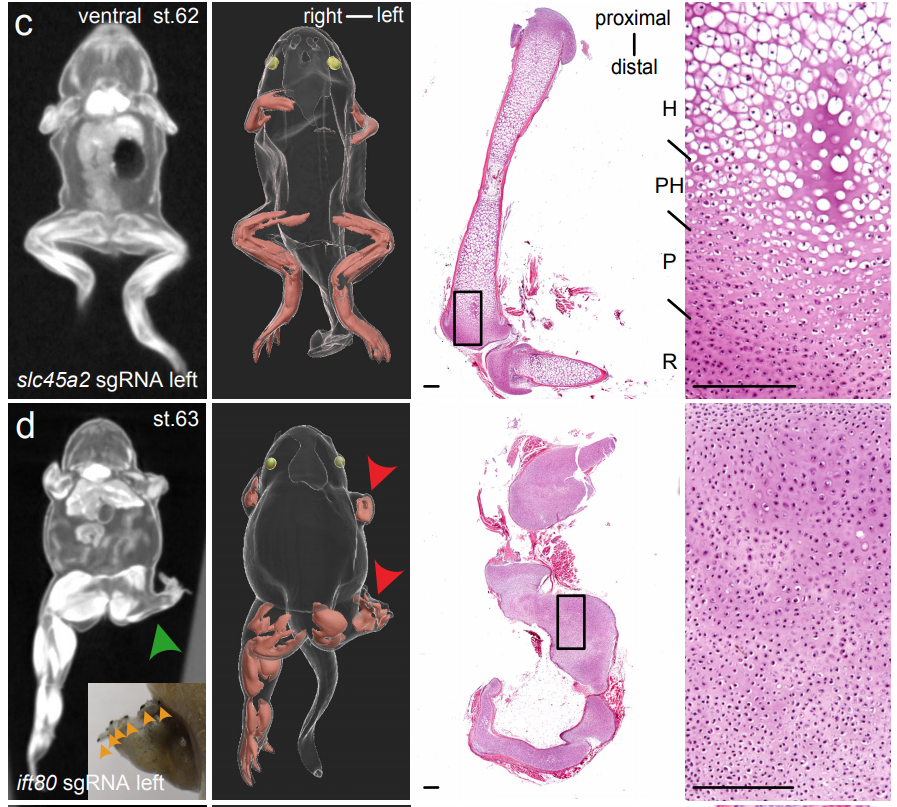
A gene desert required for regulatory control of pleiotropic Shox2 expression and embryonic survival
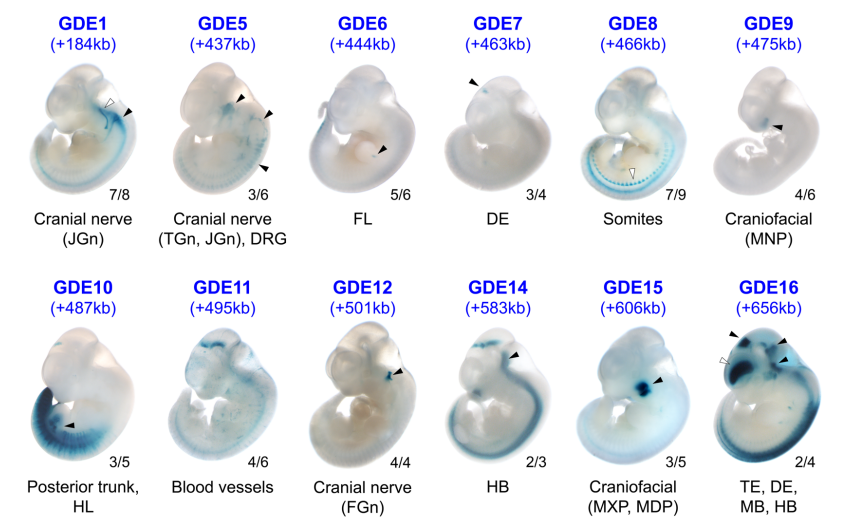
Samuel Abassah-Oppong, Brandon J. Mannion, Virginie Tissières, Eddie Rodríguez-Carballo, Anja Ljubojevic, Fabrice Darbellay, Tabitha A. Festa, Carly S. Sullivan, Guy Kelman, Riana D. Hunter, Catherine S. Novak, Ingrid Plajzer-Frick, Stella Tran, Jennifer A. Akiyama, Iros Barozzi, Guillaume Andrey, Javier Lopez-Rios, Diane E. Dickel, Axel Visel, Len A. Pennacchio, John Cobb, Marco Osterwalder
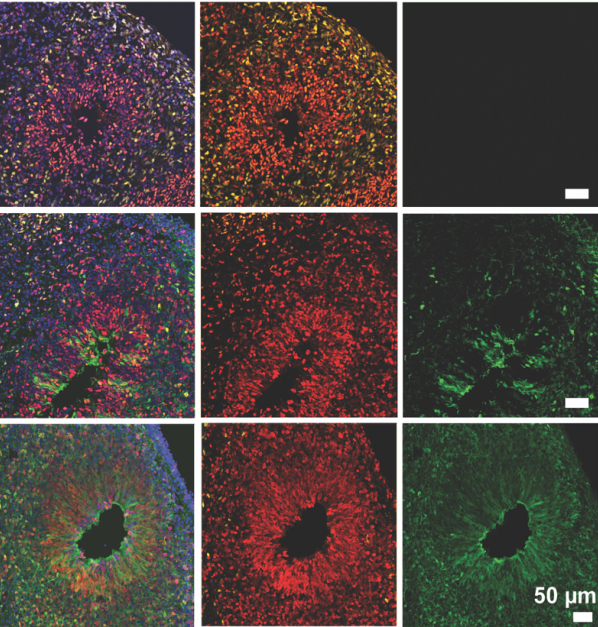
Transcriptional Network Orchestrating Regional Patterning of Cortical Progenitors
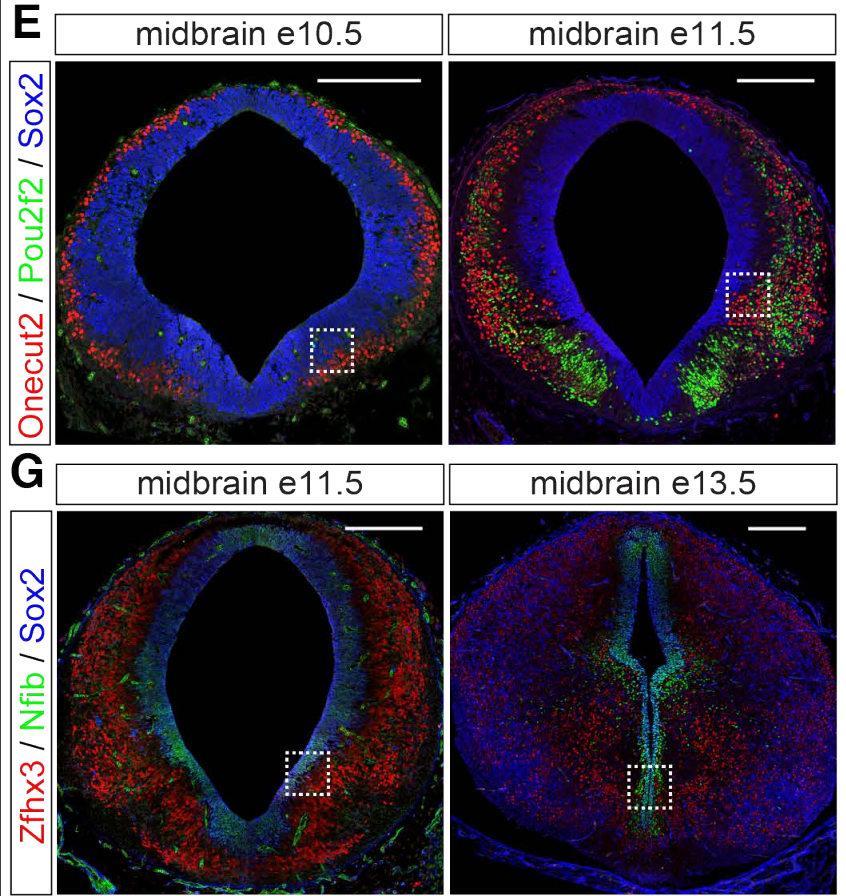
Athéna R Ypsilanti, Kartik Pattabiraman, Rinaldo Catta-Preta, Olga Golonzhka, Susan Lindtner, Ke Tang, Ian Jones, Armen Abnousi, Ivan Juric, Ming Hu, Yin Shen, Diane E Dickel, Axel Visel, Len A Pennachio, Michael Hawrylycz, Carol Thompson, Hongkui Zeng, Iros Barozzi, Alex S Nord, John Rubenstein
Tracking H3K27me3 and H4K20me1 during XCI reveals similarities in enrichment dynamics
Sjoerd J. D. Tjalsma, Mayako Hori, Yuko Sato, Aurelie Bousard, Akito Ohi, Ana Cláudia Raposo, Julia Roensch, Agnes Le Saux, Jumpei Nogami, Kazumitsu Maehara, Tomoya Kujirai, Tetsuya Handa, Sandra Bagés-Arnal, Yasuyuki Ohkawa, Hitoshi Kurumizaka, Simão Teixeira da Rocha, Jan J. Żylicz, Hiroshi Kimura, Edith Heard
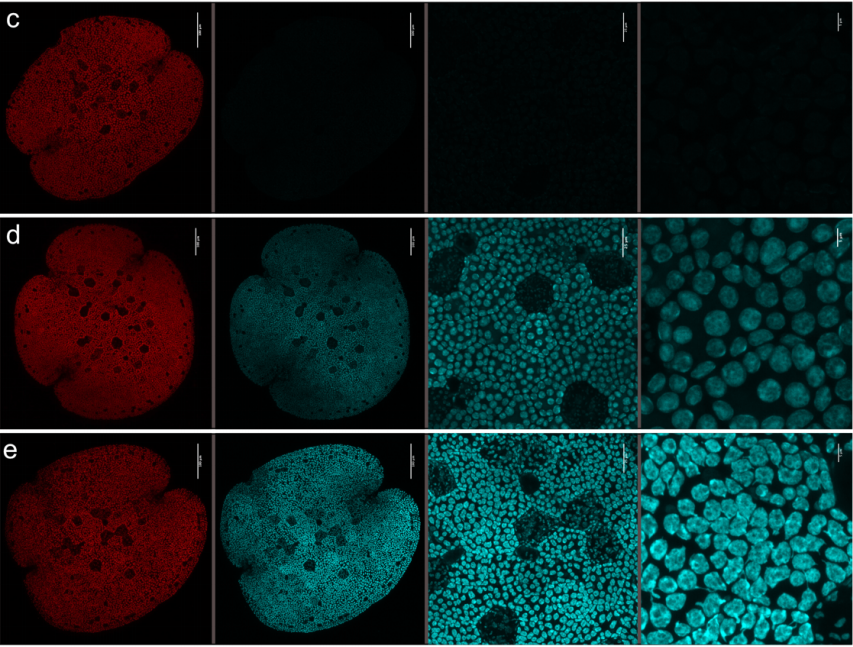
Aberrant gliogenesis and excitation in MEF2C autism patient hiPSC-neurons and cerebral organoids
Dorit Trudler, Swagata Ghatak, James Parker, Maria Talantova, Titas Grabauskas, Sarah Moore Noveral, Mayu Teranaka, Melissa Luevanos, Nima Dolatabadi, Clare Bakker, Kevin Lopez, Abdullah Sultan, Agnes Chan, Yongwook Choi, Riki Kawaguchi, Nicholas Schork, Pawel Stankiewicz, Ivan Garcia-Bassets, Piotr Kozbial, Michael G. Rosenfeld, Nobuki Nakanishi, Daniel H. Geschwind, Shing Fai Chan, Rajesh Ambasudhan, Stuart A. Lipton
Highly multiplexed spatially resolved gene expression profiling of mouse organogenesis
T. Lohoff, S. Ghazanfar, A. Missarova, N. Koulena, N. Pierson, J.A. Griffiths, E.S. Bardot, C.-H.L. Eng, R.C.V. Tyser, R. Argelaguet, C. Guibentif, S. Srinivas, J. Briscoe, B.D. Simons, A.-K. Hadjantonakis, B. Göttgens, W. Reik, J. Nichols, L. Cai, J.C. Marioni
Isotropic 3D electron microscopy reference library of whole cells and tissues
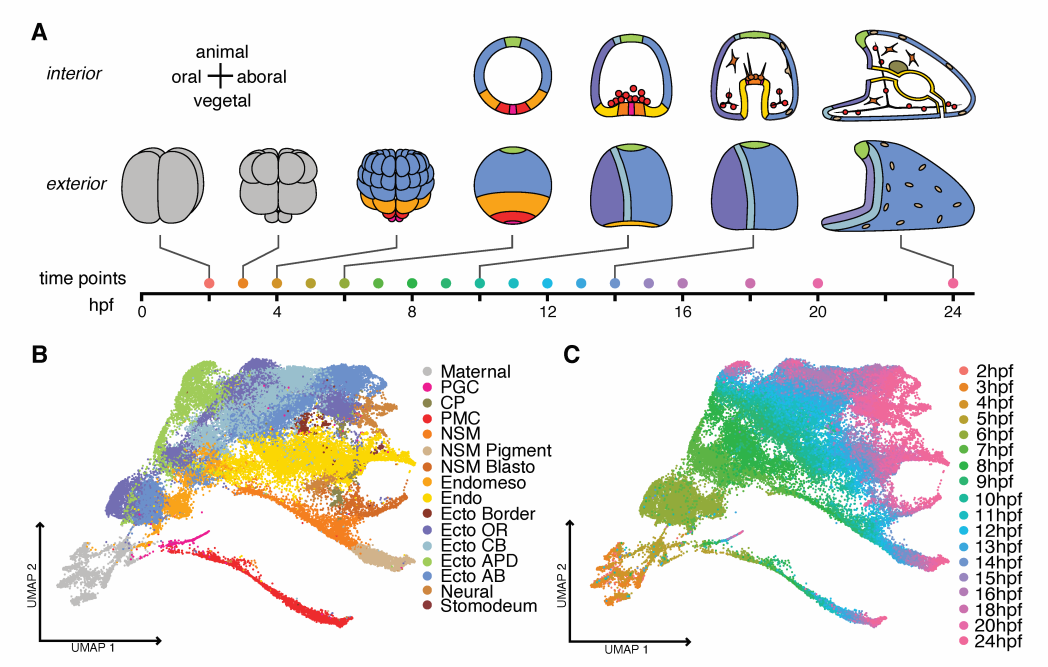
C. Shan Xu, Song Pang, Gleb Shtengel, Andreas Müller, Alex T. Ritter, Huxley K. Hoffman, Shin-ya Takemura, Zhiyuan Lu, H. Amalia Pasolli, Nirmala Iyer, Jeeyun Chung, Davis Bennett, Aubrey V. Weigel, Tobias C. Walther, Robert V. Farese Jr., Schuyler B. van Engelenburg, Ira Mellman, Michele Solimena, Harald F. Hess
Far-red fluorescent genetically encoded calcium ion indicators
Rochelin Dalangin, Mikhail Drobizhev, Rosana S. Molina, Abhi Aggarwal, Ronak Patel, Ahmed S. Abdelfattah, Yufeng Zhao, Jiahui Wu, Kaspar Podgorski, Eric R. Schreiter, Thomas E. Hughes, Robert E. Campbell, Yi Shen
Yesterday we held the third webinar in our new series, this time focusing on plant development and chaired by Development Editor Yrjö Helariutta. Here you’ll find recordings of the talks and their live Q&A sessions moderated by Yrjö.
Marta Mendes (from Lucia Colombo’s lab at the University of Milan)
‘The RNA dependent DNA methylation pathway is required to restrict SPOROCYTELESS/NOZZLE expression to specify a single female germ cell precursor in Arabidopsis’
Marta’s paper is coming out soon in Development.
Krisztina Ötvös (from Eva Benková’s lab at IST Austria)
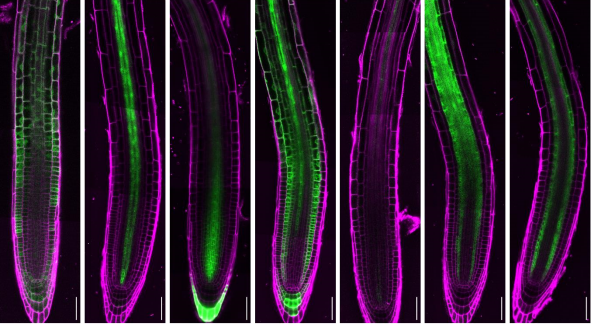
‘Modulation of root growth by nutrient-defined fine-tuning of polar auxin transport’
A postdoctoral position is available from January 2021 in the “Developmental Genetics” laboratory (http://gendev.ulb.ac.be/bellefroidlab/). Our lab studies cortical and sensory neurogenesis. To do this, we use mouse genetics and gain and loss-of-function experiments in Xenopus. We are interested in understanding how some transcription factors we have previously identified as key cell fate determinants in the developing cerebral cortex (Dmrt3 and Dmrt5) and in somatosensory ganglia (Prdm12) function in neuronal specification and to identify novel important regulators of neuronal diversification. The selected candidate will be in charge of testing the functional importance of one recently identified new putative regulator of neuronal diversification. To approach the function of this gene, he/she will use knock-out and conditional overexpressing transgenic mice as well as gain and loss of function experiments in the Xenopus model.
Location
The laboratory is located in the Biopark Charleroi Brussels South in the Institute of Biology and Molecular medicine (IBMM) of the University of Brussels. It is also part of the ULB Neuroscience Institute (UNI – http://uni.ulb.ac.be/groups/developmental-genetics/) that integrates and synergizes brain researchers of all neuroscience perspectives, from molecular and cellular neurobiology to systems / cognitive and clinical neurosciences.
Qualification and experience
We are looking for highly motivated candidates with a background in molecular and developmental neurobiology. Preference will be given to applicants with experience in mouse genetics and/or with the Xenopus model system. The position is opened for one year renewable up to 2 years, starting as January 2021. Fluency in English is mandatory. The ability to speak French is not required.
Application
Interested candidates should send a letter of motivation describing their past research experiences and full CV with the name and e-mail address of 2 references to Eric Bellefroid (ebellefr@ulb.ac.be)
Selected recent related publications:
1. Desiderio et al. (2019). Cell Reports 26, 3522-3536.
2. Desmaris et al. (2018). J. of Neurosci. 38, 9105-9121.
3. Young et al., (2017) PNAS, 114, E5599-E5607
4. De Clercq et al., (2016) Cerebral Cortex, 28, 493-509.
5. Thélie et al., (2015) Development 142, 3416-28.
With this strange and difficult year drawing to a close, I wanted to take the opportunity to update our community on how things have been going at Development through pandemic times. In March, the entire staff of The Company of Biologists decamped from the office and started home working. We’re incredibly lucky to have secure jobs that can be done efficiently from home, and while there have certainly been some challenges with adapting to remote working, things have gone surprisingly smoothly and we have (we hope!) continued to provide a high level of service to our authors and readers.
We have been monitoring our activities and workflows closely since COVID-19 hit, and I have to say that, if you looked just at these metrics, you would hardly know the extent of the disruption we’ve all experienced this year. As labs across the world shut down, we thought we might either see a flood of submissions as researchers had more time to write or – conversely – a significant fall as people had so many other challenges to deal with and/or were unable to finish key experiments. What actually happened was neither of these things: the rate of both initial submissions and revisions has essentially kept pace with previous years.
We thought we might receive more short ‘Report’ format articles as projects were written up earlier than they might have been otherwise, but this has not been the case. For the same reason, we wondered whether there might be a dip in the quality of papers submitted, but editorial rejection and overall acceptance rates have held steady. One thing we have seen is a slight shift in the geographic origin of papers submitted to us, with more papers from China-based authors and fewer from Europe. Whether this is a consequence of the pandemic or a more general trend, though, is hard to tell at this point – particularly given that submissions from China have been growing in recent years anyway.
Something we definitely expected was a slowdown in our decision speeds, especially in the early months. We knew that our editors and reviewers were facing the challenges of closing down their labs and/or making them COVID-safe, moving their teaching and mentoring online and – in many cases – taking on additional caring and home-schooling responsibilities. And we did find that some papers were significantly delayed through editorial assessment and peer review; for those authors that did experience such delays, we’re sorry. But, amazingly, our average turnaround times have remained the same this year as last. And even more impressively, more referees accepted our invitations to review papers, and more of them returned their reports on or before their deadline.
One issue that particularly concerned us was the potential disproportionate effect of the pandemic on women. Several reports earlier in the year suggested that submission rates from women were likely to decrease as they bore the brunt of childcare (see e.g. https://www.nature.com/articles/d41586-020-01294-9). So have we seen any evidence of this at Development? We don’t record author or reviewer gender in our submission system (though this is something we’re working on) so any analysis is necessarily imperfect. But by running names through the genderize.io app, we can get some idea of the gender demographics of our community (I’d note, though, that genderize.io is particularly bad at accurately assigning gender to non-Western names, and of course that this gender assignment is binary and therefore inherently limited). In 2018/2019, 31% of corresponding authors and 48% of first authors for whom gender could confidently be assigned were women. In 2020 (to the end of October), those numbers were 32% and 49%. What about referees? Again looking only at those individuals for whom we could confidently assign gender, 35% were women as compared to 32% in 2018/2019. Pre-pandemic, women were slightly less likely to accept an invitation to review than men, but this year, that trend has reversed. Overall, the data suggest an increasing representation of women among both our author and reviewer pool in recent years, and we hope this trend will continue.
The fact that the metrics for 2020 have looked so ‘normal’ does not mean that researchers have not found the year incredibly tough. Rather, it pays testament to the dedication and resolve of our community to keep going through these difficult times. And while 2021 brings the promise (fingers crossed!) of widely-accessible vaccines, the pandemic is not yet over, and the inevitable economic downturn will present its own financial challenges to the research sector. So I’d like to thank everyone who has contributed to and interacted with the journal this year, and who will do so in the year(s) to come – your support is hugely appreciated.
Unregulated cell proliferation can be disastrous for development and underlies the progression of cancers throughout the lifespan. A new paper in Development dissects the molecular regulation of a key cell proliferation promoter (and infamous oncogene) Myc, using Drosophila as a model system. We caught up with Olga Zaytseva, recent PhD graduate and one of the paper’s first authors, and her supervisor Leonie Quinn, Associate Professor at the John Curtin School of Medical Research in Canberra, to find out more.
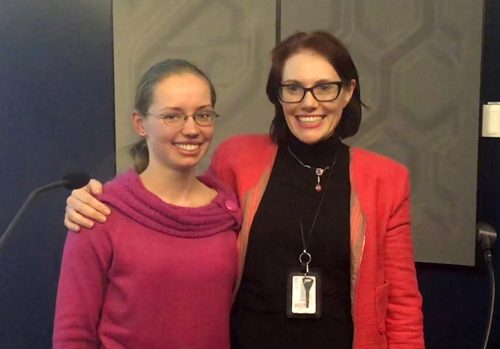
Olga (L) and Leonie (R)
Leonie, can you give us your scientific biography and the questions your lab is trying to answer?
LQ After my PhD studies in Adelaide I conducted postdoctoral research at the Peter MacCallum Cancer Centre, investigating growth and cell cycle control. In 2007, I established my own group at the University of Melbourne, and later relocated to the John Curtin School of Medical Research in Canberra. My laboratory uses Drosophila to elucidate molecular mechanisms patterning cell and tissue growth during animal development. Our interest in RNA-binding proteins ‘moonlighting’ in transcriptional roles began over a decade ago when we demonstrated the splicing factor Hfp inhibits cell growth through transcriptional repression of the master regulator of growth, Myc. Subsequent studies revealed that a second splicing factor, Psi, also interacts with RNA Polymerase II machinery, in this case activating Myc transcription to promote cell and tissue growth. In our current paper, we report that the Argonaute family RNA binding protein, AGO1, functions outside of canonical functions in the miRNA-dependent RNA-induced silencing complex (RISC), repressing Myc transcription to inhibit cell and tissue growth.
And Olga – how did you come to work in Leonie’s lab and what drives your research today?
OZ During my undergraduate studies at Melbourne University on a path to a medical degree, I became particularly fascinated by studies of animal development, so I decided to seek out opportunities for research experience in this area. After seeing several beautiful images of the Drosophila wing on the Quinn lab website, I decided to approach Leonie and with her help I was lucky enough to receive a summer studentship to complete a short project on the roles of the transcription factor ASCIZ, previously uncharacterised in flies. I felt very inspired by Leonie’s passion, and this experience of the excitement and rewards of scientific enquiry motivated me to continue on to Honours and then a PhD degree under Leonie’s supervision. My PhD, which I have recently completed, gained insights into how the transcription regulator and single stranded DNA/RNA binding protein Psi acts to control growth and development. From the studies conducted in our lab, I am particularly interested in how transcription regulators such as Psi are able to control particular networks of genes in different cell and tissue types.
How has your research been affected by the COVID-19 pandemic?
OZ & LQ We feel quite fortunate in Australia, given the low number of cases and the stringent measures taken by the government to prevent the spread of infection and to widely test the population. The preventative lockdown measures meant that we’ve had limited access to the lab for several weeks, but given that many lives have been saved as a result of the restrictions, they are entirely warranted. Procedures are already underway to resume operations which means it’s not too long until our experiments can be gradually commenced again.
Let’s get to your current paper then – what was previously known about the link between Myc, Argonaute proteins and growth control?
OZ & LQ Although Myc is a well-established regulator of cell and tissue growth in both mammals and Drosophila, the links between AGO1 and Myc-driven growth have not been investigated. AGO1 proteins have been most thoroughly characterised as having roles in the RISC, where they are guided by the sequences of particular miRNAs/miRs to degrade target mRNAs. The regulation of Myc mRNA via RISC and miR-308 has been previously demonstrated by Julie Goodliffe’s group in Drosophila embryos; however, many miRs have tissue-specific targets and our work has shown that in the context of the wing, AGO1 does not control Myc via a RISC-dependent mechanism. Our study adds to the body of work that implicates Argonaute proteins in transcriptional control within the nucleus, for example via Polycomb Group transcriptional repressors.
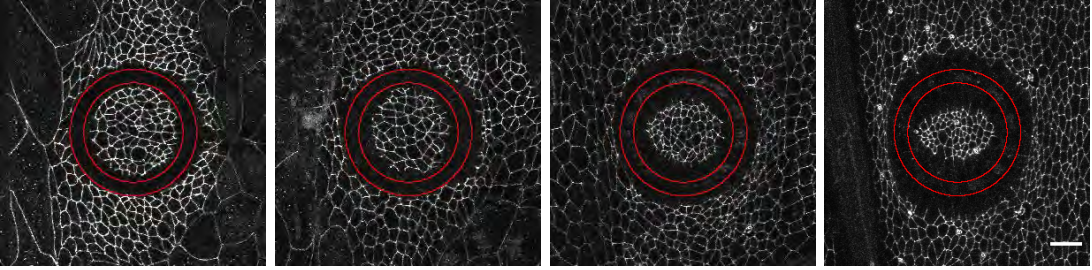
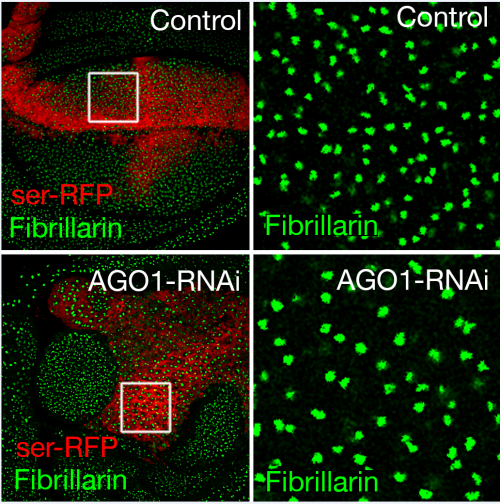
AGO1 knockdown increases nucleolar size.
Can you give us the key results of the paper in a paragraph?
OZ & LQ We have discovered a previously unreported role for AGO1 as a repressor of Myc transcription and, as a result, growth of the Drosophila wing. We depleted AGO1 specifically in the developing wing, and observed strikingly increased ribosome biogenesis, nucleolar size and cell growth. AGO1 physically interacts with a key regulator of Myc transcription, Psi. AGO1 depletion increased Myc mRNA and protein levels, and the overgrowth seen after AGO1 knockdown was dependent on Psi and Myc. Given the roles of AGO1 within RISC, we tested whether Myc was increased via the most likely miR candidates; however we did not observe changes to Myc mRNA after manipulation of miRs. Instead, we saw that AGO1 depletion promotes the RNA Polymerase II transcription of Myc, and that AGO1 directly associates with the Myc promoter.
Do you have clues as to how, at a molecular level, AGO1 inhibits Myc transcription?
OZ & LQ We saw that overgrowth as a result of AGO1 knockdown was dependent on Psi; therefore a likely possibility is that the interaction between AGO1 and the Myc promoter might repress the activity of Psi. The mammalian orthologue of Psi, FUBP1, acts to remodel single-stranded DNA at the MYC promoter which enables maximal RNA Polymerase II transcription. However, links between human AGO1 and FUBP1 have not been studied and would be interesting to follow up in the future. We also saw overlap between AGO1 and Polycomb in the nucleus, and given that previous studies implicated Polycomb in the autorepression of the Myc gene in response to elevated Myc, Polycomb may play a role in AGO1-mediated Myc repression in certain contexts. Furthermore, AGO1 is an RNA-binding protein – the repression of the Myc promoter may occur by recruitment of non-coding RNAs that restrict transcription.
Too much Myc expression is associated with most human cancers – might AGO1 be a useful way to dampen this activity?
OZ & LQ While increased levels of Myc are clearly important for tumour progression, the links between AGO1 and cancer are not well established. Across different tumour types, AGO1 can be either overexpressed or contain loss-of-function mutations, suggesting either oncogenic or tumour suppressive roles depending on the context. The wing epithelium, where we observed tumour suppressive activity of AGO1, provides insights into progression of epithelial tissue cancers such as breast or prostate. A further understanding of how AGO1 is recruited to the Myc promoter would be required to develop strategies that stimulate AGO1 Myc-repressive activity. However, given the potent Myc activation as a result of AGO1 knockdown, harnessing the repressive roles of AGO1 to inhibit cancer growth is an exciting prospect.
When doing the research, did you have any particular result or eureka moment that has stuck with you?
OZ For me, it was seeing the overgrown cells after AGO1 depletion: that was the moment which started the enquiry into how it might occur. Once we began to characterise the phenotype, including elevated ribosomal RNA, ribosomal proteins and increased nucleolar size, we gained more clues that pointed towards a link with Myc. Given the crucial roles Myc plays in many cancers, it’s exciting that we discovered a mechanism which could contribute to cancer progression.
And what about the flipside: any moments of frustration or despair?
OZ When seeking to determine whether AGO1 interacts with chromatin in the Drosophila wing, we initially took a genome-wide approach. However, after making the constructs and performing the sequencing, we didn’t get any enrichment signal, which was quite disappointing. Therefore we looked at the Myc promoter specifically and were able to observe AGO1 binding. However, any clues as to AGO1 transcriptional targets more widely in the cell would have been highly informative, and it’s an experiment we’d like to perform in the future.
What next for you after this paper?
OZ I’m very interested in the protein that led us to AGO1, Psi. Both Psi and the mammalian orthologue FUBP1 appear to play versatile roles in binding RNA and single-stranded DNA at promoters. In fact, there are many examples of proteins that originally were thought to exclusively bind RNA but were subsequently found to associate with DNA as well. This highlights the dynamic nature of DNA, which often doesn’t get considered – the textbook ‘double helix’ is in fact just one of the conformations, while many other arrangements of the DNA strands play significant regulatory roles. Understanding how proteins such as Psi interact with such structures is important for a full picture of transcriptional control. As a first step, we are investigating genome-wide targets of Psi which led us to the discovery that Psi regulates multiple genes with roles in growth and developmental patterning.
There are many examples of proteins that originally were thought to exclusively bind RNA but were subsequently found to associate with DNA as well.
Where will this work take the Quinn lab?
LQ Based on this work we will continue to investigate the nuanced context-dependent control of transcription by single-stranded DNA/RNA-binding proteins, which is a key interest of our lab.
Finally, let’s move outside the lab – what do you like to do in your spare time in Canberra?
LQ I voraciously read non-fiction – history and politics of all flavours.
OZ I enjoy getting outdoors to explore the many parks and forests around Canberra.
Videos of the talks and Q&As can now be found here!
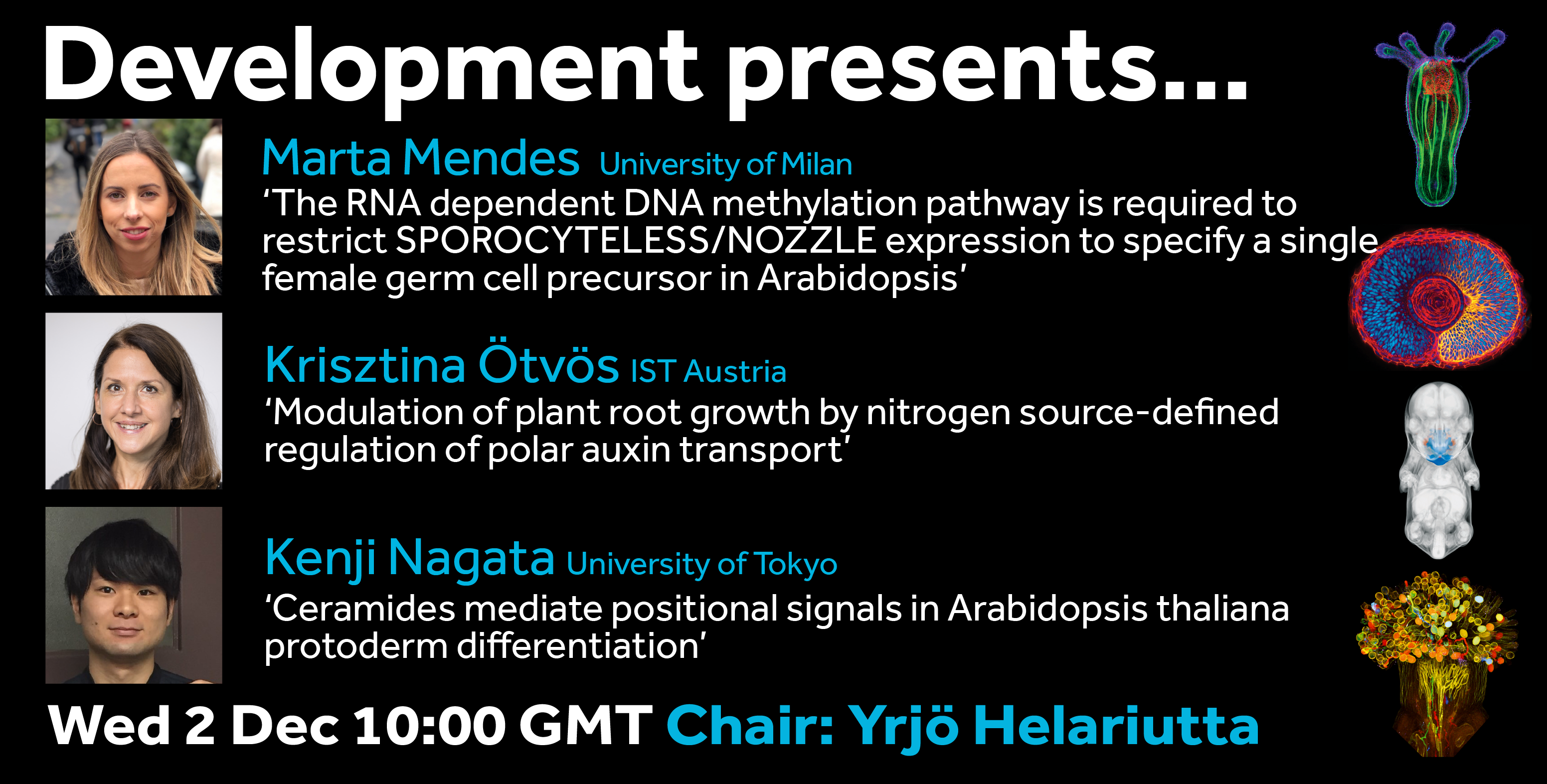
We’re happy to confirm the next in our Development presents… webinar series will be chaired by our Editor Yrjö Helariutta (Sainsbury Laboratory, University of Cambridge / Institute of Biotecnology, University of Helsinki) and features three talks on various aspects of plant development.
Wednesday 2 December 2020 – 10:00 GMT
Marta Mendes (from Lucia Colombo’s lab at the University of Milan)
‘The RNA dependent DNA methylation pathway is required to restrict SPOROCYTELESS/NOZZLE expression to specify a single female germ cell precursor in Arabidopsis’
Krisztina Ötvös (from Eva Benková’s lab at IST Austria)
‘Modulation of root growth by nutrient-defined fine-tuning of polar auxin transport’
Kenji Nagata (from Mitsutomo Abe’s lab at the University of Tokyo)
‘Ceramides mediate positional signals in Arabidopsis thaliana protoderm differentiation’
The webinar will be held in Remo, our browser-based conferencing platform – after the talks you’ll have the chance to meet the speakers and other participants at virtual conference tables. If you can’t make it on the day, talks will be available to watch for a couple of weeks after the event (look out for details on the Node).
For more information about what to expect in Remo, go to