Autoradiograph of the first genetic fingerprint, together with Alec Jeffreys’ lab book describing the experiment. 1984. Wellcome Images, CC-BY 4.0 Via Wikimedia Commons
35 years ago this month, a small team of scientists at the University of Leicester published a paper in the journal Nature that changed the world. Written by Alec Jeffreys, Victoria Wilson and Swee Lay Thein, the title, ‘Hypervariable ‘minisatellite’ regions in human DNA’ and the jargon-filled results talking about dispersed tandem-repeats and allelic variations don’t provide much of a clue unless you know what you’re looking at.
But it’s this last sentence of the abstract that’s the real giveaway: “A probe based on a tandem-repeat of the core sequence can detect many highly variable loci simultaneously and can provide an individual-specific DNA ‘fingerprint’ of general use in human genetic analysis.”
In the latest episode of Genetics Unzipped, we take a look at the story of genetic fingerprinting, and some of the very first ways in which this game-changing technique was put to work.
If you enjoy the show, please do rate and review on Apple podcasts and help to spread the word on social media. And you can always send feedback and suggestions for future episodes and guests to podcast@geneticsunzipped.com Follow us on Twitter – @geneticsunzip
A couple of weeks ago we posted a collection of tweets from scientists about COVID-19. A lot has changed since that time – we in the UK are two days in to our own lock down, along with many parts of the world – and so we thought it would be a good time to share some more perspectives from the science Twittershere in the time of the pandemic. You’ll hopefully find some of it is useful, some thought-provoking, and some light-hearted. Feel free to share any other online nuggets in the comments.
Firstly, remember it’s a pandemic
Dear all in HE: this is NOT an ‘opportunity’ – it is not a ‘great time to write’. It is a global pandemic. People are dying. There is no possibility of ‘business as usual’ and the very idea is abhorrent. This discourse shows how broken things have become.
— Professor Janet Goodall (@janetifimust) March 22, 2020
Academic peeps: I've lived through many disasters. Here is my advice on "productivity". First, play the long game. Your peers who are trying to work as normal right now are going to burn out fast. They're doomed. Make a plan with a longer vision. /1
I'm pretty tired of hearing how we scientists are supposed to be so productive now. Anyone with kids, elderly parents, lab members to worry about, stranded masters students, etc is too stressed and busy to be thinking big thoughts.
Hey fellow PIs. If you are in #COVID19 hotspot area and your institute/University does not have the guts to close down, send the people in your lab home. We Are Scientists. We understand. Unless you are a virologist, your work can wait! Plus, home office can be productive for us.
Hi folks, as no experiments for the next 6-8 weeks, I'm interested in taking some online courses on image processing/analysis, machine learning, Python, ImageJ/Fiji, microscopy, fundamental optics, etc. Any recommendations?
To aid remote teaching & learning as #COVID19 shuts down classrooms, we’re providing free access to all our educational science video content through June 15.
To help beat the stress of COVID quarantine, I'm going to start a thread with fun microscopy-related resources. One a day (from me) to keep things fresh. Please add! #SciTwitter#Microscopy
Dear Post-docs and PhD students, Even if there's no computational (i.e. bioinformatic) aspect to your research, some coding is useful to know. If your lab has closed and you've had time to recover (take care of your emotional needs in such an upheaval) consider learning some!
I've received numerous requests from bench biologists asking for bioinformatics tutorials to work through. In response @sinabooeshaghi and I will teach a #scRNAseq @zoom_us workshop (for up to 300) on Thursday March 26th @ 1pm PST. Join us at https://t.co/5UPjJ3WxlRpic.twitter.com/1spevy08Y4
As we transition to remote work, we look for ways to continue contributing to the research community.
For other #Drosophila folks in a similar situation, when you feel ready, here are just a few ideas:
— DRSC-BTRR & DRSC-TRiP at Harvard Med School (@DRSC_TRiP) March 18, 2020
Folks with invertebrate cultures in your labs- as we reduce/ stop lab work, it would be very helpful to know who has what cultures so we don't lose some. @Hejnol_Lab and I started a google spreadsheet to coordinate – https://t.co/hXa4LoRc3O . Email or dm to get write access
Our lab online-collaborated on this piece, sharing our experience in dealing with the current #COVIDー19 crisis, – hopefully helpful (also in the future). https://t.co/uwnbX5ZTmF
There's lots to do doing a #lablockdown: most importantly staying safe & looking after your mental health. If you plan to use some time thinking about your career, @pcabezaspadilla and I have written an @embl blog article on where to start:https://t.co/ssZLPqqUmK#ecrchat
Tip for online group meeting: on zoom pro we split the group into pairs, and asked them to listen to each other about how the current situation affects them. Effective and fun way to get sympathetic listening.
EEB tweeps: Sad your conference has been cancelled? Still want to meet new colleagues and learn about new science? Bored while social distancing at home and want to gain experience mentoring or peer reviewing? Join our pilot "Zoom-a-review" program @BehavEcol@ASNAmNat (1/6)
. @UCSF peeps: to try to keep some semblance of community, we are replacing the Basic Science Seminar Series with a faculty zoom series. PIs-> please fill out the Doodle poll (yes I know). Trainees-> encourage your PIs to talk about your work. Deadline this Friday. Thanks
The next person who tweets about how productive Isaac Newton was while working from home gets my three year old posted to them. pic.twitter.com/ZPKTyLnEeL
Thinking about home schooling (KS1 Year 1). For science, one fun thing would be to pose a question each week (e.g. "How does evaporation work?"), then help son design experiment, and spend the week doing & writing up together. Other ideas for fun, testable science questions?
Want your homeschooling to include fun, collaborative science experimentation? Read about our impromptu #HomeSci Twitter project! https://t.co/DGZSSvtqk8
Are you a parent trying to find activities for kids home from school? Or someone stuck at home looking for fun distractions? Here are some fun, free science and nature resources you can use at home. I’ll be adding to this list over time.
Pro-tip for couples suddenly working from home together: Get yourselves an imaginary coworker to blame things on. In our apartment, Cheryl keeps leaving her dirty water cups all over the place and we really don't know what to do about her.
— Prof Richard Johnston (@DrRichJohnston) March 18, 2020
The great Bill Wood, with "Six Feet Apart or Six Feet Under." Bill, now retired, was a giant of phage and worm genetics and science education, but was also a folk singer in Cambridge, recording with Joan Baez in 1959. https://t.co/TOeb34riFnpic.twitter.com/jQsgCiG0t2
For all those experimental scientists trapped at home with acute lab-withdrawal here a video to play on loop on your computer. I made a special soothing buffer for you this morning. Students, postdocs & junior faculty you are not alone, together we get through this! pic.twitter.com/PRvL0wojAA
As labs shut down in response to the coronavirus pandemic, some might be unsure of what to do next. Even if your project doesn’t have a computational (i.e. bioinformatic) aspect, knowing some code can still be useful to present your research. Importantly, learning to code is particularly well-suited for the current situation, because there are a lot of free resources online that make it possible to learn by yourself with just a computer.
Before I go any further, I must acknowledge that during this time, many researchers will find themselves in a strange and stressful situation to which everyone will react differently. Although some will see this as an opportunity, others might feel they should be productive and find that they are unable, because they don’t have the resources, emotional energy or time, especially if they’re now taking on additional responsibilities such caring for children full time etc. The suggestions in this post are just that – suggestions – something to do if you are bored. They are not requirements or necessities. Should you feel that you’re under too much of a burden then try something else instead or – and this is important too – just try to rest. Please do not feel that you need to be productive. We should support everyone’s unique situation, rather than compare it our own response and responsibilities.
An additional disclaimer: I am, by no means, a coding expert. The coding languages I suggest are based on the fact that they can be used for universal tasks in academia (and beyond), and that they are simple enough to pick up and produce something useful without knowing the whole language. However, it’s unlikely I’ll be able to help with any specific problems! It’s also important to recognise that coding can be frustrating and time-consuming. Sometimes, it can be a case of a learning through a lot of trial and error, or you might find you copy code without ever understanding how it works. Both are fine and, if want to persevere, remember to be patient with yourself.
Below I’ve introduced three coding languages. To start, I recommend picking just one and setting yourself a small goal of what you would like to do with it. I find that it can sometimes be difficult to know where to start if you’re not really sure what you want to end up with!
1. LaTeX
Pronounced “Lay-tek”, LaTeX is a coding language that is used for preparing, formatting and producing written documents. It can be useful for putting together a formatted version of your preprint or writing your thesis. The bonus here is that, since it is written in code, the file size is quite small, which makes it less likely to crash when producing large documents. It is also great at integrating mathematical equations and figures, and integrates with reference management software to produce bibliographies. Perhaps most importantly, it uses a nice font(!)
The hardest thing about using LaTeX is knowing which software to use. There are several different apps (usually with ‘tex’ somewhere in the name) that allow you to write in LaTeX and compile a document. To be honest, I have no idea which one is best or indeed the difference between them (I use TeXShop). To start off with, I recommend using Overleaf, which is free for personal and uses a web-browser, so no need to download anything. They also provide a number of useful tutorials and walkthroughs to get started. There are also plenty of other research sites that you can find with a quick Google search. To begin with, you could try:
Producing a thesis cover page.
Producing a cover letter for a job application.
Writing your C.V.
Formatting a figure and figure legend.
2. R
R is a very powerful language that can be used for all types of statistical data analysis and presentation. All I know how to do with it, however, is how to turn an excel file into a graph. As R is so powerful, even the introductory resources can be quite complex and quickly dive-in to specialist terminology. I recommend this introductory workshop (still in early phases of being put together) by DataCarpentry. As a side-note they run some great workshops on a number of different coding languages and I would recommend attending if you get the chance. In addition, sometimes it’s best just to Google what you want to do, copy that code and learn yourself through tweaking it here and there. This approach isn’t so different from wet-lab research: imagine, for example, that R is your model organism and your knocking-in and knocking-out genes – with instant results! To start off with you could try:
Producing a bar graph and formatting the font, colours and axes.
HTML provides a basic language for producing websites and CSS is used to make them look better. Some fundamental knowledge of these can help when trying to customise your lab website or formatting a blog post. You don’t need any specialist software, you can just use Notepad or TextEdit to create the file (save the files with .html or .css and they’re converted automatically and will open in your browser), although some programmes do make it easier when starting out by colour-coding parts of code. Again, tons of material is provided online. A good start for learning HTML is provided in this tutorial from w3schools.com and the CSS intro is very good too. As always, Google is your friend. Why not experiment by:
Producing a simple homepage for a website?
Writing a blog post (for the Node, maybe?) introducing some HTML elements?
Presenting your data in a HTML table?
Customising an existing HTML file with your own CSS code?
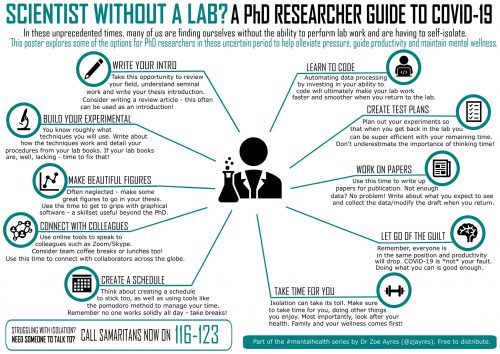
If a group would like to start learning together, it might be a good idea to start a Slack group to support each other! If you have any other suggestions on languages to add to this post, please comment or add to the Twitter thread. For other suggestions for what to do outside of the lab, check out this great infographic from Dr Zoë Ayres. Why not write use your new skills to a post for the Node on one of these ideas?
Last week, I and the rest of the Development team said goodbye to our lovely office, and a new era of remote working has begun. But we’re lucky – editorial work can (we hope!) proceed pretty much as normal from our desks at home. Of course, things are not so easy for researchers: shutting down a lab means a lot more than moving your monitor and keyboard to a new location and figuring out the best ways to maintain good communication with your colleagues.
Across the globe, normal life and normal work is on hold for the foreseeable future, and – while there are far more important things to worry about – this will inevitably impact on researchers’ ability to publish their work. The Development editorial team has been thinking about what we can do to support our community during this time, and we’ve just released the following statement (which you can also read here):
We are of course aware that the COVID-19 pandemic is having an unprecedented impact on researchers worldwide, with many labs shutting down either partially or fully. The Editors of all The Company of Biologists’ journals have been considering ways in which we can alleviate concerns that members of our community may have around publishing activities during this time. Here, we detail the actions we are taking at this point:
Any reviewer or author unable to meet deadlines set by the journal should contact the editorial office and we will be able to extend your deadline. Our Academic Editors may also be somewhat delayed in handling papers as they deal with pressing matters – we hope that all parties will recognise the need for increased flexibility with timelines during this period. Please note that reviewers will still receive automated reminders from our system, but these are not intended to put you under increased pressure so please just let us now if you need extra time.
Our scoop protection policy means you don’t need to worry about being scooped once you’ve submitted your manuscript – even if your revisions take longer than expected. Moreover, we will not necessarily reject a new submission if a competing paper has just been published: in these cases, we encourage authors to contact us to discuss how to proceed.
We ask that reviewers bear in mind that authors may be unable to conduct experimental revisions for a paper. Obviously the journal needs to ensure that submissions are held to the same standards as usual, and that all conclusions drawn in a paper are supported by the data presented, but ask reviewers to limit requests for experimental revisions to those they deem essential for publication in the journal.
Where authors are concerned about their ability to respond to reviewers’ reports, we encourage you to contact the editorial office to discuss their revision further. Please send us a point-by-point response indicating where you are able to address concerns raised (either experimentally or by changes to the text) and where you will not be able to do so within the normal timeframe of a revision. The editor will then provide further guidance.
We hope these policies will help to support authors during these difficult times; we will continue to review the situation going forwards. Please don’t hesitate to contact the editorial office if you have any questions or concerns.
And at this time when many researchers are unable to conduct experiments, remember that Development welcomes the submission of purely computational or theoretical papers!
As many of you will be aware, The Company of Biologists also organises workshops and meetings that have been affected by the pandemic. All our events through to the end of July have been postponed, and we will continue to review the situation for events later in the year. We’re still hoping to be able to hold our ‘From Stem Cells to Human Development’ meeting in September, but recognise that no-one wants to be booking conferences at this time and so have made some changes to our deadlines and registration process – you can find more information on this here.
In these crazy times, communities (be they personal or professional) seem more important than ever – so while we won’t be meeting in person any time soon, I’m looking forward to seeing the innovative ways we’ll find to interact virtually, and I’d be happy to hear any ideas you may have about how Development and The Node can help with this. Feel free to comment below, get in touch on twitter (@katemmabrown1) or drop me an email.
And in the meantime, stay safe, stay at home and wash your hands!
CENTURI is recruiting up to 8 Postdocs to start in October 2020, for two years! Recruited candidates will join our vibrant interdisciplinary community in Marseille (France).
Applications to our call will be open until April 17. Candidates can either apply to one of the advertised CENTURI projects or submit their own project, providing that they meet the application criteria and that their application is supported by at least 2 host labs.
In-person interviews for shortlisted candidates will take place onJune 18 and 19.
Please note that due to the current health situation, the in-person interviews might be replaced with visioconferences.
Postdoctoral fellows will work in an interdisciplinary life science environment, and have backgrounds in any of the following fields: cell or developmental biology, immunology, neurobiology, biophysics, theoretical physics, computer science, bioinformatics, applied mathematics, engineering.
Postdoctoral fellows will be co-supervised by two or three supervisors from our community.
Our Postdoc call 2020 agenda:
Publication of projects and opening of the call for candidates: March 17 – April 17, 2020
Preselection of candidates (PIs and ad hoc committee): April 20 – May 8, 2020
CENTURI brings together leading institutes in biology, physics, mathematics, computer science and engineering to decipher the complexity and dynamics of living systems. CENTURI offers an exceptional international environment for the development of interdisciplinary projects, in developmental biology, immunology and neurosciences.
CENTURI is mainly located on the Luminy campus of Aix-Marseille University and is affiliated to Aix- Marseille University, CNRS, INSERM and École Centrale Marseille.
BSDB/GenSoc 2020 had a fantastic planned line up of plenary speakers. Over the past three days we managed to sit down for a virtual chat with five of them – in these short videos, you’ll hear about their science, their connection to the BSDB, how the coronavirus has been affecting their labs, and more.
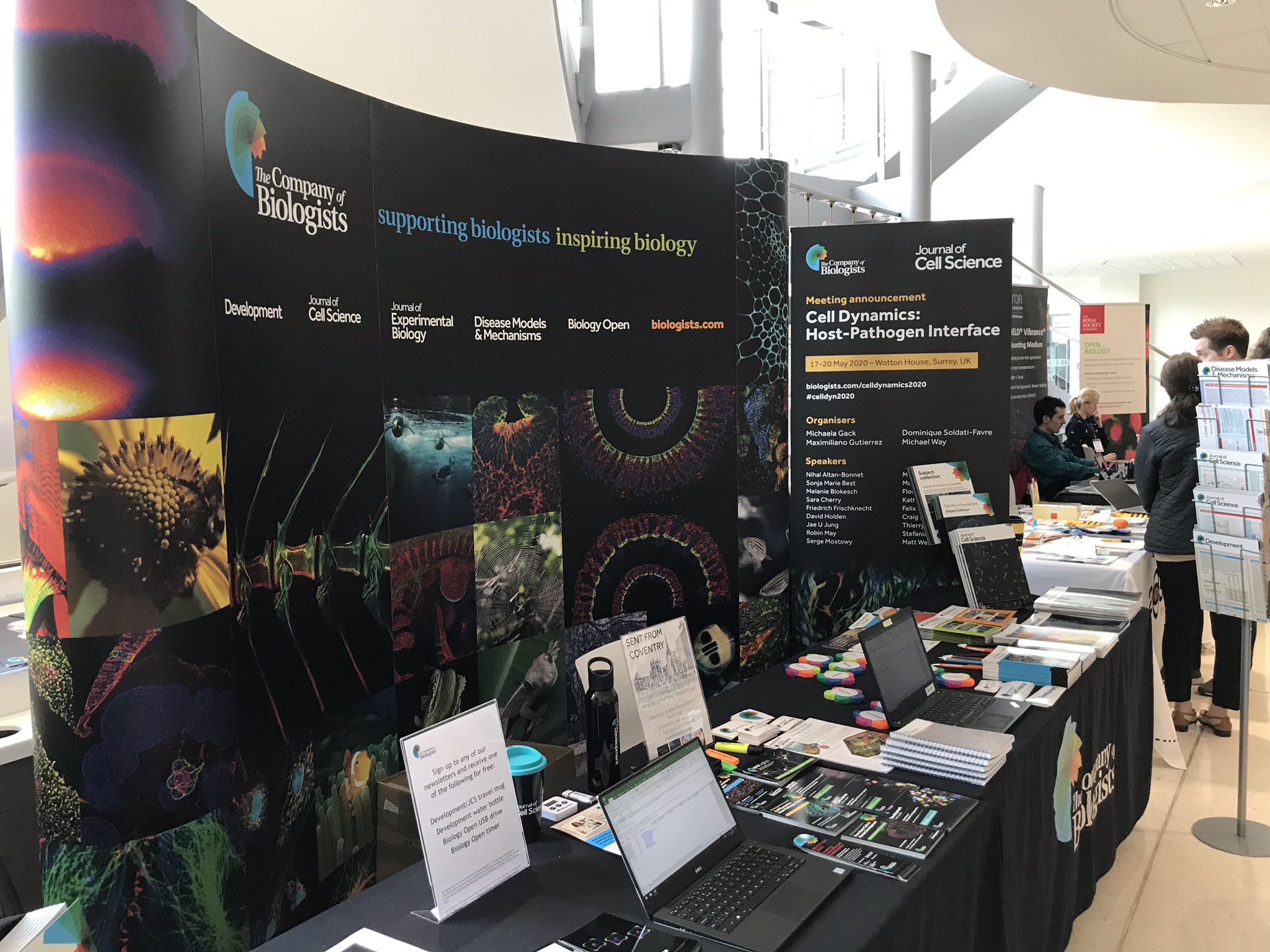
Exhibitors are crucial to fund society conferences like BSDB/Gensoc 2020, and since they did not have the chance to promote themselves in person, here we are showcasing some of them (the post will be added to as more come in, as they understandably have a lot on their plate right now!)
Who are you and what do you do?
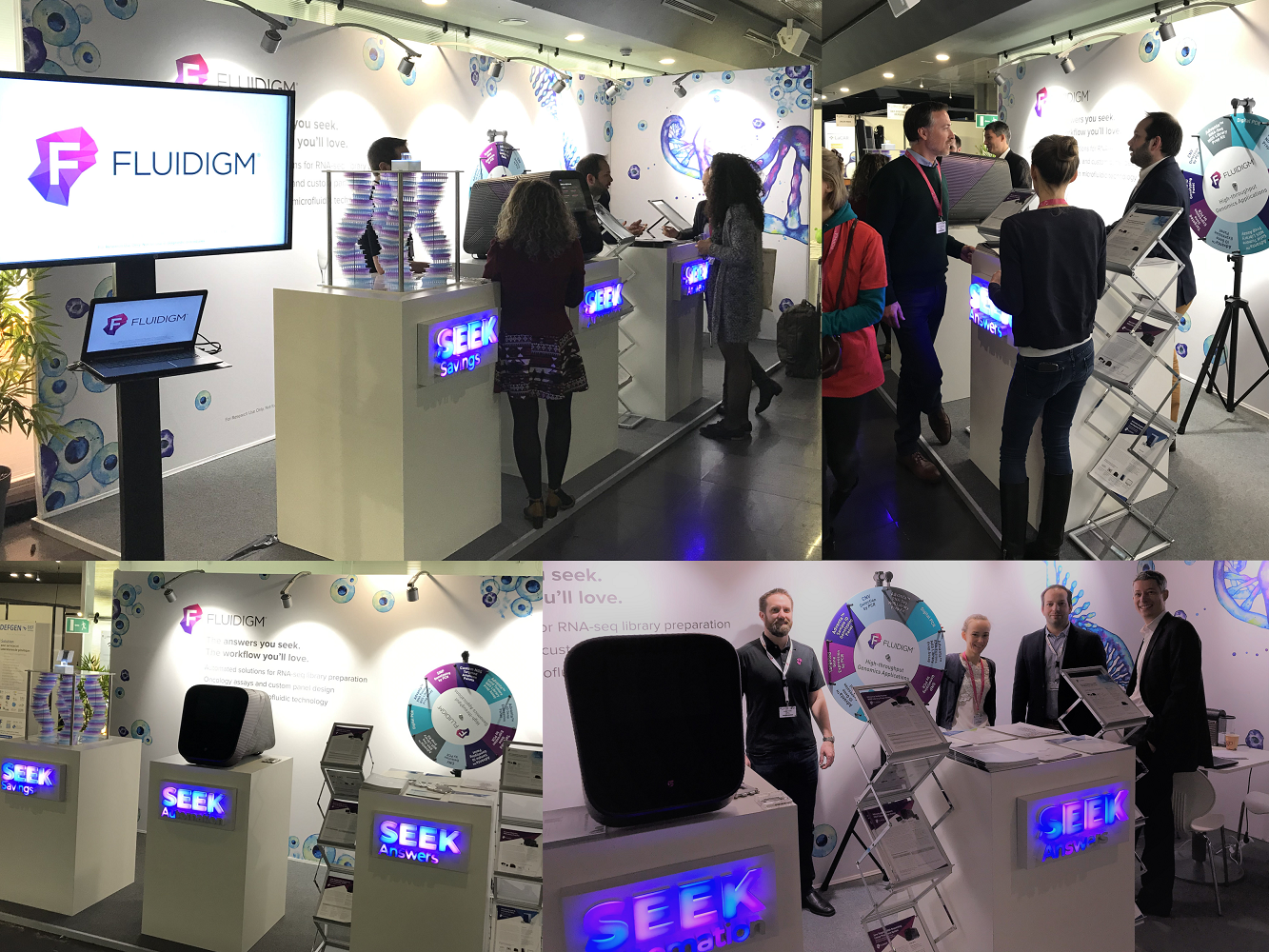
Fluidigm develops, manufactures, and markets research products for life science analytical and preparatory systems for use in mass cytometry, high-throughput genomics, and single‑cell genomics applications.
Why were you planning to exhibit at the BSDB/GenSoc meeting this year – how is this community important to you?
Fluidigm offers solutions for people using PCR-based approaches to study SNPs, gene expression changes, copy number variations, and more. At this year’s meeting, we planned to introduce our newest microfluidics product for RNA-Seq Library Preparation on our Juno System. Our solution provides walkaway automation and significant cost savings to researchers who routinely use this application.
If you could get one message across to people registered for the meeting, what would it be?
Our systems are based on proprietary microfluidics technology and are designed to significantly simplify experimental workflow, increase throughput, and reduce costs while providing excellent data quality.
Is there anything else you’d like to share with the BSDB and Genetics Society communities?
You can read about how Dr. Scott Magness at the University of North Carolina School of Medicine has implemented the Advanta RNA-Seq NGS Library Prep Workflow in his laboratory to study intestinal stem cells in 2D model systems, stating that the Advanta system was a “game changer” for their experimental needs.
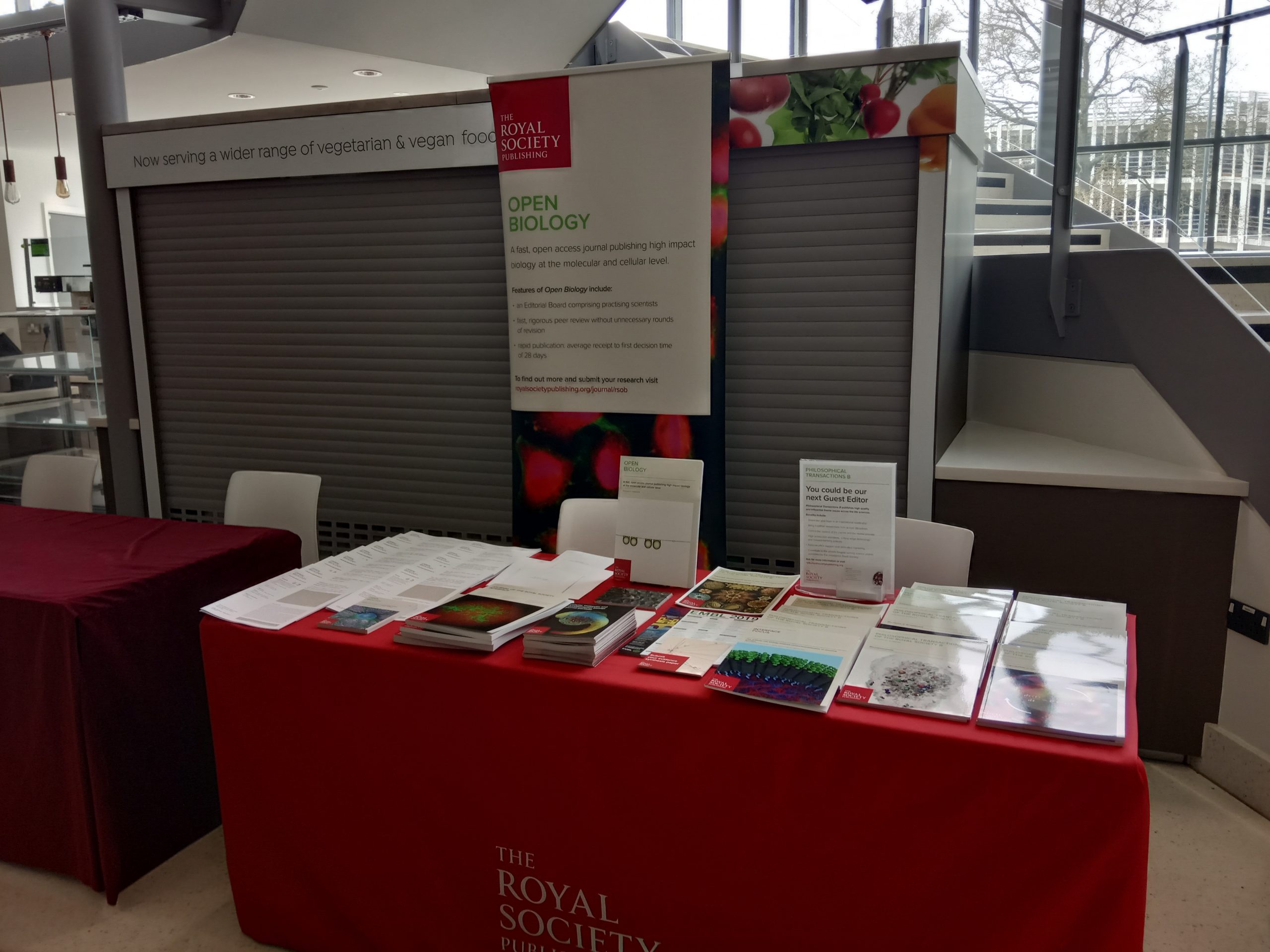
The Royal Society is a charitable organisation that recognises, promotes, and supports excellence in science.
Why were you planning to exhibit at the BSDB/GenSoc meeting this year – how is this community important to you?
We’re regularly attendees and are particularly excited that this year’s meeting joins the Genetics and Developmental Biology community. Our aim is to inform these communities about how we support international collaboration and demonstrate the importance of science to everyone through our publications and wider activities.
If you could get one message across to people registered for the meeting, what would it be?
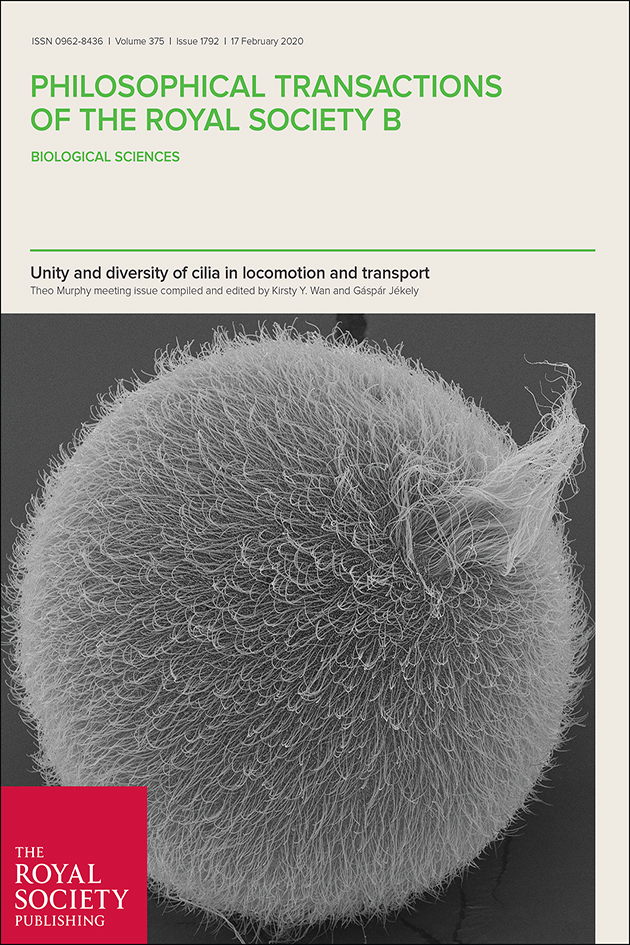
Our international journals publish high quality science and provide an excellent service to our authors and readers. Open Biology, Proceedings B, Biology Letters, Royal Society Open Science and Philosophical Transactions B – offer publishing options for research, reviews and theme issues within Developmental Biology and Genetics.
Is there anything else you’d like to share with the BSDB and Genetics Society communities?
Reasons to choose our journals include: articles handled by expert biologists; rapid processing; rigorous review; open access, open data, and Registered Reports available. We will also be launching a new article type on Open Biology called ‘Open Questions’ which highlights current advances in an area of biomedical science that is developing quickly and ripe for discovery https://royalsocietypublishing.org/rsob/for-authors#question1
How can people sign up to find out more about your company and products/services?
Why were you planning to exhibit at the BSDB/GenSoc meeting this year – how is this community important to you?
We’re at this meeting every year – as a publisher of community journals it’s a very important opportunity for us to engage with the developmental biology community and find out how we can better understand and support their needs.
If you could get one message across to people registered for the meeting, what would it be?
We’re a not-for-profit organisation dedicated to supporting biologists in many ways: from providing a smooth publishing journey to connecting people through our community websites; from offering meeting grants and travelling fellowships to organising workshops and meetings.
Is there anything else you’d like to share with the BSDB and Genetics Society communities?
We’ve recently launched the Node Network, a global directory of developmental and stem cell biologists, designed to help find speakers, referees, panel members and potential collaborators. Find out more at https://thenode.biologists.com/network/
How can people sign up to find out more about your company and products/services? (Give us the URL)
The BSDB/GenSoc meeting’s cancellation left organisers and us thinking about ways to try to replicate some of it online. Over on Twitter it’s been a blast – just look at #BSDBGenSoc2020 where you’ll find speaker profiles, poster sessions (which we also put on the Node: I and II), and lots of discussions. But what about talks? One option would have been to set up sessions of video conferenced talks – but we didn’t have the time, and even if we had, many if not most speakers have too much on their plate to commit to giving one. What we did instead was send out a call for people to submit their talks, in any form, and got a great response.
If you have any questions for the speakers and can’t find their contacts online, let us know and we’ll send the message on!
eTalks and teasers
Peter Sarkies – Epi-Evo: New insights into epigenetic regulation through evolutionary analyses
Peter used PowerPoint’s record function to give the talk he was due to give in the ‘Evolution of Development’ session.
Filipa Simões – New target identified for repairing the heart after heart attack
Filipa uploaded a video of her discussing the work she would have presented at the meeting (she also uploaded a poster).
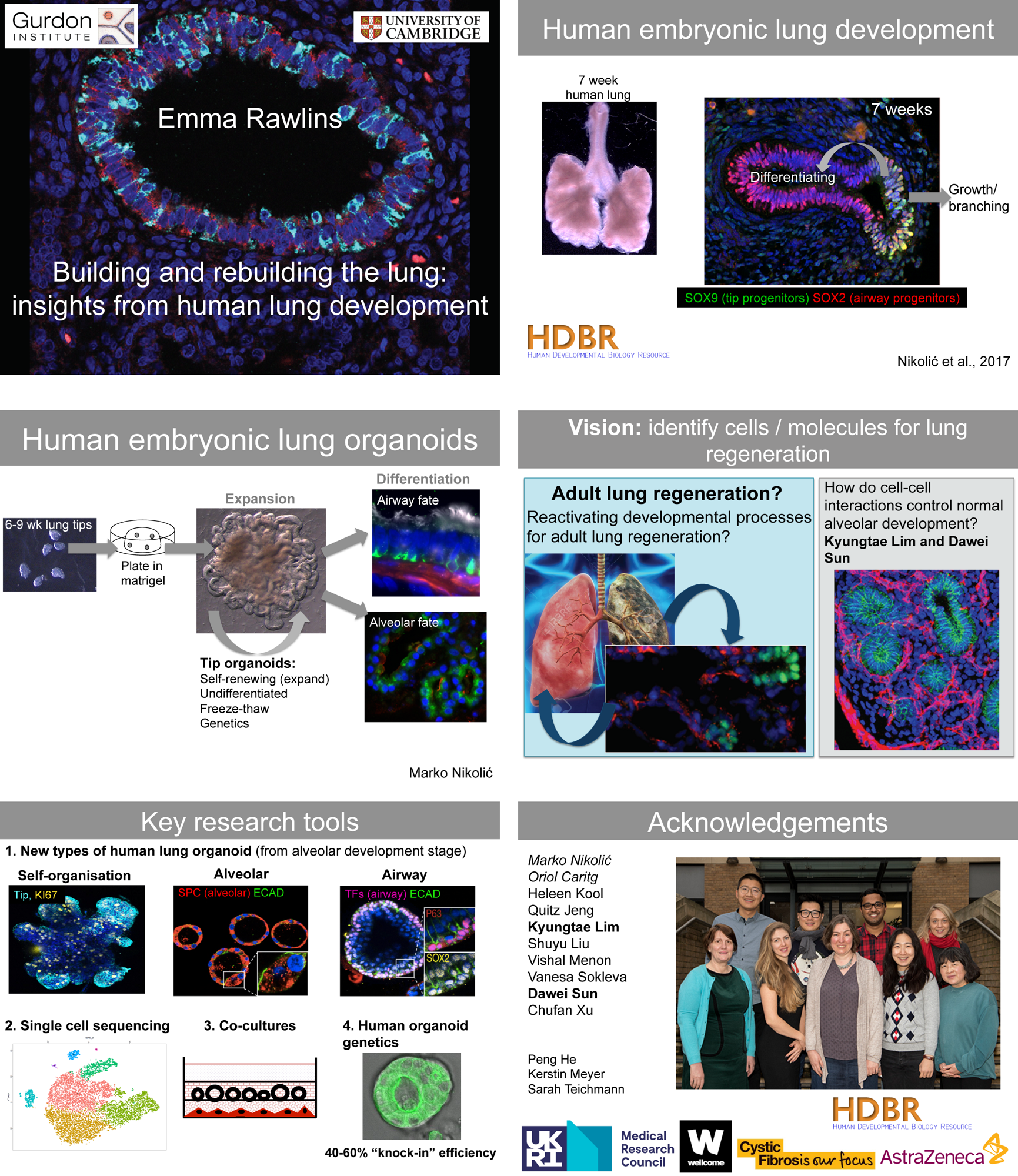
Emma Rawlins – building and rebuilding the lung: insights from human lung development
Emma uploaded six teaser slides from the talk she was planning to give in the Human Development and Genetics session.
Andrea Streit – Cell fate decisions in the cranial sensory nervous system
Andrea uploaded a teaser slide of her talk that would have been in the ‘Gene Regulatory Networks in Development’ session.
Tweetorials
Usually used to go through new papers, the Tweetorial is just as good for presenting talks or posters!
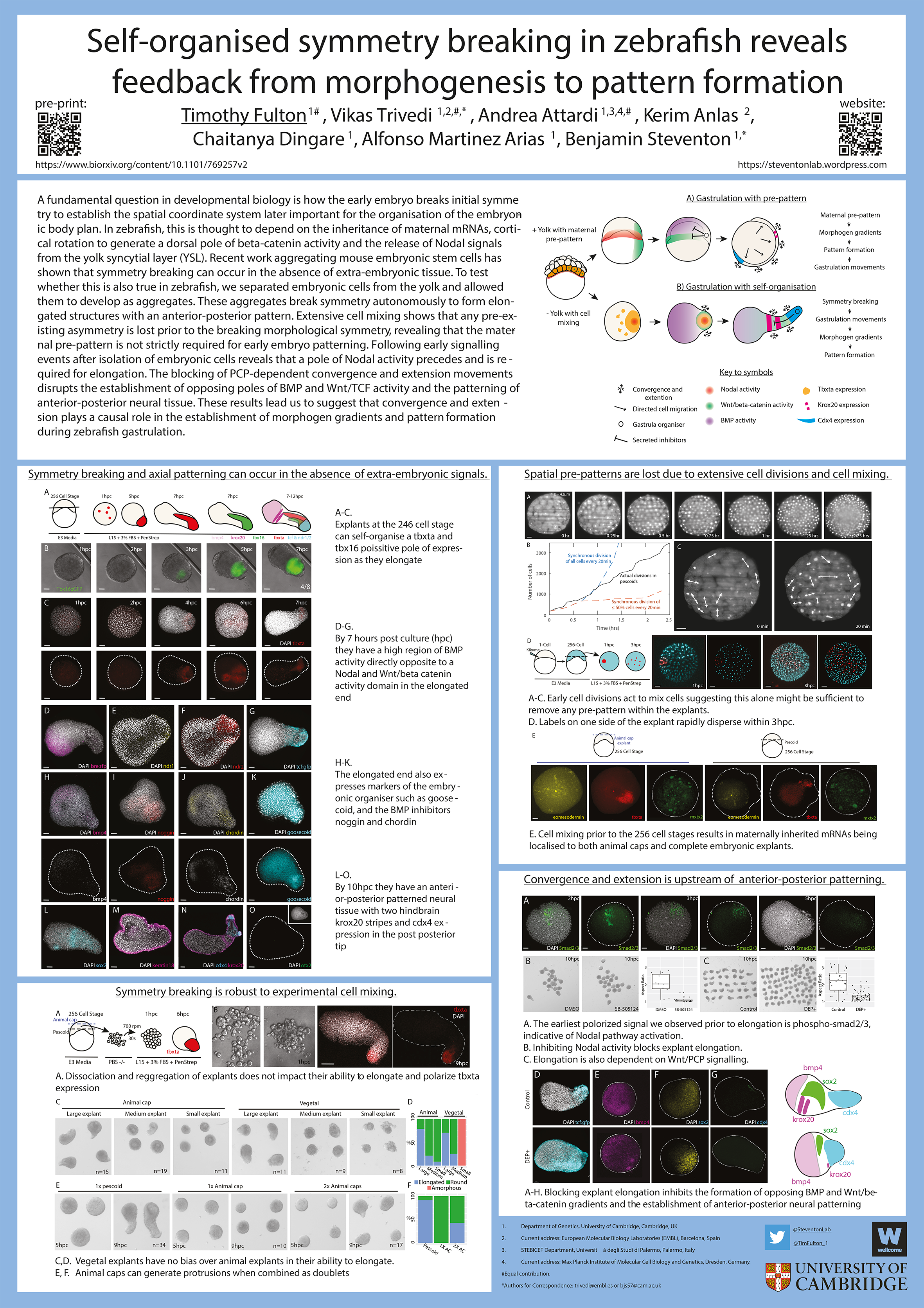
Tim Fulton – Self-organised symmetry breaking in zebrafish reveals feedback from morphogenesis to pattern formation
Oluwaseun Ogundele – The role of chromatin remodellers in transcriptional response to extracellular signals
Alfonso Martinez Arias – Gastruloids: an ESC based model for mammalian gastrulation and body plan engineering
Part I
Part II
Jessica Forsyth – Describing the changing architecture of the preimplantation embryo using IVEN
Jake Cornwall Scoones – A dot-stripe Turing model of joint patterning
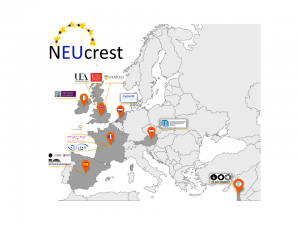
NEUcrest is a four-year project, funded by the European Union Horizon 2020 Programme. The neural crest is an essential stem cell population of the vertebrate embryos. The project focuses on integrating academic, clinical and industrial research for a better understanding of neural crest development and neural crest related diseases. The NEUcrest network comprises 20 partners in academia, industry and hospitals from seven European countries.
Projects are available in the following labs and companies below.
Applicants are encouraged to apply to more than one project if they are interested. Please note some different deadlines apply:
Training for transverse skills in outreach and industrial managements are deeply embedded in the programme. The NEUcrest ITN and PhD project is due to start in January 2020. Studentships can start anytime from now until October 2020.
Candidate Specification: First degree or Masters in Biological Sciences, Cell Biology, Genetics and Molecular Biology. Mobility requirement: Applicants must not have been based in the country of desired Ph.D. position for more than 12 months in the last 3 years prior to recruitment.
Personal data disclaimer:Please note that in order to demonstrate fair equal recruitment and to provide statistical data on the recruitment for MSCA program, NEUcrest management team may need to retain the following personal data of all applicants: full name, gender, nationality, copy of the CV. In this case data will be preserved till maximum up to 5 years after the termination of the NEUcrest grant. By applying for the advertised positions the applicant automatically gives the authorization to store his/her personal data. The applicant may refuse, without having to give any explanations, the preservation of the data. In this case he/she needs to inform about it the management team of NEUcrest consortium upon submitting the application or sending a request at daria.barsuk@curie.fr or neucrest@gmail.com. This disclaimer solely expresses the needs of the NEUcrest consortium and not the recruiting institutions – NUI Galway, UEA or Tel-Aviv Ubiversity.