A NIH-funded postdoctoral position is available in the laboratory of Dr. Kevin Francis atThe Children’s Health Research Center at Sanford Research (Sioux Falls, SD) to study the consequences of altered cholesterol metabolism on neurodevelopment and neuronal function. The successful applicant will utilize a wide range of experimental approaches, including iPS cell models, electrophysiology, whole genome sequencing, confocal imaging, and genome editing, to answer questions of biological and clinical significance. Current research projects are exploring lipid-protein interactions critical for neurodevelopment, identifying mechanisms underlying neuronal fate choice, and developing iPS cell-based assays for high-throughput small molecule screens.
Candidates with established expertise in electrophysiology are particularly encouraged to apply. Experience in neurobiology, molecular biology, and stem cell biology is also desirable.
Additional information about the Children’s Health Research Center can be found on the center’s website here.
Contact: Candidates should submit a cover letter (including career goals), curriculum vitae, and contact information for three or more professional references to Dr. Kevin Francis at: kevin.francis@sanfordhealth.org.
We are happy to announce the forthcoming workshop on « Tissue mechanics in morphogenesis: Focus on theoretical modeling ». This is an informal workshop open to anyone, theorist or experimentalist, who is developing or is using theoretical models to understand tissue mechanics during morphogenesis.
How tissues acquire and maintain their shape is a crucial question at the crossroad between developmental biology and physics, which requires the joint efforts of experimentalists and theorists. Theoretical modeling plays different roles in this context: it guides experiments, helps data analysis and provides conceptual and predictive frameworks, which are instrumental to understand tissue morphogenesis and homeostasis.
Several models have been developed over the past years, some are published, and some others are in preparation.
This workshop aims at encouraging:
– discussions between researchers in the field
– exchange of published and unpublished information
– discussion of regime of applicability of theoretical frameworks
– link between different scales: molecule, cell, tissue
– studies of dynamical processes in morphogenesis
– new approaches to data analysis
– improvement of existing models
– development of new theory/models
– new collaborations
A postdoc position is available in Jim Smith’s lab at the Francis Crick Institute to study the role of PAWS1 during embryonic development and in cancer. PAWS1 regulates signalling by bone morphogenetic proteins (Vogt et al., Open Biology4, 130210; 2014), and we have recently demonstrated that it influences the activity of additional signalling pathways and modulates a range of different cellular functions, including ciliogenesis. See www.crick.ac.uk/jim-smith.
A 3-year postdoc position is available in the group ‘Evolution of nutrient and growth homeostasis in animals’ at the Sars Centre in Bergen/Norway. The successful candidate will identify novel genes involved in the molecular and cellular regulation of feeding and fasting using a tissue-specific transcriptome analysis in the cnidarian Nematostella vectensis. Expertise in the analysis of next-generation sequencing data is particularly appreciated.
Hundreds of fly researchers from Europe and around the world gathered in the picturesque German city of Heidelberg to attend the European Drosophila Research Conference or EDRC. The local organizers held the meeting at the beautiful historic “Stadthalle”(City Hall) of Heidelberg. I will briefly highlight some of the work that was presented at this meeting, although I will never be able to grasp the full width of topics. From neurobiology to population genetics, the program covered almost all disciplines in which this little fly has shown its strength over decades of research.
Before the official kickoff, the meeting had several interesting workshops. My personal favorite was the gut workshop, which covered the Drosophila intestine as a model for adult stem cell biology and immunity. Talks by Saskia Suijkerbuijk on cell competition in Apc mutant tumors in the gut, Maria Dominguez on the transcription factor Escargot and the micro-RNA miR-8 in stem cell identity and motility and beautiful live imaging of midgut stem cells from Lucy O’ Brien’s lab were but a few of the highlights from this session.
The meeting officially started with an EMBO plenary talk by Nobel-prize winner Eric Wieschaus about his long-time passion: embryonic gastrulation. A talk with beautiful movies and modeling approaches showed just how multidisciplinary the field of developmental biology has become. Next, Linda Partridge talked about the mechanisms of aging in a way that crossed organism boundaries to highlight both the history and the future development of this field. The meeting had a very strong plenary lecture program with Gero Miesenboeck, Andrea Brand, Herbert Jaeckle, Trudy Mackay and Norbert Perrimon highlighting Drosophila’s strength in their respective fields.
The Drosophila field keeps renewing due to the rapid development and adaptation of novel techniques. The low cost of Drosophila maintenance allows for genome-wide transgenic resources being available to the community. A great example at the EDRC was the collaborative effort to tag all protein-coding genes with GFP from the Schnorrer, Tomancak,Vijayraghavan, Sarov and Knust labs. Furthermore, Filip Port from the Bullock lab reported on various efforts to optimize CRISPR/Cas9 in Drosophila.
Obviously, it was evident for most of the audience that Drosophila is a great model organism. However, Andreas Prokop from the Manchester Fly Facility reminded us that it is of crucial importance to communicate Drosophila research to a wider audience as well. He highlighted several excellent outreach activities organized at schools as well as many resources generated by the Fly Facility that are made available to use as teaching tools. Check out his presentation on F1000Research Slides.
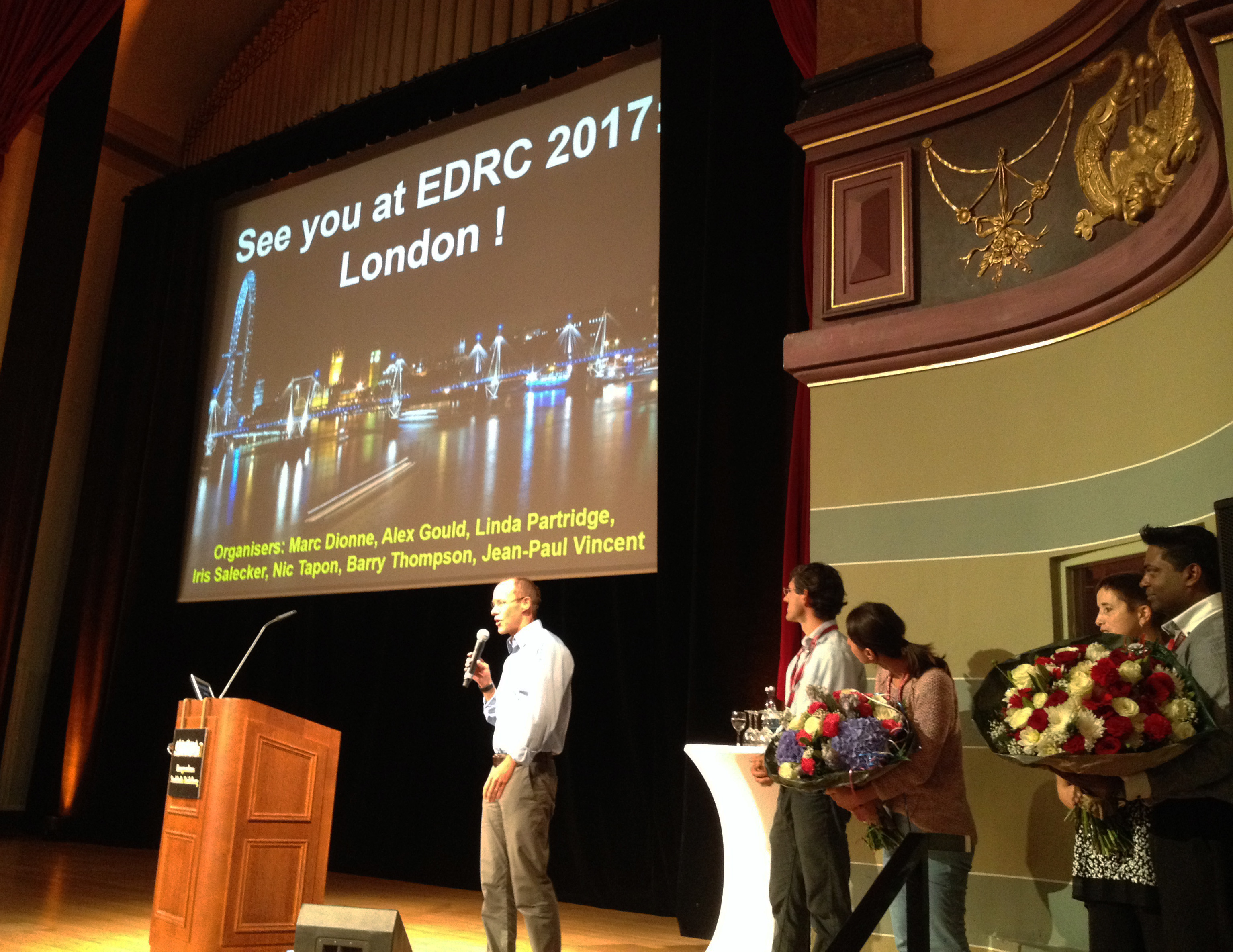
EDRC 2015 co-organizer Bruce Edgar reveals the location of the next EDRC 2017 in London
Poster sessions and lunches with rich German cuisine provided ample opportunity to talk science and catch up with colleagues. The meeting ended with the announcement where the next EDRC will be held: in 2 years time it will be London Calling to all Drosophilists!
Xenopus represents a prime model for dissecting in vivo the signalling network that controls retinal stem cell behaviour. Its retina indeed retains a reservoir of active neural stem cells in a peripheral region, the ciliary marginal zone (CMZ), that sustains continuous eye growth throughout life. To identify regulatory mechanisms underlying retinal stem cell activity in this model system, we recently focussed our interest on the terminal effector of the Hippo pathway, the co-transcriptional factor YAP (Cabochette et al., 2015). The Hippo pathway acts as a global regulator of organ size during development (Lian et al., 2010; Ramos and Camargo, 2012). We were thus curious to question its function in the context of Xenopus indefinite retinal tissue growth.
Not surprisingly, overexpressing Yap by the mean of blastomere mRNA injections resulted in eye overgrowth, while knocking it down by Morpholino injections led to microphthalmia. In order to know whether the latter phenotype was due to embryonic or post-embryonic growth defects, we adapted in Xenopus the use of photo-cleavable Morpholinos (photo-MO). This technology, previously set up in zebrafish (Tallafuss et al., 2012), allows for inducible or reversible gene knockdowns through UV-induced cleavage of either sense or antisense photo-MOs. Our data support the conclusion that the small eye phenotype rather results from defective post-embryonic CMZ-dependent growth. This raised the hypothesis that YAP may play a specific role in the homeostatic control of post-embryonic retinal stem/precursor cell activity (Figure 1).
Figure 1. YAP controls post-embryonic eye growth. Dissected eyes from stage 40 Xenopus tadpoles following blastomere microinjection of Yap mRNA or photo-Morpholinos (that allow knocking-down Yap only at post-embryonic stages). Compared to a control situation (on the left) Yap overexpression leads to eye overgrowth (in the middle) while post-embryonic Yap knock-down leads to a microphthalmic phenotype (on the right).
In the post-embryonic retina, Yap expression is restricted to the tip of the CMZ where stem cells reside. We therefore anticipated that Yap knock-down may have exhausted the stem cell pool. But surprisingly stem cells were still present and analysis of their proliferation showed that they were still dividing as well. However, a severe reduction in EdU incorporation was observed, suggesting that something was wrong in their cell cycle progression. We thus employed a variety of approaches dedicated to in vivo analysis of cell cycle phase duration. We very unexpectedly found that although the cell cycle of Yap-morphant retinal stem cells lasts longer, their S-phase length is severely reduced from 17 to 4 hours. How come the S-phase of a stem cell can decrease to such extent?
During S-phase, an eukaryote cell replicates its DNA, starting from multiple replication origins scattered on the genome. This tightly regulated process follows a strict temporal program. The genome is indeed partitioned into early and late replication domains, such that some origins fire during early S-phase while others fire during late S-phase. We found that the precise choreography of the DNA replication program was altered upon Yap knock-down, with a decreased proportion of stem cells exhibiting late S-phase patterns. Late origin may thus have fired prematurely or may have not fired at all. In any cases, this likely explains the shortening in S-phase duration. Among rare factors known to produce such phenotype is c-Myc, whose expression was interestingly found to be increased in Yap morphant CMZ. Although not formally demonstrated, we thus propose that YAP may control S-phase progression through direct or indirect control of c-Myc expression.
Deregulation of DNA replication timing is known to be a source of genomic instability. In line with this, we observed an increased occurrence of DNA damage, enhanced p21 and p53 expression and increased cell death among progenitor cells derived from Yap-depleted stem cells. This ultimately leads to a failure in producing new neurons, which provides an explanation for the reduced post-embryonic growth of Yap morphant retina.
Finally, we also showed that in this temporal control of S-phase progression, YAP physically and functionally interacts with a novel partner, PKNOX1, a mammalian Homothorax ortholog belonging to the Meis/Prep homeodomain factor family, involved in the maintenance of genomic stability (Iotti et al., 2011).
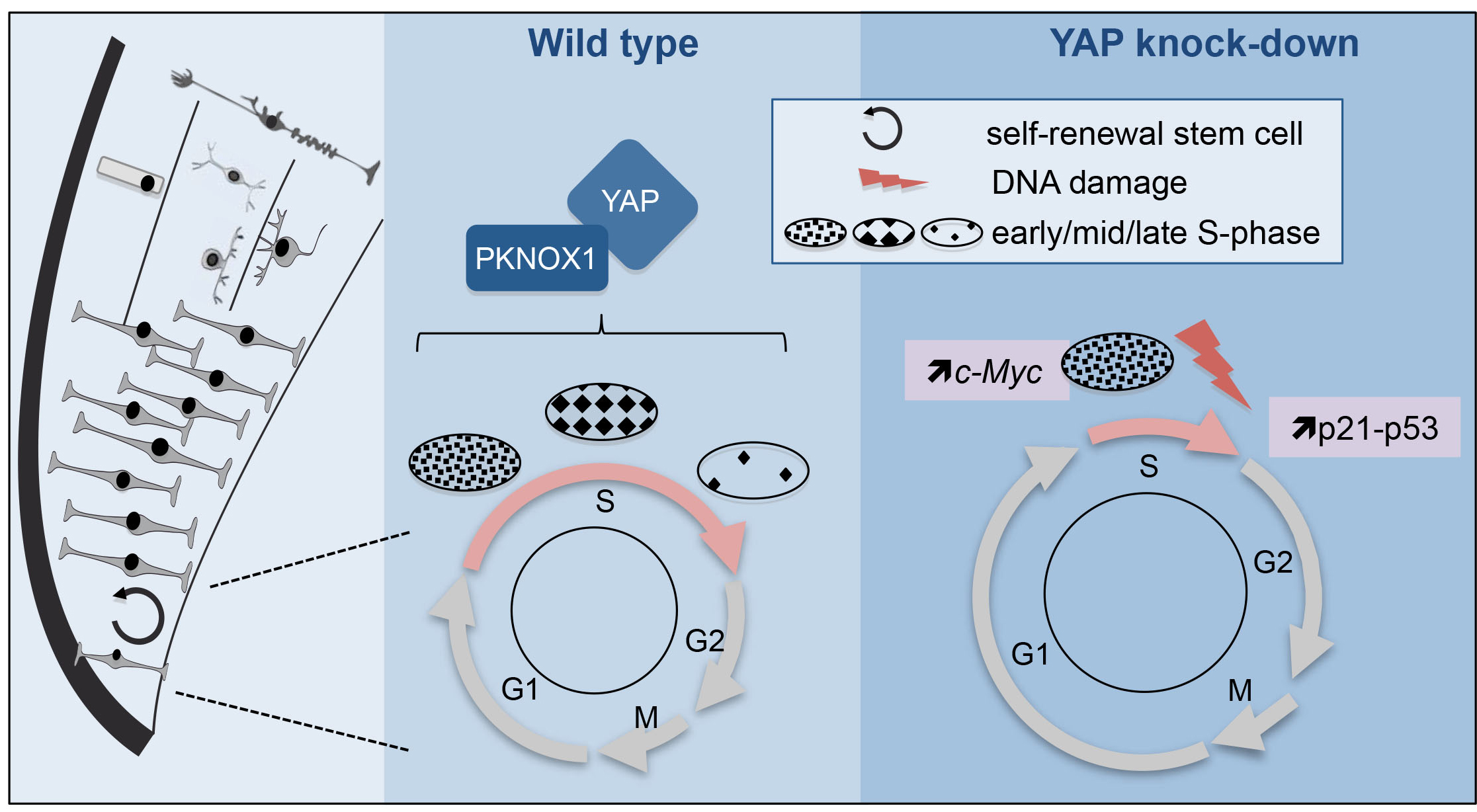
Although relatively young, the research field on Hippo signalling has raised incredibly fast (Lin et al., 2013; Yu and Guan, 2013), with recent interest in the field of stem cell biology (Hiemer and Varelas, 2013; Mo et al., 2014; Piccolo et al., 2014). However, little mechanistic insights are known into how this pathway regulates stem cell properties. Our work revealed a novel role for this factor in the control of the temporal program of DNA replication (Figure 2). We propose a model where this YAP function would protect neural stem cells of the retina from experiencing genomic instability.
Figure 2: Model illustrating YAP function in retinal stem cells. We found that YAP is expressed in CMZ retinal stem cells (left panel). The middle panel shows the cell cycle of wild type retinal stem cells and the putative role of the YAP/PKNOX1 complex in the control of S-phase temporal progression (represented by the distinct patterns of DNA replication foci). YAP knock-down (right panel) leads to a dramatic reduction of S-phase length likely due to c-Myc-dependent premature firing of late replication origins. This results in genomic instability (increased occurrence of DNA damage, enhanced p21 and p53 expression and eventually cell death).
S-phase duration recently emerged as a major target of cell cycle regulation in different neural progenitor types during cortical development. Neural stem cells exhibit a substantially longer S-phase than progenitors committed to neuron production (Arai et al., 2011; Turrero García et al., 2015), a feature proposed to be dedicated to high quality control of replicated DNA, as errors would be inherited by all the progeny (Arai et al., 2011). Unique mechanisms may therefore operate in neural stem cells to control S-phase duration and ensure genomic integrity. We propose that YAP is part of the genetic network involved in this stem cell-specific regulation of the replication temporal program.
Arai, Y., Pulvers, J. N., Haffner, C., Schilling, B., Nüsslein, I., Calegari, F. and Huttner, W. B. (2011). Neural stem and progenitor cells shorten S-phase on commitment to neuron production. Nat. Commun. 2, 154.
Hiemer, S. E. and Varelas, X. (2013). Stem cell regulation by the Hippo pathway. Biochim. Biophys. Acta 1830, 2323–34.
Iotti, G., Longobardi, E., Masella, S., Dardaei, L., De Santis, F., Micali, N. and Blasi, F. (2011). Homeodomain transcription factor and tumor suppressor Prep1 is required to maintain genomic stability. Proc. Natl. Acad. Sci. 108, E314.
Lian, I., Kim, J., Okazawa, H., Zhao, J., Zhao, B., Yu, J., Chinnaiyan, A., Israel, M. a, Goldstein, L. S. B., Abujarour, R., et al. (2010). The role of YAP transcription coactivator in regulating stem cell self-renewal and differentiation. Genes Dev. 24, 1106–18.
Lin, J. I., Poon, C. L. C. and Harvey, K. F. (2013). The hippo size control pathway–ever expanding. Sci. Signal. 6, pe4.
Mo, J.-S., Park, H. W. and Guan, K.-L. (2014). The Hippo signaling pathway in stem cell biology and cancer. EMBO Rep. 15, 642–56.
Piccolo, S., Dupont, S. and Cordenonsi, M. (2014). The Biology of YAP/TAZ: Hippo Signaling and Beyond. Physiol. Rev. 94, 1287–1312.
Ramos, A. and Camargo, F. D. (2012). The Hippo signaling pathway and stem cell biology. Trends Cell Biol. 1–8.
Tallafuss, a., Gibson, D., Morcos, P., Li, Y., Seredick, S., Eisen, J. and Washbourne, P. (2012). Turning gene function ON and OFF using sense and antisense photo-morpholinos in zebrafish. Development 139, 1691–1699.
Turrero García, M., Chang, Y., Arai, Y. and Huttner, W. B. (2015). S-phase duration is the main target of cell cycle regulation in neural progenitors of developing ferret neocortex. J. Comp. Neurol. [Epub ahead of print].
Yu, F.-X. and Guan, K.-L. (2013). The Hippo pathway: regulators and regulations. Genes Dev. 27, 355–371.
Greetings! My name is Kate (but you can call me skate) Criswell and I am a Ph.D. student in the Department of Organismal Biology and Anatomy at the University of Chicago. I study axial column evolution and development in fishes, and my developmental study organism is the little skate, Leucoraja erinacea. Little skates are little known fish with a cartilaginous skeleton, and they live in the northwestern Atlantic Ocean, from North Carolina up to Nova Scotia.
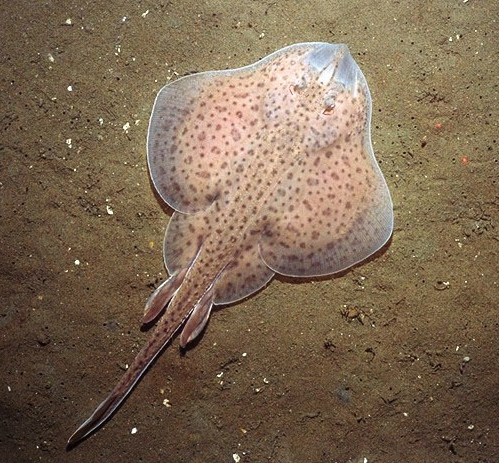
An adult male little skate, Leucoraja erinacea. Photo from NEFSC/NOAA, taken by Page Valentine, USGS.
What’s so great about skates?
Skates are dorsoventrally flattened and have broad, flat pectoral fins and long, slender tails. They are closely related to sharks, rays, and chimaeras, and together these groups make up the chondrichthyans, or cartilaginous fishes. Apart from being elegant and charismatic (and for some, toothy and aggressive), chondrichthyans can provide valuable information on the broad range of developmental mechanisms at work across vertebrates. By comparing the development of cartilaginous fishes with more established organisms like zebrafish, chickens, and mice, we can tell which processes or structures are derived (specialized and more recently evolved) and which are ancestral to all vertebrates. As the sister group to all other jawed vertebrates, cartilaginous fishes exhibit many characteristics that may have been lost in their bony counterparts, or they might display features that are unique and are not found in any other vertebrates.
How do we raise skate embryos?
Skates are relatively easy to keep in a lab, and the embryos are very robust, with no need for filtered seawater or antibiotics (as long as you keep them under 18 degrees!). I do most of my live-animal manipulations in the summers at the Marine Biological Laboratory (MBL) in Woods Hole, Massachusetts. The MBL has a fantastic Marine Resources Center (MRC) with large skate brood stock tanks that they use to house adult skates (they also care for many other marine organisms, like snails, bony fish, squid, and sea urchins; a walk through the MRC is better than a trip to the aquarium!). The adult skates mate in the wild and are then collected and housed in the MRC. Females can store sperm for up to 9 months, enabling them to lay eggs throughout the year, which makes it easy to for me to acquire embryos in the winter months. Indeed, there are a number of different labs across the United States that obtain skate embryos from MBL.
Each egg contains one embryo, which is enclosed in a capsule made of collagen fibers called a mermaid’s purse. These egg cases are rectangular in shape, with two long tendrils at each end. Once laid, staff at the MRC sort the egg cases by week and keep them in 16 degree circulating seawater that is pumped in from the nearby Great Harbor. The egg cases are closed to the environment for the first six or so weeks of development, and then small slits open at the ends of the tendrils to let water flow through. The skates take approximately 5-6 months to hatch into fully-formed, miniature adults, which gives me plenty of time (sometimes too much time) to study their development.
This video was made by my friend and collaborator, Andrew Gillis, who recorded video of the major stages of skate development this past summer at MBL. He’s got a bunch of other great skate videos over on his YouTube channel.
During the summers, while I am doing manipulations of live skate embryos at MBL, I make weekly trips to the MRC to go “shopping” for eggs. I collect eggs of approximately the right age, bring them to the lab space in the Loeb building, and keep them in a sea table until they are at exactly the right stage for experiments. Determining the embryonic stage of skate embryos is actually quite easy, despite their thick egg cases, because the eggs are translucent, and shining a flashlight underneath reveals the embryo curled up inside.
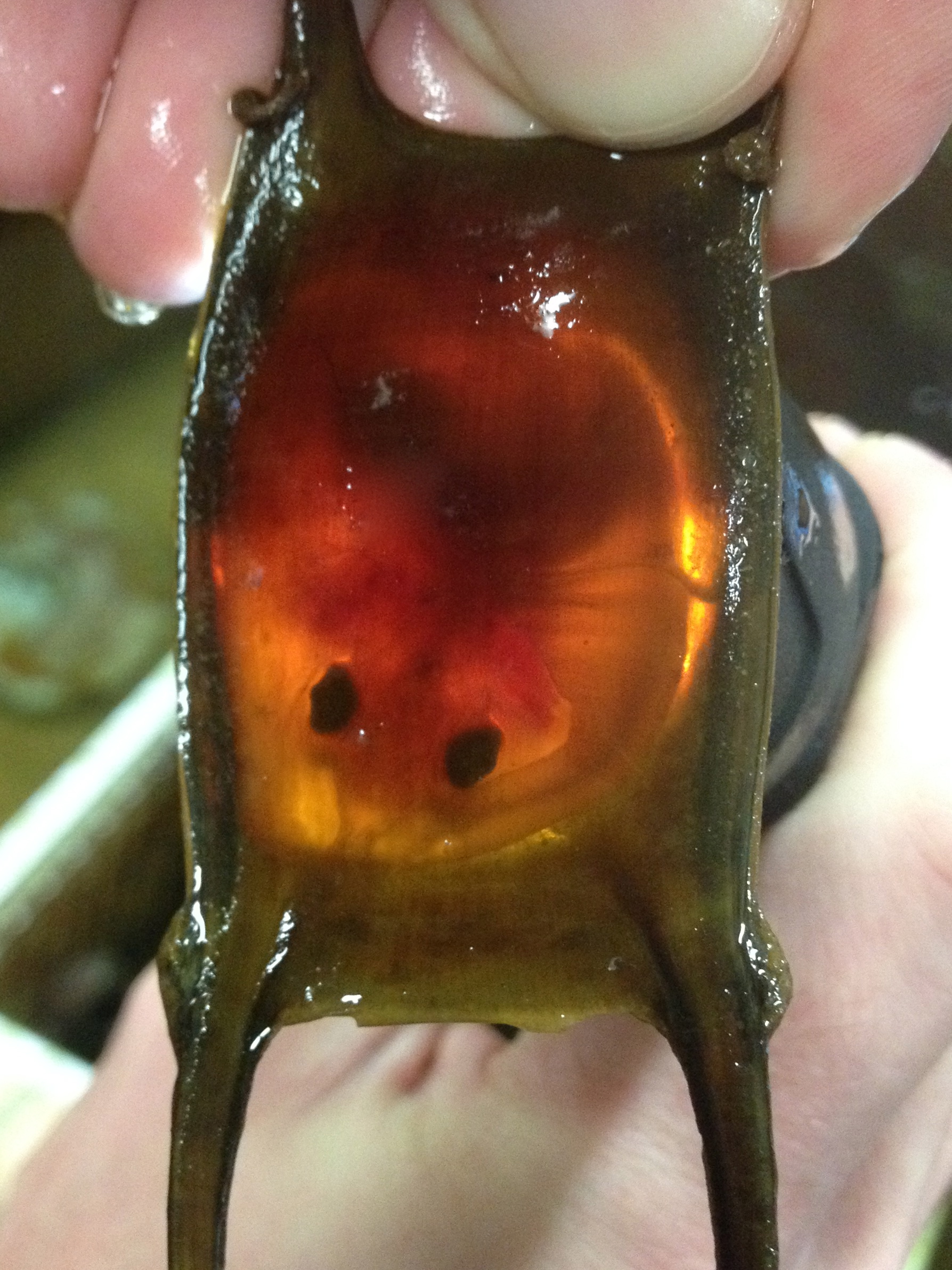
A late-stage skate embryo almost ready to hatch.
What kinds of experiments can we do with skates?
Their hardy nature and (relatively) short developmental period makes skates ideal chondrichthyans in which to do fate-mapping experiments. To study the embryonic origins of different parts of the axial skeleton using young embryos I cut a small window in the egg case, inject a fluorescent dye into the embryonic tissue of interest, and then glue a piece of donor eggshell over the hole (Krazy glue works best; all other glues are subpar). Skates develop a bit like chickens, with the embryo sitting atop a large yolk. When the embryos are young the yolk is extremely fragile and can’t be removed from the egg case. Slightly older embryos (stage 24 and above) have a tougher yolk, and to work with them I can simply cut around the edges of the egg case to make a large window, deposit the entire embryo + yolk in a petri dish with seawater and the anesthetic tricaine, and inject the embryo while it is in the dish. I then scoop the embryo up (using a very sophisticated tool – a plastic soup spoon from the Woods Hole Market) and place it back in the egg case for continued development. There is no need at this stage to glue the egg case shut.
In this manipulated embryo you can see the window I cut into the original eggshell, the graft of donor eggshell that I krazy-glued on after injecting the dye, and the outline of the large yolk within the egg.
After dye injection I let the embryos develop for several months in a sea table, checking the temperature every morning and removing any dead embryos. This means constantly having wet and cold hands, and having chilly seawater drip down my back when I’m not expecting it. By the end of the summer (or several weeks post-injection) I can be sure that most of the remaining embryos will survive into old age. When the axial skeleton is well developed, which takes about 3-4 months, I return to the MBL to fix the embryos and bring them back to Chicago. I spend the rest of the year analyzing experiments from the summer, using paraffin histology to cut thin sections of the axial column and then looking for dye-labeled cells in different parts of the vertebrae.
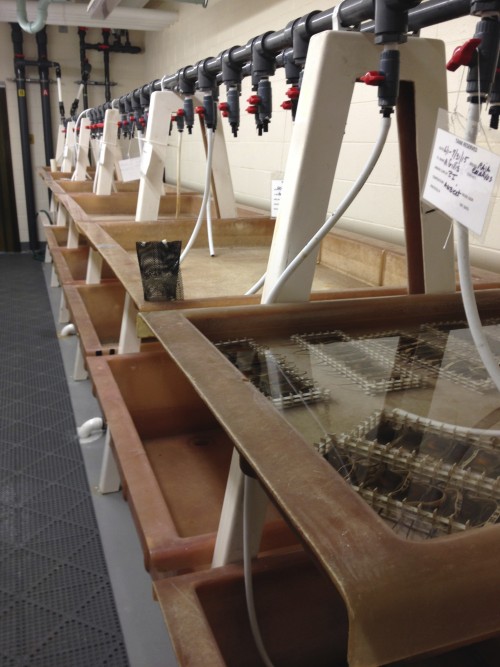
This is the sea table room in the Loeb building at the MBL, where I keep skate embryos throughout the summer. The sea tables have both ambient and chilled seawater lines, enabling me to adjust the temperature to the embryos’ liking (as long as there are no power outages!).
In addition to fate-mapping, skates respond well to other experimental manipulations, like drug treatments and bead implantations. For drug treatments, the drug of choice can either be injected into the egg case before it opens to let seawater flow through or, for later stages, the embryos can be removed from their egg cases and placed in baths for several days. Once returned to circulating seawater the embryos can continue developing perfectly well sitting in glass bowls in the sea table, outside of their egg cases.
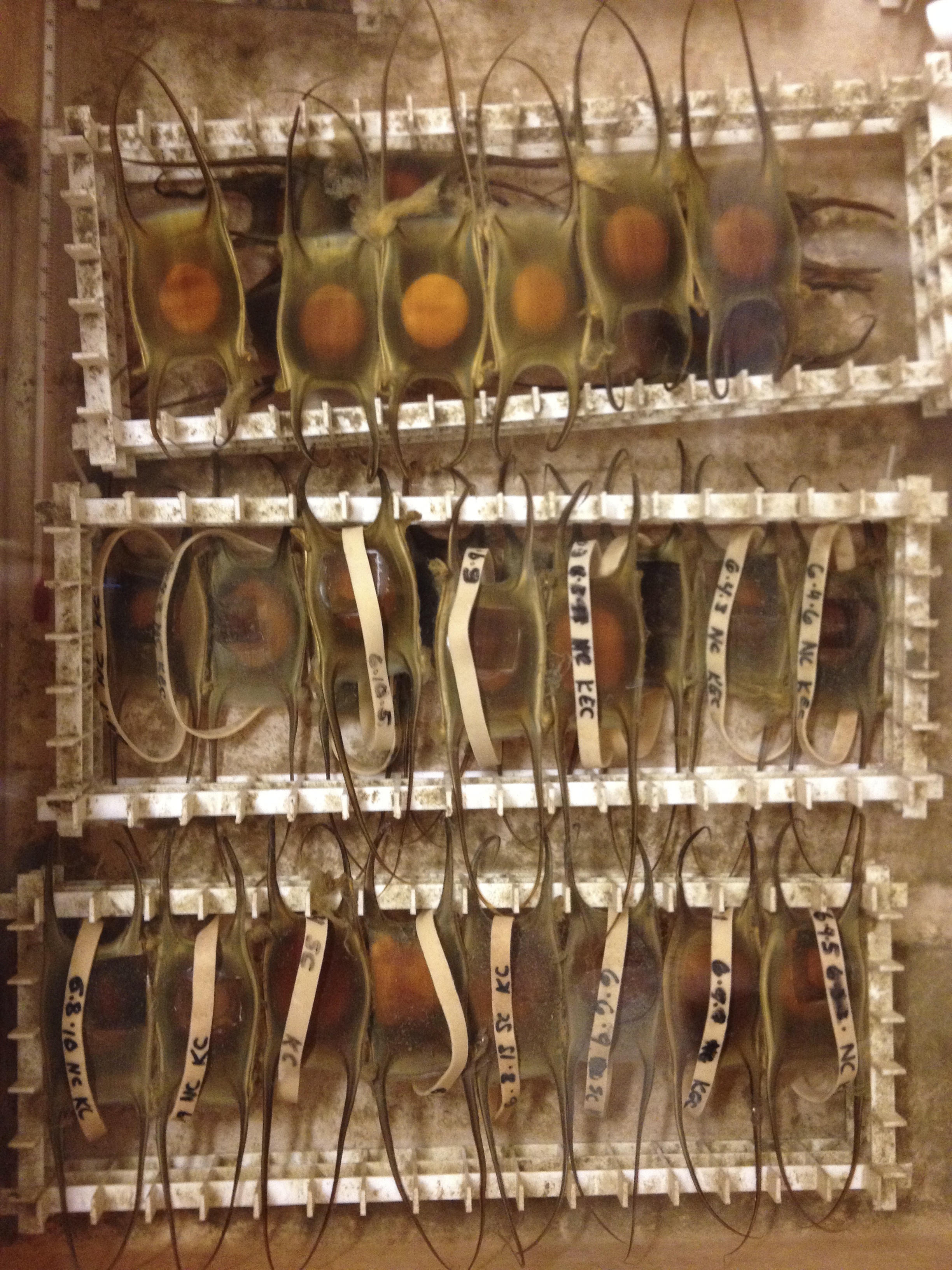
I keep skate embryos organized in racks in the sea table. The top row houses unmanipulated embryos, while the bottom two rows contain experimental fate-mapped embryos after dye injection. Rubber bands are great for labeling.
Even though studying skate development can be difficult (especially when your experiments take four months!) it is extremely rewarding. I am excited to continue working in this system and to expand upon the tools currently available to learn as much as I can about the evolution of vertebrate development.
This post is part of a series on a day in the life of developmental biology labs working on different model organisms. You can read the introduction to the series here and read other posts in this series here.
Irene Miguel-Aliaga left sunny Barcelona to pursue a PhD at Oxford University in the laboratory of Kay Davies. She did her postdoctorate at Harvard University in Stefan Thor’s lab, and briefly relocated with him to Sweden before coming back to the UK. She continued her postdoctoral work and developed her current research interests as a Marie Curie Fellow in the lab of Alex Gould at the National Institute for Medical Research in London. She established her own lab at the University of Cambridge in 2008, thanks to a Wellcome Trust Career Development Fellowship. In 2012 she moved to London and is currently a Programme Leader at the Medical Research Council Clinical Sciences Centre and a Reader at Imperial College London. Irene was elected to the EMBO Young Investigator programme and holds an ERC Starting Grant. Her lab investigates how gut cells maintain homeostasis and communicate with cells of other tissues and organs.
What motivated you to become a scientist?
I wasn’t one of those children who dissected bugs in their back garden at the age of two. Depending on the day, I wanted to be a vet, an astronaut or a travel agent like my parents. But somebody gave me Carl Sagan’s ‘Cosmos’ for Christmas, and then there was this TV series with lizard aliens that invaded the Earth. They persecuted scientists and the scientists organised themselves against the lizards and overcame the occupation by studying the lizards’ biology and working out their weaknesses. I think maybe the two of them synergised and turned me into a biologist rather than into Brian Cox.
Your research focuses on the brain–gut interface and the cross-talk between the different organs. What are the specific questions that your group is currently trying to answer?
We’re interested in exploring ‘gut intelligence’. The specific questions are about how the gut senses and responds to nutrients or signals from other cells, and about the plasticity of the gut itself – what it responds to and why it matters.
And now you’re also looking at differences between the sexes?
Yes, we’ve been working on sex differences in the intestinal epithelium. Flies can have male or female guts, and the difference is not only developmental – it can be reversed in adult flies. I think it is really fascinating that an adult somatic organ knows its sex and that this matters to the fly!
Of the cell biology methods that you use, which one would you say is the trickiest?
We used to tackle very developmental questions. I found that in development, everything was more black and white – you mutate a gene and end up with no wings. But as soon as you start addressing metabolic or behavioural questions, your n numbers have to become much larger, and you need to control for all sorts of variables such as background effects. I think that has been the challenge for us: these days, it’s harder to persuade ourselves that we’re seeing a real phenotype and to distinguish cause from effect.
Are there any new techniques that you’re thinking of adapting for your research?
I try to think of questions first, and then think of what techniques I need to address them. Otherwise it’s easy to get distracted and end up doing things because you can, rather than because they are important.
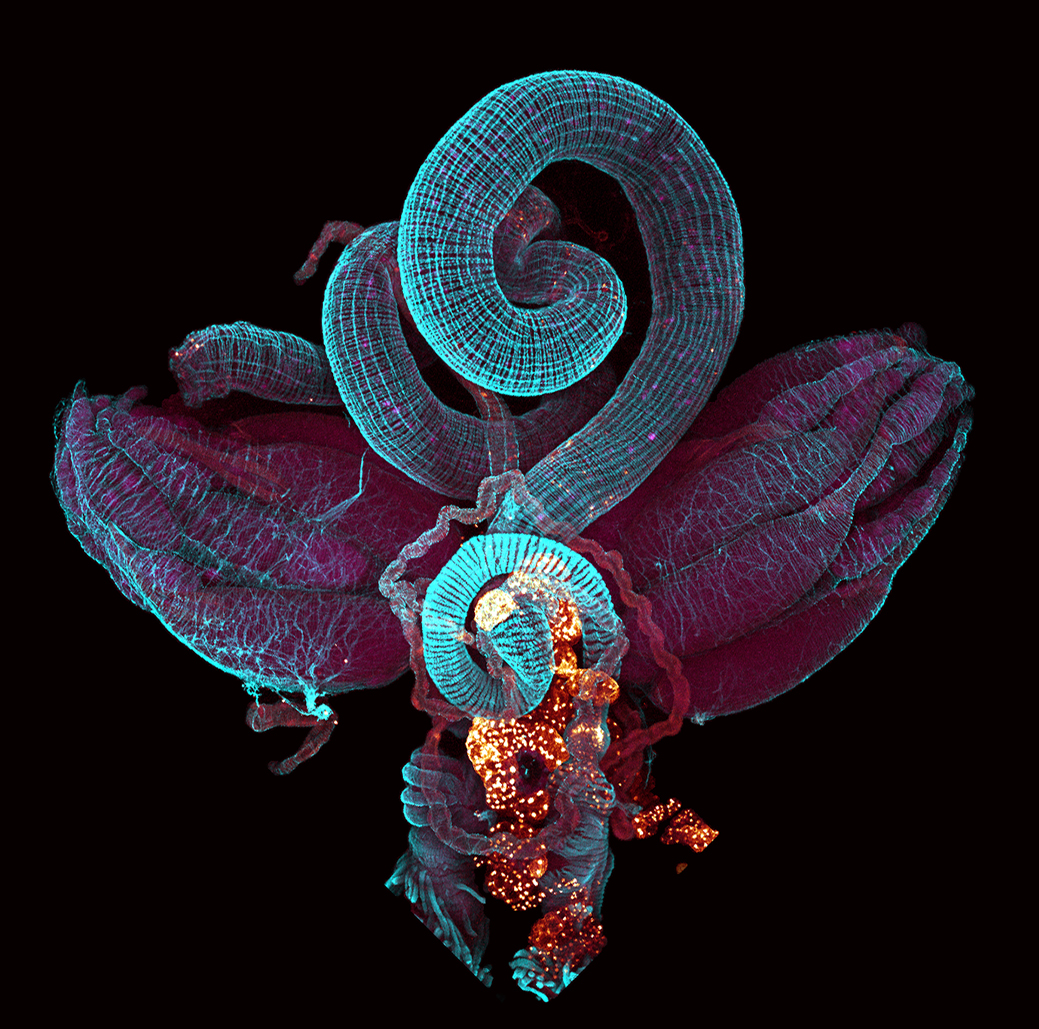
The digestive and reproductive systems of an adult female Drosophila. Image taken by Paola Cognigni.
What were the biggest experimental roadblocks that you faced and how did you deal with them?
I think sometimes the roadblocks are your own set of preconceptions. Human nature means that, even if we try not to be, we tend to be too hypothesis driven. You have this preconception of how things are going to work. And then sometimes what happens is you do the experiments and you think the experiments are not working, but in fact they are working, they’re just telling you that what you were thinking was wrong. When that happens you just need to take a step back and say “look, I was probably too dogmatic or too one-dimensional in my approach”. We underestimate the value of negative results.
How do you establish your collaborations?
By getting overexcited about new results, talking to everyone willing to listen about them and often presenting unpublished work in progress at meetings. I like to meet scientists with different backgrounds, think of problems together and collaborate to see what we can do about them.
So you would say it’s good to be open?
I hope so. It is true that there is increasing competition and I know that some people in my lab don’t feel particularly comfortable presenting unpublished data. Perhaps we have been lucky, but so far it has definitely been beneficial.
What challenges did you face when starting your own lab that you didn’t expect?
There wasn’t really a very sharp change in any way, because my lab was pretty small until fairly recently, so it was a natural continuation of a postdoc. I’ve got children now, and I probably underestimated the amount of work that it would be. I always thought I’m very good at multitasking, so a couple of children are just a couple more things on your to-do list, when they’re in fact a (welcome) life changer. The challenge now is to get to do everything, including getting a few hours’ sleep a day. But we’re all still alive [laughs], so it seems doable.
Do you think taking part in science outreach events should be more of a priority for scientists?
From a social perspective, it’s our responsibility, but I also do it because it’s fun. It can also be extremely useful for your research: there’s nothing like talking to lay people to help you see the wood for the trees. Children are a great source of scientific questions too – my three-year-old daughter has been wondering why we stop growing, and what the differences between being dead and alive are. I may let her write my next grant proposal!
Since you left Spain, you have worked in the UK, US and Sweden. What challenges have you faced as a scientist when working in different countries?
I found it very stimulating and the experience made me more adaptable, both personally and scientifically. There are some differences, but at the end of the day, the scientific method is the scientific method and what changes is what different scientific environments perceive as interesting or important. So the only challenges are logistics. I remember moving CDs and books around. These days it’s easier because you just take your iPad.
I asked earlier what motivated you to become a scientist. What is your motivation now?
Surprise. A taste for the unexpected. I like it when we get weird results, and when, two years down the line, you find yourself working on something that you never thought you’d be working on. A passion for scientific pursuit often provides consistent yet intermittent reward – probably a good recipe for long-term happiness.
Could you tell us something about yourself that people wouldn’t know just by looking at your CV?
I failed my driving test nine times and I regularly scratch my car, so I guess I live up to the stereotype of an absent-minded scientist! Also watch this additional short clip:
Here are the highlights from the new issue of Development:
Hormone-mediated flower development: a HEC of a job
Fruits originate from the female reproductive part of the flower, the gynoecium, the development of which is controlled by the phytohormones auxin and cytokinin, with evidence for the latter just emerging. HECATE bHLH transcription factors are required for gynoecium development and are thought to coordinate auxin signalling, although direct evidence for this is still lacking. Now, on p. 3343, Jan Lohmann and co-workers investigate the function of HECATE 1 (HEC1) in the development of the female reproductive tissue in Arabidopsis. They show that, as in the shoot apical meristem (SAM), which houses the stem cells that generate all the above-ground parts of a plant, HEC1 interacts with SPATULA (SPT) to modulate cytokinin signalling. Furthermore, the authors report that HEC1 impinges on auxin transport by directly regulating the expression of the auxin transporters PIN-FORMED (PIN) 1 and PIN3, a mechanism not at play in the SAM and thus specific to the gynoecium. This study suggests a model in which HEC1 and SPT orchestrate auxin and cytokinin crosstalk during reproductive organ development.
Making blood cells: a FOXy affair
The mesoderm, which is specified during gastrulation, generates diverse cell lineages such as endothelial, blood and muscle cells. However, the transcriptional network that orchestrates this process is largely unknown. FOXF1, a forkhead box transcription factor expressed in the extra-embryonic and lateral plate mesoderm, is known to be essential for specifying mesoderm cells to a cardiovascular fate but how it functions is unclear. Here, Valerie Kouskoff and colleagues (p. 3307) generated embryonic stem cells (ESCs) and transgenic mouse lines carrying a Foxf1-venus knock-in allele to study the expression of FOXF1 and its contribution to early mesoderm specification. During ESC commitment to a mesodermal fate, FOXF1 is first expressed after FLK1, a protein essential for endothelial and hematopoietic specification. In the embryo, FOXF1 is highly expressed in all extra-embryonic mesodermal derivatives with the notable exception of the blood islands, the source of blood cells, and increased FOXF1 expression levels correlate with decreased hematopoietic potential. Indeed, using an inducible FOXF1 ESC line, the authors show that FOXF1 is sufficient to irreversibly impair the hematopoietic potential of mesodermal precursors while maintaining their endothelial potential and enhancing smooth muscle fate. These findings shed light on the molecular mechanisms governing hematopoietic specification and are likely to facilitate the derivation of specific lineages from ESCs in vitrofor therapeutic applications.
CO(CO)nverting stem cells into photoreceptors
The death of cone and rod cells – the photoreceptors that mediate phototransduction – causes visual loss in millions of people worldwide. Currently, human embryonic stem cells (hESCs) can be differentiated into photoreceptors but the process is inefficient and long. Now, Gilbert Bernier and colleagues (see p. 3294) report that the exposure of hESCs to COCO, a member of the Cerberus gene family, and insulin growth factor 1 (IGF1) in a feeder- and serum-free culture system efficiently differentiates them into functional cone photoreceptors. Such cells express cone-specific genes and key phototransduction proteins, and degrade cGMP when exposed to light – a unique property of photoreceptors. COCO-induced retinal progenitors can also self-organise into polarised sheets of morphologically differentiated cone photoreceptors that show evidence of connecting cilium and outer segment formation and adopt a cone photoreceptor fate in vivo upon injection into the mouse eye. Mechanistically, COCO acts as a potent neural and photoreceptor inducer by simultaneously inhibiting BMP, TGFβ and Wnt signalling, which suggests that cones are formed by default, and this inhibitory activity is potentiated by IGF1. This study provides an efficient and rapid means to generate cone photoreceptors and opens the way to biochemical and genetic studies of photoreceptor development and pathology for regenerative purposes.
PLUS:
Spreading the word: non-autonomous effects of apoptosis during development, regeneration and disease
Apoptosis was originally regarded as a ‘silent’ mechanism of cell elimination designed to degrade the contents of doomed cells. However, during the past decade it has become clear that apoptotic cells can produce diverse signals that have a profound impact on neighboring cells and tissues. Here, Pérez-Garijo and Steller discuss how these findings reveal unexpected roles for apoptosis in tissue remodeling during development, as well as in regeneration and cancer. See the Review on p. 3253
Photoreceptor cell fate specification in vertebrates
Photoreceptors – the light-sensitive cells in the vertebrate retina – have been extremely well-characterized with regards to their biochemistry, cell biology and physiology. They therefore provide an excellent model for exploring the factors and mechanisms that drive neural progenitors into a differentiated cell fate in the nervous system. Here, Brzezinski and Reh outline the signaling and transcription factors that drive vertebrate photoreceptor development and discuss how these function together in gene regulatory networks to control photoreceptor cell fate specification. See the Review article on p. 3263
A developmental framework for induced pluripotency
During development, cells transition from a pluripotent to a differentiated state, generating all the different types of cells in the body. Although development is generally considered an irreversible process, it is now possible to reprogram mature cells to pluripotency. Here, Takahashi and Yamanaka discuss the connections and disparities between differentiation and reprogramming, and assess the degree to which reprogramming can be considered as a simple reversal of development. See the Review article on p. 3274




 This post is part of a series on a day in the life of developmental biology labs working on different model organisms. You can read the introduction to the series


 Apoptosis was originally regarded as a ‘silent’ mechanism of cell elimination designed to degrade the contents of doomed cells. However, during the past decade it has become clear that apoptotic cells can produce diverse signals that have a profound impact on neighboring cells and tissues. Here,
 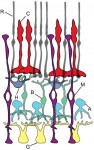 Photoreceptors – the light-sensitive cells in the vertebrate retina – have been extremely well-characterized with regards to their biochemistry, cell biology and physiology. They therefore provide an excellent model for exploring the factors and mechanisms that drive neural progenitors into a differentiated cell fate in the nervous system. Here,
 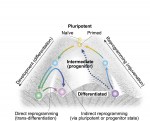 During development, cells transition from a pluripotent to a differentiated state, generating all the different types of cells in the body. Although development is generally considered an irreversible process, it is now possible to reprogram mature cells to pluripotency. Here,