
The community site for and by
developmental and stem cell biologists

Molecular Genetics in the age of information overload

Posted by , on 18 December 2013

Those of us who are of a certain age can remember standing overwhelmed at the video store, agonizing over which movie to rent. Of course today video stores in the US have been pushed to the brink of extinction by delivery and on-demand services like Netflix, who, ironically, have far more movies to offer. In 2006, Netflix offered one million dollars for the best answer to a simple question: how do we present thousands of movie choices in a way that isn’t overwhelming? Netflix knew that their library had something for everyone, and success was just a matter of bringing the most appealing options to their customers’ attention. Today, biologists face a similar problem. An abundance of expression, interaction, and sequence variation data can make the prospect of selecting genes for experimentation daunting. With the prize in this case being a better understanding of disease, can we pre-select genes in a meaningful way?


The idea of prioritizing genes for experimental assay is certainly not a new one. However, recent applications of machine learning concepts in biology have allowed predictions of gene function or phenotype to occur on a global scale. Put simply, machine learning is the automatic identification and exploitation of patterns, in this case, patterns of genes that have a phenotype we’re interested in. For example, many learning approaches can be generically classified as ‘guilt-by-profiling’. In these cases, profiles of gene features (e.g. tissue expression, protein domains) are examined for patterns corresponding to genes of a particular function or phenotype. These patterns can then be used to predict additional genes as sharing the same function/phenotype. Re-visiting the Netflix example, you see guilt-by-profiling in action every time a movie is recommended to you, such that features of movies you like are used in a predictive way. Similarly, in guilt-by-association relationships between gene pairs (e.g. co-expression, physical association, genetic interaction) are used to ‘transfer’ a function or phenotype from one gene to another.


Learning approaches have been used to prioritize gene functions across virtually all model organisms, and to predict phenotypes in yeast, C. elegans, and various cell lines. However, phenotype prediction had yet to be systematically validated in vivo in any vertebrate.


In our work (Musso et al, online in Development this week) we tested a phenotype prioritization scheme in zebrafish. Zebrafish are fast growing and produce hundreds of progeny, allowing scalable experimentation, thus providing sufficient confirmation of our findings. Also, transparency of embryos has allowed observation of hundreds of developmental phenotypes, giving us a large space of potential phenotypes to predict. We mined an existing public database (www.zfin.org) that catalogues the effect of morpholinos (customizable oligonucleotides that can inhibit transcripts of interest during the first days of development) on hundreds of developmental anatomical processes. We then obtained features and relationships for zebrafish genes (tissue expression, expression from microarray experiments, protein domain information, orthology, and protein & genetic interactions), and predicted for over 15,000 zebrafish genes, which would affect each of 338 developmental processes terms upon knockdown.


The result of our learning procedure was over 5 million gene-phenotype prediction scores. Filtering these scores based on estimates of precision (fraction of predictions which are correct), we were left with thousands of predictions deemed ‘high-confidence’, spanning nearly 100 phenotypes. Even with the scalability of zebrafish, this was too much to evaluate systematically. We decided to focus on cardiovascular phenotypes, picking one anatomical process term broadly describing cardiovascular function. This term performed well, as did dozens of additional terms describing neuronal, sensory, or reproductive phenotypes. We used morpholinos to disrupt the 16 genes scoring above a 95% precision cutoff, screening the bottom-ranked genes as negative controls. Not knowing what phenotypes to expect, we used a broad semi-quantitative scoring system to evaluate cardiac function and morphology post-disruption.


Looking over the results it was instantly clear that test genes were substantially more likely to cause cardiac defects than controls. However, as with any morpholino-based experiment, potential off-target effects were a real concern. After substantial re-screening, we confidently identified 11 genes as causing a cardiac defect upon knockdown. Among these was hspb7, which had been implicated in human heart failure through an unknown mechanism, and tmem88a, which encodes a Wnt-interacting protein but had no known phenotype (at time of submission, several concurrent publications have confirmed the importance of both of these genes during cardiac development).


During publication, we strove to make our prediction results as easily available as possible (in addition to the supplement you can find the predictions at www.genemania.org and http://zfunc.mshri.on.ca). While we hope the zebrafish community finds these predictions helpful, we believe there may be a larger context for these results. While we focused on morpholino-mediated phenotypes, our analysis showed that our predictions were just as effective at identifying mutant effects. Additionally, compared to mammalian model organisms, zebrafish have relatively little gene feature information, so this general strategy should be even more effective at directing experimentation in mammalian models. With large-scale phenotype-quantification efforts underway in multiple model organisms, ‘data overload’ presents a tremendous opportunity to increase the pace of gene function discovery.

Thumbs up (4 votes)
Loading...

Categories: Research, Resources

Navigate the archive

Use our Advanced Search tool to search and filter posts by date, category, tags and authors.

iPad App Explores Fetal Development

Posted by , on 18 December 2013


Life in the Womb
New iPad app that explores journey from conception to birth

The Science Picture Company has launched an iPad app that explores pregnancy from a new perspective, Life in the Womb.

The app follows the embryological and fetal development through the 40 weeks of pregnancy using a combination of digital illustrations, animations and interactive 3D features.

Although Life in the Womb is primarily targeted towards expectant parent’s, the app also serves as a valuable tool for doctors, medical students and anyone interested in the science of pregnancy and human development biology.

Demo Video

Website: www.lifeinthewombapp.com

Life in the Womb was developed by The Science Picture Company in collaboration with Redwind Software and in consultation with University College Dublin and The National Maternity Hospital in Ireland. Life in the Womb is now available on iPad for £2.99 in the app store.

Note about author: Michael Grant is the Creative Director and Co-founder of The Science Picture Company.


Thumbs up (3 votes)
Loading...

Tags: ,
Categories: Education, Images, News, Resources

Development editorial- Developing with the community

Posted by , on 17 December 2013

The following editorial, by Development’s Editor in Chief Olivier Pourquié, was first published in Development. 


In recent years, there has been much discussion and some degree of discontent with the current scientific publishing system. While we at Development continue to believe in the basic tenets of academic journal publishing – stringent editorial assessment and pre-publication peer review – we recognise that we can always improve, and that we should strive to serve our community as best we can. 2013 has seen some changes to the publishing policies of Development (more on which below), and these will continue in the coming year. With new technologies altering the way scientists access and digest research, and with the changes in the developmental biology field – expanding into stem cell science, quantitative biology and other areas – we also need to engage with and expand our community to reflect these changes.

As many of you will be aware, 2013 was a big year for Development in the stem cell field. As a leading journal for developmental biologists, we believe that it is key to maintain and strengthen the links between the stem cell and developmental fields, and we have continued our efforts to reach out to the stem cell community and encourage scientists in this area to publish their best work in Development. Notably, in 2013, we created a new website, ‘Stem Cells and Regeneration’ (stemcells.dev.biologists.org), which gathers together all the stem cell papers published in the journal and provides a simple ‘one-stop shop’ for stem cell scientists; it also includes community news and useful links. The website was launched at the ISSCR Annual Meeting in Boston in June, along with a Special Issue of the journal dedicated to stem cells and regeneration. We are particularly proud of this issue, which gathers excellent opinion pieces and reviews from prominent stem cell scientists and developmental biologists, and which has been enthusiastically received by old and new readers alike. In time, we would like stem cell researchers to come to view Development as their community journal, as we hope that developmental biologists already do. Although it is still early days to evaluate the impact of these various efforts on the journal, we nevertheless have observed very encouraging trends. Notably, papers in the stem cell section of the journal top our lists of most read and most cited articles, and submissions from stem cell scientists continue to increase.

We are also trying to actively promote studies on human development in the journal. Later this year, Austin Smith, Benoit Bruneau and I are organising a Company of Biologists workshop ‘From Stem Cells to Human Development’. We have lined up a spectacular list of speakers and this should be a very exciting meeting – we hope some of you will be able to attend! For more information on this workshop, please see workshops.biologists.com/workshop_sept_2014.html.

This year has seen significant changes in the internal Development community, with two editors stepping down and being replaced, and with changes to the in-house team. Alex Joyner and Shin-Ichi Nishikawa retired from the team of academic editors and we thank them for their great work and support to the journal. We were thrilled to welcome François Guillemot from the National Institute for Medical Research (London, UK) and Benoit Bruneau from the Gladstone Institute (UCSF, USA) as their replacements. François’ work focuses on mouse forebrain development and the regulation of neural lineage. Benoit is a renowned expert in cardiac development who uses both in vivo and stem cell culture approaches to understand gene regulation in the heart. Benoit is also very active on social networks, where Development has also been expanding its profile and community. We have now a facebook page (www.facebook.com/developmentjournal) and are very active on Twitter (@Dev_journal) where you can get updates on our latest content and follow conferences attended by our Executive Editor Katherine Brown and Reviews Editors Seema Grewal and Caroline Hendry. Caroline is our recently recruited Associate Reviews Editor for the stem cell field, who trained with Melissa Little in Australia and with Ihor Lemishka in New York, and who is now very actively involved in our expansion into stem cell science.

In addition to our presence on social media sites, I hope you all know about the Node (thenode.biologists.com), our community blog for developmental biologists. Having done a fantastic job of setting up and running the site for the last three years, Eva Amsen has moved on to new challenges, and the Node is now in the capable hands of Catarina Vicente. The site goes from strength to strength, and I would in particular encourage you to look at our recent series of posts on science outreach (thenode.biologists.com/tag/outreach/) and on ‘A day in the life…’ of labs working on different model organisms (thenode.biologists.com/tag/a-day-in-the-life/). We’re always looking for contributions to the Node: all you need to do is register and get writing!

In addition to these changes to the Development editorial team, we have undertaken a complete overhaul of our editorial board to better reflect the current scope of the journal – the new board can be found on our website (dev.biologists.org/site/misc/edboard.xhtml). As well as expanding our coverage of the stem cell field, we have also recruited new members with a strong background in mathematics and physics to help promote more quantitative approaches in our field, as well as strengthening our representation in fields such as evo-devo and neurobiology. We plan to solicit advice from editorial board members more actively than in the past when considering the suitability of papers for the journal, as well as for other important strategic decisions.

As you can see from the journal content, the new emphasis on stem cell science has not detracted from the more traditional developmental biology field, where we continue to publish exciting research. We are also happy to see that we now receive a steady stream of papers in the evo-devo and quantitative biology fields, which were also recognised as priorities for the journal. The ‘Techniques and Resources’ section of the journal is also growing. Launched in 2011, the purpose of this new section is to publish the description of new techniques or resources such as databases of interest for wide communities of developmental biologists. We are delighted to see that this section has met with a great enthusiasm among the community and its articles are among the most viewed of the journal.

An important aspect of our journal is that it relies on academic editors, who are specialists in their fields, working for a not-for-profit charity: The Company of Biologists. Profits made by the journal are reinvested in the community and serve to support travel fellowships for young researchers and meeting grants to developmental biology societies and other organisations around the world (see www.biologists.com/grants.html), as well as to organise a valuable series of workshops (workshops.biologists.com/index.html). We are proud to be able to support members of our community in this way. We offer our authors a range of options for publication: you can choose either to publish your manuscript under our Open Access option and make it immediately free for the community, or you can publish under our subscription model, in which case there are no publication charges at all, and the article is free to read after 6 months. Moreover, we strive to serve our community by implementing a fair and efficient peer-review process. At present, our average time from initial submission to issue publication is 6 months, and papers rarely go through protracted rounds of revision and re-review. There is a strong commitment on our part at first decision stage, with well over 90% of papers on which a revision is invited being accepted for publication. This implies a serious evaluation of the suitability of the paper at the time of submission and first review, an effort in which our new editorial board will be more actively involved. We have also begun to share reviews on a particular manuscript among the referees in cases where this will help the editor to come to a more balanced decision.

We recognise that publishing is a highly competitive endeavour, and that authors can suffer when their work is scooped by their competitors. To help alleviate this problem, we have now implemented a policy of ‘Scoop protection’: if a competing paper comes out once we have invited a revision on a paper, we won’t reject on grounds of conceptual advance. Researchers in fields such as computational biology are increasingly turning to pre-print servers such as arXiv for the pre-publication deposition of their manuscripts – where they can be viewed by the community at an early stage in the publication process. Although this is not yet common practice in our field, there are members of our community who do make use of such servers, and we believe this number may well grow. We are therefore pleased to announce that we will not consider posting of an article on a pre-print server as prior publication, and would still consider such manuscripts for potential publication inDevelopment. Finally, on the discussion of publishing policies, we are also actively involved in the discussion on journal metrics initiated by the San Francisco Declaration on Research Assessment to limit the use of impact factor in science evaluation and promote the use of a wider panel of more objective measures. To view the text of the declaration and learn more about the initiative you can consult the editorial I wrote on the topic in May 2013 (dev.biologists.org/content/140/13/2643).

I would like to conclude by thanking the board of The Company of Biologists, particularly directors past and present, John Gurdon and Tim Hunt. I am also grateful to theDevelopment Advisory Group: James Briscoe, Cheryll Tickle and Kate Storey, for valuable discussions and support. The team of academic editors deserves great credit for their dedication and enthusiasm for the job, and I thank our editorial board for their engagement and support. I also thank the Development staff: Administrators Jenny Ostler and Debbie Thorpe; Production Editors Colin Davey, Jane Gunthorpe and Lindsay Roberts; the in-house editorial team of Katherine Brown, Seema Grewal, Caroline Hendry and Catarina Vicente; as well as the company’s production department and Publisher Claire Moulton.

Olivier Pourquié, Development Editor in Chief

Thumbs up (3 votes)
Loading...

Categories: News

In Development this week (Vol. 141, Issue 1)

Posted by , on 17 December 2013

Here are the highlights from the current issue of Development:


GABAB inhibits neural stem cell proliferation

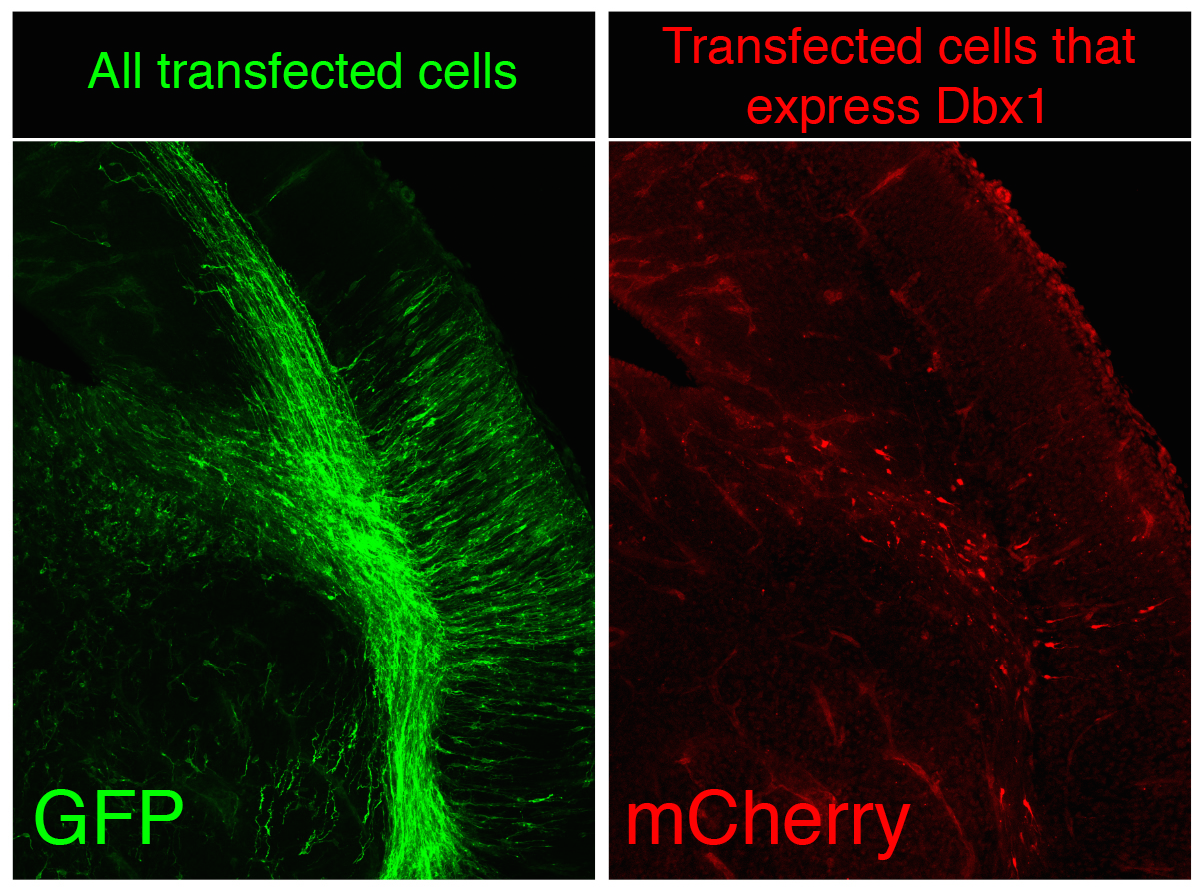
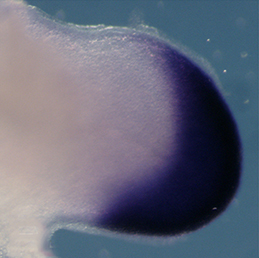
F1.smallNeurotransmitter functions are typically associated with neural function rather than with development, but there is a growing body of evidence suggesting that neurotransmitters may also regulate cell proliferation and differentiation in the nervous system. Recent work has demonstrated that GABAA receptor signalling can control adult neurogenesis in the mouse. Verdon Taylor and co-workers now investigate a role for GABAB receptors in the adult mouse hippocampus (p. 83), finding that deletion or inhibition of GABAB1 promotes proliferation of neural stem cells (NSCs), whereas GABAB-receptor agonists induce NSC quiescence. These effects of manipulating GABA signalling appear to represent a cell-autonomous function for GABAB receptors in NSCs. The authors propose that GABAB may be part of a crosstalk mechanism between differentiated neurons and the progenitor population, such that neurogenesis is appropriately coordinated with neural activity. While it has yet to be determined how GABA signalling regulates NSC fate, it is increasingly clear that neurotransmitter-mediated signalling in NSCs is an important mechanism by which neurogenesis can be regulated.


Tracking the causes of age-related aneuploidy

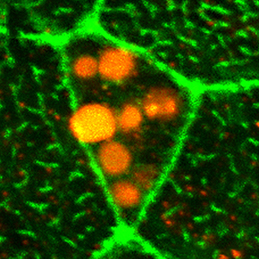
F1.small-1Chromosome mis-segregation during meiosis leads to aneuploidy, and hence to reduced fertility and birth defects. The frequency of aneuploidy increases in older mothers. Various mechanisms have been proposed to account for this correlation between maternal age and chromosome segregation defects, most placing the emphasis on errors occurring in meiosis I (MI). Keith Jones and colleagues (p. 199) now use sophisticated live imaging of young and aged mouse oocytes to follow individual bivalents through MI to metaphase II (metII) arrest. In aged oocytes, they observe defects in MI such as weakly attached bivalents and lagging chromosomes during anaphase, but surprisingly find no significant defects in chromosome congression or bivalent segregation. Instead, their data suggest that aneuploidy in aged oocytes is primarily a result of premature separation of dyads during meiosis II, likely during assembly of the metII spindle. The authors propose that these errors are a result of cohesion loss during MI, but – in contrast to previous proposals – that the major segregation errors only occur during meiosis II.


Why timing matters during segmentation

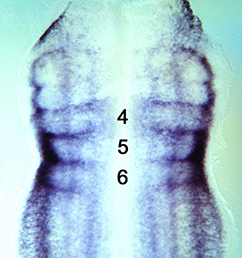
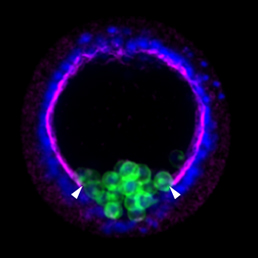
F1.small-2Vertebrate somites form via a sequential process of segmentation, which proceeds from anterior to posterior. In many species, anterior somites form more quickly than posterior ones, but whether this is functionally important, and how the switch in timing might be controlled, is unknown. Now (p. 158), Takaaki Matsui and co-workers address these issues in zebrafish, where the anterior four somites form every 20 minutes, while more posterior ones form every 30 minutes. They find that this difference in timing is not due to a change in how long a somite takes to form, but rather to the extent of overlap between segmentation periods. Mechanistically, retinoic acid signalling appears to be key to regulating the transition from fast-forming to slow-forming somites, acting via Ripply1 to regulate the clock gene her1. When RA signalling is impaired, there is a specific vertebral defect at the head-to-trunk linkage, indicating the functional importance of this anterior-posterior difference in the rate of somitogenesis.

Controlling expression by nuclear position

F1.small-3Within the nucleus, active gene loci tend to cluster together in the nuclear interior, while inactive genes are often found at the nuclear lamina. On p. 101, Vladimir Botchkarev, Michael Fessing and co-workers find that developmentally regulated gene expression from the epidermal differentiation complex (EDC) – a locus containing genes associated with epidermal barrier formation – is associated with changes in nuclear position. At early stages of mouse development, the EDC is silent and is located at the periphery, but it moves more centrally prior to gene activation and becomes associated with SC35 nuclear speckles – an indication of transcriptional activity. This relocation is dependent on the epidermal transcription factor p63. Moreover, the authors find that p63 directly regulates the expression of the chromatin remodeller Brg1, and that Brg1 is required for the relocation and activation of the EDC. These results underscore the importance of higher order chromatin structure for the regulation of gene expression, and identify a mechanism by which this nuclear organisation can be developmentally regulated.


Cargo transport: a complex tale of the kinesin tail

F1.small-4The plus-end directed motor protein Kinesin-1 is a major effector of microtubule-mediated transport, moving a wide range of cargo around cells. How cargo specificity is achieved and how motor transport is regulated are still not fully understood, particularly in in vivo developmental contexts. Isabel Palacios and colleagues (p. 176) make use of the multiple functions of Kinesin-1 in the Drosophila oocyte to analyse how different kinesin heavy chain (KHC) domains contribute to different activities. The authors focus particularly on the tail region, which is involved in auto-inhibition and cargo binding. Although most kinesin functions are impaired in the absence of this region, some appear to be relatively unaffected. Notably, their data suggest that the auto-inhibitory IAK domain has a function independent of its auto-inhibitory activity, while the microtubule binding AMB domain is essential for transport of certain cargoes. Overall, this study showcases the distinct requirements of different cargoes for particular KHC domains – highlighting the diversity of kinesin-mediated transport mechanisms.


Regulating stem cell fate with CRISPRe

F1.small-5The ability to manipulate genomes has been significantly advanced by the development of the CRSIPR/Cas9 technology, in which the Cas9 endonuclease is targeted to specific sites in the genome by single-guide RNAs (sgRNA) – short sequences complementary to the genomic locus of interest. This approach has been further developed to allow regulation of gene expression at particular loci (a system referred to as CRISPRe): a catalytically inactive version of Cas9 (dCas9) can be fused to transcription activation (e.g. VP64) or repression (e.g. KRAB) domains and targeted to the desired genomic locus by sgRNA. Now, René Maehr and colleagues (p. 219) apply the CRISPRe system in human pluripotent stem cells. Their work provides a proof-of-principle that dCas9 fused to either VP64 or KRAB can regulate mRNA and protein levels of a gene targeted by sgRNA, with consequent effects on cell differentiation. This technique provides a widely applicable method to control gene expression, and hence manipulate cell fate, in stem cells.


PLUS:


Sphingosine 1-phosphate signalling

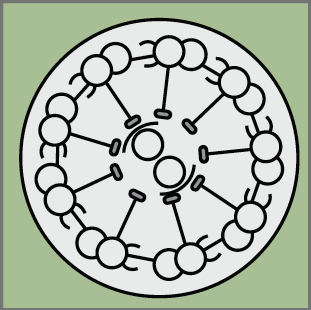
F1crop.posterSphingosine 1-phosphate (S1P) is a lipid mediator formed by the metabolism of sphingomyelin. Recent studies have shown that crucial events during embryogenesis, such as angiogenesis, cardiogenesis, limb development and neurogenesis, are regulated by S1P signalling. Here, Timothy Hla and colleagues provide an overview of S1P signalling in development and in disease.

See the Development at a Glance poster article on p. 5
 

How unique is the human neocortex?

F1crop.largeThe human cerebral cortex is generally considered the most complex organ, and is the structure that we hold responsible for the repertoire of behavior that distinguishes us from our closest living and extinct relatives. At a recent Company of Biologists Workshop, ‘Evolution of the Human Neocortex: How Unique Are We?’ held in September 2013, researchers considered new information from the fields of developmental biology, genetics, genomics, molecular biology and ethology to understand unique features of the human cerebral cortex and their developmental and evolutionary origin.

See the Meeting Review by Zoltan Molnar and Alex Pollen on p. 11

Thumbs up (No Ratings Yet)
Loading...

Categories: Research

Postdoctoral Research Fellow, Sampath Laboratory, University of Warwick, UK

Posted by , on 17 December 2013

Closing Date: 15 March 2021

Postdoctoral Research Fellow, Sampath Laboratory, University of Warwick, UK
 
A postdoctoral fellow position is available in the laboratory of Karuna Sampath in the Division of Biomedical Cell Biology at the University of Warwick, UK.  A key area of research in the laboratory is to understand maternal control of early developmental processes and RNA biology in the context of vertebrate development(see Lim et al., Development 2012; Tran et al., Development 2012, and Kumari et al., eLife, 2013).

Candidates will be enthusiastic, motivated, have a recent PhD degree and a strong understanding of developmental genetics, cell biology and biochemistry, with evidence of high quality output.  Prior experience in the areas of RNA biology, RNA-protein biochemistry, and signaling pathways in development is an advantage.

Please include a full CV, list of referees, and a covering letter with your application summarizing your research experience, future goals, what you can bring to the post and why the post interests you.


To apply online:  
http://www2.warwick.ac.uk/fac/med/research/biomedical/jobopportunities
Research Fellow – Post number: 73518-123

Closing date: 16 January 2014

Thumbs up (No Ratings Yet)
Loading...

Categories: Jobs

(Developmental) Biology around the internet- December 2013

Posted by , on 16 December 2013

Here is our monthly round-up of some of the interesting content that we spotted around the internet:


News & Research:

– Fred Sanger has sadly passed away. A fitting tribute to him was @edyong209s tweet: CGCATTCCGTTTCGCGAAGATAGCGCGAACGGCGAACGC (reads RIP Fred Sanger)

– 2 papers published in Cell showed that cellular senescence contributes to embryonic development

– Paul Knoepfler’s blog is holding a vote to find the iPS cell paper of the year 2013

– Europe PubMed Central and the British Library are running a science writing competition, and one of the papers you can explain is on developmental biology

– The British Society for Developmental Biology (BSDB) is accepting nominations for the Beddington medal for best PhD thesis of 2013

– Nature News published an editorial on the ongoing stem cell controversy in Italy

– ‘I’m a scientist, get me out of here!’ is holding a developmental biology-themed Q&A in association with the Royal Institution Christmas Lectures, which this year will be given by developmental biologist Alison Woollard.


Weird & Wonderful:

the Node Christmas logo 2– Do you have spare eppendorfs and tips? Why not get creative and make dinosaurs!

– Christmas is upon us soon, and we have spotted a few science-themed Christmas decorations (and we also decorated the Node logo for Christmas!). Also follow the Royal Institution advent calendar to explore all 23 chromosomes and mitochondrial DNA! 

– and a 2011 cover of ‘Genes to Cells’ gives a great example of meow’tosis!


Beautiful & Interesting images

– Explore the labs of Nobel Prize winners in detail with these 360° images

– A smiley cell was one of the featured images of the EMBO 2014 calendar


Videos worth watching

– The winners of the ‘Dance your PhD’ competition were announced

– We spotted this bitter-sweet song about the first day in the lab:


– and Bruno Vellutini created a great video showing the life of a sea biscuit:


Keep up with this and other content, including all Node posts and deadlines of coming meetings, by following the Node on Twitter.
 

Thumbs up (1 votes)
Loading...

Tags:
Categories: News, Video

A fruitful visit from INB to INA

Posted by , on 15 December 2013

My name is Daniel Ríos and I am a grad student at the ‘Instituto de Neurobiología (INB)’ from the National Autonomous University of Mexico. However, during this past October I was part of the ‘Instituto de Neurociencias de Alicante (INA)’, from the Miguel Hernandez University, in Spain. Ok, I was there just for a short time working on a collaboration project, but I was taken care of so well that it only took a couple of days for me to feel part of the community.

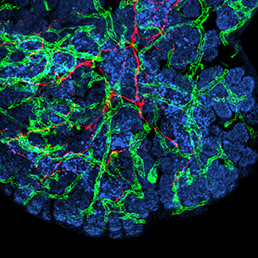
Thanks to a Development traveling fellowship, I visited the María Dominguez lab to start a collaboration project between her lab and Juan Riesgo’s lab, of which I am part of. María has a very solid group working on growth control in the fruit fly. Among other things, her group studies the larval brain as a model to understand tumorigenesis. In the figure below, I show a larval brain lobe stained to reveal neural precursor cells (green). The proliferation of these cells is under control of various signaling networks and transcription factors, and this provides a useful model to understand growth and its regulation. In this internship, we explored the role of tumor suppressor genes during brain tumorigenesis in Drosophila larvae, and wether they act in the same way during neural development in the embryo.

For me, this was a very enriching experience in many different ways. First, this was my first time crossing the Atlantic Ocean, and the longest time I have ever been away from Mexico. Also, I could really experience how science is done everyday in a different country, and third, I had the opportunity to meet great people from other parts of the world that share common interests to mine.

Finally, with this experience I could really see the “universality” of science. Even though it took a while for me to learn even how to use the laundry machine properly at my flat, or when and where would be possible to find an open supermarket, in the lab I felt that I knew exactly what I had to do and how to do it (with some orientation from the people of the lab, of course). In more technical terms, this was a great chance to broaden my PhD thesis and to receive feedback about it, and also to exchange fly stocks, protocols, and conduct lively science discussions. In our group, we will start to characterize the neural phenotype of mutant lines isolated in our lab, both during embryonic development and during larval stages, and keep on collaborating with the Dominguez lab in this same regard. Once again, I thank the Company of Biologists for their support, and I encourage students to take this exceptional opportunity.

A larval brain lobe, neural precursor cells are shown in green, and blue is a counterstain.
A larval brain. Neural precursor cells are shown in green, and blue is a counterstain.


Thumbs up (5 votes)
Loading...

Tags: , , , , , , , , , , , ,
Categories: Funding, Lab Life

PhD position. Molecular and functional analysis of cardiac diversification by cell specific genomic approaches

Posted by , on 12 December 2013

Closing Date: 15 March 2021

We are looking for a highly motivated candidate with knowledge in genetic, developmental biology, biochemistry and molecular biology. Experience in genomic approaches (ChIP-seq, RNA-seq), immuno-purification, bioinformatics and confocal microscopy would be also appreciated.

Our GReD (Genetics, Reproduction and Development) Laboratory seeks to understand the molecular and cellular mechanisms that control the formation of a eukaryotic organism from a fertilized egg. CNRS (UMR6293), INSERM (U1103) and two Universities of Clermont (University of Auvergne and Blaise Pascal University) are involved in financing 10 research teams that compose it. These teams analyze surveillance systems and repair that maintain genome integrity. They study how from an undifferentiated cell, divisions and cell differentiation lead to the formation of a harmoniously developed organism. Extending these fundamental aspects, medical approaches aimed at elucidating the genetic program of a healthy cell, identify deregulation of certain diseases, and find appropriate therapy.

Our current goal in the group is the understanding of molecular mechanisms that control the identity of heart and muscle precursors and the acquisition of morphological and functional properties during development . To investigate this we use genomic approaches: microarray, chromatin immunoprecipitation (ChIP ) and modern in vivo imaging approaches in the Drosophila model . Studies in our team have previously allowed to better understand how the heart and muscle progenitors are specified during embryonic development. An important finding was made revealing that the intrinsic and extrinsic regulators of myogenesis and early cardiogenesis were conserved between invertebrates and vertebrates. Ongoing projects aim at a better understanding of i) mechanisms of appendicular myogenesis ii ) specification of muscle stem cells in Drosophila iii ) functions of the target genes of transcription factors ladybird and their roles in migration and acquisition of cell identity iv ) morphogenesis genetic control of the formation of anterior cardiac tube v) establishing of a drosophila model of myotonic dystrophy type I.

Proposed project: The diversification of cardiac cells is accompanied by numerous changes in the expression of genes that allow cells to acquire their own identity and functions. The proposed PhD project is an integral part of a long-term project that aims to improve our understanding of the genetic pathways that control the formation of different types of cardiac cells using new technological developments involving whole genomic approaches in cell type resolution. We will therefore identify the transcriptome specific to each type of cardiac cells and the mechanisms of transcriptional regulation throughout the process of heart cells diversification. There are three main objectives in this study: i) A comparative analysis of transcription in subsets of cardiac cells ii ) A measure of the dynamics of cell – specific translation by isolating mRNA associated with ribosomes in subpopulations of cardiac cells ( TRAP method ( Heiman et al. cell, 2008) ) iii ) Sort the identified candidate and define the molecular signatures that specify different subsets of heart cells at different time windows . All experiments will be performed on Drosophila embryos. The data will then be analyzed by powerful bioinformatics tools available in the team and supplemented by functional analyzes on these candidates.

Related publications:
Jagla, T., Bidet, Y., Da Ponte, J.P., Dastugue, B., and Jagla, K. (2002). Cross-repressive interactions of identity genes are essential for proper specification of cardiac and muscular fates in Drosophila. Development 129, 1037-1047

Junion G, Bataille L, Jagla T, Da Ponte JP, Tapin R, Jagla K. 2007. Genome-wide view of cell fate specification: ladybird acts at multiple levels during diversification of muscle and heart precursors. Genes & development 21: 3163-3180

Junion G, Spivakov M, Girardot C, Braun M, Gustafson EH, Birney E, Furlong EE. 2012.
A transcription factor collective defines cardiac cell fate and reflects lineage history. Cell 148: 473-486

Contract: ANR fundings for 3 years

Contact:
Dr Guillaume Junion
Krzysztof Jagla team
GReD, INSERM U1103, CNRS UMR6293,
University of Clermont-Ferrand
28, Place Henri Dunant
63000 Clermont Ferrand
France
guillaume.junion1atudamail.fr
Tel: +33473178459

Thumbs up (No Ratings Yet)
Loading...

Categories: Jobs

Advantages of exposure

Posted by , on 11 December 2013

I was fortunate go get funding and support to travel to California during my graduate student period. While some similarities between the Norwegian and Californian west coasts made me feel vaguely familiar, the biggest change and the most exciting part of my visit at UCLA has been the inspiration and scientific maturation that comes from exposure to new ideas and excellent research.

In addition to the planned experiments and training sessions planned for my visit, I also wanted to broaden my scientific interest, and have been attending multiple interesting talks and seminars. From plant stem cell self-renewal to chick embryo gradients, the range of exciting science approaches I can learn from and get inspired by is very rewarding. Although not always directly related to my own research or favourite topics, listening to investigators who display genuine curiosity makes all the difference. This is one of the factors that unite scientist globally, our shared interests in exploring, describing and characterizing the world around us.

Before departure from Norway, I anticipated that the number of experiments run and figures prepared would be a central measure of success for my visit. Although it has been important to learn new techniques and discuss my project with the host lab, other parts of my PhD education have also been substantially enriched as a consequence of changing continents. Inspired by a community of talented students, postdocs and young group leaders here at UCLA, the broadened way I approach science and discoveries will be a central part of my continued fascination for biology. Likewise, science communication has also emerged as a novel direction for how I can contribute to public understanding of biology, health and disease. Here, inspiration to think outside the box allows young PhD-students like myself to imagine and consider alternative career paths that remain connected to discoveries and biological insight.

If you have the chance to leave the safety and familiarity of your current research institute, I urge you to go abroad to experience the global interest in exciting science. Don’t focus too much on the experiments you are supposed to do, but allow the new community to broaden you insights and inspire you to think differently about science. Go, explore and share great science!

Thumbs up (3 votes)
Loading...

Tags: , , , ,
Categories: Careers, Education, Lab Life

Mechanisms for asymmetric heart morphogenesis: About Nodal and tissue intrinsic forces

Posted by , on 11 December 2013

Although we all appear symmetrical from the outside, the organization of our internal organs and organ structure are highly asymmetric. Proper asymmetric positioning and patterning of our organs is very important for correct function, and loss of this asymmetry during organ formation can lead to a variety of serious congenital diseases.  Our recent study identifies a new mechanism by which the heart forms an asymmetric structure during embryonic development.

Thus far it was thought that all organs use the same mechanism to develop this left-right asymmetry by responding to the TGF-β-related growth factor Nodal, which is expressed on the left side of the developing vertebrate embryo. Using forward genetic screening in zebrafish for mutants defective in organ laterality we identified the straightforward mutant. Interestingly the straightforward mutant embryos exhibited complete randomization of brain and the visceral organ laterality, while preferential direction of heart looping was maintained. Positional cloning of the mutation underlying the organ laterality defect revealed a loss-of-function mutation in the asymmetrically expressed zebrafish Nodal-related gene southpaw (spaw).

In vertebrates, including zebrafish, the heart starts out as a linear tube that bends to the right and loops asymmetrically to form the mature functional heart. In zebrafish embryos the linear heart tube is also positioned asymmetrically with respect to the midline with the future venous pole positioned ventral to the left eye. In spaw mutant embryos this initial leftward positioning of the heart (named cardiac jogging) is compromised resulting in a midline positioned heart. Despite this cardiac jogging defect in spaw mutant embryos, the majority of the hearts bend to the right forming a normal dextral heart loop. We therefore concluded that (1) Spaw activity is required for cardiac jogging, but cardiac jogging is dispensable for asymmetric heart looping and (2) Spaw is not the only regulator of asymmetric heart looping. Since there are three Nodal-related genes expressed in the zebrafish embryo we examined whether these other Nodal-related proteins could provide asymmetry information to the heart during heart looping and thereby could compensate for the loss of Spaw activity. However, from our experiments we concluded that the other Nodal-related genes are absent from spaw mutant embryos at embryonic stages relevant to heart lateralization. In addition we observed preferred dextral looping in spaw mutant embryos in which Nodal signaling was blocked either chemically or genetically. From these results we concluded that in the absence of Nodal signaling, dextral heart looping in zebrafish embryos is regulated by an alternative mechanism.

heartdishv2Heart looping in a dish. (a) Cartoon showing the procedure of culturing embryonic heart tubes. Linear heart tubes were dissected from tg(myl7:GFP)-positive embryos at 26 hpf, placed into culture medium and incubated further. (b) Images of explanted heart tubes after 24 hours in culture. While control hearts completed dextral-looping after a 24 hours culturing period, treatment of explanted heart tubes with either a myosin II inhibitor (Blebbistatin) or an inhibitor of actin polymerization (Cytochalasin B) prevented normal heart looping. Reproduced with kind permission from Nature Communications.


Significantly, we found that this asymmetric development of the heart is mostly independent from external factors or forces from the rest of the embryo. We developed a heart-in-a-dish system that allowed us to culture linear heart tubes dissected from the embryo in a dish.  Linear heart tubes dissected from the embryo retain their ability to loop, and heart looping occurred predominantly in the correct dextral direction. The heart-in-a dish system allowed us to test the effect of various drugs on directional heart looping and we found that inhibiting actin polymerization or non-muscle myosin activity disrupted the looping process. From these results we concluded that the asymmetric development of the heart is regulated by different mechanisms than those governing brain and visceral organ asymmetry – specifically, heart looping is a tissue intrinsic process that requires actomyosin activity.

modelv4 Cartoon illustrating proposed regulation of dextral heart looping by Nodal and actomyosin. In a wild-type situation, combined Nodal signaling and actomyosin activity provide a robust mechanism driving dextral heart looping. In the absence of Nodal signaling, actomyosin activity is sufficient to promote preferential dextral heart looping. In the absence of actomyosin activity, Nodal signaling is not sufficient to promote dextral heart looping. Reproduced with kind permission from Nature Communications.


These findings are interesting since in Drosophila, which lack Nodal genes in their genome, asymmetric organ formation is controlled by tissue- and cell-intrinsic mechanisms that require specific components of the cytoskeleton. Similarly, cultured mammalian cells show phenotype-specific left–right asymmetry that is controlled by the cells cytoskeleton. Our findings suggest now that such an intrinsic mechanisms is also important to regulate asymmetric heart development in zebrafish. Indeed, in ancestral vertebrate organisms that exhibit asymmetric embryonic Nodal expression, accompanied by brain and gut asymmetries, no heart asymmetries are observed in the developing embryo. This suggests that ancestrally the heart did not respond to asymmetric Nodal signaling and it is interesting to speculate that heart asymmetry developed independent of asymmetric Nodal.


reference:

Noël ES, Verhoeven M, Lagendijk AK, Tessadori F, Smith K, Choorapoikayil S, den Hertog J and Bakkers J. (2013) A Nodal-independent and tissue-intrinsic mechanism controls heart-looping chirality. Nat Commun. 2013 Nov 11;4:2754

Thumbs up (4 votes)
Loading...

Tags: , , , ,
Categories: Research