The Wellcome Trust – Medical Research Council Cambridge Stem Cell Institute is founded on the concept that deep understanding of stem cell biology will contribute to transforming future healthcare.
The Institute is seeking new Group Leaders at both junior and senior level to complement our existing programmes and contribute to ground-breaking discoveries in stem cell science. Applications in any area of mammalian stem cell biology are welcome and we are particularly interested in interfaces with:
(i) mathematical, physical or chemical biology;
(ii) bioengineering;
(iii) malignancy
(iv) regenerative medicine
Junior group leader candidates will have minimum of 3 years post-doctoral experience, distinctive research achievements, and an original project proposal.
Senior group leader candidate will be internationally recognised for independent high quality science and have an exceptional and well-founded research proposal.
The Institute offers a collegiate environment with excellent core facilities for stem cell culture, transgenesis, flow cytometry, complex microscopy and bioinformatics http://www.stemcells.cam.ac.uk. Successful candidates will be supported to obtain external personal fellowship and grant support within 1-2 years. An interim start-up package is available. Depending on experience, you can expect remuneration between £37,756 – £64,170.
Applications should be submitted using the University’s recruitment web page: http://www.jobs.cam.ac.uk/job/2186/.
Applicants should upload a CHRIS 6 (http://www.admin.cam.ac.uk/offices/hr/forms/chris6/), a full curriculum vitae with contact details of 3 referees, and 1-2 page outline research proposal, by Wednesday 4th June 2014.
The University values diversity and is committed to equality of opportunity.
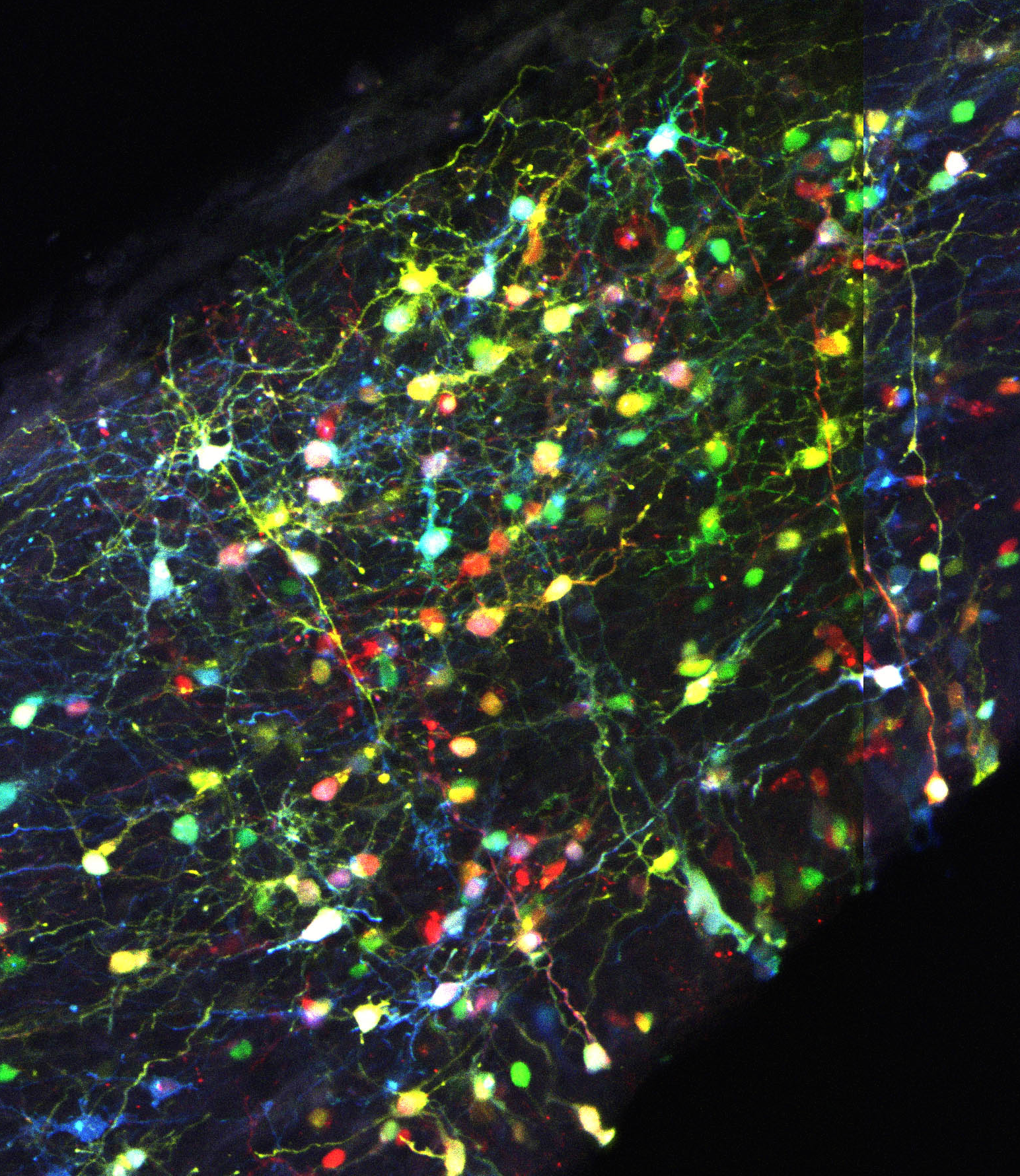
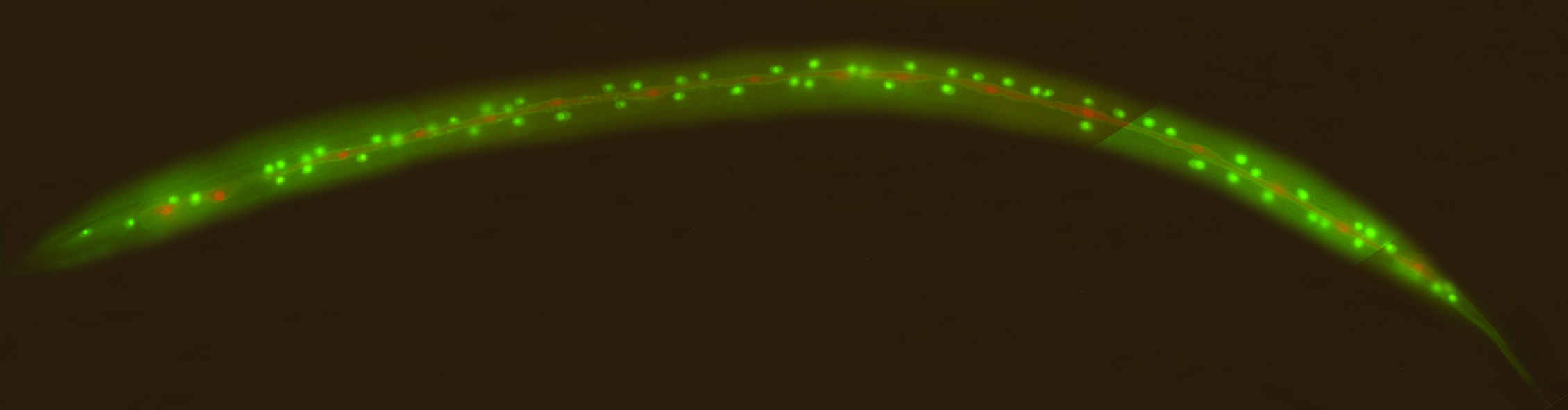
Scenes from Seville (my pics) and a transgenic embryo (A. Fernandez-Miñan)
After over a decade working in Europe, I recently returned to Costa Rica to start a lab at the University of Costa Rica (UCR), in San José. Life in the Tropics has its perks, such as regular sightings of sloths and raccoons from my office window. However, starting up the first Developmental Biology lab in the country will require some patience, partly due to paperwork but mostly due to the restricted access to funding. Additionally, all researchers at UCR have lecturing responsibilities that somewhat restrict the time spent in the lab. Thus, resourcefulness can make a difference. I needed the space to produce transgenic fish lines for my project while we wait for the lab to be ready… Happily, I knew the place where I could achieve this, and that a Development Travelling Fellowship could help fund my visit.
The CABD (Centro Andaluz de Biología del Desarrollo) in Seville created the “Aquatic Vertebrates Platform” back in 2007, which provides in-house and guest scientists with the tools, space and training to produce and grow transgenic fish lines. As I had worked at CABD during my last postdoc (in Juan R. Martínez-Morales’ lab), I was familiar with the services the Platform provides and got in touch with José Luis Gómez-Skármeta, Platform Coordinator, and Ana Fernández-Miñán, the Scientific Manager. With their support, I submitted my proposal for the travel grant. It was great news to find that I’d been awarded the Fellowship and could indeed travel to Seville in February, before the start of the academic year at UCR.
The Platform houses over 40 multi-level tank racks, for both zebrafish and medaka (as well as racks for Xenopus). Some of that space is available to raise and maintain any lines produced, for a small fee. Visiting scientists, such as myself, also receive support when picking a transgenesis strategy and preparing their expression vectors, from using the well-established Gateway Tol2 kit (my choice) to using the Zebrafish Enhancer Detector (ZED), produced at CABD, for enhancer activity assessment.
Additionally, for those scientists who require it, gain and loss-of-function experiments with mRNA or morpholino microinjections can be carried out on site, as well as transplantation experiments for analysis of mosaic expression patterns. Results can be analysed using either the fluorescent stereoscopes or using the confocal microscopes available in the Microscopy Facility (run by Katherina García, who is very friendly and can help optimize conditions for particular experiments). What’s more, 3C and 4C technologies are used regularly at CABD. This means that an added bonus to the Platform is the chance for visiting researchers to set up collaboration projects if they require the use of these technologies.
Here in San José we are starting small, so I only required the space to produce and grow the transgenic fish. At UCR I have been collaborating with a Human Genetics lab (Henriette Raventós leads the group), which has been studying the genetics of mental illnesses for over two decades. We intend to use zebrafish I produced in Seville to study the activity of some of the candidate genes that have been identified in Costa Rican populations, and which have not been studied during CNS development. It is a small project, but it brings great satisfaction to finally provide our University (and the country) with a well established, reliable and convenient research animal model. Although I might not have taken advantage of the many resources the Platform at CABD provides, as I saw the beautiful, fluorescent green eggs under the stereoscope, it became clear that this visit will hasten the establishment of our fish colony. By the time we receive the adult fish that are now growing in Seville, we hope to have a small, but adequate fish facility to host them.
The best way to celebrate the success of our efforts was to finish off the visit to Seville with some of that great Spanish wine and ham. It might have been the wine, but at some point I remembered Dr. Seuss’ Green Eggs and Ham book, which I used to read at school, and thought: After this experience, if am ever asked, my answer would have to be: I like green eggs and ham! I do like them, Sam-I-am!
My name is Nikos. I just finished my PhD in the lab of Michalis Averof , starting my thesis at IMBB, in Crete and completing it at IGFL, in Lyon. My project aimed to introduce a new arthropod model to regeneration studies. Its main part was published recently (http://www.sciencemag.org/content/343/6172/788.abstract). In this Node post, I would like to present this new animal model and to summarize our findings in a more relaxed manner. I tend to read Node posts during experimental incubations; I hope I will be able to transmit my enthusiasm within this small break.
Why Parhyale?
Parhyale hawaiensis (closely related to the common beach hoppers – Figure 1) has emerged lately as a promising model organism for comparative developmental studies. A wonderful post describing how life proceeds in a Parhyale lab was posted recently in The Node by Erin Jarvis. The concerted effort of a few labs across the world has lead to the development of several genetic tools in Parhyale. We are now able to create transgenic animals either by random insertion of a transgene or by site-specific integration, to overexpress or downregulate our genes of interest, to perform mosaic analysis, gene-trapping etc. Moreover, transcriptomic and genomic data are accessible in the form of EST, BAC and RNA-seq datasets for embryogenesis.
What really fascinated us, though, and triggered me to commence this study is the ability of crustaceans (including Parhyale) to regenerate. Parhyale regenerates all of its appendages – antennae, thoracic and abdominal appendages – within about a week of amputation. It is necessary to mention that Parhyale, like all crustaceans, go through successive molts where they shed their exoskeleton and replace it by a new one during their entire lifetime. The regenerated appendage, although it is formed within the old exoskeleton, is only revealed after molting. Using genetic markers expressed in different cell types, I showed that all major tissues are restored after regeneration. Nerves and epidermis regenerate first, muscles regenerate later.
Figure 1: Parhyale hawaiensis possesses a number of diverse and specialized appendages, including antennae, feeding appendages, locomotory appendages, uropods and pleopods, all of which can regenerate upon amputation.
Why regeneration?
Regeneration is the process through which animals restore a body part after injury. Regeneration has incited human curiosity for a long time, e.g. there are well-known accounts of regeneration in Greek mythology; the Lernaean Hydra regenerated its heads, Prometheus regenerated his liver. Comprehending how different animals regenerate their body parts has been hindered by the fact that established animal models, like flies, mice and worms, have poor regenerative abilities.
Studying regeneration can facilitate our approach towards several stimulating questions. Several questions came to my mind at the beginning of my thesis. Why do some animals regenerate efficiently, whereas others do not? Do the animals that regenerate use common cellular and/or molecular mechanisms? Answers to these questions can help us construct the evolutionary history of regenerative capacity. Does regenerative capacity of different animals share a common origin or was it acquired during the evolution of different animal lineages?
Regenerative studies can also contribute to the rapidly evolving field of regenerative medicine. Researchers have been aiming (and succeeding) to de-differentiate, trans-differentiate and induce pluripotency in many different cell types. Studying natural phenomena of regeneration, where nature challenges the differentiated state of different cell types and manages to generate functional tissues, can provide invaluable insights for reprogramming studies.
Lineage restriction of regeneration progenitors
Our first question was whether regeneration progenitors in Parhyale are totipotent or lineally restricted. In different animals, varying degrees of progenitor commitment have been described. Planarians employ totipotent cells, termed neoblasts, to regenerate every part of the body that is missing1. Vertebrates, on the other hand, utilize progenitors that retain their commitment to a specific lineage2,3. In specific circumstances, transdifferentiation (transformation of a differentiated cell type into a different differentiated cell type) has been reported to occur during regeneration, e.g. during lens regeneration in newts4.
I created mosaic animals, in which specific cell lineages were marked with a transgene carrying EGFP under the control of a Parhyale heat-shock promoter. I then assessed the contribution of these marked cell lineages to regenerated tissues. My mosaic animals carried the marker transgene in cell lineages that contribute to different portions of the ectoderm, mesoderm, endoderm or germline. After regeneration, I recorded which of the newly regenerated tissues expressed EGFP, which would indicate that it derived from the marked lineage.
I discovered that the regeneration progenitors in Parhyale have a regenerative potential that is restricted with respect to germ layers and, moreover, that they reside close to the regenerating tissue. For example, cell lineages that during embryonic development contribute to ectoderm on the left side of the body regenerate the epidermis and nerves on the limbs of the left side, cell lineages that contribute to mesoderm on the right side of the body could regenerate the muscles of the right side, and so on.
These results exclude the participation of totipotent progenitor cell in Parhyale limb regeneration, as is the case in planarians, and restrict possible transdifferentiation events to transdifferentiation between cells of the same germ layer; if transdifferentiation occurs, it does not cross the borders between ectoderm and mesoderm. My results indicate that, in terms of precursor plasticity, Parhyale resembles vertebrates in using lineally-restricted progenitors to create the new tissues.
The fact that totipotent cells have not been identified in vertebrates and crustaceans supports the argument that neoblasts are an evolutionary novelty of Platyhelminthes. On the other hand, totipotent stem cells that participate in regeneration have also been observed in some species of cnidarians5. So, the question remains: if the common ancestor of Metazoa could regenerate, would this be through totipotent or lineally restricted progenitors? It can only be answered by wider comparisons among the animals that have the capacity to regenerate.
Satellite-like cells regenerate Parhyale muscle
In the second part of my project, I decided to look in greater detail within the ectodermal and mesodermal cell lineages that contribute to the regenerated tissues. I was lucky to have a transgenic reporter in the lab, PhMS-DsRed, that expresses DsRed in muscles6, as well as two cross-reactive antibodies that recognize members of the Pax3/7 family of transcription factors7. Using these tools, I discovered that Parhyale possess a mesodermal cell type that expresses Pax3/7 and is closely associated with muscle fibers. These cells are reminiscent of vertebrate muscle satellite cells; we therefore named them satellite-like cells. Vertebrate muscle satellite cells participate in muscle repair, growth and regeneration8.
I noticed that the PhMS regulatory element is active in the satellite-like cells. Using transgenic animals that carried a PhMS-EGFP transgene (expressing EGFP in muscles and in satellite-like cells), I isolated satellite-like cells from dissociated limbs and transplanted them in wild type recipients with amputated appendages. I screened these animals after regeneration and observed that a small number of muscle fibers in the newly regenerated limbs expressed EGFP, which suggests that they were derived (at least in part) from the transplanted satellite-like cells. These results prove that satellite-like cells can participate in muscle regeneration in Parhyale. We cannot exclude that other cells could also act as muscle progenitors in regeneration. Cells that derive from dedifferentiated muscle fibers have been shown to drive muscle regeneration in newts. Interestingly, axolotls (another salamander species) achieve muscle regeneration by activation of satellite cells and not through muscle dedifferentiation9. It would be interesting to find out if dedifferentiated muscle cells also participate in Parhyale muscle regeneration.
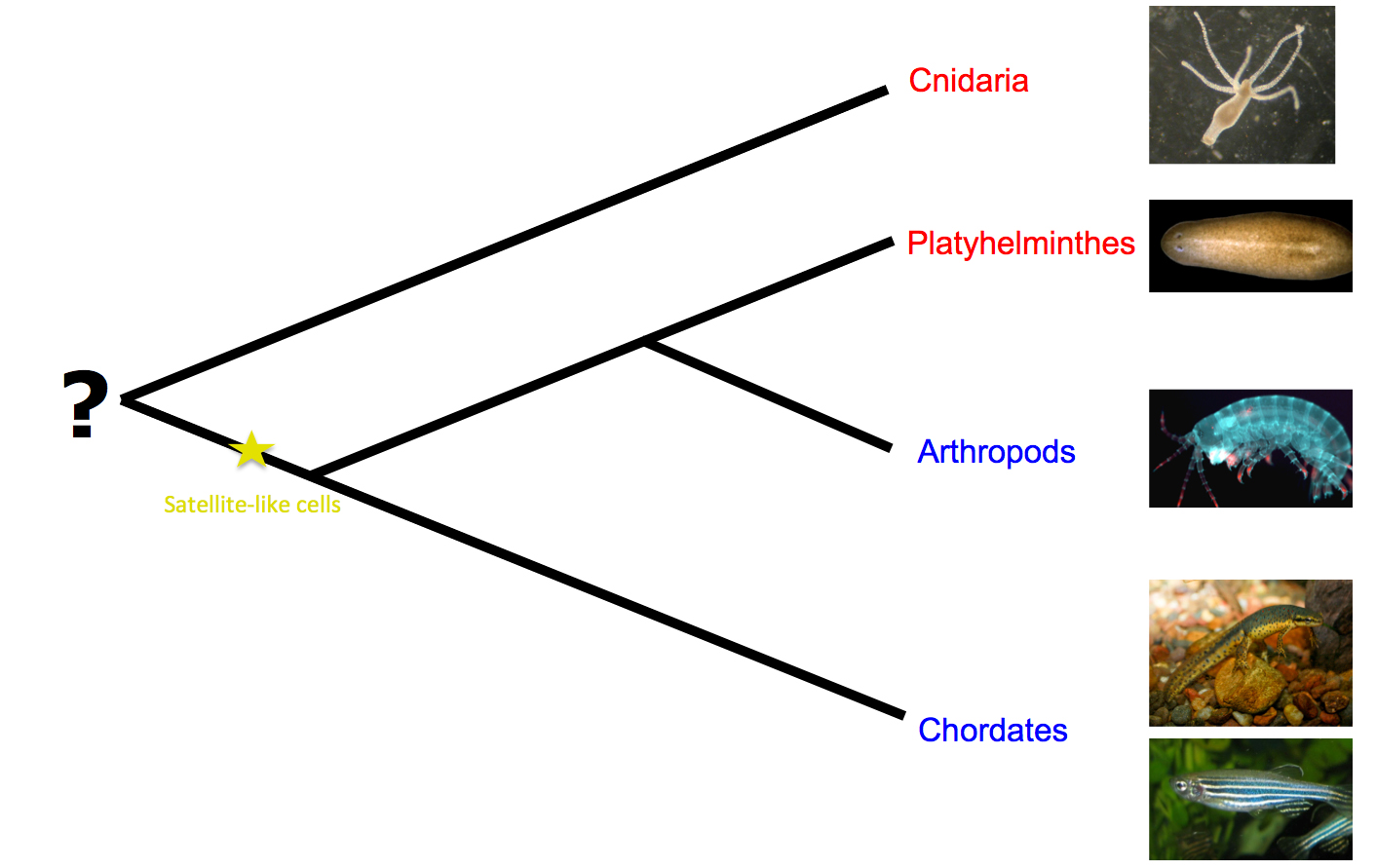
Before this study, satellite cells had only been identified in chordates. Assuming satellite-like cell homology to vertebrate satellite cells, their discovery in arthropods advocates the presence of satellite cells in the common ancestor of protostomes and deuterostomes. Moreover, satellite cell participation in muscle repair and/or regeneration in vertebrates and in Parhyale urges us to think about the evolutionary origin of these cells. The common ancestors of protostomes and deuterostomes may have been capable of repairing their muscles with the involvement of satellite cells. Alternatively, they may have carried satellite cells that were not engaged in muscle repair, but were perhaps pre-adapted to assume this role (Figure 2).
Figure 2: Regeneration models and possible emergence of satellite-like cells. Red indicates the taxa where the participation of totipotent cells in regeneration has been reported, whereas blue designates the taxa where regeneration has been shown to proceed solely through lineage-restricted progenitors. (Images taken from Wikipedia.)
So…
Where do we stand in the quest of understanding the evolution of regenerative capacity? Is regeneration an ancient trait that was lost in some lineages or has it evolved independently many times? Only informed guesses can be made.
Regenerative capacity may have evolved independently in different lineages. This could be easier to achieve than it is usually thought. The information for creating body parts is already encoded in the genome and has already been employed during embryonic development. Evolving the capacity to regenerate might just involve finding a way to redeploy this information.
Alternatively, regenerative capacity may be an ancient trait that was lost in certain lineages. In some animals, for example ones that are very short-lived, regeneration might not present a selective advantage. The loss of regenerative capacity could also be attributed to its incompatibility with another adaptive trait, such as fast healing via the formation of a fibrotic scar10.
2014 is continuing in full force on the Node. We had many interesting posts this month, as well as several job and PhD studentships advertised in our jobs page. Here are the highlights!
Research:
– Fernando described a new technique called CLoNE, which allows cell labelling for lineage analysis of specific progenitor cells.
– Scientists at the IRB in Barcelona showed a direct connection between the Hedgehog pathway and FGF in cell migration.
Hello! My name is Maggie Pruitt and I am a postdoc in Dr. Stephan Schneider’s laboratory at Iowa State University. At the beginning of this year, I had the wonderful opportunity to visit Dr. Detlev Arendt’s laboratory at EMBL in Heidelberg, Germany for two weeks. This experience was possible due to a Development Travelling Fellowship I received from the Company of Biologists.
Dr. Stephan Schneider’s laboratory at Iowa State University studies the evolution and development of the marine annelid Platynereis dumerilii. Specifically, the laboratory is interested in dissecting Wnt/β-catenin gene regulatory networks within early Platynereis embryos. To further study the functional roles of components of the Wnt signaling pathway, our laboratory needed to learn how to inject mRNA, plasmids, or reporter constructs into Platynereis zygotes. Cue the Arendt Group at EMBL in Heidelberg!
While injection of zebrafish embryos seems to be commonplace at Iowa State University, injection of Platynereis embryos is not. However, microinjection of Platynereis embryos is routine in the Arendt laboratory, making this an excellent place to learn the technique. Also, the opportunity to visit a premier research institute like EMBL was quite appealing!
If I had to sum up my visit to the Arendt Group and EMBL in one word, INTENSE comes to mind. I knew going into the trip that it would be intense, as I was only staying two weeks. But everything about the Arendt Group and EMBL is intense… intense work atmosphere, intense group meetings, intense students/postdocs/scientists/group leaders, and intense (and interesting) lunch discussions. I mean this in a good way. The environment there will only foster great scientists.
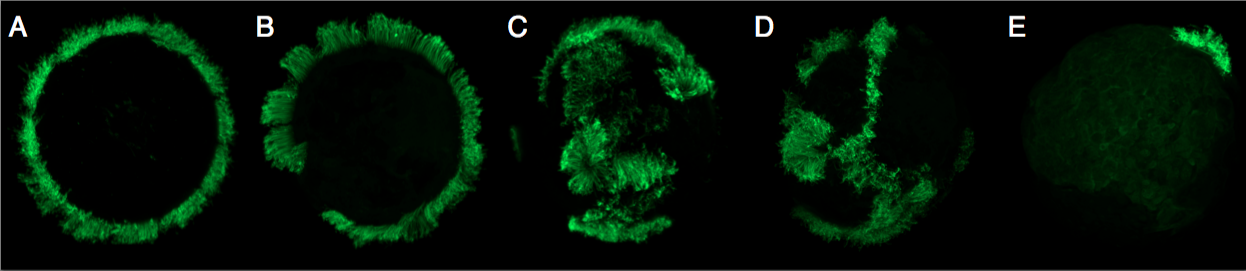
During my short trip, I had the opportunity to inject Platynereis embryos eight times, and by the end, I was confident that I understood how to perform the technique and would be able to transfer the technology back to Iowa State University. I was also taught a good method for live imaging my injected embryos – a bonus technique! Below is a figure with some of my results from the injections. These are 24h larvae stained with an acetylated tubulin antibody recognizing cilia e.g. in wild type embryos a ciliated ring (the trochophore).
A an uninjected control
B a control-injected animal
C-E the range of phenotypes seen in ∆cadherin-injected animals (intracellular domain of cadherin that sequesters β-catenin protein, thereby inhibiting β-catenin signaling)
In general, adopting the injection technique in our laboratory will open a whole new area of analysis in this organism. The technique will enable us to pursue new research avenues and push the analysis of the Wnt/β-catenin signaling pathway in Platynereis even further. Without the generous funding I received from the Company of Biologists, I am not certain this trip to the Arendt laboratory would have occurred, and for that I am extremely grateful. I am also thankful to the members of the Arendt laboratory for teaching me the techniques and helping to make this trip a wonderful experience.
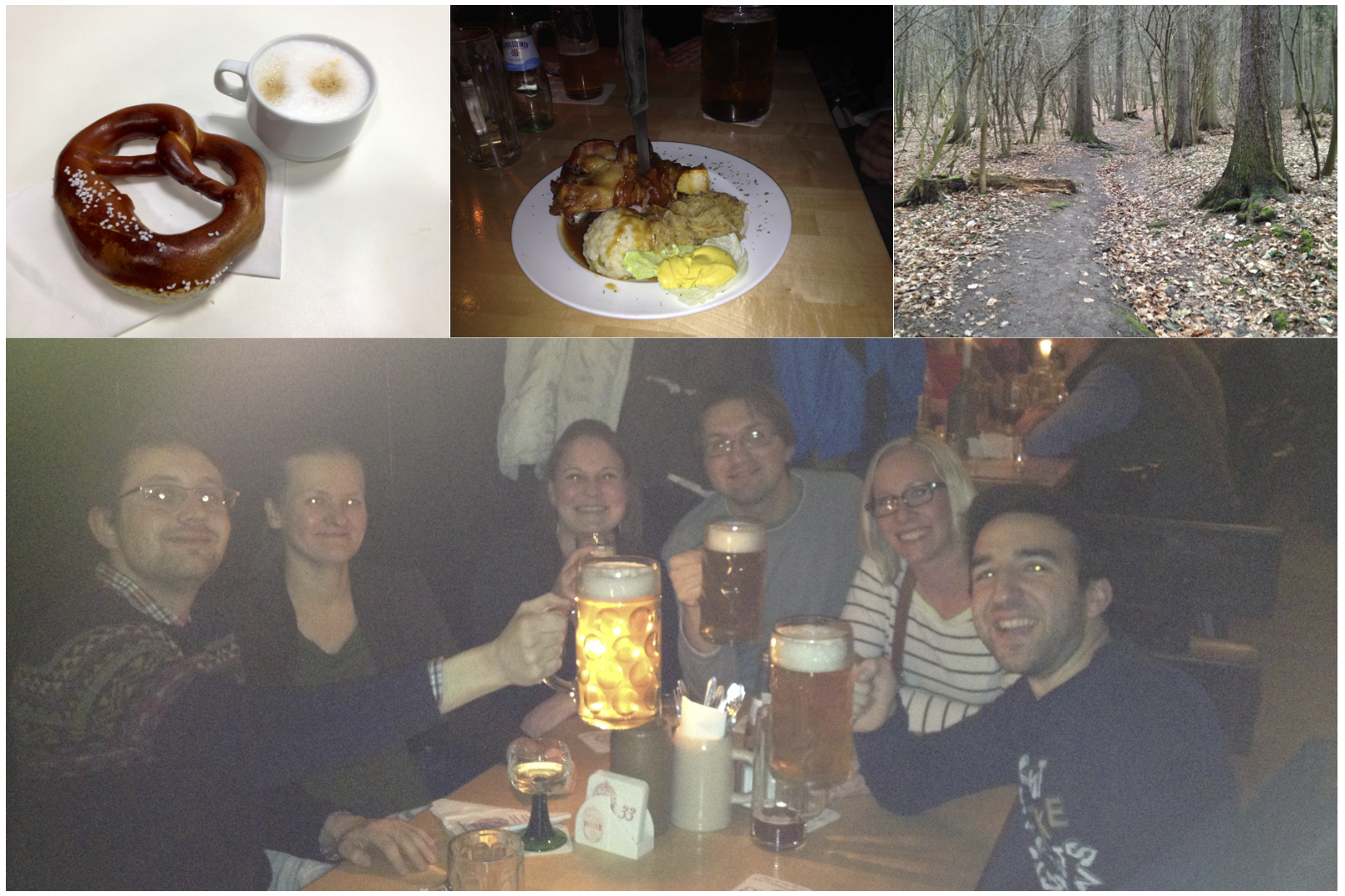
The pictures below are of some of the non-academic things I was able to enjoy during my stay (German food, culture, and walking through the forest to EMBL).
Of all the animal models used in biology, the freshwater planarian flatworm is one of the most fascinating: first because roughly 10% of all planarian cells are stem cells, second because these worms can regenerate from almost any injury. This ability to regenerate entire organs (including their own heads!) makes them very popular for stem cell biologists and a key model organism for regenerative medicine. In their dreams, scientists would like to understand the mechanisms by which planarians can regenerate entire organs and use that knowledge to, one day, make organs on demand in the lab. Though making organs on demand for medical applications is still a matter of science fiction, major scientific effort is put towards understanding how planarian stem cell biology works.
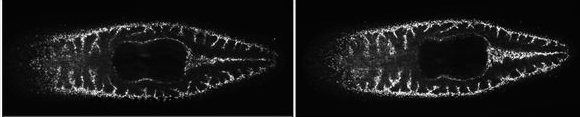
A recent example is a study published by Lin and Pearson in Development. They show that, in planarian flatworms, the protein yorkie was important for proliferation of stem cells and organ maintenance.
In this picture, you can observe the expression of the stem cell marker H2B in grey. On the left, you can see a control (normal) planarian flatworm whereas on the right you can see a planarian flatworm in which the expression of yorkie was turned down by genetic engineering. When compared to the normal planarian flatworm, you can see that there is more H2B, thus more stem cells, in the modified planarian flatworm. From this, authors conclude that yorkie is important for maintaining the right amount of stem cells in planarians.
This study is one of many that aim at understanding how planarians regulate their pools of stem cells and how they can regenerate entire organs and limbs. Though the road will be a long one, such scientific effort will hopefully one day teach us how to make organs in the lab, and make regenerative medicine a reality…
Picture credits:
Lin, A. Y. T. and Pearson, B. J. (2014). Planarian yorkie/YAP functions to integrate adult stem cell proliferation, organ homeostasis and maintenance of axial patterning. Development141, 1197-1208.
Understanding how cells differentiate during embryonic development is invaluable for the in vitro derivation of functional cells from stem cells. However, mapping the human embryo, including characterization of all the cell types that make up the developing and mature human body, and of all embryonic progenitor cell types that appear in intermediate developmental stages, is an overwhelming challenge.
The LifeMap Discovery database has taken a lead role in this effort, providing the research community with an easy to use data portal describing embryonic development, along with substantial information about stem and progenitor cells, relevant differentiation protocols and cell therapy applications.
The database has been designed to integrate data derived from in vivo and in vitro experimental setups, including gene expression and signaling information in developing cells. This knowledge is essential for identification and classification of laboratory-derived stem cells and can be used to match such with in vivo cells sharing an identical or similar gene expression profile.
The database is divided into the following modules:
LifeMap Discovery provides easy access to a wealth of information on mammalian development, integrated with stem cell biology and regenerative medicine information.
Highlights:
– A detailed description of the developmental ontology of organs/tissues, anatomical compartments and cells
– Manually curated gene expression relating to all developmental stages, as well as data extracted from high throughput experiments and large scale in situ databases
– Detailed information on signals that regulate cells during development
LifeMap Discovery describes cultured stem, progenitor and primary cells, along with related differentiation protocols. Integration of stem cell biology and embryonic development knowledge provided in the database can be harnessed by stem cell researchers to better characterize experimentally obtained cell derivatives and to develop or improve stem cell differentiation protocols.
Highlights:
– Provides valuable information regarding stem cell types, such as gene expression profile and cellular markers
– Contains a large collection of stem cell differentiation protocols
– Enables accurate characterization of cultured stem and progenitor cells during differentiation processes
– Promotes an in-depth understanding of how stem cells differentiate, and of the key signals governing the process
LifeMap Discovery summarizes cell-based therapies that aim to apply stem, progenitor or primary cells towards treatment of degenerative diseases.
Highlights:
– A concentrated source of information on cell therapies spanning the different stages of development
– The provided information has been manually curated from multiple literature sources, such as: scientific publications, press releases, patent applications and clinical trials registries.
– The comprehensive information presented for each cell therapy includes: an overview of the therapy, a list of therapeutic cells utilized in the specific treatment, mode and regimen of cell delivery, mechanism of action, formulation, in vitro data, animal models, preclinical data and related clinical trials.
LifeMap Discovery also functions as a gene expression database, aiming to sketch a systematic map of gene expression profiles within cells and tissues.
Highlights:
– Gene expression profiling of developing and adult mammalian organs, tissues, anatomical compartments and cells, as well as for cultured stem, progenitor and primary cells, or cells derived using differentiation protocols; this genetic information enables characterization of annotated cells by their gene expression patterns.
– GeneAnalyticsTM, a powerful gene expression analysis tool, has recently been added to the LifeMap Discovery tool box. The platform integrates and clusters data extracted from multiple and variable resources and supports simultaneous analysis of multiple genes, applying a novel algorithm to match gene sets to tissues, anatomical compartments and cells within the database. The GeneAnalytics application is the most comprehensive analysis tool currently available for modeling gene expression data in the embryo and the adult body.
LifeMap Discovery is a free tool for academics. We welcome you to watch our short introductory movie to learn more about the database and hope you will find LifeMap Discovery a useful tool for your ongoing and future research!
Please do not hesitate to contact me, by commenting on this post, for more information about LifeMap Discovery.
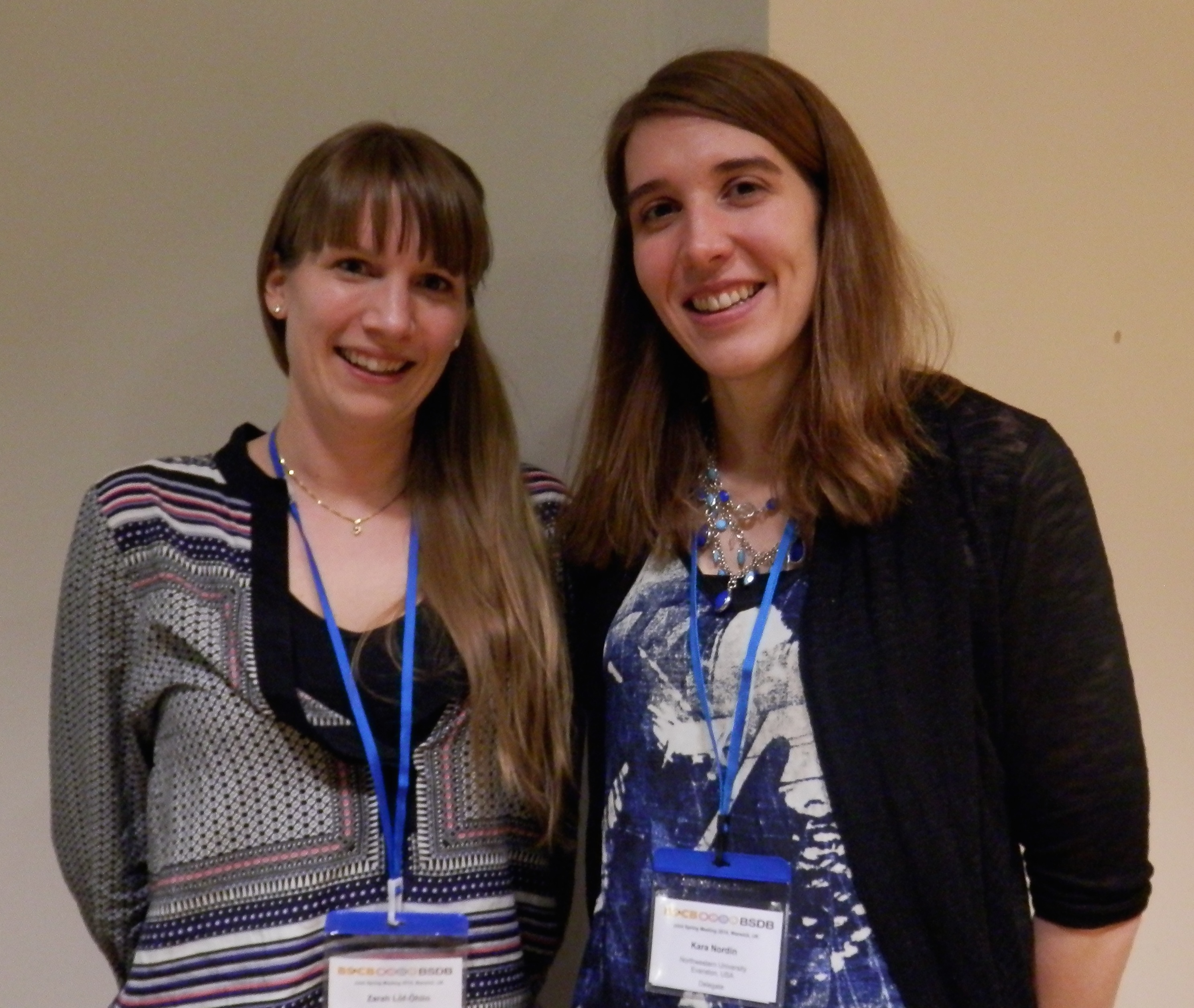
Last year we interviewed Kara Nordin, who won the SDB poster prize at the ISDB meeting in Cancun. Kara’s prize was to travel to Warwick to attend this year’s BSCB/BSDB Spring meeting. Continuing the interview chain, Kara interviewed Zarah Löf-Öhlin, who won the BSDB poster prize there. As a prize, Zarah will be attending the coming SDB meeting in July, which will take place in Seattle, USA.
KN: Congratulations, your hard work paid off!
ZLÖ:Thank you!
KN: How are you feeling?
ZLÖ: Really good! It is amazing to win this prize.
KN: What does your lab work on?
ZLÖ: I work in Henrik Semb’s lab, at the Danish Stem Cell Centre in Copenhagen. Our lab is divided into two different branches. Half of the lab works on the developmental biology of the pancreas, trying to understand what it takes for β-cells to develop. The other half works on human embryonic stem cells, trying to differentiate them towards β-cells, making use of the information we get from the developmental side.
KN: How long have you been there?
ZLÖ: I started out in Henrik’s lab in 2008, in Lund. However, two years ago we moved to Copenhagen. I have been around for a while!
KN: Can you tell me more about your recent findings, and what you presented in your poster?
ZLÖ: My project tries to link polarity and differentiation. I am working on a small RhoGTPase called Rac1. My work investigates how this protein controls apical polarity in cells, and how apical polarity inhibits differentiation of β-cells.
KN: And what is next for you?
ZLÖ: There are still some details that I want to investigate in my project, before we tie it all together. We are looking into the mechanism behind our observations, and we have identified Pl3 kinase and EGF receptor signalling as being involved in this process. I am also in the final year of my PhD, so I definitely want to finish my thesis by the end of the year.
KN: Have you won poster prizes before at any other meeting?
ZLÖ: No. I came first runner up on the Stem Cell Niche meeting that took place in Copenhagen two years ago, but that was the closest I have ever got to winning a prize!
KN: And will you be attending the SDB meeting?
ZLÖ: It has been a great experience to attend this meeting, so yes, I hope so!
Below are links to two positions available at Department of Anatomy and Developmental Biology, within the School of Biomedical Sciences, Monash University, Clayton campus, Australia
This is the first of several Node Posts that the Developmental Neurobiology Seminar Class at Reed College in Portland, Oregon (USA) will be posting. Each week, 12 advanced undergraduate students and one professor get together to discuss a concept and paper related to developmental of the visual system. Some of the papers spark a lot of discussion and interest and small groups of students work together to write posts that are summative, insightful, and hopefully thought-provoking. Hope you enjoy sharing in our “conversation”.
Cell regionalization versus cell fate in zebrafish anterior neural plate development
Is there anything quite like hearing a great song for the first time? Or smelling the perfume of someone you haven’t seen in too long? Or living without the taste of sandwiches? Maybe not—but anyone who has been in the dark without a flashlight knows that sight may be the most important sense we possess.
Recently, we read and discussed two papers (Cavodeassi, et al., 2013 Development 140, 4193-4202 and Bielen, H. and Houart, C., 2012 Developmental Cell 23:4, 812-822.) that investigated the early development of the tissues that allow us to see. Regionalization of the forebrain development is one of the first events of vertebrate eye morphogenesis. Eye-fated cells must segregate from the surrounding telencephalic-fated cells and then evaginate to form optic vesicles, which eventually give rise to eyes. Specific molecular cues (like BMPs from the non-neural ectoderm and Wnts from the caudal region of the neural plate) seem to be important for specifying eye and telencephalic fate, but many questions about how these two groups of cells segregate and coalesce remain.
How do cells know where to go? Recent work from Cavodeassi and co-workers (2013) suggests that one of the master transcriptional regulators of eye fate, Rx3, helps keep eye-fated cells in the right place by regulating Eph/Ephrin expression.
Eph/Ephrin signaling is like a molecular handshake: both the Ephrin ligands and the Eph receptors are membrane bound proteins, making signaling possible only with cell-cell contact. Unique among receptor-tyrosine kinases, both cells receive a message from the binding event, just like when you shake. Unlike the normal attraction that comes with hand-shaking, Eph/Ephrin signaling is usually repulsive, causing Eph-expressing cells to congregate together, away from Ephrin-expressing cells, and visa-versa.
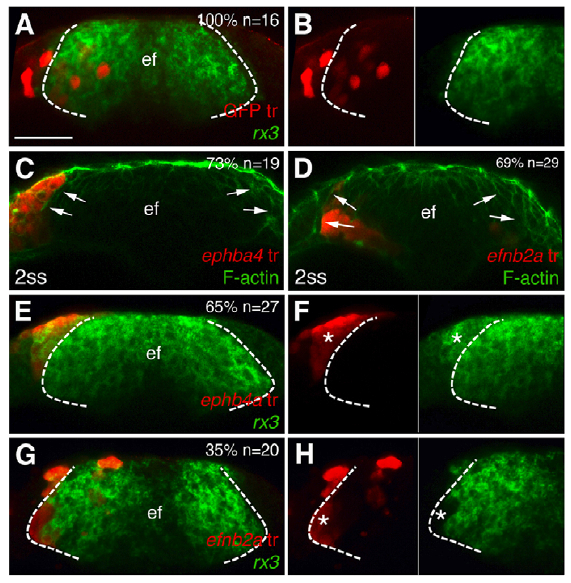
Cavodeassi and colleagues show that Ephrins are expressed in the eye field and Ephs in the developing telencephelon. They also provide convincing evidence that Rx3 inhibits Ephrin expression in eye-fated cells. The signals upstream of Eph expression in the eye-field remain mysterious. The authors next performed a series of transplantation experiments to examine how specific Ephs and Ephrins influence cell sorting and eye morphogenesis. When cells expressing specific Ephs or Ephrins are transplanted into the ANP (anterior portion of the neural plate), most cells expressing the Eph ephb4a segregate to the telencephalon, whereas most transplants expressing the Ephrin efnb2a segregate to the eye field (see reprinted Figure 5 from their paper below).
Figure 5 from Cavodeassi et al., 2013. Transplants of cells expressing ephb4a or efnb2a segregate to the telencephalon or the eye field, respectively. Forebrain (frontal view) cell transplants at 1-2 somite stage expressing GFP (A,B) and ephb4a (C,E,F) or efnb2a (D,G,H). Rx3 expression is shown in the eyefield (A,B,E-H) and F-actin is seen along the eye/telencephalic boundary (C,D). Dashed lines mark the eye field, arrows indicate the eyefield boundary, and asterisks identify transplanted cells. F and H are details from E and G, respectively.
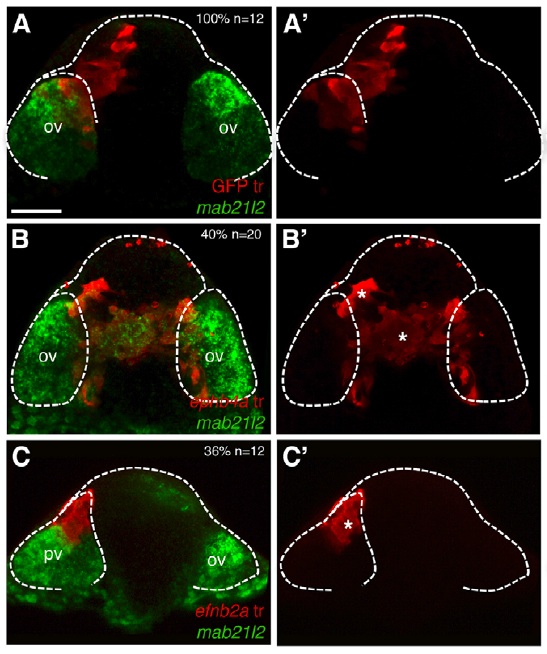
Regionalization versus cell fate: Interestingly, Cavodevassi and colleagues go on to show that this segregation is independent of cell fate. To understand this distinction, imagine a room full of red-shirted carpenters on one side and green-shirted electricians on the other. If some of the carpenters were forced to don green shirts and then ended up with the electricians, it would be clear that the people were separated by shirt color, not profession. Analogously, eye-fated cells forced to express ephb4a localize out of the eye field but continue to express mab 21/2, an eye field marker (see reprinted Figure 6B). Similarly, cells fated as telencephalic cells but forced to express efnb2a localize to the eye field though they never express mab 21/2 (see reprinted Figure 6C). These data suggest that eph/ephrin signaling does not impact the ultimate fate of the cells, but is essential for eye and telencephalic cells to sort into the necessary morphogenetic clusters that are required for eye and brain development.
Figure 6 reprinted from Cavodeassi et al., 2013. Eye field cells incorrectly expressing ephs localize to the telencephalic area but continue to express eye field marker mab21/2 (B/B’), while telencephalic cells incorrectly expressing ephrins localize to the eye field but fail to express eye field markers (C/C’). A/A’ are control experiments showing distribution of transplants in both the eye field and the telencephalic area. The dashed white line delineates the eye field.
Conclusions: Cavodeassi and colleagues nicely demonstrate that cell segregation behavior is dependent on Eph/Ephrin signaling, but independent of cell fate. The signaling pathways that determine eye field versus other forebrain fates are still mostly unknown, although a recent paper by Bielen and Houart (2012) suggests that BMP may play a role in this switch. With the cellular and molecular data provided by these two papers, the scientific community is that much closer to shining a flashlight into the darkness of the unknown.


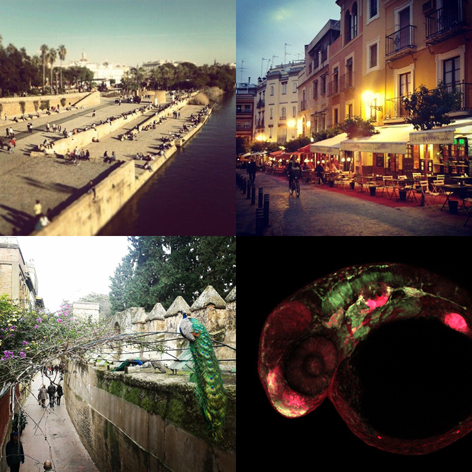
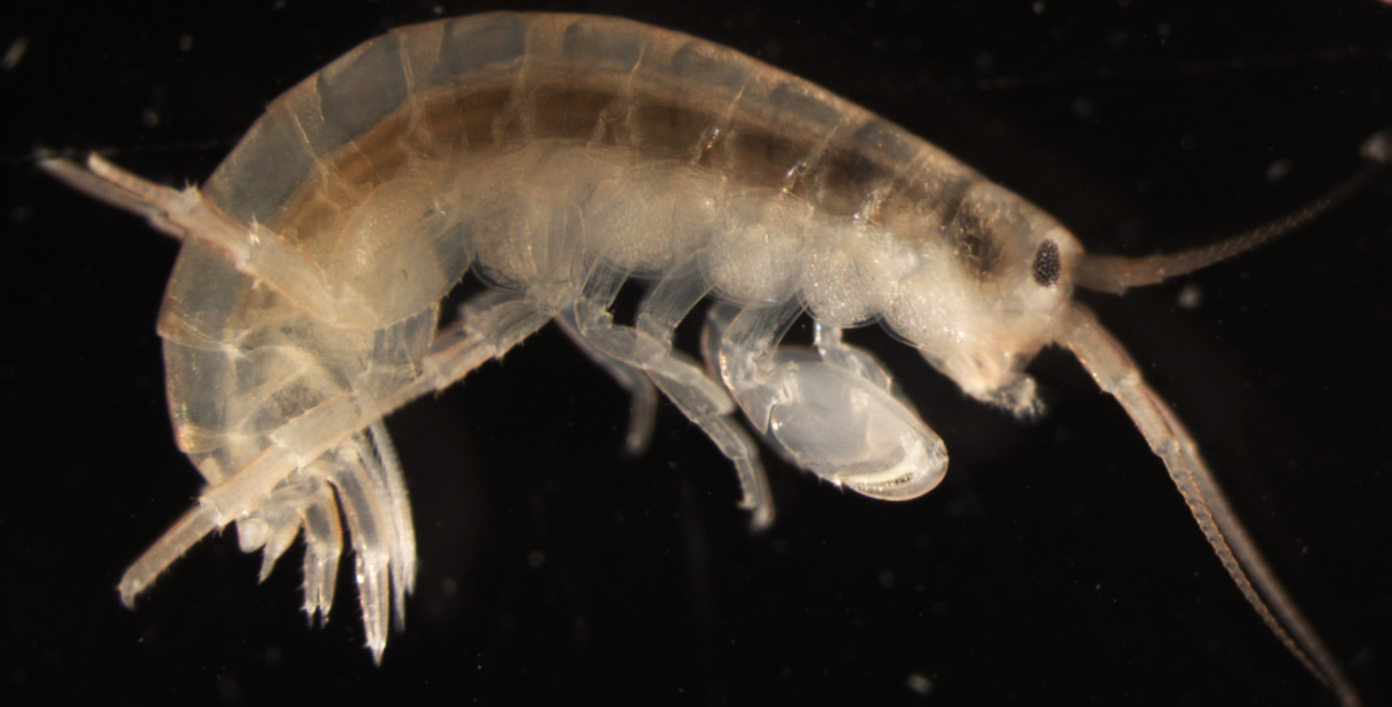 Figure 1: Parhyale hawaiensis possesses a number of diverse and specialized appendages, including antennae, feeding appendages, locomotory appendages, uropods and pleopods, all of which can regenerate upon amputation.