The community site for and by
developmental and stem cell biologists

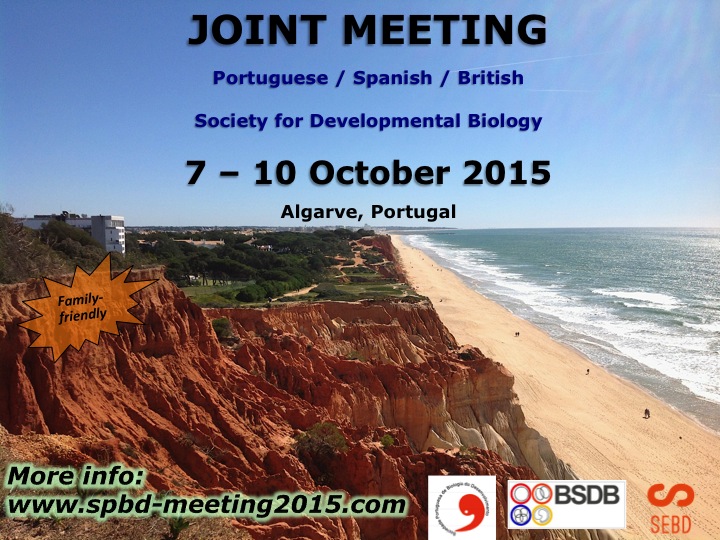
This year’s BSDB Autumn meeting is in the Algarve, together with the Portuguese and Spanish Developmental Biology Societies.

Posted by , on 27 May 2015

Slide1

It is our great pleasure to invite you to participate in the first joint meeting of the Portuguese, British and Spanish Societies for Developmental Biology, a unique occasion to gather the three scientific communities and celebrate science without frontiers.

The meeting features an outstanding line up of speakers, and there will also be 16 talks from participants, selected from submitted abstracts, so this is a great opportunity for junior researchers to present their exciting work to fellow developmental biologists.

The meeting is organized in a beautiful location (Alfamar Beach and Sport Resort, Algarve, http://www.alfamar.pt) and the schedule shall allow plenty of time to enjoy the social and sports activities that will be available. This will be a “family-friendly” meeting, and there will be family accomodation and daily activities for children. So, take the opportunity to bring your family and enjoy a great meeting, in a beautiful location and, hopefully, in a nice and warm climate.

Registrations are now open!! Check at www.spbd-meeting2015.com

Travel Grants are available for BSDB, SPBD or SEBD members (information at the above website)

For BSDB, please apply to http://bsdb.org/membership/meeting-grants/company-of-biologists/

Hurry up!

Thumbs up (2 votes)
Loading...

Tags: , ,
Categories: Events, News, Societies

Navigate the archive

Use our Advanced Search tool to search and filter posts by date, category, tags and authors.

In Development this week (Vol. 142, Issue 11)

Posted by , on 26 May 2015

Here are the highlights from the current issue of Development:


Hippo signalling: not just for growth

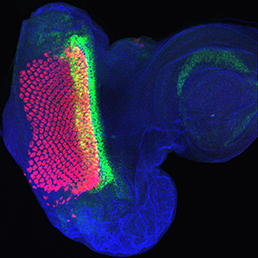
FigureThe Hippo signalling pathway regulates organ growth: activation of the pathway inhibits proliferation and promotes apoptosis. The core pathway consists of two kinases, Hippo and Warts, along with their adaptor proteins. Warts phosphorylates and thus inactivates the transcriptional co-activator Yorkie, whose target genes include regulators of cell proliferation and survival. Upstream of Warts, various factors impact on kinase activity, including cytoskeletal and polarity regulators. While Hippo signalling is best known for regulating growth, on p. 2002 Madhuri Kango-Singh, Amit Singh and colleagues define a function for Yorkie in regulating differentiation in the Drosophila eye. Manipulation of the Hippo pathway is well known to regulate eye size, but here the authors find that mis-expression of Yorkie inhibits neuronal differentiation. Mechanistically, they find that Yorkie promotes the expression of Wingless, a known inhibitor of morphogenetic furrow progression and hence differentiation. Intriguingly, the two functions of the pathway – in regulating growth and in controlling differentiation – appear to be separable: while growth is regulated by the Hippo kinase, differentiation is controlled by the upstream regulators Fat and Dachs, which bypass Hippo. These data add to an emerging picture of Hippo signalling as a regulator not only of growth, but also of other developmental processes.


An efficient protocol for hair cell differentiation

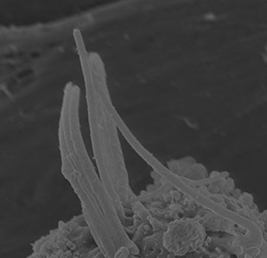
FigureThe hair cells (HCs) of the inner ear mediate both our auditory and our vestibular senses. Following loss or damage, mammalian HCs show very limited capacity to regenerate, creating a therapeutic need to generate new HCs in vitro for cell replacement strategies. Domingos Henrique and co-workers now report a relatively simple and efficient protocol for deriving HCs from mouse embryonic stem cells, by expression of key transcription factors involved in HC differentiation during development (p. 1948). Co-expression of Atoh1 (traditionally considered the ‘master regulator’ of HC differentiation) with Gfi1 and Pou4f3 can efficiently induce a HC gene expression signature in embryoid body cells. Efficiency is further increased by either Notch pathway blockade or retinoic acid treatment. The resulting cells, termed induced HCs (iHCs) also show morphological and functional signs of HC differentiation: incipient stereociliary bundles and the presence of functional mechanotransduction channels. However, the iHCs are not fully mature, implying that additional extrinsic or intrinsic factors are required to direct terminal differentiation. Although this is not the first report of in vitro differentiation of HCs, the greater simplicity and efficiency of this protocol marks a significant step towards the goal of generating HCs in culture for research and therapeutic purposes.


3D auxin flows in phyllotaxis

FigureThe arrangement of leaves and flowers around the stem typically follows a stereotyped phyllotactic pattern, with the location of a new leaf defined by the positions of previously specified ones. This is controlled by the plant hormone auxin. In the meristem epidermis, auxin accumulates at the site of future primordia, generating intervening regions of auxin minima where no new organ can form. Auxin-dependent phyllotactic patterns can be computationally modelled in two dimensions, considering only the epidermal layer. However, auxin flows into lower layers of the primordium, where the incipient midvein is thought to drain auxin away from the meristem. The contribution of this auxin drainage to leaf development has been hard to assess, but Didier Reinhardt and co-workers (p. 1992) have employed sophisticated live imaging and cell ablation techniques to study the role of the midvein in organ formation and positioning. The authors specifically ablate the future midvein, while leaving overlying layers intact. This leads to a transient auxin accumulation and consequent widening of the primordium. Although the damage is rapidly healed and subsequent leaf development is normal, phyllotaxis is disrupted, spacing of adjacent primordia is aberrant – revealing the importance of the incipient midvein in phyllotaxis.


More than one way to make an appendage

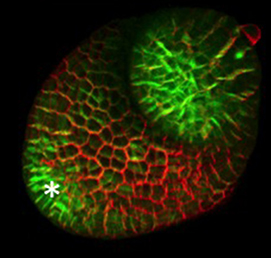
FigureThe eggs of drosophilid species are characterised by the presence of dorsal appendages, which arise from the follicular epithelium. Different species display different numbers and morphologies of appendages, but little is known about how these differences arise from a morphological perspective. Now, on p. 1971, Miriam Osterfield and colleagues compare the morphogenesis of the D. melanogaster paired appendages with appendage formation in two other species, S. pattersoni and D. funebris. In D. melanogaster, appendage morphogenesis is at least partly driven by cell-cell rearrangements between the cells that will form the floor of the appendage and neighbouring operculum cells. However, the authors find that this morphogenetic mechanism is not conserved in S. pattersoni, where eggs have variable numbers of appendages – typically five to eight. Instead, tube morphogenesis is driven by floor cell elongation: those floor cells that will form the appendage elongate dramatically without a similar exchange of neighbours. In D. funebris, both cell elongation and cell rearrangements contribute to appendage formation. That the mechanisms underlying appendage formation differ so dramatically suggests a surprising diversity in cellular behaviours during morphogenesis between even closely related species.


PLUS:


How to make a dopaminergic neuron

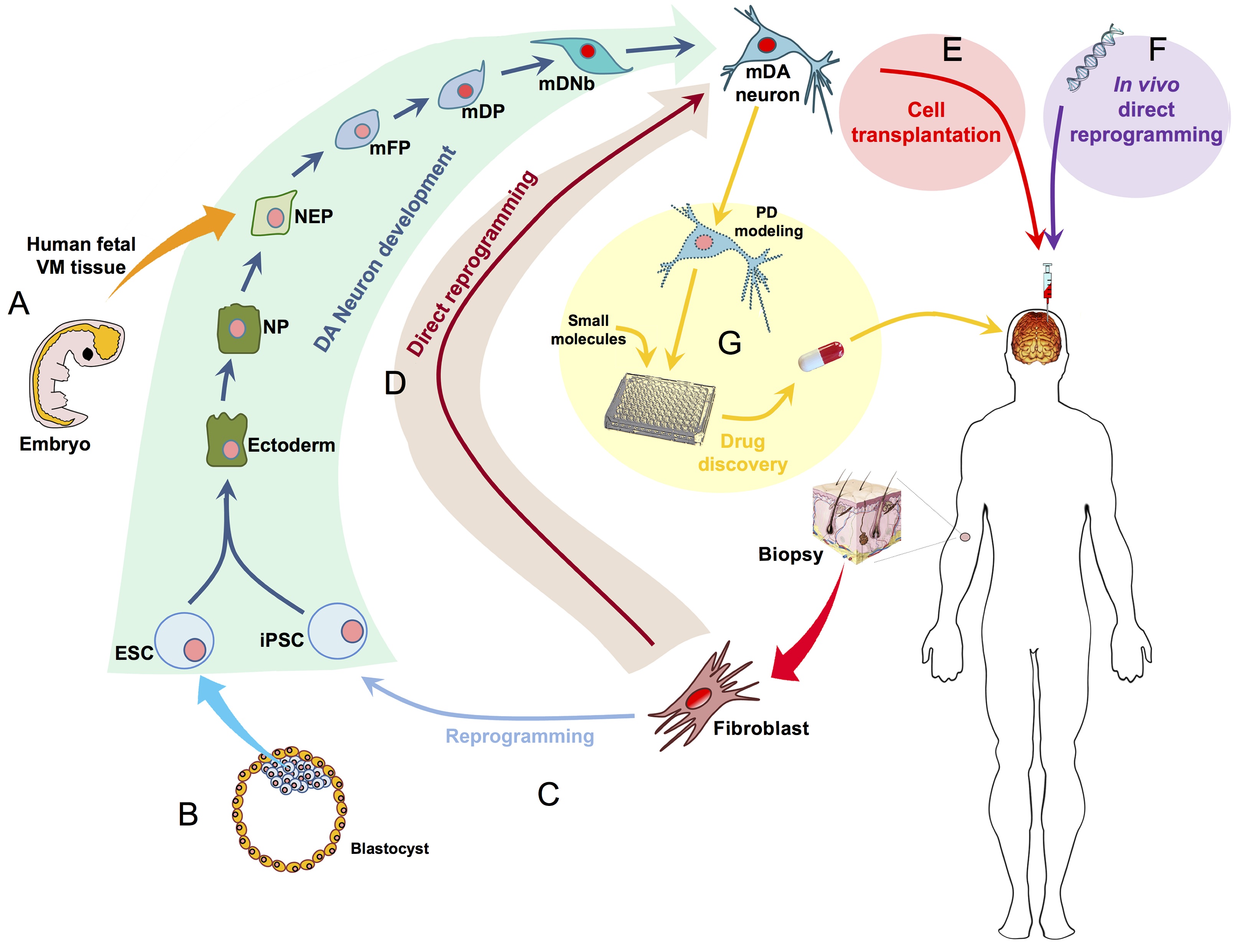
FigureErnest Arenas, Mark Denham and Carlos Villaescusa summarise recent efforts to generate human midbrain dopaminergic neurons in vitro, from pluripotent stem cells or from somatic cells via direct reprogramming. See this Primer on p. 1918


The origin of the mammalian kidney

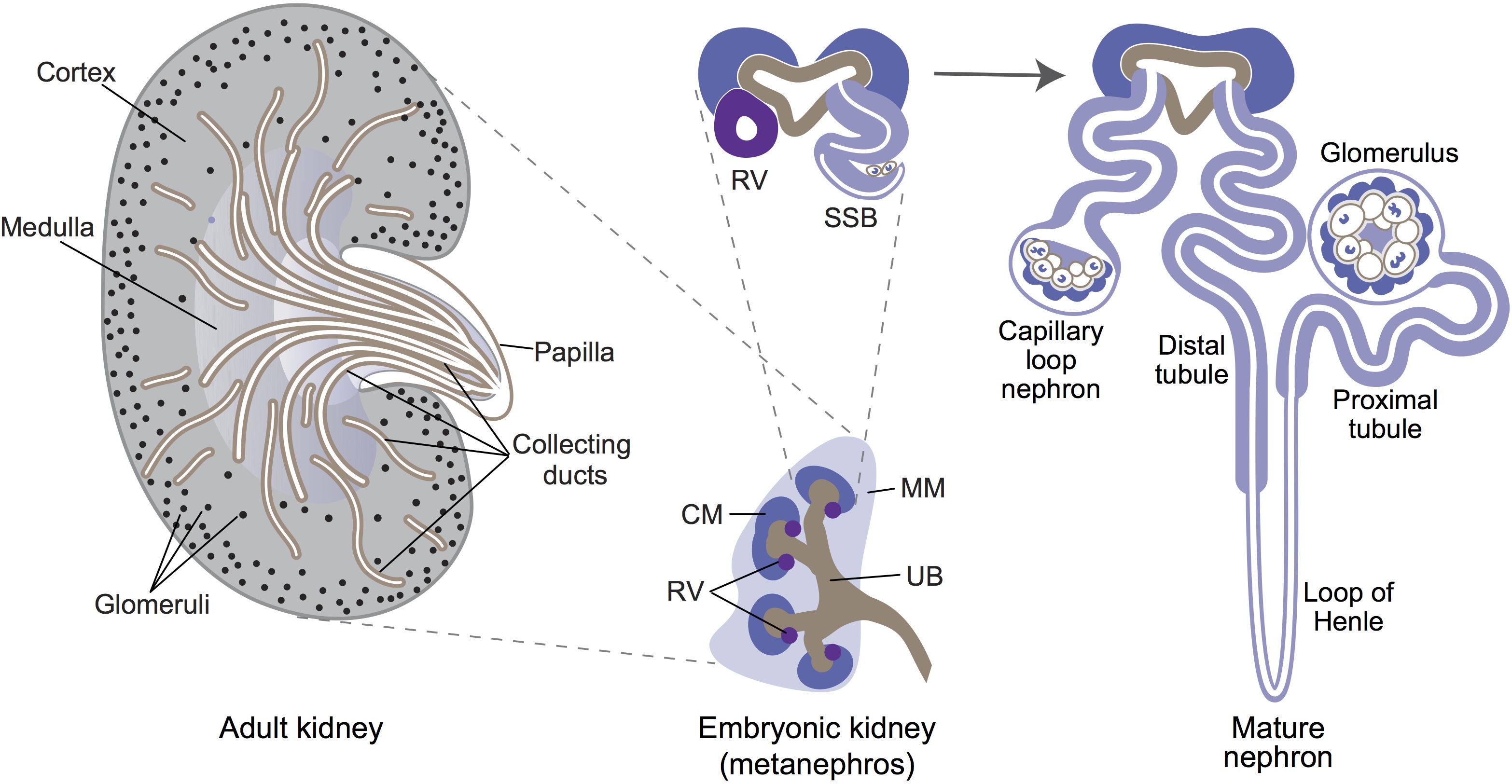
DEV1937 Minoru Takasato and Melissa Little discuss recent advances in the directed differentiation of pluripotent cells into kidney tissues, and how these inform our understanding of human renal development.  See the Meeting Review on p. 1937


At new heights- endodermal lineages in development and disease

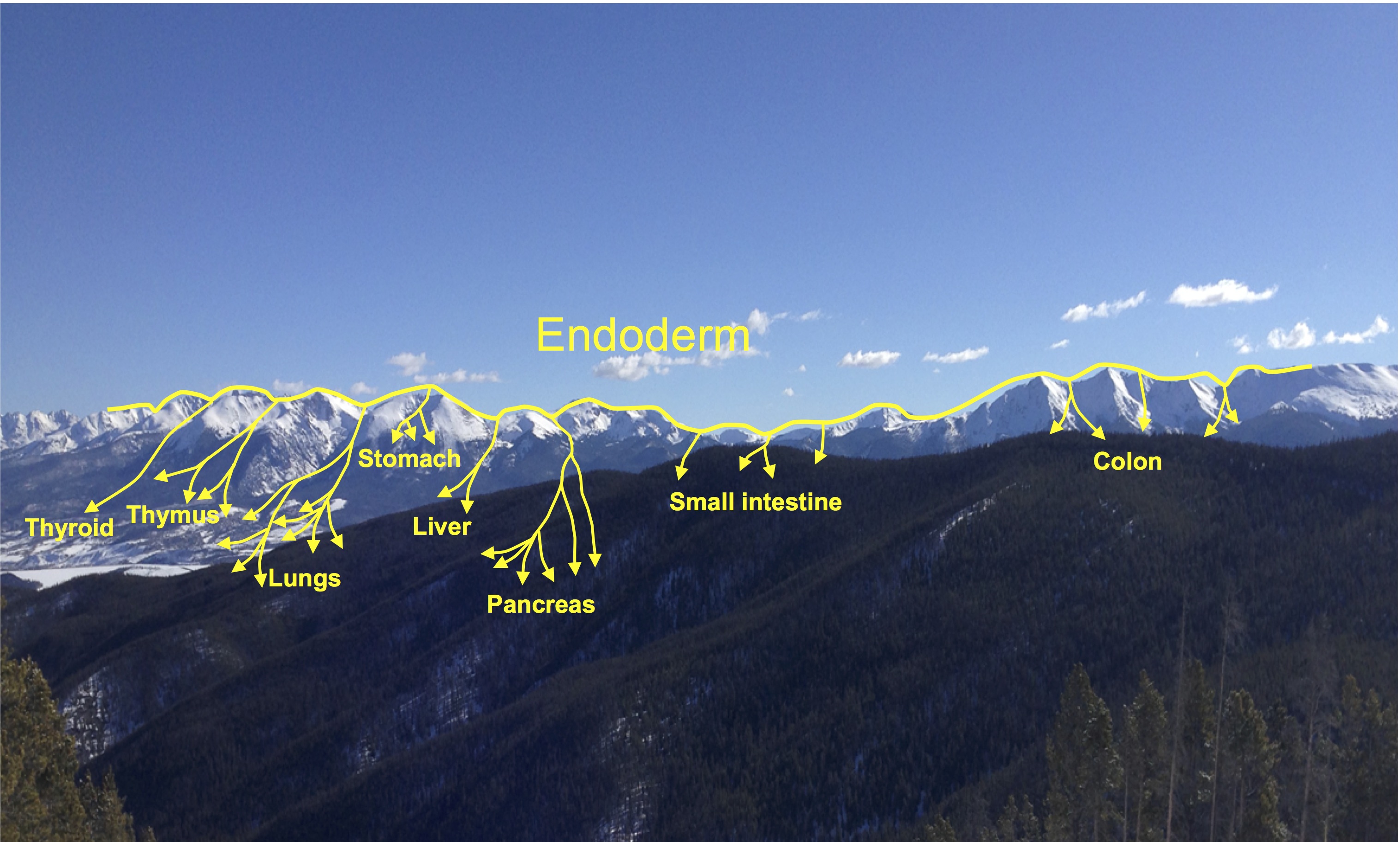
DEV1912Elke Ober and Anne Grapin-Botton review the recent Keystone conference on Endoderm Lineages in Development and Disease, which took place last February in Colorado, USA, highlighting recent major advances in the field. See the Meeting Review on p. 1912


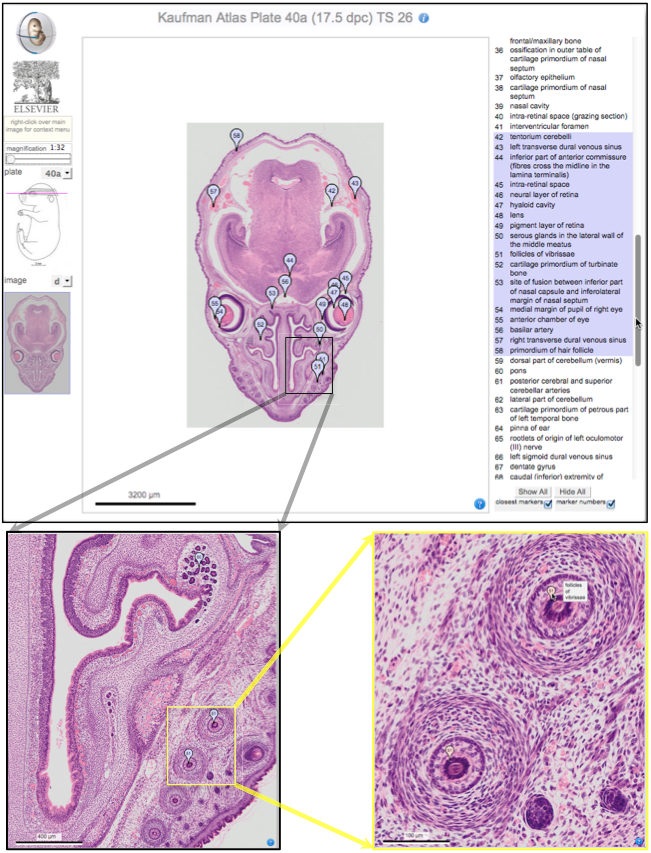
The atlas of mouse development eHistology resource

DEV1909Over two decades after the publication of ‘The Atlas of Mouse Development’ by Professor Mathew Kaufman, Baldock and colleagues announce a new online resource that provides free access to the histological images and their annotations. See the Spotlight on p. 1909


Thumbs up (No Ratings Yet)
Loading...

Categories: Research

An illustrated anatomical ontology of the developing mouse lower urogenital tract

Posted by , on 25 May 2015

Georgas et al. have presented a comprehensive update to the anatomical ontology of the murine urogenital system. These updates pertain to the lower urinary tract, genital tubercle and associated reproductive structures, covering stage E10.5 through to adult. The updates have been based on recently published insights into the cellular and gross anatomy of these structures, tissue layers and cell types. Included are representative schematic illustrations, detailed text descriptions and molecular markers that selectively label muscles, nerve/ganglia and epithelia of the lower urogenital system. The revised ontology will be an important tool for researchers studying urogenital development/malformation in mouse models and will improve our capacity to appropriately interpret these with respect to the human situation.

Nerves, pelvic ganglia and vasculature of the LUT.
Example of new schematics that support the revised ontology. (A-F) E15 schematics illustrate nerves, pelvic ganglia (green) and vasculature. Pelvic ganglia extend their processes towards the PLUR midline (D) and bladder fundus (E,F). Only small areas of pelvic ganglia are visible in midline sagittal sections (A). (B,C) Bladder (E14 to adult) and PLUR (E17 to adult) ontology terms. Nerves are present in each tissue layer, in addition to nerves of blood vessels (arrowhead, B).

The updated ontology and definitions (including features, synonyms, molecular markers and lineage relationships where established) are available on the GUDMAP website (http://www.gudmap.org/Resources/Ontology/index.php). The ontology has been entered into the EMAP mouse embryo ontology (Hayamizu et al., 2013) and published on the Open Biological and Biomedical Ontologies web resource (http://www.obofoundry.org/).


Thumbs up (1 votes)
Loading...

Tags: , , , , , , , , , , , , , , , , , , , , ,
Categories: Research, Resources

Molecular Control of Embryonic Development

Posted by , on 22 May 2015

On the twentieth anniversary of the Nobel Prize for research in fly embryonic development

By Peng Kate Gao

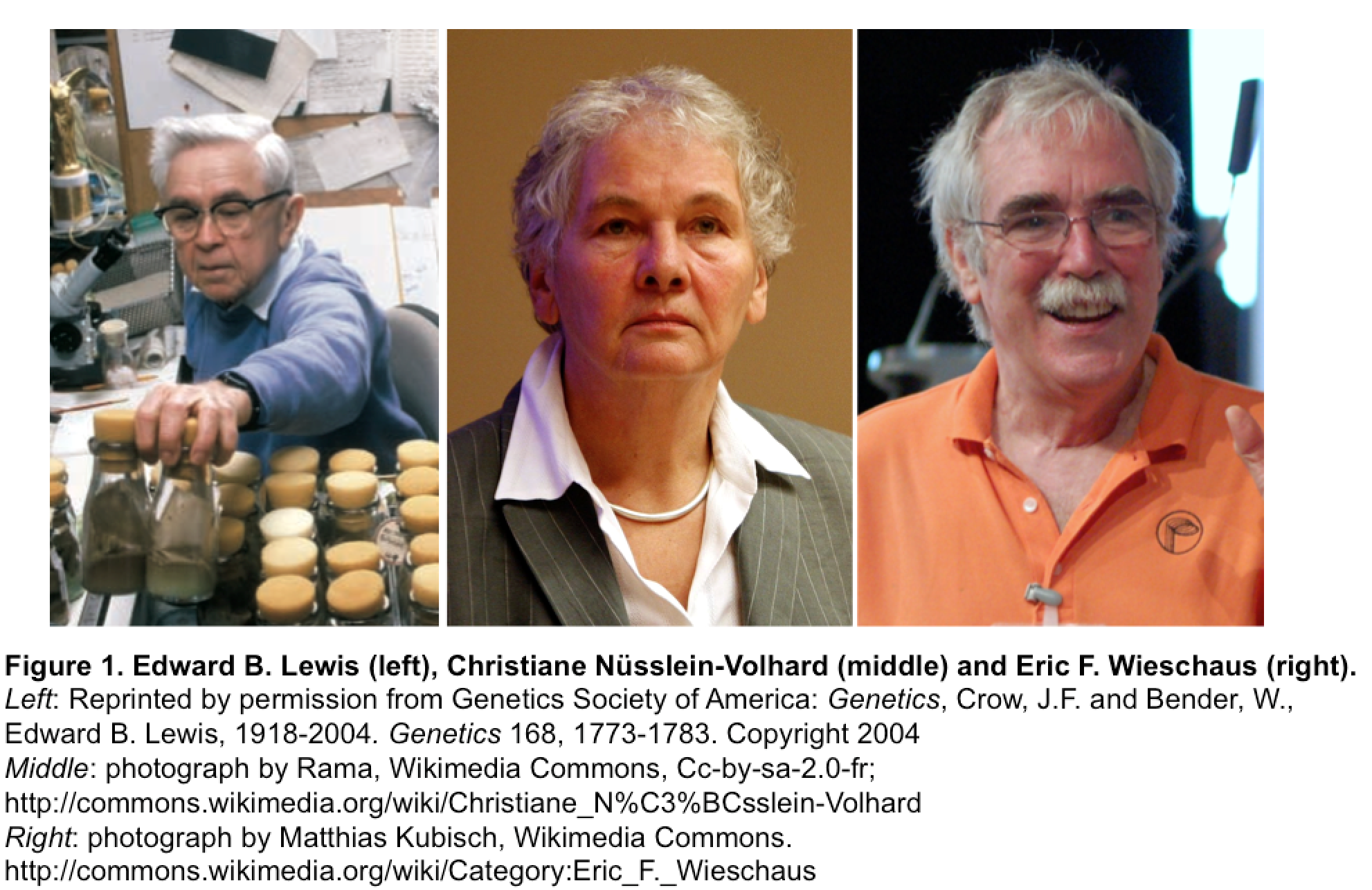
2015 marks the twentieth year since developmental biologists Edward B. Lewis, Christiane Nüsslein-Volhard and Eric F. Wieschaus won the Nobel Prize for their discoveries on the genetic control of early embryonic development (Figure 1). This anniversary is a good time for us to revisit their groundbreaking discoveries and consider the impact on developmental biology. Using the fruit fly Drosophila melanogaster as their experimental system, the three scientists discovered profound principles governing the formation of body segments, and the formation of organs in individual segments. In subsequent years, the very same mechanisms, involving similar genes and molecules, have been shown to operate in early development throughout the animal kingdom, and thus their pioneering work in the fruit fly might one day help us understand human development.

Figure 1


Edward B. Lewis’s research and the four-winged fly

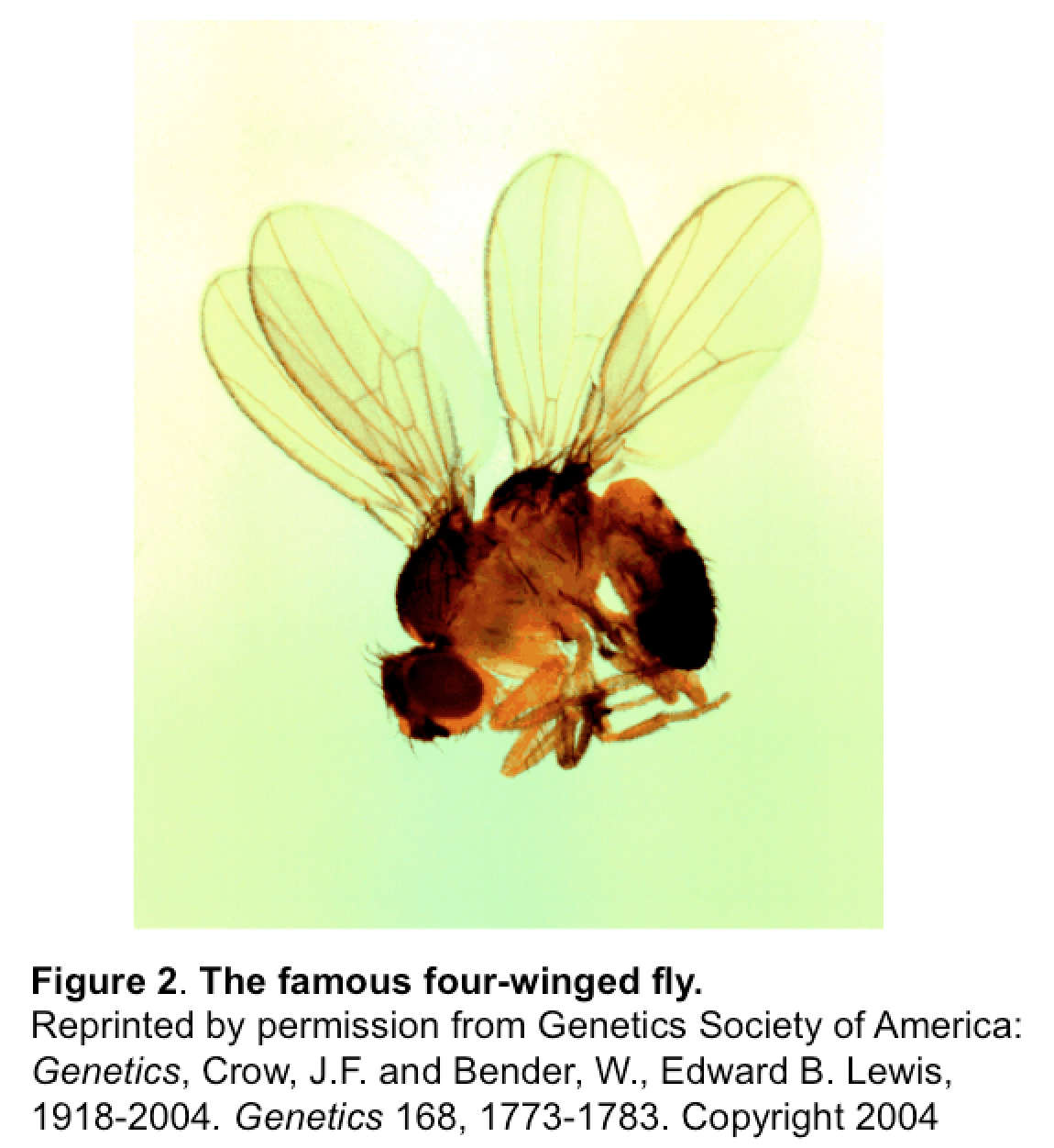
Lewis pioneered fine-structure genetic mapping in Drosophila. Using X-ray radiation or ethyl methanesulfonate (EMS, an alkylating agent that causes genetic mutations in the fruit fly), he recovered various mutants that displayed homeotic transformations—one organ transformed into another. From the late 1940s to the early 1950s, Lewis focused increasingly on a cluster of genes, which he named the bithorax complex (BX-C). Mutations in this gene cluster led to segmental transformations. The embodiment of this research is the famous four-winged fly, in which the third thoracic segment is transformed into the second thoracic segment, resulting in flies where the halteres (the balance organs of a fly) are converted into an extra pair of wings (Figure 2). By mapping the mutations that gave rise to this striking phenotype to BX-C, Lewis demonstrated that simple genetic mutations could cause dramatic changes in the body plan. This concept motivated a generation of geneticists, including Nüsslein-Volhard and Wieschaus, to search for additional genes underlying embryonic development and patterning.

figure 2


Lewis also discovered the colinearity principle for the Hox cluster of homeotic genes. He found that genes in this cluster are linearly arranged on the chromosome, and their physical order parallels the time of expression during development and corresponds to the body segments they control (Figure 3). An even greater surprise came later, when Hox genes were found to be among the most evolutionarily conserved gene families, and the principle of colinearity holds true for almost all living animals, including vertebrates. These findings revolutionized our understanding of how animals and their organs have evolved, and rooted the emergence of a new discipline in molecular genetics: evolutionary developmental biology, or evo-devo.

figure 3


Christiane Nüsslein-Volhard, Eric F. Wieschaus and their pioneering screens for segmentation mutants

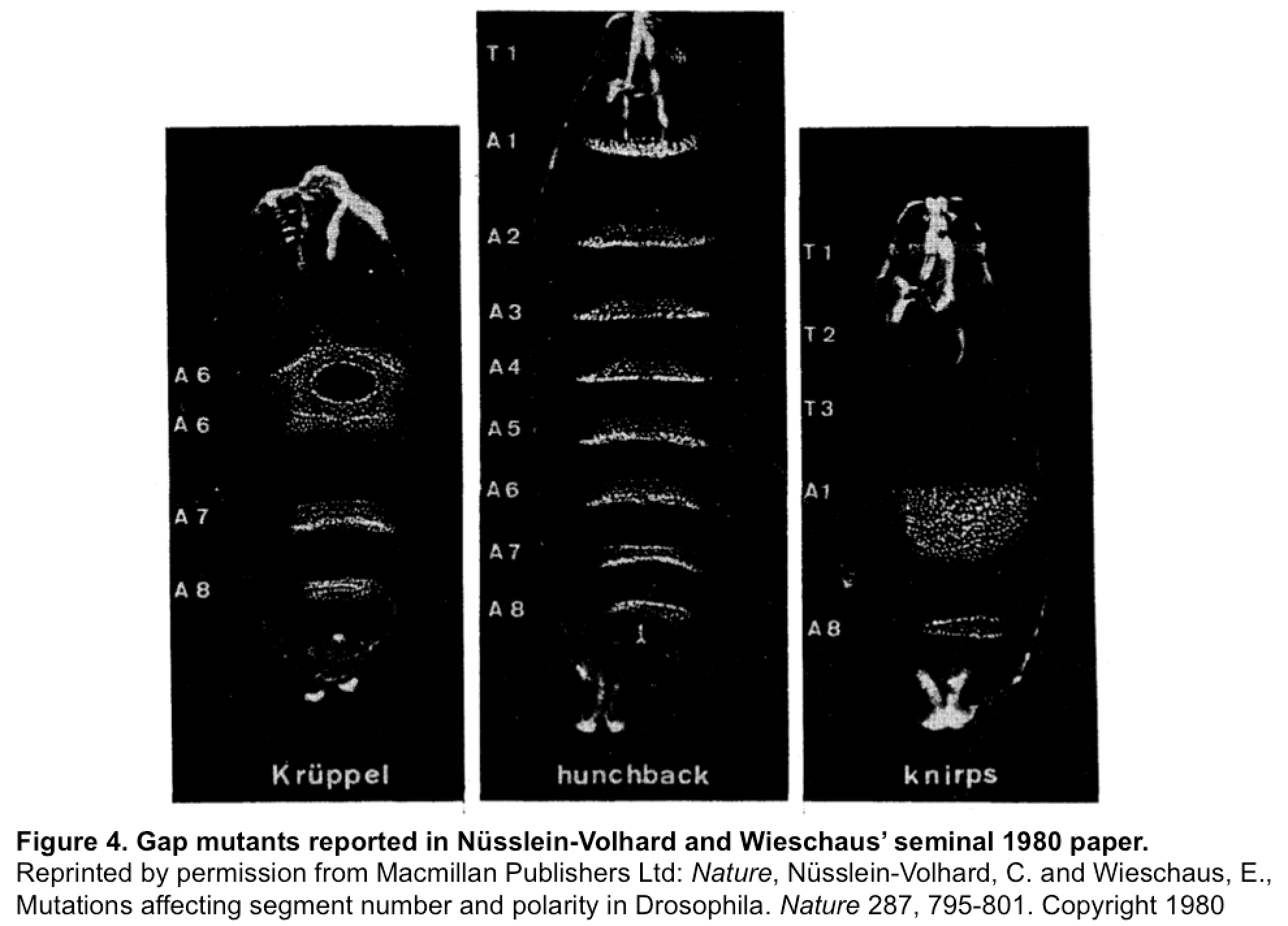
Inspired by the early studies of Lewis, Nüsslein-Volhard and Wieschaus carried out a series of large-scale genetic screens between 1978 and 1981 at the European Molecular Biology Laboratory (EMBL) in Heidelberg, searching for genes that altered the segmentation pattern of Drosophila embryos–as assayed by the morphology of the cuticle. After analyzing some 40,000 flies, they found fifteen such genes. These genes can be categorized into three classes based on their effects on segmentation (Figure 4):

figure 4

1, “gap genes,” which subdivide the embryo into multiple regions along the anterior-posterior axis. Mutations in gap genes lead to fewer segments and create gaps in the anterior-posterior pattern of the developing organism.

2, “pair rule genes,” which establish pairs of segments. Mutations in pair rule genes affect every other body segment. For example, loss of even-skipped causes embryos to have only odd numbered segments.

3, “segment polarity genes,” which establish the anterior-posterior axis of each segment.

Nüsslein-Volhard and Wieschaus’ work provided new insights into the genetic mechanism underlying the step-wise development of Drosophila embryos. More importantly, it showed that genes controlling particular aspects of development could be systematically identified by virtue of their mutant phenotype. This groundbreaking work laid the foundation for many other genetic screens to identify genes that control the body plan of flies, and for analyses of how these genes operate together to orchestrate the developmental program of Drosophila as well as vertebrates—which has been a central focus of developmental biology ever since.


The legacy

Almost four decades have passed since Lewis, Nüsslein-Volhard and Wieschaus published their landmark studies in Drosophila, yet the influence of their findings on developmental biology is profound and long lasting. Through their elegant experiments, they demonstrated that the intricate and seemingly hopelessly complex process of development could be dissected using a good model system together with a carefully designed experimental strategy. Insights gained from studying the fruit fly have paved the way to understanding similar developmental processes in other organisms, including vertebrates, which, albeit separated from the fruit fly across vast evolutionary distances, obey similar rules and are controlled by similar gene networks. This has deep implications for basic science as well as medicine, as mentioned in the Nobel press release in 1995, the breakthrough achieved by the three scientists will one day “help explain congenital malformations in man.”


Additional information:

An interview with Nüsslein-Volhard and Wieschaus about their research.

A talk by Wieschaus explaining the design and execution of their experiments.


References: 

The Nobel Prize in Physiology or Medicine 1995 – Press Release. Nobelprize.org.

Lewis, E.B. (1978) A gene complex controlling segmentation in Drosophila. Nature 276, 565-570

Nüsslein-Volhard, C. and Wieschaus, E. (1980) Mutations affecting segment number and polarity in Drosophila. Nature 287, 795-801

Crow, J.F. and Bender, W. (2004) Edward B. Lewis, 1918-2004. Genetics 4, 1773-1783.

Nüsslein-Volhard, C. (1996) Gradients that organize embryo development. Scientific American, August 1996.


Thumbs up (5 votes)
Loading...

Tags: , ,
Categories: Research

A day in the life of a lizard lab

Posted by , on 22 May 2015

Welcome to the Eublephosphere!
Eublephosphere (noun) – A place in which those who study the leopard gecko (Eublepharis macularius) reside.

Our names are Noeline Subramaniam and Kathy Jacyniak and we are Master’s students at the University of Guelph in Ontario, Canada. Under the supervision of Dr. Matthew Vickaryous, we have become budding regenerative biologists! Our research laboratory investigates the most fundamental question in biology: why are some tissues and organisms able to regenerate, whereas others cannot? Our model for these investigations is the leopard gecko (Eublepharis macularius), a popular reptile in the pet trade.


Research Focus
 

Figure 1: Members of the Vickaryous lab from left to right: Dr. Matt Vickaryous, Kathy Jacyniak, Noeline Subramaniam and Emily Gilbert


Ongoing research in our lab aims to identify and understand the biological mechanisms that permit and promote scar-free wound healing and regeneration.Emily, a PhD candidate, is examining the role of neural stem/progenitor cells in the spinal cord and the brain in response to regeneration, Noeline is investigating the role of angiogenesis in scar formation, and Kathy is exploring the role of cardiac stem/progenitor cells in the heart. If you would like to learn more about the research conducted by the Vickaryous lab, check out our website: http://www.vickaryouslab.com/. You can also follow us on Twitter @VickaryousLab, including our infamous #FluorescentFridays.
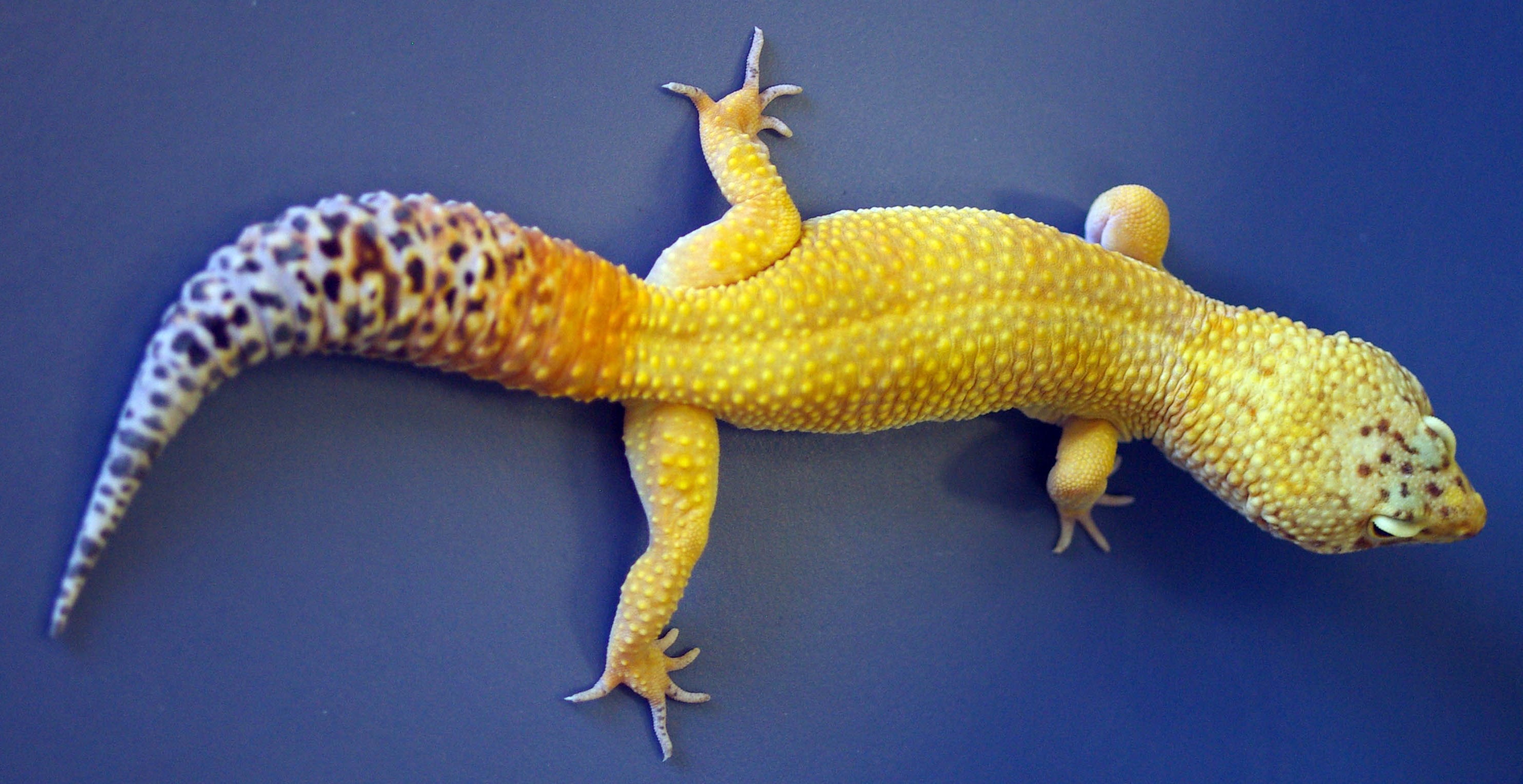


Figure 2: Dorsal view of a gecko with a beautiful original tail. This gecko was an environmental control for one of our previous studies.


Why lizards?

Many species of lizards are able to self-detach a portion of their tail to avoid predation, and then regenerate a replacement. Tail detachment, or caudal autotomy (‘self-cutting’), is a dramatic – and somewhat deceptive – phenomenon. For most species (including leopard geckos), the tail is autotomized within a vertebra at a location known as a fracture plane (essentially a non-mineralized gap in the vertebral centrum). In addition, the main arterial supply to the tail (the caudal artery) develops a regular series of muscular sphincters, with one sphincter located in advance of each fracture plane. Therefore, the site of tail loss rarely bleeds more than a couple of drops. Tail regeneration then begins spontaneously following caudal autotomy.


Why leopard geckos?
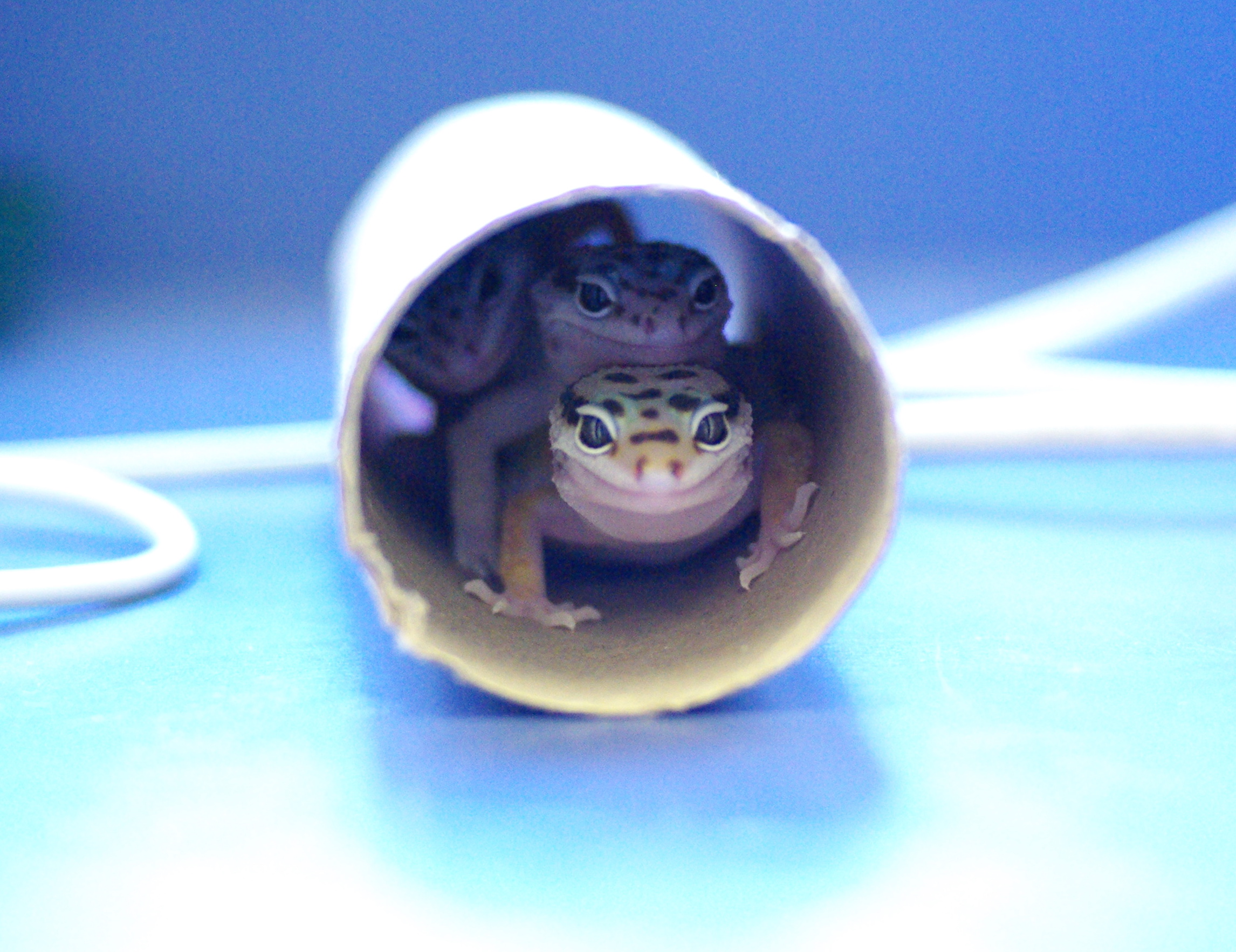
 

Figure 3: The leopard gecko (Eublepharis macularius) is the model we use in our lab. They can spontaneously regenerate their tail following tail loss.


Although many lizards can regenerate their tails, the husbandry requirements for some species can be challenging (e.g., the lizards are aggressive or shy, have narrow ranges of preferred temperature and humidity, particular and unusual dietary and habitat preferences, and/or are intolerant of handling). As a result, early work on lizard tail regeneration tended to focus on a few types of locally available (and wild caught) species kept over short periods of time. However, with the increasing popularity of reptiles a pets, some lizards – including leopard geckos – are now captive bred and (at least in North America) widely available. Leopard geckos are hardy, accept being handled, and have relatively simple husbandry requirements: a plastic enclosure similar in size to those used for rats and mice; a water dish; a couple of hide boxes; a heat pad under one end (to establish a thermal gradient – leopard geckos are ectotherms); and escape-proof lid (see below).


Leopard gecko fun facts:

– Caudal autotomy is not necessary for regeneration. Tails surgically amputated outside the fracture plane still regenerates
– They are members of the Eublepharidae – the ‘true eyelid’ geckos. Unlike other geckos, they have movable eyelids
– They are native to parts of Pakistan, Afghanistan, India and possibly Iran
– They have temperature-dependant sex determination – the temperature of the environment during the embryonic period helps determine the sex of the offspring


A typical day in the Vickaryous lab:

We typically start the day with a cup of coffee/tea and a discussion about our experimental plans for the day. We manage our own leopard gecko colony, and everyone has to pitch in with the daily feedings and weekly weigh and measure adventures. After the geckos have been attended to there is a good chance someone in the lab will be serially sectioning and staining tissue. Not only do we love our histology, but learning to section seems to be a rite of passage in our lab…
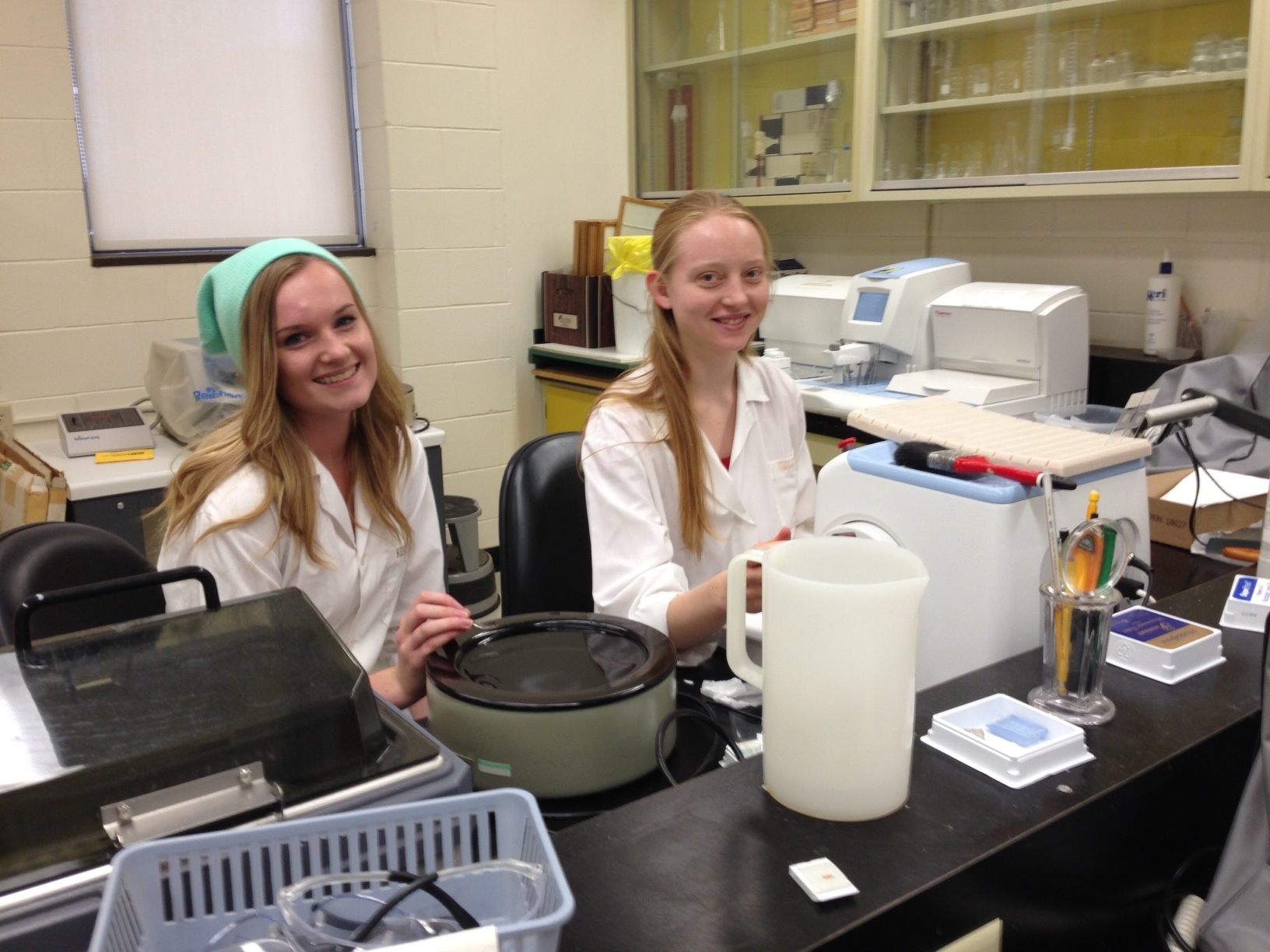


Figure 4: Undergraduate students Rebecca McDonald (left) and Alaina Macdonald (right) working in our histology prep lab. The majority of our time spent here includes processing, embedding, sectioning and staining tissues we use to study regeneration


Feeding, housing and maintaining leopard geckos:

Our gecko colony is maintained in an environmental chamber (about 28˚C) here at the University of Guelph. Leopard geckos are not terribly social, so we house each one separately – this also makes keeping track of who’s who much easier. Our gecko enclosures are roughly 36cm x 22cm x 22cm in size, and topped by a perforated lid. Although leopard geckos lack subdigital adhesive pads, they have small claws and are capable climbers (and aspiring escape artists). Fortunately, they seem to prefer showing off their talents rather than following through with the getaway.

Leopard geckos eat live prey, and we feed ours mealworms (larval Tenebrio molitor, the mealworm beetle) dusted with a calcium and vitamin D3 (cholecalciferol) powder. The use of calcium and vitamin D3 is necessary in that it helps prevent metabolic bone disease, a nasty group of disorders that can lead to brittle or distorted limb elements and jaws, paralysis and reduced growth.

Weekly duties include cleaning and changes cages, and weighing and measuring geckos. Both require a certain degree of gecko wrangling skills, and tolerance of gecko urine. Although leopard geckos are typically docile and easy to handle, they will occasionally let loose a stream – especially if you forget to wear a lab coat.
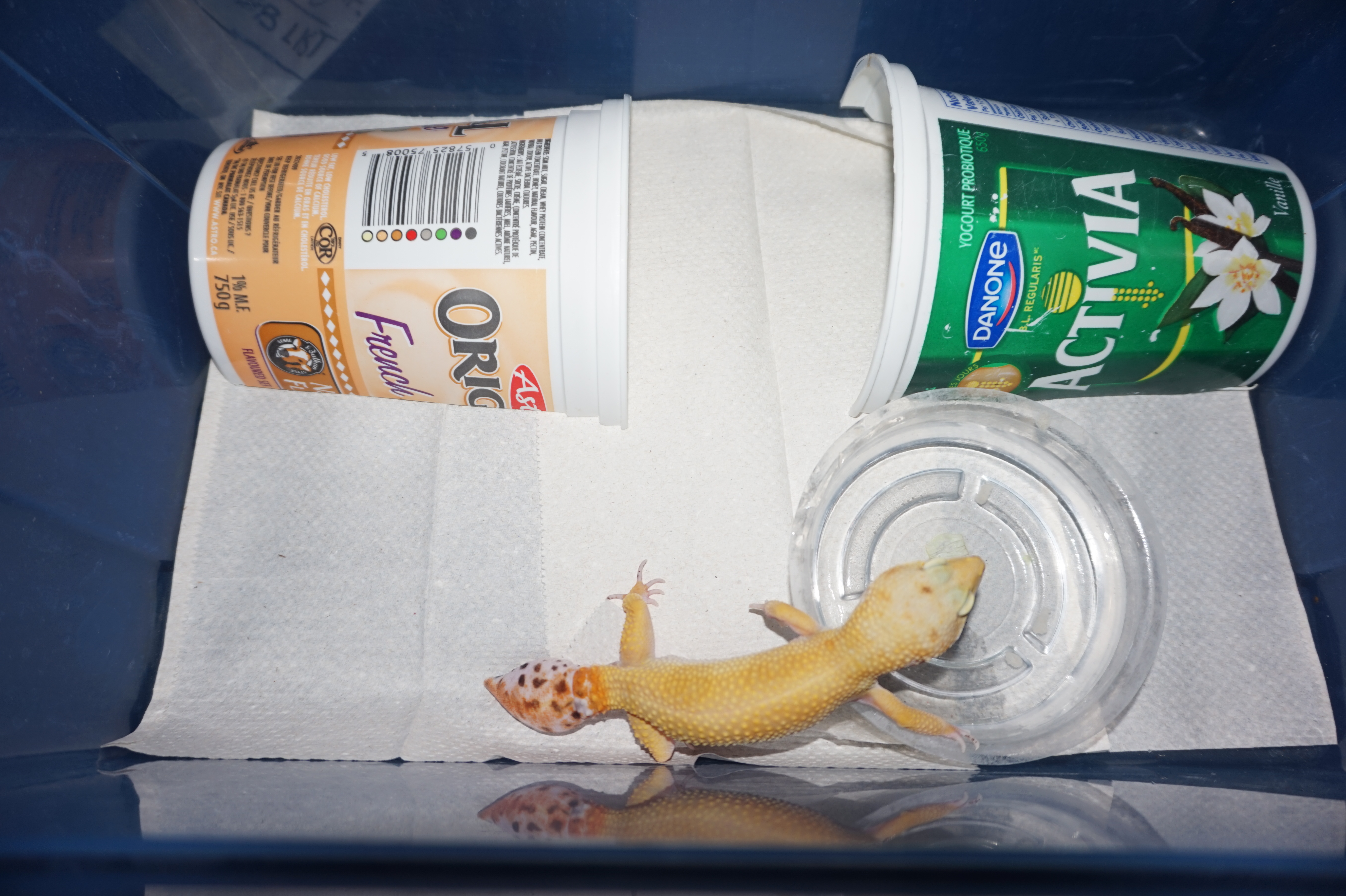


Figure 5: Aerial view of a standard gecko enclosure. Features include: two small huts and a bowl of water.


Impact of ongoing research:

Tail replacement by leopard geckos is a striking example of a naturally evolved mechanism of multi-tissue regeneration. As one of the closest living relatives to mammals, leopard geckos provide a powerful platform to study the biology of regeneration, with numerous biomedical implications. Unlike other species, leopard geckos (and other lizards) can voluntarily self-detach the tail and have a variety of structural adaptations to minimize (or at least localize) tissue damage. Thus, autotomy-mediated tail loss is arguably a less-invasive alternative to amputation to initiate the regeneration program.

Follow us on Twitter: @VickaryousLab

Website: http://www.vickaryouslab.com/
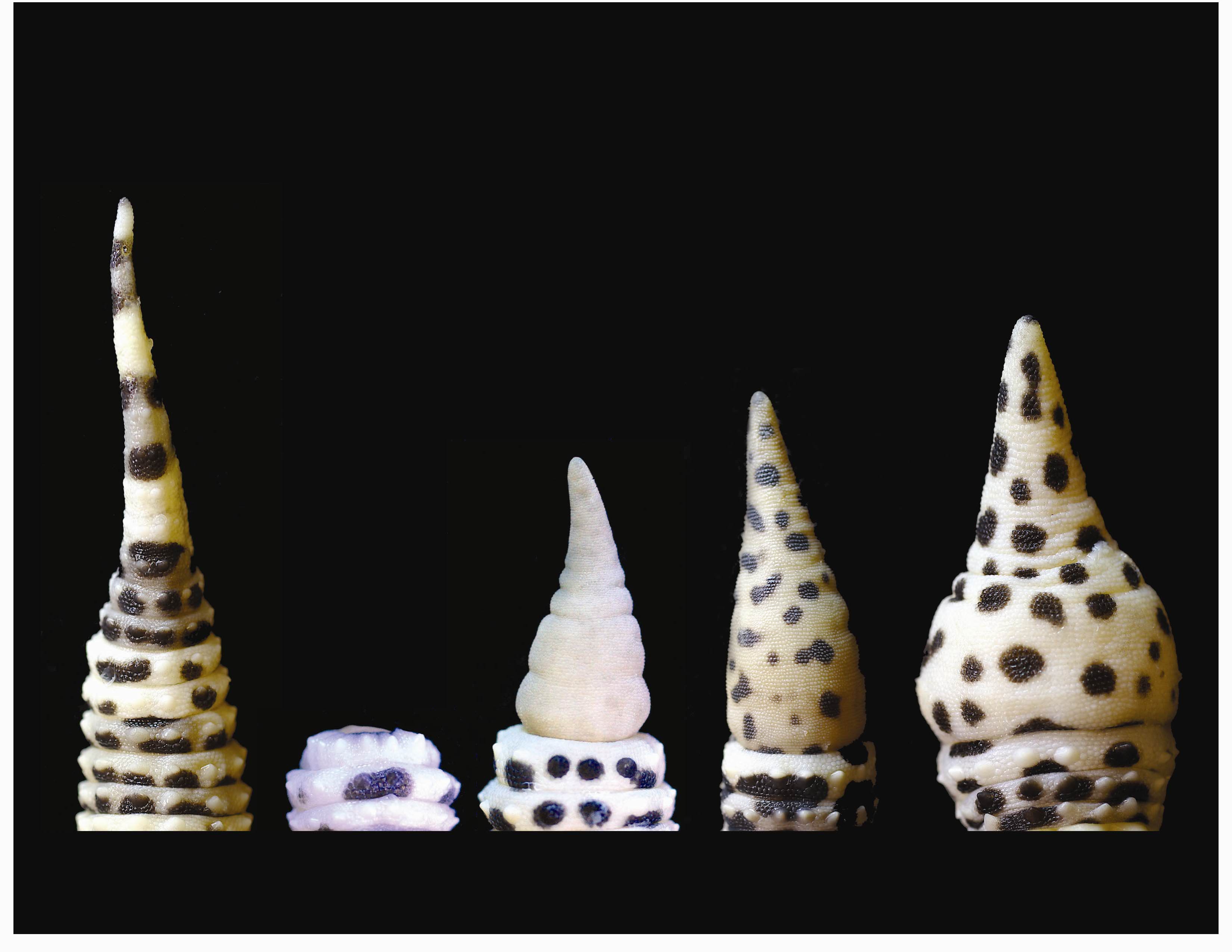


Figure 6: Tail regeneration (in dorsal view). Left to right: the original tail, two regenerating tails and variation in two complete regenerate tails.



Node day in the life new doodle squareThis post is part of a series on a day in the life of developmental biology labs working on different model organisms. You can read the introduction to the series here and read other posts in this series here.


Thumbs up (10 votes)
Loading...

Tags: , ,
Categories: Lab Life

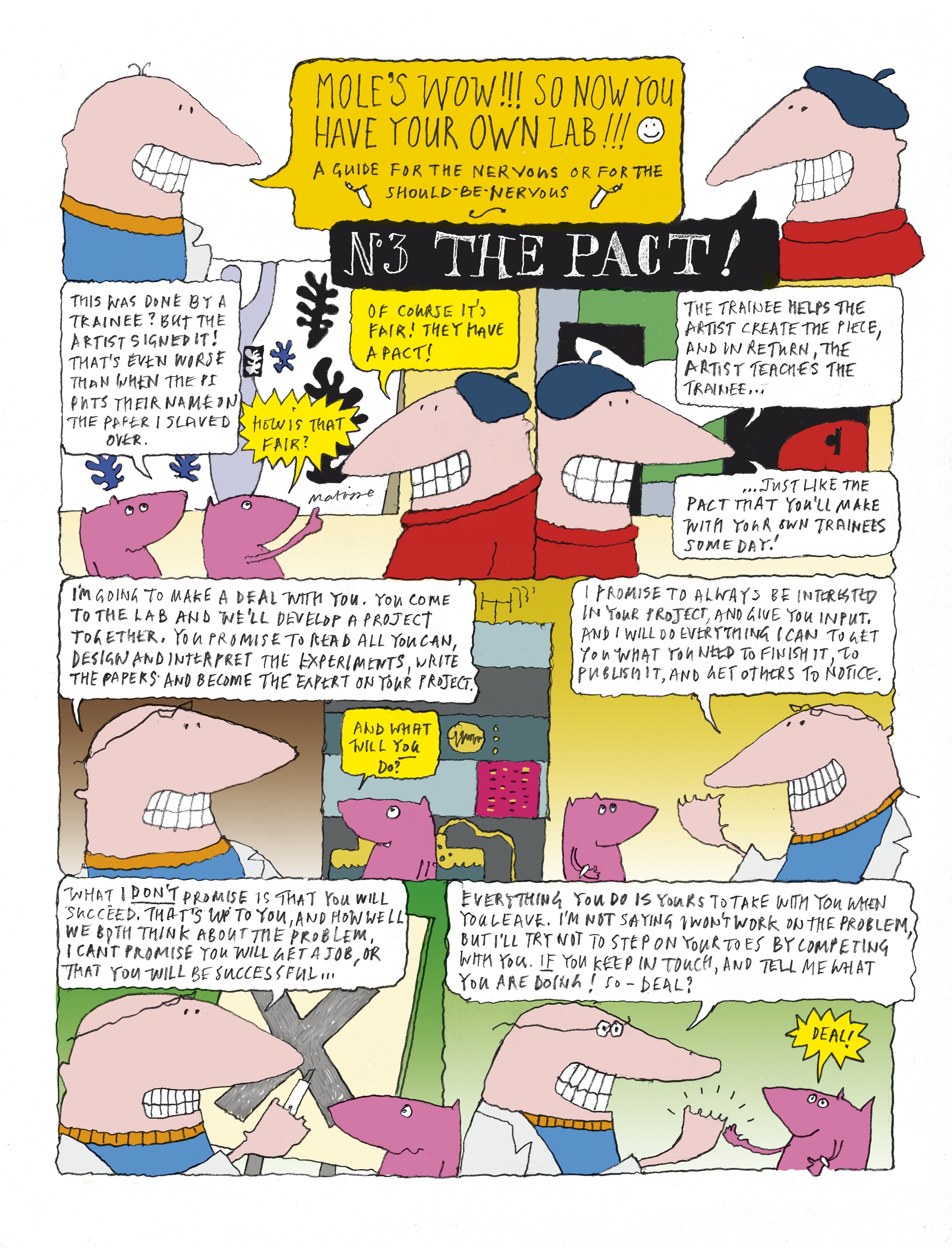
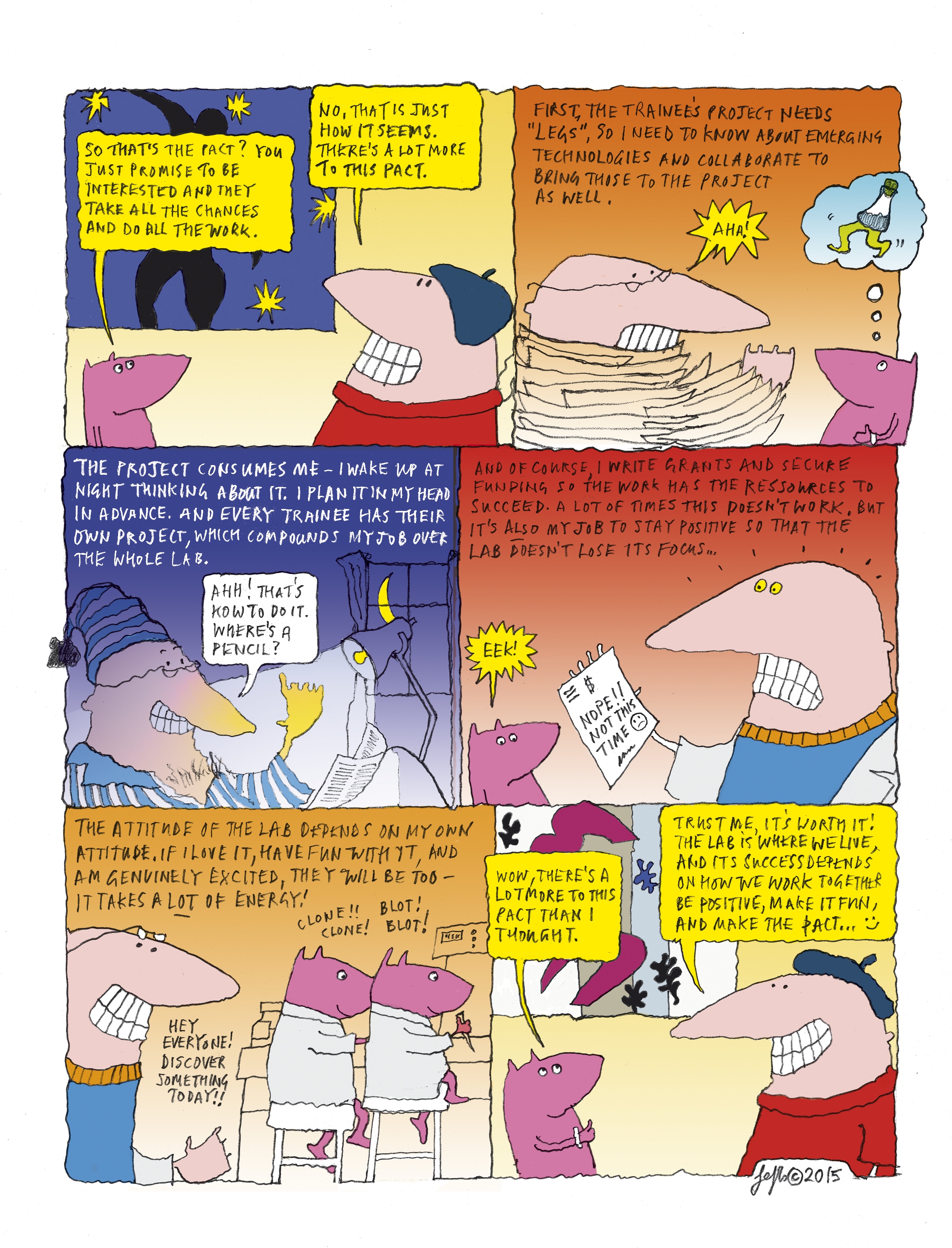
Mole- So now you have your own lab! Part III- The pact

Posted by , on 22 May 2015

This cartoon was first published in the Journal of Cell Science. Read other articles and cartoons of Mole & Friends here.


Mole part 3 Fig 1

Mole part 3 Fig 2

To read part I- ‘The imposter’ click here. To read part II- ‘The teaching monster’ click here.

Thumbs up (1 votes)
Loading...

Tags: ,
Categories: Discussion, Lab Life

An evening at Pint of Science USA – Boston/Cambridge

Posted by , on 21 May 2015

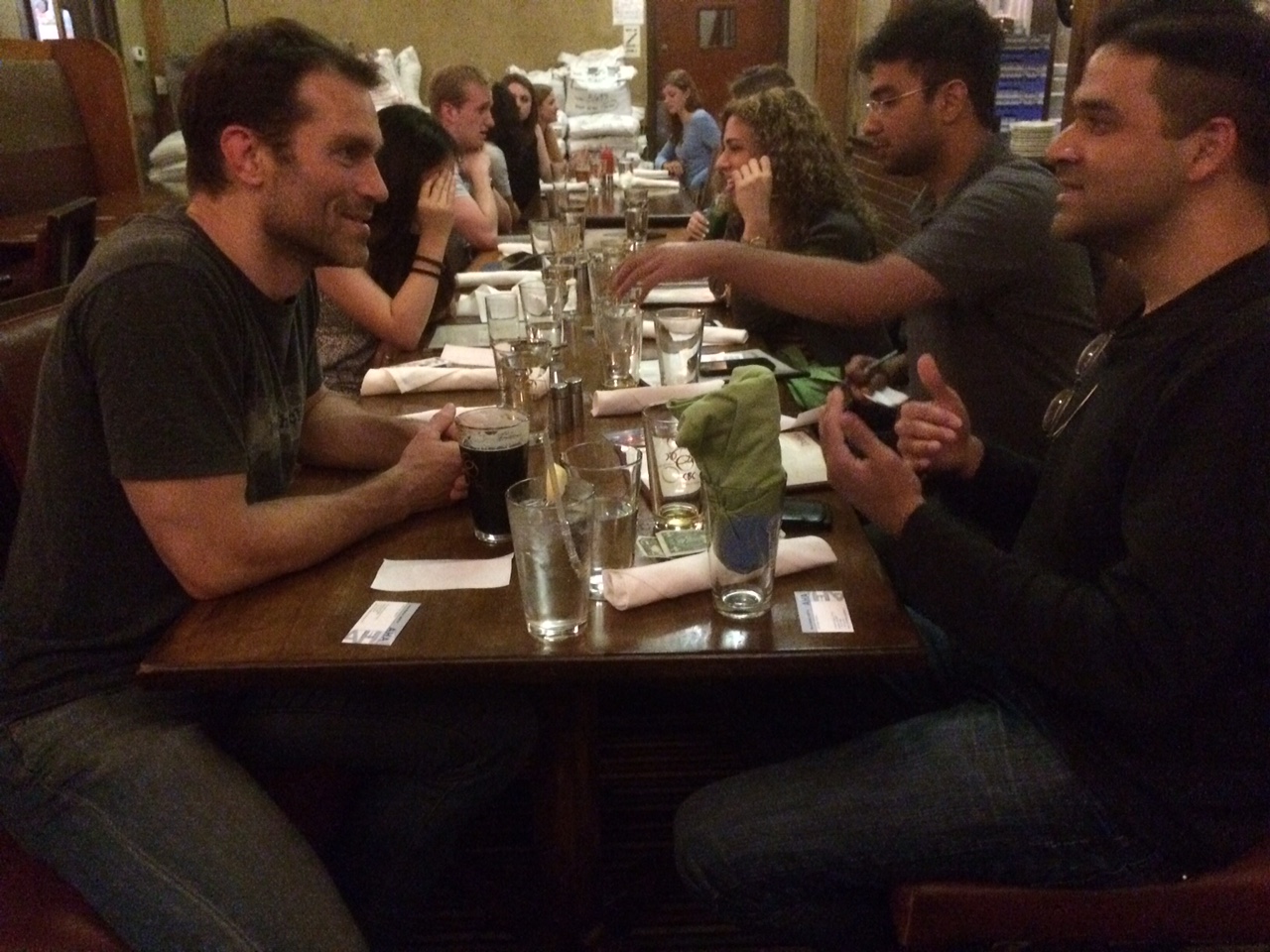
Pint of Science is a science outreach organization that holds an annual festival across 9 countries (UK, Ireland, France, Italy, USA, Australia, Spain, Germany and Brazil) in 6 major themes, to bring the deeper, ground-breaking questions of science and the researchers working on them in contact with public at the local watering holes. The 2015 festival was from May 18th to 20th. I was fortunate enough to be invited to talk in the Pint of Science USA – Boston/Cambridge on the theme of Brain Games: From Development to Empathy gaps. It was a fantastic and engaging evening. I had the distinct pleasure of sharing the microphone with a brilliant fellow researcher Dr. Emile Bruneau from MIT who works on using neuroscience tools to discover new ways of understanding and solving conflict resolution issues across different tense areas in the world. I was given the opportunity to go first and talked about “Coding in Biological Systems: Bioelectrical Control of Tissue Identity and Anatomy” for about 10-15 mins. The transcript of my talk can be found below in this post. This was followed by a barrage of very interesting and engaging questions from the audience. Then it was Dr. Bruneau’s turn to speak and I had the distinct pleasure of being his guinea pig for an onsite experiment/demonstrations. I thoroughly enjoyed it and I believe everyone had a blast.  Many deep questions and discussions followed his talk. I had the good fortune of discussing science questions, thoughts and ideas with Dr. Bruneau and some of the audience members after the event. A wonderful effort and event organization by the Pint of Science USA – Boston/Cambridge coordinators Eleana Manousiouthakis, Daniel Whittet, and Shannon Spreen and the Pint of Science community all together in making this happen. The events’ major sponsors were elife, AHA consulting engineers, USGBC Massachusetts, BGlo and D!A.

Pint of Science 3

Dr.Emile and myself have a nice discussion after our talks


Title: Coding in Biological Systems: Bioelectrical Control of Tissue Identity and Anatomy

“How many of you know who a potter is? Ok for those who may not know, potter is a person who creates these beautiful pots and structures out of clay/mud. And the way that this person does this is; they have a spinning wheel on which they place a limp of moist clay and give it beautiful shape by applying forces with their hands.

Now in nature you see all kinds of beautiful shapes and structures, from that of butterflies to various birds all the way to humans. How are these shapes in nature formed? There is no external force shaping them as they develop. So where is the information for shape structure and organs stored? All animals develop from an embryo. An embryo is a single cell with one piece of genetic information. So is the information for shape and structure stored in the genetics? To find out lets do a thought experiment. Say an alien comes down to earth and hands us humans a piece of genetic information of an animal that we have never seen before. Will we be able to predict this animal’s shape, structure, organs and functions of those organs based only on the genetics of it? The answer is no! This does not mean genetics is not important. Genetics does carry important information but not all the information, only a fraction of this information. Where else then could the information for shape and structure be present? Every cell, including the developing embryo sits in a multidimensional environment where it is sensing or gathering information from all these dimensions. One of these dimensions is genetics, others including mechanical forces, chemical signals and biophysical or Bioelectric signals. We work on understanding what information is stored in bioelectrical signals and how powerful this information is.

What are bioelectrical signals? They are not externally applied electrical currents, but are endogenous (from within) currents. They are also not very fast and transient currents like one sees in the neurons. They are rather very slow currents changing over very long periods of time like hours to days! Now take any cell. It has a membrane that separates its inside from its outside. In this membrane there are proteins that act as pumps and channels. These proteins use a lot of energy to shuttle charged molecules like sodium, potassium, chloride etc, in such a way that the inside of the cell is negative and the outside positive; thus converting every cell into a battery. This voltage difference across the membrane is called membrane voltage (Vmem) and for each cell it is about 10s of mV. Now if you take a sheet of cells and look at the Vmem of cells you don’t see uniform Vmem but rather beautiful patterns of Vmem. This is highly evident in developing embryos where one sees these beautiful patterns of Vmem that occur as the embryo develops. So what information do these bioelectrical patterns contain?

To study this we use frog embryos which are experimentally practical for various reasons. We have identified one of the patterns that is critically involved in eye development. What is remarkable is that if we imprint that eye pattern elsewhere of the embryo say for example on the gut, we end up forming a whole eye on the gut of the frog tadpole. Similarly we are able to form eyes on the tail and even butt of the tadpole! What is even more remarkable is that the tadpoles are able to see through these extra eyes and their brains are able to process the visual information coming from them no matter where they physically might be present! This is done using a robot which not only records the behavior of these animals but is able to teach them and test them how much they have learned. We have now done similar experiments for bioelectric control of brain tissues as well, and are able to induce brain tissues even in the tail of the tadpole.

So what is the purpose of all this? This will help us know where and how the information for shape and structure is stored within bioelectrical signals and how it is read and implemented. This is very important for purposes of regenerative medicine, where if there is any traumatic injury we can use this to regenerate the tissues or organs. Another use is once we know this information encoding we can detect birth defects very early on before they manifest and may even be able to add that information back and correct the defect. Lastly cancers can be viewed as lump of cells that have lost the information of structure, shape and function. If we can implant the right information into the tumors we might be able to have them differentiate and incorporate into normal tissues and perform normal functions. Ok at this point I will stop and take any questions you all may have for me.  “

Thumbs up (1 votes)
Loading...

Categories: Events, Outreach

From Maps to Circuits: Models and Mechanisms for Generating Neural Connections

Posted by , on 20 May 2015

From Maps to Circuits:
Models and Mechanisms for Generating Neural Connections

http://maps2015.org

7-9 December 2015

Strasbourg, France

Understanding the development of the nervous system is a key challenge
that has been approached by both experimental and theoretical
neuroscientists. In recent years there has been a gradual move towards
the two groups working more with each other. The idea of this workshop
is to bring key people together who have shown an interest at
combining theoretical and experimental techniques to discuss current
problems in neuronal development, and plan future collaborative
efforts. Time at the end of each day will be devoted to a group
discussion about questions that have been raised during the day to
identify possible research directions and people willing to pursue
them.

This meeting follows on from our first meeting on this theme held in
Edinburgh, July 2014 (details at http://maps2014.org); a special issue
of Developmental Neurobiology was devoted to papers related to work
presented at this meeting, see
http://onlinelibrary.wiley.com/doi/10.1002/dneu.v75.6/issuetoc

Confirmed speakers

Jianhua Cang (Northwestern University)
Claudia Clopath (Imperial College London),
Robert Datta (Harvard Medical School)
Stephen Eglen (University of Cambridge)
Marla Feller (University California Berkeley)
Patricia Gaspar (École des Neurosciences de Paris)
David Holcman (École Normale Supérieure Paris)
Andrew Huberman (University California San Diego)
Siegrid Löwel (Georg-August-Universität Göttingen)
Christian Lohmann (Netherlands Institute for Neuroscience)
Till Marquardt (European Neuroscience Institute, Göttingen)
Filippo Rijli (Friedrich Miescher Institute for Biomedical Research, Basel)
Jennifer Rodger (University of Western Australia)
Charles Stevens (Salk Institute)

Thumbs up (No Ratings Yet)
Loading...

Categories: Events

Use of mathematics in developmental biology

Posted by , on 19 May 2015

I’m conducting a study on biologists’ use of math; in order to identify the main mathematical and statistical tools currently used in the field. The results of the study would help to inform the graduate and undergraduate curriculum in Biology and Mathematics–as well as the curriculum of related training programs outside of academia–so that they would better align to student needs at their future workplace.

The first part of the study consists of an online survey designed for biologists from the areas of “developmental biology” and “ecology, evolution, and behavior”. It is been however quite difficult for me to find participants in the area of developmental biology. I was wondering if some of you would be willing to participate of the survey or/and help me to find participants, passing around the link below.

The ideal participant would be someone who majored in biology and is now working in developmental biology. This survey was piloted by faculty members and students at UT Austin, with an average completion time of 9 minutes. I can offer no compensation but I would be happy to share the results of the study, and make you eligible to win one of four $25 Amazon gift cards—I know it is not really not much, but I am limited to a very small budget. The online survey is completely anonymous; you will just need to click on the link below to take it.

https://utexas.qualtrics.com/SE/?SID=SV_3sAsOBtAhu4R8BD

Thank you so much for taking the time to consider my request, and please let me know if you have any further questions.

Pablo Duran (pduran@utexas.edu)
Doctoral candidate in Mathematics Education
The University of Texas at Austin

Thumbs up (5 votes)
Loading...

Categories: News

Review of the Young Embryologist Network Annual Meeting 2015

Posted by , on 19 May 2015

Having just begun my new role at the Society of Biology five weeks ago, I’m embarking on the exciting prospect of travelling around the country to meet potential members and find out about the important work they are doing. The mood is very high at the Society as we were granted Royal status only last week, honouring the prominence of biology and the vital work of our Society as the voice of life sciences across the country. Today, I’m at the Young Embryologist Network Annual Meeting held at King’s College London, where 200 young researchers will be presenting their work, updating their knowledge and mingling with peers.

Research topic areas include early embryonic development, stem cells and differentiation and forces in morphogenesis, but as my knowledge doesn’t extend further than my BSc in Human Sciences, it’s way beyond my expertise. However, what I learnt the most from and can definitely share with you were the wise words of Professor Jon Clarke, Head of Department of Anatomy at KCL, about advancing a career in academia:
‘Identify a niche and an important question that you can contribute your skills to. I wasn’t at the top of my class or the best in my school: I moved from working in the CNS in amphibians, to teaching anatomy, so don’t be afraid to do several postdocs before you go for a job. There’s no single way to get a good job, but the keys are: work hard, publish well, become excellent communicators of your research and most of all, work in a good lab that’s best for your research area. If you’re going to stay in academia, you need to know that this is the right job for you – if outside reading and going to seminars seems like a chore, get out now.

‘Most permanent research jobs are in Universities and an important part of these jobs is likely to be teaching undergraduates: so start teaching now and make sure it’s on your CV. Be prepared to get good at teaching something unusual or out of your comfort zone to students; you’ll learn a huge amount from it, it will improve your science and will give you ‘the edge’ for job applications. Have enthusiasm and curiosity: in every lab meeting, be exceptional and ask good questions – remember you are always on show. Be able to identify important areas of need and ask the right questions. This will help you to get an outstanding letter of recommendation, one that is better than anyone else in the interview. And obviously, publications: A good teaching profile will really help your career prospects, but essentially won’t trump your research profile.’

It seems from talking to delegates that the atmosphere is competitive, as with all research activities, and they are looking for ‘the edge’ that will get them their next post. Professor Clarke gave suggestions on how to diversify your skill set to raise you above your peers, including teaching skills and finding an effective niche. But essentially, he suggested that regardless of the decisions you make in your career, what matters most is your ability to present your case to the decision making body, and build a cohesive and persuasive argument of how you came to your current post and why you want to move to your next one. It’s advice like this that translates across all professions.

I previously worked for a professional conference organiser for medical and scientific associations and would be simultaneously organising multiple large conferences. I commend the organisers, all volunteers, for their excellent work and the smooth running of the conference. The feedback I received from talking to delegates in the exhibition area was brilliant, with specific comments noting the rising standard of the talks given. Thank you to Amanda Patist and Claire Bromley for their assistance: I personally really enjoyed the event, meeting the delegates and exhibitors, and wish YEN all the best for future meetings.

SB logo smallWritten by Alexandra Spencer, Marketing & Membership Coordinator at the Society of Biology. The Society of Biology is the UK’s leading professional association for the life sciences: representing a single unified voice for biology: advising Government and influencing policy; advancing education and professional development; supporting our members, and engaging and encouraging public interest in the life sciences. 
Thumbs up (No Ratings Yet)
Loading...

Tags: ,
Categories: Events