Title: The role and regulation of metabolic reprogramming during successful appendage regeneration
Supervisors: Professors Enrique Amaya and Royston Goodacre, University of Manchester
Application deadline: January 30, 2015
Description:
Many vertebrate species, including fish, amphibians and reptiles, have the ability to regenerate their appendages following amputation [1,2]. The regeneration process coordinates a variety of biological processes, all of which rely on molecules and energetic equivalents produced during cellular metabolism. Yet despite its intuitive importance, very little is known about how cellular metabolism is regulated during vertebrate tissue regeneration.
We recently found that the expression of a substantial number of genes governing glucose metabolism was greatly altered during Xenopus tadpole tail regeneration [3]. These data and others have led us to hypothesize that glucose metabolism and its regulation plays an essential role during vertebrate appendage regeneration [4]. Furthermore, we found that appendage regeneration induces a sustained production of reactive oxygen species (ROS), and this production is necessary for appendage regeneration [5]. The overall aim of this project is to investigate the regulation and role of carbohydrate metabolism during appendage regeneration, using Xenopus embryos and tadpoles as the model organism. More specifically we plan to explore the link between ROS production and metabolic reprogramming, in the context of tissue regeneration and embryogenesis. The main questions we wish to answer are:
1. Do embryos and regenerating tissues exhibit the Warburg effect, such that anabolic pathways are promoted?
2. What is the effect of ROS production on cellular metabolism in regenerating tissues?
3. What are the critical molecular targets of ROS that facilitate anabolic pathways during tissue regeneration?
This project will combine advanced in vivo studies with advanced metabolomic and proteomic analyses.
References
1 Brockes, J.P. and Kumar, A. (2008) Comparative aspects of animal regeneration. Annu Rev Cell Dev Biol 24: 525-49.
2 Sanchez Alvarado, A. and Tsonis, P.A. (2006) Bridging the regeneration gap: genetic insights from diverse animal models. Nature reviews 7: 873-84.
3 Love, N.R., Chen, Y., Bonev, B., Gilchrist, M.J., Fairclough, L., Lea, R., Mohun, T.J., Parades, R., Zeef, L. and Amaya, E. (2011) Genome-wide analysis of gene expression during Xenopus tropicalis tadpole tail regeneration. BMC Dev Biol 11: 70.
4 Love, N.R., Ziegler, M., Chen, Y. and Amaya, E. (2013) Carbohydrate metabolism during vertebrate appendage regeneration: What is its role? How is it regulated? BioEssays, in press.
5 Love, N.R., Chen, Y., Ishibashi, S., Kritsiligkou, P., Lea, R., Gallop, J.L., Dorey, K. and Amaya, E. (2013) Amputation-induced reactive oxygen species (ROS) are required for successful Xenopus tadpole tail regeneration. Nature Cell Biology, 15:222-228.
Further information: http://www.ls.manchester.ac.uk/phdprogrammes/projectsavailable/project/?id=1918
Are you a postdoc or student planning to visit a collaborator’s lab?
Then apply for a Development travelling fellowship! You can be awarded up to £2,500 (or currency equivalent) to offset travel costs and expenses, and there are no restrictions on nationality.
The deadline for application is the 31st of December.
We are Juan Pascual-Anaya and Tatsuya Hirasawa, two postdoctoral fellows at RIKEN (Kobe, Japan), in the laboratory of Shigeru Kuratani. We both have been working for the last 4-5 years using turtles as a model organism in the laboratory, studying different aspects of the carapace development.
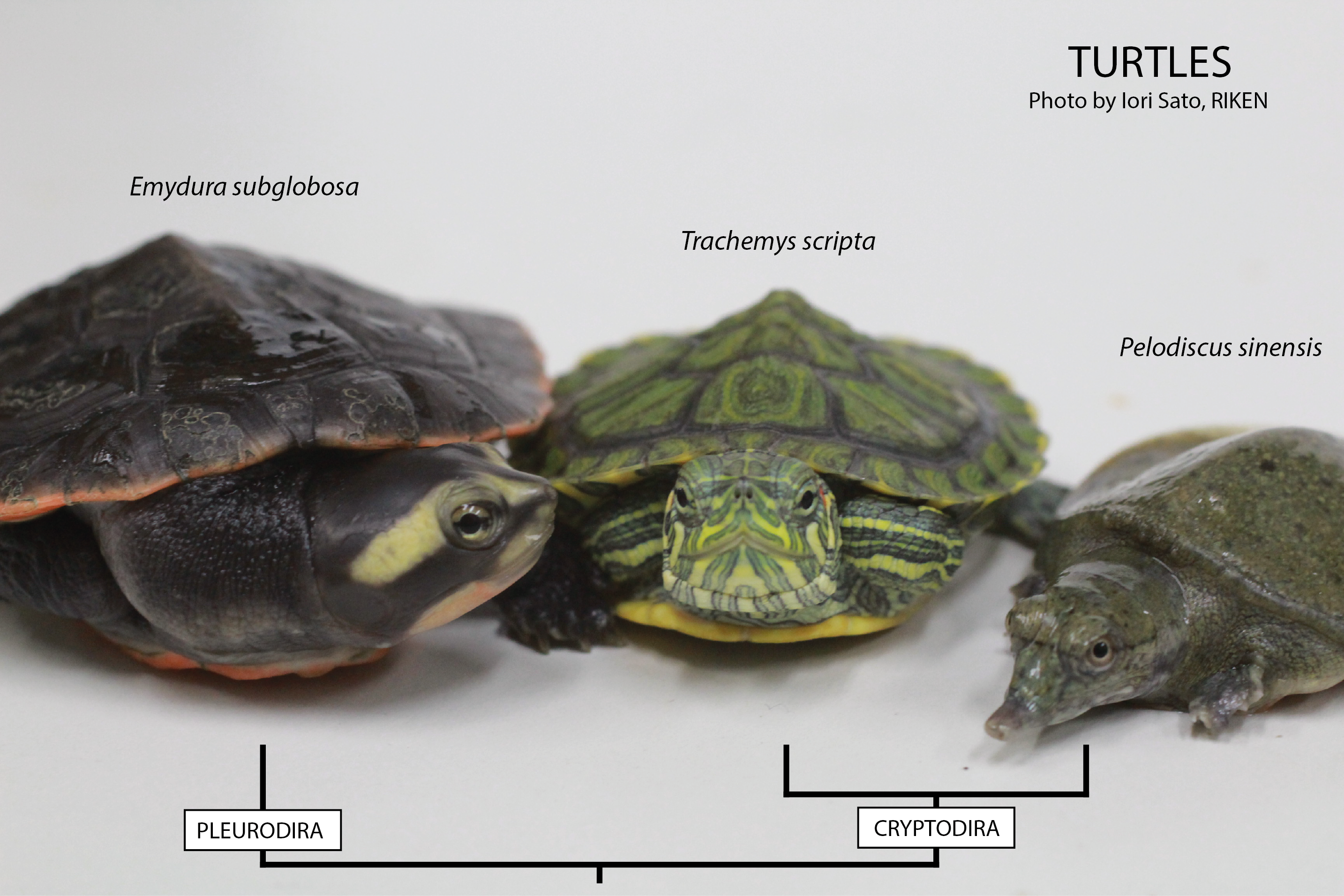
Three different turtles used in our lab.
The turtle shell, composed of dorsal and ventral moieties, the so-called carapace and plastron, respectively, is an outstanding example of what in evolutionary biology is called a morphological novelty. If you think of the body plan of a general tetrapod, you’ll realize that the turtle is the only one with such a display of the ribs in the dorsal part of the animal, disposition in which during development the shoulder girdle eventually ends up below the ribs (when generally it is outside the ribcage –we know everyone would be touching his or her shoulder blade at this moment–). The turtle shell is a genuine evolutionary innovation, as it has no counterpart in other animals. We are interested in uncovering the developmental mechanisms underlying this morphological novelty.
Using the turtle as a model in the laboratory is not so different from using for example the chicken, but with one big disadvantage: turtles only lay eggs seasonally, meaning that we need to concentrate all of our efforts to perform in vivo experiments during the summer. We mostly work with the Chinese soft-shell turtle, Pelodiscus sinensis (picture above, on the right). And why is that? Well, the Chinese soft-shell turtle is a delicacy found in the Asian market. Here in Japan, where it is called suppon (スッポン), it is used for the preparation of an exquisite dish, the suppon-nabe in which the turtle is cooked in a soup with rice. This fact makes it possible to directly order eggs to a local farm. And that is exactly what we usually do. During the reproductive season, we order around 100 eggs weekly. Then, depending on the availability, we’ll get that or less… or nothing. For example, when the weather worsens, the turtles do not lay eggs.
This is what we usually do in a day, or more strictly, along the whole season:
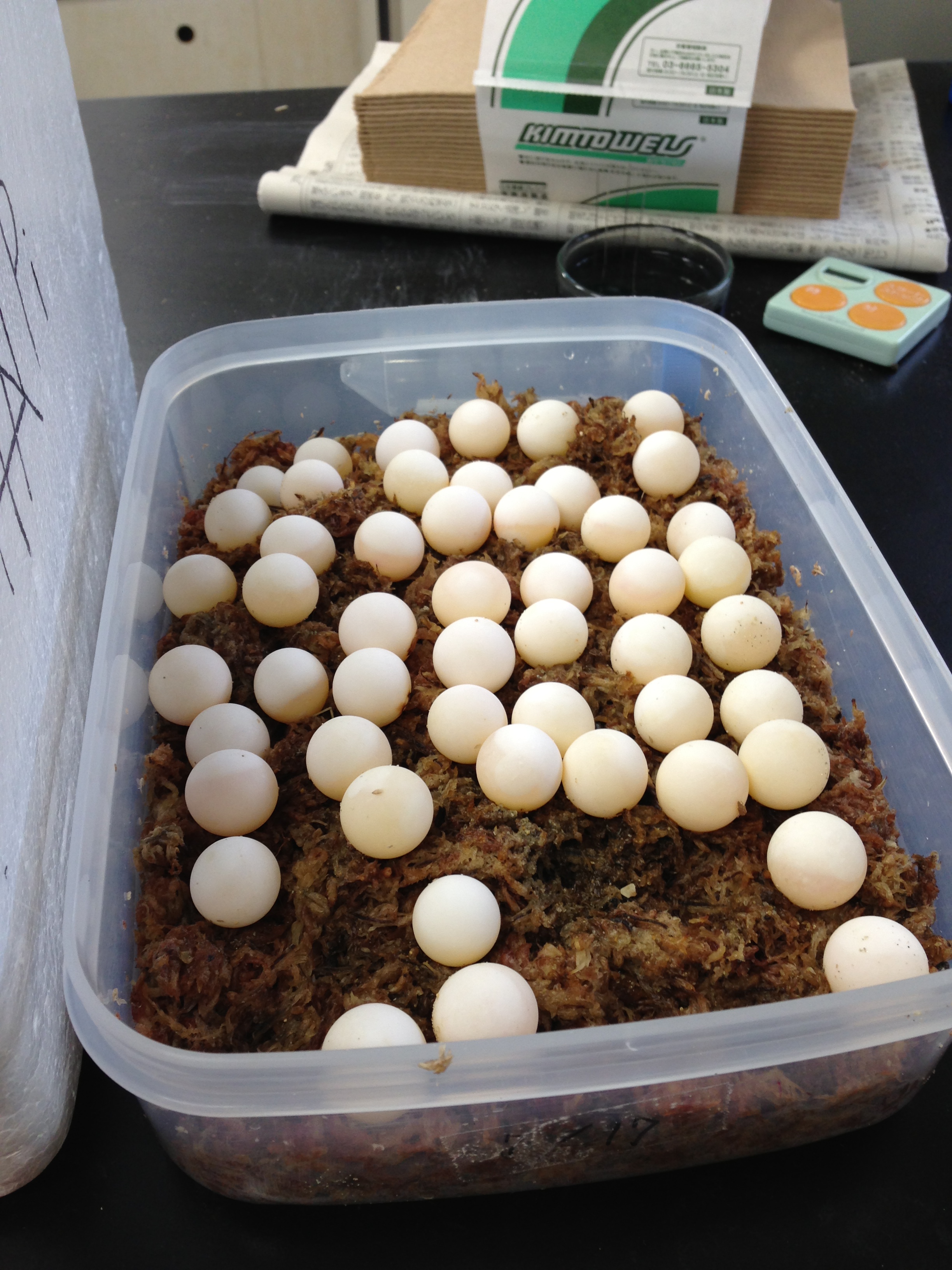
When the eggs arrive, they do it slightly burrowed in a wet sand or mud, with no so much water, just enough to keep the humidity within the box. We then need to dig them out, clean the excess of sand and put them on a clean and wet litter. We then culture them at 30 degrees. Fortunately, the development of P. sinensis is quite synchronous, more than in chicken, and we can know exactly in which stage the embryos will be everyday. There are several staging tables available for many turtles. For P. sinensis, our supervisor Shigeru Kuratani reported such standard table back in 2001 (Tokita and Kuratani, 2001).
Eggs of Pelodiscus sinensis just after arriving to the lab.
So, we then will use most of the eggs to get embryos at given stages in which we would like to study the expression pattern of a gene, that is to do in situ hybridizations. The eggs of P. sinensis are quite small, so we need to manage them with care to avoid just smashing them and losing embryos. We use fine forceps and dissecting scissors to open them, and if the embryo is old enough, we peel the egg’s shell little by little, until the embryo is fully visible. When the embryos are way too young, for instance until stage 11 or so (like stage HH16 of chicken), the embryo can be dragged completely in a piece of egg’s shell, put this upside-down, and then extracted from the egg shell. It’s like using a holed piece of paper to extract young embryos of chicken, but using the shell itself. Then, the embryos are just fixed in paraformaldehyde as in standard protocols.
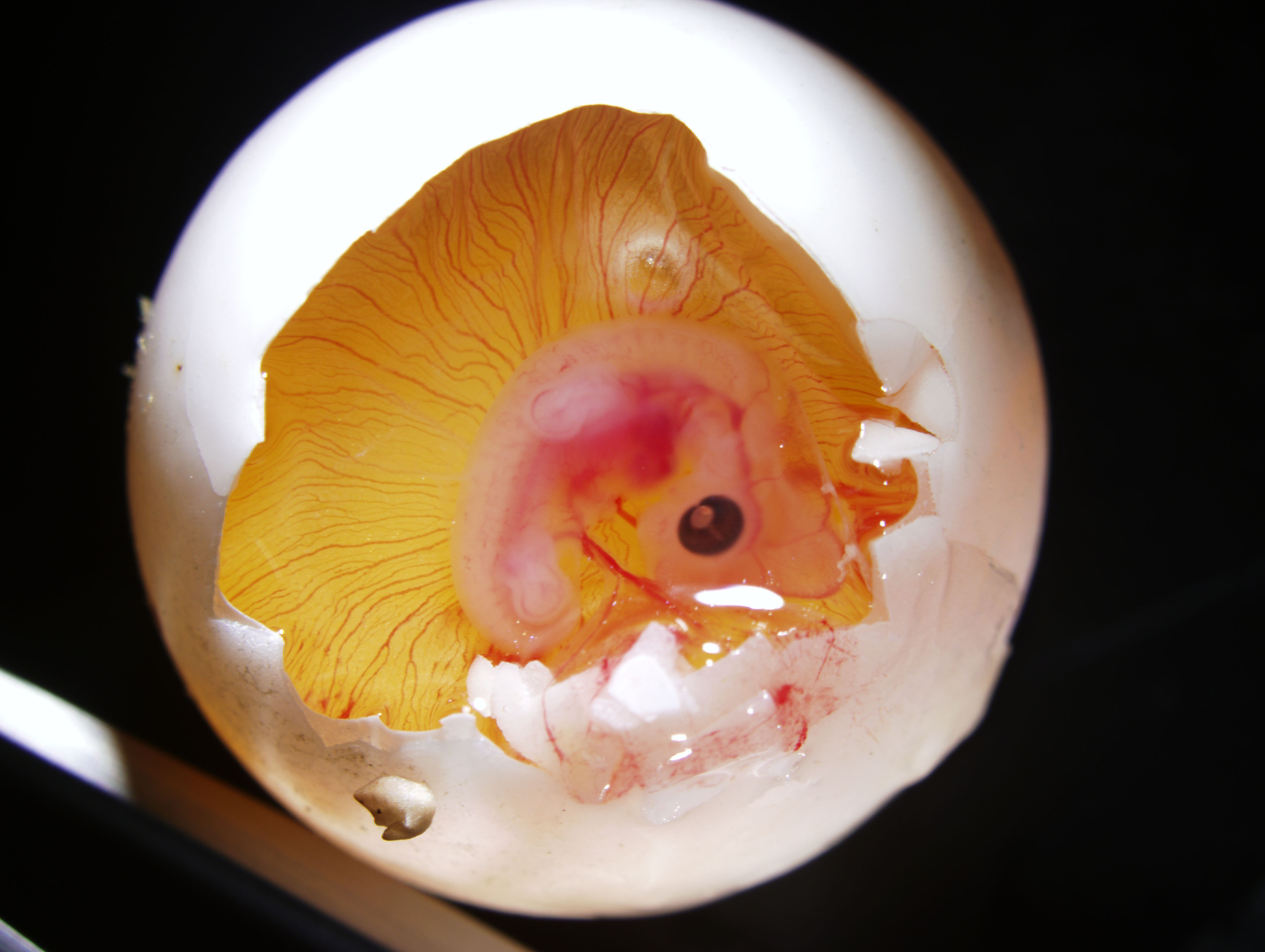
The eggs, on the other hand, can be windowed as the chicken ones, but with a very small hole. Then, we can assay the embryos with a number of techniques. This includes electroporation, DiI labellings, embryological operations, and so on. In one experiment that I have been involved recently, I was introducing morphogen-soaked beads into the lateral trunk of the turtle embryo. This is just as it has been done in chicken, but in miniaturized egg! You can see in the picture below a windowed egg and the embryo inside.
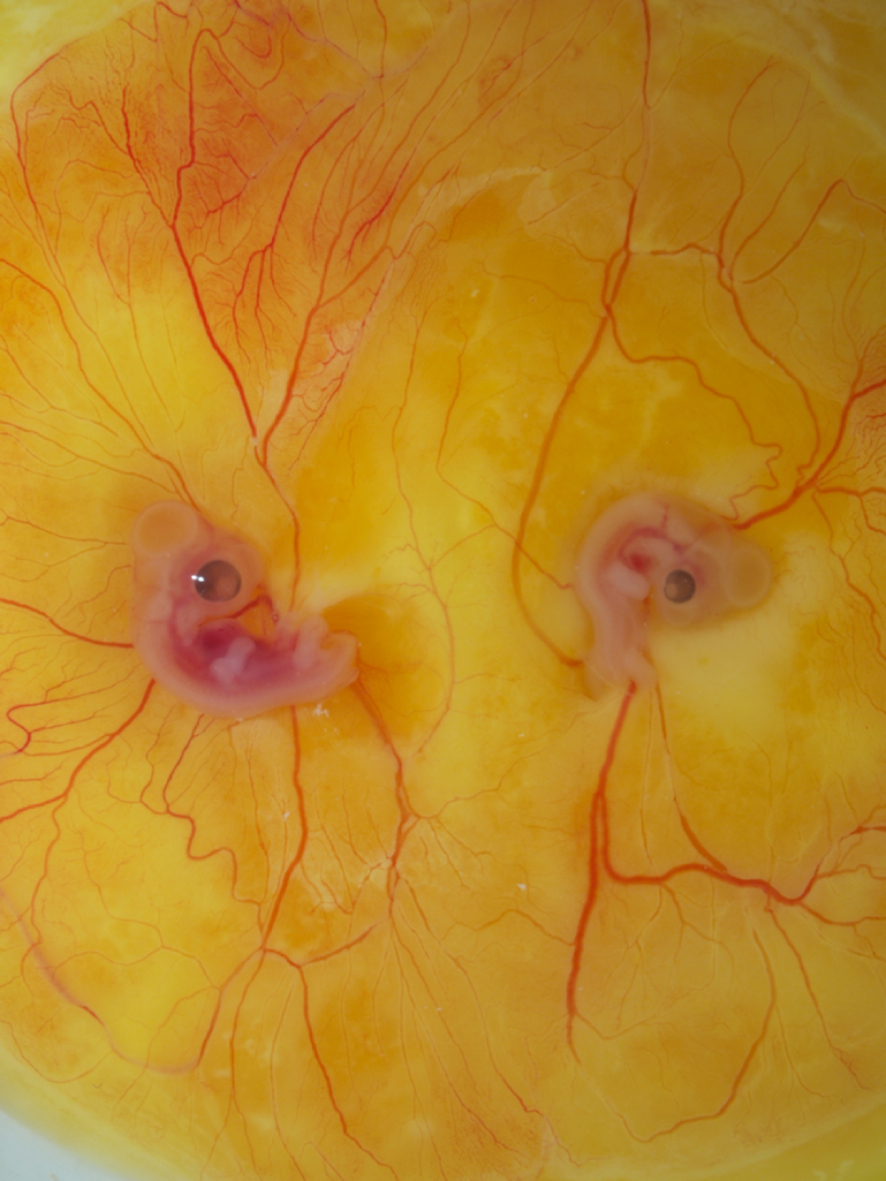
Windowed egg of P. sinensis showing an embryo at stage TK13-14
Last, we sometimes need just hatched juveniles. P. sinensis juveniles usually hatch around a month and a half after they arrive to the lab, and here you can see the birth moment in the following video:
I hope you liked what can be done using turtles in the lab.
Thanks!
Juan and Tatsuya.
This post is part of a series on a day in the life of developmental biology labs working on different model organisms. You can read the introduction to the series here and read other posts in this series here.
Thanks to microscopy, scientists can compete with the most talented photographers and take the most astonishing pictures! Although I have been focusing on microscopy pictures in this blog, microscopy is not the only way to make pretty pictures of cells.
In recent years, the rapid progress in sequencing technology has propelled this technique to the front stage and it is now widely used to study gene expression in single cells. Whereas with microscopy, we can observe only a limited number of parameters per cell, sequencing allows us to observe the expression of thousands of genes per cell.
DNA sequencing is the technology that determines the nucleotide order of a given DNA fragment (for example: ATTTCGAGCCGT). Sequencing can be used to screen for genetic mutations or for paternity testing for example. In the case of gene expression studies, the RNA rather than the DNA is sequenced. Gene expression is the process by which information from a gene (DNA) is used in the synthesis of a protein (gene product). The intermediate molecule between the DNA gene and the protein is RNA. RNA is encoded from DNA and used to synthesize the protein it is coding for. Thus in order to define gene expression in a single cell, we isolate the RNA from the cell, sequence it to identify it and quantify it. The more RNA molecules there are coding for a specific protein, the higher the expression for the corresponding gene is.
In a recent study published in Development, Brunskill and colleagues used this RNA-seq technology in order to create an atlas of gene expression patterns in the developing kidney. For example, this picture is a “heatmap” showing the gene expression pattern in the renal vesicle (a region within the kidney). Each horizontal line corresponds to the expression level of one gene, with red for high expression, yellow for intermediate expression and blue for low expression. Each vertical column corresponds to a single cell. From this heatmap, Brunskill and colleagues observed that the gene expression pattern in the renal vesicle is highly polarized with very distinct gene expression profile in the proximal cells (left portion of the heatmap) versus the distal cells (right portion of the heatmap).
Unsurprisingly, this high-throughput technology is becoming increasingly popular as it provides very detailed information about single cells, highlights unforeseen patterns among tissues, beautifully captures the uniqueness of each cell and, one must admits, generates fascinating graphical displays!
Picture credit:
Brunskill E. W, Park, J-S, Chung E. Chen F., Magella, B., and Potter S. S. (2014). Single cell dissection of early kidney development: multilineage priming. Development 141, 3093-101.
I presume the first question that comes into people’s mind when they read the title would be “What are cnidarians?” I also presume a logical follow-up question would be “Why are you working on cnidarians?” If you haven’t asked these questions, I suspect that you are either my colleague and are sitting in the office next to me, or that you too work in the field of evo-devo.
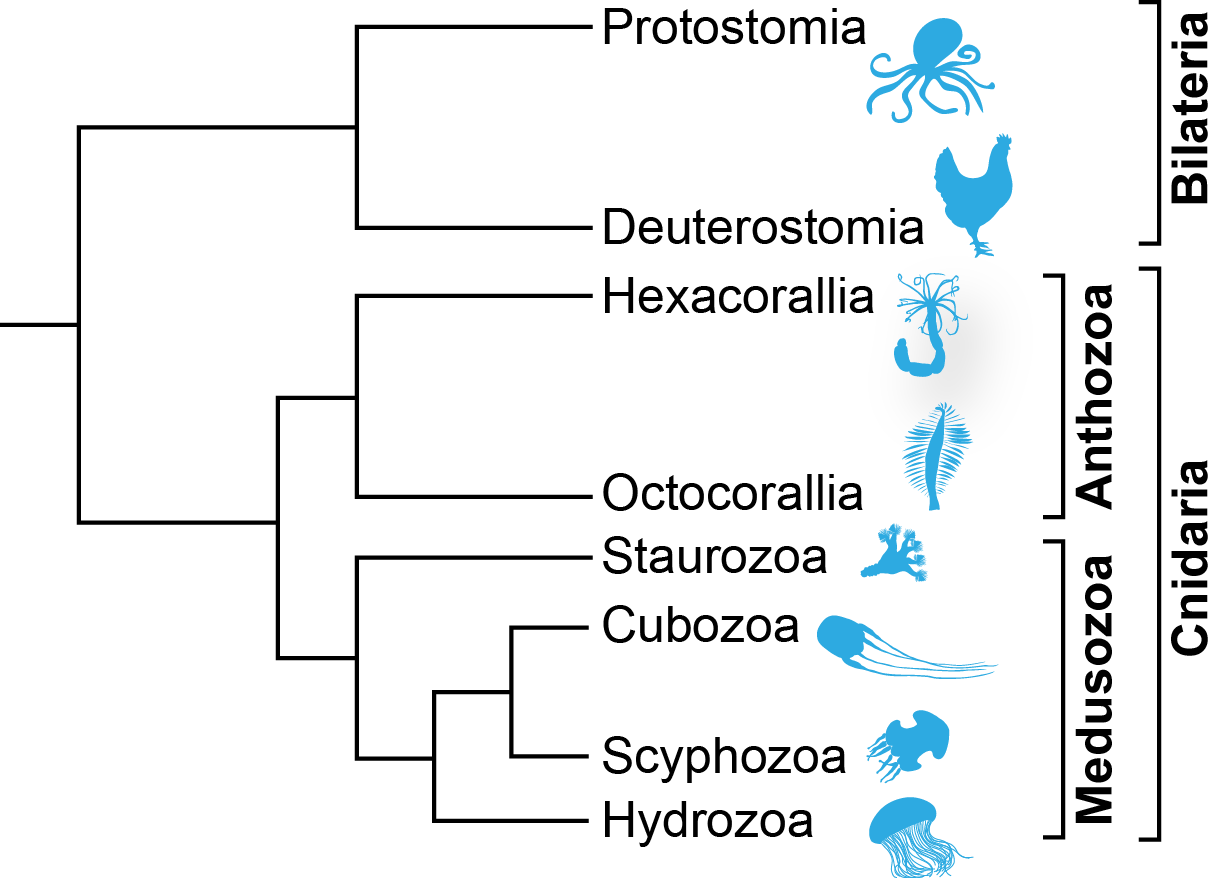
We have all encountered cnidarians primarily in a non-scientific way, probably while swimming somewhere in the sea. And if the exposure was a direct skin-to-skin contact, there is a possibility that it wasn’t pleasant for the human participant. The unpleasant encounters are underpinned by the determining characteristic of cnidarians – the stinging cells (cnidocytes). Cnidarians are a phylum of metazoans, which separated from the lineage that gave rise to bilaterians more than 600 million years ago (Figure 1.).
Figure 1 – Phylogenetic relationship of the extant cnidarian classes
Today’s cnidarians include 5 classes, among which are the well-known sea anemones, corals and jelly fish. They are relatively simple animals, with only two germ layers (endoderm and ectoderm) and a small number of cell types. However, this morphological simplicity is deceptive, as it was recently reported that cnidarians possess a complex genome and a gene regulatory landscape that are comparable to any of the “higher” (although I prefer not to refer to them that way) animals, namely bilaterians. This intricate relationship of simple morphology and a complex genetic toolkit makes cnidarians ideal for studying the emergence of complex traits. The problems which interest the researchers in the lab of Uli Technau at the Department of Molecular Evolution and Development at the University of Vienna, Austria belong to some of the most fundamental questions in biology in general: the evolution of germ layers, left and right symmetry and nervous systems. The researchers in the lab come from different backgrounds – developmental biologists, molecular biologists, geneticists, zoologists. The variety of education of the researchers is what contributes greatly to the diversity of interests and topics.
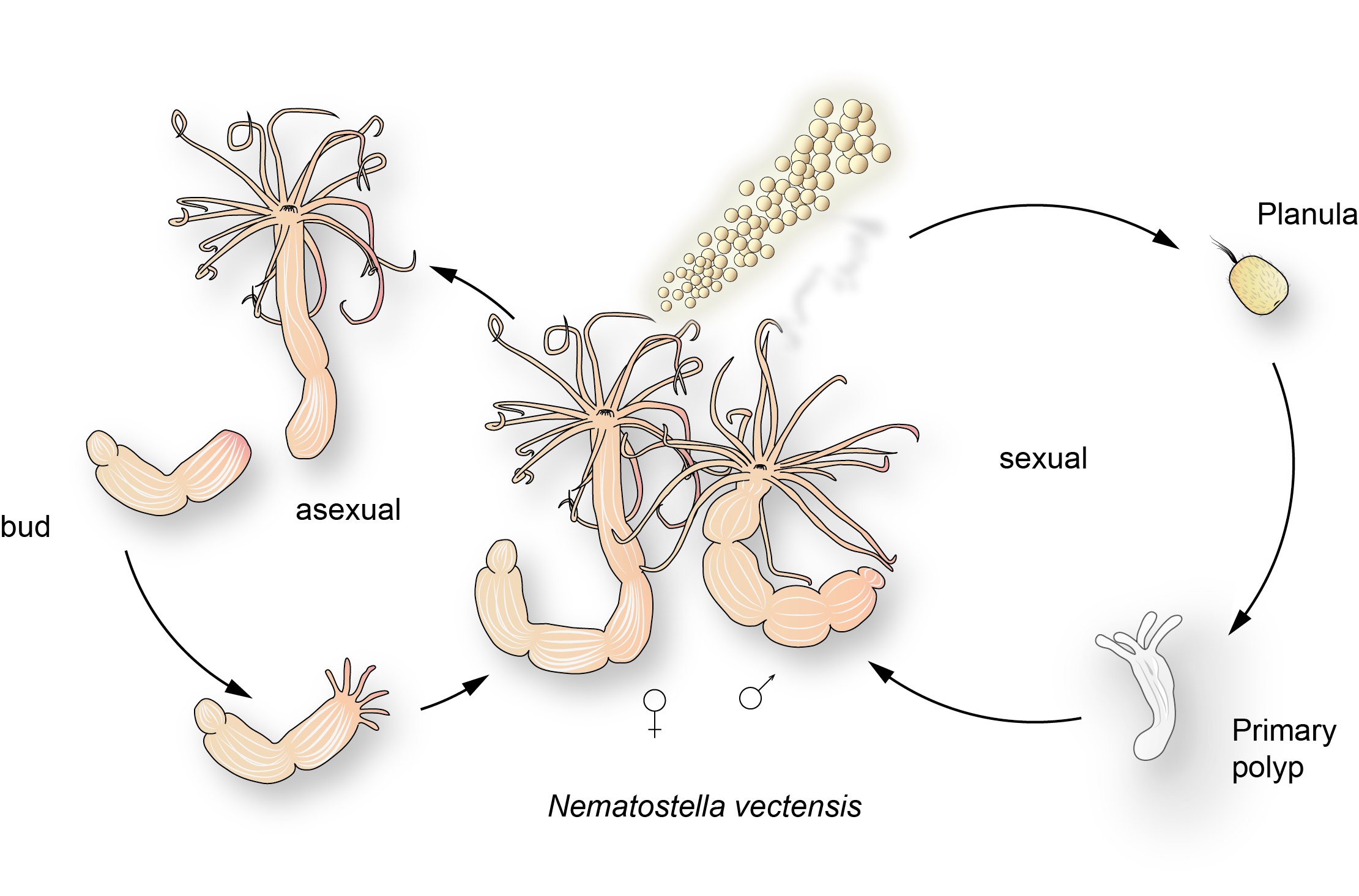
Figure 2 – The life cycle of Nematostella vectensis
In order to tackle these questions most researchers in the lab use the starlet sea anemone – Nematostella vectensis (Figure 2.). This slowly evolving cnidarian proved itself to be one of the favourite cnidarian models, due to its willingness to be kept and to reproduce under laboratory conditions. Animals can be spawned at request, by using a combination of temperature and light setting changes and therefore provide us with fresh embryos every day. As our interest especially lies in the developmental origins of the previously mentioned biological basics it is crucial that we can access every stage of development easily. The enthusiasm with which Nematostella spawns in the lab has encouraged the development of techniques to work with it. The development of gene interference systems and transgenesis made work with these organisms much easier, but they still present somewhat of a challenge, because in order to close the life cycle (i.e. get the F1 generation), one must wait for 4-6 months (Figure 2). So do not expect quick results while working in the cnidarian field, but expect them to be very pretty…
A typical day in the cnidarian life for the researchers starts with coffee (I guess like in most research institutions all over the world), and for the animals with feeding and cleaning, and, for the chosen ones on that day, spawning. Spawning is induced, as mentioned before, with the combination of temperature and light change. The chosen animals are carefully washed the day before the spawning and put in incubators, which are timed to change the temperature and light. Usually the animals are kept in the dark at 18˚C, but the temperature in the incubators is 25˚C, and the light is on. We keep our animals in separate boxes for males and females, as to avoid any unplanned fertilization (very rarely the animals will spawn un-induced). After taking the animals out of the incubator, in about an hour to two they produce gametes. The females expel egg packages (eggs surrounded by a thick layer of jelly), and males release sperm into the water. Egg packages are transferred from female boxes into males ones and fertilization happens while you’re finishing your coffee. The embryos are collected, dejellied and one can then use them for any purpose. A very common technique that we subject our embryos to is microinjection. This is used to deliver all sorts of genetic goodies to the embryo: morpholinos, over-expression constructs, transgenic constructs. Most of us in the lab have spent several months trying to master this technique as it can be quite tricky. Especially since it is done in a relatively cold room (13-15˚C), which is not the most comfortable temperature for an almost motionless human being. But once you get there, it is quite satisfying (and maybe prepares you for a future job in human in vitro fertilization).
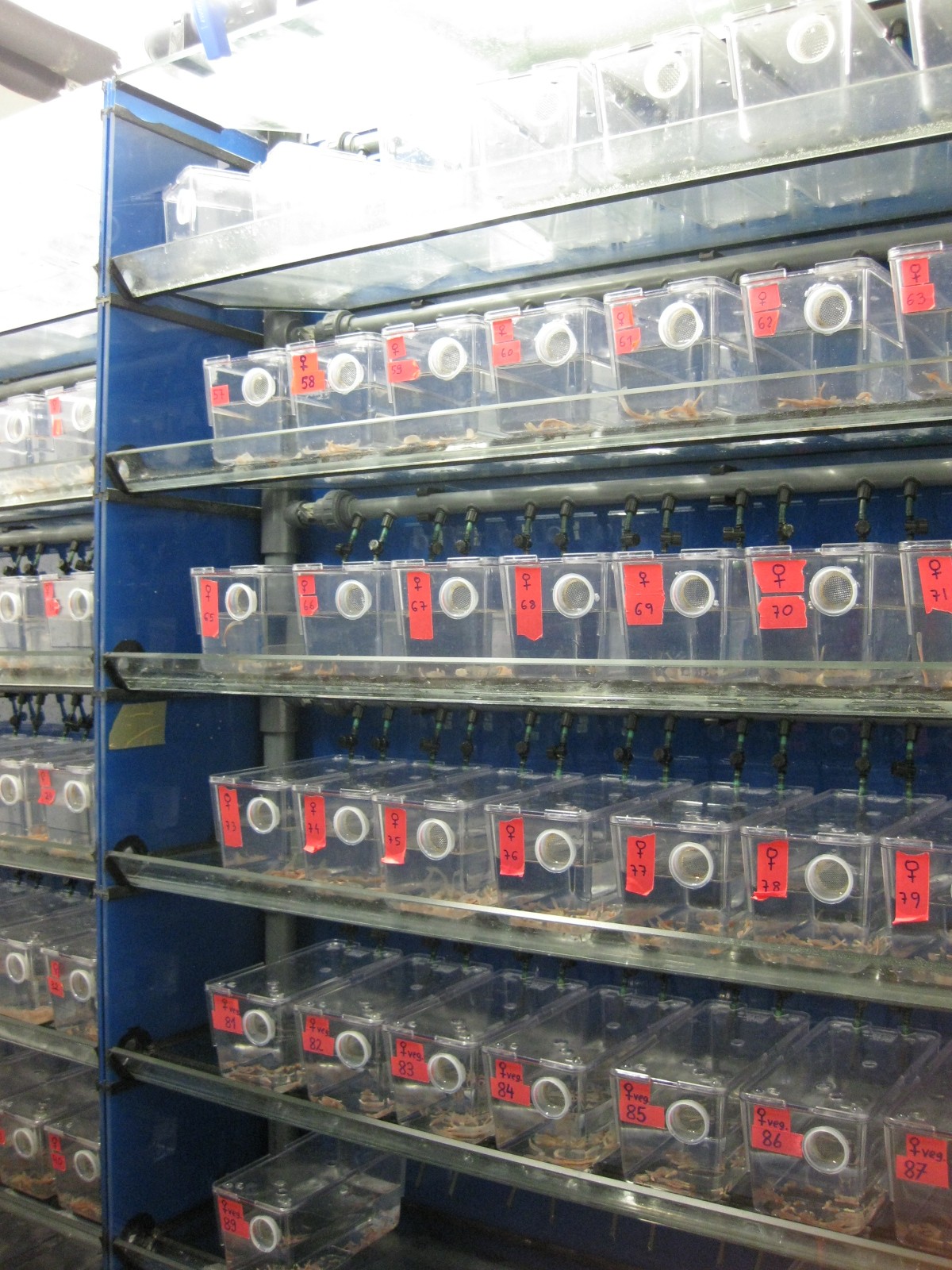
Figure 3 – A semi-automatic culture system for Nematostella vectensis
After fertilization (and potential microinjection), the eggs cleave and in around a day the embryos start gastrulating. After around a day and a half, the gastrula develops into a swimming larva called planula. After several days of swimming, the planulae settle down on the substrate to metamorphose into primary polyps, which develop 4 tentacles. The polyps start feeding, grow and develop more tentacles. The animals grows continuously and reaches sexual maturity around 4-6 months. Another interesting fact about Nematostella is that it is probably a very long lived animal with little signs of aging. As no detailed research has been done on this problem, there are a lot of open question left to address. Our animals are kept in a semi-automatic culture system in which the quality of the water is under central control (Figure 3., 4. and 5.).
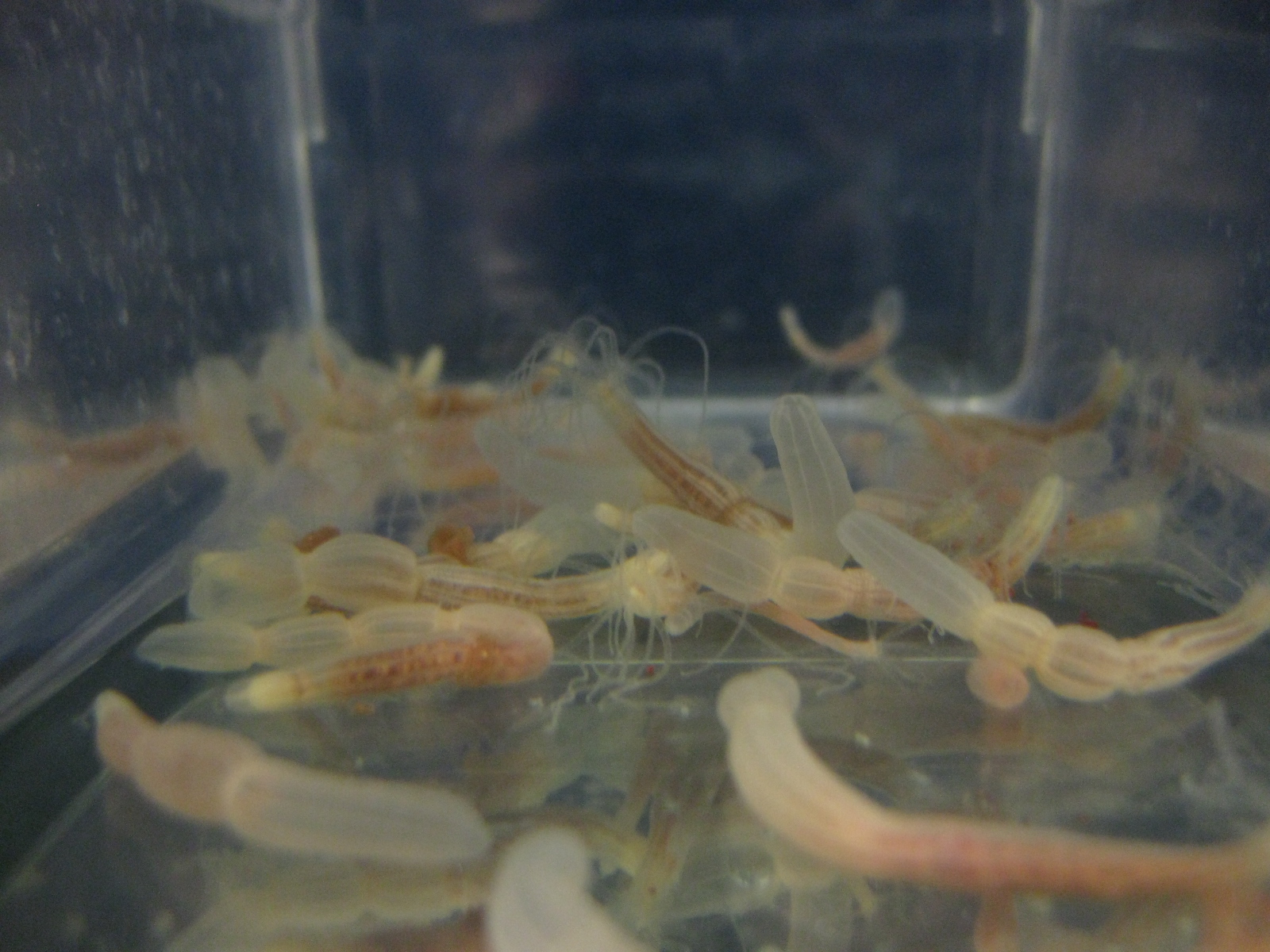
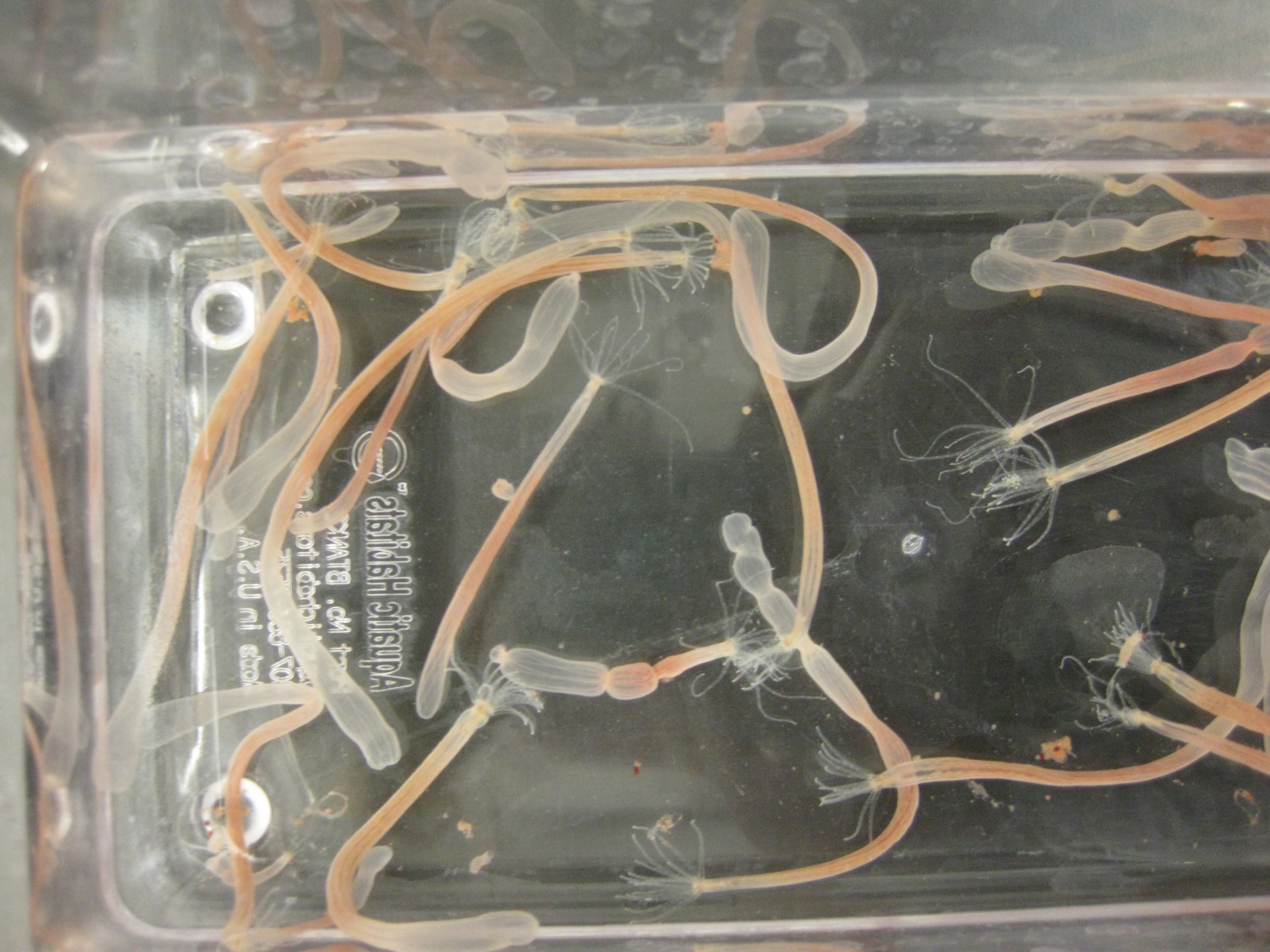
Figure 4 – Nematostella in its home in the culture box.
Figure 5. – Female Nematostella just before laying eggs.
All of the animals are taken care of by our animal technicians and are fed Artemia shrimps (like zebrafish) – hence the slightly pink colour of the Nematostella polyps. They also take care that the animals are clean and that they do not overcrowd their boxes (since they are fond of their asexual reproduction, that does happen from time to time). In addition to Nematostella, our lab houses several other cnidarian species. The ones I believe would draw the most attention are the medusa stages of Clytia hemispherica (a hydrozoan) and Aurelia aurita (a scyphozoan). Aurelia aurita (Video) or the moon jelly is found in most of the world’s seas and you might have seen it live. But don’t worry, these guys don’t sting. The reason why they are so interesting, except for being exceptionally beautiful, is that they have a very elaborate life cycle. Medusozoans in general have a life cycle which alternates between a polyp and a medusa stage (although this typical life cycle underwent many changes during evolution, and some lineages completely lost either the medusa, or the polyp stage). The relationship and developmental dynamics of these life stages is also a question that interests some of the researchers in our lab. The lab houses some other cnidarian stages from time to time, usually only to obtain DNA or RNA from the poor things, as establishing a protocol for maintaining a new species in the lab, and especially for closing its life cycle is a hard and lengthy process. When I decided to work on cnidarians, I was attracted to the possibilities that these animals provide to study the characteristics of the ancestor of our lineages. They have been full of surprises and have shown us that this ancient group was much more complex than previously thought. So, whenever a cnidarian biologist has a tough time (which does happen quite often, unfortunately, as they tend to be uncooperative as any other biological system), it is enough to go and see your animals peacefully sitting or floating in water and their almost meditative influence will for sure ease a difficult day. Or just go and have a beer, there is always one in the fridge…
Young Aurelia aureate medusae. At the bottom of the dish ephyrae (“baby medusae”) can be seen.
This post is part of a series on a day in the life of developmental biology labs working on different model organisms. You can read the introduction to the series here and read other posts in this series here.
Hello! We’d like to start by offering our congratulations to Dr Masayo Takahashi who won 2014 Stem Cell Person of year! A fitting acknowledgement of her and her team’s, hard work. Also this month we marked World Diabetes Day on the 14th of November with a Twitter campaign and two pieces from the EC-funded HumEn research consortium. Plus, following on from our factsheet and film on cell reprogramming that we told you about last month, Thomas Graf has updated his commentary comparing iPS and transdifferentiation as routes to cell replacement therapies – a very interesting read!
We’ve also featured three blogs on recent stem cell research and two outreach initiatives, Debating Science Issues and a stem cell exhibition in Lausanne.
Finally, new translations in Spanish and French are below:
If you have an suggestion, news story, stem cell event for the newsletter or would like to comment on this one – please do get in touch! We’d be keen to hear your ideas. Other ways you can keep in touch are on Twitter, Facebook, by email or via the website. Also have you considered getting involved as a writer or translator?
Making insulin producing beta cells from stem cells – how close are we?
Two recent studies have revealed for the first time how to to generate insulin producing cells, that resemble normal beta cells, in the lab from human pluripotent stem cells. This provides a step forward for a potential cell therapy treatment for diabetes. But how alike are these cells to the beta cells found in our bodies? How close are we to testing these cells in diabetics? And what other questions still remain? In this commentary, Henrik Semb tackles these questions providing perspective in this complex and challenging field.
Interview with Henrik Semb: the pancreas, beta cells and diabetes
Professor Henrik Semb is the director of the Danish stem cell center. His research group focuses on how organs are formed and cells acquire their fates in vivo. In particular, they are interested in how processes such as cell shape changes, movement and polarity, not only affect 3D architecture of the developing organ but also what type of cells are made. In vivo findings from their lab have given insight into coaxing human pluripotent stem cells into functional insulin-producing beta cells as a source for therapy in type 1 diabetes.
2014 Stem Cell Person of the Year – Masayo Takahashi
EuroStemCell would like to offer its warm congratulations to Dr Masayo Takahashi, winner of the Stem Cell Person of the Year 2014. This international award is facilitated and funded by Professor Paul Knoepfler, in recognition of people who are transformative in the stem cell field for the benefit of others.
Stem cell transplants for Parkinson’s disease edging closer
A major breakthrough in the development of stem cell-derived brain cells has put researchers on a firm path towards the first ever stem cell transplantations in people with Parkinson’s disease. A new study presents the next generation of transplantable dopamine neurons produced from stem cells. These cells carry the same properties as the dopamine neurons found in the human brain.
Study reveals the genesis of brain cells that degenerate in Huntington’s disease
Elena Cattaneo reports on recent research that examines how a particular type of cell develops in the human brain, and how studies like this fit into the overall picture of research collaboration and funding, in Italy and in Europe.
It took 4 years of continuous experiments of 17 researchers from 6 groups in 2 European countries to understand more about how cells develop in the striatum. The striatum is the area of the brain that degenerates in Huntington’s disease (HD) – a neurological disorder that as of today, has no cure. This work, led by my group at the University of Milan, was published in Nature Neuroscience on 10 Nov 2014.
Capturing the primordial human stem cells in the lab
Researchers at the University of Cambridge have discovered a method to “reset” human embryonic stem cells to an earlier developmental stage, producing a type of stem cell up to now only seen in rodents.
Debating Science Issues 2015 Competition Open for Applications
In conjunction with Ireland’s Science Week, Debating Science Issues (DSI) is being launched with an upper secondary school workshop series. The schools’ science programme, now in its eighth year, invites young people to engage in debate on the cultural, societal and ethical implications of advances in biomedical science.
Although the workshop phase of DSI is under way, several partners are still recruiting schools. The pre-competition workshops provide an open and impartial environment and challenge the students to consider the ethical impacts of contemporary research. After the school workshop, students work with their team and under their teacher’s supervision to prepare for a debate competition involving more than 36 schools across Ireland to determine the 2015 All-Ireland winners. Debate adjudicators represent various stakeholders including science, communications/ journalism, religion, medicine, ethics, patients, and interested publics.
Much of what many people still regard as science fiction is already happening in pilot projects in laboratories all around the world today: printing ears, producing blood and muscles and reconstructing a food pipe using the body’s own tissue. Science has achieved rapid progress in this field in recent years – and the population at large has scarcely noticed it. What is coming next? An entire heart?
Here are the highlights from the current issue of Development:
Assessing the evolutionary origin of neural progenitors
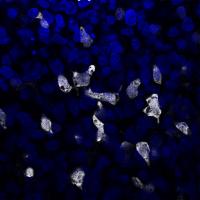
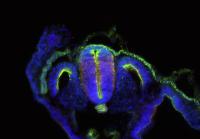
The nervous system of bilaterians arises from a small pool of neural progenitor cells (NPCs) that expressesSoxB genes, a family of transcription factors crucial for neurogenesis. The existence of NPCs has thus far been described in diverse species of Bilateria but not in its sister group, the Cnidaria. Hence, the evolutionary origin of NPCs remains obscure. Gemma Richards and Fabian Rentzsch (p. 4681) now investigate the cellular origin of neural cells in Nematostella vectensis, a sea anemone belonging to the Cnidaria group. They find that NvSoxB(2), a gene closely related to the bilaterianSoxB genes, is expressed in a mitotically active cell population that gives rise to three neuronal classes found in Nematostella. Further, using knockdown experiments, the authors showed that NvSoxB(2) is required for proper neural development. This study uncovers the existence of a dedicated NPC population for the first time outside bilaterians and identifies SoxB genes as ancient regulators of neurogenesis. Although many questions about the precise role of NvSoxB(2) in Nematostella remain to be answered, these results provide a fundamental insight into evolutionarily conserved core aspects of neural development.
A-SIRT-aining how metabolism regulates adult neurogenesis
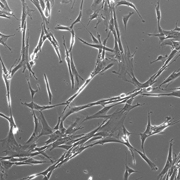
Continuous neurogenesis in the adult hippocampus is achieved by a tightly regulated balance between adult neural stem cell (aNSCs) self-renewal and differentiation. aNSC self-renewal is maintained by the action of ‘stemness’ genes, including Notch. Conversely, aNSC differentiation involves both the inactivation of the ‘stemness’ genes and activation of pro-neural genes. Adult hippocampal neurogenesis is regulated by intrinsic stimuli such as epigenetic modifications, as well as extrinsic inputs such as exercise, diet or hypoxia, which ultimately cause metabolic stress. However, the molecular mechanisms linking metabolic changes to the epigenetic control of aNSCs remain unclear. Using genetic ablation and pharmacological manipulation in mouse (p. 4697), Mu-ming Poo and co-workers show that SIRT1, a NAD+ dependent histone deacetylase and known metabolic sensor, inhibits aNSC self-renewal both in vivo and in vitro by suppressing Notch signalling in a cell-autonomous manner. Furthermore, the authors show that SIRT1 mediates the effect of metabolic stress induced by glucose restriction on aNSCs proliferation in vitro. Altogether, these results uncover a molecular mediator of the metabolic regulation of adult neurogenesis, opening the door to a better understanding and potential manipulation of adult neurogenesis.
REVolutions in leaf development: from origin to senescence
In both plants and animals, cellular senescence is not only an age-related process, but can also contribute to developmental programs. In plants, senescence can occur with age and in response to suboptimal growing conditions to reallocate nutrients from the leaves to the developing parts of the plant, particularly to maturing seeds. However, the interplay between age- or environmentally induced senescence and developmental programs is still unclear. Using a ChIP-Seq approach in Arabidopsis (p. 4772), the groups of Stephan Wenkel and Ulrike Zentgraf demonstrate that REVOLUTA (REV), a transcription factor well known to establish polarity in the developing plant, directly regulates the expression of WRKY53, a master regulator of age-induced leaf senescence. Furthermore, the authors show that mutations in REV delay the onset of leaf senescence and that REV functions as a redox sensor that modulates the expression of WRKY53 in response to oxidative stress, a known trigger of senescence. Altogether, this study uncovers a coupling between developmental programs and senescence transcriptional networks in the leaf. This opens the possibility that, conversely, senescence-related tissue degradation might also contribute to early leaf development.
Taking the pulse of Notch signalling during somitogenesis
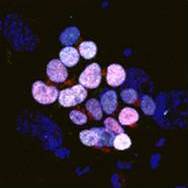
During development, somites form by periodic budding from the pre-somitic mesoderm (PSM), and give rise to the vertebral column and most of the muscles and skin. This process is driven by the pulsatile expression of ‘clock genes’, the expression of which is synchronized across the PSM. This synchronicity is regulated by the Notch pathway. Notch1 and its ligand Delta1 (Dll1) are reported to be expressed in a continuous gradient in the PSM and it is unclear how these static receptor and ligand profiles can drive and synchronise pulsatile gene expression. Through experiments in mouse and chick (p. 4806), Kim Dale and colleagues find that, in addition to their graded expression across the tissue, Notch1 and Dll1 mRNA and protein levels actually oscillate themselves, in a manner dependent on Notch and Wnt, respectively. Moreover, Notch1 and Dll1 waves are coordinated with the cyclical expression of Lfng, a known Notch target, and with the oscillating levels of the activated Notch intracellular domain, indicating a periodical activation of the Notch pathway. This study provides the first evidence of the pulsatile production of endogenous Notch and Delta at the protein level, and offers a potential mechanism by which cells synchronize to give rise to pulsatile waves across the PSM.
Sickie: ensuring healthy axonal growth
Building the elaborate neural networks required for brain function involves profound cytoskeleton remodelling during axonal growth and pathfinding. In particular, axonal growth is supported by the growth cone, a dynamic F-actin based structure, and regulated by ADF/Cofilin, an F-actin destabilising protein. Cofilin is activated by dephosphorylation by Slingshot (Ssh), and inhibited by LIMK-mediated phosphorylation. Activity of these regulators is in turn influenced by the small GTPase Rac, which acts via Pak to promote LIMK activity and inhibit Cofilin, but also via a Pak-independent, non-canonical pathway to promote Cofilin activity. However, the molecular mediators of the non-canonical pathway are currently unknown. Here (p. 4716), Takashi Abe and colleagues identify Sickie, a protein that can interact with both the actin and microtubule cytoskeletons, as a regulator of axonal growth in the Drosophila mushroom body. By visualizing Cofilin phosphorylation and F-actin state in vivo, the authors show that Sickie participates in the non-canonical pathway, regulating Cofilin-mediated axonal growth in a Ssh-dependent manner. This study reveals an important new regulator of Cofilin and may provide insights into the molecular basis of the coordination between actin and microtubules during axonal growth.
PLUS…
The developmental hourglass model: a predictor of the basic body plan?
The ‘hourglass model’ suggests that embryos of different species diverge more at early and late stages of development, but are most conserved during a mid, phylotypic, period. Irie and Kuratani discuss the evidence for this model, and possible underlying mechanisms. See the Review on p. 4649
The analysis, roles and regulation of quiescence in hematopoietic stem cells
Quiescence has been proposed as a fundamental property of hematopoietic stem cells (HSCs), acting to protect them from functional exhaustion and cellular insults to enable lifelong hematopoietic cell production. Toshio Suda and colleagues review the current methods available to measure quiescence in HSCs and discuss the roles and regulation of HSC quiescence. See the Review on p. 4656
Transcription factors and effectors that regulate neuronal morphology
Transcription factors establish the tremendous diversity of cell types in the nervous system by regulating the expression of genes that give a cell its morphological and functional properties. Celine Santiago and Greg Bashaw highlight recent work that has elucidated the functional relationships between transcription factors and the downstream effectors through which they regulate neural connectivity in multiple model systems. See the Review on p. 4667
Our jobs page was busy this month, with jobs advertised in the UK, France, Brazil, Finland and the USA! Here are the other highlights:
Research:
– Patrick told us the back storyto his recent Nature paper that reported a common evolutionary origin for the external genitalia of a snake and the hindlimb of a mammal.
In 2014 the British Society for Developmental Biology initiated the Gurdon Summer Studentship program, providing undergraduate students the opportunity to spend 8 weeks in a host lab engaging in practical research. A selection of posts from this year’s awardees will feature on the Node in the coming months, and the first two posts were published this month:
– Benedetta Carbone joined the Kaiji lab at the Centre for Regenerative Medicine in Edinburgh (UK) and wrote about her project using DNA adenine methyltransferase identification (DamID) to investigate Oct4 binding sites in mouse Embryonic Stem Cells.
– George Choa did his placement in the Stern lab , at University College London (UK), and his project focused on identifying ‘housekeeping’ gene in the chick embryo.
Also on the Node:
– How soft toys can be a great way to teach children (and adults!) about evolution and biodiversity- the new post in our outreach series.



 This post is part of a series on a day in the life of developmental biology labs working on different model organisms. You can read the introduction to the series



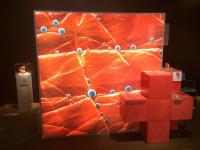
 The nervous system of bilaterians arises from a small pool of neural progenitor cells (NPCs) that expressesSoxB genes, a family of transcription factors crucial for neurogenesis. The existence of NPCs has thus far been described in diverse species of Bilateria but not in its sister group, the Cnidaria. Hence, the evolutionary origin of NPCs remains obscure. Gemma Richards and Fabian Rentzsch (p.
  Continuous neurogenesis in the adult hippocampus is achieved by a tightly regulated balance between adult neural stem cell (aNSCs) self-renewal and differentiation. aNSC self-renewal is maintained by the action of ‘stemness’ genes, including Notch. Conversely, aNSC differentiation involves both the inactivation of the ‘stemness’ genes and activation of pro-neural genes. Adult hippocampal neurogenesis is regulated by intrinsic stimuli such as epigenetic modifications, as well as extrinsic inputs such as exercise, diet or hypoxia, which ultimately cause metabolic stress. However, the molecular mechanisms linking metabolic changes to the epigenetic control of aNSCs remain unclear. Using genetic ablation and pharmacological manipulation in mouse (p.
  In both plants and animals, cellular senescence is not only an age-related process, but can also contribute to developmental programs. In plants, senescence can occur with age and in response to suboptimal growing conditions to reallocate nutrients from the leaves to the developing parts of the plant, particularly to maturing seeds. However, the interplay between age- or environmentally induced senescence and developmental programs is still unclear. Using a ChIP-Seq approach in Arabidopsis (p.
  During development, somites form by periodic budding from the pre-somitic mesoderm (PSM), and give rise to the vertebral column and most of the muscles and skin. This process is driven by the pulsatile expression of ‘clock genes’, the expression of which is synchronized across the PSM. This synchronicity is regulated by the Notch pathway. Notch1 and its ligand Delta1 (Dll1) are reported to be expressed in a continuous gradient in the PSM and it is unclear how these static receptor and ligand profiles can drive and synchronise pulsatile gene expression. Through experiments in mouse and chick (p.
  Building the elaborate neural networks required for brain function involves profound cytoskeleton remodelling during axonal growth and pathfinding. In particular, axonal growth is supported by the growth cone, a dynamic F-actin based structure, and regulated by ADF/Cofilin, an F-actin destabilising protein. Cofilin is activated by dephosphorylation by Slingshot (Ssh), and inhibited by LIMK-mediated phosphorylation. Activity of these regulators is in turn influenced by the small GTPase Rac, which acts via Pak to promote LIMK activity and inhibit Cofilin, but also via a Pak-independent, non-canonical pathway to promote Cofilin activity. However, the molecular mediators of the non-canonical pathway are currently unknown. Here (p.
 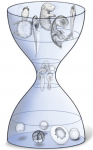 The ‘hourglass model’ suggests that embryos of different species diverge more at early and late stages of development, but are most conserved during a mid, phylotypic, period. Irie and Kuratani discuss the evidence for this model, and possible underlying mechanisms. See the Review on p.
 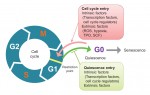 Quiescence has been proposed as a fundamental property of hematopoietic stem cells (HSCs), acting to protect them from functional exhaustion and cellular insults to enable lifelong hematopoietic cell production. Toshio Suda and colleagues review the current methods available to measure quiescence in HSCs and discuss the roles and regulation of HSC quiescence. See the Review on p.
 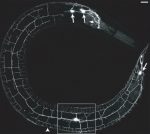 Transcription factors establish the tremendous diversity of cell types in the nervous system by regulating the expression of genes that give a cell its morphological and functional properties. Celine Santiago and Greg Bashaw highlight recent work that has elucidated the functional relationships between transcription factors and the downstream effectors through which they regulate neural connectivity in multiple model systems. See the Review on p.