We will be doing some maintenance work on the Node on Wednesday the 9th of April, and unfortunately there will be no access to the site during that period. You can expect the Node to be down from 7 p.m. (British Summer time) for approximately 4 hours. We are sorry for the disruption, especially for those Node readers in America and the early risers in the Pacific. We will be up and running again as soon as we can!
If you spot any problems and would like to get in touch our email address is the node [at] biologists.com
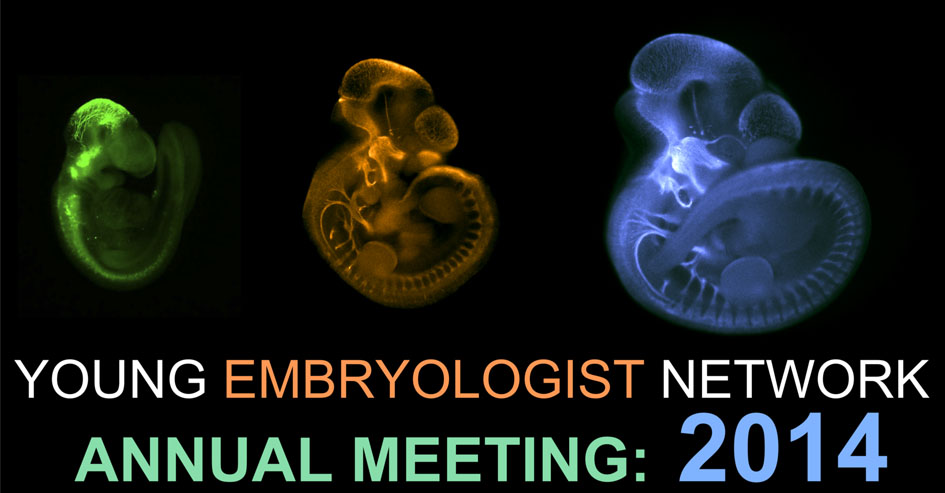
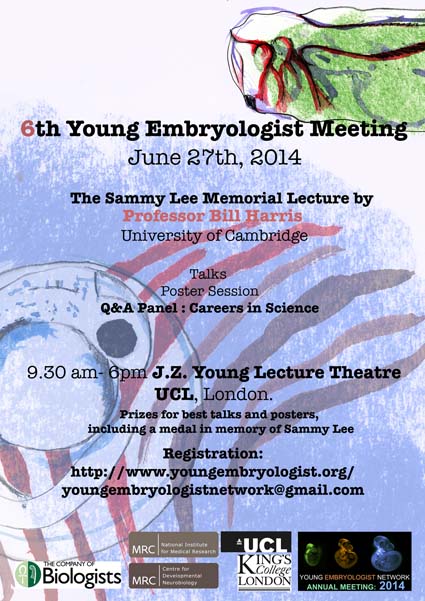
6th Young Embryologist Annual Meeting
Friday 27th June 2014 JZ Young LT, Anatomy Building, University College London
Registation and abstract submission now open
The 6th Young Embryologist Meeting aims to bring together developmental biologists from across the UK and abroad to discuss their work at a leading UK institution by presenting a talk or a poster. This year, we are pleased to include The Sammy Lee Memorial Lecturepresented by Professor Bill Harris (University of Cambridge). We will also have a Q&A session about ‘Careers in Science’. In addition, prizes will be awarded to the best talks and posters, including a medal in memory of Sammy Lee
This unique meeting is run by PhD students and Post Docs at UCL, KCL, NIMR and Imperial and aims to create a more interactive research community. Everyone with an interest in developmental biology is welcome to attend this free meeting!
We hope the meeting will provide a platform for young researchers (preference is given to PhD and Post Docs) to present their work in a series of 20 minute talks and in the poster session. We will favour diversity of topics and models in the field of embryology.
Our main goal is to generate a space where students, postdocs and PIs can discuss a wide variety of topics in developmental biology in a relaxed setting. Ultimately, we would like to strengthen the Young Embryologist Network to enhance the research environment for embryologist, so please come!
If you want to get more out of your research, meet fellow researchers and get new ideas then join the Young Embryologist Network (YEN) by emailing: youngembryologistnetwork [at] gmail.com
Here are the highlights from the current issue of Development:
Spine-tingling new role for Sall4
Wnt, Fgf and retinoic acid signalling play a key role in patterning the posterior neural plate to form the midbrain, hindbrain and spinal cord. Despite intense study of Wnt signalling and neural patterning, only a few target transcription factors that mediate spinal cord development have been identified and the mechanism remains unclear. In this issue (p. 1683), Richard Harland and colleagues reveal a role for Spalt-like 4 (Sall4) in promoting the differentiation of neural progenitor cells in Xenopus via the repression ofpou5f3 (oct4). Morpholino-induced knockdown of Sall4 results in defects in neural tube closure and neural differentiation in the embryo, while morpholino injection at the 4-cell stage reduces expression of spinal cord markers hoxb9, hoxc10 and hoxd10 without affecting pan-neuronal identity. The authors find that when Sall4 activity is disrupted, expression of pou5f3increases, while overexpression of pou5f3 disrupts the expression of key spinal cord identity genes. These data uncover a novel role for Sall4 in neural patterning, with a specific role in spinal cord differentiation.
Ageing thymus out-FOXed
The thymus is central to the adaptive immune system, but it is one of the first organs to undergo an age-related decline in function. Reduced expression of the thymic epithelial cell (TEC)-specific transcription factor FOXN1 has been associated with thymus degeneration, but whether restoration of FOXN1 expression can regenerate an aged thymus is unknown. Now, on p. 1627, Clare Blackburn and colleagues show that provision of FOXN1 in the thymus can reverse fully established age-related thymic degeneration. The authors use an elegant transgenic mouse model to induce the expression of FOXN1 exclusively in the TECs of aged mice, and show that the resulting rejuvenated thymus displays tissue architecture and gene expression similar to that of a much younger mouse. Importantly, the regenerated thymus can generate and export new T cells: a function that is crucial for its role in the adaptive immune system. This is the first report of the regeneration of a whole, aged organ by a single factor and has exciting implications for regenerative medicine.
Muscling in on stem cell hierarchy
Muscle stem cells, called satellite cells, are responsible for muscle growth and repair throughout life. Different subsets of satellite cells have varying degrees of self-renewal and differentiation potential, but how and when these different subsets arise has not been addressed in vivo. Now, on p. 1649, Andrew Brack and colleagues analyse the precise timing of phenotypic and functional divergence of different satellite cell subpopulations in mouse muscle. The authors use a genetic approach to label satellite cells with an inducible reporter, which becomes diluted with every round of cell division. In this way, the authors identify label-retaining cells (LRCs) that possess greater self-renewal potential than non-LRCs, which are prone to differentiation. The LRCs emerge shortly after birth, become functionally distinct at later stages of postnatal muscle maturation, and are re-established after injury. By comparing slow and fast dividing cells, the authors identify the cell cycle inhibitor p27kip1 as a novel regulator of LRCs, required to maintain their self-renewal potential.
Nucleolus precursor body makeover
Unlike somatic cells, the nucleus of the oocyte and very early embryo contains a morphologically distinct nucleolus called the nucleolus precursor body (NPB). Although this enigmatic structure has been shown to be essential for normal mammalian development, its precise function remains unclear. In this issue, Helena Fulka and Alena Langerova now demonstrate (p. 1694) a crucial role for the NPB in regulating major and minor satellite DNA sequences and chromosome dynamics in the mouse. Absence of the NPB during the first embryonic cell cycle causes a significant reduction in satellite DNA sequences, and the authors also observe extensive chromosome bridging of these sequences during the first embryonic mitosis. The authors further demonstrate that the NPB is unlikely to be involved in ribosomal gene activation and processing as previously believed, since this process can still occur in NPB-depleted early embryos. This study uncovers an interesting and novel role for the NPB in early embryogenesis.
Moss stem cells do it differently
The WUSCHEL (WUS) family of transcription factors is well known for its role in stem cell maintenance in seed plants. There are two paralogues of the WUS-RELATED HOMEOBOX 13 (WOX13) gene in the moss Physcomitrella patens, but their function is unknown. Now, on p. 1660, Mitsuyasu Hasebe, Thomas Laux and colleagues investigate the role of theWUX13L paralogues in moss and find that the two genes act redundantly to promote stem cell formation, but via a mechanism that differs from that of seed plants. Using a double knockout of the WOX13Lparalogues, the authors show that WOX13L activity is required to initiate the cell growth that is necessary for stem cell formation from detached leaves. Further transcriptome analysis of the double mutant compared with wild-type moss reveals that the WOX13L genes are required for the upregulation of cell wall-loosening genes, revealing a novel function of the WOX gene family.
Change of heart for RA signalling
Retinoic acid (RA) is essential for many developmental processes, but signalling levels must be tightly regulated since too much RA signalling can cause developmental defects. Cyp26 enzymes help to control this balance, metabolising RA and ensuring the correct specification of multiple different organs. Loss of Cyp26 activity can affect heart formation, and now (see p. 1638) Ariel Rydeen and Joshua Waxman reveal a mechanism that may underpin this. The authors show that Cyp26 activity in the zebrafish anterior lateral plate mesoderm (ALPM) is required for the correct specification of cardiac versus vascular lineages. Specifically, loss of Cyp26 activity in zebrafish embryos results in an accumulation of RA and a subsequent increase in the specification of atrial cells at the expense of endothelial progenitors. The authors propose that the Cyp26 enzymes can have non-cell-autonomous consequences through regulating the amount of RA in the local environment to promote vascular specification by defining the boundary between atrial and endothelial progenitor fields in the ALPM.
PLUS…
The evolution and conservation of left-right patterning mechanisms
Morphological asymmetry is a common feature of animal body plans, from shell coiling in snails to organ placement in humans. Many vertebrates use cilia for breaking symmetry during development: rotating cilia produce a leftward flow of extracellular fluids that induces asymmetric expression of the signaling protein Nodal. By contrast, Nodal asymmetry can be induced flow-independently in invertebrates. Here, Martin Blum et al ask when and why flow evolved, and propose that flow was present at the base of the deuterostomes and that it is required to maintain organ asymmetry in otherwise perfectly bilaterally symmetrical vertebrates. See the Hypothesis on p. 1603
The Hippo pathway effectors TAZ and YAP in development, homeostasis and disease
Over the past 20 years, diverse roles for the Hippo pathway have emerged, the majority of which in vertebrates are determined by the transcriptional regulators TAZ and YAP. Accurate control of the levels and localization of these factors is thus essential for early developmental events, as well as for tissue homeostasis, repair and regeneration. Here, Bob Varelas provides an overview of the processes and pathways modulated by TAZ and YAP and outlines how TAZ and YAP contribute to organ homeostasis and regeneration. See the Review on p. 1614
The Australia and New Zealand Society for cell and developmental biology (ANZSCDB) supports several local state meetings held each year for members of the society to come together to present their work. The emphasis is on giving early career researchers a chance to present their research, to meet with group heads and for everyone to develop a greater appreciation for the diversity for science carried out in the disciplines of developmental and cell biology. I was delighted to be invited as one of the 3 plenary speakers for this years New South Wales (NSW) state meeting held on the 31st of March at the Lowy Cancer Centre, University of NSW, Sydney. This years meeting attracted over 150 registrants, the largest number of participants for a state meeting in NSW.
The plenary speakers, from left: Prof. Denise Montell (UCSB), Dr Megan Wilson (Otago) and Prof. Freddy Radtke (EPFL)
The meeting started with an exciting plenary talk by Prof. Freddy Radtke (EPFL, Switzerland) on the role of Notch as a lineage specifier, stem cell gatekeeper and additionally how Notch functions in cancer. He presented data on the function of the Notch pathway in pigmented tissues such as the skin/melanocytes and eye. Notch is required for controlling cell fate during cornea wound healing, in the absence of Notch signaling the corneal epithelium adopts a more skin like cell fate during repair (cue some hairy eye ball pictures!). Persistent inflammation in the absence of Notch appears to be partly responsible for this response, which leads to blindness in mice. The second plenary speaker Denise Montell (from UCSB) spoke about her work on Drosophila oogenesis to study collective cell migration and included many beautiful images and movies (check them out on her laboratories website – https://labs.mcdb.ucsb.edu/montell/denise/videos). Her group found that the border cells required E-cadherin for collective directional migration through the nurse cell cluster to arrive near the anterior pole of the oocyte. This is surprising as E-cadherin down regulation is considered a main requirement for epithelial to mesenchyme transition and subsequent cell migration in many other systems.
Dr Guy Barry (Post-doc at Garvan Institute) spoke about identifying non-coding RNA upregulated during neurogenesis using a human iPS-derived neuronal cell culture model. PhD student Pei Yan Lui (UNSW,CCIA) is researching the role of a long ncRNA associated with the MYCN oncogene that is also expressed in neuroblastoma tissue along with MYCN. High levels of this ncRNA also correlate with poor survival in an animal model. Omesha Perena (PhD student from CMRI, University of Sydney) in investigating the mechanisms between hTert activation and replicative immortality, one of the hallmarks of a cancer cell. Dr Sophie Pageon a post-doctoral researcher at the UNSW described her research using new imaging methods to track the spatial organization and dynamics of cell receptors at the immune synapse. Helen Bellchamber (PhD student at ANU) is studying the impact post-translational modification (sumoylation) has on the function of the Zic5 transcription factor.
Cesar Canales (PhD student from UNSW) is studying GTF21RD1 a novel transcription factor associated with Williams-Beuren Syndrome. He is characterizing the phenotype of the mouse mutant for this factor, which has a very similar facial syndrome including overgrowth of epidermal tissues of the face (including the lips). Dr Hongjun Shi (VCCRI) presented his work studying the effect of hypoxia on the developing embryonic heart, nice work to understand how environment and genetics influences susceptibility to developmental disease in this case, congenital heart disease. They have found short-term hypoxia exposure resulted in an increase in embryos with outflow tract heart defects and he is currently investigating the molecular mechanisms underlying the interaction between hypoxia and heart development. Dr Wendy van Zuijlen (UNSW) is studying how cytomeglalovirus (CMV) can easily pass through the placenta to the infant since around 2000 infants are born each year with CMV infections and this virus can also cause developmental defects.
Dr Thomas Owens accepting the Post-doc speaker prize from Prof. Sally Dunwoodie (ANZSCDB, president-elect)
Two prizes were offered for best speakers. The Post-doctoral speaker prize went to Dr Tomas Owens (Post-doc at University of Sydney working with Dr Matthew Naylor). He spoke about the role of Runx2 as a cell fate regulator during mammary gland development. Knockout of Runx2 specifically in developing mammary tissue resulted in a delay in mammary gland development during pregnancy. Additionally, he has also been investigating the role of high RUNX2 levels in basal-like breast cancers by using mouse models of breast cancer.
Clarissa Rios-Rojas (UQ) winner of the student speaker with Prof Nicholas Hawkins (HoS School of MEDICAL SCIENCES, UNSW)
The PhD speaker prize was awarded to Clarissa Rios (PhD student with Peter Koopman, UQ Brisbane). To determine the consequences of germ cell loss on gonad development, she has been using OPT 3D to model testicular cord formation in the presence or absence of germ cells. Clarissa is also looking at how the absence of germ cells effects the number and specification of cell types in the developing testis.
With over 70 posters to visit, deciding on the poster prizes were a hard call for the judges. The best poster from a Post-doc went to Dr Gonzalo del Monte Nieto (VCCRI) for his work on heart chamber development and the role of biomechanical forces and the extracellular matrix. Anne-Marie Mooney (University of Sydney) was the PhD poster winner for her poster on CBFbeta transcriptional co-activator factors in mammary gland development, function and its role in carcinogenesis and metastasis.
My plenary completed the meeting with a bit of EvoDevo (evolution and development) work on the evolution of developmental pathways (using honeybee and sea squirt models) and the evolution of whole body regeneration in a chordate model. I would like to thank NSW scientists Annemiek Beverdam (UNSW), Matt Naylor (USyd/Bosch), Caroline Ford (UNSW), Nicolas Fossat (CMRI) and Will Hughes (Garven) for their hard work at putting together a fantastic meeting.
The organisers of the meeting: from left. Dr Matthew Naylor, Dr Nicolas Fossat, Dr Caroline Ford and Dr Annemiek Beverdam
We invite applications for a postdoctoral research fellow to join the lab of “Imaging and Regulation of Morphogenesis in Higher Vertebrates” at the Pasteur Institute in Paris, France. Our lab is interested in understanding morphogenesis of developing structures, at a cellular level. Using avian models we combine state-of-the-art live imaging microscopy, quantitative analyses, biophysical, cellular and molecular biology approaches to access the cellular dynamics of development.
This specific project aims at elucidating the cellular events underlying the initiation of limb bud formation and how such cell events are dynamically regulated at the molecular level, using the generation of transgenic avian lines. For more information about projects and the lab please visit: www.jgroslab.com.
The position is a 4-year postdoctoral position funded by the ERC (European Research Council), available immediately, although the starting date is flexible. We are seeking highly motivated candidates with expertise in developmental and/or cellular biology. Experience in imaging and chick development will be positively considered.
The Pasteur Institute, located in the vibrant city of Paris, has a longstanding history of excellence in developmental biology and in science in general, with access to excellent core facilities.
Applicants should send a cover letter (describing briefly research interests), a C.V and contact information for up to 3 academic references to jgros@pasteur.fr.
The Wellcome Trust – Medical Research Council Cambridge Stem Cell Institute is founded on the belief that deep understanding of stem cell biology will be transformative for future healthcare http://www.stemcells.cam.ac.uk
The Institute is seeking clinician scientists at both junior and senior level to complement our existing programmes and contribute to translating ground-breaking developments in stem cell science into better management of malignancies and new regenerative medicines. Applications in any area of medicine are welcome, although we are particularly interested in expanding our translational programmes in haematology, neurology, orthopaedics, cardiovascular medicine and oncology.
Junior candidates will have a PhD and preferably a minimum of 1 year post-doctoral experience, original research achievements, and an exceptional project proposal. Senior candidates should have an established track record as an independent group leader engaged in high quality science and have an outstanding and well-founded research proposal.
The Institute offers a collegiate environment with both excellent core facilities for laboratory-based studies (stem cell culture, transgenesis, flow cytometry, complex microscopy and bioinformatics) and extensive opportunities to pursue patient based studies. Successful candidates will be supported to obtain external personal fellowship and grant support within 1-2 years. Start-up packages are available according to circumstances.
Your salary will be dependent on your honorary clinical contract status with the relevant NHS Trust and seniority. Salary range £31,301-£101,451.
Applicants should upload a CHRIS 6 (http://www.admin.cam.ac.uk/offices/hr/forms/chris6/), with a full curriculum vitae, contact details of 3 referees, and 1-2 page outline of research interests, by Wednesday 4th June 2014.
The University values diversity and is committed to equality of opportunity.
The Wellcome Trust – Medical Research Council Cambridge Stem Cell Institute is founded on the concept that deep understanding of stem cell biology will contribute to transforming future healthcare.
The Institute is seeking new Group Leaders at both junior and senior level to complement our existing programmes and contribute to ground-breaking discoveries in stem cell science. Applications in any area of mammalian stem cell biology are welcome and we are particularly interested in interfaces with:
(i) mathematical, physical or chemical biology;
(ii) bioengineering;
(iii) malignancy
(iv) regenerative medicine
Junior group leader candidates will have minimum of 3 years post-doctoral experience, distinctive research achievements, and an original project proposal.
Senior group leader candidate will be internationally recognised for independent high quality science and have an exceptional and well-founded research proposal.
The Institute offers a collegiate environment with excellent core facilities for stem cell culture, transgenesis, flow cytometry, complex microscopy and bioinformatics http://www.stemcells.cam.ac.uk. Successful candidates will be supported to obtain external personal fellowship and grant support within 1-2 years. An interim start-up package is available. Depending on experience, you can expect remuneration between £37,756 – £64,170.
Applications should be submitted using the University’s recruitment web page: http://www.jobs.cam.ac.uk/job/2186/.
Applicants should upload a CHRIS 6 (http://www.admin.cam.ac.uk/offices/hr/forms/chris6/), a full curriculum vitae with contact details of 3 referees, and 1-2 page outline research proposal, by Wednesday 4th June 2014.
The University values diversity and is committed to equality of opportunity.
Scenes from Seville (my pics) and a transgenic embryo (A. Fernandez-Miñan)
After over a decade working in Europe, I recently returned to Costa Rica to start a lab at the University of Costa Rica (UCR), in San José. Life in the Tropics has its perks, such as regular sightings of sloths and raccoons from my office window. However, starting up the first Developmental Biology lab in the country will require some patience, partly due to paperwork but mostly due to the restricted access to funding. Additionally, all researchers at UCR have lecturing responsibilities that somewhat restrict the time spent in the lab. Thus, resourcefulness can make a difference. I needed the space to produce transgenic fish lines for my project while we wait for the lab to be ready… Happily, I knew the place where I could achieve this, and that a Development Travelling Fellowship could help fund my visit.
The CABD (Centro Andaluz de Biología del Desarrollo) in Seville created the “Aquatic Vertebrates Platform” back in 2007, which provides in-house and guest scientists with the tools, space and training to produce and grow transgenic fish lines. As I had worked at CABD during my last postdoc (in Juan R. Martínez-Morales’ lab), I was familiar with the services the Platform provides and got in touch with José Luis Gómez-Skármeta, Platform Coordinator, and Ana Fernández-Miñán, the Scientific Manager. With their support, I submitted my proposal for the travel grant. It was great news to find that I’d been awarded the Fellowship and could indeed travel to Seville in February, before the start of the academic year at UCR.
The Platform houses over 40 multi-level tank racks, for both zebrafish and medaka (as well as racks for Xenopus). Some of that space is available to raise and maintain any lines produced, for a small fee. Visiting scientists, such as myself, also receive support when picking a transgenesis strategy and preparing their expression vectors, from using the well-established Gateway Tol2 kit (my choice) to using the Zebrafish Enhancer Detector (ZED), produced at CABD, for enhancer activity assessment.
Additionally, for those scientists who require it, gain and loss-of-function experiments with mRNA or morpholino microinjections can be carried out on site, as well as transplantation experiments for analysis of mosaic expression patterns. Results can be analysed using either the fluorescent stereoscopes or using the confocal microscopes available in the Microscopy Facility (run by Katherina García, who is very friendly and can help optimize conditions for particular experiments). What’s more, 3C and 4C technologies are used regularly at CABD. This means that an added bonus to the Platform is the chance for visiting researchers to set up collaboration projects if they require the use of these technologies.
Here in San José we are starting small, so I only required the space to produce and grow the transgenic fish. At UCR I have been collaborating with a Human Genetics lab (Henriette Raventós leads the group), which has been studying the genetics of mental illnesses for over two decades. We intend to use zebrafish I produced in Seville to study the activity of some of the candidate genes that have been identified in Costa Rican populations, and which have not been studied during CNS development. It is a small project, but it brings great satisfaction to finally provide our University (and the country) with a well established, reliable and convenient research animal model. Although I might not have taken advantage of the many resources the Platform at CABD provides, as I saw the beautiful, fluorescent green eggs under the stereoscope, it became clear that this visit will hasten the establishment of our fish colony. By the time we receive the adult fish that are now growing in Seville, we hope to have a small, but adequate fish facility to host them.
The best way to celebrate the success of our efforts was to finish off the visit to Seville with some of that great Spanish wine and ham. It might have been the wine, but at some point I remembered Dr. Seuss’ Green Eggs and Ham book, which I used to read at school, and thought: After this experience, if am ever asked, my answer would have to be: I like green eggs and ham! I do like them, Sam-I-am!
My name is Nikos. I just finished my PhD in the lab of Michalis Averof , starting my thesis at IMBB, in Crete and completing it at IGFL, in Lyon. My project aimed to introduce a new arthropod model to regeneration studies. Its main part was published recently (http://www.sciencemag.org/content/343/6172/788.abstract). In this Node post, I would like to present this new animal model and to summarize our findings in a more relaxed manner. I tend to read Node posts during experimental incubations; I hope I will be able to transmit my enthusiasm within this small break.
Why Parhyale?
Parhyale hawaiensis (closely related to the common beach hoppers – Figure 1) has emerged lately as a promising model organism for comparative developmental studies. A wonderful post describing how life proceeds in a Parhyale lab was posted recently in The Node by Erin Jarvis. The concerted effort of a few labs across the world has lead to the development of several genetic tools in Parhyale. We are now able to create transgenic animals either by random insertion of a transgene or by site-specific integration, to overexpress or downregulate our genes of interest, to perform mosaic analysis, gene-trapping etc. Moreover, transcriptomic and genomic data are accessible in the form of EST, BAC and RNA-seq datasets for embryogenesis.
What really fascinated us, though, and triggered me to commence this study is the ability of crustaceans (including Parhyale) to regenerate. Parhyale regenerates all of its appendages – antennae, thoracic and abdominal appendages – within about a week of amputation. It is necessary to mention that Parhyale, like all crustaceans, go through successive molts where they shed their exoskeleton and replace it by a new one during their entire lifetime. The regenerated appendage, although it is formed within the old exoskeleton, is only revealed after molting. Using genetic markers expressed in different cell types, I showed that all major tissues are restored after regeneration. Nerves and epidermis regenerate first, muscles regenerate later.
Figure 1: Parhyale hawaiensis possesses a number of diverse and specialized appendages, including antennae, feeding appendages, locomotory appendages, uropods and pleopods, all of which can regenerate upon amputation.
Why regeneration?
Regeneration is the process through which animals restore a body part after injury. Regeneration has incited human curiosity for a long time, e.g. there are well-known accounts of regeneration in Greek mythology; the Lernaean Hydra regenerated its heads, Prometheus regenerated his liver. Comprehending how different animals regenerate their body parts has been hindered by the fact that established animal models, like flies, mice and worms, have poor regenerative abilities.
Studying regeneration can facilitate our approach towards several stimulating questions. Several questions came to my mind at the beginning of my thesis. Why do some animals regenerate efficiently, whereas others do not? Do the animals that regenerate use common cellular and/or molecular mechanisms? Answers to these questions can help us construct the evolutionary history of regenerative capacity. Does regenerative capacity of different animals share a common origin or was it acquired during the evolution of different animal lineages?
Regenerative studies can also contribute to the rapidly evolving field of regenerative medicine. Researchers have been aiming (and succeeding) to de-differentiate, trans-differentiate and induce pluripotency in many different cell types. Studying natural phenomena of regeneration, where nature challenges the differentiated state of different cell types and manages to generate functional tissues, can provide invaluable insights for reprogramming studies.
Lineage restriction of regeneration progenitors
Our first question was whether regeneration progenitors in Parhyale are totipotent or lineally restricted. In different animals, varying degrees of progenitor commitment have been described. Planarians employ totipotent cells, termed neoblasts, to regenerate every part of the body that is missing1. Vertebrates, on the other hand, utilize progenitors that retain their commitment to a specific lineage2,3. In specific circumstances, transdifferentiation (transformation of a differentiated cell type into a different differentiated cell type) has been reported to occur during regeneration, e.g. during lens regeneration in newts4.
I created mosaic animals, in which specific cell lineages were marked with a transgene carrying EGFP under the control of a Parhyale heat-shock promoter. I then assessed the contribution of these marked cell lineages to regenerated tissues. My mosaic animals carried the marker transgene in cell lineages that contribute to different portions of the ectoderm, mesoderm, endoderm or germline. After regeneration, I recorded which of the newly regenerated tissues expressed EGFP, which would indicate that it derived from the marked lineage.
I discovered that the regeneration progenitors in Parhyale have a regenerative potential that is restricted with respect to germ layers and, moreover, that they reside close to the regenerating tissue. For example, cell lineages that during embryonic development contribute to ectoderm on the left side of the body regenerate the epidermis and nerves on the limbs of the left side, cell lineages that contribute to mesoderm on the right side of the body could regenerate the muscles of the right side, and so on.
These results exclude the participation of totipotent progenitor cell in Parhyale limb regeneration, as is the case in planarians, and restrict possible transdifferentiation events to transdifferentiation between cells of the same germ layer; if transdifferentiation occurs, it does not cross the borders between ectoderm and mesoderm. My results indicate that, in terms of precursor plasticity, Parhyale resembles vertebrates in using lineally-restricted progenitors to create the new tissues.
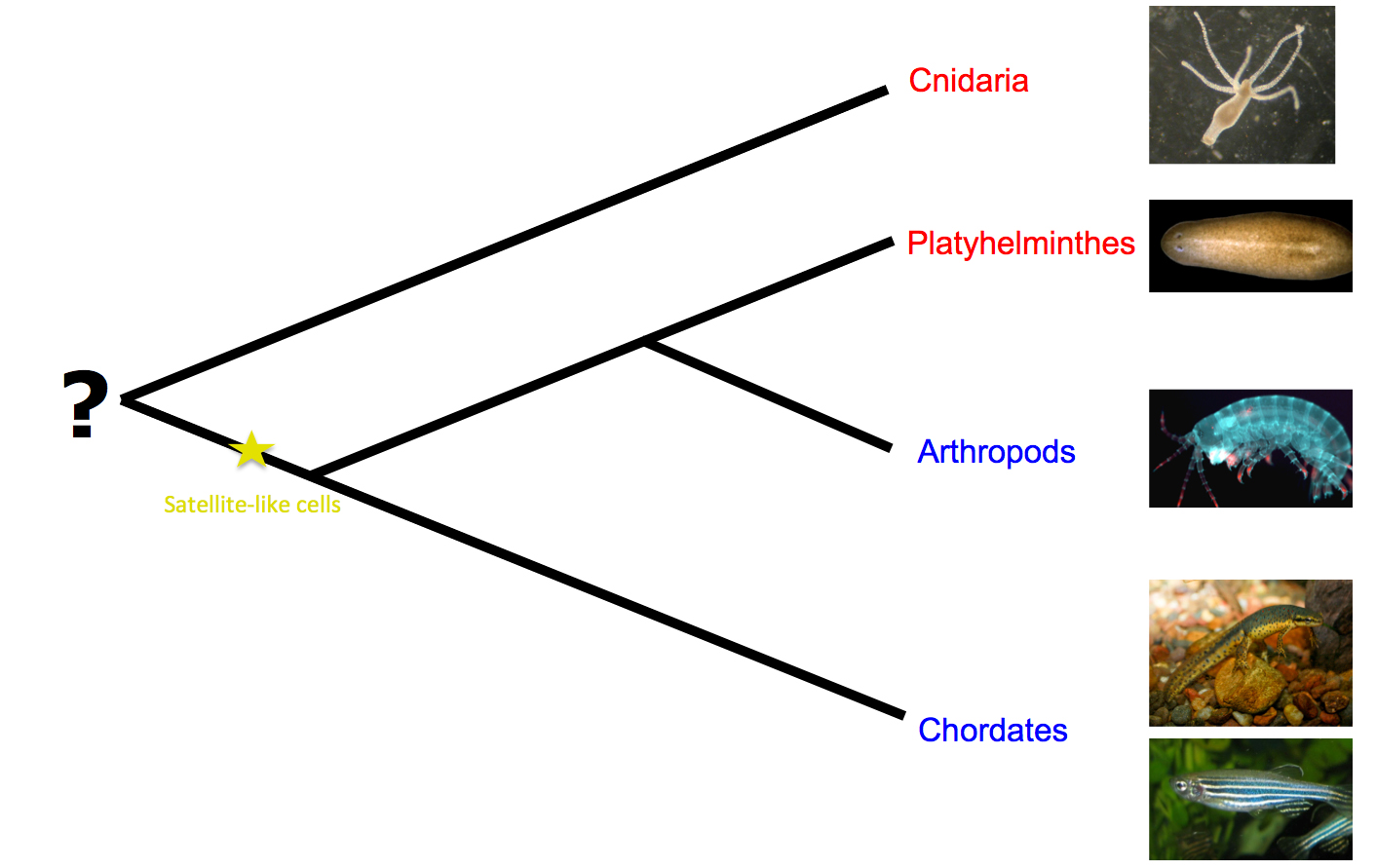
The fact that totipotent cells have not been identified in vertebrates and crustaceans supports the argument that neoblasts are an evolutionary novelty of Platyhelminthes. On the other hand, totipotent stem cells that participate in regeneration have also been observed in some species of cnidarians5. So, the question remains: if the common ancestor of Metazoa could regenerate, would this be through totipotent or lineally restricted progenitors? It can only be answered by wider comparisons among the animals that have the capacity to regenerate.
Satellite-like cells regenerate Parhyale muscle
In the second part of my project, I decided to look in greater detail within the ectodermal and mesodermal cell lineages that contribute to the regenerated tissues. I was lucky to have a transgenic reporter in the lab, PhMS-DsRed, that expresses DsRed in muscles6, as well as two cross-reactive antibodies that recognize members of the Pax3/7 family of transcription factors7. Using these tools, I discovered that Parhyale possess a mesodermal cell type that expresses Pax3/7 and is closely associated with muscle fibers. These cells are reminiscent of vertebrate muscle satellite cells; we therefore named them satellite-like cells. Vertebrate muscle satellite cells participate in muscle repair, growth and regeneration8.
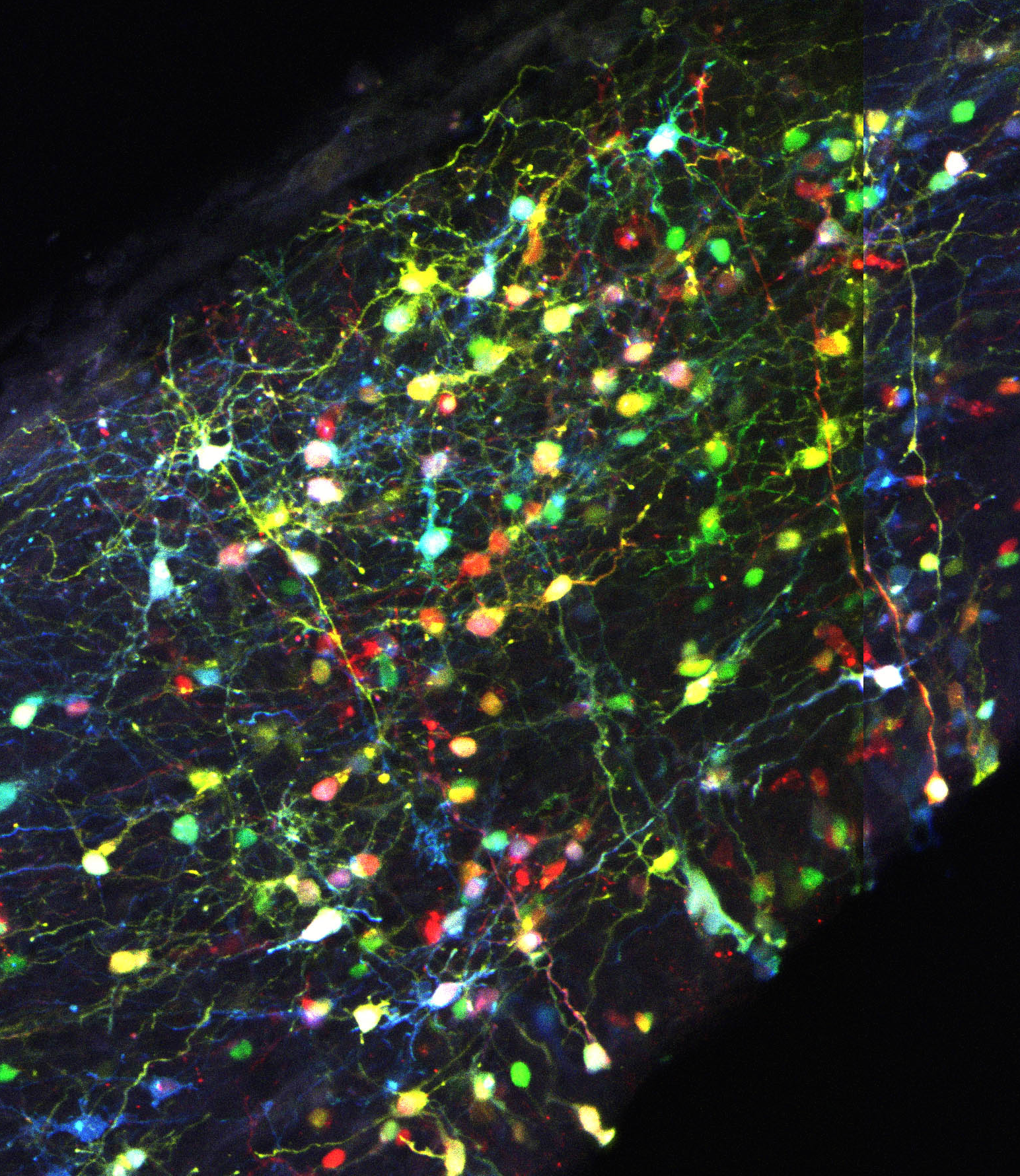
I noticed that the PhMS regulatory element is active in the satellite-like cells. Using transgenic animals that carried a PhMS-EGFP transgene (expressing EGFP in muscles and in satellite-like cells), I isolated satellite-like cells from dissociated limbs and transplanted them in wild type recipients with amputated appendages. I screened these animals after regeneration and observed that a small number of muscle fibers in the newly regenerated limbs expressed EGFP, which suggests that they were derived (at least in part) from the transplanted satellite-like cells. These results prove that satellite-like cells can participate in muscle regeneration in Parhyale. We cannot exclude that other cells could also act as muscle progenitors in regeneration. Cells that derive from dedifferentiated muscle fibers have been shown to drive muscle regeneration in newts. Interestingly, axolotls (another salamander species) achieve muscle regeneration by activation of satellite cells and not through muscle dedifferentiation9. It would be interesting to find out if dedifferentiated muscle cells also participate in Parhyale muscle regeneration.
Before this study, satellite cells had only been identified in chordates. Assuming satellite-like cell homology to vertebrate satellite cells, their discovery in arthropods advocates the presence of satellite cells in the common ancestor of protostomes and deuterostomes. Moreover, satellite cell participation in muscle repair and/or regeneration in vertebrates and in Parhyale urges us to think about the evolutionary origin of these cells. The common ancestors of protostomes and deuterostomes may have been capable of repairing their muscles with the involvement of satellite cells. Alternatively, they may have carried satellite cells that were not engaged in muscle repair, but were perhaps pre-adapted to assume this role (Figure 2).
Figure 2: Regeneration models and possible emergence of satellite-like cells. Red indicates the taxa where the participation of totipotent cells in regeneration has been reported, whereas blue designates the taxa where regeneration has been shown to proceed solely through lineage-restricted progenitors. (Images taken from Wikipedia.)
So…
Where do we stand in the quest of understanding the evolution of regenerative capacity? Is regeneration an ancient trait that was lost in some lineages or has it evolved independently many times? Only informed guesses can be made.
Regenerative capacity may have evolved independently in different lineages. This could be easier to achieve than it is usually thought. The information for creating body parts is already encoded in the genome and has already been employed during embryonic development. Evolving the capacity to regenerate might just involve finding a way to redeploy this information.
Alternatively, regenerative capacity may be an ancient trait that was lost in certain lineages. In some animals, for example ones that are very short-lived, regeneration might not present a selective advantage. The loss of regenerative capacity could also be attributed to its incompatibility with another adaptive trait, such as fast healing via the formation of a fibrotic scar10.
2014 is continuing in full force on the Node. We had many interesting posts this month, as well as several job and PhD studentships advertised in our jobs page. Here are the highlights!
Research:
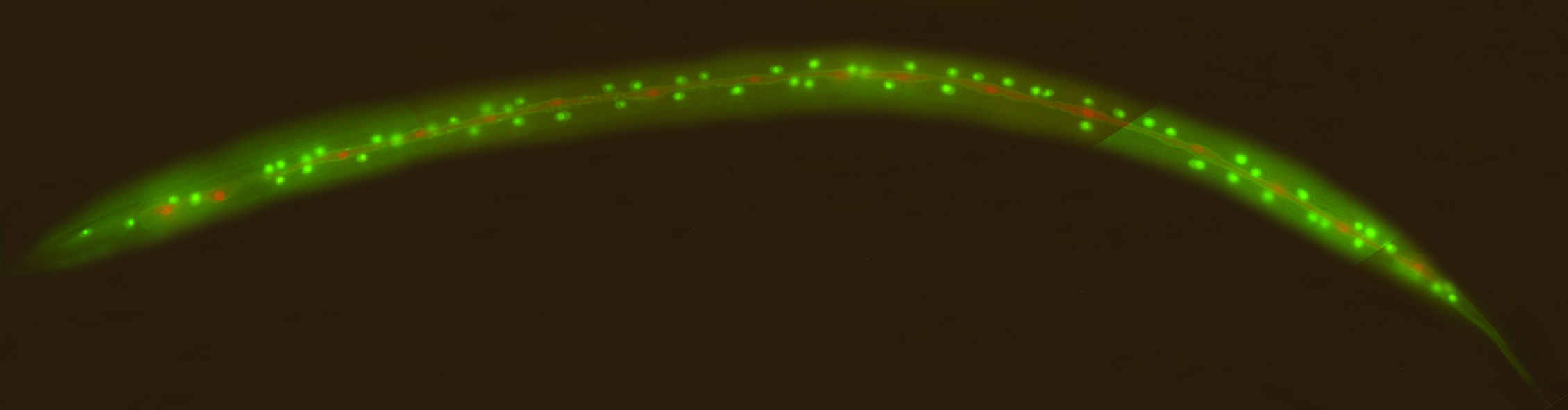
– Fernando described a new technique called CLoNE, which allows cell labelling for lineage analysis of specific progenitor cells.
– Scientists at the IRB in Barcelona showed a direct connection between the Hedgehog pathway and FGF in cell migration.



 Wnt, Fgf and retinoic acid signalling play a key role in patterning the posterior neural plate to form the midbrain, hindbrain and spinal cord. Despite intense study of Wnt signalling and neural patterning, only a few target transcription factors that mediate spinal cord development have been identified and the mechanism remains unclear. In this issue (p.
  The thymus is central to the adaptive immune system, but it is one of the first organs to undergo an age-related decline in function. Reduced expression of the thymic epithelial cell (TEC)-specific transcription factor FOXN1 has been associated with thymus degeneration, but whether restoration of FOXN1 expression can regenerate an aged thymus is unknown. Now, on p.
  Muscle stem cells, called satellite cells, are responsible for muscle growth and repair throughout life. Different subsets of satellite cells have varying degrees of self-renewal and differentiation potential, but how and when these different subsets arise has not been addressed in vivo. Now, on p.
  Unlike somatic cells, the nucleus of the oocyte and very early embryo contains a morphologically distinct nucleolus called the nucleolus precursor body (NPB). Although this enigmatic structure has been shown to be essential for normal mammalian development, its precise function remains unclear. In this issue, Helena Fulka and Alena Langerova now demonstrate (p.
  The WUSCHEL (WUS) family of transcription factors is well known for its role in stem cell maintenance in seed plants. There are two paralogues of the WUS-RELATED HOMEOBOX 13 (WOX13) gene in the moss Physcomitrella patens, but their function is unknown. Now, on p.
  Retinoic acid (RA) is essential for many developmental processes, but signalling levels must be tightly regulated since too much RA signalling can cause developmental defects. Cyp26 enzymes help to control this balance, metabolising RA and ensuring the correct specification of multiple different organs. Loss of Cyp26 activity can affect heart formation, and now (see p.
 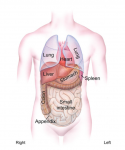 Morphological asymmetry is a common feature of animal body plans, from shell coiling in snails to organ placement in humans. Many vertebrates use cilia for breaking symmetry during development: rotating cilia produce a leftward flow of extracellular fluids that induces asymmetric expression of the signaling protein Nodal. By contrast, Nodal asymmetry can be induced flow-independently in invertebrates. Here, Martin Blum et al ask when and why flow evolved, and propose that flow was present at the base of the deuterostomes and that it is required to maintain organ asymmetry in otherwise perfectly bilaterally symmetrical vertebrates. See the Hypothesis on p.
 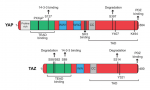 Over the past 20 years, diverse roles for the Hippo pathway have emerged, the majority of which in vertebrates are determined by the transcriptional regulators TAZ and YAP. Accurate control of the levels and localization of these factors is thus essential for early developmental events, as well as for tissue homeostasis, repair and regeneration. Here, Bob Varelas provides an overview of the processes and pathways modulated by TAZ and YAP and outlines how TAZ and YAP contribute to organ homeostasis and regeneration. See the Review on p.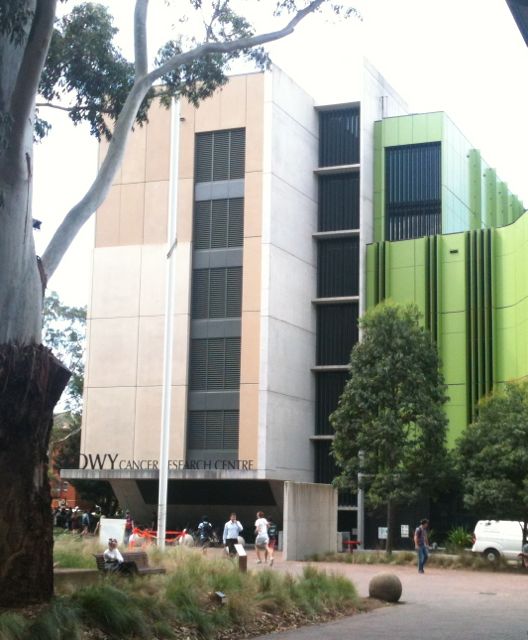
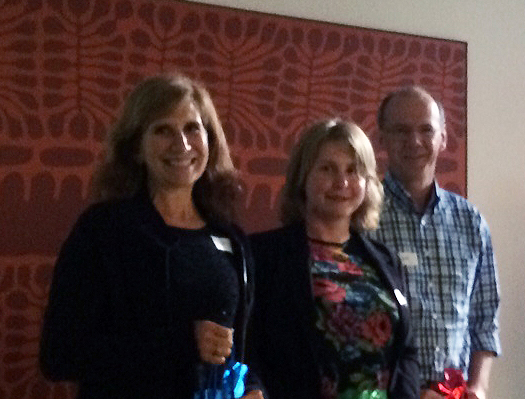
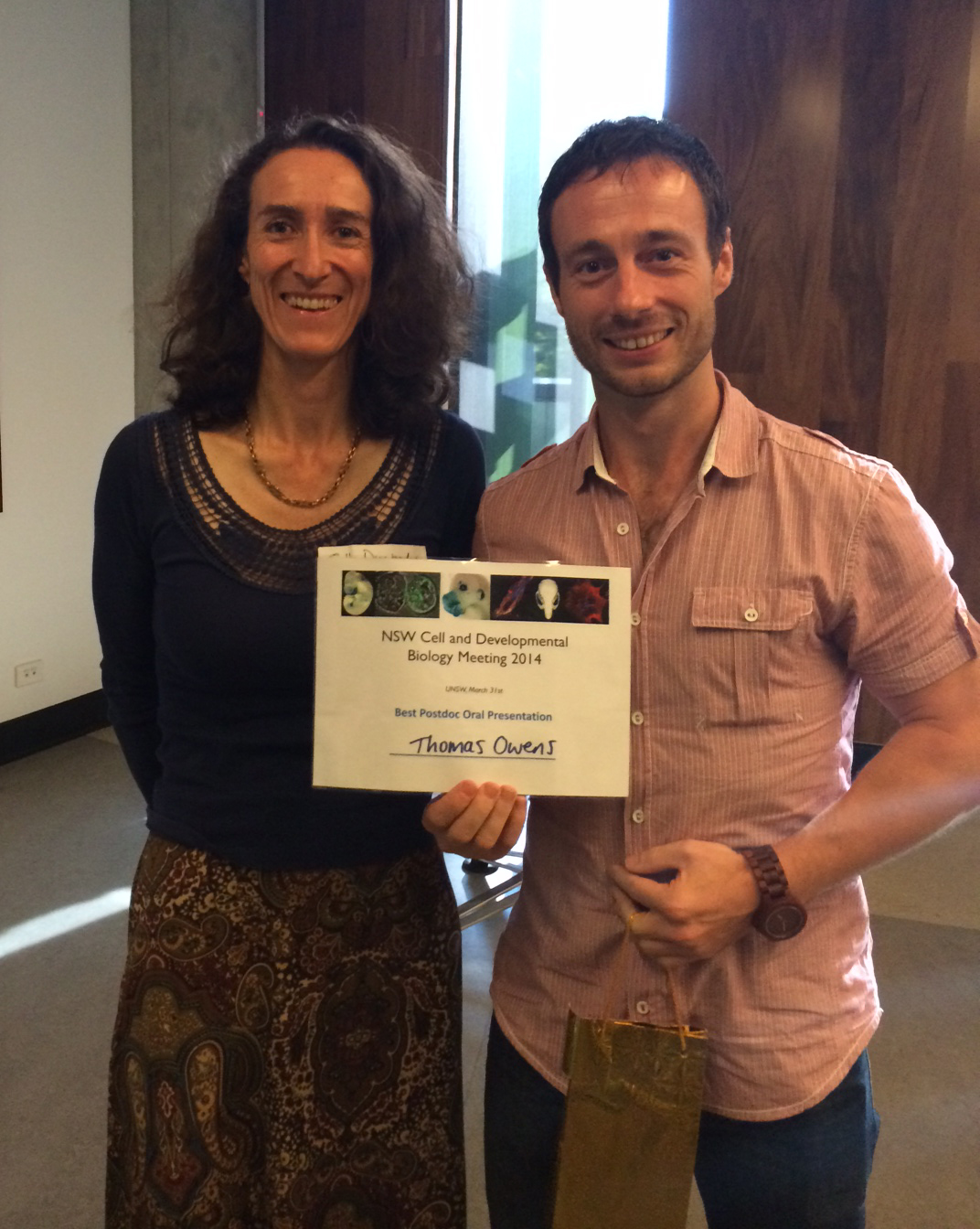
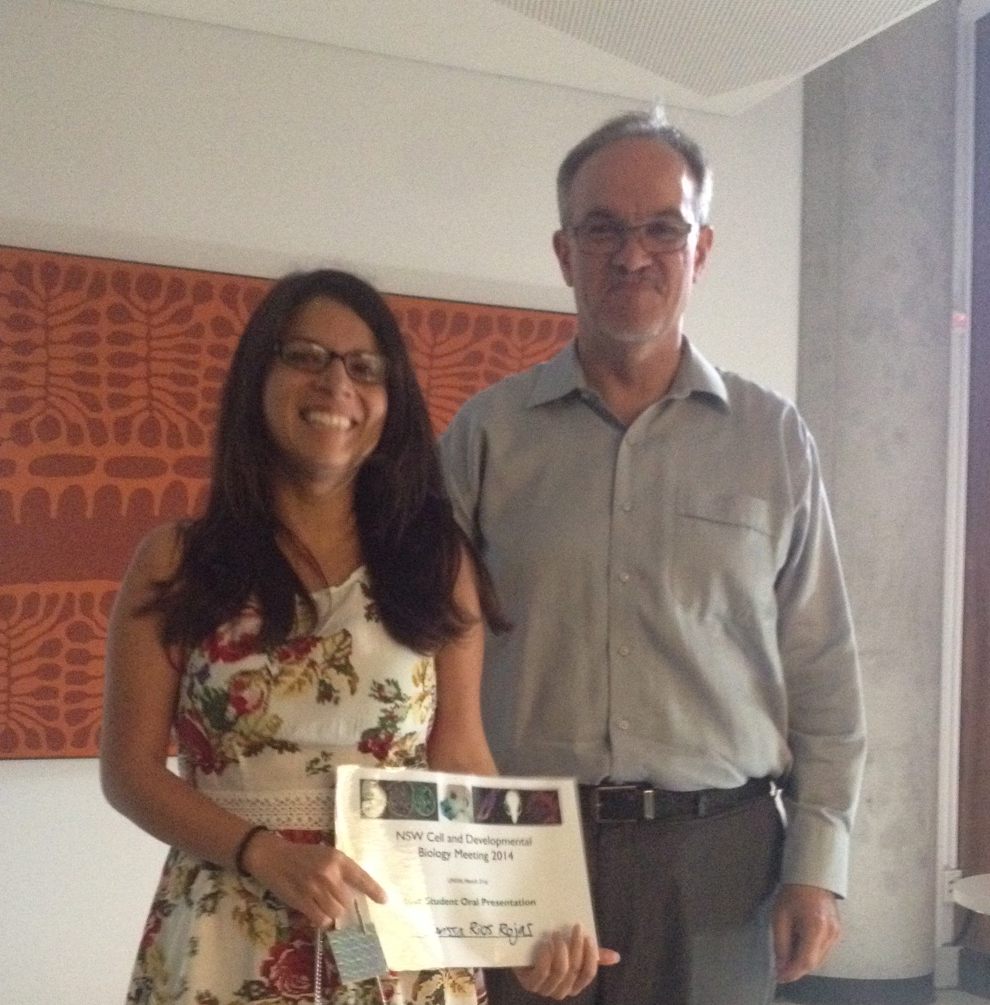
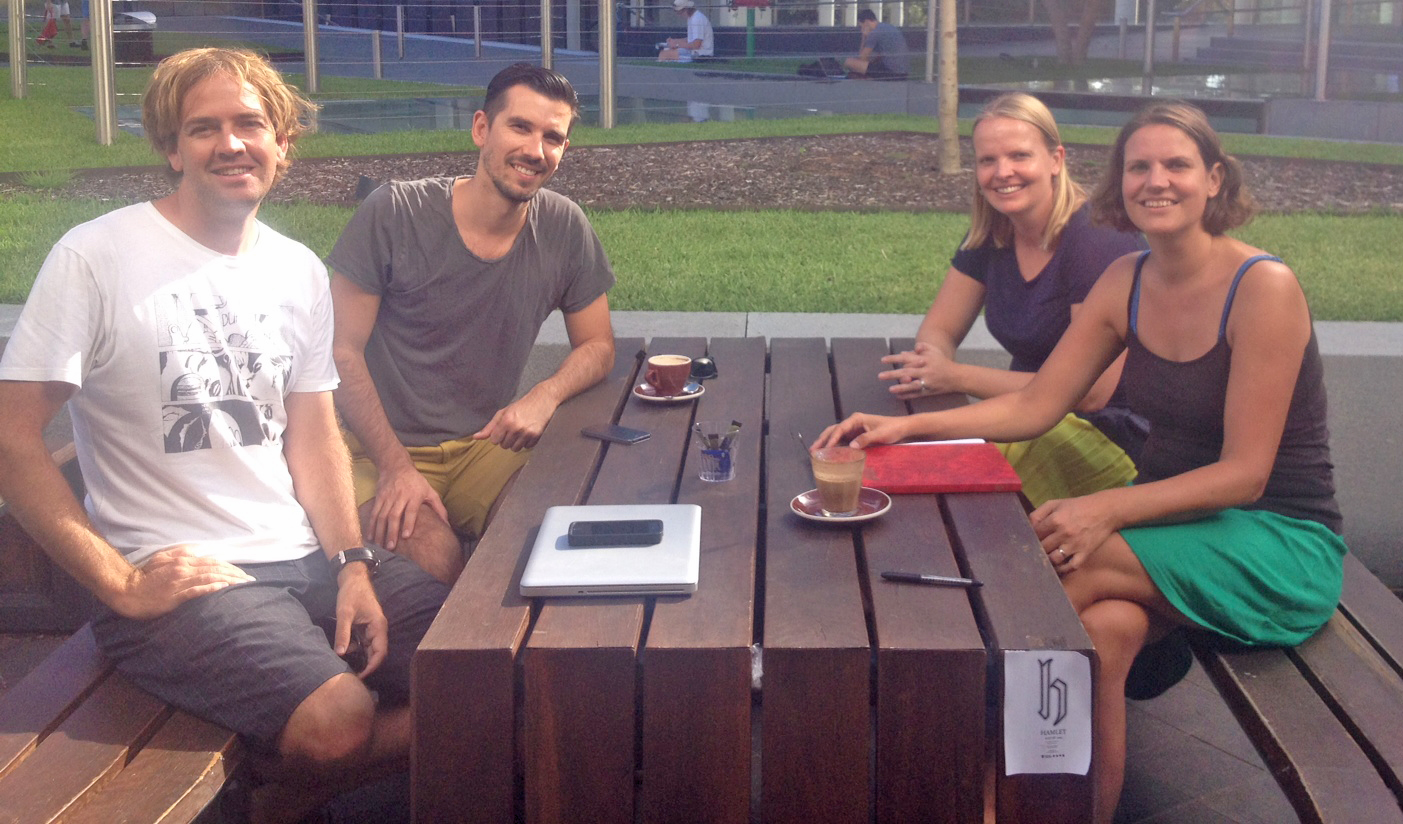
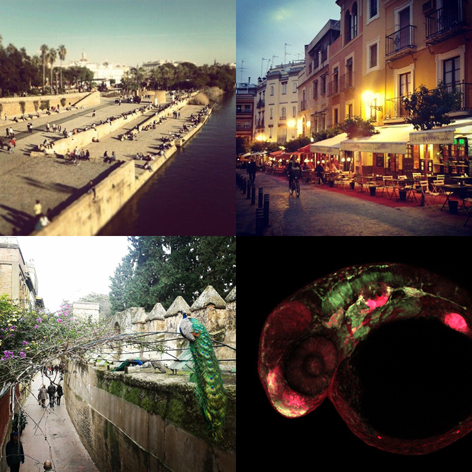
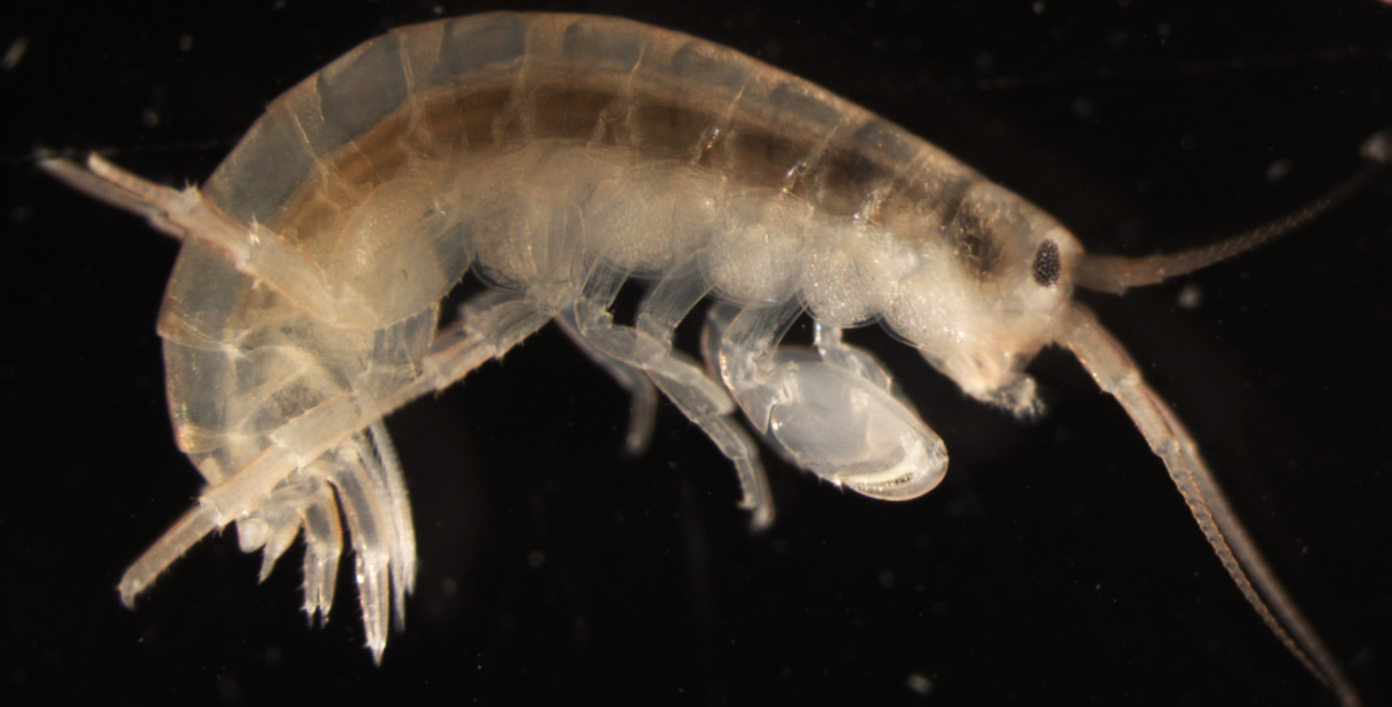 Figure 1: Parhyale hawaiensis possesses a number of diverse and specialized appendages, including antennae, feeding appendages, locomotory appendages, uropods and pleopods, all of which can regenerate upon amputation.