
BSCB/BSDB Early Bird Registration Deadline is Today!
Posted by ac270, on 7 February 2014
The early bird deadline for the BSCB/BSDB spring meeting registration is today (Friday 7th of Feb).
http://www.bscb-bsdb-meetings.co.uk/reg.htm

Posted by ac270, on 7 February 2014
The early bird deadline for the BSCB/BSDB spring meeting registration is today (Friday 7th of Feb).
http://www.bscb-bsdb-meetings.co.uk/reg.htm
Posted by mpicbg, on 7 February 2014
Why iodine deficiency during pregnancy may have disastrous consequences
Higher mammals, such as humans, have markedly larger brains than other mammals. Scientists from the Max Planck Institute of Molecular Cell Biology and Genetics (MPI-CBG) in Dresden recently discovered a new mechanism governing brain stem cell proliferation. It serves to boost the production of neurons during development, thus causing the enlargement of the cerebral cortex – the part of the brain that enables us humans to speak, think and dream. The surprising discovery made by the Dresden-based researchers: two components in the stem cell environment – the extracellular matrix and thyroid hormones – work together with a protein molecule found on the stem cell surface, a so-called integrin. This likely explains why iodine deficiency in pregnant women has disastrous consequences for the unborn child, affecting its brain development adversely – without iodine, no thyroid hormones are produced. “Our study highlights this relationship and provides a potential explanation for the condition neurologists refer to as cretinism”, says Wieland Huttner, Director at the Max Planck Institute in Dresden. This neurological disorder severely impairs the mental abilities of a person.
In the course of evolution, certain mammals, notably humans, have developed larger brains than others, and therefore more advanced cognitive abilities. Mice, for example, have brains that are around a thousand times smaller than the human one. In their study, which was conducted in cooperation with the Fritz Lipmann Institute in Jena, the researchers in Dresden wanted to identify factors that determine brain development, and understand how larger brains have evolved.
A cosy bed for brain stem cells
Brain neurons are generated from stem cells called basal progenitors that are able to proliferate in humans, but not in mice. In humans, basal progenitors are surrounded by a special environment, a so-called extracellular matrix (ECM), which is produced by the progenitors themselves. Like a cosy bed, it accommodates the proliferating cells. Mice lack such ECM, which means that they generate fewer neurons and have a smaller brain.
The scientists therefore conducted tests to see whether in mice, basal progenitors start to proliferate if a comparable cell environment is simulated. The result: “We simulated an extracellular matrix for the brain stem cells using a stimulating antibody. This antibody activates an integrin on the cell surface of basal progenitors and thus stimulates their proliferation”, explains Denise Stenzel, who headed the experiments.
Because a requirement of thyroid hormones for proper brain development was previously known, the researchers blocked the production of these hormones in pregnant rats to see if their absence would inhibit basal progenitor proliferation in the embryos. Indeed, fewer progenitors and, consequently, neurons were produced, likely explaining the abnormal brain development in the absence of thyroid hormones. When the action of these hormones on the integrin was blocked, the ECM-simulating antibody alone was no longer able to induce basal progenitor proliferation.
A combination of ECM and thyroid hormones thus appears necessary for basal progenitors to proliferate and produce enough neurons for brain development. Human brain stem cells produce the suitable environment naturally. “That is probably how, in the course of evolution, we humans developed larger brains”, says Wieland Huttner, summing up the study. The research produced another important finding: “We were able to explain the role of iodine in embryonic brain development at the cellular level”, says Denise Stenzel. Iodine is essential for the production of thyroid hormones, and an iodine deficiency in pregnant women is known to have adverse effects on the brain development of the unborn child.
Original publication:
Stenzel, Denise; Wilsch-Bräuninger, Michaela; Wong, Fong Kuan; Heuer, Heike; Huttner, Wieland B.:
Integrin αvβ3 and thyroid hormones promote expansion of progenitors in embryonic neocortex.
Development (2014)
doi: 10.1242/dev.101907
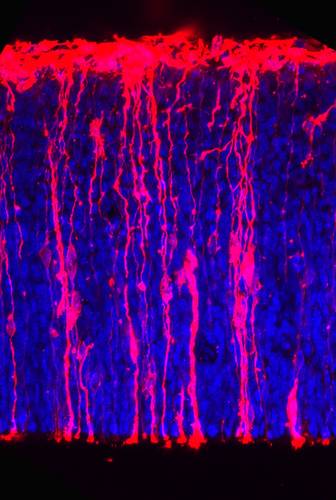
Stem cells in the cortex of a mouse embryo (cell nuclei: blue).
This article was first published on the 4th of February 2014 in the news section of the Max Planck Institute of Molecular Cell Biology and Genetics website
Posted by IRBBarcelona, on 7 February 2014
– Researchers at IRB and IBMB-CSIC, in Barcelona, and at the University of Wageningen, in the Netherlands, reveal how auxin hormone-regulated proteins activate developmental genes in plants.
– Auxins are key components of plant growth and have many applications in agriculture. The biomedical application of these hormones are also being addressed.
– The study is published today in the scientific journal Cell.
A joint study published in Cell by the teams headed by Miquel Coll at the Institute for Research in Biomedicine (IRB Barcelona) and the Institute of Molecular Biology of CSIC, both in Barcelona, and Dolf Weijers at the University of Wageningen, in the Netherlands, unravels the mystery behind how the plant hormones called auxins activate multiple vital plant functions through various gene transcription factors.
Auxins are plant hormones that control growth and development, that is to say, they determine the size and structure of the plant. Among their many activities, auxins favor cell growth, root initiation, flowering, fruit setting and delay ripening. Auxins have practical applications and are used in agriculture to produce seedless fruit, to prevent fruit drop, and to promote rooting, in addition to being used as herbicides. The biomedical applications of these hormones as anti-tumor agents and to facilitate somatic cell reprogramming (the cells that form tissues) to stem cells are also being investigated.
The effects of auxins in plants was first observed by Darwin in 1881, and since then this hormone has been the focus of many studies. However, although it was known how and where auxin is synthesized in the plant, how it is transported, and the receptors on which it acts, it was unclear how a hormone could trigger such diverse processes.
At the molecular level, the hormone serves to unblock a transcription factor, a DNA-binding protein, which in turn activates or represses a specific group of genes. Some plants have more than 20 distinct auxin-regulated transcription factors. They are called ARFs (Auxin Response Factors) and control the expression of numerous plant genes in function of the task to be undertaken, that is to say, cell growth, flowering, root initiation, leaf growth etc.
Using the Synchrotron Alba, in Cerdanyola del Vallès (Barcelona), and the European Synchrotron, in Grenoble, structural biologist Dr. Miquel Coll and his team analyzed the DNA binding mode used by various ARFs.
For this purpose, the scientists prepared crystals of complexes of DNA and ARF proteins obtained by Dolf Weijers team in Wageningen, and then shot the crystals with high intensity X-rays in the synchrotron to resolve their atomic structure. The resolution of five 3D structures has revealed why a given transcription factor is capable of activating a single set of genes, while other ARFs that are very similar with only slight differences trigger a distinct set.
“Each ARF recognizes and adapts to a particular DNA sequence through two binding arms or motifs that are barrel-shaped, and this adaptation differs for each ARF,” explains Roeland Boer, postdoctoral researcher in Miquel Coll’s group at IRB Barcelona, and one of the first authors of the study.
The ARF binding mode to DNA has never been described in bacteria or animals. “It appears to be exclusive to plants, but we cannot rule out that it is present in other kingdoms. Our finding is highly relevant because we have revealed the ultimate effect of a hormone that controls plant development on DNA, that is to say, on genes.” says Miquel Coll.
Reference article:
Structural basis for DNA binding specificity by the auxin-dependent ARF transcription factors
D. Roeland Boer, Alejandra Freire-Rios, Willy van den Berg, Terrens Saaki, Iain W. Manfield, Stefan Kepinski, Irene López-Vidrieo, Jose Manuel Franco, Sacco C. de Vries, Roberto Solano, Dolf Weijers, and Miquel Coll
Cell (2014) 156, 577-589 http://dx.doi.org/10.1016/j.cell.2013.12.027
This article was first published on the 30th of January 2014 in the news section of the IRB Barcelona website
Posted by yanlan.mao, on 6 February 2014
Closing Date: 15 March 2021
Research Associate
(2 positions)
University College London -MRC Laboratory for Molecular Cell Biology
Full Time : The appointment will be on UCL Grade 7. The salary range will be £32,699 – £39,523 inclusive per annum, inclusive of London Allowance.
The Mao lab studies the mechanics of tissue growth and regeneration, combining genetics, in vivo live imaging, automated image analysis, experimental biophysics and computational modelling. Current projects in the lab include interdisciplinary approaches to study how mechanical forces affect tissue growth, tissue architectural changes, cell shape changes during mitosis and tissue regeneration in the Drosophila wing disc.
We are looking for an experienced developmental or cell biologist to study the mechanics of in vivo 3D tissue growth, using initially the Drosophila wing as a model system.
Available from March 2014, one post is offered for a period of three years in the first instance and the other for one year in the first instance.
Candidates should possess / or shortly be awarded a PhD degree in biology, biophysics, or a related biological sciences discipline. A strong background in advanced live imaging, cell / tissue mechanics, quantitative image analysis, molecular and cell biology are required. Experience with Drosophila genetics, tissue mechanical measurements and tissue manipulation techniques are advantageous.
To access further details about the position (ref 1399630) and how to apply please visit: http://www.jobs.ac.uk/job/AID186/research-associate/
If you have any queries regarding the application process, please contact Ione Karney i.karney@ucl.ac.uk.
Highly committed candidates are encouraged to contact Yanlan Mao by email at y.mao@ucl.ac.uk.
Closing Date: 20/2/2014
Latest time for the submission of applications: 5.00pm.
UCL Taking Action for Equality
Posted by Narender Kumar, on 6 February 2014
I, Narender Kumar, am a graduate student in Prof John C. Larkin’s lab. Our lab is located in the Life Sciences Building on the main campus of Louisiana State University (LSU) Baton Rouge. LSU is located on the banks of the historical Mississippi River and the river levee is the one of the best places to walk or bike on a sunny winter’s day.
Arabidopsis thaliana (Fig.1A) is a model used to study plant genetics, molecular biology and biochemistry. This plant was first discovered by Johannes Thal in the sixteenth century and initially named “Pilosilla siliquosa”, but since then it has gone through a number of name changes and is now widely known as Arabidopsis thaliana, or by the common name thale cress or mouse-ear cress. The genus Arabidopsis has many species, but A. thaliana is the most commonly used in labs. This plant belongs to an agronomical important plant family- Brassicaceae (Cruciferae), though it does not have any agronomical importance in itself.
Arabidopsis trichome development is the main focus of our lab. The Arabidopsis trichome, or shoot epidermal hair, is a giant, unicellular polyploid cell on the leaf epidermis (Fig.1B). Trichomes are polyploid as a result of a process called endoreplication, a form of mitotic cell cycle in which DNA replicates without cytokinesis causing the cell to become polyploid. Our lab is trying to understand the mechanism of endoreplication using trichome development as a model.
Over the last 30 years, Arabidopsis use as a model has increased dramatically because of the following suitable characteristics: –
1) It has a short life cycle- Arabidopsis completes its life cycle in 8-12 weeks from germination to harvesting.
2) It easily grows in a restricted space and is very easy to maintain in an indoor growth chamber.
3) It produces many seeds. Each silique (seed capsule) contains 30-60 seeds, and each plant has around 50-60 siliques, so a plant can produce thousands of seeds.
4) It has a sequenced and comparatively small genome in the plant kingdom (135 megabases, and approximately 25000* genes). It has 5 chromosomes and has genes similar to those of agronomically important crops, so it is a good model for crop plants.
5) Transgenic lines are easily produced by infection with Agrobacterium tumefaciens (and the floral dip method used is easy and fast).
6) Numerous mutants are available in the stock centers: Arabidopsis Biological Resource Center (ABRC), Nottingham Arabidopsis Stock Center (NASC), and RIKEN Bioresource Center (BRC)/SENDAI Arabidopsis Seed Stock Center (SASSC) etc.
7) Arabidopsis is a self-pollinated plant and cross-pollination is easy to do in the lab.
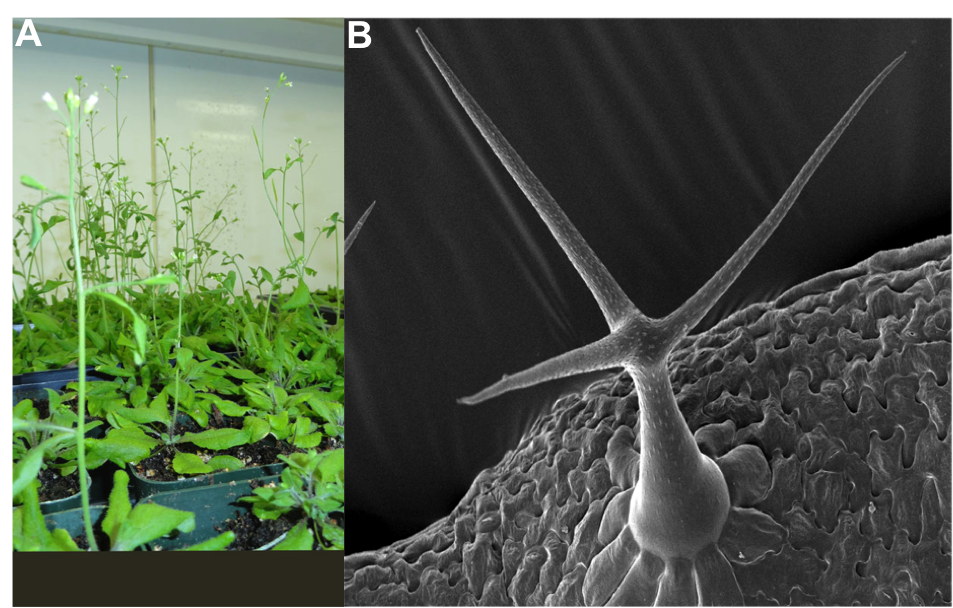
Fig-1. A) Arabidopsis plant in Growth chamber. B) Scanning Electron Microscopic Image (SEM) of Arabidopsis trichome
I am writing under the title “a day in the life of an Arabidopsis lab”, but it is very difficult to explain everything by just telling about one day. Therefore, to make it more understandable, I will explain step by step how I maintain and work with Arabidopsis throughout its life cycle.
Growth Chamber: – We have a very nice habitat (a climate-controlled chamber, Fig-2) for our favorite Arabidopsis plants in the basement of the Life Sciences Building. This chamber always maintains a 21-22 °C temperature and is divided into different shelves to house the different groups of plants. Besides the growth chamber, we have a preparation room in which we do all Arabidopsis related chores including sowing the seeds, harvesting and washing etc.
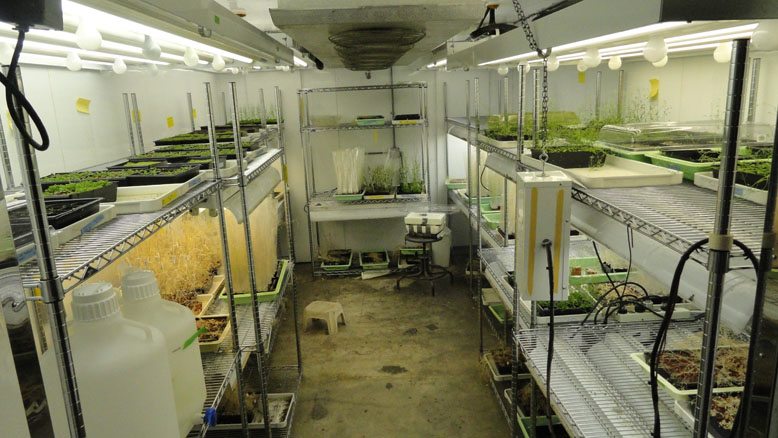
Fig-2. Climate-controlled growth chamber
Sowing the seeds: – In our lab, we grow Arabidopsis plants in big rectangular flats. Each flat can accommodate three black trays, and as each tray can hold 12 pots and each pot can have up to three plants, one flat can accommodate 36-108 plants (Fig-3A). However, when looking at seedling phenotypes, we plant approximately 30 seeds in each pot. The Arabidopsis life cycle starts with sowing the seeds on the soil. We fill the pots with ready-made dirt, water, and vermiculite to keep the soil well aerated.
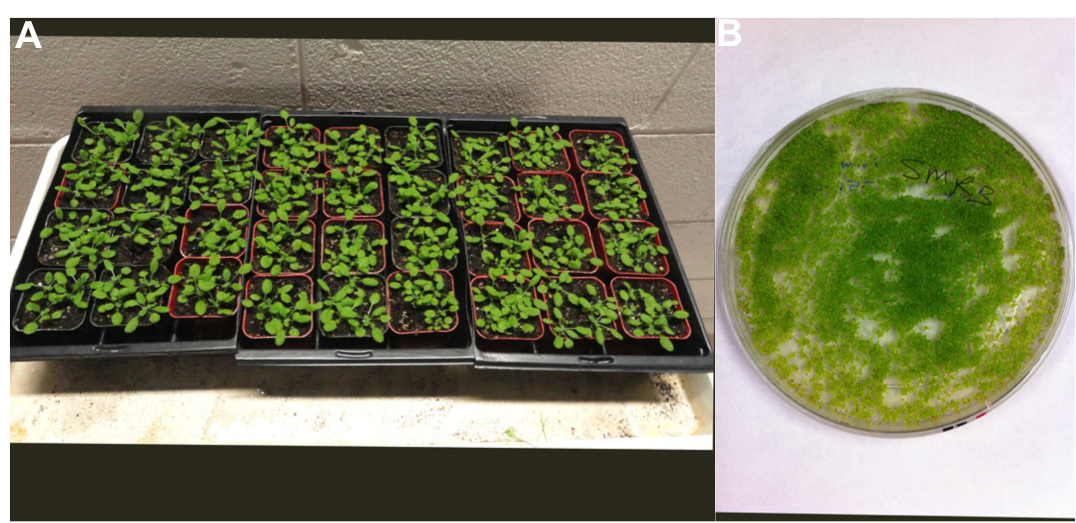
Fig-3. A) A flat with 36 pots. B) MS media plates showing five days old Arabidopsis plants
Soil works best when growing transgenic plants that need to be sprayed (see later), but if I have any other marker (such as kanamycin) or need a clean root without soil or dirt to study root development then MS medium plates (Fig.3A) are ideal. Arabidopsis in MS plate plants are transferred to soil later. Arabidopsis seeds are very tiny and can easily be scattered around and contaminate other seeds.
Arabidopsis seeds need high humidity to germinate efficiently so the flats are covered with humidity domes until seeds germinate and start turning green, which takes five to six days (Fig-4A). I check the plants and growth chamber twice a day, in the morning and in the evening before I leave the lab. Plants must be watered properly as both too much water or too little water both can adversely affect plant growth. Too much water can lead to the appearance of white mold on the soil, which can infect the plants. Too little water can lead to drought stress. Therefore, proper watering and optimum temperature is necessary for a happily growing Arabidopsis plant. It is also important to protect the plants from insects, so we hang pest-traps in the growth chamber to catch fungus gnats.
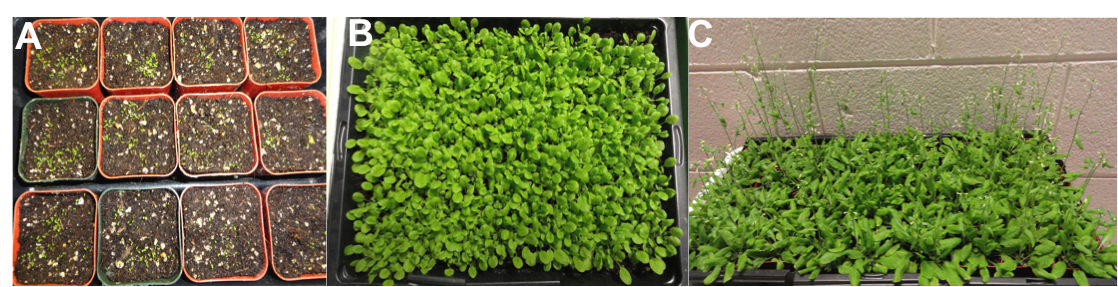
Fig-4. A) Five-six old day plants. B) 15-day old plants. C) 1 month old plants
Flowering: – At approximately four-five weeks, plants start flowering and are ready for transformation to produce transgenic lines (Fig-4C). This means it is time to switch them from top to mid shelves. Only healthy looking flowering plants are used for transformation.
Transformation and separation of lines: – Tranformation is achieved by infecting seeds with Agrobacterium, which transfers the DNA of interest to the the developing ovule and produces transgenic seeds. Arabidopsis seeds are contained within siliques (seed capsules), so before every transformation I make sure to cut all the already-formed siliques to increase the efficiency of getting transgenic seeds. After transformation, I lay the plants down in a flat (Fig-5A) for two days, after which they are placed upright and watered with nutrient solution. One week after transformation the plants need to be stacked and tied (Fig-5B), both to support them and to avoid any contact or entanglement with other plants. Contamination is the main issue while maintaining a transgenic line, so I use Aracons (Fig-5C), which provide proper air to the plants and help avoiding the mixing of seeds to other lines.
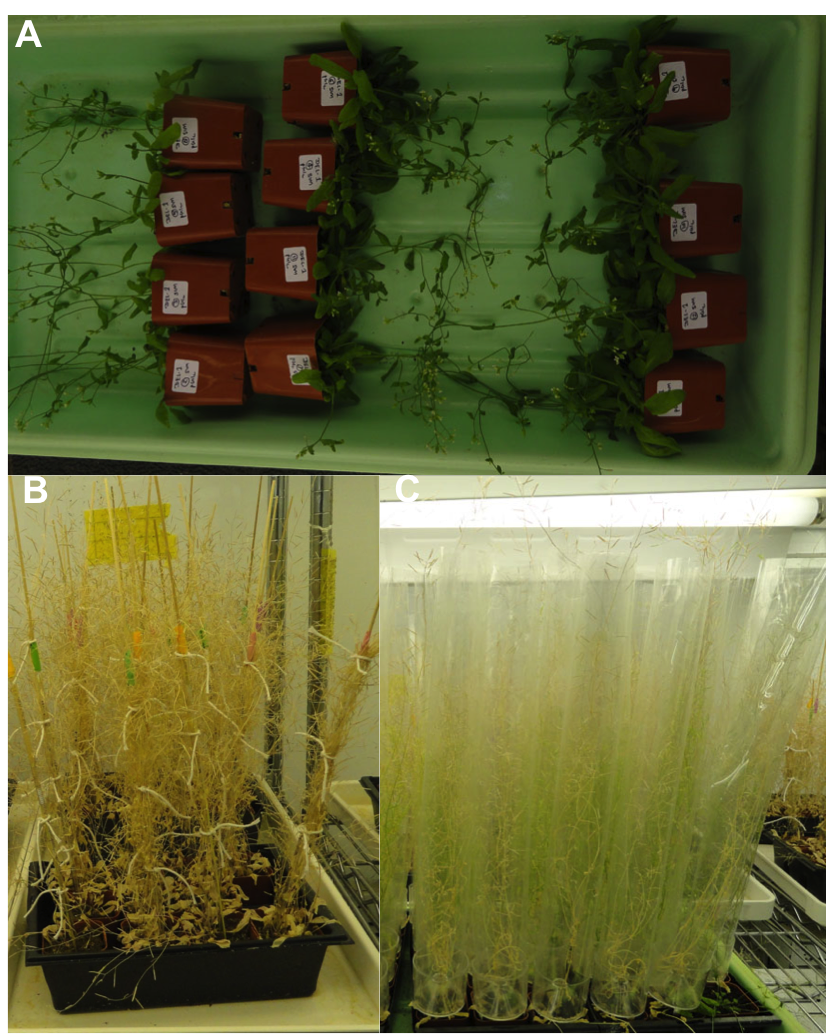
Fig-5. A) Plant after transformation. B) Tied plants after transformation. C) Plants in Aracons
Harvesting and store seeds: – After 3 or 4 weeks of transformation, plants become brown and dried, indicating that they are ready for harvesting (Fig-5B). Using scissors I carefully cut the plant from the pot, rub them with my fingers and strain the seeds to remove pods and plant debris (Fig-6). One plant can give thousands of seeds.
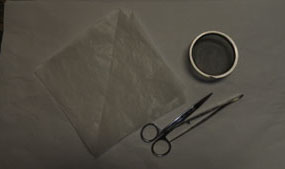
Fig-6. Harvesting tools
I always collect seeds in tubes containing 1 or 2 desiccant pellets. For long-term use, we store seeds in a desiccator at -20c. If seeds are not properly dry, over time their germination efficiency decreases.
Transgenic plants: – After collecting the transgenic seeds I and sow them in a big black tray (not in pots). Transgenic plants are resistant to the herbicide glufosinate-ammonium, so I spray the plants with this herbicide to select for successful transformants.
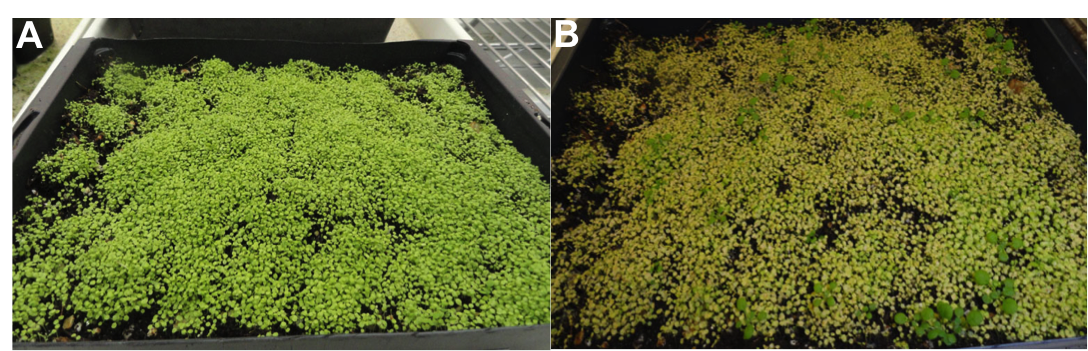
Fig-7. A) Seeds are planted for selection. B) Transgenic plants after selection
Advantages and disadvantages: – There is no need to be present around the clock, but the growth chamber has to be monitored frequently. There is no fear of any infection, blood or need for surgery, and it is a very clean and friendly model organism. With proper care, seeds will remain viable for years, so it is possible to return to old projects easily. The only major disadvantage is the chance of cross-contamination between seed lines. One line can be contaminated easily when other groups or two researchers are working on different project in the same area. Also, the generation time of six to eight weeks is a bit slower than other systems. But in the meantime, there are always molecular experiments to do.
*The number of genes in the Arabidopsis genome was edited from 2500 to 25000 (17/02/14)
 This post is part of a series on a day in the life of developmental biology labs working on different model organisms. You can read the introduction to the series here and read other posts in this series here.
Posted by XenopusNXR, on 5 February 2014
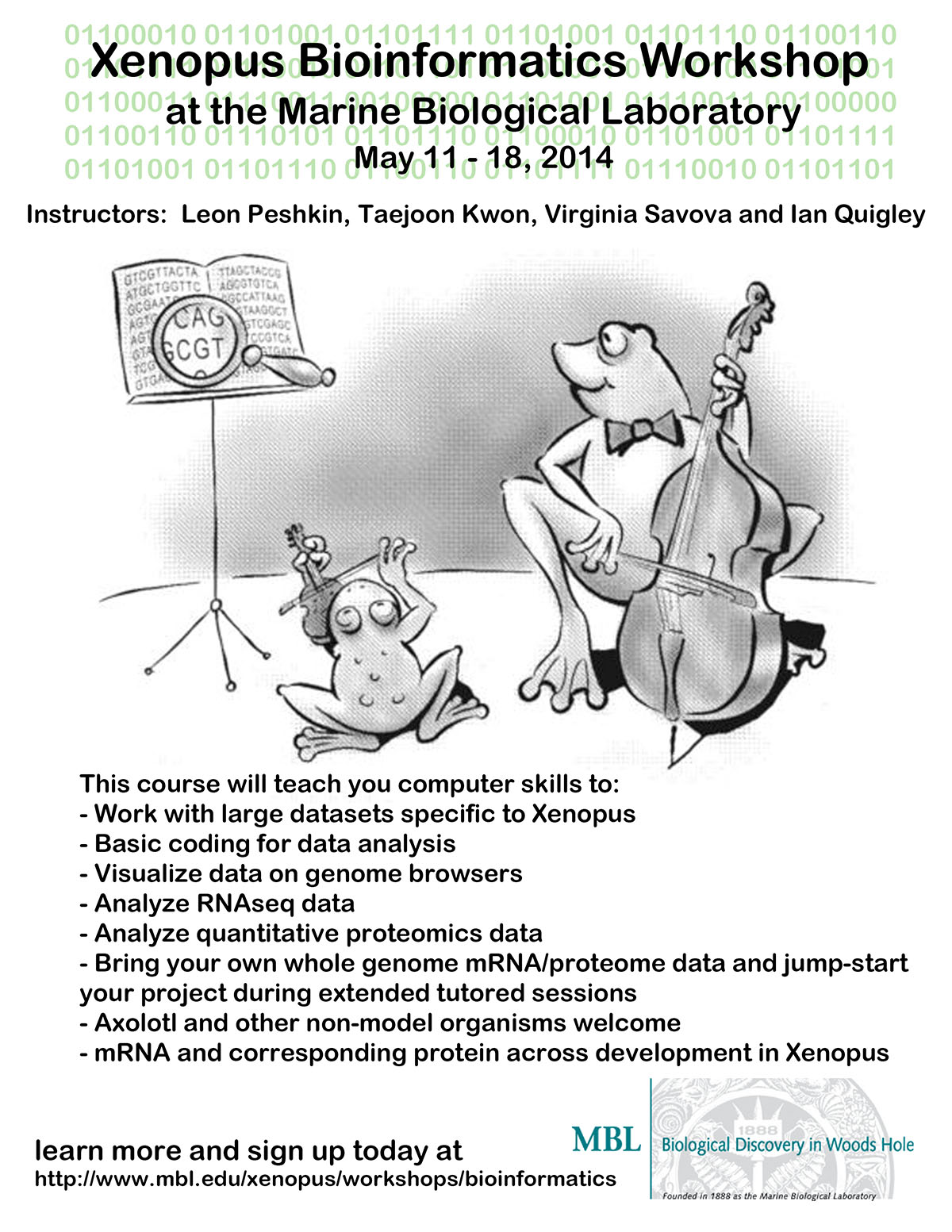
This 7 day workshop is intended for wet lab researchers who want, at least, to extend their understanding of computational analysis tools and methods, but will probably also want to acquire grounded computational skills to enable them to work independently. They may be PIs, post docs or PhD students, but are less likely to be research technicians.
Registration for the 3rd Xenopus Bioinformatics workshop is now open.
The course will be highly practical and will involve working with or analyzing real data to illustrate all of the skills, techniques and approaches covered. All of this data will be drawn from real experimental work in Xenopus.
Although geared towards Xenopus researchers, individuals working on other models are welcome to attend. Last year we had several people working on other systems (including axolotl and the three-toed jerboa) who participated.
‘No biologist left behind.’ Skills will be taught soundly and progressively, and with sufficient practice, so that no reasonably competent and attentive person has trouble keeping up with the basic skills being taught.
The best kit for delivering the course for maximum impact and take-out value will be the users own laptop.
Attendees will be encouraged to bring/develop their own mini-projects during the course, but there will always be relevant data available for people who do not bring their own.
We will try and in advance to determine which high level methods are likely to be of most interest, but should not necessarily be limited to only teaching things that people know in advance that they want to learn.
There will be a relatively low emphasis on touring ‘useful web sites’, external data sources will be explained and referenced as they are needed as source of data or targets of analyzed data for visualization.
More information can be found at the National Xenopus Resource web page under the workshops tab.
Instructors
Leonid Peshkin, Harvard University
Taejoon Kwon, Univerity of Texas at Austin
Virginia Savova, Harvard University
Ian Quigley, Salk Institute
Posted by Heather, on 5 February 2014
Limited time offer! Read on.
As a developmental biologist, I have found my calling in applying what I have learned about normal embryogenesis to better understanding the pathophysiology of various human congenital malformations. Often these are rare diseases, and I work closely with patient associations devoted to those conditions and learning to live with them (or with the death of the child who had been afflicted).
Among these, the congenital melanocytic nevus (CMN) is one in which I have been interested for the longest time. I organized a conference last fall in Marseille specifically devoted to the basic biology, epidemiology and medical and psychological considerations around the largest and rarest forms of CMN. I have also assisted the existing worldwide patient groups to federate, which will help us help them build a prospective registry for further research.
I didn’t do it alone, of course. Mark Beckwith from Nevus Outreach, Inc. was the most active, and the only non-physician, member of my organizing committee. We innovated by asking all the speakers to make their presentations available online, behind an inexpensive but secure paywall, and by dubbing the presentations with the sound of their actual delivery. In some settings, this is known as a slidecast. The slides advance automatically in sync with the sound.
We also placed the videos, when relevant, of the Q&A periods following the talks. The titles of the talks in the programme are at this link, and the PDF with the abstracts and titles can be downloaded directly from this one.
The idea was to make a resource that would slowly garner hits over time, as I have done with some of my teaching in the past. However, the company hosting the slidecasts has decided to eliminate the slidecast offering for good, after seven years, in the next three months. After I paid for a subscription for a full year, of course.
So: 33 presentations from the ESPCR-sponsored International Expert Meeting on Large Congenital Melanocytic Nevi and Neurocutaneous Melanocytosis in September, 2013, are currently available online. They are web-viewable “slidecasts” (author-approved slideshows with synchronized sound from the live presentations). In addition, there are 29 videos of the corresponding question and answer sessions. The slidecasts disappear at the end of April, 2014.
You can virtually “attend” this conference for only 25 euros (approximately 35 USD or 21 GBP) by navigating to this webpage. All proceeds will directly support building a prospective patient registry by the Naevus Global international federation of advocacy groups. I’m writing this to ask you to support a worthy cause and consider learning about the direct result of the developmental biology of a neural crest derivative, gone wrong in one particular molecular way (I’ll let you discover which).
After secure payment through PayPal using either a PayPal account or a credit card, we hand-distribute unique identifiers and the address of a restricted part of the Naevus Global site. There, the order of the program is reproduced, with hyperlinks to the slidecasts and videos.
Thank you for your interest in current research on congenital melanocytic nevi & neurocutaneous melanocytosis! I hope you find this resource beneficial and informative, and that you will support the patient registry initiative in this manner.
Sincerely yours,
Heather C. Etchevers, Ph.D.
Posted by Simon Bishop, on 5 February 2014
I had just put the finishing touches to my thesis, a weighty tome of developmental neurobiology. My mind was still focused on this highly specific piece of work. I was unprepared, therefore, for the first question:
“What is infinity?”
I was live on air. I couldn’t see the caller or — since I was in a studio 65 miles away — the show presenter. I had no idea how to even start to answer such a question, not least because I did not know the answer. But this was the BBC Radio Norfolk science phone-in with the Naked Scientists, a fortnightly feature, and dead air was not an option. So I started to talk — nonsense at first, but eventually finding a voice among the tangle of complex mathematics and philosophy that I had forged. It was only day one, but my internship with the Naked Scientists had truly begun.

Having met the lead Naked Scientist, Dr Chris Smith, at a science communication workshop early last year, I managed to secure funding from the Genetics Society to join the team for two months. In that time I contributed live and pre-recorded content to a number of stations, and produced a documentary on genetics. I booked guests, conducted interviews and edited features; all of this with no prior experience in radio, just an interest in communicating science.
We all get carried away with the subjects we are passionate about: it is the subjects in which we are not an expert that allow us to better relate to audiences. I was told with two hours’ notice, for example, that I was to go on air to talk about special relativity. I was tasked with stripping down a complex and beguiling topic in three minutes of air time. I had to find a way to explain it with no prior knowledge, just like those listening. This is the very same frame of mind we should all apply to our own research areas when the opportunity for outreach arises.
But what is that audience? For the Naked Scientists, there is a unique challenge presented by its format: the programme initially airs on local radio, to an interested but non-specialist public, but is re-released online to a podcast audience that has sought scientific conversation. As such, the programmes must be approachable and detail must be built up sequentially and clearly for the first audience, but detail must not be skimped for the second. This presents a unique challenge, requiring forethought of the mix of topics included, careful vetting of guests to determine how confidently they can describe their work (and how they respond to an interviewer pretending to know nothing), and a mix of media — different voices, a mixture of live and pre-recorded content, all carefully timed.
A further challenge is, quite simply, that this is radio. Clarity of description is paramount, for diagrams and animations are invisible to the audience, as are flappy hands. On one occasion, I found myself describing what I could see on a computer screen, a curious sensation absent from normal conversation, for the benefit of listeners at home.
The first of the Naked Scientists audiences — as with all television and radio science output — means that detailed and complex topics might often be vetoed. Yet its second audience provides an out. Thus, when I was entrusted with one whole hour of live radio, to do the research, book the guests, write the script and co-present, I chose developmental biology.
Gastrulation and neurulation, the early steps, stages and movements of embryogenesis, are as perplexing to many as special relativity. To fill an hour long show with talk of these pivotal stages of development, in addition to the genetics of the actin cytoskeleton, which controls cell shape; how cells know where they are in the body; and gross morphological development, using the example of limb development and club feet, was a challenge I relished. I cannot claim to have been successful; this must be left to the audience to judge. Yet I am proud of my attempts, and very grateful to the many contributors, including Richard Adams from the University of Cambridge, Helen Matthews at University College London, Neil Vargesson at the University of Aberdeen and Max Heiman, Harvard Medical School. The programme, Super-shape me! is available from the Naked Scientists website.
I learnt much over my short time on the radio. I recommend trying radio as a medium for truly testing science outreach skills — try contacting your local student radio station or one of the many science podcast projects available. But perhaps the skill I would flag for now to readers of The Node is that of interviewing. Researchers with an interest in communication try, given the opportunity, to explain their work. But let’s turn that on its head: first, pick someone unaccustomed to outreach, whose work is on a topic you are entirely unfamiliar with. Second, pretend you know nothing about the topic or how science works. Try to get them to talk for 3, 4 even 7 minutes (radio features are, after all, of variable lengths) on a level the public could follow. What are they doing? How are they doing it? WHY are they doing it? Keeping control of such a conversation, particularly to control the jargon, is a challenge indeed. Give it a try!
 This post is part of a series on science outreach. You can read the introduction to the series here and read other posts in this series here.
Posted by Marsha Lucas, on 4 February 2014
The following is a re-post of an editorial by Society for Developmental Biology President, Martin Chalfie (Columbia University). It was originally published in the Winter edition of SDB e-news here. For more Society for Developmental Biology news check out SDB e-news – Winter 2014.
 I think that one of the scariest parts of being President of the Society for Developmental Biology is coming up with topics for these editorials in the Newsletter.
This time, however, I want to write about an issue that has bothered me for many years: how people apply for postdoctoral positions. In my experience most people (around 99%) apply incorrectly for their postdocs, and I suspect that many people do not get the postdoc that they want because of their applications. I’d like to change that situation.
So what do the 99% do that I feel is wrong? These applicants usually send a letter or email (either is fine) saying that they are interested in doing a postdoc and like the research done in the lab. Then they include their CV and the names of three references that can be contacted. Very little thought needs to be put into such applications, and they can be (and probably are) sent to tens if not hundreds of people. I am convinced that the usual reply to such letters is, “Sorry, I don’t have room for anyone else in the lab,” which is really a polite way of saying, “No.”
I think the application should be different, but what I have to suggest requires considerable effort. First, pick two people (or three if you are a masochist) whose work you want to be part of and read their published papers. (At this point you may decide that you not that interested in the research and can stop there.) Second, using the papers and maybe work that you have done for your graduate studies, think about the experiments you want to do. Then, write up these ideas into a two-three-page proposal that you can submit with your application.
Why is a written proposal so important? First, it shows a potential postdoc advisor how you think and what you are interested in. Second, it recognizes that your status as a postdoc is different from that as a graduate student, that you are taking charge of your career. Graduate students are learning how to be scientists; postdocs are colleagues (virtually every practicing scientist you talk to will say that their postdoc was the best part of their career and this is one of the main reasons). Third, it is a document that cannot be ignored. I don’t know anyone that is not impressed that someone outside their lab has thought about their research. (By the way, you can always add to your cover letter that you have based your proposal on published material and that you would be happy to think about other projects that the potential advisor may be working on.) Your ideas will be listened to. Fourth, it means that you are well on your way to having completed an application for funding (another way to show that you are taking charge). Finally (and I have to admit that this reason shows some selfishness on my part), it is your ideas. You may not have said something that your potential sponsor hadn’t thought of, but you came up with the ideas, not him or her. Because they are your ideas (and everyone loves their own ideas), you will work particularly hard to develop them once you are in the lab. Future advisors love this.
In keeping with what I have said about taking charge of your career, I would also add that the line “Here are the names and contact information for three references that can tell you about me,” that appears in most applications should be changed. As it stands the line tells a future employer that he or she needs to do some work. I suggest adding, “I have asked these people to write to you directly. If you do not hear from them in the next two days, please let me know so I can prod them.”
Will this work? I have suggested these steps to all the graduate students in my lab since I was a beginning assistant professor, and virtually every one got the postdoc they wanted. In two cases when graduate students needed to apply to labs in particular cities and happened to choose researchers who were about to move, both of the researchers called me up asking what they needed to do to convince my students to move with them. In one case, the researcher said, “I have never had an application like this,” supporting my contention that few people apply for postdocs this way. I don’t guarantee that following this advice will get you the one postdoc you really want, but I am sure that you will be listened to and in all probability interviewed. Best of luck.
-Marty
Posted by Seema Grewal, on 4 February 2014
Here are the highlights from the current issue of Development:
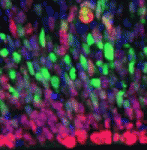 Within the developing neocortex, multiple progenitor cell types contribute to neuronal production, and the properties and relative abundance of these populations help to define the extent of neocortical growth. As well as apically localised radial glial cells (RGCs) that comprise the stem cell compartment, various populations of basal progenitors (BPs) exist – including basal RGCs, with both self-renewal and proliferative capacity, and more restricted progenitors. The stem cell-like properties of RGCs are linked to the fact that these cells are connected to the basal lamina, from which they receive proliferative signals via integrins. Now, Denise Stenzel et al. investigate in rodents the role of integrin αvβ3 in regulating the proliferative capacity of BPs (p. 795). They find that activation of this integrin induces BP proliferation both in hemisphere culture and in vivo, promoting proliferative division at the expense of neurogenic division. Moreover, they show that the αvβ3 ligand thyroid hormone also regulates BP proliferation via this integrin – providing pro-proliferative signals to progenitor cells that are not connected to the basal lamina.
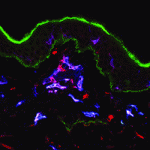 Langerhans cells (LCs) are antigen-presenting cells of the epidermis, and play a key role in detecting pathogens in the skin and coordinating the immune response. However, the precursors of LCs during embryonic development are poorly characterised, particularly in humans. Here (p. 807), Adelheid Elbe-Bürger and colleagues analyse the characteristics of early LC precursors in human first-trimester foetal skin, and explore the potential of different populations of haematopoietic precursors to colonise the developing epidermis. They find an unexpected diversity in LC precursors in terms of cell-surface markers, contrasting with the homogeneous adult LC population. The authors then used in vitro skin equivalent cultures to test the ability of different cord blood-derived precursor populations to colonise the epidermis and differentiate as LCs. Various precursor subtypes show LC potential, and the data suggest that the skin equivalents produce those signals necessary to direct LC differentiation. Together, these data suggest a heterogeneous origin for human embryonic LC precursors during early stages of development.
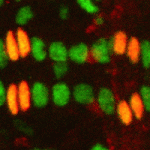 The Drosophila heart provides a relatively simple system for the analysis of gene regulatory networks (GRNs), as it comprises just two cell types – contractile cardial cells (CCs) and non-muscle pericardial cells (PCs). Moreover, many transcription factors (TFs) that regulate Drosophila heart development have been identified and shown to play conserved roles in mammals. On p. 878, Alan Michelson and co-workers take a machine learning approach to identify new cardiac enhancers. The methodology, which integrates chromatin immunoprecipitation data with TF motif mapping, is highly successful at predicting enhancers that drive expression in cardiac cells, including PC- or CC-specific enhancers. Among the highly over-represented TF motifs in putative cardiac enhancers are motifs for the Myb and Su(H) TFs; the authors show that Myb regulates progenitor cell division, while Su(H) controls the PC/CC lineage decision. This work demonstrates the utility of machine learning to identify novel players regulating organ formation, and to piece together the GRNs underlying cell fate specification.
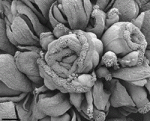 The shoot apical meristem (SAM) of higher plants contains the stem cell population that contributes to all above-ground organs. During vegetative growth, leaf primordia emerge from the periphery of the SAM, and the SAM transitions to an inflorescence meristem to initiate the reproductive phase. The WUSCHEL transcription factor specifies stem cell fate, and hence controls the size and activity of the SAM. A gene network involving the CLAVATA signalling pathway, the microRNA miR166g and HD-ZIPIII transcription factors is responsible for regulating WUSCHEL levels. On p. 830, Leor Eshed Williams and colleagues add another layer to this regulatory system, defining a role for the ERECTA receptor kinase in restricting WUSCHEL expression. Plants overexpressing miR166g and carrying a mutation in ERECTA display a massively enlarged SAM, disrupted phyllotaxis patterns and defects in floral meristem formation. ERECTA acts independently of the CLAVATA system, and although the mechanisms by which it functions are not fully clear, this work adds another important player to the complex regulatory network underlying meristem activity.
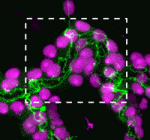 The Drosophila Mcr protein is a member of the thioester protein (TEP) family of proteins, which includes key regulators of innate immunity. Mcr is an unusual member of this family, possessing a putative transmembrane domain and lacking a key residue in the thioester motif. It has, nevertheless, been shown to be involved in phagocytic uptake in cultured Drosophila cells, although its putative immune functions have not been assessed in vivo. Two papers, from Stefan Luschnig and colleagues (p. 899) and Robert Ward and colleagues (p. 889), now identify Mcr as a new component of septate junctions (SJs), the invertebrate equivalent of tight junctions that form the paracellular barrier in epithelia.
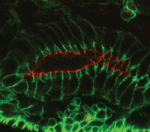 Both studies identify lethal EMS mutations inMcr in independent genetic screens, finding mutant phenotypes typical of SJ components. Consistent with a putative role in SJ formation, the protein colocalises with other SJ proteins at the lateral membrane. They further find that Mcr localisation is dependent on core SJ components and that, conversely, SJ proteins are mislocalised in Mcr mutants. At the morphological and ultrastructural level, SJs are disrupted in the absence of Mcr, and functional assays demonstrate that Mcr is required to form an effective paracellular barrier. As well as identifying a new SJ protein essential for barrier integrity, these two studies suggest an intriguing link between SJs and innate immunity. The epithelial barrier represents the first line of defence against pathogen invasion, andDrosophila haemocytes are known to undergo an epithelialisation-like process when encapsulating pathogens in the haemolymph. The identification of Mcr as a protein involved in both SJ formation and innate immunity now provides a molecular connection, and opens up new avenues for investigating potential functional links, between these two seemingly disparate processes.
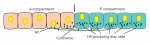 Thomas Kornberg and Sougate Roy review the evidence that establishes a fundamental and essential role for cytonemes as specialized filopodia that transport signaling proteins between signaling cells. See the Primer article on p. 729
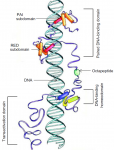 Pax genes encode a family of transcription factors that orchestrate complex processes of lineage determination in the developing embryo. Here, Judith Blake and Melanie Ziman review the molecular functions of Pax genes during development and detail the regulatory mechanisms by which they specify and maintain progenitor cells across various tissue lineages. See the Primer article on p. 737
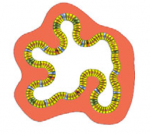 James Wells and Jason Spence review how recent advances in developmental and stem cell biology have made it possible to generate complex, three-dimensional, human intestinal tissues in vitro through directed differentiation of human pluripotent stem cells. See the Primer on p. 752