
The SDB-BSDB Interview Chain: Stephen Fleenor interviews John Young
Posted by the Node, on 16 August 2012
A few months ago, we published an interview with Stephen Fleenor, who won the poster award at the BSDB meeting. He won attendance to the SDB meeting in Montreal, where he passed on the baton and interviewed the winner of the SDB poster prize, John Young:
Stephen Fleenor: In which lab do you work?
John Young: I work in Richard Harland’s lab, at UC Berkeley.
SF: How long have you been there?
JY: I’ve been in his lab for four years, but I’ve been a student for five, because we do rotations the first year.
SF: I see. Well, congratulations on winning the poster prize. What was the crux of the poster?
JY: I’m interested in morphogens. I took a class from Mike Levine when I was a first-year student, and I was totally taken by the dorsal gradient and eve stripe enhancers, and I wanted to do something similar in vertebrates. So I chose to look at the neural plate. The neural plate is first induced to become neural tissue, and then it’s patterned by factors like Wnt, Fgf and retinoic acid. I chose to study Wnt and have been looking at Wnt-responsive genes in neuralized ectoderm. I first looked for direct transcriptional targets of Wnt signalling, and once I found those, I looked for the regulatory regions that mediated Wnt responses in these targets.
SF: And have you found regulatory regions?
JY: Using ChIP-qPCR with beta-catenin I found one regulatory region for one of my candidates that looks really good. Based on that I’m now doing ChIp-Seq with the beta-catenin antibody. I found a lot of direct targets of Wnt signalling, and a number of them showed specific expression in the posterior neural tissue. The two that I followed up with suggest that they modulate AP patterning.
The targets that I followed up after the screen were sall1 and sall4. I chose to work on these two because sall4 is a stem cell factor, and Sall1 has a human mutation associated with it. No one had yet looked at their roles in neural patterning in frogs, though, so I thought they’d be good ones to follow up on.
SF: Sounds like a pretty solid story
JY: It’s coming along!
SF: Have you ever won a poster prize before?
JY: Just at a retreat, and that was second place. This is real!
SF: Was it for the same work?
JY: Yes, it was, but it was a while ago, before things had been fleshed out.
SF: What was the element of your poster that now made it prize-worthy on an international scale?
JY: I think it was that I had knocked down the second Sall gene as well. At first I only had sall1, but now I’m working on both sall1 and 4. And at that time I didn’t have any of the ChIP data either. My project was first to find direct targets, and then I decided to look for the regulatory regions. Finding direct targets was really cool in itself, but it was only half the story.
SF: You’re four years into your PhD research. What are your plans?
JY: I’m going to do a postdoc in Cliff Tabin’s lab. I’m so excited about that, but it’s not until next summer. Now I have a year to finish up this story, and I also need to finish this completely separate project, looking at noggin mutants that I induced in Xenopus tropicalis.
SF: Do you think you’re close to closing the door on the Wnt project?
JY: I think so. I think once we get the beta-catenin ChIP-Seq data back that we can make a nice story out of that. The noggin stuff is not too far off either, so I can get it done in a year.
SF: Are you going to go to the BSDB meeting in Warwick?
JY: Absolutely! I’ve only been to Europe twice – once when I was 15, and in Oslo a number of years ago. I haven’t been to Europe much at all, so I’m looking forward to this opportunity.
At the BSDB meeting in 2013, John will, in turn, interview the winner of the BSDB poster prize.



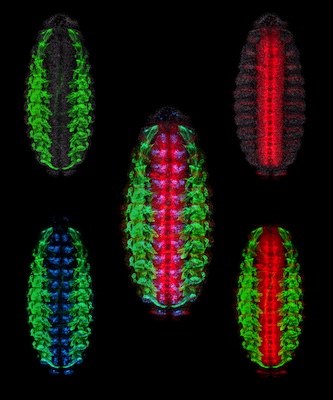
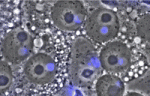 Gene expression is translationally regulated during many developmental processes. Translation is mainly controlled at the initiation step, which involves recognition of the mRNA 5′ cap structure by the eukaryotic initiation factor 4E (eIF4E). Eukaryotic genomes often encode several eIF4E paralogues but their biological relevance is largely unknown. Here (
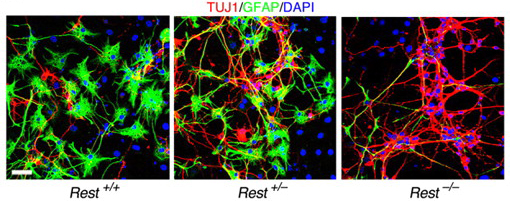
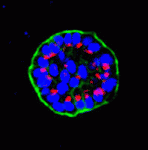 Mammary epithelial cells undergo structural and functional differentiation at late pregnancy and parturition to initiate milk secretion. TGF-β and prolactin signalling act antagonistically to regulate this process but what coordinates these pathways? On
 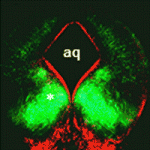 During the development of the central nervous system, neurons and/or neuronal precursors travel along diverse routes from the ventricular zones of the developing brain and integrate into specific brain circuits. Neuronal migration has been extensively studied in the forebrain but little is known about this key developmental event in the embryonic midbrain (mesencephalon). On
 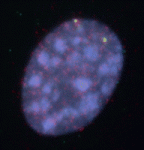 Anterior-posterior patterning of both the primary embryonic axis and the secondary body axis (limbs and digits) in mammals requires regulated Hox expression. Polycomb-mediated changes in chromatin structure control Hox expression during the first patterning event but are they also involved in the second? Here (
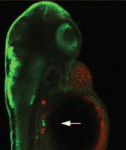 Mutations in the human Shwachman-Bodian-Diamond syndrome (SBDS) gene, which functions during maturation of the large 60S ribosomal subunit, cause a disorder characterised by exocrine pancreatic insufficiency, chronic neutropenia and skeletal defects. Steven Leach and colleagues have now refined a zebrafish model of this ‘ribosomopathy’ (see
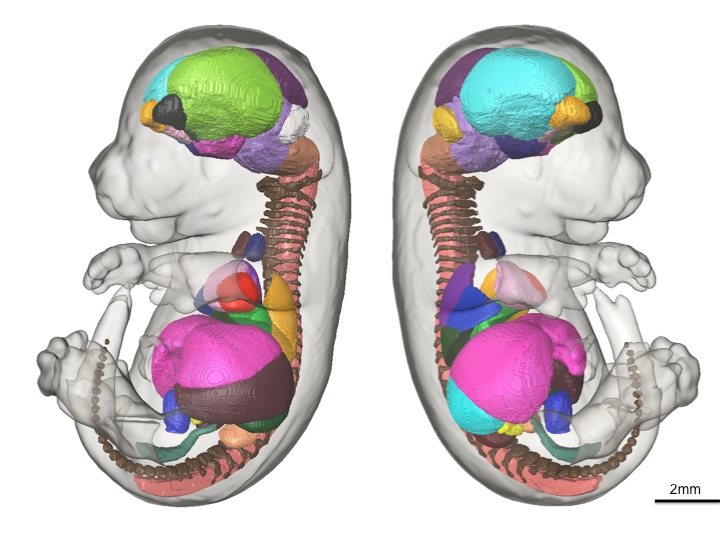
 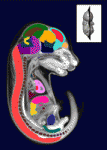 The sequence and location of every gene in the human genome is now known but our understanding of the relationships between human genotypes and phenotypes is in its infancy. To better understand the role of every gene in the development of an individual, the International Mouse Phenotyping Consortium aims to phenotype targeted gene knockout mice throughout the genome (∼23,000 genes). Because many of these mice will be embryonic lethal, methods for phenotyping mouse embryos are needed. Michael Wong and colleagues are developing such an approach and, on
  The tenth annual RIKEN Center for Developmental Biology symposium ‘Quantitative Developmental Biology’ held in March 2012 covered a range of topics. As reviewed by Davidson and Baum, the studies presented at the meeting shared a common theme in which a combination of physical theory, quantitative analysis and experiment was used to understand a specific cellular process in development. See the Meeting Review on p.
 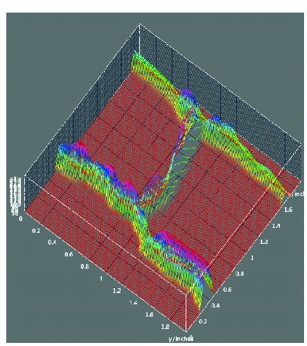 Meyerowitz and colleagues present a glossary of image analysis terms to aid biologists and discuss the importance of robust image analysis in developmental studies.
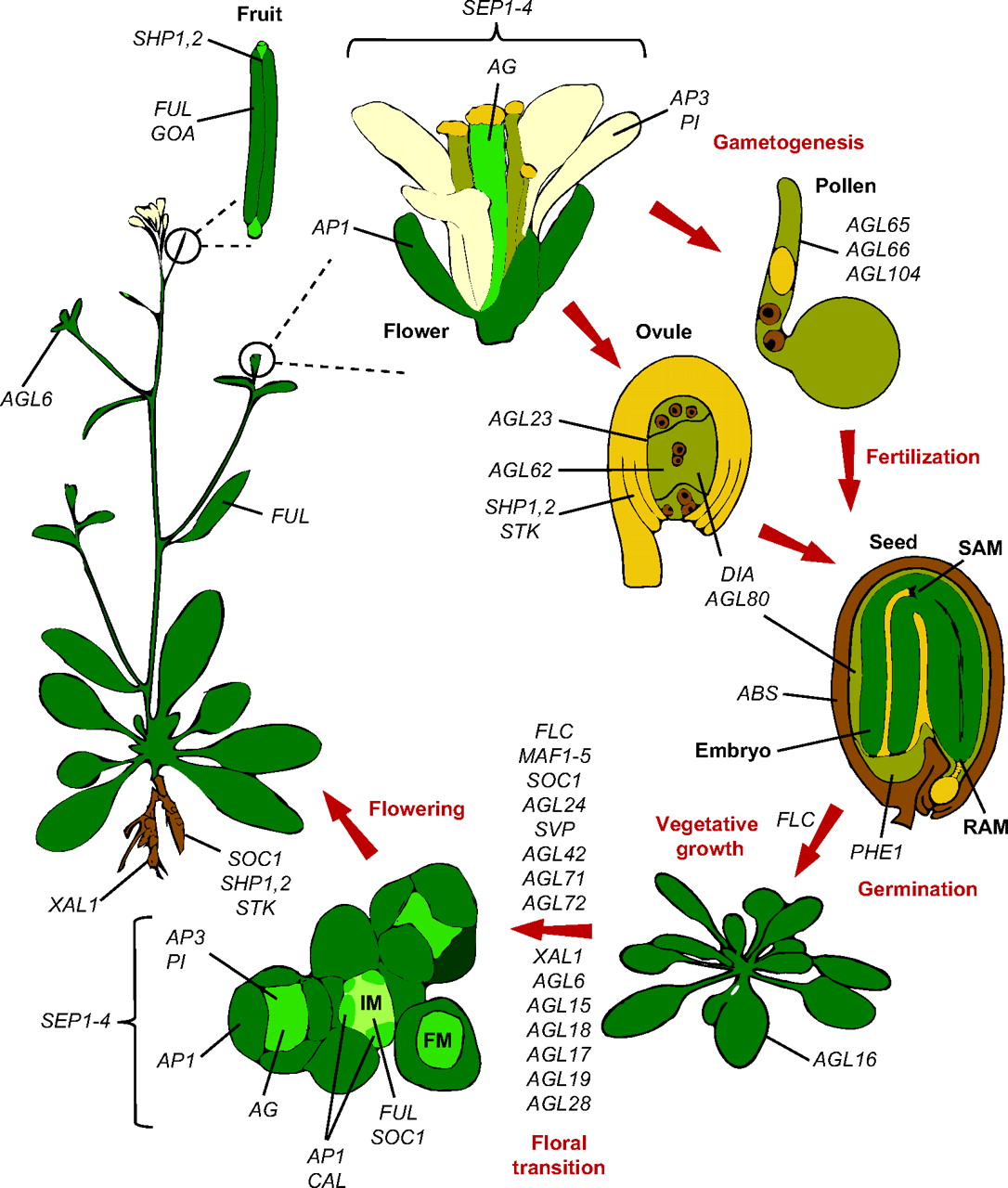 Members of the MADS-box transcription factor family play essential roles in almost every developmental process in plants. Kaufmann and colleagues review recent findings on MADS-box gene functions in Arabidopsis and discuss the evolutionary history and functional diversification of this gene family in plants.