The community site for and by
developmental and stem cell biologists

Peter Lawrence

Posted by , on 26 January 2016

What ho nodites,

I am putting here a link to my latest polemic on the issues discussed in the interview and some others. Of course being carefully written it is a little more accurate and pointed and widely ranging than the verbatim interview.

There might be a way of reading it gratis if you drop me a line, pal38@cam.ac.uk


here is the link


http://www.sciencedirect.com/science/bookseries/aip/00702153


Peter

Thumbs up (4 votes)
Loading...

Categories: Discussion

Navigate the archive

Use our Advanced Search tool to search and filter posts by date, category, tags and authors.

From our sister journals- January 2016

Posted by , on 26 January 2016

Here is some developmental biology-related content from other journals published by The Company of Biologists.


CoB_DisModMech_AW_RGB


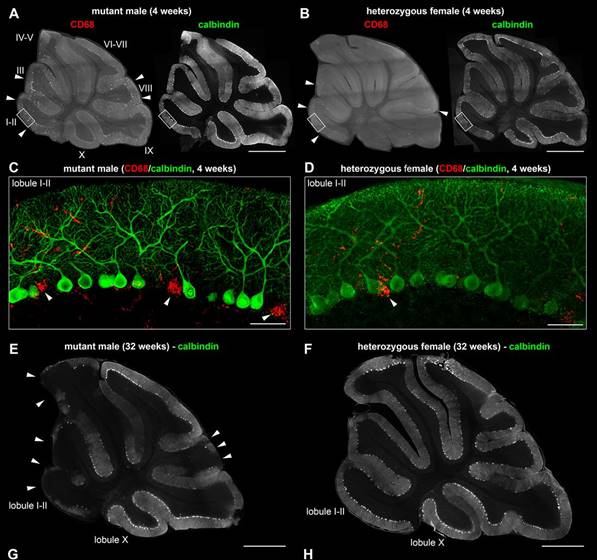
Characterisation of Slc9a6 knockout heterozygous female mice

DMM Jan2016Mutations in SLC9A6 are responsible for X-linked Christianson syndrome, a neurodevelopmental disease. Sikora and colleagues demonstrate that female mice heterozygous for a Slc9a6 knockout present mosaic neuropathology and similar but milder behavioural traits to those of affected males. Read the paper here. [OPEN ACCESS]


Journal typography


Sp5 emerges as an important component in mESC naïve pluripotency

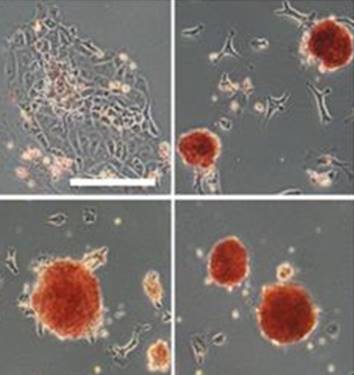
JCSJan2016_1Sp5 has been identified as an effector of both Wnt/β-catenin and leukemia inhibitory factor (LIF)/Stat3 pluripotency signaling, and its forced expression produces effects of both pathways in mESC pluripotency. Furthermore, Sp5 can convert mouse epiblast stem cells into mESCs. Read the paper here. [OPEN ACCESS]


FGF signalling on E-Cadherin impacts primordial germ cell motility

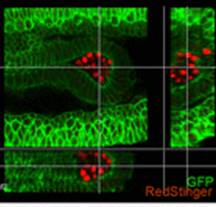
JCSJan2016_2In this paper, Parès and Ricardo describe how fibroblast growth factor (FGF) signaling modulates zygotic E-cadherin distribution to maintain posterior midgut epithelial 3D architecture, impacting on primordial germ cell motility during the early embryonic development of Drosophila. Read the paper here.


Targets identified for NF-κB-modulated microRNAs that inhibit myoblast proliferation

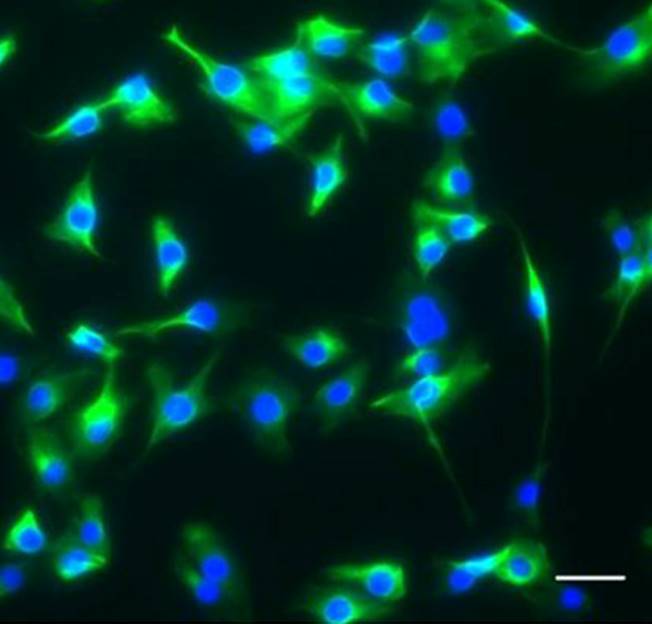
JCSJan2016_3Wei and colleagues show that miR-195 and miR-497 target lgf1rlnsrCcnd2 and Ccne1 and inhibit proliferation in C2C12 cells. They also show that these microRNAs are negatively regulated by nuclear factor κB, illustrating an important signalling pathway in myogenesis. Read the paper here.


Reciprocal regulation of alternative lineages by Rgs18 and its transcriptional repressor Gfi1b

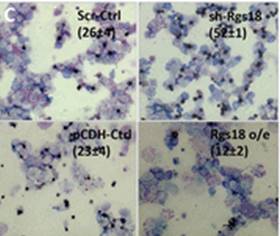
JCSJan2016_4Sengupta and colleagues describe how Rgs18, a GTPase-activating protein, and its transcriptional repressor Gfi1b reciprocally regulate the lineage segregation between the megakaryocytic and the erythroid lineage through the downstream effects on the antagonistic transcription factors Fli1 and Klf1. Read the paper here.


Thumbs up (No Ratings Yet)
Loading...

Tags: , , , , , , ,
Categories: Research

New 3D anatomy viewer available at eMouseAtlas

Posted by , on 26 January 2016

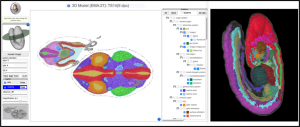
A new 3D viewer that allows interactive visualisation of mouse embryo anatomy is now available from the eMouseAtlas website (www.emouseatlas.org/). A slice viewer allows visualisation of anatomy on arbitrary section through mouse embryos – much like a virtual microtome – whilst a 3D anatomy pop-up window allows users to visualise the delineated anatomical components in an interactive 3D-context as either a wireframe or surface-rendered model. There is the additional option to change colour for selected anatomical components in both the slice viewer and the 3D anatomy pop-up window.


The new viewer uses IIP3D and WebGL technology to allow interactive exploration of 3D anatomy in a HTML5-compatible and WebGL-enabled web-browser and without the need for data download.


3D anatomy
The new 3D anatomy viewer enables visualisation of mouse embryo anatomy in a web browser.


eMouseAtlas continues to develop tools and resources that enable high-end visualisation of embryo data. The anatomy is delineated to a very high standard and can be used for both research and for learning. There are future plans to explore use of this 3D viewer in web-based visualisation of 3D gene expression and phenotype data.

Thumbs up (2 votes)
Loading...

Tags: ,
Categories: Images, Resources

Postdoctoral Research Scientist position in Cardiac Developmental Biology – University of Oxford

Posted by , on 25 January 2016

Closing Date: 15 March 2021

Applications are invited for a Postdoctoral Research Scientist to join Professor Mathilda Mommersteeg’s laboratory to work on a project focussed on characterising the role of the Slit-Robo signalling pathway in cardiac innervation patterning. The post would be ideally suited to a postdoctoral scientist with experience in working with mouse models and background expertise in mammalian heart development or developmental neuroscience. More information through the link.


You will use conditional knock-out approaches to analyse the role of the pathway in cardiac innervation guidance, both during development and in disease. The techniques used will include immunohistochemistry, use of Amira software for 3D reconstructions of innervation, in vitro axon guidance assays and telemetry ECG analysis.


You must hold, or be near completion of, a PhD or equivalent in a relevant area of research and have a background in mammalian developmental biology and/or cardiovascular sciences and/or neuroscience.


You will be based in the Sherrington Building in the Department of Physiology, Anatomy and Genetics at the University of Oxford.


The position is funded by the British Heart Foundation for up to 2.5 years.

The closing date for applications is 12.00 noon on Monday 8 February 2016.

https://www.recruit.ox.ac.uk/pls/hrisliverecruit/erq_jobspec_version_4.jobspec?p_id=121602

Thumbs up (No Ratings Yet)
Loading...

Categories: Jobs

Drawing Embryos, Seeing Development

Posted by , on 25 January 2016


Today, when we want to capture an image given by the microscope we can either snap a photograph of it or obtain a computer-generated image. But prior to when photographic methods began making their way into biology labs and journals, this meant you had to draw it. For embryologists, this meant creating accurate, detailed drawings of either live or fixed embryos. Because developing embryos are three-dimensional, complex, and constantly changing, being able to render them by hand, let alone to see and make sense of them, was no simple feat. The task required meticulous observation of both the form and movement of cells, tissues, and structures. Pencil and paper weren’t used only as a recording device to create figures for publication, they also served as a form of note taking and played a central role in guiding embryologists’ observations of specimens placed under the microscope.

A particularly rich example of the role of drawing and image making in late-19th century embryology is Edwin Grant Conklin’s cell lineage study of Crepidula fornicata embryos, a marine slipper snail that can be found all along the New England coast. Carried out at the Marine Biological Laboratory in Woods Hole, MA in the 1890s, this was a significant and influential body of work, especially with regards to cell divisions in the early embryo and the establishment of the germ layers. In The Embryology of Crepidula, the culmination of this study that was published in 1897, Conklin follows the division of nearly every cell from the uncleaved zygote all the way through to the larval stage. In doing so he demonstrated that the germ layers, particularly the mesoderm, and certain organs arose from specific, individual blastomeres in the early embryo.


Conklin drawing

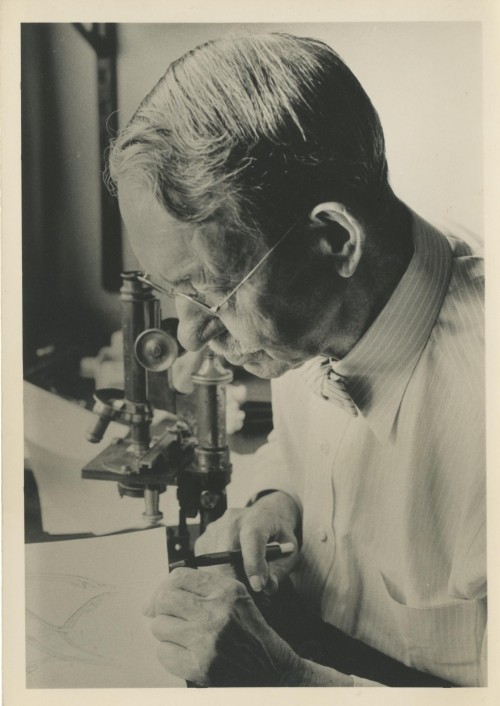
Edwin Grant Conklin drawing at the microscope. (Image credit: Scott, Julian, “Edwin Grant Conklin at the microscope.” History of the Marine Biological Laboratory. https://hpsrepository.asu.edu/handle/10776/6064. Undated.)


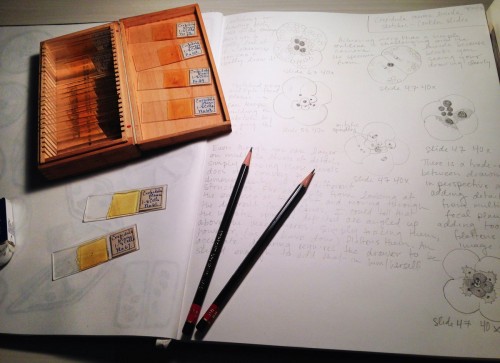
Such a meticulous study of the form and movement of individual cells required Conklin to take detailed notes, the majority of which were in the form of hundreds of drawings and sketches. Especially in the later, more complex stages, these drawings were crucial to help him keep track of cells and to record exactly what he was seeing through the microscope. Because once he removed them from their egg sacs, Conklin couldn’t keep the Crepidula embryos alive long enough to see any substantial part of development, he worked mostly from fixed specimens stained with hematoxylin. Thus, his sketches were also key for piecing the developmental process back together from static “snapshots” of varying stages he encountered on every slide.

Not only were the drawings themselves important but the process of producing them played a fundamental role in Conklin’s observation of each embryo. The inextricable relationship between drawing and observation was widely understood and appreciated in the late-19th century and even into the early-20th century. At this time, drawing was regarded as foundational to the education of biologists and to any research process, especially those involving a microscope. In Conklin’s Laboratory Directions in General Biology he writes, “drawings should be made of every object studied; this is necessary not only as a record of what has been seen, but also as an aid to accurate observation” (p. 6, 1st edition). Drawing requires the observer to make decisions about what to depict, necessitating immediate and thorough examination of the entire specimen, and choosing how to depict it. The process of drawing with the hand also heightens awareness of the spatial relationships of the components depicted.

Like the majority of his contemporaries, Conklin almost always employed a camera lucida while sketching. Used widely throughout the 19th and 20th centuries by both scientists and artists, a camera lucida allows for a drawing surface to be seen simultaneously with the specimen of interest through the eyepiece of the microscope. Through a series of angled mirrors, the drawing surface and pen or pencil is superposed onto the specimen of interest. Because specimens can essentially be traced, Conklin believed that the use of the camera lucida allowed him to make his figures and observations as accurate as possible and to make sure that his claims were based on phenomena he actually saw.


cameralucida_sketches-a

Drawing with a camera lucida from Conklin’s Crepidula slides myself. I had the chance to study the slides while working with the MBL History Project at the MBLWHOI Library this past summer. (Image credit: Beatrice Steinert)


In his study of Crepidula embryos, Conklin created hundreds of camera lucida sketches, many of which have survived. The central role of these sketches in his process is made clear by the numerous markings on them. Many are marked with arrows, indicating divisions and movements, as well as identifying labels with question marks. Conklin then compiled those sketches into one hundred and five final, detailed figures drawn with pencil and watercolor. These were sent off to a lithographer in Germany who copied them onto lithography plates. The plates were printed and put through several rounds of proofing before finally being bound into the publication.

Although much of the technology for creating them has changed, images still play a hugely important role in developmental biology. While photography has largely taken the place of drawing as the primary means of collecting data and producing figures for publication, many of the same concerns still remain with regards to how images are produced and what they depict. Like Conklin with his camera lucida sketches, biologists today often take hundreds of photographs of what they see through the microscope. Those images are then sorted through, compiled, and sometimes even slightly modified to produce publishable figures.

While drawing by hand is no longer necessary to generate images of developing embryos, its role as an aid to observation, either from photographs or specimens themselves, still makes it a valuable and relevant skill. Especially for those wanting to learn or develop observation skills, drawing greatly enriches the experience of interacting with an embryo. It actively engages the hand in the act of seeing, heightens spatial awareness, and draws the eye to subtle details that may otherwise be overlooked.


To learn more about my research on Conklin and visualization and image making in developmental biology and to keep up to date, visit me at my website or on twitter.

To learn more about Conklin and his work, check out the Edwin Grant Conklin exhibit on the MBL History Project’s website.


References:

Conklin, Edwin Grant. “The embryology of Crepidula: A contribution to the cell lineage and early development of some marine gasteropods.” Journal of Morphology 1897, 13(1): 1-226.


Thumbs up (6 votes)
Loading...

Tags: , , ,
Categories: Discussion, Images, Science Art

Natural Pluripotency vs. Artificial Pluripotency

Posted by , on 20 January 2016

Pluripotency is the developmental potential of cells to become various types of mature cells in the body. During development, a pluripotent embryo progressively differentiates to give rise to mature cell types in the organism that form major organs such as the brain, heart, and kidneys. The transient nature of pluripotent cells, however, also makes it challenging to study the very mechanisms that define pluripotency.


Pluripotent stem cells can be derived in vitro from an explanted inner cell mass (ICM), a pluripotent cell population of a preimplantation blastocyst. This pluripotent cell type, termed embryonic stem cells (ESCs), retains the capability of becoming mature cells while self-renewing indefinitely in vitro. The first mouse ESCs (mESCs) were successfully derived from mouse blastocysts by Martin Evans in 1981. These pluripotent cells have become an essential experimental system in the study of mammalian developmental biology and mechanisms of cellular differentiation in vitro and mammalian genetics in vivo.


After nearly two decades, James Thomson succeeded in isolating human ESCs (hESCs) from human blastocysts in 1998. hESCs hold enormous potential for basic research, drug screening and disease modeling. More importantly, hESCs raised the possibility of attaining unlimited source of mature cells for regenerative medicine. This therapeutic application of hESC technology is based on the idea that well-characterized hESC lines could provide mature allogeneic cells to be transplanted into patients. Although the fact that hESCs are derived from human embryos limits the application of hESC technology, the possibility of utilizing hESCs as a source of allogeneic transplantation donor cells still remains a viable option.


The advent of artificial pluripotency, however, changed the scene in stem cell biology. In 2007, a Japanese scientist Shinya Yamanaka identified a subset of genes whose overexpression was noted to induce pluripotency from mature cells. He delivered four transgenes into human skin cells and successfully generated human induced pluripotent stem cells (hiPSCs), for which he was awarded the Nobel Prize in 2012. Since hiPSCs can easily be derived from patients’ mature tissue such as skin or blood, hiPSCs can theoretically provide patients with unlimited amount of autologous cells for personalized transplantation therapy. hiPSC technology can in fact circumvent both the ethical and technical conflicts that are inherent in hESCs.


Despite the immense potential of hiPSC technology, however, there has been much debate as to whether hiPSCs are molecularly and functionally equivalent to hESCs. Initial studies suggested that hiPSCs and hESCs are fundamentally different, while other studies have concluded that the two cell types are similar.


Previous studies reported that hundreds of genes are differentially expressed between mouse iPSCs (miPSCs) and mESCs. However, our lab found that transcription profiles of genetically matched miPSCs and mESCs are identical except for a few transcripts. Based on these results, our lab decided to generate and compare genetically matched hiPSCs and hESCs in order to answer the question of whether these two cell types are equivalent or not.


hESCs and hiPSCs originate from embryos and adult cells, respectively. Given this difference, generating genetically matched cell lines is technically challenging. To address this issue we took a rather unique approach. We differentiated hESCs into fibroblasts and then reprogrammed these fibroblasts into hiPSCs. By doing so, we could generate two sets of genetically matched hESC and hiPSC lines. A comparison of transcriptional and epigenetic profiles of these genetically matched cell lines revealed that hiPSCs are closer to genetically matched hESCs than to unmatched hiPSCs. These results showed that transcriptional and epigenetic patterns of human pluripotent stem cells are driven by genetic background rather than cell type. In addition, we found that there are no consistent gene expression differences between hESCs and hiPSCs. Genetically matched hESCs and hiPSCs also did not show any functional differences when differentiated into neural progenitors and cells of three germ layers. These results further corroborate the idea that previously observed gene expression differences are mainly due to different genetic backgrounds of the cell lines rather than different cell types of origin. Taken together, we concluded that hESCs and hiPSCs are molecularly and functionally equivalent after controlling for genetic background.


Our approach involved in vitro differentiation of hESCs into fibroblasts, which were subsequently reprogrammed into hiPSCs. It has been well documented that different types of mature cells retain various degrees of “epigenetic memory” when reprogrammed into hiPSCs, which could have profound effects at the molecular and functional levels. Thus it would be interesting to make similar comparisons by attempting differentiation of hESCs into more mature cell types such as neurons and blood cells, to be used for the generation of hiPSCs. This would be an important validation that confirms the suitability of hiPSCs for their clinical applications.


In conclusion, we believe that our results offer an explanation as to why there has been so much debate surrounding the equivalency between hESCs and hiPSCs. We hope that our findings will help to bring hiPSCs to the clinic and to realize their full therapeutic potential.


Article: A comparison of genetically matched cell lines reveals the equivalence of human iPSCs and ESCs


Thumbs up (4 votes)
Loading...

Tags: , ,
Categories: Research

Postdoc in GRNs controlling organogenesis

Posted by , on 20 January 2016

Closing Date: 15 March 2021

A Postdoctoral Research Position is available to study Gene Regulatory Networks controlling organogenesis, specifically of the digestive and respiratory systems, using Xenopus and Human ES cells. You will join a multidisciplinary team in the Zorn Lab, Division of Developmental Biology at Cincinnati Children’s Hospital Research Foundation.


Qualified applications will have a PhD with peer review research publications demonstrating expertise in Xenopus embryology; ES cell differentiation and/or experience with epigenetics and ChIP-seq analysis.


Please submit your application to aaron.zorn@cchmc.org with the following information: A cover letter, statement of interest, CV/Resume with contact details for 3 referees.


Thumbs up (No Ratings Yet)
Loading...

Categories: Jobs

An interview with Peter Lawrence

Posted by , on 20 January 2016

This interview first featured in Development.


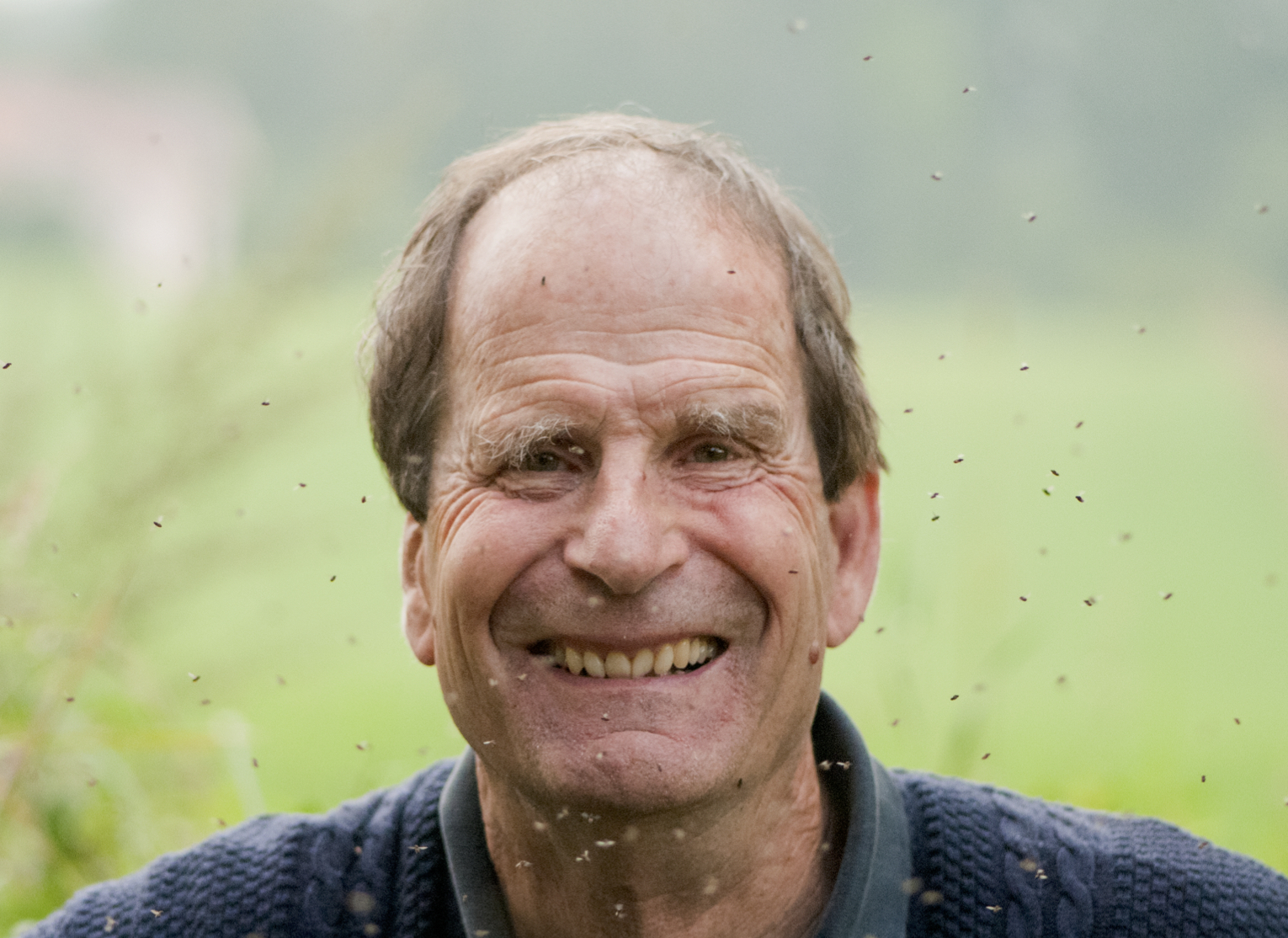
Peter Lawrence, FRS, is a fly geneticist based at the Department of Zoology at the University of Cambridge. During his illustrious career he has carried out pioneering work on pattern formation and polarity, and his contributions have been recognised by many honours, including the Prince of Asturias prize with Gines Morata and election to the Royal Swedish Academy of Sciences. He is also an outspoken critic of the current scientific system and particularly how it affects young scientists. We recently had the opportunity to chat with Peter, and we asked him about the influence of his mentor Sir V. B. Wigglesworth, writing his first grant at age 65 and his time as an editor of Development.
 

DEV183


How did you first become interested in biology?

My mum says my first word was ‘butterby’, so I think I was always interested in insects and nature. I started collecting butterflies when I was about 6, using an old tennis racket made into a net. Walter Gehring used to give the impression that his interest in homeotic genes was a gift from very high up, but in my case it was more mundane!


Over the last 20 years you have focused on the problem of polarity, using the fly as a system. Why?

I actually first came across polarity during my PhD, and a small part of my thesis is dedicated to it. I worked on polarity on and off for a decade or so, but then I became more interested in animal design from a genetic point of view. I turned from bugs like Rhodnius to Drosophila in the late 1960s when I came to understand the power of genetics and genetic mosaics. My focus on polarity restarted around 1995, as the result of a chance observation: Jürg Müller and I noticed that bristle orientation was disturbed by Polycomb mutant clones. It reminded me that you can’t build an animal without polarity: vectorial information is absolutely indispensable. The cell has to know not only its position, but also which way to move, to divide, or to build a structure. And yet we know very little about polarity. I thought this was something I could do in my ‘old age’. I had a tenured job at the Laboratory of Molecular Biology (LMB) and Gary Struhl, my collaborator in this project, had a Howard Hughes Medical Institute grant, so we could afford to go on this adventure together. We were both pretty disenchanted with the way science practice was changing, and we wanted to break away from that. We made a policy decision that we would publish the work in Development, because we thought they would take our papers in a fair way, rather than having to worry about ‘appearances’. We are still collaborating and discussing a new paper even now, which will be destined for Development. We work with genetic mosaics because polarity is a contextual problem, not a single cell problem. If you say that a bristle points towards the back of the fly, then the cell has to know where the back of the fly is, and has to compare itself with its neighbours. So mosaics are a really valuable tool.


You did your PhD with the famous insect physiologist Sir V. B. Wigglesworth. How did this time influence your career?

He influenced me a lot. Wigglesworth was an unusual man. He let us get on with things and didn’t give us much direction. But I think his idea that you should be free to do what you want is rather important. You struggle perhaps, but you learn, and when you discover something it is very rewarding because you haven’t been told to discover it, you haven’t been told what to find or which ideas are in fashion. I remember Wigglesworth telling me early on, when I was reading some obscure paper in German: ‘Lawrence, you shouldn’t be reading too much. You should get on with looking at things yourself.’ It is very important to realise that if you want to do something new it is better to look at the material; if you want to do what everybody else is doing then it is better to listen to them. He also didn’t put his name on any of our papers. He wrote around 264 papers, of which all but 19 were single-author papers. And he kept on doing research until he was about 90. Wigglesworth’s example and ideas have affected my whole life.


You are also known for not adding your name to a paper from your lab unless you feel that you have made a significant contribution. Why do you do this and would you recommend this practice to someone setting up their own lab now?

The issue of paper authorship is a question of scientific integrity. If you aren’t responsible for what is in the paper, because you don’t know what has been done or you can’t assess the quality of the work therein, and you haven’t done it anyway, why should your name be there? I would feel very uncomfortable if I wasn’t sure whether the work that was in the paper was honest and correct. There is also the question of stealing credit. Nowadays people very often don’t get credit for what they do. When they are young they don’t get the credit, and when they are older they get the credit for what other people do. It is not logical, scientific or honest, so I would like to resist it – even more than I have been able to do, especially lately.

The truth is that in the present circumstances it can be imprudent not to put your name on the work of your students and postdocs, because measurement has almost destroyed the possibility of being honest. If you don’t put your name on things then you won’t get credited for it. If you don’t get the credit, you won’t get a tick on measures like your H factor or your citation index, which count so much in getting grants and positions. It is very sad, but true, that I wouldn’t advise a young person to go against present-day practices. Later, when they become established, they should try to change the system by political action and also by establishing different policies in their own lab.


You wrote your first grant at age 65, when you left the LMB. What was it like and what did it tell you about the current state of science?

Leaving the LMB after so many years was traumatic, particularly as I felt I was subjected to age discrimination. I had to find somewhere to work so I approached the Departments of Zoology and Genetics at the University of Cambridge. They both said that they wanted me and I thought, ‘That’s nice, they must remember me from the old days!’ I was very naïve as I hadn’t understood the importance of the REF (Research Excellence Framework; now the RAE, Research Assessment Exercise): my coming to the Zoology Department (which was the one I chose) with a pile of papers from the last few years would give them a significant financial benefit. There are a lot of issues surrounding this system that concern me, but I was very glad to be accepted by the Zoology Department, who have been good to me.

The department would take me but I needed a grant. The LMB is core funded, so I never had to write a grant before. I actually went on an MRC grant-writing course, which was quite amusing because everyone else there was 35 years younger and at the end of their postdocs. I think the application I wrote was honest, and when I showed it to some helpful colleagues, they all came back with the same message: ‘You can’t write this. You can’t say the truth and you can’t indicate that your experiments may not work or that there may be some doubt as to the validity of your approach.’ With that lesson I went back and wrote something that felt more and more fictionalised. I must have learned sufficiently though, because I have written four main grants now and the Wellcome Trust has kindly funded all of them. The process is a bit useful as it can force you to think about what you might do, but what you actually write down is not usually what you do in practice. And if you have a really good idea you don’t put it in the grant, because someone might steal it.

Over the years, I have come to realise that grant application is like a game. You have to follow the rules and the people who figure out how to play the game successfully do well. We write plausible, feasible grant applications as evidence that we have reasonable ideas and know what we are doing. The scientists reading them look for technical validity, intellectual coherence and a proper purpose. Yet we all know that the chance you will actually do the experiments is remote. It’s a game. But it is an expensive game in terms of time and emotional energy.


How could it be made less wasteful?

The Wellcome Trust has been trying to do this and they have made big improvements, primarily by reducing the length of grant applications and reintroducing interviews. But there is still a huge amount to do. Remember that in Europe four grant applications have to be written for every one that is approved! PIs spend so much of their time writing grant applications, most of which are going to fail. The grant-giving organisations spend most of their time assessing grant applications that they are going to fail. I think the grant application process could be improved by becoming more realistic and much more streamlined.

Another thing that would simplify things would be to change the emphasis away from what people pretend to want to do towards assessing what they have done. We could ask: ‘Has this person done anything any good in the last 3-4 years?’ If so, let’s give them another 3-4 years. If they haven’t, let’s give them an option. They either write a new application, which we will assess in the old way, or they give up and we don’t fund them. That would save a lot of time.


In the late 1990s, you started writing a series of articles expressing your views on many issues of the current scientific system. How do you think the situation has changed since you wrote these articles?

In 1996, I was invited to give the inaugural Wigglesworth lecture at the XX International Congress of Entomology in Florence. I talked mostly about his work, but at the end I described his approach to science, including what we have discussed above. I never had such a response to a lecture before. I realised that there was a great need for somebody to tell the truth about what was happening to science. Particularly for young scientists and their prospects: how they are being exploited and manipulated, and how their initial dreams of science as an exciting pursuit are being despoiled. So I started writing a series of articles, and they are read much more than my research papers.

I have realised that the most fundamental evil is metrics, the idea that people can be measured. Once you introduce this concept then everybody tries to meet the measurement. This is true throughout society, not just in science. But it has destroyed the heart of science, spoiling what we actually write and mitigating against originality. And things have gotten much worse since I started writing these articles. There is a huge momentum, and it is partially fuelled by the fact that many scientists train too many young people. This creates too many people applying for relatively few jobs. The response has been to make even more phony measurements to discriminate between them. Publishing in top journals has become so important to get jobs and this is particularly problematic. Everyone now believes that you can’t get far without a good paper in one of these top journals. This is partially true, but it is a myth that poisons the system.

I think there is more awareness of these problems now, but I’m not convinced the people with the most power are keen to change the system – because they benefit from it. Getting your paper in a top journal is a skill, a bit like the game of grant writing. It is the skill of manipulating your paper to make it attractive to the editors of those journals and choosing the topic according to current fashion. And this is why I think the current system mitigates against originality. In short, I don’t think it has got better, I think it has got worse.


Over the years, many members of your lab have gone on to establish successful labs. Is mentoring something that is important for you?

Very important. I actually had very few people in my lab, and maybe that’s why I was able to give them more time. Generally speaking I only ever had one graduate student at a time, so over 53 years, fewer than 15 students. I also never had more than one or two postdocs at once. My theory is also that by giving them freedom, they like science because they find it rewarding. So all of them developed a taste for discovering things, and I am very proud of that.


Would you enforce lab size limits if you could?

Yes. Grant-giving bodies have a limited pot of money, so why give so much to a small number of very large labs? Why not look at the efficiency of those top labs per person? There was a study that worked out the most productive group size (in terms of publications per person). The answer came out at about 6.5, which means that all those labs that have group sizes above that, 10-20 lab members being quite common, are on average more inefficient per person. They attract lots of students because students are misled by the same myth. If a group produces a Cell paper once every two years, the student applying thinks, ‘I’m going to get a Cell paper’. But maybe there are 20 people in the group, and only one of them has been involved in that Cell paper. What happens to the other 19? So I would ask grant-giving bodies not to keep feeding successful scientists with more and more money and more and more students.


You are known for encouraging younger scientists to think about the bigger picture in their research. Do you think this kind of thinking is lacking?

It has always been lacking. Max Perutz specifically advised young people to think of a big, unsolved problem that guides you like a lighthouse when you make decisions. Do these experiments give me a chance of moving towards an understanding of this big problem? Of all the scientists I have got to know well, the one I admire the most is Francis Crick. He was an extreme case of ‘bigger picture’ thinking. His first choice of problem was the difference between the living and the non-living. It is such an obvious thing, but people hadn’t thought of it as a scientific problem that should be addressed. Everyone should try this approach. Maybe not in such a grand way, but they should think about what for them is an interesting mystery that needs a solution, and work towards it. You don’t get to it straight away, but you need it out there as a guiding light.


You were an editor with Development for over 30 years. How was your experience at the journal, and how did the field (and the journal) change during this period?

When I started as an editor on the journal it was still called JEEM (Journal of Embryology and Experimental Morphology). It was a very old-fashioned journal, limited in scope and not concerned with being trendy. Then, in 1987, Development started, as an attempt to modernise the whole business, both technically and scientifically. We had a group of editors keen to make Development a more successful journal. I think we did a good job and it was fun to be part of that process.

During this period, something else happened that affected Development. The purpose of publishing was recast, from producing papers of scientific record that stimulated and educated others, to instead getting tokens necessary for survival in the scientific system. That recasting had a huge effect on the publishing process and Development was not immune. Other competitive journals appeared. For example, when Developmental Cell came into existence we thought we could compete with it on the grounds of quality. And we could really, but Developmental Cell had the Cell marketing logo on it, so people were tempted to publish there instead. I think the recent changes in the publishing world have done considerable damage to journals like Development. Of course it still has a great reputation, and if you look at the citation lifetime of Development papers you will see that it is very long because the journal publishes papers that have internal quality without necessarily the pizzazz needed for other journals. But it is perhaps not as well respected as it deserves to be. I don’t think there is anything we could have done about it, but quality wasn’t enough.

But I enjoyed being an editor of Development; I thought it gave me a chance to help people who sometimes were being badly treated by the system, to give them a chance to publish. I also tended not to be as impressed by fashion as other editors, particularly younger ones in other journals, might have been. Having been around for so long, I could see how trends come and go.


What would people be surprised to find out about you?

I really enjoy the theatre, so we go nearly every week to London to watch plays. I am also a mad keen gardener. We don’t have a television, which I think is quite unusual, mostly because we have too many other things to do.


Thumbs up (8 votes)
Loading...

Tags: ,
Categories: Interview

In Development this week (Vol. 143, Issue 2)

Posted by , on 20 January 2016

Here are the highlights from the current issue of Development:


Fishing out a role for Caveolin 1 in heart regeneration

Embedded Image

Unlike the adult mammalian heart, the adult zebrafish heart is able to regenerate lost muscle tissue following injury. The epicardial sheet covering the heart is required for this regeneration but the genes that underlie epicardial cell responses to injury are unclear. Here, Jingli Cao and co-workers examine gene expression signatures in zebrafish epicardial cells (p. 232). Using single-cell transcriptome sequencing, the researchers reveal that adult epicardial cells are heterogeneous but exist as at least three main populations, as revealed by hierarchical cluster analyses. The analysis of these populations reveals genes that are expressed in a subset-specific manner as well as pan-epicardial genes, some of which represent novel epicardial markers. The authors further report that caveolin 1 (cav1), which encodes a scaffolding protein that is the main component of caveoli, is expressed pan-epicardially and is required for heart muscle regeneration; although cav1 knockout zebrafish exhibit normal heart development, they display severe defects in injury-induced cardiomyocyte proliferation and heart regeneration. Together, these findings provide key insights into epicardial biology and reveal novel regulators of heart regeneration.


Blimp-1 and PGC specification: of mice and crickets

Embedded Image

Germ cells are specified by one of two well-characterised modes: via maternally inherited germ plasm (as seen in the case of Drosophila, C. elegans, Xenopus and zebrafish) or via inductive signals later during embryogenesis (as in the case of many metazoans, including mice). Given that the inductive mode is more prevalent, it has been proposed that it is the ancestral mode of germ cell specification in bilaterians, although molecular evidence for this has been lacking. Now, on p. 255, Taro Nakamura and Cassandra Extavour show that the transcriptional repressor Blimp-1, which is a master regulator of germ cell formation in mice, is required to generate primordial germ cells (PGCs) in the cricket Gryllus bimaculatus. The researchers show that Gb-Blimp-1, the G. bimaculatus homologue of mammalianBlimp-1, is dynamically expressed during germ band elongation. Using RNAi, they further show thatGb-Blimp-1 is required for PGC formation. Finally, the authors demonstrate that, as in mice, Blimp-1 inG. bimaculatus acts downstream of BMP signals to specify cells to a PGC fate. Overall, these findings highlight functional conservation of the relationship between BMP signalling and Blimp-1 during PGC specification, supporting the idea that an inductive mode governed germ cell specification in the last common bilaterian ancestor.


Enteric nervous system development: a role for Shh

Embedded Image

Enteric nervous system (ENS) development involves reciprocal interactions between enteric neural crest-derived cells (ENCCs) and their environment as they migrate along the intestine, differentiate, and become patterned. Here, Allan Goldstein, Nandor Nagy and colleagues examine these interactions and reveal that sonic hedgehog (Shh) patterns the extracellular matrix to control enteric nervous system development in chick embryos (p. 264). They report that Shh is expressed specifically in the epithelium of the gut, which harbours an ENS, but not in the epithelium of the bursa of Fabricius, a structure that is associated with the gut but does not have an ENS. They then show, using chick-quail tissue recombinations in which hindgut epithelium is replaced with epithelium from the bursa of Fabricius, that ENS development is perturbed in the absence of hindgut epithelium. Hypothesising that epithelium-derived Shh controls hindgut ENS formation, the authors demonstrate that Shh inhibition causes hyperganglionosis, whereas Shh overexpression causes aganglionosis owing to decreased proliferation and premature differentiation of ENCCs. Finally, they reveal that modulating Shh activity dramatically alters the expression of ECM proteins, such as versican and collagen IX, that are known regulators of neural crest cell migration. These, together with other findings, suggest that epithelial-derived Shh acts indirectly on the developing ENS by regulating the intestinal microenvironment.


RINGing in PcG function during limb patterning

Embedded Image

Polycomb group (PcG) proteins play important roles in regulating gene expression during development but how they contribute to patterning and morphogenetic processes, particularly during mammalian development, is unclear. Here, Haruhiko Koseki and colleagues show that RING1 proteins, which are essential components of Polycomb repressive complex-1 (PRC1), control proximal-distal patterning of the mouse forelimb (p. 276). They demonstrate that Ring1A/B knockout embryos display severe defects in forelimb formation. By analysing gene expression in the distal and proximal regions of the forelimbs in control and mutant animals, they researchers report that RING1 proteins repress the proximal limb regulatory programme in the distal limb bud. Chromatin immunoprecipitation assays reveal that the gene encoding the transcription factor Meis – a known proximal limb bud marker – is bound by RING1 proteins, suggesting that Ring1A/B restrict Meis expression to the proximal limb bud; in line with this, the depletion of Meis2 partially restores distal gene expression and limb formation inRing1-deficient mice. These and other findings lead the authors to propose that PcG factors integrate developmental signals at genes encoding critical transcription factors to regulate patterning during development.


PLUS…


An interview with Peter Lawrence

Embedded ImagePeter Lawrence, FRS, is a fly geneticist based at the Department of Zoology at the University of Cambridge. During his illustrious career he has carried out pioneering work on pattern formation and polarity, and his contributions have been recognised by many honours.  He is also an outspoken critic of the current scientific system and particularly how it affects young scientists. We recently had the opportunity to chat with Peter, and we asked him about the influence of his mentor Sir V. B. Wigglesworth, writing his first grant at age 65 and his time as an editor of Development. See the Spotlight article on p. 183
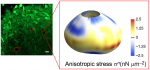
 

Measuring forces and stresses in situ in living tissues

DEV186The development, homeostasis and regeneration of tissues result from a complex combination of genetics and mechanics. Sugimora, Lenne and Graner describe techniques to measure forces in cells and tissues, and discuss their applications in developmental contexts. See the Primer on p. 186
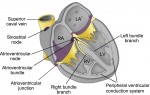
 

The formation and function of the cardiac conduction system

DEV197The cardiac conduction system (CCS) consists of distinctive components that initiate and conduct the electrical impulse required for the coordinated contraction of the cardiac chambers. Here, van Weerd and Christoffels discuss the complex gene regulatory networks that control the development of the CCS. See the Review article on p. 197
 

Featured movie

In their latest paper in Development, Martin and colleagues show that the progenitor cells that generate the midline tissues of the zebrafish floor plate, notochord, and hypochord make germ layer decisions after gastrulation based on local canonical Wnt and Notch signaling. This movie is from this paper and shows the posterior of a zebrafish embryo during somitogenesis. The green cells, labelled by injection of fluorescein dextran, were transplanted from another embryo. In the second part of the movie, a cell that will eventually join the notochord is labelled in red. Read their paper here: http://bit.ly/1WasLW

Thumbs up (No Ratings Yet)
Loading...

Categories: Research

Woods Hole images 2014 round 1- vote for a Development cover

Posted by , on 18 January 2016

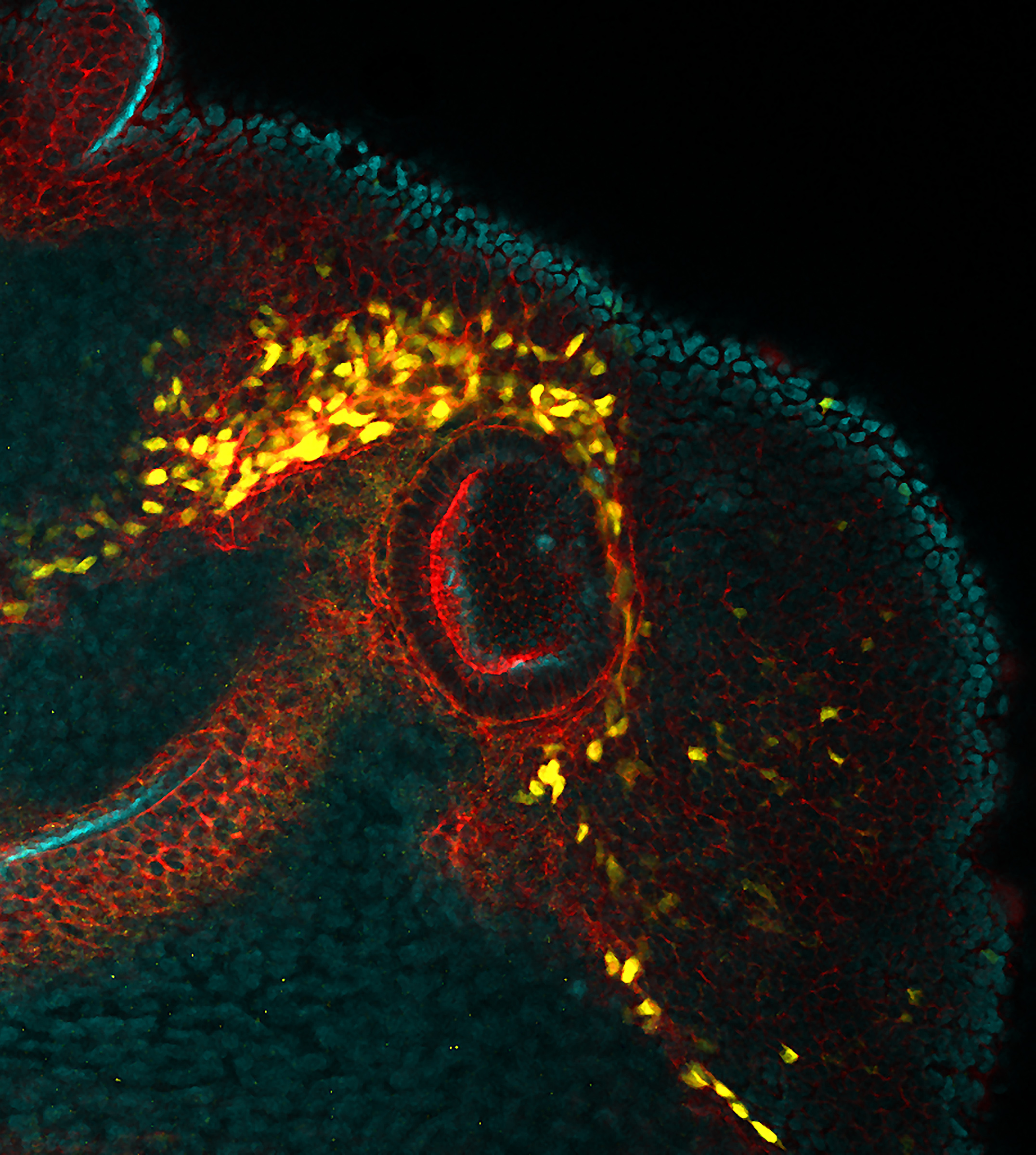
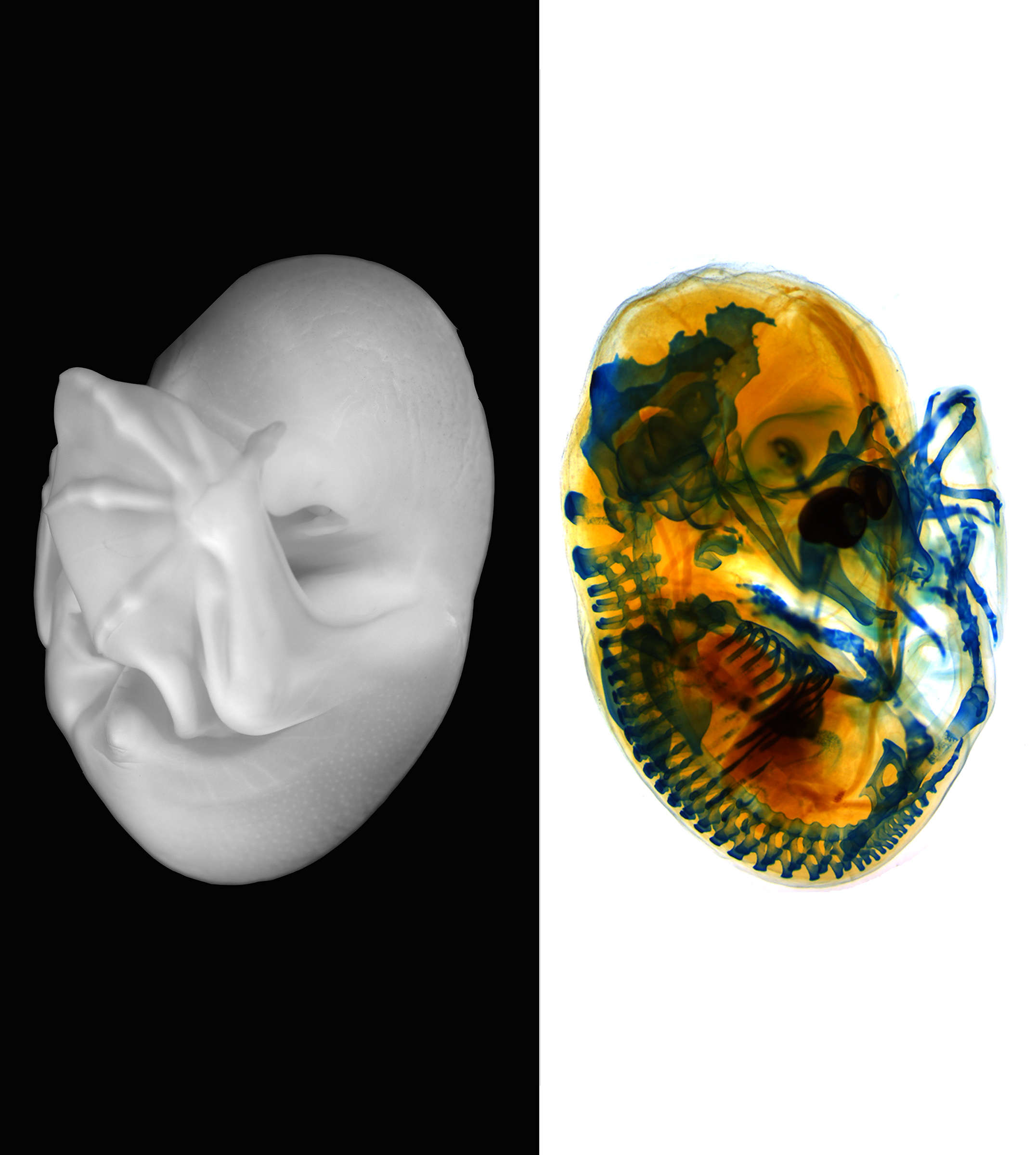
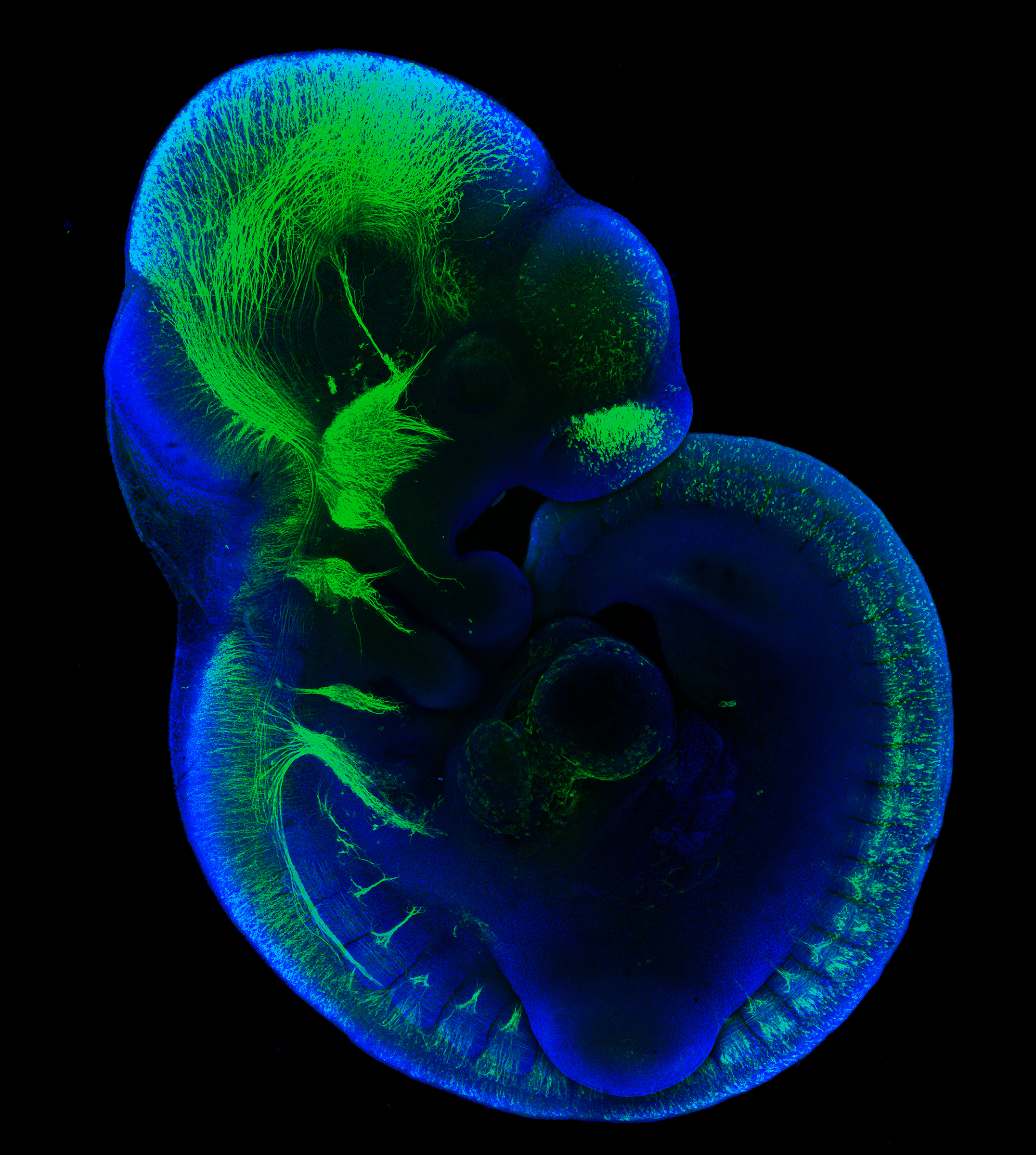
Every year, students from the Woods Hole Embryology course produce some stunning images. It’s now time for readers of the Node to vote which of images from the 2014 Woods Hole Embryology course will be a Development cover! Below you will find 4 beautiful images from the course. Choose the one you would like to see in the cover of Development by voting on the poll at the end of the post (you can see bigger versions by clicking on the images). The poll is set up to allow only one vote per person, so please stick to this rule to give all the images a fair chance!

Voting will close noon GMT on February the 4th.


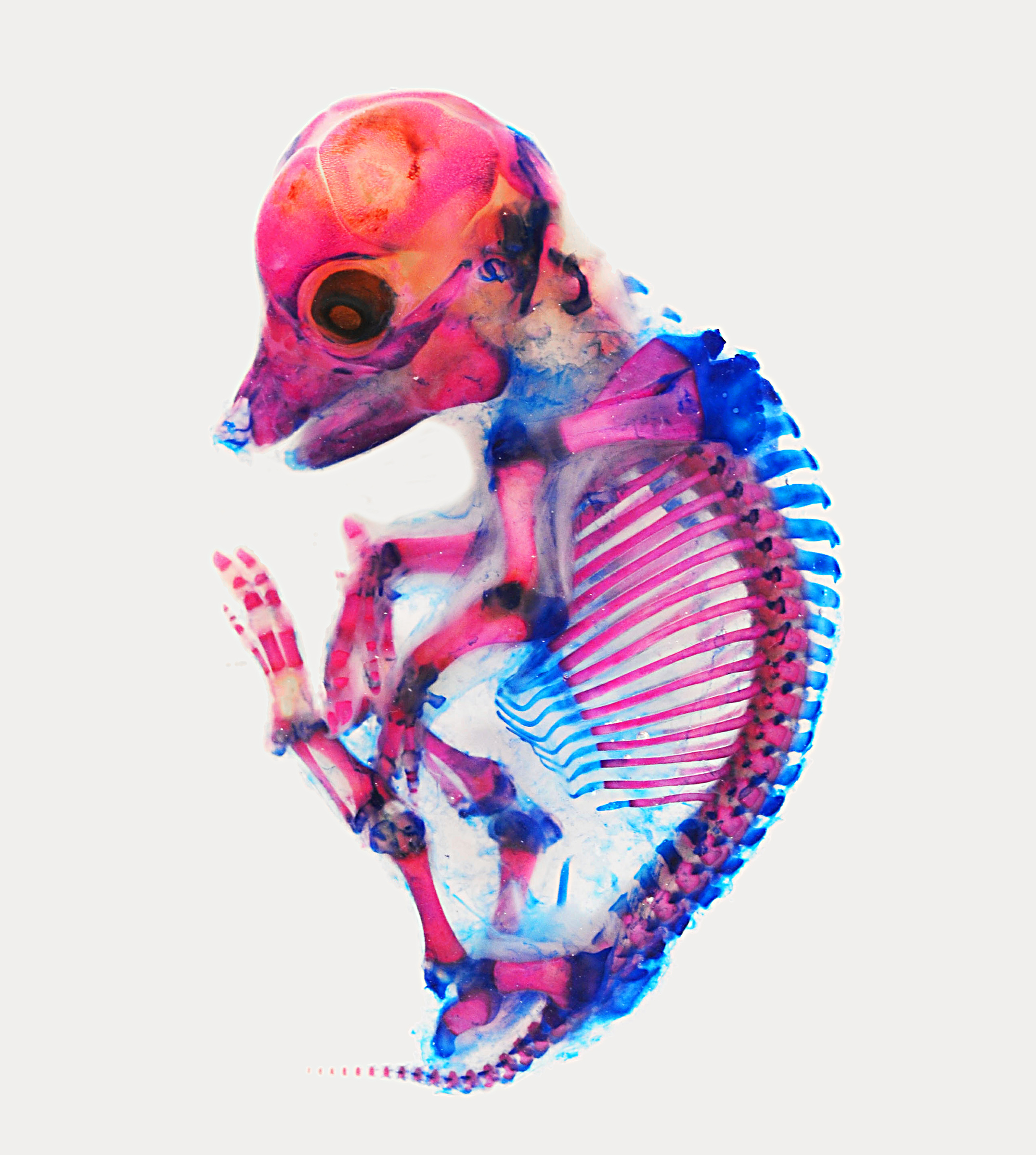
1. Pig (Sus scrofa domesticus) embryo.  Stained for bone (Alizarin Red) and cartilage (Alcian Blue). This image was taken by Agne Kozlovskaja-Gumbriene (Stowers Institute, USA) and Anne Marie Ladoucer (University of North Carolina at Chapel Hill, USA).


2. The eye of a stage 21 Longfin Inshore Squid (Doryteuthis pealeii) embryo.  Nuclei are in cyan (DAPI), F-actin in red (phalloidin), and Pax3/7 in yellow (MAb DP312).  Imaged with a Zeiss LSM 700 Confocal. This image was taken by Michael Piacentino (Boston University, USA).


3. Stage 19 Short-tailed fruit bat (Carollia perspicillata).  Left side is an image of the fixed embryo before staining.  Imaged using a Zeiss AxioZoom with ApoTome.   Right side shows the embryo after staining for cartilage (Alcian Blue).  Imaged using a Leica M80 Stereomicroscope. This image was taken by Idoia Quintana-Urzainqui (University of Santiago de Compostela, Chile), Paola Bertucci (EMBL Heidelberg, Germany), Peter Warth (Universität Jena, Germany) and Chi-Kuo Hu (Stanford University, USA).


4. Whole mount immunostained 11.5 dpc mouse embryo.  Neuron-specific class III beta-tubulin in green (Tuj1 antibody) and nuclei in blue (DAPI).  Imaged with a Zeiss LSM 700 Confocal. This image was taken by Raymond Yip (The University of Hong Kong).


Thumbs up (4 votes)
Loading...

Tags: , , , , ,
Categories: Images