
The community site for and by
developmental and stem cell biologists

Reaching out – the many faces of science outreach

Posted by , on 20 January 2015

This Spotlight was first published in Development.


The days of the solitary scientist toiling away within the isolation of the academic ivory tower are something of the past. This is not only true when actually doing science, as projects become more collaborative and global, but also when considering the relationship between scientists and the public. Science outreach is something that most of us may already be familiar with, and yet the perception that outreach is not for the committed scientist is still there. In many quarters, outreach is seen as an occupation for those who are transitioning to an ‘alternative’ career or for naturally gifted communicators. However, the economic crisis was a wake-up call to many. With governments all over the world cutting their budgets, and with public opinion playing a big role in influencing these decisions, it became clear that outreach is not just about helping the public gain some understanding of scientific concepts but it is also about ensuring that they appreciate why it is important and why governments (and hence the tax payer) should support it. In other words, we don’t just have a moral duty as scientists to inform the public but we have a very practical necessity to justify our activities to
those who fund our work.

For the uninitiated, communicating science outside academic environments can be a daunting prospect. Where to start? Where do you find an audience? What should you be communicating – basic concepts of biology or your specific research project? In late 2013 we launched a series on the Node dedicated to science outreach. This was an auspicious time to launch this series, as developmental biology outreach received an enormous boost as the focus of the 2013 Royal Institution Christmas Lectures, which were widely broadcast on the BBC (https://thenode.biologists.com/of-worms-and-womenreflections-on-the-life-fantastic-christmas-lectures-2013/events/).We had two main objectives with this series. First, to inspire our readers by showcasing the variety of outreach projects available, including tips and insights from the scientists and communicators involved. Second, we also wanted to provide a set of easy, tried-and-tested outreach activities (with step-by-step instructions) to make that first outreach experience a little easier (see Box 1).
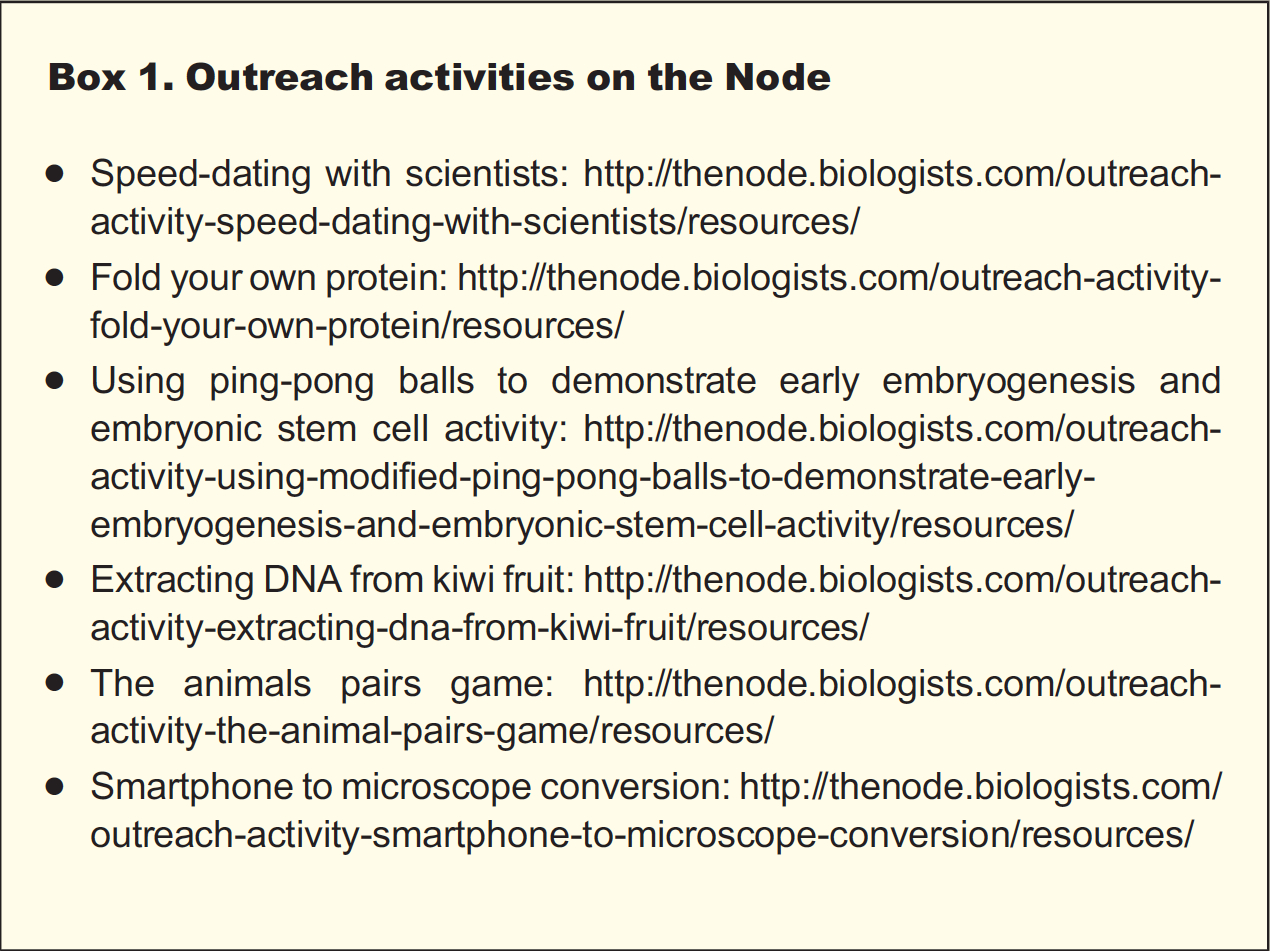
 

Outreach box


When first thinking about science outreach, table-top activities at departmental open days and science festivals are what many scientists have in mind. They are very good starting points. The department or festival organisers deal with the logistics, and these events attract a crowd of children and adults who are there because they want to learn – your audience is already interested and eager to be captivated. As a participant you only need to worry about your own stall, and our easy outreach activities (see Box 1) can be a great place to start. The post by the Biology Builders, a group of Nottingham scientists who organised a stall at the Royal Society Summer Science Exhibition, provides interesting insights into the challenges and rewards of outreach in this context (https://thenode.biologists.com/making-an-exhibition-of-your-science/resources/).

Another good way to get involved in outreach is by collaborating with local schools. There are many ways to bring science to school kids, and the key is to develop projects that take into account the social and economic context of the schools involved. Microscopes 4 Schools (https://thenode.biologists.com/microscopes4schoolshands-on-microscopy-for-children/education/) brings affordable microscopes to the already well-furnished Cambridge schools. Here the aim is to amaze children with the beauty of science and inspire a new generation of scientists. Ciencia al tiro (https://thenode.biologists.com/outreach-program-ciencia-al-tiro-scienceimmediately/education/) takes place on the other side of the globe, reaching out to some of the most deprived schools in Chile. The aim of this project is to reduce some of the inequalities of the education system and to provide extra support and attention to children who might not have many opportunities. Science is shown to be something very practical that can help daily life, by developing projects that teach concepts but also have practical applications, such as installing solar showers to provide hot showers to the children. The projects and activities help the children think outside their daily reality and hopefully inspire them to aim higher.

If a collaboration with a local school is not possible, there are other ways to reach school children. I’m a Scientist, Get me out of here (https://thenode.biologists.com/im-a-scientist-get-me-out-ofhere/resources/) is an online project in which scientists join online chats to answer questions from school children. You are faced with the usual challenges of outreach, such as the need to be clear without being patronising and the ability to deal with difficult questions. In addition, and in the fashion of the similarly named TV show, the scientist with fewest votes from the students is evicted at the end of each day. You must be fast as well as a good communicator!

Another way to influence how science is communicated in schools is by interacting with the teachers themselves. This is the mandate of the European Learning Laboratory for Life Sciences (ELLS), launched by the European Molecular Biology Laboratory (EMBL) in 2003 (https://thenode.biologists.com/embl-ells/resources/). This science education facility aims to train teachers, bringing them up to date with the latest discoveries, helping to bring molecular biology to the classroom and providing opportunities to interact and learn from research scientists.

Schools and science festivals are great ways to be involved in outreach, but the audience is already primed to learn and has an interest in science. How to reach those that are less likely to be inspired by what science has to offer? One way to reach a new audience is by choosing an object or topic dear to them. Mission Peluches (https://thenode.biologists.com/a-cuddly-science-outreachproject/education/) is an outreach project developed in France that is particularly popular with young children. The starting point is the soft toy, an object that every child has and is emotionally attached to. The children are encouraged to become naturalists of the toy world, classifying their soft toys as if discovering new species. Placing that soft toy in the context of others in the collection naturally develops into a discussion of the different mechanisms of evolution.

One notoriously difficult age group encompasses teenagers and young adults. The Gulbenkian Institute has found a novel way to engage with this audience by moving their outreach activities to where the young people are (https://thenode.biologists.com/sciencepowered-by-music-2/resources/). The institute is next door to the venue of one of the biggest music festivals in Portugal. By establishing a partnership with the festival’s organisers, the researchers at the Gulbenkian Institute organise a stall at the festival every year, reaching out to the unsuspecting music fans. The spirit of this project is similar to that of other outreach projects that are moving outreach to less formal settings, such as recent
efforts to bring science to pubs or bars (https://thenode.biologists.com/cosy-science-science-cafes-in-the-pub/events/).

One interesting activity developed by the Gulbenkian Institute as part of their activities at the music festival is the opportunity to ‘speed-date’ with scientists. This gives revellers the chance to discuss science one-on-one with a scientist. The most important aspect of this activity, though, is that it allows young people to realise that scientists are just normal people (especially when they have a drink in their hand, sun glasses on, and are as interested as you in the next act playing!). This highlights an important aspect of science outreach: it has wider objectives besides just teaching scientific concepts. Soapbox Science (https://thenode.biologists.com/soapbox-science-on-londons-south-bank-using-flies-to-fightcancer/education/) is another outreach project that aims to change the way that science is perceived, focussing specifically on women in science. Female scientists are invited to stand on top of a box in a busy pedestrian area and grab the attention of passers-by with an engaging presentation of their work. Part of the challenge is to get the attention of the audience, but this project is also unashamedly about showing that women have a role to play in science. Successful, enthusiastic women take the centre stage, showing young girls that science is for them too.

For many of us, the initial interest in science was not sparked by a specific concept but rather by a beautiful image or an unusual perspective. Bringing such moments to the public is also an important aspect of outreach. A research group in France (https://thenode.biologists.com/cellular-architectures-at-the-nuit-blanche-2013-in-paris/education/) aimed to do just that, and at quite a scale. They participated in Nuit Blanche, which is a big arts festival in Paris, by projecting videos of cells onto the façade of a 17th century building. This medium does not allow a complex explanation of concepts, but it is a fantastic way to share the beauty of science and spark the curiosity to investigate further. As the scientist behind this project stated: “curiosity and wanting to understand needs to be promoted as a value by itself”.

As you might imagine, adapting movies of cells into an excitingmusical show that is projected onto a building is not an easy task for a scientist, and close collaboration with an artistic company was an essential part of this project. The willingness to collaborate with experts in other areas can therefore be another important aspect of outreach (unless of course you have an academic background in both; for example, science and art – https://thenode.biologists.com/outreach-series-evo-devo-art/interview/). We must also be open to acquiring new skills. As scientists, we already have many of the skills required for successful outreach, such as the ability to speak in public, presentation and writing skills. However, these need to adapted and readjusted to a different audience (or several different audiences), and collaborations, in particular with professional science communicators, can help make that transition.

Improving and widening your skill set is just one of the many ways in which you can personally benefit from being involved in outreach. As the organisers of Cosy Science explained in their post, outreach “makes it easier to step back from day-to-day problems and see the bigger picture, question basic assumptions […] and think outside the box”. If you are lucky and a bit creative, your outreach project might even contribute to your research. Worms Watch Lab (https://thenode.biologists.com/worm-watch-lab-real-data-real-outreach/education/) is an example of a citizen science project (http://scistarter.com). Faced with the challenge of analysing hours and hours of C. elegans videos, a laboratory in Cambridge transformed this non technical but time consuming activity into a game that anyone can play. As a consequence, the public is entertained while learning about the science behind the game and contributing to a real research project.

As the posts already featured in this Node series attest, there are many opportunities to be involved in outreach, from joining an ongoing project to starting your own event, from organising a stall to broadcasting a radio programme (https://thenode.biologists.com/onthe-air-bringing-developmental-biology-to-the-radio/education/). Although it is true that efforts to communicate with the public remain mostly unrewarded in science, where publications are the only currency, there are signs of a new trend. In many countries, funding bodies are starting to require their grant applications to include a section on public communication, and the opportunities to apply for outreach funding are also increasing. There are even a few job positions in which outreach is not only encouraged but also an integral part of the job alongside traditional research (https://thenode.biologists.com/best-of-both-balancing-research-and-outreach/education/).

We hope, therefore, that this series, which is still ongoing, will be a good introduction to the exciting world of science outreach and that it may inspire and encourage those of you not already involved to step out of the ivory tower and give it a try.

Thumbs up (2 votes)
Loading...

Tags:
Categories: Discussion, Outreach

Navigate the archive

Use our Advanced Search tool to search and filter posts by date, category, tags and authors.

In Development this week (Vol. 142, Issue 3)

Posted by , on 20 January 2015

Here are the highlights from the new issue of Development:


Invadosomes: aiding axonal invasion

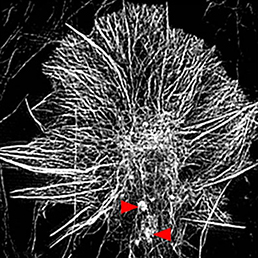
FigureInvasive cells such as immune and metastatic cancer cells form protrusions known as invadosomes, which mediate adhesion to the underlying substrate and induce extracellular matrix degradation – thus promoting invasiveness. On p. 486, Timothy Gomez and colleagues demonstrate that invadosomes can also be found in axon growth cones, where they have not previously been characterised. Primarily using Xenopus spinal cord neurons as a model, the authors use high-resolution imaging techniques to identify and characterise these structures, both in culture and in vivo. Importantly, similar structures can be found in other Xenopus neuron populations, as well as neurons derived from human pluripotent stem cells. In functional assays, the authors find that axon growth in culture is unimpeded by disruption of the invadosome protein Tks5, but in vivo outgrowth of motoneurons into the periphery does require invadosome activity. Thus, these data not only demonstrate the presence of invadosomes in growth cones, but also provide evidence for a specific role for these structures during certain phases of axon outgrowth.
 

Taking the strain out of stem cell renewal

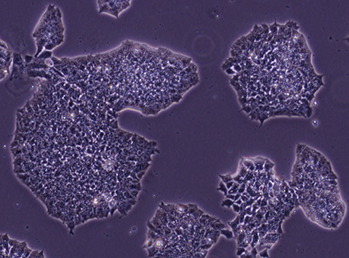
FigureFor many years it has been clear that embryonic cells from different mouse strains differ in their properties for generating embryonic stem cells (ESCs). Specifically, ESCs can be generated and maintained from some (‘permissive’) strains in the presence of serum and LIF, whereas these conditions are insufficient to support self-renewal of cells derived from other genetic backgrounds (‘non-permissive’ strains). Here (p. 431), Satoshi Ohtsuka and Hitoshi Niwa set out to understand the reasons behind the differing potential of ESCs from different origins, and find that this can be traced back to differential LIF responsiveness. They observed that LIF treatment induces higher JAK-Stat pathway activity at early time points, and lower MAPK activation at later time points, in permissive strains than non-permissive ones. This difference is functionally important, since ectopic activation of Stat3 in ESCs from non-permissive strains promotes their self-renewal. Although the downstream outputs regulated by the balance of these two pathways have yet to be fully analysed, these experiments reveal important differences in the cellular responses that underlie the differing properties of ESCs from different genetic backgrounds.
 

Reporting on β-catenin in the vasculature

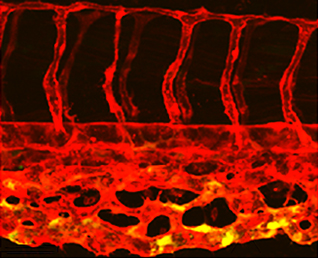
Figureβ-catenin is a multifunctional protein that acts both as a downstream mediator of the Wnt signalling pathway and as a core component of adherens junctions. It is also widely expressed during development. Consequently, dissecting out the specific functions of β-catenin in particular contexts can be challenging. Shigetomo Fukuhara, Naoki Mochizuki and colleagues now report a transgenic zebrafish line that allows the visualisation of β-catenin activity in living tissues (p. 497). They use this line to investigate the role of β-catenin in vascular development, finding that it plays a key role in formation of the caudal vein (CV). Surprisingly, β-catenin activity in this context appears to be independent of Wnt signalling, and instead is regulated by the BMP pathway. They further identify Aggf1 as a putative BMP target that cooperates with β-catenin to activate downstream gene expression in the CV. Finally, the authors show that expression of the orphan nuclear receptor Nr2f2, which is known to be involved in vein specification, is dependent on β-catenin and Aggf1, thus providing insights into the mechanisms by which BMP-dependent β-catenin activity regulates CV development.
 

PUB4 calls time on root cell division

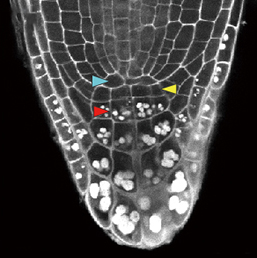
FigureIn the plant root meristem, a highly orchestrated pattern of cell divisions controls both root growth and cell fate. A large number of signalling factors and transcriptional regulators have been found to control proliferation and differentiation in the root meristem, including small peptide ligands of the CLV3/CLE family. However, the mechanisms by which these peptides act remain poorly understood. Now (see p. 444), Shinichiro Sawa and colleagues identify the E3 ubiquitin ligase PUB4 as acting downstream of CLV3/CLE signalling to regulate cell division in the Arabidopsis root. The authors identify pub4 mutants in genome-wide screens for mediators of CLV3/CLE activity, and characterise the mutant lines in detail – finding defects in a number of lineages that result in overproliferation and patterning phenotypes. Mechanistically, the authors show that the expression of a D-type cyclin is disrupted in the mutant and that auxin levels are altered. Although much remains to be learned about how PUB4 acts in this context, the data intriguingly point to a role for PUB4 in regulating the timing of asymmetric cell divisions and provide further evidence for an important function for CLV3/CLE signalling in controlling root meristem activity.
 

PLUS…


A mathematical approach to periodic patterning

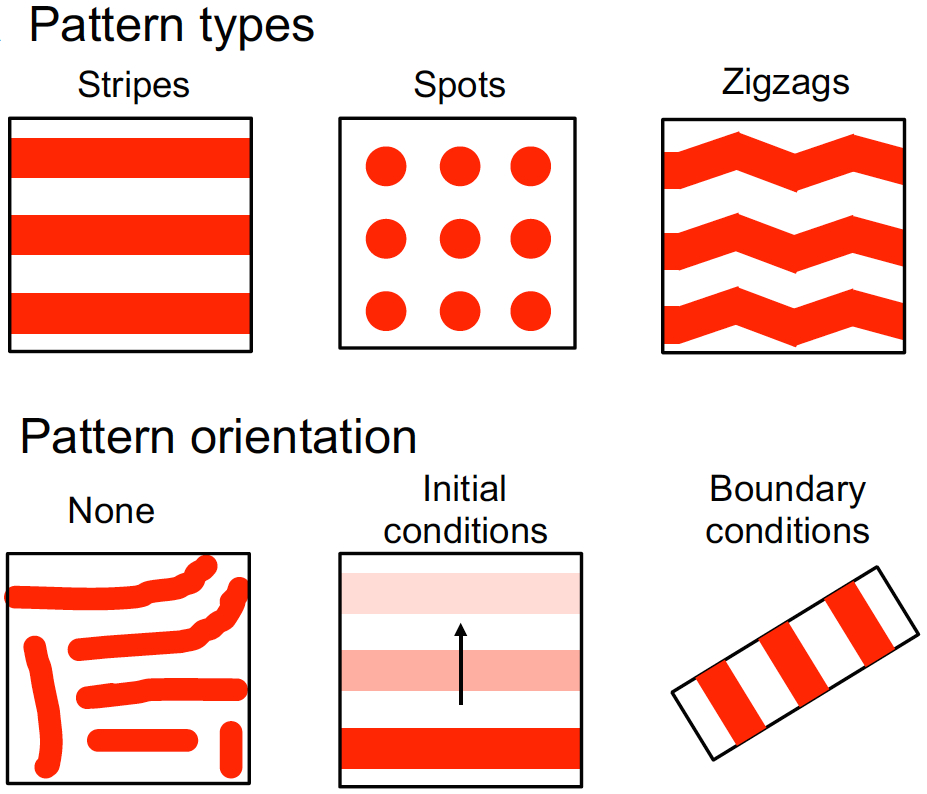
DEV229Hiscock and Megason present a mathematical approach to understanding periodic patterning development. They also suggest ways in which different types of model can be tested, illustrating the potential of this methodology using specific biological examples. See the Hypothesis on p. 409
 

Cell fate specification in the early Arabidopsis embryo

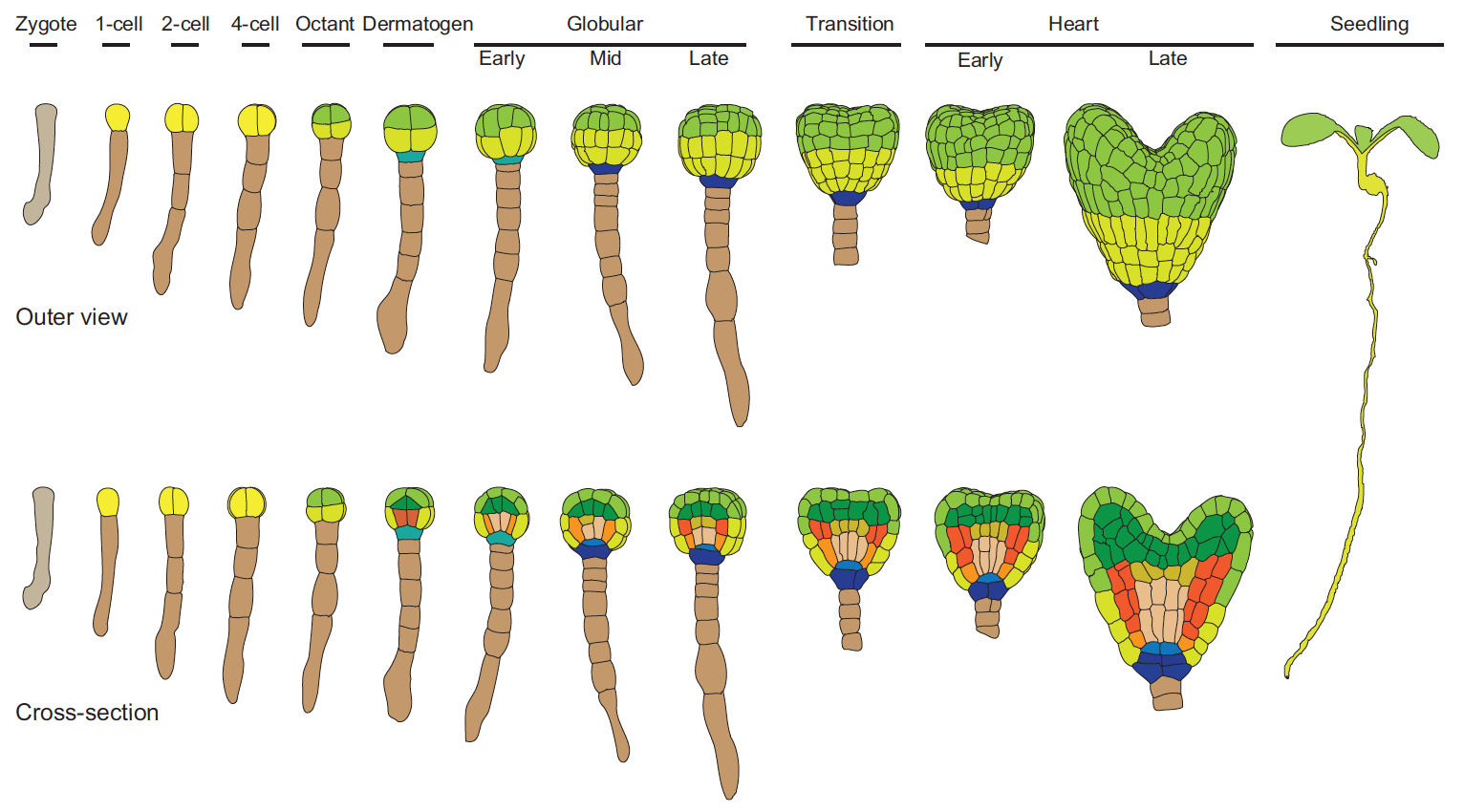
BronnerF1croppedThe cell fate decisions and patterning steps that occur during plant embryogenesis are essential reiterated during organogenesis. Hove, Lu and Weijers summarise our current understanding of the early stages of plant embryogenesis, with a focus on how the major lineages are specified. See the Review on p. 420

The many faces of science outreach

This Spotlight discusses diverse ways in which scientists can engage with the wider community to further the public understanding of science and encourage individuals to get involved, highlighting specific examples examined in the ongoing Node series on science outreach. See the Spotlight on p. 407

Thumbs up (No Ratings Yet)
Loading...

Categories: Research

Help the Node by completing our survey!

Posted by , on 19 January 2015

The Node was launched almost 5 years ago, and it is now time to revise its design and functionalities.

We have created a short survey that will help us gather your feedback. Please take a few minutes to complete it- the Node is here for the community, and we need your input to know how we can improve! To thank you for your time, at the end of the survey you can choose to enter a prize draw to win a bag of goodies from the Node and Development!


Go to the Node Survey


The survey will be open until the 15th of February.


Print

Thumbs up (No Ratings Yet)
Loading...

Categories: News

A day in the life of a Honeybee lab

Posted by , on 19 January 2015

Welcome to the Lab for Evolution and Development.

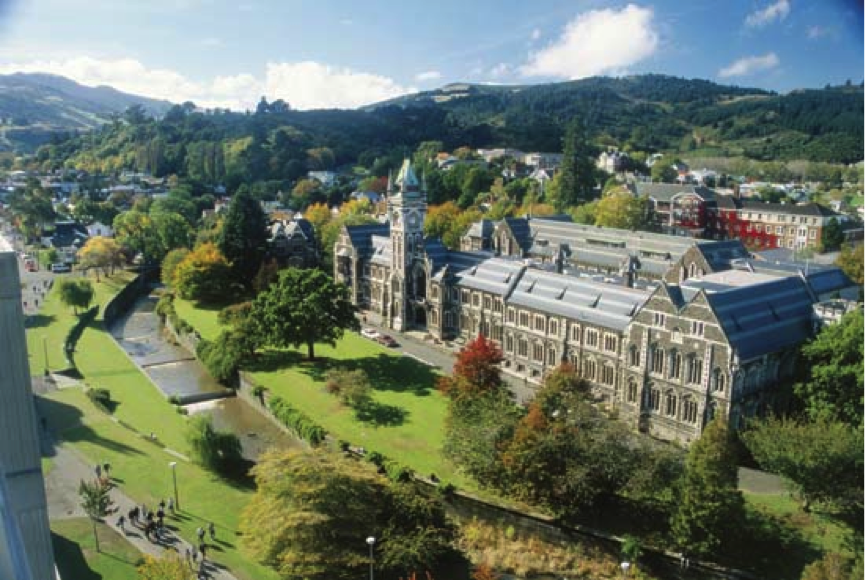
The lab is situated in the deep south of New Zealand in the quaint Scottish inspired little city of Dunedin. 1/5 of the population of Dunedin is made up of students and the University is considered the heart of the Dunedin community. I was a student here for 9 years and I love Dunedin and our lab so much that I decided to stay on in our lab as a Post-doctoral Fellow. Our lab is based in the Biochemistry Department and is primarily focused on answering evo-devo questions using a number of different Arthropods species. We are particularly interested in unraveling the mechanisms that underlie phenotypic plasticity and for these questions we use the Western honeybee Apis mellifera.


1

View of the historic University of Otago Clock Tower Building, with Signal Hill in the background and the Leith River which runs through the heart of the University.

 
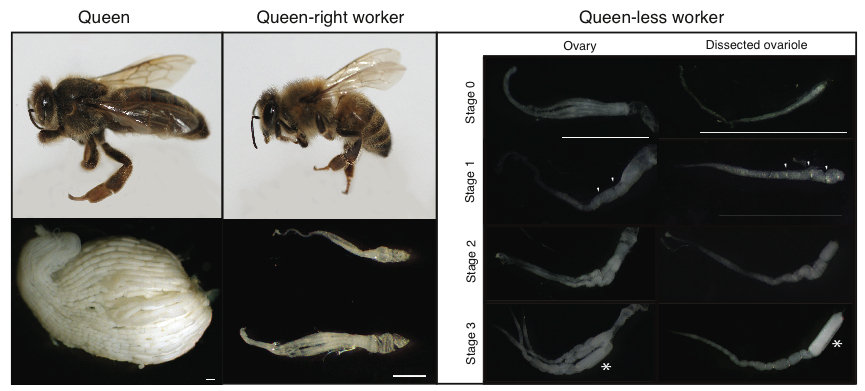
 The honeybee displays some of the most remarkable examples of phenotypic plasticity seen in animals. During larval development of the female honeybee, differential nutrition leads to the development of two phenotypically very different females castes; the queen and the worker honeybees. In addition to this and what was the focus of my PhD research is the ability of the worker honeybee to activate its ovaries upon removal of the queen from the hive (see image below). Ovary activation in the worker honeybee is a process that transforms the quiescent worker ovary into a fully functioning differentiated tissue that can produce drone eggs. Our lab has found that the physiological transformation of the worker ovary involves large-scale gene expression changes and chromatin remodelling for the maintenance of the active worker ovary.


2

Queen, worker and queen-less worker ovary. Columns depict Queen ovaries on the right, worker ovaries in the middle and the process of ovary activation on the left. As a result of female honeybee caste development, and under normal conditions when the queen is present in a hive, workers are reproductively dormant. During the activation process the worker ovary goes through a number of stages until it finally develops into a fully functioning ovary. Their stage of activation is scored using a four-point scale, modified from Hess (Hess, 1942). Stage 0 is an ovary from a worker that is in a queen-less hive however no activation is seen. In stage 1 the ovary enlarges and begin to differentiate (arrowheads). At stage two oocytes have begun to develop within the ovary and by stage 3 fully developed eggs are present and can be laid as drone eggs in the hive.


Day in the Life of a Honeybee lab: 6th of November

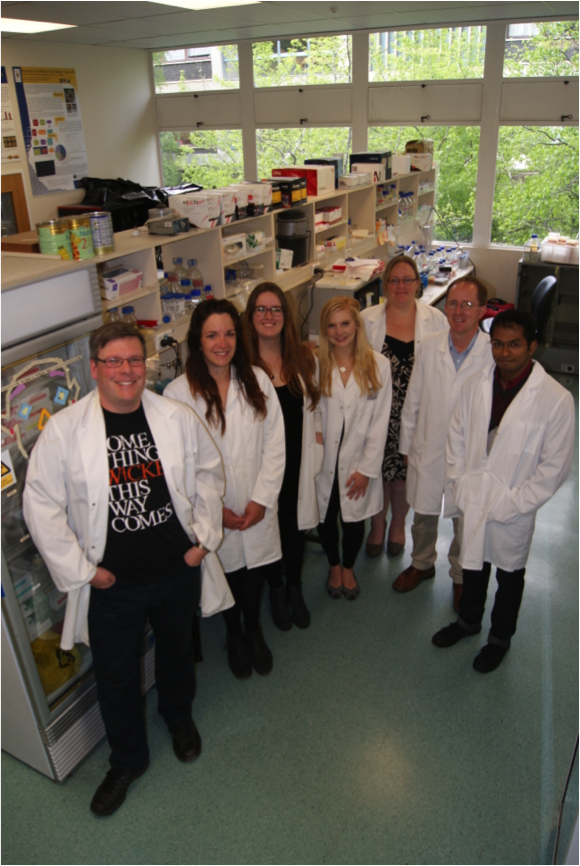
I woke up today to a beautiful spring day, not a cloud in sight, perfect weather for doing some honeybee work. I jumped in my car, drove for 5 minutes to the Uni, found a park and grabbed a coffee on the way to the department. Once I got into Biochemistry and sat at my desk I checked quickly on the phylogeny that I had been running on the server overnight. Success. The best way to start the day. I then rounded up the rest of the lab for a lab photo (we haven’t done one in ages and this blog post was a great excuse). Aren’t we are good looking group?


3


Next up I asked our wonderful in-house beekeeper Otto to retrieve some honeybees ready for dissection this afternoon. Spring and summer are the busiest times in the lab for dissections as this is the only time when it is feasible to raid the hives and collect enough tissue for the upcoming year of experiments. The whole lab gets stuck in and sometimes we are lucky enough to get new forceps, which is handy when you are out of practice. With so many different projects on the go we need lots of different types of tissue for a number of different experiments including; in situ hybridization, immunohistochemistry, RNA and DNA analysis and chromatin immunoprecipitation, to name a few. The sheer volume of tissue required as well as creating the active worker hives (by removing the queens) means we have a number of hives situated around Dunedin including a room within the lab that is dedicated to keeping a few small hives of bees. These bees can come and go as they please through plastic tubing that connects the hive to the outside of the building. Otto and Mackenzie however, made the most of the fine weather and went to collect bees from the hives that we have on the roof of the adjacent chemistry building. Unfortunately for me I can no longer participate in the handling of bees as I was stung and became allergic during my PhD. So today I was banished to the microscope room to image some of my immunos I had completed the day before. Imaging is my favourite thing to do at work and it is particularly pleasant and easy on our wonderful confocal microscope.

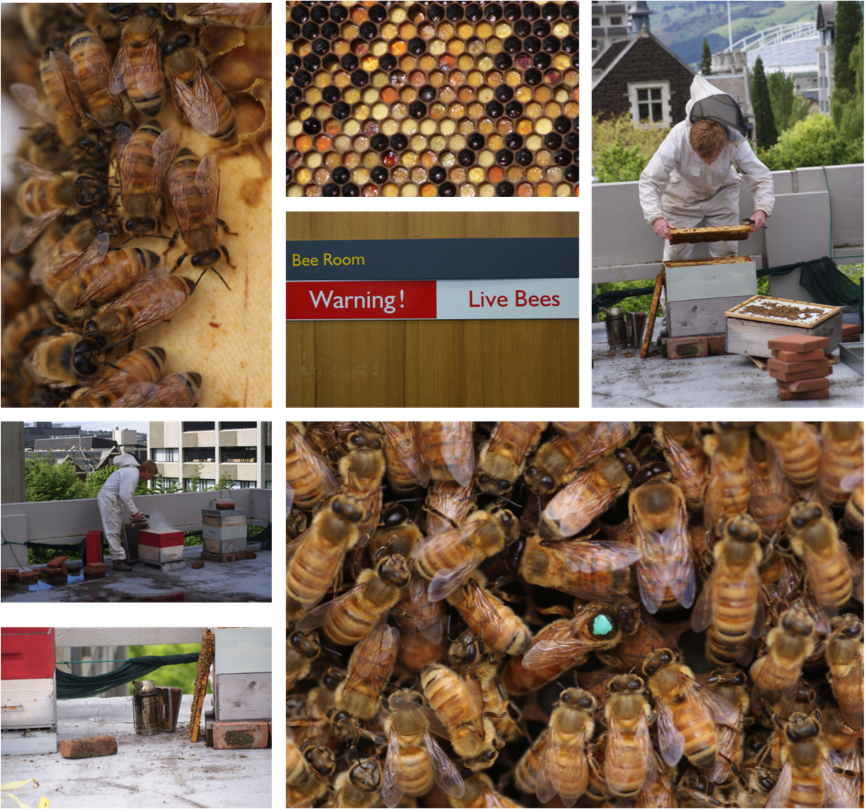
Mackenzie kindly captured some shots of Otto hard at work. In the images below you can see him checking carefully for the location of the queen, the amount of brood (developing larvae), pollen and honey. Once the hive has been checked and the location of the queen is known worker honeybees can be collected into small containers to take back to the lab.


4

Images clockwise from top left. Worker honeybees on the edge of a frame. The beautiful array of pollen loaded into the cells of the comb. Otto checking the frames for brood, honey, pollen and the queen. The queen is easily identifiable in the hive because she has a relatively longer abdomen and in this case has had her thorax painted for identification purposes. The smoker, an important piece of equipment for beekeeping. Otto uses the smoker to calm the bees in the hive which reduces their aggression. The middle image shows the entrance to our bee room.


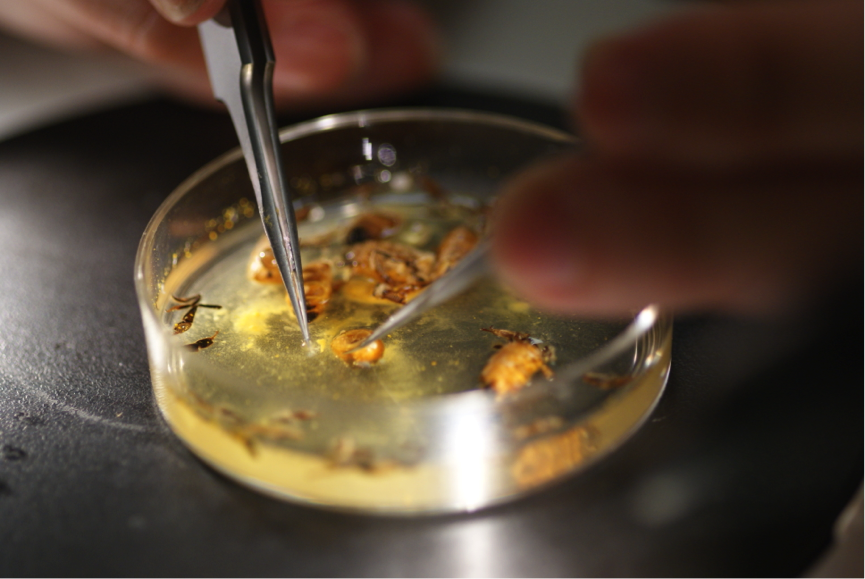
When they returned to the lab they put the bees into the fridge to send them into a peaceful slumber. Once the bees were asleep, Otto, Liz and Mackenzie got to work dissecting out the ovaries of the worker honeybees, collecting them in ice cold PBS, so that I could extract chromatin for my ChIP reactions later on in the afternoon.


5

Mackenzie dissecting out the ovaries from worker honeybee abdomens.

 
That afternoon I finished up my chromatin preps and asked around the lab to see what other people were up too. Andrew was doing some enthralling tissue culture in the room next door for protein expression. Liz was working tirelessly on a publication and Mackenzie was finishing off an in situ hybridization in worker ovaries. Before I went home for the day I started running another phylogeny, cleaned my bench and answered some emails, already for another day in the life of honeybee lab.


6

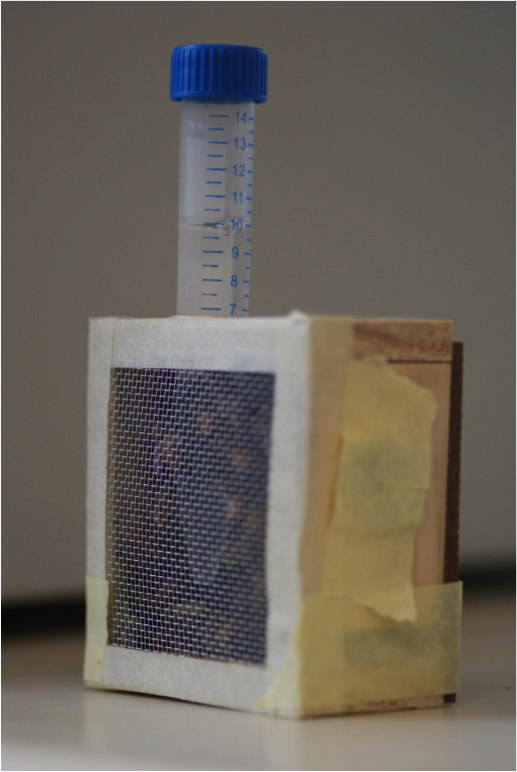
Drug trial cages. These house ~100 worker honeybees. On each side there are caps that contain complete bee food and are supplemented with drug. The bees are also provided with water in a falcon tube and kept at a constant temperature of 34 degrees Celsius in an incubator. To test the function of biological processes in the adult honeybee we feed worker honeybees drug inhibitors over a 10 day period to see whether the drug effects the process of ovary activation. These trials are restricted to the warmer months as we require newly emerged adult bees so that age can be controlled for in these experiments. The very last day of this experiment is an intense day of dissecting and imaging the ovaries from some 800+ honeybees. These images are then scored blindly by two people according the Hess scale seen in image 2 to assess whether the drug has had an effect on ovary activation in comparison to the control cages.

 
The 6th of November is only a snapshot of the goings on in the Lab for Evolution and Development. Some of the most important experiments happen during summer including RNAi in honeybee embryos and drug trials on adult worker bees, in order to test the biological function of genes and biological pathways. In addition December 2014 will be hectic what with graduation, our Christmas outing and a race to the finish line to complete some of our pending publications as well as the normal day-to-day lab work. As we come into the summer months the lab will be bustling as we welcome in new students and members of the lab focus on getting the majority of their experimental work underway. If you would like to know more or are in our neck of the woods at some point drop us a line we would be more than happy to show you through the lab.


Node day in the life new doodle squareThis post is part of a series on a day in the life of developmental biology labs working on different model organisms. You can read the introduction to the series here and read other posts in this series here.


Thumbs up (4 votes)
Loading...

Tags: , , ,
Categories: Lab Life

Applications for the 122nd Embryology Course at the MBL in Woods Whole, MA are due February 2nd.

Posted by , on 16 January 2015

We invite you to apply for admission to the longest-running course in the history of Embryology. An intensive six-week laboratory and lecture course for advanced graduate students, postdoctoral fellows, and more senior researchers who seek a broad and balanced view of the modern issues of developmental biology. Limited to 24 students.

The integrated lectures and laboratories provide a comprehensive coverage of the paradigms, problems, and technologies of modern developmental biology, cast within a framework of metazoan evolution. Students are exposed to a wide variety of embryonic systems, including intensively studied genetic model systems (e.g., C. elegans, Drosophila, zebrafish, mouse) and others with well-established experimental attributes ( e.g. chick, sea urchins, frogs, ascidians). In addition, students will be introduced to a wide range of emerging systems, including locally available marine organisms, that help fill in the evolutionary history of animal diversity (e.g., cnidarians, nemerteans, planaria, crustaceans, mollusks, and annelids) and that are becoming established as experimental systems in their own right.

  • Click on image to apply!

IMG_0793

Thumbs up (3 votes)
Loading...

Tags: , , ,
Categories: Careers, Events

The Node in York

Posted by , on 14 January 2015

In our first visit of the year will be to York, in the north of England! Our community manager Cat Vicente will be at the department of Biology this Friday (16th of January) to give two talks about careers in publishing and science communication:

– 10.30 a.m. – Coffee and Careers session, aimed at PhD students and postdocs

– 1 p.m.- careers talk aimed at undergraduate students


If you are based in York do get in touch. Our community manager will be around all day, and she is keen to meet Node readers and hear your thoughts about the site!


Node York

Thumbs up (1 votes)
Loading...

Tags:
Categories: News

Pan-American Society for Evolutionary Developmental Biology – Inaugural 2015 Meeting

Posted by , on 14 January 2015

We welcome you to join us for the inaugural meeting of the Pan-American Society for Evolutionary Developmental Biology, which will be held on the Clark Kerr Campus at the University of California Berkeley from August 5-9, 2015.  The meeting will feature an exciting lineup of 22 invited plenary speakers with an incredible diversity of approaches to understanding evolutionary developmental biology.   34 abstracts will be selected for talks to complement the plenaries, and we invite the remaining attendees to participate in what promises to be a highly stimulating poster session, for which we have allocated considerable time.

To find out more about the Society, please visit www.evodevopanam.org

To register, go to www.evodevopanam.org/meetings–events.html

Organizing Committee
Nipam H. Patel – University of California, Berkeley
Christopher Lowe – Hopkins Marine Station, Stanford University
Karen Sears – University of Illinois
Ehab Abouheif – McGill University

SEDB Meeting

Thumbs up (2 votes)
Loading...

Tags: , ,
Categories: Events

Want to attend Adult Neurogenesis 2015? Go as the official meeting reporter…

Posted by , on 12 January 2015

Adult Neurogenesis: Evolution, Regulation and Function
May 6-8, 2015 – Dresden, Germany

Website: http://www.abcam.com/AdultNeurogenesis2015

Dresden landscape 140x170 (website)

2015 is the 50th anniversary of Joseph Altman’s landmark discovery of adult neurogenesis. To celebrate, the fourth conference in Abcam’s Adult Neurogenesis meeting series this meeting will put the developmental process of adult neurogenesis and its regulation into the wider context of its functional and presumed evolutionary relevance. Hosted by the Center for Regenerative Therapies in Dresden, Germany on May 6-8, 2015, this conference offers opportunities for participants to hear the latest news and developments, present their work, take part in discussions and to network with colleagues from around the world.


Free registration for grabs!
Abcam and the Node are looking for an official meeting reporter to attend this meeting. The Reporter will be responsible for providing regular updates of interesting talks/discussions for social media posts (by Abcam), plus a meeting report of their experience and the sights and sounds of the meeting (for publishing on The Node and Abcam website).

To apply to be the meeting reporter, please send a short paragraph (max. 200 words) to events@abcam.com, letting let us know why you’re are the best scientist for the job! Application deadline: March 26, 2015. The winner will receive free registration to the meeting (travel and accommodation not included).


Meeting information:

Organizer:  Gerd Kempermann (Center for Regenerative Therapies TU Dresden, Germany)

Keynote speaker:  Fred Gage (Salk Institute, US)

Confirmed speakers:  Nora Abrous , Irmgard Amrein, Benedikt Berninger, Federico Calegari, Paul Frankland, Jonas Frisen, Wieland Huttner, Sebastian Jessberger, Caghan Kizil, Paul Manger, Ana Martin-Viallalba, Hannah Monyer, Hongjun Song

Call for abstracts:  Participants are invited to submit abstracts and a number these will be selected for short talk and poster presentations. Abstracts can be submitted during online registration.

Important dates:
•  February 9, 2015:   Early bird registration and oral abstract submission
•  March 26, 2015:  Standard registration and poster abstract submission


*9th April*

Congratulations to our meeting reporter competition winner!

GovindCongratulations to Nambirajan Govindarajan, winner of The Node/Abcam meeting reporter competition. Nambirajan has won free registration to Adult Neurogenesis: Evolution, Regulation and Function (May 6-8, 2015 in Dresden, Germany) and he will be posting, tweeting from the meeting as well as providing a full report after the meeting (available on the Node and Abcam website).

Nambirajan is a postdoctoral fellow at the German Center for Neurodegenerative Diseases (DZNE). Find out more about Nambirajan’s background and what he is most looking forward to at the meeting on the Abcam website.

To keep up with the what is happening and being discussed at the meeting by following Abcam on Facebook (link) and Twitter (link).


Thumbs up (3 votes)
Loading...

Tags: , , , , , ,
Categories: Events, News

Get involved with Young Embryologist Network!

Posted by , on 12 January 2015

Looking for a New Year’s resolution? Get involved with the Young Embryologist Network!

Last year, Young Embryologist Network (YEN) seminars took place at Oxford University, Cardiff University and institutions across London with the help of postgrads, postdocs and young PIs… just like you!

This year we want to keep growing! We plan to organise YEN seminars in various Universities and Institutions around the country in 2015.

Become a YEN representative along with others nationwide!

  • Promote the Network and annual meeting YEN:2015
  • Co-ordinate seminars at your institution
  • Blog on our website about seminars
  • Spread exciting embryology research across the country

Email youngembryologistnetwork@gmail.com for further information or visit www.youngembryologist.org to see what we are all about!

logo (1)

Thumbs up (3 votes)
Loading...

Categories: News

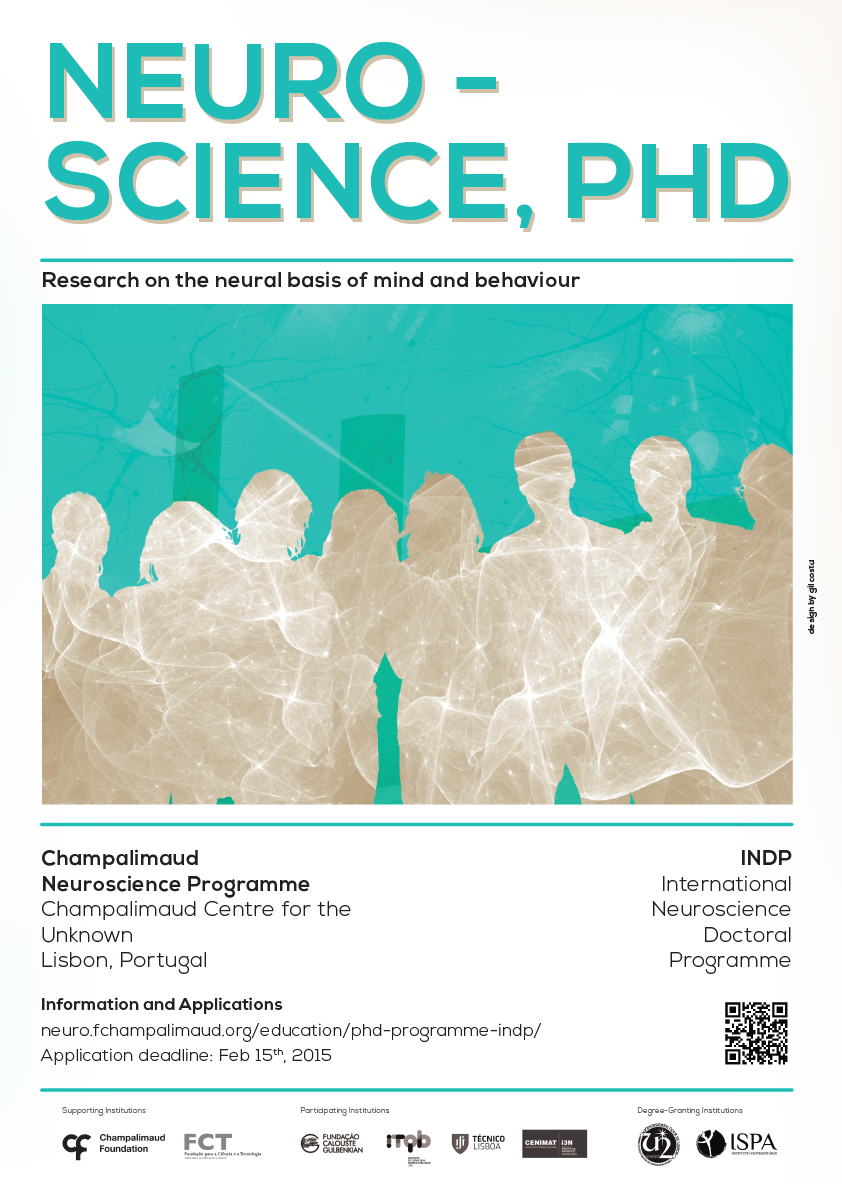
International Neuroscience Doctoral Programme (INDP) at the Champalimaud Foundation in Lisbon – Portugal

Posted by , on 8 January 2015

Closing Date: 15 March 2021

FINAL-INDP2015-Golden

Applications from independent thinkers with curiosity, creativity and drive are sought to join the Champalimaud Foundation’s International Neuroscience Doctoral Programme (INDP). The INDP aims to provide students of diverse backgrounds with a foundation to perform innovative and interdisciplinary work in basic or applied neuroscience at an international level. The Programme is hosted at the Champalimaud Centre for the Unknown, in Lisbon, Portugal, a leading center for research, technology and clinical care.

Successful applicants will demonstrate the ability to tackle difficult intellectual challenges, to learn new skills and ways of thinking and to work passionately as part of a research team. Predoctoral training in quantitative disciplines (e.g. physics, mathematics, computer science), biological sciences (e.g. biology, medicine, bioengineering) or related fields is important. Previous research experience is also desirable but not required. Applicants should have a Masters degree and/or a 4+ year undergraduate degree, or will be obtaining their degree by no later than December 31st, 2015.

The INDP is associated to the Champalimaud Neuroscience Programme (CNP), comprising seventeen research groups with a focus on the neural circuits and systems underlying mind and behaviour. Before beginning research on a thesis project, admitted students will complete one semester of intensive courses and will be able to perform summer rotations in CNP laboratories. Courses are led by distinguished local and invited international scientists. The topics of instruction include cellular & synaptic physiology, development & neuroanatomy, sensory & motor systems, neuroethology or cognitive neuroscience. All courses have a practical component such as programming exercises, small projects, and experimental work in the INDP dedicated teaching laboratory. The overall format emphasizes participation, team-work and informal interaction in both classroom and laboratory.

The INDP is supported by funding from the Champalimaud Foundation and the Portuguese Science and Technology Foundation (Fundação para a Ciência e a Tecnologia, FCT). Full tuition and stipend to perform courses and thesis work will be ensured for successful applicants of all nationalities for a period of 4 years.

The application deadline is Feb 15th, 2015.

Applications should be submitted through this page.

Thumbs up (1 votes)
Loading...

Tags: , , , ,
Categories: Jobs