
The community site for and by
developmental and stem cell biologists

In Development this week (Vol. 142, Issue 17)

Posted by , on 1 September 2015

Here are the highlights from the current issue of Development:


Tubulogenesis at single-cell resolution

Figure

Formation of the blood vessels involves complex endothelial morphogenesis, including directional cell migration and lumen formation. Understanding the cell biological processes underlying vessel formation in vivo requires the ability to analyse the behaviour of single cells at high spatiotemporal resolution within developing tissues, which has been challenging. Taking advantage of the genetic tools and optical clarity of zebrafish embryos, Brant Weinstein and colleagues (p.2951) develop a robust method to label both the nuclei and membranes of individual endothelial cells (ECs) and monitor their behaviour using two-photon imaging. Using these tools, they first investigate the cellular basis of the plexin D1knockdown phenotype. Their data suggest that the defective migration of ECs in plexin D1morphants can be attributed to differences in the protrusive activity of wild-type versus morphant ECs. In a second set of experiments, the authors show that lumens form both within and between ECs, suggesting that multiple mechanisms contribute to tubulogenesis in this system. In addition to providing insights into the cellular basis of vessel formation, this work presents a set of tools that should be valuable to the community for future analyses.


Oxygen helps the brain grow

Figure

It is known that adult neural stem cells are found in a hypoxic environment and are sensitive to oxygen tension. However, whether oxygen tension also regulates neural progenitor behaviour during development has been unclear. Now (p. 2904), Alexander Storch and co-workers investigate the effects of maternal hypoxia or hyperoxia on cortical development in mice. They find that exposure of pregnant mothers to different atmospheric oxygen tensions causes changes in foetal brain oxygenation, and that this has consequences on overall brain volume: hypoxic embryos have smaller brains, whereas hyperoxia causes increased brain size. At the cellular level, the hypoxic foetal cortex shows reduced proliferation of progenitors and increased apoptosis. By contrast, hyperoxia induces the accumulation of a population of proliferative progenitor cells in regions of the cortex more basal to the main zones of proliferation. These cells, similar to the outer subventricular zone progenitors that are normally rare in rodents but more common in primates, apparently contribute to increased corticogenesis. Although the mechanisms by which oxygen signalling regulates cortical development remain unknown, these intriguing results point to an important role for oxygen tension during foetal neurogenesis.


RAy regeneration: one pathway, many roles

The zebrafish caudal fin is a powerful model for understanding the cellular and molecular processes underlying regeneration. Following amputation, a proliferative blastema forms, from which all the tissues of the fin regrow. Many aspects of this regenerative process are still poorly understood. For example, what is the source of the various lineages, how do these diverse cell types differentiate in appropriate proportions, and how is their spatial patterning controlled? In two related papers, Nicola Blum and Gerrit Begemann investigate the regeneration of the fin rays, uncovering crucial roles for retinoic acid (RA) signalling – which is known to be important for bone formation during development – at multiple steps of the process.

Figure

On p. 2894), the authors uncover a complex series of requirements for active or suppressed RA pathway activity in the bone lineage. RA is known to be synthesized in the blastema immediately following amputation, but the authors find that this inhibits dedifferentiation of osteoblasts to a proliferative preosteoblast state. Subsequently, RA signalling promotes proliferation of the preosteoblasts, then inhibits their differentiation, and is finally required for new bone matrix production. Given these apparently opposing roles for RA at different stages of ray regeneration, levels of the RA-synthesizing enzyme Aldh1a2 and the RA-degrading enzyme Cyp26b1 appear to be tightly regulated in the blastema, in both a spatial and temporal manner.

Figure

On p. 2888), Blum and Begemann analyse the role of RA signalling in the spatial control of ray regeneration, such that each ray is separated by an interray region. They find that Cyp26a1 (a paralogue of the blastema-expressed Cyp26b1 discussed above) is expressed in the basal epidermal layer overlying the osteoblasts but absent from the cells overlying the interray tissue. Thus, a low-RA environment exists in the epidermis around the regenerating ray. This permits expression of Sonic hedgehog (Shh), again specifically in the epidermis around the ray, which in turn promotes proliferation of osteoblasts. When this spatial restriction of RA is abolished – using Cyp26a1 inhibitors – osteoblasts spread into the interray regions and the patterning of the regenerating fin is disrupted. Together, these two studies reveal multiple roles for RA in ray regeneration, and highlight the complex signalling dynamics required to achieve efficient and precise regeneration.


Hippo/Notch cross-talk in the neural crest

Figure

Vascular smooth muscle is derived, in part, from the neural crest in a differentiation programme regulated by the Jagged1-Notch signalling pathway. However, there is also evidence that Hippo signalling regulates vascular smooth muscle development. Several studies have detailed mechanisms by which the Hippo and Notch pathways interact and, on p. 2962, Jonathan Epstein and colleagues identify a new level of cross-talk between these two pathways – via direct interaction between Yap (a Hippo pathway-regulated transcription factor) and the Notch intracellular domain (NICD). They first show in mice that deletion of Yap and the functionally related protein Taz in the neural crest leads to loss of crest-derived vascular smooth muscle; this phenotype is reminiscent of that caused by deletion of Rbp-J – the transcription factor downstream of Notch. They then provide evidence in cell culture models that Yap and NICD physically interact and co-occupy the enhancers of a subset of known Notch target genes, and that the Yap/NICD/Rbp-J complex is important for induction of vascular smooth muscle differentiation. Thus, as well as shedding light on how the vascular smooth muscle forms, this work provides insights into the mechanisms of signalling pathway cross-talk and its importance during development.


PLUS:


An interview with Didier Stainier

Stainier squareDidier Stainier is a Principal Investigator at the Max Planck Institute for Heart and Lung Research in Bad Nauheim, Germany. Having spent most of his career in the USA using zebrafish to study organ development, Didier recently moved back to Europe and is now branching out to study organ development in mice. At a recent conference, we caught up with Didier and asked him about his career, his thoughts on funding, view on morpholinos and his advice for young researchers. See the Spotlight on p. 2861


Neuromesodermal progenitors and the making of the spinal cord

DEV2864Neuromesodermal progenitors (NMps) contribute to both the elongating spinal cord and the adjacent paraxial mesoderm. It has been assumed that these cells arise as a result of anterior neural plate patterning. However, as the molecular mechanisms that specify NMps in vivo are uncovered, and as protocols for generating these bipotent cells from mouse and human pluripotent stem cells in vitro are established, the emerging data suggest that this view needs to be revised. See the Hypothesis by Storey et al on p. 2864

Trithorax and Polycomb group-dependent regulation: a tale of opposing activities

DEV2876Polycomb and Trithorax group chromatin proteins play important roles promoting the stable and heritable repression and activation of gene expression, respectively. Here, Geisler and Paro review recent advances that have shed light on the mechanisms by which these two classes of proteins maintain epigenetic memory and allow dynamic switches in gene expression during development. See the Review on p. 2876


Featured movie

Our latest featured movie shows ocular morphogenesis in a zebrafish embryo. It is from a recent paper where Link and colleagues show that the transcriptional regulators Yap/Taz and Tead are necessary and sufficient for optic vesicle progenitors to adopt retinal pigmented epithelium identity. Read the paper here: http://bit.ly/1KJIPqP [OPEN ACCESS]


Thumbs up (No Ratings Yet)
Loading...

Categories: Research

Navigate the archive

Use our Advanced Search tool to search and filter posts by date, category, tags and authors.

An interview with Didier Stainier

Posted by , on 1 September 2015

This interview first featured in Development.


Didier Stainier is a Principal Investigator at the Max Planck Institute for Heart and Lung Research in Bad Nauheim, Germany. Having spent most of his career in the USA using zebrafish to study organ development, Didier recently moved back to Europe and is now branching out to study organ development in mice. At a recent conference, we caught up with Didier and asked him about his career, his thoughts on funding, view on morpholinos and his advice for young researchers.


DEV2861What first got you interested in developmental biology and was there anyone in particular who inspired you?

When I was young, my mother worked in the Zoology Department at the University of Liège, Belgium, and when she was busy at work we would often go to the department museum. So I spent a lot of time there. At that time, my dad was also working in a lab – he trained in the Pharmacy Department where his father was a professor. Most of my extended family was actually in the medical field, practicing as doctors or pharmacists, so science was a major part of my environment growing up. Then, when I was 15, I moved to the UK, actually to Wales. I studied at the United World College of the Atlantic, and there I had a very inspiring biology professor called Alan Hall. He was a somewhat quirky, Cambridge-educated fellow who was a most enthusiastic and committed teacher. I then went back to Liège for university, but essentially this was not very satisfying as the biology textbooks we were using there were older than those I had used in high school in Wales. I also wanted to start doing research during my undergraduate studies and in Belgium, at the time, this wasn’t possible until the masters level. So, I transferred to the USA. There I worked in an immunology lab at Brandeis University and took a developmental neurobiology course with Eve Marder, who was my academic advisor. From there, I moved to Harvard for my graduate studies, where Doug Melton had recently arrived. I did several lab rotations – my first was actually with Doug – and eventually joined Wally Gilbert’s lab to work in developmental neurobiology.


How, why and when did you start working with zebrafish?

When I joined his lab, Wally had just come back to Harvard from Biogen and was starting some new projects. His lab was very eclectic: there was the sequencing technology subgroup, the origin of introns subgroup and the immunology subgroup. As you might imagine, Wally was a very inspiring person – he’s probably the person who shaped me the most scientifically. One of the projects that he wanted to start was to look for cell surface molecules involved in axon guidance and target recognition in the developing mouse brain, and I thought that this would be a very interesting project to take on. A couple of years later, a psychiatry fellow came to the lab and set up the zebrafish model with the goal of developing insertional mutagenesis techniques. Although I did not work with fish in Wally’s lab, I was of course exposed to them and so they were very much on my mind when I was looking for a post-doc position in 1989. One of the people I applied to work with was Mark Fishman, who’d just received a large chunk of money to set up a cardiovascular research centre at Massachusetts General Hospital, Boston. We discussed the possibility of doing some zebrafish work and, shortly thereafter, he asked me to get a zebrafish heart project off the ground and then put some major resources into it. He also recruited Wolfgang Driever as a junior faculty member to the centre; Wolfgang had recently finished his PhD with Jani (Christiane) Nüsslein-Volhard, in Tübingen, Germany, and so had also been exposed to zebrafish. Wolfgang first went to Eugene, Oregon, for several months to train with Monte Westerfield, Chuck Kimmel and Judith Eisen, and during that time Mike Pack and I got started with a few tanks on a bench. Wolfgang then came back from Eugene to start his own lab, we moved to a new building and set up the first fish room, and things really took off from there.


How did the big zebrafish screen, which was published as a Special Issue of Development in 1996, come about?

Well, many of us wanted to do genetic screens; one of the reasons Mark and I wanted to work with zebrafish was to be able to carry out a screen for heart mutants, and Wolfgang, of course, also wanted to do screens. Thus, there was some prior arrangement to decide who would ultimately focus on specific developmental processes and follow up on the mutants relevant to these processes, but it really was a team effort. There were many interesting characters in the team, several of whom have become very prominent in the field. We certainly learnt a lot from each other and it was a very productive period. The large screen taking place in parallel in Jani’s lab at the time also added to the excitement, and it was Jani who suggested and coordinated the Development Zebrafish Special Issue. The Special Issue was a great opportunity to present our work, although much of the writing was done without me – at that time, communication was not as easy as it is now – as I had left to set up my own lab at UCSF in 1995. One also has to remember all the pioneering work done in Eugene, as it played a major role in attracting people into the zebrafish field. In addition, many people, including myself, spent time in Eugene learning how to work with zebrafish.


Recent advances in genome engineering have raised lots of debate about the use of morpholinos – in both zebrafish and other model organisms – with regards to how and when they should be used and whether they’re actually reliable. I know you have commented on this in a few recent publications (Schulte-Merker and Stainier, 2014; Stainier et al., 2015; Rossi et al., 2015), but what are your thoughts on this now?

My thoughts, which I believe are shared by many others in the field, are that we need to keep an open mind as key data keep being generated. Taking extreme views one way or another is not good for the field. There are of course many potential reasons why antisense technology can lead to artefacts, and people need to be careful and aware of the various caveats of the tools they’re using. I try to see opportunities when others may see downsides and, if some of the observations that we have made recently turn out to be widely applicable, they should open the door to some very compelling biology. There might indeed be some interesting and intriguing reasons for the discrepancies between mutant and morphant phenotypes as we have seen evidence of genetic compensation in mutants but not in morphants. Getting to the root of these discrepancies and understanding the mechanisms underlying compensation will not be easy, but it will certainly be a worthwhile endeavour. We will try to pursue these issues but, regardless, I think that morpholinos, much like siRNAs and other antisense tools, are reagents that can give you valuable information if used with appropriate care and scepticism. Understanding all the effects morpholinos are causing inside a cell is also an important goal that will provide further clarity on what is clearly a complex situation.


I gather that you’re now starting some mouse-based studies, again carrying out forward genetic screens to identify new players in developmental process. What was the motivation behind this?

When I was thinking about moving the lab from UCSF to Germany, we held a lab retreat and I asked the students and postdocs what projects or kind of work they would like to tackle, setting financial limitations aside. About half the scientists mentioned that they would like to do some mouse work. At the time we were mostly working on zebrafish; we had some collaborations with mouse people but we weren’t doing any mouse work ourselves. However, several scientists, some of whom had come from mouse labs, thought that they would like to complement their zebrafish studies with mouse studies, and there were others who were getting reviews of their papers with requests for mouse data. Mouse work was also something that I wanted to get back to, having been an extensive part of my PhD, and I wanted to get a deeper understanding of the work that was going on in other vertebrate development labs. There were many reasons to move from the USA to Germany, but when you move to an institution like the Max Planck, it gives you the opportunity to think about projects that you would not otherwise be able to do.

And so we thought about the various types of screens that we wanted to carry out and the phenotypes we should be looking for and, given that zebrafish don’t have lungs and that the Max Planck Institute we were moving to is a heart and lung institute, we decided to focus on the respiratory system. The goal of our screen is to look for cell differentiation phenotypes in the lung and trachea, and we are starting to see some very interesting phenotypes, including some that should represent informative disease models. Importantly, now that the activation energy to work on mouse has been lowered substantially, several people in the lab are pursuing their own projects using both fish and mice.


During that big move from the USA to Germany, did you notice any obvious differences in lab culture or in the funding situation between the two countries?

There are various ways of funding scientific research around the world. At one end of the spectrum, one goes to a university or research institute, they give you a little start-up money and then expect you to come up with grant money to fund everything else. At the other end of the spectrum would be a Max Planck Institute, where the Max Planck Society provides substantial core funding. It’s a real privilege to be working in a Max Planck Institute. I appreciate that there are advantages to writing research proposals and grants, because it forces one to think carefully through every step of the project, but after a while this mode of thinking becomes automatic before starting up any new project. In terms of lab culture, I think that we’ve been able to maintain the same kind of culture and set-up that we had in the USA: a physically wide-open lab to stimulate communication with a mostly flat hierarchy.


What is your advice to young researchers today?

I would like to tell young researchers to follow their dreams of course, but I also want to stress that they need to reach out to society and inform them about the value of basic science as well as the value of working with model systems, even very basic model systems. In the USA, and in other countries, the emphasis – and hence the funding – is increasingly being placed on translational research. This switch in focus is one of the reasons I moved from the USA to Germany: I felt that, in order to keep running a lab in the USA investigating several different topics, I would have had to move to more translational work. I had a hard time imagining myself not being able to pursue the kind of basic research required for innovative translational work. I’d like to think that the tide will turn and that there will be renewed appreciation of seeking knowledge for the sake of knowledge itself, for one never really knows when a basic science finding will transform translational research – the CRISPR/Cas9 technology is just one recent example of such a transformative finding arising from basic science. In this context, I really appreciate the value that the Max Planck Society places on basic science.


What would people be surprised to find out about you?

Well, I played quite a bit of rugby when I was young, first in Belgium, then of course in Wales, and then when I went back to Belgium. Actually, just before I moved to the USA, I played very briefly on the Belgian national junior team. I also played with the Harvard Business School team when I was a graduate student at Harvard. Moving to San Francisco to set up my lab, and starting a family at the same time, brought an end to this hobby.


References:

Rossi, A.Kontarakis, Z., Gerri, C.Nolte, H.Hölper, S.Krüger, M. and Stainier, D. Y. (2015). Genetic compensation induced by deleterious mutations but not gene knockdowns. Nature 524, 230233.doi:10.1038/nature14580

Schulte-Merker, S. and Stainier, D. Y. R. (2014). Out with the old, in with the new: reassessing morpholino knockdowns in light of genome editing technology. Development141, 31033104.doi:10.1242/dev.112003

Stainier, D. Y. R.Kontarakis, Z. and Rossi, A. (2015). Making sense of anti-sense data.Dev. Cell 12, 78.doi:10.1016/j.devcel.2014.12.012

Thumbs up (2 votes)
Loading...

Tags: ,
Categories: Interview

Development Community Survey

Posted by , on 1 September 2015

At Development, we’re always thinking about how we can best serve our community, and striving to ensure that the journal is publishing the most important and relevant research for its readership. To help us going forwards, we’re now asking for your feedback with a community survey designed to gauge how well Development represents and serves the modern developmental biology community. Do our papers reflect the cutting edge of the field? What do you think about the recent expansion of our stem cell content? This is your chance to tell us what you think about the journal, and to help us shape the future of Development.

Please take the time to complete this survey – it shouldn’t take more than a few minutes to fill in, and your feedback is invaluable to us. Thanks for your help!


Survey banner


Thumbs up (No Ratings Yet)
Loading...

Categories: News

This month on the Node- August 2015

Posted by , on 1 September 2015

Our jobs page was very busy this month, with 15 new positions advertised! Here are some of the other highlights:


Discussion:

– What is the best way to encourage peer reviewing? Share your thoughts in the latest Question of the Month!

– In a piece originally published in the Journal of Cell Science, Martin Schwartz argued that learning how to separate self interest from the scientific process should be an important part of scientific training.


Resources:

Cover– Do you want to teach school students about stem cells? João collaborated with an artist to create a comic book called ‘A stem cell adventure‘, that you can download for free. He wrote about the project for our outreach series.

– We collated a new list of societies, databases and other useful resources. Help us make this a comprehensive list!

– And here is some of the career and outreach advice shared at the recent SDB meeting.


Interviews:

Lewis Wolpert square– We reposted two interviews originally published in Development: An interview with Lewis Wolpert, winner of this year’s BSDB Waddington Medal, and an interview with plant developmental biologist Caroline Dean.

– And the interview chain continues, with an interview with SDB poster prize winner Valeria Yartseva.


Also on the Node:

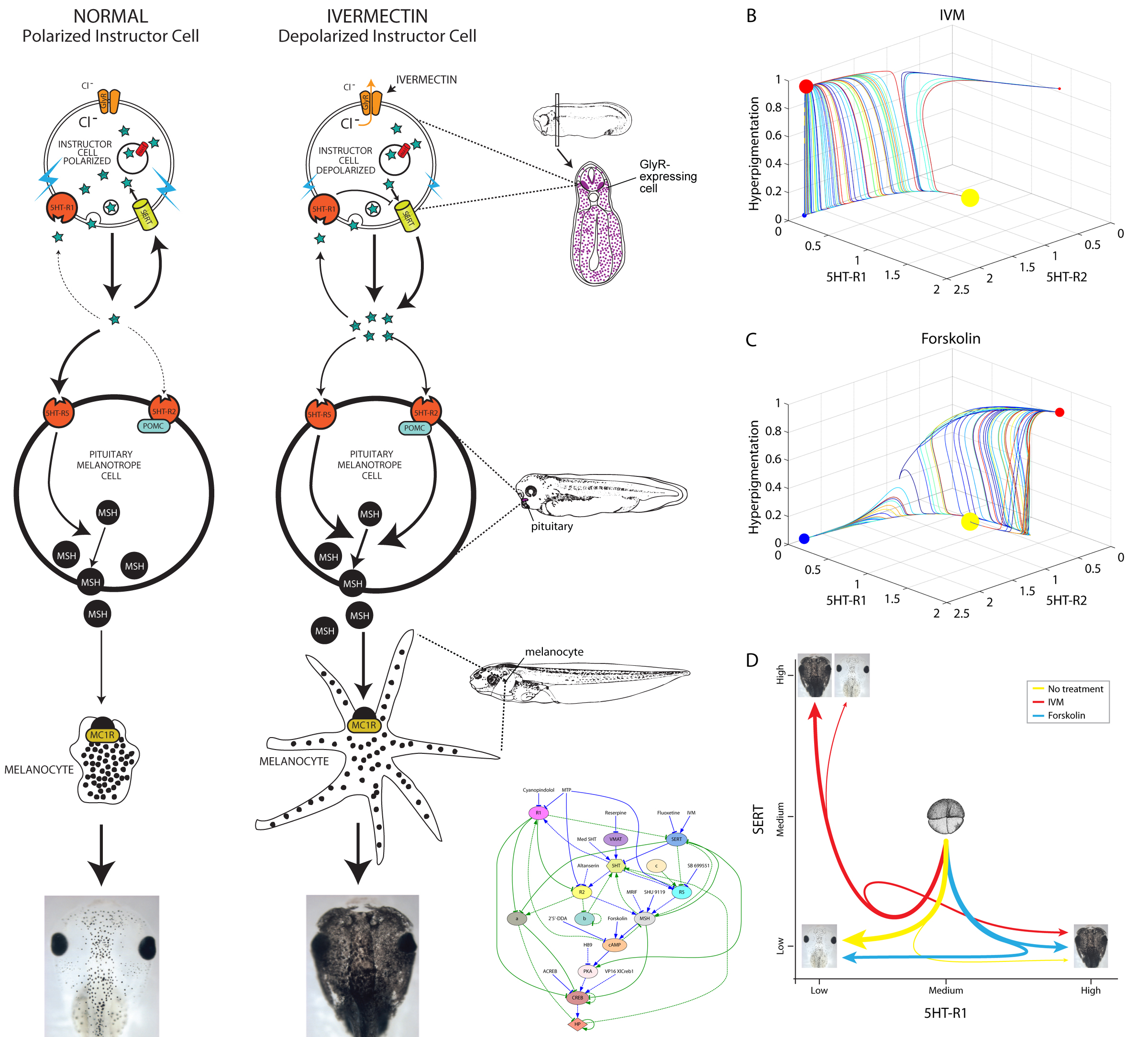
– Mike Levin wrote about recent papers in his lab on long-range signaling via gap junctions.

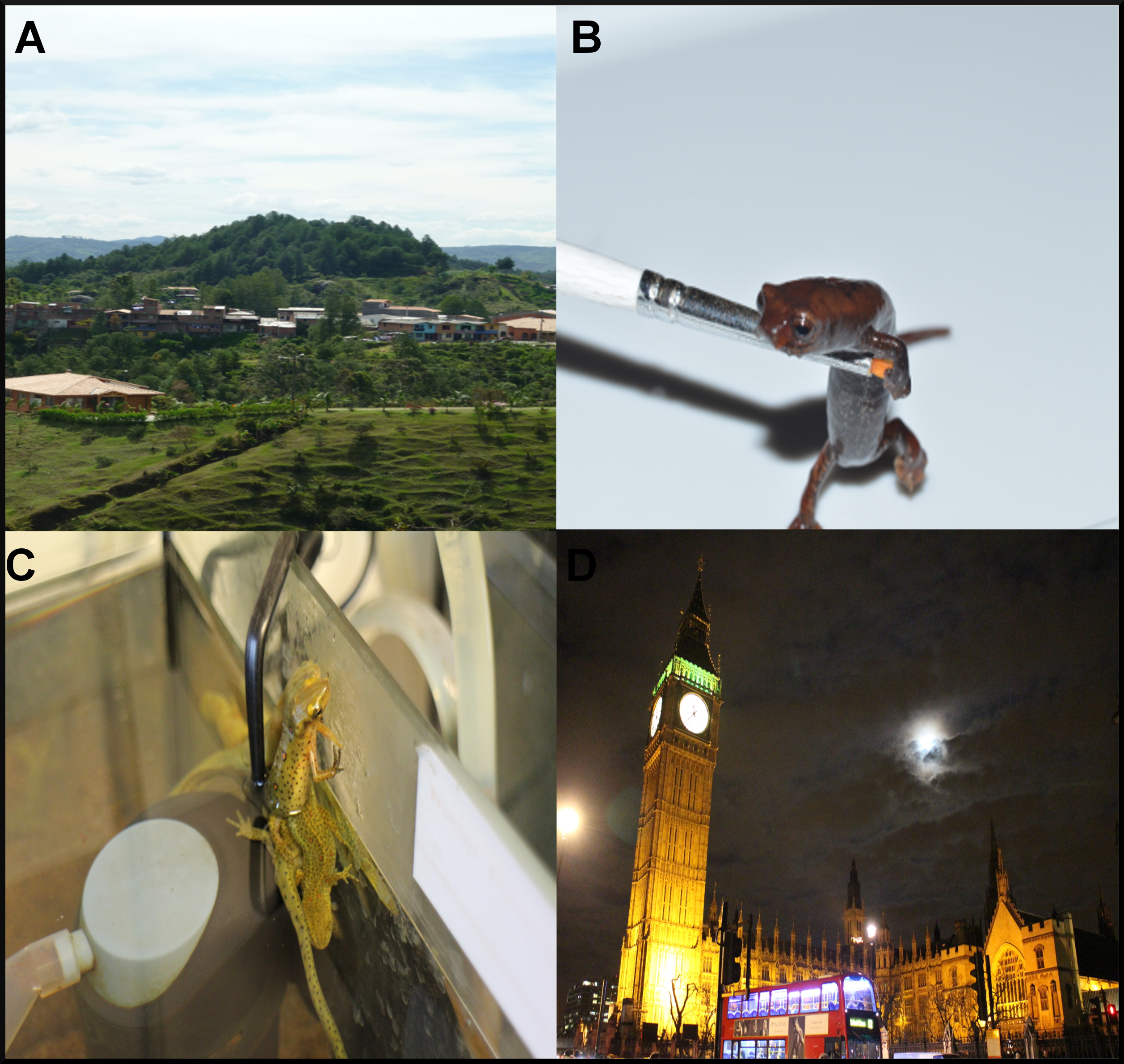
– Allison and Tamara reported from the first meeting of the Pan American Evo Devo Society.

– and Héctor shared his experience visiting the Rivolta lab at the University of Sheffield, sponsored by a Development travelling fellowship.


Warwick Castle

Happy reading!

Thumbs up (No Ratings Yet)
Loading...

Categories: Highlights

From the lab to the peak district

Posted by , on 31 August 2015

Thanks to the travelling fellowship, awarded by the Company of Biologists, I was fortunate enough to undertake a period of research in the laboratory of Prof. Marcelo N. Rivolta at The University of Sheffield, England.

I am a 3rd year PhD student in the Laboratory of Developmental Biology at the Universitat Pompeu Fabra in Barcelona. The laboratory researches into the development of the inner ear. The ear is the sensory organ responsible for hearing and balance, and consists of two main cell types which form the sensory epithelia of the inner ear: neurons and hair cells. Our laboratory is particularly interested in the molecular generation of inner ear hair cells, which are responsible for transducing sound waves into neural activity.

Hearing is important for daily interaction with others and the surrounding environment. Loss of hearing can have large social and emotional implications on health and well-being.  According to the World Health Organisation (WHO) 360 million people worldwide have hearing loss, which is commonly the result of damage to the inner ear hair cells (HCs). Mammals have lost the potential to regenerate hair cells and neurons and therefore cannot repair damage in the inner ear. Therefore our research is of particular importance, in order to develop techniques which will allow for inner ear hair cell replacement. In recent years, stem cells have appeared as a potential therapeutic solution, at least in the case of neurons. The laboratory of Prof. Marcelo N. Rivolta at The University of Sheffield is a centre of excellence in stem cell research. The group are specialists in the isolation of otic like progenitor cells form human embryonic stem cells. Their main goal is to develop stem cell therapies that can be used to cure deafness. Therefore it was in the best interest of both laboratories to establish a collaborative project in order to learn from each other’s expertise.

My experience in the lab was ineffable; working with the otic progenitors was not easy during the early stages of my project, but with the help and support of the group it became significantly easier overtime. Protocols for otic cells isolation are very stringent and require a high level of dexterity, precision and patience.

People in the lab were very kind and the working environment was warm and welcoming. I had the fortune of accompanying the laboratory on a team day to Warwick Castle. As well as getting to know the people in the lab, I also had the opportunity of exploring South Yorkshire. I visited the Peak District, the first national park in Great Britain. It is one of the most beautiful landscapes I have laid eyes upon, blanketed in luscious greenery and framed (on a good day) by clear blue skies. There you can find marvellous scenery and nature, a perfect place for a runner like myself. The thick Yorkshire accent, continuous rain, and cold weather made my native Barcelona seem a world away. I did, however, succumb to the charm of the North in the end!

In summary, my fellowship has given to me the opportunity to experience research and life overseas. I have learned a lot about stem cells, which I know will help me in my career as a scientist. I would like to encourage other young scientists to take the opportunity to travel if they are fortunate enough to be given such an opportunity, since intercultural understanding is as important as scientific understanding when working in collaboration with overseas scientists.

In conclusion, I would like to give thanks to The University of Sheffield for facilitating my research, to Professor Fernando Giraldez for his continuous support and supervision and to Prof. Marcelo Rivolta, for his continuous supervision, guidance and patience. Finally, I would like to thank the Company of Biologists for granting me the fellowship.

Warwick Castle

Thumbs up (45 votes)
Loading...

Tags: , ,
Categories: Funding, Lab Life

Eyes High Postdoctoral Scholar Position in muscle development and disease – University of Calgary, Canada

Posted by , on 29 August 2015

Closing Date: 15 March 2021

The Department of Biochemistry and Molecular Biology at the University of Calgary, Canada is accepting applications for an Eyes High Post-doctoral Scholar position in the laboratory of Dr. Peng Huang. The position is funded by the University’s Eyes High rising stars strategy, which targets candidates of the highest caliber with track record that would be competitive for national or international fellowships. This 2 year postdoc fellowship commences in late 2015/early 2016 and includes a stipend of $50,000/year, plus health benefits.

We use zebrafish as a genetic model to understand human muscle diseases such as muscular dystrophy. Using a combination of reverse genetic tools, transgenesis, in vivo imaging, and small molecule screens, we study how muscle integrity is maintained. In particular, we investigate how cell signaling pathways and cell-cell interactions regulate muscle maintenance. The goal is to identify new cells and novel molecules modulating muscular dystrophy. For more information about the lab, please visit: http://people.ucalgary.ca/~huangp/index.html

We are looking for a highly motivated individual who shares our passion for science and would like to work in a friendly and collaborative environment. The candidate should have a PhD in Developmental Genetics or a related discipline, excellent molecular biology skills, and a strong interest in developmental biology. Previous experience with the zebrafish and imaging techniques is preferred but not required. Excellent written and verbal communication skills are critical. The candidate must have a track record of academic success as evidenced by peer-reviewed publications, awards and scholarships.

The call for applicants will be open until November 30, 2015. To apply, please send a cover letter with statement of research experience and interests, and CV with names of three references to Peng Huang, peng.huang@gmail.com, with the subject line “Eyes High Postdoctoral Scholar Position”.

About the University of Calgary

The University of Calgary is a leading Canadian university located in the nation’s most enterprising city. The university has a clear strategic direction to become one of Canada’s top five research universities by 2016, where innovative teaching and groundbreaking research go hand in hand, and where we fully engage the communities we both serve and lead. The strategy is called Eyes High, inspired by our Gaelic motto, which translates to ‘I will lift up my eyes.’ To succeed as one of Canada’s top universities, where new ideas are created, tested and applied through first-class teaching and research, the University of Calgary needs more of the best minds in our classrooms and labs. We’re increasing our scholarly capacity by investing in people who want to change the world, bringing the best and brightest to Calgary to form a global intellectual hub and achieve advances that matter to everyone.

About Calgary

Named a cultural capital of Canada and one of the best places to live in the world, Calgary is a city of leaders – in business, community, philanthropy and volunteerism. Calgarians benefit from the strongest economy in the nation and enjoy more days of sunshine per year than any other major Canadian city. Calgary is less than an hour’s drive from the majestic Rocky Mountains and boasts the most extensive urban pathway and bikeway network in North America.

Thumbs up (No Ratings Yet)
Loading...

Categories: Jobs

Talking about Science using Comics: A Stem Cell example

Posted by , on 28 August 2015


“A Stem Cell Adventure” is a comic book about stem cell research, and resulted from a project on science outreach carried out by several researchers at the Center for Neuroscience and Cell Biology of the University of Coimbra, Portugal (www.cnbc.pt), and funded by the COMPETE Program and the Portuguese science communication agency (Ciência Viva). The project aimed at transmitting basic knowledge about stem cells and their possible uses to the general population, and also involved other materials (links at the end of the post). But the comic book was the one I was most personally involved with.


Cover


I have always been interested in the Comic book format (Bande Dessinée, Mangá, Fumetti, Historietas, Banda Desenhada, Histórias em quadrinhos…). Before people start groaning and rolling their eyes, I am also very interested in Art in general, from literature to movies. What fascinates me about Comics is how you can combine words and pictures for extra layers of meaning and an efficient transmission/discussion of ideas. Although I enjoy all genres, when talking about the medium in this context I would refer to authors such as Joe Sacco, Art Spiegelman, Marjane Satrapi, Guy Delisle, Joann Sfar, Craig Thompson, David B., Chester Brown, Alison Bechdel, Keiji Nakazawa or Shigeru Mizuki, to name just a few. On scientific issues there is the work of Jim Ottaviani, or great books such as “The Stuff of Life”, “Climate Changed” or “Logicomix” (I am reading several others right now, such as “Unflattening”)


How deep is my connection to Comics? Among other things I have been writing reviews in a cultural newspaper (“JL- Jornal de Letras, Artes & Ideias”) for many years, authored a few comic books and comic book studies, and am part owner of the comic book store “Dr Kartoon” (www.drkartoon.com).


And how did that interest overlap with my career in science? At first not at all. The reason is obvious, if sad: as a young researcher I really didn’t want a not-so-well-thought-of hobby (groans, eyes rolling) to be a distraction. Later on I came to the obvious conclusion that there aren’t several compartmentalized “Me”, just one, and why not integrate everything? It started with stories about science (published in Lab.Lit.com and in Nature Futures), and when this project came along I thought that something using my interests in both comics and science was long overdo.


I participate in many other outreach activities (open labs, science cafés, talks and workshops in schools) so I am used to simplifying and selecting relevant information without being overly simplistic (the key to effective science communication, in my view). When considering properties of different types of stem cells, how cellular reprogramming/differentiation could take place, what the historical background was and what challenges remained in the field I believed I could do a reasonable summary, by also counting on like-minded colleagues as sounding boards. Not everything could be included, of course, but enough to get people informed about basic aspects, and hopefully interested in finding out more elsewhere (the ultimate goal, in my view). One tip I have: like in Writing 101 classes, always make an effort to convince yourself that some particular piece of information REALLY is necessary. If you can’t, it probably isn’t. And two obvious points: you can only simplify if you know a subject in depth; and you will ALWAYS have regrets on choices made for space of simplicity purposes.

Furthermore, in this case I wanted to link embryo development and cell differentiation choices to the choices one makes in life, as an allegoric way of transmitting concepts that had proven effective in talks, lest people get tired of schematics and strange words (which I nevertheless ALSO wanted to use- simple, not simplistic). Finally, I knew comics, and how different approaches common in the medium could be deployed. Therein lay the first big challenge.


Image


Comics is a visual medium, it’s always the drawings that draw you in (pun intended). You may stay or not depending on what is being transmitted, but the first impact is the art. Not being able to draw a stick figure to save my life I had to choose an artist, and knew from previous non-science comics that this could be an issue. Artists have their quirks, and may not feel comfortable drawing something or another, or may put too much of an artist spin on representations.


I knew André Caetano from the store. He came in to look at books (not usually to buy them, as a good starving artist…) and show his portfolio (you can check it out here: http://www.andrecaetano.com). Besides the quality of the art, what impressed me was how his “realistic cartoonish” style could be used in several ways, how well he adapted to different types of projects, and the detailed preparatory work he put in, for example to ensure historical accuracy for a book set in the Middle Ages. As it turned out André was interested in science, and did a great job of visually researching the subject based on the figures I gave him. He also quickly understood where creativity could be used, and where realism had to be employed, and was always open to suggestions and/or changes. Not all artists are like that, in my experience, and a permanent dialogue throughout the project is necessary, with regular meetings to validate each page, or to find better solutions for different problems.

p18


For example some care went into using cells as “characters” in their own story, in order to both change narrative perspective once in a while, and for people to fully grasp the message in a fun way, but not be alienated by the representations. Noteworthy, some people had issues with this approach of cell anthropomorphization and cells-as-characters, including a colleague who reviewed the paper we published in PLOS ONE on the impact of the different materials produced by the project (link below). The point is that not all science communication strategies are right for all people, which is why we need several.


The book was intended for 15 to 22 year old readers, corresponding to high school and early college, and that fuelled the type of representations chosen. However, we found that the scientific concepts as depicted were of interest to older people, for example high school teachers or parents of the students targeted, and for whom, funny enough, we had created other materials.

Image2


Of course the whole point is to make sure that some communication does take place, and that we are not simply preaching to the choir. I believe impact evaluation is always key, and more effort should be done at this level, not just in terms of producing attractive materials, but making sure they transmit what you think they transmit. Not unlike a teacher who marks essays and cannot believe the nonsense students took from lectures that were supposed to be crystal clear… Besides the joy of seeing concepts come to life, being humble and willing to change for the better throughout, not taking things for granted, and always questioning the efficiency of what is done are the aspects I valued most in making “A Stem Cell Adventure”, and would certainly value in any other science communication projects, whether they involve comics or not. But that’s Science, right? I guess the only difference is that this stem cell comic project happened due to a series of coincidences. Now I am actively trying to do others. It doesn’t seem healthy, or scientific, to always rely on coincidences.


João Ramalho-Santos


The comic book can be found here in English http://www.eurostemcell.org/resource/stem-cell-adventure


And in Portuguese (together with other materials) here:

http://www.eurostemcell.org/pt-pt/resource/uma-aventura-estaminal


The PLOS One Article “I Want More and Better Cells! – An Outreach Project about Stem Cells and Its Impact on the General Population” http://journals.plos.org/plosone/article?id=10.1371/journal.pone.0133753


Outreach logo new squareThis post is part of a series on science outreach. You can read the introduction to the series here and read other posts in this series here.


Thumbs up (4 votes)
Loading...

Tags: ,
Categories: Outreach, Resources

Assistant Professor Tenure Track Faculty, Division of Developmental Biology (DB) at Cincinnati Children’s Hospital Medical Center (CCHMC).

Posted by , on 28 August 2015

Closing Date: 15 March 2021

DB, a large community of developmental biologists, is a highly collaborative interdisciplinary group of basic scientists and clinicians studying fundamental questions in developmental biology, the genetic basis of pediatric disease and regenerative medicine (http://www.cincinnatichildrens.org/research/divisions/d/dev-biology/default). Being embedded in CCHMC, one of the top ranking pediatric research centers in the world, creates a unique environment where clinical translation of basic science is greatly enhanced. CCHMC is making a major long-term investment in basic and translational research and developmental biology is a pillar in this effort.

DB faculty have access to state of the art subsidized cores, high-quality graduate and MD/PhD programs, and training programs for postdoctoral/clinical fellows, residents and clinical faculty. Successful candidates must hold the MD, PhD, or MD/PhD degrees, have recently completed postdoctoral training, published significant original work and have a mature research plan.

Applicants should submit CV, two-three page research statement focused on future plans, and contact information for three people for letters of recommendation to DB_devbiologists@cchmc.org by December 1, 2015.

CCHMC and the University of Cincinnati are Affirmative Action/Equal Opportunity Employers. Qualified women and minority candidates are especially encouraged to apply.

Thumbs up (No Ratings Yet)
Loading...

Categories: Jobs

The case of philanthropy: bringing scientists and philanthropic donors together, for good

Posted by , on 28 August 2015

This editorial by Olivia Flatto was first published in Disease Models & Mechanisms.


Wealth is not new. Neither is charity. But the idea of using private wealth imaginatively, constructively, and systematically to attack the fundamental problems of mankind is new.” – John Gardner


Philanthropy, derived from private wealth, stands unique as a vital source of scientific funding. Yet many scientists don’t truly understand the workings of this form of charitable giving. Some are even wary of it, and believe that a divide between the worlds of science and business is a normal state of affairs. My experience has exposed striking similarities between the two specialties: both dedicate their resources to innovation and the sincere desire to do good for their fellow man.

I’ve been lucky to work on both sides of the fence. I conducted research for my PhD at the Wistar Institute in Philadelphia, PA, and at Sloan Kettering Institute in New York City, NY, where I worked on the Id1 gene and its role in the molecular mechanism of mammalian cell differentiation. I later moved to the Pershing Square Foundation. In 2013, to support young investigators with bold and risky ideas in cancer research in the New York area, the Pershing Square Foundation partnered with the Sohn Conference Foundation to create the Pershing Square Sohn Research Alliance (PSSCRA). Since the organization’s founding, I have served as its Executive Director. As a result of my career experience, I understand firsthand the role of philanthropic support of medical research. I am always excited to work with new, young and innovative talent, and to introduce that talent into the social mainstream.


Philanthropy today: measuring impact

Philanthropy, like everything in this high-tech world, has changed dramatically in the past few years. There was a time when donors did not focus on measuring the impact of their gifts. Only a few individuals were wealthy enough to establish foundations and provide funds to build museums, programs and art collections. In today’s world, foundations strive to be part of the scientific solution, to provide money that goes to new advancements, such as the discovery of a new molecule. Of course, present-day donors have become increasingly more sophisticated in their expectations and want to see a return on their investment. They have a clear picture of the issues, and foundations and donors want to measure their impact.

One important way to measure impact is by observing whether the project scales up and leverages additional types of funding. More than ever, donors think in terms of business-model philanthropy when considering social investments. This model is not incompatible with that of science; the short-term goal of funding new basic discoveries is consistent with the long-term goal of a financial return stemming out of the commercialization of a new drug.


Philanthropy touts innovation and rewards risk

Philanthropists give money generously for a variety of reasons. Some examples include: The Civic-Minded Donor who seeks to help the community. He or she seeks out worthy causes and donates to them; The Foundation Donor has the money to start his or her own foundation, usually with specific interests in mind – health, social entrepreneurship, poverty or the environment; The Donor with a Cause raises money for a specific purpose. The Michael J. Fox Foundation for Parkinson’s Research, and The Breast Cancer Research Foundation are prime cases.

All these philanthropists are viable funding sources for scientific researchers. They offer dynamic alternatives to traditional resources. Although the United States is well known for having many private philanthropists (in my native France, by contrast, research funding is provided almost exclusively by the government), it functions under economic constraints that make private philanthropic money even more crucial. Philanthropy will not replace what the government does but, by its nature, can do things the government can’t or won’t. Bold, innovative projects need funding at the earliest stages.

The National Institutes of Health (NIH), the United States’ preeminent public source of scientific research funding, is traditionally risk-averse and regularly funds only incremental research. Budgeted at $30-billion per year, the NIH has, for the past 10 years, received no increase in its budget, and has had funding cut through sequestration. Consequently, it finances and rewards safe and predictable projects.

Conversely, foundations in medical research can fill a unique niche by supporting new and risky projects early on, understanding that the investment is more long-term.

Philanthropists and programs like the PSSCRA, are willing to identify the ‘budding’ scientist, the up-and-comer. In short, investing in the future leaders of the next generation.


Scientists should take risks: changing perceptions

The nature of scientific work requires solitude and isolation. Researchers work methodically, with great concentration. Their single-mindedness and sensitivity suit them well for exploration into molecular frontiers and, as a result, they are less exposed to the business and philanthropic worlds in the early stages of their career. In addition, the perceived dissimilarity between the worlds of science and business has for a long time led many researchers to hold a lingering skepticism of commerce. The need to collaborate and the changes in the funding landscape have altered this perception.

The scientist has many factors to consider when approaching funding sources. First, the NIH rewards safety and predictability. Knowing this, the scientist is often inhibited from submitting risky projects to the NIH. Next, scientists are rewarded by the quality and amount of publication. A risky project financed primarily by foundations, for example, is less likely to turn into a paper in the foreseeable future, which presents challenges to the traditional model of advancement and also inhibits the type of research that is done.


How to bridge the gap

It is imperative that we create other funding paths for scientists that enable them to push forward their boldest research. By creating the PSSCRA (‘the Alliance’), we are seeking to bridge the gap between scientists and the business and philanthropic communities in New York. We made it our mission to bring them together so that today’s scientists can take the risks needed to find the solutions for tomorrow.

The Alliance is based in New York City, which is a special place. So much talent is concentrated in such a little area, spanning many disciplines, the arts and business. Where but in New York City can the entrepreneur sit beside the artist, the scientist beside the captain of industry?

Leveraging the Alliance’s events, which are incredibly focused networking opportunities, the Alliance brings together scientists, leaders in industry, heads of large foundations and business community leaders. We take pride in creating these vibrant mentoring relationships and connections.

Building communities and networks around the scientists is one of the elements of success that we have identified as being crucial to their growth and exposure. Each one of our Prize Winners is paired with a mentor in the pharma or biotech industries. Thus, the three important pillars of our program are: (1) the selection of the scientists, (2) their match with a mentor, and (3) measuring the impact of this program. Ultimately, there’s nothing better than validation, and the new-model foundation offers it both professionally and socially.


Finding talented scientists

“To give away money is an easy matter and in any man’s power. But to decide to whom to give it and how large and when, and for what purpose and how, is neither in every man’s power nor an easy matter.” – Aristotle

When we instituted the Pershing Square Sohn Prize for Young Investigators in Cancer Research (now in its second year), the search began by reaching out to all the communication and development offices of every scientific research institution and university department in the New York area, placing banner ads in the most prominent and interesting scientific magazines, and sending personalized emails to chairs, heads of departments and individual scientists. “Spread the word,” we told them.

Ads in special-interest magazines and websites for specific groups are important. Even though our search is broad, this puts us on very specialized radars.

Every institution has a grant department, individual gift department or foundation organization that assesses needs and suggests funding options. We wanted to encourage each scientist who has an innovative idea to apply. We wanted a democratic process. And, even if they have funding for another area of their research, they might not have it for the innovative, risky idea.

In the first year, we received 64 applications. This year, we received 67 applications. We look at the quality of each applicant, the project’s innovative approach and its relevance in cancer research. After a first round of screening last year, we asked 28 applicants to return for full submission.

After the submission process, each application is reviewed by three experts in the field. The finalists present their work in a boardroom where the leaders in the field are present. This is unique exposure for our young innovators. Finally, we chose six Prize Winners in 2014 and another six in 2015.

The Prize Winners are then invited for individual meetings with a mentor in the pharmaceutical or biotech company. Mentors are exposed to research that they would not be otherwise. It’s a way for pharma and academia to exchange ideas and build on each other’s strengths.

For philanthropists, there is nothing more satisfying than to have personal contact with the individuals whom they are helping and to understand their needs better so that they can be more effective. Philanthropy is uniquely positioned to take risks. We want to identify future innovators. And so, our relationship to a grantee is very important. Non-profit organizations that raise money and do not give donors direct access to see what their money is doing are going to lose them. It’s satisfying to fund the future musical genius…why not the future Nobel Prize Winner? And, young scientists are excited to know they’re part of that prestigious group.

Times are changing. Technology has brought us closer and piqued our interest in all facets of life. Science and philanthropy are changing as well and share the common goal of providing our society with enlightenment. Now is the perfect time to bring these two attributes together.

Thumbs up (No Ratings Yet)
Loading...

Tags:
Categories: Discussion, Funding

Postdoctoral Position – Splicing and Disease – CECAD Cologne

Posted by , on 28 August 2015

Closing Date: 15 March 2021

The Uhlirova lab seeks talented, creative and motivated researchers to investigate how alterations of the essential and ubiquitous process of pre-mRNA splicing contribute to tissue-specific degeneration and cancer. The project combines state-of-the-art Drosophila genetics with studies in mammalian cells utilizing tools of cell biology, imaging, biochemistry, and genomics.

We invite applicants with a Ph.D. degree, a strong background in molecular and cell biology, expertise in imaging, and interest in utilizing high-throughput genomic technologies.

To apply, please submit your CV, a brief statement of research interests including motivation for the application, and contact information for two references to Mirka.Uhlirova[at]uni-koeln.de.

Application deadline: September 13th, 2015

The successful candidates will benefit from an excellent environment within the CECAD initiative at the University of Cologne that offers diverse areas of expertise, collaboration and modern facilities.

For more information visit our website: http://www.uni-koeln.de/inter-fak/cecad/uhlirova/

Thumbs up (No Ratings Yet)
Loading...

Categories: Jobs