We welcome you to join us for the inaugural meeting of the Pan-American Society for Evolutionary Developmental Biology, which will be held on the Clark Kerr Campus at the University of California Berkeley from August 5-9, 2015. The meeting will feature an exciting lineup of 22 invited plenary speakers with an incredible diversity of approaches to understanding evolutionary developmental biology. 34 abstracts will be selected for talks to complement the plenaries, and we invite the remaining attendees to participate in what promises to be a highly stimulating poster session, for which we have allocated considerable time.
Organizing Committee
Nipam H. Patel – University of California, Berkeley
Christopher Lowe – Hopkins Marine Station, Stanford University
Karen Sears – University of Illinois
Ehab Abouheif – McGill University
2015 is the 50th anniversary of Joseph Altman’s landmark discovery of adult neurogenesis. To celebrate, the fourth conference in Abcam’s Adult Neurogenesis meeting series this meeting will put the developmental process of adult neurogenesis and its regulation into the wider context of its functional and presumed evolutionary relevance. Hosted by the Center for Regenerative Therapies in Dresden, Germany on May 6-8, 2015, this conference offers opportunities for participants to hear the latest news and developments, present their work, take part in discussions and to network with colleagues from around the world.
Free registration for grabs!
Abcam and the Node are looking for an official meeting reporter to attend this meeting. The Reporter will be responsible for providing regular updates of interesting talks/discussions for social media posts (by Abcam), plus a meeting report of their experience and the sights and sounds of the meeting (for publishing on The Node and Abcam website).
To apply to be the meeting reporter, please send a short paragraph (max. 200 words) to events@abcam.com, letting let us know why you’re are the best scientist for the job! Application deadline: March 26, 2015. The winner will receive free registration to the meeting (travel and accommodation not included).
Meeting information:
Organizer: Gerd Kempermann (Center for Regenerative Therapies TU Dresden, Germany)
Keynote speaker: Fred Gage (Salk Institute, US)
Confirmed speakers: Nora Abrous , Irmgard Amrein, Benedikt Berninger, Federico Calegari, Paul Frankland, Jonas Frisen, Wieland Huttner, Sebastian Jessberger, Caghan Kizil, Paul Manger, Ana Martin-Viallalba, Hannah Monyer, Hongjun Song
Call for abstracts: Participants are invited to submit abstracts and a number these will be selected for short talk and poster presentations. Abstracts can be submitted during online registration.
Important dates: • February 9, 2015: Early bird registration and oral abstract submission
• March 26, 2015: Standard registration and poster abstract submission
*9th April*
Congratulations to our meeting reporter competition winner!
Congratulations to Nambirajan Govindarajan, winner of The Node/Abcam meeting reporter competition. Nambirajan has won free registration to Adult Neurogenesis: Evolution, Regulation and Function (May 6-8, 2015 in Dresden, Germany) and he will be posting, tweeting from the meeting as well as providing a full report after the meeting (available on the Node and Abcam website).
Nambirajan is a postdoctoral fellow at the German Center for Neurodegenerative Diseases (DZNE). Find out more about Nambirajan’s background and what he is most looking forward to at the meeting on the Abcam website.
To keep up with the what is happening and being discussed at the meeting by following Abcam on Facebook (link) and Twitter (link).
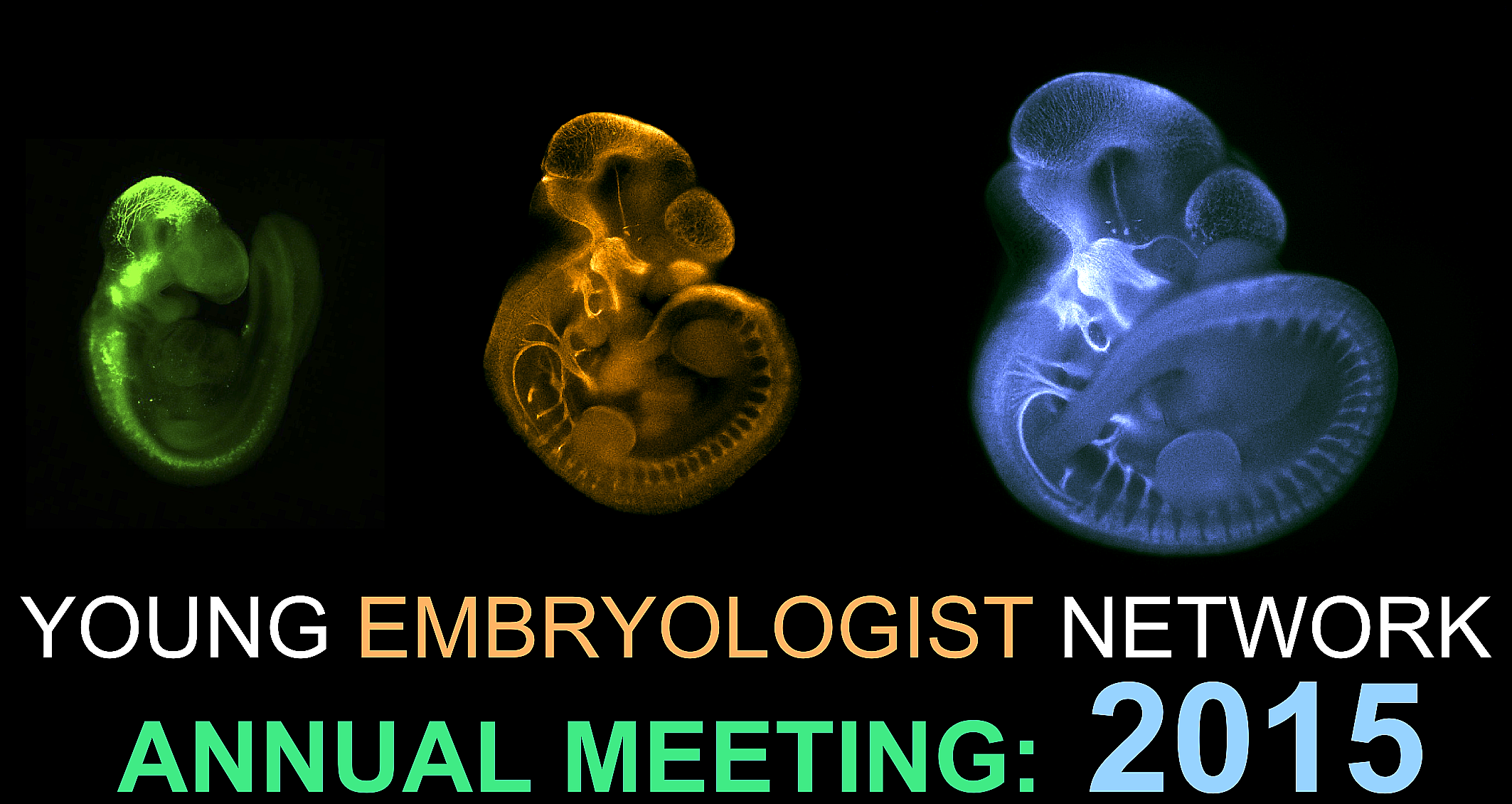
Looking for a New Year’s resolution? Get involved with the Young Embryologist Network!
Last year, Young Embryologist Network (YEN) seminars took place at Oxford University, Cardiff University and institutions across London with the help of postgrads, postdocs and young PIs… just like you!
This year we want to keep growing! We plan to organise YEN seminars in various Universities and Institutions around the country in 2015.
Become a YEN representative along with others nationwide!
Promote the Network and annual meeting YEN:2015
Co-ordinate seminars at your institution
Blog on our website about seminars
Spread exciting embryology research across the country
Applications from independent thinkers with curiosity, creativity and drive are sought to join the Champalimaud Foundation’s International Neuroscience Doctoral Programme (INDP). The INDP aims to provide students of diverse backgrounds with a foundation to perform innovative and interdisciplinary work in basic or applied neuroscience at an international level. The Programme is hosted at the Champalimaud Centre for the Unknown, in Lisbon, Portugal, a leading center for research, technology and clinical care.
Successful applicants will demonstrate the ability to tackle difficult intellectual challenges, to learn new skills and ways of thinking and to work passionately as part of a research team. Predoctoral training in quantitative disciplines (e.g. physics, mathematics, computer science), biological sciences (e.g. biology, medicine, bioengineering) or related fields is important. Previous research experience is also desirable but not required. Applicants should have a Masters degree and/or a 4+ year undergraduate degree, or will be obtaining their degree by no later than December 31st, 2015.
The INDP is associated to the Champalimaud Neuroscience Programme (CNP), comprising seventeen research groups with a focus on the neural circuits and systems underlying mind and behaviour. Before beginning research on a thesis project, admitted students will complete one semester of intensive courses and will be able to perform summer rotations in CNP laboratories. Courses are led by distinguished local and invited international scientists. The topics of instruction include cellular & synaptic physiology, development & neuroanatomy, sensory & motor systems, neuroethology or cognitive neuroscience. All courses have a practical component such as programming exercises, small projects, and experimental work in the INDP dedicated teaching laboratory. The overall format emphasizes participation, team-work and informal interaction in both classroom and laboratory.
The INDP is supported by funding from the Champalimaud Foundation and the Portuguese Science and Technology Foundation (Fundação para a Ciência e a Tecnologia, FCT). Full tuition and stipend to perform courses and thesis work will be ensured for successful applicants of all nationalities for a period of 4 years.
The application deadline is Feb 15th, 2015.
Applications should be submitted through this page.
Here are the highlights from the new issue of Development:
The ‘second brain’: taking gut development up a Notch
The vertebrate gastro-intestinal (GI) tract consists of a regionalized epithelial tube surrounded by mesenchyme that later differentiates into smooth muscle. During the early stages of stomach patterning in chick embryos, the primitive GI track is colonized by vagal enteric neural crest cells (vENCCs), which will give rise to the enteric nervous system (ENS). The important role of the ENS in controlling GI function is well understood, but its contribution to the development of the GI tract has never been addressed. On p. 331, Sandrine Faure, Pascal de Santa Barbara and co-workers demonstrate that vENCC ablation impairs mesenchyme proliferation and differentiation. Moreover, reducing the number of vENCCs alters the molecular identity of both the mesenchyme and the epithelium, such that they express intestinal markers. Mechanistically, the authors show that these defects in stomach patterning and differentiation result from the ectopic activation of Notch and BMP4 signalling; the downregulation of both these pathways is necessary for proper stomach development. Altogether, this work reveals that vENCCs control stomach patterning and differentiation through the inhibition of Notch, shedding light onto the mechanisms that govern the contribution of the ENS to GI tract development.
Chickadee: building a nest for the germline
The apical region of the adult Drosophila testis harbours a stem cell niche that contains germ stem cells, which differentiate into spermatocytes, and somatic cells, which provide nutrients and regulate the proliferation and differentiation of the germline. During spermatogenesis, somatic cells encapsulate the germline cells, isolating them from the environment by providing a permeability barrier. Disruption of either encapsulation or permeability barrier function has catastrophic effects on spermatogenesis, resulting in sterility. Here, Guy Tanentzapf and co-workers investigate the genetic determinants of soma-germline interactions, specifically during germline encapsulation (p. 268). Using a novel permeability assay, they show that encapsulation and the creation of a permeability barrier are actually two separate processes. Furthermore, disrupting the function of chickadee, the Drosophila ortholog of Profilin, causes altered encapsulation and consequent failure of the permeability barrier formation. Lastly, the authors demonstrate that the permeability barrier, which needs functional junctional proteins, is required to restrict the range of niche-derived BMP signalling. In summary, this work identifies Chic as a key regulator of the two distinct phases of soma-germline interactions during early spermatogenesis.
A key role for Wnt-mediated laminin synthesis in fin morphogenesis
Limb and fin morphogenesis start with the formation of the apical ectodermal ridge (AER), an epithelial signalling centre that coordinates appendage development. Wnt signalling is required for AER induction and several extracellular matrix (ECM) components are necessary for proper limb formation. Mahendra Sonawane and colleagues (p. 320) set out to explore the mechanisms regulating ECM synthesis and the role of Wnt signalling during appendage development – using the zebrafish median fin as a model. They observe that cell morphology in the distal part of the AER is distinct from the rest of the appendage epithelium, and that these differences in morphology correlate with a gradient of Wnt. Mechanistically, canonical Wnt signalling modulates cell shape with spatiotemporal precision by regulating the expression of the ECM component laminin α5, which signals via integrin α3 to influence cell morphology. Finally, the authors show that those mechanisms are conserved in the pectoral fin. This study uncovers a novel mechanism in which canonical Wnt signalling controls laminin synthesis to regulate epithelial cell shapes and tissue morphology during vertebrate appendage development.
Regulating progenitor pools in the lung
The secretory and multiciliated cells of the adult lung are constantly replenished by multipotent epithelial progenitors: the basal cells. Basal cells give rise to parabasal intermediate progenitors, which then terminally differentiate into ciliated or secretory cells. However, the specific molecular mechanisms governing the production of parabasal cells in the lung remain mysterious. Using genetic and pharmacological approaches in air-liquid interface cultures of adult airway progenitors, Wellington Cardoso and colleagues (p. 258) find that selective activation of Notch 3 identifies parabasal cells and controls the balance between basal and parabasal progenitor cells in airways. The authors show that Jagged 1 and 2 in basal cells are crucial for activation of Notch 3 signalling and for the generation of the pool of parabasal cells. Notably, individuals with chronic obstructive pulmonary disease were found to exhibit Notch 3 hypo-activation and an expanded basal progenitor pool. This work helps to unravel the precise molecular determinants regulating the airway progenitor pools, that are crucial for lung homeostasis.
PLUS…
Plant germline formation: common concepts and developmental flexibility in sexual and asexual reproduction
During the development of the plant reproductive lineages – the germlines – typically, single sporophytic (somatic) cells in the flower become committed to undergo meiosis. Here, Grossniklaus and colleagues review recent studies examining the molecular mechanisms underlying cell specification and the acquisition of reproductive fate in sexual and asexual plant species. See the Review on p. 229
Establishing neural crest identity: a gene regulatory recipe
The neural crest is a cell population that contributes to a variety of derivatives, including sensory and autonomic ganglia, cartilage and bone of the face and pigment cells of the skin. Simões-Costa and Bronner examine neural crest development from a gene regulatory perspective and discuss how the underlying genetic circuitry results in the features that define this unique population. See the Review on p. 242
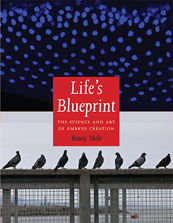
I recently published a popular book presenting the concepts of embryonic development (Life’s Blueprint: The science and art of embryo creation) at Yale University Press. In addition to the text, I tried to convey the concepts of embryonic development by presenting pairs of images, where one portrays a biological example and the other depicts a metaphor from the human world that conveys the paradigm through human interactions. The goal is to make the scientific concepts more accessible to the public through these analogies, to allow the viewers to echo their experiences, and become more active participants. Indeed, when this project was presented to diverse audiences including students, teachers, scientists or laypersons, it proved to be highly effective in engaging the audience.
In order to make the project accessible to scientists, teachers and students, I have launched a web site. All images can be freely downloaded from this site as JPEG or PPT. In addition, sample chapters, and a scientific image glossary that presents the biological background of each image can be downloaded from this site.
Finally, the site contains an Interactive board, where viewers and readers are encouraged to add their comments, and to upload their personal versions of scientific or non-scientific images that depict the concepts of embryonic development.
Form and function of animal gastrulation have been longstanding classics accompanying the rise of experimental embryology, and – as if to square the circle in the literal sense – the blastopore of Haeckel’s original ‘gastrea’ stage[1] was soon (and still is) considered analogous to the straight primitive streak of birds and mammals[2-4]. Both forms are capable of fixing the anterior-posterior body axis and of producing the first principal change in cell shape termed epithelio-mesenchymal transition (EMT)[5], which creates the basis for the ‘milieu intérieur’[6] and all internal organs. Current models explaining evolutionary steps between these divergent forms include intermediate morphologies in non-avian sauropsida (such as turtles, lizards and snakes) with a combination of both a small blastopore and a broad blastoporal plate[7] and lead to the proposition of a multiple evolutionary appearance of the ‘derived’ primitive streak[8]. However, despite gastrulation’s famous earmark as the nodal event in human life[9], current hypotheses on mechanisms leading to different gastrulation forms still call for evidence of cellular activity such as movement and proliferation of neighbouring cells which are extensively described in non-amniotes such as Xenopus and Zebrafish[10, 11].
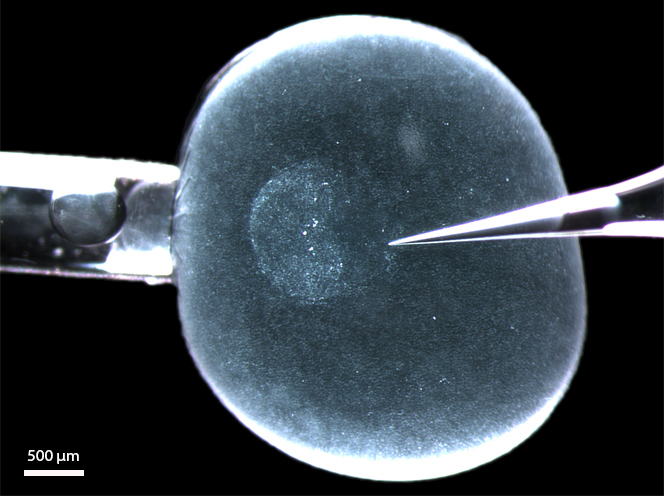
As our lab has a longstanding interest in mammalian body axis specification and formation we recently extended our live cell marking using DiI[12] (s. Figure 1) and multiphoton microscopy of DAPI-stained whole rabbit blastocysts[13]. We modified pre-gastrulation cell movements by inhibiting the Rho-kinase ROCK, a downstream effector of the PCP pathway controlling actin-dependent directed cell motility[14].
Figure 1: A living rabbit blastocyst (6 d.p.c.) with its zona pellucida equivalent still intact and mounted in a microinjection set-up for depositing DiI label into the (perivitelline) space between epiblast and zona pellucida (s. [12]). The anterior border of the embryonic disc (the anterior marginal crescent) is on the left (on the side of the holding pipette). The glass needle (right) touches the posterior pole, where the primitive streak will appear within the next 6 hours.
As published online 16 December 2014 in DEVELOPMENT (http://www.ncbi.nlm.nih.gov/pubmed/25516971) [15], our time-lapse videos show that cell movements can be disturbed specifically in the future primitive streak forming area: directed intercalation of elongated cells towards the future primitive streak as well as oriented cell divisions are severely disturbed. Intriguingly, expression analysis of several genes involved in primitive streak specification and formation as well as high-resolution morphology revealed different grades of primitive streak deformation in a dose-dependent manner; moreover, abnormal expression domains appeared to mirror gastrula forms known from a variety of vertebrates including putatively ancient forms seen in non-avian amniotes [8].
Implications of this work for the evolution of gastrulation are manifold: a quite compelling scenario for the evolution of vertebrate gastrulation suggests a shift of the circular mesoderm forming domain to the posterior pole to be ‘driven’ by the pressure of an increasing yolk mass; it also includes a further evolutionary step involving narrowing and elongation of the posterior domain into a blastoporal plate or a primitive streak[16]. Our results add some cellular ingredients to this scenario and support a model developed for the evolution of the chick primitive streak, which had brought a temporal shift of PCP-driven processes prior to gastrulation into the picture[17]. The experimentally altered migratory behaviour of neighbouring cells indeed suggests that a step-wise spatiotemporal adjustment of medio-lateral cell intercalation could have led to the transformation of the ancient circular mesoderm forming domain into a ‘precociously’ elongated midline domain, which then turns into a blastoporal plate and/or into a primitive streak. Surprisingly, the mammalian embryo proves to be more flexible than the avian embryo when it comes to ‘mimicking’ different vertebrate gastrula forms such the amphibian blastopore or the teleost embryonic shield.
Further studies could put the rabbit model(ling) to the test by analysing other mammals with a flat embryonic disc such as marsupials for basal mammals (e.g. the tammar wallaby[18]) or chiroptera for derived mammals (e.g. Carollia[19]), and, ideally, in non-human primates. The rise of reptilian model organisms[8], on the other hand, suggests that some mechanisms of the putative intermediate evolutionary step could soon be analyzed directly, also. Apart from this, the highly reproducible and relatively simple experiments on lagomorph blastocysts together with emerging molecular tools for the rabbit (s. [20]) suggest that peri-gastrulation events in mammals will be amenable to analysis of (1) further components guaranteeing directional movements during primitive streak formation, (2) effectors critically dependent on primitive streak formation (and EMT) events, and (3) the emerging PCP orientation prior to directional cell movements, as these herald the most important time of our lives.
Viktoria Stankova, Nikoloz Tsikolia, and Christoph Viebahn
Institute of Anatomy and Embryology, University Medical Centre, University of Göttingen, Germany
References:
1. Haeckel E (1874) Gastreatheorie. Jen Zeitschr Naturwiss 8
2. Kollmann J (1886) “Gastrulasitzung” der 59. Versammlung deutscher Naturforscher und Ärzte zu Berlin. Anat Anz 1: 281-294
3. Pasteels J (1940) Un apercu comparitif de la gastrulation chez les Chorde´s. Biol Rev Camb Philos Soc 15: 59–106
4. Stern CD (2004) Gastrulation. Cold Spring Harbor Laboratory Press, Cold Spring Harbor, NY, USA
5. Yang, J., & Weinberg, R. (2008). Epithelial-Mesenchymal Transition: At the Crossroads of Development and Tumor Metastasis Developmental Cell, 14 (6), 818-829 DOI: 10.1016/j.devcel.2008.05.009
6. Bernard C (1859) Leçons sur les propriétés physiologiques et les altérations pathologiques des liquides de l`organisme. Paris, Baillière.
7. Coolen, M., Nicolle, D., Plouhinec, J., Gombault, A., Sauka-Spengler, T., Menuet, A., Pieau, C., & Mazan, S. (2008). Molecular Characterization of the Gastrula in the Turtle Emys orbicularis: An Evolutionary Perspective on Gastrulation PLoS ONE, 3 (7) DOI: 10.1371/journal.pone.0002676
8. Bertocchini, F., Alev, C., Nakaya, Y., & Sheng, G. (2013). A little winning streak: The reptilian-eye view of gastrulation in birds Development, Growth & Differentiation, 55 (1), 52-59 DOI: 10.1111/dgd.12014
9. Wolpert L (1992) It’s not birth, marriage or death, which is the most important time in your life, but gastrulation. Quoted by Stern CD and Ingham PW in Development Suppl 1992: I
10. Keller, R. (2002). Shaping the Vertebrate Body Plan by Polarized Embryonic Cell Movements Science, 298 (5600), 1950-1954 DOI: 10.1126/science.1079478
11. Tada, M., & Heisenberg, C. (2012). Convergent extension: using collective cell migration and cell intercalation to shape embryos Development, 139 (21), 3897-3904 DOI: 10.1242/dev.073007
12. Viebahn C, Stortz C, Mitchell SA, & Blum M (2002). Low proliferative and high migratory activity in the area of Brachyury expressing mesoderm progenitor cells in the gastrulating rabbit embryo. Development (Cambridge, England), 129 (10), 2355-65 PMID: 11973268
13. Halacheva, V., Fuchs, M., Dönitz, J., Reupke, T., Püschel, B., & Viebahn, C. (2011). Planar cell movements and oriented cell division during early primitive streak formation in the mammalian embryo Developmental Dynamics, 240 (8), 1905-1916 DOI: 10.1002/dvdy.22687
14. Habas, R., Kato, Y., & He, X. (2001). Wnt/Frizzled Activation of Rho Regulates Vertebrate Gastrulation and Requires a Novel Formin Homology Protein Daam1 Cell, 107 (7), 843-854 DOI: 10.1016/S0092-8674(01)00614-6
15. Stankova, V., Tsikolia, N., & Viebahn, C. (2015). Rho kinase activity controls directional cell movements during primitive streak formation in the rabbit embryo Development, 142 (1), 92-98 DOI: 10.1242/dev.111583
16. Arendt, D., & Nübler-Jung, K. (1999). Rearranging gastrulation in the name of yolk: evolution of gastrulation in yolk-rich amniote eggs Mechanisms of Development, 81 (1-2), 3-22 DOI: 10.1016/S0925-4773(98)00226-3
17. Voiculescu, O., Bertocchini, F., Wolpert, L., Keller, R., & Stern, C. (2007). The amniote primitive streak is defined by epithelial cell intercalation before gastrulation Nature, 449 (7165), 1049-1052 DOI: 10.1038/nature06211
18. Renfree, M. (2010). Review: Marsupials: Placental Mammals with a Difference Placenta, 31 DOI: 10.1016/j.placenta.2009.12.023
19. Cretekos CJ, Weatherbee SD, Chen CH, Badwaik NK, Niswander L, Behringer RR, & Rasweiler JJ 4th (2005). Embryonic staging system for the short-tailed fruit bat, Carollia perspicillata, a model organism for the mammalian order Chiroptera, based upon timed pregnancies in captive-bred animals. Developmental dynamics, 233 (3), 721-38 PMID: 15861401
20. Osteil, P., Tapponnier, Y., Markossian, S., Godet, M., Schmaltz-Panneau, B., Jouneau, L., Cabau, C., Joly, T., Blachere, T., Gocza, E., Bernat, A., Yerle, M., Acloque, H., Hidot, S., Bosze, Z., Duranthon, V., Savatier, P., & Afanassieff, M. (2013). Induced pluripotent stem cells derived from rabbits exhibit some characteristics of naive pluripotency Biology Open, 2 (6), 613-628 DOI: 10.1242/bio.20134242
The last year saw the usual varied mix of news, research, meeting and discussion posts. We had a look at our stats to find the most popular posts of 2014:
5- When the mind is given wings…– the students of the 2014 Quintay Developmental Biology course share their experience.
Other highlights:
In 2014 there were many people writing about their research and new techniques. Some of the most popular research posts this year included GATA6 and the power of single cells, discussing a Developmental Cell paper, and the Colourful life of a fruit fly, introducing a technique for whole tissue labelling in Drosophila. In the top posts were also our always popular Woods Hole image competitions.
2014 also saw several new posts in our two series: our series on outreach projects and activities and ‘A day in the life‘, on the daily routine of working with different model organisms. These series are still ongoing, so expect more contributions soon!
The Node is your community blog, and could not exist without your participation. So a big thank you to all of you who wrote, commented, rated and read the Node posts in 2014. We look forward to another exciting year of developmental biology in 2015!
I am a little late getting this post pulled together, but I am going to consider it a developmental delay, hopefully one that still results in a reasonably wild-type embryo, er, meeting summary.
The 52nd Annual Midwest Society for Developmental Biology Meeting was held October 16-18th at Washington University in St. Louis. I had previously attended the larger SDB meetings, but this was my first regional meeting, so I was not sure what to expect. I must say, I was nothing but pleased with this meeting, and I plan to attend as long as I am around the Midwest. The meeting organizers did a spectacular job and the facilities were beautiful, it really ran just like a large meeting. However, the smaller attendance allowed for an intimate audience feel, making it comfortable for senior faculty and student alike to feel at ease as they presented research.
The meeting began with several Education Workshops, geared first toward undergraduate education and strategies to transform how we teach life sciences, followed by a session on graduate school and life after that journey.
The first of two keynote addresses was delivered by Victoria Prince, Professor in the Department of Organismal Biology & Anatomy and Associate Dean and Director of Graduate Affairs at the University of Chicago. Dr. Prince presented her laboratory’s work on the migration of facial motor neurons in zebrafish. Facial neurons are born in rhombomere 4 and migrate posteriorly as they mature. Dr. Prince’s lab studies the morphological and genetic cues guiding both the maturation and migration of the neurons. Notably, the live imaging she showed of the neurons and surrounding tissue marked with various fluorescent markers is elegant and beautiful work.
The next day marked the first full day of talks, with sessions on Developmental Cell Biology, Form & Function in Development, Morphogenesis, and Reproductive Biology & Early Development. I was very impressed with the wide range of topics, from non-model system development in things like Nematostella to planar cell polarity studies in a range of taxa to classic genetic screens in Drosophila. And I must say, I learned more about plants at this meeting than I have in my career thus far. I had no idea how much great work is being done on sex in plants! Plants are really doing some weird stuff out there; remember that next time someone compares boredom to “watching grass grow.”
Friday evening we were invited to attend a wonderful banquet at the St. Louis Science Center Planetarium. The dinner provided was excellent, and we were treated to a star show, focusing on what can be seen in the Autumn night sky. Having driven in from Chicago, it was the first time I had seen stars in a while, and I loved it! Dr. Ursula Goodenough, Professor in the Department of Biology at Washington University, provided our “entertainment” that evening, which I say because she was such an energetic and engaging speaker. She took the audience on a Dawkins-esque journey from our current place in evolutionary history back through our ancestors as she discussed sex and eukaryotic evolution. I do not believe I overstate when I say that all had a spectacular time that evening.
Saturday concluded the final talks of the meeting, with a session on Regenerative Medicine, Stem Cells & Tissue Engineering. Earlier that morning, the second keynote address was given by Phil Newmark, HHMI Investigator and Professor of Cell & Developmental Biology at the University of Illinois at Urbana-Champagne. Dr. Newmark spoke on germ cell development in planarians and related parasites, schistosomes. Dr. Newmark’s lab has been using functional genomic tools to study how stem cells give rise to the germ cell lineage, which has important implications for how the reproductive system develops in general. Amazingly, the lab now has the power to perform single-cell RNA sequencing to characterize germ cells, which has opened up various avenues for further research.
Overall, this meeting was a wonderful survey of developmental biology, covering the molecular to the anatomical, in single cells to human beings. Plants and animals alike were discussed, by both senior faculty and undergraduates, which led to a great weekend and a wonderful meeting. I would like to thank the organizers and the Department of Biology at Washington University for hosting, as well as the sponsors. I am officially on the regional meeting bandwagon, and I am already looking forward to next year!
This article by Insoo Hyun was first published in Development. Also read the companion ethics article here.
In recent years, there has been much interest in the prospect of generating and using human stem cells that exhibit a state of naïve pluripotency. Such a pluripotent state might be functionally confirmed by assessing the chimeric contribution of these cells to non-human blastocysts. Furthermore, the generation of naïve human pluripotent stem cells in vitro could lead to the creation of chimeric animal models that can facilitate the study of human development and disease. However, these lines of research raise thorny ethical concerns about the moral status of such chimeric animals. Here, I call attention to these ethical barbs and suggest away in which to proceed cautiously.
In pursuit of naïve pluripotency It has become a prevailing view among stem cell researchers that pluripotency is not a singular state but rather a spectrum that ranges from ‘naïve’ to more developmentally ‘primed’ states (Hackett and Surani, 2014). Stem cells are considered to be ‘naïve’ if they are free of developmental biases, with ‘ground state’ stem cells being the least developmentally and epigenetically constrained. By contrast, ‘primed’ pluripotent stem cells are more committed toward lineage specific developmental programs and are epigenetically restricted (Nichols and Smith, 2009). These distinctions underlie the differences between human embryonic stem cells (ESCs) and those derived from mouse blastocysts; human ESCs correspond more closely to primed mouse epiblast stem cells (EpiSCs), which are derived from the epiblast of the post implantation stage mouse embryo (Brons et al., 2007; Tesar et al., 2007). An important research question is thus whether human pluripotent stem cells, including ESCs and induced pluripotent stem cells (iPSCs), can be converted to a naïve state under culture conditions, and recent studies (Gafni et al., 2013;Ware et al., 2014; Takashima et al., 2014; Theunissen et al., 2014) suggest that this is indeed possible. The generation and maintenance of such naïve human pluripotent stem cells in vitro could lead to the creation of better chimeric animal models that would facilitate the study of human development and disease and possibly allow purer populations of specialized cells to be developed for regenerative therapies.
However, one of the major challenges standing in theway of these goals is that there is not yet a universal test for defining and confirming the naïve pluripotent state of human stem cells (Hackett and Surani, 2014). Whereas molecular benchmarks, such as global gene expression profiles and global DNA hypomethylation, are undoubtedly important, researchers are keen to find a functional basis for designating naïve status to human stem cells. In the case of mouse ESCs, naïve pluripotency is functionally confirmed by generating intra species chimeras in which the ESCs are marked/tagged and injected into viable mouse blastocysts that are then implanted back into the mouse uterus. If the resulting mouse pups contain derivatives of these tagged cells in all their organ systems, the injected stem cells are confirmed as being truly naïve. Could a chimeric murine-host test offer a defining standard for naïve pluripotency in human cells?
The answer appears to be no. Although one research group reported that interspecies chimeras could be generated by injecting their derived naïve pluripotent human stem cells into mouse morulae (Gafni et al., 2013), another group attempted to repeat this chimeric assay but were not able to succeed (Theunissen et al., 2014). Alternative approaches using animal species closer to humans might thus have to be attempted in order to assess whether lab-generated naïve pluripotent human stem cells can further differentiate and contribute to all tissues in vivo. Whereas naïve iPSCs were recently reported to have been derived from rhesus monkey fibroblasts and were used to create chimeric rhesus-mouse preimplantation embryos (Fang et al., 2014), researchers will undoubtedly want go beyond non-human primate cells to test the functional capabilities of naïve pluripotent human stem cells in vivo through the gestation of interspecies chimeras. But what are the appropriate ethical considerations for these kinds of human-to-non human experiments?
Concerns about naïve pluripotent stem cell-generated chimeras
The ethics of human-to-non-human chimera research has received much attention in recent years, driven in large part by the imagined possibilities of extreme interspecies chimerism that stem cell-based approaches might afford over other, less developmentally based types of chimeras, such as human tumor grafting in adult nude mice (Behringer, 2007). Up to now, people’s fears about human/nonhuman
chimerism were confined by the fact that researchers had only ‘primed’ human pluripotent stem cells at their disposal. The advent of naïve pluripotent human stem cells, however, could tilt the possibilities far more toward the realization of extreme human/non human chimerism. The scientific prospect of the latter is, after all, one of the anticipated research benefits of using naïve pluripotent human stem cells to create better (i.e. more biologically humanized) chimeric animal models of human development and disease, and possibly even to generate transplantable human organs in large animal species, as discussed by Göran Hermerén elsewhere in this issue (Rashid et al., 2014; Hermerén, 2015).
As long as researchers pursue their interest in naïve pluripotency, the prospect of extreme interspecies chimerism looms on the horizon. Some members of the lay public might worry that the radical biological humanization of animals could lead to their moral humanization, thus elevating these beings to a level of protected moral status that is not possessed by other types of laboratory animals (Streiffer, 2005). One chimera study has already raised eyebrows in the media: mice containing human glial cells in their brains were reported to perform memory and learning tests much faster than control mice, raising the specter that such ‘humanized’ mice might be cognitively enhanced (Han et al., 2013). If moral humanization were to accompany biological humanization in research chimeras, would we have reasons to prohibit either the development of new naïve human pluripotency assays in nonhuman hosts or the generation of extreme chimeras for research?
This question is not readily accommodated by existing institutional regulations and stem cell research guidelines. Whereas all in vivo chimera studies are overseen by institutional animal research committees, these committees are tasked with focusing on animal welfare and study design issues, not with questions about the moral status of the generated chimeras (National Research Council, 1996). Furthermore, stem cell-specific professional guidelines issued by the International Society for Stem Cell Research (ISSCR) only address the impermissibility of transferring any products of research involving human pluripotent or totipotent cells into a human or non-human primate uterus (ISSCR, 2006; http://www.isscr.org/docs/defaultsource/hesc-guidelines/isscrhescguidelines2006.pdf ). Aside from gestation efforts in human and non-human primate surrogates, all other chimera research is potentially allowable, subject to review by the appropriate animal research and stem cell committees.
Recommending a path forward
The ISSCR Ethics and Public Policy Committee has issued an advisory report that provides a framework for overseeing chimera research (Hyun et al., 2007). The Committee’s approach attempts to build on current animal research welfare principles, but incorporates stem cell-specific expertise to consider the developmental effects of human stem cell-based chimerism on animal welfare. This stepwise approach is consistent with Hermerén’s recommendation that regulating bodies ought to avoid constructing entirely new ethical frameworks for every new area of science (Hermerén, 2015). Critics might complain, however, that the Committee’s report does nothing to address the worry that naïve human pluripotent stem cells could be used to create extreme human/non-human chimerism, particularly in the central nervous systems, of animal hosts that are evolutionarily closer to humans. What if researchers propose to create extreme neurological chimeras that subsequently could end up with a moral status that approximates or is equal to ours? Merely extending animal welfare principles to these types of neurological chimeras seems insufficient to address people’s ethical concerns. In response to this worry, two key issues must be addressed and clarified.
First, we should seriously question the underlying assumption that the biological humanization of animals could lead to their moral humanization. The important issue here is not whether chimerism could produce the appearance of human-like characteristics in animal hosts tout court, but rather whether these human-like characteristics serve as the basis for our moral status as human beings. Perhaps a leading candidate for such a status-conferring characteristic is ‘self-consciousness’, defined as one’s ability to perceive oneself as a temporally extended being who is the subject of one’s own experiences. Philosophers typically believe that this type of awareness requires subjects to be language users, as self consciousness must involve recursive thinking (i.e. thinking about thinking) or at least having a higher-order mental awareness of one’s own mental states (Allen and Bekoff, 1997). No animals to date, however, not even non-human primates, have been proven to be language users that can express their beliefs propositionally (Chomsky, 1980; Pinker, 1994). Added to these formidable limitations is the fact that self-consciousness is a complex mental faculty that takes years to emerge in human infants under the nurturing conditions of our everyday socialization processes. Chimeric research animals will not be raised within the “bosom of society” (to use Rousseau’s memorable phrase) and thus, regardless of their level or nature of chimerism, will not have the supporting conditions necessary to facilitate the emergence of self consciousness, as I have argued extensively elsewhere (Hyun, 2013). Others might object that the response above misses an important point. That is, as long as acute neurological chimerism were to confer enough of the structural features of a humanized brain to biologically support self-consciousness in host animals, then it would be wrong to deny these animals this potential by failing to rear them in conditions that would support the eventual emergence of self-consciousness. This hypothetical complaint brings me to the second point that requires clarification.
In chimera ethics debates, it is very common to try to identify one or more human-like traits that are believed to be necessary and sufficient to confer a threshold level of protected moral status. We can call this the ‘mathematical classical set’ approach, whereby membership in a set is defined by the possession of one or more characteristic properties that are common to all members of the set and are not shared by any entities that are not members. The problem with taking a classical set approach to moral status is that it is bound to leave out individuals whom we would otherwise want to include as having protected moral status – be they newborns, the cognitively disabled or the senile elderly who might lack self-consciousness (to use the sample trait discussed above). A better approach, in my opinion, is to view moral membership as a ‘fuzzy set’, in which moral status is not absolutely dependent on having a single characteristic or set of characteristics, but rather is a category with membership that is dependent on any of a large group of attributes. This is the way people tend to conceptualize social categories such as parenthood, and biological entities such as immunoglobulins (Greenspan, 2001), and I propose, without having the space to defend the point fully here, that questions of moral status should be approached in a similar manner. In summary, people’s concerns about the possible emergent higher moral status of chimeric animals presuppose a simple reductionist view of what it takes to be a member of our common moral community. These concerns disregard the richer array of attributes we actually draw upon when recognizing the moral status of those around us.
With these two clarifying points in mind, I recommend that the best path forward with regards to naïve pluripotent stem cell-based chimera research is to keep the regulatory and ethical focus firmly on animal welfare considerations, with the degree of animal welfare at stake being dependent on the physical and mental attributes of the animal; we should be far less concerned about the emergence of moral humanity in chimeric animals.
Brons, I. G. M., Smithers, L. E., Trotter, M.W. B., Rugg-Gunn, P., Sun, B., Chuva de Sousa Lopes, S. M., Howlett, S. K., Clarkson, A., Ahrlund-Richter, L., Pedersen, R. A. et al. (2007). Derivation of pluripotent epiblast stem cells from mammalian embryos. Nature 448, 191-195.
Chomsky, N. (1980). Human language and other semiotic systems. In Speaking of Apes: a Critical Anthology of Two-Way Communication with Man (ed. T. A.Sebeok and J. Umiker-Sebeok), pp. 429-440. New York: Plenum Press.
International Society for Stem Cell Research (ISSCR) (2006). Guidelines for the conduct of human embryonic stem cell research?. National Research Council (1996). Guide for the Care and Use of Laboratory Animals. Washington, DC: National Academies Press.
Ware, C. B., Nelson, A. M., Mecham, B., Hesson, J., Zhou, W., Jonlin, E. C., Jimenez-Caliani, A. J., Deng, X., Cavanaugh, C., Cook, S. et al. (2014). Derivation of naïve human embryonic stem cells. Proc. Natl. Acad. Sci. USA 111, 4484-4489.




 The vertebrate gastro-intestinal (GI) tract consists of a regionalized epithelial tube surrounded by mesenchyme that later differentiates into smooth muscle. During the early stages of stomach patterning in chick embryos, the primitive GI track is colonized by vagal enteric neural crest cells (vENCCs), which will give rise to the enteric nervous system (ENS). The important role of the ENS in controlling GI function is well understood, but its contribution to the development of the GI tract has never been addressed. On p.
  The apical region of the adult Drosophila testis harbours a stem cell niche that contains germ stem cells, which differentiate into spermatocytes, and somatic cells, which provide nutrients and regulate the proliferation and differentiation of the germline. During spermatogenesis, somatic cells encapsulate the germline cells, isolating them from the environment by providing a permeability barrier. Disruption of either encapsulation or permeability barrier function has catastrophic effects on spermatogenesis, resulting in sterility. Here, Guy Tanentzapf and co-workers investigate the genetic determinants of soma-germline interactions, specifically during germline encapsulation (p.
  Limb and fin morphogenesis start with the formation of the apical ectodermal ridge (AER), an epithelial signalling centre that coordinates appendage development. Wnt signalling is required for AER induction and several extracellular matrix (ECM) components are necessary for proper limb formation. Mahendra Sonawane and colleagues (p.
  The secretory and multiciliated cells of the adult lung are constantly replenished by multipotent epithelial progenitors: the basal cells. Basal cells give rise to parabasal intermediate progenitors, which then terminally differentiate into ciliated or secretory cells. However, the specific molecular mechanisms governing the production of parabasal cells in the lung remain mysterious. Using genetic and pharmacological approaches in air-liquid interface cultures of adult airway progenitors, Wellington Cardoso and colleagues (p.
 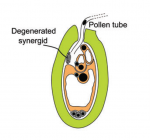 During the development of the plant reproductive lineages – the germlines – typically, single sporophytic (somatic) cells in the flower become committed to undergo meiosis. Here, Grossniklaus and colleagues review recent studies examining the molecular mechanisms underlying cell specification and the acquisition of reproductive fate in sexual and asexual plant species. See the Review on p.
 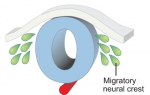 The neural crest is a cell population that contributes to a variety of derivatives, including sensory and autonomic ganglia, cartilage and bone of the face and pigment cells of the skin. Simões-Costa and Bronner examine neural crest development from a gene regulatory perspective and discuss how the underlying genetic circuitry results in the features that define this unique population. See the Review on p.