
The community site for and by
developmental and stem cell biologists

Yoshiki Sasai: stem cell Sensei

Posted by , on 21 August 2014

This obituary first appeared in Development.


Stefano Piccolo looks back at the life and research of his friend and colleague Yoshiki Sasai.
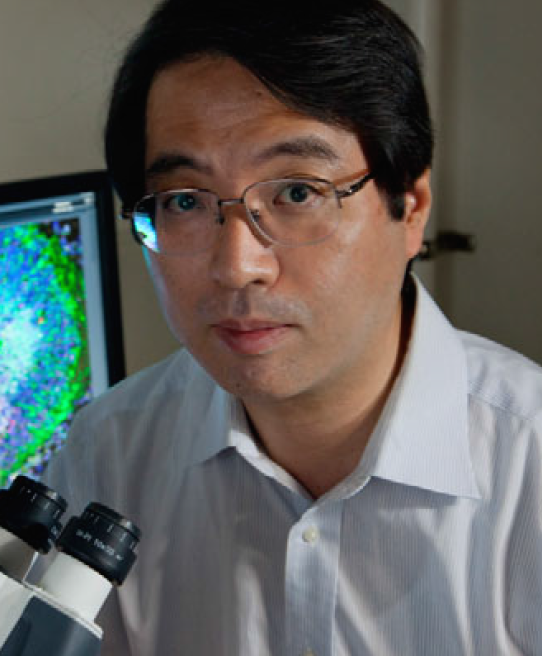
 

Yoshiki Sasai2On 5 August 2014, Yoshiki Sasai died at the age of 52, near to the RIKEN Center for Developmental Biology in Kobe, Japan. This is the institute that he had helped to establish and painstakingly driven to become a world-leading research institution. The scientific community mourns the loss of one of its giants. But for those of us fortunate enough to have enjoyed Yoshiki’s friendship, or to have been transformed by his teachings and intellectual intensity, the grief of his death is devastating. He was a pioneer in the fields of developmental and stem cell biology, and here I will try to summarize and celebrate his exceptional legacy.

Yoshiki Sasai was born in Hyogo, Japan, and grew up playing baseball and cultivating the noble discipline of Kendo (the Japanese martial art that uses bamboo swords). Like other members of his family, he entered medical school, receiving his MD from the University of Kyoto in 1986. However, after completing an internship in internal medicine, he was frustrated by the limited biological understanding involved in routine clinical practice. He wanted to get at the root of the fundamental principles by which cells and tissues, particularly the brain, operate in health and disease. He therefore left the hospital halls to join the neurobiology laboratory of Shigetada Nakanishi as a PhD student. There, he became intrigued by how neural cells control their differentiation status. He was a gifted molecular biologist and, during his PhD, he identified mammalian HES family members and revealed their anti-neurogenic properties (Sasai et al., 1992).

For his postdoc, his instinct for cutting edge research brought him to southern California, to work on early Xenopus embryology in the laboratory of Eddy De Robertis (HHMI, UCLA). I vividly remember the day I first met Yoshiki. I was a newcomer to the De Robertis laboratory, just arrived in Los Angeles from Italy, and he was the senior postdoc of the lab. The respect he garnered from Eddy and the rest of the team was palpable. A few weeks after arriving at UCLA, Yoshiki had already cloned a new secreted factor, Chordin. This discovery held the key for what was then one of the biggest mysteries in developmental biology: the workings of the Spemann organizer. This fragment of the early embryo serves as signaling source to induce the nervous tissue and pattern the body plan, but its inner workings were yet unknown (De Robertis, 2009). Yoshiki had found that Chordin was expressed precisely in the organizer; moreover, injection of chordin mRNA was sufficient to generate a twin body, thus recapitulating the effects of transplantation of the organizer tissue. His first paper had already appeared in Cell (Sasai et al., 1994), and when I arrived in Los Angeles, Yoshiki was about to publish his second landmark discovery in Nature: the observation that neuralization of naïve cells induced by Chordin could be reversed by BMP4 (Sasai et al., 1995). Eddy made it clear that now it was my turn to venture into the biochemical mechanism for the Chordin-BMP antagonism. Of course, I had no idea where to start, so I was directed to Yoshiki for practical advice. At our first meeting, he effortlessly noted down a long list of ‘to-do’ experiments, with such rigor, logic and in-depth analysis of potential pitfalls and necessary controls to leave me at the same time captivated and intimidated. I still have those lab notes with me! By following that to-do list, it took only a few months to show that Chordin is not providing the embryo with any signal, but rather depriving it from the BMP signal, physically trapping BMPs in the extracellular space (Piccolo et al., 1996). Yoshiki was thus a central figure in establishing the notion in the late 1990s that the neural fate is a default state (Sasai and De Robertis, 1997).

Yoshiki treasured the essence of these discoveries: for embryonic cells, we often must remove external instructions, rather than adding them. Remarkably, with minimal external cues, cells apparently ‘know’ what they have to do, and can initiate entire developmental programs. By 1996, Yoshiki had returned to Japan to take up a position as associate and then full professor at Kyoto University. In 2003, he moved to Kobe, to the newly established RIKEN center. Through the years, he continued to work with the frog model system, providing seminal findings on the transcription factors involved in neural patterning and on the mechanisms responsible for sizing the embryo (Inomata et al., 2008). In parallel, he was using embryonic stem cells (ESCs), which he essentially considered the mammalian counterpart of the naïve frog embryo ectoderm cells that he had neuralized with Chordin. In his lab, lessons obtained in the frog model system were applied to ESCs, and vice versa (Sasai et al., 2008).

Yoshiki had a unique ability to see things clearly while others were left wandering in the dark. Creative intuition was then coupled with an ability to conceive straightforward experimental approaches, many requiring a patient, almost ritual, optimization in perfect Japanese style. He established a mouse ESC culture system containing minimal exogenous growth factors, a system that allowed cells to spontaneously slip into a telencephalic progenitor fate (Watanabe et al., 2005). Another major innovation was the discovery of an efficient method to culture human ESCs (Watanabe et al., 2007; Ohgushi et al., 2010). Until the mid-2000s, advances using human ESCs had been hampered by the fact that, unlike mouse ESCs, human ESCs are vulnerable to dissociation, and thus are lost through passaging. Yoshiki was not discouraged by this trivial, yet apparently insuperable, limitation: he systematically searched for chemical compounds able to sustain human ES passaging. One of these, a ROCK inhibitor, instantly did the trick and allowed human ESCs to survive through multiple passages; this compound is now routinely used in the field of ES and induced pluripotent stem cell (iPS) research.

It was the follow-up to his initial ESC work that made Yoshiki a scientific superstar. Inducing some specific types of neural cell types was too easy for Yoshiki; his challenge was to generate entire parts of the mammalian brain in the Petri dish. At that time, no techniques existed for generating organs from stem cells in culture. Earlier attempts to coax cells into organs by putting them on artificial scaffolds had been met with mixed success or had floundered. Keeping faith with his ‘less-is-more’ approach, Yoshiki not only removed growth factors from his ESC cultures; he also removed cells from the tissue culture plastic on which they are normally maintained, and grew them in suspension as floating spheres in Matrigel. He sensed that freeing stem cells from any external impediments would allow them to follow their own inner biological script (Sasai, 2013).

The results were awe-inspiring. Yoshiki and his colleagues showed that when their neuroepithelial ‘balls’ reached a given size, they started to form complex three-dimensional brain structures. In a series of seminal papers, they reported the generation in a dish of cortical tissue, of optic cups covered with a multilayered retina and of functioning pituitary glands (Eiraku et al., 2011, 2008; Suga et al., 2011). Yoshiki saw the emergence of these tissues under his microscope as a sort of living origami: he had only to adjust the initial conditions and then the tissue would continue its ordered folding and progressive assembly spontaneously, without external instructions. Size, topology and differentiation were all orchestrated by mysterious ‘self-organizing’ principles. When he repeated his famous optic-cup experiments with human ESCs, the induced eyes were, in fact, very human in terms of size and photoreceptor types (Nakano et al., 2012). Species-specific differences appeared to be intrinsically encrypted in cells, and blossomed under his in vitro organogenesis conditions. When I met him at a meeting and asked whether he would now rush to apply these astonishing findings to human retinal disorders, he answered “No way, the specialists should take credit for that. I will only be their consultant”. Indeed, he had already conceived what was for him the next frontier: getting a handle on the nature of tissue’s self-organizing scripts, which he sensed were a consequence of both a chemical and a biomechanical chain of events (Eiraku et al., 2012).

Those who met Yoshiki on the conference circuit will certainly remember that he was an outstanding lecturer. His talks were perfectly punctuated with wit and a sense of playfulness. Others may have met him in the evenings of the many symposia organized at his institute as the exuberant RIKEN bartender (he expected tips, too!). The more private Yoshiki was a positive, charismatic and generous man. And it was impossible to resist being fascinated by a man who could talk passionately about so many diverse things, whether the topic was Japanese culture, the delicacies of an Italian risotto or evolutionary plasticity.

Hopefully, Yoshiki’s ‘eyes-in-vitro’ will help treating blindness in the future. But whatever the translational legacy of his work, he was certainly a visionary scientist, who opened our eyes to the wonders of developmental and stem cell biology and its potential for mankind.

Goodbye Sensei, we miss you.


References:

De Robertis, E. M. (2009). Spemann’s organizer and the self-regulation of embryonic fields. Mech. Dev. 126, 925-941.

Eiraku, M., Watanabe, K., Matsuo-Takasaki, M., Kawada, M., Yonemura, S., Matsumura, M., Wataya, T., Nishiyama, A., Muguruma, K. and Sasai, Y. (2008). Self-organized formation of polarized cortical tissues from ESCs and its active manipulation by extrinsic signals. Cell Stem Cell 3, 519-532.

Eiraku, M., Takata, N., Ishibashi, H., Kawada, M., Sakakura, E., Okuda, S., Sekiguchi, K., Adachi, T. and Sasai, Y. (2011). Self-organizing optic-cup morphogenesis in three-dimensional culture. Nature 472, 51-56.

Eiraku, M., Adachi, T. and Sasai, Y. (2012). Relaxation-expansion model for self driven retinal morphogenesis: a hypothesis from the perspective of biosystems dynamics at the multi-cellular level. BioEssays 34, 17-25.

Inomata, H., Haraguchi, T. and Sasai, Y. (2008). Robust stability of the embryonic axial pattern requires a secreted scaffold for chordin degradation. Cell 134, 854-865.

Nakano, T., Ando, S., Takata, N., Kawada, M., Muguruma, K., Sekiguchi, K., Saito, K., Yonemura, S., Eiraku, M. and Sasai, Y. (2012). Self-formation of optic cups and storable stratified neural retina from human ESCs. Cell Stem Cell 10, 771-785.

Ohgushi, M.,Matsumura, M., Eiraku, M.,Murakami, K., Aramaki,T., Nishiyama, A., Muguruma, K., Nakano, T., Suga, H. and Ueno, M. et al. (2010). Molecular pathway and cell state responsible for dissociation-induced apoptosis in human pluripotent stem cells. Cell Stem Cell 7, 225-239.

Piccolo, S., Sasai, Y., Lu, B. and De Robertis, E. M. (1996). Dorsoventral patterning in Xenopus: inhibition of ventral signals by direct binding of chordin to BMP-4. Cell 86, 589-598.

Sasai, Y. (2013). Next-generation regenerative medicine: organogenesis from stem cells in 3D culture. Cell Stem Cell 12, 520-530.

Sasai, Y. and De Robertis, E. M. (1997). Ectodermal patterning in vertebrate embryos. Dev. Biol. 182, 5-20.

Sasai, Y., Kageyama, R., Tagawa, Y., Shigemoto, R. and Nakanishi, S. (1992). Two mammalian helix-loop-helix factors structurally related to Drosophila hairy and Enhancer of split. Genes Dev. 6, 2620-2634.

Sasai, Y., Lu, B., Steinbeisser, H., Geissert, D., Gont, L. K. and De Robertis, E. M. (1994). Xenopus chordin: a novel dorsalizing factor activated by organizer-specific homeobox genes. Cell 79, 779-790.

Sasai, Y., Lu, B., Steinbeisser, H. and De Robertis, E. M. (1995). Regulation of neural induction by the Chd and Bmp-4 antagonistic patterning signals in Xenopus. Nature 376, 333-336.

Sasai, Y., Ogushi, M., Nagase, T. and Ando, S. (2008). Bridging the gap from frog research to human therapy: a tale of neural differentiation in Xenopus animal caps and human pluripotent cells. Dev. Growth Differ. 50 Suppl. 1, S47-S55.

Suga, H., Kadoshima, T., Minaguchi, M., Ohgushi, M., Soen, M., Nakano, T., Takata, N., Wataya, T., Muguruma, K. and Miyoshi, H. et al. (2011). Self formation of functional adenohypophysis in three dimensional culture. Nature 480, 57-62.

Watanabe, K., Kamiya, D., Nishiyama, A., Katayama, T., Nozaki, S., Kawasaki, H., Watanabe, Y., Mizuseki, K. and Sasai, Y. (2005). Directed differentiation of telencephalic precursors from embryonic stem cells. Nat. Neurosci. 8, 288-296.

Watanabe, K., Ueno, M., Kamiya, D., Nishiyama, A., Matsumura, M., Wataya, T., Takahashi, J. B., Nishikawa, S., Nishikawa, S.-i. and Muguruma, K. et al. (2007). A ROCK inhibitor permits survival of dissociated human embryonic stem cells. Nat. Biotechnol. 25, 681-686

Thumbs up (2 votes)
Loading...

Tags:
Categories: Research

Navigate the archive

Use our Advanced Search tool to search and filter posts by date, category, tags and authors.

The Node at the GSA Xenopus Meeting

Posted by , on 21 August 2014

The Node is on its way to California, to attend the GSA Xenopus meeting, starting in Monterey this Sunday (24th August). If you are attending the meeting, do say hello to our community manager if you see her- Cat would love to hear your thoughts on the Node! We are also looking for someone to report from the meeting, so if you would like to blog about it get in touch. We look forward to meeting you there!

 
Node Xenopus

Thumbs up (1 votes)
Loading...

Tags: ,
Categories: News

Postdoctoral Position in Left-Right Asymmetric Organ Morphogenesis

Posted by , on 21 August 2014

Closing Date: 15 March 2021

NIH-funded postdoctoral position is available in the Nascone-Yoder laboratory at North Carolina State University (NCSU) to study left-right asymmetric organ morphogenesis. The successful applicant will utilize both Xenopus and the emerging amphibian model, Lepidobatrachus (Budgett’s frog), to elucidate the cellular and molecular basis of gut and/or heart looping.

We are seeking a self-motivated individual with a Ph.D. in cell and developmental bio, and at least one peer-reviewed publication.  A strong background in molecular biology must be demonstrated, with experience in bioinformatics, frog models, organogenesis, IHC techniques, and/or confocal microscopy also highly desirable.

North Carolina State University is situated in the heart of the Research “Triangle” (as delineated by the three relative locations of NCSU, Duke University & University of North Carolina at Chapel Hill).  The Nascone-Yoder lab is located in the Department of Molecular Biomedical Sciences at the NCSU College of Veterinary Medicine, currently ranked 3rd among the top veterinary colleges in the nation.

Review of applications will begin immediately and will continue until the position is filled. Please send a CV, including a list of three references, and a statement of research interest by email to:    Nanette Nascone-Yoder, nmnascon@ncsu.edu

Thumbs up (No Ratings Yet)
Loading...

Categories: Jobs

Accelerated Frogs: Developmental Biology meets Particle Physics

Posted by , on 20 August 2014

I previously wrote a post about the development of a 4-D X-Ray Tomography technique for imaging early Xenopus embryos. Frog embryos are opaque due to their yolky composition and this has proved a challenge for traditional optical microscopy of events in the early stages of Xenopus embryo development. However Julian Moosmann, Ralf Hofmann and Jubin Kashef at Karlsruhe Institute of Technology (KIT) recently developed a technique using an X-ray setup from a synchrotron beamline to generate images of the frog embryo which they used were able to track events in gastrulation and neural crest migration.

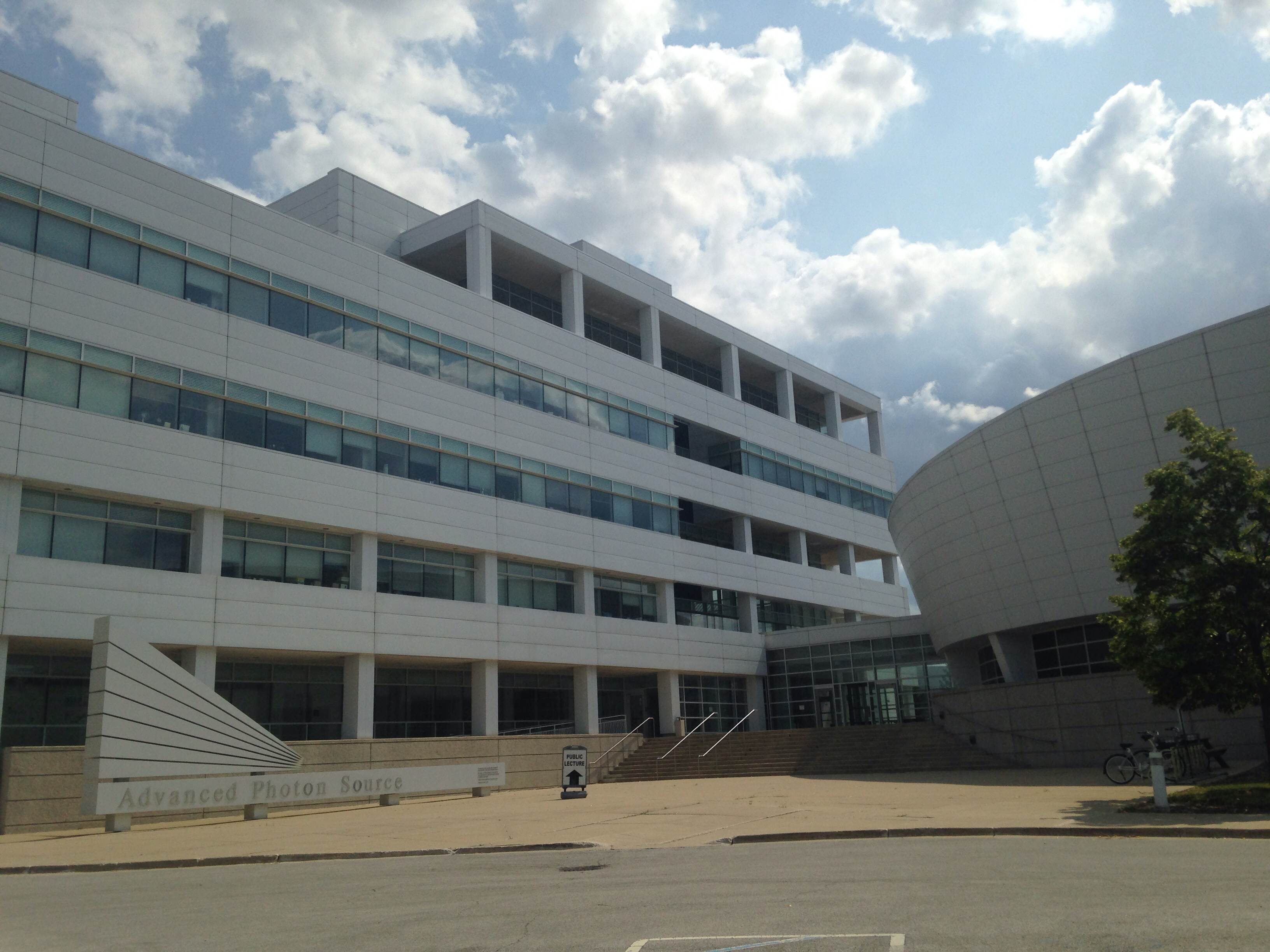
They recently had some beam time at the Advanced Photon Source in Argonne National Laboratory, IL, USA and they kindly invited me along to participate in some frog X-rays.
node1

The Advanced Photon Source at Argonne National Laboratory.


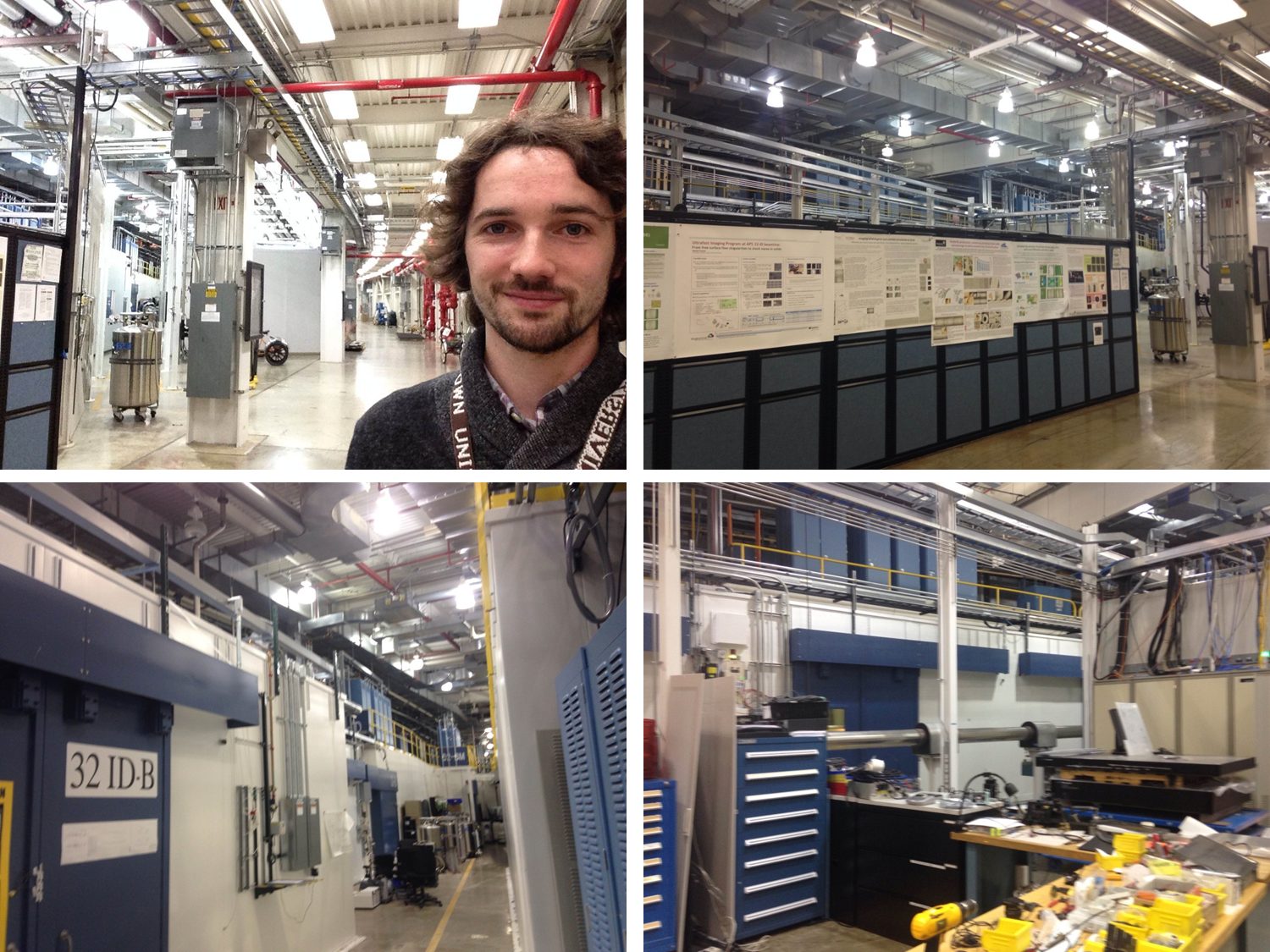
The basic principle of the process is that electrons are accelerated in a linear accelerator (to >99.999% the speed of light) and this beam of accelerated particles is further accelerated by electrical fields to >99.999999% the speed of light in a booster synchrotron, which also uses magnets to focus the beam. X-rays are generated by perturbing the path of the electrons to make them oscillate in the large storage ring. There are 35 tangential lines (we were in Sector 32, with assistance from APS staff members Alexey Ershov and Xianghui Xiao in setting up and operating the beam) which receive X-rays for experimental use, using optical setups tailored for the particular uses required by researchers.

Combined1

Top panels: The Experiment Hall. Bottom panels, left: The hatch containing the experimental room for Sector 32 and right: the line carrying the beam from the storage ring to the hatch.


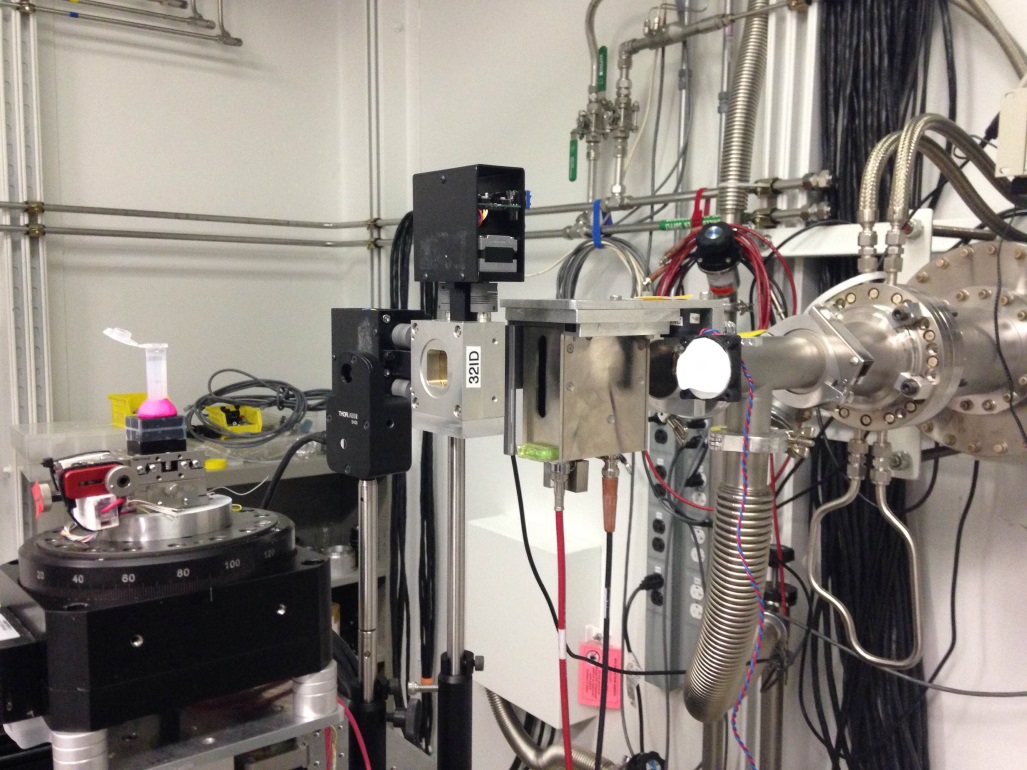
The team from KIT place frog embryos (fixed or living) in front of the beam in the setup shown below: an Eppendorf tube containing a well of agarose to hold the embryo in a fixed position is mounted on a rotating stage. For each tomogram, a 360˚ image is generated and for living samples, images are taken at multiple timepoints to generate a 4-Dimensional tomogram across space and time.

node2

Setup of the sample holder (left, Eppendorf tube on pink stand) in front of the beamline (right).


Obviously having 30 keV of X-ray radiation fired at them doesn’t make for happy frog embryos and after some time they are unable to be imaged further. This is an obvious caveat to the technique but one that can be manipulated through exposure times, much as one would limit the exposure of samples for fluorescence imaging in an optical setup.

node3

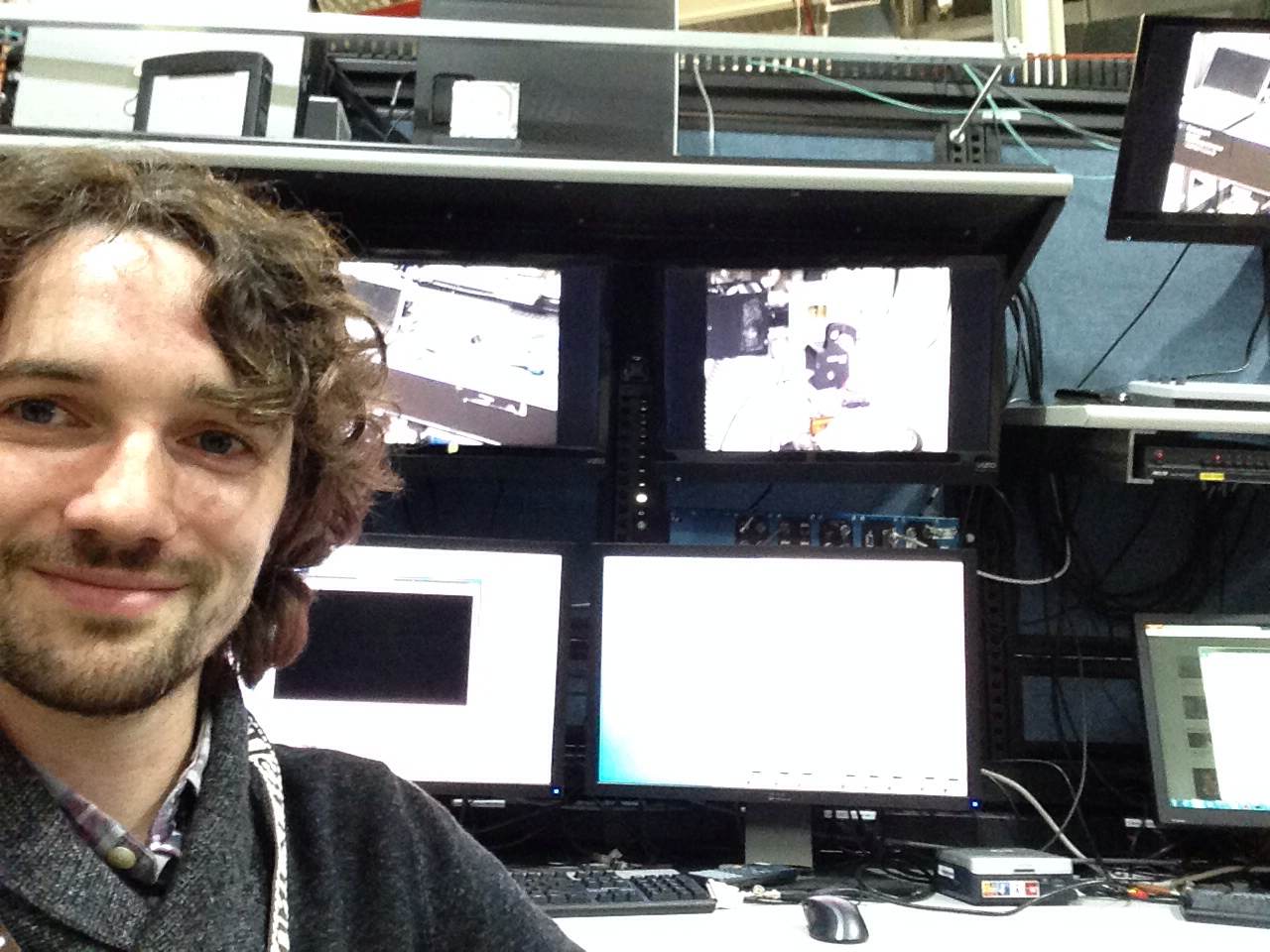
Left in charge of the beam by myself for a few hours!


Look out for this technique as it is developed further; it is clear that the images generated will give us a new view of embryology.

Please feel free to comment/ask questions – a further extended blog will likely appear at Beware of the Frog!
Further information and events:

No terrifying mutant frog monsters/comic-book villains were generated in this work.

For more info about the Advanced Photon Source please visit their website.

Ralf and Jubin are both giving talks at the upcoming Xenopus conference – Ralf will give a talk at 9am on August 27th entitled, “X-ray phase contrast microtomography: 4D livecell imaging of structural development” and Jubin will give a talk at 9.40 am entitled, “Cadherin-11 localizes to focal adhesions and promotes cell-substrate adhesion”.

Many thanks to Mike Levin at Tufts University for funding my trip out to APS.
References:

Moosmann, J. et al. X-ray phase-contrast in vivo microtomography probes new aspects of Xenopus gastrulation. Nature 497, 374–377 (2013).

Moosmann, J. et al. Time-lapse X-ray phase-contrast microtomography for in vivo imaging and analysis of morphogenesis. Nature Protocols 9, 294-304 (2014).

Thumbs up (8 votes)
Loading...

Tags: , , , , , , , ,
Categories: Images, Lab Life, Research, Resources

Postdoc position – Cell and Developmental Biology, John Innes Centre, UK

Posted by , on 20 August 2014

Closing Date: 15 March 2021

A 3-year postdoctoral position is available in the Sablowski lab at the Cell and Developmental Biology Dept., John Innes Centre, Norwich, UK. The successful candidate will work on a project that combines genome-wide association mapping and quantitative image analysis to reveal novel genes that control stem architecture in Arabidopsis.
 

Plant architecture depends in large part on the on the size and shape of the stem, which vary widely in nature and in crops. The genetic and developmental basis for this variation, however, is mostly unknown. Knowledge about stem ontogenesis and novel genetic variation that modifies stem development is not only of fundamental interest in plant development and evolution, but also has great strategic potential for crop improvement.
 

An effective approach to reveal the genetic basis of natural variation is genome-wide association studies (GWAS), and in recent years Arabidopsis has emerged as a powerful model for GWAS. Also in the last years, novel imaging and quantitative, 3D image analysis methods have created unprecedented opportunities to study the cellular basis of plant growth. In this project, we combine both approaches to reveal the genetic basis for natural variation in stem development and the mechanism of action of the underlying genes.
 

A PhD in cell biology, development or molecular biology is required. The ideal candidate will have a proven record of scientific productivity and will combine rigorous and creative thought with attention to detail and ability to integrate their own project and results with knowledge from the relevant literature. Good knowledge of statistics, experience with Arabidopsis genetics, confocal microscopy, image analysis and knowledge of programming languages (R, Python) will be advantageous.
 

To apply, please go to: http://www.jic.ac.uk/training-careers/vacancies/2014/08/postdoctoral-research-scientist-sablowski-lab/
 

For further details about the lab, visit http://www.jic.ac.uk/STAFF/robert-sablowski/sablowski.htm


Thumbs up (No Ratings Yet)
Loading...

Tags: , , , , ,
Categories: Jobs

In Development this week (Vol. 141, Issue 17)

Posted by , on 19 August 2014

Here are the highlights from the current issue of Development:


HSCs make a Runx1 for it

F1.smallThe emergence of haematopoietic stem cells (HSCs) during early mammalian development is crucial for the formation of all blood cell lineages. Previous studies indicate that Runx1 is required for the endothelial-haematopoietic transition that gives rise to definitive HSCs; however, this transition occurs in multiple steps and the precise stage at which Runx1 is required has been unclear. In this issue (p.3319), Alexander Medvinsky and colleagues define the exact point during murine HSC emergence at which Runx1 is required. Using a conditional reversible knockout strategy, the authors show that a deficiency of Runx1 does not affect commitment to the haematopoietic lineage as marked by the expression of CD41, as Runx1 knockout embryos still contain a population of CD41+ cells that can form HSCs when Runx1 expression is restored. However, the absence of Runx1 blocks progression to the next stage of HSC emergence, as marked by the expression of CD45. These results demonstrate a precise, stage-specific role for Runx1 in the molecular regulation of HSC emergence during embryo development.


New player in neocortical neuron migration

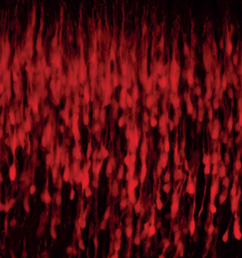
F1.small-1The formation of the mammalian neocortex relies on the migration of projection neurons into specific layers, which is in turn regulated by cyclin-dependent kinase 5 (Cdk5). Cdk5 has previously been shown to interact with the G protein-coupled receptor serotonin 6 receptor (5-HT6R); however, whether and how this interaction might be important for neocortical migration remains unclear. Now, on p.3370, Alexandre Dayer and colleagues use a range of knockdown and rescue in utero electroporation experiments in mouse to show that 5-HT6R regulates the migration of the upper layer cortical projection neurons via its interaction with Cdk5, rather than with serotonin or other agonists. Knockdown of 5-HT6R in postmitotic upper layer neurons impairs their migration and leads to their presence in deeper layers of the neocortex, while re-expression of the full-length receptor or a Cdk5 kinase rescues this defect. The interaction between Cdk5 and 5-HT6R specifically affects the transition between multipolar and bipolar morphology in immature migrating neurons and provides in vivo evidence for the role of a G protein-coupled receptor in neocortical neuron migration.


Sonic hedgehog all Ptch2 up

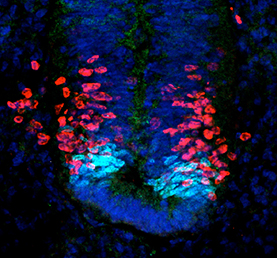
The sonic hedgehog (Shh) signalling pathway is a crucial mediator of cell proliferation, morphogenesis and fate, influencing the development and homeostasis of multiple organ systems during all stages of life. A central premise of Shh signalling is that the receptor patched 1 (Ptch1) mediates the Shh response, and that this response is greatest when Ptch1 is absent, allowing the release of pathway activator smoothened (Smo) and the eventual activation of Gli proteins. In this issue (p.3331), Henk Roelink and colleagues challenge this notion by showing that cells devoid of Ptch1 remain Shh responsive in both transcriptional and migrational assays. Furthermore, the authors demonstrate a role for patched 2 (Ptch2) in mediating the Shh response in the absence of Ptch1, since a response to Shh is seen in Ptch1–/– but not in Ptch1–/–;Ptch2–/– cells. These data are indicative of a complex relationship between Ptch1 and Ptch2 in their regulation of Smo activity in response to Shh.


PLUS…


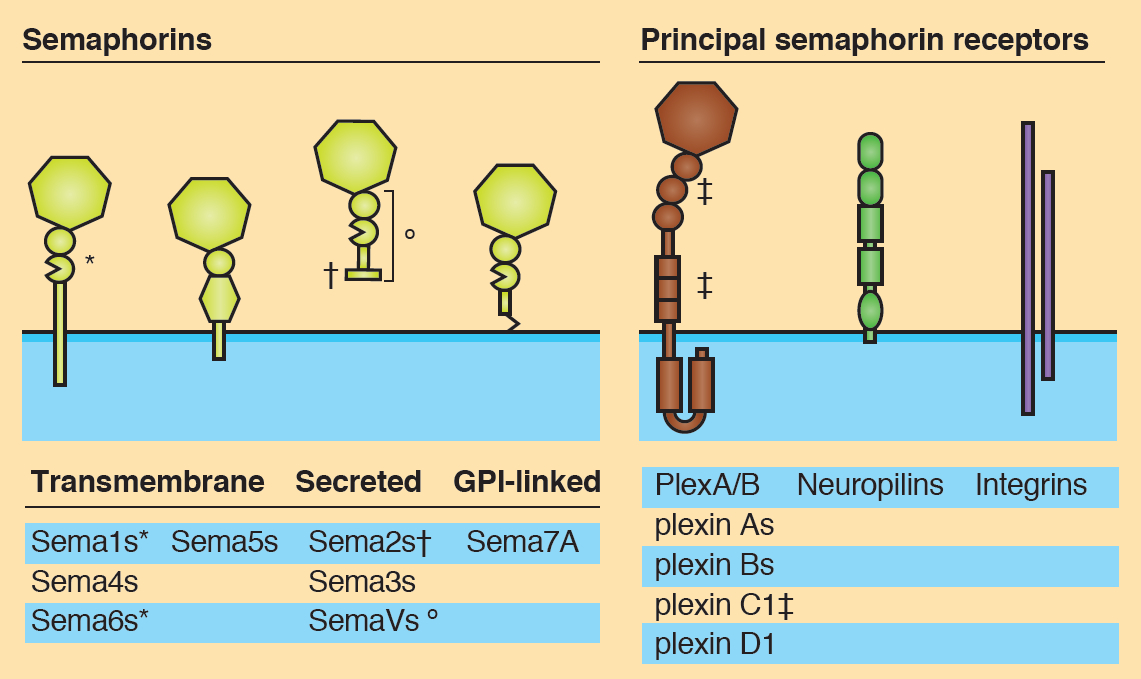
Semaphorin signalling during development

Semaphorins are secreted and membrane-associated proteins that regulate many cellular and developmental processes. In this article and accompanying poster, Jongbloets and Pasterkamp review the molecular biology of semaphorin signalling in different contexts. See the Review on p.3292
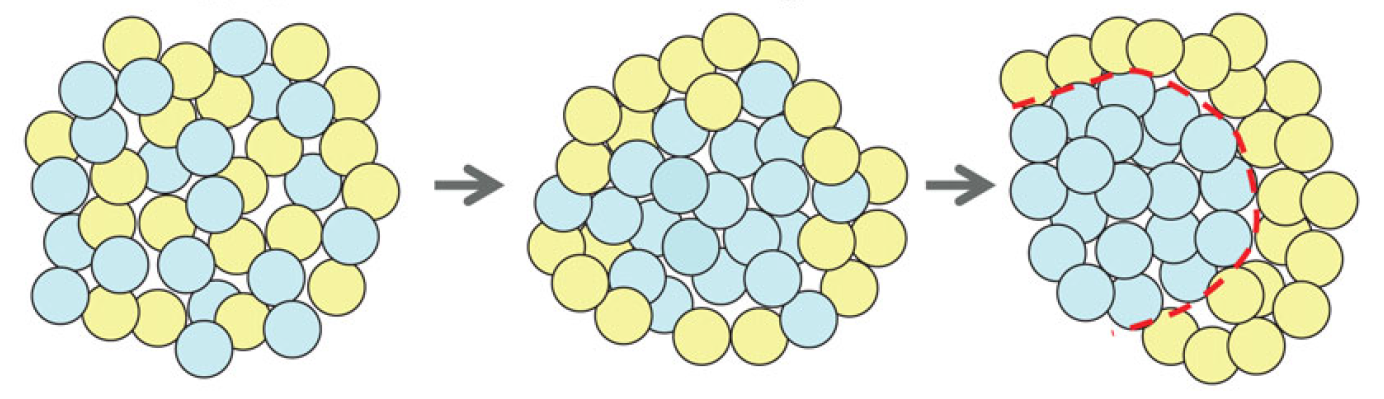


A cellular understanding of tissue separation

The separation of the embryo into physically distinct regions is one of the most important processes in development. François Fagotto discusses various boundary formation models and summarizes recent studies that have examined this process at the cellular level. See the Review on p.3303
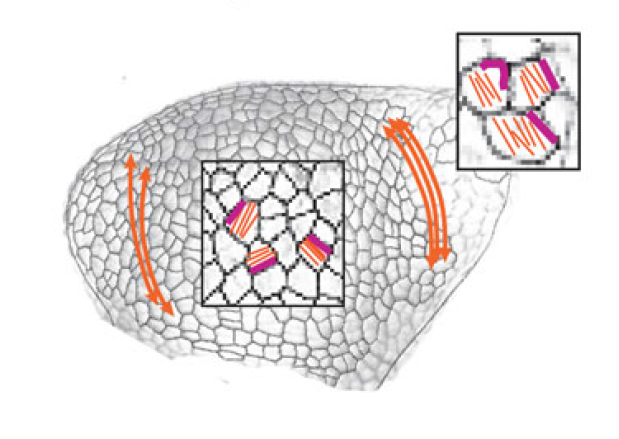


Coordinating cell polarity: heading in the right direction?

Jeffrey Axelrod and Dominique Bergmann report from The Company of Biologists workshop ‘Coordinating Cell Polarity’, which brought together researchers working on plant and animal systems to discuss the emerging themes in the field. See the Meeting Review on p.3298


Thumbs up (1 votes)
Loading...

Categories: Research

Short Course: GENE REGULATORY NETWORKS FOR DEVELOPMENT

Posted by , on 18 August 2014

Applications are still being invited for this exciting course, to be given at MBL October 12-24, 2014.


This is the 7th edition of an advanced Course oriented around the central conceptual foci of the field. Gene regulatory networks lie at the conceptual nexus of development, evolution and functional regulatory genomics. The Course is open to graduate students, postdocs, PIs or anyone else who might profit from a fast moving treatment of this new field. The Network Course provides an intense experience, which includes lectures, discussions, and seminars with a prominent interdisciplinary Faculty; modeling and topological network problems; and student presentations. The Course covers structure and function of genomically encoded gene networks controlling many different developmental processes, in vertebrate, Drosophila, and sea urchin model systems.. The Course is supported by NICHD, and has drawn rave reviews in all of its previous six incarnations. This year’s stellar Faculty:


Scott Barolo, University of Michigan
James Briscoe, MRC National Institute for Medical Research, London
Marianne Bronner, Caltech
Arthur Lander, University of California Irvine
Bill Longabaugh, Institute for Systems Biology
Rob Phillips, Caltech
Ellen Rothenberg, Caltech
Harinder Singh, Cincinnnati Childrens Hospital Medical Center
Steve Small, New York University
Isabelle Peter, Caltech, Assistant Director
David McClay, Duke University, Co-Director
Eric Davidson, Caltech, Co-Director


The syllabus of the 2014 Course can be seen at http://www.mbl.edu/education/files/2014/04/gern_sched14.pdf


Applications http://ws2.mbl.edu/StudentApp/StudentApp.asp?CourseID=GERN

are due August 19, 2014  (Some fellowship and travel assistance are available on request).

Thumbs up (No Ratings Yet)
Loading...

Tags:
Categories: Events, News

(Developmental) Biology around the internet- August 2014

Posted by , on 15 August 2014

Here is August’s round-up of some of the interesting content that we spotted around the internet:


News & Research:

– An interesting article considers the impact of the Great War in women in science.

Alan Turing’s contributions to developmental biology featured in an excellent article in Mosaic.

– Do you use Research Gate? Or maybe Twitter? Nature News & Comment investigated how scientists use social networks.

– The British Society for Developmental Biology and the Node collated a list of outreach projects, resources and more. Have a look!

– And several articles considered different aspects of science jobs:

      – How stress affects postdocs, and how to deal with it

      – Should early scientists still be required to move country and institutes?

      – Why advertise a job position if you’ve already picked your winner?

      – Chris Wylie wrote this document a few years ago, providing advice to young faculty


Weird & Wonderful:

– If you are a fan of hama beads, you can now create images of the most common model organisms (suitable for cross stitching as well!)

– If famous scientists had logos, this is probably what they would look like.

– An artist has taken advantage of an  insect’s biology to create cocoons of gold and jewells

– ‘Directed evolution of a full professor‘- the research study (well, at least an abstract!)

– What is your pipette tip personality?


Beautiful & Interesting images:

– The smooth ER gets all the girls!

– A visual guide to bioluminescent creatures .

– Creating images of model organism out of laboratory equipment .

– Happy grass cells!  


Videos worth watching:

– Great video of a reconstructed beating heart.

– The importance of funding basic science, winner of a FASEB outreach competition.

– ‘Smells like development’, a Nirvana parody. And if you like this, make sure to also check the Devo Show!


Keep up with this and other content, including all Node posts and deadlines of coming meetings and jobs, by following the Node on Twitter


Thumbs up (1 votes)
Loading...

Tags:
Categories: News

The SDB-BSDB Interview Chain: Zarah Löf-Öhlin interviews Niteace Whittington

Posted by , on 12 August 2014

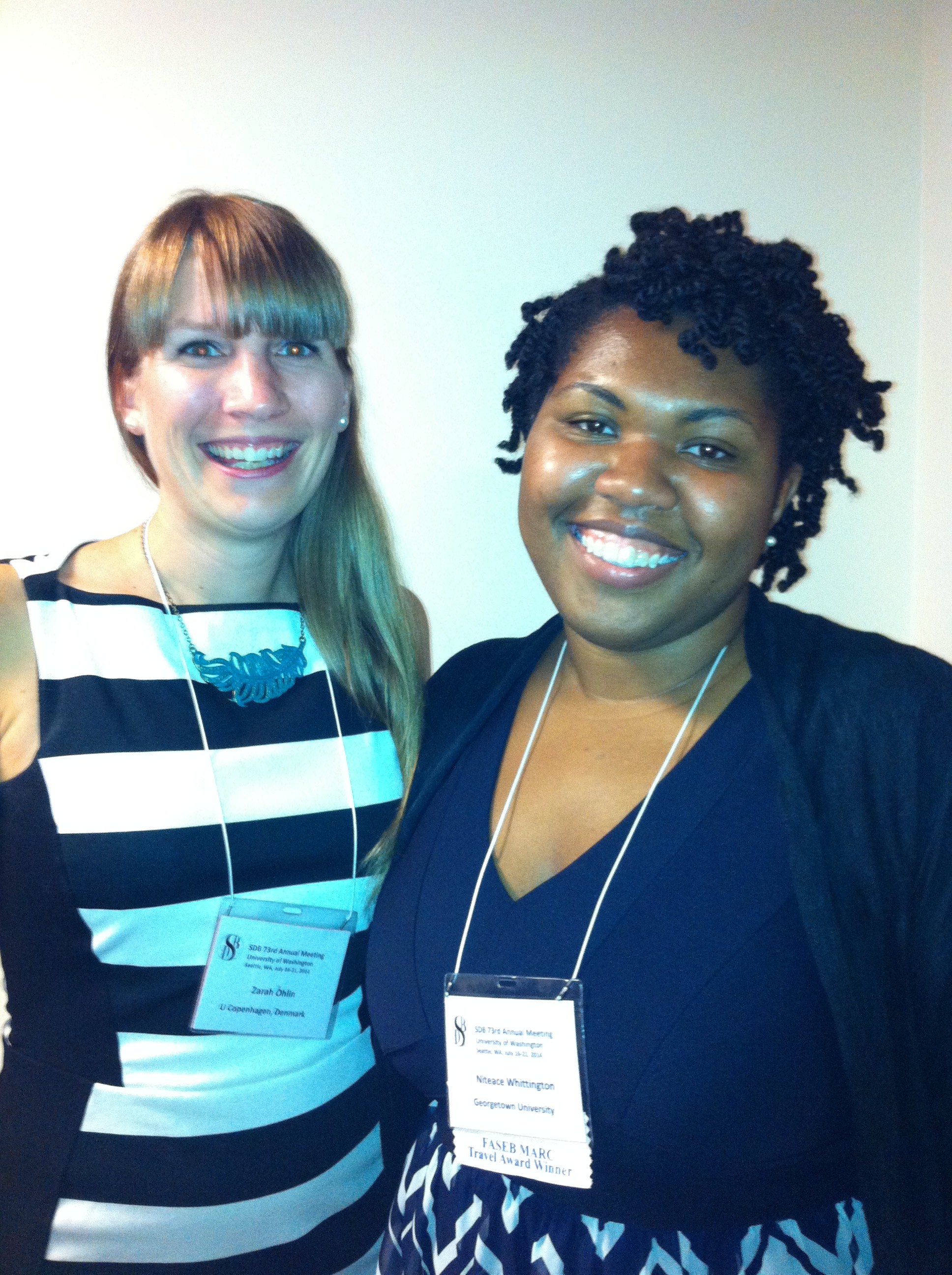
Last March we interviewed Zarah Löf-Öhlin, who won the BSDB poster prize at the joint meeting of the British Societies for Cell Biology and Developmental Biology. Zarah’s prize was to travel to Seattle to attend the 73rd Society for Developmental Biology meeting. Continuing the interview chain, Zarah interviewed Niteace Whittington, who won the SDB poster prize there. As a prize, Niteace will be attending the BSDB Spring meeting next April, in Warwick, UK.


ZLÖ: Congratulations on your achievement. You must be really proud of yourself!

NW: Thank you, I am!


ZLÖ: How do you feel?

NW: I am very surprised, happy and excited. I have never won anything this big before, so it is a really big deal for me.


ZLÖ: Is this the first prize that you have ever won at a poster competition?

NW: I won a prize during my undergraduate studies for a poster competition, but that was a long time ago. Last year I won a prize for presenting at a regional SDB meeting, but this is the biggest prize I have ever received.


ZLÖ: I can see that you also won a travel award for this meeting, so you have been very successful…

NW: Yes, I was awarded the FASEB MARC travel award. I have actually been awarded this travel prize every year since 2010 to attend SDB meetings. It is a travel award aimed at under-represented minorities in the sciences.


ZLÖ: In which lab do you work and what does your lab work on?

NW: I work with Elena Silva at Georgetown University, in the department of Biology. We are a developmental biology lab, and we study the development of the nervous system. We are particularly interested in identifying the gene regulatory network that regulates neurogenesis, i.e. the progression from a neural stem cell to becoming a neuron. My work tries to understand the function of Sox21, a transcription factor. We want to understand what role it plays in the process of neurogenesis.


ZLÖ: And you presented this work here?

NW: That is what I presented in my poster. It is my graduate thesis work, so the majority of my life as a graduate student was spent on that poster!


ZLÖ: Do you have a lot of time left on your PhD?

NW: I have actually defended my thesis in April. I have just finished my PhD.


ZLÖ: What are you future plans?

NW: I am looking for a postdoc position. I have been talking to a few people here and sending emails. I am really interested in expanding my research and learning new techniques.


ZLÖ: Then it is great that you get to go to England. Is it an option for you to move to Europe?

NW: We will see after I have visited!


ZLÖ: Have you been there before?

NW: I have never been to Europe before. It will be very exciting!


ZLÖ: Thank you and good luck with everything!


SDB poster winner interview photo


 Zarah Löf-Öhlin (left) and Niteace Whittington (right)

Thumbs up (1 votes)
Loading...

Tags: , ,
Categories: Interview

On inspiration

Posted by , on 11 August 2014

I write this article in the beautiful city of Vienna at the European Society for Evolutionary Developmental Biology meeting 2014. This is a meeting that happens every two years and I have been to every single one since the inaugural meeting in 2006 in Prague. As a card-carrying evolutionary developmental biologist, I began my career working on the basal chordate amphioxus. For the last five years or so have been working on questions of brain evo-devo in amniotes, predominantly using chick as a model system, in a neuroscience department. As such, I am thoroughly embedded amongst people whose primary concern is frequently how things work rather than how they have evolved. Often, the notion that biological systems have evolved seems (or perhaps, feels) completely alien. Philosophically, the approach frequently is intensely reductionist and shares more common ground with that of engineers than with many areas of biology. If there is a strain of criticism in my voice, it is only subliminal – working in a neuroscience department has been intensely invigorating and stimulating for my own scientific development.

Nevertheless, it is wonderful to be at a conference surrounded by people who are interested only tangentially in ‘cool’ experimental approaches, but primarily in really interesting animals and plants and what they can tell us about biology. It is the problems that count here, not the approaches – they are just a means to an end, though ironically the field has proved much quicker than most at adapting to new technologies (sequencing is an obvious example). As such, having initially thought that I would try and put together a meeting review, I have decided not too. This is not for the want of great talks, though I have drank a lot of beer in the last few days and have been rather worse for wear during many of them (another reason EED is a great conference). The reason for my change is that I wanted to write about something a bit less obvious: inspiration.

As a first year PhD student I bumbled along to a mini-meeting in Oxford on evo-devo in the UK. I was all bright-eyed and bushy-tailed and loving the start of becoming an evolutionary developmental biologist. The crippling self-doubt and crushing disappointment and delusion that would come to characterise much of the rest of my doctoral studies had yet to set in. This is not a complaint – I had a successful time with very good supervision during my PhD; it strikes me that a PhD is supposed to resemble emotional purgatory (at least, always seems to – people who say it doesn’t, or more often reminisce that it didn’t, are lying).

Anyway, that’s not important. What I wanted to talk about was the inspiration that got me through, and it was to at least some extent the result of that meeting in my first year. I heard, amongst other people, Cassandra Extavour present some really preliminary data from her postdoc in Michael Akam’s lab in Cambridge. She works on germ cell specification in arthropods. I have no idea how that works (I didn’t then; I still don’t now). The data she presented was not at the time particularly impressive (though that is likely at best an uneducated opinion, dragged up from the back of my bad memory). But you could see the spark. She was fantastically bright and depressingly charismatic.

Well, eight years later, she is now an Associate Professor of Organismic and Evolutionary Biology at Harvard. She has published about 4347238472 nice papers across a range of big and small journals (one of the things that in my experience seems to characterise good scientists is the willingness to publish in smaller journals rather than just shoe-horn data together and bully editors over the phone at NPG or Cell Press) and is, in short, a massive success. At EED 2014, she gave an update on her efforts as part of the community setting up a Pan-American evo-devo society that will be the sister to the European one of which I am a member. She also went on to highlight how the American network, through loudly and accurately advocating the field and jumping through the appropriate hoops, are in the process of convincing the National Science Foundation that the field of evo-devo can directly contribute to the goals of the NSF. Compared to the frequent tendency (at least in me) to naval-gaze and complain that people don’t fund evolution for its own sake, this was incredibly impressive*. I hate writing pieces that if I read them would make me post an anonymous comment of ‘vomit’, but I have made an exception as I stand to gain nothing: it was an inspiration.


*To be fair though, it does help to have a funding body that ask scientists (the people who actually have an informed opinion) what the priorities should be, rather than dictating to them what they are, and then asking them to change their behaviour. The ERC has developed a stellar reputation for exactly that reason too – the only criterion is scientific excellence; there is not a ‘strategic priority’ in sight. Research Councils UK take note. Please.

Thumbs up (1 votes)
Loading...

Categories: Discussion