Organisers: Stephen Eglen, Matthias Hennig, Andrew Huberman, David Sterratt, Ian Thompson, David Willshaw
Aim of the meeting
Understanding the development of the nervous system is a key challenge that has been approached by both experimental and theoretical neuroscientists. In recent years there has been a gradual move towards the two groups working more with each other. The idea of this workshop is to bring key people together who have shown an interest at combining theoretical and experimental techniques to discuss current problems in neuronal development, and plan future collaborative efforts.
Time at the end of each day of the workshop will be devoted to a group discussion about questions that have been raised during the day to identify possible research directions and people willing to pursue them.
Speakers: Tom Clandinin (Stanford), Michael Crair (Yale), Irina Erchova (Cardiff), David Feldheim (UC Santa Cruz), Geoffrey Goodhill (U Queensland), Robert Hindges (Kings College London), Sonja Hofer (Basel), Hitoshi Sakano (U Tokyo), David Wilkinson (NIMR, London), David Willshaw (Edinburgh), Fred Wolf (Gottingen).
This meeting is supported by Cambridge University Press, Company of Biologists, Gatsby Charitable Foundation, Institute for Adaptive and Neural Computation, Wellcome Trust.
This article was first published in Development, and was written by Timothy T. Weil, Department of Zoology, University of Cambridge.
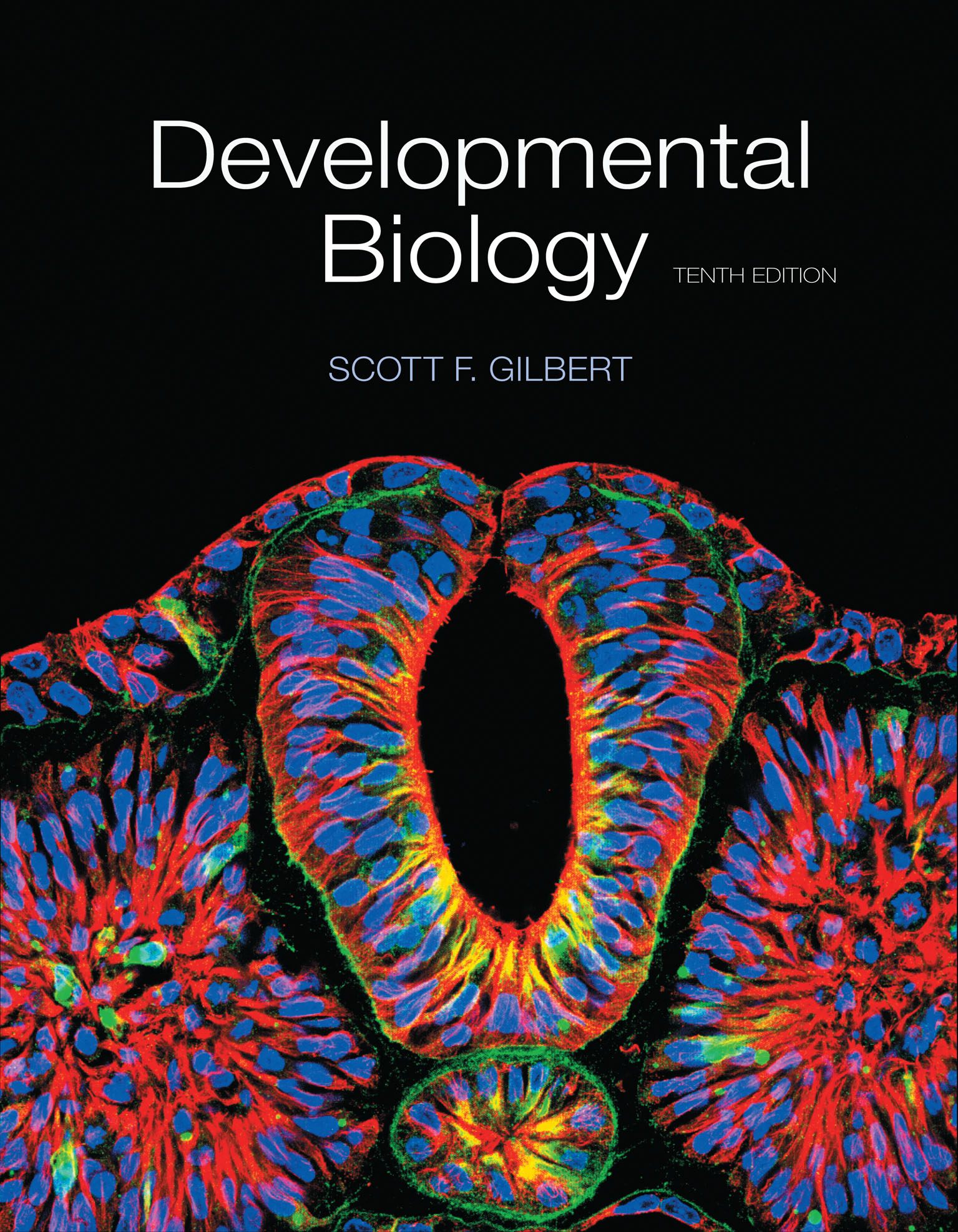
In the age of Google and Wikipedia, what is the role of the textbook? When revising lecture notes, what motivates a student to pull a clunky book off the shelf, rather than hitting the keyboard and accessing millions of search results in tenths of a second? The question for today’s educator might actually be how to steer undergraduates to the best-suited, most applicable source. When teaching developmental biology, the 10th edition of DevelopmentalBiology by Scott F. Gilbert provides an elegant solution to this conundrum.
Any text in its 10th edition is likely to have had a great deal of success, and Gilbert is no different. The work is comprehensive, with all the expert detail and beautiful data that have become synonymous with his book. While online searches and primary articles can be very intimidating to students and often compound pre-existing confusion, Gilbert works well as an entry point into the vast literature on all the topics covered. The text can function both as a general tool that can be read chapter by chapter, and as a reference for specific questions. This dependable and friendly text enables students to acquire quality basic information, and subsequently directs them smoothly to the primary literature for further exploration.
Like a prologue to a play, the first pages of the text set the scene and introduce the main characters, relationships and drama that motivate the action to follow. Gilbert’s 10th edition is presented in four parts: Questions, Specification, The Stem Cell Concept and Systems Biology. This structure remains mostly unchanged from the previous version; a pragmatic reorganisation that was introduced between the 8th and 9th editions. Each part opens with an introduction in review-like style and standard. These prefaces work well, placing the information to be presented in context, as well as informing and exciting the reader as to why it is important.
The book is further divided into 20 chapters that are well organised, easy to navigate, comprehensive and enriched with primary images and effective diagrams (an impressive 694 illustrations in 719 pages). Within the four parts, the chapters are linked with short, concept-driven openings and end with concluding remarks in the ‘coda’ section, creating a cohesive quality to the book. Also included at the end of each chapter is a ‘snapshot summary’, suggestions for further reading and directions to the online resources that are provided as part of the book package. Although these are expected components of any top textbook, Gilbert executes them extremely well. Throughout the chapters, there are stand-alone sections entitled ‘Sidelights & Speculations’, such as ‘The Nonequivalence of Mammalian Pronuclei’, ‘BMP4 and Geoffroy’s Lobster’ and ‘Transposable DNA Elements and the Origins of Pregnancy’. These vignettes have a mini-review quality to them and are good launch points for small group discussions.
Notably, the 10th edition has considerable new content and references, helping to maintain its position at the leading edge of available textbooks. This includes, but is by no means limited to, content on microRNA-mediated gene silencing, a new Crepidula (sea snail) fate map, epigenetic mechanisms of X inactivation, new ideas of neural tube closure, epithelial-to-mesenchymal transitions in cancer and developmental plasticity due to climate change.
For undergraduate course designers and lecturers, it is useful that the text is question driven, and includes many techniques ranging from classical transplantation and genetic screens to modern molecular networks and super-resolution microscopy. This provides the reader with the necessary information to think about the data as the original researcher did – an essential component in the education of young scientists.
Inherently, however, a textbook is out of date as soon as ink hits paper. It is therefore unfair to criticise the book on failing to include recent advancements, such as the CRISPR/Cas technology for genome engineering in Drosophila and other species. However, these limitations must be noted when considering the place of textbooks, as education inexorably moves towards a paperless existence.
The book ‘extras’ are an attempt to bridge the gap between paper and screen. These include the companion website www.devbio.com – self-described as a ‘museum’ with different ‘exhibits’ that ‘enrich courses in developmental biology’ – and vade macum3, a ‘laboratory manual’ that ‘helps students to understand the organisms discussed and prepare for the laboratory’. Both supplement the text, but are not essential to the book experience. They seek to provide an interactive avenue for students to explore, but when competing against the web are unlikely to become the first point of call for a student. However, they do offer an additional resource for instructors to enhance their lecture material with some available images and short videos. Moreover, by contacting the publisher, lecturers who confirm adoption of the text as part of their course may be granted access to ‘The Instructor’s Resource Library’. This includes images and presentation documents of all figures, tables and videos found in the text. This is a windfall for new lecturers and established educators looking to refresh their material.
Beyond the scientific realm, the text displays Gilbert’s ability to wear other literary hats, keeping the reader interested and engaged. He acts as historian as he brings alive the rich tapestry of developmental biology research; as columnist when relating the science to cultural quotes from the likes of T. S. Eliot, Steve Jobs, Emily Dickinson and Frank Lloyd Wright to name but a few; and finally as comedian with a lighthearted section on the website including ditties such as ‘The Histone Song’, links to YouTube videos and amusing articles.
Altogether, Developmental Biology by Gilbert is a classic and fundamental text. At £52.99 (RRP €63.58, $139.95), it is worth considering whether the 10th edition is a necessary upgrade. For general biology students, older editions will likely suffice. For lecturers or aficionados, the new content is nice, but not essential, especially for anyone owning the 9th edition. However, if you want an excellent text for teaching and learning developmental biology, the 10th edition is an ideal resource.
In the social media-dominated world of today, the future of the traditional course textbook is uncertain. The prospect of a continuously updated, interactive online ‘book’, complete with embedded links to primary sources, live movies and interactive images, is appealing. Still, at present there is no substitute for the well-written, accurate and engaging reference book exemplified by the 10th edition of Developmental Biology by Gilbert.
Developmental Biology, 10th edition by Scott F. Gilbert. Sinauer Associates (2013), 750 pages. ISBN: 9780878939787. $139.95 (hardback).
International Edition: Palgrave Macmillan. ISBN: 9781605351735. £52.99, €63.58.
I have been trying to pin-point when exactly I became interested in science outreach. The earliest I can think back is when we had to dissect Helix aspersa, the garden snail, in our undergraduate zoology practical. It was a slimy business. Our lecturer had asked us to remove the specimen’s body from its shell. It popped out in a spiral, covered in mucus. I took it apart carefully, holding my breath and trying to keep a steady hand whilst unravelling its insides with my shiny new dissecting instruments. As I uncovered its digestive system, its muscles and its ‘love dart’, incision by incision my initial feeling of disgust turned into deep fascination.
A few weeks later I was looking for a present for my little cousin. The book “Die Schnecke” (“The Snail”) seemed like the perfect choice. We read it together, sitting on the ground and admiring the illustrations. I guess that a passion for science communication has always been a big part of my love for science.
Thanks to my supervisors and my University I have been able to develop this passion into an official part of my job. My last post-doc position included a day per week dedicated to outreach, funded by my Faculty. In 2012 I became the University’s first Research and Science Communication Fellow. Now my time is split between plant cell biology and science communication, with a bit of teaching sprinkled on top.
The split is not mathematically accurate and I do not work exactly 2.5 days per week on each. Rather, things come in phases. March is extremely busy with the Oxfordshire Science Festival, and our Brookes Science Bazaar of which I am now the lead organiser. Last year Dr Niall Munro, a lecturer in American Literature, and I developed a training programme for early career science and humanities researchers. With input from a science journalist and poet, our participants paired up to explore interdisciplinary ‘Visions of the Future’, and presented their work on a theatre stage.
Our stall at the Oxfordshire Science Festival 2013 launch event in Oxford City Centre.
I always have several smaller, long-term projects running on the side, such as our DNA gel electrophoresis loan kit scheme or our partnership with the Oxford Academy. Between busy periods I focus on research and restrict my activities to ‘one-offs’ like SciBar or Science Showoff, and social media. I also run internal and external training sessions for researchers and mentor students and scientists who want to dip their toe into science communication.
Sometimes people ask me if I prefer science or science communication. I reply that both have their upsides and downsides. I love the excitement of coming up with hypotheses and designing experiments to test them. But in science, progress tends to be slow. Plants need to grow. Experiments need to be repeated or suddenly stop working for no obvious reasons. This can be very frustrating. When I put hard work and long hours into science communication projects, I know that I will (usually!) get a good outcome. Without exception, all of my projects have been extremely rewarding. I often joke that outreach keeps me sane because it is a positive balance to the constant stream of failures and rejections in science. Sometimes however things happen too fast or sudden and I need to react quickly, for example when two kids are starting to fight in our workshop or volunteers drop out at the last minute.
Juggling research, science communication and teaching is difficult, but not unique to my position. Like many other early career researchers, I am still learning how to squeeze productive bursts into an increasingly fragmented work day. Being able to say ‘no’ is as much an important skill as knowing how to perform a scientific method, and I am getting better at it. I also try to regularly pause and assess – in all areas of my job – whether I am working too much in the ‘urgent, but not important’ quadrant, and not enough in the ‘important, but not urgent’ one.
So how do you get started with outreach? My main advice would be to start small. Engage in existing initiatives: Become a STEM Ambassador, volunteer at your local Science Festival, the British Science Festival or the Big Bang Fair. Try out different communication channels (hands-on activities, comedy gigs, science songs or blog posts, just to name a few!), locations (university, pub, theatre, museum, city centre…) and audiences (children or adults). But at the same time, be realistic about your time and your resources. Always keep in mind your audience and what you want to achieve. Read up on evaluation. Collaborate with others. Volunteer as a research group to run a stall at an event. Write an article with a fellow PhD student, or find like-minded people on Twitter. Work as a team to bounce ideas around and split tasks between you. Once you have tested the water, don’t be afraid to think bigger – who knows where it might lead!
Everyone loves a game. So here’s a game that flexes that brain muscle, which can be adapted for all audiences, topics and required level of cuteness.
Presenting: the Animal Pairs Game.
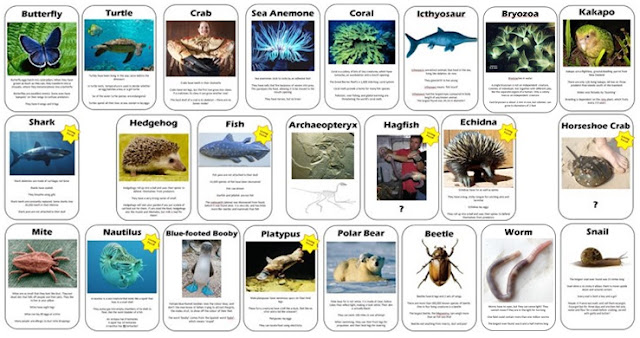
I first produced this for a demonstration event at ThinkTank Museum in Birmingham, a Meet the Scientist day themed around evolution and adaptation. The idea was simple: pair up the most similar animals. So, among the laminated cards, each with striking images and brief descriptions, were two birds, two mammals, two insects and many other animal groups. Among them were animals from similar ecological niches with strikingly similar appearances, yet differing classification, such as the European hedgehog and the echidna; and similar animals with big differences in appearance, such as the hedgehog and a polar bear — one small, one big, both from very different habitats, yet both mammals. Among them, also, were a number of wildcards to provoke critical thinking: should the archaeopteryx, for example, pair with a bird or a reptile?
The full list of creatures was a veritable menagerie intended to provoke wonder and to broaden horizons about the natural world, and linked as much as possible with the museum’s taxidermy collection. Here, pre-paired, are what I presented:
Echidna – Platypus (Monotremes)
Hedgehog – Polar bear (Mammals)
Nautilus – Snail (Molluscs)
Turtle – Icthyosaur (Reptiles)
Fish – Shark (Fish)
Kakapo – Blue-footed booby (Birds)
Crab – Mite (Arthropods)
Bryozoa – Worm (Spiralia)
Butterfly – Beetle (Insects)
Coral – Sea anemone (Cnidaria, with a silent c if you please)
And the wildcards: the Archaeopteryx, Hagfish and Horeshoe crab
As you can see, many of them were pretty difficult, but the beauty of the activity was that cards could be removed for different audiences, and others reclassified (you could use a wider deuterostome/protostome classification, for example, or the lophotrochozoa/ecdysozoa split). You could make a big deal about living fossils, if you fancied, or just tell tales about your favourite animals. All in all, it had many children captivated, and kept their attention for a lot longer than other activities I have demonstrated in the past.
The activity could be tailored for any subject. For developmental biology, for example, you could stick with the protostome/deuterostome divide and ask which develop with a dorsal (like our spines) or ventral (like the Drosophila ventral nerve cord) nervous system, or which form mouth first… or alternative openings? Maybe you could use pictures to signify how similar the earliest stages of vertebrate embryology are? Plenty of developmental biology concepts could be introduced with weird and wacky pictures and a game to pair them, particularly for audiences who would never have seen anything on this topic before.
Here’s the downside: the game requires a lot of ongoing explanation, even for older children. I retired the bryozoa card early, for example, and found myself constantly explaining the differences between — on the surface, rather similar — creatures. But the reward for doing so was undivided attention, and evident fascination. To avoid this downside, consider carefully the details written on the cards below the pictures, and have clear examples on show. Alongside the activity I presented a poster of the tree of life, which I would recommend.
Hello, my name is Helena and I am a PhD student within the Vascular Signalling Laboratory led by Mariona Graupera in the Bellvitge Biomedical Research Institute (IDIBELL) in Barcelona. It has been 4 years since I started my project in the lab, and before finishing my thesis research, we thought it was a good moment to explore another vascular signalling laboratory and learn from their knowledge and techniques. I just returned from a stage in Dr. Holger Gerhardt’s laboratory in London, funded by the Development Travelling Fellowship from the Company of Biologists.
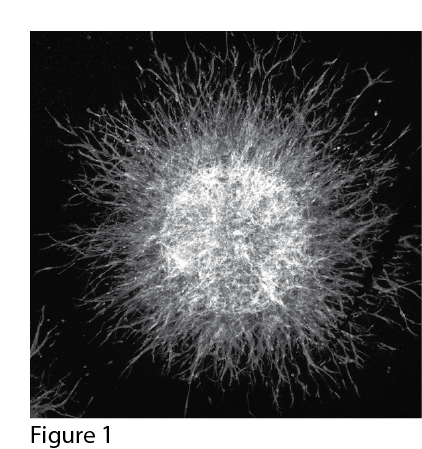
During my visit at Dr. Gerhardt’s lab I have learned one of the most useful and interesting techniques in the vascular biology field: the generation of embryoid bodies. The embryoid bodies are three-dimensional aggregates of pluripotent stem cells that after stimulation with the vascular endothelial growth factor A (VEGF-A) can be differentiated into endothelial cells and generate vascular sprouts that will grow in between two collagen layers (figure 1).
Dr. Gerhardt’s team has helped me to create embryoid bodies generated from stem cells deficient of my protein of interest. This technique has offered me an excellent ex vivo approach to study in greater detail the role of my protein of interest in sprouting angiogenesis. The experiments that I have carried out during my stage in London will very nicely complement the in vivo work that I have been doing for the last years with the study of the retinal mouse vasculature. Besides the exciting experiments that I have done in London, I have also had the opportunity to meet and interact with different professionals involved in the vascular signalling field that have shared with me their knowledge.
Apart from the academic experience, my personal experience in London has also been fantastic. London has been a great city to spend these 3 months. It is a huge city with so many places, parks, markets and experiences to discover. Of course, compared to Barcelona, the weather was not the best thing to remember but I was lucky that I could enjoy quite a few sunny days!
This experience has been a very nice way to finish my PhD period and I sincerely thank to the Company of Biologists their support.
Here are the highlights of the current issue of Development:
Auxin biosynthesis: the root of xylem patterning
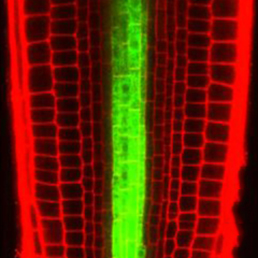
In the Arabidopsis root, xylem is organised into a central file of metaxylem that is flanked by protoxylem. Xylem fate is determined by HD-ZIP III transcription factors; high levels promote metaxylem formation whereas low levels specify protoxylem. The factors that downregulate HD-ZIP III levels are known but those that promote HD-ZIP III expression have remained elusive. Yunde Zhao, Ykä Helariutta, Jan Dettmer and colleagues now show that auxin biosynthesis promotes HD-ZIP III expression and metaxylem specification in Arabidopsis (p. 1250). The authors first isolate mutants that display defective xylem patterning and HD-ZIP III gene downregulation. These mutants harbour mutations in the gene encoding TRYPTOPHAN SYNTHASE BETA-SUBUNIT 1. Tryptophan is a precursor in the auxin biosynthesis pathway and, accordingly, the mutants exhibit aberrant auxin levels. They also show that metaxylem development and HD-ZIP III levels are defective in other auxin biosynthesis mutants. Based on their findings, the authors propose that tryptophan-dependent auxin biosynthesis is required for metaxylem formation.
From Hippo to planarians
The transcriptional co-factor Yorkie (Yki; YAP in vertebrates) is a key effector of the Hippo signalling pathway and has been implicated in growth control and patterning, as well as stem cell regulation and regeneration, in flies and vertebrates. Now, on p. 1197, Alexander Lin and Bret Pearson investigate the role of Yki in planarian flatworms. The researchers report that planarians have a single orthologue of yki and, using RNAi, they show that yki carries out pleiotropic functions. For example, they report that ykiis required for homeostasis of the planarian excretory system, which is analogous to the vertebrate kidney. The researchers also show that, in contrast to its role in flies and vertebrates, yki functions to limit stem cell proliferation and hence the size of the stem cell population. In addition, yki plays a role in axial patterning, where it acts synergistically with Wnt signalling to supress head formation. These, together with other findings, demonstrate that yki plays diverse yet non-overlapping roles in planarian biology.
Following the leader
Collective cell migration occurs in many developmental contexts but a full understanding of this process has been hampered by a lack of quantitative analyses in 3D in vivo contexts. Using the zebrafish lateral line primordium as a model, Darren Gilmour and co-workers set out to tackle this problem (p. 1282). The researchers develop a method to simultaneously live-label microtubules, centrosomes and nuclei, allowing them to map cell polarity and orientation across the migrating population. Using this method, they identify the transition between leader cells and followers within the collective and show that this transition is marked by changes in cell-cell adhesion; cadherin 2 is expressed across the tissue but is only assembled into adherens junctions (AJs) in the transition zone and further down the leader-follower axis. A tandem fluorescent protein timer-based approach reveals that AJs become progressively more stable along the leader-follower axis. Finally, they show that AJ assembly, but not maintenance, requires dynamic microtubules, revealing a key role for microtubules during leader-to-follower transitions within migrating collectives.
Dbx1 crosses the (mid)line
During nervous system development, navigating axons ‘decide’ whether or not to cross the midline. Various factors that influence axon guidance and midline crossing have been identified but it remains unclear if any one transcription factor can drive the complete midline crossing transcriptional programme. Here (p. 1260), Yasuyuki Inamata and Ryuichi Shirasaki report that a single homeodomain transcription factor, Dbx1, assigns midline-crossing identity at the progenitor stage in mice. The researchers show that Dbx1 is expressed in a subset of neural progenitors in the dorsal midbrain. Lineage tracing demonstrates that midbrain commissural neurons, which cross the midline, are generated selectively from Dbx1-positive progenitors. Furthermore, gain- and loss-of-function experiments show that Dbx1 is necessary and sufficient for midline crossing. Finally, the authors show that Dbx1 controls a molecular programme that controls the expression of Robo3, an essential regulator of midline crossing, on commissural neurons while repressing the ipsilateral neuron genetic programme. These findings reveal an unanticipated regulatory layer within the transcriptional cascade that controls nervous system wiring.
Lymphangiogenesis: of mice and fish
In mice, the formation of lymphatic vessels (lymphangiogenesis) requires the homeodomain transcription factor Prox1. Here, Stefan Schulte-Merker and colleagues examine whether the role of Prox1 is conserved in zebrafish (p. 1228). Using a novel transgenic reporter line, the researchers show that, in contrast to the situation seen in mice, zebrafish Prox1 is initially not expressed in all lymphatic precursor cells and reliably marks this population only during later stages of lymphangiogenesis, arguing against a role for Prox1 in lymphatic specification. In addition, targeted mutagenesis demonstrates that lymphangiogenesis can proceed in the complete absence of Prox1. Finally, they show that the functionally related transcription factors Coup-TFII and Sox18, which are implicated in lymphatic specification in mice, are also dispensable for zebrafish lymphangiogenesis. The authors conclude that an alternative lymphatic specification mechanism is present in zebrafish and propose that differences in the timing of lymphangiogenesis between mice and fish can explain this divergence.
Fresh air in the mesenchyme
The mesenchymal compartment of the lung plays a crucial role during lung development but, unlike its epithelial counterpart, its regulation is largely uncharacterised. Now, Gianni Carraro, Saverio Bellusci and colleagues report that miR-142-3p modulates WNT signalling to balance mesenchymal cell proliferation and differentiation during mouse lung development (p. 1272). Using microarray analyses, the researchers identify miR-142-3p as highly expressed in the embryonic lung mesenchyme. Importantly, loss-of-function assays demonstrate that miR-142-3pregulates cell proliferation specifically in the mesenchyme; in the absence of miR-142-3p, progenitor cells prematurely differentiate. They also show that miR-142-3p binds to and regulates the expression of mRNA encoding APC, a negative regulator of WNT signalling. Accordingly, miR-142-3p knockdown can be rescued by activating WNT or reducing APC expression in the mesenchyme. Based on their findings, the authors propose that miR-142-3p adds an extra layer of control to the WNT-FGF feedback loop that operates in the lung mesenchyme to correctly balance cell proliferation and differentiation.
PLUS…
Growing older gracefully – a review of the 10th edition of Developmental Biology
First published in 1985, Developmental Biology by Scott F. Gilbert has been an influential textbook for a generation of scientists. Here, Timothy Weil provides a brief review of the latest (10th) edition of the series. He comments on updates to the text, highlights details of particular interest to lecturers, and compares this book with other resources available in the internet era. See the Spotlight article on p. 1177
RNA polymerase II pausing during development
The transcription of developmental control genes by RNA polymerase II (Pol II) is commonly regulated at the transition to productive elongation, resulting in the promoter-proximal accumulation of transcriptionally engaged but paused Pol II. In their poster article, Bjoern Gaertner and Julia Zeitlinger review the mechanisms and possible functions of Pol II pausing during development. See the Development at a Glance article on p. 1179
Shared signaling systems in myeloid cell-mediated muscle regeneration
Much of the focus in muscle regeneration has been placed on identifying and delivering stem cells to promote regenerative capacity. As these efforts have advanced, we have learned that complex features of the microenvironment in which regeneration occurs can determine the success of these approaches . Here, James Tidball and colleagues discuss how myeloid cells can influence muscle regeneration, focussing on how processes in muscle and myeloid cells are co-regulated. See the Review on p. 1184
I am Serena Ding, a third year PhD student, and I work at the University of Oxford’s Biochemistry Department in the United Kingdom. I am interested in the control of cell divisions, specifically in stem cells. In Dr Alison Woollard’s lab, we use a microscopic nematode called Caenorhabditis elegans as a stem cell model.
C. elegans as a model organism
C. elegans are non-pathogenic nematode worms and a truly brilliant model organism. They are found in soil and rotten fruits all over the world. Our wild type worms came from a mushroom patch in Bristol, UK. The worms are small so you can keep ~1000 on a small Nematode Growth Media (NGM) plate like this.
Hayley Lees, PhD student, holding a 55mm NGM plate
C. elegans naturally exist as hermaphrodites (99.99%) and males (0.01%). Hermaphrodites can self-fertilize and generate a clonal population, as well as mate with males for endless possibilities of genetics. Each worm can produce over 200 offspring in a few days so you will not have to wait very long to have lots of material to work with. C. elegans live for 20-30 days, with all the somatic cell divisions taking place over a 36 hour period, so from a developmental biology point of view, C. elegans presents an excellent opportunity to study complex developmental processes over a relatively short time window. Each worm has just under 1000 cells; the cell lineage is invariant and completely described, so it is possible to pinpoint exactly when and where things go wrong for whatever reason. This means you can study development at single-cell resolution within a whole organism. Last but not least, the genome has been completely sequenced and annotated, and there are many mutants available for various genes.
For these reasons, C. elegans is widely popular as a model organism. The biennial International C. elegans meeting is the biggest worm conference, attracting over 2000 scientists from all over the world working in areas such as aging, neurobiology, and regenerative science. There are various other worm conferences focusing on particular topics or on certain geographical regions. The C. elegans community is friendly and cooperative when it comes to sharing resources. The Center for Caenorhabditis Genetics (funded by National Institutes of Health) keeps a stock of strains that can be easily requested. WormBase is a fantastic online resource for C. elegans and other worms, which contains whole genome sequence, information on all mapped genes, upcoming meetings, forums to discuss topics such as “How many worms will fit into a Mini Cooper?” and so on.
Animal maintenance
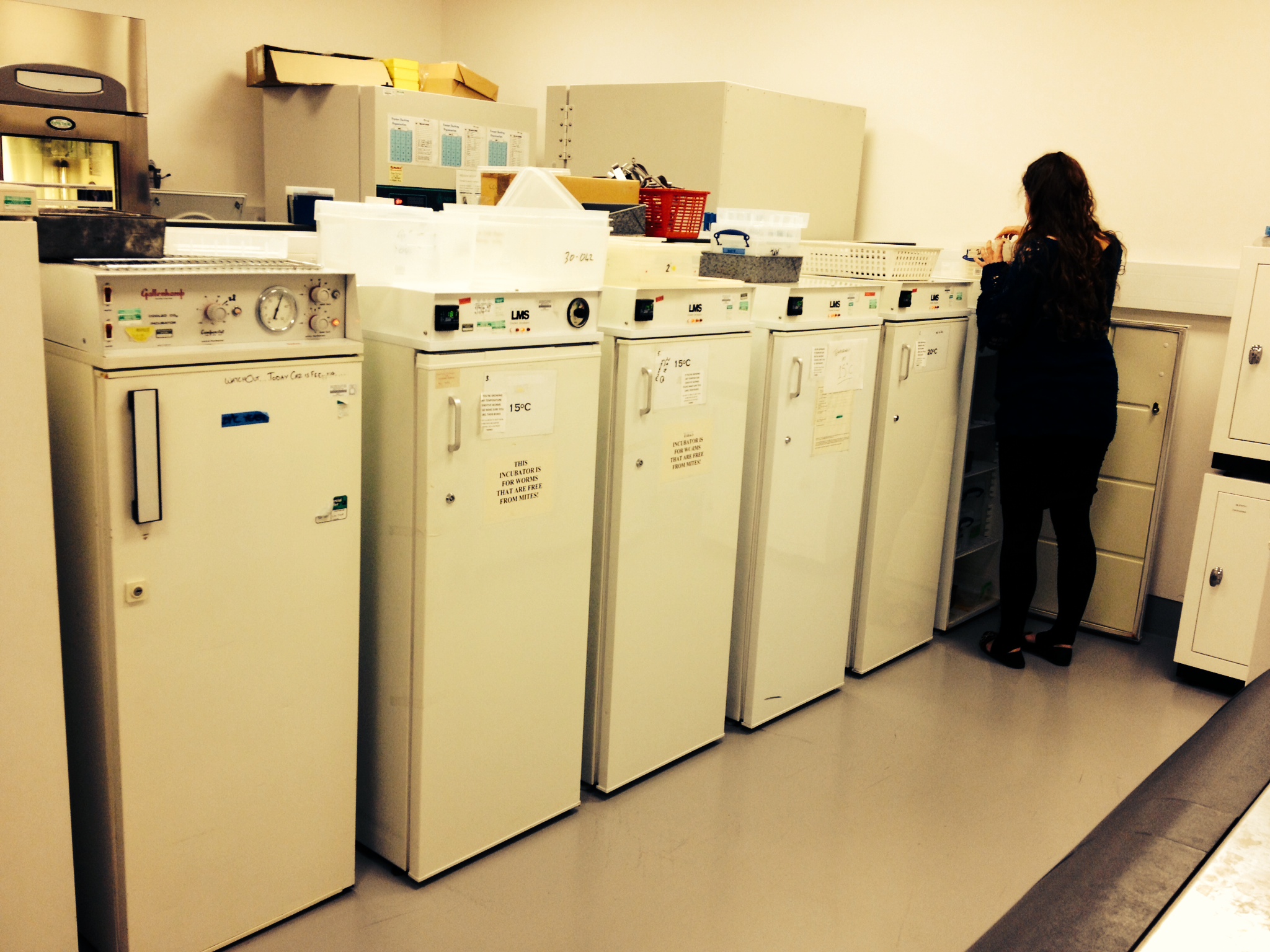
In the laboratory we typically grow C. elegans on small NGM plates. We seed the plates with E. coli bacteria OP50 – we call this a “lawn” of bacteria – on which the worms feed. C. elegans happily lives at room temperature just on the lab bench, but depending on the experiment and other staging necessities, we grow worms at 12-26.5 °C in incubators.
Equipment room with incubators set to various temperatures
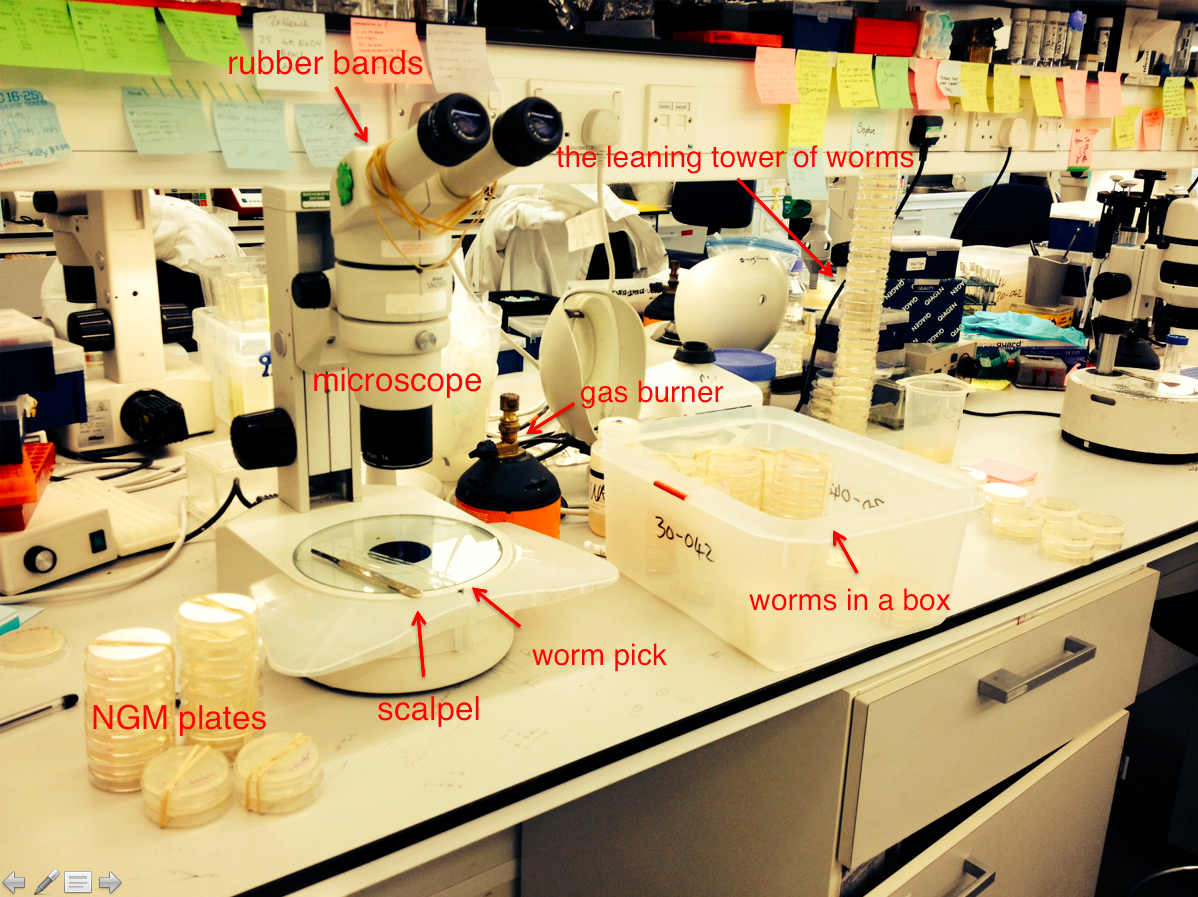
Below is a picture of what a worm lab bench looks like: lots of plates indeed to maintain different strains. Some people like to stack up their plates very high without tying them together with rubber bands (see the tower of plates on the right hand side), making their bench neighbors quite nervous about using a vortex mixer in case the tower collapses…
A typical worm lab bench
The plates do get contaminated at times, usually by bacteria or fungus and sometimes by mites. In this case we clean the worms either by frequent passaging to new plates or by bleach treatment. We can transfer worms using a worm pick, which is essentially a glass pipette with a piece of platinum wire sticking out of the top. We use a flame to sterilize the metal part before picking up a worm. Because platinum wires cool very quickly, we don’t have to worry about burning the worm. We make our own worm picks and everyone has different preferences – however, when the glass picks get dropped they do break, so it’s best not to develop strong attachment to a particular pick! Bleach treatment, on the other hand, works by killing the contaminants and bursting gravid worms open so they release bleach-resistant eggs, which are then retrieved and hatched. In addition to decontaminating, bleaching is also a handy way to synchronize a worm population, which is often necessary in order to study a particular developmental stage.
The worms self-fertilize and produce lots of offspring, so the plates get crowded quickly and run out of food. Therefore we “chunk” the worms once or twice a week by cutting out a small square of the agar with a few worms using a scalpel, and transferring it to a fresh new seeded NGM plate. If chunking wasn’t done in time and worms do starve, don’t worry, they go into a developmental arrest and can still live without food for months! As long as they have access to food later, they quickly recover and are happy again. Hence the worms are fairly low maintenance. We can also freeze strains in glycerol and store them in liquid nitrogen or at -80 °C for years.
Common techniques
RNA interference (RNAi) is a popular technique in C. elegans. RNAi libraries are commercially available and consist of bacteria containing clones that are designed to silence particular genes. It is easily performed in the worms: you select the feeding clone containing your gene of interest, grow it up in media and induce the expression of double-stranded RNA by IPTG, and let the worms feed on that bacteria – the rest is magic. However RNAi is inherently variable and behaves differently for different genes, so when mutants are available, people tend to prefer those instead. It is also not uncommon to using a combination of RNAi and mutants to study gene functions.
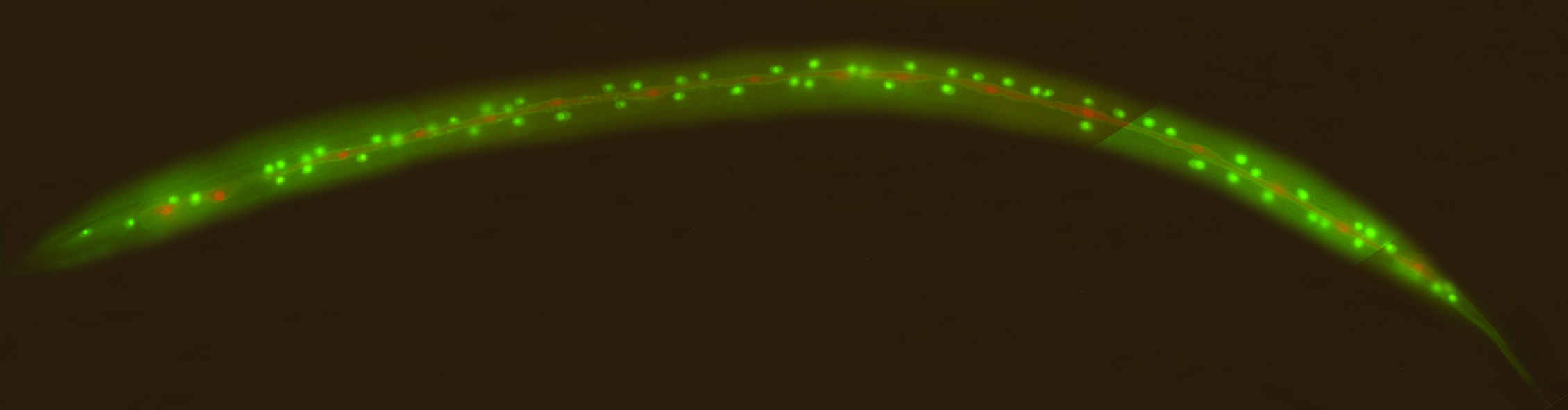
We regularly make transgenic worms using microinjection. We inject the DNA along with a selective marker into the gonad of young adults, and then look at the progeny for transformants and stable transgenic lines. A typical injection marker is unc-119. We inject unc-119 mutants, which are essentially paralyzed, with our desired plasmid plus the unc-119 rescuing plasmid. Then we look for progeny with rescued wild-type movement, which are the transformants. Some of the transformants will yield transgenic lines. This way, we can generate various transgenic worms, such as the one with fluorescent reporters below.
Transgenic worm with fluorescent reporters, generated by microinjection
We sometimes integrate the transgenes into the worm genome afterwards to achieve stable expression. This is done by giving the worms large doses of gamma irradiation. Recently, new techniques such as MosSCI and CRISPR/Cas had been developed to allow for single copy insertion of transgenes into a precise locations of the worm genome, thus allowing for genome editing.
Microscopy is a common feature of developmental biology research, and C. elegans provides a myriad of opportunities for fascinating microscopic work given its transparency and the relative ease of generating mutants and transgenic animals. The worms are transparent so you can see right through the cuticle into whichever cells or organ you are interested in, and additional resources such as Worm Atlas provide great guidance to the worm’s anatomy.
A typical day
No two days are the same, but as I arrive in the morning I generally chunk my worms and do some molecular cloning. After coffee and crosswords I may do some microinjections or set up some genetic crosses if I need to make new strains. Otherwise I spend lots of time on the microscope looking at various markers of cell divisions, both in the wild-type situation and in mutants/RNAi-treated worms to see what goes wrong. I leave work at the end of the day feeling tired but fulfilled, looking forward to return to my lovely little worms the next day!
This post is part of a series on a day in the life of developmental biology labs working on different model organisms. You can read the introduction to the series here and read other posts in this series here.
Organisation: Wellcome Trust – Medical Research Council Cambridge Stem Cell Institute
Studentship starting: 01 October 2014
Application Deadline: 1st April 2014
Interview Date: 29th April 2014
Programme Overview
This studentship is targeted to applicants with a Physical Sciences, Mathematical or Computational Sciences background, who are interested in applying their training to aspects of stem cell biology.
This programme provides students with an opportunity to spend time in three different labs during their first ‘rotation’ year, before deciding where to undertake their thesis work for years 2-4.
Physical Biology of Stem Cells
Stem cells are defined by their dual capacity to self-renew and differentiate into somatic cells. Great inroads have been made towards understanding how stem cells generate tissue and sustain cell turnover in tissue. At this time most of the inroads have been made by studying the individual biochemistry of the stem cell; much less progress has been made in understanding their function across scales – from molecules to tissue – or how they interact with their physical environment.
In studying the physical biology of stem cells, the aim is to identify and characterise the importance of physical, chemical, mathematical, and engineering considerations in the function of stem cells. This could include mathematical modelling of homeostasis in tissues, engineering controlled environments to control stem cell function, imaging and biotechnology, using single molecule approaches to study molecular interactions, systems biology, or investigating the importance of the stem cell’s response to forces in its environment.
The research generated by the MRC studentships should provide new foundations for biomedical discovery, biotechnological and biopharmaceutical exploitation, and clinical applications in regenerative medicine.
Qualification Eligibility
We welcome applications from those who hold (or expect to be awarded) a relevant first degree at the highest level. You should have a passion for scientific research, specifically with a Physical Sciences, Mathematical or Computational Sciences background.
Please visit http://www.stemcells.cam.ac.uk/studentships/phy-biol/ for full details. Please note you will be required to complete and submit a departmental application form, a copy of current CV, provide two references and upload a copy of your transcripts as part of the application process.
Supervisor: Dr. Brian Hendrich, Cambridge Stem Cell Institute, University of Cambridge
Microsoft Research Supervisor: Prof. Stephen Emmott
Application Deadline: 30 March 2014
PhD Start Date: 01 October 2014
Project Summary
Embryonic stem (ES) cells are a unique type of cell derived from the inner cell mass of the developing blastocyst, which possess the ability to self-renew indefinitely, and to differentiate into all somatic lineages; a characteristic known as pluripotency. Harnessing this potential makes them an attractive prospect for regenerative medicine, while understanding the decision-making procedures that determine differentiation is vital to our overall understanding of development. We aim to combine both state-of-the-art experimental and computational methods to uncover the processes that underlie cell fate determination. We are seeking an outstanding individual for award of a fully funded three year Microsoft PhD Scholarship. The candidate should have a strong background in biochemistry/developmental biology, knowledge of computational/mathematical methods, and the ability to contribute to both experimental work in the Hendrich lab and in computational development at Microsoft Research.
To Apply
Please visit http://www.stemcells.cam.ac.uk/studentships/microsoft/ for full details. Please note you will be required to complete and submit a departmental application form, a copy of current CV, provide two references and upload a copy of your transcripts as part of the application process.
The complex tissues and organs of every multicellular organism develop in a precise and reproducible manner from initially indistinguishable cells. A fundamental question is how such equipotent cells acquire the appropriate identity for their location. One example of this is the vertebrate central nervous system where the generation of an extraordinary array of neurons with distinct properties and functions is required for the assembly of neuronal circuits. In many developing tissues, including the CNS, naïve cells interpret graded signals, termed morphogens, as positional cues that organize the pattern of cellular differentiation. Our goal is to understand the molecular mechanisms controlling this process.
In ventral regions of the CNS, the secreted protein Sonic Hedgehog (Shh) acts as a morphogen to induce five progenitor domains in precise spatial order in the neural tube. Each progenitor domain is distinguished by the expression of different combinations of transcription factors and each domain generates a distinct neuronal subtype. The mechanism that produces this pattern remains poorly understood. To address this, we will use a combination of in vivo experimental manipulation and in silico analysis that will systematically decipher and model the neural tube network. The function of factors identified by these approaches will be examined and used to build, challenge and refine a model of neural tube development. The identification of the players and their functions within the network will offer insight into the mechanisms and principles controlling neural tube development. Moreover, since the operations of gene regulatory programmes underpin the development of all tissues we anticipate that our analysis will have broad implications for the development of many tissues. Collaborations with physicists and computational biologists have been established to support data analysis. This proposal offers interdisciplinary training in cutting edge techniques that will provide novel insight into transcriptional networks that control cell identity.
To apply: Please download and complete the Application Form and send it to studentships@nimr.mrc.ac.uk. The deadline for applications is on Sunday 23rd March 2014. On receipt of your application your two referees will be contacted. The deadline for submission of references is 12:00 noon (GMT) on Friday 28th March 2014. Your application may not be considered until your references are in place.
References
Balaskas, N; Ribeiro, A; Panovska, J; Dessaud, E; Sasai, N; Page, Karen M; Briscoe, J and Ribes, V (2012) Gene regulatory logic for reading the Sonic Hedgehog signaling gradient in the vertebrate neural tube. Cell148, 273-284
Jacob, J; Kong, J; Moore, S; Milton, C; Sasai, N; Gonzalez-Quevedo, R; Terriente, J; Imayoshi, I; Kageyama, R; Wilkinson, David G; Novitch, Bennett G and Briscoe, J (2013) Retinoid acid specifies neuronal identity through graded expression of Ascl1. Current Biology23, 412-418
Cohen, M; Briscoe, J and Blassberg, R (2013) Morphogen interpretation: the transcriptional logic of neural tube patterning. Current Opinion in Genetics & Development23, 423-428




 In the Arabidopsis root, xylem is organised into a central file of metaxylem that is flanked by protoxylem. Xylem fate is determined by HD-ZIP III transcription factors; high levels promote metaxylem formation whereas low levels specify protoxylem. The factors that downregulate HD-ZIP III levels are known but those that promote HD-ZIP III expression have remained elusive. Yunde Zhao, Ykä Helariutta, Jan Dettmer and colleagues now show that auxin biosynthesis promotes HD-ZIP III expression and metaxylem specification in Arabidopsis (
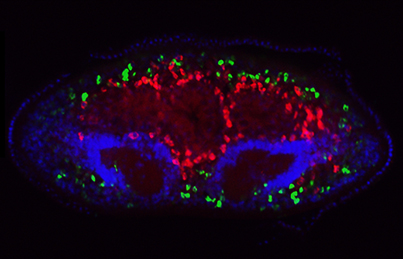 The transcriptional co-factor Yorkie (Yki; YAP in vertebrates) is a key effector of the Hippo signalling pathway and has been implicated in growth control and patterning, as well as stem cell regulation and regeneration, in flies and vertebrates. Now, on
 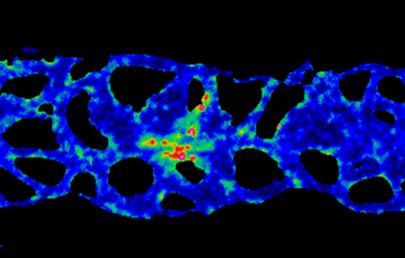 Collective cell migration occurs in many developmental contexts but a full understanding of this process has been hampered by a lack of quantitative analyses in 3D in vivo contexts. Using the zebrafish lateral line primordium as a model, Darren Gilmour and co-workers set out to tackle this problem (
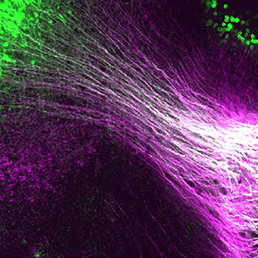 During nervous system development, navigating axons ‘decide’ whether or not to cross the midline. Various factors that influence axon guidance and midline crossing have been identified but it remains unclear if any one transcription factor can drive the complete midline crossing transcriptional programme. Here (
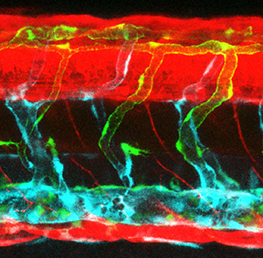 In mice, the formation of lymphatic vessels (lymphangiogenesis) requires the homeodomain transcription factor Prox1. Here, Stefan Schulte-Merker and colleagues examine whether the role of Prox1 is conserved in zebrafish (
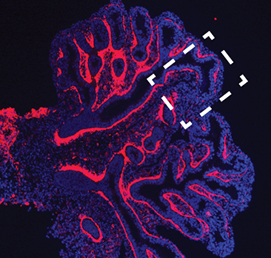 The mesenchymal compartment of the lung plays a crucial role during lung development but, unlike its epithelial counterpart, its regulation is largely uncharacterised. Now, Gianni Carraro, Saverio Bellusci and colleagues report that miR-142-3p modulates WNT signalling to balance mesenchymal cell proliferation and differentiation during mouse lung development (
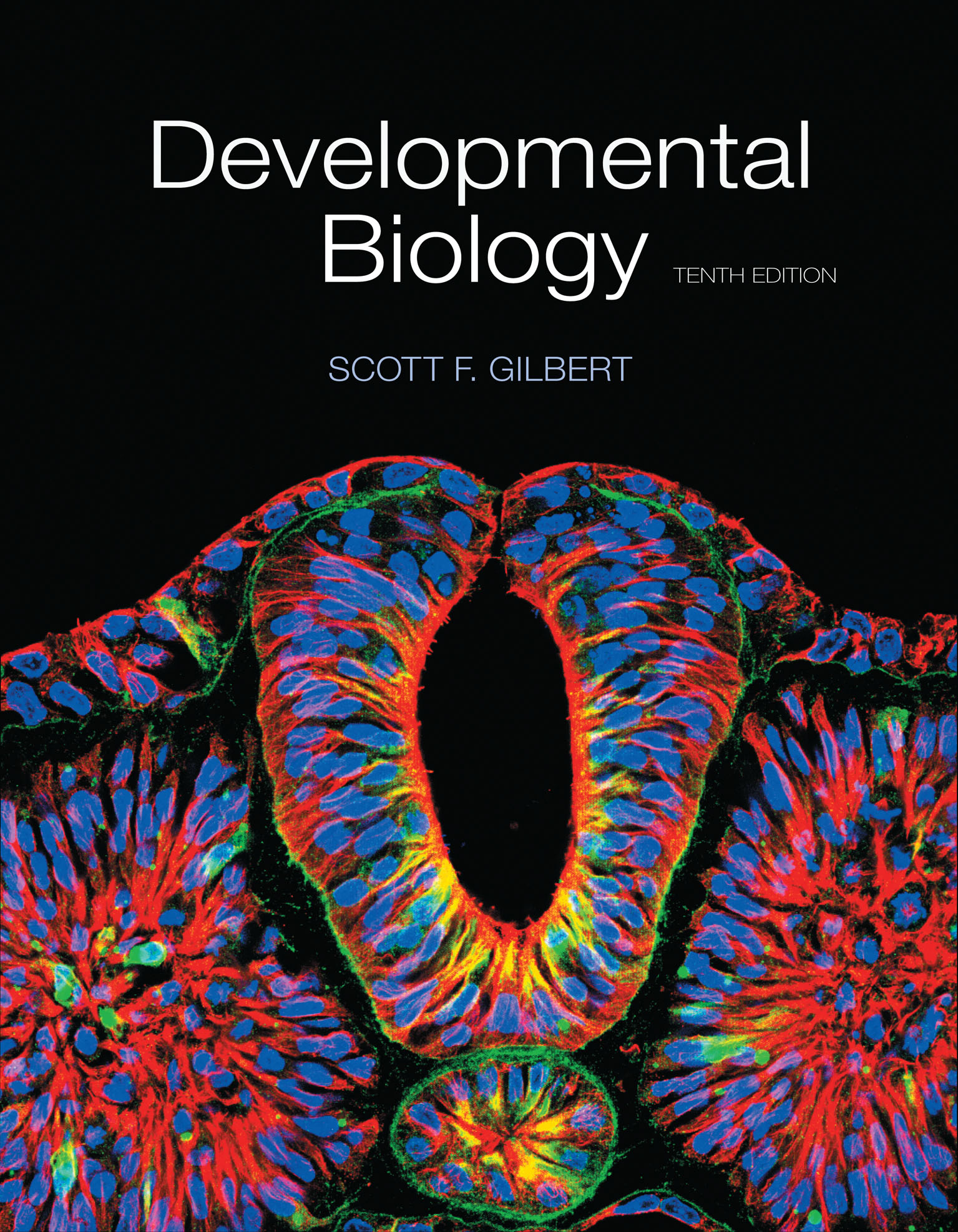 First published in 1985, Developmental Biology by Scott F. Gilbert has been an influential textbook for a generation of scientists. Here, Timothy Weil provides a brief review of the latest (10th) edition of the series. He comments on updates to the text, highlights details of particular interest to lecturers, and compares this book with other resources available in the internet era. See the Spotlight article on p.
 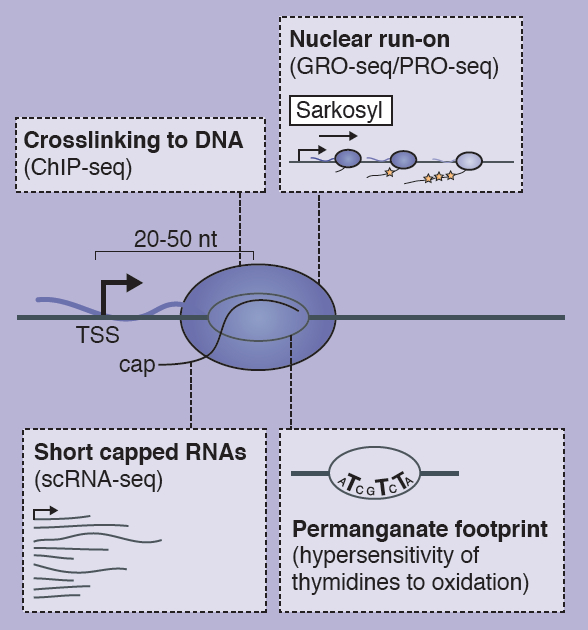 The transcription of developmental control genes by RNA polymerase II (Pol II) is commonly regulated at the transition to productive elongation, resulting in the promoter-proximal accumulation of transcriptionally engaged but paused Pol II. In their poster article, Bjoern Gaertner and Julia Zeitlinger review the mechanisms and possible functions of Pol II pausing during development. See the Development at a Glance article on p.
  Much of the focus in muscle regeneration has been placed on identifying and delivering stem cells to promote regenerative capacity. As these efforts have advanced, we have learned that complex features of the microenvironment in which regeneration occurs can determine the success of these approaches . Here, James Tidball and colleagues discuss how myeloid cells can influence muscle regeneration, focussing on how processes in muscle and myeloid cells are co-regulated. See the Review on p.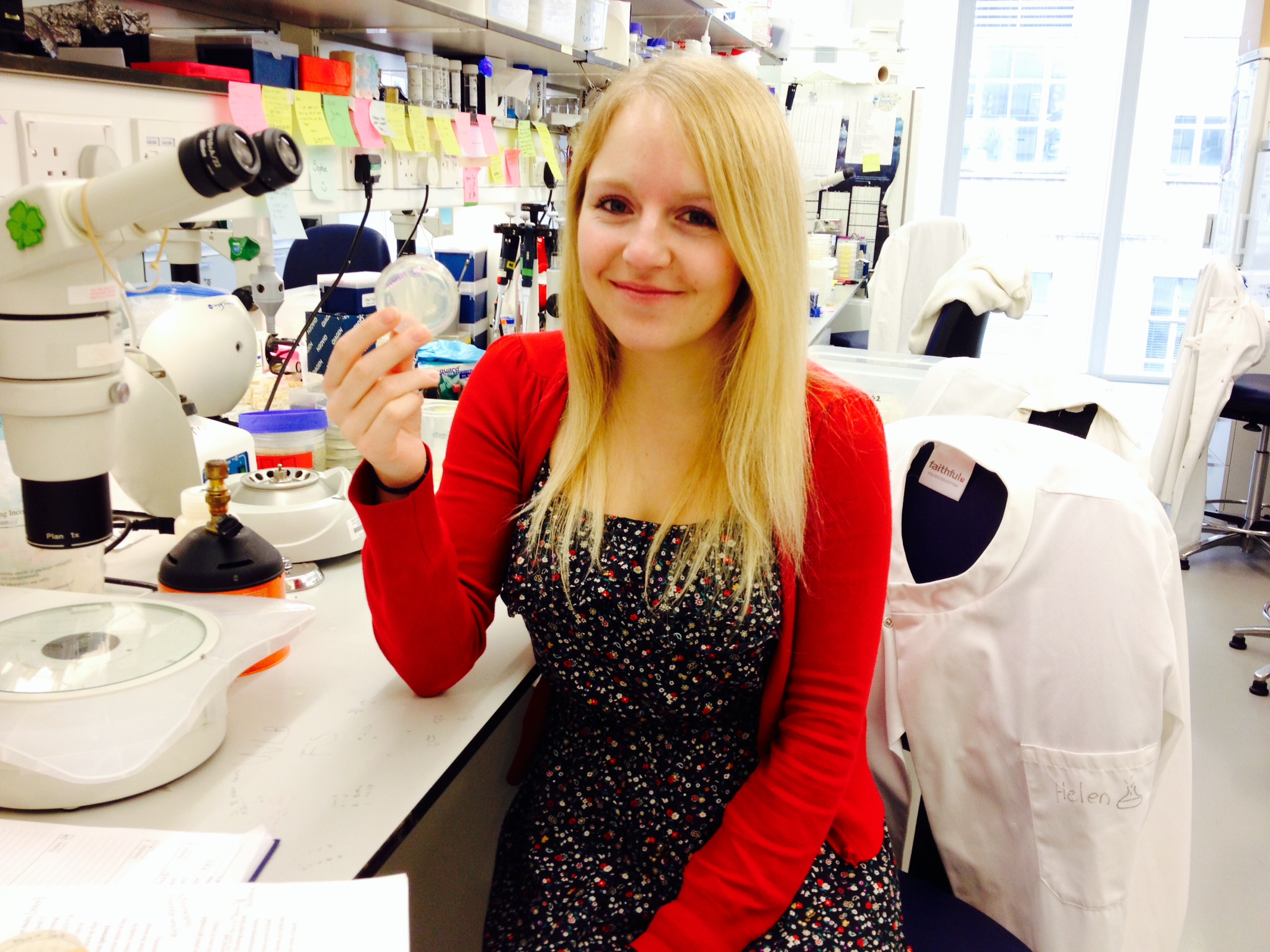
 This post is part of a series on a day in the life of developmental biology labs working on different model organisms. You can read the introduction to the series