The first ever World Dicty Race will require cells to navigate a complex microfluidic maze to reach a pool of chemoattractant at the finish line. Diffusion of the chemoattractant will create a spatial gradient to guide cells along the shortest path to the finish line. The challenge is to engineer Dicty or HL60 cells to be both smart and fast! As you know, where Dicty cells shine in precision, they lack in speed, and where HL60 are good sprinters,
they lack in precision. Thus, we are asking laboratories around the world to prepare and send us their fastest and smartest Dicty and HL60 cells. Cells will compete against each other and against human neutrophils. The race will take place in Boston, May 16 and winning Dicty team will get $5,000 and 15 minutes of fame at the Annual Dicty Conference.
Image: world racing dicty _thanks to Jonny Chang @ ASCB
You can get involved with the World Dicty Race in any of these three ways:
– Sign up as a participant on our website by March 14. We only accept only one Dicty cell line from each team, but will send you devices to run the “qualifying race” in your lab.
– Share the news about the race and our plain English project description site for the general public.
– Send us a note about the type of races that would be of interest for your area of research and will build together the microfluidic tools to make these race happen next year (email us at : dirimia@gmail.com).
When it comes to stem cell biology, there have been very few topics as fascinating and popular as cell reprogramming, the most famous reprogramming experiment being the one of Dolly the sheep. In stem cell biology, reprogramming refers to the concept of taking a fully specialized cell in the body and manipulating it in order to make it become another type of cell. One of the most popular approaches used by scientists to reprogram cells consists in taking a specialized cell and turn it into a pluripotent stem cell first. By definition, pluripotent stem cells can then be made to become any cell type of the body (differentiation) and kept indefinitely in the lab (self renewal).
One of the techniques used to reprogram cells into pluripotent stem cells is called somatic cell nuclear transfer (SCNT). It was used to create Dolly the sheep and consists in taking a specialized cell, extracting its nucleus (containing the genetic material), and transferring it into an empty egg (ie: the egg’s own nucleus was removed beforehand). It results in a viable embryo from which pluripotent stem cells (called embryonic stem cells) can then be isolated. Another approach, for which Prof. Yamanaka was awarded the Nobel Prize in 2012, consists in taking a specialized cell and introducing a few genes into it in order to force the production of a few key factors that induce pluripotency in the cell, producing what we call induced pluripotent stem cell (iPS).
When discovered, iPS-based reprogramming raised a lot of hope since it bypasses the need for an egg and the destruction of an embryo in order to obtain pluripotent stem cells, thus resolving one of the main ethical issues associated with stem cells. However, being so recently discovered, iPS cells are still under intensive scientific scrutiny to assess whether they are reliable and safe for clinical use.
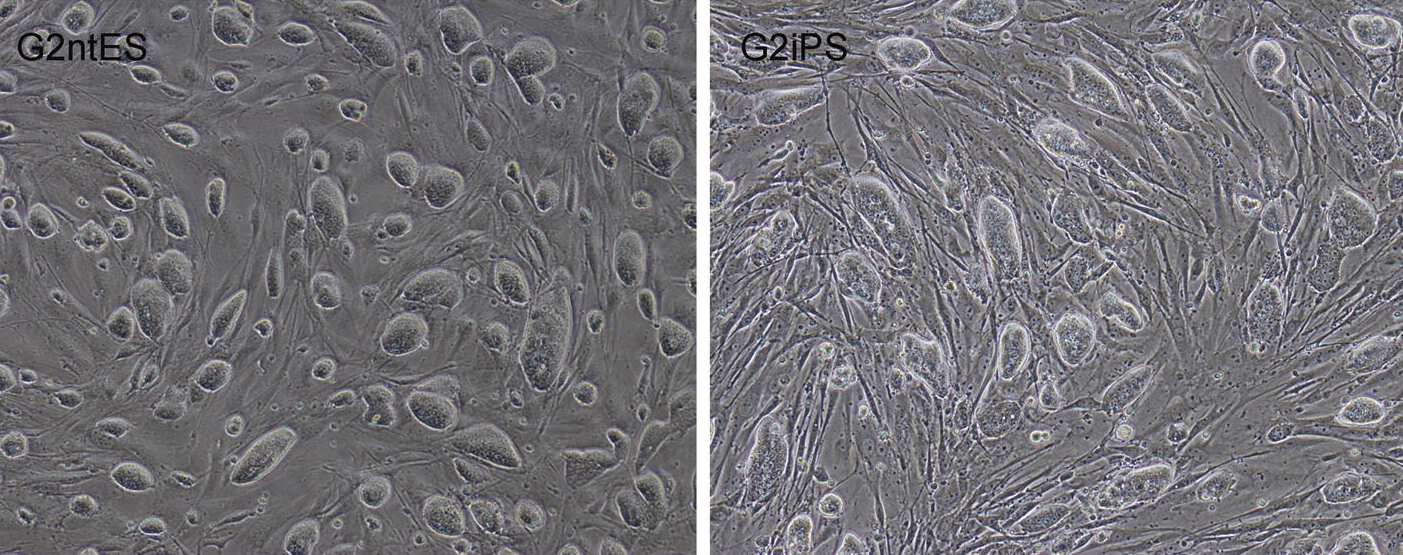
In a recent report published in Cell Stem Cell, Le and colleagues compared mouse pluripotent stem cells obtained by SCNT versus ones obtained by iPS-based reprogramming. In the left panel of this picture, you can observe compact colonies of embryonic stem cells (ES cells) obtained from SCNT. On the right panel, you can observe similar compact shiny colonies of iPS cells. This shows that pluripotent stem cells obtained from both techniques have similar morphology; a morphology that is typical of “classically” obtained ES cells (ie: from a regular embryo). However, further down in their study, authors show that iPS cells have more genetic dysfunctions than SCNT pluripotent stem cells, demonstrating that SCNT is still superior to iPS-based reprogramming.
As a result, more studies are needed to understand which mystery factors in the egg are key to enhance the quality of iPS cells. So the decoding continues…
Picture credit:
Le, R., Kou, Z., Jiang, Y., Li, M., Huang, B., Liu, W., Li, H., Kou, X., He, W., Rudolph, K. L. et al. (2014) ‘Enhanced telomere rejuvenation in pluripotent cells reprogrammed via nuclear transfer relative to induced pluripotent stem cells’, Cell Stem Cell 14(1): 27-39. doi: 10.1016/j.stem.2013.11.005
On receiving an e-mail from the Royal Institution back in March 2013 inviting me to submit a proposal for the delivery of the CHRISTMAS LECTURES, my first reaction was to delete it! My rough mental calculations, taking into account my usual day jobs of Principal Investigator, University Lecturer, College Tutor, Dean and Mother of two young children, didn’t seem to leave much wriggle room for anything – let alone the vision, working-up and execution of 3 lectures for teenagers on a broad biological topic (“what is life” or “where do I come from” were suggestions from the Ri) that would be televised on BBC4 over Christmas!
Over the next few days I found thoughts of the Lectures creeping in, though. It was an honour to have been nominated – someone must think I could do a good job. What an opportunity to share my own passion for Developmental Biology, my own flavor of what counts in biology. What a venerable institution is the Royal Institution, with its iconic lecture theatre and rich history of science and engagement, from Michael Faraday introducing the public to electricity in 1829 to Carl Sagan’s brilliant exploration of space in 1977 to Chris Bishop’s ‘Hi-Tech Trek’ into the world of Computer Science in 2008. What a weight of expectation! Could I really do it well? Could I make enough time to do it the justice it would deserve? Would I want to?
A follow up e-mail prodded me into action. I needed to put together a short proposal for the delivery of the lectures – a kind of narrative arc – and this I did over a couple of snatched afternoons at the British Society for Developmental Biology Spring symposium at the University of Warwick – an auspicious setting for my deliberations. My idea was to start the lectures off talking about development – how we all start off as a single cell, the fertilized egg, and to describe the remarkable process by which this single cell is transformed into trillions of cells, all doing the right thing in the right place at the right time; being liver, for example, or brain. The second lecture would extend the mechanisms I described in the first lecture (what makes cells different from one another) by discussing what makes organisms different from one another during evolution. The third and final lecture would have the emphasis on the future – our future – and consider how our detailed knowledge of genetics and developmental biology provides opportunities for great medical advances as well as intellectual nourishment.
I envisaged two important themes running through all the lectures: firstly, an emphasis on molecular mechanisms, and secondly some insights into how we know all this – both of which I think are absolutely crucial to the engagement process. The sorts of questions posed by developmental biology involve an awful lot of “how” – how do cells know where they are in the body? How do they know what they should be? How do cells acquire new functions over evolution? One question always leads to another. It is impossible to answer all these questions in three lectures aimed at teenagers, but it is important to start – to get people thinking, to whet the appetite, and most importantly to give people the confidence to know that understanding the answers is within their reach. So I very deliberately chose to spend some time on the concept of gene expression, as an important molecular explanation in developmental biology and evolution. First of all to show the audience that genes can be switched on and off, to give them some insights into how the switching is controlled, and finally to let them know what can happen when the switches change… The other important theme, how do we know all this? is an important way of getting people to engage and identify with the scientific process, and I wanted to go about this with something very close to my scientific heart – model organisms. The lessons that a huge variety of model organisms, from yeast to zebrafish, can teach us about biological mechanisms are immense. This would also allow the introduction of a whole menagerie of entertaining animals throughout the lectures, and in addition allow me to show off my favourite model organism, the nematode C. elegans, as a star of the show, my “hero organism”.
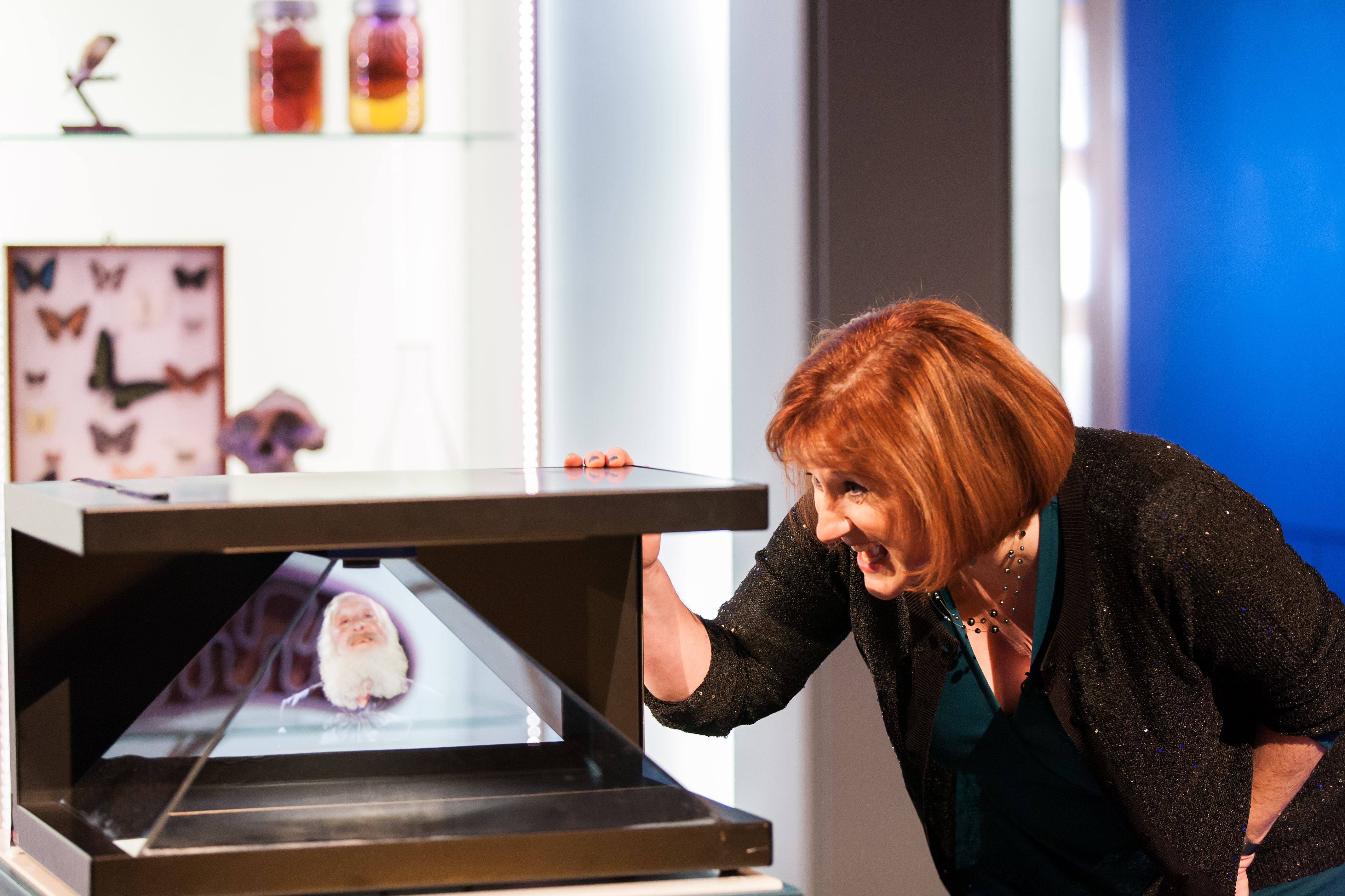
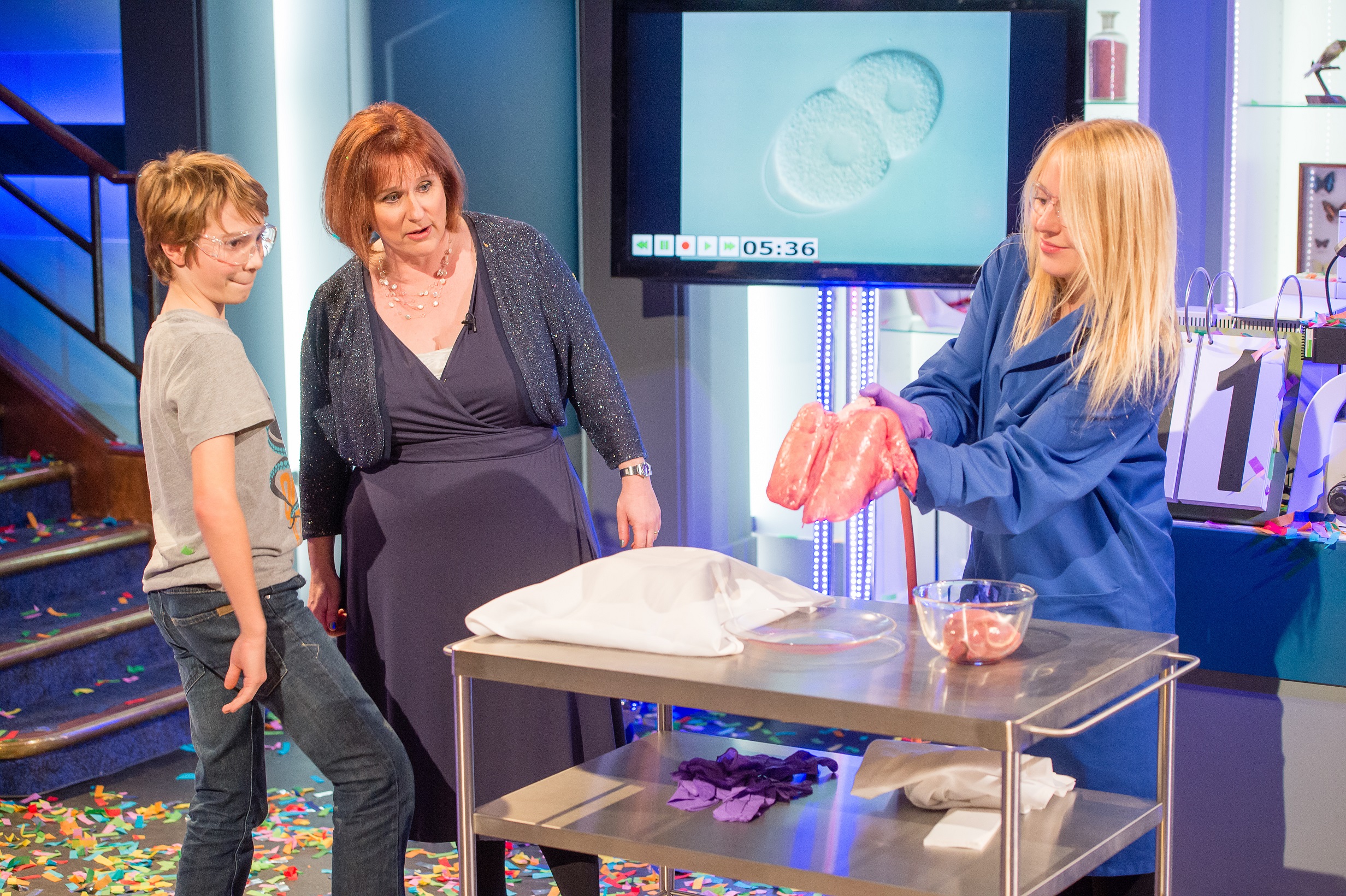
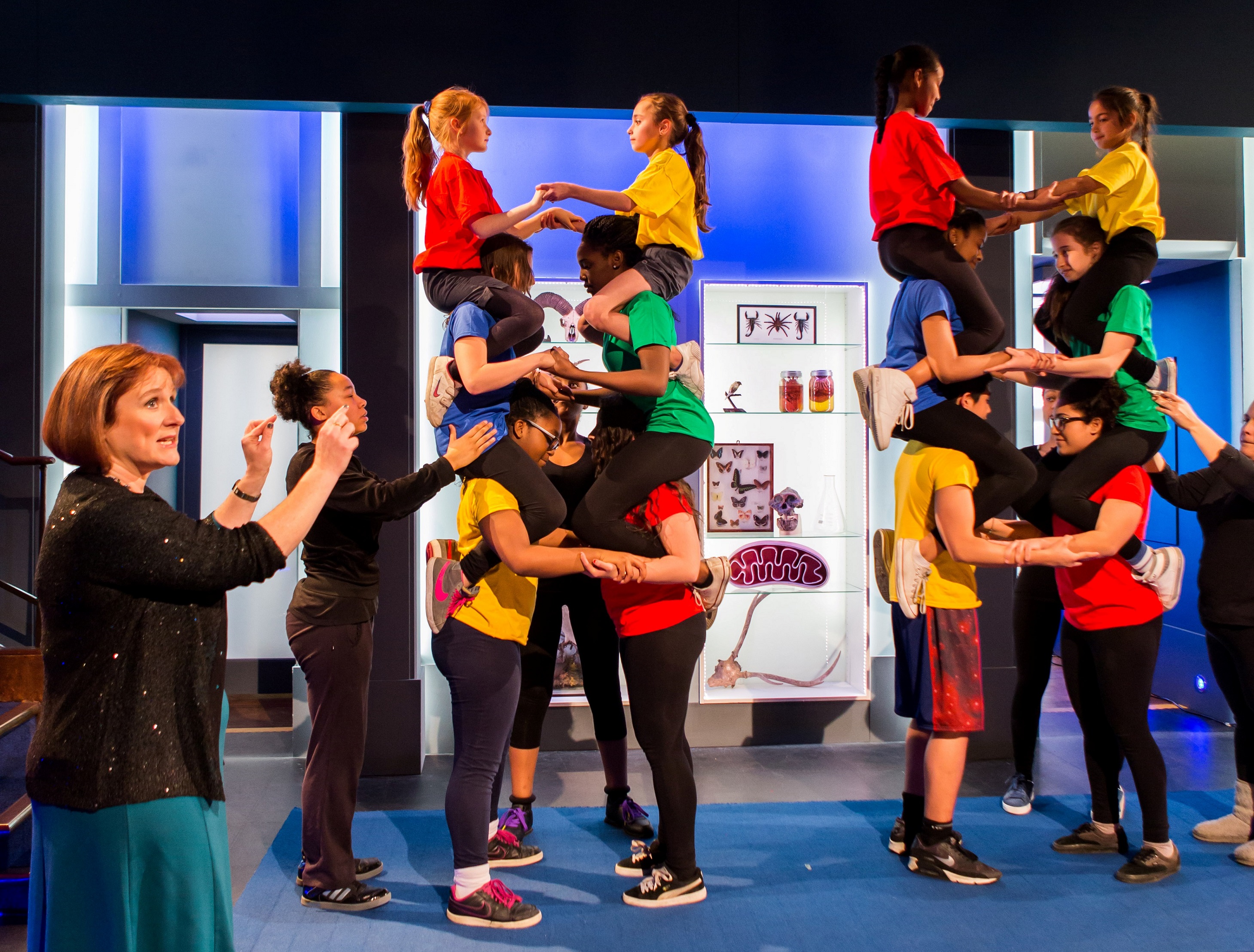
Investigating lungs, lecture 1 (“worm-cam” running in the background) . NB: Assistant Hayley Lees is a current Hertford Graduate Student
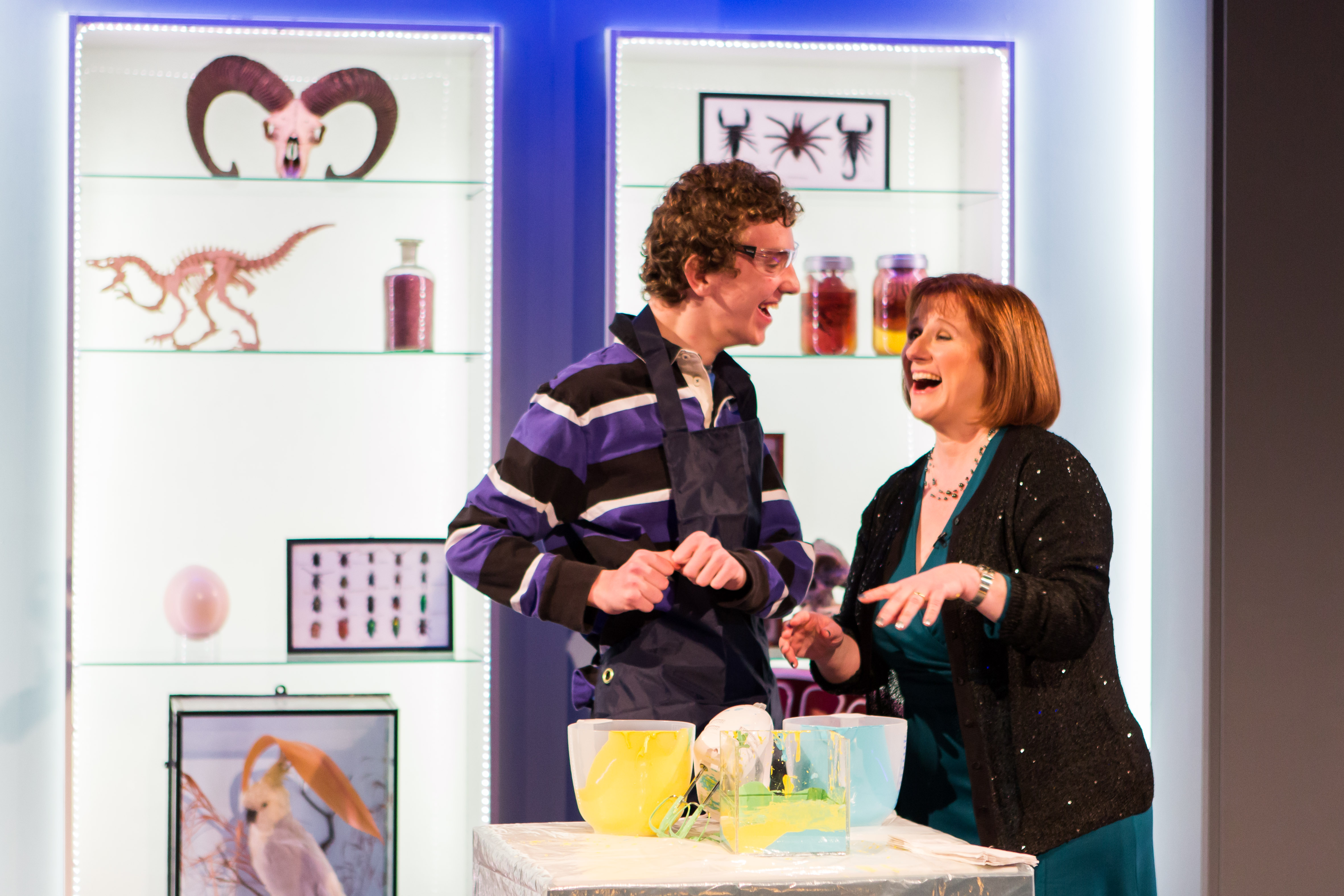
Demonstrating DNA replication, lecture 2
I sent off my proposal and thought that would be that, then was surprised and delighted to hear that the Ri liked my ideas and wanted to come to Oxford and film an audition in my lab. An audition!! This boiled down to one lovely friendly chap and a camera, and me just sitting by a microscope describing some worms which we had engineered to contain GFP (green fluorescent protein) fused to one of our genes of interest – a brilliant way of finding out where particular proteins are produced in multicellular animals. After that was a period of waiting while the selection panel deliberated, and it wasn’t until early June that I got the official go-ahead. Rather fittingly, I was at Darwin’s home, Down House, that day, on our annual outing for biologists and biochemists from Hertford, to celebrate the end of their finals. The phone call came through on the sand walk – the promenade Darwin took each evening to reflect on his days work and think through ideas. That certainly seemed to augur well for the lectures!!
Over the summer the full gravity of what I had let myself in for became apparent. Firstly, there was the press release, my first exposure to a new breed – journalists. Then came a professional photoshoot and PR meetings. The concept of the whole “package” associated with the CHRISTMAS LECTURES – commissioned press articles, interviews, BBC Radio 4 appearances, previews, social media, had never crossed my mind. Just as well folks at the Ri (most notably the ever-resourceful and cheerful Olympia Brown) had the good sense not to apprise me of the whole deal before I said yes….
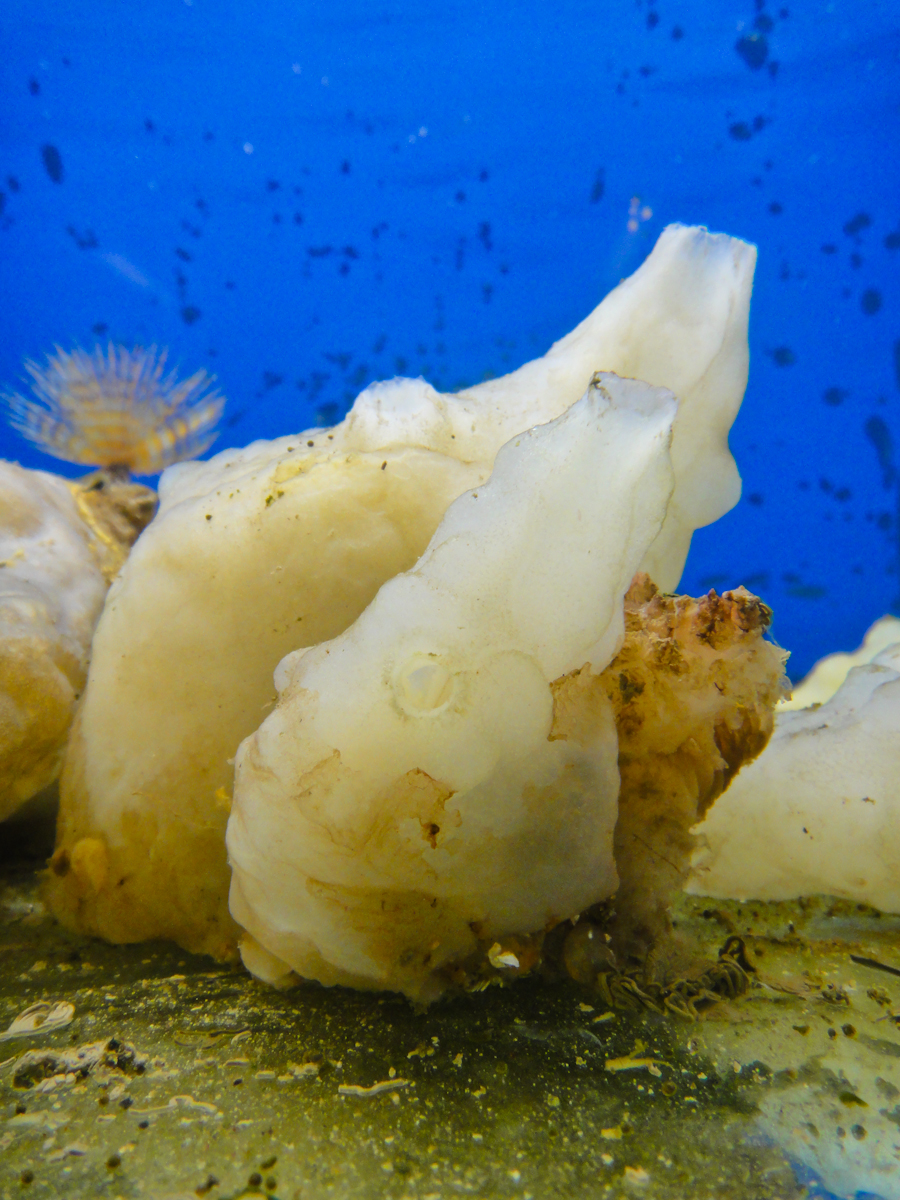
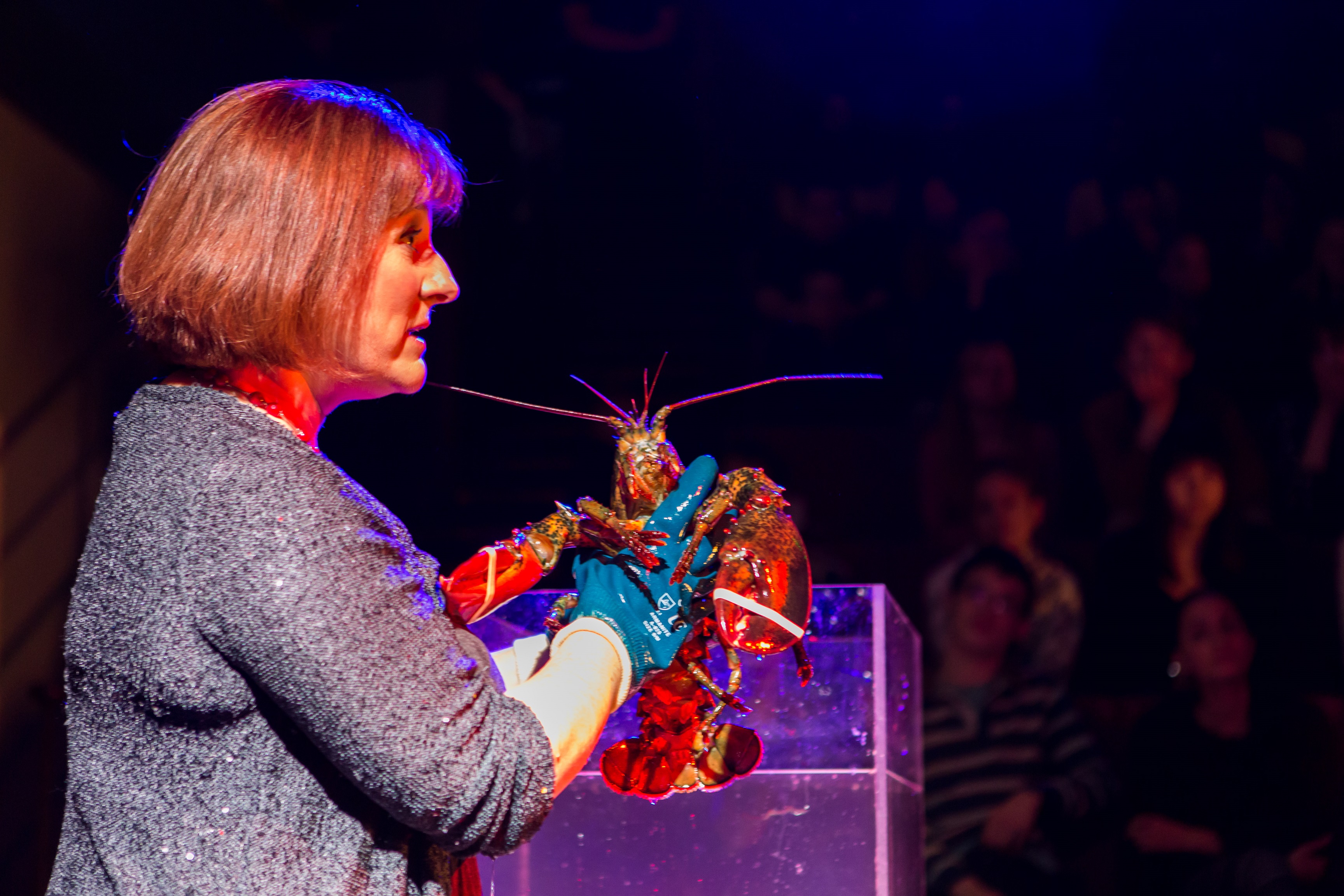
Up close and personal with lobster, lecture 3
Meetings with the production company, Windfall, started in late September, and were fun, creative and productive. The series title “Life Fantastic” was the inspired suggestion of Windfall chairman, David Dugan, and put an immediate end to a lot of to-ing and fro-ing between myself, the Ri, BBC and Windfall – it was the obvious and perfect choice. So with title and outlines in place the task of fully working up the lecture content began in earnest, as the outstanding series producer Johanna Gibbon came onboard, along with my brilliant assistant at the Ri, Andrew Beale, a recent PhD graduate in circadian biology from UCL. Content development took up most of my waking hours (and some of my sleeping ones) from the latter half of October onwards as we whipped the content into what felt like the right shape and order, with entertaining and informative demos thrown in. The demos, of course, are the very essence of the CHRISTMAS LECTURES, and took up the most development time, from sourcing exotic animals (and cells!) to perfecting DNA extraction, to building models, to formulating fool-proof games to demonstrate key ideas in evolution, genetics and cancer biology, not to mention engineering a meeting with Charles Darwin!
Meeting Darwin, lecture 2
I moved to London, abandoning the family, at the beginning of December when the theatre rehearsals started – long exhausting days with no realistic possibility of commuting. Rehearsal is a very odd experience for a seasoned seminar-giver; I had never really rehearsed anything before, and also had never worked with a script – scientists usually prefer to ad lib around a powerpoint presentation, but this can’t work when you are dealing with a large crew, split second timing for demos and the general “TV thing”. I adapted quickly, though, and it became great fun as the crew grew with the addition of the Director, David Coleman – an enthusiastic cracker of terrible jokes. We worked from early in the morning until late into the evening, either in theatre or up in the Ri “penthouse”, which doubled as the production office. We were quite hysterical at times, very intense at others, ate a lot of pizza and drank a lot of wine. The memories of working with such a dedicated team of clever, knowledgeable, funny people (mainly women as it happened – we were dubbed “the coven” up in the penthouse) will stay with me for a long time, and the “can do” attitude was absolutely inspiring. By the time the first “record date” came along, I felt well-prepared, confident and pretty calm (mostly). The crew grew massively the day before each record, with the addition of several cameramen, sound, lighting, script supervisor, floor supervisors (unbelievably essential for choreographing all the demos on and off), and various other technicians. I was really lucky to be able to share the whole experience with my research group, who all appeared in one or other of the lectures as “assistants” – the “Oxford Glams” – as they were known in the production office! It was also fantastic to be able to share the experience with some other scientists, not least Paul Nurse, my old PhD supervisor, who joined me in lecture 1 to talk about his Nobel Prize-winning work on cell division.
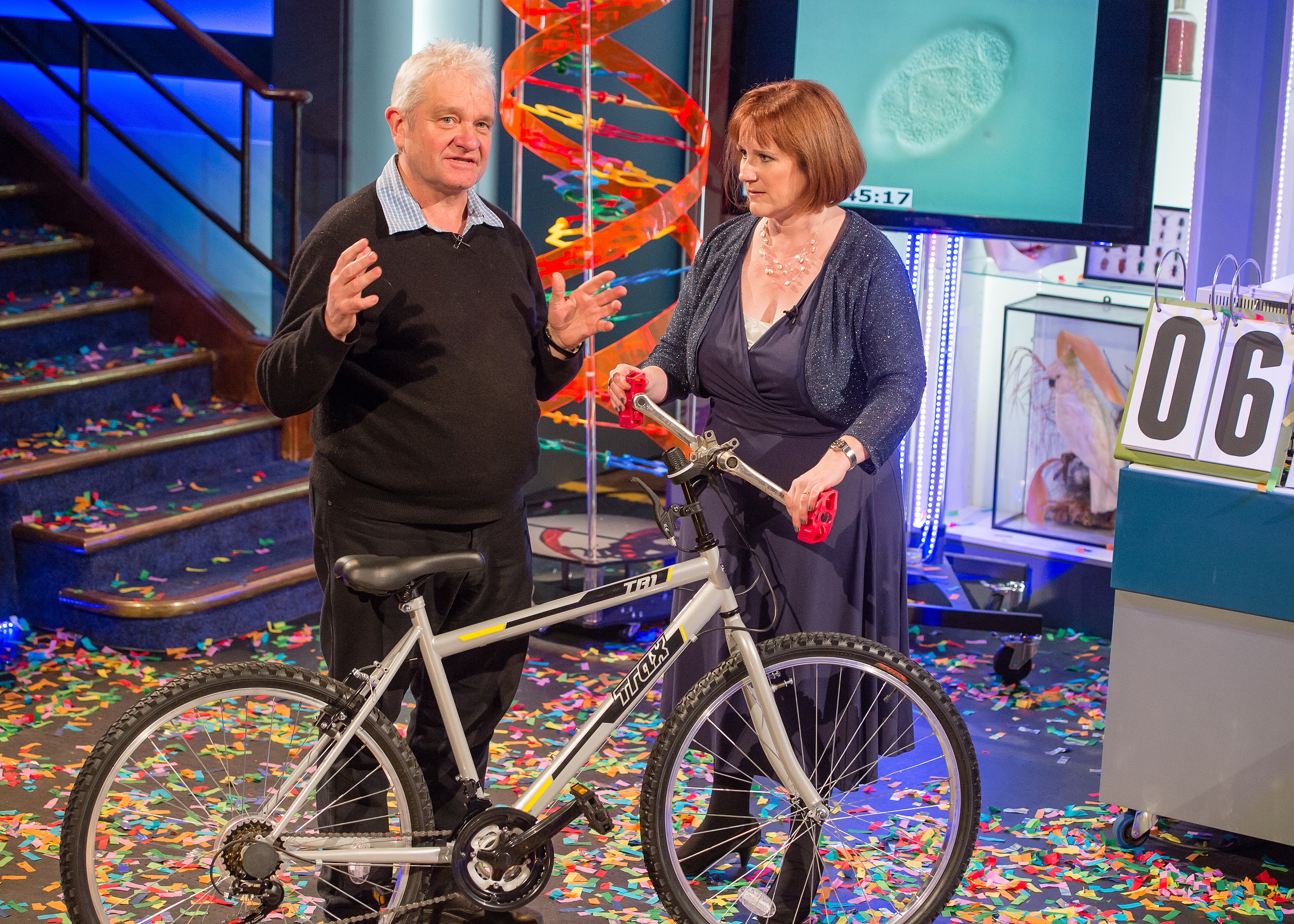
Paul Nurse and the “mutant bicycle”, lecture 1
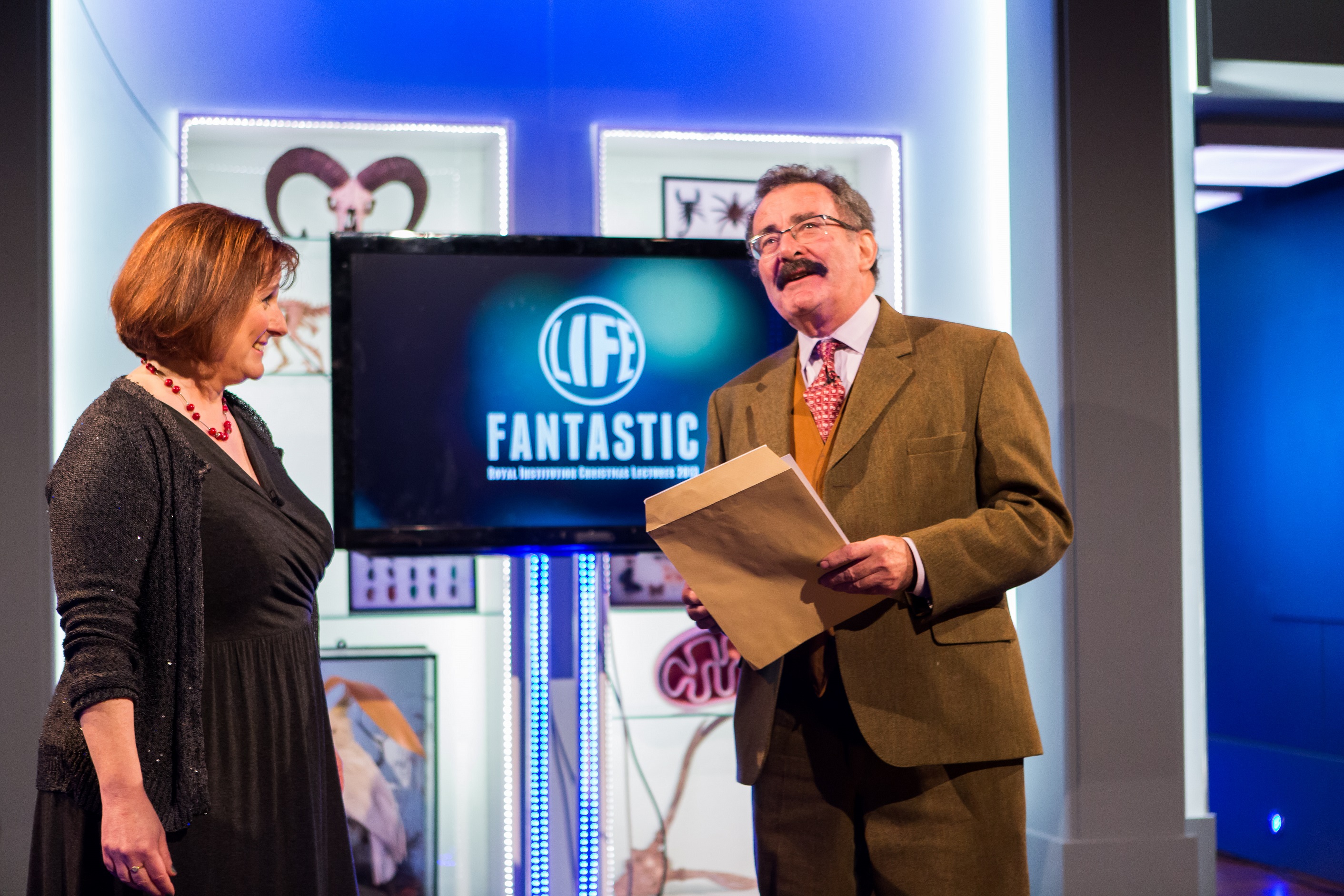
Guest appearance from Robert Winston, lecture 3
By the end of lecture 3 (filmed on 19 December) I was beyond exhausted, although it took a surprising amount of time to “come down” from the adrenaline trip. I looked forward to the TV transmission dates between Christmas and New Year with a mixture of excitement and trepidation. I knew the lectures went down well in the theatre with the wonderful audience, but how would they translate to TV? I needn’t have worried, and was totally overwhelmed by the positive response on e-mail, Twitter and even good old-fashioned letters. Although life is now more or less back to normal (although doesn’t seem much less busy as I catch up on everything I neglected!), my involvement with the Ri, and Science Communication in general, continues. I’ve just done a “gig” at the Ri Family Fun Day and have quite a few public lectures coming up – a new experience I have found to be extremely enjoyable and rewarding. I’m also planning some involvement with the Cheltenham Science Festival and am looking forward to the summer when the Ri Lectures go “on tour” to Singapore and Japan (and luckily the family will be able to come with me this time…!). I can really feel the vital importance of effective and engaging science communication – particularly biological science – at a time when Government demands “impact” and some have issues with the potential implications of research in genetics and molecular biology. And if six-year olds are inspired to send me beautiful pictures of green-fluorescent worms then, job done – the next generation of scientists might just be inspired to study developmental biology….
The 1st joint meeting between the French Society of Developmental Biology (SFBD) and the network of functional studies in model organisms (EFOR) took place in Paris between the 10th and the 13th of February 2014. Over the first two days, topics discussed mainly dealt with the molecular and cellular mechanisms underlying the spatio-temporal control of homeostasis and fate decisions of progenitor/stem cells in embryonic and adult tissues. Subsequently, parallel EFOR sessions dealing with specific model organisms and imaging were offered, as well as a series of talks by researchers tackling the question of how laterality is established during embryonic development in a variety of models.
Many of the talks approached the mechanisms underlying the intrinsic control of cell fate decisions. Thomas Graf (CRG, Barcelona) challenged the idea that reprogramming of B lymphocytes into pluripotent stem (iPS) is a hard task. Imposing a transient expression of the CCAAT/enhancer binding protein C/EBPa to these cells followed by activation of Yamanaka’s transcription factors Oct4, Sox2, Klf4, and Myc (OSKM) dramatically enhanced the reprogramming efficiency into iPS cells. Notably, he showed that the C/EBPa activity pulse makes chromatin accessible to Oct4 binding through the induction of Tet2 expression, leading to the demethylation of the regulatory regions of pluripotency genes. He raised the intriguing possibility that the competence mediated by the transient activity of C/EBPa could operate during the early phases of embryogenesis. Indeed, C/EBPa is co-expressed with Oct4 from the 2-cell stage to the morula stage before becoming downregulated in the inner cell mass of the blastocyst. Along the same line of thought, Pierluigi Scerbo’s work on Xenopus in the laboratory of Laurent Kodjabachian (IBDM, France) unraveled that the MAPK pathway controls the competence of early embryonic cells to exit pluripotency and enter differentiation in response to morphogens. Pierre Cattenoz, from the laboratory of Angela Giangrande (IGBMC, France) showed that the Glide/Gcm glial determinant needs to be degraded to insure proper glial differentiation in Drosophila neural stem cells. This is promoted by interconnected loops involving its direct target and homeobox factor Repo and the lysine acetylase CBP.
The puzzling question of how a single Transcription Factor (TF) specifies discrete cell fates within a given lineage was beautifully addressed by Sonia Stefanovic from Christoffels’ laboratory (Academic Medical Center, Amsterdam, The Netherlands). She showed that Gata4 mediates both activation of Atrio Ventricular Canal (AVC) genes in the AVC and repression of these genes in myocardium. Interestingly, this dual Gata4 function relies on cell specific cooperation between Gata4 and other TFs acting downstream to regionalized signals.
The issue of how cell fate decision is temporally controlled was also addressed. Cathy Danesin from the laboratory of Cathie Soula (CBD, France) highlighted the function of Sulf1 in temporally modulating Shh activity, hence controlling the spatial arrangement of gene expression in zebrafish ventral neural progenitors. Anne Ramat from Michel Gho’s laboratory (Developmental Biology Laboratory, France) used the mechano-sensory bristle cell lineage in adult Drosophila as a model to understand how neuronal identity is temporally implemented during cell generations. She explained that early on the two Snail-related transcription factors, Escargot and Scratch, act redundantly to maintain the binary fate decision between secondary precursor cells, whereas Escargot alone is involved cell autonomously in axon patterning. Finally, the winner of the 2013 SFBD PhD’s Prize Alicia Mayeuf-Louchart from the laboratory of Margaret Buckingham (Pasteur Institute, France) gave an overview of how mouse multipotent Pax3+ dermomyotome progenitor cells can differentiate into various cell types, including skeletal muscle, endothelial and brown adipose cells. She showed that Notch signaling directs the endothelial choice by controlling the balance between Pax3 and Foxc2. Interestingly, manipulating endothelial cell number affects myogenic progenitor migration, and FoxC1/2 also appears to be involved in brown adipose tissue differentiation.
Another axis developed in this meeting dealt with the regulation ofstem cell quiescence and potential by their environment. Strikingly, the levels of Notch signaling in many stem/progenitor cells emerged as a key point within this process. Katarzyna Siudeja in the laboratory of Allison Bardin (Curie Institute, France) revealed that spontaneous somatic mutations frequently occur in aging Drosophila intestinal stem cells that result in the appearance of tumors. High rates of loss of heterogeneity are likely due to frequent mitotic recombination events. Markedly, this genetic reshuffling often impacts on the Notch signaling pathway. Shahragim Tajbakhsh’s group (Pasteur Institute, France) is interested in understanding how muscle stem/progenitors are maintained during ontogeny and regeneration. Their data indicate that constitutive Notch signaling autonomously maintains Pax7+ stem muscle cells and controls their temporal specification. Interestingly, while the Notch effector RBPJk was initially thought to influence gene expression in absence of active signaling, the Tajbakhsh group showed that RBPJk binding to the genome was actually highly dependent on the availability of the intracellular domain of Notch. Lara Dirian in Laure Bally-Cuif‘s laboratory (NeD, INAF, France) is interested in tracing the embryonic origin of the zebrafish adult pallial neural stem cells (NSC). She found that there is heterochrony in the formation of the dorso-medial and lateral domains of these adult NSC and that their embryonic progenitors differ in their sensitivity to Notch signaling. Marion Coolen, from the same laboratory, uncovered that maintaining the balance between quiescence and the activated state of these NSCs in adult was dependant on miR-9 function, possibly acting in the Notch cascade.
Other studies looking at the NSCs highlighted the importance of the cellular structure of the niche in controlling their homeostasis. On the one hand Isabel Farinas (CIBERNED, Spain) demonstrated that in the sub-ependymal zone of the adult mouse brain the quiescent population of radial glia/neural stem cells contact both the cerebrospinal fluid and blood vessels within the striatum. These contacts ensure the availability of neurotropic factors that seem to induce intrinsic regulators of the quiescent state of these stem cells. On the other hand, Andrea Brand (The Gurdon Institute, UK) tackled the issue of how the quiescence and the proliferation of neural stem cells within the Drosophila ventral nerve cord are controlled by the global nutritional status of the larva. She showed that GAP junctions between glial cells enable glia to secrete insulin-like peptides in response to amino acids in the larval diet. This local insulin signaling induces neural stem cells to exit quiescence and resume proliferation after embryogenesis.
Several talks were based on tissue Growth in development and pathology, focusing mainly on the neoplastic behavior of stem/progenitor cells. Work from the laboratory of Maarten van Lohuisen (NKI, The Netherlands) showed that the loss of the Polycomb Repressive Complex 2 activity enhances the probability of appearance of glioblastoma in two distinct mouse models. Strikingly, upon these genetic perturbations, neural stem cells adopt an identity reminiscent of that of embryonic stem cells. An identity switch of neoplastic neuroblasts lacking Lethal (3) Malignant Brain Tumor function was reported by Cayetano Gonzales (IRB/ICREA, Spain), who gave the keynote lecture. Unexpectedly, in this context, neural progenitor cells express a set of genes normally found in the germline. The activity of some of these genes was shown to contribute the growth potential of the neoplastic neuroblasts, while others control the stability of their genome, presumably ensuring the “immortality” of these cells. Cédric Maurange (IBDM, France) pointed out that the potential of a factor to trigger Drosophila neuroblasts to adopt a neoplastic behavior is temporally restricted. Finally, Chiara Ragni (Pasteur Institute, France) identified a new component in the Fat pathway, independent of Hippo, which regulates the growth and the size of cells in the embryonic myocardium in mice.
Exciting hypotheses were proposed in the laterality session. Using zebrafish (Myriam Roussigné: CBD, France; Steve Wilson: UCL, UK) and see urchin (Thierry Lepage: UPMC, France), considerable advances have been made towards understanding how the initially asymmetric expression of Nodal impacts on the functional left/right asymmetry in organs. What triggers this asymmetric expression and which signaling pathways control its maintenance is still under investigation. Stéphane Noselli (IBV, France) showed that asymmetric hindgut looping and clockwise genital disk rotation in Drosophila is controlled by a master gene, Abd-B. This homeotic transcription factor in turn controls myosin ID expression in a spatial but not asymmetrical manner. Frédérique Peronnet (LBD-IBPS, France) showed that fluctuating asymmetry, the random deviation from perfect symmetry, reflects developmental noise and increases when Cyclin G is deregulated in Drosophila.
Finally, three other talks also reported unexpected data. First, the functional analysis of Pax3 and Pax7 by Antoine Zalc (Institute of Myology, France) brought to light that these transcription factors control the facial closure of mouse embryos by dampening the activity of a signaling pathway normally induced by environmental toxins. Second, Uri Frank (National University of Ireland, Ireland) deciphered the site and lineage origins of adult neurogenesis in the cnidarian Hydractinia. He showed that the so-called interstitial stem cells are migratory, continuously self-renew and contribute to all somatic lineages and to the germline throughout life. Finally, Oliver Hobert (Columbia University, New York, USA) presented impressive results on embryonic priming of an miRNA (lsy-6) locus that predetermines functional asymmetry in the left-right axis in postmitotic neurons in C. elegans.
This last talk, and others, was beautifully representative of a meeting that was a hub linking cell fate decisions, chromatin accessibility, asymmetry, signaling pathways, niches, and embryology.
Thanks Laure, Angela and Myriam for organizing this exciting meeting in Paris….
To be developmentally continued….
Report written by Julie Batut (CBD, France), Vanessa Ribes (Myology Institute, France) and Jonathan Bibliowicz (CNRS-NeD/INAF, France)
Acknowledgements
We would like to thanks Dr. Patrick Blader for reading the report.
It’s been a while since I last wrote on the Node, but I have something to share that ties in to a project I started while I was still the Node’s community manager. In 2011 I commissioned a series of career posts, where people in a variety of different non-research post-PhD careers all described how they got their job and how they are using their PhD experience away from the lab. It was a popular series of posts. Many PhD students really like hearing from PhD graduates, to find out what kind of career options there are.
But it’s not straightforward to meet many people who left research after their PhD. Even though the majority of PhD students will eventually leave academic research, most of the PhD graduates they meet on a day-to-day basis are the ones in their institute: the ones on the academic research track.
With this in mind, Lou Woodley and I have spent the last few months working on a website that we just launched: MySciCareer. Here you can find personal stories from people with a background in research, who talk about their career. Many of them will have PhDs, but we’re also including stories from MSc and BSc graduates. We make no distinction between research careers and other careers: If you scroll through the current quotes on the front page you’ll see academic researchers, editors, writers, politicians, and others. If you see a quote you like, you can click it and read a longer excerpt.
You may recognize some of the quotes and excerpts. The launch content contains several posts from the Node, and there may be others in the future. We’re aiming for a broad coverage of scientific fields as well, so the tales from biologists are side to side with those of physicists, but with the menu in the sidebar of each entry you can search more selectively.
We’re on Twitter and Facebook, where we’ll post details about new content on the site as it is added, as well as resharing other relevant science careers discussions and letting you know if we give talks about science careers.
If you post content elsewhere that you’d like to be part of the science careers conversations, please add the #myscicareer hashtag – this will work on all major social media platforms including Twitter, Facebook, Storify, Instagram and Flickr.
So, please take a look at the site, send us your feedback, spread the word and let us know what stories we’re missing. We’re intending this to be a growing collection of resources so if you’d like to contribute we’d love to hear from you – and you can share your story on the Node as well!
GUDMAP (Harding et al., 2011, McMahon et al., 2008) is an open-access atlas-based on-line resource developed by a consortium of laboratories to provide the scientific and medical community with resources to facilitate research and teaching focussed on the murine genitourinary (GU) system. Gene expression data, descriptors of new mouse lines, and other tools can be freely accessed at the project website (www.gudmap.org). The GUDMAP expression database includes large-scale in situ (hybridization and immunohistochemistry) screens and microarray gene expression data and is currently in the process of making available 3D imaging (OPT) & next generation sequencing data of the developing mouse genitourinary (GU) system.
GUDMAP Website Homepage
The database contains over 10,500 in situ assays, the majority of which are in situ hybridisation (ISH), although the resource also contains immunohistochemistry (IHC) and transgenic reporter assays. The ISH assays cover in excess of 3,600 genes – ~2,900 unique genes have been studied by wholemount in situ analysis and ~1,400 by section in situ analysis. The resource also contains over 400 microarray samples, the majority of which have been isolated and prepared using either laser capture or FACS. These data types are now being extended to include next-gen sequencing such as RNA-Seq and full 3D image data mapped onto reference models.
In addition to gene expression data, the website also provides detailed tutorials that describe genitourinary development. These are supplemented with schematic diagrams that serve to illustrate the developing components of the mouse genitourinary system over different developmental stages (Kylie Georgas, University of Queensland). The GUDMAP consortium has also generated a resource of novel transgenic mouse strains carrying genetic markers, with characterization, verification and the new strategy for production of the strains (GUDMAP Mouse Marker Strains). A further additional feature, which continues to be developed within the resource, is access to large-scale data analysis over aggregated GUDMAP genomic profiling data. This provides a series of compartment-specific genelists that reflect cell type and stage specific gene expression. These lists are viewable in technology and sample specific heatmaps, and are also integrated with the ToppGene analysis suite.
GUDMAP data is freely accessible via both simple and advanced query mechanisms. Querying by gene returns ‘gene expression summaries’, which provide a simple visualisation of all data available per gene with links to in situ assays, in situ histological images, microarray data and disease associations. The GUDMAP consortium has developed a high-resolution anatomy ontology (Little et al., 2007) to describe in detail the sub-compartments of the developing murine genitourinary tract. It is against this ontology that gene expression is annotated, describing both the presence and strength of expression in different sub-compartments.
Funding for the GUDMAP consortium was initially established in 2005 and has ongoing support from the NIH. The GUDMAP Project page on the website gives details of all contributing laboratories, both past and present, summarising their scientific focus and contribution to the GUDMAP effort. The GUDMAP Publications page list all publications related to GUDMAP. For any further information about GUDMAP please contact the GUDMAP Editorial Office: gudmap-editors@gudmap.org.
The Node is on the road again! Next week, from the 5th to the 8th of March, Cold Spring Habor Laboratories will be hosting a conference on Avian Model Systems, and the Node will be there!
Are you attending this meeting? Then say hello to Cat, our community manager, who would love to hear your thoughts and suggestions about the Node. If you are attending this meeting, then why not write a meeting report about it for the Node? Get in touch if you are interested- we can help you get started!
If you are not attending this meeting, keep an eye on ourtwitter account. We will be tweeting from the meeting if an internet connection is available, and look out for a meeting report here on the Node. In the meanwhile, if you are interested in developmental biology research on birds, do check ‘A day in the life of a chick lab‘, part of our ongoing model organisms series.
“For every type of animal there is a most convenient size, and a large change in size inevitably carries with it a change of form.”
Haldane 1926.
As articulated most eloquently by Haldane (1926) in his classic essay on “Being the Right Size”, every animal has it’s own particular size, which is ultimately linked to form, function, and fitness. Consequently, size is tightly regulated during development. To achieve proper structural integration, organs must keep track of size, as exemplified by the equal length of limbs. Right and left sides of the body develop independently, yet right and left limbs consistently reach comparable length (Allard & Tabin 2009). Mounting evidence suggests that developmental mechanisms regulating size are highly conserved and buffer variation (Leevers & McNeill 2005). So then how do size differences evolve?
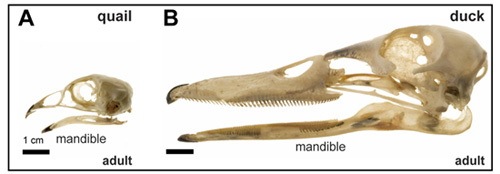
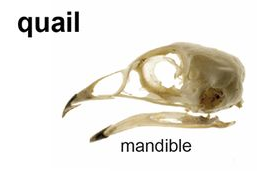
In our recent manuscript, (Fish et al. 2014), we have addressed the question of organ size evolution from the perspective of the jaw. Utilizing two avian species, duck and quail, that exhibit remarkably different jaw size (Figure 1), we asked when, where, and how do duck acquire their long bills compared to quail who make short beaks? We began with the simple analogy that building a bigger structure such as a wall might involve using more bricks (rather than bigger bricks). Thus, we focused on the number of cellular precursors, which in this case is the cranial neural crest that gives rise to the jaw skeleton.
Figure 1: Species-specific differences adult quail (A) and duck (B) skulls showing species-specific differences in jaw size
Figure 1: Species-specific differences adult quail (A) and duck (B) skulls showing species-specific differences in jaw size
We started by counting neural crest cells at several embryonic time points. We found that at a very early stage (HH8) the number of neural crest cells that are specified along the length of the neural folds is the same in quail and duck. But slightly later (HH10) when these cells begin to accumulate dorsally, duck have significantly more cells (15%) in the midbrain and rostral hindbrain region, which ultimately enables more duck cells to migrate into the presumptive jaw region by HH13. Remarkably, by HH20, duck have twice as many cells in their jaw primordia as do quail. To understand how an initial 15% difference could result in a doubling of the population by HH20, we analyzed cell proliferation and cell cycle length. We found that cell cycle length is longer in duck than quail, but when developmental rate is taken into account over absolute time, duck neural crest proliferate relatively faster than quail, which can explain the progressive increase in jaw size in duck embryos.
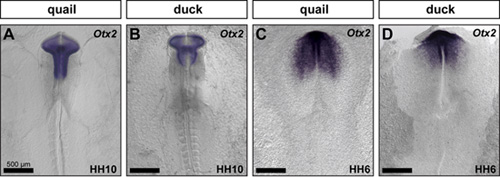
To uncover a mechanism through which duck increase the number of precursor cells that come out of the midbrain, we assayed for species-specific differences in the expression of brain regionalization markers. We compared Pax6 (forebrain), Otx2 (fore- and midbrain), Fgf8 (midbrain-hindbrain boundary), and Krox20 (r3 and r5 of the hindbrain) in duck and quail embryos at HH10. We found that duck and quail embryos have divergent brain shapes and spatial domains of gene expression. For example, duck embryos have a shorter and broader midbrain, which is also evidenced by a unique pattern of Otx2 expression (Figure 2A,B). Presumably, this broader duck midbrain congregates more neural crest cells in the region that will ultimately populate the jaw primordia. Interestingly, the Otx2 expression domain is already distinct in duck and quail embryos at HH6 (Figure 2C,D), suggesting that critical species-specific patterning mechanisms that affect jaw size may be in place from the earliest developmental stages.
Figure 2: Species-specific differences appear early during development. HH6 quail and duck embryos were compared molecularly by performing in situ hybridization for Otx2 at HH10 (A, B) and HH6 (C,D).
Figure 2: Species-specific differences appear early during development. Quail and duck embryos were compared molecularly by performing in situ hybridization for Otx2 at HH10 (A, B) and HH6 (C,D).
Overall, our work reveals that modifications to multiple aspects of cell biology, including the generation and allocation of neural crest cells destined to form the jaw skeleton, and species-specific regulation of cell proliferation, may underlie the evolution of jaw size.
Here at Development we are very proud of our covers. Over the years we have featured many beautiful images, showcasing different model organisms and techniques and including a few unusual choices! Most of these images were submitted by our authors, but some of the most recent ones were voted by you here on the Node. Over the years, the style and content of the covers has evolved, and so they mark an interesting perspective on changes to the field and the journal. We wanted to share this collection with you, so during the last few months we have gone through our archive and collated some of our covers in the short movie below. What do you think of our selection? Did we include your favourite cover? Let us know what you think by leaving a comment below! You can also browse our full cover archive by visiting our website.



 Up close and personal with lobster, lecture 3