Research Assistant (Fixed Term)
Posted by Benjamin Steventon, on 3 October 2018
Closing Date: 15 March 2021
For further details on this research, please visit steventonlab.wordpress.com
To apply online for this vacancy, please click here.
Posted by Benjamin Steventon, on 3 October 2018
Closing Date: 15 March 2021
For further details on this research, please visit steventonlab.wordpress.com
To apply online for this vacancy, please click here.
Posted by the Node, on 3 October 2018
Welcome to our monthly trawl for developmental biology (and related) preprints.
Another month, another net full of exciting science. Look out for WNT vampires, regenerating lampreys, polarising ctenophores, plus investigations into niche architecture, tissue mechanics and the dynamics of developmental signalling.
The preprints were hosted on bioRxiv, PeerJ, and arXiv. Let us know if we missed anything, and use these links to get to the section you want:
| Stem cells, regeneration & disease modelling

Heterogeneity of Sonic Hedgehog Response Dynamics and Fate Specification in Single Neural Progenitors
Fengzhu Xiong, Andrea R Tentner, Tom W Hiscock, Peng Huang, Sean Megason
The Ciliopathy Gene Ftm/Rpgrip1l Controls Mouse Forebrain Patterning Via Region-Specific Modulation Of Hedgehog/Gli Signaling.
Abraham Andreu-Cervera, Isabelle Anselme, Alice Karam, Martin Catala, Sylvie Schneider-Maunoury
GPR17 is an Essential Component of the Negative Feedback Loop of the Sonic Hedgehog Signalling Pathway in Neural Tube Development
Atsuki Yatsuzuka, Akiko Hori, Minori Kadoya, Mami Matsuo-Takasaki, Toru Kondo, Noriaki Sasai

Gata4 drives Hh-signaling for second heart field migration and outflow tract development
Jielin Liu, Henghui Cheng, Menglan Xiang, Lun Zhou, Ke Zhang, Ivan P. Moskowitz, Linglin Xie
Endothelial cells form transient Notch-dependent NO-containing cystic structures during zebrafish cerebrovascular development
Elisabeth Kugler, Karishma Chhabria, Stephan Daetwyler, Jan Huisken, Karen Plant, Aaron Savage, Robert Neil Wilkinson, Paul Armitage, Timothy James Chico

Notch signalling maintains Hedgehog responsiveness via a Gli-dependent mechanism during spinal cord patterning in zebrafish
Craig T Jacobs, Peng Huang

Vegfa expression is activated through positive and negative transcriptional regulatory networks controlled by the ETS factor Etv6 in vivo
Lei Li, Rossella Rispoli, Roger Patient, Aldo Ciau-Uitz, Catherine Porcher
foxc1a and foxc1b differentially regulate angiogenesis from arteries and veins by modulating Vascular Endothelial Growth Factor signalling
Zhen Jiang, Teri Forey, Aaron M Savage, Matthew W Loose, Timothy JA Chico, Fredericus JM van Eeden, Robert N Wilkinson
COMPASS Family Histone Methyltransferase ASH2L Mediates Corticogenesis via Transcriptional Regulation of Wnt Signalling
Liang Li, Xiangbin Ruan, Chang Wen, Pan Chen, Wei Liu, Liyuan Zhu, Pan Xiang, Xiaoling Zhang, Qunfang Wei, Lin Hou, Bin Yin, Jiangang Yuan, Boqin Qiang, Pengcheng Shu, Xiaozhong Peng

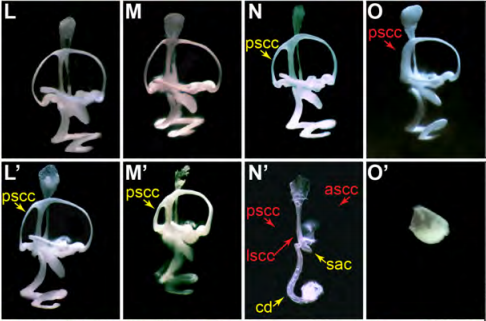
Spatial and temporal inhibition of FGFR2b ligands reveals continuous requirements and novel targets in mouse inner ear morphogenesis
Lisa D Urness, Xiaofen Wang, Huy Doan, Nathan Shumway, C Albert Noyes, Edgar Gutierrez-Magana, Ree Lu, Suzanne L Mansour
Cell competition corrects noisy Wnt morphogen gradients to achieve robust patterning
Yuki Akieda, Shohei Ogamino, Hironobu Furuie, Shizuka Ishitani, Ryutaro Akiyoshi, Jumpei Nogami, Takamasa Masuda, Nobuyuki Shimizu, Yasuyuki Ohkawa, Tohru Ishitani
Synergy with TGFβ ligands switches WNT pathway dynamics from transient to sustained during human pluripotent cell differentiation
Joseph Massey, Yida Liu, Omar Alvarenga, Teresa Saez, Matthew Schmerer, Aryeh Warmflash
wnt4a Promotes Female Development and Reproductive Duct Elongation in Zebrafish
Bruce W Draper, Michelle E Kossack, Samantha K High, Rachel E Hopton, Yi-lin Yan, John H Postlethwait

SIX1 cooperates with RUNX1 and SMAD4 in cell fate commitment of Müllerian duct epithelium
jumpei Terakawa, Vanida A Serna, Devi Nair, Shigeru Sato, Kiyoshi Kawakami, Sally Radovick, Pascal Maire, Takeshi Kurita
YAP activity is necessary and sufficient for basal progenitor abundance and proliferation in the developing neocortex
Milos Kostic, Judith T.M.L. Paridaen, Katherine R. Long, Nereo Kalebic, Barbara Langen, Pauline Wimberger, Hiroshi Kawasaki, Takashi Namba, Wieland B. Huttner
Onecut factors and Pou2f2 regulate diversification and migration of V2 interneurons in the mouse developing spinal cord
Audrey Harris, Gauhar Masgutova, Amandine Collin, Mathilde Toch, Maria Hidalgo-Figueroa, Benvenuto Jacob, Lynn M Corcoran, Cedric Francius, Frederic Clotman
Synaptic proteins expressed by oligodendrocytes mediate CNS myelination
Alexandria N. Hughes, Bruce Appel
PADI2-mediated citrullination is required for efficient oligodendrocyte differentiation and myelination
Ana Mendanha Falcao, Mandy Meijer, Antonella Scaglione, Puneet Rinwa, Eneritz Agirre, Jialiang Liang, Sara C. Larsen, Abeer Heskol, Rebecca Frawley, Michael Klingener, Manuel Varas-Godoy, Alexandre A.S.F. Raposo, Patrik Ernfors, Diogo S. Castro, Michael L. Nielsen, Patrizia Casaccia, Goncalo Castelo-Branco
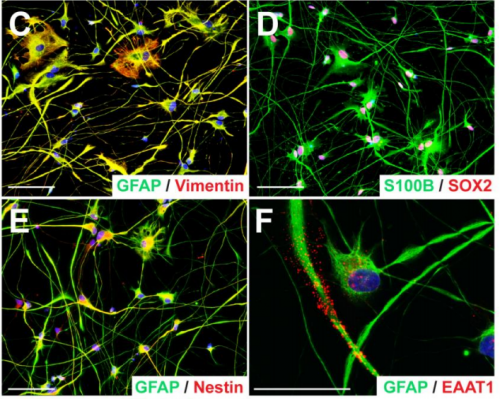
Identification of a Sulf2-dependant astrocyte subtype that stands out through the expression of Olig2 in the ventral spinal cord
David Ohayon, Nathalie Escalas, Philippe Cochard, Bruno Glise, Cathy Danesin, Cathy Soula
Deciphering defective subventricular adult neurogenesis in cyclin D2-deficient mice
Rafał Płatek, Leszek Kaczmarek, Artur Czupryn

Reverse genetic screen reveals that Il34 facilitates yolk sac macrophage distribution and seeding of the brain
Laura E Kuil, Nynke Oosterhof, Samuel N Geurts, Herma C van der Linde, Erik Meijering, Tjakko J van Ham
Maternal inflammation significantly impacts cortical interneuron development in a subtype-specific manner
Navneet A Vasistha, Maria Pardo-Navarro, Janina Gasthaus, Dilys Weijers, Michaela K Mueller, Ulrich Pfisterer, Jakob von Engelhardt, Karin S Hougaard, Konstantin Khodosevich
Fate Before Function: Specification of the Hair Follicle Niche Occurs Prior to its Formation and Is Progenitor Dependent
Ka Wai Mok, Nivedita Saxena, Nicholas Heitman, Laura Grisanti, Devika Srivastava, Mauro Muraro, Tina Jacob, Rachel Sennett, Zichen Wang, Yutao Su, Lu Yang, Avi Ma’ayan, David Ornitz, Maria Kasper, Michael Rendl
Induction of Sertoli cells from human fibroblasts by NR5A1 and GATA4
Jianlin Liang, Nan Wang, Jing He, Jian Du, Yahui Guo, Lin Li, Kehkooi Kee
Functional importance of JMY expression by Sertoli cells in mediating mouse spermatogenesis
Yue Liu, Jiaying Fan, Yan Yan, Xuening Dang, Ran Zhao, Yimei Xu, Zhide Ding
Miro-dependent mitochondrial pool of CENP-F and its farnesylated C-terminal domain are dispensable for normal development in mice
Martin Peterka, Benoît Kornmann
Bovine blastocyst development depends on threonine catabolism
Vahid Najafzadeh, Harold Henderson, Ryan Martinus, Bjorn Oback
The role of BMP6 in the proliferation and differentiation of chicken cartilage cells
Fei Ye, Hengyong Xu, Huadong Yin, Xiaoling Zhao, Diyan Li, Qing Zhu, Yan Wang
Nested oscillatory dynamics in cortical organoids model early human brain network development
Cleber A. Trujillo, Richard Gao, Priscilla D. Negraes, Isaac A. Chaim, Alain Domissy, Matthieu Vandenberghe, Anna Devor, Gene W. Yeo, Bradley Voytek, Alysson R. Muotri
A non-canonical JAGGED1 signal to JAK2 mediates osteoblast commitment in cranial neural crest cells
Archana Kamalakar, Melissa S Oh, Yvonne C Stephenson, Samir A Ballestas-Naissir, Michael E Davis, Nick J Willett, Hicham M Drissi, Steven L Goudy
Nuclear polymorphism and non-proliferative adult neurogenesis in human neural crest-derived cells.
Carlos Bueno, Marta Martinez-Morga, Salvador Martinez
Mapping the complex paracrine response to hormones in the human breast at single-cell resolution
Lyndsay M Murrow, Robert J Weber, Joseph Caruso, Christopher S McGinnis, Alexander D Borowsky, Tejal A Desai, Matthew Thomson, Thea D Tlsty, Zev Jordan Gartner
Planar cell polarity pathway and development of the human visual cortex
Jean Shin, Shaojie Ma, Edith Hofer, Yash Patel, Gennady Roshchupkin, Andre M Sousa, Xueqiu Jian, Rebecca Gottesmann, Thomas H Mosley, Myriam Fornage, Yasaman Saba, Lukas Pirpamer, Reinhold Schmidt, Helena Schmidt, Bernard Mazoyer, Amaia Carrion-Castillo, Joshua Bis, Shuo Li, Qiong Yang, Michelle Luciano, Sherif Karama, Lindsay Lewis, Mark Bastin, Matthew A Harris, Ian Deary, Joanna M Wardlaw, Markus Scholz, Markus Loeffler, Veronica Witte, Frauke Beyer, Arno Villringer, Hieab HHH Adams, M Arfan Ikrum, William S Kremen, Nathan A Gillespie, the ENIGMA Consortium, Nenad Sestan, Zdenka Pausova, Sudha Seshadri, Tomas Paus, the neuroCHARGE Working Group
Master regulators of signaling pathways coordinate key processes of embryonic development in breast cancer
Enrique Hernandez-Lemus, Diana Tapia-Carrillo, Hugo Tovar, Tadeo Enrique Velázquez-Caldelas
Timing mechanism of sexually dimorphic nervous system differentiation
Laura Pereira, Florian Aeschimann, Chen Wang, Hannah Lawson, Esther Serrano-Saiz, Douglas S Portman, Helge Grosshans, Oliver Hobert
Protein Disulfide Isomerases Control the Secretion of Wnt proteins
Nanna Torpe, Sandeep Gopal, Oguzhan Balatci, Lorenzo Rella, Ava Handley, Henrik C Korswagen, Roger Pocock
Towards identifying subnetworks from FBF binding landscapes in Caenorhabditis spermatogenic or oogenic germlines
Douglas Frank Porter, Aman Prasad, Brian H Carrick, Peggy Kroll-Connor, Marvin Wickens, Judith Kimble

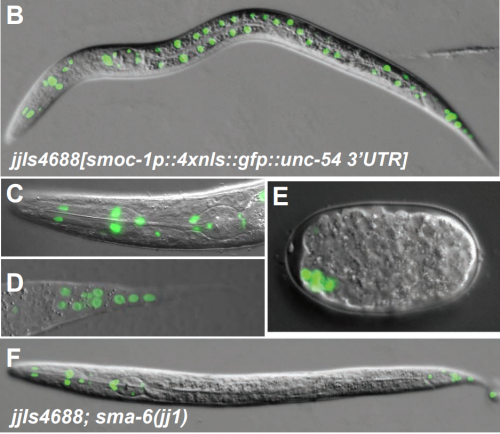
The C. elegans SMOC-1 protein acts cell non-autonomously to promote bone morphogenetic protein signaling
Melisa S DeGroot, Herong Shi, Alice Eastman, Alexandra N McKillop, Jun Liu
Variability in the timing of a β-catenin pulse biases a stochastic cell fate decision in C. elegans
Jason R Kroll, Jasonas Tsiaxiras, Jeroen S van Zon
The Emergent Connectome in Caenorhabditis elegans Embryogenesis
DevoWorm Group, Bradly J. Alicea
Inhibition of cell fate repressors secures the differentiation of the touch receptor neurons of Caenorhabditis elegans
Chaogu Zheng, Felix Qiaochu Jin, Brian Loeber Trippe, Ji Wu, Martin Chalfie
Evidence of functional long-range Wnt/Wg in the developing Drosophila wing epithelium
Varun Chaudhary, Michael Boutros
Dynamic 3D tissue architecture directs BMP morphogen signaling during Drosophila wing morphogenesis
Jinghua Gui, Yunxian Huang, Martin Kracklauer, Daniel Toddie-Moore, Kenji Kikushima, Stephanie Nix, Yukitaka Ishimoto, Osamu Shimmi
The Dlg-module and clathrin-mediated endocytosis regulate EGFR signaling and cyst cell-germline coordination in the Drosophila testis
Fani Papagiannouli, Cameron Wynn Berry, Margaret T. (MINX) Fuller

An ATF4-mediated transcriptional adaptation of electron transport chain disturbance primes progenitor cells for proliferation in vivo
Sebastian Sorge, Jonas Theelke, Christian Altburger, Ingrid Lohmann
Drosophila insulin-like peptide 1 (DILP1) promotes organismal growth during non-feeding stages
Sifang Liao, Stephanie Post, Jan A Veenstra, Marc Tatar, Dick R Nassel
Anthranilic acid regulates subcellular localization of auxin transporters during root gravitropism
Siamsa M Doyle, Adeline Rigal, Peter Grones, Michal Karady, Deepak K Barange, Mateusz Majda, Michael Karampelias, Marta Zwiewka, Aleš Pěnčik, Fredrik Almqvist, Karin Ljung, Ondřej Novák, Stéphanie Robert

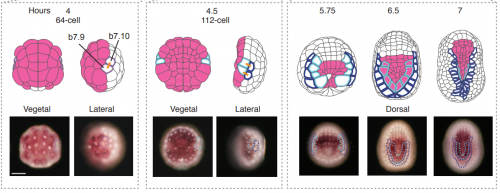
Nodal and Eph signalling relay drives the transition between apical constriction and apico-basal shortening during ascidian endoderm invagination
Ulla-Maj Fiuza, Takefumi Negishi, Alice Rouan, Hitoyoshi Yasuo, Patrick Lemaire

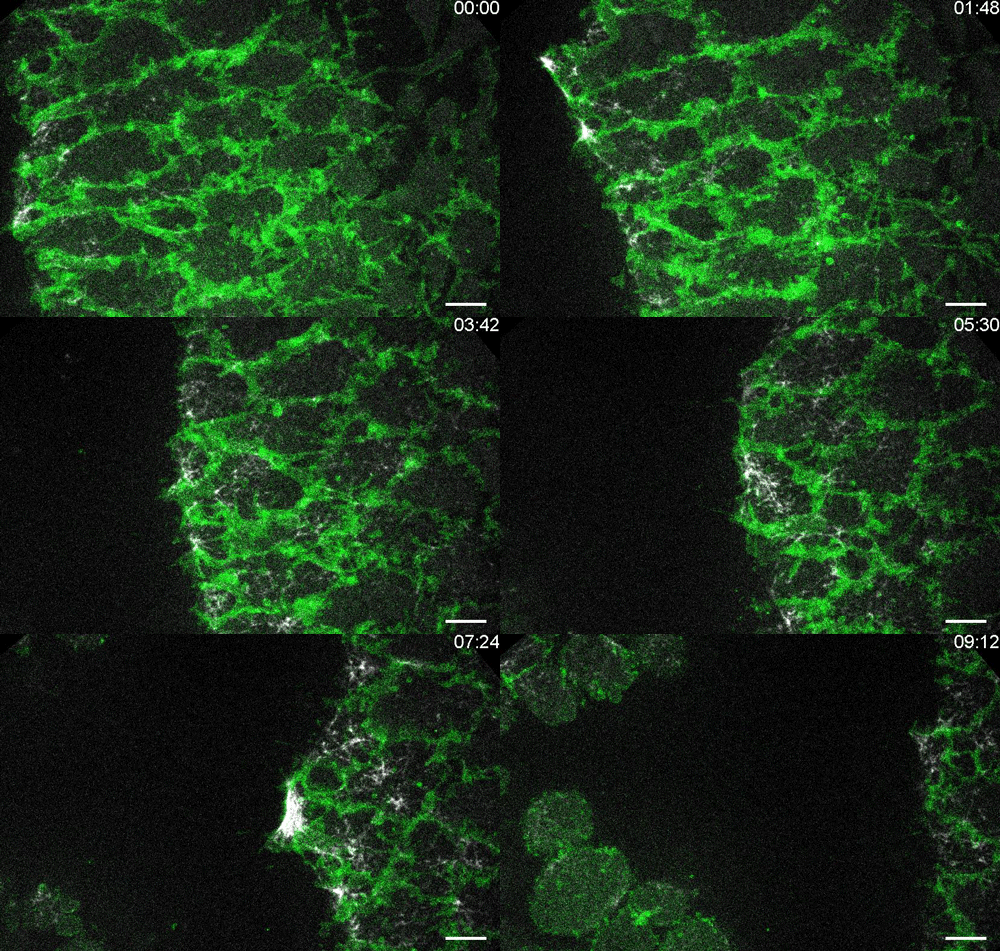
Transcriptional initiation and mechanically driven self-propagation of a tissue contractile wave during axis elongation
Anais Bailles, Claudio Collinet, Jean-Marc Philippe, Pierre-François Lenne, Edwin Munro, Thomas Lecuit
Distinct contributions of tensile and shear stress on E-cadherin levels during morphogenesis
Girish R Kale, Xingbo Yang, Jean-Marc Philippe, Madhav Mani, Pierre-Francois Lenne, Thomas Lecuit
Evolutionary rate covariation analysis of E-cadherin identifies Raskol as regulator of cell adhesion and actin dynamics in Drosophila
Qanber Raza, Jae Young Choi, Yang Li, Roisin M O’Dowd, Simon C Watkins, Yang Hong, Nathan L Clark, Adam V Kwiatkowski

Differential expression and homotypic enrichment of a classic Cadherin directs tissue-level contractile asymmetry during neural tube closure
Hidehiko Hashimoto, Edwin M Munro

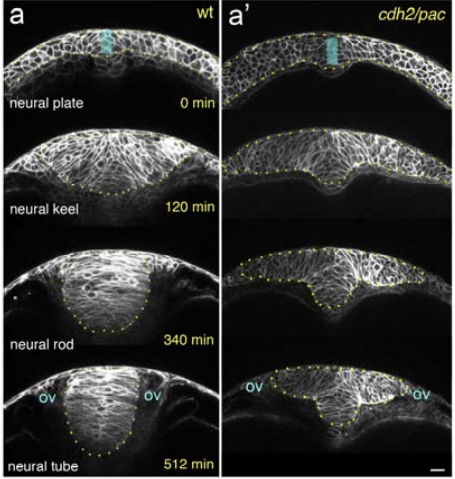
Cdh2 coordinates Myosin-II dependent internalisation of the zebrafish neural plate
Claudio Araya, Hanna-Maria Hakkinen, Luis Carcamo, Mauricio Cerda, Thierry Savy, Nadine Peyrieras, Christopher Rookyard, Jonathan Clarke

Mechanical Coupling Coordinates the Co-elongation of Axial and Paraxial Tissues in Avian Embryos
Fengzhu Xiong, Wenzhe Ma, Bertrand Benazeraf, L Mahadevan, Olivier Pourquie
Quantitative study of the somitogenetic wavefront in zebrafish
Weiting Zhang, Bertrand Ducos, Marine Delagrange, Sophie Vriz, David Bensimon
A tensile ring drives tissue flows to shape the gastrulating amniote embryo
Mehdi Saadaoui, Francis Corson, Didier Rocancourt, Julian Roussel, Jerome Gros
Strain maps characterize the symmetry of convergence and extension patterns during Zebrafish gastrulation
Dipanjan Bhattacharya, Jun Zhong, Sahar Tavakoli, Alexandre Kabla, Paul Matsudaira

Three-dimensional tissue stiffness mapping in the mouse embryo supports durotaxis during early limb bud morphogenesis
Min Zhu, Hirotaka Tao, Mohammad Samani, Mengxi Luo, Xian Wang, Sevan Hopyan, Yu Sun
Morphogenesis and differentiation of embryonic vascular smooth muscle cells in zebrafish
Thomas R Whitesell, Paul Chrystal, Jae-Ryeon Ryu, Nicole Munsie, Ann Grosse, Curtis French, Matthew L Workentine, Rui Li, Lihua Julie Zhu, Andrew Waskiewicz, Ordan J Lehmann, Nathan D Lawson, Sarah J Childs

Dynamin binding protein is required for Xenopus laevis kidney development
Bridget D DeLay, Tanya A Baldwin, Rachel K Miller

Integrin-mediated attachment of the blastoderm to the vitelline envelope impacts gastrulation of insects
Stefan Munster, Akanksha Jain, Alexander Mietke, Anastasios Pavlopoulos, Stephan Wolfgang Grill, Pavel Tomancak
Integrin alpha11 is an Osteolectin receptor and is required for the maintenance of adult skeletal bone mass
Bo Shen, Kristy Vardy, Payton Hughes, Alpaslan Tasdogan, Zhiyu Zhao, Genevieve Crane, Sean J Morrison
Draxin alters laminin expression during basement membrane reorganization to control cranial neural crest EMT
Erica J Hutchins, Marianne E. Bronner
Endoglycan plays a role in axon guidance and neuronal migration by negatively regulating cell-cell adhesion
Esther T Stoeckli, Thomas Baeriswyl, Georgia Tsapara, Vera Niederkofler, Jeannine A. Frei, Nicole H. Wilson, Matthias Gesemann
A specific Ret receptor isoform is required for pioneer axon outgrowth and growth cone dynamics
Adam M Tuttle, Catherine M Drerup, Molly H Marra, Alex V Nechiporuk

Transsynaptic interactions between IgSF proteins DIP-α and Dpr10 are required for motor neuron targeting specificity in Drosophila
James Ashley, Violet Sorrentino, Sonal Nagarkar-Jaiswal, Liming Tan, Shuwa Xu, Qi Xiao, Kai Zinn, Robert A Carrillo

A conserved morphogenetic mechanism for epidermal ensheathment of nociceptive sensory neurites
Nan Jiang, Jeffrey P Rasmussen, Joshua A Clanton, Marci Rosenberg, Kory P Luedke, Mark R Cronan, Edward Parker, Hyeon-Jin Kim, Joshua C Vaughan, Alvaro Sagasti, Jay Parrish
Dystroglycan is a scaffold for extracellular axon guidance decisions
L. Bailey Lindenmaier, Nicolas Parmentier, Caying Guo, Fadel Tissir, Kevin Wright
Endothelial Cells Filopodia Participation In The Anastomosis Of CNS Capillaries
Miguel Marin-Padilla Sr., Louisa Howard
Extracellular matrix stiffness regulates force transmission pathways in multicellular ensembles of human airway smooth muscle cells.
Samuel R Polio, Suzanne Stasiak, Ramaswamy Krishnan, Harikrishnan Parameswaran
Zebrafish Otolith Biomineralization Requires Polyketide Synthase
Kevin D Thiessen, Steven J Grzegorski, Lisa Higuchi, Jordan A Shavit, Kenneth L Kramer
Actomyosin controls planarity and folding of epithelia in response to compression
Tom P.J. Wyatt, Jonathan Fouchard, Ana Lisica, Nargess Khalilgharibi, Buzz Baum, Pierre Recho, Alexandre J. Kabla, Guillaume T. Charras
Arabidopsis class I formin FH1 relocates between membrane compartments during root cell ontogeny and associates with plasmodesmata
Denisa Oulehlová, Eva Kollárová, Petra Cifrová, Přemysl Pejchar, Viktor Žárský, Fatima Cvrčková
A cell atlas of the adult Drosophila midgut
Ruei-Jiun Hung, Yanhui Hu, Rory Kirchner, Fangge Li, Chiwei Xu, Aram Comjean, Sudhir Gopal Tattikota, Wei Roc Song, Shannon Ho Sui, Norbert Perrimon

Nuclear transcriptomes of the seven neuronal cell types that constitute the Drosophila mushroom bodies.
Meng-Fu Maxwell Shih, Fred Pejman Davis, Gilbert Lee Henry, Josh Dubnau

Boundaries support specific long-distance interactions between enhancers and promoters in Drosophila Bithorax complex
Pavel Georgiev, Nikolay Postika, Mario Metzler, Markus Affolter, Martin Müller, Paul Schedl, Olga Kyrchanova
Dissecting the sharp response of a canonical developmental enhancer reveals multiple sources of cooperativity
Jeehae Park, Javier Estrada, Gemma Johnson, Chiara Ricci-Tam, Meghan Bragdon, Yekaterina Shulgina, Anna Cha, Jeremy Gunawardena, Angela H DePace
Precision in a rush: trade-offs between reproducibility and steepness of the hunchback expression pattern
Huy Tran, Jonathan Desponds, Carmina Angelica Perez Romero, Mathieu Coppey, Cecile Fradin, Nathalie Dostatni, Aleksandra M Walczak
Temporal control of gene expression by the pioneer factor Zelda through transient interactions in hubs
Jeremy Dufourt, Antonio Trullo, Jennifer Hunter, Carola Fernandez, Jorge Lazaro, Matthieu Dejean, Lucas Morales, Katharine N Schulz, Melissa M Harrison, Ovidiu Radulescu, Cyril Favard, Mounia Lagha
Ratio-based sensing of two transcription factors regulates the transit to differentiation
Sebastian M. Bernasek, Jean-François Boisclair Lachance, Nicolás Peláez, Rachael Bakker, Heliodoro Tejedor Navarro, Luis A. N. Amaral, Neda Bagheri, Ilaria Rebay, Richard W. Carthew
The eukaryotic Initiation Factor 6 (eIF6) regulates ecdysone biosynthesis by modulating translation in Drosophila
Arianna Russo, Guido Gatti, Roberta Alfieri, Elisa Pesce, Kelly Soanes, Sara Ricciardi, Marilena Mancino, Cristina Cheroni, Thomas Vaccari, Stefano Biffo, Piera Calamita
Caenorhabditis elegans germline development requires brap-2
Dayana R D’Amora, Queenie Hu, Monica Pizzardi, Terrance Kubiseski
DOT1L suppresses nuclear RNAi originating from enhancer elements in Caenorhabditis elegans
Ruben Esse, Ekaterina Gushchanskaia, Avery Lord, Alla Grishok
The interplay between small RNA pathways shapes chromatin landscape in C. elegans
Ekaterina Gushchanskaia, Ruben Esse, Qicheng Ma, Nelson Lau, Alla Grishok
MET-2, a SETDB1 family methyltransferase, coordinates embryo events through distinct histone H3 methylation states
Beste Mutlu, Huei-Mei Mei Chen, David H. Hall, Susan E. Mango
Mutual transcriptional repression between Gli3 and Hox13 genes determines the anterior-posterior asymmetry of the autopod
Maria Felix Bastida, Rocio Perez-Gomez, Anna Trofka, Rushikesh Sheth, H. Scott Stadler, Susan Mackem, Marian A Ros

The Lineage-Specific Transcription Factor CDX2 Navigates Dynamic Chromatin to Control Distinct Stages of Intestine Development
Namit Kumar, Yu-Hwai Tsai, Lei Chen, Anbo Zhou, Kushal J Banerjee, Madhurima Saxena, Sha Huang, Jinchuan Xing, Ramesh A Shivdasani, Jason R Spence, Michael Verzi
Reconstructing the human first trimester fetal-maternal interface using single cell transcriptomics
Roser Vento-Tormo, Mirjana Efremova, Rachel A. Botting, Margherita Y. Turco, Miquel Vento-Tormo, Kerstin B. Meyer, Jongeun Park, Emily Stephenson, Krzysztof Polański, Rebecca P. Payne, Angela Goncalves, Angela Zou, Johan Henriksson, Laura Wood, Steve Lisgo, Andrew Filby, Gavin J. Wright, Michael J. Stubbington, Muzlifah Haniffa, Ashley Moffett, Sarah A. Teichmann
Fine-tuned adaptation of embryo-endometrium pairs at implantation revealed by gene regulatory networks
Fernando Biase, Isabelle Hue, Sarah Dickinson, Florence Jaffrezic, Denis Laloe, Harris Lewin, Olivier Sandra
Single-cell RNA-seq analysis maps the development of human fetal retina
Yufeng Lu, Wenyang Yi, Qian Wu, Suijuan Zhong, Zhentao Zuo, Fangqi Zhao, Mei Zhang, Nicole Tsai, Yan Zhuo, Sheng He, Jun Zhang, Xin Duan, Xiaoqun Wang, Tian Xue
Single-cell transcriptional dynamics and origins of neuronal diversity in the developing mouse neocortex
Ludovic Telley, Gulistan Agirman, Julien Prados, Sabine Fievre, Polina Oberst, Ilaria Vitali, Laurent Nguyen, Alexandre Dayer, Denis Jabaudon
Single-cell transcriptomics of the mouse gonadal soma reveals the establishment of sexual dimorphism in distinct cell lineages
Isabelle Stevant, Francoise Kuhne, Andy Greenfield, Marie-Christine Chaboissier, Emmanouil T Dermitzakis, Serge Nef
Regulation of Cell-Type-Specific Transcriptomes by miRNA Networks During Human Brain Development
Tomasz J Nowakowski, Neha Rani, Mahdi Golkaram, Hongjun R Zhou, Beatriz Alvarado, Kylie Huch, Jay West, Anne Leyrat, Alex A Pollen, Arnold R Kriegstein, Linda R Petzold, Kenneth S Kosik
Divergent neuronal DNA methylation patterns across human cortical development: Critical periods and a unique role of CpH methylation
Amanda J. Price, Leonardo Collado-Torres, Nikolay A. Ivanov, Wei Xia, Emily E. Burke, Joo Heon Shin, Ran Tao, Liang Ma, Yankai Jia, Thomas M. Hyde, Joel E. Kleinman, Daniel R. Weinberger, Andrew E Jaffe
Dazl regulates germ cell survival through a network of polyA proximal mRNA interactions
Leah L Zagore, Thomas J Sweet, Molly M Hannigan, Sebastien M Weyn-Vanhentenryck, Raul Jobava, Maria Hatzoglou, Chaolin Zhang, Donny D Licatalosi
Gene-specific transcriptional memory in mammalian cell lineages
Nicholas E Phillips, Aleksandra Mandic, Saeed Omidi, Felix Naef, David M Suter

Live-Cell Imaging Reveals Enhancer-dependent Sox2 Transcription in the Absence of Enhancer Proximity
Jeffrey M Alexander, Juan Guan, Bo Huang, Stavros Lomvardas, Orion D Weiner
Conserved mechanism of nucleoporin regulation of the Kcnq1ot1 imprinted domain with divergence in embryonic and trophoblast stem cells
Saqib Sachani, William MacDonald, Ashley Foulkrod, Carlee White, Liyue Zhang, Mellissa Mann
SWI/SNF coordinates transcriptional activation through Rpd3-mediated histone hypoacetylation during quiescence entry
Marla M Spain, Keean C.A. Braceros, Toshio Tsukiyama
GIGANTEA promotes sorghum flowering by stimulating floral activator gene expression
Frank G Harmon, Junping Chen, Zhanguo Xin
CrRLK1L receptor-like kinases HERK1 and ANJEA are female determinants of pollen tube reception
Sergio Galindo-Trigo, Noel Blanco-Tourinan, Thomas A DeFalco, Cyril Zipfel, Julie E Gray, Lisa M Smith
Characterization of the role of several COPI complex isoforms during the early acceptance of compatible pollen grains in Arabidopsis thaliana.
Daniel A Cabada Gomez, Maria Isabella Chavez, Emily Indriolo
Epigenetic signatures associated with imprinted paternally-expressed genes in the Arabidopsis endosperm
Claudia Köhler, Jordi Moreno-Romero, Gerardo Del Toro De León, Vikash Kumar Yadav, Juan Santos-González
Stage-specific transcriptomes and DNA methylomes indicate an early and transient loss of transposon control in Arabidopsis shoot stem cells
Ortrun Mittelsten Scheid, Ruben Gutzat, Klaus Rembart, Thomas Nussbaumer, Rahul Pisupati, Falko Hofmann, Gabriele Bradamante, Nina Daubel, Angelika Gaidora, Nicole Lettner, Mattia Dona, Magnus Nordborg, Michael Nodine
Mi-2/NuRD complex protects stem cell progeny from mitogenic Notch signalling
Evanthia Zacharioudaki, Julia Falo Sanjuan, Sarah Bray
Stem cell mitotic drive ensures asymmetric epigenetic inheritance
Rajesh Ranjan, Jonathan Snedeker, Xin Chen

Niche maintenance of germline stem cells in C. elegans males
Sarah L Crittenden, ChangHwan Lee, Ipsita Mohanty, Sindhu Battula, Judith Kimble
Stem cell receptor degradation by niche cells restricts signaling
Sophia Ladyzhets, Mayu Inaba
The RNA-Binding Protein DND1 Acts Sequentially as a Negative Regulator of Pluripotency and a Positive Regulator of Epigenetic Modifiers Required for Germ Cell Reprogramming
Victor A Ruthig, Matthew B Friedersdorf, Jason A Garness, Steve C Munger, Corey Bunce, Jack D Keene, Blanche Capel
Multi-Omic Profiling Reveals Dynamics of the Phased Progression of Pluripotency
Pengyi Yang, Sean J Humphrey, Senthilkumar Cinghu, Rajneesh Pathania, Andrew J Oldfield, Dhirendra Kumar, Dinuka Perera, Jean Y.H. Yang, David E James, Matthias Mann, Raja Jothi
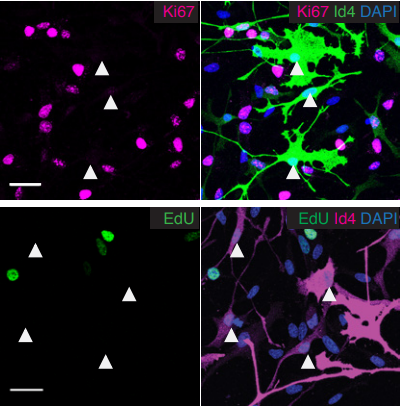
Notch2 signaling regulates Id4 and cell cycle genes to maintain neural stem cell quiescence in the adult hippocampus
Runrui Zhang, Marcelo Boareto, Anna Engler, Angeliki Louvi, Claudio Giachino, Dagmar Iber, Verdon Taylor

Retinoblastoma binding protein 4 maintains cycling neural stem cells and prevents DNA damage and Tp53-dependent apoptosis in rb1 mutant neural progenitors
Laura E. Schultz-Rogers, Maira P. Almeida, Wesley A. Wierson, Marcel Kool, Maura McGrail

Id4 eliminates the pro-activation factor Ascl1 to maintain quiescence of adult hippocampal stem cells
Isabelle Maria Blomfield, Brenda Rocamonde, Maria Del Mar Masdeu, Eskeatnaf Mulugeta, Stefania Vaga, Debbie L. C. van den Berg, Emmanuelle Huillard, Francois Guillemot, Noelia Urban
Mutational impact of culturing human pluripotent and adult stem cells
Ewart Kuijk, Myrthe Jager, Bastiaan van der Roest, Mauro Locati, Arne van Hoeck, Jerome Korzelius, Roel Janssen, Nicolle Besselink, Sander Boymans, Ruben van Boxtel, Edwin Cuppen
Discovery and characterization of variance QTLs in human induced pluripotent stem cells
Abhishek K Sarkar, Po-Yuan Tung, John D. Blischak, Jonathan E. Burnett, Yang I. Li, Matthew Stephens, Yoav Gilad
Partial reprogramming induces a steady decline in epigenetic age before loss of somatic identity
Nelly Olova, Daniel J Simpson, Riccardo Marioni, Tamir Chandra
Wdr5, Brca1 and Bard1 link the DNA damage response to the mesenchymal-to-epithelial transition during early reprogramming.
Georgina Penalosa-Ruiz, Vicky Vicky Bousgouni, Jan P Gerlach, Susan Waarlo, Joris V van de Ven, Tim E Veenstra, Jose C.R Silva, Simon J van Heeringen, Chris Bakal, Klaas W Mulder, Gert Jan C Veenstra

Astrocytes Regulate the Development and Maturation of Retinal Ganglion Cells Derived from Human Pluripotent Stem Cells
Kirstin B Langer, Ridhima Vij, Sarah K Ohlemacher, Akshayalakshmi Sridhar, Clarisse M Fligor, Elyse M Feder, Michael C Edler, Anthony J Baucum, Theodore M Cummins, Jason S Meyer
Glycogen Synthase Kinase 3 induces multilineage maturation of human pluripotent stem cell-derived lung progenitors in 3D culture.
Hans-Willem Snoeck, Ana Luisa Rodrigues Toste de Carvalho, Alexandros Strikoudis, Tiago Dantas, Ya-Wen Chen, Hsiao-Yun Liu, Richard B Vallee, Jorge Correia-Pinto
HSCs contribute actively to native multilineage hematopoiesis but with reduced differentiation capacity upon aging
Petter Säwen, Mohamed Eldeeb, Eva Erlandsson, Trine A Kristiansen, Cecilia Laterza, Zaal Kokaia, Göran Karlsson, Joan Yuan, Shamit Soneji, Pankaj K Mandal, Derrick Rossi, David Bryder
Checkpoint kinase 1 is essential for fetal haematopoiesis and hematopoietic stem cell survival
Andreas Villunger, Fabian Schuler, Sehar Afreen, Claudia Manzl, Georg Haecker, Miriam Erlacher
Interactome comparison of human embryonic stem cell lines with the inner cell mass and trophectoderm
Adam Stevens, Helen Smith, Terence Garner, Ben Minogue, Sharon Sneddon, Lisa Shaw, Rachel Oldershaw, Nicola Bates, Daniel Brison, Susan Kimber
Capicua regulates neural stem cell proliferation and lineage specification through control of Ets factors
Sheikh Tanveer Ahmad, Alexandra D Rogers, Myra J Chen, Rajiv Dixit, Lata Adnani, Luke Frankiw, Samuel O Lawn, Michael D Blough, Mana Alshehri, Wei Wu, Stephen M Robbins, Gregory Cairncross, Carol Schuurmans, Jennifer Chan
Rat bone marrow derived mesenchymal stem cells differentiate to germ cell like cells
Kuldeep Kumar, Kinsuk Das, Madhusoodan AP, Ajay Kumar, Purnima Singh, Tanmay Mondal, Sadhan Bag
Linking YAP to Müller glia quiescence exit in the degenerative retina
Hanaïg Hamon, Divya Ail, Diana García-García, Juliette Bitard, Deniz Dalkara, Morgane Locker, Jérôme Roger, Muriel Perron
Oct1/Pou2f1 is selectively required for gut regeneration and regulates gut malignancy
Karina Vázquez-Arreguín, Claire Bensard, John C Schell, Eric Swanson, Xinjian Chen, Jared Rutter, Dean Tantin
FGF1 Promotes Xenopus laevis Lens Regeneration
Lisa Moore, Kimberly J Perry, Cindy Sun, Jonathan J Henry

Drug Combinations targeting multiple cellular mechanisms enable axonal regeneration from crushed optic nerve into the brain
Mustafa M. Siddiq, Yana Zorina, Arjun Yadaw, Jens Hansen, Vera Rabinovich, Sarah M. Gregorich, Yuguang Xiong, Rosa E Tolentino, Sari S Hannila, Ehud Kaplan, Robert D. Blitzer, Marie T. Filbin, Christopher L. Passaglia, Ravi Iyengar

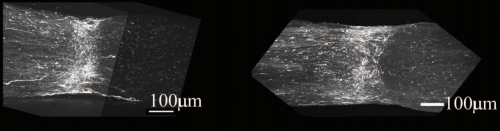
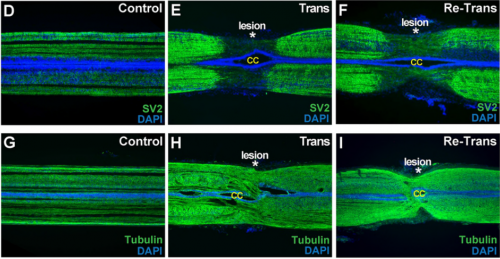
Regenerative capacity in the lamprey spinal cord is not altered after a repeated transection
Kendra L. Hanslik, Scott R. Allen, Tessa L. Harkenrider, Stephanie M. Fogerson, Eduardo Guadarrama, Jennifer Morgan
Microglia limit lesion expansion and promote functional recovery after spinal cord injury in mice
Faith H. Brennan, Jodie C.E. Hall, Zhen Guan, Phillip G. Popovich
Damage-induced reactive oxygen species enable zebrafish tail regeneration by repositioning of Hedgehog expressing cells.
Henry Roehl, Montserrat Garcia Romero, Gareth McCathie, Philip Jankun
The influence of cyclic tensile strain on multi-compartment collagen-GAG scaffolds for tendon-bone junction regeneration
William K. Grier, Raul A. Sun Han Chang, Matthew D. Ramsey, Brendan A.C. Harley
Effects of BMP-2 dose and delivery of microvascular fragments on healing of bone defects with concomitant volumetric muscle loss
Marissa Ruehle, Laxminarayanan Krishnan, Casey E Vantucci, Yuyan Wang, Hazel Y Stevens, Krishnendu Roy, Robert E Guldberg, Nick J Willett
Regeneration of dopaminergic neurons in adult zebrafish depends on immune system activation and differs for distinct populations.
Lindsey J. Caldwell, Nick O. Davies, Leonardo Cavone, Karolina S. Mysiak, Svetlana A. Semenova, Pertti Panula, J. Douglas Armstrong, Catherina G. Becker, Thomas Becker

Active WNT vampirization by glioblastoma network leads to brain tumor growth and neurodegeneration
Marta Portela Esteban, Varun Venkataramani, Natasha Fahey-Lozano, Esther Seco, Maria Losada-Perez, Frank Winkler, Sergio Casas-Tinto
Loss of zebrafish ctnnd2b results in disorganised forebrain neuron clusters
Wolfgang Hofmeister, Raquel Vaz, Steven Edwards, Alfredo Duanas Rey, Anna Lindstrand
Early postnatal development of the cellular and circuit properties of striatal D1 and D2 spiny projection neurons
Rohan N Krajeski, Anežka Macey-Dare, Fran van Heusden, Farid Ebrahimjee, Tommas J Ellender
Haploinsufficiency of the schizophrenia risk gene Cyfip1 causes abnormal postnatal hippocampal neurogenesis through a novel microglia dependent mechanism
Niels Haan, Jenny Carter, Laura J Westacott, Michael J Owen, William P Gray, Jeremy Hall, Lawrence S Wilkinson
Myh10 deficiency leads to defective extracellular matrix remodeling and pulmonary disease
Hyun-Taek Kim, Wenguang Yin, Young-June Jin, Paolo Panza, Felix Gunawan, Beate Grohmann, Carmen Buettner, Anna M. Sokol, Jens Preussner, Stefan Guenther, Sawa Kostin, Clemens Ruppert, Aditya M. Bhagwat, Xuefei Ma, Johannes Graumann, Mario Looso, Andreas Guenther, Robert S. Adelstein, Stefan Offermanns, Didier Y.R. Stainier
Gpr63 is a novel modifier of microcephaly in Ttc21b mouse mutants.
John Snedeker, William J Gibbons Jr., Daniel R Prows, Rolf Stottmann
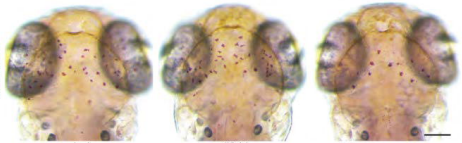
The zebrafish orthologue of familial Alzheimer’s disease gene PRESENILIN 2 is required for normal adult melanotic skin pigmentation.
Haowei Jiang, Morgan Newman, Michael Lardelli

A CRISPR/Cas9-generated zebrafish mutant implicates PPP2R3B loss in idiopathic scoliosis pathogenesis in Turner syndrome.
Dagan Jenkins, Marian Seda, Berta Crespo Lopez, Michelangelo Corcelli
Integrative analysis of Paneth cell proteomic data from intestinal organoids reveals functional processes affected in Crohn’s disease due to autophagy impairment
Emily Jones, Zoe Matthews, Lejla Gul, Padhmanand Sudhakar, Devina Divekar, Jasmine Buck, Matthew Jefferson, Stuart Armstrong, Alastair Watson, Simon Carding, Ulrike Mayer, Penny Powell, Isabelle Hautefort, Tom Wileman, Tamas Korcsmaros
The novel lncRNA lnc-NR2F1 is pro-neurogenic and mutated in human neurodevelopmental disorders
Cheen Euong Ang, Qing Ma, Orly Wapinski, ShengHua Fan, Ryan A Flynn, Bradley Coe, Masahiro Onoguchi, Victor H Olmos, Brian T Do, Lynn Dukes-Rimsky, Jin Xu, Qian Yi Lee, Koji Tanabe, LiangJiang Wang, Ulrich Elling, Josef Penninger, Kun Qu, Evan E Eichler, Anand Srivastava, Marius Wernig, Howard Chang
Systematic functional characterization of the intellectual disability-associated SWI/SNF complex reveals distinct roles for the BAP and PBAP complexes in post-mitotic memory forming neurons of the Drosophila mushroom body
Melissa C Chubak, Max H Stone, Nicholas Raun, Shelby L Rice, Mohammed Sarikahya, Spencer G Jones, Taylor A Lyons, Taryn E Jakub, Roslyn LM Mainland, Maria J Knip, Tara N Edwards, Jamie Kramer
Long-term phenotypic effects following vitrified-thawed embryo transfer in a rabbit model
Francisco Marco-Jiménez, Joaquín Cañizares, David Sanchez Peñaranda, Ximo Garcia-Dominguez, José Salvador Vicente, Guillem Estruch, José Miguel Blanca, Victor García-Carpintero
Lovastatin, not simvastatin, corrects core phenotypes in the fragile X mouse model
Melania Muscas, Susana R Louros, Emily K Osterweil
Comprehensive modeling of Spinal Muscular Atrophy in Drosophila melanogaster
Ashlyn M. Spring, Amanda C. Raimer, Christine D. Hamilton, Michela J. Schillinger, A. Gregory Matera
A human embryonic stem cell model of Aβ–dependent chronic progressive neurodegeneration
Teresa Ubina, Martha Magallanes, Saumya Srivastava, Charles Warden, Jiing-Kuan Yee, Paul M. Salvaterra

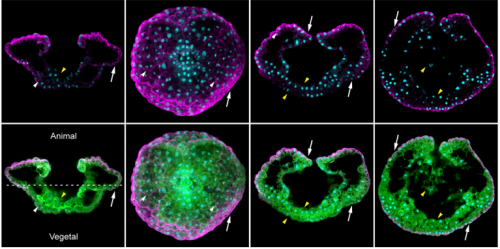
Par-Cteno-Genesis or Cteno Par-Genesis
Miguel Salinas-Saavedra, Mark Q. Martindale

Redundant and cryptic enhancer activities of the Drosophila yellow gene
Gizem Kalay, Jennifer Lachowiec, Ulises Rosas, Mackenzie R. Dome, Patricia J Wittkopp
Thyroid hormone modulation during zebrafish development recapitulates evolved diversity in danionin jaw protrusion mechanics
Demi Galindo, Elly Sweet, Zoey DeLeon, Mitchel Wagner, Adrian DeLeon, Casey Carter, Sarah McMenamin, W. James Cooper III

Evolution of gastrulation in cavefish: heterochronic cell movements and maternal factors
Jorge Torres-Paz, Julien Leclercq, Sylvie Retaux

millepattes micropeptides are an ancient developmental switch required for embryonic patterning
Suparna Ray, Miriam I Rosenberg, Hélène Chanut-Delalande, Amelie Decaras, Barbara Schwertner, William Toubiana, Tzach Auman, Irene Schnellhammer, Matthias Teuscher, Abderrahman Khila, Martin Klingler, François Payre
Dnmt1 has an essential function despite the absence of CpG DNA methylation in the red flour beetle Tribolium castaneum
Nora Kristin Elisa Schulz, Clara Isabel Wagner, Julia Ebeling, Günter Raddatz, Maike Folina Diddens-de Buhr, Frank Lyko, Joachim Kurtz
Transgenerational developmental effects of immune priming in the red flour beetle Tribolium castaneum
Nora Kristin Elisa Schulz, Marie Pauline Sell, Kevin Ferro, Nico Kleinhölting, Joachim Kurtz
Hox genes limit germ cell formation in the short germ insect Gryllus bimaculatus.
Austen A. Barnett, Taro Nakamura, Cassandra G. Extavour
A female alternative life-history strategy arose via novel recruitment of homeobox gene, BarH-1
Alyssa Woronik, Kalle Tunstrom, Michael W Perry, Ramprasad Neethiraj, Constanti Stefanescu, Maria de la Paz Celorio-Mancera, Oskar Brattstrom, Jason Hill, Philipp Lehmann, Reijo Kakela, Christopher W Wheat
Comparative evidence for the independent evolution of hair and sweat gland traits in primates
Yana G Kamberov, Samantha M Guhan, Alessandra DeMarchis, Judy Jiang, Sara Sherwood Wright, Bruce A Morgan, Pardis C Sabeti, Clifford J Tabin, Daniel E Lieberman
Evolution of embryo implantation was enabled by the origin of decidual cells in eutherian mammals
Arun R. Chavan, Oliver W. Griffith, Daniel Stadtmauer, Jamie Maziarz, Mihaela Pavlicev, Ruth Fishman, Lee Koren, Roberto Romero, Gunter P. Wagner
Coalescent-based phylogenetic inference from genes with unequivocal historical signal suggests a polytomy at the root of the placental mammal tree of life
Filipe R. R. Moreira, Carlos E. G. Schrago

Electroporation of short hairpin RNAs for rapid and efficient gene knockdown in the starlet sea anemone, Nematostella vectensis
Ahmet C Karabulut, Shuonan He, Cheng-Yi Chen, Sean A McKinney, Matthew C Gibson
Widespread gene duplication and adaptive evolution in the RNA interference pathways of the Drosophila obscura group
Danang Crysnanto, Darren Obbard
A large close relative of C. elegans is slow-developing but not long-lived
Gavin C. Woodruff, Erik Johnson, Patrick Phillips
De novo assembly and annotation of the larval transcriptome of two spadefoot toads widely divergent in developmental rate
H. Christoph Liedtke, Jessica Gomez Garrido, Anna Esteve-Codina, Marta Gut, Tyler Alioto, Ivan Gomez-Mestre
A unified, mechanistic framework for developmental and evolutionary change
Enrico Borriello, Sara I. Walker, Manfred D. Laubichler
Predominance of cis-regulatory changes in parallel expression divergence of sticklebacks.
Jukka-Pekka Verta, Felicity Jones
A phylogenomic resolution of the sea urchin tree of life
Nicolas Mongiardino Koch, Simon E Coppard, Harilaos A Lessios, Derek EG Briggs, Rich Mooi, Greg W Rouse

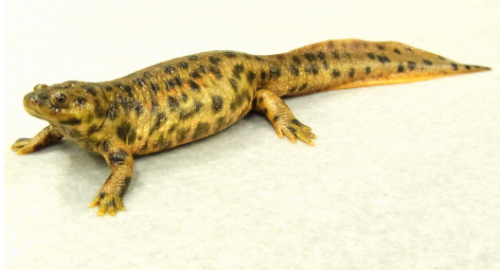
A comprehensive reference transcriptome resource for the Iberian ribbed newt Pleurodeles waltl, an emerging model for developmental and regeneration biology
Masatoshi Matsunami, Miyuki Suzuki, Yoshikazu Haramoto, Akimasa Fukui, Takeshi Inoue, Katsushi Yamaguchi, Ikuo Uchiyama, Kazuki Mori, Kosuke Tashiro, Yuzuru Ito, Takashi Takeuchi, Ken-ichi T Suzuki, Kiyokazu Agata, Shuji Shigenobu, Toshinori Hayashi
Very few sites can reshape a phylogenetic tree
Warren R Francis, Don E Canfield
Meta-population structure and the evolutionary transition to multicellularity
Caroline J Rose, Katrin Hammerschmidt, Paul B Rainey
The Invariant Nature of a Morphological Character and Character State: Insights from Gene Regulatory Networks
Sergei Tarasov

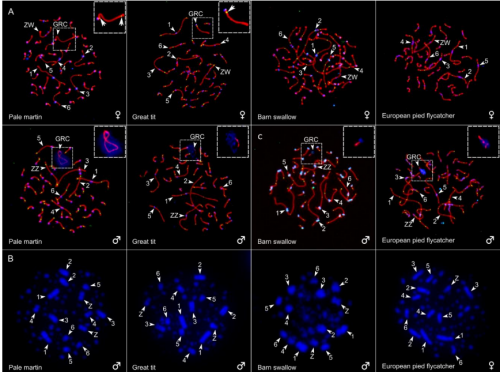
Germline-Restricted Chromosome (GRC) is Widespread among Songbirds
Anna A Torgasheva, Lyubov P Malinovskaya, Kira S Zadesenets, Tatyana V Karamysheva, Elena A Kizilova, Inna E Pristyazhnyuk, Elena P Shnaider, Valeria A Volodkina, Alsu F Saifutdinova, Svetlana A Galkina, Denis M Larkin, Nikolay B Rubtsov, Pavel M Borodin

Tissue self-organization based on collective cell migration by contact activation of locomotion and chemotaxis
Taihei Fujimori, Akihiko Nakajima, Nao Shimada, Satoshi Sawai

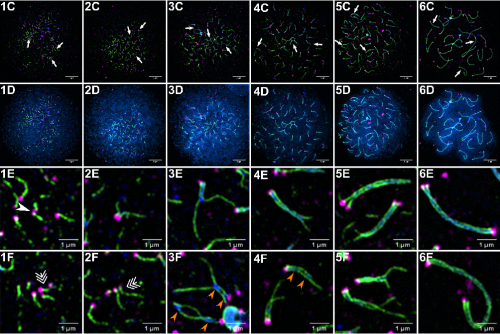
The telomere bouquet is a hub where meiotic double-strand breaks, synapsis, and stable homolog juxtaposition are coordinated in the zebrafish, Danio rerio
Yana P. Blokhina, An D. Nguyen, Bruce W. Draper, Sean M. Burgess
Fascetto Interacting Protein (FIP) Regulates Fascetto (PRC1) to Ensure Proper Cytokinesis and Ploidy
Zachary T Swider, Rachel K Ng, Ramya Varadarajan, Carey J Fagerstrom, Nasser M Rusan
The GATOR complex regulates an essential response to meiotic double-stranded breaks in Drosophila
Youheng Wei, Lucia Bettedi, Kuikwon Kim, Chun-Yuan Ting, Mary Lilly
Decoupling the roles of cell shape and mechanical stress in orienting and cueing epithelial mitosis
Alexander Nestor-Bergmann, Georgina A Stooke-Vaughan, Georgina K Goddard, Tobias Starborg, Oliver E Jensen, Sarah Woolner
Efa6 regulates axon growth, branching and maintenance by eliminating off-track microtubules at the cortex
Yue Qu, Ines Hahn, Meredith Lees, Jill Parkin, Andre Voelzmann, Karel Dorey, Alex Rathbone, Claire Friel, Victoria Allan, Pilar Okenve-Ramos, Natalia Sanchez-Soriano, Andreas Prokop
WNT4 and WNT3A activate cell autonomous Wnt signaling independent of secretion
Deviyani M Rao, Rebecca L Ferguson, Tomomi M Yamamoto, Benjamin G Bitler, Matthew J Sikora
Membrane capacitance recordings resolve dynamics and complexity of receptor-mediated endocytosis in Wnt signalling
Vera Bandmann, Ann Schirin Mirsanaye, Johanna Schaefer, Gerhard Thiel, Thomas W. Holstein, Melanie Mikosch-Wersching
Molecular organization of integrin-based adhesion complexes in mouse Embryonic Stem Cells
Shumin Xia, Evelyn K.F. Yim, Pakorn Kanchanawong
The Desmosome is a Mesoscale Lipid Raft-Like Membrane Domain
Joshua D Lewis, Amber L Caldara, Stephanie E Zimmer, Anna Seybold, Nicole L Strong, Sara N Stahley, Achilleas S Frangakis, Ilya Levental, James K Wahl III, Alexa L Mattheyses, Takashi Sasaki, Kazuhiko Nakabayashi, Kenichiro Hata, Yoichi Matsubara, Akemi Ishida-Yamamoto, Masayuki Amagai, Akiharu Kubo, Andrew P Kowalczyk
Vimentin filaments interact with the mitotic cortex allowing normal cell division
Sofia Duarte, Álvaro Viedma-Poyatos, Elena Navarro-Carrasco, Alma E Martínez, María A Pajares, Dolores Pérez-Sala
Superresolution architecture of pluripotency guarding adhesions
Aki Stubb, Camilo Guzmán, Elisa Närvä, Jesse Aaron, Teng-Leong Chew, Markku Saari, Mitro Miihkinen, Guillaume Jacquemet, Johanna Ivaska

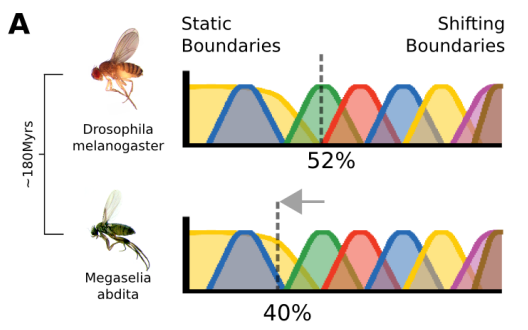
Modularity, criticality and evolvability of a developmental gene regulatory network
Berta Verd, Nicholas AM Monk, Johannes Jaeger
The statistics of noisy growth with mechanical feedback in elastic tissues
Ojan Khatib Damavandi, David K. Lubensky
Noise-driven cell differentiation and the emergence of spatiotemporal patterns
Hadiseh Safdari, Ata Kalirad, Cristian Picioreanu, Rouzbeh Tusserkani, Bahram Goliaei, Mehdi Sadeghi
Modulation of tissue growth heterogeneity by responses to mechanical stress
Antoine Fruleux, Arezki Boudaoud
Bradly J Alicea, Richard Gordon
Multicellular actomyosin cables in epithelia under external anisotropic stress
Meryl A Spencer, Jesus Lopez-Gay, Hayden Nunley, Yohanns Bellaïche, David K Lubensky
Statistical and mathematical modeling of spatiotemporal dynamics of stem cells
Walter de Back, Thomas Zerjatke, Ingo Roeder
Hematopoietic Stem Cell Dynamics are Regulated by Progenitor Demand: Lessons from a Quantitative Modeling Approach
Markus Klose, Maria Carolina Florian, Hartmut Geiger, Ingmar Glauche
Unjamming and nematic flocks in endothelial monolayers during angiogenesis : theoretical and experimental analysis
Horacio Lopez-Menendez, Joseph D’Alessandro

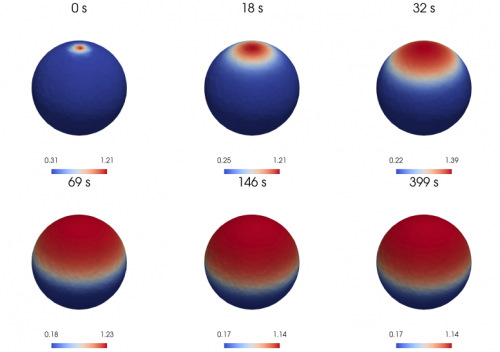
A coupled bulk-surface model for cell polarisation
Davide Cusseddu, Leah Edelstein-Keshet, John A. Mackenzie, Stéphanie Portet, Anotida Madzvamuse
Modelling cell-cell collision and adhesion with the Filament Based Lamellipodium Model
Nikolaos Sfakianakis, Diane Peurichard, Aaron Brunk, Christian Schmeiser
Euplotid: A quantized geometric model of the eukaryotic cell
Diego Borges-Rivera
Comprehensive computational modelling of the development of mammalian cortical connectivity underlying an architectonic type principle
Sarah F. Beul, Alexandros Goulas, Claus C. Hilgetag
Chromatin compaction states, nuclear shape fluctuations and auxeticity: A biophysical interpretation of the epigenetic landscape of stem cells
Kamal Tripathi, Gautam I Menon

Label free 3D analysis of organelles in living cells by refractive index shows pre-mitotic organelle spinning in mammalian stem cells
Patrick A Sandoz, Christopher Tremblay, Sebastien Equis, Sorin Pop, Lisa Pollaro, Yann Cotte, Gisou F van der Goot, Mathieu Frechin
NATF (Native And Tissue-specific Fluorescence): A strategy for bright, tissue-specific GFP labeling of native proteins.
Siwei He, Andrea Cuentas-Condori, David M Miller III
Bleaching-independent, whole-cell, 3D and multi-color STED imaging with exchangeable fluorophores
Christoph Spahn, Jonathan B Grimm, Luke D Lavis, Marko Lampe, Mike Heilemann

Enhanced in vivo-imaging in fish by optimized anaesthesia, fluorescent protein selection and removal of pigmentation
Colin Q. Lischik, Leonie Adelmann, Joachim Wittbrodt

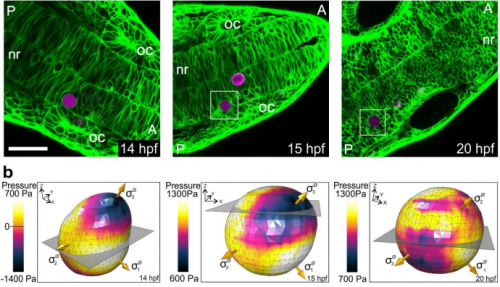
Polyacrylamide Bead Sensors for in vivo Quantification of Cell-Scale Stress in Zebrafish Development
Nicole Traeber, Klemens Uhlmann, Salvatore Girardo, Gokul Kesavan, Katrin Wagner, Jens Friedrichs, Ruchi Goswami, Keliya Bai, Michael Brand, Carsten Werner, Daniel Balzani, Jochen Guck
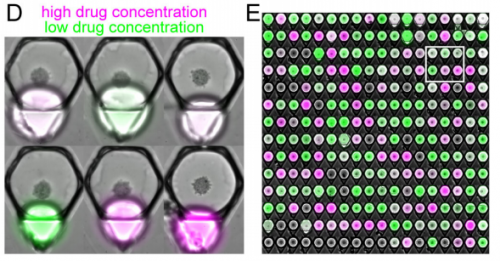
Automated High-Throughput Light-Sheet Fluorescence Microscopy of Larval Zebrafish
Savannah L Logan, Christopher Dudley, Ryan P Baker, Michael J Taormina, Edouard A Hay, Raghuveer Parthasarathy
Microinjection into the Caenorhabditis elegans embryo using an uncoated glass needle enables cell lineage visualization and reveals cell-non-autonomous adhesion control
Yohei Kikuchi, Akatsuki Kimura
Liposome-based transfection enhances RNAi and CRISPR-mediated mutagenesis in non-model nematode systems
Sally Adams, Prachi Pathak, Hongguang Shao, James B. Lok, Andre Pires da Silva
Efficient generation of endogenous fluorescent reporters by Nested CRISPR in Caenorhabditis elegans
Jeremy Vicencio, Carmen Martinez-Fernandez, Xenia Serrat, Julian Ceron

Studying 3D cell cultures in a microfluidic droplet array under multiple time-resolved conditions
Raphael Tomasi, Sebastien Sart, Tiphaine Champetier, Charles Baroud
Organoid culture media containing growth factors of defined cellular activity
Manuela Urbischek, Helena Rannickmae, Thomas Foets, Katharina Ravn, Marko Hyvonen, Marc Andrew de la Roche
Re-Evaluating One-step Generation of Mice Carrying Conditional Alleles by CRISPR-Cas9-Mediated Genome Editing Technology
Channabasavaiah Gurumurthy, Rolen Quadros, John Adams Jr., Pilar Alcaide, Shinya Ayabe, Johnathan Ballard, Surinder K Batra, Marie-Claude Beauchamp, Kathleen A Becker, Guillaume Bernas, David Brough, Francisco Carrillo-Salinas, Ruby Dawson, Victoria DeMambro, Jinke D’Hont, Katharine Dibb, James D Eudy, Lin Gan, Jing Gao, Amy Gonzales, Anyonya Guntur, Huiping Guo, Donald W Harms, Anne Harrington, Kathryn E Hentges, Neil Humphreys, Shiho Imai, Hideshi Ishii, Mizuho Iwama, Eric Jonasch, Michelle Karolak, Bernard Keavney, Nay-Chi Khin, Masamitsu Konno, Yuko Kotani, Yayoi Kunihiro, Imayavaramban Lakshmanan, Catherine Larochelle, Catherine B Lawrence, Lin Li, Volkhard Lindner, Xian-De Liu, Gloria Lopez-Castejon, Andrew Loudon, Jenna Lowe, Loydie Jerome-Majeweska, Taiji Matsusaka, Hiromi Miura, Yoshiki Miyasaka, Benjamin Morpurgo, Katherine Motyl, Yo-ichi Nabeshima, Koji Nakade, Toshiaki Nakashiba, Kenichi Nakashima, Yuichi Obata, Sanae Ogiwara, Mariette Ouellet, Leif Oxburgh, Sandra Piltz, Ilka Pinz, Moorthy P Ponnusamy, David Ray, Ronald J Redder, Clifford J Rosen, Nikki Ross, Mark T Ruhe, Larisa Ryzhova, Ane M Salvador, Radislav Sedlacek, Karan Sharma, Chad Smith, Katrien Staes, Lora Starrs, Fumihiro Sugiyama, Satoru Takahashi, Tomohiro Tanaka, Andrew Trafford, Yoshihiro Uno, Leen Vanhoutte, Frederique Vanrockeghem, Brandon J Willis, Christian S Wright, Yuko Yamauchi, Xin Yi, Kazuto Yoshimi, Xuesong Zhang, Yu Zhang, Masato Ohtsuka, Satyabrata Das, Daniel J Garry, Tino Hochepied, Paul Thomas, Jan Parker-Thornburg, Antony D Adamson, Atsushi Yoshiki, Jean-Francois Schmouth, Andrei Golovko, William R Thompson, KC. Kent Lloyd, Joshua A Wood, Mitra Cowan, Tomoji Mashimo, Seiya Mizuno, Hao Zhu, Petr Kasparek, Lucy Liaw, Joseph M Miano, Gaetan Burgio
Accurate analysis of genuine CRISPR editing events with ampliCan
Kornel Labun, Xiaoge Guo, Alejandro Chavez, George Church, James A Gagnon, Eivind Valen
Heat-shock inducible CRISPR/Cas9 system generates heritable mutations in rice
Soumen Nandy, Bhuvan Pathak, Shan Zhao, Vibha Srivastava
Optimization of T-DNA architecture for Cas9-mediated mutagenesis in Arabidopsis
Baptiste Castel, Laurence Tomlinson, Federica Locci, Ying Yang, Jonathan D. G. Jones
Comparison of efficiency and specificity of CRISPR-associated (Cas) nucleases in plants: An expanded toolkit for precision genome engineering
Oleg Raitskin, Christian Schudoma, Anthony West, Nicola J Patron
CRISPRpic: Fast and precise analysis for CRISPR-induced mutations via prefixed index counting
Seung Woo Cho, HoJoon Lee, Howard Y Chang, Hanlee P Ji

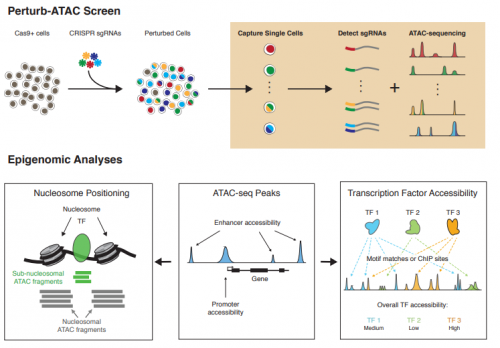
Coupled single-cell CRISPR screening and epigenomic profiling reveals causal gene regulatory networks
Adam J Rubin, Kevin R Parker, Ansuman T Satpathy, Yanyan Qi, Beijing Wu, Alvin J Ong, Maxwell R Mumbach, Andrew L Ji, Daniel S Kim, Sueng Woo Cho, Brian J Zarnegar, William J Greenleaf, Howard Y Chang, Paul A Khavari
CRISPR Artificial Splicing Factors
Nathaniel Jillette, Albert W Cheng
Reversible disruption of specific transcription factor-DNA interactions using CRISPR/Cas9
Ali Shariati, Antonia Dominguez, Marius Wernig, Stanley Qi, Jan Skotheim
pheno-seq – linking morphological features to gene expression in 3D cell culture systems
Stephan M. Tirier, Jeongbin Park, Friedrich Preusser, Lisa Amrhein, Zuguang Gu, Simon Steiger, Jan-Philipp Mallm, Marcel Waschow, Bjoern Eismann, Marta Gut, Ivo G. Gut, Karsten Rippe, Matthias Schlesner, Fabian Theis, Christiane Fuchs, Claudia R. Ball, Hanno Glimm, Roland Eils, Christian Conrad
High-Throughput ChIPmentation: freely scalable, single day ChIPseq data generation from very low cell-numbers
Charlotte Gustafsson, Ayla De Paepe, Christian Schmidl, Robert Mansson
Comparative analysis of droplet-based ultra-high-throughput single-cell RNA-seq systems
Xiannian Zhang, Tianqi Li, Feng Liu, Yaqi Chen, Jiacheng Yao, Zeyao Li, Yanyi Huang, Jianbin Wang
A tunable dual-input system for ‘on-demand’ dynamic gene expression regulation.
Elisa Pedone, Dan Lazzarini Rocca, Lorena Postiglione, Francesco Aulicino, Sandra Montes-Olivas, Diego di Bernardo, Maria Pia Cosma, Lucia Marucci
SuperCT: A supervised-learning-framework to enhance the characterization of single-cell transcriptomic profiles
Peng Xie, Mingxuan Gao, Chunming Wang, Pawan Noel, Chaoyong Yang, Daniel Von Hoff, Haiyong Han, Michael Zhang, Wei Lin
cellHarmony: Cell-level matching and comparison of single-cell transcriptomes
Erica AK DePasquale, Kyle Ferchen, Stuart Hay, David E Muench, H. Leighton Grimes, Nathan Salomonis
SMARTer single cell total RNA sequencing
Karen Verboom, Celine Everaert, Nathalie Bolduc, Kenneth J Livak, Nurten Yigit, Dries Rombaut, Jasper Anckaert, Morten T Veno, Jorgen Kjems, Frank Speleman, Pieter Mestdagh, Jo Vandesompele
Data organization in spreadsheets
Karl W Broman, Kara H. Woo

PlotsOfData – a web app for visualizing data together with its summaries
Marten Postma, Joachim Goedhart
Pixel: a digital lab assistant to integrate biological data in multi-omics projects
Thomas Denecker, William Durand, Julien Maupetit, Charles Hebert, Jean-Michel Camadro, Pierre Poulain, Gaelle Lelandais
Gelbox – An Interactive Simulation Tool for Gel Electrophoresis
Chaim Gingold, Shawn M Douglas
The PCR Simulator: an on-line application for teaching Design of Experiments and the polymerase chain reaction
Harold Fellermann, Ben Shirt-Ediss, Jerzy W Kozyra, Matthew Linsley, Dennis Lendrem, Thomas Howard
A data-driven approach to reduce gender disparity in invited speaker programs at scientific meetings
Ann-Maree Vallence, Mark Hinder, Hakeui Fujiyama
FAIRsharing, a cohesive community approach to the growth in standards, repositories and policies
Susanna-Assunta Sansone, Peter McQuilton, Philippe Rocca-Serra, Alejandra Gonzalez-Beltran, Massimiliano Izzo, Allyson Lister, Milo Thurston, Dominique Batista, Ramon Granell, Melanie Adekale, Delphine Dauga, Emma Ganley, Simon Hodson, Rebecca Lawrence, Varsha Khodiyar, Jessica Tenenbaum, J. Myles Axton, Michael Ball, Sebastien Besson, Theodora Bloom, Vivien Bonazzi, Rafael Jimenez, David Carr, Wei Mun Chan, Caty Chung, Geraldine Clement-Stoneham, Helena Cousijn, Saravanan Dayalan, Michel Dumontier, Esther Dzale Yeumo, Scott Edmunds, Nicholas Everitt, Dom Fripp, Carole Goble, Martin Golebiewski, Neil Hall, Robert Hanisch, Michael Hucka, Michael Huerta, Amye Kenall, Robert Kiley, Juergen Klenk, Dimitrios Koureas, Jennie Larkin, Thomas Lemberger, Nick Lynch, Lynn Schriml, Avi Ma’ayan, Catriona MacCallum, Barend Mons, Josh Moore, Wolfgang Muller, Hollydawn Murray, Tomoe Nobusada, Daniel Noesgaard, Jennifer Paxton-Boyd, Sandra Orchard, Gabriella Rustici, Stephan Schurer, Kathryn Sharples, Marina Soares e Silva, Natalie J Stanford, Inmaculada Subirats-Coll, Jason Swedlow, Weida Tong, Mark Wilkinson, John Wise, Pelin Yilmaz
Seven simple suggestions to be a better teacher sooner: experiences of a nearly new lecturer
Thomas R Etherington
Time to Stop Telling Biophysics Students that Light is Primarily a Wave
Philip C. Nelson
Life Inside A Dinosaur Bone: A Thriving Microbiome
Evan Thomas Saitta, Renxing Liang, Chui Y Lau, Caleb M Brown, Nicholas R Longrich, Thomas G Kaye, Ben J Novak, Steven Salzberg, Paul Donohoe, Marc Dickinson, Jakob Vinther, Ian D Bull, Richard A Brooker, Peter Martin, Geoffrey D Abbott, Timothy DJ Knowles, Kirsty Penkman, Tullis C Onstott
Tibetan antelope rests like a Puppet
Yunchao Luo, Lin Wang, Le Yang, Ming Tan, Yiqian Wu, Yuhang Li, Zhongqiu Li
Continuous and discrete quantity discrimination in tortoises
Andrea Gazzola, Giorgio Vallortigara, Daniele Pellitteri-Rosa
Posted by Ramiro Alberio, on 3 October 2018
Closing Date: 15 March 2021
Research Associate/Fellow position (3 years) to work on a BBSRC funded project investigating cell fate regulation during mammalian gastrulation in the laboratory of Dr. Ramiro Alberio (U. of Nottingham, UK), in collaboration with Prof. Jennifer Nichols (U. of Cambridge, UK) and Dr Matt Loose (U. of Nottingham).
The project will investigate the molecular mechanisms of mammalian gastrulation. The project involves working with embryos and embryonic stem cells combined with next generation sequencing as a mean to understand cell fate decisions in early embryos. This post is suitable to candidates with experience in single cell RNA seq., embryology and micromanipulation. This post offers a unique opportunity to work in fast developing fields (stem cell biology, single cell genomics and gene editing) and to develop skills in state-of-the-art technologies.
Highly motivated and self-driven, with a PhD (or near completion) in cell/developmental or related biological science with experience in some of the following areas: stem cell biology (preferably hESC), single cell RNA seq, gene editing, and bioinformatics. Experience in embryo dissection, generation of transgenic reporter cell lines, gene targeting and other genome editing techniques are also relevant for the project.
For more information on our lab activities please visit: http://www.nottingham.ac.uk/Biosciences/People/ramiro.alberio
For informal enquiries please contact Ramiro Alberio (Ramiro.alberio@nottingham.ac.uk). Deadline for applications: Nov 2, 2018.
Click on the link to the advert: https://www.nottingham.ac.uk/jobs/currentvacancies/ref/SCI355718
Posted by RODRIGO NUNES FONSECA, on 3 October 2018

On the Sunday night of 2nd September of 2018, one month ago, most Brazilians were watching TV shows while a large part of our national story was burning out in the National Museum’s fire. In a few hours, a 200-year old institution and several biological, anthropological, and geological collections were consumed by the fire. Publications have been written in respectable journals and newspapers about the fact and its consequences for the whole of society (https://www.theguardian.com/world/2018/sep/03/fire-engulfs-brazil-national-museum-rio).
In this post, I would like to provide a brief personal view from a Brazilian Evolutionary Developmental Biology (Evo-Devo) researcher who also acts as the Director of one of UFRJ’s Institutes. Our Institute also hosts important scientific collections (http://www.macae.ufrj.br/nupem/index.php/colecao-de-peixes-npm), which could be or might be affected in the future if we do not improve our administrative practices.
First, as a Brazilian Evo-Devo researcher, the loss of holotype specimens from some of the most extensive invertebrate collections worldwide will not be recovered sooner or later. Some of the specimens collected by famous naturalists – such as one the Darwin´s greatest colleagues, the German Naturalist Fritz Muller – are of special interest for Evo-Devo researchers (https://onlinelibrary.wiley.com/doi/full/10.1002/jez.b.22687
), since it has been argued that many evolutionary secrets and different morphotypes might lie in the unexplored museums of the world. Unfortunately, in this situation we cannot come back and retrieve the samples and a part of Latin American Biodiversity is gone forever.
Although the reason for the fire is a case for the specialists, I would like to point out some issues which do not apply only for the National Museum of Brazil, but also for other public institutions. After the fire, some authorities and some of the public opinion of the country tried to put the responsibility onto our Rector, who has only been ahead UFRJ for three years and has been trying to obtain special funding to make the required changes in this historical building. This led to a strong response of our employees and students supporting our Rector and our democratic institution, our Federal University and the Museum, the first research institute in Brazil.
If you are a researcher from a developed country, you can´t imagine how much paperwork a Professor or a Director in a country like Brazil has to deal with to buy a simple equipment, or to develop a fire alarm system. The paperwork to hire a company or to develop such a project in Brazil impairs our scientific progress. This can be justified by the lack of qualified personal from the university, and our current low budget to hire a specialized company. In the past years, federal research money for Science has dropped over 60% and the Science and Technology Ministry has been largely neglected by the government.
To solve daily problems of infrastructure one must undergo a complex paperwork process which can take years and contain over a thousand pages and, at the end, the company might still not be hired due to lack of funding. Unfortunately, the corruption scandals in the past years led to a general impression that corruption is widespread all over the country. I can assure that most, if not all, professors and colleagues from my University are honest and, in many occasions, buy consumables for the university from their own salaries, to avoid undergoing this stressful and many times unsuccessful process of buying something using University money.
A second possibility, the donation of private money, rarely occurs. In general, wealthy people from Brazil do not donate to Universities or research institutes, as it is typical for US Universities. This situation is already changing with some great initiatives such as the Serrapilheira Institute (https://serrapilheira.org/en/), although the whole donation system is still in its infancy. Current Brazilian laws limit the use of the money that the University obtains from rents, museum tickets, donations, and any other source of funding. Money allocated in one year does not stay for the next year: it goes back to the Federal Government. Any money that enters in the University must undergo the same complex process that avoid any reasonable speed and progress that science needs. Thus, laws must change for science and technology improvement in Brazil.
Thus, although the museum tragedy cannot be solely attributed to lack of public funding and extensive inefficacy of paperwork and unreasonable laws to spend public resources by the University, these issues have contributed for the tragedy. Lastly, I believe that researchers from public universities have undermined the role and the importance of museums and collections for the Universities. I often see comments that museums are just repository of specimens, but particularly in the case of the National Museum a large part of Zoological, Anthropological, Paleontological research of our country was being carried out in this historical building. Importantly, immediately after the fire, the community of National´s Museum has risen together, and the collections are being restarted by the researchers and students.
The National Museum is ALIVE and I hope from now on, the Museum acquires the status it should never have lost, the home of our history and our knowledge, which fortunately lies in our public universities.
Rodrigo Nunes da Fonseca is the Director of the Center for Ecology and Socio-Environmental Development of Macaé (NUPEM/UFRJ), http://www.macae.ufrj.br/nupem/index.php/english-version
Affiliated Member of Brazilian Academy of Sciences. http://www.abc.org.br/membro/rodrigo-nunes-da-fonseca/
Latin American Media Officer of the Pan American Society of Evolutionary Developmental Biology http://www.evodevopanam.org/executive-council.html.
All opinion in this post can only be attributed to the author of the post.
Posted by Steffen Scholpp, on 2 October 2018
The importance of Wnt signalling in developmental processes, wound healing and stem cell control has long been established. Historically, scientists attributed the transport of Wnt proteins from the source to the receiver cell to simple diffusion, however, this explanation did not seem sufficient to support the precise delivery of Wnt proteins required to satisfy healthy development. In 2015, our group discovered that finger-like membrane protrusions termed cytonemes delivered the Wnt proteins to responsive cells, but the governance of Wnt-positive cytonemes was yet to be elucidated. A new paper published by our group indicates that Wnt retains sovereignty over its own delivery by binding to the kinase Ror2, which acts upstream of cytoskeletal regulators to manage the formation of Wnt-positive cytonemes.
Wnt signalling is absolutely fundamental to embryogenesis. Present in all metazoans, Wnt proteins have been closely examined in many model organisms such as the fruit fly, mouse, frog, and zebrafish. Since its discovery in mice by Roel Nusse and Harold Varmus, and in parallel by Christiane Nüsslein-Volhard and Eric Wieshaus in Drosophila, it made its début as the viral insertion site int-1 and segment polarity gene Wingless combined as Wnt-1 in the eighties. In the three decades since it was unearthed, Wnt has gained traction as a family of proteins with famously important roles in embryonic development, cell survival, proliferation and stem cell regulation, which act by the formation of concentration gradients over responsive cell types.
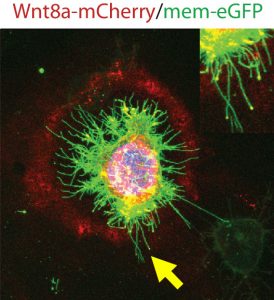
Notwithstanding the accumulation of knowledge concerning the action of Wnt proteins, exactly how Wnt protein gradients are secreted in a controlled manner is a source of debate; several theories persist, including simple diffusion and exocytosis. Despite the appealing adherence to the principles of Occam’s Razor, it seemed that a more complex mechanism was required to explain the precision of Wnt delivery. Indeed, in 2015, our group discovered such a mechanism in the zebrafish, Danio rerio. Wnt proteins were in fact delivered from the sender cell by finger-like membrane protrusions carrying Wnt proteins at their tips, allowing full end-end control of Wnt morphogenetic signalling by the sender cell. These membrane protrusions, termed cytonemes, had earlier been suggested to carry the Dpp and Hedgehog signalling molecules in Drosophila development. Now, the function of cytonemes in the facilitation of developmental processes has been expanded to the delivery of Wnt signals in vertebrates.
Membrane protrusions are not unusual and are commonly referred to as filopodia. The distinction between cytonemes and filopodia is the cargo transported – the signalling molecules. Both, however, are actin-dependant and, we discovered, contingent on Cdc42, a small Rho family GTPase integral to dynamic F-actin assembly when we were based at the Karlsruhe Institute of Technology (KIT) still. Manipulating the length and number of Wnt-positive cytonemes led to malformed embryos because of aberrant tissue patterning, and therefore we hypothesised that the regulation of formation, timing, number and length of Wnt-positive cytonemes must be tightly controlled in order to produce the fine balance of Wnt gradients that produce wild type tissue patterning.

The method and importance of Wnt gradient formation thus elucidated, we set out to determine the upstream control of the genesis of Wnt-positive cytonemes. Benjamin Mattes, PhD student in the lab, decided to examine whether a kinase could in fact be a candidate due to their multifaceted roles in cellular processes in 2016. Preliminary findings indicated that his hunch was correct, and multiple kinases induced changes in the number of membrane protrusions. To narrow down the selection of kinases, we collaborated with computer scientists at KIT who used modelling techniques to select the tyrosine kinase receptor Ror2. Unlike the other kinases identified by the screen, Ror2 is involved in both Wnt signal transduction of the non-canonical Wnt signalling pathway and in regulation of the F-actin cytoskeleton, thus uniting two key molecular functions in the building of cytonemes.
To truly hammer home the importance of Ror2, Benjamin decided to try some studies in both zebrafish embryos and in vitro in zebrafish PAC2 cell cultures. The result of Ror2 overexpression was increased number of Wnt-positive cytonemes, inferring that Ror2 was involved in the nucleation of cytonemes, and also that it worked upstream of small Rho GTPase Cdc42, which had earlier been implicated in the regulation of the actin cytoskeleton used to build the protrusions via the non-canonical Wnt signalling pathway. Surprisingly, filopodia which did not carry Wnt8a-GFP did not change in number. Consistently, when Ror2 was knocked down, there was a significant decrease in the number of cytonemes and again filopodia number was unaffected. Regulators of cytonemes presented so far do interfere also with filopodia. However, our data suggests that Ror2 is a cytoneme specific regulator – the first one at least to our knowledge.

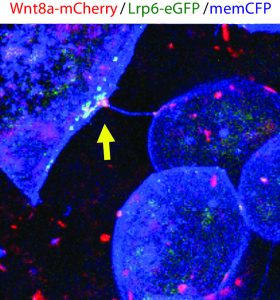
Subsequently, Benjamin set out to investigate how exactly Ror2 was able to stimulate cytoneme formation by using image-based approaches, which showed that Wnt family member Wnt8a – which has an established role in zebrafish embryonic development – and Ror2 associate and move together in a complex. Still, he could not entirely prove that Ror2 and Wnt8a bind each other – until he collaborated with the physicist Uli Nienhaus at the KIT who works on developing novel super-resolution techniques. Over one nail-biting summer, they worked together to finally prove that Ror2 and Wnt8a bind together in the living zebrafish embryo – in membrane associations with presumably other mystery players.
At the end of this summer, the lab moved from the KIT in Germany to the newly established Living Systems Institute (LSI) in Exeter, UK. Benjamin continued with the experiments in the world-class institute immediately. In endless imaging sessions using the newly purchased confocal microscope he found that these Wnt8a-Ror2 membrane associations activate PCP signalling in ligand-producing cells, which induces the formation of cytonemes ready to deliver their cargo – Wnt proteins. Therefore, it appears that Wnt proteins retain sovereignty over their own delivery by controlling the nucleation of cytonemes. The complex gradients of Wnt proteins that dictate tissue patterning are governed by Wnt itself through binding with Ror2, activation of PCP signalling, and subsequent cytoneme nucleation.

The dependence of cytoneme nucleation on Ror2 signalling raises some interesting questions – for example, does Ror2 regulate Wnt signalling in other paracrine processes, such as cancer cell proliferation? Using a co-culture of AGS human gastric cancer cells, Benjamin found that Ror2 enhanced Wnt response in adjacent cells by greater nucleation of cytonemes and therefore increased cancer growth.
For some cells, paracrine Wnt signalling is required throughout their whole lifespan. To investigate whether Ror2 has a role in regulating cytoneme formation in these cells, we started a collaboration with mouse geneticist David Virshup of the Duke-NUS Medical School in Singapore. The intestinal crypt requires a constant supply of Wnt signalling, and David’s team demonstrated recently that the myofibroblasts that surround the crypt have an abundance of cytonemes. When we silenced Ror2 in myofibroblasts, they produced less cytonemes and the intestinal crypt cells that they surround die.
Here, we come to almost present day. All that remains to be said is that we are grateful that last summer, Christiane Nüsslein-Volhard visited the Living Systems Institute at Exeter as key note speaker for its official opening and remarked that she was very pleased to see that Wingless/Wnt trafficking is on its way to being finally solved, and that zebrafish are playing such a large part in that. This said, there is undoubtedly more to learn; cancer cell proliferation and the survival of the mouse intestinal crypt are just two examples where our insights into cytoneme nucleation and the Wnt signalling generated are proving to be instrumental. It seems that where Wnt signalling is concerned, it is in sickness and in health, to death us do part.

Mattes B, Dang Y, Greicius G, Kaufmann LT, Prunsche B, Rosenbauer J, Stegmaier J, Mikut R, Özbek S, Nienhaus GU, Schug A, Virshup DM, Scholpp S. Wnt/PCP controls spreading of Wnt/β-catenin signals by cytonemes in vertebrates. eLife. 2018 Jul 31;7. pii: e36953. doi: 10.7554/eLife.36953.
Stanganello E, Hagemann AI, Mattes B, Sinner C, Meyen D, Weber S, Schug A, Raz E, Scholpp S. Filopodia-based Wnt transport during vertebrate tissue patterning. Nat Commun. 2015 Jan 5;6:5846. doi: 10.1038/ncomms6846.
Posted by Rohit Bose, on 2 October 2018
Closing Date: 15 March 2021
The lab of Rohit Bose MD PhD at UCSF is hiring postdocs. The principal investigator is predominantly a lab-based assistant professor and also a practicing genitourinary medical oncologist at the UCSF Cancer Center. Both his clinical and lab focus is prostate biology, although open to related areas of study. Specifically, the lab focuses on themes of hypermutation, drug sensitization and transcription factor networks (Bose et al, Nature, 2017).
Interested Applicants:
Apply directly and read more at http://rohitlab.org
Posted by Sarah Childs, on 1 October 2018
Closing Date: 15 March 2021
A postdoctoral fellow is sought to participate in a study to better understand the role of genetic changes on the development and dysfunction of cerebral vasculature. The successful candidate will work with Drs. Sarah Childs and Kristina Rinker, their teams and collaborators to advance our understanding of vascular dysfunction enabling future diagnostics and therapeutic strategies. The project entails the use of imaging to capture vascular characteristics and further evaluation with computational tools for quantification of the effect of genetic changes on the architecture, wall properties and blood flow in models of genetic disease. The Childs labs has extensive experience in creation of genetic models in zebrafish. We seek a creative, energetic, and self-directed postdoc for a two year term as part of the University of Calgary Eyes High Postdoctoral Fellowship program. A PhD degree in biomedical engineering or similar field within the past 3 years is desired. Experience in computational fluid dynamics required. Experience with cardiovascular systems, analysis of images, and machine learning is beneficial. Knowledge of developmental or vascular biology would be an asset.
We are located at the University of Calgary, in newly renovated labs within the Alberta Children’s Hospital Research Institute and in the Schulich School of Engineering. State of the art imaging and molecular biology facilities are available.
Interested candidates should send their CV, and a cover letter outlining their interests to Sarah Childs, schilds@ucalgary.ca. Review of applications will begin October 30th.
Posted by the Node, on 1 October 2018
This is the latest dispatch
from a recipient of a Development Travelling Fellowship, funded by our publisher The Company of Biologists.
Learn more about the scheme, including how to apply, here, and read more stories from the Fellows here.
I am a PhD student at the University of Warsaw in Poland. In my home lab, headed by Prof. Maria Anna Ciemerych-Litwinienko, I study the signalling pathways affecting pluripotency and differentiation in mouse embryonic stem cells, focusing on Wnt proteins. Wnts were first described more than 30 years ago, and since then became an intensively studied yet challenging field of cell biology. Why? First of all, there are 19 Wnt proteins found in vertebrates that activate a wide range of signalling pathways. Additionally, they often act antagonistically, creating a complicated and complex network of interactions. Next, Wnts play a key role during development, when their activity is orchestrated in a very precise manner: a defined Wnt has to be expressed at a right moment in a defined place.
It has long been appreciated that Wnts, particularly those dependent on β-catenin transduction (so called ‘canonical’ Wnts), are crucial for gastrulation, the process by which the three germ layers are formed in the embryo. However, despite well-documented function of Wnts in this process, it is not fully understood exactly how these proteins are regulated during gastrulation. Expression of Wnts can be regulated by inhibitors, other Wnts acting antagonistically or miRNAs. The latter are short (approximately 20 nucleotide long) non-coding RNAs, which block the expression of target genes. While studying Wnts and their regulation during mouse embryonic stem cell differentiation I came across some evidence that Wnt signalling can be regulated by miRNAs targeting either Wnts themselves or Wnt receptors or transducers. I found it very interesting and decided to pursue this link further. Also, I wanted to learn how to study this link in a developing embryo.
Around this time, I heard that the The Company of Biologists funds Travelling Fellowships for a short research visit. I decided to give it a go, and applied for three-month long fellowship in the Professor Andrea Münsterberg’s lab at the University of East Anglia in Norwich, Great Britain. Professor Münsterberg is a leading specialist in miRNA functions during development, especially their functions in modulating signalling pathways in skeletal muscle and the heart. During my stay in Norwich I had an opportunity to work on a model organism which was different for me: a chick embryo. Chick is a potent model: in contrast to mammalian development which occurs mostly within the female’s body, chick development can be studied and manipulated easily in the egg, even during later stages of development. Working with a new model was quite a challenge at first, but also an exciting perspective in the same time.
My project concerned the role of miRNAs in regulating Wnt pathway in the gastrulating chick embryo. I focused on Wnt5a, which is a double-faced Wnt: it can bind to different receptors and activate both canonical and noncanonical signalling pathways. I studied the relationship between this Wnt and an miRNA which I selected as a putative regulator as a result of sequence analyses. During my fellowship I learned how to isolate chick embryos and how to manipulate them. Since the group of Professor Münsterberg studies different aspects of chick development, I became familiar with various stages of this process, from gastrulation to more advanced stages. I was able to learn a lot from people in the group: real specialists in working on chick development. Also, I learned a lot about miRNAs and the methods of miRNA analysis which will be beneficial for my future research.
Thanks to my short-term fellowship at UEA, I had a great opportunity to experience an international scientific environment. I enjoyed my stay in Norwich which is not a big city – there are about 100,000 people living there – and for this reason a peaceful and quiet one. Thanks to the Development Travelling Fellowship I was able to learn a lot about the techniques I had not used before, something that encouraged me to seek new challenges for my future research. But what I think is the most important aspect of my visit was making new connections and meeting people working in the field. I wanted to thank once again everyone in the Münsterberg group for helping me – I hope to work with you again!
Posted by the Node, on 1 October 2018
From the MRC Weatherall Institute of Molecular Medicine blog.
Stem cell turnover and tissue maintenance is a stochastic process. This means that a randomly occurring mutation has an unknown chance of becoming fixed and spreading within a tissue. Clonal mutations have been observed in apparently healthy tissue, increase in frequency with age and – in some cases – have been described as a pre-malignant state (e.g. clonal haematopoiesis). In certain tissues, such as the colonic epithelium, the contribution of mutations in stem cells to neoplastic transformation remains unclear.

This process is a major interest of Ed Morrissey, who joined the MRC WIMM Centre for Computational Biology in late 2016. His group has recently published a mathematical model that aims to address how functional mutations can contribute to altered stem cell dynamics, with the hope of understanding precisely how these rare mutations accumulate in the lead up to cancer.
Posted by Josh Bloomekatz, on 30 September 2018
Closing Date: 15 March 2021
The Bloomekatz laboratory in the Department of Biology at the University of Mississippi in Oxford, MS is seeking a research associate to assist in our investigations of the fundamental mechanisms underlying cardiac morphogenesis and disease using zebrafish. Please see our website thebloomekatzlaboratory.org for further details on our research. The successful candidate will have an opportunity to be involved in all aspects of our dynamic innovative research program; from experimental design to data analysis and publication. Duties may involve – conducting developmental/cell biological experiments, analyzing imaging and next-generation sequencing data, zebrafish husbandry, and mentoring undergraduate laboratory members. The candidate will work closely with and be trained by Dr. Bloomekatz. Interested in joining our group, apply online: https://careers.olemiss.edu, keyword cardiac. Salary dependent on experience. This position is eligible for benefits. The University of Mississippi is an EOE/AA/Minorities/Females/Vet/Disability/Sexual Orientation/Gender Identity/Title VI/Title VII/Title IX/ADA/ADEA employer.