Here are the highlights from the current issue of Development:
HIF1α muscles in on regeneration
During early development, skeletal muscle stem/progenitor cells (SMSPCs) are thought to reside in low O2 levels but how this hypoxic environment affects myogenesis in vivo is unclear. Here, Celeste Simon and colleagues investigate the role of hypoxia inducible factor 1α (HIF1α), which mediates the cellular sensing of O2, during skeletal muscle development and regeneration in mice (p. 2405). They first show that HIF1α is in fact dispensable for embryonic and fetal myogenesis; the inactivation of Hif1a in PAX3-expressing SMSPCs does not affect progenitor cell homeostasis or the formation of embryonic and fetal muscles. In contrast, they report, the deletion of Hif1a in PAX7-expressing progenitors in adult mice accelerates muscle regeneration after ischemic injury, suggesting that HIF1α normally acts to impede muscle regeneration. The researchers further demonstrate that HIF1α represses the canonical Wnt signalling pathway, which is known to promote muscle regeneration after injury. Together, these findings confirm that the HIF pathway regulates myogenesis in vivo and reveal a novel link between O2 sensing and Wnt signalling during development and regeneration.
Top Notch insights into differential signalling
The two closely related mammalian Notch receptors Notch1 and Notch2 have been shown to play different, and sometimes opposing, roles in development and disease. But what is the mechanistic basis of these differences? Here, Raphael Kopan and colleagues address this question using mice in which the intracellular domains (ICDs) of these two Notch receptors have been swapped (p. 2452). They first show that ICD swapping has little effect on the development of organs in which either Notch1 (T cells, skin, the inner ear and endocardium) or Notch2 (the liver, eye, cardiac neural crest and lung) is known to act alone or is dominant over it paralogue, suggesting that the ICDs are interchangeable. In the case of Notch dosage-sensitive tissues, the researchers further show that the phenotypes observed are due to haploinsufficiency and not due to ICD composition. Together, these and other findings lead the authors to conclude that both the strength of Notch signalling (defined by the number of ICD molecules that get cleaved from the receptor and reach the nucleus) and the duration of signalling (the half-life of active ICD complexes) contribute to the differences between Notch1 and Notch2 functions in many developmental contexts.
An extended view of musculoskeletal development
The musculoskeletal system is made up of a number of tissue types, including bone, muscle, tendon and cartilage. While the development of each of these tissues has been studied, how they integrate into a functional superstructure, and the extent to which they develop independently, is unclear. Now, Ronen Schweitzer and co-workers investigate this interdependency by analysing tendon development in mice that have defective muscle or cartilage developmental programmes (p. 2431). They report that whereas tendon development in the zeugopod (arm/leg) is dependent on muscle, autopod (paw) tendon development occurs independently of muscle and instead requires cues from skeletal tissues. These findings suggest that autopod and zeugopod tendon segments can develop independently and, in line with this, the researchers demonstrate that they are derived from distinct progenitor pools. They further show that tendons are integrated in a modular fashion, whereby zeugopod muscles first connect to their respective autopod tendon via an anlagen of tendon progenitors in the presumptive wrist and the tendons then elongate proximally in parallel with skeletal growth. Based on their findings, the authors put forward a novel integrated model for limb tendon development.
Fishing for clues into tooth replacement
Unlike mice and humans, basal vertebrates such as sharks and fish exhibit continuous tooth renewal and thus offer an attractive model for studying tooth replacement. Here, by taking advantage of the natural variation in threespine stickleback fish populations, Craig Miller and colleagues examine the genetic and developmental basis of tooth regeneration (p. 2442). They first compare the tooth morphology of three laboratory-reared populations: one marine population and two freshwater populations. They report that, relative to the ancestral marine population, the two freshwater populations exhibit increased numbers of pharyngeal teeth, increased tooth plate areas and decreased intertooth spacing. The increase in tooth number, they demonstrate, occurs late in development and is due to an elevated rate of tooth replacement. When comparing the two freshwater populations, the researchers further note that the spatial patterning of newly formed teeth and the timing of their emergence differ between the two populations, suggesting that they use distinct developmental mechanisms. Finally, using quantitative trait loci mapping, the researchers show that different genomic regions contribute to the increase in tooth number in the two freshwater populations. These findings support a model for convergent evolution via distinct developmental routes and provide insights into the genetic factors that govern tooth replacement.
PLUS:
An interview with Brigid Hogan
We recently interviewed Brigid Hogan, a developmental biologist who has worked extensively on the early stages of mouse development and is now unravelling the mysteries of lung organogenesis. She is the George Barth Geller Professor and Chair of the Department of Cell Biology at Duke University Medical Center. Brigid is also the winner of the 2015 Society for Developmental Biology (SDB) Lifetime Achievement Award. See the Spotlight article on p. 2389
The retromer complex in development and disease
The retromer complex is a multimeric protein complex involved in recycling proteins from endosomes to the trans-Golgi network or plasma membrane. Here, Wang and Bellen summarise the role of the retromer complex in developmental processes, neuronal maintenance, and human neurodegenerative diseases. See the Development at a Glance article on p. 2392
LIN28: roles and regulation in development and beyond
LIN28 is an RNA-binding protein best known for its roles in promoting pluripotency via regulation of the microRNA let-7. However, recent studies have uncovered new roles for LIN28, suggesting that it is more than just a regulator of miRNA biogenesis. Here, Tsialikas and Romer-Seibert review how LIN28 functions in development and disease. See the Primer on p. 2397
The 4th meeting in the Abcam Adult Neurogenesis conference series was held in the beautiful city of Dresden earlier this year. The conference’s aim was to put the developmental process of adult neurogenesis and its regulation into the wider context of its functional and presumed evolutionary relevance.
Reporting from the meeting was our roving reporter, Nambirajan Govindarajan (winner of The Node and Abcam’s joint Meeting Reporter competition). He tweeted his way through the meeting and has written an insightful report of this meeting. Thanks Govind!
Adult Neurogenesis at 50: the Dresden chronicles
This year marks the 50th anniversary of the first publication showing adult neurogenesis in mammals (Altman and Das, 1965). The growth and development of this field was commemorated by the Abcam conference on Adult Neurogenesis: Evolution, Regulation and Function in May this year in the beautiful baroque city of Dresden.
All good tales start with “Once upon a time,” and this was no exception. Gerd Kempermann kickstarted the meeting with his enchanting narrative on the serendipitous birth of the field and its ebbs and flows over the past five decades. While studying neuronal activity in the adult rat brain, Joseph Altman switched from tritiated leucine to the more sensitive tritiated thymidine to calibrate his detection and accidentally observed proliferating cells in the rat hippocampus. He published his findings with Gopal Das in a seminal paper, which gave birth to the ‘science of the future’ that would change Santiago Ramón y Cajal’s harsh decree (Ramón y Cajal, 1928; Altman and Das, 1965). This chance discovery has spawned a long line of research on adult neurogenesis in many avian, piscine and mammalian species. Kempermann recounted various contrasts and conflicts among the research and researchers in the field and even dispelled some outstanding myths. He emphasised the role of adult neurogenesis in mediating brain plasticity, which correlates with neural complexity along the evolutionary tree. Being the expert raconteur, Kempermann delighted us all and set the stage for the meeting.
Open questions in adult neurogenesis
The eminent Fred Gage laid forth the big questions facing adult neurogenesis in his keynote lecture. He focused on the role of the niche in regulating neurogenesis. How different are the two known neurogenic zones – the subventricular zone (SVZ) and the dentate gyrus (DG)? How are the precursors affected by the niche vasculature and metabolic state? Taking it a step further, Gage even wondered if a cell isolated from a non-neurogenic area would become neurogenic if transplanted into either niche. Tackling these questions is essential in understanding the function, regulation and evolution of adult neurogenesis. Gage also remarked that other potential niches such as the striatum, angular gyrus, cortex and spinal cord need to be investigated. He then reminded us of the standing questions in the field – the precise molecular nature of different neurogenic cell types and the comparability of the in vitro and in vivo scenarios. It is also unclear how the number of divisions of a precursor cell is regulated. Gage also emphasised the need to understand the integration of newborn neurons in the neural network and whether cellular excitability and network activity influence this process. Another heavily debated issue is whether and how adult neurogenesis contributes to cognition. The mechanisms that modulate environmental regulation of adult neurogenesis are still unknown. These are all open questions that Gage urged us to pursue and discuss. Finally, anticipating the biggest question on everyone’s mind, Gage also brought up the role of adult neurogenesis in ageing and neurological disease. Can restoring adult neurogenesis help a degenerating brain? These open questions promise to fuel neurogenesis research further and hopefully unravel the intricate codes governing this enigmatic part of us we call our brain.
Born in the wild
Neurons are born in the wild too! To enrich laboratory research with some wild data, this meeting brought together some species very different from inbred rodents – mole-rats, silver foxes, dolphins and warblers. Irmgard Amrein introduced a technical issue that we lab folks take for granted. How does one assess a wild animal’s age? Amrein has used parameters such as teeth wear, lens weight and bone maturation to closely estimate age in the wild. Her group has found that adult neurogenesis is lower in subterranean rodent species compared to terrestrial ones (Amrein et al., 2014). According to Amrein, lower habitat demand on subterranean species correlates with lower adult hippocampal neurogenesis (AHN). She then moved on to the effect of domestication and social interaction on AHN in wild and farm-bred silves foxes at Dimitri K. Belyaev’s unique fox farm in Novosibirsk. Belyaev has selectively bred silver foxes (Vulpes vulpes) based on their tameness, which he believes is how they were originally domesticated (Belyaev, 1979). These domesticated foxes selected for their tameness showed higher hippocampal cell proliferation and neuronal differentiation compared to unselected controls (Huang et al., 2015). These findings suggest that AHN might be involved in interspecific social interaction. We then dived into the cetaecean brain with Paul Manger who vivdly illustrated that dolphins lack AHN, which correlates with their aquatic habitat, lack of olfaction underwater and early-life insomnia. Even as grown-ups, dolphins sleep without any REM phase and possess a small, rudimentary DG with almost no AHN (Patzke et al., 2015). We need to test this interesting hypothesis in other sleepless species before firmly establishing a link. Manger also found that doublecortin immunoreactivity rapidly decreased with post-mortem delay and thus rendered the exvivo analysis of neuronal differentiation in wild species extremely challenging. From the oceans Anat Barnea took us flying with her migrant reed warbler (Acrocephalusscirpaceous) that recruits more new neurons than the resident, closely-related Clamorous warbler (A. stentoreus) (Barkan et al., 2014). Barnea’s findings support the role of adult neurogenesis in spatial navigation and adaptation to changing environments. Altogether, the ‘wild’ talks gave us an insight into how adult neurogenesis could have evolved and how it affects the behaviour of animals in their natural habitat.
Studied in the lab
We moved from the wilderness to the laboratory. Wieland Huttner touched upon the evolutionary expansion of the human neocortex, which results from embryonic basal progenitor cell proliferation in the SVZ. Huttner presented the role of ARHGAP11B, a gene that was partially duplicated after the human evolutionary lineage split from the chimpanzee. This gene promotes basal progenitor generation and proliferation in mice, can induce folding of the developing mouse neocortex, and might have contributed to the expansion of the human neocortex (Florio et al., 2015). We delved deeper into the molecular mechanisms regulating neurogenesis. Federico Calegari presented his unique approach combining DNA adenine methyltransferase identification (DamID) with deep sequencing to discover the function of novel genes involved in corticogenesis (Aprea et al., 2013). His group has characterised Tox, a novel switch gene that regulates cortical development in mice (Artegiani et al., 2015). Stephan Schwarzacher discussed the integration of newborn neurons. By studying the activation of immediate early genes including c-Fos, Arc and Zif after high-frequency stimulation, Schwarzacher has concluded that full functional integration of newborn neurons follows and closely correlates with their structural maturation (Jungenitz et al., 2014). Juan M. Encinas has stimulated the hippocampus with kainic acid (KA) and observed that seizures induced neural stem cells (NSCs) to form reactive astrocytes whereas subthreshold excitation activated the NSCs and eventually triggered them to form astrocytes. In both cases, Encinas found that KA impaired neurogenesis in the long term (Sierra et al., 2015). Live imaging of newborn neurons invivo is one of the technological breakthroughs of the 21st century. Fred Gage and Sebastian Jessberger both presented this approach to investigate AHN and dendritic morphology of newborn neurons. Jessberger impressed us with the depth of imaging achieved, using a cranial window preparation that leaves the hippocampal formation intact, including the CA1. Hongjun Song presented his findings on distinct radial glia-like stem cell populations, labelled by specific markers such as Nestin, Gli and Mash, and discussed their properties. Song’s pioneering work on single-cell analysis of adult neurogenesis is sure to pave the way in analysing specific cell populations and unravelling the cellular heterogeneity in the neurogenic niches.
Learning what they do
Studying the evolution and regulation of adult neurogenesis leads us to the most intriguing question: how is adult neurogenesis involved in brain function? Paul Frankland refreshed our memory of the role of AHN in forgetting. According to Frankland, upregulating AHN by running induces forgetting in mice (Akers et al., 2014). Interestingly, Frankland has found that during reversal learning in the water maze, mice seem to learn the new location of the platform better with more new neurons in their hippocampi. But does that mean they have forgotten where the platform was previously placed? Frankland’s findings sparked an exciting discussion on the nature of memory and how the brain actually forgets a memory. Spatial learning was further discussed by Nora Abrous whose recent work suggests that water maze learning does not affect cell proliferation or survival in the adult mouse DG (Trinchero et al., 2015). Benedikt Berninger discussed a different angle on the role of experience in regulating adult neurogenesis. Berninger reported that environmental enrichment within a critical window of 2-6 weeks after the birth of new neurons significantly modulates their development and integration (Bergami et al., 2015).
The relation between AHN and stress was keenly discussed at the meeting. Carlos Fitzsimons ‘stressed’ that glucocorticoids regulate stress-induced adult neurogenesis through epigenetic mechanisms. Corticosterone treatment transiently reduced proliferation by modulating DNA methylation. Could this modulate the inheritance of stress effects? Recent work by Fitzsimons demonstrates that the glucocorticoid receptor regulates the maturation and integration of newborn neurons and plays an important role in contextual fear conditioning (Fitzsimons et al., 2013). Another interesting talk along these lines by Yassemi Koutmani discussed the role of corticotrophin-releasing hormone (CRH) in upregulating AHN thereby reversing the damage by glucocorticoid treatment. Koutmani’s work depicts that CRHR1 is critically involved in regulating how NSCs respond to environmental stimuli (Koutmani et al., 2013). Friederike Klempin presented her findings on the role of ACE2 activity that sustains brain serotonin level, which in turn mediates the fast neurogenic response of the niche to physical activity (Klempin et al., 2013).
When it comes to regenerating the brain, the zebrafish swims miles ahead of mammals. Caghan Kizil has generated a zebrafish model for chronic neurodegeneration by injecting Aß42 peptides into their brain, which leads to cell death, inflammation, synaptic degeneration and memory impairment. However, Kizil found that unlike in mammals, Aß42 treatment triggered stem cells in the zebrafish brain to proliferate and remarkably form new neurons. Such studies on neuroregeneration in the fish can be extremely valuable in designing new therapies against neurodegeneration.
Concluding remarks
Half a century bygone and adult neurogenesis has evolved into a mainstream research discipline in neurobiology. It was born by chance, differentiated into a distinct lineage, carved out its own niche, migrated all over the world and has integrated perfectly within the extensive network of biomedical science, mirroring the life of the very cells it studies. Many questions have been answered and many more daunt us still. With further technical innnovations, better models and cross-species experiments, the coming decades are bound to keep us busy uncovering the secrets of how and why our brains make new neurons lifelong.
References
Akers, K. G., Martinez-Canabal, A., Restivo, L., Yiu, A. P., De Cristofaro, A., Hsiang, H. L., Wheeler, A. L., Guskjolen, A., Niibori, Y., Shoji, H. et al. (2014) ‘Hippocampal neurogenesis regulates forgetting during adulthood and infancy’, Science 344(6184): 598-602.
Altman, J. and Das, G. D. (1965) ‘Post-natal origin of microneurones in the rat brain’, Nature 207(5000): 953-6.
Amrein, I., Becker, A. S., Engler, S., Huang, S. H., Muller, J., Slomianka, L. and Oosthuizen, M. K. (2014) ‘Adult neurogenesis and its anatomical context in the hippocampus of three mole-rat species’, Frontiers in neuroanatomy 8: 39.
Aprea, J., Prenninger, S., Dori, M., Ghosh, T., Monasor, L. S., Wessendorf, E., Zocher, S., Massalini, S., Alexopoulou, D., Lesche, M. et al. (2013) ‘Transcriptome sequencing during mouse brain development identifies long non-coding RNAs functionally involved in neurogenic commitment’, The EMBO journal 32(24): 3145-60.
Artegiani, B., de Jesus Domingues, A. M., Bragado Alonso, S., Brandl, E., Massalini, S., Dahl, A. and Calegari, F. (2015) ‘Tox: a multifunctional transcription factor and novel regulator of mammalian corticogenesis’, The EMBO journal 34(7): 896-910.
Barkan, S., Yom-Tov, Y. and Barnea, A. (2014) ‘A possible relation between new neuronal recruitment and migratory behavior in Acrocephalus warblers’, Developmental neurobiology 74(12): 1194-209.
Belyaev, D. K. (1979) ‘The Wilhelmine E. Key 1978 invitational lecture. Destabilizing selection as a factor in domestication’, The Journal of heredity 70(5): 301-8.
Bergami, M., Masserdotti, G., Temprana, S. G., Motori, E., Eriksson, T. M., Gobel, J., Yang, S. M., Conzelmann, K. K., Schinder, A. F., Gotz, M. et al. (2015) ‘A critical period for experience-dependent remodeling of adult-born neuron connectivity’, Neuron 85(4): 710-7.
Fitzsimons, C. P., van Hooijdonk, L. W., Schouten, M., Zalachoras, I., Brinks, V., Zheng, T., Schouten, T. G., Saaltink, D. J., Dijkmans, T., Steindler, D. A. et al. (2013) ‘Knockdown of the glucocorticoid receptor alters functional integration of newborn neurons in the adult hippocampus and impairs fear-motivated behavior’, Molecular psychiatry 18(9): 993-1005.
Florio, M., Albert, M., Taverna, E., Namba, T., Brandl, H., Lewitus, E., Haffner, C., Sykes, A., Wong, F. K., Peters, J. et al. (2015) ‘Human-specific gene ARHGAP11B promotes basal progenitor amplification and neocortex expansion’, Science 347(6229): 1465-70.
Huang, S., Slomianka, L., Farmer, A. J., Kharlamova, A. V., Gulevich, R. G., Herbeck, Y. E., Trut, L. N., Wolfer, D. P. and Amrein, I. (2015) ‘Selection for tameness, a key behavioral trait of domestication, increases adult hippocampal neurogenesis in foxes’, Hippocampus.
Jungenitz, T., Radic, T., Jedlicka, P. and Schwarzacher, S. W. (2014) ‘High-frequency stimulation induces gradual immediate early gene expression in maturing adult-generated hippocampal granule cells’, Cerebral cortex 24(7): 1845-57.
Klempin, F., Beis, D., Mosienko, V., Kempermann, G., Bader, M. and Alenina, N. (2013) ‘Serotonin is required for exercise-induced adult hippocampal neurogenesis’, The Journal of neuroscience : the official journal of the Society for Neuroscience 33(19): 8270-5.
Koutmani, Y., Politis, P. K., Elkouris, M., Agrogiannis, G., Kemerli, M., Patsouris, E., Remboutsika, E. and Karalis, K. P. (2013) ‘Corticotropin-releasing hormone exerts direct effects on neuronal progenitor cells: implications for neuroprotection’, Molecular psychiatry 18(3): 300-7.
Patzke, N., Spocter, M. A., Karlsson, K. A. E., Bertelsen, M. F., Haagensen, M., Chawana, R., Streicher, S., Kaswera, C., Gilissen, E., Alagaili, A. N. et al. (2015) ‘In contrast to many other mammals, cetaceans have relatively small hippocampi that appear to lack adult neurogenesis’, Brain structure & function 220(1): 361-83.
Ramón y Cajal, S. (1928) Degeneration and Regeneration of the Nervous System: Oxford Univ. Press, London.
Sierra, A., Martin-Suarez, S., Valcarcel-Martin, R., Pascual-Brazo, J., Aelvoet, S. A., Abiega, O., Deudero, J. J., Brewster, A. L., Bernales, I., Anderson, A. E. et al. (2015) ‘Neuronal hyperactivity accelerates depletion of neural stem cells and impairs hippocampal neurogenesis’, Cell stem cell 16(5): 488-503.
Trinchero, M. F., Koehl, M., Bechakra, M., Delage, P., Charrier, V., Grosjean, N., Ladeveze, E., Schinder, A. F. and Abrous, D. N. (2015) ‘Effects of spaced learning in the water maze on development of dentate granule cells generated in adult mice’, Hippocampus.
We are looking for three motivated, ambitious and independent post-doctoral researchers to join an interdisciplinary research project on Alzheimer’s disease, developing novel models of human white matter, single-molecule fluorescence techniques, sensitive biosensors and cutting-edge optical imaging methods. The project is ambitious, aiming to make step changes in human stem cell development, tissue culture engineering, biosensor generation and understanding of Alzheimer’s disease.
This focused collaborative project brings together the expertise of:
This multi-departmental arrangement provides an excellent environment for research and career development, as the post holders will benefit from the resources and expertise of biological, physical and medical sciences in this multidisciplinary project.
Requirements:
We are looking for candidates that hold a PhD, (1) in the field of neuroscience/biochemistry/stem cell biology/medicine, and (2) candidates which hold a PhD in the field of chemistry/bioengineering/engineering/biophysics. Candidates with experience in cross-disciplinary research are particularly encouraged to apply.
The successful candidates will have a strong publication record and enjoy ambitious projects at the frontiers of neuroscience and biotechnology. We are specially looking for candidates that are self-motivated, collaborative with effective communication skills and enjoy working in a team. Proven capacity to design, execute, and interpret experimental data is essential.
Applicants should have obtained (or expect to obtain) one of the following:
(1) a PhD in neuroscience/biochemistry/stem cell biology/medicine. Experience in tissue culture methods (such as deriving neuronal cells from human IPSCs), fluorescence imaging or neurodegenerative disease, is highly advantageous.
(2) a PhD in biophysics, physical chemistry, photonics, optics or related disciplines. Experience with single-molecule fluorescence techniques, generation of biosensors or electrochemical engineering would be highly advantageous. Candidates should have a keen interest in applying physical methods to complex biological systems, although no prior knowledge of neurodegenerative disease or biology is required, and enjoy working in a highly multidisciplinary environment.
(3) a PhD in either physical or life sciences, with a solid background in cross-disciplinary research, particularly in neuroscience and biophysics or bioengineering. Experience with fluorescence techniques, generation of biosensors or electrochemical engineering, electrophysiology, or tissue culture methods/engineering development, would be highly advantageous.
Start date is flexible but can be as early as October 2015.
Fixed-term: The funds for this post are available until 30 September 2018 in the first instance.
To apply online for this vacancy and to view further information about the role, please visit: http://www.jobs.cam.ac.uk/job/7634. This will take you to the role on the University’s Job Opportunities pages. There you will need to click on the ‘Apply online’ button and register an account with the University’s Web Recruitment System (if you have not already) and log in before completing the online application form.
The closing date for all applications is Monday 31 August 2015.
Please upload your Curriculum Vitae (CV) and a covering letter in the Upload section of the online application to supplement your application. If you upload any additional documents which have not been requested, we will not be able to consider these as part of your application.
Interviews will be held in mid-September 2015. If you have not been invited for interview by 15 September 2015, you have not been successful on this occasion.
Please quote reference PS06656 on your application and in any correspondence about this vacancy.
The University values diversity and is committed to equality of opportunity.
The University has a responsibility to ensure that all employees are eligible to live and work in the UK.
The Twin Peaks, with Little Cottonwood Canyon to the right, viewed from Mt Baldy.
Last week, the SDB hosted what may well have been its highest annual meeting – at 8000 feet – in Snowbird, Utah. The atmosphere was fantastic, the talks were phenomenal, and the scenery was just obscene. It was an all-around great meeting, topped with a choir of singing PIs after the conference dinner. Couldn’t get better. If you missed it you can always catch up with what happened at #2015SDB.
On Sunday, Mary Dickinson moderated a workshop on imaging and quantitative biology where we realized many of us are faced with a number of common issues we are yet to resolve. A very useful discussion ensued with some ideas on how to solve them, so I thought it would be good to continue that conversation here where anyone interested can share information, ideas and resources. I would like it to be an open forum for anyone to contribute questions, and solutions and also to correct inaccuracies and dispel misconceptions. I will keep the post updated with a summary of suggestions and any consensus we might reach, so stay tuned…
Two of the problems raised at the SDB workshop had to do with
(1) quantification of fluorescence in whole-mount images and
(2) data sharing and public access.
Fluorescence quantitation really is a combination of several problems, since many variables can affect the resulting image: from sample fixation to antibody performance and acquisition parameters (if dealing with fixed specimens), and many others. For these and other reasons, many take fluorescence quantitation with a grain of salt. Nonetheless, if done carefully some of us believe it can be very informative. On the other hand, data gathered from fluorescent reporters (such as GFP or GFP fusions) is not affected by antibody, or other sample processing-related factors, and should therefore be much more straight forward to analyze. I do hope the experts will weigh in on some of these issues in the comments section. For instance: to what extent the use of photomultipliers (PMTs) in some confocal microscopes can undermine the results? Is there a reliable way to calibrate the microscopes prior to each imaging session in order to obtain comparable results?
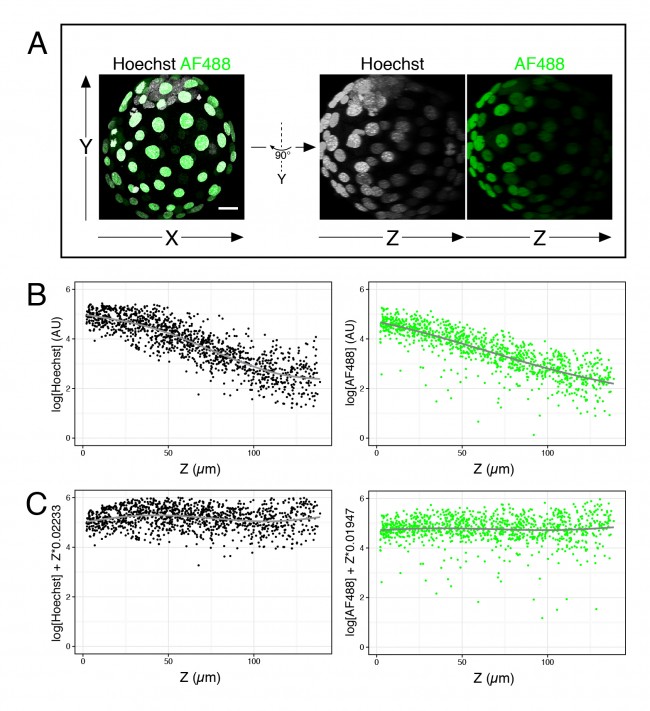
For now, I just want to discuss one specific issue we, in the Hadjantonakis lab, have been trying to get around for some time: the intensity decay along the Z-axis, or Z-associated fluorescence decay (#callitwhatyouwant) in confocal images. When taking optical sections along the Z-axis in a confocal microscope, the further away from the lens the slice is, the dimmer the signal becomes (see Figure 1A, B). This is mainly due to the distance from the objective and the scattering of light through the sample. This is not a problem for image presentation; however, when comparing intensity between cell types, the differences due to cell position can be larger than real differences in expression, thus complicating the analysis.
One way to get around this problem would be to counterstain for a housekeeping protein displaying equal expression across cell types and normalize the intensity for all other proteins against it, right? In practice, however, a protein with such an ideal expression may not exist, an antibody against it may not be available, and/or we may just need to use that channel to stain for another protein of interest. We don’t think DNA counterstaining (with DAPI, Hoechst, or whichever your poison of choice) is ideal for this purpose – although our lab has used it in the past (see Xenopoulos, Kang, et al., (2015) Cell Reports). These dyes are chemically different to GFP, AlexaFluor et al., and behave differently along the Z-axis (see best-fitting curves in Figure 1B, where Hoechst’s is sigmoidal and AlexaFluor® 488’s is almost linear). In the absence of such a reference marker, we reasoned that a way to solve this issue is to calculate the function determining the rate of decay for each fluorophore along Z and use it to transform the original values (compare Figure 1B and C). In this way, the transformed value will depend only on the cell’s position along Z, and can be done for each channel independently – different fluorophores may show different decay rates. The specific way to implement this correction into your analysis will depend on the software you use. If you are using R, one possible way to go about it is:
# Fit a linear model (lm) to the corresponding fluorescence channel over Z
>lm(log(channel)~Z, data = dataframe)

# Output will yield two coefficients
# (Intercept)   Z
# 5.23416     -0.02233

# Plot corrected values (requires ggplot2 package)
>qplot(Z, log(channel)+Z*0.02233, data = dataframe)
Figure 1. Fluorescence decay along the Z-axis. (A) Example of 4 days old mouse embryo with nuclei labeled with Hoechst and outer cells labeled with an AlexaFluor 488 secondary antibody. (B) Plots of the logarithm of Hoechst and AF488 values over Z for many embryos like the one shown in (A). (C) Same data as in (B), after correction of each value.
Another issue raised was that of data sharing and public access to raw data post-publication. While genomic data is made available on public repositories, imaging data is not routinely so. With increasingly large datasets being generated from image quantitation, we need to make them – and the code used for analysis – publicly available alongside the article. This is important for reproducibility of the data, to avoid the file drawer problem and for other groups to possibly address new questions. Moreover, for many of us novices, having your code and analysis made available is not only good from a transparency standpoint, but also may earn you feedback from others on how to improve it.
We therefore discussed about (a) where to store the data and (b) potential standards to share image metadata, acquisition parameters, etc. Regarding repositories, Katherine Brown, from Development, suggested Dryad and Figshare. While Dryad seems to be preferred by publishers, Figshare also allows the sharing of unpublished (and perhaps unpublishable) data. Both services allow permanent storage of large volumes of data that can be continuously updated and facilitate citations by providing a DOI. Code may be stored in standard Git repositories such as GitHub.
Whereas there may not be a single storage solution for everybody, it would be important to set some standards for the presentation and organization of data and metadata. Someone at the workshop even suggested a standardized file nomenclature. Metadata is often stored in the microscope file (but not always in TIFFs), so sharing the raw images would address that problem. I personally find it useful to save experimental details and results in tables with consistent headers so that they can be melted or cross-referenced when needed. Sharing these could be one way to make experimental details available.
I think the take home message is that we will all benefit from discussing these issues and sharing ideas, and we may even reach a consensus on how to proceed while it is relatively early in the game. Therefore, do get involved, and please engage anyone who you think may have something to contribute to the discussion! I look forward to getting tips and ideas and perhaps some concrete solution on how to move forward!
UPDATE: I just realized Katherine recently wrote a post on this second issue, please feel free to comment on either!
I first wrote this for an anonymous blog. After a nudge, I have decided to publish it here. Parts of it have been embellished to make the point in the name of journalistic integrity. Please forgive me if I cause any offence. None is intended.
This is the first entry of this blog, and it will be I hope the first of many. Perhaps it will be the most important. As the name suggests, I have started this blog because I find myself more and more losing my temper with my vocation. With good reason. The first subject I shall address is one very close to my heart: women.
I am a young lecturer (as determined by the only people who apparently decide such things – funders) and have recently sat through a compulsory ‘PhD supervisor training course’ at my small but aspiring Russell Group university. This gave me reason to tell you a story about a former colleague of mine. I hope someone somewhere who cares will do something about it.
Megan (I have changed the name) is a postdoctoral scientist at a leading research institute at a big Russell Group university. I truly truly hope I am utterly wrong, but I confidently, and sadly, predict that she will leave science. She does not want to, but will be forced out.
I have a soft spot for Megan. We started as postdocs at roughly the same time. I got my PhD from Oxford from an inspirational lab, she from Cambridge from (she assures me) an inspirational lab. Obviously, it cannot be as good as my one (I know everyone else finds it impossibly infantile, but I still yell at the TV during the boat race). That aside, we worked in our postdoctoral appointments on not-to-dissimilar projects that investigated aspects of how brains develop. We both used state of the art facilities to generate novel insights blah blah blah. One of the downsides of science is that you get bored of your own propaganda. Anyone who tells you any different is either very inexperienced, very arrogant, or lying (possibly at least two of the three).
As I said, my work ended up in a decent journal and along with some smaller contributions in some smaller journals, and allowed me to land a faculty position, though I think that my potential teaching willingness in no small part contributed to this. Anyway, Megan. I mention myself because I want to make explicit the direct comparison between us that has always been implicit, at least in my mind. I just about shade Megan in teaching experience. But that is it.
Megan is a brilliant scientist. She has almost single-handedly become the driving force behind the success of a large and famous lab that has catapulted the apparently brilliant Professor at its head to fame and fortune*. His university have allowed him to drastically cut his teaching responsibilities to focus on his groundbreaking research on account of the huge amount of research income he has generated. This success has been in large part because of Megan’s efforts. And she has been rewarded too. Megan published an excellent paper in 2013 (a year before my biggest paper) in a very high profile journal (higher profile than mine). On the back of this success, she applied for and won a competitive travel fellowship that enabled her to work for three months in a super-high tech American lab to quite literally move a protein around a cell using a laser. It is as cool as it sounds**. If there is any justice in the world, she will publish this groundbreaking work (apologies for sounding like a funding organisation/government department/university dean/idiot) in a great journal and massively enhance her job prospects.
But I don’t think she will get a ‘proper job’ ie. job that isn’t a temp job like her current post. She might not even get that – it is much more cost effective to hire less qualified people and pay them less. But she has very little chance of a permanent post: she is a woman. It is as simple as that.
As I said, I recently attended a ‘how to be a PhD supervisor’ course at my university (a different one now from where Megan and I used to work). As part of this, I sat through a ‘diversity awareness’ session that made my blood boil. There was, by design, no time for questions. In this session a large, upper middle class, privately educated white man, who is a professor and reluctantly ‘leading’ on diversity, showed us a graph of male vs female biase in the scientific workforce. Apparently, there is a huge drop off in female success at the junior faculty (getting your first lectureship) and senior faculty (getting to professor) levels. Although he emphasised the latter (he is a professor after all, and so what could be more important than getting to prof?), the drop off at the former stage was larger by an order of magnitude, and we have ‘‘no idea why.’’ Blood boiling? Check.
Megan in my opinion has the potential to be a genius, actually, if I am being honest. Certainly to be a lot better than me. She generates more hypotheses than me (and most other scientists I have met), does better experiments, and performs them more rigorously, and analyses them in more intelligent ways. She publishes in better journals than I do. Most importantly, she has better ideas – the only thing that really counts in my opinion. As I said, we both have gone through the scientific career together. But I have a louder voice, and a penis (they often go together). This year, I became a father and Megan became a mother. She has no chance.
*to be fair, he is quite bright.
**apologies if you are not a molecular biologist. Just trust me. That is very, very cool.
At last week’s SDB Meeting in Utah, I attended the ‘Imaging Workshop’, which was designed to give attendees an overview of some of the imaging-based resources available to the community, and then to facilitate a free discussion among participants about the challenges – and their potential solutions – in the developmental biology imaging field. Several interesting topics were discussed and you should be hearing more about these in upcoming posts. But one thing that was clear was that many members of the community are unaware of some of the valuable online resources available to them, and it was noted that it would be useful to have a one-stop-shop where all these sites are listed.
So here’s where we can help! You may or may not have noticed that the new Node website has a Resources tab in the menu bar. At the moment, this provides you with a list of databases (mainly focussed around genetics resources for specific model organisms), as well as a separate list of developmental biology and other relevant societies. As a community site, the Node is the perfect place to host a comprehensive list of databases and resources, but I know we’re hardly scratching the surface at the moment – certainly most of the resources discussed at the Workshop aren’t currently on our list! We would therefore like to start adding to this list but we need your input on what should be included. What are your go-to sites when you’ve got a new gene and you want to start figuring out what it might do? Where do you look when you need to find out about new techniques or ways of analysing your data? What are the useful software packages you’ve found for statistics or image analysis?
Get in touch via the comments box below, via our feedback form or on social media with your suggestions for adding to our Resources list: if you can give us a brief description of the resource in question, this will help us to curate the list and to build this into something that will be a truly valuable community asset – the place to go when you don’t know where to go to find out what you want!
The predominant approach to studying development is based on genetics. In fact, some have gone so far as to argue that many researchers approach the whole problem of development as “the interplay of cell-cell signaling and transcriptional regulation” (Gerhart 2015). However, in recent years there has been increasing recognition of approaches to understanding development that are drawn from physical science. For example, Savin and colleagues (2011) highlighted a “renewed appreciation of the fact that to understand morphogenesis in three dimensions, it is necessary to combine molecular insights (genes and morphogens) with knowledge of physical processes (transport, deformation and flow) generated by growing tissues.”
This past spring, as part of a three-year initiative at the University of Minnesota entitled “Integrating Generic and Genetic Explanatory Approaches to Biological Phenomena,” a workshop was held to explore the prospects for integrating these different approaches to achieve a deeper comprehension of development. Four invited experts—Lance Davidson, Michael Levin, Claudio Stern, and Eric Wieschaus—joined several local participants and a core team composed of four biologists (Doug Erwin, Karl Niklas, Stuart Newman, Günter Wagner), four philosophers (Robert Batterman, James Griesemer, Alan Love, William Wimsatt), and a project postdoctoral researcher (Tom Stewart) for several days of focused discussion on the prospects for integrating these approaches to study and explain development. Topics of discussion ranged from experimental challenges and opportunities in particular model organisms to the place and value of computational modeling.
These discussions were guided by an organized set of readings, which is now available online. These papers might be of interest to many readers of The Node because they survey the state of research in different areas of developmental biology, describe relevant technological advances and useful experimental systems, and could provide the inspiration or scaffold for a graduate level course on the subject.
A more detailed meeting report is forthcoming, as well as a review article that details the status of current models available for combining genetic and physical approaches to different developmental questions (differentiation, morphogenesis, pattern formation) and future prospects for developmental biologists to integrate these approaches in novel ways. Judging by the lively interactions at the workshop, this will continue to be an area of developmental biology to watch over the next few years.
The Developmental Biology Gordon Conference is held every two years and this year it was held in the picturesque Mount Holyoke, MA, USA. This conference’s mission is to bring together people from research institutions all across the globe who are studying developmental biology which lies at the cross roads of all the Life Science, integrating investigations at molecular, cellular and tissue and organismic levels. The 2015 Gordon Conference on Developmental Biology presented the most recent, cutting-edge research in the field.
It was a great conference with a fantastic line up of speakers which kept us engaged through all days of the conference. It was a superb learning experience with wonderful interactions and discussions. The highlight of the conference were two talks by Dr. Victor Ambros and Dr. Gary Ruvkun both co-recipient of 2015 breakthrough prize for discovery of microRNAs using worm C. elegans as the model system. A predominant number of speakers (>50%) at the conference were using C. elegans as their model system and a large subsection of the research presented dealt with genomic level events many of which directly or indirectly involved microRNAs. It goes to show how much the field of microRNAs has evolved in the past couple decades and many researchers are working to understand the role of microRNAs.
All and all it was a wonderful conference. Given that it was a Developmental Biology conference, I went home still yearning for a broader exposure of different model organisms (in addition to C.elegans) and studies that span the breadth of developmental biology at the cellular, tissue and organismic levels in addition to genomic level.
This interview was first published in Development.
Brigid Hogan is a developmental biologist who has worked extensively on the early stages of mouse development and is now unravelling the mysteries of lung organogenesis. She is the George Barth Geller Professor and Chair of the Department of Cell Biology at Duke University Medical Center. Brigid is also the winner of the 2015 Society for Developmental Biology (SDB) Lifetime Achievement Award.
How did you develop an interest in biology and was there someone who inspired you?
The first person who inspired me was my grandmother. She liked gardening, and I distinctly remember her showing me how to plant seeds in a little bed that she said was my garden. I was fascinated by how these seeds would turn into flowers. When I grew older I became interested in bird watching and collecting flowers.
When I was in school I didn’t do very well in subjects like history and Latin, but I always did really well in biology. I attended an all- girls high school, but the year I reached 16 the women teachers who had taught chemistry and biology retired. The school couldn’t find any women replacements, so they hired Mr Jones. He was very interested in DNA, chromosomes and molecular biology in general, so he swept aside all the stuff we had been doing before and said we were going to do experiments, such as dog testis squashes of chromosomes. This was very exciting for me, and a great inspiration. I also joined other activities outside school. On the other side of the hill was the boys high school and Mike Ashburner, the Drosophila geneticist, attended that school. We both belonged to the Middle-Thames Natural History Society, and the society’s weekend meetings took place in areas such as Burnham Beeches woods, where Mike photographed flowers while I was interested in birds and, indeed, any natural history.
Both your parents were artists and you have said before that you “view embryos as a thing of beauty”. Does your artistic sensitivity influence the way that you view scientific problems?
My father died when I was really young, so it was really my mother who was the biggest influence. She had been an artist, and we had lots of books about art that we used to look at. Developmental biology didn’t quite exist while I was at university, but the papers and topics that interested me always had a visual element. I remember hearing about Drosophila genes associated with segmentation from David Ish-Horowicz when I was in Mill Hill. I would listen to his talks but didn’t really get it. It wasn’t until I went to a seminar given by Mike Akam, in which he presented some of the first in situ hybridisation patterns for Ubx, and saw his pictures of the stripes of mRNA distributions that I finally understood what it was all about. The visual input was always tremendously important for me and it still gives me enormous pleasure to look down a microscope at embryos and tissues and wonder how they develop.
You did your degree at the University of Cambridge, where you experienced negative attitudes from male faculty. How have attitudes towards women in science changed during your career?
Fortunately, attitudes have changed, and there is a lot of external pressure for them to change. In fact, yesterday I was talking to some Cambridge students and recounting some of the bad experiences I had as an undergraduate, and they were quite shocked. If this kind of sexual harassment happened now it would be immediately reported. In those days it was all swept under the rug; you just put up with it. I am amazed that I survived and stayed interested. It would have been terribly easy to give up, and it must have been the sheer passion for what I wanted to do that kept me going. It is a real pity because I think I might’ve been much happier if the attitudes of teachers to women students would have been different back then.
The harassment has largely gone, but there is still a long way to go. I have just been to the Wellcome Trust meeting on The Biology of Regenerative Medicines and around 85% of the oral poster presenters were young women. I don’t know what happens to them, but the number of senior women speakers was by no means the same proportion. The real problem is how to combine a career with having a family. Confidence is also an issue, to overcome all the stresses and strains during your career progression. These stresses affect both men and women, but I think women often feel more insecure and take criticism much more personally. In addition, although people are much more aware of women’s issues, there are other problems to solve. If we think it is difficult for women in science, it is even more difficult if you are an African American or Hispanic, at least in the USA where I work. There is a huge diversity problem.
You established yourself as a developmental biologist with work on early mouse development and organogenesis. However, this was not how you started your career. You worked on sea urchins during your postdoc and mouse teratocarcinoma cells in the early days of your lab. How did your interest in mouse embryology develop?
I have always been very interested in embryos, even as an undergraduate, and I would read a lot about developmental biology. However, in those days there weren’t any classes in cell biology or developmental biology, so I chose to do my PhD in a topic that was very exciting in Cambridge then – protein synthesis and RNA. However, when I finished my PhD I said to my advisor: “I really want to work on embryos, do you know anybody with whom I can do a postdoc?”. My advisor suggested that I worked with Paul Gross, who was studying sea urchin embryos at MIT. In the end, I didn’t find sea urchins so exciting, especially because the availability of the material was a little sporadic (during the winter you had to wait for shipments to come from California), but it was a wonderful experience being at MIT. It was so completely different to Cambridge in the UK – I remember being overawed by the size of the biology department!
Mostly for personal reasons I eventually decided to come back to the UK. I got a job as a lecturer at Sussex University but was dissatisfied there, and ended up moving to work with John Cairns at the Imperial Cancer Research Fund (as it was then) Mill Hill laboratory in London. John was hugely influential in my career because he gave me the freedom to look around and find a research topic. Initially, I started working with F9 embryonal carcinoma cells and gene expression changes as they differentiated into extraembryonic endoderm in response to retinoic acid. By this time I had two terrific postdocs, Denise Barlow and Markku Kurkinen, who brought molecular biology skills to the lab. F9 cells start making lots of extracellular matrix proteins when they differentiate, so this led us to beat big groups in Germany and the USA in the first cloning of the genes for laminin and type IV collagen. This work was very exciting, but in the end it wasn’t really developmental biology. I still hankered after the embryo, and so I started trying to isolate pre-implantation embryos. I found this really challenging on my own, so I contacted Anne McLaren at the MRC Unit for Mammalian Embryology at University College, London. Besides John Cairns, Anne was the most influential person in my career and the best possible person I could have found to help me. She was such a brilliant scientist, so encouraging and supportive. She and her colleagues, and people like Janet Rossant, Liz Robertson, Ginny Papaioannou and Allan Bradley – all of whom had grown up knowing how to manipulate embryos – were incredibly kind, supportive and generous with me. So was Gail Martin, who was working on embryonal carcinoma cells in London then. So if there is one take-home message from my career it is that it can take a long time to get to where you want to be!
You have been very involved in the development and teaching of techniques in mouse embryology and transgenesis. Did your interest in this develop during those early days?
In those days I would visit Anne’s lab, and people such as Mike Snow and others would answer my questions: “what medium do you use for this?; how do you do this experiment?; show me precisely how you do the dissections”. They would pull out a drawer and fumble around for a bit of paper and say “Oh, I think this may be the formula”, and I would snatch these pieces of paper and take them back with me. I gradually realised that what beginners like me needed was a handbook like Joe Sambrook’s famous cloning manual. I also thought we needed a course where experts could teach us how to collect embryos and manipulate the early post- implantation stages. I kept on mentioning this to people and everybody said it would just be too difficult, that no one would support or pay for the course. Then, when I was at Cold Spring Harbor, I was at lunch and Jim Watson sat down opposite me and just said: “What’s new?”. I realised that I needed my two-minute elevator speech to say something that would catch his attention. I told him that there were some really exciting developments in mammalian embryology and molecular biology, and that I really wanted to run a course but was being told I couldn’t do it. He just stood up and walked off and I thought “Oh, I’ve annoyed yet another person”. I finished my lunch, left the dining hall and started walking away when he ran down from his office with a piece of paper in his hands saying: “It’s all arranged, it’s all arranged! You’ll do a sabbatical here and we’ll run a course with Frank Costantini and Liz Lacy”. He had been trying to recruit them to Cold Spring Harbor because they had made the first transgenic mice in Oxford and had just started their own labs in New York. So I helped run the course, and wrote the manual, which was eventually published by Cold Spring Harbor. Frank and Liz were co-authors, and of course it included their technologies for making transgenic mice, which is what people were really excited about. Every now and again I would push a little bit of post-implantation embryo at someone and say “Don’t you think this is interesting”, and they would say “Oh yes, but I want to inject my DNA”. It took a while for the course to gradually evolve into what it is now. It moved from transgenic mice to ES cells, making chimeras and now making iPS cells and organdies.
Your lab is currently interested in understanding lung development. Why did you decide to focus on this organ in the last few years?
There was a short period of time when you could become interested in almost any organ system, because you would make a knockout homozygous mutant mouse and you didn’t really know what sort of phenotype you were going to get. My lab went through a stage when we were interested in many different organs and their development, because of the role of the BMPs and Fox genes that we had cloned and for which we had reporters.
But the lung has fascinated me since my early days in London. At Mill Hill we had access to about twenty different strains of mice and you could just ask for mated, timed embryos of these different strains. I looked at all of them and was fascinated by the fact that the lung branching pattern was the same. When we were working with BMP4 and FGF10 we noticed that these proteins are expressed in the developing lung, in the epithelium and mesenchyme of the growing buds. I had a brilliant student, Molly Weaver, who loved doing manipulations, cutting up buds and showing that they grew towards beads soaked in signalling factors. This work was incredibly exciting to me, and it seemed that it was opening up an important area of developmental biology: epithelial/mesenchymal interactions and organogenesis. I also ultimately focused on the lung owing to funding. I had grants from the National Institute of Child Health and Development, but they always cut their grants by 25% after you’ve got one, so it was very difficult to keep going. So I applied to the National Heart, Lung, and Blood Institute and got a grant to look at lung development. They didn’t cut the grant by 25%, so I wrote another… There were lots of interesting questions, but you can’t really focus and ask important questions about many tissues simultaneously. It is difficult to be competitive in many fields.
You have been involved in the past in high-level discussions of the ethics and regulations of embryology. You were the co-chair of the 1994 NIH Human Embryo Research Panel, and a member of the 2001/2 National Academies Panel on Scientific and Medical Aspects of Human Cloning. What do you think are the next big ethical challenges in the field, and what role should scientists play in these discussions?
In the ethics discussions I was involved in at the NIH my role was very much just to tell the committee the basic facts of early embryonic development. I remember explaining that if you separated an embryo into four blastomeres and put them back, you weren’t necessarily going to get four babies. I suppose I was quite good at explaining, perhaps from having taught in courses. It was a hugely interesting experience and I was deeply inspired by Anne McLaren, who had been the pioneer in being involved as a scientist in such ethical discussions.
At the moment the hot topic is undoubtedly the genetic manipulation of the human embryo by CRISPR/Cas9 technology. It is a very powerful technique, but it is far too soon to apply it to humans. A lot more basic research has to be done on possible side effects. If one of the parents carries a mutation, you don’t know which embryos are carrying the mutation. So which ones do you choose to repair? Is this necessarily better than just pre- implantation genetic diagnosis, where you keep the embryos that don’t have the mutation? You could also apply this technique to stem cell populations that could be replaced without having to change the genome of the whole human. However, this strategy has the problem of how you get these cells back into the damaged tissue. The real danger is that the promise is all blown out of proportion based upon preliminary results. The big challenge is going to be to make sure that people don’t move too fast, getting everybody’s consensus and agreeing on a course of action together.
Later this year you will receive the SDB Lifetime Achievement Award. Does this prize have a special significance for you?
I’m very grateful. The SDB is a great organisation and I’ve got many friends there. It gives me enormous pleasure and is a boost to keep going. It is very gratifying to feel that, in spite of all the early struggles one had, I have been very lucky in the colleagues, friends and people who helped me. This is another example of people recognising me and being nice to me.
What is your advice for young scientists?
You have to be passionate. That is what kept me going during the dark days of my undergraduate, PhD and early postdoc. It took quite a long time before I found the mouse embryo, Anne McLaren and the community of mammalian developmental biologists. I kept going because I just felt I wanted to work on embryos and probably because I picked up a tenacious attitude along the line. Maybe that has not necessarily always been good, since I have the reputation of being a little abrasive at times, unlike someone like Anne who was enormously diplomatic. You mustn’t be too aggressive in what you want, but you still have to be very tenacious. It is also important to find a community, a life partner and/or a group of friends who will support you and encourage you.
Description
Postdoctoral positions are available in the Markstein Laboratory at the University of Massachusetts at Amherst. We study how stem cells respond to natural and synthetic chemicals in the environment over the course of normal development and tumor progression. We recently showed that stem cells proliferate into small tumors in response to a subset of FDA approved chemotherapeutics, highlighting the clinical importance of understanding how stem cells respond to their chemical environment. We employ Drosophila genetics, chemical screening, tumor modeling, transgenics, genomics, and confocal microscopy. To learn more about our laboratory visit: http://marksteinlab.org.
Qualifications
The ideal candidate will have recently completed their Ph.D. in molecular biology or a related field. Experience with Drosophila genetics and/or cell biology is highly desirable.
How to Apply
To apply, send a cover letter explaining your past and future research interests, plus your C.V. with contact information for three references. Email your application to Dr. Michele Markstein at mmarkstein [[at]] bio.umass.edu.




 We recently interviewed Brigid Hogan, a developmental biologist who has worked extensively on the early stages of mouse development and is now unravelling the mysteries of lung organogenesis. She is the George Barth Geller Professor and Chair of the Department of Cell Biology at Duke University Medical Center. Brigid is also the winner of the 2015 Society for Developmental Biology (SDB) Lifetime Achievement Award. See the Spotlight article on p. 2389
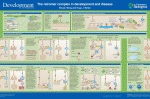 The retromer complex is a multimeric protein complex involved in recycling proteins from endosomes to the trans-Golgi network or plasma membrane. Here, Wang and Bellen summarise the role of the retromer complex in developmental processes, neuronal maintenance, and human neurodegenerative diseases. See the Development at a Glance article on p. 2392
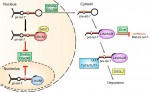 LIN28 is an RNA-binding protein best known for its roles in promoting pluripotency via regulation of the microRNA let-7. However, recent studies have uncovered new roles for LIN28, suggesting that it is more than just a regulator of miRNA biogenesis. Here, Tsialikas and Romer-Seibert review how LIN28 functions in development and disease. See the Primer on p. 2397
 The 4th meeting in the Abcam Adult Neurogenesis conference series was held in the beautiful city of Dresden earlier this year. The conference’s aim was to put the developmental process of adult neurogenesis and its regulation into the wider context of its functional and presumed evolutionary relevance.