
Celebrating NYE with Bioluminescence
Posted by Linda, on 31 December 2010
Let me take you on a Bioluminescent journey across many kingdoms.
If you’re not well acquainted with the term, it’s the ability of living things to chemically produce light. It’s also a natural widespread feature to many organisms, from jellyfish to algae, fireflies to fungi. In recent years, it’s become a standard molecular biological tool for visualizing gene expression.

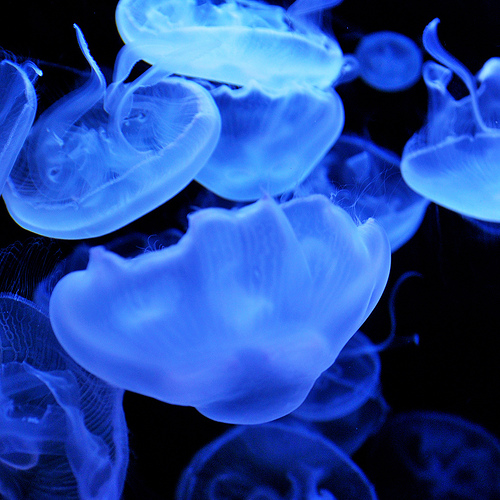
(Blue Jellyfish by Maaco. CC. link here.)
On some coasts (and even lakes), if you disturb the water you might notice the sudden appearance of hundreds of tiny bright lights in the water. Sometimes it’s observable in the crest of a powerful wave.
(bioluminescent wave, Phil Hart, CC, Ask Nature)
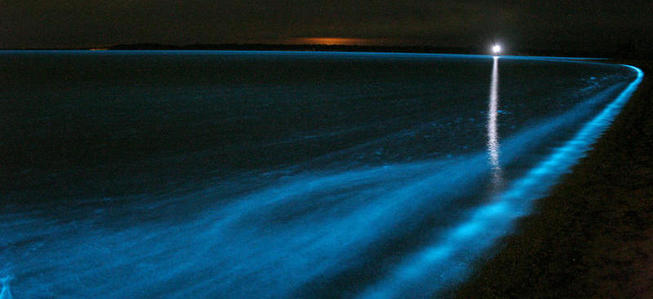 The light comes from the thousands of tiny unicellular algae, or dinoflagellates. The same species that cause deadly red tides (toxins released from the algae, which can cause paralysis in concentrated amounts. hence, never eat shellfish in red tide areas)
On land in fireflies, the luciferin pigments in their bodies can react with oxygen, to emit radiant light energy. This is catalyzed (or sped up) by the luciferase enzyme. Many biologists are probably familiar with Luciferase reporter genes, as markers for gene expression.
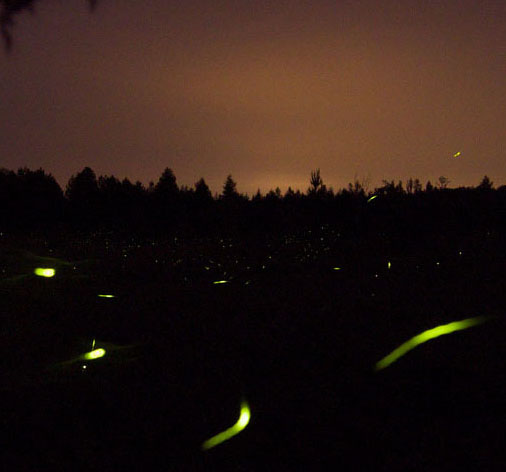
For instance, this reporter system can be used to track circadian rhythms in plants, by fusing the firefly luciferase gene to a plant one. The light signals are controlled by the plant genes, and are switched on by the plant itself during different parts of the day.
(Image: Firefly, by qmnonic)
The artificial lights cue researchers when the plant genes are switched on an off according to it’s circadian clock. Of course, the plants need a water with luciferin pigments, which they don’t naturally produce.
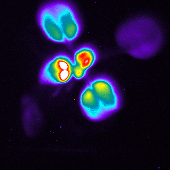
The idea of using bioluminescent genes & proteins (at least in plants) originated in tobacco in the late 80s. The moment was captured in Science & Time Magazine, it was so groundbreaking and breathtaking. Link here (Google Books) for the comparison of tobacco before and after “switching on” the luciferase action.
(CC from the Harmer Lab. Luciferase activity in a transgenic Arabidopsis plant)
Firefly luciferase is slightly different from GFP, a photoprotein. Photoproteins don’t require any special pigments, enzymes or chemicals to set it off. Once expressed, it simply needs mineral substrates to emit fluorescence. GFP was originally recruited from jellyfish. It has the same purpose as the luciferase enzyme in molecular biology, to mark the expression of select genes. At least in the lab, it GFP also requires you to shine blue light (or sometimes UV) for it to emit the green fluorescence. It’s such a standard tool now, in mice, plants, flies, fish studies. And it garnered it’s inventors the Nobel Prize for Chemistry in 2008.
In RNAi industry, it’s becoming a convenient diagnostic tool for tracking the efficiency of RNAi drugs. Previously, to gauge how well a target gene could be silenced by RNAi, substantial amounts of tissues needed to be extracted and ground up to conduct a quantitative RNA assay. this gave a numeric reading of how much was silenced compared to untreated tissues or model animals. However, this was a rather intensive method. Reporter genes, such a luciferase one, offer a non-invasive way of perceiving how strong the silencing is occurring.
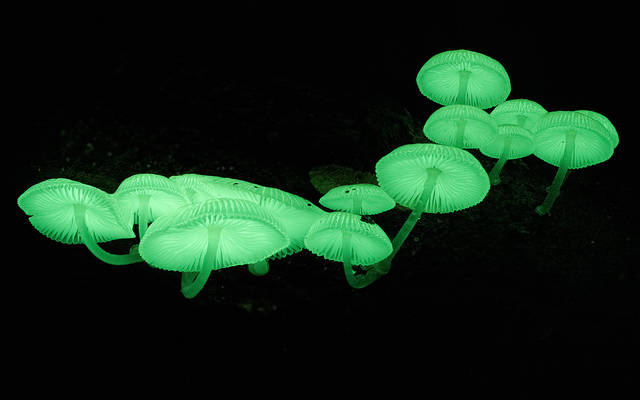 Some fungi also naturally have a green glow at night. Their traditional names include jack-o-latern fungi, ghost fungi and foxfire (image on left, CC from the Cornell Mushroom Blog). Perhaps these guys were the original fairy rings 18th century cottagers thought they saw.
Thanks for reading & hope you enjoyed the show
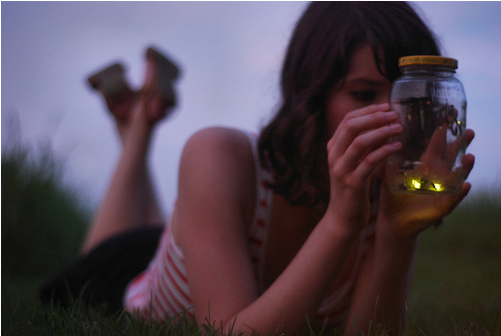
(Image, CC from Hither & Thither).
References & Interesting Reading:
Luciferase in Tobacco:
OW, D., DE WET, J., HELINSKI, D., HOWELL, S., WOOD, K., & DELUCA, M. (1986). Transient and Stable Expression of the Firefly Luciferase Gene in Plant Cells and Transgenic Plants Science, 234 (4778), 856-859 DOI: 10.1126/science.234.4778.856
Luciferase in Arabidopsis for tracing circadian rhythms:
Harmer SL, Hogenesch JB, Straume M, Chang HS, Han B, Zhu T, Wang X, Kreps JA, & Kay SA (2000). Orchestrated transcription of key pathways in Arabidopsis by the circadian clock. Science (New York, N.Y.), 290 (5499), 2110-3 PMID: 11118138
New Developments with Luciferase in the Pink Tentacle Blog
Review on Fluorescence in Molecular Biology:
Mavrakis M, Pourquié O, & Lecuit T (2010). Lighting up developmental mechanisms: how fluorescence imaging heralded a new era. Development (Cambridge, England), 137 (3), 373-87 PMID: 20081186
Luciferase and RNAi Diagnostics:
McCaffrey, A., Meuse, L., Pham, T., Conklin, D., Hannon, G., & Kay, M. (2002). Gene expression: RNA interference in adult mice Nature, 418 (6893), 38-39 DOI: 10.1038/418038a
Just noticed that Wiki has a list of proposed uses of bioluminescence here (just have to scroll down a bit). Some original ones include using luciferase trees to line highways and save on electricity. Crops that light up when they’re thirsty. Glow in the dark pets. etc.
 (1 votes)
 Loading...

 (No Ratings Yet)
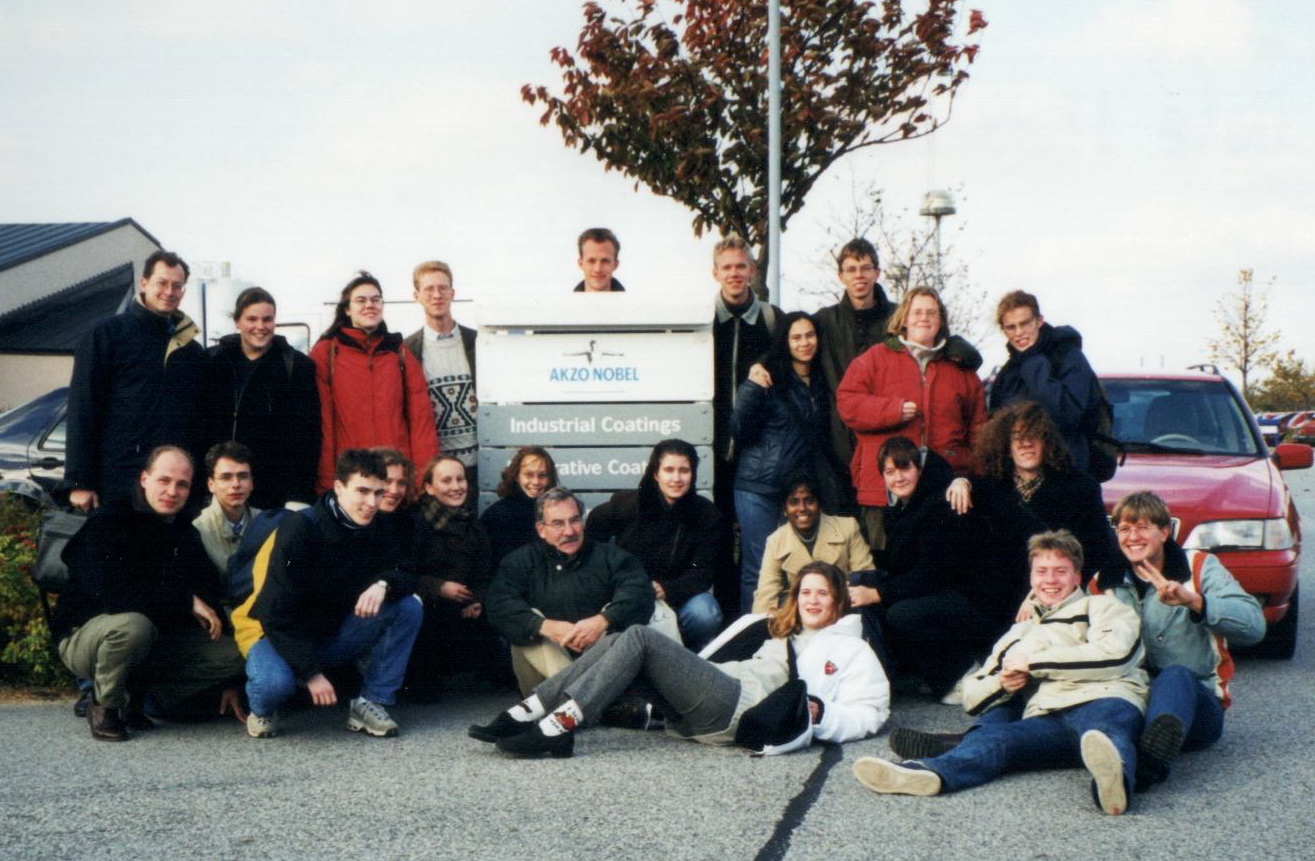 A visit to AkzoNobel in Malmö, Sweden, during the study tour I organized in 1999. I’m in the brown striped scarf, near the middle.
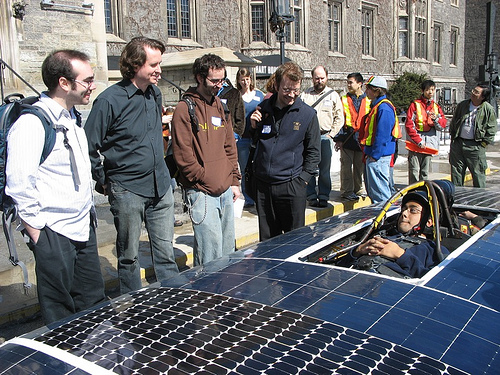 Connecting people at SciBarCamp: programmers, cognitive scientists, and biologists learning about engineering students’ solar car.
 The main reason I got my current job at the Node, and not any of the others I applied for, was that all the things I’d been doing in the previous years formed the kind of experience that the job required. I had done research, but I’d also done science writing and community building – mostly as a hobby! Everyone is going to ask for experience, no matter what job you apply for, but it’s possible to get experience in things you think you’re just doing for fun, and that might just be the best job yet.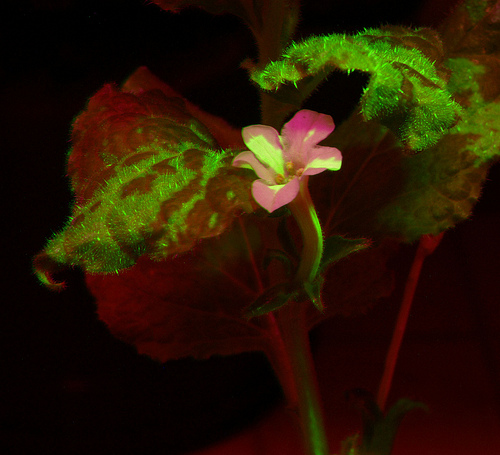
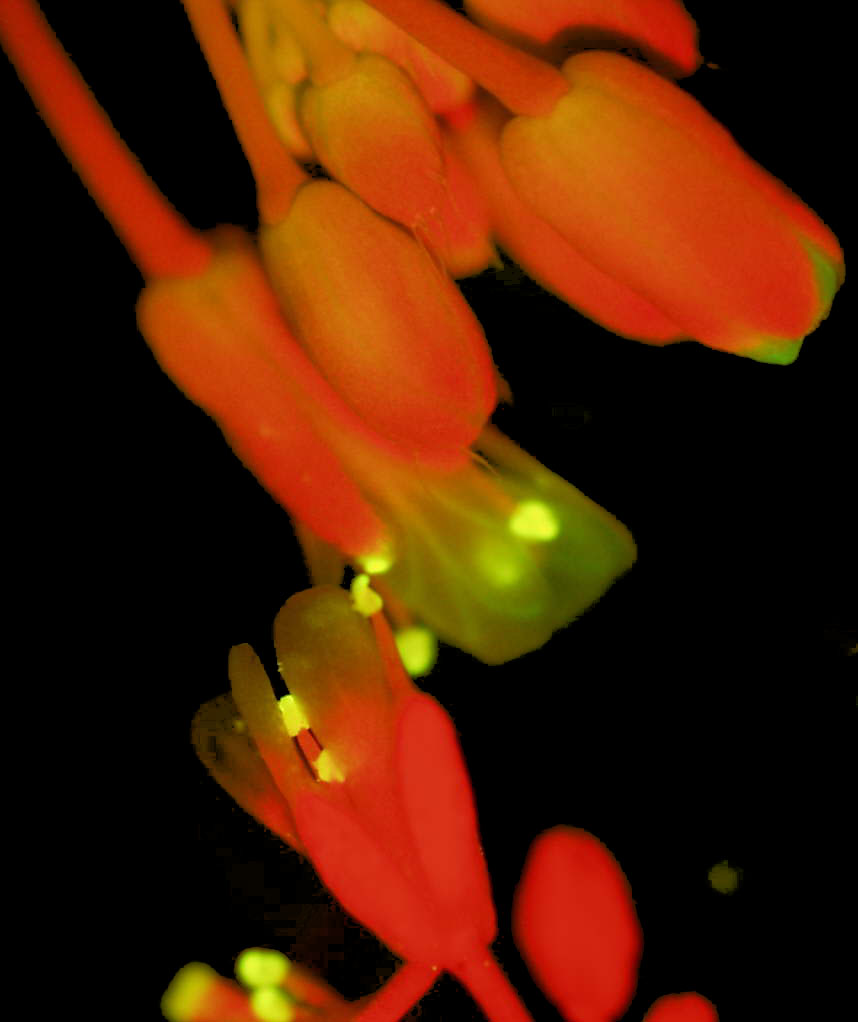 gene. However, it’s getting easier to get around this using a range of light filters. Some filters only allow a narrow wavelength of light to go through. Usually they’re specific to just the wavelength of the GFP/RFP/YFP signal, and this causes non-fluorescing tissue to appear black.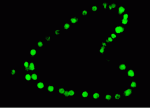
 Ben Scheres is an expert in plant development. He has been investigating development in Arabidopsis at Utrecht University, The Netherlands, since 1990, where his group uses the root tip as an easily accessible supply of plant stem cells. Ben agreed to be interviewed by Development to talk about his interest in stem cells and the beauty of self-organisation in plants.