The community site for and by
developmental and stem cell biologists

An interview with Adam Shellard, winner of the 2022 BSCB Postdoctoral Research Medal

Posted by , on 8 August 2022

Adam Shellard, a postdoc in Roberto Mayor’s lab, was the winner of the 2022 BSCB Postdoctoral Research Medal. We caught up with Adam over Teams to find out more about his career path so far, his evolving research interests and the Cell Migration webinar series that he started during the pandemic.  

Photo of Adam Shellard

Where are you originally from?

I grew up in London, before going to the University of Manchester for my undergraduate studies. As part of this course, I completed a year-long internship at Thomas Jefferson University in Philadelphia, USA in Renato Iozzo’s lab. I spent a lot of time doing western blots and qPCRs but it was a great experience, both in the lab and having the opportunity to travel.

Why did you choose Roberto Mayor’s lab for your PhD?

I was on the Wellcome Trust Stem Cell and Developmental Biology programme at UCL, which meant I spent my first year doing rotations in different labs. When I started on the programme, I was interested in everything and didn’t have a special interest in any particular topic. I tried to choose labs where I could learn different techniques. I went to a lab that did more biochemistry; I went to one that used electron microscopy; and I did mouse work and live imaging for the first time. The rotations were a great opportunity to try lots of different techniques and topics to discover what I was most interested in. In the end, a big reason for choosing Roberto’s lab was that it was a good environment, and I really liked the people there. The topic didn’t matter so much at that stage because I felt that I could become interested in anything! I liked the fact they had lots of microscopes, and a lot of cool projects were going on at that time.

Can you tell us about your PhD research?

When I started my PhD, I was supervised by Elena Scarpa, who is now a group leader in Cambridge. She had some preliminary data showing an actomyosin cable around the edge of a neural crest cell cluster when it was dissected out and imaged in vitro. My project was to look at the role of actin and myosin during neural crest cell migration as we didn’t know anything about it. This sounds a little crazy, because obviously actin and myosin play a role in migration, but we didn’t know much about how they were involved in the collective migration of the neural crest. So, it started from there. I tried lots of experiments and whilst they worked, there were a lot of negative results in the first three years. Then when I got to the final year, luckily, or serendipitously, a couple of techniques that I’d been trying to work out for a long time, started to work. I finally got laser ablations working on the microscope after searching for so long, so I could very specifically test actomyosin cable function. At the same time, Xavier Trepat’s lab had published some optogenetic constructs which controlled contractility, so I cloned those and used them as well. What we found was that the neural crest, as a cluster, had an actomyosin cable around its edge. And in the absence of any chemoattractant, the cable would contract around the edge, so it would look like the cluster was pulsing. But if you put on a chemoattractant like SDF1 and the cells move by chemotaxis, the SDF1 would inhibit contractility at the front of the cluster, whilst the contractility at the back continued. Using laser ablation and optogenetics, we found that the contractility specifically at the rear of the cluster was driving the directed migration of the neural crest. And we could do that in vitro and in vivo. Of course when you say it, it sounds really obvious because rear contractility contributes to the driving forces of migration in cells, we’ve known that for years. But the novelty was that we had seen the whole cluster was acting like a single cell, where many cells at the front had a protrusion, and many cells at the back had a contraction, which we described as a supracell. And so, the analogy of how a single-cell moves was essentially expanded up to the scale of a cluster. We had this idea for quite a while, but we never had the techniques to address it. We did initially use blebbistatin and attempted to use mosaics, but those methods were very crude, so it was difficult to get any specific conclusions.

Can you tell us about your decision to stay with Roberto for your postdoc and how your research focus evolve during this time?

When I was in my completing research status (CRS) year, which is supposed to be your writeup year, I was struggling to finish off the paper and at the same time I had a deadline to submit my thesis. I was trying to get both of those done. I managed to get the paper submitted and then in for the revisions. Then I had about three or four weeks to write my thesis; I just wrote non-stop for about a month and got the thesis submitted!  Then I think I had a round of revisions to do for the paper, so I had to stay on for a little bit longer to do those. Then I had my viva and by that point, it was November or December of that year, and I was just exhausted. I had not planned or considered my future at all at that point. I know you’re supposed to be looking for positions at least six months in advance, you can’t just ring someone up. So, at that point it was Christmas and Roberto offered that I could stay. The idea initially was just to stay for a little bit so that I could continue working until I found a postdoc position. I started my postdoc with Roberto basically a month later. Then, of course, the good thing about staying in a lab is that you already know how to do everything, so you can be super productive. But I did want to push my skillset, because many of the ideas I had required new techniques. So I developed some new methods especially in the context of labelling tissues in vivo and measuring and manipulating mechanics in vivo, as I was keen to explore what I saw was an open question of how chemical and mechanical cues interact in vivo. Fortunately, the lab acquired a nanoindenter to do mechanical measurements at around the same time. The combination of new techniques to address what I thought was a big question, and some promising results, led me to stay for the project.

Can you summarise the main findings from your recent paper?

There are a few main findings, one of them is that we saw durotaxis in vivo. Durotaxis is moving along a stiffness gradient, typically from soft substrates to a stiff substrate, which has been known for 22 years, but there was scarce evidence in vivo. So, that was the first one; we found that the neural crest undergoes durotaxis in vivo as well as chemotaxis, which we previously knew. And then following on from that, we found that the stiffness gradient was being formed by the neural crest cells themselves. The neural crest mechanically modifies an adjacent tissue, the placodes, and in doing so they generate a gradient in their own substrate. That was a very cool and surprising finding. And then towards the end of the paper, we describe how the mechanical signals in durotaxis and chemical signals in chemotaxis interact, how there’s interplay between those two. So essentially, both of these guidance cues work on the same set of proteins, Rho, Rac and actomyosin, influencing contractility. They work together in a cooperative manner. I think that this is going to be a big question for many systems in the next decade or so: how do the chemical signals and the mechanical ones interact to control various biological processes?

DAPI staining of a cryosectioned Xenopus embryo pseudocoloured in green (neural crest) based on Twist in situ hybridisation, and purple-yellow (stiffness gradient) based on Sox2 position and nanoindentation stiffness measurements.

It’s interesting that the stiffness gradient moves with the cells.

Yes, so we had this result that there was a stiffness gradient. But at the time I was brand new to doing mechanical measurements, and as I was quickly learning, doing these measurements in embryos is really difficult. The embryos are super soft, which means that the cantilever you use also has to be really soft. All this means that even the tiniest thing can make a deflection and screw up your measurement; if it sticks, or if there’s a tiny piece of dust, anything like that. So, getting the data from the embryos was a really hard slog in the beginning. After we had observed the gradient, the obvious question is what happens at later time points when the cells move. We could have just seen that the gradient doesn’t move, that could totally make sense as well, the cells just move up the gradient. But, when we saw that the gradient moves, it was a very nice lab meeting slide!

During lockdown, you set up the Cell Migration webinar series, was this something you already had in mind or was it prompted by the pandemic? Can you tell us about the series and why you think it has been so successful?

Yes, the initiation of the series was totally pandemic driven. I don’t think anyone had even thought about virtual seminars pre-pandemic. I initially thought of the idea maybe a week into lockdown, but I didn’t act on it. After about a month or two, I started seeing other seminars pop up and people discussing them on Twitter. It seemed that people were interested in attending, because my initial worry was about putting all the effort in, and then having no one show up! So, it was good to see that people were attending virtual meetings on other topics. And whilst the series was pandemic driven, I’m really happy that it’s still going on. It’s been two years now and it’s still regularly getting high attendance, which is great. I guess it’s popular because people are interested in seeing seminars on their research topic. The cell migration community is a lot more diverse and vibrant than I’d previously known, so it is still attracting a lot of interest! The success is also due to Becky Jones, Jen Mitchell and Ankita Jha, who has taken over my role in organising the webinars, because it is quite a lot of effort.

Do you have any plans for in-person meetings linked to the series, or will you stick with the current format?

I’m not sure, I know some attendees have suggested that maybe the webinars could be organised as a one-day meeting for early career researchers in migration, which I think Jen and Ankita might be considering. But with the return of in-person meetings in cell migration, like the Abercrombie meeting this year and the GRC next year, I’m not sure whether adding another meeting would be a bit overkill. So, I think the virtual meetings will be there for now.

What’s next for you, both short term and longer term?

Short term, I’m trying to finish off a project for which I’m developing a lot of new skills for! I’m hoping to submit the paper before the end of the year, that is my optimistic plan. And then next year, I will be moving on to ‘destination unknown’. I’m considering my options, perhaps a short postdoc in another lab, or maybe a fellowship where you do a few months in many different labs, just to learn some new skills and experience some different environments before applying for positions. That’s one option that I’m considering, but I’m not totally sure yet.

It sounds like you are a big fan of developing new tools and techniques, is that something you enjoy doing?

I enjoy it, but it’s incredibly frustrating. I do it because I have to, not because I want to! I’m kind of attracted to the high risk, high reward projects, the projects that have a lot of potential. But often those are the projects that would have been done if the tools already existed. For example, the project I’m working on now, I’m forced to make new tools. But every time I do this, I always remember how difficult it is and how many months you have to spend developing these tools just to do a single experiment. So yes, I do it because I’m forced to, not because I want to; I enjoy using other people’s tools more than I enjoy making my own!

So, is it more that the question comes first and then you have to find a way to answer it, even if that means tool development?

Yes, that’s absolutely it. For example, in my postdoc I was interested in looking at the neural crest in vivo, in Xenopus, which as anyone who works with Xenopus knows, doing in vivo imaging is really, really difficult. There weren’t even any good antibodies for the neural crest; in the past it had always been inferred by the fact that there’s a fibronectin ECM around it. I spent a few months just developing fluorescence in situ hybridization for the neural crest so I could co-label it with other markers. So yes, the question always comes first, and then whatever technique I need to use to address it as best I can, that comes second. 

What do you think the big questions in developmental biology will be over the next ten years?

One of the things that I think will be important, as I mentioned before, is the integration of mechanical and chemical cues, or signals or factors, in trying to understand the cell behaviour in a holistic way. I think that comparatively, we know a lot about signalling pathways and step-by-step processes that are occurring in cells, and now, we’re even getting a decent amount of data about how mechanics affects those processes. But I think in terms of combining them we haven’t even scratched the surface of how these cues come together. And it’s not a trivial thing to do, because trying to do manipulations of those various things without having unwanted side effects is really, really challenging.  I think that’s going to be one of the main questions for the next 10 years of developmental biology.

When you’re not in the lab, what do you do for fun?

I enjoy painting, especially with oil paints. I’m really liking ‘Duolingo’ at the minute because I’m awful at languages. I also enjoy travelling, which is a rarity, but I’m happy to accept invitations!

Thumbs up (2 votes)
Loading...

Tags: , ,
Categories: Interview

Navigate the archive

Use our Advanced Search tool to search and filter posts by date, category, tags and authors.

From China to the UK – an interview with Chengting Zhang

Posted by , on 28 July 2022


Chengting Zhang is a PhD student in the laboratory of Professor Steffen Scholpp at the Living Systems Institute, UK. Originally from China, Chengting came to the UK in 2018 after being awarded joint funding from the University of Exeter and the China Scholarship Council (CSC) to carry out her PhD project investigating the role of Wnt protein transport during zebrafish development.

We spoke to Chengting about what it was like to move from her home country in China to start a PhD abroad and to hear her advice for other early-career researchers thinking of making the same move.

We invite you to share your own stories on the Node. To hear more about how we support early-career researchers take a look at our website and we encourage China-based audiences to follow The Company of Biologists WeChat channel!


When did you decide to do a PhD?
您在何时决定要攻读博士学位?

When I was a graduate student, I made the decision to pursue a PhD. Since graduate education in China typically lasts three years and I had little direct experience with experiments throughout my undergraduate studies, I became really interested in research when I was able to produce some experimental results. Naturally, this was partly a result of my master’s supervisor’s encouragement, who suggested that I try to apply for CSC in order to study overseas for my doctoral degree.

最开始决定读博,是在研究生时期。因为国内的研究生一般三年制,本科也没怎么实质性接触过实验,所以当在研究生时期能做出一些实验性成果时,让自己对研究产生了极大的兴趣。当然这也少不了我硕士导师的鼓励,并建议说读博可以试试申请CSC 出国读博,那也是第一次我接触到CSC

How did you decide where to go for your project?
您如何确定了自己研究的课题?

After speaking with my master’s supervisor, I also believed that pursuing a PhD while studying overseas would be a particularly positive experience. After having this notion, I talked about it and listened to what my family and friends had to say. The reaction I received was quite encouraging, so I ultimately opted to pursue my PhD abroad. Regarding how I came across the current project, it’s because Steffen, my PhD supervisor, is also interested in recruiting CSC students, and I choose this topic since I believe I can successfully tackle it.

通过与硕士导师交流后,也觉得出国读博确实是一个很好的经历。有了这个想法后,也和家人朋友都商量过,听取了他们的意见,获得的反馈都是很支持的,所以最后决定要出国读博。至于怎么发现如今的课题,是因为现在博士导师Steffen也是有意向招收CSC学生,然后涉及的课题也是自己思量后觉得自己是能胜任的,所以就选择了这个课题

What was the process of applying for your scholarship?
申请奖学金的过程是否艰难?

I read several pieces of advice on the Xiaomuchong app before deciding to apply to CSC and pursue my PhD abroad. The first step was to begin IELTS preparation because passing the English language exam is a prerequisite for travelling abroad. When I received the language results, I quickly wrote an email to the tutor I was interested in. At the same time, I also gathered other experience articles on the Internet. Fortunately, Steffen responded to my emails in a very positive manner and was very helpful to me throughout the application process. For example, he corrected the PowerPoint I used for my interview and provided me with the files I needed for my application. The procedure is generally as follows: passing a language test – reaching out to potential tutors – college interview – receiving an offer – CSC application.

当我决定要通过申请CSC出国读博时,就在小木虫上看各种攻略。首先第一点则是开始复习雅思IELTS,因为语言成绩是出国的首要条件;

与此同时,也在网上收集各种经验贴,在拿到语言结果的时候,立马给自己感兴趣的导师发了邮件。幸好Steffen回复的邮件很积极,在我申请过程中帮助了我很多,比如帮我批改面试ppt, 非常积极即使的提供申请所需要的资料。总的来说需要的一个过程是:语言成绩—联系意向导师—学院面试—拿到offer—申请CSC

What was it like moving to a new country?
生活在另一个国家是一种什么样的感觉?

When I first received the scholarship, I was still anxious about it because I would be travelling to a nation with a totally different culture to do my PhD. When I initially came to the UK, I found it difficult to control my tears and thought I would be all alone. Fortunately, during the adjustment time, my PhD supervisor was really kind and my colleagues also looked out for me, so I gradually improved. The most important thing is that you don’t have to think about other things as much while you are seriously engaged in study. Naturally, none of this would be possible without the help of my family and friends.

With reaching the end of my PhD, I’ve developed considerably and become a more mature person.

最开始拿到奖学金的时候,心里还是很期待的,因为自己即将去一个文化差异很大的国家读博。当刚到英国的那一刻,自己还是没忍住哭了,那一刻才真正的觉得,以后就是自己一个人了。在过渡期中,幸好博导人非常好,实验室的同事也都对我照顾有佳,慢慢的也就好了起来。最主要的是,当你认真投身科研的时候,也没有那么多思想去想其他的。当然这也少不了家人朋友的支持。此次读博经历,让我自己成长了很多,人也成熟了

What is your PhD project?
您在博士阶段的研究课题是什么?

My PhD research uses zebrafish as a model to examine the mechanism of Wnt signalling. The main focus of the research is on the transmission of Wnt/PCP signalling Wnt5b from generating cells to receiving cells, the interaction of the receptor Ror2 and ligand Wnt5b, and the impact of Wnt/PCP on zebrafish growth and development.

我的博士课题:以斑马鱼为模型,研究Wnt信号的传导机制。最主要的研究Wnt/PCP signalling Wnt5b 是如何从producing cells 传导到receiving cells的,以及配体Wnt5b 和受体Ror2的关系,以及Wnt/PCP 对斑马鱼生长发育的影响

How has your PhD experience been?
您如何评价自己读博的经历?

Because I had a fantastic and great supervisor, a terrific research environment, and solid research findings overall, I had an excellent PhD experience. I also gained a lot of knowledge. Along with learning, I also developed my mental faculties and social abilities.

我的博士经历总的来说是极好的,因为我有一个很好很好的导师,很棒的研究环境,在研究上也取得了好的研究成果。更多的是学习到了很多知识,除了学习,自己也磨练了心智,提升了自己与人相处的技能,如果要给此次英国博士之行打分,总分100分,我会给自己打95

What advice would you give to other early-career scientists planning to do research abroad?
对计划出国从事研究并处于职业生涯早期的其他科学家,您有何建议?

My recommendation is to give it your best because you won’t regret it. Research still largely revolves around the research platform. If you choose a foreign university, all things are excellent, but if you’re frightened to travel overseas, my advice is to still be daring and give it a shot because it’s also regarded as a once-in-a-lifetime experience.

我的建议是,自己想做的事,就全力以赴的去做就不会后悔。科研还是很看重研究平台,如果你选择了一个国外的院校,各方面都很优秀,但就是害怕出国的话,我的建议还是可以大胆尝试的,毕竟这也算人生中的一次难忘的经历

What are your plans for the future?
您未来有什么计划?

Since there is a solid platform for biological research at my master’s university, my current aim is to go back to my previous institution after I return to China, where I will continue to conduct research in the future.

现目前的计划是回国后回硕士母校, 因为那里有很好的生物研究平台,所以自己以后还是会继续投身科研中

Thumbs up (2 votes)
Loading...

Tags: , , ,
Categories: Careers, Interview, Lab Life, Research

Zika evades early pregnancy protections, MSU research shows

Posted by , on 28 July 2022

A new paper in Development, from Jennifer Watts and Amy Ralston, dissects the impact of Zika virus on mouse preimplantation embryos and find that the virus can infect all three lineages of the blastocyst and can even halt development, if infection occurs at the two-cell stage. You can find our more about the authors in our associated ‘The people behind the papers‘ interview.

EAST LANSING, Mich. – Michigan State University researchers have found that the Zika virus can halt an embryo’s development in the earliest stages of pregnancy, signaling that the risks posed by the virus are greater than previously appreciated.

A micrograph shows a clumpy gray collection of epiblast cells — cells that would normally grow into a fetus — that are infected with Zika virus, seen as red splotches in the image. Credit: Watts, J. Ralson, A. Development. 2022
A micrograph taken by Amy Ralston and Jennifer Watts at MSU shows that Zika virus (red coloration) infects embryonic cells early in pregnancy. Credit: Courtesy of Development

This is objectively bad news, but the knowledge will help people better prepare for future Zika outbreaks, researchers said. For example, doctors can work with patients who are expecting or trying to conceive children to take more robust precautions to avoid Zika’s most severe outcomes, including miscarriage and birth defects.

The team from MSU also hopes its work, which was performed with mouse models, will inspire more studies examining how other diseases, such as cytomegalovirus — the leading infectious cause of birth defects — affect early pregnancy.

“Hopefully, this can be a push to look at what other viruses and bacteria could be causing embryo demise, specifically in these early stages,” said Jennifer Watts, the first author of the new study published July 28 in the journal Development.

“These are really critical windows of development,” said Watts, who worked on the study as a doctoral student in Amy Ralston’s laboratory in the College of Natural Science. Watts is now a postdoctoral scientist at Nationwide Children’s Hospital in Ohio.

The findings could also spur the development of an approved and effective Zika vaccine, which currently does not exist, Ralston said. Especially if there is another epidemic similar to the one experienced by the U.S., Brazil and other countries in the Americas in 2015 and 2016.

“It’s feasible that there could be a Zika vaccine if people realized the full spectrum of threats this virus has, or that a vaccine could be pushed faster,” said Ralston, the James K. Billman, Jr., M.D. Endowed Professor in the Department of Biochemistry and Molecular Biology.

‘Nobody was talking about it’

In showing that the virus can directly affect an embryo’s cells early in development, the research is also underscoring the dangers of Zika as a sexually transmitted pathogen.

“When we were traveling and going to conferences in 2015 and 2016, we’d see banners and signs warning about mosquito transmission,” Watts said.

“People knew it was sexually transmitted, too,” Ralston said. “But nobody was talking about it.”

This is especially important because expectant parents and their unborn children are the populations most vulnerable to Zika. For the average person, Zika’s symptoms are usually mild if they’re noticed at all. But more than 3,700 babies were born with birth defects attributed to Zika during the 2015-16 epidemic in North and South America. The birth defects included microcephaly, a condition in which a child’s head is much smaller than expected.

Pregnant people also faced an increased risk of preterm births and miscarriage. Now, the MSU research, which was supported by the National Institutes of Health, is showing that Zika can stop an embryo’s development within the first week of conception, before a fertilized egg implants in the uterus.

“People wouldn’t even know they’re pregnant within that week,” Watts said. “That means the virus could be a cause for infertility for people who are trying to conceive but not having success.”

Statistically speaking, Zika’s worst consequences are uncommon. Birth defects, for example, were found to occur in about one in 20 possible cases in the U.S. But the potential severity and the range of outcomes drew Ralston and Watts to the problem.

“Why do you have birth defects in some babies but not others?” Ralston said. “It’s something we still don’t know and it’s obviously worth studying.”

It was a different type of research project for Ralston’s team, which usually studies the fundamental biology of healthy early embryo development. But she and Watts knew they had the expertise and support at MSU to help answer how Zika viruses present at conception could affect the course of a pregnancy.

“I remember thinking, ‘Why hasn’t anyone checked?’” Ralston said. “Then I thought, ‘Well, who would do that? I guess we would.’”

Watts was a key ingredient in that “we.” Although Ralston’s team had the biological know-how and microscopy skills to probe that question, there was a huge virology component that Watts took on learning as a graduate student.

“There were times, as her graduate adviser, I couldn’t actually advise her,” Ralston said. “I’m not a virologist, but Jenn had the perfect personality for this project. She would just go out and find the answers.”

‘It wasn’t what we wanted’

To that end, Watts worked closely with the lab of Zhiyong Xi, a professor in the Department of Microbiology and Molecular Genetics. Xi studies mosquito-borne illnesses and, in 2017, he led one of the 21 grantsawarded by the U.S. Agency for International Development’s $30 million Combating Zika and Future Threatsprogram.

With help from Xi’s lab, Watts learned the skills she needed to design experiments, then measure and analyze the effects of Zika virus on developing mouse embryos.

Meanwhile, other researchers were racing to answer similar questions. For instance, during the MSU study, other scientists showed that Zika could alter the course of normal placenta development. But questions remained about Zika’s direct effects on the embryo, especially because it has a thick protein coat called the zona pellucida.

The coat protects the embryo during early development, but researchers already knew it wasn’t completely impenetrable. Studying whether the zona pellucida held up against Zika would provide key insights into the complete spectrum of ways the virus could affect pregnancies.

Watts, Ralston and their colleagues had the breadth of expertise to examine how Zika influenced different cell types at different times during early embryonic development, providing that more complete picture. Unfortunately, the team found that Zika eluded the shield.

“It wasn’t what we wanted to happen,” Watts said. “We could see the development arresting at a certain stage. For example, we’d see a fertilized egg infected when it was in its two-cell stage and it wouldn’t grow past eight cells or the blastocyst stage. That’s devastating.”

The next step, though, is turning that devastating news into something positive. To do that, the MSU researchers are sharing their work and providing valuable new information to the research and public health communities. That way, the next time Zika appears — which experts say is a matter of when and not if — they can offer valuable advice and collect important data they weren’t thinking about seven years ago.

“We can really inform epidemiologists what to look for and what to think about when they see differences in pregnancy outcomes,” Watts said.

“They know how to look for it,” Ralston said. “But they aren’t going to look for it unless they know they should.”

###

Michigan State University has been advancing the common good with uncommon will for more than 165 years. One of the world’s leading research universities, MSU pushes the boundaries of discovery to make a better, safer, healthier world for all while providing life-changing opportunities to a diverse and inclusive academic community through more than 200 programs of study in 17 degree-granting colleges.

For MSU news on the Web, go to MSUToday. Follow MSU News on Twitter at twitter.com/MSUnews.

Thumbs up (No Ratings Yet)
Loading...

Tags: , , ,
Categories: News, Research

Genetics Unzipped: Does size matter when it comes to your genes?

Posted by , on 28 July 2022

Carrot next to a measuring tape

“For all the claims that we had finally unlocked the secrets of human biology and were setting off into a new era of gene-driven medicine, there was one rather glaring issue with the first human genome: where were all the genes?”

Presenter Dr Kat Arney

In the latest episode of the Genetics Unzipped podcast, we’re discovering whether size really does matter – when it comes to your genes and genome, that is. Dr Kat Arney gets to grips with why the human genome has so few genes, why some species have more junk DNA than others, and whether you should avoid eating anything with more genes than you.

Genetics Unzipped is the podcast from The Genetics Society. Full transcript, links and references available online at GeneticsUnzipped.com.

Subscribe from Apple podcasts, Spotify, or wherever you get your podcasts.

Head over to GeneticsUnzipped.com to catch up on our extensive back catalogue.If you enjoy the show, please do rate and review on Apple podcasts and help to spread the word on social media. And you can always send feedback and suggestions for future episodes and guests to podcast@geneticsunzipped.com Follow us on Twitter – @geneticsunzip

Thumbs up (No Ratings Yet)
Loading...

Tags: , , , , , , ,
Categories: Outreach, Podcast, Societies

The Centre for Trophoblast Research has a job opportunity for a Technician (Fixed Term)

Posted by , on 27 July 2022

Closing Date: 31 August 2022

The Centre for Trophoblast Research (CTR) is looking to recruit a Technician to support cutting edge collaborative research in human biology. To apply for the job please visit: https://www.jobs.cam.ac.uk/job/32716/

The purpose of the role of the CTR Technician is to further support the interface of clinical and basic sciences research within the CTR. Their priorities will be to support the CTR Licencing and Training Coordinator to ensure that research conducted within the CTR is maintained at a high standard and complies with regulatory requirements. The post holder will be responsible for day-to-day maintenance of the CTR Human Uterus in Pregnancy and Disease Biobank and embryos consented and donated for research. The CTR Technician will liaise with clinical collaborators and maintain effective collaborative links.

The CTR Technician will also provide support for the smooth running of the CTR laboratory, ensuring an organized space, stocked core reagents and operational shared equipment to foster further collaborative working. They will be responsible for the management of common CTR equipment and ensure codes of practice and relevant safety regulations are followed within the CTR. They will monitor core stock reagents and ensure restocking. They will supervise lab cleaning and organise rotas for the smooth running of the CTR lab space including any works required.

The post holder will initially gain training in advanced cell and organoid culture and molecular biological techniques under the supervision of the Licencing and Training Coordinator. They will record and interpret data and present the findings. After gaining relevant training in these cutting-edge techniques, the post holder will in turn train others and provide technical advice on the design of experiments. They will coordinate the shipment of reagents or samples to CTR colleagues or external collaborators in consultation with the Licencing and Training Coordinator. They will also provide local guidance and assistance with MTA applications.

The CTR Technician will support the CTR to provide an environment that enables the delivery of research at the highest level and to work in collaborative ways to provide research and training support. Training and mentorship will be provided by the Licencing and Training Coordinator in consultation with the Director. The CTR Technician will need to have a positive approach and be open and willing to engage with diverse groups across the CTR.

Candidates should hold a minimum qualification equitable to HND/HNC, level 4/5 vocational qualifications or an equivalent level of practical experience. Please refer to the further particulars document for a full list of essential skills and qualifications.

We will support visa application through the CTR if assistance is needed. We have a legal responsibility to ensure that you have the right to work in the UK before you can start working for us. Any job application you submit to us will be assessed using criteria based on the knowledge, skills and experience required for the relevant post. You will not be treated less favourably than another applicant on the grounds of national origin.

Appointments will be made on a fixed-term, full-time, basis for a period of 3 years, with the possibility of renewal subject to funding.  The salary range is £27,116 £31,406 (+NI on-costs & Pension).

We would also welcome applications from individuals who wish to be considered for part-time working or other flexible working arrangements.

Instructions for applications: Candidates must submit an application via the Cambridge University Job Opportunities website https://www.jobs.cam.ac.uk/ by the 31st August 2022. References will be requested from candidates after interviews.

We aim to hold interviews shortly after the closing date.

To find out more about the CTR please visit our website at: https://www.trophoblast.cam.ac.uk/

Thumbs up (No Ratings Yet)
Loading...

Categories: Jobs, Uncategorized

Assistant or Associate Professor in Developmental Biology, University of Warwick (UK)

Posted by , on 25 July 2022

Closing Date: 9 August 2022

The University of Warwick (UK) is looking for an Assistant or Associate Professor in Developmental Biology

  1. Tissue-scale development and patterning
  2. Developmental genetics
  3. Comparative biology (e.g. evo-devo, genomics)

https://tinyurl.com/2p8e98t7

Thumbs up (No Ratings Yet)
Loading...

Categories: Jobs

An embryo-maternal dialogue in Arabidopsis

Posted by , on 20 July 2022

In our recent paper, we uncovered a WIP-mediated embryo-maternal communication in Arabidopsis, which specifically regulates embryonic root development (Fig. 1). WIP2, WIP4 and WIP5 expression in the embryonic root is necessary for the oriented cell division and distal stem cell fates within the root meristem. WIP1, WIP3 and WIP6 are expressed in the maternal tissues surrounding the embryo and suspensor, where they act non-cell autonomously to repress root cell fate specification through SIMILAR TO RADICAL-INDUCED CELL DEATH ONE (SRO) gene family members. The embryonic WIPs functionally oppose those maternal WIPs to orchestrate cell division orientation and cell fate specification in the embryonic root, thereby promoting regular root formation.

Nature Plants: Spatially expressed WIP genes control Arabidopsis embryonic root development

Nature Plants News & Views: A dialogue between generations

Fig. 1

How did you get started on this project?

It has been shown that loss-of-function wip245 triple mutants are rootless (Crawford et al., 2015). WIP2, WIP4 and WIP5 are expressed in the hypophysis and its derivatives, where they act redundantly to specify distal root stem cell fates (Crawford et al., 2015). We observed that roots were able to form and grow in wip123456 sextuple mutants, this observation prompted us to explore how WIP genes are coordinated to control embryonic root development.

What was already known about the regulation of tissue organization during root development?

Tissue organization during root development requires precise coordination of root cell division, fate specification and differentiation in a spatiotemporal manner. Components in auxin signaling cascade are crucial for root formation in Arabidopsis: the BODENLOS (BDL)/IAA12-MONOPTEROS (MP)/AUXIN RESPONSIVE FACTOR5 (ARF5) and SOLITARY-ROOT (SLR)/IAA14-ARF7/ARF19 modules are required for the initiation of embryonic and lateral roots respectively (Fukaki et al., 2002; Hamann et al., 2002; Okushima et al., 2005; Przemeck et al., 1996). In terms of embryonic roots, BDL and MP expressed in the proembryo cells non-cell autonomously regulate hypophysis specification via two direct target genes of MP, TARGET OF MONOPTEROS5 (TMO5) and TMO7 (Schlereth et al., 2010). It has been shownWIP2, WIP4 and WIP5 act downstream of MP to promote embryonic root formation (Crawford et al., 2015), but hypophysis specification remains normal in wip245 mutants. Auxin and auxin signaling is also considered important in initiating formative cell divisions during both embryonic and lateral root formation (Marhavy et al., 2016; Yoshida et al., 2014). Moreover, PLETHORA (PLT) genes are key effectors for establishment of the root stem cell niche during embryonic pattern formation (Aida et al., 2004; Galinha et al., 2007). Loss-of-function of plt1-/-plt2+/-plt3-/-bbm-2-/- mutants show embryonic root defects that are morphologically similar to the ones displayed in wip245 mutants.

What was the key experiment?

Our results from three experiments made the story outline: the rescued root development in wip123456 sextuple mutants; the identification of SRO gene family members that are responsible for the overexpression of WIP1 induced plant growth arrest from the EMS mutagenesis; the rescued root development in rcd1-4wip245 quadruple mutants.

When doing the research, did you have any particular result or eureka moment that has stuck with you?

When we found that WIP1, WIP3 and WIP6 act maternally in a non-cell autonomous manner to repress root formation. This result points to a WIP-mediated embryo-maternal dialogue.

And what about the flipside: any moments of frustration or despair?

Generation of the multiple mutant combinations was time consuming and demanding.

Where will this story take the lab?

Our lab focuses on the sex determination process in cucurbits. The gynoecious gene WIP1 represses carpel development, causing the formation of male flowers, and its loss-of-function leads to purely female plants (Martin et al., 2009). In Arabidopsis, melon WIP1 and AtWIPs share common functions in inhibiting plant growth (Roldan et al., 2020), suggesting that the molecular network regulated by AtWIPs is likely conserved in plants. Therefore, we aim to transfer the knowledge gained from Arabidopsis back to the sex determination process in melon.

What next for you/your lab after this paper – let us know if you are continuing this research, starting/looking for a new position?

Currently, I am looking for a position and would like to continue the study of maternal-embryo communication in plants. Abdel’s lab will continue to characterize WIP functions in Arabidopsis and in cucurbits.

References:

Aida, M., Beis, D., Heidstra, R., Willemsen, V., Blilou, I., Galinha, C., Nussaume, L., Noh, Y.S., Amasino, R., and Scheres, B. (2004). The PLETHORA genes mediate patterning of the Arabidopsis root stem cell niche. Cell 119, 109-+.

Crawford, B.C.W., Sewell, J., Golembeski, G., Roshan, C., Long, J.A., and Yanofsky, M.F. (2015). Genetic control of distal stem cell fate within root and embryonic meristems. Science 347, 655-659.

Fukaki, H., Tameda, S., Masuda, H., and Tasaka, M. (2002). Lateral root formation is blocked by a gain-of-function mutation in the SOLITARY-ROOT/IAA14 gene of Arabidopsis. The Plant journal : for cell and molecular biology 29, 153-168.

Galinha, C., Hofhuis, H., Luijten, M., Willemsen, V., Blilou, I., Heidstra, R., and Scheres, B. (2007). PLETHORA proteins as dose-dependent master regulators of Arabidopsis root development. Nature 449, 1053-1057.

Hamann, T., Benkova, E., Bäurle, I., Kientz, M., and Jürgens, G. (2002). The Arabidopsis BODENLOS gene encodes an auxin response protein inhibiting MONOPTEROS-mediated embryo patterning. Genes & development 16, 1610-1615.

Marhavy, P., Montesinos, J.C., Abuzeineh, A., Van Damme, D., Vermeer, J.E., Duclercq, J., Rakusova, H., Novakova, P., Friml, J., Geldner, N., et al. (2016). Targeted cell elimination reveals an auxin-guided biphasic mode of lateral root initiation. Genes & development 30, 471-483.

Martin, A., Troadec, C., Boualem, A., Rajab, M., Fernandez, R., Morin, H., Pitrat, M., Dogimont, C., and Bendahmane, A. (2009). A transposon-induced epigenetic change leads to sex determination in melon. Nature 461, 1135-1138.

Okushima, Y., Overvoorde, P.J., Arima, K., Alonso, J.M., Chan, A., Chang, C., Ecker, J.R., Hughes, B., Lui, A., Nguyen, D., et al. (2005). Functional genomic analysis of the AUXIN RESPONSE FACTOR gene family members in Arabidopsis thaliana: unique and overlapping functions of ARF7 and ARF19. The Plant cell 17, 444-463.

Przemeck, G.K., Mattsson, J., Hardtke, C.S., Sung, Z.R., and Berleth, T. (1996). Studies on the role of the Arabidopsis gene MONOPTEROS in vascular development and plant cell axialization. Planta 200, 229-237.

Roldan, M.V.G., Izhaq, F., Verdenaud, M., Eleblu, J., Haraghi, A., Sommard, V., Chambrier, P., Latrasse, D., Jegu, T., Benhamed, M., et al. (2020). Integrative genome-wide analysis reveals the role of WIP proteins in inhibition of growth and development. Communications biology 3, 239.

Schlereth, A., Moller, B., Liu, W., Kientz, M., Flipse, J., Rademacher, E.H., Schmid, M., Jurgens, G., and Weijers, D. (2010). MONOPTEROS controls embryonic root initiation by regulating a mobile transcription factor. Nature 464, 913-916.

Yoshida, S., Barbier de Reuille, P., Lane, B., Bassel, G.W., Prusinkiewicz, P., Smith, R.S., and Weijers, D. (2014). Genetic control of plant development by overriding a geometric division rule. Dev Cell 29, 75-87.

Thumbs up (No Ratings Yet)
Loading...

Tags:
Categories: Research

Behind the Story: Immunity, Involution and Indefatigable Women

Posted by , on 19 July 2022

Christine J Watson, Department of Pathology, University of Cambridge, Tennis Court Road, Cambridge CB2 1QP

Email: cjw53@cam.ac.uk

The Team (from left to right): Kate Hughes, Jessie Hitchcock, Bethan Lloyd-Lewis, Christine Watson and Sara Pensa

We are excited that our study on immune cells, post-lactational regression of the mammary gland, and tumour growth has been published in a Special Issue of Development on The Immune System in Development and Regeneration. This paper is the culmination of many years of work by a fantastic team of women. For over two decades, my laboratory has been interested in the mechanisms of cell death that are utilised after weaning to remove the milk-producing alveolar cells in the lactating mammary gland as they are no longer required. The mouse mammary gland is a fantastic experimental tool with which to investigate cell death under physiological conditions as the lobuloalveolar structures that make milk during lactation arise de novo, with each and every pregnancy, and are subsequently removed when lactation ceases. The use of milk protein gene promoters to drive expression of Cre recombinase has allowed us to conditionally delete any gene of interest specifically in the alveolar cells and so we can investigate the role of specific genes in lactation and cell death during involution without perturbing normal mouse physiology.

A 3D image of a mammary duct with side branches covered by milk-producing alveoli. Z- stacks are false coloured to show depth, with blue being  nearest and red being farthest away.

We showed way back in 1998, using the beta-lactoglobulin promoter to drive Cre expression, that the transcription factor Stat3 was essential for initiating cell death during involution.  This was a wonderful collaboration with Rachel Chapman and the late Alan Clarke when our laboratories were based in Edinburgh. We continued our work on the mechanism of Stat3-mediated cell death after my laboratory moved to Cambridge and we were joined by a talented postdoc, Sara Pensa, who had done her PhD with a long-standing collaborator Valeria Poli from the University of Turin in Italy. Valeria’s lab has considerable expertise in Stat3 signalling, cancer and immunology. Among other things, Sara was interested in looking at the effect of age on mammary tumour growth and she initiated work to investigate this in mice. We were joined by a veterinary surgeon and histopathologist, Kate Hughes, who elected to do her PhD in my laboratory and another talented postdoc Bethan Lloyd-Lewis who brought considerable expertise in mammary gland, gained in Trevor Dale’s laboratory in Cardiff. Bethan had an interest in developing lineage tracing and imaging technologies to investigate mammary stem and progenitor cells. Combining these interests and technologies allowed us to investigate multiple aspects of tumour growth utilising a cell culture model of human epidermal growth factor receptor 2 (HER2) overexpression, used in Valeria’s laboratory, and called TUBO cells. HER2 is overexpressed in a subtype of breast cancer that affects about 1 in 5 women with breast cancer usually as a result of the gene encoding HER2 being present in multiple copies. Although this is a more aggressive type of breast cancer, the use of a humanised monoclonal antibody that targets HER2, called Trastuzumab, in combination with other therapies, has proved beneficial.

We decided to use the TUBO cell line as it is a reliable and predicable model of mammary cancer development. We wanted to investigate how the involution process, with its associated extensive cell death and tissue remodelling, would affect the growth of tumours arising from implanted TUBO cells. It is established that the involution process is associated with a transient increase in the risk of developing breast cancer in women, called post-partum breast cancer. However, a full-term pregnancy before the age of 30 reduces the lifetime risk of breast cancer while childbirth after the age of 35 does not provide any protection. It is not well understood how undergoing a full lobuloalveolar development programme during pregnancy can protect from cancer at a young age, why this is abrogated in older mothers, and why the involution process can be pro-tumourigenic.  We wished to gain some insights into the molecular and cellular events behind these observations. An interesting aspect of mammary gland involution is that there is an array of immune cell types present in the gland and a dramatic influx of immune cells around day 3 of involution when extensive phagocytosis of dead alveolar cells, milk fat and cellular debris is required along with remodelling of the extracellular matrix and redifferentiation of the white adipocytes in the mammary fat pad. It is remarkable that these processes do not cause overt inflammation. We realised that our team was missing an expert immunologist and we were fortunate to recruit a new postdoc with such expertise. Jessie Hitchcock had just completed her PhD at the University of Birmingham on immunity to infection, focussing on systemic inflammation, and she was keen to move into the cancer field. So, with Jessie on board, we were now well placed to carry out an extensive study on the growth of tumour cells transplanted into involuting mammary glands at various stages.

We were able to analyse immune cells and tumour growth in the mouse mammary gland using a variety of techniques combining our various expertise: histology, deep 3D imaging, flow cytometry, tumour cell implantation and tumour growth measurement. Jessie showed, surprisingly, that leukocytes (marked by CD45 expression) are present not only in the tissue stroma but that a subset intercalate between the myoepithelial and luminal epithelial cells in the ductal epithelial bilayer in virgin mammary gland while during lactation/early involution, these leukocytes co-localise with myoepithelial cells and have a very different shape similar to the star-like morphology of dendritic cells. As observed by 3D immunofluorescent imaging, the density of CD45+ cells in both the epithelium and stroma is greatest at 3 days after forced weaning, and decreases quite dramatically by day 6 of involution, with the leukocytes associating less with the contracting myoepithelium at this stage. Jessie also carried out an extensive analysis of immune cell types present in the mammary gland by flow cytometry at various stages of involution and also in pregnant and non-pregnant mice. Our tumour experiments focussed on injecting TUBO cells into mammary glands of both young and old syngeneic mice at different stages of involution followed by monitoring tumour growth. Syngeneic mice were essential to allow us to investigate whether the fluxes in immune cell types, that we had observed by flow cytometry, had an influence on initial tumour growth.

A single alveolus at 24 hours involution showing contractile myoepithelial cells in turquoise and two individual leukocytes in magenta, closely apposed to single myoepithelial cells.

These were challenging experiments, but we generated some interesting data. Firstly, and surprisingly, we found that the environment in the mammary gland at day 3 involution promoted faster tumour growth compared to nulliparous mice while the environment at day 6 involution suppressed tumour growth considerably compared to day 3 involution and tumours were even slower growing than in nulliparous mice. We were able to correlate these changes in tumour growth rate with the immune cell types present in the gland at these times, and particularly with distinctly elevated CD11b-expressing macrophage populations, that may express inflammatory genes, at day 6 involution compared to day 3 involution. We also found that tumours tend to grow faster at day 3 involution in aged mice (10 months old, equivalent to 38 years of age in women) compared to young mice.  Despite differences in growth rate, the immune environment, and the age of mouse, all tumours appeared morphologically similar when assessed both histologically and by 3D imaging of optically cleared tumour tissue.

This work has provided a basis for preclinical studies in women’s breast cancers and for characterisation of weaning-induced breast involution in young women. Furthermore, our study highlights the merits of multidisciplinary work and collaboration between a team of talented and enthusiastic scientists.

Thumbs up (2 votes)
Loading...

Tags: , , ,
Categories: Research

Grooming a new generation of technology savvy scientists at NMMP2022 Summer School in Transcriptomics

Posted by , on 18 July 2022

Lenka Belicova, Valeria Ghezzi.

Where Science meets Technology – NMMP2022 Summer School in Transcriptomics

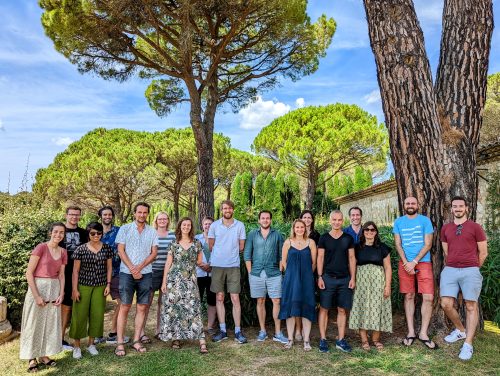
igure 1: Students, speakers, and organizers pose for a group picture.
Figure 1: Students, speakers, and organizers pose for a group picture.

In Sweden, where the sun doesn’t go down in the summer, the science stays awake!

“57 students, 20 universities and research institutes, 24 nationalities and 1 common interest: learning more about omics approaches.”: tweeted Professor Silvia Remeseiro, which together with Professor Claudio Cantù and Professor Andreas Moor co-organized the first ever NMMP2022 Summer School in Transcriptomics during Development and Cancer in an amazing location of Sandvik Gård on June 27th-30th, 2022.

One of the intriguing features of the Summer School was a relatively low ratio between students and teachers. Ten top-notch scientists coming from all over Europe and beyond helped students dive into a broad range of fascinating topics from newest technologies in single cell transcriptomics to 3D organization of chromatin.

Science unlimited

The four-day program of the Summer School was packed with exciting lectures by keynote and invited speakers, insightful “meet the speaker” sessions providing a glimpse on the life of scientists, and opportunities to discuss students’ projects and questions that are driving them. The Summer School succeeded in bringing together scientists at different career stages from variety of fields inspiring one another.

Figure 2: Picture of the nearby lake taken by Dr. Pierfrancesco Pagella, one of the participants.

Students had the chance to listen to amazing lectures given by keynote speakers Prof. Sten Linnarsson, Prof. Johan Elf and Prof. Susan Mango, as well as the ones given by the invited speakers: Dr. Yonatan Stelzer, Prof. Anna Alemany, Dr. Shamit Soneji, Prof. Martin Mikl, Prof. Guillaume Andrey, Prof. Magda Bienko and Dr. George Hausmann.

Read more about about the speakers and organisers in the “Meet the speakers” paragraph later on this page!

Blurring the lines between dry and wet

Many biological questions require computational approaches to be explored in depth. Experimentalists have to find a common language with bioinformaticians and computational scientists and vice versa, which is not always an easy task. The organizers know it well and designed the program with the hope to generate ample opportunities for “wet” and “dry” scientists to exchange ideas and discuss how to build a bridge between these two domains. Indeed, according to the poll (Fig. 3), the participants had diverse experiences from “dry” and “wet” lab, and almost a fifth was open to transition.

Figure 3: Poll showing percentage of participants coming from dry, wet or mixed labs. Generated with menti.com during the Summer School.

One of the ways to find a common language is to try to explain our projects to researchers outside of our immediate niche. The students tried this during a new poster session format: the “Non-poster” poster session. For two and a half hours, the students divided into small groups presented their posters and provided feedback to each other. The fun part: the projects were as different as it gets. The students left the poster session energized, inspired and willing to try new approaches to their problems. The only complaint they had: “We were enjoying it too much! Two hours and a half were not enough!”. We are sure organizers will take a note for the next edition of the Summer School.

Figure 4: Participants, around the pool of Sandvik Gård, discussing their impressions after the “Non-poster” poster session.
Picture taken by Professor Claudio Cantù.

A dive into data

The science at the Summer School was at the top of innovation. For example, students got to hear about a new, fresh from the press, scRNA-seq technology VASAsequencing by Prof. Anna Alemany. Many students presented their projects on developing the technology of the future we are looking forward to putting in practice one day.
Perhaps one of the most immersive experiences of the future of transcriptomics data analysis was provided by Dr. Shamit Soneji and his team that developed CellexalVR software. Using virtual reality, students were able to literally dive into single-cell data and visualize the data with a whole new perspective!

Figure 5: Dr. Shamit Soneji (on the right) explaining how CellexalVR works with the help of Oscar Legetth (on the left), software engineer in his research group.
Picture taken by Dr. Pierfrancesco Pagella.

Technology has its place in biological research

One could argue that recent fancy technological developments push us paradoxically further away from answering biological questions. Recently, this topic ignited a vivid debate on the Node platform and Twitter. The Summer School was a perfect place to continue discussing this topic as it united biologists experimentalists on one hand and technology fans on the other. Prof. Magda Bienko, avid fan of technological advances and pioneer in understanding the 3D organization of chromatin, added an interesting angle to the debate. We should give enough time for the technology to be developed fully, so all its caveats are addressed before we use it to answer a biological question. If we do it too early, we risk overinterpretation of the results, confusion and mistrust in technology. Technology has a great promise to help us understand the world around us, but we should not rush the process and trust that it will deliver once optimized properly.

Consequently, we witnessed a couple of “conversions” of pure experimentalists willing to give a new technology a try: “Before the Summer School, I saw technology as something that brings me away from the lab work, losing contact with the magic of seeing biology unfolding in front of your eyes. But I realized that technology is just a wonderful mean to get a deeper insight into biological mechanisms. Now I can’t wait to go back and put my hands on one of these amazing tools I learned about here!” stated one of the early-career-stage students.

Such realizations don’t come as a surprise given the keynote and invited speakers are leaders in the leveraging technological advances to gain insights into biology and elicited great enthusiasm in all of the
students present at the Summer School with their talks.

Meet the speakers

Figure 6: Organizers, keynote and invited speakers with Universities and Institutes of origin. Picture created with Inkscape by Valeria Ghezzi.
  • Prof. Sten Linnarsson’s work is shaping the transcriptomics field and transforming our view of the multitude of cells type that emerge during animal development. With his group, he crafted new ways to identify secret messages hidden within transcriptomics datasets.
  • The work of Prof. Johan Elf is bringing the gene regulation field into a new dimension, as it is producing quantitative physical models and biological observations that, when merged, enable to determinate the real behavior of molecules.
  • The contributions of Prof. Susan Mango and her group are incredible: from identifying master regulators that shape cell fate, to the compelling and almost counteracting notion that variable environmental conditions play a non-negligible role on developmental trajectories. She is transforming C. elegans into a star of developmental biology.
  • Dr. Yonatan Stelzer’s group is implementing and developing cutting-edge genome- and epigenomeediting tools together with sophisticated epigenetic and gene expression reporters on embryonic stem cells and developing mice.
  • Prof. Anna Alemany‘s training and scientific production position her work among the emerging stars in the field of single-cell transcription, and how this can be used to understand cell-fate commitment. She contributed to developing a new scRNA-seq technology – VASAseq – that gives high throughput
    full gene body read-out with single cell resolution.
  • Dr. Shamit Soneji’s group is developing analytical pipelines in a new dimension: they recently developed Virtual Reality tools to navigate and analyse most sophisticated datasets. Among these tools, CellexalVR is a platform for visualisation and analysis of single-cell gene expression data.
  • Prof. Martin Mikl works on generating new ways to identify, in a high-throughput and standardized manner, the rules that govern mRNA function and localization.
  • Prof. Guillaume Andrey is an emerging leader in the field of the 3D genome, he focuses on the ideological and conceptual innovation of how the genome could be regulated in 3D in addition to the DNA sequence.
  • Prof. Magda Bienko developed GPseq: a new creative technique that allows mapping the radial organization of the human genome, revealing new patterns of genomic and epigenomic features, gene expression, and activity compartmentalization.
  • Dr. George Hausmann has an enviable scientific experience and writing dexterity: the entire Department of Molecular Life Science in Zurich competes with his time for help or consultation on manuscript design, writing and perfectionism.

Organizers:

  • Prof. Claudio Cantù’s Lab, at Linköping University, is focused on discovering the mechanisms of genome regulation that drive specialization during embryonic development using sophisticated tools, from mouse genetics to high-throughput state-of-the-art biochemical approaches. The group is focused on the so-called ‘Wnt signalling pathway’, a molecular cascade important for virtually all aspects of development, and whose deregulation causes human malformations and several forms of aggressive cancers.
  • Prof. Silvia Remeseiro works as a Wallenberg Molecular Medicine Fellow in Umeå University. Her group is mainly focused on how the reprogramming of regulatory regions and topological changes in 3D chromatin organization determine gene dysregulation in glioblastoma, and how this subsequently contributes to malignancy, heterogeneity and invasiveness.
  • Prof. Andreas Moor works at the Department of Biosystems Science and Engineer, at ETH Zurich, focusing on exploring the way in which single cells collaborate within tissues to achieve their common functions. His group makes use of quantitative approaches to study cellular and subcellular heterogeneity while preserving information about the spatial tissue context.

Future is in good hands

The Summer School was a dream come true for the organizers Claudio Cantù, Silvia Remeseiro and Andreas Moor, finally taking place after the delay caused by the pandemic. Their hope was to provide similar experiences, that shaped their scientific thinking when they were trainees, to a next generation.

Probably, even their wild imagination was exceeded by the success of this edition of the Summer School: 56 students from all over Europe and one, Vasikar Murugapoopathy, from McGill University in Canada, thanks to a travel grant offered by Antibodies online GmbH.

Figure 7: Countries where the participants are based, with the number of participants stated in each flag. Picture created with Inkscape by Valeria Ghezzi.

High quality of student talks, their engagement and drive to discuss science till late hours impressed the tutors.

When Prof. Susan Mango was asked to describe the Summer School in one word, she answered: “My word would have been STUDENTS. They were great – very interactive, smart questions. A really good lot”.

Prof. Anna Alemany later revealed: “It was really motivating, from the speaker point of view, to discuss the different aspects of science during lunch, coffee breaks, and walks around the lake. The motivation was contagious, I am sure this group of people will achieve anything they want!”.

It looks like the future of life science and molecular medicine is in good hands.

Figure 8: Hanzhao Zhang (on the left) and Alek Gordon Erickson (on the right) talking over Alek’s poster at 11.15 pm.
Picture taken by Prof. Claudio Cantù.

Shall we meet next year?

The Summer School was generously supported by a collaborative grant of The National molecular Medicine Fellows Program (NMMP) in Sweden awarded to the organizers Claudio Cantù and Silvia Remeseiro.

Both are part of NMMP network: 100 group leaders recruited to the Wallenberg Centers of Molecular Medicine, which is co-funded by SciLifeLab and Knut and Alice Wallenberg Foundation.

BioNordika and Antibodies online GmbH were the only two, carefully chosen additional sponsors.

Dr. Stefan Pellenz, accomplished scientist and currently product manager at Antibodies online GmbH,
shared his insights on how to profile the epigenome with CUT&RUN and CUT&Tag methods.

We hope the Summer School was not a one-time experience and organizers will be able to get support for the next edition.

With an amazing venue, new connections created, excitement shared about the future of science, participant enjoyed the Summer School so much that they unanimously voted for the next edition!

Want to be part of the future? Join the next edition on NMMP2022 Summer School in Transcriptomics!

Get in touch with us:

Claudio Cantù

Silvia Resemeiro

Andreas Moor

Wallenberg Centre For Molecular Medicine (Linköping)

Knut och Alice Wallenbergs Stiftelse

National Molecular Medicine Programme

HELP US SPREAD THE VOICE! #NMMPschool2022

https://twitter.com/GianlucaZamba/status/1542517390516187137
https://twitter.com/martinjmikl/status/1542480633330638849
https://twitter.com/Eva_RodriguezM/status/1542785274203217920
https://twitter.com/raquelgarza95/status/1542575784501678083
Thumbs up (2 votes)
Loading...

Tags: , , ,
Categories: Uncategorized

Featured Resource: FlyBase

Posted by , on 18 July 2022

Doing great science depends on teamwork, whether this is within the lab or in collaboration with other labs. However, sometimes the resources that support our work can be overlooked. Our ‘Featured resource’ series aims to shine a light on these unsung heroes of the science world. In our latest article, we hear from Vitor Trovisco (Curator at FlyBase) and others in the team, who describe the work of FlyBase.

Overview

FlyBase (flybase.org) is the primary knowledgebase and hub for genomic, genetic and functional data on the fruit fly, Drosophila melanogaster. FlyBase was established in 1992, following funding from the National Center for Human Genome Research of the NIH, USA [Ashburner M, 1994; The FlyBase Consortium, 1994], as an online database for information on the fruit fly’s genes and mutations that had previously been collated in the Red Book [Lindsley and Zimm, 1992], and has since accompanied the constant advances in genomics and genetics. Nowadays, FlyBase hosts a comprehensive and ever-growing collection of data curated from large scale projects to primary research publications, which include gene models, expression patterns and function, alleles and transgenic constructs, phenotypes, genetic and physical interactions, disease models, gene groups, large datasets, fly stocks and other reagents. Additionally, FlyBase hosts many linkouts to external resources, particularly those from which it draws data (e.g. UniProt, NCBI, FlyAtlas/2) and several which provide reagents and advanced research tools for fly research (e.g., fly stock centres, DNA clones, Drosophila RNAi Screening Center). Find a comprehensive list of external resources here.

People behind FlyBase

FlyBase is an international consortium of biocurators and IT developers based at Harvard University (USA), Indiana University (USA), the University of New Mexico (USA) and the University of Cambridge (UK). Harvard hosts the IT developers in charge of the database infrastructure, and the team of curators responsible for genomic features, gene models, expression patterns, disease models and physical interactions. Indiana hosts the IT developers entrusted with the website and its query tools. Cambridge hosts the team of curators in charge of genetic entities, phenotypes and genetic interactions, functional data (GO), neuronal gene expression patterns (with VFB), single cell expression data, and ontologies. The team at New Mexico contributes to general curation and physical interactions curation. For the full team, see here

FlyBase also enjoys great support from its external scientific advisory board, which includes Drosophila researchers and representatives of other genomic databases.

Collaborations

Alliance

FlyBase is part of the Alliance of Genome Resources consortium (the Alliance), together with 5 other model organism genomics databases (Saccharomyces Genome Database, WormBase, Mouse Genome Database, the Zebrafish Information Network, Rat Genome Database) and the Gene Ontology Resource [Alliance of Genome Resources Consortium, 2022]. The Alliance aims to provide better comparative biology data and tools, by bringing together, harmonising and leveraging cross-species genetics and genomics data. As part of the Alliance, FlyBase contributes to and benefits from this improved integration to the advantage of the wider biomedical field.

Virtual Fly Brain

FlyBase is closely intertwined with Virtual Fly Brain (VFB), an interactive web-based tool for neurobiologists. VFB facilitates the study of detailed neuroanatomy, neuron connectivity and expression data of Drosophila melanogaster. VFB aims to make it easier for researchers to find relevant anatomical information and reagents. VFB is a UK-based collaboration between the University of Edinburgh, the University of Cambridge/FlyBase, the MRC Laboratory of Molecular Biology and the EMBL-EBI. FlyBase collaborates in the curation of anatomical entities and transgene expression patterns and provides the transgene expression curation displayed by VFB. In the near future VFB will also provide gene expression summaries derived from single cell data.

Single Cell Expression Atlas

The EMBL-EBI’s Single Cell Expression Atlas initiative re-analyses and standardises publicly-available single cell RNA sequencing studies to make them more comparable and easier to interpret. Through its browser, users can easily visualise clusters of cells, their annotations, and search for gene expression patterns. Our collaboration has expedited the curation of fly datasets and their integration into FlyBase, through dataset report pages and cell type scRNAseq expression summary ribbons on the gene report pages. This work is closely coordinated with Virtual Fly Brain.

Funding

Since inception, FlyBase has had the extraordinary financial support of the National Human Genome Research Institute at the U.S. National Institutes of Health (NHGRI/NIH, currently U41HG000739), in the form of pluri-annual grants that assure FlyBase’s core operations: continual curation of published literature, maintenance and improvement of both the database infrastructure and website. FlyBase has also benefited from grants from other sources to integrate specific new data types. Currently these come from the US’s National Science Foundation (DBI-2035515, 2039324), the UK’s Wellcome Trust (PLM13398) and the UK’s Biotechnology and Biological Sciences Research Council (BBSRC, BB/T014008). Additionally, the UK’s Medical Research Council has provided ongoing funding for gene function annotation since 1996 (currently MR/N030117/1). Despite its continual support, NHGRI/NIH has had to impose significant funding cuts in recent years, putting FlyBase and other model organism genomic databases under some financial strain [Bellen, 2021]. In the face of this and in order to continue providing a high standard of service, FlyBase has had to resort to crowd-funding from the Drosophila research community in the form of annual user fees. Researchers around the world have been extremely generous and their contributions have lessened the impact of the cuts. 

Resource overview and highlights

Most data in FlyBase is organised into a series of report pages, corresponding to different data classes (e.g. gene, allele, aberration, dataset), each hosting different types of information. For example, the report page for a given gene displays its associated phenotypes, expression patterns, disease models, and functional data (GO) amongst other data. Each type of data is organised as annotation entries, frequently in table format. 

Data are available at different scales to cater to all kinds of users, from the occasional user to the power user – see [Larkin, 2021; Gramates, 2022]. For the most frequent piecemeal use case, the ‘Quick search’ and ‘Jump-to-gene'(J2G) tools allow finding and navigating to individual report pages (see figure). For higher level data-mining there is an array of query tools to explore, such as Batch Download, QueryBuilder, CytoSearch and Feature Mapper (links under ‘Tools’ in the navigation bar). Power users can explore an array of APIs, download precomputed files with the full dataset of several classes of data, and even get hold of the whole database (links under ‘Downloads’ in the navigation bar). Below are a few recent additions.

Interactive HitLists

Most FlyBase tools retrieve their results as Interactive HitLists, or can convert them into HitLists via an “Export to HitList” option, which allow users to view, analyse and export results (see figure). For example, results can be filtered by species or data type. Selecting a single data class allows conversion between associated data types (e.g. genes to alleles) and analysing results by type (e.g. aberrations by mutagen type). Processed results can then be exported as a downloaded file, as a new HitList, or to other tools.

‘Gene groups and pathways’ report pages

These recent additions to FlyBase present sets of related genes, connected by their membership to the same signalling pathway (Pathway reports) or macromolecular complex, or by sharing a common molecular function or biological role (Gene Groups)(see figure). The assembly of these gene sets is based on their underlying GO annotations, which were systematically reviewed from a wide range of sources to ensure accuracy and findability. Gene groups are hierarchical. For example, the “ENZYMES” gene group hosts the “OXIDOREDUCTASES”, “TRANSFERASES”, “HYDROLASES”, “LYASES”, “ISOMERASES”, “LIGASES” and “TRANSLOCASES” child groups, and each of these have their own child groups. Pathway members are organised into “core” members, “positive regulators”, “negative regulators” and “ligand production” members. Gene group and pathway report pages also display GO ribbon stacks, which allow for a quick visual comparison of the group members’ function (see figure).

Diagram showing navigation through FlyBase

Experimental tools

‘Experimental tool’ data was introduced to help users find alleles and transgenes with particular characteristics. We define experimental tools as commonly used sequences with useful properties that are exploited to study the biological function of another gene product or a biological process. Examples of different types of experimental tool include those that enable a gene product to be detected (e.g. the FLAG tag, EGFP, mCherry), target a gene product somewhere specific within a cell (e.g. mitochondrial targeting sequence), drive expression in a binary system (e.g. UAS, GAL4) or are used to modify cellular activity (e.g. to inhibit/activate neurons). As new alleles and transgenes are added to the database, they are also linked to any relevant experimental tools, building up a picture of what they are made of. This allows users to easily browse and search for fly stocks with particular properties (e.g. all EGFP-tagged transgenes of their gene of interest).

User support

FlyBase is rooted in the collaborative spirit of the Drosophila research community and good communication is crucial to continue providing a high standard of service. For that, FlyBase sends a couple of surveys a year to the FlyBase Community Advisory Group, which is made up of volunteer users at any career stage, from any biology field, and at any level of expertise on the database resources. Anyone can join by following the link under ‘Community’ in the navigation bar. The surveys try to gauge the level of usage and satisfaction of certain tools and what features could be added or eliminated, and are used to inform the focus of FlyBase resource development.

The query tools and data display are designed to be intuitive, supported by clear help pages. Video tutorials and ‘Tweetorials’ are available for many tools and resources, particularly if new, revamped or heavily used (see full list here).

For more direct interactions with the community, FlyBase tries to be present at major international conferences, such as the US Annual Drosophila Research Conference and the European Drosophila Research Conference. And FlyBase always welcomes suggestions, enquiries and corrections via our 

Helpmail (link at the bottom of every page). These messages are read by everyone in the team, so that they can be addressed by the most suitable people.

Help from users

The fly research community has always been extremely supportive and can continue to do so at many levels. In addition to the financial support mentioned above, it is highly important and appreciated if users cite FlyBase whenever possible in articles, presentations and funding applications (citation link at the bottom of every webpage). These acknowledgements make FlyBase’s impact on research more tangible and specifically the article citations provide metrics that can be used for funding applications.

‘Gene snapshot’ summaries

FlyBase welcomes expert researchers to contribute ’Gene Snapshot’ summaries for their favourite genes. These provide a quick overview of the function of a gene’s product, based on key points solicited by FlyBase, and are reviewed by curators.

Help from authors 

Authors can also contribute in several ways to simplify the curation of their articles, ultimately allowing their data to be more quickly available on the website. 

When you write your paper…

Clear, detailed and accurate descriptions of the experiments and resources minimises the curation effort and reduces the need to contact the authors. Articles should mention official FlyBase identifiers and nomenclature for entities such as genes, alleles, stocks and anatomical structures and should specify the molecular details of newly created alleles. 

Once your paper is published…

When a research or review paper is published, authors should get an email from FlyBase asking for their help by filling in the Fast-Track Your Paper (FTYP) form. It requests authors to add the genes their articles focus on, which will become ready to display the next release, and minimal information on the types of experiments performed, which triages and helps prioritise the article for further curation.

Occasionally FlyBase has to send emails with clarification requests. Replying to these queries is greatly appreciated, as it allows for a more complete and accurate capture of the published data and makes it more readily available for display. 

Bibliography

Alliance of Genome Resources Consortium. Harmonizing model organism data in the Alliance of Genome Resources. Genetics. 2022 Apr 4;220(4):iyac022.

Ashburner M, Drysdale R. FlyBase–the Drosophila genetic database. Development. 1994 Jul;120(7):2077-9.

Bellen HJ, Hubbard EJA, Lehmann R, Madhani HD, Solnica-Krezel L, Southard-Smith EM. Model organism databases are in jeopardy. Development. 2021 Oct 1;148(19):dev200193.

Gramates LS, Agapite J, Attrill H, Calvi BR, Crosby MA, Dos Santos G, Goodman JL, Goutte-Gattat D, Jenkins VK, Kaufman T, Larkin A, Matthews BB, Millburn G, Strelets VB. FlyBase: a guided tour of highlighted features. Genetics. 2022 Apr 4;220(4):iyac035.

Larkin A, Marygold SJ, Antonazzo G, Attrill H, Dos Santos G, Garapati PV, Goodman JL, Gramates LS, Millburn G, Strelets VB, Tabone CJ, Thurmond J; FlyBase Consortium. FlyBase: updates to the Drosophila melanogaster knowledge base. Nucleic Acids Res. 2021 Jan 8;49(D1):D899-D907.

Lindsley, Zimm. The Genome of Drosophila melanogaster. Academic Press, 1992.

The FlyBase Consortium. FlyBase–the Drosophila database. Nucleic Acids Res. 1994 Sep;22(17):3456-8.

Thumbs up (1 votes)
Loading...

Tags:
Categories: Resources