A post is available on a BBSRC funded project to examine the functional role of Nanog and downstream target genes during primordial germ cell (PGC) development. We have shown that Nanog-null PGCs do not develop fully and this post will determine the residues within Nanog that mediate function, test the possibility that the Nanog target gene Esrrb can rescue Nanog-null PGC function and explore the PGC-specific role of other Nanog targets. Post holder will have (or shortly obtain) a Ph.D. in Development or Stem Cell Biology and a keen interest in understanding how cell identity is controlled. You should be familiar with gene targeting, techniques for high throughput RNA analysis and be able to perform immunofluorescence and QPCR. An ability to culture EpiSCs, potentially differentiating cells to PGC-like cells is desirable, as is the ability to isolate in vivo PGCs. Post is full-time and fixed term for up to 36 months.
£30,424 – £36,298 pa
Vacancy ref: 022449
Deadline for applications is Monday 16th December 2013
A full job description and details of how to apply can be found on The University of Edinburgh website at: https://www.vacancies.ed.ac.uk
We are looking for: Enthusiastic researchers with a BSc or Master Degree in biomedical sciences with interest in Developmental Neurobiology. Good academic records are required. Good spoken and written command of English
We offer: A highly multidisciplinary and competitive training programme in biomedical research. Access to state-of-the-art infrastructures.
The selected candidate will investigate the role of extracellular signals and the genetic networks that control cell numbers, cell identity and cell shape changes during the embryonic development of the neural tube, using live-imaging, cell- and molecular biology in two animal model chick and zebrafish embryos
Those interested please send CV, a cover letter justifying the interest of the applicant in the project to emgbmc@ibmb.csic.es
Memory impairment and age-related “brain decline” is a topic to which anyone relates to, a topic of great interest for both the scientific community and our aging population. So, imagine my curiosity and excitement when I came across this title: “Loss of dickkopf-1 restores neurogenesis in old age and counteracts cognitive decline”…luckily the paper also contained a pretty picture!
Neurogenesis is the process by which new neurons are formed from neural stem cells. Neural stem cells give rise to progenitors that proliferate before giving rise to newborn neurons. Understanding molecular mechanisms involved in this process is very important since it could help us understand how our brains age but also how things go wrong in complex neurodegenerative diseases such as Alzheimer’s disease.
In a recent study published in Cell Stem Cell, Seib and colleagues used genetic engineering in order to induce the loss of the protein dickkopf-1 (dkk1) specifically in neural progenitors in the adult mouse brain. They show that when Dkk1 is “switched off” in neural progenitors, there is an increased production of immature neurons, which then produce mature neurons with more complex morphology.
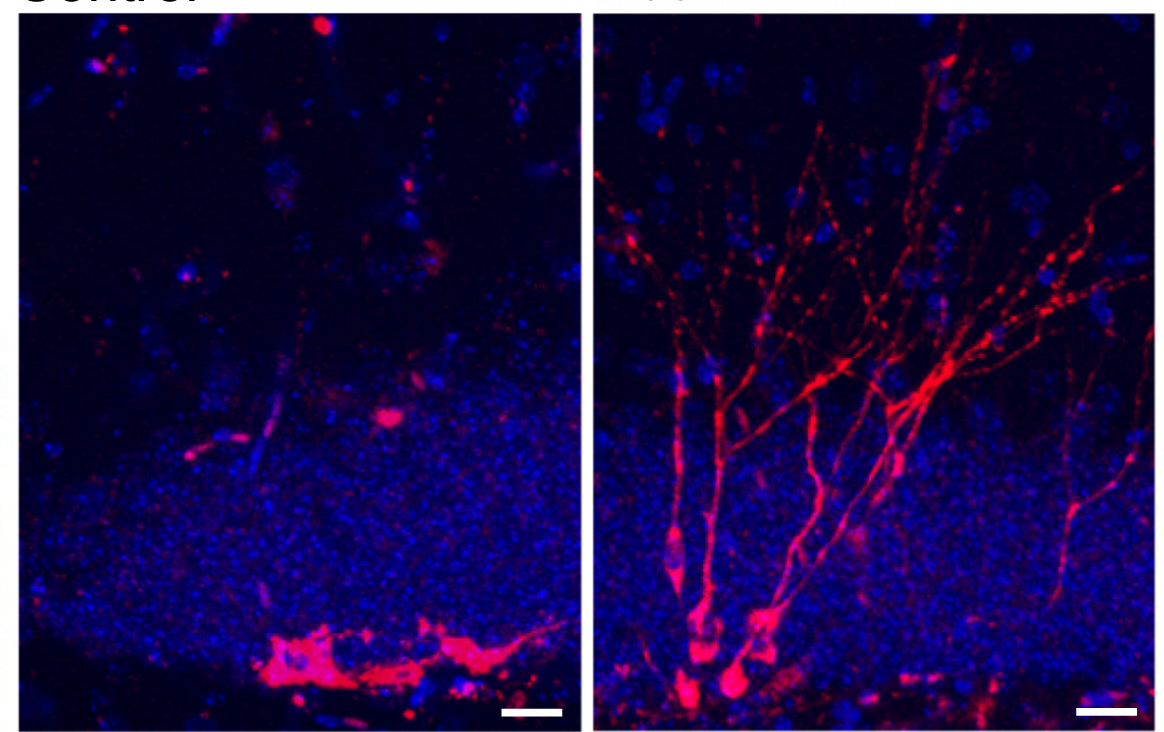
In the left panel of this picture, one can observe newborn neurons (marked by the protein doublecortin DCX in red) from a regular old mouse brain. On the right are newborn neurons from an old mouse brain in which Dkk1 has been switched-off in neural progenitors. Since they can see more dendrites (the branched connections of a neuron that conduct electrical signals) on the right panel, the authors conclude that the loss of Dkk1 leads to the production of neurons with more complex morphology.
They also show that the loss of Dkk1 in old mice is correlated with an increase in spatial memory and a better affective behavior! Even better, the spatial working memory and the memory consolidation is back to similar levels as young animals!
Unfortunately, switching off Dkk1 to “restore neurogenesis and counteract cognitive decline” is far from being applicable to humans. However, studies like these build our understanding on how our brains work…and the more we understand the better we will get at curing complex diseases.
Picture credit:
Seib, D. R., Corsini, N. S., Ellwanger, K., Plaas, C., Mateos, A., Pitzer, C., Niehrs, C., Celikel, T. and Martin-Villalba, A. (2013) ‘Loss of Dickkopf-1 restores neurogenesis in old age and counteracts cognitive decline’, Cell Stem Cell 12(2): 204-14. doi: 10.1016/j.stem.2012.11.010.
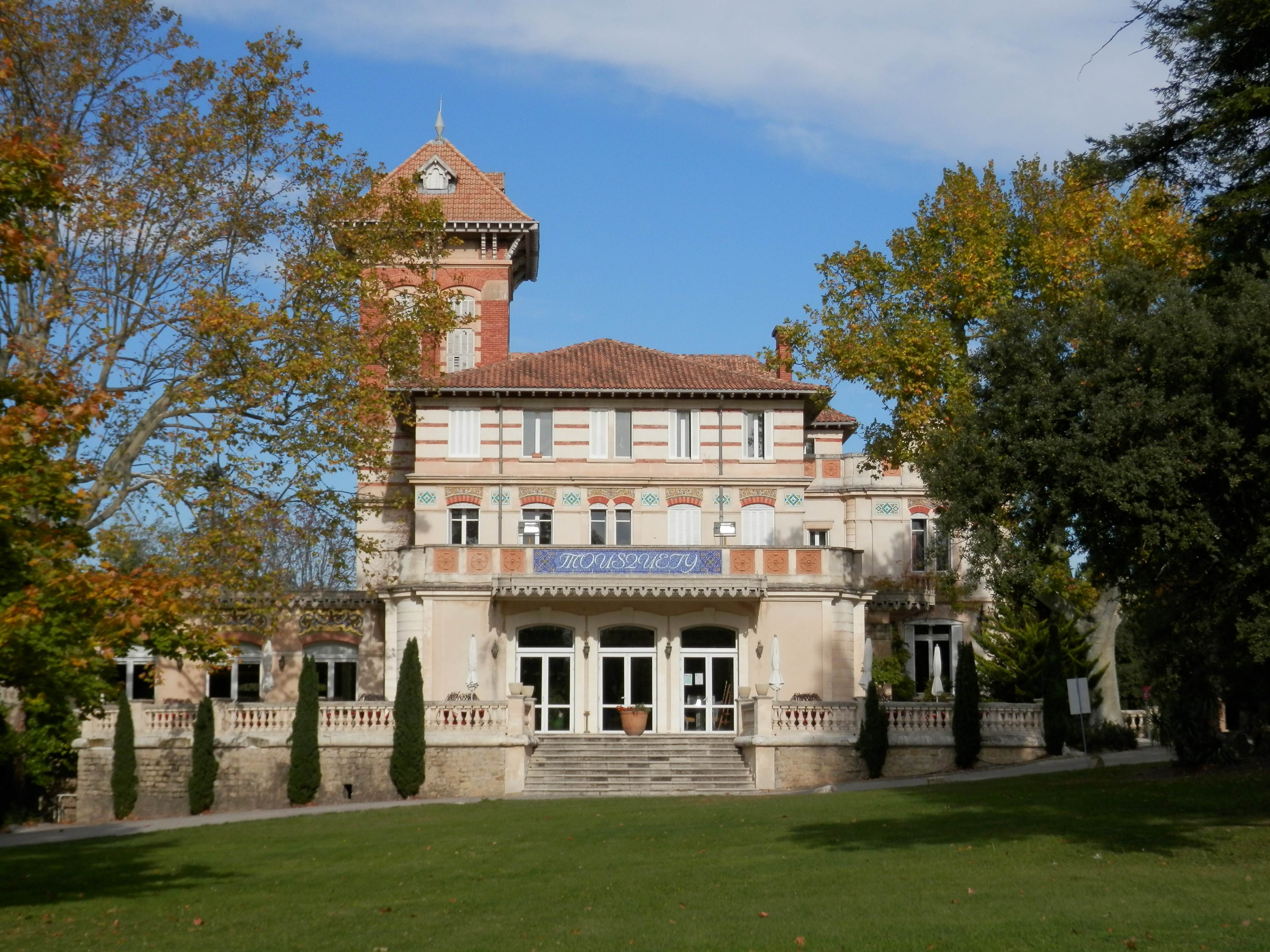
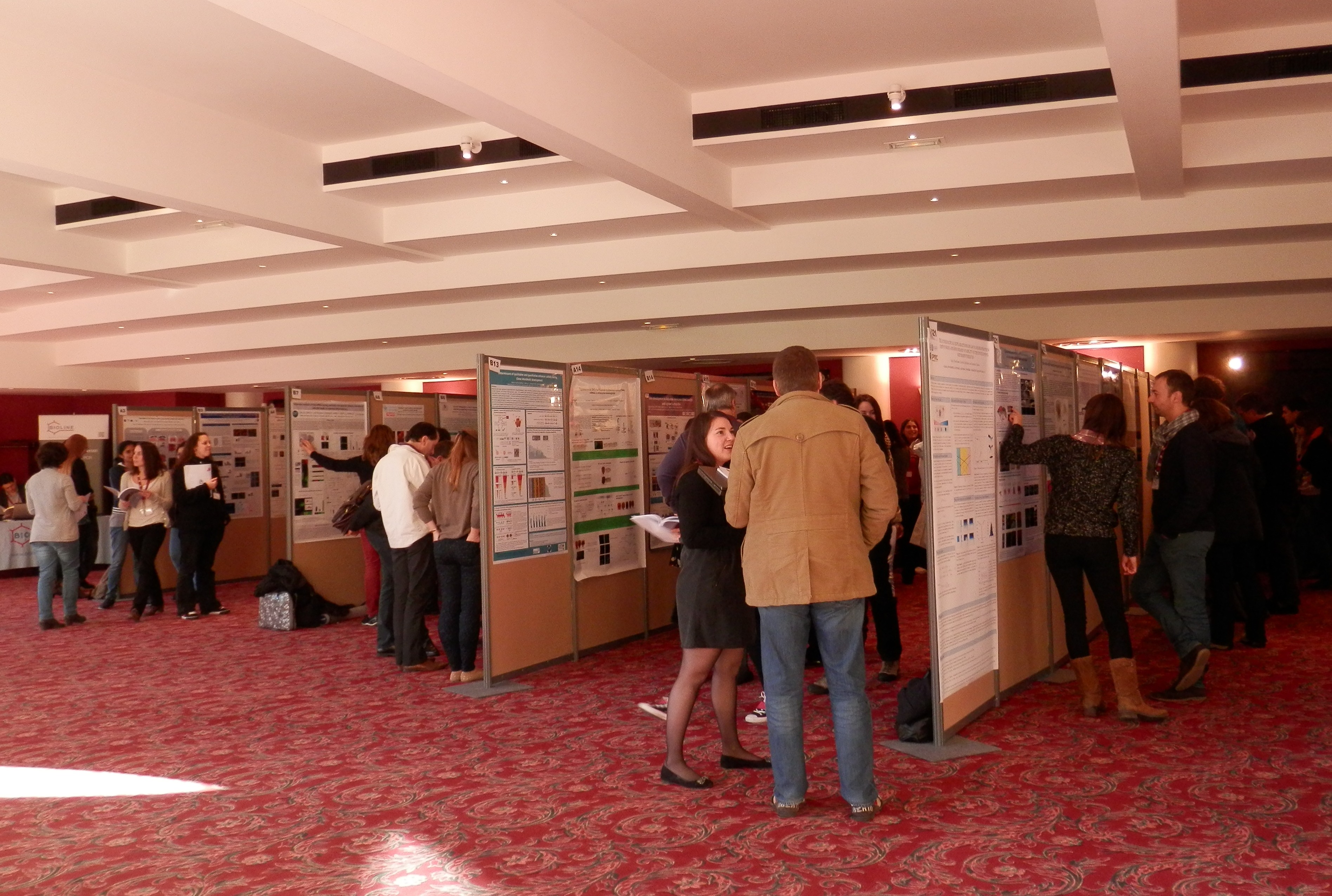
The first joint meeting of the French Society for Developmental Biology and the French Society of Genetics took place close to Avignon, in Isle sur la Sorgue, between the 12th and the 15th of November. This small meeting was a great chance to hear about the interesting developmental biology going on in France, and to talk with the scientists in the French community. The conference venue- a nice holiday resort away from the centre of Avignon- was ideal for this, encouraging people to stay in the venue and interact during the breaks.
Joint meetings are very interesting, as they highlight the overlap and synergy between fields. The connections between developmental biology and genetics were highlighted, for example, in the first opening lecture, by Patrick Lemaire (CRBM, Montpellier). His lab is attempting to understand how different ascidian species can have very similar morphologies and developmental stages while diverging in genome sequence, by comparing genome architecture and regulatory sequences across species.
The next 2 days of the conference were divided into different sessions. It is not possible to summarise all the talks, so I will highlight only a few. The first session was on the epigenetics of development. One of the highlights in this session was the talk by Olivier Voinnet (ETH Zurich) who considered how plants are able to silence transposons by analyzing the behavior of the reactivated transposon Évadé. He showed how Évadé is perceived as an RNA virus by the plant, but is able to evade silencing until a threshold of the virus RNA is reached, leading to promoter methylation and silencing. The second session of the conference was on germ cells, meiosis and early developmental decisions. In this session, Jean René Huynh (Institute Curie) explored how chromosome pairing takes place in meiosis in Drosophila, while Marine Poulain (INSERM CEA) presented her work investigating the role of DMRTA2 in the female ovaries using xenografts of human fetal ovaries in mice.
The second full day of the conference kicked off with a session on genome dynamics and evolution. In this session Jean Deutsch (UPMC CNRS) used his slot for a philosophical discussion of why we must revisit the traditional definition of ‘gene’ in light of the discoveries in the last few decades. Jean has written an article about this topic for the French edition of Scientific American, which you can read here [in French]. Also in this session, Guillaume Balavoine (Institut Jacques Monod) introduced the marine annelid Platynereis as an interesting model system in which to study segmentation, while Nicolas Gompel (LMU Munich) explored the genetics behind the emergence and diversification of wing patterns in Drosophila. In the Signalling and Gene network sessions, Corinne Houart (King’s College London) presented her group’s work.on the signaling centres involved in regulating the size and complexity of the forebrain. Also in this session Pierre Leopold (IBV Nice) considered how organ growth and developmental timings are coordinated in Drosophila.
The last day of the conference started with a talk by Emmanuelle Szenker, the winner of the French Society for Developmental Biology PhD Thesis Award, who examined the roles of histone variants H3.2 and H3.3 during frog development during her PhD.
The conference concluded in style with 3 great talks in a session dedicated to new approaches and challenges in development and genetics. Frank Schnorrer (MPI Munich) presented work from his lab investigating how flight muscle morphogenesis takes place, using a combination of techniques, including beautiful microscopy, RNAi and microarrays. He also introduced his current collaborative project to generate a comprehensive, genome-wise library of tagged Drosophila proteins within their native genomic context. Eileen Furlong (EMBL Heidelberg) described how her lab is assessing the 3D organization of enhancers in the genome, and how these physical connections change during development. The conference concluded with an excellent talk by Feng Zhang (MIT). Feng first described the development and applications of CRISPR technology. He then moved on to present a new method to control epigenetic states by combining optogenetics technology with the microbial effector proteins TALEs.
It was great to attend this meeting and to be able to get a taste of the great science going on in France. We hope to have spread the word about the Node a little bit more, and hopefully have a greater participation of the French community on the Node in the future!
These are publicly accessible exhibitions that hold stalls designed to communicate specific areas of science to a lay audience. They tend to vary in terms of their content and the groups of people they are intended to engage with but will usually involve a series of organised events and stalls that communicate specific areas of science. One of the most widely known and well attended of these exhibitions is the The Royal Society Summer Science Exhibition. This is a week-long event with scientists from across the UK showing off some amazing work from all fields of science at the Royal Society in London. My personal highlights from this year were learning that a t-rex had feathers, that I’m not smarter than a zebra fish and just what on earth the Higgs boson actually is.
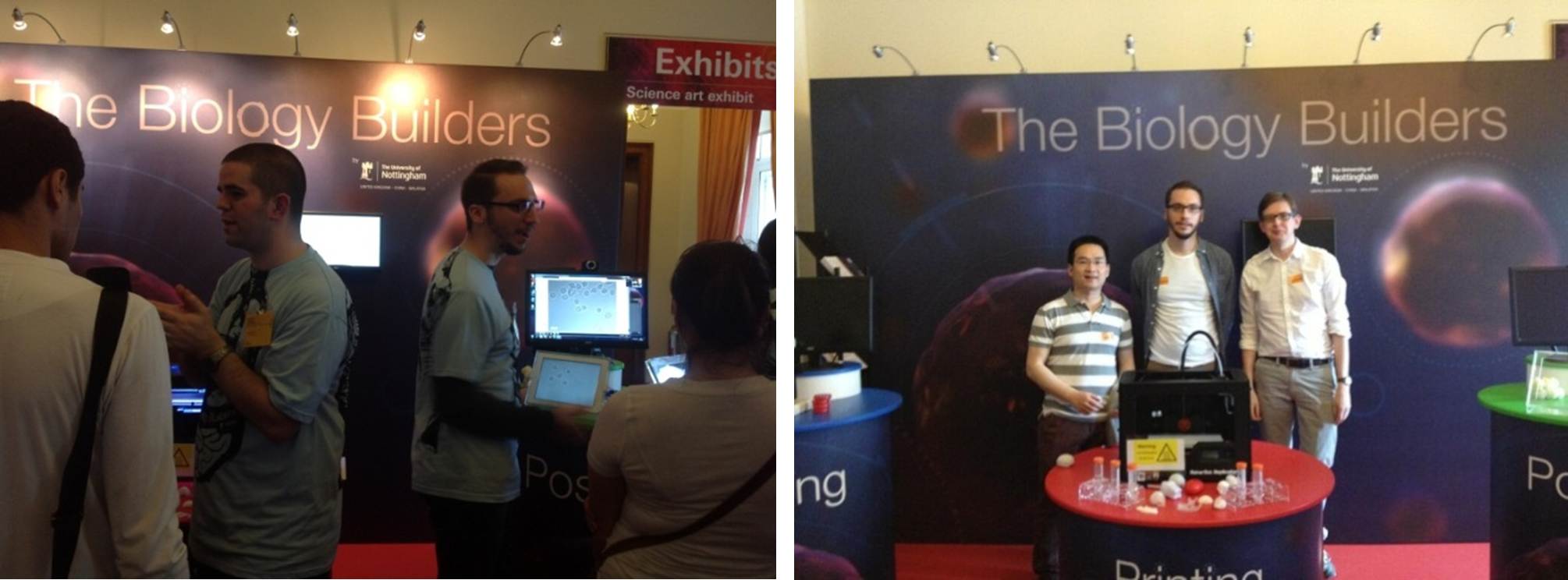
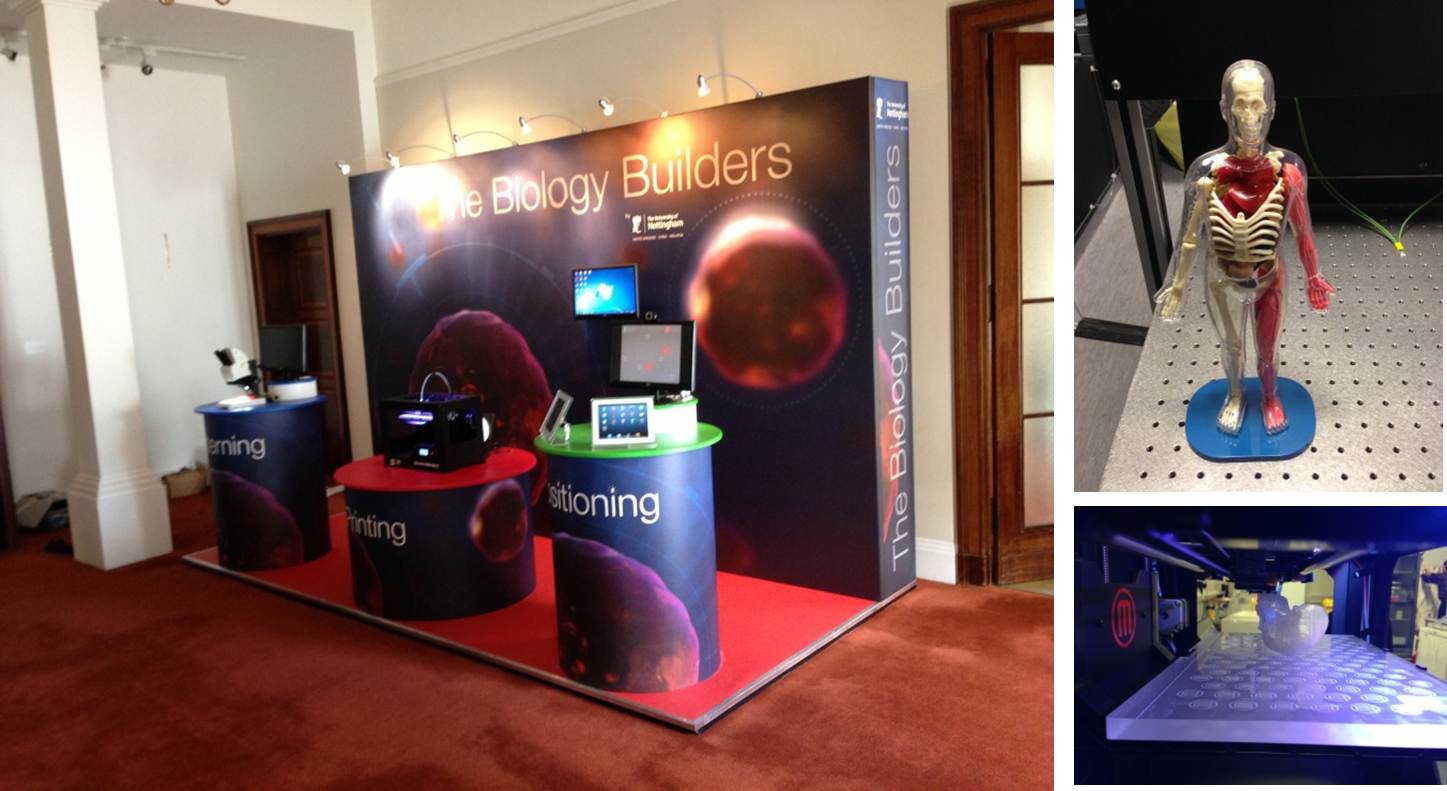
We were lucky enough to be granted the opportunity to show some of our work at this year’s exhibition and our stall was:
These types of exhibitions are designed to be fun, interactive and educational, demonstrating the amazing range and quality of science being performed in the UK. It is not only the physical stalls themselves that the public come to see but you, the person actually doing the work. Putting a face to the science is the best way to showcase it and the interactions that you have with the public can be some of the most rewarding you will ever have in your carrier.
Why are these events important?
First and foremost these events are about feeding back to the people who fund your work, the general public. The majority of the work we do as academic scientists is funded from public money in the form of taxation or donation and as the financiers these people have the right to know what their money is being spent on; and science exhibitions are designed to do just that. Communicating science to the general public is also becoming increasingly important to funding bodies and many are beginning to require public engagement strategies to be written into grant applications.
The personal experience of doing these events is highly rewarding and all members of our stall team thoroughly enjoyed the experience. Speaking with the public can give you a fresh perspective on what you do as well as reinforce to you as a person how important and valuable your work really is. We even had staff and students fighting over shifts so they could spend as much time on the stall as possible.
Some of the most valuable interactions we experienced involved young people and school groups. These young adults showed an incredible level of knowledge and enthusiasm not only for the science we discussed but us as scientists. This event provided an amazing opportunity to educate and inspire the next generation of scientist, breaking down the stereotypes of who scientists really are and what we do.
Getting started
The Royal Society Summer Science Exhibition is one of the biggest and most prestigious science outreach events in the UK and so when we first began to plan our stall we realised how important it would be to get experience with these types of events. We therefore decided to show a very simple stall at our Universities annual public outreach day called Mayfest. The experiences we gathered from this provided invaluable feedback on the basic design of our stall at the Royal Society and enabled us to try out a variety of different interactive elements to all age groups.
Even if you intend to only hold a small stall at such a local event it is always worth gaining some practical experience in speaking to the general public about your science before you hold your stall. Most organisations have some form of public outreach experience and it is worth seeking out those who run these activates within your institution. The best advice would of course be from someone who has run a stall of this kind but any advice or guidance they can offer would be invaluable.
There are many different aspects to running a stall of this kind ranging from design and construction to safeguarding vulnerable people during interactions with the public. Form an enthusiastic and hardworking team of people who work well together and most importantly plan meticulously. We were lucky enough to have a healthy budget for our exhibition stand but you can run a stall with almost any budget – you will amazed what you can beg and steal – but you can also seek funding from external sources.
Here are some links to UK based grant opportunities:
EPSRC and BBSRC: No longer have separate calls as they now require engagement within existing grant calls so speak to PI’s within your organisation about how a stall could satisfy their grant stipulations. They may be persuaded to part with some cash as a result.
Designing and building the stall for your audience
When we sat down and began to decide what the stall would be like the central questions we asked ourselves were; ‘what message are we trying to convey’ and ‘who are we delivering this message too’. The Royal Society exhibition covers all age ranges, from parents with very young children through to informed retired professionals visiting for the day and guided school groups. In terms of our message we had quite a complicated idea that would use three current technologies to demonstrate biological complexity during early development and how this could be rebuilt in a laboratory for future clinical therapies. You could have designed an entire stall around each of these but we decided to simplify and link them into a cohesive and exciting experience for the visitor.
Our stall ultimately consisted of a 3D printer in the central podium that produced large scale biological structures, allowing visitors to see the machine in action and interact with the printed objects. The podium to the left of the printer consisted of a microscope that allowed the visualisation of stem cells patterned using protein stencil technology. The third and final podium showed a live link to our laboratory in Nottingham allowing member of the public to position live stem cells using an optical tweezer system with the click of a mouse.
Once we knew who we were pitching at and the message we wanted to convey the next question was ‘how do we design the stall to deliver this message to all age ranges’. This was a real challenge particularly as the work we were trying to show covered everything from the physics of lasers to what a stem cell is. We rapidly realised that you cannot cover everything and that it may be necessary to sacrifice detail so that all visitors can have a fun and interesting experience whilst leaning something new about our science. Consequently the basic design was very simple with three podiums displaying the three technologies we were displaying with more detailed, simpler interactive objects to hand so that we could adapt to all age ranges and leaning abilities depending on need.
Would we recommend running a stall?
Absolutely! When we started this process we had never run a stall of this kind and the majority of the people who ultimately staffed the stall had never done any form of public engagement. Everyone thoroughly enjoyed the experience and if we can do it anyone can, so we would absolutely encourage all scientists to participate in science exhibitions.
It is often difficult to communicate how the organization of individual cells can affect later function, particularly with regard to early embryogenesis and the organization of embryonic stem cells. This activity allows a simple way of visualizing these processes to all age groups from any educational background. The activity is also fully interactive and is relatively inexpensive.
Which age group is this activity aimed at:
Any age group but is particularly useful for younger audiences.
Materials needed:
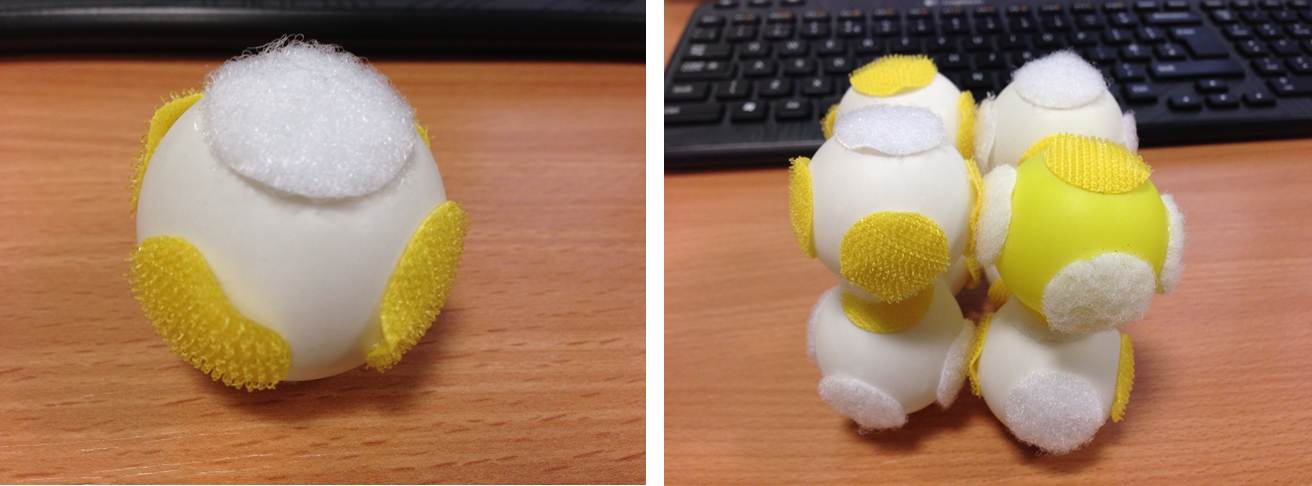
Ping-pong balls of at least two different colors and adhesive Velcro spots both hooks and loops.
Step-by-step instructions:
Take a ping pong ball and stick 4 adhesive Velcro hook spots on opposing sides, around the circumference. Then stick 2 adhesive loop spots on the remaining, opposing sides. On a new pin-pong ball do the same but use 4 x loops and 2 hooks. Repeat this process as many times as desired so that there are an equal number of each type of ball. You can also mix in different colored balls to represent cells at differing stages of development.
You can use these to illustrate how individual cells are organized in early embryonic structures by allowing your audience to build a 4 or 8 cell structure themselves as you explain the concepts. These aids are also useful when explaining embryonic stem cell aggregate structures and also how at different stages of development groups of differing cells can be organized into specific locations (colored ping-pong balls).
Tips
You can use these as a visual aid to describe principles to older audiences and give them to younger children to both entertain but also convey basic principles such as cell adhesion and cell organization. Make a lot of these as they tend to go missing.
Usain Bolt may be the fastest man alive, but which is the fastest cell? Since 2011 that the World Cell Race has been trying to answer this question. The motivation behind the competition is not only to find the fastest cell, but also to understand and discuss cell mobility. Cell movement is very important during development and the normal functioning of the organisms, but it can have very dramatic consequences when it goes astray, such as during metastasis in cancer.
Speed is not everything in this competition. The cells will need not only to be the fastest, but they also need to be ‘smartest’, as they will race through micro-fabricated mazes. Several labs around the world have submitted their best cell lines, and the overall winner will receive a 400 euros prize.
This year’s race is happening today (22nd of November) at 6pm GMT (1pm EST). The Race is taking place in Boston, at the BioMEMS Resource Center, and has been organized in collaboration between groups at Massachusetts General Hospital and Institute Curie in Paris. You can follow all the action on the World Cell Race website.
Let the fastest (and smartest) cell win! And if you enjoy this year’s competition, why not consider sending your fastest cells to participate in next year’s World Cell Race?
Hi I’m Steve and I work in the Sensory Development lab at the RIKEN Center for Developmental Biology in Kobe, Japan. We study the development of the chick inner ear. I haven’t always been in a chick lab – during my Ph.D. at The University of York I used Xenopus, so it was really nice to read Gary’s post. Looking back, I miss those slimy yet serene critters. Although at the time (as a poor PhD student) I would often get pretty jealous of all the care, attention, and, in particular, premium food they used to get. Especially when I was tucking into my staple Ph.D. meal, the supernoodle sandwich™. Anyway, enough of the reminiscing!
Chick-en you believe it?
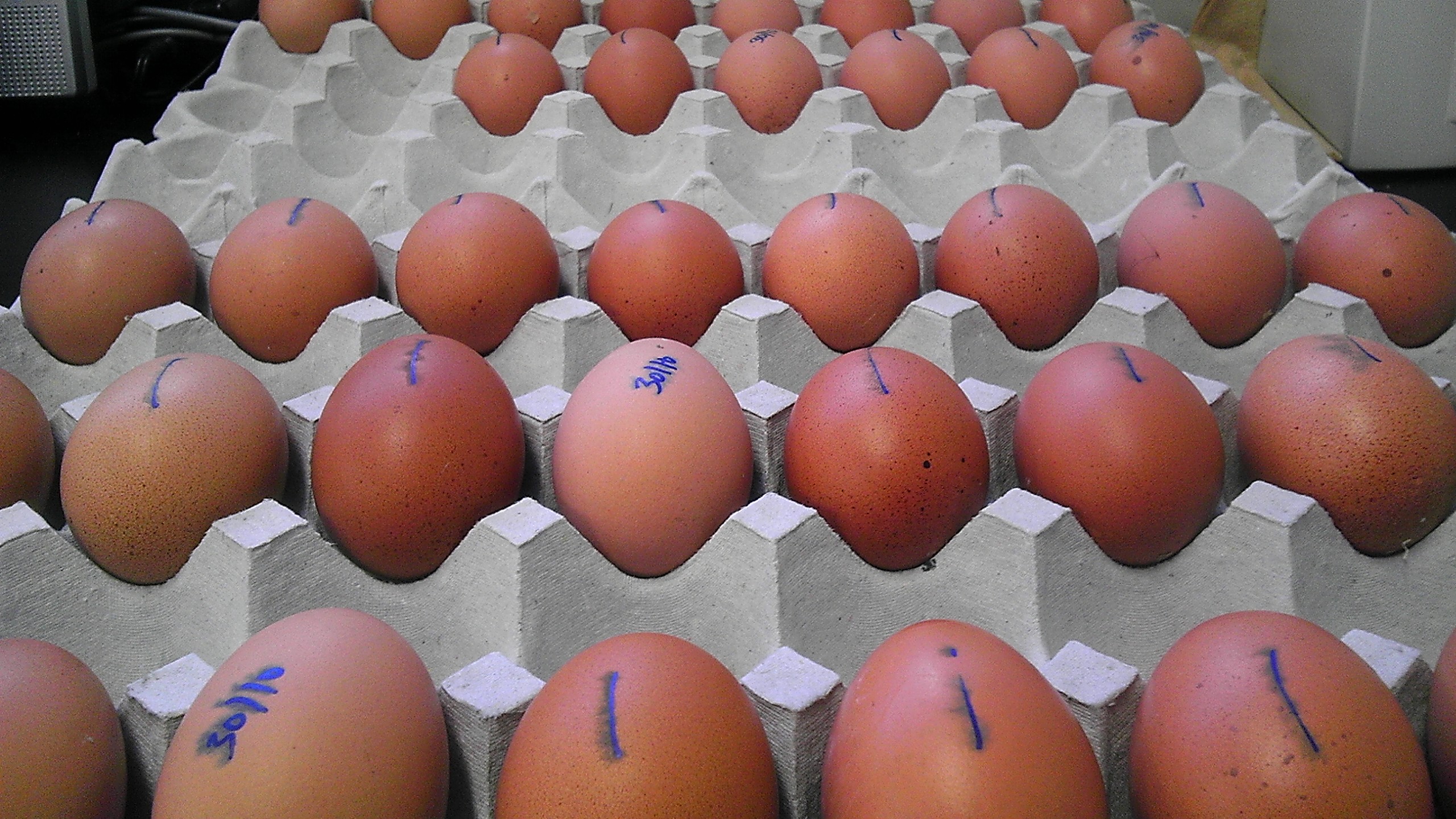
The chick is a brilliant and beautiful model system for studying the embryonic development, and in our case more specifically, the inner ear. Embryo husbandry could not be simpler, because the hen is thoughtful enough to pack everything the embryo needs to develop inside the egg. We simply buy fertilized eggs from a local farm, incubate them at 37°C, and hey presto, the embryos develop!
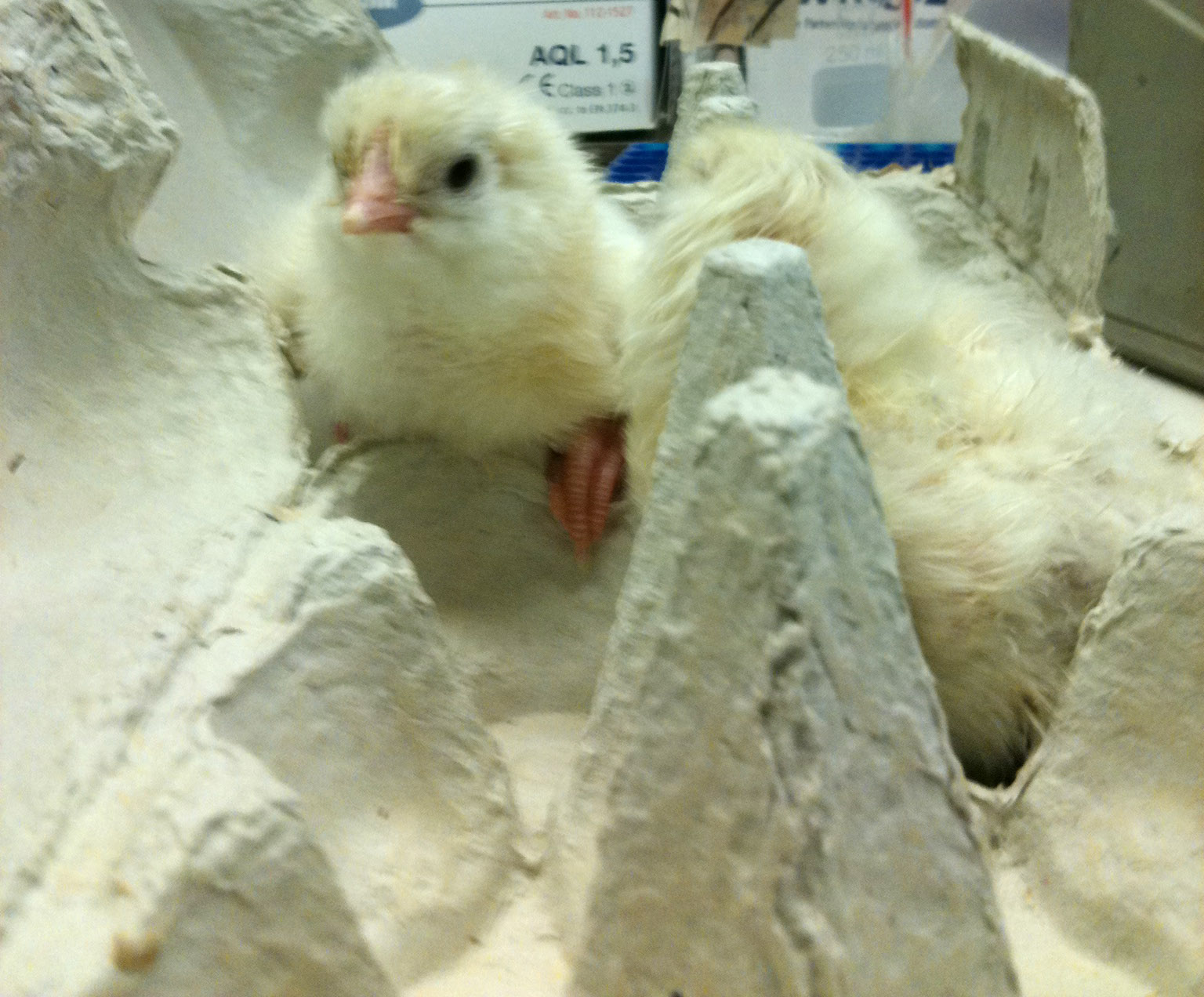
It takes 21 days for chicks to hatch, but luckily we don’t have to wait that long if we need chicks, because we can also order 20 day-old fertilized eggs that arrive ready to hatch. When hatching, the chick cuts through the top of the shell using its “egg tooth” and then shimmies out. This takes a lot of work, so the chicks are pretty exhausted afterwards and they often take a little nap. But once they recover they are soon up and at ‘em, hopping around and pecking for food.
Our hatched chicks reside in a special bird room where they live in large temperature controlled incubators complete with sawdust and shredded paper bedding, fresh clean water, and mix of cereal and seed for food. They get fresh bedding, food and water every day, and we are lucky to have a very attentive technician (she calls herself “Mama Hen”) who takes care great of them.
Access all areas.
Because chick embryos develop ex-utero, we have easy access to them from the very earliest stages of development. We put a small strip of sellotape along the shell, cut a window through it, and can access the embryo through this window as it develops on the surface of the yolk. This unlimited access is fantastic for us, because the inner ear is specified very early in development. To understand how these events occur, we need to be able to manipulate the system at these early stages. The chick system makes it easy to do so.
Spot the difference.
Mice are the kings when it comes to using a model system close to humans. So why bother using other systems at all? Well, one reason is that the differences between species can be just as important as the similarities. Birds, unlike mammals, can regenerate the hair cells of their inner ear, so for our lab this makes them a great system to use for researching the mechanisms that govern regeneration. We use hatched chicks up to around 3 weeks old to study regeneration. By focusing on the differences as well as they similarities between species we can gain an insight into what exactly are the key mechanisms that coordinate the regenerative process.
An egg-sample day – the morning.
Ok, no more puns, I promise. The first thing I do when I arrive in the morning is check the embryos already incubating from previous day’s experiments. It is important to keep the incubator as clean as possible, so we keep a keen eye out for any signs of infection and remove the offending eggs.
Next I will check to see if any fresh fertilized eggs have arrived for me. If so, I put them in a 14°C fridge. This arrests the embryos’ development, and allows me to have a better idea of their developmental time course when I come to incubate them at 37°C. Accurate timing is everything because we don’t have near limitless supplies of eggs. We receive egg deliveries twice a week, and you have to order your eggs a week in advance, so forward planning is critical. If you miss the stage you want, you have to wait until next weeks eggs arrive to start again.
After this, I usually start some electroporation experiments. I like to do these in the morning, for two reasons. Firstly, I am usually electroporating something that is GFP or RFP tagged, so a morning session means I can check for fluorescence just before I go home in the evening. Secondly, the ever-approaching lunchtime serves as good motivation to work quickly.
Our electroporation set up is in the main area of our lab, near to a gargantuan egg incubator and a darkroom for fluorescent microscopy. A common and somewhat surreal result of this set up is that I often find myself chatting with someone who has their head (and often most of their upper body) inside the incubator as they check their eggs. To increase the surreal stakes further, what appears to be a dismembered head will often join the conversation when someone who is working in the dark room sticks their head around the curtain to get involved. And of course I’m trying to talk with a mouth pipette for the electroporations in my mouth. Despite (or maybe because of) this, it is one of my favourite areas of the lab.
The afternoon
The afternoons are spent doing a variety of things, depending on what stage of the project I am at and what the priorities are. Often I am finishing up ongoing experiments, – doing some immunohistochemistry, some confocal microscopy, analyzing data, administering drug treatments, fixing samples, or doing some in situ hybridisations. Actually, on the subject of in situ’s, we have an “in situ robot”, which runs through most of the protocol autonomously, leaving us with the job of overseeing the final colour reaction. I’m pretty skeptical about this robot – something about which the rest of the lab enjoy mercilessly taking the mickey out of me. But I’ve seen the Terminator movies, and I know what happens when robots get too smart. This one hasn’t done anything other than produce beautiful gene expression patterns yet, but it is only a matter of time.
The day ends incubating some more eggs for the next set of experiments. This is probably the most dangerous time of the day for me. The fridge and the incubator are at opposite ends of the lab, so I run a nightly gauntlet from one to the other, precariously tippy toeing through the busy lab with trays of eggs in my hands. Each tray carries 24 eggs, and when you drop one (as I have many times over the years) it really sucks!
This post is part of a series on a day in the life of developmental biology labs working on different model organisms. You can read the introduction to the series here and read other posts in this series here.
Ever wondered how cells communicate with each other during brain development? What happens to cells which the body doesn’t need any longer? And how do scientists study the events that are going on inside the brain?
In the upcoming ELLS Webinar, EMBL group leader Francesca Peri looks at the brain’s phagocyting cells – the microglia – and explores how the newest imaging techniques help scientists to understand how the developing brain is protected from damage and injury.
To read more, watch the Webinar teaser and register for the FREE event, please follow this link.
Using Drosophila melanogaster, researchers at IRB Barcelona discover that during multiple cell migrations a single cell can act as leader, dragging the others with it.
_____________
The migration of groups of cells in order to form tissues is common during the development of an organism. Discovering how these multiple movements are achieved is not only crucial to understand the basic principles of development but provides new information and insights for further research into processes associated with the spread of cancer.
Jordi Casanova, head of the “Morphogenesis in Drosophila” lab at IRB Barcelona and CSIC research professor, and Gaëlle Lebreton, postdoctoral fellow in the same group, have published a study performed using Drosophila melanogaster in the Journal of Cell Science. This work reveals that in a multiple movement, a single cell can act as the leader and can drag the rest with it. The scientists have studied the tracheal development of Drosophila in vivo and describe the morphological characteristics of the leading cell and provide molecular details about how it drives the movement.
“Cancer researchers are keen to know how cells are organized to achieve migration and to form new capillaries to feed an expanding cancerous tumor,” explains Gaëlle Lebreton, first author of the article. “Our study gives new data about how angiogenesis might arise,” comments the French scientist at IRB Barcelona. Angiogenesis or the formation of new blood vessels is a critical process in the context of cancer because it is one of the steps that mark the transformation of a benign tumour into a malignant one. The formation of new blood vessels involves the synchronized movements of groups of cells. In this regard, understanding how these groups work will open up new research lines on angiogenesis.
Over seven hours, the scientists tracked a group of seven cells that form one of the tracheal branches of the fly Drosophila melanogaster in its first hours of development. The leading cell is the only one that has receptors for the growth factor FGF. The FGF signal stimulates a cascade of reactions in this cell in order to generate sufficient energy and to turn it into the promoter of motility.
“This is a novel piece of work because we monitored the entire process in vivo and because it is the first time we have seen, in an experimental context, that a single cell can lead this multiple migration,” says Casanova.
It is important to note that the development of trachea in the Drosophila fly is similar to that of bronchia in humans. Consequently, this development is also of biomedical interest in order to unravel the basic processes involved in the formation of new tissue.




 This post is part of a series on a day in the life of developmental biology labs working on different model organisms. You can read the introduction to the series