
The community site for and by
developmental and stem cell biologists

Outreach activity: The Disgustovision Show, a most gruesome microscopy circuit

Posted by , on 2 March 2015

How do you build a fruit fly circus? First, you’ll need a glass tank. Its size will obviously depend on how many fruit flies you want to perform – or on what tank is hanging around in the department. You’ll also need a small circus tent, circus benches made from fresh apple slices, a sand arena, and a set of tiny circus figures, frozen in an entertaining performance. Span a tight rope across the arena and paint it with sugar water. Lastly,  install battery-operated LED lights to create the right atmosphere. Voilà! Release the fruit flies, and put a lid on it.
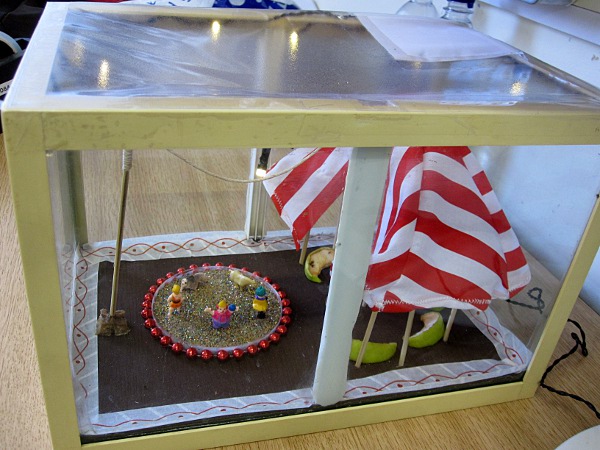
 

   Fly Circus  Fly Circus Arena


The Fly Circus was the first attraction in our Disgustovision Show, an activity we ran as part of Oxford Brookes University’s Science Bazaar during the Oxfordshire Science Festival. We, the Brookes Cell Biology group, turned our whole floor into a microscopy adventure land. Our helpers wore black-white striped T-shirts and small plastic top hats to go with our circus theme. Starting with the Fly Circus, which could be closely examined with small plastic magnifying glasses or a  magnifying sheet, we took visitors from one magnification station to the next.


The Disgustomometer 
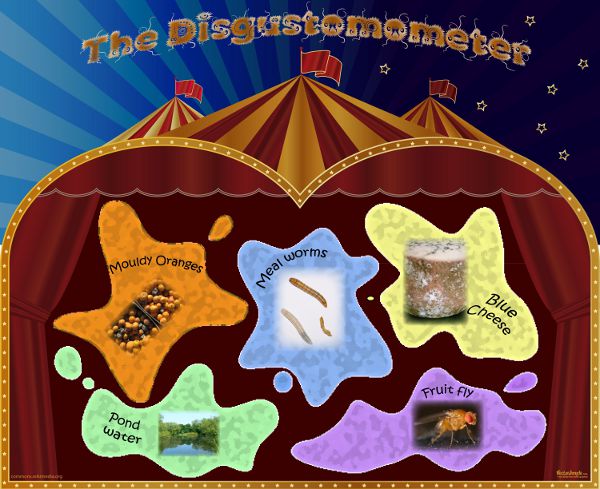
Wall chart

“Ladies and gentlemen, boys and girls….Welcome to the most spectacular show on Earth!!!! Before you enter the Disgustovision show please take a sticker and place a vote on the first wall chart. Which of these things turns your tummy the most?? At the end of your journey into the world of the microscopic, has your opinion changed? Please take another sticker and vote again on the ‘After the show’ chart. Now please step forward, and enjoy the show!

At the beginning of the corridor, we had put up a ‘Disgustomometer’ poster, and we encouraged children to put a small sticker on the thing they thought was most disgusting. On the way out, we asked them to repeat this on an ‘exit’ copy of the poster. This demonstrated a clear shift in their perception, thus evaluating our activity at the same time, and also helped us to estimate visitor number.


The magnification stations

The next step after the fly circus were our light microscopes, and a handful of food samples (blue cheese, broccoli florets, kiwi and orange slices). All of us microscopists, maybe not so much the visitors, agreed that blue cheese looked amazing – a miniature world of mouldy caves. “Doesn’t the broccoli look pretty, just like little flowers!” parents cooed, trying to convince their sceptic children to change their minds about the green vegetable. The kiwi and orange slices looked beautiful too, decorated with their juicy droplets. We displayed all food in sealed Petri dishes and kept spare ones in the office fridge, because the samples started to look pretty bad after a few hours in the heat. We also had a big jar with pond water, a drop of it mounted on a slide, and a poster with the history of microscopy and Leeuwenhoek’s  observations put up on the wall. There was a steady crowd crammed around the dissecting microscope, with children taking a close look at their dirty fingernails (cue parents recoiling in horror) and the oil drops on their fingertips.

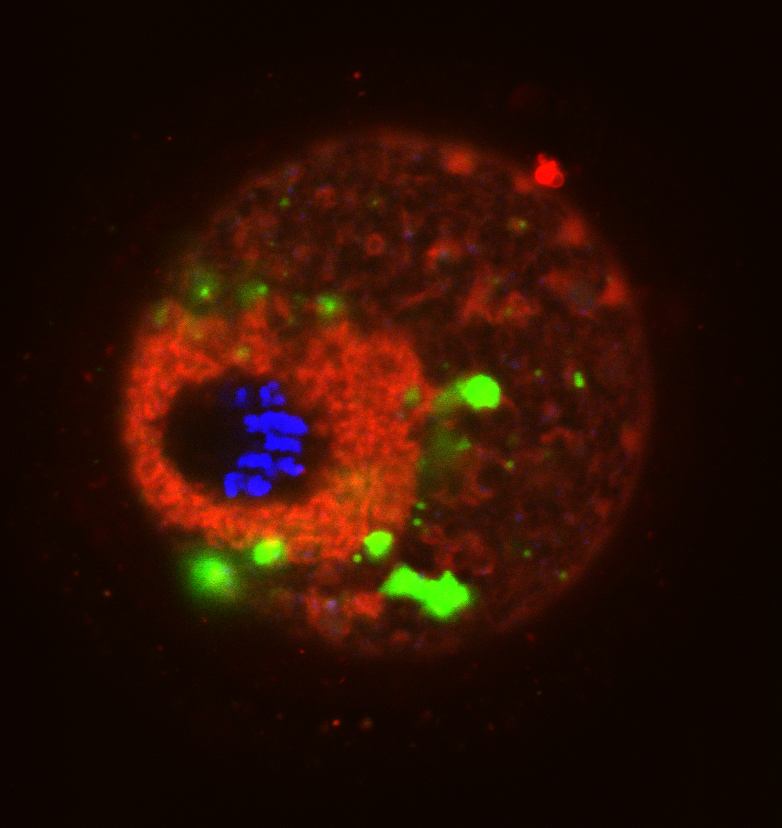
Going one step further in magnification, we had set up Drosophila samples labelled with fluorescent stains and GFP-expressing plant cells on our confocal laser scanning microscopes. Some children however were most impressed by the swivel chairs and the double computer screens with the computer mouse moving seamlessly between them.

The last station was the scanning electron microscope, where visitors looked closely at a fly, a head louse, and other gruesome samples. Our Disgustomometer showed that after having finished their visit, people now thought that blue cheese was the most disgusting, and the fly the most beautiful thing. Mission accomplished!


 The certificate

Certificate

We wanted to give our little visitors something to take away at the end. So I designed a special certificate in Corel Draw, using the font ‘Our Little Darlings‘ for the fly cartoons, and asked my boss to sign them. We had certificates in previous years, and the first time we made him sign 100 certificates by hand. :-) After that, we used his electronic signature. Most children gasped in awe when we told them (in the right tone) that Professor Chris Hawes had signed them. We printed the certificates in A5 on our colour printer on nice paper, two on one A4 page, and cut them in half with a paper guillotine. Nowadays, I would ask our Media Workshop to design them, especially since we now have stricter corporate design guidelines, and our internal print unit to print and cut them.


 Microexplorers and microcosmonauts

Designing our themed outreach zones was great fun. The following year we had micro-cosmonaut certificates (exploring the microcosmos – get it?), and children could collect three star stickers on them, one for every microscope station. We even thought about turning our microscopes into planets, decorated with LEGO space ships and astronauts, but due to budget constraints we decided against that in the end. What ideas do you have to turn your research into an interactive outreach circuit? Tell us in the comments!


Also read Anne’s outreach post on her double role as both a research and a science communication fellow here.



Outreach logo new squareThis post is part of a series on science outreach. You can read the introduction to the series here and read other posts in this series here.


Thumbs up (2 votes)
Loading...

Tags: ,
Categories: Outreach, Resources

Navigate the archive

Use our Advanced Search tool to search and filter posts by date, category, tags and authors.

Woods Hole images 2014 round 3- the winner

Posted by , on 2 March 2015

And the winner of the latest round of images from the Woods Hole embryology course is… the skate embryo!


Here are the full results:

– SEM of butterfly scale: 93 votes

Drosophila embryos: 37 votes

– Skate embryo: 241 votes

– Swallowtail wing: 79 votes


2014Round3_C_large


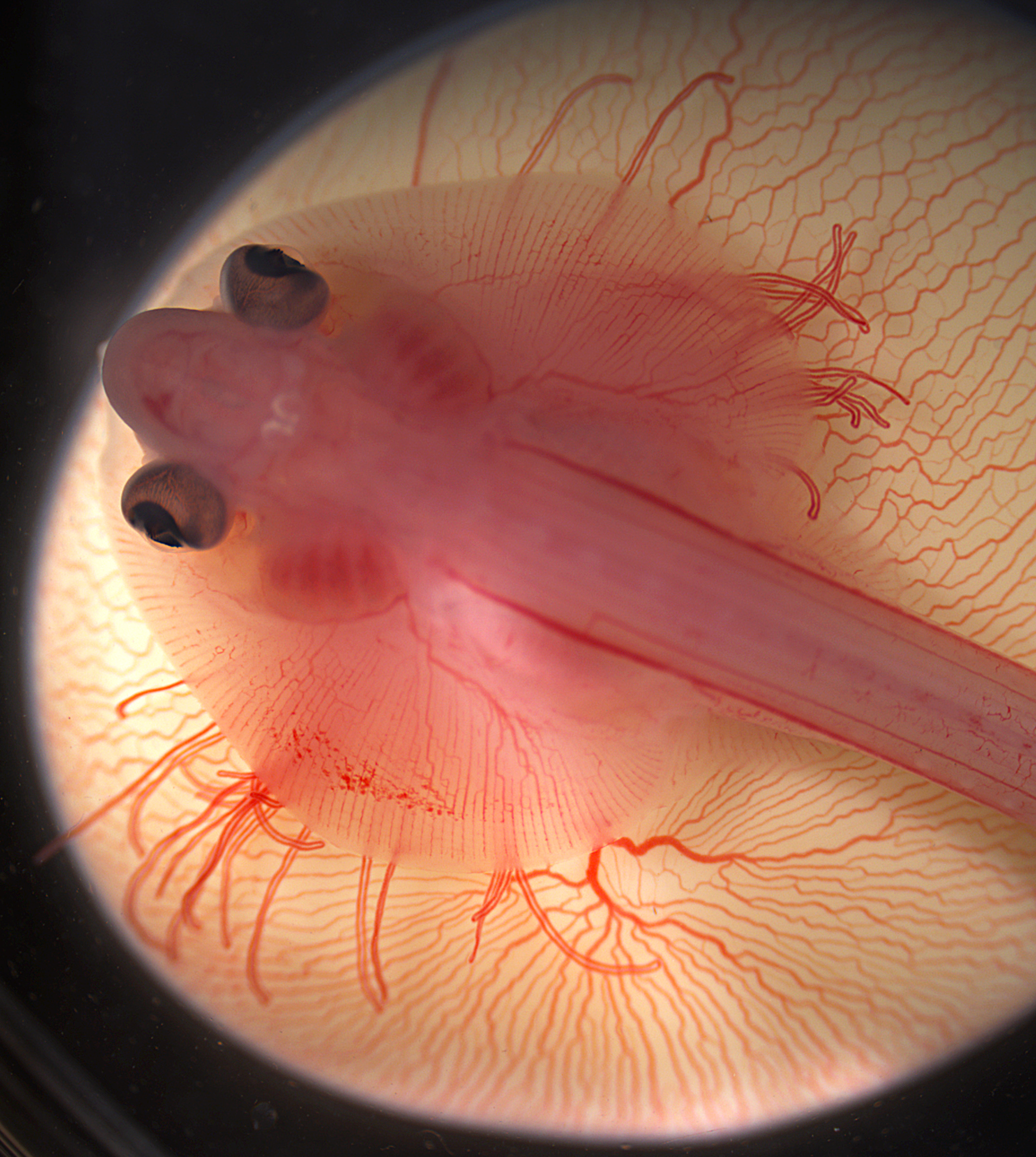
Many congratulations to Mary Colasanto (University of Utah, USA) and Emily Mis (Yale University, USA) who took this image at the 2013 course. It shows a living embryo of the little skate (Leucoraja erinacea), sitting atop its yolk at approximately ten weeks of development.  Imaged on a Zeiss Discovery.V20. This image will feature in the cover of a coming issue of Development.

The other great images in this round were taken by Lara Linden (butterfly scale), Wiebke Wessels (Drosophila embryos), and Emily Mis and Misty Riddle (swallowtail wing).


Thumbs up (1 votes)
Loading...

Tags: , ,
Categories: News

This month on the Node- February 2015

Posted by , on 2 March 2015

Our jobs page was again very busy this month, so make sure to check it out! Here are some of the other highlights:


cavefish squareResearch:

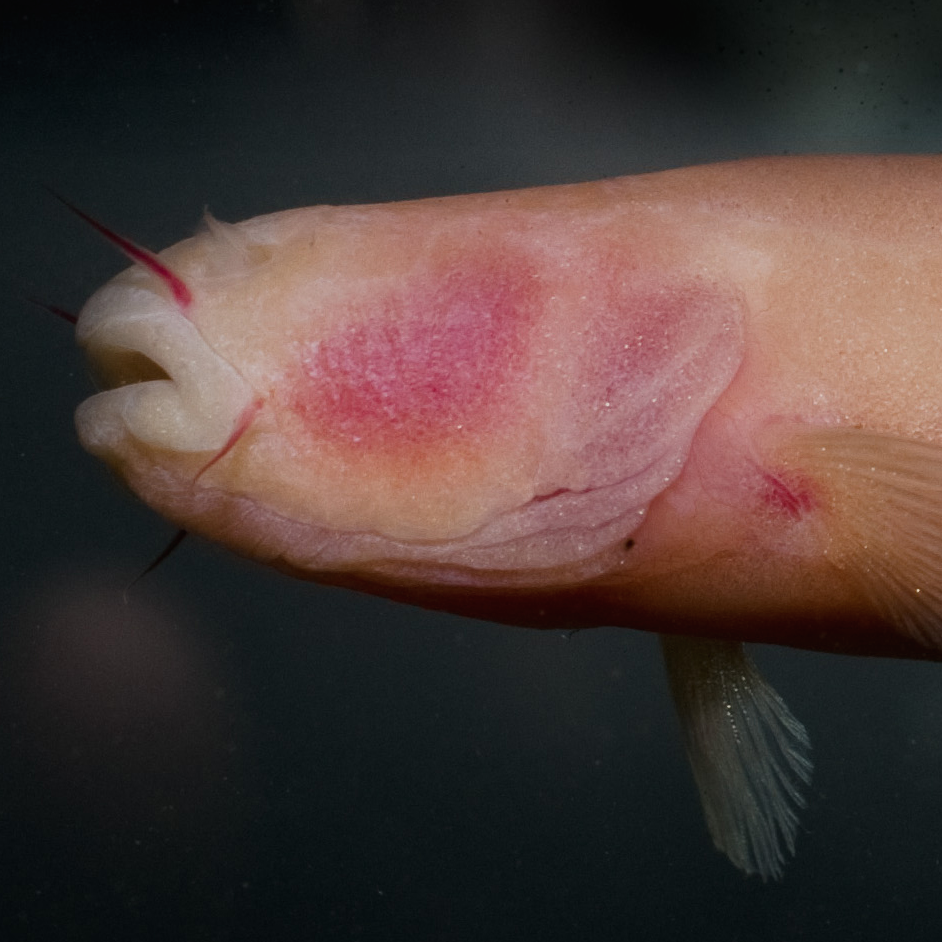
– Manuel wrote about his Development paper, where he examines how the eyes of the cavefish P. andruzii develop, and what that tells us about the evolution of eye loss in different cavefish species.

– and Bryony posted about a Nature Communications paper by the Patient Lab showing that FGF signalling restricts HSC specification.


A day in the life:

February saw two new additions to our ongoing series about the daily routine of doing developmental biology using different model systems:

A day in the life of a maize lab– by China (Hake lab, USA).

A day in the life of an axolotl lab– by Annie (Cruz-Ramírez lab, Mexico).


Imagen1


Also on the Node:

Image 1– Cat wrote about how her recent press release was covered by the media, and considered how science stories reach the press.

– George described his Summer project in the Hope lab, modelling developmental disorders in C. elegans.

– And this month you had the chance to choose which of these beautiful images from the Woods Hole embryology course you would like to see on the cover of Development.


Happy reading!

Thumbs up (No Ratings Yet)
Loading...

Categories: Highlights

The Node survey- the results

Posted by , on 1 March 2015

The Node is almost 5 years old, and it is now time to revise its design and functionalities. To help us with this, during the last month we asked you to fill in a survey and give us your feedback. In total 169 people completed the survey, and many of you left comments and suggestions. Thank you all for taking the time to help us make the Node better!

Many congratulations as well to Paolo Panza (PhD student at the Max Planck Institute for Developmental Biology in Tübingen, Germany), who is the lucky winner of our prize draw! Your bag of goodies from the Node and Development is on its way!

So what were the main conclusions of the survey?


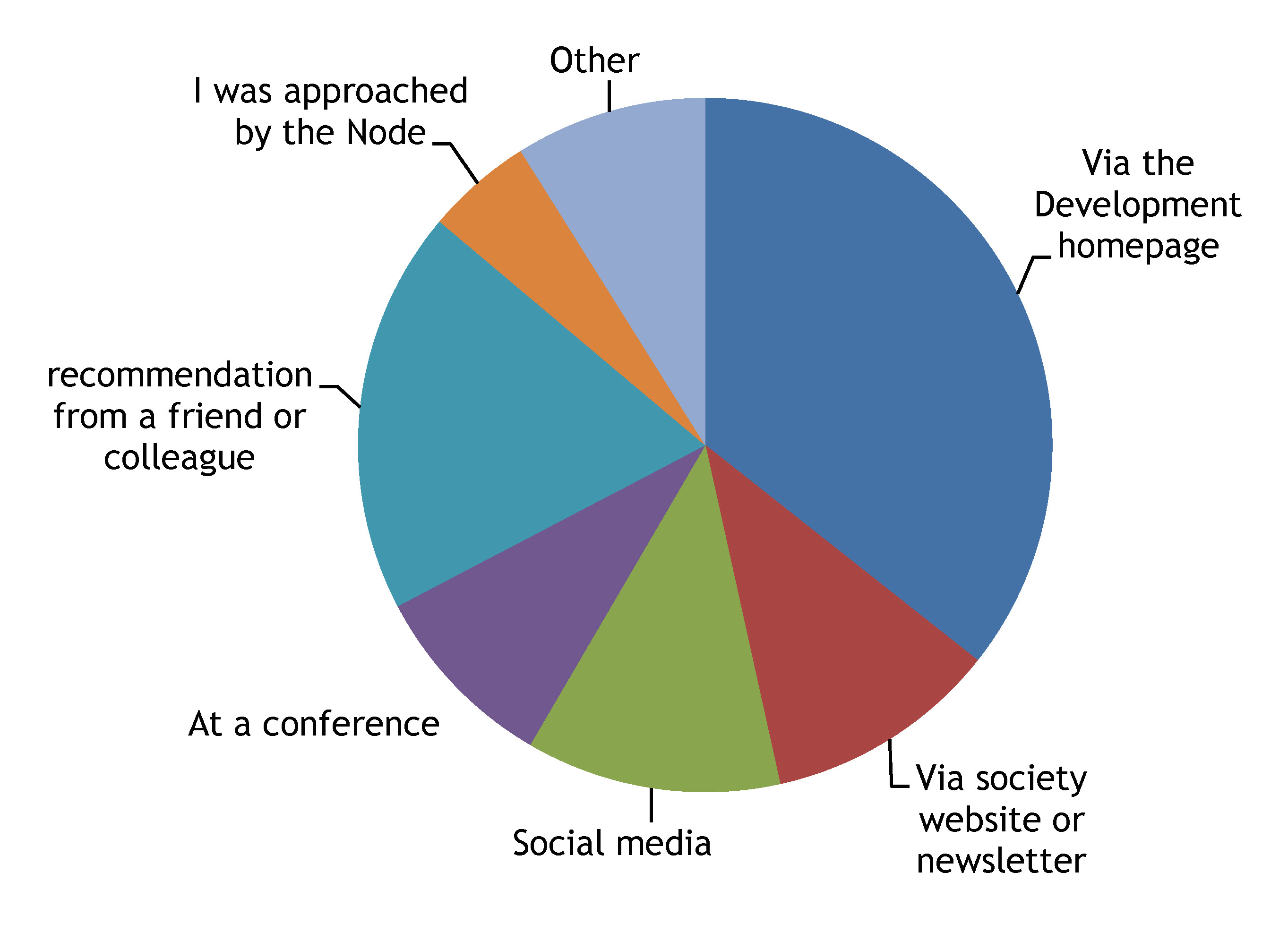
1- Most of you first found out about the Node via Development or by word of mouth

Node survey Q1


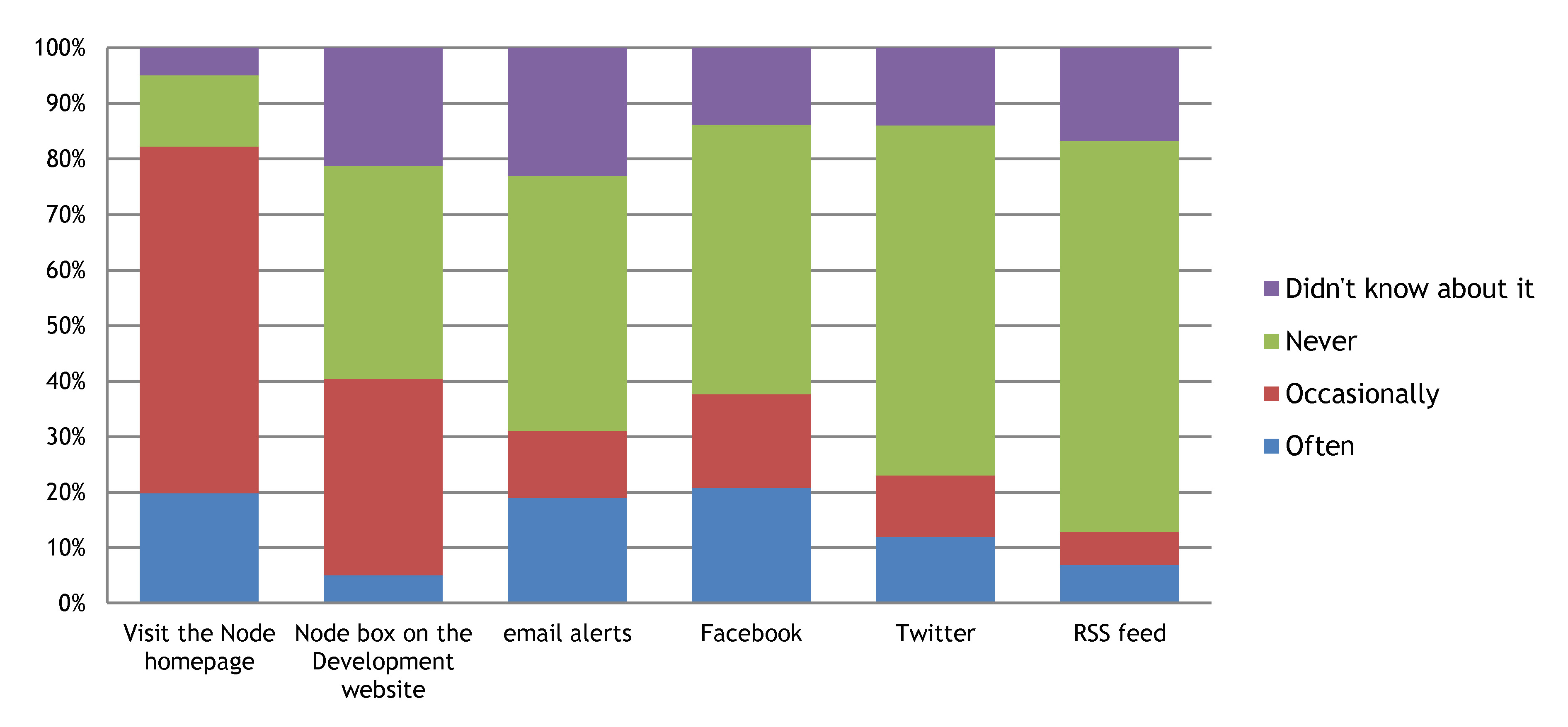
2- Most of you keep up with new Node content by visiting the Node homepage

The Node box on the Development website and facebook are also popular. Interestingly, very few of you thought the Node needed to be present in additional social media sites (only 2 people suggested LinkedIn, and there was only 1 mention of Google+).

Node survey Q2

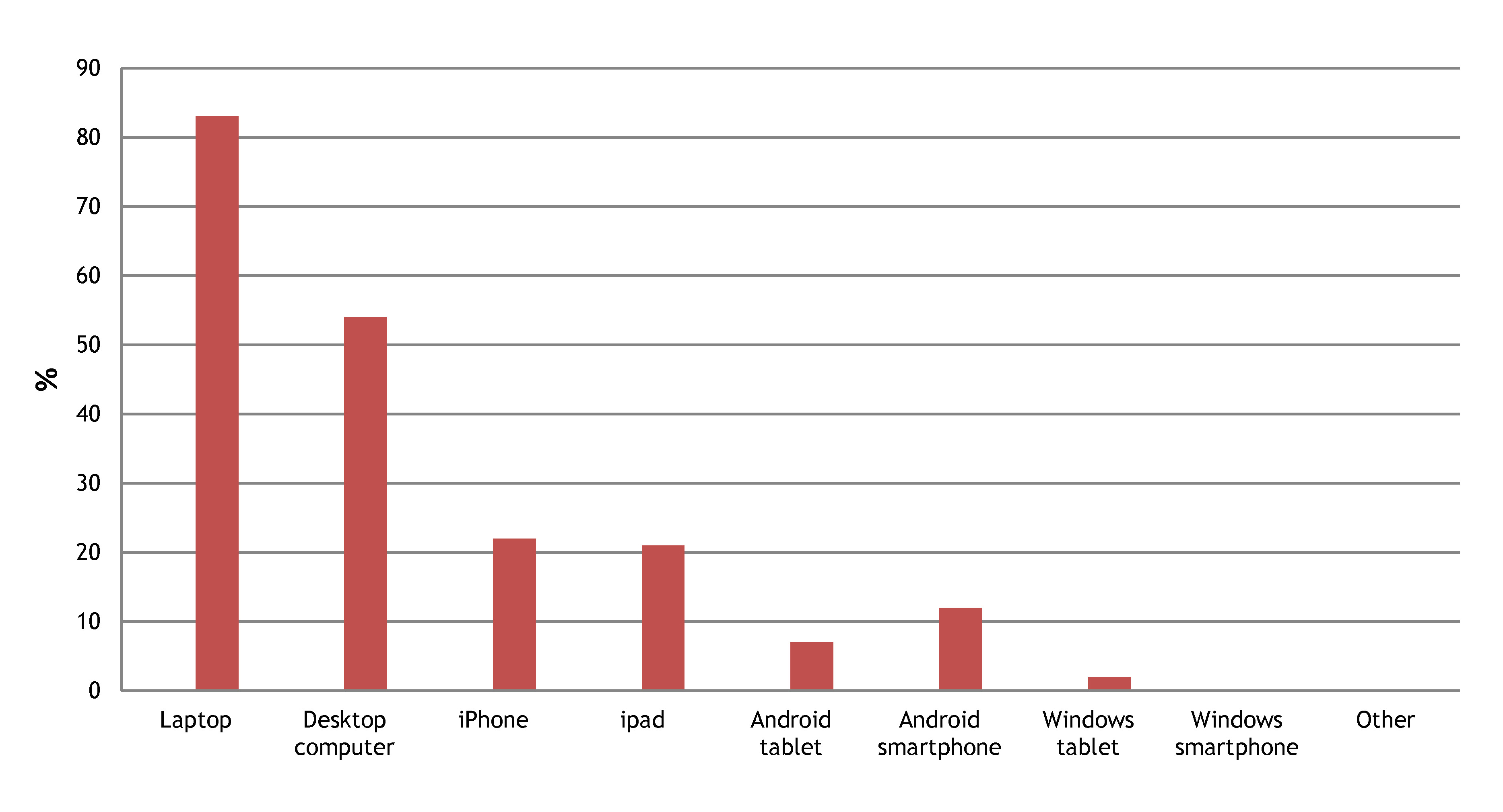
3- Laptops and desktop computers are the devices most often used to access the Node

This question was important so that we know how much effort to invest on the mobile versions of the site. However, if you access the Node mostly via your mobile or tablet please rest assured that we will continue to have a mobile version of the Node!

Node survey Q3


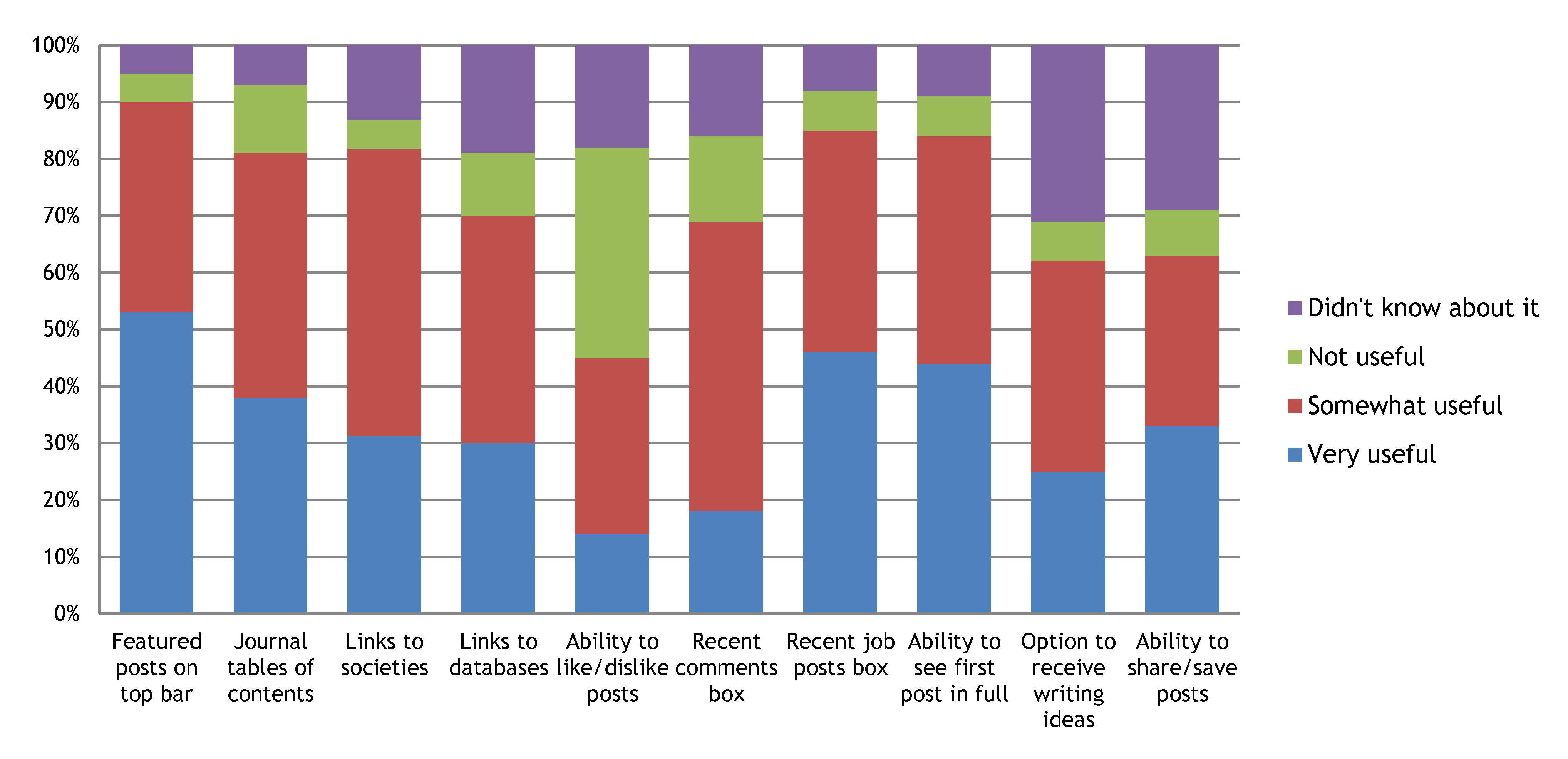
4- Most of the features that we listed are considered useful

The most popular feature listed were the highlighted posts on the top bar. Several of you also used this opportunity to point out that many functions on the site are not working properly, such as the like/dislike buttons, or the search box. We have made a record of all the problems you spotted and we are already in the process of fixing some of them!


Node survey Q4


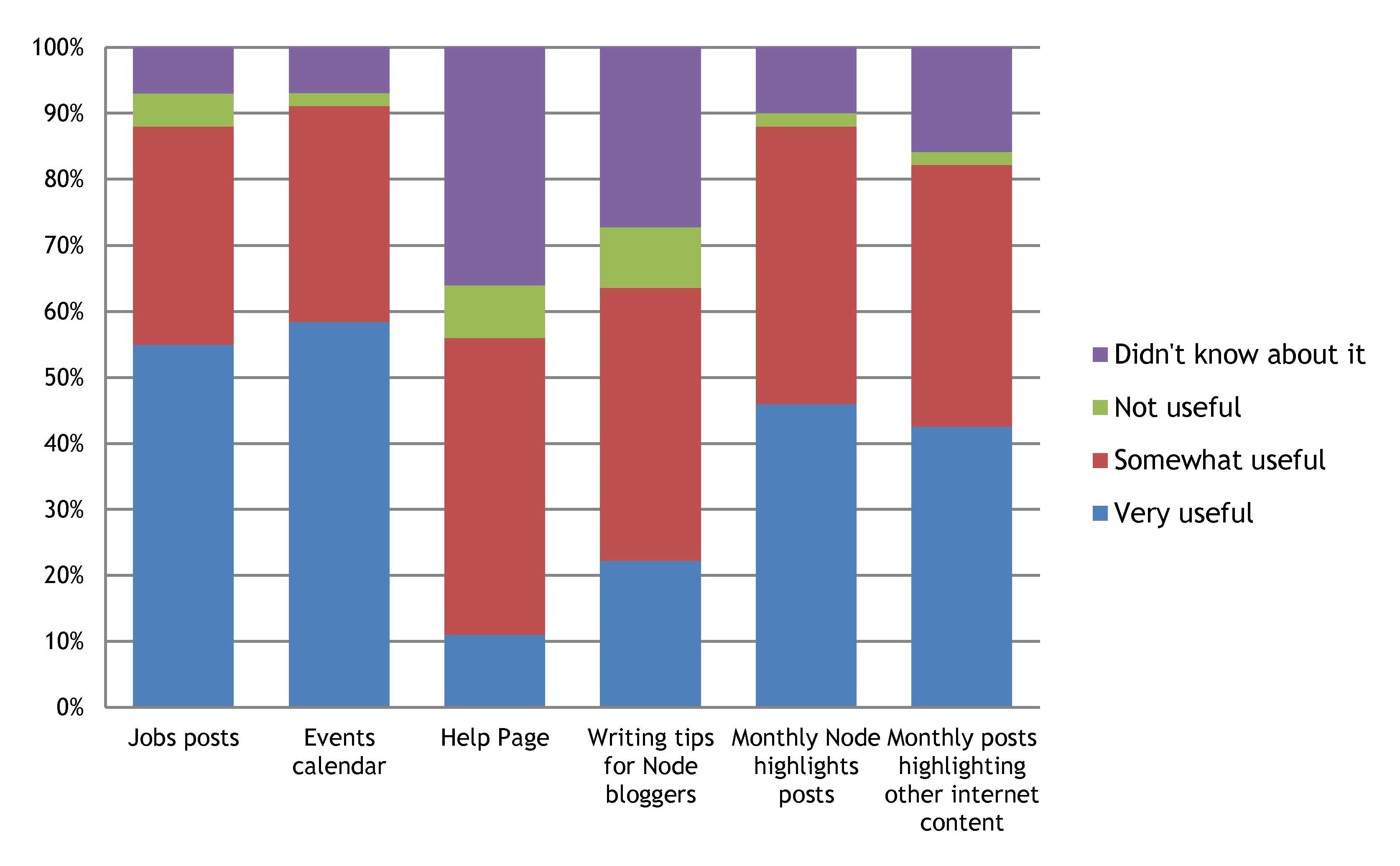
5- Most of the content that we listed is considered useful, particularly the job posts and events calendar

Many of you didn’t know about the help page and the writing tips for Node bloggers though.


Node survey Q5


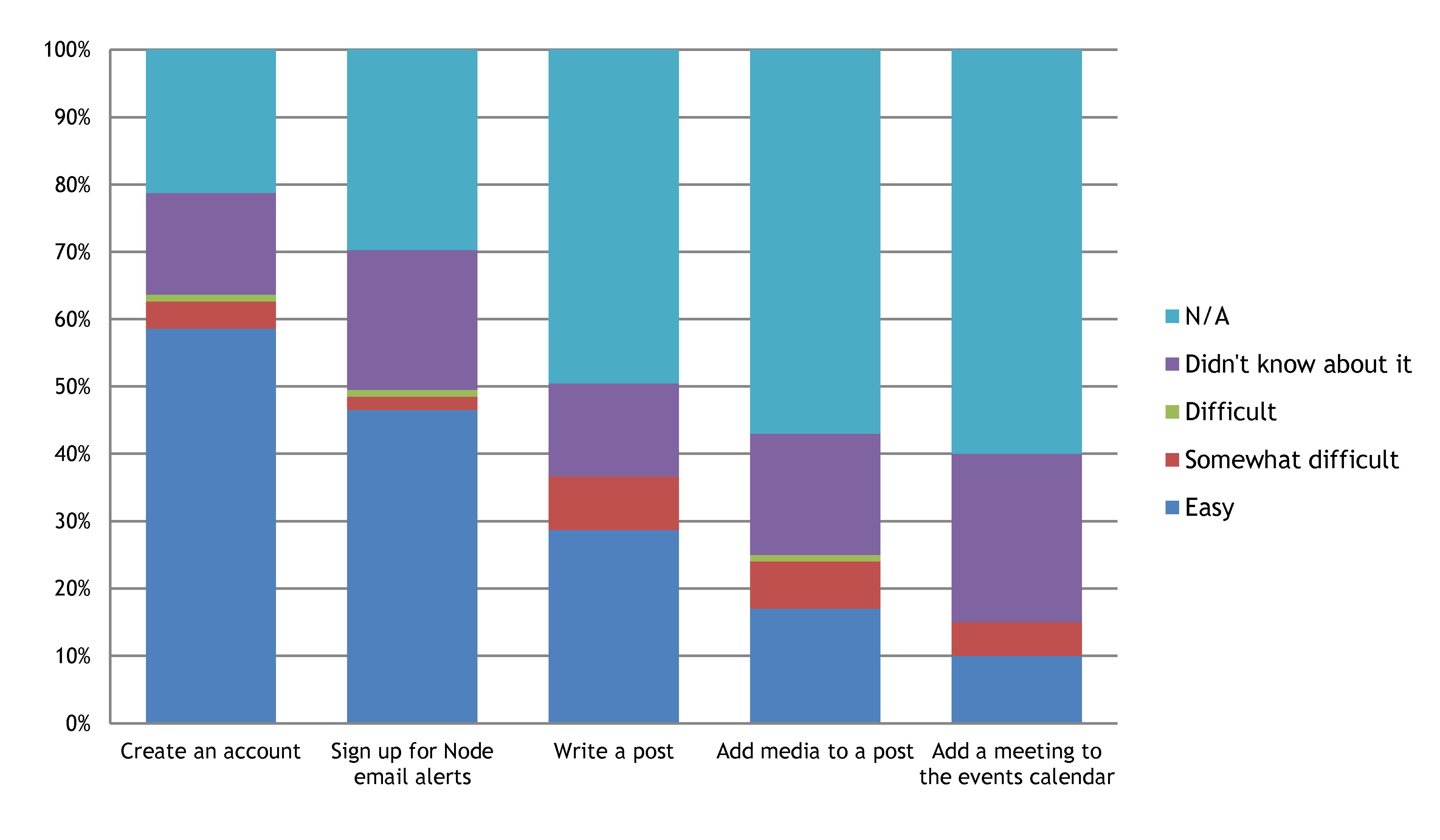
6- Most of the actions listed are easy to perform

But many of the people who completed the survey haven’t tried them yet.


Node survey Q6


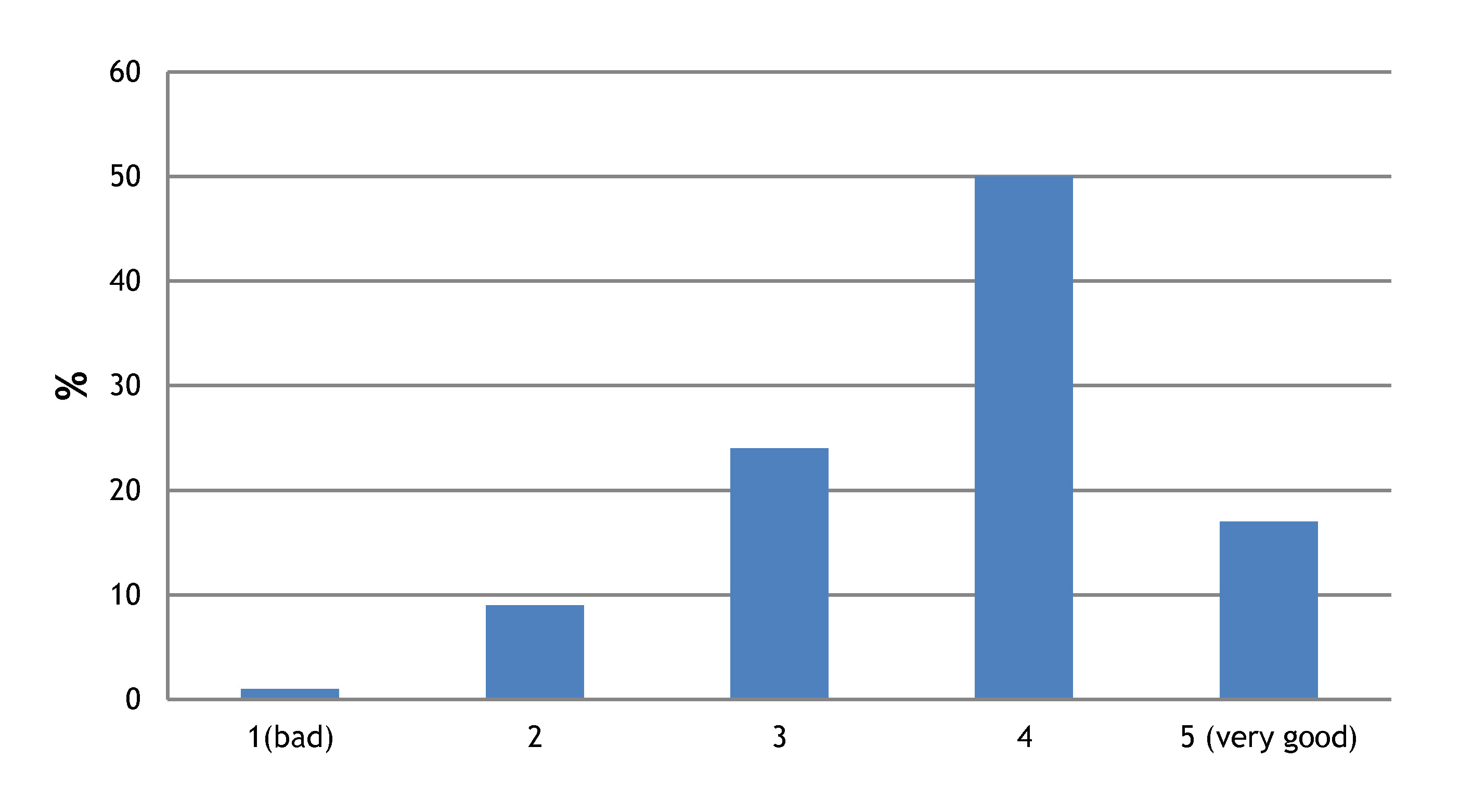
7 – The majority of you quite like the visual design of the Node

However, many people pointed out that the current look is cluttered and old fashioned. So although you don’t want the look of the Node to change completely, a sleeker, more modern look would be welcome!

Node survey Q7


8- Most of you find the Node to be both valuable and enjoyable

Several of you left very positive comments, encouraging us to keep going and to continue providing a service to the community. Thank you for your encouragement!

Node survey Q8 + 9

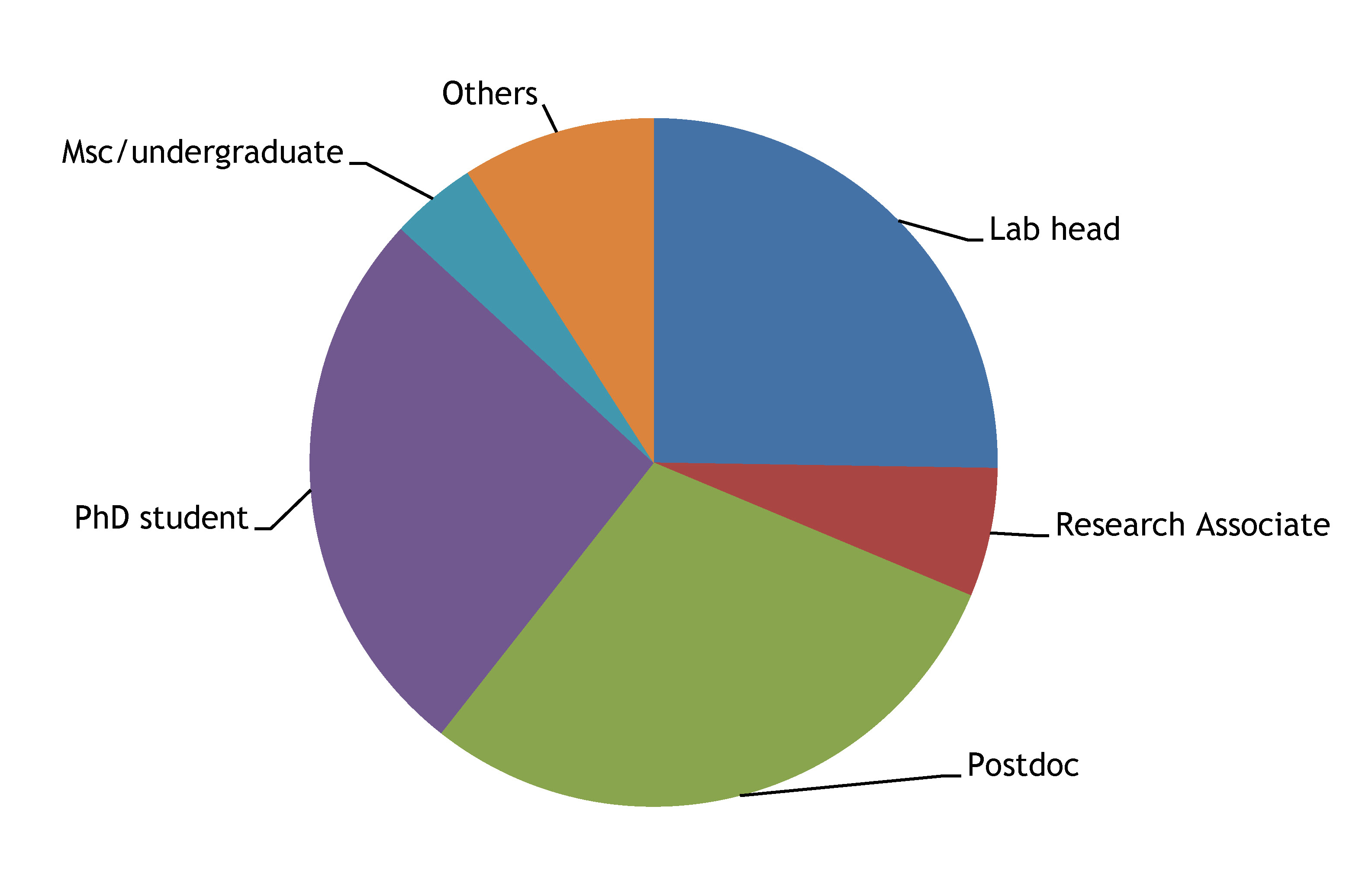
9- The Node is read by an equal proportion of PhD students, postdocs and group leaders (at least among survey responders).


Node survey Q10


Other suggestions:

Many of you used the comment boxes to leave more specific feedback and make suggestions. Some of the most common ones were:

– Have more discussion posts that generate debate

– We should find a better way to organise the information of the Node, such as creating collections or categories for different model organisms or fields

– There were also specific suggestions for new content, such as protocols and technical tips, funding, historical anecdotes on major discoveries in the field, short biographies of eminent biologists, career advice, and even a Node podcast!

We will consider all your suggestions, big or small, and they are invaluable in helping us make the Node a better community site. Many of these changes can’t only come from us though. As you know, anyone in the community can write for the Node. You only need to create an account and you can post without needing to ask us for permission. So you can help us improve the content of the Node by contributing! Write about what you find interesting, start a discussion or leave a comment. The Node is here for you and together we can make it better and more relevant!

Finally, please keep giving us your feedback. You can get in touch us via this contact form and we are always keen to hear your thoughts and suggestions!

Thumbs up (6 votes)
Loading...

Tags:
Categories: News

Fully funded PhD Studentship, The Universities of Liverpool and Szeged

Posted by , on 27 February 2015

Closing Date: 15 March 2021

cover 3

Understanding fundamental roles of the cytoskeleton downstream of Wnt/PCP signalling in neurodegeneration

A fully funded studentship open to home/EU students is available. We are seeking a highly motivated and collaborative individual to join the dual PhD studentship of the Universities of Liverpool (UK) and Szeged (Hungary). The successful candidate will work under the supervision of Dr Natalia Sanchez-Soriano (Institute of Translational Medicine, University of Liverpool) and Dr József Mihály (Biological Research Centre, Hungarian Academy of Sciences). You will work the first 2 years of your project at the University of Liverpool and the following 1.5 years at the Biological Research Centre, Szeged in Hungary. Candidates should have a master’s degree or equivalent.

You will investigate the links between the Wnt/PCP pathway, cytoskeleton remodelling and neurodegenerative diseases such as Alzheimer’s disease, using the model organism Drosophila.  You will gain experience in Drosophila neurobiology,  molecular/cell biology and imaging. See more details about our work. Note that there are two further positions available for a postdoctoral researcher and technician. Details can be found here.

Candidates should email Natalia Sanchez- Soriano (Natalia1[at]liverpool.ac.uk)  or  Dr József Mihály (mihaly.jozsef[at]brc.mta.hu) with an expression of interest, a CV and suggestions for 2 referees.

Closing date: 25/03/2015

Thumbs up (No Ratings Yet)
Loading...

Categories: Jobs

National Xenopus Resource – Manager Position

Posted by , on 26 February 2015

Closing Date: 15 March 2021

A new position is now available in the National Xenopus Resource (NXR) at the Marine Biological Laboratory (MBL). This is an NXR Manager position that involves daily operational and scientific oversight of the MBL’s P40 NIH funded National Xenopus Resource.

The NXR Manager will supervise a staff of 3-5 research assistants and technicians, coordinate custom transgenic and mutant orders and purchases, help organize workshops, and troubleshoot the frog housing systems. In addition, the individual will work on scientific projects that serve to improve the NXR, including genome editing, sperm cryopreservation and health screening.

The NXR Manager will work with researchers from the Xenopus community who visit the NXR for short term research projects through our research hotel service or as MBL Research Awardees.

The successful candidate must have a PhD in Biological Sciences and is essential that they have previous training and/or experience with the Xenopus model. Individual must be highly motivated, independent, enthusiastic and able to work well with others. Several years postdoctoral experience is highly beneficial.

Interested candidates should apply through the MBL employment URL:
https://mbl.simplehire.com/postings/2898

For more information regarding the position contact Marko Horb at mhorb@mbl.edu

Thumbs up (No Ratings Yet)
Loading...

Tags:
Categories: Jobs

The Node at the Drosophila Meeting

Posted by , on 26 February 2015

The Node is off to its first conference of the year- the Annual Drosophila Research Conference, i.e. the fly meeting! We will be tweeting from Chicago using the hashtag #DROS2015, and you can also expect a meeting report here on the Node.

If you are attending the meeting, why not say hello to our community manager Cat? She will be around during the meeting and she is always keen to chat with Node readers. Feel free to drop her an email via here if you would like to meet her!

We look forward to seeing you at the fly meeting!Node Drosophila

Thumbs up (2 votes)
Loading...

Tags:
Categories: News

A day in the life of an Axolotl lab

Posted by , on 25 February 2015

Annie Espinal-Centeno & Luis Alfredo Cruz-Ramírez

Hello! I am Annie, a research assistant in the group of Molecular and Developmental Complexity, under the supervision of Dr. Luis Alfredo Cruz-Ramírez. Our group is part of the National Laboratory of Genomics for Biodiversity (LANGEBIO) at Irapuato, Mexico. We are a relatively new group as we only started a year ago. Our research focuses on the molecular networks underlying cell reprogramming events and their influence in regeneration and developmental complexity. We are very interested in deciphering the first signals that trigger cell reprogramming for blastema formation during Ambystoma limb regeneration.

The Axolotl is a salamander species belonging to the family Ambystomatidae and part of the Ambystoma genus. This genus includes 32 species in North America, distributed from southeastern Alaska to the southern boundary of Mexico. Half of the global diversity of the genus Ambystoma (16 species) is endemic to Mexico. The 16 species are distributed along the so-called Transmexican Volcanic Belt (TVB). This region is the most populated in Mexico, and most of the endemic species of Ambystoma found there are threatened by changes to their habitat.

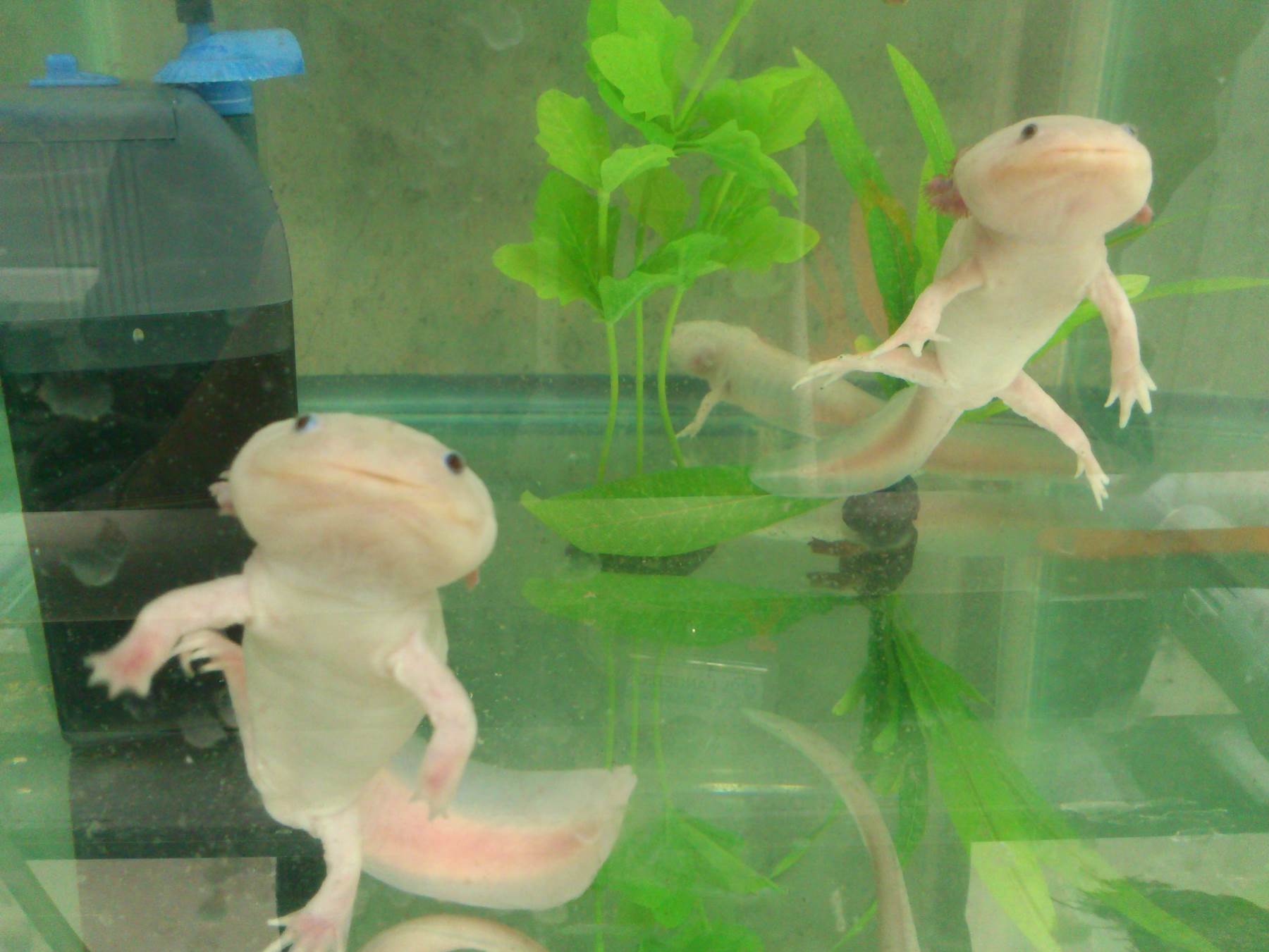
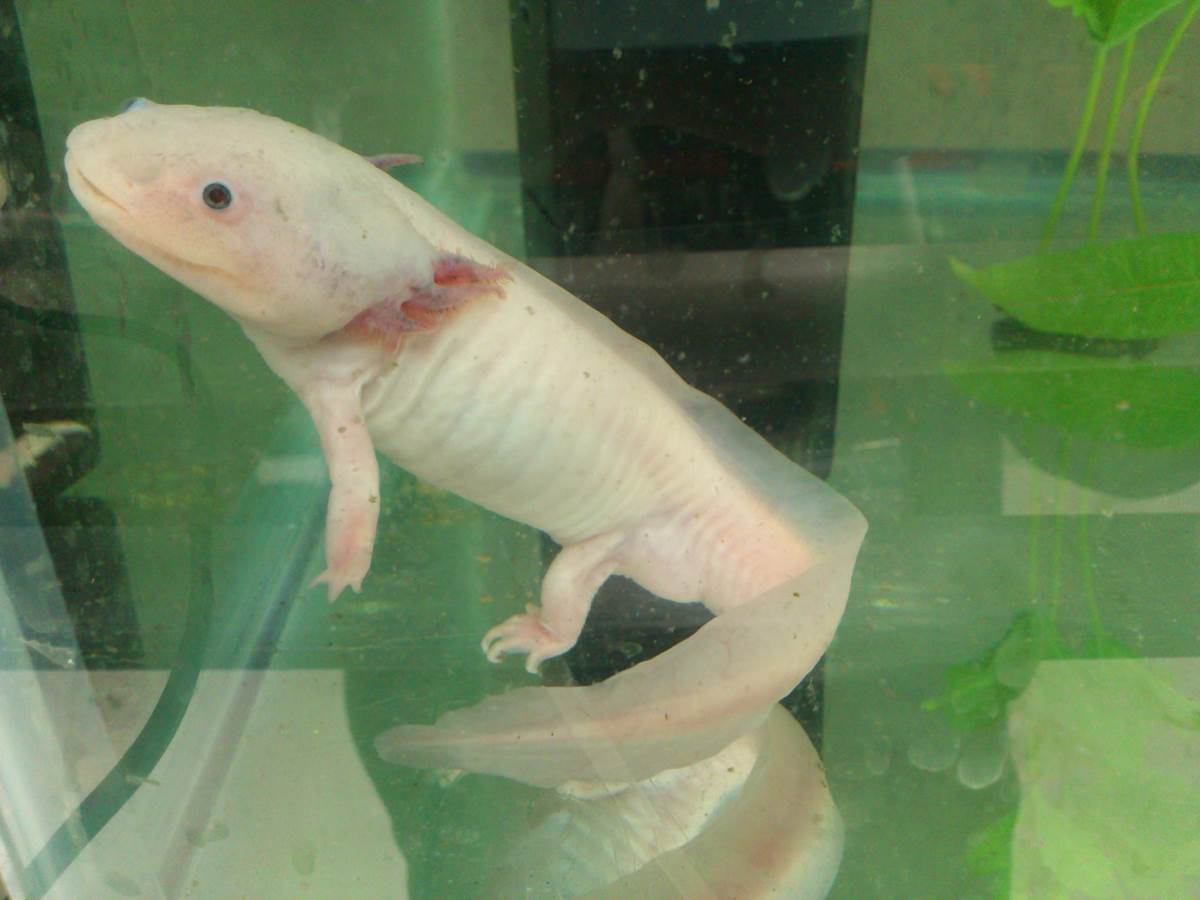
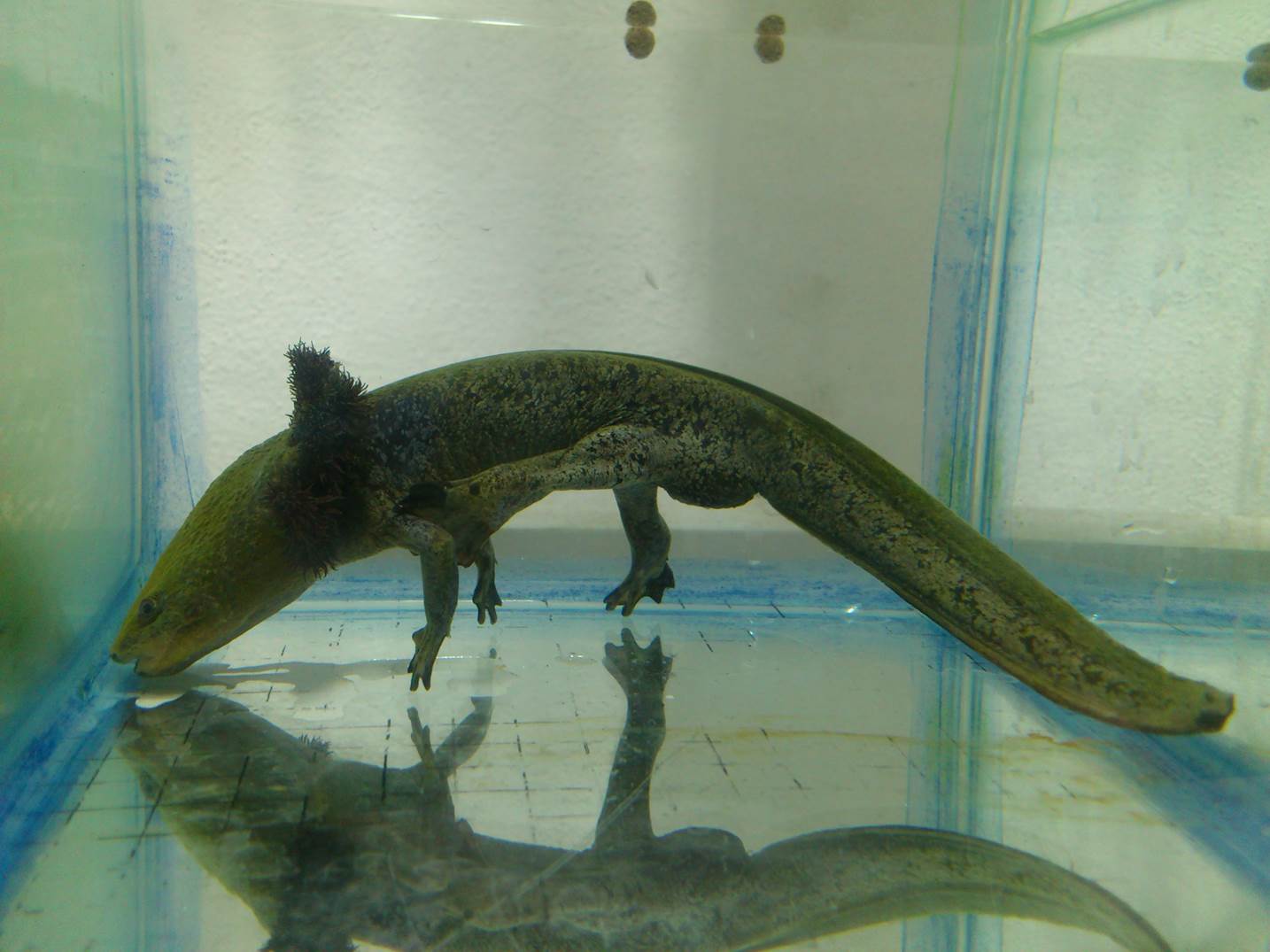
A. mexicanum A.mexicanum albino

Wild type and albino mutant Axolotls (Ambystoma mexicanum)


The Axolotl in mexican culture

Within the Ambystoma genus Ambystoma mexicanum, the Axolotl, is the one with the greatest importance in Aztec culture. According to Aztec mythology the Axolotl is one of the representations of the god Xolotl, the monstrous twin brother of Quetzalcoatl. The word Axolotl comes from the Nahuatl word for water (Atl) and for monster (Xolotl). The Axolotl is therefore an aquatic monster, the aquatic representation of one of the most important gods in Aztec culture.

The Axolotl is endemic to Xochimilco, a town that has existed since pre-Hispanic times. This town was declared a site of Cultural Heritage for Humanity by UNESCO due to the series of water canals that house the few remaining Axolotls, since the main lakes and lagoons that made up most of the Valley of Mexico have already disappeared to make way to today’s Mexico City. Due to these drastic changes to its habitat since 1975 that the Axolotl is included in the Appendix II of the Convention on International Trade in Endangered Species of Wild Fauna and Flora (CITES), to regulate its international trade. In Mexico, it was placed under protection by the programmer of Norma Official Mexicana (NOM- 059-ECOL-1994) and has been under special protection since 2001, although this category changed to endangered in 2010. Today, the Axolotl is one of the 51 species of the Priority Conservation Program Priority Species (PROCER). The International Union for Conservation of Nature (IUCN) changed the status of the species from vulnerable to critically endangered in 2006, indicating that this species is under a high risk of extinction.


Ambystoma species as a model for regeneration studies

Salamanders of the genus Ambystoma are the vertebrates with the greatest capacity for cellular and tissue regeneration. The most studied model species is the Axolotl. The great capacity for regeneration and tissue repair displayed by the axolotl has surprised researchers for a long time. The axolotl is therefore the most studied model species in this genus and it has been a study model for over 100 years. Moreover, it is one of the salamanders most easily bred in captivity and for which the most complete and comprehensive genetic, genomic, and transgenic tools have been developed. Previous studies have reported the ability of Axolotls to regenerate retina, tail, legs, spinal cord and some tissues of the heart, after injury or amputation. This makes the Axolotl an important experimental model in the field of regenerative medicine and developmental biology.


Ambystoma species endemic to Mexico

In addition to its regenerative capacity the Axolotl is of scientific interest because it retains the gross morphology of larvae as a reproductive adult, a phenomenon known as neoteny or paedomorphosis. In addition to the Axolotl, three more species (A. andersoni, A. taylori, A.dumerilii) are obligated neotenic, while some others are facultative neotenic like A. velasci. All these species are endemic to Mexico. The 16 endemic species are A. mexicanum, A. taylori, A. andersoni, A. dumerilii (obligated neotenic), A. velasci, A. silvense, A. rosaceum, A. ordinarium, A. lermaensis, A. altamirani, A. amblycephalum (facultative neotenic), A. flavipiperatum, A. rivulare, A. bombypellum, A. leorae and A. granulosum (metamorphic), all of them are endangered at some level.


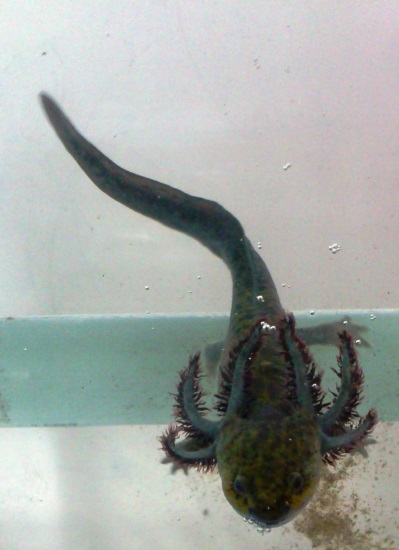
ambystoma velasci

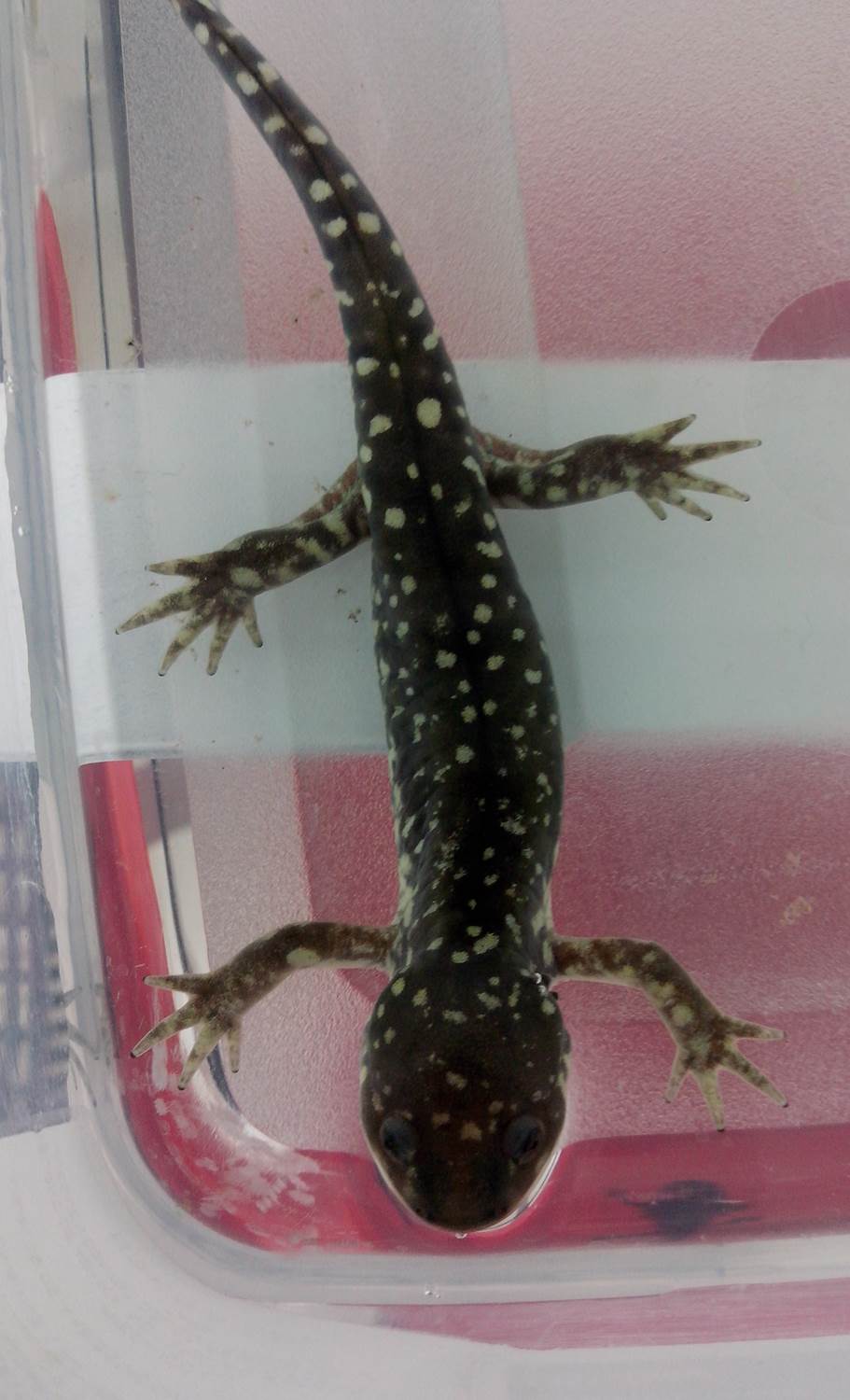
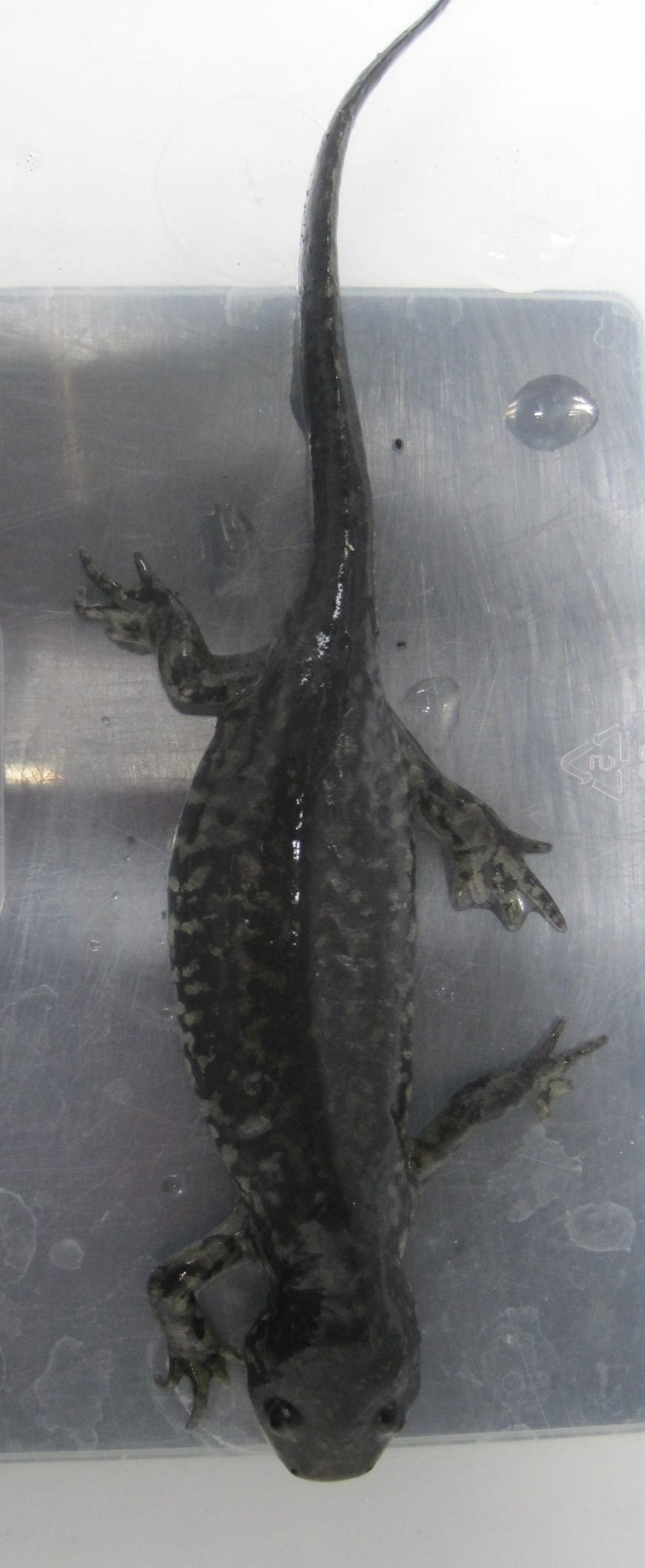
Ambystoma velasci, different phases of metamorphosis


A typical day in our lab

We normally arrive in the lab at 9 a.m. and go directly to our animal facility, to check that everything is well with the Ambystomas. We do physicochemical tests periodically (measurements of temperature, pH, nitrite, ammonia), and fully wash the dirty tanks while in other tanks only a partial replacement of dirty water for clean and fresh water is made. Water quality is essential to the welfare of Ambystomas; they need temperature of 15-18 °C, pH 6.5-8, nitrite levels no higher than 1.6 mg/L, and ammonia and chlorine concentrations of 0 mg/L. We feed them once a day, or twice when they are juvenile, with earthworms and pellets for carnivorous turtles (see video 1- feeding). These animals are carnivores, and therefore must be well fed as otherwise they may start biting and eating the limbs or gills of their neighbors. Cannibalism is something that occurs more frequently in young animals because they need more food. They are very charismatic animals and have a characteristic big smiling mouth. Ambystomas are very quiet and rarely aggressive except when hungry. When you enter the animal facility and they detect you they swim to the surface of the water indicating they are already hungry, and we feed them well to avoid any nutritional stress, illness or cannibalism.


Video 1. Feeding an Axolotl


In our animal facility we have five of the 16 Mexican species: A. mexicanum, A. dumerilii, A. velasci, A. rivulare and A. granulosum. All of them are endangered species but three of them are in critical condition (A. mexicamun, A. dumerilii and A. granulosum).

Imagen1

A. mexicanum

A.dumerilii

A. dumerilii

velasci  A.granulosum A. rivulare

           A. velasci                                     A. rivulare                 A. granulosum


We perform different types of studies with these animals. We are interested in analyzing the molecular circuits that work during regeneration (see video 2), at different time-points. We can amputate a limb and examine the expression pattern of a given transcript or protein by qRT-PCR, in situ hybridization or immunolocalization. We are also interested in the functional characterization of genes and pathways involved in metamorphosis. Since we are not a conservation laboratory, we are less involved in this area,  however we are helping in the preservation of these animals by collaborating in genetic and molecular analyses with a conservation group at the Metropolitan Autonomous University campus in Xochimilco. This group has been working in ex situ and in situ conservation of the Axolotl for the last 15 years by designing and applying diverse strategies to preserve them. In our lab we are willing to generate global transcript profiles by RNA-seq for some of the mexican Ambystoma species, using individuals collected from the wild, this is quite important since most genetic and genomic studies have been done so far using animals that have been many years in captivity in labs, since they were collected from Xochimilco (in the case of the Axolotl) almost certainlythese collections have developed a great level of endogamy since, which generates drastic changes in the genetic pool.

In summary, in a normal day, besides keeping the animals and facilities highly controlled and in good shape, we collect samples or dissect tissues from the animals and go back to the bench to perform any of the several experimental strategies previously described. The animals are rarely sacrificed and dissections are made after anesthesia.


Video 2. Axolotl limb regeneration


Perspectives

As I mentioned before, it has not been long since we started working with Ambystomas and my experience with breeding has been a bit complicated. We have tried an artificial method using human chorionic gonadotropin hormone (HCG) in order to know the exact time of fertilization, and we got very good response in the female since we were able to recover a good number of ovules by simple massage. Unfortunately, when we tried the same procedure to extract sperm from the male, to avoid animal sacrifice and pull the vas deferens, we were not successful. We are currently, trying natural breeding and we will test if we are able to standardize the collection of zygotes in the first division-stage or preferably in the one cell-stage (to try transgenesis). Currently, all the animals we work with are obtained from a laboratory dedicated to ex situ reproduction and conservation of Axolotls in conditions as close as possible to the wild.

In the medium and long term, we want to study as many Ambystoma species as possible, to determine the molecular circuits that control developmental aspects ruled by cell reprogramming such as regeneration and metamorphosis. To approach functional genetics, one of our major goals is to establish transgenesis successfully, in order to thoroughly study those genes that are part of the circuits that define regeneration and metamorphosis developmental processes. We are also concerned about how endangered several of these species are. To help with this, we are trying to collect all the Ambystoma species endemic to Mexico in collaboration with experts in Axolotl conservation. We aim to generate a living genetic reservoir and design strategies for ex situ reproduction and re-introduction to the wild, being very careful with the genetic pool, avoiding endogamy and securing wild type-like variability.


There was a time when I thought a great deal about the axolotls. I went to see them in the aquarium at the Jardin des Plantes and stayed for hours watching them, observing their immobility, their faint movements. Now I am an axolotl.”

From Julio Cortázar’s short story “Axolotl


Acknowledgements

We thank Tania Quintana Gómez, Gerardo Alejo Jacuinde and Hugo Varela Rodríguez for Video and photo making. We also acknowledge the support of Dr. Luis Herrera-Estrella, Dr. Luis Brieba de Castro and Dr. Mario Arteaga Vázquez and from CIBAC-UAM Xochimilco Biólogo Arturo Vergara and Prof. Fernando Arana.


Node day in the life new doodle squareThis post is part of a series on a day in the life of developmental biology labs working on different model organisms. You can read the introduction to the series here and read other posts in this series here.


Thumbs up (25 votes)
Loading...

Tags: ,
Categories: Lab Life

Postdoctoral scientist position in Genome Editing in Xenopus at the Marine Biological Laboratory

Posted by , on 25 February 2015

Closing Date: 15 March 2021

A Postdoctoral Scientist position is available in the Horb Laboratory of the Eugene Bell Center for Regenerative Biology & Tissue Engineering at the Marine Biological Laboratory (http://www.mbl.edu/horb/). The position will focus on the creation of Xenopus models of human disease through the generation of mutants using CRISPR/Cas and TALENs and to work on developing and establishing genome editing in Xenopus.

The postdoc will be focused on creating specific mutants, mainly in X. tropicalis but also in X. laevis, for the Xenopus research community in the US and abroad. In addition, the postdoc will coordinate the efforts of a team of 3-4 personnel to generate 100-200 mutants over 5 years for the research community. The individual will be required to interact with Xenopus researchers on a regular basis in designing and creating these mutants. The individual will also work on knock-in strategies in Xenopus using CRISPR/Cas. The Horb lab is scientifically integrated with the National Xenopus Resource (NXR) at the MBL and the postdoc will be expected to interact with NXR staff on a regular basis.

In addition, the postdoc is expected to work with scientists who visit the NXR throughout the year, since many of them come here to do genome editing. The NXR supports the community by providing transgenic and mutant frogs as well as hosting workshops, providing custom transgenic and mutant services, and hosting scientists through their research hotel service (http://www.mbl.edu/xenopus/).

Interested candidates should apply through the MBL employment URL:
https://mbl.simplehire.com/postings/2895

For more information regarding the position contact Marko Horb at mhorb@mbl.edu

Thumbs up (No Ratings Yet)
Loading...

Tags: , , , , , ,
Categories: Jobs

Postdoctoral position in retinogenesis

Posted by , on 25 February 2015

Closing Date: 15 March 2021

A postdoctoral position is available immediately to study the transcriptional regulation of retinal progenitor cell proliferation and its interface with cellular bioenergetics. Our lab utilizes a multi-disciplinary approach that combines traditional mouse developmental genetics and molecular biology with live, dynamic tissue imaging and high throughput genomics. The ideal candidate for this position will be within a year of completion of her/his PhD and have expertise in mouse genetics, cell biology, protein and mRNA analysis, recombinant DNA technologies and bioinformatics. Expertise in retinal development, ChIP-seq, 2D-gel Mass Spec. and the characterization of metabolic phenotypes is also highly desirable.

We are a young and vibrant research group located at Baylor College of Medicine within the Texas Medical Center in Houston. Being in the largest medical center in the World has the advantage of fostering a very collaborative research environment and we firmly believe that merging scientific expertise and interests ultimately drive innovation. Therefore, highly creative, independent, but also interactive applicants are particularly encouraged to apply.

To apply please submit your CV, a brief description of your research interests and career goals and the name and contact information of 3 references to Dr. Ross Poché, Department of Molecular Physiology and Biophysics, Baylor College of Medicine. Email: poche@bcm.edu


Thumbs up (No Ratings Yet)
Loading...

Categories: Jobs