
Those of you reviewing for Development from this week onwards will notice some changes to our Reviewer Guidelines and Report Forms. After consultation with our Academic Editors, Advisory Board and the wider community, we have significantly revised the form that referees complete when reviewing a paper. We hope that these modifications will help our referees give clear, constructive and focussed feedback to authors, resulting in a more efficient and pain-free peer-review process.
Development is proud of the papers we publish, and we believe that a rigorous approach to peer review is an essential part of ensuring that our articles are useful and interesting to the community. We frequently hear that ‘you can trust a Development paper’ or that ‘papers in Development stand the test of time’, and this is in no small part thanks to the time and diligence devoted by the numerous members of our community who provide helpful and detailed guidance to authors when reviewing manuscripts. However, over recent years, concerns have been growing in the broader scientific community about how well the traditional peer review system works: there is a perception of excessively demanding referees (and editors) who make authors jump through hoops to get their papers published, as well as the worry that it does not adequately ensure that published papers are accurate. We have discussed Development’s efforts to ensure the integrity of its papers in a recent editorial (Pourquié et al., 2014), and now we have taken steps to try and make sure that the peer-review process is fair and efficient, while still maintaining the high quality of published papers.
Rolling out new Reviewer Guidelines and Report Forms may seem like a small step in this direction, but we hope this will encourage a shift in the mindset of reviewers. There can be a tendency for a review to read like a ‘shopping list’ of potential experiments, some of which may be important to support the major conclusions of the paper under consideration, but with others that are somewhat peripheral or that may form the basis of the next paper. Instead, we believe that referees should focus on two key questions: how important is the work for the community, and how well do the data support the conclusions? Referees can help our editors to make the best decisions by clearly spelling out what they see to be the advance reported and its likely significance to the field. Requests for additional data should primarily be aimed at ensuring that the conclusions are sufficiently well founded, rather than aimed at potentially interesting extensions of the study. In other words, what are the necessary revisions, not the ‘nice to- have’s? When the decision on a manuscript is positive, this should give authors a shorter butmore directed set of revisions (experimental or otherwise); when a paper is rejected, the authors should have a clear idea of why the paper was not considered suitable for the journal.
In the new form, we also specifically encourage referees to comment on issues of data integrity – be it the validity of statistical tests used or the possible presence of inappropriate data manipulation. We also request that all remarks pertinent to the decision on a manuscript be made in the comments to the authors, rather than provided confidentially to the editor. Finally, we ask that referees give credit to colleagues who have helped them to review a paper, so that early career scientists can be mentored in how to review a paper, and can progress from reviewing under the auspices of their PI’s name to becoming independent referees. For further information, we encourage you to look at our new Referee Guidelines online (http://dev.biologists.org/site/misc/referees.xhtml).
We are of course aware that these changes are conservative compared with some of the more radical approaches in peer review that have been implemented or trialled elsewhere. Recent innovations include the publishing of referee reports (pioneered by The EMBO Journal), inter-referee discussions and report consolidation (as embraced by eLife), open peer review (where referees are named, such as at the British Medical Journal) or its converse double-blind peer review (currently being trialled, though on an optional basis, at the Nature titles) and post-publication review (as at F1000 Research).We have yet to be convinced that any journal or organisation (ourselves included) has hit upon the ideal peer-review system, but we are watching these new approaches with interest and will continue to review and revise our own system. Meanwhile, we hope that the changes announced here will help referees to provide constructive feedback to authors, editors to make well-justified decisions and authors to focus their revisions in a more efficient manner. As always, we welcome the community’s feedback on these changes as we go forwards.
Finally, shepherding papers through the review process requires not only editors and referees, but also strong administrative support. Development is fortunate in this regard, with a highly dedicated team. However, we have had to say farewell to a key part of that team: Jenny Ostler, our senior administrator, retired from the journal last month. Jenny had been with Development for over 26 years, and many of you will know her by e-mail or over the phone. Always friendly and efficient in helping authors, referees and editors to navigate the system, Jenny has been an immense asset to the journal and will be greatly missed. We’re sure you will join us in wishing her a long, healthy and happy retirement.
Reference
Pourquié, O., Brown, K. and Moulton, C. (2014). Ethical development. Development 141, 3439-3440.
Here are the highlights from the current issue of Development:
Getting to the heart of human epicardial differentiation
The epicardium is crucial for heart development and function, and it has also emerged as a potential source of multipotent progenitors that can contribute to heart repair. But how epicardial cells develop in humans and how they might contribute to heart regeneration is unclear, partly because methods to study them have been lacking. Here (p. 1528), Sanjay Sinha and colleagues describe a robust protocol for generating epicardial cells and their differentiated progeny from human pluripotent stem cells (HPSCs) under defined chemical conditions. They first use FGF2 and BMP4 to differentiate HPSCs to a lateral plate mesoderm intermediate. A combination of WNT, retinoic acid and BMP signals, they report, then drives differentiation to an epicardial fate. The resulting cells express epicardial-specific markers and exhibit a morphology that is characteristic of human foetal epicardial cells. The authors further demonstrate that HPSC-derived epicardial cells can undergo EMT and differentiate into smooth muscle cells and cardiac fibroblasts. Importantly, they show that, when injected into developing chick embryos, HPSC-derived epicardial cells localise to the subepicardial space and integrate into coronary vessels. This method thus provides both a novel system for understanding epicardial development in humans and a potential platform for drug screening and modelling vascular disease.
From A to B: glucagon governs pancreatic fate switches
Diabetes is caused by the loss or dysfunction of pancreatic β cells, and approaches to restore β cell numbers therefore offer attractive therapeutic avenues. Recent studies have revealed that other pancreatic endocrine cells, such as glucagon-producing α cells, can transdifferentiate into β cells following β cell depletion but what controls this cell fate switch is unclear. Now, Ryan Anderson and co-workers demonstrate that activation of the glucagon gene is essential for α cell transdifferentiation in zebrafish embryos (p. 1407). Using lineage tracing, they demonstrate that islet regeneration following β cell ablation occurs via β cell neogenesis, with new cells arising from pre-existing α cells and naïve progenitors. The depletion of α cells confirms their role in β cell neogenesis and suggests that they might provide cues that regulate β cell neogenesis. Following this, the authors reveal that glucagonis upregulated following injury and that glucagon gene products are required for islet regeneration. Finally, they show that, although glucagon is known to increase hepatic glucose levels, glucose alone cannot stimulate α cell transdifferentiation, suggesting that glucagon acts directly on α cells. Together, these findings reveal that glucagon plays a crucial role in maintaining pancreatic cell homeostasis, a role that could be exploited pharmacologically.
Rooting for a role for PIP2 in plants
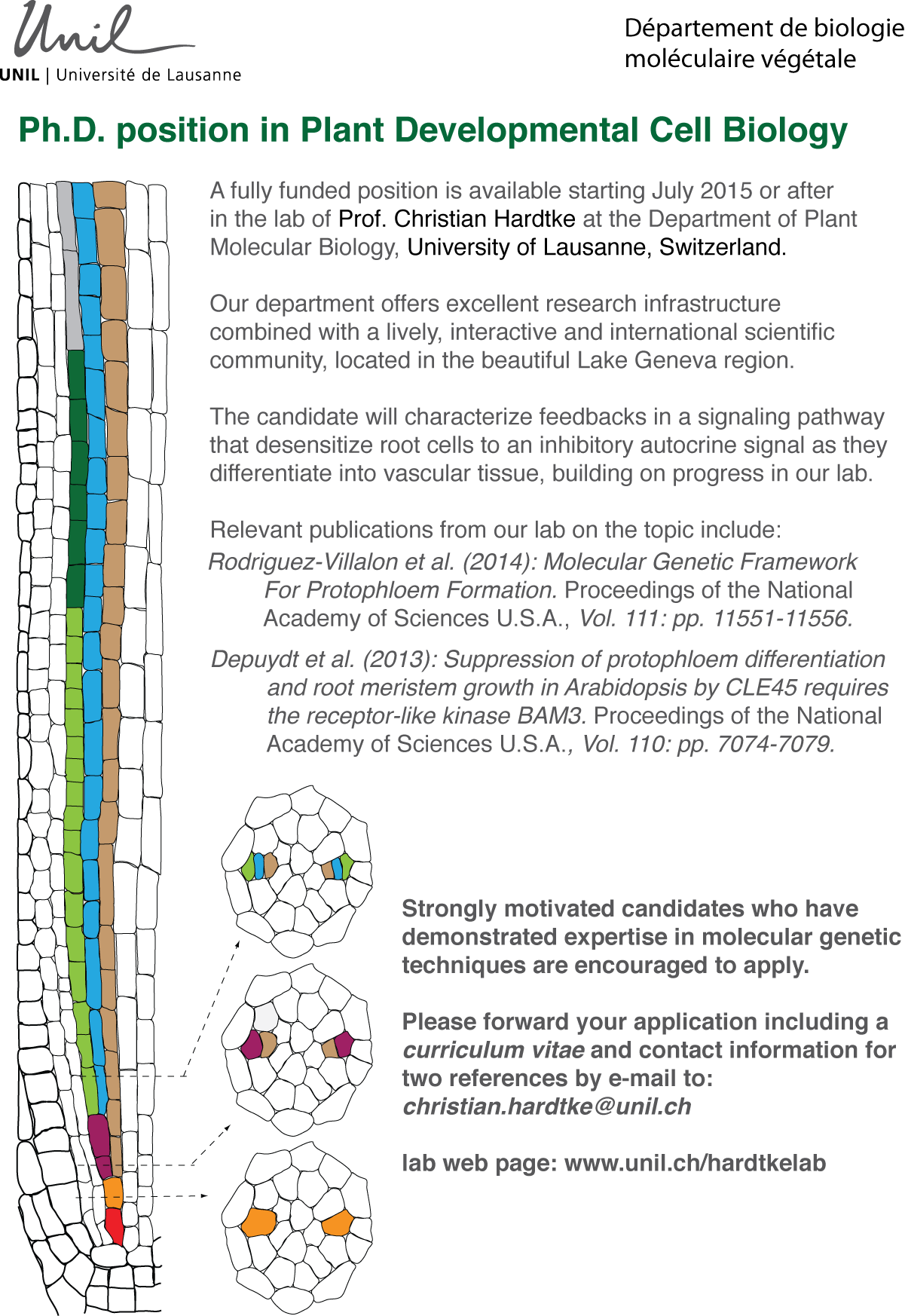
Genes involved in phosphoinositide signalling are conserved across eukaryotes, yet their role in plant development remains unclear. Now (p. 1437), Christian Hardtke and colleagues reveal that balanced phosphatidylinositol-4,5-bisphosphate (PIP2) levels are required for differentiation of the Arabidopsisprotophloem, a specialised vascular tissue found in the root. The researchers analyse plants harbouring mutations in COTYLEDON VASCULAR PATTERN 2(CVP2) and its partially redundant homolog CVP2-LIKE 1 (CVL1), which encode phosphoinositide 5-phosphatases that convert PIP2 into phosphatidylinositolphosphate (PIP). They reveal that a second site mutation in cvp2partially rescues previously identified mutants with impaired protophloem development, suggesting that PIP2 levels modulate protophloem differentiation. In line with this, they demonstrate that CVP2 hyperactivation impairs protophloem differentiation and overall root growth. The researchers further show that, while cvp2 and cvl1 single mutants display no apparent root defects, double mutants paradoxically also exhibit protophloem differentiation defects and a skewed PIP to PIP2 ratio. Finally, they report, this impaired protophloem differentiation systemically alters the auxin response in the root system and, hence, lateral root emergence. In summary, these findings highlight a crucial role for tightly regulated PIP2levels in the Arabidopsis root and suggest that activity in the primary root protophloem shapes root architecture.
Slitting open muscle morphogenesis
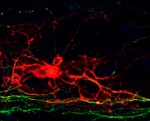
Muscle migration and attachment to tendons are crucial steps in establishing a contractile muscle that is able to move bones. However, how this encounter between muscle and tendon cells is coordinated remains unclear. In the early stages of development, Slit, a large cleavable protein secreted by midline glia, repels migrating muscle cells. Later, it reportedly acts as a muscle attractant. How does Slit achieve this dual role and does its cleavage contribute to its function? Using live imaging of different slit mutant Drosophila embryos (devoid of Slit or expressing an uncleavable form of the protein), Talila Volk and co-workers reveal that Slit actually acts exclusively as a repellent and stop signal for muscle cells (p. 1431). Furthermore, the authors show that the processing of Slit into a more stable N-terminal form tethered to the tendon cell membrane restricts its action and is crucial for the short-range repulsion and arrest of muscle cell migration. This study thus uncovers a novel regulatory mechanism controlling Slit function and distribution during muscle morphogenesis that is likely to operate in other tissues such as the heart and blood vessels.
PLUS…
Developing peer review
Several changes to Development‘s Reviewer Guidelines and Report Forms have just been introduced. These changes, which aim to make the peer-review process more efficient and helpful for authors, are explained in the Editorial on p. 1389
Lysophosphatidic acid signalling in development
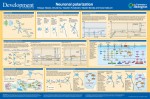
Lysophosphatidic acid (LPA) is a bioactive phospholipid that regulates cell survival, proliferation, differentiation, migration, adhesion and morphology. These LPA-influenced processes impact many aspects of organismal development. In their short poster article, Jerold Chun and colleagues review the developmentally related features of LPA signalling. See the Development at a Glance article on p. 1390
Dynamic stem cell heterogeneity
Recent lineage-tracing studies based on inducible genetic labelling have emphasized a crucial role for stochasticity in the maintenance and regeneration of cycling adult tissues. These studies have revealed that stem cells are frequently lost through differentiation and that this is compensated for by the duplication of neighbours, leading to the consolidation of clonal diversity. With a focus on mammalian spermatogenesis, intestinal maintenance and the hair cycle, Teresa Krieger and Ben Simons review the role of dynamic heterogeneity in the regulation of adult stem cell populations. See the Review article on p. 1396
We have been trying to implement FRET in the lab and transfect our cells with mechanical biosensors, but so far we haven’t managed to successfully force our cells to express our constructs. After some digging, we realised that this technique does not work for all cell types. Its success seems to be highly dependent on cell sensitivity, which may be one of the reasons why we are not getting positive results out of it because HUVECS are pretty sensitive cells to work with.
That’s why I am here asking for advice regarding alternative techniques we could use to measure cell-cell force transmission. Fom what I have seen so far, a lot of people have been using AFM (Atomic Force Microscopy) to quantify cell adhesion to the ECM. However, what I am interested in is actually to measure force between neighbour cells. There are also other techniques to consider like micropost arrays or even flow chamber assays, but these methods kind of escape what we would like to address. Anyone has any other advice for something else we could try?
About a year ago, I met someone at a conference who worked at a food chemistry lab in New Orleans. She was telling me about how her company had tried to hire a chemist with a Masters or PhD by putting some ads out on various job boards, but no one with the right credentials had applied. I thought this was strange because, having recently finished grad school at Purdue University, I knew several Masters and PhDs that would have loved to relocate to New Orleans with their proposed starting salary.
People are going to grad school in record numbers, so why was it so hard to find scientists and engineers with advanced degrees?
Part of the problem, I realized, was the business model of mega-job boards, which attempt to drive as much indiscriminate traffic to their site in order to provide job postings with maximum exposure. This, of course, is not a very effective way to recruit scientists and engineers. Consequently, major companies establish relationships with a handful of universities to develop a pipeline for specialized talent. But there are thousands of research universities around the world – and if companies are looking for a biologist, or a chemist, or a biochemical engineer (just for example), why should they have to source from just a few schools? There had to be a better way to connect scientists to industry careers.
The deeper problem, however, was that universities were isolated from industry. For a long time, this made sense; after all, the job of a research professor was to do research and train the next generation of research professors. But now that professors must train scientists and engineers who may not remain in academia, the talent pipeline needs to be reconfigured.
Graduate students across STEM disciplines are facing a rapidly changing career landscape. For many grads, the options are to either perennially hop from post-doc to post-doc, or pivot to an industry career. Fortunately, STEM grads certainly have transferable skills, but finding a job and pursuing a career can still be difficult challenges. So I built GradSquare to reconfigure the talent pipeline by bridging the gap between universities and industry.
GradSquare is a centralized platform where scientists (both social and natural) and engineers connect with employers who are looking for their talent.
We launched exactly two weeks ago and we now have over 1k sign-ups. It’s great to see such an accomplished community of grads connecting with employers and recruiters. And I’m happy to say that there’s been a remarkable amount of interest in candidates with backgrounds in biological and biomedical sciences. From biotech startups to CROs, recruiters and employers are eagerly searching for candidates with degrees in life sciences.
Finally, GradSquare is not just a place to browse jobs and connect with employers – it’s also a place to learn about industry careers. I host a podcast series, GradSquare Radio, where I interview grads who have successfully pursued industry careers, asking them how they went about finding their jobs, what a day in their life is like, and what advice they have for others who are interested in pursuing non-academic careers. Biologists in particular may be interested in a couple of GSR podcast episodes.
The first features Ramsey McIntire, PhD, Anatomy and Cell Biology, discussing her transition from a post-doc at the University of California San Francisco to a job at EMD Millipore as a Multiplex and Cytometry Specialist: http://www.gradsquare.com/blog/gsr-episode-21-ramsey-mcintire-phd-anatomy-and-cell-biology
The second features Yin He, Ph.D, Molecular Biology, Genetics, & Molecular Nutrition, discussing her transition from graduate school at Cornell to working at a startup in Silicon Valley called Transcriptic, an automated remote wet lab that functions as a faster, less error prone, and cheaper alternative to traditional CROs (disclosure: Transcriptic is hiring through GradSquare): http://www.gradsquare.com/blog/gsr-episode-17-yin-he-ph.d-molecular-biology-genetics-molecular-nutrition
I’d love to hear your comments, questions, and suggestions! Please don’t hesitate to email me at marco@gradsquare.com.
Mouse embryonic stem cells (mESCs) are by definition cells that can self-renew (make identical copies of themselves) and specialize into any cell type of the body. Since their discovery, scientists have used them to produce various specialized cell types in culture but also to produce transgenic mouse lines. When injected into a mouse early embryo, mESCs can become any cell type of the body but can also be passed on to the next generation. Using this technique, scientists have been able to generate hundreds of transgenic mouse models, from which resulting studies have been invaluable for the progress of biology and medicine.
However, although mESCs are able to integrate into embryos, mESCs cultured in a dish do not organize themselves into structures that are similar to embryos. If aggregated into balls, called embryoid bodies, they can develop into a disorganized mass that does not resemble an embryo. Very interestingly, van der Brink and colleagues have published, in Development, a culture protocol with which they obtain mESCs structures that exhibit collective behaviors similar to those of the cells in the early mouse embryo: axis elongation, axial organization and early cell specialization. They thus call these structures gastruloids, in reference to gastrulation, one of the key and central process of early embryo development.
In this picture you can observe the cells of the tip of a gastruloid. The protein brachyury is shown in green, presence of protein TCF/LEF is shown in red and Hoechst (blue) corresponds to the cells nuclei. The yellow cells at the very tip express both brachyury and TCF/LEF, a characteristic specific of cells of the primitive streak structure in early embryos. This observation, along with others in the study, suggests that the gastruloids formed by mESCs undergo developmental movements that resemble the ones of early embryos.
Although the impact of such interesting observations is hard to determine yet, it is fascinating nevertheless to obtain such complex organized structures in vitro. This hopefully will open new ways of studying early development and disentangle early development mechanisms so far unknown.
Picture Credit:
van den Brink, S., Baillie-Johnson, P., Balayo, T., Hadjantonakis, A., Nowotschin, S., Turner, D., & Martinez Arias, A. (2014). Symmetry breaking, germ layer specification and axial organisation in aggregates of mouse embryonic stem cells Development, 141 (22), 4231-4242 DOI: 10.1242/dev.113001
Here are some of the highlights on the Node in the last month:
Discussion:
– Following your feedback to our survey, this month we launched a new feature to encourage more discussion on the Node- Question of the Month! Every month you can expect a new question on an interesting or controversial topic, and we hope that you will join the discussion by leaving your thoughts. Our first question is about developmental biology funding.
– Rebecca posted about her visit to the USA Congress, and shares her thoughts and experience on how best promote science research funding with political representatives.
Also on the Node:
– The Journal of Cell Science posted part 1 and part 2of a series of cartoons about the ups and downs of establishing your own lab.
Report on GUDMAP Outreach at ISN World Congress of Nephrology (ISN WCN) March 13-17, 2015 Cape Town, South Africa
Author: Chris Armit
Date: 23rd March 2015
Introduction
The International Society of Nephrology (ISN) holds biennial meetings throughout the world, and this was the first ISN WCN to be held in Africa. There was attention brought by the scientific program to maternal and child renal health, both of which are key problems in the developing world. There was additional emphasis on translational and clinical nephrology, with the session entitled ‘Congenital anomalies of the kidney and urinary tract: Prenatal through adulthood’ being of particular relevance to developmental biologists.
In addition, for the first time particular attention was paid to renal nurse involvement through their involvement both as speakers with the support of the Renal Care Society of South Africa and similar nurse associations around the world. It was anticipated by the ISN Committee that this would have great relevance, and is potentially of enormous impact on renal care in resource-poor settings of Africa where nephrologists and even non-specialised physicians are very scarce, and where life-death decisions for people with kidney disease often depend on well-trained nursing staff.
Congenital anomalies of the kidney and urinary tract: Prenatal through adulthood
This session opened with a talk entitled ‘Organogenesis of the kidney’ by Melissa Little (University of Melbourne). Melissa introduced some of the key events in nephrogenesis and collecting duct formation, and provided an insightful overview of some of the key differences in kidney development between human and mouse. Following this, Melissa introduced the GUDMAP Project and GUDMAP Database as invaluable resources for researchers in the field wishing to know more about genitourinary development and the molecular anatomy of the developing kidney. There followed a more detailed discussion on GUDMAP, with reference to compartment isolation by LCM/FACS, expression profiling by arrays and RNA-seq, spatial validation by ISH, and the generation of transgenic reporter mice. Gene expression profiles of anchor genes defining nephron subcompartments were introduced as an illustrative way of identifying molecular anatomical profiles in GUDMAP sample data. In addition, comparative analysis of molecular markers of stage III and stage IV nephron were used to demonstrate the use of GUDMAP in identifying proximodistal expression patterns in GUDMAP SISH expression data. In addition, Melissa very kindly advertised the presence of a GUDMAP Exhibitor Stand at the ISN WCN where more information about the project could be obtained.
Recent data from Melissa’s lab highlighted the importance of hypoxia in congenital anomalies during embryonic development with Beta-catenin as a potentially important prognostic factor. Specifically, downregulation of the Beta-catenin BATGAL reporter is observed following hypoxia and this precedes the medullary collapse that is observed following hypoxic insult. Consequently, there is great interest in the role of Wnt/Beta-catenin signalling in the response to hypoxia. Of interest, medullary collapse was additionally observed in Cited1 knockout mouse embryos. The Cited1 knockout shows placental vasculature abnormalities, but not metanephros vascular abnormalities, and this highlights a potential role of systemic hypoxia in medullary collapse and may be relevant to understanding congenital kidney anomalies in clinical scenarios where systemic hypoxia may be important (e.g. pre-eclampsia).
Professor Melissa Little (University of Melbourne) introduced kidney development to a clinical audience and highlighted the role of the GUDMAP resource.
The second speaker Nine Knoers (UMC Utrecht, Netherlands) spoke on ‘The next generation sequencing revolution’ and introduced this topic to a primarily clinical audience who were less aware of recent developments in this technology. Using renal dysplasia as a specific clinical example, Nine Knoers pointed out that Pax2 and Hnf1b are mutated in 10-15% of kidney dysplasia patients. However, in the majority of cases of renal dysplasia a gene association has not been identified. There was emphasis on how next-gen sequencing of cohorts of patients could be used to find genes associated with specific congenital disorders.
There was a change to the advertised program, and the third speaker was Christel du Buisson (Stellenbosch University, South Africa) who provided clinical case studies of antenatal hydronephrosis. In the first example of antenatal hydronephrosis, a case was presented where foetal pelvic ureteric junction obstruction was demonstrated by ultrasound. In this case study it was shown that a diuretic renogram did not differentiate between a functional abnormality or an obstruction. In a second case study of antenatal hydronephrosis, a case of primary vesico-ureteric reflux was presented where the developmental anomaly reflects abnormal insertion of the ureters into the developing kidney. Taken together these case studies highlight the inherent difficulties of diagnosing kidney disease in a pre-term clinical environment.
The final speaker in this session was Tong Zhang (Changzheng Hospital, Shanghai, China) who spoke on an ‘Interaction between Polycystin-1 and the tuberous sclerosis complex (TSC1/2) gene products and its role in regulating canonical WNT signaling’. It is known that TSC1/TSC2 activates mTor and disrupts PI3Ksignaling (Zhang et al., J Clin Invest. 2003 Oct;112(8):1223-33) but a direct role of these gene products in inducing Beta-catenin/WNT signalling has not been reported previously. I considered it appropriate to point out some recent work by Nils Lindstrom, Neil Carragher, and Peter Hohenstein of the University of Edinburgh and Roslin Institute who have shown that the PI3K pathway and the Beta-catenin pathway have opposing roles in self-renewal and differentiation of nephron progenitor cells (Stem Cell Reports, 2015, http://dx.doi.org/10.1016/j.stemcr.2015.01.021), with PI3K signaling triggering premature differentiation of the nephron progenitors. It is unclear whether TSC1 and TSC2 have a dual role in regulating in both these pathways but I consider this to be of potential interest.
GUDMAP Exhibitor Stand
The GUDMAP Exhibitor Stand promoted GUDMAP as ‘The Free Online Genitourinary resource’ and was used to invite discussion on the scope of the GUDMAP Project and to provide live demos on how to use the GUDMAP web resource. Dr Simon Harding and Dr Frances Wong of the GUDMAP Editorial Office provided excellent exhibitor material in the form of banners and leaflets. Whereas there was some interest at the Exhibitor Stand on the Saturday afternoon, this increased following Melissa Little’s talk on the Sunday morning and there was a steady flow of interested parties to the GUDMAP Exhibitor Stand for the remainder of the Congress.
Prof. Melissa Little (University fo Melbourne) at the GUDMAP Exhibitor Stand
At the Exhibitor Stand, there was great interest in the scope of the GUDMAP Project and how it was funded. Following the session on ‘Congenital anomalies of the kidney and urinary tract: Prenatal through adulthood’ there was a lot of interest in the compartment-specific analysis that Melissa had mentioned in her talk. The GUDMAP Poster served as an excellent overview of the project, with online demos being used to show users how to find these data using the GUDMAP Database. There was additional explanation of using SISH to validate gene expression patterns following cDNA microarray analysis, and of using gene strips as a means of finding OMIM disease associations, in situ expression images, and array and RNA-seq data for a gene of interest. Andy McMahon’s ‘Comparing Mouse and Human Kidney Development’ section of the GUDMAP poster was particularly relevant for a clinical audience and highlighted the similarities between human and mouse at early stages of kidney development. A number of clinicians that visited the stand were surprised by how similar the Six2 and Cytokeratin gene expression patterns were between human and mouse, and this highlighted the importance of the mouse as a model organism for investigating kidney development and disease.
There was additional interest from clinicians who had attended the plenary talk by Barry Brenner (Harvard Medical School) entitled ‘Hypertension and kidney disease: The fault is not in our stars, but may be in our embryos’. In this talk, Barry Brenner emphasised the striking clinical correlation between low birth weight and low nephron number/kidney mass, and used as case studies two twin studies whereby the identical twin with low birth weight developed hypertension and kidney disease in later life. Clinicians who had attended this talk wished to know more about kidney development, and the GUDMAP poster and the GUDMAP online tutorials were particularly illustrative in this respect. On several occasions I was asked whether GUDMAP has any data on hypertension, to which I replied that the GUDMAP Database archives gene expression data on normal genitourinary development, and does not explore specific disease models. However, from the feedback I received I believe that if GUDMAP were to host primary data of mouse models of kidney disease then this would be of wide interest to the ISN community. There was additional interest as to whether GUDMAP had primary data relating to cell proliferation and cell death as this could be a means of addressing the phenomenon of nephron number/kidney mass as outlined in Barry Brenner’s talk. This may also be of wide interest to the nephrology community.
Comparison between human and mouse kidney development was of great interest at the GUDMAP Exhibitor Stand. This image shows the hGUDMAP (human GUDMAP) data that was showcased at the Exhibitor Stand.
There was considerable interest in epigenetics following the plenary talk by Katalin Suszstak (Perelman School of Medicine, University of Pennsylvania) entitled ‘Epigenetics: Finding the missing heritability of complex diseases’. Katalin specifically discussed 5-mC methylation in the context of chronic kidney disease, and reported on some major findings over the last 5 years, including the seminal work by Bechtel et al (Nature Medicine 2010; 16, 544–550) to demonstrate that Dnmt1-dependent methylation determines fibroblast activation and fibrogenesis in the kidney. There was additional discussion on the role of Tet proteins in renal fibrosis, with tubule-specific Ksp2-Cre deletion of Tet2 being shown to alter regeneration after kidney injury and induce renal fibrosis. Katalin additionally pointed out that from a clinical perspective, 5-azacytidine has been used as a FDA-approved DNA methyltransferase inhibitor since 2004 for the treatment of myelodysplastic syndromes, however there is recent interest in its use in the treatment of renal fibrosis. Following this plenary session, there was interest at the GUDMAP Exhibitor Stand as to whether GUDMAP will host primary data relating to epigenetic modifications during kidney development.
As mentioned in the introduction, there was an emphasis on renal nurse involvement at the ISN WCN. At the GUDMAP Exhibitor Stand there were additional visits from nursing and technical staff who were interested in understanding more about the developing kidney and its role in health and disease. The GUDMAP web resource, and in particular the schematics and online tutorials that are made freely available were particularly welcomed by these health professionals.
A Fresenius health professional at the GUDMAP Exhibitor Stand.
This is a call for the registration to the EMBL Master Course for Bioimage Data Analysis to be held from 7 June (Sun) – Saturday, 13 June (Sat) 2015. The deadline for registration is April 16, 2015. This course will focus on computational methods for analyzing images of proteins, cells and tissues, to boost the learning process of participants who have an immediate need to deploy image analysis in their own research. The course extends from the basic foundations of image processing and programming to the actual implementation of workflows using scripting in ImageJ macro and Matlab languages. Among those workflows, topics that are interesting for developmental biologists could be:
– Quantitative Evaluation of Multi-cellular Movements in Drosophila Embryo
A report in the Node written by Julian Sosnik, a student of the course last year, could be informative for you as well [link]. We aim to gather expert knowledge to organize a world-leading course for image analysis in the fields of biophysics, cell biology and developmental biology.
The course will take place in Heidelberg, Germany at the EMBL Advanced Training Centre. Registration and motivation letter deadline is April 16, 2015. Please visit our course website for more details.