Developmental biologist Gabrielle Kardon, Ph.D., never thought that she would be explaining morphogenesis to patient support groups, but that’s where her science led her. And instead of shying away, she has embraced it. Completely.
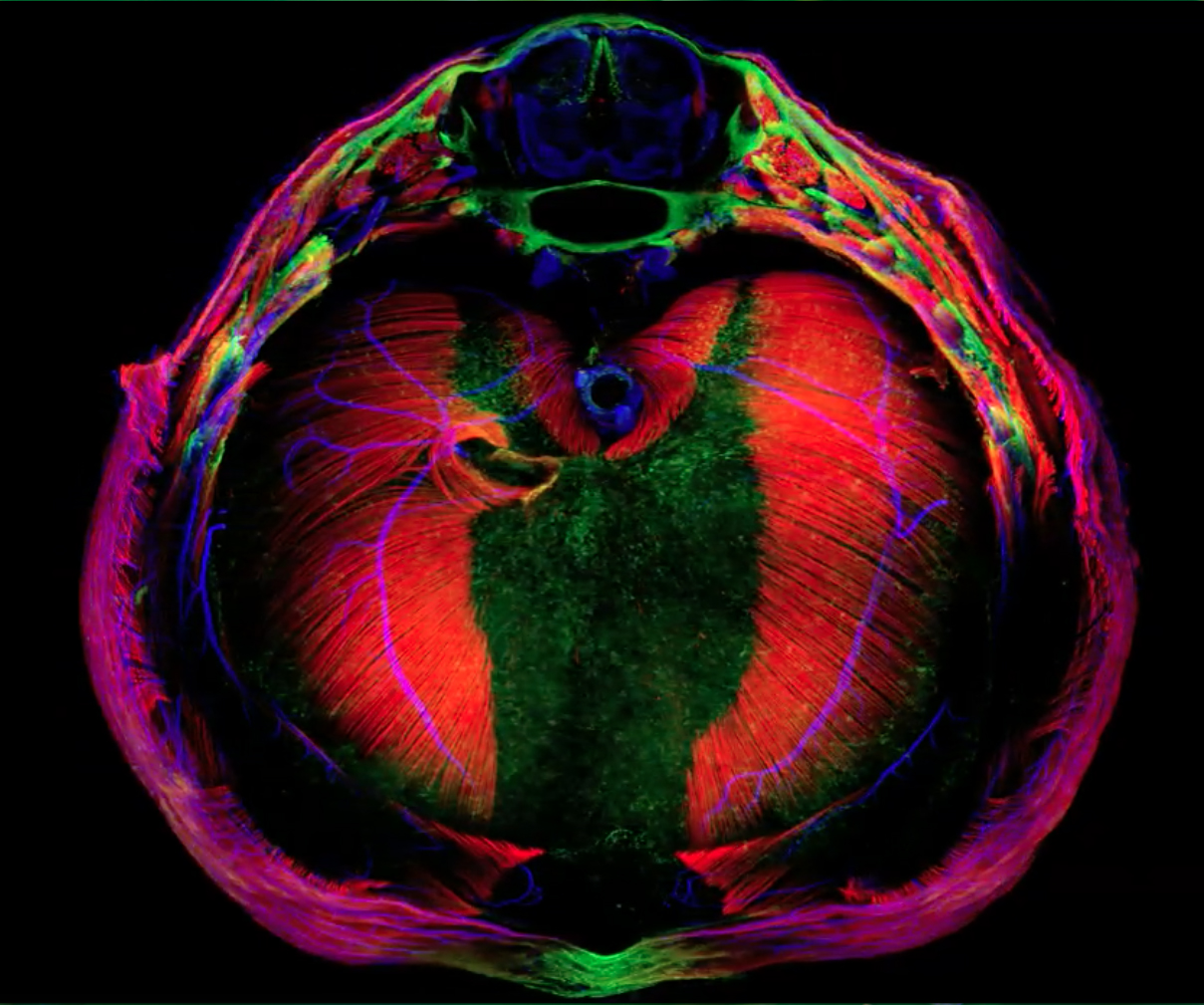
Kardon’s lab had focused mostly on the limb until her graduate student, Allyson Merrell, urged that they explore the diaphragm, of which little was known about its development. It wasn’t long before their transgenic mice had defects that mimicked a little known but common human birth defect, congenital diaphragmatic hernia (CDH). Their diaphragms had a hole through which the contents of the abdominal cavity creeped into the thoracic cavity, interfering with development of the lungs. Like their human counterparts, many died at birth.
Muscle in red, tendon in green, and nerves in blue
It took five years of hard work before they published a mechanistic cause of the defect in Nature Genetics, the first explanation of its kind for how CDH arises, work that was also featured by Carl Zimmer in the New York Times. During that time Kardon had been lurking on the website for CHERUBS – a CDH support group – to get a better understanding of the disease and what patients went through. Once the results for the paper were solid, she felt it was time the right time to reach out.
Gabrielle Kardon with a father who had two children die from CDH. The balloon has a hernia!
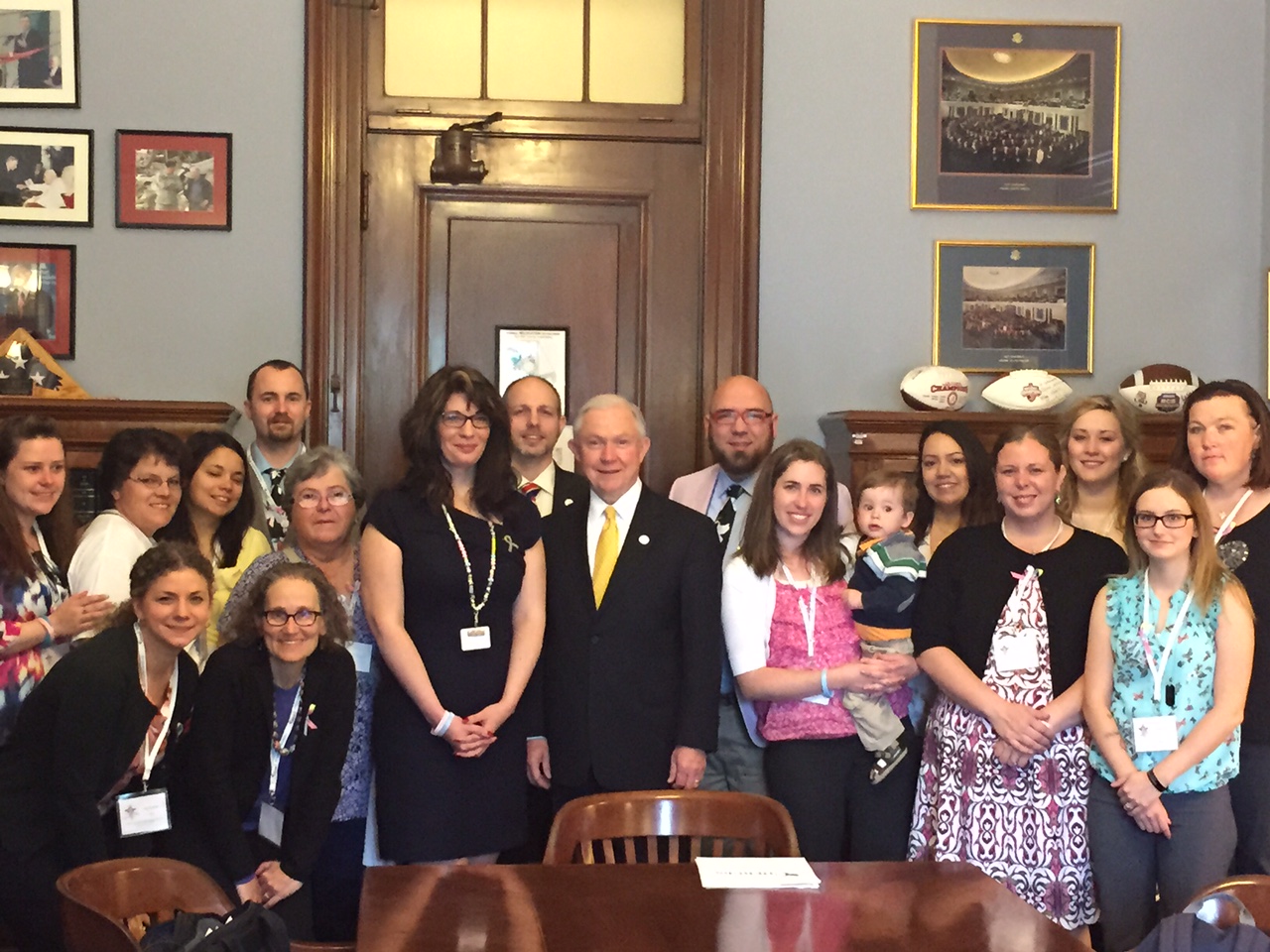
Since that time, just months ago, her scientific life has taken a 180 degree turn. CDH is now a main focus of the lab, with a goal of figuring out ways to prevent the defect in animal models. An even more radical change, she routinely interacts with the CDH community, who has welcomed her with open arms. She has raised CDH awareness with them at a local baseball game and traveled with them to Washington D.C. to advocate for research funding.
Advocating for research funding with the CDH community in Washington DC
But what has impacted her most is getting to know the patients and their families. From them she has not only gained an appreciation for the brutal realities of living with, or dying of, CDH, but also surprising insights into the biology behind the condition. For example after talking to parents she realized that a subset of children were also born with a cleft palate, a phenotype not mentioned in the literature. The realization gave her additional clues to the causes underlying the birth defect. Perhaps most important, Kardon says the personal connections to the disease gives her work new meaning.
Below are additional links including two to audio interviews with Kardon, one in which she describes her journey into patient advocacy.
Has anyone else had a similar experience with patients? If so, what did you get out of it? And what did they get out of interacting with you? If you haven’t, would you if the opportunity arose?
Positions for a PhD student and a postdoctoral scientist are available in the laboratory of Stefan Luschnig at the University of Münster, Germany.
Using mainly Drosophila as a model, we investigate developmental, cellular, molecular, and functional aspects of epithelial biology. We apply quantitative imaging approaches to analyze cell behavior at the level of tissues as well as of single cells. The aim of this project is to uncover mechanisms of the formation and dynamics of tricellular junctions, a poorly characterized structure with fundamental roles in epithelial biology and disease (see http://authors.elsevier.com/a/1RA3p5Sx5gPPbF )
Individuals with a strong background in cell or developmental biology, molecular biology or biochemistry are encouraged to apply. We especially welcome applications from candidates interested in quantitative imaging and biophysical approaches. Knowledge in Drosophila genetics and microscopy would be beneficial, but is not essential. Postdoc applicants must hold a PhD (or equivalent) in Biological Sciences.
We offer an exciting and stimulating work environment with local and international scientific collaborations. Access to state-of-the-art facilities for light and electron microscopy is provided. The lab is part of the Cluster of Excellence ”Cells in Motion“ (CiM), which merges excellence at the University of Münster in cell biology and molecular imaging and integrates internationally visible interdisciplinary networks between the medical, natural sciences and mathematical faculties as well as the Max Planck Institute for Molecular Biomedicine.
Applications with a CV and names of three referees should be sent by E-mail to luschnig(at)uni-muenster.de
More information regarding the lab can be found at
The next Company of Biologists Workshop is titled “Transgenerational Epigenetic Inheritance” and we have 10 funded places available for early career scientists!
This workshop is being organised by Edith Heard and Ruth Lehman andwill take place from the 4th – 7th October 2015 at Wiston House, West Sussex, in the UK. You can find more information about this workshop here. Only 20 speakers will be attending the workshop in addition to these 10 early career places, so this is a unique opportunity to discuss transgenerational epigenetic inheritance with the leaders in the field.
The deadline for applications is the 31st of July. You can find more details here, and you have to be able to cover the costs of your travel. If you work in this field and fancy 4 days locked in a historic house in the English countryside with these speakers then please apply!
I’m Dr Rie Saba, a postdoc at Translational Cardiovascular Therapeutics, William Harvey Research Institute, Queen Mary University of London (UK), studying the role of endocardium in the mammalian heart development.
The endocardium contributes to cardiogenesis by playing many crucial roles, such as regulating trabeculation and atrioventricular canal formation. However, our knowledge of the early phase of endocardium development is still limited, and an in vitro system able to induce the formation of endocardial cells from ESCs/iPSCs has not yet been reported due to difficulties reproducing the in vivo conditions. The endocardium is exposed to mechanical stresses from blood flow and the beating of the myocardium immediately after its appearance as the endocardial cell layer in the mouse heart tube formation. To understand the molecular mechanism of this developmental process further, I wanted to establish a system to induce endocardial cells from ESCs/iPSCs under such mechanical stresses.
Last September, while I was looking for equipment to culture cells under these conditions, I attended the Company of Biologists workshop ‘From Stem Cells to Human Development’, which took place in the UK, There I met Ms Nian Shen, who was presenting her poster next to me. She is an engineer who develops bioreactor systems that allow the culture of cells under controllable flow and strain stresses, and had succeeded in inducing cardiomyocyte differentiation from ESCs effectively with this system. That’s it! I had a solution for my problem!
Nian is a PhD student in the laboratory of Professor Katja Schenke-Layland’, at Frau nhofer IGB Stuttgart, a non-profit research institute located on the campus of the University of Stuttgart (Germany). Katja’s group develops critical applications for the fields of tissue engineered biomaterials, women’s health, cardiovascular regenerative medicine and optical technologies, and accepts students and guest researchers from all around the world. They kindly accepted my offer of collaborative research, so I visited Stuttgart this April, funded by a Company of Biologists’ Travelling Fellowship. The laboratory is really well organized, the lab members always gave me attentive support and we had many helpful discussions about my project.
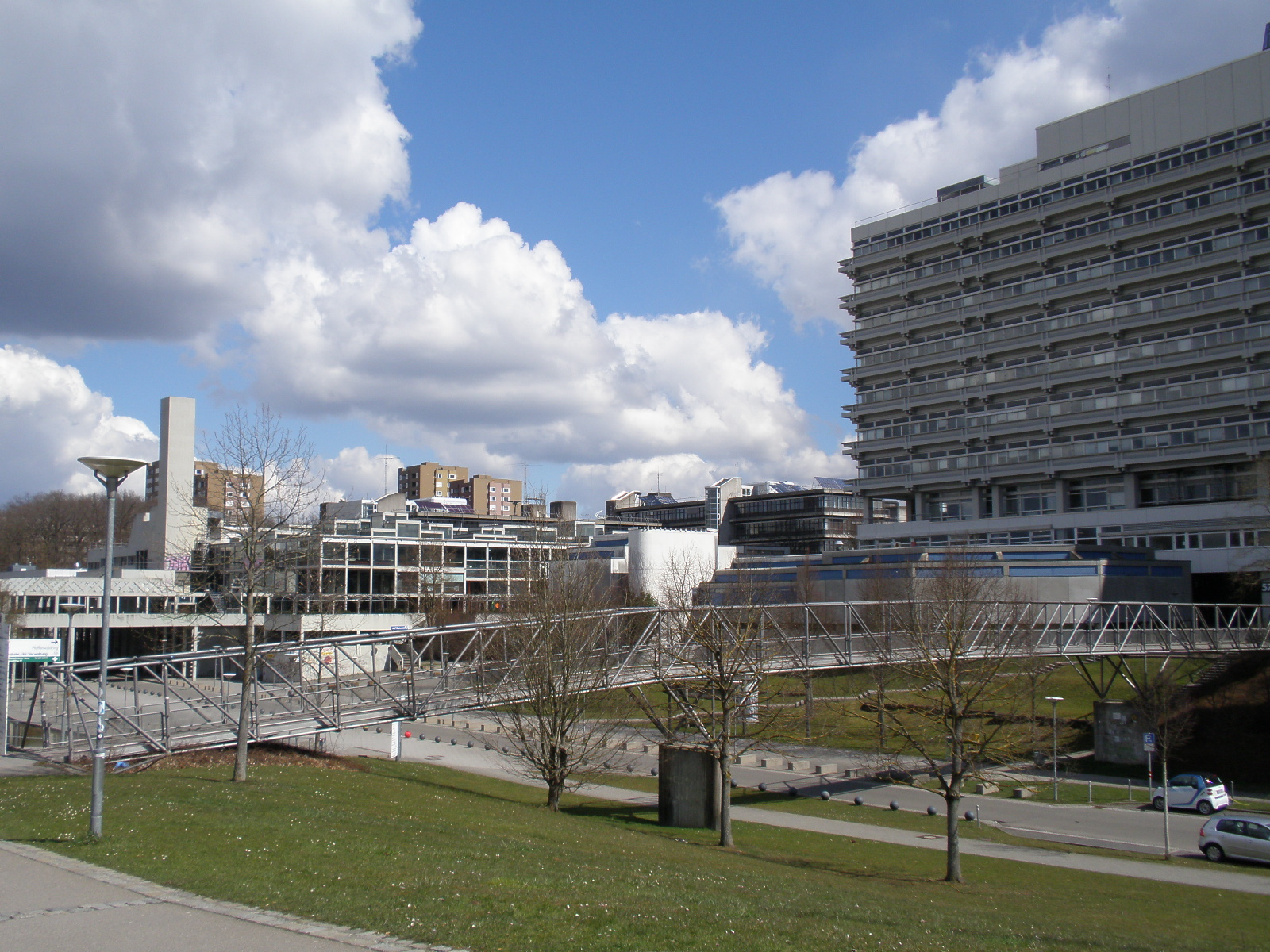
Centre of the Universität Stuttgart. In the large campus on the hill, many research institutes are clustered.
Despite being such a well-established laboratory, my experiments did not progress as in the research proposal, and I had to reconsider the plan and the experimental protocol. I hadn’t estimated the period of trouble shooting, and five weeks were too short to obtain some conclusive data! It frequently happens that a published protocol is not reproducible, and I have experienced the difficulty of reproducing the same experiments in a different place when doing it by myself. Fortunately I could obtain some samples from my final experiment in Stuttgart, and am analyzing these in London.
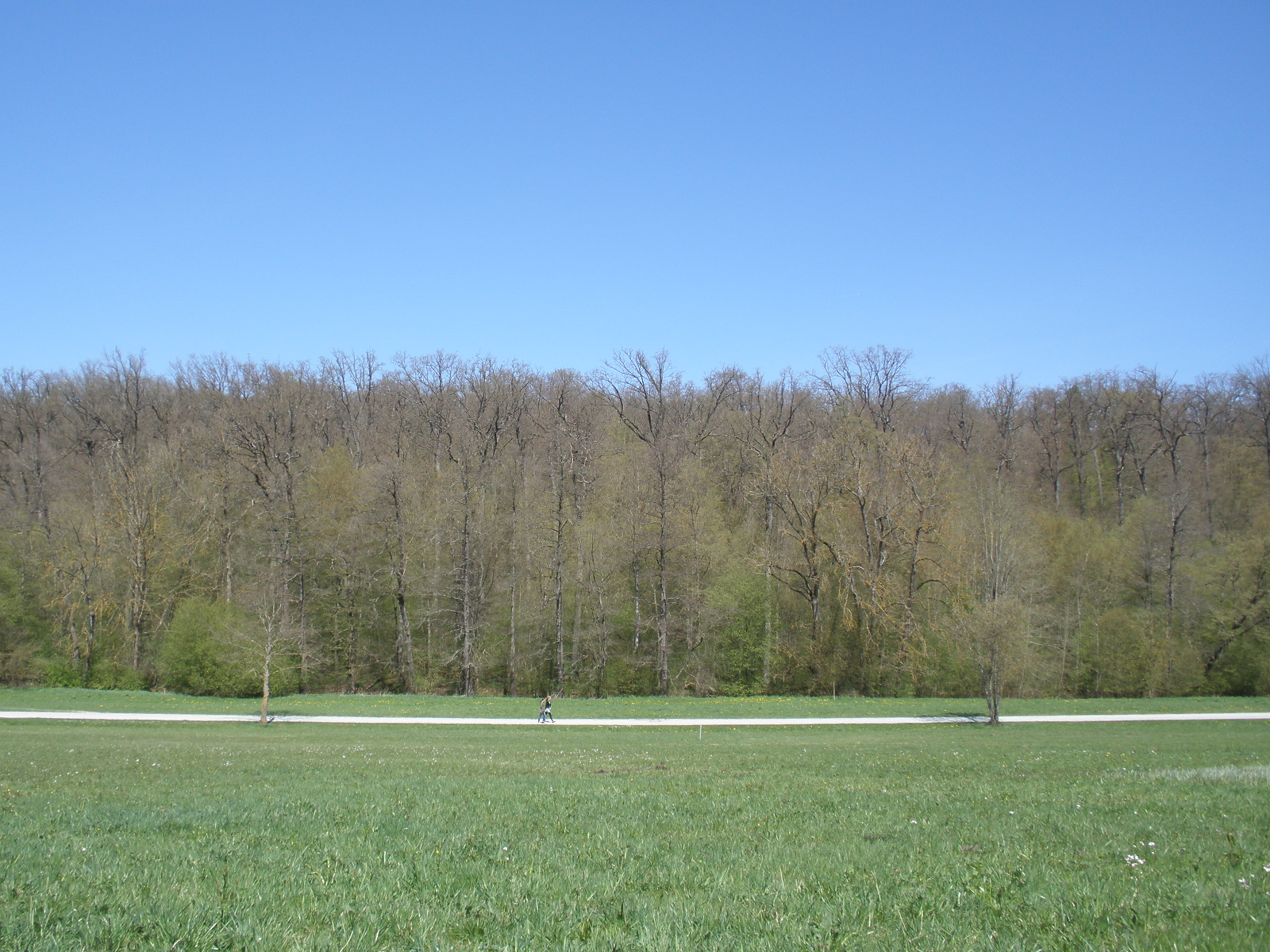
Universität Stuttgart is surrounded by a forest. Many people enjoy it in and around the campus, by walking, jogging, and biking.
In Stuttgart I had a really good time communicating with researchers that share my interest in cardiogenesis, but have a different perspective and expertise. We are now planning the next opportunity to progress our collaborative research further. I would like to thank all the people involved for their kind support, and especially to the Company of Biologists for giving me this opportunity.
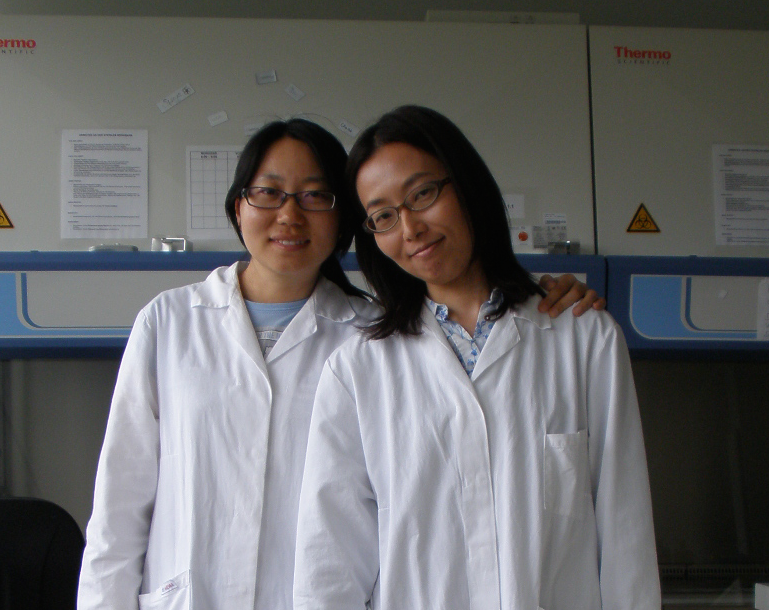
Nian (left) and I (right) in the culture room of Fraunhofer IGB.
Lab sizes vary considerably, from small groups that include only the lab head and maybe a student or postdoc, to huge enterprises of several dozen people, including senior postdocs that manage smaller sub-groups under the overall supervision of the PI. What are the advantages of small versus large labs? Is it inevitable that a lab must continuously increase in size to be competitive? In other words:
How big should a lab be?
Share your thoughts by leaving a comment below! You can comment anonymously if you prefer. We are also collating answers on social media via this Storify. And if you have any ideas for future questions please drop us an email!
Nature’s most interesting secrets can sometimes be found in our own backyards. One such secret is related to all birds, those pigeons, thrushes and sparrows that we see everyday. This familiarity means that we do not think too much of birds passing them by on our way to work or school. However, if the birds no longer existed, wiped out by an ancient cataclysm, and were only known to us through their fossil remains, we would be truly awed by them, by their strange anatomy, by how different they would appear from all other vertebrates, including their own ancestors. Modern birds are the remaining descendants of once glorious lineage of theropod dinosaurs, the bipedal carnivorous reptiles who dominated the landscape during the Mesozoic Era. The theropods had long and powerful snouts with many teeth, relatively small eyes and brains – a far cry from modern birds that have no teeth, their skulls featuring relatively large eyes and brains. Instead of a face with a snout constructed from many bones, birds have an elongated bill, composed largely of just two bones – one bone of the upper beak (premaxillary bone) and one for the lower jaw (mandibular bone). The beaked face of the modern bird looks distinctly different from the faces of their ancestors. How and why the birds acquired their unique craniofacial appearance?
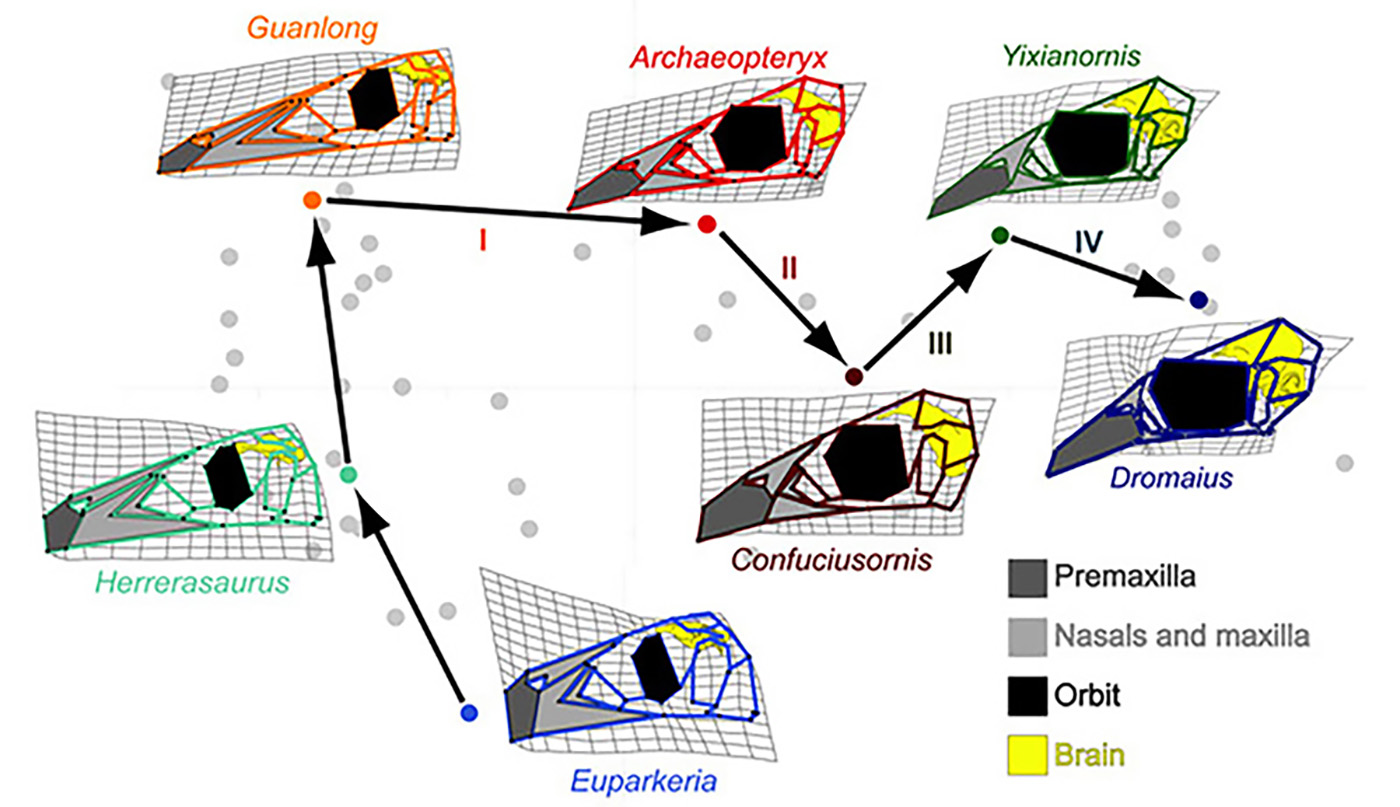
In 2012 my group published Bhullar et al., 2012 report where we explained the first part of the story of the avian skull and face [1]. We studied skulls of the modern and primitive birds, non-avian theropod dinosaurs and other members of the Archosauria, a group of amniotes, which originated about 250 million years ago and included crocodilians, pterosaurs, all dinosaurs and birds. Landmarks were placed on each skull at homologous positions that allowed us to compare archosaurian skull shapes as they evolved and changed over millennia. We used computer software-based geometric morphometric and principal component (PCA) analyses (Fig.1). To better understand the role of developmental changes in this evolutionary story, we also included late embryos and juveniles of both birds and dinosaurs, where available. First, we noticed that the skulls of adult theropods became longer as they evolved from the more basal archosaurs. Second, the skulls of the theropod embryos and juveniles were morphologically different from adults occupying a distinct area of morphospace – they had shorter faces, fewer teeth and proportionally larger brains and eyes. Lastly, the first birds, such as the famed Archeopteryx and Confuciusornis were found precisely in the theropod “baby space”. Ontogenetically, the early birds appear to undergo little change from juvenile to adult states. For example, the skull of the young Eichstätt specimen of Archaeopteryx is about half size of the Berlin specimen’s skull but has a nearly identical cranial morphology, and, importantly, both of them resemble the juvenile theropod skulls. Thus, we concluded that birds are paedomorphic in terms of their cranial morphology in retaining a morphology as adults that resembles that of the juveniles or embryos of their ancestors. Birds are dinosaurs, whose heads and faces never grow old…
Figure 1. A complicated trajectory of skull shape changes during evolution of non-avian archosaurs and birds. Note the collapse of the face (light grey) and subsequent expansion of the beak 9dark grey) in birds. Euparkeria is an early archosaur, Herrerasaurus is one of the one of the earliest dinosaurs. Guanlong is Guanlong is a tyrannosauroid theropod dinosaur. Archeopteryx is the first bird. Confuciusornis is another early bird. Yixianornis is a beaked bird from the early Cretaceous period. Dromaius (emu) is a basal modern bird [1].
Paedomorphosis is an example of heterochrony, a change in timing or order of developmental events that produces a phenotypic alteration in the adult. There are two ways by which paedomorphosis can arise [2]. One is called neoteny (juvenilization), when somatic development of an animal is slowed or delayed so at the onset of sexual maturity it still retains juvenile characteristics. One of the best-known examples of neoteny is certain species of urodele amphibians, which sexually mature despite preserving a number of larval features, such as a finned tail and external gills. The second type of paedomorphosis is called progenesis when sexual development occurs faster than in the ancestral lineage and results in early somatic maturation and juvenile-looking adults. Paedomorphosis in the bird lineage is probably one of the most striking examples of progenesis reported to date. Our PCA graph shows that birds have significantly shorter ontogenetic trajectories than in all other studied archosaurs. Importantly, these short trajectories also match histological data indicating that sexual and somatic maturation times were truncated during the paedomorphic transformation. So, developmental program in birds is much shorter because they become mature much faster (up to 20 times faster!) than more basal archosaurs.
There was a point in early avian evolution when the shapes of their skulls were nearly perfectly pedomorphic. The modern birds, however, look substantially different from those first birds. Archeopteryx, famously, still had a snout with teeth and, while baby-like, it still looked like a dinosaur with wings. Modern birds have a beak and our latest publication sheds light on how this unique structure evolved from a snout [6]. Modern birds number about 10,000 species, the largest and arguable most successful group of land vertebrates [3]. Much of their success can be attributed to variation in beak shape. Birds use beaks of a bewildering variety of different designs to obtain food items (hooked beaks of predatory birds, long and straight beaks of herons and hummingbirds, deep beaks of finches and sparrows, serrated beaks of mergansers and flamingos for catching fish and filter feeding, respectively), to build or weave nests (most birds), to dig burrows in the ground (puffins and swallows), to hammer or excavate wood to build a hollow enclosure (woodpeckers and chickadees), to dissipate heat (toucans) and to communicate (song birds, storks, owls). Above all, the bird beak is a precision grasping tool, and its exact shape is often critical to its function. In fact, it is likely that bird beaks evolved to replace the long and agile fingers of their theropod predecessors. It is also a great example of a key evolutionary innovation, a novelty that had dramatic phylogenetic consequences [4]. But how the bird beaks originate?
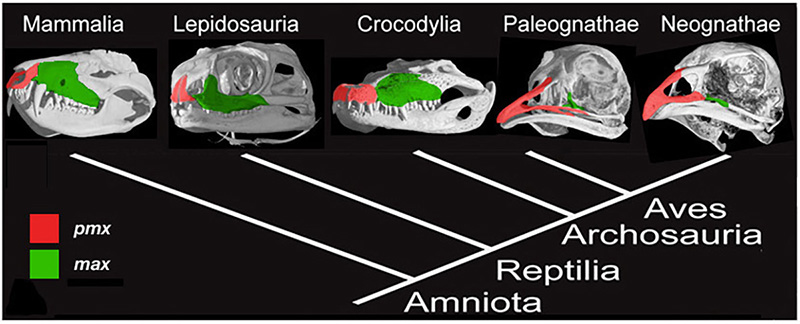
Figure 2. Amniote phylogeny with skull μCT scans and configuration of the premaxillary (red) and maxillary (green) bones. Mammals (Mammalia), lizards (Lepidosauria), and alligators (Crocodylia) all have paired, small and rounded premaxillary bones. Modern birds have fused, large and elongate premaxillae [6].
The upper beak in birds is a particular challenge to understand. It is a novel structure, which forms as a result of rostral expansion of the fused premaxillary bone, which grows as two small capping elements in basal archosaurs and most dinosaurs but expands to structurally and functionally dominate the upper face in modern bird lineage (Fig.2). The remainder of the snout and much of the face in birds are paedomorphically truncated. To address the origin of the avian beak, my group implemented the following research program, developed for studying developmental mechanisms for evolutionary novelties [5]: first, we traced the transformation of the distinctive avian facial skeleton in the fossil record using geometric morphometrics; then we examined candidate gene expression domains in reptiles and birds to phylogenetically polarize expression patterns, and, lastly, experimentally restored the inferred ancestral craniofacial expression patterns in developing chicken embryos [6]. To analyze the results of functional experiments, we included the resultant cranial phenotypes in the broader geometric morphometric analysis, which contained ancestral snouted and bird-faced fossil forms.
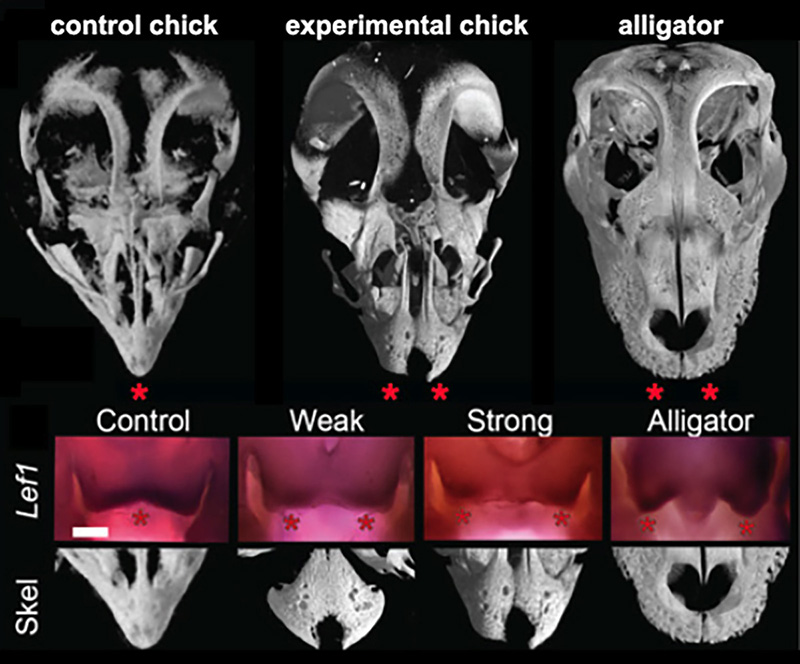
Figure 3. Results if functional experiments reveal roles of FGF and WNT signaling in the origin of modern bird beak. μCT scans of alligator skulls, wild- type chick, and FGF inhibitor-treated chick embryonic skulls. Note the large and paired pmx in the inhibitor-treated embryo (stars). Suppression of FGF signaling causes a range of phenotypes including a suppression of medial WNT signaling and completely separated and round pmx bones [6].
The principal-component analysis of shape variation in premaxilla of a range of extant and extinct archosaurs (including embryos, juveniles, and adults) revealed that adult and embryonic modern birds were separated from the ancestral forms along in having relatively long, narrow premaxillae and straight-edged premaxillae. Predictably, premaxillae of the first bird Archeopteryx clusters with the non-avian snouted dinosaurs. Next, we determined that the early medial expression of Fgf8 and later medial WNT signaling in the developing faces is phylogenetically exclusive to birds. These molecules are expressed in the right time and the right place to control the formation of snout and beak. Embryos of all other amniotes studied (mouse, turtle, lizard, alligator) had only two lateral expression domains around the nasal pits. We then placed silica bids soaked with either FGF or WNT specific inhibitors to replicate an inferred ancestral pattern. Near-hatching skeletal phenxotypes of both FGF-inhibited and WNT-inhibited experimental embryos were not simply abnormal – they were similar to each other and strikingly resembled ancestral archosaurian forms in having abbreviated, rounded, and partially or fully paired premaxillae (Fig.3). Embryos with strong phenotypes displayed complete separation of the premaxillae with a suture-like division between them. We did not find any evidence of cell death playing a role in generating this atavistic phenotype and instead found evidence for a loss of the fusion zone between the two premaxillae. Interestingly, In addition to the premaxillary bone phenotype, the palates of experimental embryos also showed an altered and more ancestral phenotype. The palatine bones of modern birds have a distinctive shape that allows for a kinetic movement of the upper beak relative to the skull while it fuses broadly with the facial bones and cranial base in other archosaurs.
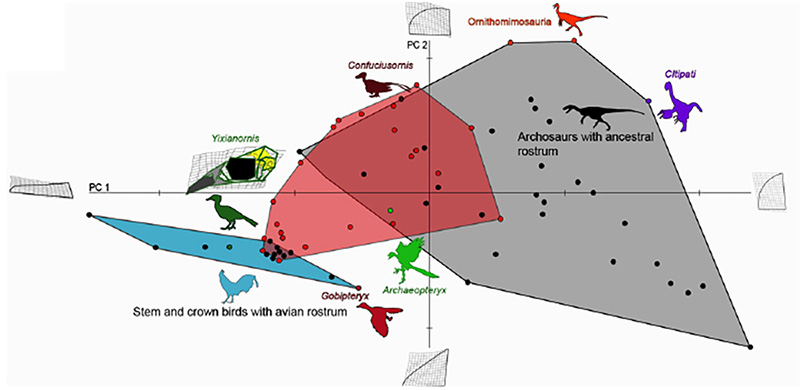
Figure 4. Comparative analysis of premaxillary shapes in experimental embryos with those from modern birds, primitive birds and non-avian archosaurs. Control embryos and experimental embryos showing near normal phenotypes clustered with forms possessing an avian beak (blue polygon), all of the embryos with the more pronounced phenotypes (red polygon) fell outside of the cluster of beaked birds and most of them instead clustered with more basal archosaurs (grey polygon), suggesting that the ancestral bone shapes were indeed successfully resurrected [6].
This study offers an example how we can probe the intrinsic mechanisms for even large-scale evolutionary transformations. The precise genetic/genomic nature of the regulatory change in expression of Fgf8 remains to be investigated but its implications for both development and evolution of birds are clear and profound. Other molecules and pathways are likely to be involved to explain the full scope o the transformation of the reptilian skull and snout into an avian face and beak. Curiously, we have shown that while the fossil record can provide useful developmental hypotheses, the intermediate phenotypes resulting from our experimental restoration of the inferred ancestral developmental patterns in return predict undiscovered transitional morphologies in the fossil record, yet undiscovered avian ancestors with gap-bridging facial bone phenotypes (Fig.4). It may also be significant that two of the most important modern bird beak bones (pmx and palatine) are regulated by the same pathways and are, thus, integrated developmentally and evolutionarily.
References:
Bhullar, B., Marugán-Lobón, J., Racimo, F., Bever, G., Rowe, T., Norell, M., & Abzhanov, A. (2012). Birds have paedomorphic dinosaur skulls Nature, 487 (7406), 223-226 DOI: 10.1038/nature11146
Alberch,P., Gould,S.J., Oster,G.F., & Wake,D.B. (1979). Size and shape in ontogeny and phylogeny Paleobiology , 5, 296-317
Gill, F. B. Ornithology. Freeman, 2006
Hodges, S., & Arnold, M. (1995). Spurring Plant Diversification: Are Floral Nectar Spurs a Key Innovation? Proceedings of the Royal Society B: Biological Sciences, 262 (1365), 343-348 DOI: 10.1098/rspb.1995.0215
Mallarino, R., & Abzhanov, A. (2012). Paths Less Traveled: Evo-Devo Approaches to Investigating Animal Morphological Evolution Annual Review of Cell and Developmental Biology, 28 (1), 743-763 DOI: 10.1146/annurev-cellbio-101011-155732
Bhullar, B., Morris, Z., Sefton, E., Tok, A., Tokita, M., Namkoong, B., Camacho, J., Burnham, D., & Abzhanov, A. (2015). A molecular mechanism for the origin of a key evolutionary innovation, the bird beak and palate, revealed by an integrative approach to major transitions in vertebrate history Evolution DOI: 10.1111/evo.12684
This Spotlight article was written by Elizabeth Graham, Julie Moss, Nick Burton, Chris Armit, Lorna Richardson and Richard Baldock, and was first published in Development.
The Atlas of Mouse Development by Professor Mathew Kaufman is an essential text for understanding mouse developmental anatomy. This definitive and authoritative atlas is still in production and is essential for any biologist working with the mouse embryo, although the last revision dates back to 1994. Here, we announce the eHistology online resource that provides free access to high resolution colour images digitized from the original histological sections (www.emouseatlas.org/emap/eHistology/index.php) used by Kaufman for the Atlas. The images are provided with the original annotations and plate numbering of the paper atlas and enable viewing the material to cellular resolution.
The atlas of mouse development
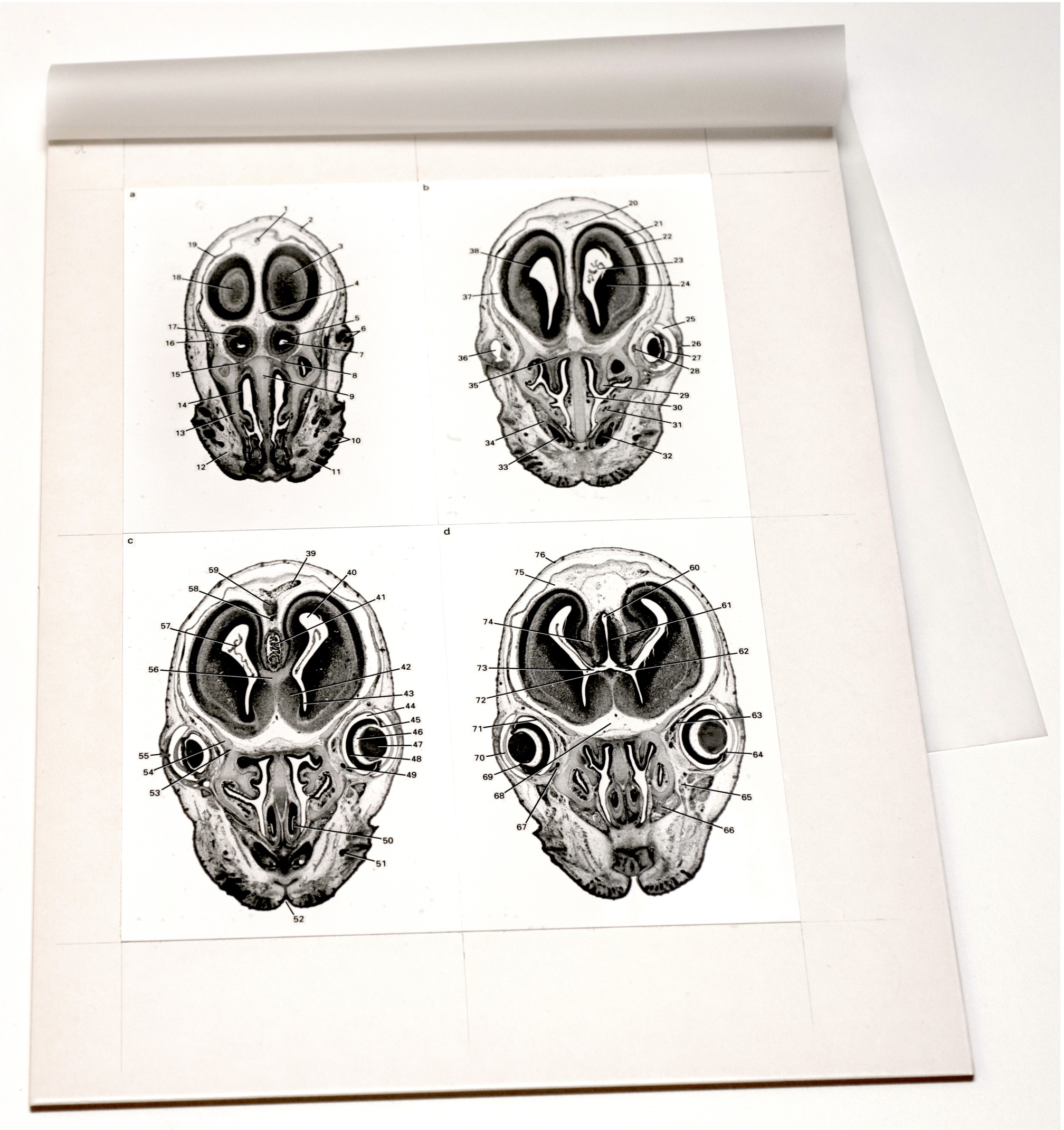
The Atlas of Mouse Development by Professor Mathew Kaufman (Kaufman, 1994) is the de facto standard atlas describing mouse developmental anatomy at the histological level. It set the standard for other atlases that followed and is unmatched in terms of authority and detail. It is an essential volume for all research into mammalian development and remains in high demand without revision since 1994. To build the breadth of understanding of mouse development required for this atlas, Kaufman amassed a major histological slide collection. This comprised multiple fully serial sectioned embryos per stage with the best matching Theiler’s staging criteria selected for image capture. All the original histological slides stained with Haematoxylin and Eosin are carefully archived and indexed, and represent an untapped resource of new material. For each of the embryos selected for annotation, Kaufman chose a series of sections to be photographed, mounted on board and hand annotated using Letraset, then re-photographed to produce the figures reproduced in the printed volume. Fig. 1 shows an example of a plate that was never published. The Atlas has 980 section images with about 12,275 annotations – a truly painstaking process showing an uncompromising dedication to science.
Fig. 1. An example of the original artwork for the Atlas of Mouse Development. This plate was never published and shows the Letraset lines and numbers pasted on top of the printed photographs. The lines were added twice using both white and black.
When Academic Press (now an imprint of Elsevier) approached Kaufman to produce a revised edition, a user survey suggested it should include colour images, more coronal sections and an update of the text from 1994 to 2012. Without the original electronic version this was never going to be possible and with Kaufman’s failing health an agreement was put in place that the original histological slides would be re-digitised in colour and at high resolution by the Edinburgh Mouse Atlas Group, and made freely available both to the community and to Elsevier for a revised and online edition. The open-access online images would have the same annotations as in the original book but no written content. The revised edition would include all the original copyrighted material and would be available for purchase.
The eHistology resource
Here, we announce the web publication of the open access mouse embryo eHistology resource (www.emouseatlas.org/emap/eHistology/). This delivers the new, re-digitised high-resolution images of the histology sections that were photographed for the original atlas, as a series of annotated ‘zoom-viewer’ images on the web. The images are organized with the same plate and image numbering of the original atlas and in addition to online access are freely available for download from the University of Edinburgh’s DataShare resource with associated metadata. With each dataset the download includes:
(1) Full-resolution jpeg format images, up to 35,000×55,000 pixels at 0.34 μm per pixel, enabling histological sections to be viewed at cellular resolution.
(2) Details of the embryo, plate and image with respect to the original atlas.
(3) A full list of Kaufman annotations, with their respective (x,y) coordinate locations within the given image.
(4) EMAPA ontology IDs for each annotation and, where identified, a Wikipedia entry.
(5) The URL of the specific image in the eHistology resource for linking and citation.
The histological processing for the embryo sections is detailed in The Atlas of Mouse Development (Kaufman, 1994, p. 2). For the eHistology resource, we have re-digitised the sections using the Zeiss DotSlide slide scanner with a ×20 objective to produce images with a pixel resolution of 0.34 μm and in full colour. The images are converted using the VIPs image processing application (Martinez and Cupitt, 2005) to a pyramidal tiff format that are used by the Image Internet Protocol 3D server (IIP3D) (Husz et al., 2012) coupled with a JavaScript user interface developed in-house. The interface will run in most web browsers, although, because of the non-standard behaviour of web browsers, it functions best in Firefox (support.mozilla.org/en-US/products/firefox), which is freely available for all operating systems.
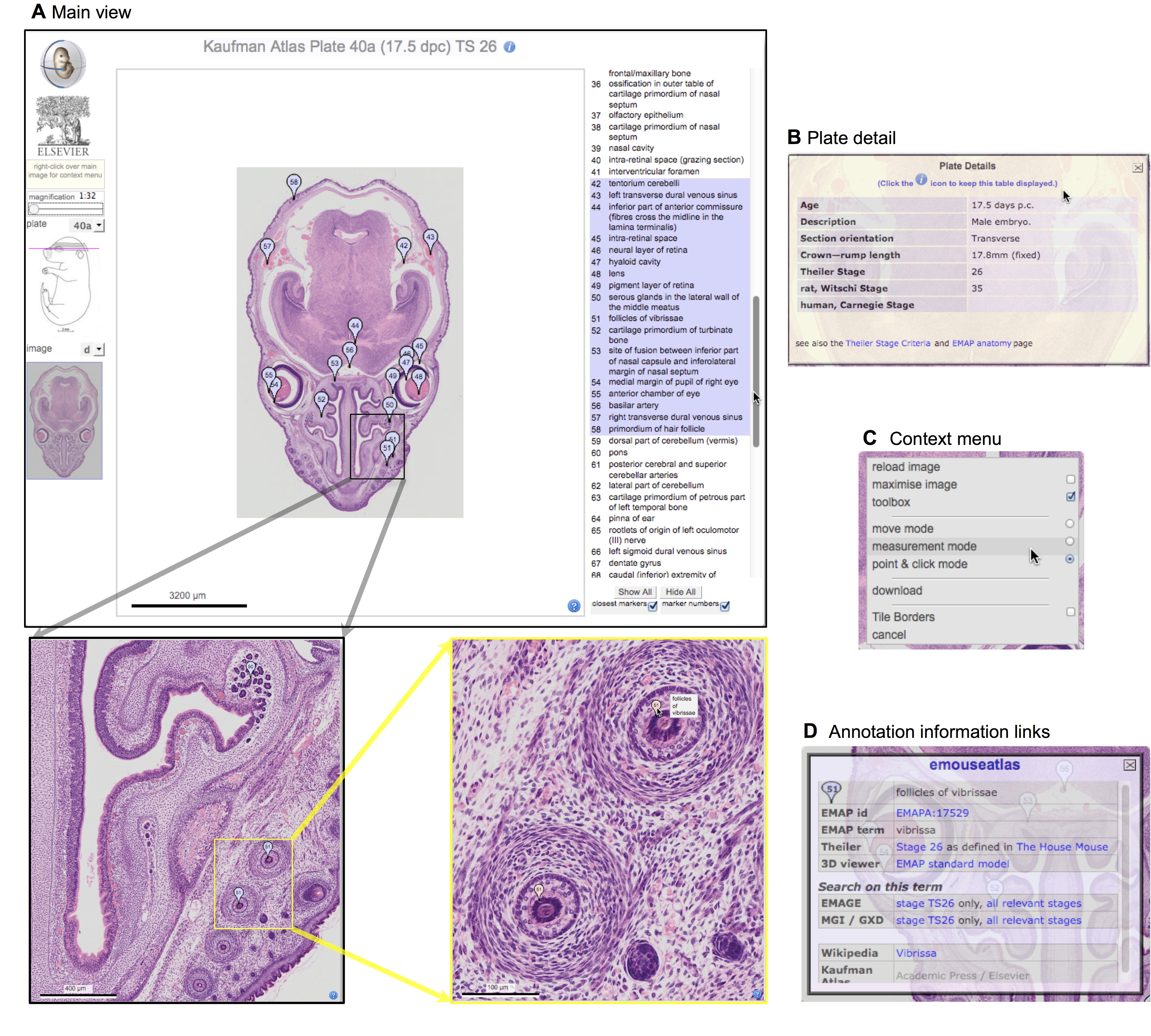
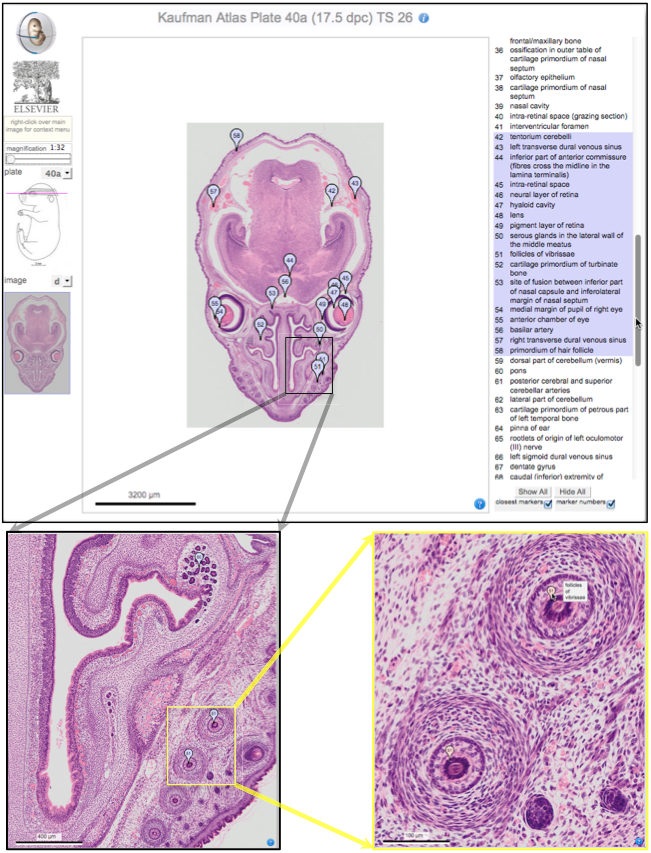
Fig. 2. Screen shot of the eHistology viewer. (A) The main view window shows the new image at a resolution approximately as published in the paper Atlas. The sub-regions highlighted and redisplayed illustrate the resolution available using the online zoom capability. (B) The plate detail is made visible by clicking the ‘i’ information icon. (C) The image context menu allows alternate view modes, measurement and image download. (D) The annotation links are displayed by = ‘clicking’ on an annotation flag in the image.
Fig. 2 shows the eHistology viewer corresponding to Plate 40a, image d (Kaufman, 1994, p. 344) in the original atlas. The index on the right-hand side shows the annotations defined by Kaufman in the original; ‘mouse-over’ or selecting the term will show the location in the image of that structure. Similarly, putting the screen
cursor over the image will cause the nearest annotations to be displayed. Selecting a term leaves the flag permanently visible and clicking on a term will provide access to other information and data, in particular the eMouseAtlas (Richardson et al., 2014) and GXD/MGI (Smith et al., 2014) resources (queried using the EMAPA ID of that tissue) and the licenced material available from Elsevier. In addition, it is possible to inspect the image at high resolution and to make size measurements of any given structure.
The resource provides a simple index (www.emouseatlas.org/emap/eHistology/index.php) based on the plate and image letter of the original atlas that can be reset from any given view. This will be extended to include a search option for any annotation term and anatomy (EMAPA) ID. Individual views of each section can be reached via a parameterised URL for the purposes of linking to a specific view. This will allow other resources and websites to provide links directly to the respective image, by-passing the index page.
This eHistology resource is a novel collaboration to provide an open-access resource linked to a definitive reference book that is still under copyright, thus providing benefit to the scientific community and extending the value to the publisher. With the images now public, it opens the door to community contribution in terms of more-detailed and extensive annotation, as well as linking out and integrating a whole range of anatomical and histological resources.
Smith, C. M., Finger, J. H., Hayamizu, T. F., McCright, I. J., Xu, J., Berghout, J., Campbell, J., Corbani, L. E., Forthofer, K. L., Frost, P. J. et al. (2014). The mouse Gene Expression Database (GXD): 2014 update. Nucleic Acids Res. 42, D818-D824.
It is our great pleasure to invite you to participate in the first joint meeting of the Portuguese, British and Spanish Societies for Developmental Biology, a unique occasion to gather the three scientific communities and celebrate science without frontiers.
The meeting features an outstanding line up of speakers, and there will also be 16 talks from participants, selected from submitted abstracts, so this is a great opportunity for junior researchers to present their exciting work to fellow developmental biologists.
The meeting is organized in a beautiful location (Alfamar Beach and Sport Resort, Algarve, http://www.alfamar.pt) and the schedule shall allow plenty of time to enjoy the social and sports activities that will be available. This will be a “family-friendly” meeting, and there will be family accomodation and daily activities for children. So, take the opportunity to bring your family and enjoy a great meeting, in a beautiful location and, hopefully, in a nice and warm climate.
Here are the highlights from the current issue of Development:
Hippo signalling: not just for growth
The Hippo signalling pathway regulates organ growth: activation of the pathway inhibits proliferation and promotes apoptosis. The core pathway consists of two kinases, Hippo and Warts, along with their adaptor proteins. Warts phosphorylates and thus inactivates the transcriptional co-activator Yorkie, whose target genes include regulators of cell proliferation and survival. Upstream of Warts, various factors impact on kinase activity, including cytoskeletal and polarity regulators. While Hippo signalling is best known for regulating growth, on p. 2002 Madhuri Kango-Singh, Amit Singh and colleagues define a function for Yorkie in regulating differentiation in the Drosophila eye. Manipulation of the Hippo pathway is well known to regulate eye size, but here the authors find that mis-expression of Yorkie inhibits neuronal differentiation. Mechanistically, they find that Yorkie promotes the expression of Wingless, a known inhibitor of morphogenetic furrow progression and hence differentiation. Intriguingly, the two functions of the pathway – in regulating growth and in controlling differentiation – appear to be separable: while growth is regulated by the Hippo kinase, differentiation is controlled by the upstream regulators Fat and Dachs, which bypass Hippo. These data add to an emerging picture of Hippo signalling as a regulator not only of growth, but also of other developmental processes.
An efficient protocol for hair cell differentiation
The hair cells (HCs) of the inner ear mediate both our auditory and our vestibular senses. Following loss or damage, mammalian HCs show very limited capacity to regenerate, creating a therapeutic need to generate new HCs in vitro for cell replacement strategies. Domingos Henrique and co-workers now report a relatively simple and efficient protocol for deriving HCs from mouse embryonic stem cells, by expression of key transcription factors involved in HC differentiation during development (p. 1948). Co-expression of Atoh1 (traditionally considered the ‘master regulator’ of HC differentiation) with Gfi1 and Pou4f3 can efficiently induce a HC gene expression signature in embryoid body cells. Efficiency is further increased by either Notch pathway blockade or retinoic acid treatment. The resulting cells, termed induced HCs (iHCs) also show morphological and functional signs of HC differentiation: incipient stereociliary bundles and the presence of functional mechanotransduction channels. However, the iHCs are not fully mature, implying that additional extrinsic or intrinsic factors are required to direct terminal differentiation. Although this is not the first report of in vitro differentiation of HCs, the greater simplicity and efficiency of this protocol marks a significant step towards the goal of generating HCs in culture for research and therapeutic purposes.
3D auxin flows in phyllotaxis
The arrangement of leaves and flowers around the stem typically follows a stereotyped phyllotactic pattern, with the location of a new leaf defined by the positions of previously specified ones. This is controlled by the plant hormone auxin. In the meristem epidermis, auxin accumulates at the site of future primordia, generating intervening regions of auxin minima where no new organ can form. Auxin-dependent phyllotactic patterns can be computationally modelled in two dimensions, considering only the epidermal layer. However, auxin flows into lower layers of the primordium, where the incipient midvein is thought to drain auxin away from the meristem. The contribution of this auxin drainage to leaf development has been hard to assess, but Didier Reinhardt and co-workers (p. 1992) have employed sophisticated live imaging and cell ablation techniques to study the role of the midvein in organ formation and positioning. The authors specifically ablate the future midvein, while leaving overlying layers intact. This leads to a transient auxin accumulation and consequent widening of the primordium. Although the damage is rapidly healed and subsequent leaf development is normal, phyllotaxis is disrupted, spacing of adjacent primordia is aberrant – revealing the importance of the incipient midvein in phyllotaxis.
More than one way to make an appendage
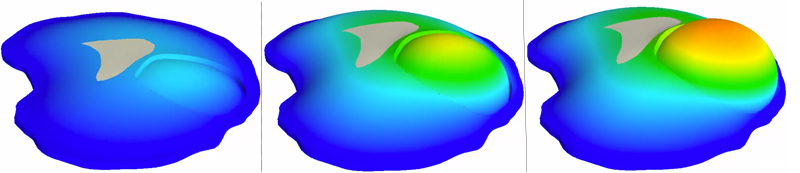
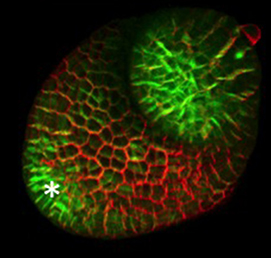
The eggs of drosophilid species are characterised by the presence of dorsal appendages, which arise from the follicular epithelium. Different species display different numbers and morphologies of appendages, but little is known about how these differences arise from a morphological perspective. Now, on p. 1971, Miriam Osterfield and colleagues compare the morphogenesis of the D. melanogaster paired appendages with appendage formation in two other species, S. pattersoni and D. funebris. In D. melanogaster, appendage morphogenesis is at least partly driven by cell-cell rearrangements between the cells that will form the floor of the appendage and neighbouring operculum cells. However, the authors find that this morphogenetic mechanism is not conserved in S. pattersoni, where eggs have variable numbers of appendages – typically five to eight. Instead, tube morphogenesis is driven by floor cell elongation: those floor cells that will form the appendage elongate dramatically without a similar exchange of neighbours. In D. funebris, both cell elongation and cell rearrangements contribute to appendage formation. That the mechanisms underlying appendage formation differ so dramatically suggests a surprising diversity in cellular behaviours during morphogenesis between even closely related species.
PLUS:
How to make a dopaminergic neuron
Ernest Arenas, Mark Denham and Carlos Villaescusa summarise recent efforts to generate human midbrain dopaminergic neurons in vitro, from pluripotent stem cells or from somatic cells via direct reprogramming. See this Primer on p. 1918
The origin of the mammalian kidney
Minoru Takasato and Melissa Little discuss recent advances in the directed differentiation of pluripotent cells into kidney tissues, and how these inform our understanding of human renal development. See the Meeting Review on p. 1937
At new heights- endodermal lineages in development and disease
Elke Ober and Anne Grapin-Botton review the recent Keystone conference on Endoderm Lineages in Development and Disease, which took place last February in Colorado, USA, highlighting recent major advances in the field. See the Meeting Review on p. 1912
The atlas of mouse development eHistology resource
Over two decades after the publication of ‘The Atlas of Mouse Development’ by Professor Mathew Kaufman, Baldock and colleagues announce a new online resource that provides free access to the histological images and their annotations. See the Spotlight on p. 1909
Georgas et al. have presented a comprehensive update to the anatomical ontology of the murine urogenital system. These updates pertain to the lower urinary tract, genital tubercle and associated reproductive structures, covering stage E10.5 through to adult. The updates have been based on recently published insights into the cellular and gross anatomy of these structures, tissue layers and cell types. Included are representative schematic illustrations, detailed text descriptions and molecular markers that selectively label muscles, nerve/ganglia and epithelia of the lower urogenital system. The revised ontology will be an important tool for researchers studying urogenital development/malformation in mouse models and will improve our capacity to appropriately interpret these with respect to the human situation.
Example of new schematics that support the revised ontology. (A-F) E15 schematics illustrate nerves, pelvic ganglia (green) and vasculature. Pelvic ganglia extend their processes towards the PLUR midline (D) and bladder fundus (E,F). Only small areas of pelvic ganglia are visible in midline sagittal sections (A). (B,C) Bladder (E14 to adult) and PLUR (E17 to adult) ontology terms. Nerves are present in each tissue layer, in addition to nerves of blood vessels (arrowhead, B).
The updated ontology and definitions (including features, synonyms, molecular markers and lineage relationships where established) are available on the GUDMAP website (http://www.gudmap.org/Resources/Ontology/index.php). The ontology has been entered into the EMAP mouse embryo ontology (Hayamizu et al., 2013) and published on the Open Biological and Biomedical Ontologies web resource (http://www.obofoundry.org/).





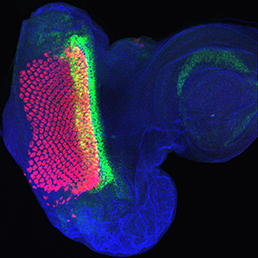 The Hippo signalling pathway regulates organ growth: activation of the pathway inhibits proliferation and promotes apoptosis. The core pathway consists of two kinases, Hippo and Warts, along with their adaptor proteins. Warts phosphorylates and thus inactivates the transcriptional co-activator Yorkie, whose target genes include regulators of cell proliferation and survival. Upstream of Warts, various factors impact on kinase activity, including cytoskeletal and polarity regulators. While Hippo signalling is best known for regulating growth, on p.
 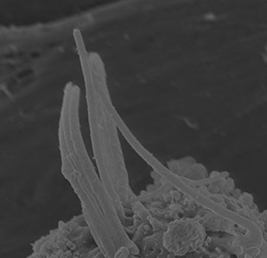 The hair cells (HCs) of the inner ear mediate both our auditory and our vestibular senses. Following loss or damage, mammalian HCs show very limited capacity to regenerate, creating a therapeutic need to generate new HCs in vitro for cell replacement strategies. Domingos Henrique and co-workers now report a relatively simple and efficient protocol for deriving HCs from mouse embryonic stem cells, by expression of key transcription factors involved in HC differentiation during development (p.
  The arrangement of leaves and flowers around the stem typically follows a stereotyped phyllotactic pattern, with the location of a new leaf defined by the positions of previously specified ones. This is controlled by the plant hormone auxin. In the meristem epidermis, auxin accumulates at the site of future primordia, generating intervening regions of auxin minima where no new organ can form. Auxin-dependent phyllotactic patterns can be computationally modelled in two dimensions, considering only the epidermal layer. However, auxin flows into lower layers of the primordium, where the incipient midvein is thought to drain auxin away from the meristem. The contribution of this auxin drainage to leaf development has been hard to assess, but Didier Reinhardt and co-workers (p.
 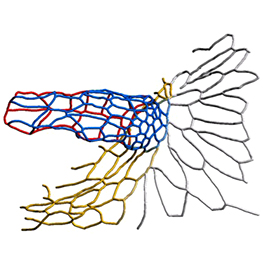 The eggs of drosophilid species are characterised by the presence of dorsal appendages, which arise from the follicular epithelium. Different species display different numbers and morphologies of appendages, but little is known about how these differences arise from a morphological perspective. Now, on p.
 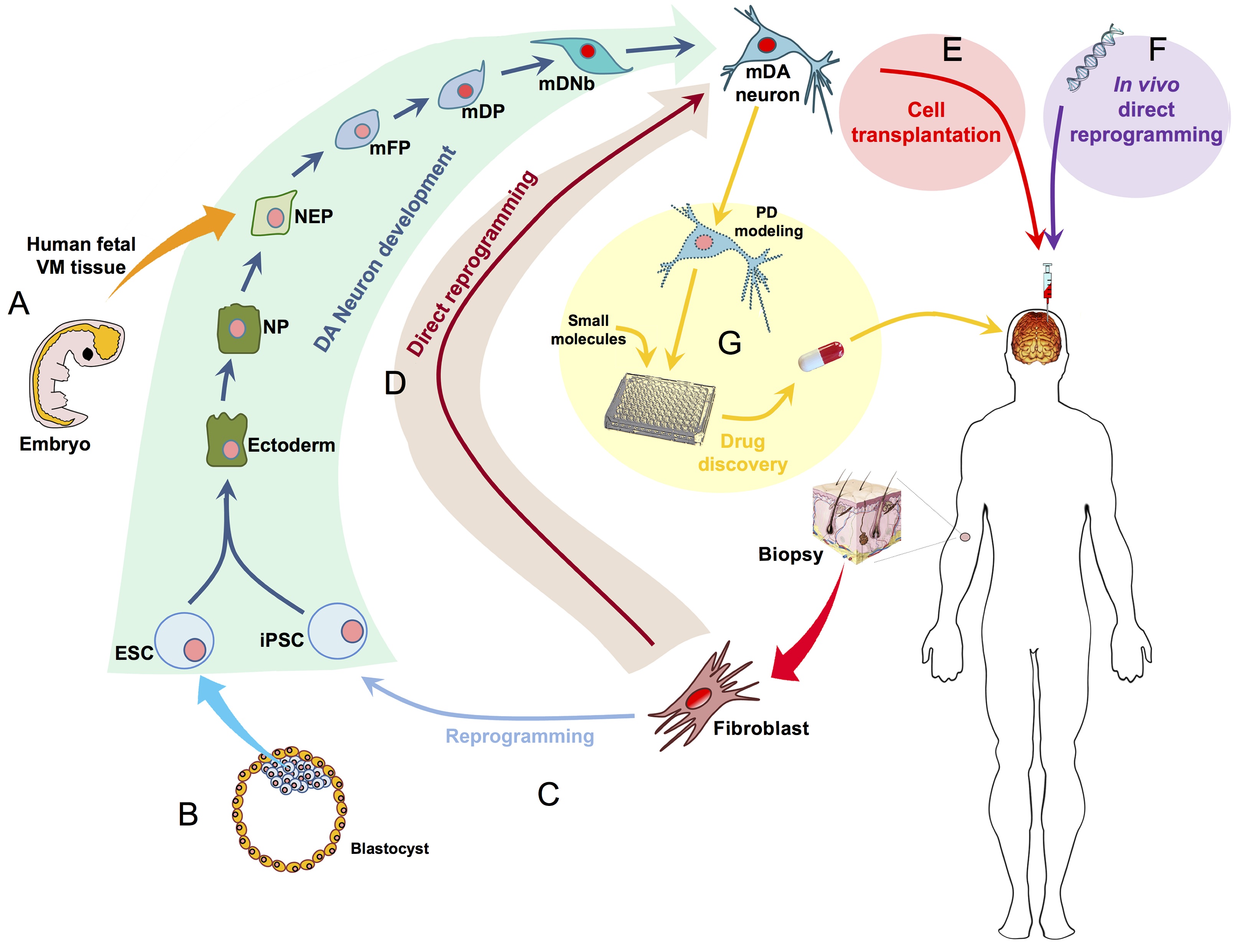 Ernest Arenas, Mark Denham and Carlos Villaescusa summarise recent efforts to generate human midbrain dopaminergic neurons in vitro, from pluripotent stem cells or from somatic cells via direct reprogramming. See this Primer on p.
 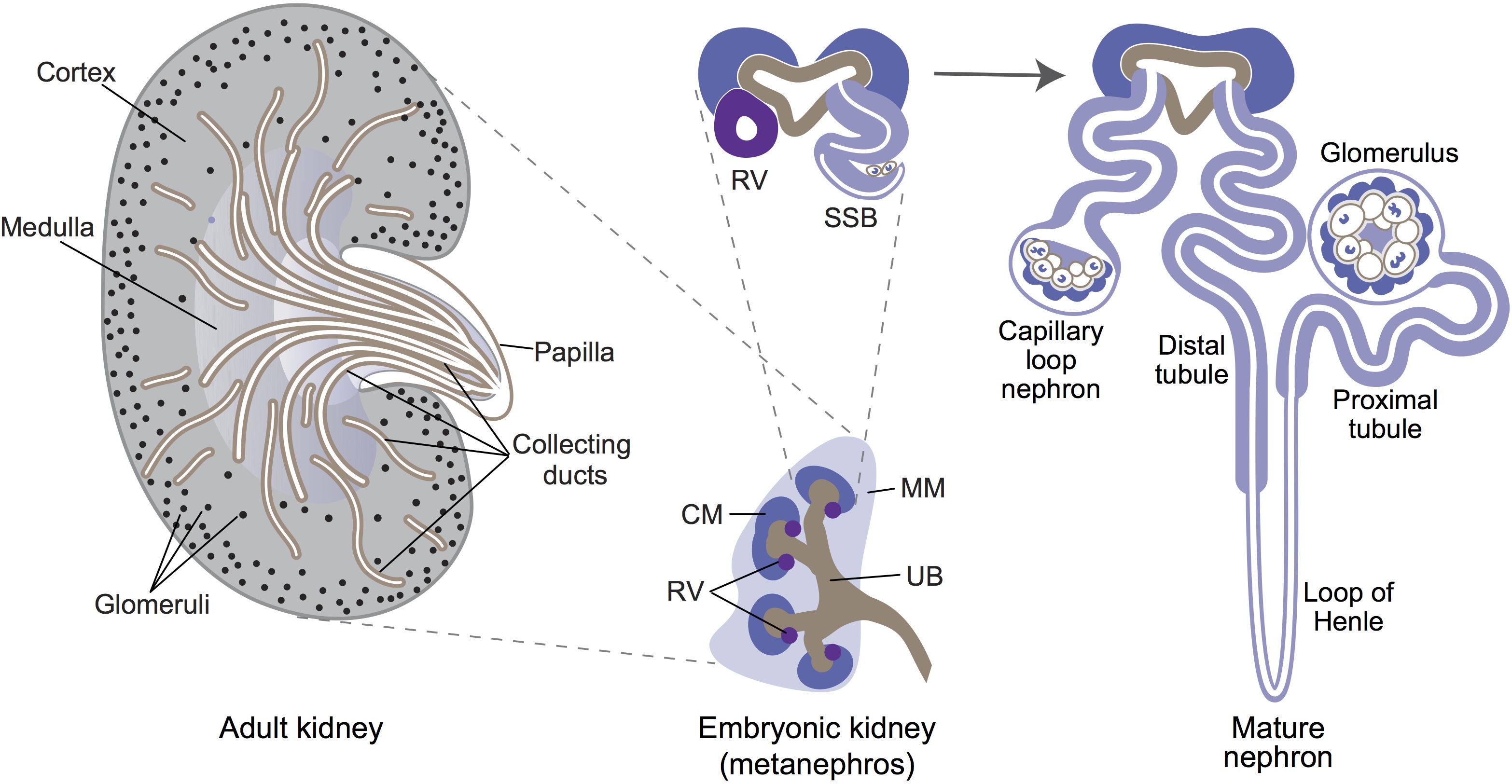 Minoru Takasato and Melissa Little discuss recent advances in the directed differentiation of pluripotent cells into kidney tissues, and how these inform our understanding of human renal development. See the Meeting Review on p.
 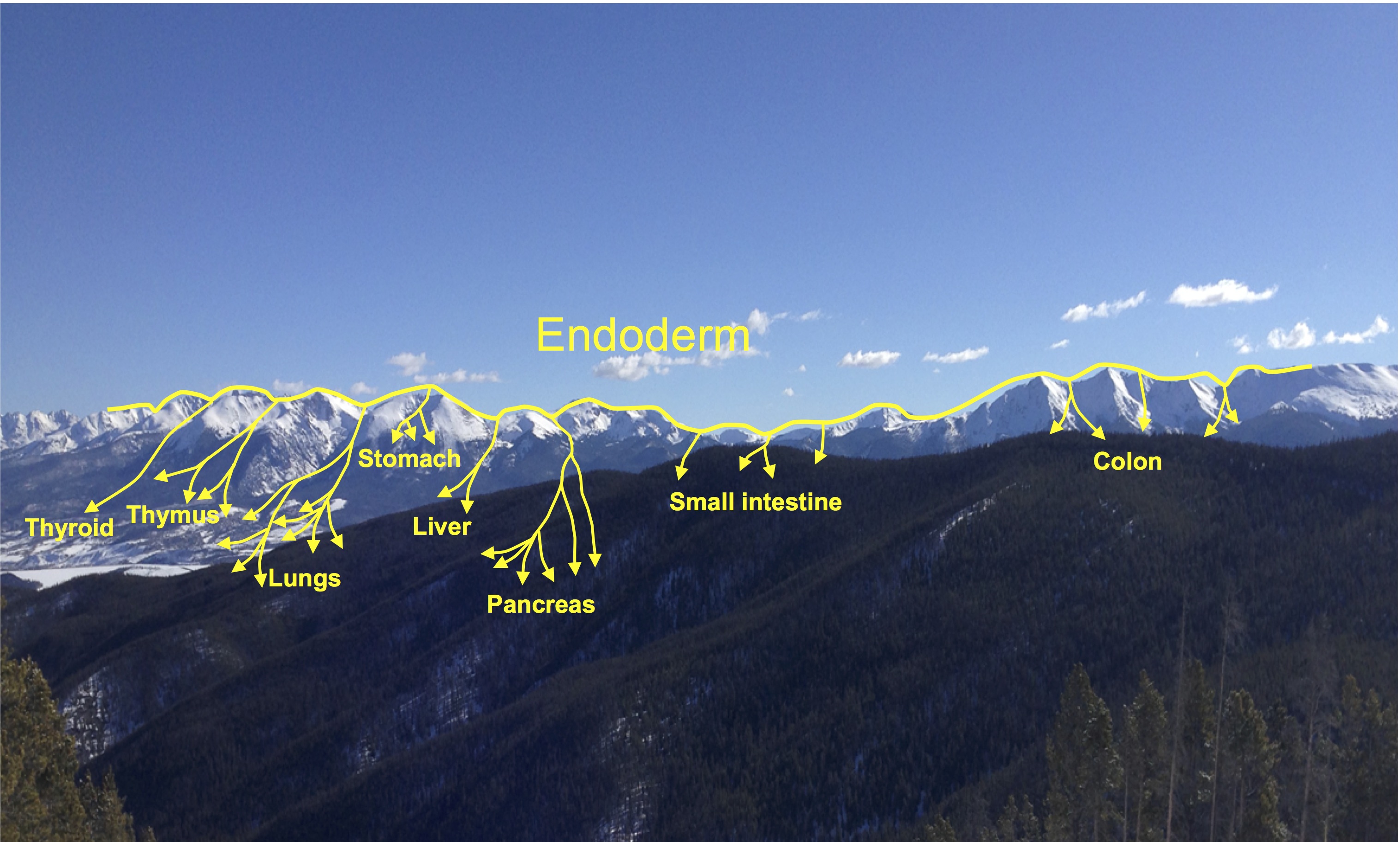 Elke Ober and Anne Grapin-Botton review the recent Keystone conference on Endoderm Lineages in Development and Disease, which took place last February in Colorado, USA, highlighting recent major advances in the field. See the Meeting Review on p.
  Over two decades after the publication of ‘The Atlas of Mouse Development’ by Professor Mathew Kaufman, Baldock and colleagues announce a new online resource that provides free access to the histological images and their annotations. See the Spotlight on p.