
The community site for and by
developmental and stem cell biologists

Studying genealogy in cell clones

Posted by , on 18 March 2014

A new method to study the beauty and relevance of cellular lineage


CLoNe 4


The origin of living beings has always interested, intrigued and fascinated curious researchers during the history of mankind. In the XIXth century, along with the flourishing Cell Theory and its “all living cells arise from pre-existing cells by division” the discipline of developmental biology was born. This new research area tried to understand the mechanisms by which a founder cell divides a limited number of times to give rise to a new organism. Gaining knowledge of cell lineage from progenitors in different tissues of the body became the “Holy Grail” of developmental biology. Lineage during embryonic development encloses all relevant biological information about formation and differentiation of the tissues and organisms under normal conditions, and it can explain a multitude of pathological conditions.

Unfortunately the cells of adult individuals don’t reveal much about their embryological past and therefore cell lineage is difficult to analyse without experimental intrusion. Cells, not just the ones that live in UK, don’t possess ID cards that contain their family names and their birthdates.

We considered these issues so important that we invested the last few years to establish a new labelling method named CLoNe for the study of cell lineages that can be used virtually in all types of tissues and amniote species (Garcia Moreno et al., 2014). In order to understand how it works I will make use of an analogy among the study of cell lineages and genealogy, the study of familiar lineages.

As mentioned above, adult cells don’t easily show information about their birthdate, birthplace, lineage relationships, such as surnames do, but some methodologies do actually allow distinguishing some cells from others. We can insert exogenous DNA into embryonic cells by means of viral particle vectors or through transfection by electroporation (a well-extended method in developmental neurobiology in which a low electric current transiently opens cell pores and guide and introduce through them DNA vectors previously injected in the tissue). This DNA usually carries a reporter gene, typically the easily detectable fluorescent protein GFP, which we could consider as the surname in the ID card of the cell. When a transfected cell expressing GFP divides, the daughter cells acquire, or should we say inherit, the expression of GFP. Therefore, we could define all GFP-expressing cells as the heir of a common cell lineage, couldn’t we?

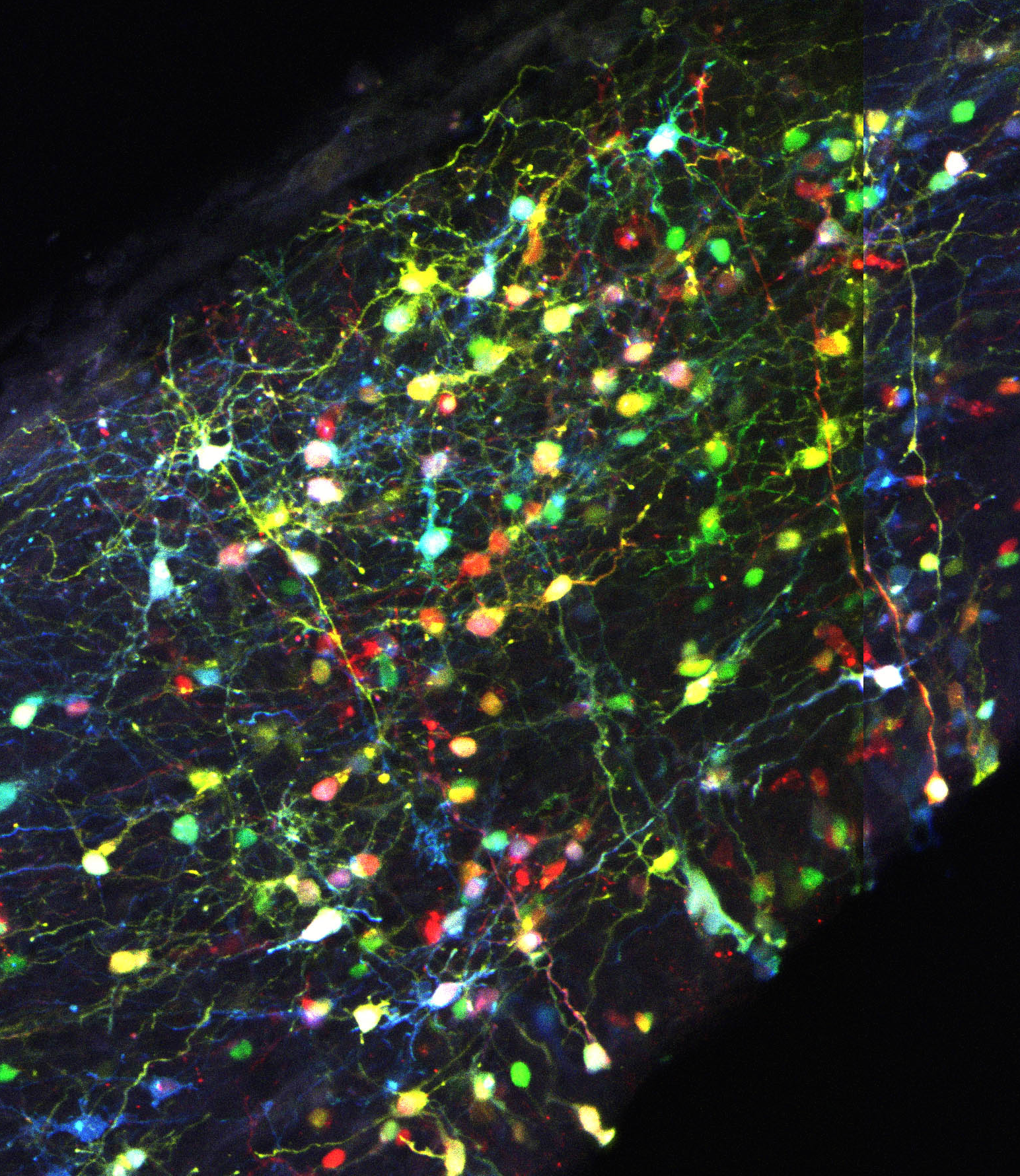
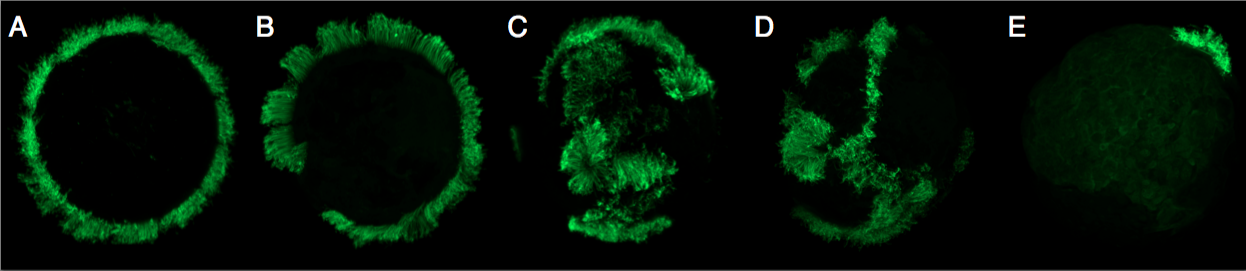
Actually not, since this simple system entails two major limitations. First that a single reporter gene doesn’t generate variability of surnames that would be enough to reliably discriminate among the billions of cells comprising a whole organism, e.g. someone is called Jones in Wales, or Molnár in Hungary. If we were all called Smith in UK, or García in Spain, it would be impossible for a genealogist to reveal the familiar origins and relationships of any of us. In our method CLoNe, inspired by the multi-coloured fluorescent Brainbow mice (Livet et al., 2007), we tackled this weakness by transfecting numerous distinct reporter genes, a total of twelve different fluorescent proteins. These 12 proteins are capable of generating thousands of different combinations on the basis of combinatorial hue, subcellular expression pattern of the fluorophores and intensity of the fluorescence (Fig. 1, observe the variability of fluorescent hues of the transfected cells in the chick brain). This extension in the number of reporter genes and their countless permutations is able to generate a vast amount of distinguishable surnames. Now, in addition to the Smiths we can distinguish the Jones and the Clayworths, or even the multiple-barrelled names (e.g. Smith-Jones-Clayworths–Howshams) that are truly unique. This is an idea that has been utilised in Spain for centuries (e.g. García-Moreno, or Manuel-Duarte-de Bendito) and now driving Pubmed Citations into a much more secure grounds.


 CLoNe 1


The second important drawback of the transfection by electroporation method implies the dilution of the fluorescent proteins till they are finally lost by successive cellular divisions (e.g. in Spain the family name is changing as you go down on generations, rather than sticking to the same multi-barrelled names). The transfected DNA constructs remain episomal, in the cellular cytoplasm, and distribute to the daughter cells during mitosis. Due to the finite number of DNA copies transfected, daughter cells inherit fewer and fewer DNA copies after each cell cycle and after a certain and unknown number of divisions, they don’t inherit the mark anymore. As a consequence, cells generated after the loss of the reporter gene are indistinguishable from non-transfected cells. So an unspecified portion of the cell lineage would be erroneously considered not belonging to the lineage. Imagine that after several generations the Smiths or the Clayworths forget their surnames. Our imaginary genealogist wouldn’t be able to relate individuals from different generations. In our method, influenced by Star Track method for labelling astrocytic clones (García-Marqués et al., 2013), we recombined the reporter genes into the nuclear genome of the transfected cells by means of the piggyBac transposon (Ding et al, 2005). Transposons are genetic elements that can jump to different locations within the genome. In our case, a random number and combination of the various reporter genes jump from the episomal constructs into the host genome of the transfected progenitor cell. During cell cycle, DNA synthesis duplicates the combination of reporter genes present in the genome and daughter cells inherit identical copies of the cellular surname, the combinatorial fluorescent expression (Fig. 2, progenitor cells at the germinal zone of the chick brain; chains of cells derived from the same stem cell share a common colour palette of fluorescent proteins). Back to genealogy (or should I say gene analogy?), our transposition system perpetuates the Clayworth surname in the family to all descendants; every new generation will always be called Clayworth. However, do we know that all the Clayworths are related and descend from the same original Clayworth?


CLoNe 2 (cropped)


Although random integration by piggyBac is very capable to create a substantial number of surnames and though these are perpetuated in the genome the problem is not completely solved, since our ambitious genealogist doesn’t study a small town, but the biggest of the largest capitals, several magnitude orders over London, Mumbai or Mexico DF. There are millions of cells in the nervous system of a mouse, not to speak of the billions of cells in the human body. The countless combinations of surnames are simply not enough when considering billions of cells at once because the same random surname could occur independently in several progenitors during transposition. To avoid it, we apply two complementary strategies in CLoNe. First we reduce the number of transfected cells through the dilution of the Cre recombinase-expressing construct (which is responsible for the activation of the fluorescent labelling). Therefore in our particular cellular London, a small proportion of citizens do have a surname while a vast majority of the population doesn’t have a surname, so we can claim two individuals named Clayworth as relatives. Additionally, just as every genealogist does when refining the study to medieval kings, with CLoNe we decide a priori (before transfection) what cellular population we study the lineage in. During embryonic development stem cells express a variety of genes in order to perform their proliferative and regional identification functions. These genes are eventually very specific and identify a given population of progenitor cells. By associating the expression of Cre, and therefore the appearance of cellular surnames, to the expression of these identitary genes, CLoNe allows us to provide surnames to only our population of interest (Fig. 3, in the example we chose to selectively label in red cells expressing the transcription factor Dbx1). Remarkably this could be the main distinctive feature of CLoNe, the previous choice of the progenitor to be studied, instead of the a posteriori deduction of the labelled lineage. Ending the analogy, thanks to the employment of regulatory sequences of identitary genes, with CLoNe we can target and refine our study to the genealogy of the Clayworths from Notting Hill, or the Smiths from Kensington. And since we generate a great number of surnames we can always study the lineage of multiple cellular clones in the same piece of tissue (of multiple families in the same neighbourhood). The Clayworths, the Smiths, the Howshams AND the Skywalkers from Kensington can be studied at the same time, even though they are next-door neighbours. This cannot be achieved by other commonly used ways, such as viral methods, that only employ a single reporter gene.


CLoNe 3 (cropped)


CLoNe has been designed for a multitude of tissues and species, and has been tested in the nervous system, muscular and epithelial tissues of chick and mouse embryos. Its use can be extended to a large variety of experimental paradigms therefore it could be of interest to a variety of developmental biologists. By means of this new method we can generalise the study of cell lineage as always interesting, intriguing and fascinating. Not just biology or genealogy, in many aspects and disciplines the knowledge of lineages and kinships plays a crucial role, for otherwise Star Wars would have been only another space war movie.


References

Ding, S., Wu, X., Li, G., Han, M., Zhuang, Y. and Xu, T. (2005). Efficient Transposition of the piggyBac (PB) Transposon in Mammalian Cells and Mice. Cell 122, 473–483.

García-Marqués, J. and López-Mascaraque, L. (2013). Clonal identity determines astrocyte cortical heterogeneity. Cereb. Cortex 23, 1463-1472.

García-Moreno, F., Vasistha, N., Begbie, J. And Molnár, Z. (2014). CLoNe is a new method to target single progenitors and study their progeny in mouse and chick. Development 2014 141:1589-1598; doi:10.1242/dev.105254.

Livet, J., Weissman, T. A., Kang, H., Draft, R. W., Lu, J., Bennis, R. A., Sanes, J. R. and Lichtman, J. W. (2007). Transgenic strategies for combinatorial expression of fluorescent proteins in the nervous system. Nature 450, 56-62.


Thumbs up (10 votes)
Loading...

Tags: , , ,
Categories: Research

Navigate the archive

Use our Advanced Search tool to search and filter posts by date, category, tags and authors.

In Development this week (Vol. 141, Issue 7)

Posted by , on 18 March 2014

Here are the highlights from the current issue of Development:


A vascular scaffold for islet nerve growth

Innervation Figures12In many organs, the processes of vascularisation and innervation are frequently interdependent. In the pancreas, islet endocrine cells secrete vascular endocrine growth factor (VEGF) to direct vascularisation, but little is known about how islet innervation is regulated. On p. 1480, Marcela Brissova, Alvin Powers and colleagues analyse the role of VEGF, and the vasculature, in controlling nerve fibre growth in the developing mouse pancreas. They find that, although neural crest-derived nerves surround the islets during embryonic development, they do not penetrate them until postnatal stages. This late step of islet innervation is dependent on VEGF, but indirectly – via its effects on the vasculature. Axon guidance molecules and extracellular matrix factors expressed by endothelial cells, and growth factors produced by endocrine cells are likely involved in promoting innervation; the authors propose that the islet vessels may act as a scaffold for nerve fibre growth. Such insights into how islet formation, vascularisation and innervation are coordinated are key for developing strategies to produce functional islets for therapeutic purposes.


Sorting out the hindbrain with Hox

ITIP1492

The Hox genes are best known as regulators of anterior-posterior identity along the embryonic axis, including in the central nervous system. Here (p. 1492), Alex Gould and co-workers identify a function for Hox proteins in regulating cell segregation and boundary formation between rhombomeres of the mammalian and chick hindbrain. Hox4 family members show an anterior expression border at the r6/7 boundary, and Hox4 depletion inhibits formation of this boundary. Conversely, cells ectopically expressing Hox4 cluster together and display boundary-like features at their borders. These data suggest that the presence of an interface between Hox4-expressing and non-expressing cells is required for cell segregation at the r6/r7 boundary. Mechanistically, the authors show that Eph/ephrin genes known to be involved in boundary formation are regulated by Hox4, and Hox4 appears to control cell shape in a non-autonomous fashion – promoting apical enlargement on either side of the rhombomere interface. Other Hox proteins appear to have similar activities, suggesting a conserved function for this protein family in regulating cell segregation.


Integrin internalisation in angiogenesis

Slide 1Clathrin-mediated endocytosis regulates the signalling activity and turnover of multiple plasma membrane proteins. Interfering with endocytosis can therefore have complex effects on developmental processes. William Sessa and colleagues (p. 1465) investigate the role of the Dynamin 2 (Dnm2) GTPase – a key component of the endocytic machinery – during angiogenesis in mice. Using endothelial cells in culture, they find that downregulation of Dnm2 impairs angiogenesis, even though vascular endothelial growth factor (VEGF) signalling is enhanced – due to increased surface levels of the receptor. This is in contrast to previous work suggesting that endocytosis might promote VEGF signalling. The authors ascribe the Dnm2 knockdown-induced defect in vessel formation at least partially to disrupted integrin turnover: focal adhesion size is increased and inactive integrin receptors appear to accumulate on the cell surface. Importantly, these observations hold true in vivo: conditional deletion of Dnm2 in mouse embryos causes severe angiogenic phenotypes that are consistent with impaired integrin function.

Measuring signal RAtio for limb patterning

ITIP1534The vertebrate limb is an important model for understanding developmental patterning processes. Along the proximo-distal axis, the limb is segmented into stylopod (upper limb), zeugopod (lower limb) and autopod (hand/foot) regions, marked by the expression of particular homeobox genes – Meis1/2 most proximally and Hoxa13 most distally. Fibroblast growth factor (FGF) is a key inducer of distal fate, while the role of retinoic acid (RA) in promoting proximal fate has been controversial. Miguel Torres and co-workers (p. 1534) now show that RA can inhibit distal identity in both chick and mouse, and that downregulation of RA signalling by Meis1/2 is required to permit Hoxa13 expression and specify the autopod. Thus, opposing gradients of FGF and RA pattern the proximo-distal axis. However, distal cells only become competent to express Hoxa13 at later time points, and the authors provide evidence for a timing mechanism that involves regulation of the chromatin state. The authors therefore propose a dual mechanism for regulating proximo-distal identity: antagonistic signalling gradients and an underlying temporal constraint.

A new cell type in the frog skin

ITIP1526The Xenopus embryonic epidermis is a mucociliary epithelium – analogous to that found in mammalian airways. This tissue is characterised by the presence of multiciliated cells (MCCs) and goblet cells. A third cell type, the ion-secreting cell, was recently discovered in the Xenopus epidermis. Two papers now identify a final cell type in the frog embryonic skin, the small secretory cell (SSC). Eamon Dubaissi and colleagues (p. 1514) show that SSCs are specified by the transcription factor Foxa1, are characterised by the presence of large secretory vesicles containing mucin-like (glycosylated) proteins and are important for immune defence: tadpoles lacking SSCs die from bacterial infection. Axel Schweickert and co-workers (p. 1526) find that these cells also secrete serotonin and provide evidence for serotonin-mediated regulation of ciliary beat frequency in MCCs, as in other systems. Given the value of the Xenopus epidermis as a model for mucociliary epithelia and disease, the identification of SSCs provides important insights into the nature and function of this epithelium.

No master regulator for EMT

Figure_1_Laminin_FinalEpithelial-mesenchymal transition (EMT) is a cell state change used repeatedly during development across evolution, while aberrant EMT is associated with cancer metastasis. The transcriptional control of EMT has been extensively studied, and several transcription factors (TFs) shown to play crucial roles; notably, TFs such as Twist and Snail have been proposed to be ‘master regulators’ of EMT. On p. 1503, Lindsay Saunders and David McClay challenge this concept by analysing the specific functions of TFs implicated in the EMT gene regulatory network (GRN) of early sea urchin embryos. The authors analyse five features of EMT – basement membrane remodelling, de-adhesion, apical constriction, loss of apico-basal polarity and directed motility – and find that different TFs show varying effects on each of these processes. They then use these data to build sub-circuits within the GRN for each feature. Strikingly, none of the TFs are involved in all five sub-circuits, implying that – in sea urchin at least – the idea of a master regulator for EMT does not hold.


PLUS…


Haploid animal cells

Poster1423Haploid genetics holds great promise for understanding genome evolution and function. Much of the work on haploid genetics has previously been limited to microbes, but possibilities now extend to mammals. Here, Anton Wutz examines the potential use of haploid cells and puts them into a historical and biological context. See the Development at a Glance poster article on p. 1423

Switching on cilia: transcriptional networks regulating ciliogenesis

Cilia Review 1427Cilia play many essential roles in fluid transport and cellular locomotion, and as sensory hubs for a variety of signal transduction pathways. Here, Sudipto Roy and colleagues review our understanding of the transcriptional control of ciliary biogenesis, highlighting the activities of FOXJ1 and the RFX family of transcriptional regulators. See the Review article on p. 1427


Thumbs up (1 votes)
Loading...

Categories: Research

Negative findings: tackling the negativity

Posted by , on 18 March 2014

‘Science is often romanticised as a flawless system of knowledge building, where scientists work together to systematically find answers. In reality, this is not always the case. Dissemination of results are straightforward when the findings are positive, but what happens when you obtain results that support the null hypothesis, or do not fit with the current scientific thinking?’

In a recent Disease Models & Mechanisms Editorial, Natalie Matosin and colleagues from the University of Wollongong address attitudes towards negative results in the research world. Drawing on their own experiences in schizophrenia research, and well-known examples in the literature, the authors argue that findings that support the null hypothesis can be of value yet often meet with scepticism. Negative results can also prove difficult to publish. At the crux of the negativity towards negative results is the perception that such findings are ‘low impact’, influencing authors and journals to make their dissemination a lower priority than ‘high impact’ positive results. Natalie and co-authors discuss the importance of tackling this misperception to remove the bias towards publication of positive findings. In support of this, Disease Models & Mechanisms now welcomes the submission of papers reporting negative or null results that impact our understanding of disease mechanisms, models and/or therapeutics. Details about journal scope and editorial policies are given at: http://dmm.biologists.org/

The Matosin et al. Editorial ‘Negativity towards negative results: a discussion of the disconnect between scientific worth and scientific culture‘ is freely available here: http://dmm.biologists.org/content/7/2/171

Thumbs up (3 votes)
Loading...

Tags: , ,
Categories: Discussion

From SNPs to starlings: Avian Model Systems 2014, 5th-8th March

Posted by , on 17 March 2014

Deep snow failed to chill the atmosphere at Cold Spring Harbor Laboratories as the most diverse Avian Model Systems meeting yet took place. The model organisms involved included transgenic quail and zebra finches, canaries, and even barn owls and the American white-throated sparrow, alongside the more prosaic chicken. The interaction of ideas from the endocrine and neurological songbird studies and the more molecular and developmental chicken and quail research was both thought-provoking and useful. As more avian genomes are sequenced, the unifying force of comparative genomics will hopefully make cross-system meetings like this ever more frequent.

Dave Burt from the Roslin Institute opened the meeting on Wednesday evening with a plenary talk on the history of the chicken genome and improvements in the most recently published version, a topic revisited throughout the meeting. Dave discussed some of the features of avian genomes, such as the large numbers of very small microchromosomes, that make sequencing more difficult. The flaws in the published chicken genome were the subject of some discussion, perhaps prompted by the pre-meeting workshop on avian genomics.

The plenary was followed by a session on avian disease models. Of particular interest were several studies in this and later sessions using song learning and vocalisation in songbirds such as zebra finch and canary as models for human speech acquisition and disorders of language.

A major theme that emerged from Thursday morning’s session was the power of fluorescent time lapse imaging combined with germ line fluorescent transgenic birds for documenting developmental events. We were shown spectacular videos of cell migration in fluorescent quail embryos by Rusty Lansford (see below) and membrane GFP chicken gastrulation by Octavian Voiculescu. Samantha Brugmann presented work from her lab on developmental abnormalities in the Talpid2 chicken embryo, a rare natural mutant chicken line.

Feather development was the topic of several talks in Session 3, on avian evolution, and also sprouted up later in Friday’s avian genomics session. The schedule of topics was well-thought out and varied, providing a good mix of topics in any one session and making sure that there was something of relevance to every attendee.

The poster session was lively. Of particular note for developmental biologists was David Huss’s poster on hybridisation chain reaction DNA probes for imaging gene expression in the quail – a potentially very powerful RNA detection system. Joana Esteves de Lima presented an interesting study on BMP and Notch signalling in chick muscle development.

The evening session on bird brains and behaviour on Thursday successfully roused the crowd of jet-lagged scientists. Of special interest for translational researchers was Wan-Chun Liu’s work on a Huntington’s disease model in songbirds using transgenic birds to model the symptoms, including language disorder, of the human disease. The barn owl’s unique sound localisation system and compensatory mechanisms for signal ambiguity in their neural map was covered by Fanny Cazettes. An interesting natural mutation in white-throated sparrows was described by Brent Horton, in a classic study that spanned from observed wild behaviour and ecology to genetic cause. Finally Lauren Riters discussed the various hormonal and neurotransmitter signals that motivate different types of birdsong production in European starlings.

Friday opened with a session on avian genomics. The contentious topic of de-extinction came up, with a speculative talk on passenger pigeon resurrection by Ben Novak that prompted a number of technical objections from the audience. Fiona McCarthy reported on the chicken ENCODE project, which raised a lot of audience interest. There were several speakers who maintain or are creating online databases useful to the avian model research community; a list of useful links is at the end of this article.

The Friday afternoon session covered models for development, with lots of familiar faces for Node readers. Again, the power and flexibility of fluorescent cell tracing tools in the chicken embryo was a strong theme. Tatjana Sauka-Spengler opened with an exploration of the role of enhancers in the cranial neural crest gene regulatory network. Avihu Klar presented some striking imaging experiments using fluorescent labelling and optogenetic constructs in transposons to trace neural circuit development. Daniel Siero-Mosti used fluorescent tracing to look at the organisation of muscle cell fusion events, which create long multinucleated muscle fibres. The final talk before the lobster banquet and bar was given by Claudio Stern, on research done by Angela Torlopp and Mohsin Khan in his lab, discovering genes involved in very early chick embryo axis development.

Despite a late night in the bar and some departures the Saturday morning avian stem cell session went well. Chicken primordial germ cells (PGCs) were the theme of most of the talks. PGCs are the chicken stem cell population under the most widespread investigation, as they have proven applications for developing transgenic chicken models. Mike McGrew presented results on a new and streamlined PGC medium developed in his lab that should allow more widespread use of these cells.

The next meeting in Taiwan in 2016 will hopefully continue the expansion of the Avian Model Systems community.

Useful chicken database links:

http://geisha.arizona.edu/geisha/ Gallus Expression In Situ Hybridisation Analysis

http://geneatlas.arl.arizona.edu/ Chicken ENCODE

www.narf.ed.ac.uk National Avian Research Facility

www.roslin.ed.ac.uk/transgenic-chicken-facility Roslin Institute Transgenic Chicken Facility

Waterfowl at the frozen shore of Cold Spring Harbor, next to Cold Spring Harbor Laboratories the site of the 2014 Avian Model Systems meeting
Waterfowl at the frozen shore Cold Spring Harbor, next to Cold Spring Harbor Laboratories the site of the 2014 Avian Model Systems meeting


Thumbs up (4 votes)
Loading...

Tags: , , , , ,
Categories: Events, Video

Cellularization in Drosophila, University of Chicago Journal Club

Posted by , on 15 March 2014

Cellularization in Drosophila embryos is quite the remarkable process. After fertilization, nuclear division occurs rapidly but without cell membrane formation, leading to a syncytial embryo with many nuclei in a common cytoplasm. After 9 mitotic divisions, the nuclei begin migration to the periphery of the syncytium, such that nuclei line the plasma membrane of the embryo.  Cellularization, the process that creates an individual cell membrane for each nucleus, then begins at cell cycle 14. This process occurs as a simultaneous ingression of membrane around each nucleus to build a sheet of epithelial cells (fig. 1).


The cellularization process occurs over the course of about an hour, and the membrane surface area increases some 25-fold (Lecuit and Wieschaus, 2000). As a result, this time period is marked by a huge need for new membrane.

Cellularization process in Drosophila. Times given from incubation at 25oC. From Wolpert and Tickle, 2011.


So where is this membrane coming from? It is known that the plasma membrane of the syncytial Drosophila embryo is covered in microvilli – small, finger-like protrusions of membrane. After cellularization, the microvilli are no longer present. Early researchers proposed that the membrane needed for cellularization could be “stored” in these villi, and the flattening of the structures led to increased membrane surface area (Fulllilove and Jacobson, 1971). However, little experimental evidence exists to support this model of membrane origin.

Depletion of microvilli is coupled with cell membrane furrow ingression during cellularization.  As furrow length increases, the fluorescence intensity (A) and density (B) of microvilli decreases. (A) Quantification of average normalized fluorescence intensity of microvillar membrane versus furrow length for Venus-PH-PLCd (n = 8 embryos; mean ± SD). (B) Quantification of microvillar density versus normalized furrow length (n = 42 embryos; mean ± SE). Furrow length is normalized to embryo diameter to correct for embryo shrinkage upon fixation. For (A) and (B), the line is a linear least-square fit. From Figard et al., 2013.
Depletion of microvilli is coupled with cell membrane furrow ingression during cellularization. As furrow length increases, the fluorescence intensity (A) and density (B) of microvilli decreases. (A) Quantification of average normalized fluorescence intensity of microvillar membrane versus furrow length for Venus-PH-PLCd (n = 8 embryos; mean ± SD). (B) Quantification of microvillar density versus normalized furrow length (n = 42 embryos; mean ± SE). Furrow length is normalized to embryo diameter to correct for embryo shrinkage upon fixation. For (A) and (B), the line is a linear least-square fit. From Figard et al., 2013.


A recent paper in Developmental Cell approaches the question again. Figard and colleagues (2013) examine the role of microvilli during cellularization by investigating whether the rate at which microvilli are depleted can be correlated with the rate at which cell membranes are forming around each nucleus. Using live imaging and time-lapse techniques, the authors found that the depletion of microvilli was coupled with cell membrane furrow ingression during cellularization (fig. 2). This result strongly implies microvilli do in fact act as a source of membrane during Drosophila cellularization.


This result raises the question as to how the microvillar membrane is incorporated into the cell membrane: is it endocytosed from the apical surface and deposited elsewhere or is it pulled directly into the furrow, i.e. the cell straightens out the membrane? Using pulse-chase time-lapse imaging, the authors followed the redistribution of the microvillar membrane over time and found that it is pulled directly into the membrane furrow as cellularization proceeds (fig. 3).

Microvillar membrane moves into the ingressing furrows. (B) Time-lapse cross-sections showing microvillar membrane, marked with red fluorescence (1x-WGAAX594; red), move into ingressing furrows. Sqh-GFP (green) marks furrow tips. From Figard et al., 2013.


Figard and colleagues (2013) provide new evidence for an old idea, and set forth a model for cellularization in which the ingressing membrane pulls microvilli into the furrow, thereby utilizing a large amount of previously folded membrane. This work unifies current ideas about cellularization, providing a beautiful overview of this complex embryonic process. For instance, the authors propose exocytosis of organelle membrane to the apical surface, as shown in Lecuit and Wiechaus (2000), contributes to the flow of membrane into the ingressing furrows. The paper effectively outlines the kinematics of this process, including a two-stage progression of cellularization.


For the whole story access the paper here.


References


Figard, L., Xu, H., Garcia, H.G., Golding, I., Sokac, A.M. The Plasma Membrane Flattens Out to Fuel Cell-Surface Growth during Drosophila Cellularization. (2013) Developmental Cell, 27 ( 6), pp. 648-655.  


Fullilove, S.L., Jacobson, A.G. Nuclear elongation and cytokinesis in Drosophila Montana. (1971) Developmental Biology, 26 (4), pp. 560-577.


  Lecuit, T., Wieschaus, E. Polarized insertion of new membrane from a cytoplasmic reservoir during cleavage of the Drosophila embryo. (2000) Journal of Cell Biology, 150 (4), pp. 849-860.


This post results from the discussion of  Figard et al., 2013 by the Development, Regeneration, and Stem Cell Biology Journal Club at the University of Chicago. It was authored by Haley K. Stinnett, Department of Organismal Biology and Anatomy, University of Chicago, Chicago, IL 60637. 

Thumbs up (4 votes)
Loading...

Categories: Research

Soapbox Science on London’s South Bank – Using Flies to Fight Cancer

Posted by , on 14 March 2014

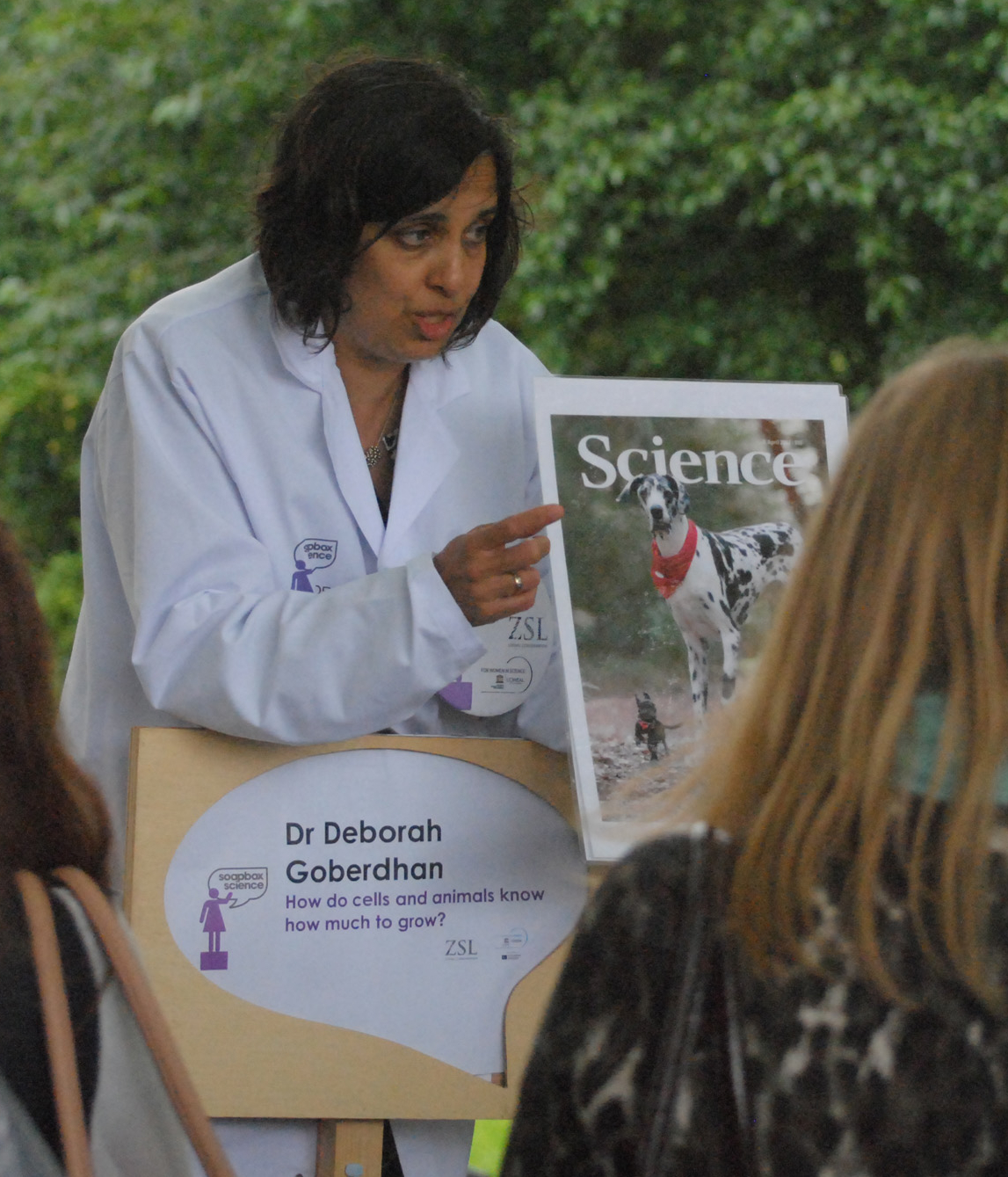
Courtesy of Silvana Goberdhan-VigleSoapbox Science follows the format of using historical areas for public debate, such as London Hyde Park’s Speakers Corner, providing a way of bringing scientists and their work to the public.  It strips away props such as powerpoint slides and encourages a dynamic dialogue between the scientist standing on a soapbox and the general public, all within a bustling city environment.

I was delighted when out of the blue I received an invitation from the dynamic organisers, Dr Nathalie Pettorelli and Dr Seirian Sumner, to speak at Soapbox Science in July 2012.  Soapbox Science was then in its third year and hosted by the Zoological Society of London (ZSL) and L’Oréal-UNESCO for Women in Science Programme.  The aim was to increase the visibility of UK women in science by giving them the opportunity to present their science in an accessible, engaging way to the general public.

This particular Soapbox science event took place on London’s South Bank, and was focused on inspiring a new generation of female scientists, by showing them how accessible a career in science is.  Indeed a special effort had been made to encourage 14-18 year old school children to attend.

Courtesy of Silvana Goberdhan-VigleCourtesy of Silvana Goberdhan-Vigle

I was one of thirteen speakers, selected to speak about their science and to field questions from the school children and members of the public.  Dr Seirian Sumner commented, “This year we showcase how women in science can and do reach the top: these women are some of the UK’s top real women in science, and from their Soapboxes they will share their passion, motivation and scientific excellence with the public.”  Co-organiser Dr Nathalie Pettorelli, said “We hope this event will inspire a new generation of scientists, giving them the confidence to push through existing barriers, and help change the societal norms that currently hold women scientists back.”

Soapbox Science is not restricted exclusively to speakers from academic backgrounds.  For example, the Soapbox Science event I was involved with also featured entrepreneur Ruth Amos, Young Engineer for Britain in 2006.  Ruth invented the StairSteady, an aid to enable people with limited mobility to use their stairs confidently and safely.

I run a research group in the Department of Physiology, Anatomy and Genetics (DPAG) at Oxford.  We are interested in understanding how cell and animal growth is controlled, and study these processes both in fruit flies and in human cell culture .  Of course, I am much more accustomed to dealing with, for example, an audience of fellow scientists at a conference or students in a lecture.  However, the Soapbox presentation did not involve a ‘captive audience’ of that kind, but a transient flow of people along the South Bank who had not necessarily been expecting to have to get their heads around scientific concepts that day.  It was our job to grab their attention and to try to get them to engage with us in a dialogue.  With the aid of a trusty assistant, who was teamed up with me for the day, I chose to illustrate my talk with laminated pictures, some of which my daughters, Silvana (aged 21) and Tara (aged 14), who accompanied me, had helped to draw the day before.  I’ve always enjoyed engaging with the public and Soapbox Science turned out to be a really fun way to do this.


Image courtesy of Graham Flack/L’OréalCourtesy of Graham Flack/L’Oréal

Before the event had started, I had wondered whether members of the general public would be interested in my work.  As it turned out, they clearly were.  As always in Outreach events, a key challenge was to be able to communicate the specialist ideas that we focus on from day-to-day in the lab in an engaging and accessible manner to people from a broad range of backgrounds.

My story had a number of key ideas to get across, many of which could be posed as questions: How can focusing on flies help us to understand human biology?  Why aren’t we three metres tall?  What does developmental biology tell us about cancer?  It was interesting to see the reactions when unsuspecting people found out how similar to flies they were!  Children and adults are often fascinated by animal development, but they frequently don’t connect it to the human diseases they know of.  It was a real opportunity to engage with the public and to convey how our most recent work, which probes the mechanisms by which cells sense nutrient levels around them, is suggesting new ways of blocking human cancer growth and monitoring cancer progression.  Some of this is discussed on a blog I wrote around that time.  Soapcox Science is expanding nationally this year, to provide more opportunities for women scientists around the UK to engage with the public in this way. This year (2014), Soapbox events are being held in London (29th June), Bristol (14th June), Dublin (26th April) and Swansea (5th July). The venues and speaker line ups can be found on the Soapbox website . If you would like to have a go at discussing your science from a Soapbox, you can put yourself forward for the events next year, via the annual call for speakers at www.soapboxscience.org.  This call for is advertised around December to January, for a February deadline. Throughout the year, Soapbox is active in other ways. For example, its website hosts blogs from women in science, sharing their personal stories, experiences and opinions. If you would like to contribute to this, you can contact the Soapbox Science team via soapboxscience@gmail.com, or via twitter @SoapboxScience.

My involvement in Soapbox Science in June 2012 was an important step for me in taking a much more active role in Outreach activities.  Soon after this, I was invited to become a member of the Department’s Athena SWAN Self-Assessment Team, focusing on developing Outreach activities within my Department. Following on from the Department’s successful Athena SWAN Bronze Award application in September 2013, I now have the lead role in promoting and publicising Outreach activities in my Department.  We are currently developing an Outreach section to our Departmental website, which will highlight Outreach activities and also act as a resource section.  There are a lot people in our Department who are already involved in Outreach activities and are keen to do more, and I am really pleased to be in a position to help this to happen.

For my part I am keen to be involved in more events like Soapbox Science, which involve communicating science to the public.  I would also like to encourage further participation in University Programmes designed to inspire school children from more challenging backgrounds, and those from schools without a tradition of sending students to Oxford, to consider a career in science and perhaps to study at Oxford or work in a lab like mine.


Prof Sunetra Gupta Dept of Zoology, University of Oxford), Dr Deborah Goberdhan (Dept of Physiology, Anatomy and Genetics, University of Oxford), Prof Giovanna Tinetti (University College London, University of London), Ruth Amos (StairSteady Ltd, Sheffield). Courtesy of Graham Flack/L’Oréal


Image 1 courtesy of Silvana Goberdhan-Vigle


Outreach logo new squareThis post is part of a series on science outreach. You can read the introduction to the series here and read other posts in this series here.


Thumbs up (3 votes)
Loading...

Tags: , , , ,
Categories: Outreach

When the mind is given wings…

Posted by , on 14 March 2014

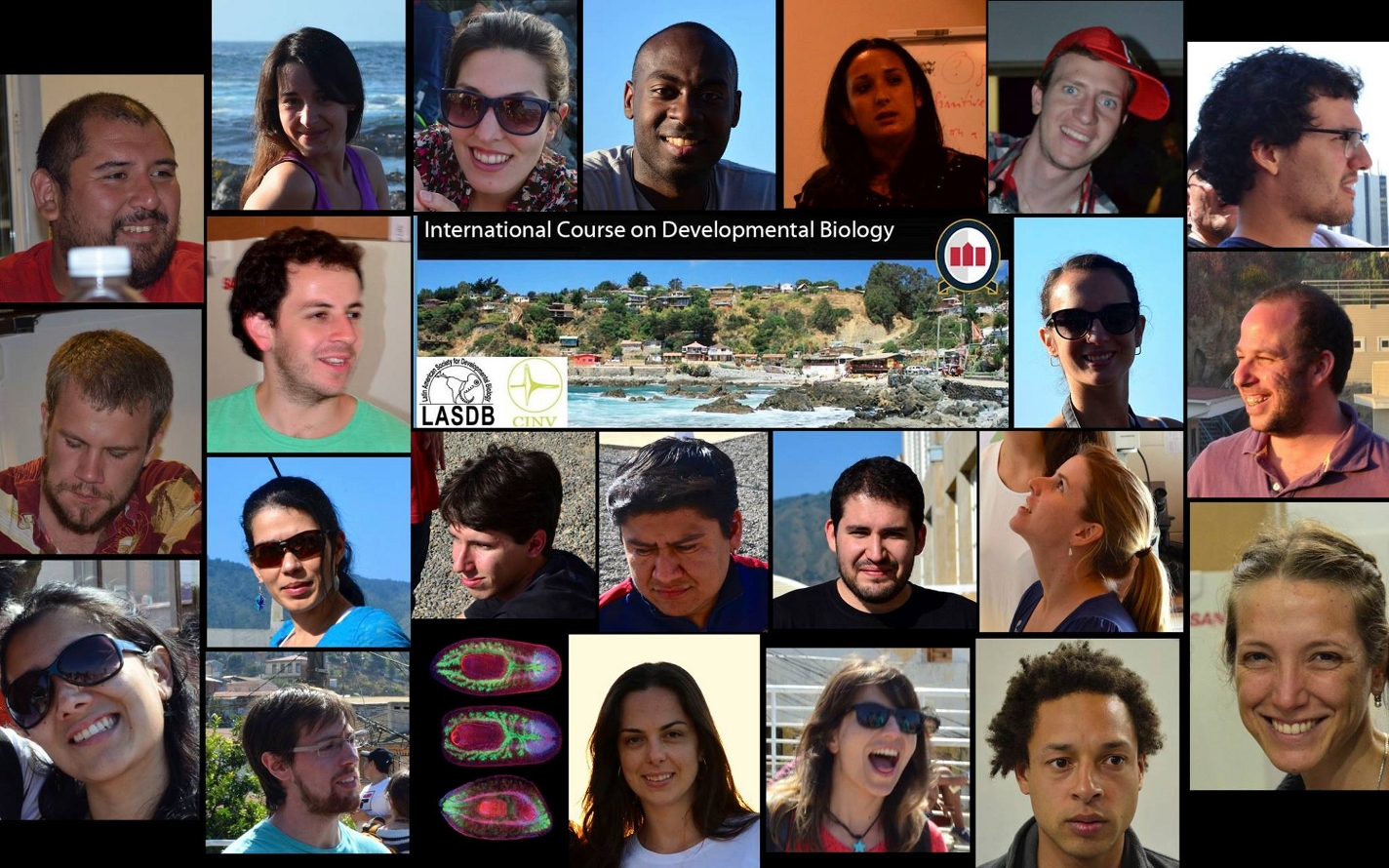
In the beginning of 2014 (January 5-17th) we enjoyed one of the most fascinating experiences professionally and personally. Under the guidance of Dr. Roberto Mayor and a teaching staff that enlightened and motivated us at all times, a wonderful group of 21 students accomplished the 2014-International Course on Developmental Biology at the CIMARQ in Quintay-Chile. Students, mostly from Latin-American countries and some from Europe and the United States, participated in a unique and rewarding experience.

We could dedicate more than a hundred pages talking about the unbelievably high quality of lectures and discussions, the laboratory practices, and the professors themselves and that still wouldn’t be enough to describe the positive impact of this course on our careers. While we enjoyed the beauty and peace of that place during those long and exciting days a prerequisite for every top international course, we were blown away by the warmth of our hosts – and idols – in developmental biology, listening to them impart their expertise and sharing their personal experiences; how they became what they are, the hard decisions and sacrifices they made in order to follow their passion for this vocation.

We had the unique chance to interact with internationally renowned developmental biologists as they shared with us their insights on a wide range of topics. Everyone in their own manner taught us valuable lessons which will be helpful for our own research projects now and in the future. We were also encouraged to look beyond model animals and to go out and think about the fundamental questions in the field of developmental biology from a new perspective, to consider the depth of diversity in the developmental process and the forms it generates, to appreciate the interaction of an organism’s development with its natural habit and to integrate ideas not classically thought to be part of the field. These different views gave us the opportunity to understand development in a broad, holistic manner.

Moreover, we were given the gift of motivation. Motivation to follow our ideas, our instincts, to go into battle with our thoughts and try to give new insights to our projects. As young scientists, we spend our days in the lab trying to fulfill our desires and expectations, giving our absolute best for our projects, trying to push ourselves to be the best researchers we can; and it is not a minor fact that as Latin American students most of us have to deal with great challenges to ensure that our work is up to the right standards. For that reason, the encouragement that we received during the course from all the faculty members was a turning point in our careers. It made us realise that with hard work and enthusiasm, there is no goal that we cannot accomplish.

Another keystone of the course was the opportunity to formally present our own work to classmates and teaching staff. We received essential feedback not only about our projects but also on how to deliver and present science to a diverse scientific community, an art that is demanded of all scientists. This was certainly a rewarding experience for everyone, no doubt about it. Furthermore, we now have a better idea of the research that young Latin-American developmental biologists are doing and how we can network with other researchers and classmates around the world.

An addition to this outstanding experience was the mini-symposium about Developmental Biology which gave us the opportunity to take part in the life of the scientific community in Chile. High-quality lectures gave shape to this event as Chilean and international experts shared their research and thoughts in a delightful atmosphere. The symposium truly completed our experience.

We strongly believe that one of the most powerful tools we have in science is our desire to progress together as a community because we certainly know that the whole is greater than the sum of its parts and we choose that principle as a way of doing science. This course is tangible proof of that, bringing state-of-the-art technology and first class teaching to Latin American students and allowing us to take advantage of this every single day so that we all develop as a group and as researchers. We generated strong bonds and a great sense of community. This course gave to Latin America (and other parts of the world) a network of young developmental biologists that share each other’s interests, aspirations and passions.

We have learned the most fascinating strategies, pathways, and molecular principles for patterning of current and potential model organisms in developmental biology, and during our lab practices we actually heard some of the beautiful chords of their melodic development. However, even more interesting was to personally experience one of the most amazing biological processes; the development of wings in our mind, allowing us to see and think further and wider than we could have ever imagined.

Finally, we want to share a beautiful gift from our inspirational teacher Scott Gilbert, who sent to us this quote that he rescued from Pablo Neruda’s home in Isla Negra: “There is nothing more beautiful than something that comes into being, takes shape right in front of us. There is a rigor in the materials that prevents excess folly…” This is a good epigram for developmental biology.


Post by all the Students – class 2014.
International Course on Developmental Biology
Quintay – Chile


The authors of the post!
Picture by Emilio Lanna. From left to right: Jaime Espina Hidalgo , Gabriela Edwards, Maria Kotini, Kevin Leclerc, Francis Hervas, Santiago Cerrizuela, Gonzalo Aparicio, Daniel Smith, Elías Barriga, Ailin Buzzi, Emilio Lanna, Marcela Arenas G., Gloria Slattum, Gabriel Cavalheiro, Roberto Sanchez, Diego Rojas, Carla Grade, Angie Serrano, Dalmiro Blanco Obregón, Lucimara Sensiate, Guadalupe Barrionuevo, Paul Andrew.


Picture by Emilio Lanna. From left to right: Jaime Espina Hidalgo , Gabriela Edwards, Maria Kotini, Kevin Leclerc, Francis Hervas, Santiago Cerrizuela, Gonzalo Aparicio, Daniel Smith, Elías Barriga, Ailin Buzzi, Emilio Lanna, Marcela Arenas G., Gloria Slattum, Gabriel Cavalheiro, Roberto Sanchez, Diego Rojas, Carla Grade, Angie Serrano, Dalmiro Blanco Obregón, Lucimara Sensiate, Guadalupe Barrionuevo, Paul Andrew.

Thumbs up (12 votes)
Loading...

Tags: ,
Categories: Education, Events

Join us at the (alternative) careers in science session, BSCB/BSDB meeting 2014

Posted by , on 12 March 2014

The joint Spring meeting of the British Society for Cell Biology and British Society for Developmental Biology is coming up soon, and the Node will be there! Not only will we be there listening to the talks and meeting the community, but we will also be organising the (alternative) careers session. The session will take place on the first day of the conference (Sunday the 16th of March) at 3 p.m. (main lecture theatre). We have a great panel of science professionals who will tell us a little bit about their careers, but who will mostly answer any questions that you may have:


Woolner


Sean photo 2


Katherine profile pic


Dr Shum Prakash


Paul Turner Ph.D cropped


cat profile pic.jpg


Dr Sarah Woolner, Group Leader at the University of Manchester
Sarah obtained her degree in Biological Sciences from the University of Edinburgh in 2000. She did her PhD at UCL, studying on the MRC LMCB four-year PhD programme and carrying out her thesis work with Paul Martin. Sarah did a first postdoc in Bill Bement’s lab (University of Wisconsin-Madison) and a second in Nancy Papalopulu’s lab (University of Manchester). In July 2012, Sarah was awarded a Wellcome Trust/Royal Society Sir Henry Dale Fellowship to establish her own lab in the Wellcome Trust Centre for Cell Matrix Research at the University of Manchester. The major research goal of her lab is to understand how cell division orientation is coordinated across tissues in the developing embryo.


Dr Seán Mac Fhearraigh, Online marketing manager and sales representative at Molecutools Seán received his Bachelor’s in Genetics from Trinity College Dublin and his PhD from University College Dublin. From there Seán, carried onto to do a short post-doc at the University of Cambridge. After some thought, Seán began his career in industry by taking a job a Abcam as their cancer and stem cell marketer. He is currently online marketing manager and sales representative at molecutools.com and founder of the PhD and Post-Doctoral advice website PostPostDoc.com, you can find Seán on twitter with @PostPostDoc1


Dr Katherine Brown, Executive editor of Development

Katherine gained her PhD from the MRC-LMB in Cambridge, and carried out her postdoctoral work at EMBL Heidelberg. Her research expertise is in the field of morphogenesis, using both Drosophila and teleost fish as model systems. In 2008, she moved into a career in scientific publishing – spending three years as a Scientific Editor at The EMBO Journal before taking up her current position as Executive Editor of Development in late 2011.


Dr Shum Prakash, Business Development Manager at Warwick Ventures

Shum received a PhD in Biochemistry and conducted a postdoc in cancer therapy and brain diagnosis. She worked in policy at the European Parliament, Technopolis Ltd and SQW Ltd. Shum joined Warwick Ventures in 2001 and is an MBA qualified business development manager in technology transfer, taking a broad range of technologies from concept to royalty generating commercial licences and to trading spin off companies.


Dr Paul R Turner, Field Application Specialist for Affymetrix

Paul did a PhD in Cell Biology and Biophysics at the University of Connecticut and a postdoc at the University of California Berkeley. He was a group leader in academia between 1991 and 1999, and has worked in industry (Oxford Glycosciences and GRI) since. Paul has worked as a Field Application Specialist for Affymetrix (Panomics) since 2006.


Moderator- Dr Catarina Vicente, the Node community manager
Cat completed her PhD in Cell Biology at the University of Oxford, researching centrosomes in Drosophila with Prof Jordan Raff. She is now the community manager of the Node, a community blog for developmental biologists and related fields launched by the journal Development.


Please come along and join us! Even if you didn’t sign up for this session when you registered, you are still very welcome to join! And if you are interested in alternative careers in science, you may also want to read some of the posts in the alternative career series that featured on the Node last year. If you are not attending the conference, do follow the official Twitter hashtag: #cbdb14


Thumbs up (2 votes)
Loading...

Tags: , , ,
Categories: Careers, Events

PhD position available to study regulation of macrophage migration in Drosophila

Posted by , on 11 March 2014

Closing Date: 15 March 2021

node banner

PhD position available to study regulation of macrophage migration in vivo using Drosophila

Organisation: Department of Infection and Immunity, The Medical School, University of Sheffield

Supervisor: Dr Iwan Evans

Studentship starting: 1st October 2014

Application Deadline: 18th April 2014

Project:

Inappropriate immune cell responses cause or exacerbate a wide range of human diseases including autoimmunity, atherosclerosis, cancer and chronic inflammatory conditions. An important function of the white blood cells known as macrophages is to remove and degrade cells undergoing programmed cell death (apoptosis). This process can suppress pro-inflammatory responses of macrophages and is linked to the resolution of inflammation.

Fruit flies (Drosophila melanogaster) contain a population of highly migratory macrophages, called hemocytes. The genetic tractability and unparalleled live imaging possibilities of this system enables us to study the cell biology of apoptotic cell clearance by macrophages in vivo. This project will study how clearance of apoptotic cells affects the subsequent behaviour of macrophages, with a strong focus on regulation of their motility and inflammatory responses. We will also characterise how interactions between apoptotic cells and macrophages influences signalling and phenotype within the latter in order to understand how apoptotic cells can dampen inflammatory responses in vivo. Tissue culture approaches will also be used to test the relevance of mechanistic findings to mammalian macrophages.

This project is ideal for a candidate with strong interests in cell biology and the use of model organisms to study human disease-relevant questions in vivo. Knowledge of cell migration is desirable, but an enthusiasm for science and an enquiring mind is far more important. No prior knowledge of Drosophila is required, since the successful candidate will be given intensive training in the use of Drosophila as a genetic platform to study cell biology in vivo. This will involve a significant amount of dynamic imaging of macrophage behaviour in vivo using confocal microscopy, alongside standard cell biological techniques such as whole mount immunostaining and in situ hybridisation.


For further information see:

I. Evans, P. Ghai, V. Urbancic, K.-L. Tan and W. Wood (2013). SCAR/WAVE-mediated processing of engulfed apoptotic corpses is essential for effective macrophage migration in Drosophila. Cell Death and Differentiation. 20(5):709-20.

I. Evans and W. Wood (2011). Drosophila embryonic hemocytes. Curr Biol. 21(5):R173-4.


Evans lab website


Entry Requirements

Candidates must have a first or upper second class honours degree or significant research experience.


To apply

Interested candidates should in the first instance contact Iwan Evans (i.r.evans@sheffield.ac.uk).

For formal applications, visit: http://www.sheffield.ac.uk/faculty/medicine-dentistry-health/graduateschool/prospectivepg/vacancies/ii

Thumbs up (No Ratings Yet)
Loading...

Categories: Jobs

Free online Life Fantastic CHRISTMAS LECTURES teaching resources

Posted by , on 11 March 2014

Alison Woollard presenting the CHRISTMAS LECTURES.

The 2013 Life Fantastic CHRISTMAS LECTURES® presented by Alison Woollard from the University of Oxford, explored the frontiers of developmental biology and uncovered the remarkable transformation of a single cell into a complex organism.

The three hour long lectures investigated questions such as what do these mechanisms tell us about the relationships between all creatures on Earth? And can we harness this knowledge to improve or even extend our own lives?

The Royal Institution (Ri) has developed a series of online CHRISTMAS LECTURES teaching resources comprised of video clips, facts and questions to help primary and secondary school teachers explore the developmental biology covered by Life Fantastic with their students.

On the Ri’s website teachers will find an overview of each of the eight topics including DNA replication and mutation, proteins, cells and organs, and mitosis and meiosis covered by the clips, a brief summary of each clip, related questions and how the topics link to the curriculum. The pages are intended for use as a prompt to explore these topics further in lessons.
The resources are also available on the Ted-ED and TES websites.

All three Life Fantastic lectures, and a range of previous CHRISTMAS LECTURES from our archives, are available to watch in full and for free on the Ri’s critically acclaimed science video platform, the Ri Channel.

Thumbs up (1 votes)
Loading...

Tags:
Categories: Outreach, Resources, Video