The community site for and by
developmental and stem cell biologists

How Unique Are We?

Posted by , on 3 October 2013

Last week, The Company of Biologists hosted a workshop on “The Evolution of the Neocortex: How Unique are We?”. Some of the people who attended that meeting will be writing about it on the Node in the near future, so I won’t steal their thunder by telling you all about it. Suffice to say it was a fascinating meeting on a complex and fast-moving field, and I came away with a much better appreciation of the commonalities and distinctions of the human brain compared to our primate and mammalian relatives, as well as the wide range of techniques used to understand it – from high-throughput transcriptomics to the endocasts from skulls of our hominid ancestors.

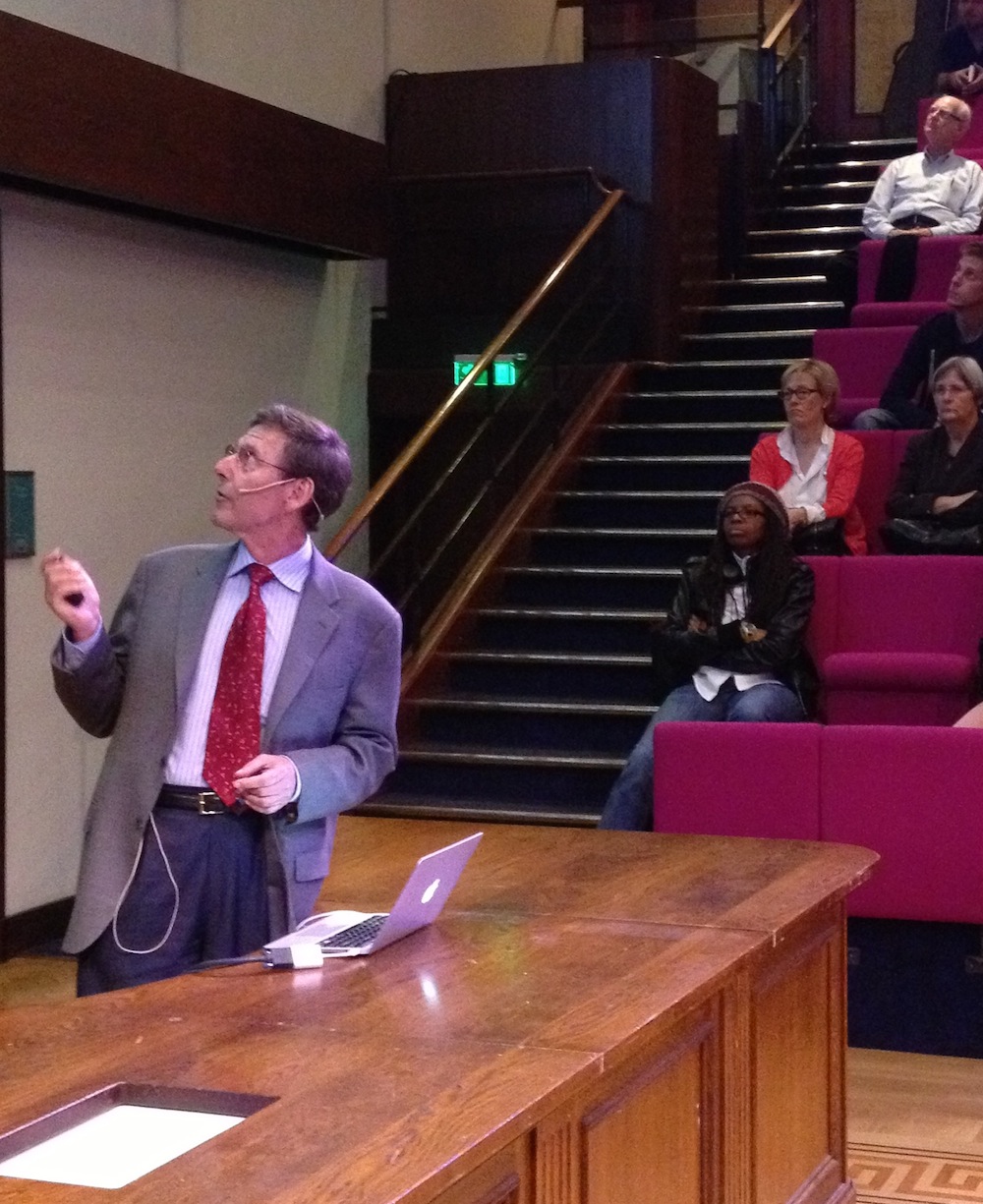
Following on from this meeting, on September 26th we hosted a public event at the Royal Institution (Ri) in London. Free to attend for anyone, this event featured talks from two of the COB_Ri_Kriegsteinspeakers at our workshop, Arnold Kriegstein and Svante Pääbo. Arnold’s talk covered the evolution of the human neocortex, taking the audience on a journey through the development of the mammalian brain and discussing how the increased size and complexity of the human brain (which contains no fewer than 88 billion neurons!) might have evolved. Featuring beautiful movies from his lab (from Hansen et al., Nature 2010) that show the division of neural progenitors in human foetal brain cultures and discussing data from other researchers on how changes in brain size and shape might affect cognitive function, Arnold made this complex topic accessible to the non-specialist audience – a feat not to be under-estimated given how poorly it is understood even among the experts!

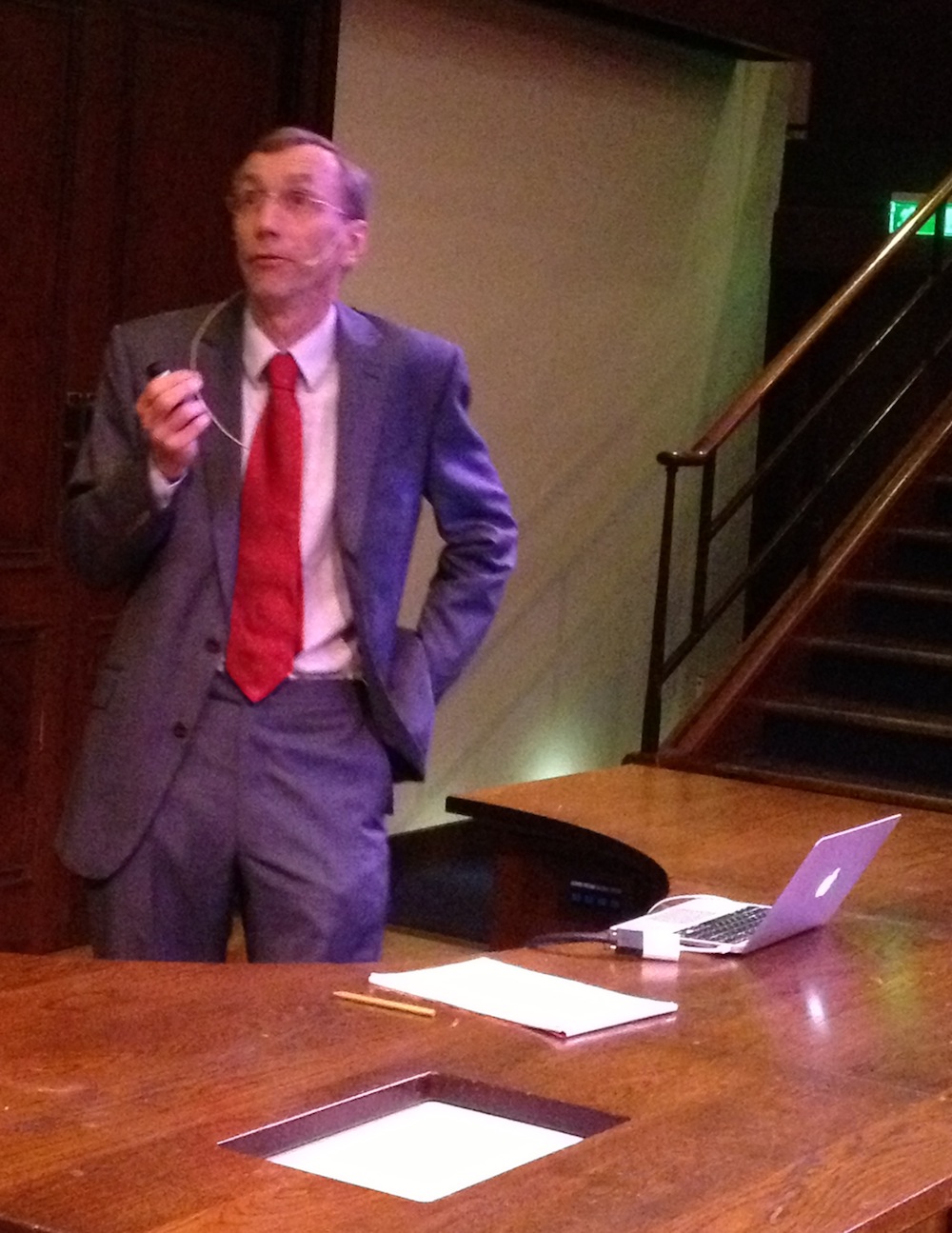
In the second talk, Svante described his fascinating and well-publicised COB_Ri_Paabowork on sequencing the Neanderthal genome. His work has shown that not only did Neanderthals and our modern human ancestors co-exist in Europe and Asia, but they also interbred: the genome of an average modern-day non-African is around 2% Neanderthal! Svante’s work allows him and his colleagues to identify sequences that are unqiuely human; amazingly they have found protein-coding changes between Neanderthals and humans in only 87 genes. Now, they are in a position to try and understand how these human-specific changes might affect protein function, and whether these might explain any of the characteristics that make humans human.

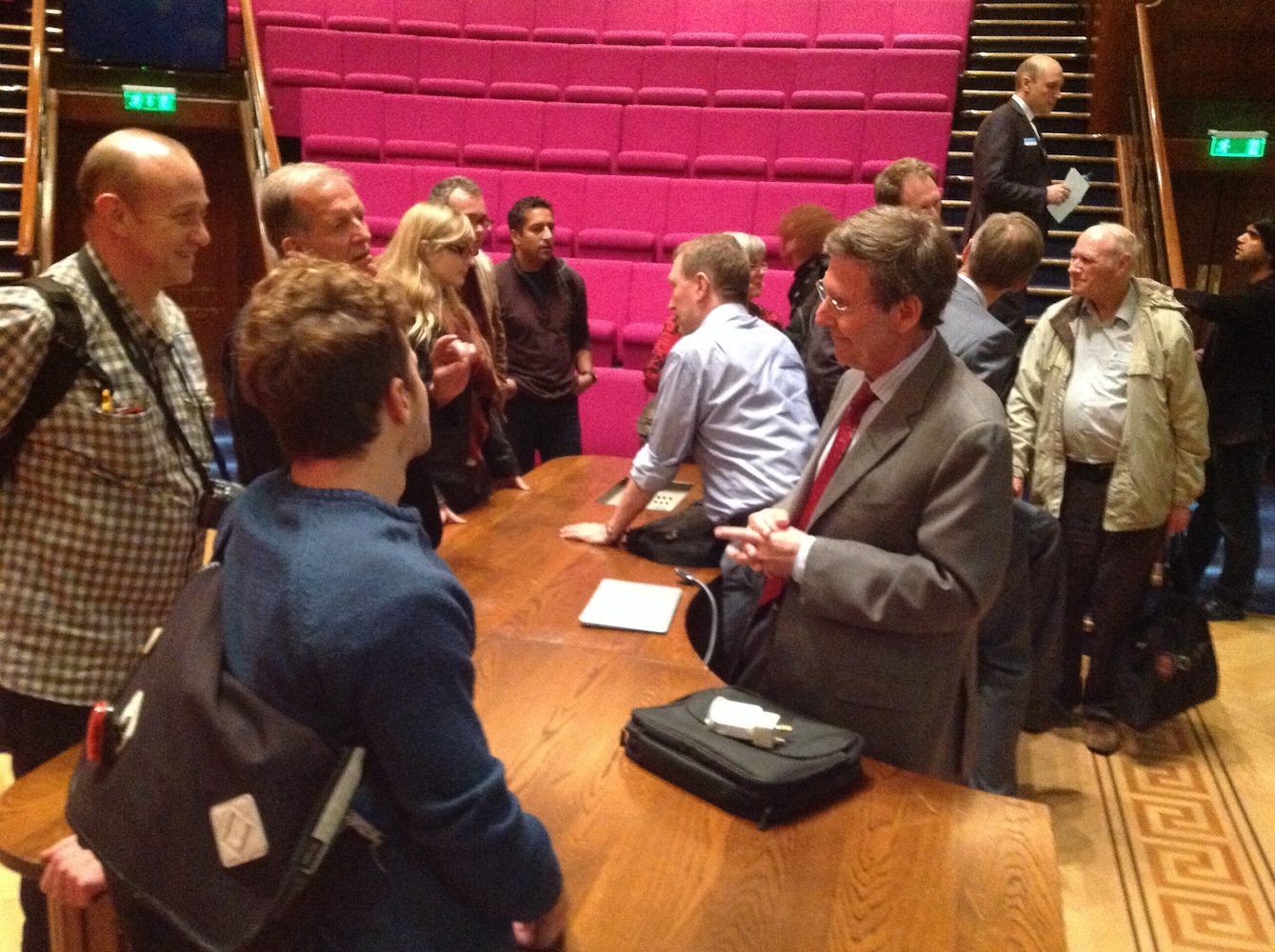
Unsurprisingly, these two talks provoked considerable interest from the audience, and the COB_Ri_questionsfree-flowing question time covered topics such as whether we’d ever be able to reconstruct a Neanderthal, whether computers will ever be smarter than humans, and what defines consciousness! The short answers to each of these being, respectively, “almost certainly not”; “possibly in some aspects’”; and “we really have no idea”! The drinks reception following the lecture also provided the audience with ample opportunity to quiz the speakers further on their work. Overall, it was a fascinating event held at a beautiful and historic venue; many thanks to the team of the Ri for making it run so smoothly!


This was the second event The Company of Biologists has hosted at the Ri, and we hope to be collaborating with them again in the future; we’ll let you know if and when the next one comes up!


For those interested in hearing more, you can listen to the following podcasts of Arnold’s and Svante’s talks:


You can also read about the Company of Biologist’s workshop ‘The Evolution of the Neocortex: How Unique are We

Thumbs up (1 votes)
Loading...

Tags: , , ,
Categories: Events

Navigate the archive

Use our Advanced Search tool to search and filter posts by date, category, tags and authors.

A new facebook page for Development

Posted by , on 3 October 2013

New Fb profile picture Development is now on Facebook!

The journal promotes many of its papers and other content not only via its home page and email alerts, but also via its Twitter account. We use Twitter to highlight particularly interesting papers and reviews from our issues, and also other content such as interviews and movies. We also tweet from meetings. However, we recognise that not all Development readers are avid Twitter users, and we’re keen to maximise our reach. So we have now created a facebook page for the journal! We hope that you will visit the page and like us to receive updates about articles and more on your feed!

We would like to thank Jackson Hoffman and Brad Merill, from the University of Illinois in Chicago, who kindly gave us permission to use the beautiful confocal images of mouse embryos that feature so prominently in our new facebook page and in our new look on Twitter.

We hope that you will find our new facebook page useful, and we welcome your feedback! Please like our page, and comment, like and share our posts!


Dev Facebook banner

Thumbs up (1 votes)
Loading...

Tags: ,
Categories: News

Echoes of Spallanzani

Posted by , on 3 October 2013

Spallanzani croppedTo the inspecting eyes of a budding scienziato the Reggian countryside was not simply teeming with life, it also posed myriad of intriguing questions. How do bug wings work and can you stick them back once you have removed them? How far are the stars that can be seen in the sky, and are natural fountains really just the tears of sad, beautiful girls lost in the woods? Armed with a healthy dose of skepticism, the young Lazzaro Spallanzani, one of the brightest minds of his age, was more than happy to tackle these questions. In the end, his curiosity and stubborn adherence to natural philosophy derailed the legal career much wanted by his father, and “l’astrologo”, as his friends knew him, ended up as a teacher of logic, metaphysics and Greek at the University of Reggio Emilia.

Today Spallanzani is most credited for his work debunking the mistaken theory of John Tuberville Needham and Georges Buffon about the origins of microscopic lifeforms. The theory of “spontaneous generation”, as it is remembered, argued that really small lifeforms can originate from inanimate matter: maggots from dead flesh, microscopic “animalcules” (protists and bacteria, effectively) from water and mud. This was the celebrated, dominant theory of the age, yet it took Spallanzani only a few long-necked, easily sealable glass bottles and some freshly boiled broth to lay it to rest for good.

Equally ingenious were, however, his experiments on regeneration, which he conducted in order to test what at the time seemed like the equivalent of spontaneous generation for embryologists, epigenesis. Following his childhood instincts, Spallanzani sectioned everything that crawled or ran in the nearby woods. He cut worms and snails far and wide, removed tails and limbs of tadpoles and salamanders with methodological rigour and watched them to regenerate. In fact, almost single-handedly he put the field of regeneration on a solid scientific footing.

What he saw in these experiments thrilled him. His results, detailed in his seminal work, Prodromo and his letter to Charles Bonnet, show that Spallanzani realized that regeneration was more than simple growth. It could not be simply explained by the expansion of some preexisting “germs” after injury. Yet, if not exactly heresy, such views contradicted the dominant theory of the age, namely preformation.

The adherents of this theory claimed that an organism is preformed from its origins, and development is mere growth. Spallanzani was originally sympathetic to the preformationist ideas and some of his results were in line with these: limb regeneration for the most part was about growth, after all. Yet there were significant observations, especially about the early steps of the regenerative process, that were hard to square with the preformationist ideas. For example, the intricate circulatory system of the regenerating limb stump formed in a stepwise manner, and often was clearly different from the original circulation. And this strongly suggested that growth could not be the whole story, there were also epigenetic forces at work, and preformationists (including Bonnet) were mistaken. (more…)

Thumbs up (5 votes)
Loading...

Tags: , , ,
Categories: Research

A Day in the Life of…a Xenopus lab

Posted by , on 2 October 2013


I am Gary McDowell, a postdoctoral researcher at Tufts Centre for Regenerative Biology and Developmental Biology.  I have just finished a postdoctoral position in a mass spectrometry lab at Boston Children’s Hospital/Harvard Medical School and I was the only frog researcher in the group.  I earned my “frog stripes” studying for my PhD in the lab of Anna Philpott at the University of Cambridge, working on the stability of a particular transcription factor that regulated neurogenesis.  Recently, however, I have been trying to look at many peptides and proteins across many different developmental stages by proteomics, as well as doing in vivo experiments to validate proteomic findings.


Xenopus laevis, the organism I primarily work with, is a claw-toed frog from Southern Africa that lays many large eggs, traditionally used for embryology but also for biochemical studies, as extracts can be made from eggs and embryos to provide active cytoplasm in a test tube, that can undergo cell cycles and be used to study many processes, such as protein ubiquitylation and degradation.  The eggs and embryos are also easily subjected to microinjection in a highly targeted manner – for example, injecting into one of the two cells formed after the first cleavage means that only one half of the embryo is treated, as cells largely do not move between the left and right sides of the embryo formed at this point.  This gives a great internal control for scoring phenotypic changes.  The fate map of cells in the early embryo is well-characterised, so that injections into one of four, eight, even 32 cells can be used to target particular germ layers, organs and tissues.


Xenopus are distributed around the world as they used to be used as a pregnancy test in hospitals – female frogs would be injected with urine from women thought to be pregnant and if the frog began to lay, it meant hormones marking pregnancy were present in the urine!  This worldwide distribution has led (I believe somewhat unfairly) to Xenopus being blamed for the spread of the devastating chytrid fungus.  Xenopus can carry, but do not die of this fungus; but as the fungus can also be carried on the wings of birds, Xenopus may simply be the subject of bad publicity.


Xenopus is an excellent organism for biochemical experiments.  Unique among my colleagues in the mass spectrometry lab, I am not limited by the amount of material I require for mass spectrometry experiments.  There are neither endless dissections of multiple mice to harvest enough tissue, nor continuous growing of cells in culture to produce the literally tens (sometimes hundreds, for post-translational modification studies!) of litres of cultured cells required.  I simply need a few eggs or embryos to get more than enough protein to work with, as early Xenopus laevis embryos are so large and protein-rich.  This applies to many biochemical manipulations in Xenopus – the amount of material required for making extracts to study biochemical processes, for Western blotting or RNA-Seq is a small fraction of the material that is easily available from a single frog.  To do in vivo follow-up, there are multiple strategies for embryo micromanipulation, explant culture and microinjection of mRNA (for protein overexpression) or morpholinos (small synthetic oligonucleotide mimics that prevent target mRNA translation) for phenotypic analysis, including in situ hybridisation and immunohistochemistry.


One disadvantage is that Xenopus has not been sequenced to the level of many other organisms, which means that there is not yet a great protein database publicly available for searching mass spectrometry data.  What is great about mass spectrometry data, though, is that it is “futureproofed”: the same data can be searched again and again using new and improved databases as they become available.  This lack of genetic information means that there are also fewer mutant frog lines available compared to other model organisms – a deficiency which is currently being addressed by the Xenopus community.


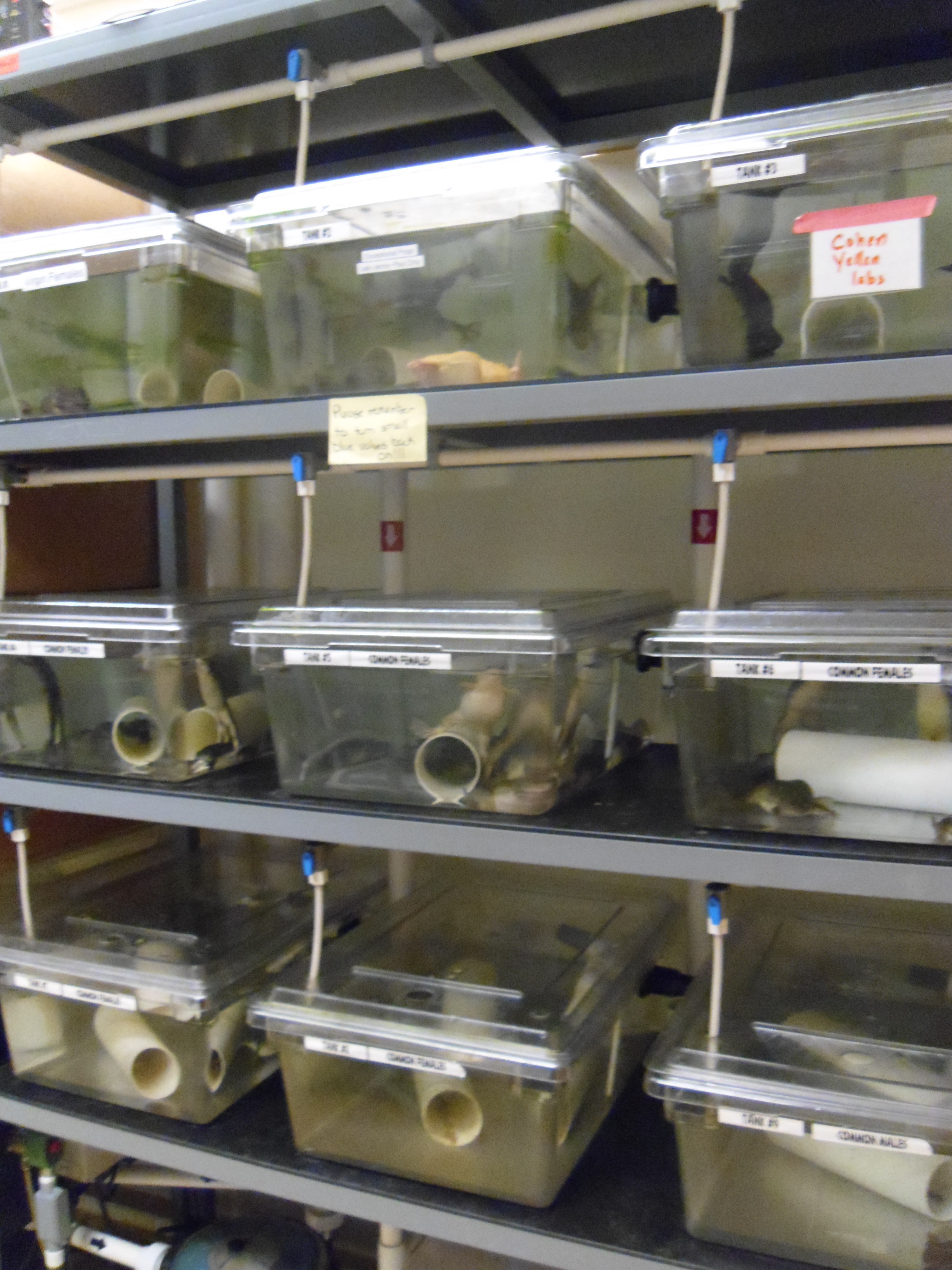
The frogs that I use are members of the large colony at Harvard Medical School, provided by Marc Kirschner.  They usually live in a very large facility, with huge tanks swarming with lively frogs.  Every so often, however, some are moved down to the satellite facility next to the frog lab (PICTURE 1).  Here they are housed in smaller tanks, and are fed every day.  The room is windowless, with a scheduled light cycle so that they still experience “day” and “night”.   They are checked on regularly to make sure they are not stressed, and have a continuous aquatic system providing a flow of water suited to their requirements.  Feeding is carried out on a daily basis.  Several labs use the same frog room so sometimes it’s a chance to catch up on what’s going on and what different people are doing – as the focus of the different labs is quite varied.


Xenopus housing
Xenopus housing


Xenopus laevis and their embryos tend to be happier in cooler temperatures; frog labs tend to be held at 18 ˚C which keeps everyone very dynamic (but is unfortunate for those of us who wish to cast our own SDS-PAGE gels).  However in the current facility I use, there is a room set aside for frog work which is kept cooler – so unfortunately it can be a cold, windowless affair for long days in the frog room!


My Day in the Frog Lab


4 pm, the day before:

My day actually begins the evening before my planned work – to get the female frogs to lay, they need to be primed with human chorionic gonadotrophin (which nowadays we obtain in a purified form, and not from pregnant women).

9.30 am

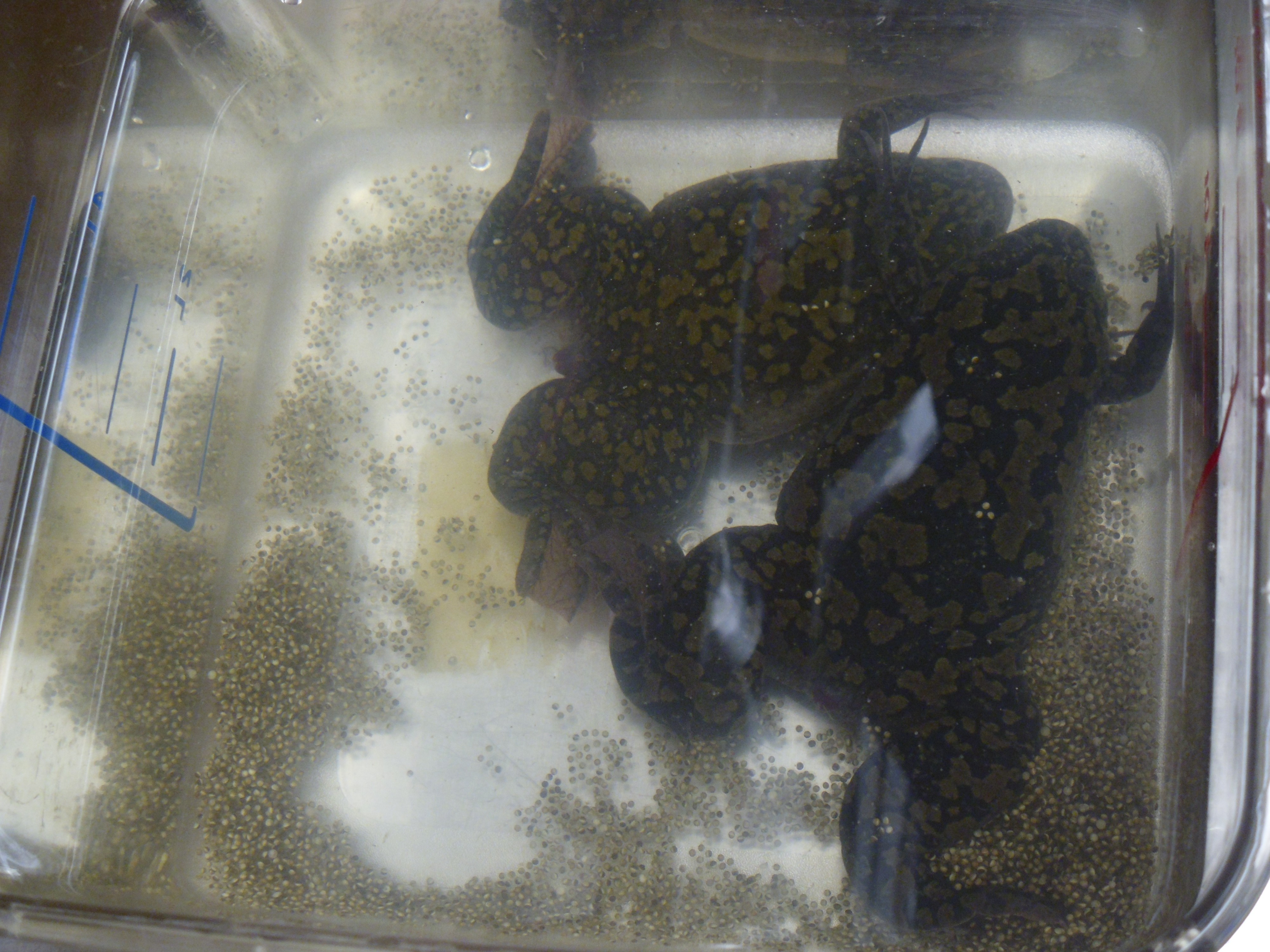
After being primed, the next morning eggs can be seen gradually falling from the frog’s cloaca (frogs have only one exit for eggs, urine, and faeces PICTURE 2).


Two female wild type Xenopus laevis

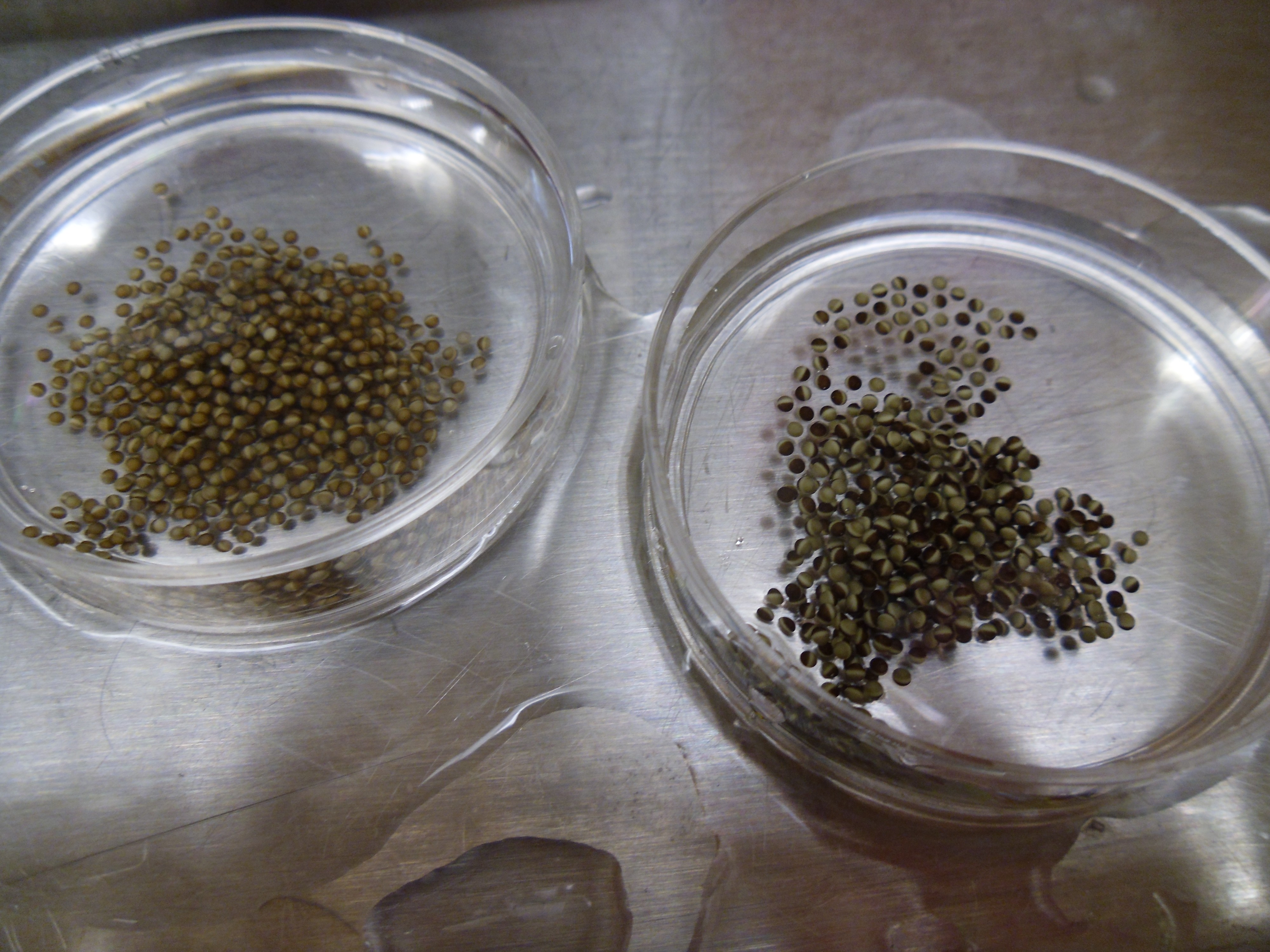
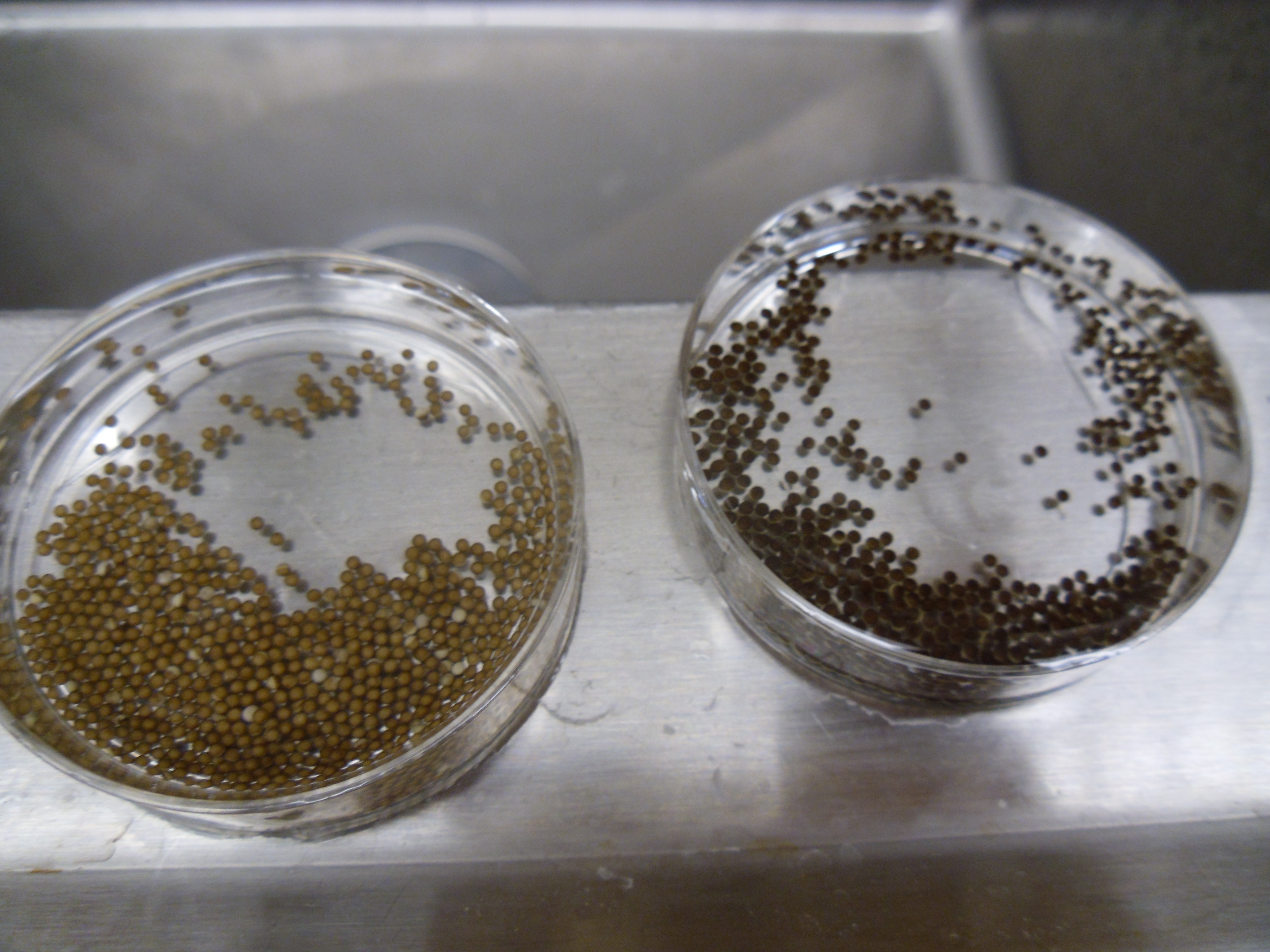
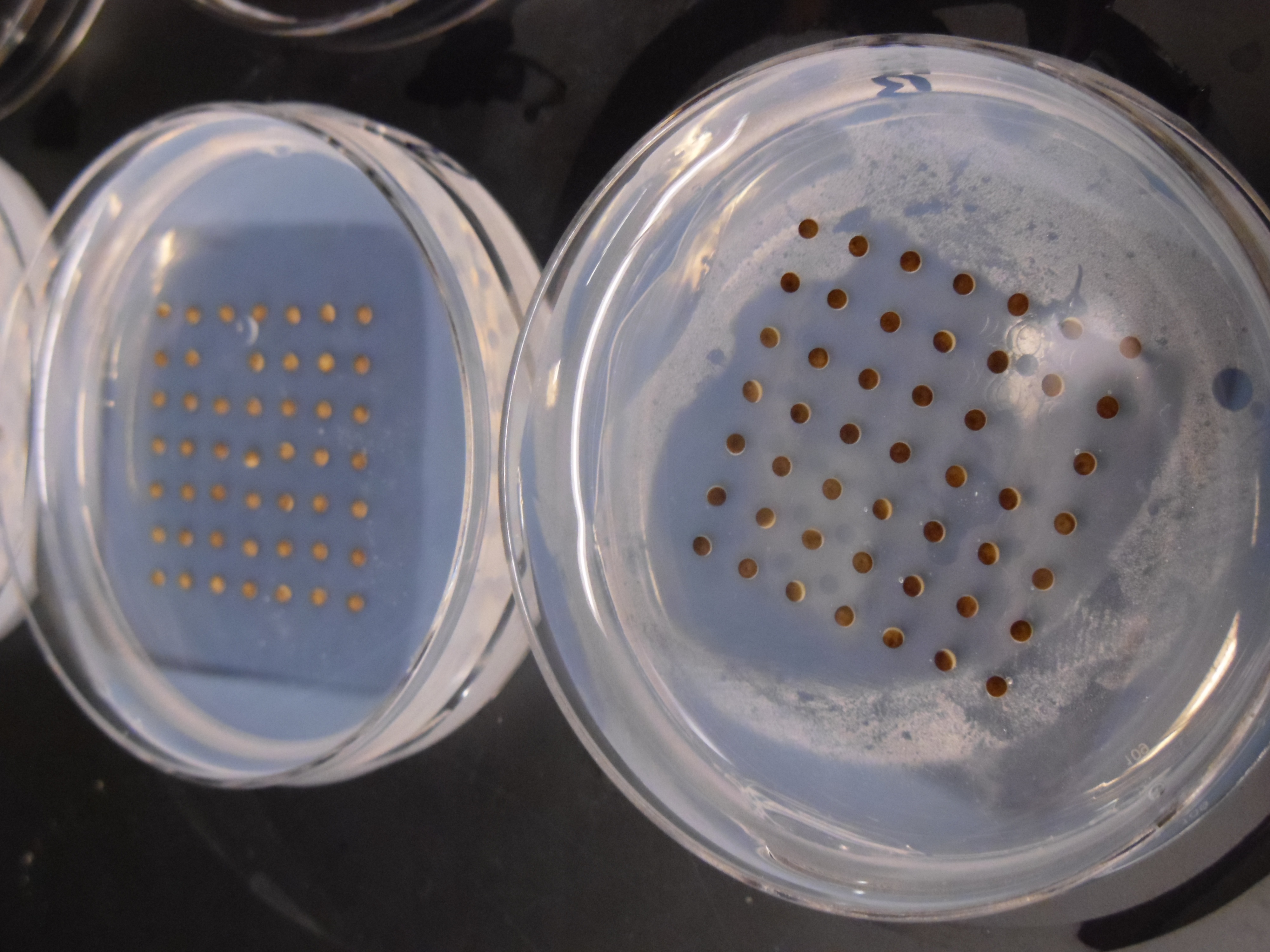
To collect a large amount of eggs at once, however, I have to carry out a procedure rather alarmingly called “squeezing”.  Actually, it’s more like a frog massage – I pick up the female and gently stroke her back, which massages out the eggs that fill a large proportion of her body cavity.  The eggs are caught in a petri dish of salty solution and fertilised in vitro by the addition of sperm, which is spread over the eggs and then induced to enter the egg by flooding of low-salt solution.  The fertilisation of the eggs hopefully results in a visible transformation – eggs are randomly oriented with respect to their pigmented animal hemisphere (PICTURE 3) until fertilisation induces microtubule rearrangement and rotation of the cortex so that the embryos are all oriented with their animal hemispheres pointed skywards (PICTURE 4) (the reason for this is not clearly known, although it is possible that in the murky waters which Xenopus naturally inhabit, dark camouflage may hide the eggs from predators swimming or moving above).  One further preparation is required before my work can begin – the removal of the jelly coats that surround the embryos.  These thick coats protect the embryos, but will prevent me from microinjecting them or easily lysing them for sample preparation, so they need to go.  This requires a brief treatment in cysteine solution, which breaks down the coats and releases the embryos in a more easily manipulated (but also more easily ruptured) form.


Unfertilised Xenopus eggs

Fertilised Xenopus embryos


The embryos I’ve prepared today are going to be used for two experiments: for the first, I will simply take a few embryos at different timepoints and snap-freeze them in liquid nitrogen.  These will then by lysed, and the protein-rich material within will be digested with the protease trypsin, and analysed by mass spectrometry, after the digested peptides are sorted by liquid chromatography.  This will give me information about the protein content of the embryos at different stages of development.


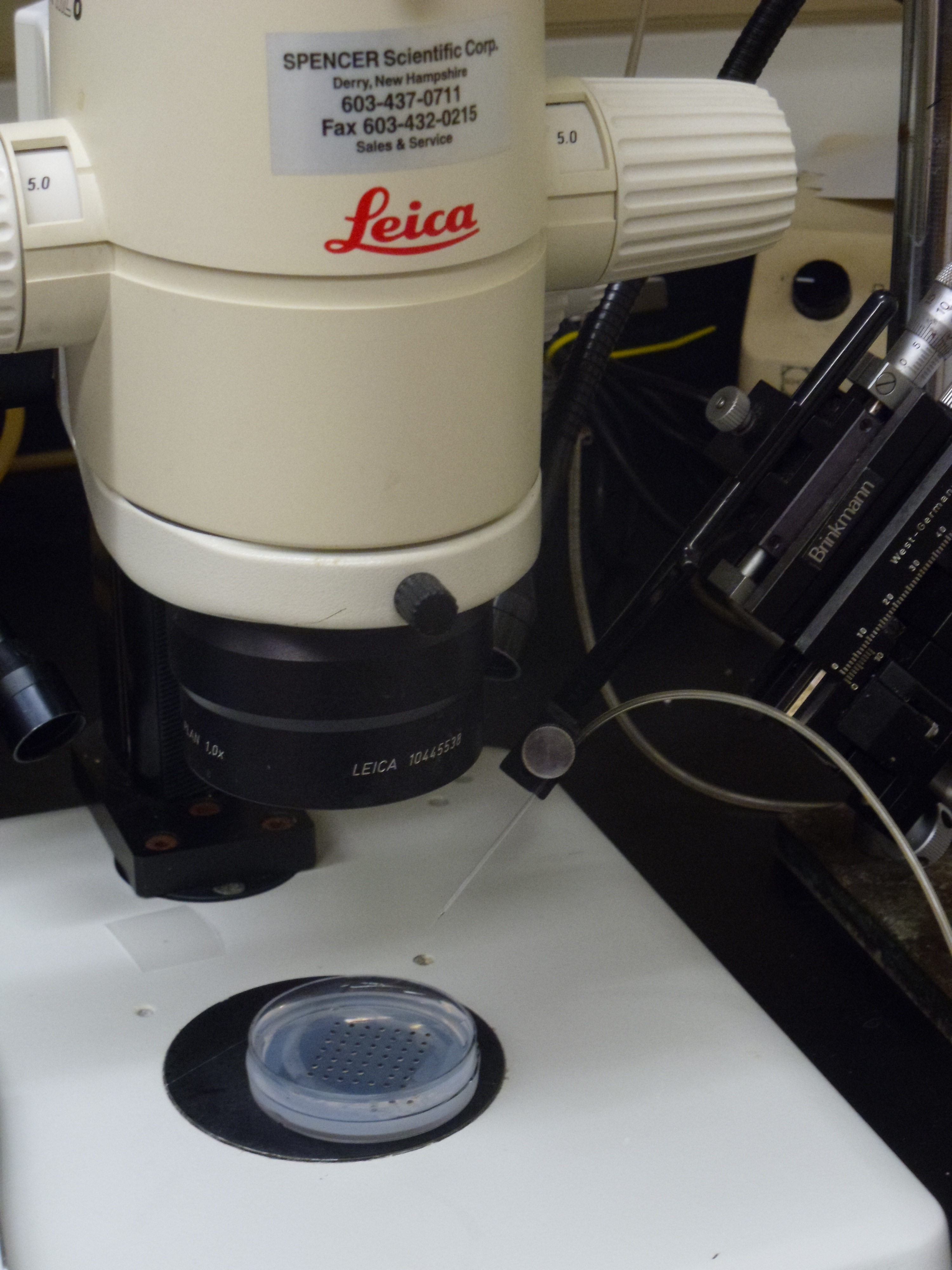
The other experiment I am carrying out is a much more common protocol in the Xenopus field: microinjection of morpholinos.  Morpholinos are small synthetic oligonucleotide-like molecules – so-called because they are made using morpholine rings instead of ribose-based sugar rings – that can block mRNA translation either altogether at the point of initiation, or by blocking splicing events.  The morpholinos I’m injecting are targets identified from a proteomic screen using differentiating stem cells and our hope is to use Xenopus as an in vivo tool to model the effects of blocking the translation of these targets into protein, and to look at what happens.  Morpholinos can be tricky – they are prone to precipitating out of solution at temperatures like that maintained in the frog room!  Microinjection itself is a very zen art, that requires great patience and strength of will.  Individual embryos are injected using a calibrated glass needle connected to a high-pressure air supply and controlled by a micro-manipulator (PICTURES 5, 6).  If the embryos are good, they will be like perky beach balls and the needle will press against the embryo surface, which pops back smartly as the needle enters.  An all-too-common problem with novice injectors is breaking the needle, which is fragile.  If the embryos are not quite so healthy, they may require some more force to penetrate the surface, resulting in needle breakage.


Xenopus embryos ready for microinjection

Microinjection setup

4 pm

At the end, a nice dish of injected embryos was left to develop.  I come back later in the afternoon to move the embryos out of the injection dishes, clear out any dead embryos (and today there are not many – just some eggs that clearly were not fertilised – hooray!) and place the embryos in new dishes with fresh buffer.


These are then left to continue development and to be scored for any possible phenotypic changes.  Different concentrations of morpholino are injected to look for effects on development and to see whether our targets are having any effect in vivo after being identified by proteomic screening.


The advantage to using Xenopus for this in vivo approach is that they can be used as a screen for large numbers of candidates – provided that you have a hardy frog researcher ready to inject!  The embryos are large and easy to manipulate and most importantly they develop very quickly.  You can think of an idea at the weekend, start the experiment on Monday and by the end of the week have an answer, far faster than some other vertebrate model systems.  And whilst Xenopus may not be understood to be a great model system for diseases in humans, they are a great tool for understanding the mechanisms of these diseases (for a discussion on this topic and why Xenopus is such a useful tool for those of us using it, see Sive, H. (2011) Disease Models and Mechanisms 4, 137-138 ). Certainly as someone who trained initially as a chemist, the discovery of an organism that provides such great in vitro and in vivo tools has revolutionised the way I do science now and hopefully for the years to come.


Node day in the life new doodle squareThis post is part of a series on a day in the life of developmental biology labs working on different model organisms. You can read the introduction to the series here and read other posts in this series here.


Thumbs up (11 votes)
Loading...

Tags: , ,
Categories: Lab Life

‘A day in the life of…’ a new series on the Node!

Posted by , on 2 October 2013

Node day in the life new doodle squareTo uncover the mysteries of development, developmental biologists use an amazingly wide range of systems – from cells in culture to live mouse embryos, and from classical model organisms to unusual critters.

We read the papers and listen to the talks about the work using these organisms, but we only really know the details of the model we work with. So what does an axolotl eat? How do you get a frog to lay eggs? How do you make a transgenic Arabidopsis? Why do fly researchers always talk about collecting virgins?

‘A day in the life of…’ is a new series of posts that will aim to answer these and other questions by giving you an insider’s view of what is like to do developmental biology using different organisms. Our first post is a day in the life of a Xenopus lab, where postdoc Gary reveals the mysteries of doing research on frogs. In the next few months we hope to feature posts on ‘a day in the life of’ many other lab organisms, and we already have a few exciting articles lined up. However, with so many different organisms being used in labs around the world, we need your help! If you are interested in writing about what is like to do developmental biology in your model organism, why not drop us an email? It would be great to have your participation!


We hope you will enjoy this series! You can read all the posts so far here.

Thumbs up (7 votes)
Loading...

Tags:
Categories: News

This month on the Node- September 2013

Posted by , on 1 October 2013

September was a little bit more quiet than usual, but we still had many interesting posts. Here are the highlights!


Research

F1.small– Gary examines a recent Science paper on the titration of replication factors in the Midblastula transition in Xenopus.

– Karuna followed up on a previous Node post by writing about her recent paper on identifying a protein that controls the positioning of squint RNA in the zebrafish embryo

– Nadia discussed her group’s recent paper on the role of fluid forces in epicardium morphogenesis.

– and Christele continued her Stem Cell Beauty blog by writing about a recent paper on the importance of insulin signalling in the development of ovarian stem cell niches.


Spotlight on the Woods Hole embryology course

– This year marks the 120th anniversary of the Woods Hole course, so we interviewed Professor Alejandro Sánchez Alvarado, one of the current co-directors of the course.

– September also saw an exciting update on the Woods Hole competitions here on the Node, as this year’s last round featured 4 beautiful movies taken at the course. Many of you voted, and the big winner was the ascidian metamorphosis movie!

Woods Hole movie- Ascidian metamorphosis

cover


Books

– Development‘s Associate Reviews Editor (stem cells), Caroline Hendry, interviewed author and researcher Paul Knoepfler on his new book Stem cells- an Insider’s Guide’.

– while Teisha presented her new book  Biology Bytes: Digestible Essays on Stem Cells and Modern Medicine’.


Also on the Node
– Once again we summarised our best spots on science and (developmental) biology from around the internet in one post.


Happy Reading!

Thumbs up (No Ratings Yet)
Loading...

Categories: Highlights

In Development this week (Vol. 140, Issue 20)

Posted by , on 1 October 2013

Here are the highlights from the new issue of Development:


Coordinating stem cell and niche development

F1.smallThe Drosophila ovary provides an accessible system for analysing the interactions between stem cells and their supporting niche. The Insulin-like receptor (InR) and Target of rapamycin (Tor) pathways affect germline stem cell activity in the adult fly, but their roles during ovary formation are poorly understood. On p. 4145, Dana Gancz and Lilach Gilboa investigate the consequences of manipulating InR and Tor signalling in germline and gonadal somatic tissues. They find that both pathways are required cell-autonomously in primordial germ cells (PGCs) to promote their proliferation, while disrupting either pathway in the soma affects both precursor cell proliferation and niche differentiation. InR activity in somatic cells also promotes PGC differentiation non-autonomously. Importantly, these experiments reveal that the PGC-to-cyst transition is a two-step process, only the first of which is insulin regulated. Together, these data demonstrate that InR and Tor act to coordinate development of ovarian stem cells and somatic cells, helping to ensure the formation of functional niche-stem cell units.


How to grow a heart

F1.small-1During heart development, proliferation of cardiomyocytes (CMs) must be tightly controlled to determine organ size, and different regions of the heart show differential proliferation rates. How is CM proliferation regulated in space and time, and how might the mechanisms regulating tissue growth be harnessed for clinical applications? Ibrahim Domian and co-workers investigate the role of Wnt/β-catenin signalling in regulating CM proliferation, using in vitro stem cell culture and in vivo approaches (p. 4165). They find that canonical Wnt signalling promotes proliferation of CMs derived from mouse embryonic stem cells (ESCs) or from induced pluripotent stem cells, and, importantly, of human ESC-derived CMs. Furthermore, they show that differential Wnt pathway activity likely underlies the differential proliferation rates of trabecular versus compact myocardium in the developing mouse heart in vivo. The effects of Wnt signalling on CM proliferation provides a potential method for generating large numbers of CMs in culture, which could be used for drug screening or regenerative therapy approaches.


Chromatin regulation: KIS and tell

F1.small-2The chromatin-modifying Polycomb and trithorax group proteins are crucial for the establishment of key transcriptional networks during development. Kismet (KIS), a member of the trithorax group of proteins, promotes gene expression via transcriptional elongation as well as by antagonizing Polycomb-mediated repression; however, it is not understood how closely these two processes are linked and the molecular mechanisms that underpin them. In this issue (p. 4182), Kristel Dorighi and John Tamkun provide evidence for two distinct mechanisms of KIS-mediated gene regulation in Drosophila, separating the processes of transcriptional elongation and antagonism of Polycomb repression. The authors find that KIS recruits ASH1 to regulate levels of H3K27me3, but that ASH1 is dispensable for transcriptional elongation. Conversely, inhibition of transcriptional elongation does not affect ASH1 chromosome localization or H3K27me3 levels. Thus, the authors show that these two processes are independent and that, in addition to a general role in promoting transcriptional elongation, KIS has a separate specific role in recruiting ASH1, which regulates H3K27me3 levels and antagonizes Polycomb repression.


MYB in multiciliogenesis

F1.small-3The airways of the lung are lined with multiciliated cells (MCCs), the coordinated beating of which generates fluid flow to remove particles from the lungs. Generation of MCCs requires massive amplification of centriole numbers to form the basal bodies of each cilium. How are MCCs specified and how do they differentiate? Here (p. 4277), Mark Krasnow and co-workers uncover a role for the cell cycle regulator MYB in promoting multiciliogenesis. MYB is expressed in newly postmitotic cells of the mouse airway epithelium (as well as other multiciliated cells), and mutants lacking MYB show defects in centriole amplification during MCC formation – particularly at earlier stages of development. They further show that MYB promotes the expression of the key late MCC regulator FOXJ1, while MYB itself is regulated by Notch signalling and the nuclear protein multicilin. As MYB is better known as an S-phase regulator, they propose that it may control multiciliogenesis by promoting an S-phase-like state in which centrioles are synthesized but DNA is not.


Eph-icient cell packing in the lens

F1.small-4The lens of the eye is a unique tissue in that its key function, transmitting and focusing light, crucially depends on the refractive index of the tissue, and hence on the packing and alignment of lens fibre cells. Lens opacity, or cataracts, can result from defects in this precise tissue organisation. Recently, mutations in EphA2 and ephrin A5 have been associated with cataracts in both mice and humans. Here (p. 4237), Xiaohua Gong and colleagues analyse the mechanisms by which Eph/ephrin signalling regulates lens cell organisation in mice. The authors find that EphA2 regulates the subcellular localisation of adhesion and cytoskeletal proteins such as cortactin, F-actin and E-cadherin. These effects are likely mediated – at least in part – by Src kinase, the localisation of which is also dependent upon EphA2. Cell shape and packing are disrupted in Epha2 and Src mutants, suggesting that Eph/ephrin signalling via Src plays a key role in regulating cytoskeletal organisation in lens fibre cells and their arrangement in the tissue.


APC: Assuring Proper Centrosome separation

F1.small-5The adenomatous polyposis coli (APC) tumour suppressor is best known as a Wnt signalling regulator, but it also plays cytoskeletal roles, including during mitosis. APC mutant cells show enhanced chromosomal instability, while in early Drosophila embryos undergoing syncytial mitoses, APC2 mutants show enhanced ‘nuclear fallout’ – whereby nuclei that have undergone defective division are removed from the cortex. To understand the mechanisms underlying the mitotic function of APC, Mark Peifer and colleagues (p. 4226) have analysed the mitotic defects in APC2 mutant Drosophila embryos in detail. Their data suggest that APC2 is not essential for mitosis, but does promote mitotic fidelity. The primary consequence of APC2 loss appears to be a defect in centrosome separation; when this fails, the mitotic spindle can still form, but ectopic cleavage furrows appear and disrupt chromosome segregation. Moreover, the APC-binding partner Axin is also involved in this process. These data suggest a key role for APC family proteins in promoting centrosome separation during mitosis; this may also be relevant for its tumour suppressor activity.


PLUS…


Sox proteins: regulators of cell fate specification and differentiation

F4.largeSoxSox transcription factors play widespread roles during development. Here, Kamachi and Kondoh provide an mechanistic overview of how Sox family proteins function and how they can thus regulate diverse processes during development. See the Primer on p. 4129


Studies of morphogens: keep calm and carry on

F1.large-1morphogeneThe recent EMBO Workshop on ‘Morphogen gradients’, which took place in Oxford, UK in June 2013, centered on the formation and interpretation of  morphogen gradients during development. Here, Angelike Stathopoulos and Dagmar Iber provide a brief overview of the talks and discussion at the meeting. See the Meeting Review on p. 4119


Getting the measure of things: the physical biology of stem cells

F1.largephysicsIn July 2013, the diverse fields of biology, physics and mathematics converged to discuss ‘The Physical Biology of Stem Cells’, the subject of the third annual symposium of the Cambridge Stem Cell Institute, UK. Here, Sally Lowell reviews the meeting and the themes that emerged from it. See the Meeting Review on p. 4125


Thumbs up (No Ratings Yet)
Loading...

Categories: Research

Cellular Reincarnation

Posted by , on 1 October 2013

Stuck! Here I was trapped in this valley with no way out. And it was crowded here, with all of my fibers I sensed numerous peers condemned to a similar fate. The wonderful scenes that could be reached from the top of Mt. Waddington had been illusionary. Was this my reward: being trapped in Fibrocity, the slum of existence? Ignorant of the adventure yet to come, I cursed my fate.


It all got started when “Zygote Enterprises” organized this foolish competition, a race that can be best compared with an obstacle course in the swamp. The countless contestants, including me, were lured by the “Carte Blanche” awaiting the winner. Before the start, we were boasting like little Titans, judging each other’s fitness and calculating our odds. Suddenly, we were launched and hyperactively we raced towards our goal. I realized that my chances to win were next to zero. Then we arrived at a junction and in a lucky burst of inspiration, I directed my nearest competitors to go left, after which most of them unsuspectingly raced off in the wrong direction and I reached the target before the others could. Immediately after I crawled through the opening located in the curved transparent wall it closed, shutting my rivals outside. Unable to avert my eyes, I could see through the wall how the losers perished out there in the damp and hot wilderness, some of them fruitlessly banging the wall with their extremities. Despite the horrific sight, victory tasted good.


Exhausted, but filled with anticipation, I was taken to the top of Mt. Waddington where my triumph would be celebrated and the prize awarded. An employee of “Zygote Enterprises” who introduced herself as OCT4 told me that I would get the blank check in due time, but that she would first show me the view from the top. “It’s marvelous”, she said, “You’ll love it”. She guided me to the edge of Mt. Waddington’s summit, and indeed the view was awesome. “It feels as if I am on top of the world looking down on creation” I told her in a mellow voice.


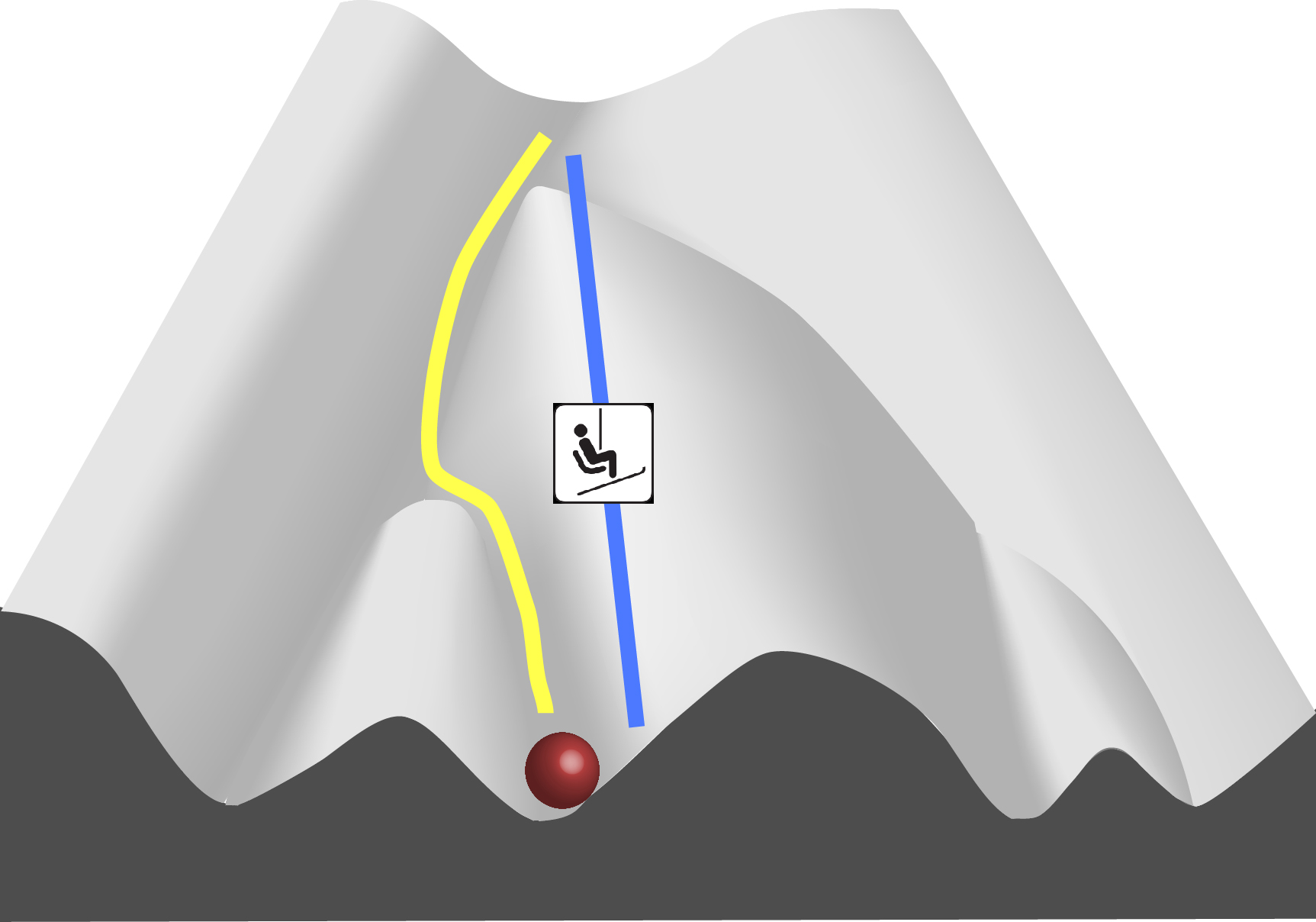
Waddington's Epigenetic Landscape
Waddington’s Epigenetic Landscape

“From here you have a panoramic view into “Les Trois Vallées’” OCT4 told me. “The three large valleys you can see from here are named “Outer Valley”, “Middle Valley”, and “Most Proximal Valley”. OCT4 continued. “If you look carefully, you can see all wonderful places that you can reach from each of these valleys. At the edge of Outer valley you can see Neuronburg and Schwann Lake. Deep down there at the bottom of Middle Valley are Kidney Harbor and Leydig. And there, at the far end of Most Proximal Valley lies Hepatocity with Salivaryg Land’s river glistening beyond”. Dizzied by the dazzling view of unlimited possibilities I grabbed hold of OCT4, afraid I would fall down into the deep. I had hardly steadied myself when OCT4 pushed me hard over the edge. As a marble I started rolling downhill, oblivious of my fate. Had I known where I wanted to go I might have been able to steer myself in the right direction. Faltering, I passed the bifurcation and while contemplating my passivity I entirely missed the second, resulting in the wrong choices at the third and the fourth. In the meantime I had gained so much momentum that all further decisions were pure random. My roller coaster ride came to a sudden halt when I bumped into this non-descript individual. “Welcome to Fibrocity, for those who like to connect”, he said unconvincingly.


It took me a long time to accept my fate in Fibrocity. Finally, I adopted a zen-like state that may be best described as total apathy to cope with my situation, unresponsive to my immediate surroundings. I have no idea for how long I had been in this impassive condition, but I know that it was long enough that I initially failed to notice things were slowly changing around me. Gradually it dawned on me that some of my neighbors had disappeared and I was able to move more freely, a feeling I had not had in ages. Slowly I recovered from the passive state I had been. One by one, all the connections I had with my neighbors were lost. A character that was vaguely familiar to me approached me from a distance. “Hello”, she said “we have met before, remember”. “OCT4” I muttered, while I indeed remembered how she pushed me from the mountain. “Please” she continued, “don’t be angry with me, my intentions are good. Follow me and I will have a surprise for you”. Reluctantly I followed her, cautious for any foul new tricks she would play on me. When I saw where we were heading I was astonished. To my disbelief we drew near a seemingly endless gondola lift going up on the slopes of Mt. Waddington. The lift was brand new, built in Kyoto Japan and signs on the posts read “Takahashi Yamanaka Unlimited”. OCT4 guided me to the small station where the rail cars that come down are sent up again. Just as we entered, a rail car opened its doors. OCT4 stepped inside and intrigued I followed her. She took a seat and pulled me next to her. Immediately the doors closed and the rail car jumped into motion. It was a long journey during which I felt increasingly better at ease. Finally we reached the top of Mt Waddington and the doors swung open. “Go on”, OCT4 said, “It is time for you to collect your prize”. Speechless, I carefully stepped outside. At the exit station a sign read “Welcome to Tir nan-Og, The Land of the Ever Young”. Reborn, I walked to the edge of the mountain top unafraid that OCT4 would push me over again, grateful for the lesson she taught me. In the future, I would carefully choose my next destination, but for the time being I enjoyed the scenery.

Thumbs up (18 votes)
Loading...

Tags: , , , , ,
Categories: Discussion, Education, Lab Life

Woods Hole images round 4- the winning movie

Posted by , on 30 September 2013

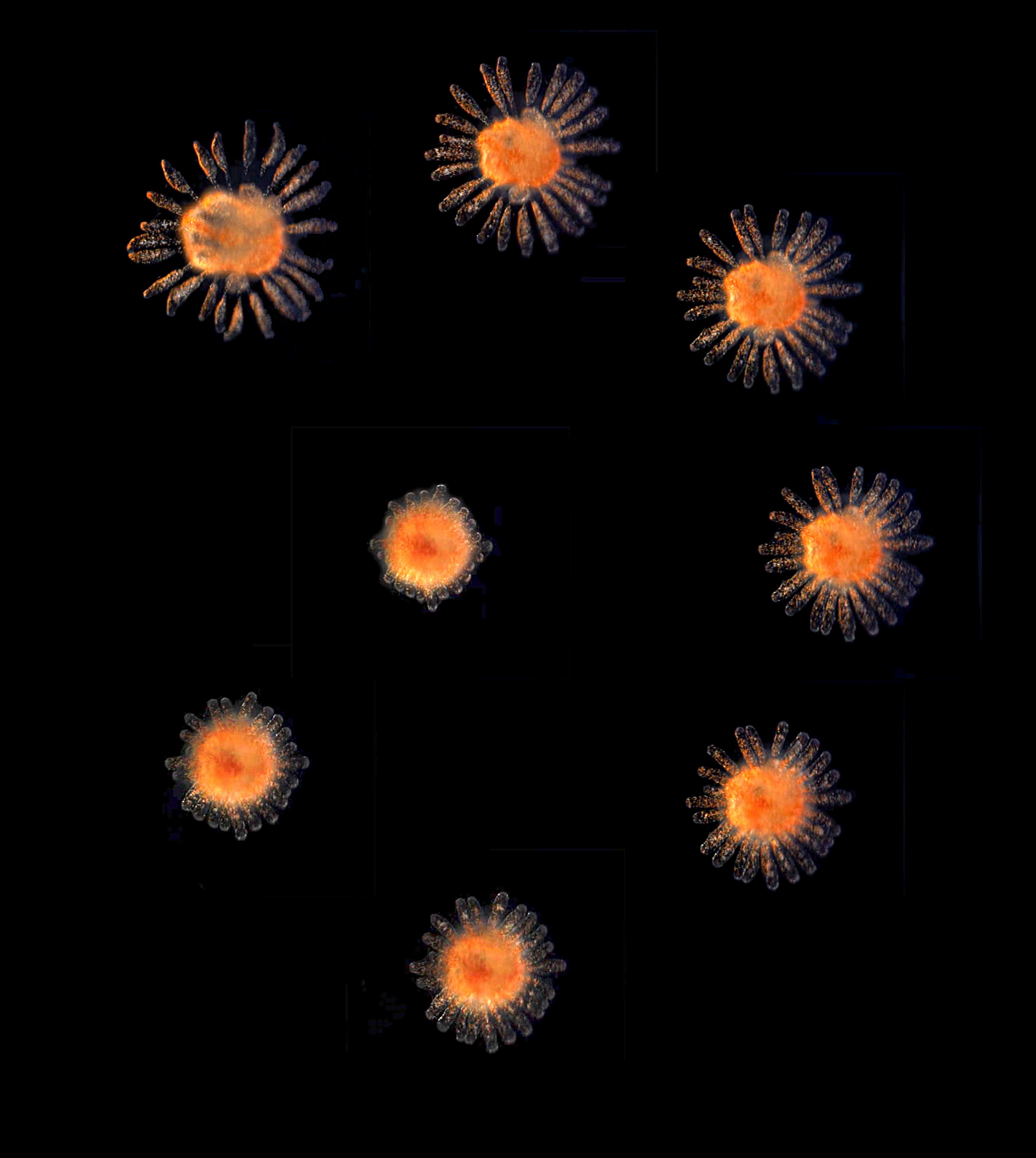
This year’s last Woods Hole competition had an exciting development- instead of choosing from 4 images, we asked the Node readers to choose from 4 stunning movies. It was probably hard to choose who to vote for, but in the end the beautiful movie of the ascidian metamorphosis was the big winner. The following collection of stills from the movie will be in the cover of a future issue of Development, while the movie itself will feature in the homepage of the journal.


Woods Hole movie- Ascidian metamorphosis


Congratulations to Matthew Clark, from the University of Oregon, for the winning movie.

The runners-up to this competition were Marina Venero Galanternik (University of Utah), Rodrigo G. Arzate-Mejía (Universidad Nacional Autonoma de Mexico), Jennifer McKey (Universite Montpellier) and William Munoz (The University of Texas MD Anderson Cancer Center) for their movie of Drosophila embryogenesis; Daniela Di Bella (Fundacion Instituto Leloir), Joyce Pieretti (University of Chicago), Saori Tani (Kobe University) and Manuela Truebano (Plymouth University) for their movie of cell divisions in C.elegans; Eduardo Zattara (University of Maryland, College Park) for his movie of zebrafish lateral line migration.

Thumbs up (2 votes)
Loading...

Tags: , ,
Categories: Images, News, Video

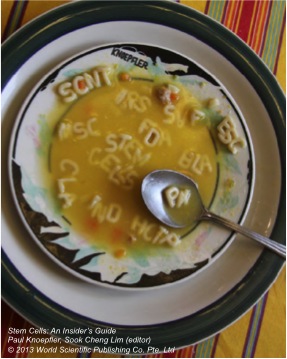
Stem Cells: An Insider’s Guide – the new book by Paul Knoepfler

Posted by , on 30 September 2013

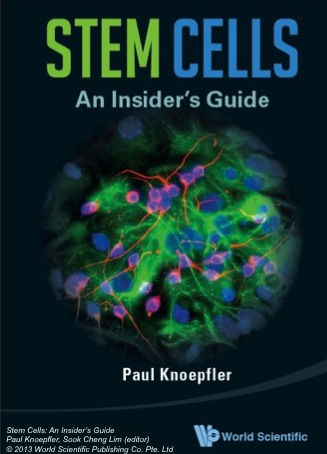
coverI recently had the pleasure of interviewing Associate Professor and dedicated stem cell blogger Dr. Paul Knoepfler about his upcoming book “Stem Cells: An Insider’s Guide”. The book covers everything from defining stem cells and their clinical applications to stem cell regulation and even some stem cell urban legends. Here, Paul chats about his book, his own thoughts on the stem cell field, and possible approaches for cloning John Lennon…

Congratulations on your book, it’s a real stem cell tour-de-force. Can you tell me what motivated you to start writing this?

I’d been working on my stem cell blog for about three years and finding it really rewarding as an additional element to my professional life. It occurred to me that I could probably expand the audience further by putting some of my thoughts down in the context of an actual book. One of the things I did was to go on Amazon and look at the different books that were out there on stem cells. I found that there is this big gap: some are probably over-simplified, but most of them are way too scientifically dense, half a sentence on half a page, that sort of thing. I couldn’t really find the kind of book that I would have liked to read, or that a friend of mine who is not a scientist but is interested in stem cells would want to read. I tried to write that book, and hopefully I was successful.


So your book is aimed at both scientists and non-scientists?

I’m hoping to have a book that scientists will enjoy but also a wider audience can comfortably read and understand. I also want to challenge people to think, but I don’t want people to feel like they are reading a textbook. I aim to be in the middle, where people are challenged, but not overwhelmed.
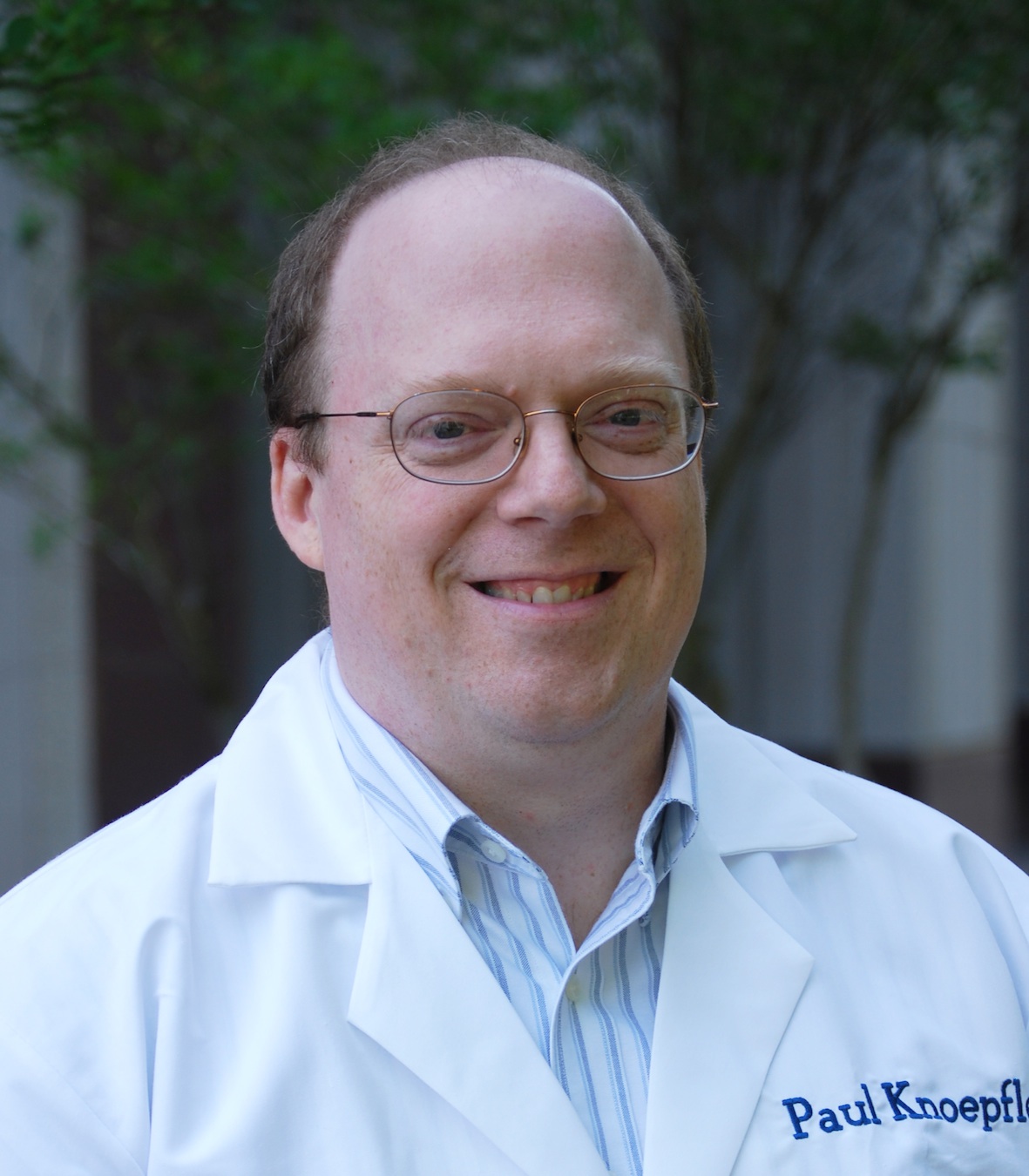
 

Paul Headshot2013.resizeI think you do challenge people, partially because you present many different views, not just your own.

I went into this project trying to write a book that has a unique voice. Like you said, I do try to include other people’s opinions, but I didn’t shy away from including my own. And so that is a little different, or actually really different, from what we are formally taught in science. I intentionally said in the book that these are actual opinions, not necessarily facts. I think that’s helpful because it gets people’s attention, even if they don’t necessarily agree with me. Maybe it makes them think in a new way, makes them talk about it and gets a discussion going. I also wanted to get some humour in there, because even if it is a little edgy or risky, it’s also kind of fun.


You are also a cancer survivor. Was there a more personal motivation for demystifying the stem cell hype? 

Yeah, that definitely played a role in all of this. Having cancer has really opened my eyes to the fact that there is another side to this: the patient side. I think for me, having been a patient, it helped me to empathize and connect more with patients in the stem cell arena, because they are very vulnerable. They are often facing very devastating diseases and injuries and they don’t feel like conventional medicine has anything to offer them. So I try, by my own experience as a cancer patient, and also as a stem cell scientist, to help them in whatever way I can. But also I empathize with the situation they are in, because often times they’re willing to take more risks than I am comfortable with. They have a different perspective and I try to respect that. I try to take that patient perspective with me and put it into the book. I don’t think it is good to just write a book about stem cells without including things that are important for the patient. Having been a patient myself, it helps me to be more conscious of those issues.


You talk in the book about stem cell tourism and the problems it creates for patients and for the field. Whose responsibility do you think it is to crack down on stem cell tourism? 

That’s a great question, and I don’t necessarily have all the answers. I don’t know if people are aware but there is a sort of ad hoc group of stem cell scientists and bioethicists around the world who have been activists on this issue. And I include myself in that group, because we as individuals are putting ourselves at risk, promoting evidence-based medicine in the stem cell field and encouraging patients to ask more questions before jumping into a risky situation. Many of us, including myself, have experienced being threatened with litigation and serious retaliation in other ways. So I don’t think that model is really going to work in the long run because it puts too much risk and responsibility on individuals as human beings. And I am not saying that there isn’t a role for individuals, but I think that somehow we need to have a higher level response to stem cell tourism. While down here in the trenches there isn’t a whole lot of concrete data on stem cell tourism, there is definitely a feeling that the problem is accelerating, so I don’t think that just a group of ad hoc individuals is going to be able manage it. The FDA, at least in the jurisdiction of the US, has a responsibility to work on these issues. But it starts becoming very complicated when you are dealing with international companies, because the FDA doesn’t have jurisdiction outside the US.

sc bus

So then it really comes down to education. You’ve clearly tried to address this with your book, but is there a greater need to educate not just patients but doctors as well?

That is definitely something that I have advocated for. I proposed earlier this year for medical schools to start having a formal stem cell training program for physicians (see http://www.ncbi.nlm.nih.gov/pubmed/23477401). If you have a gastrointestinal problem, you want someone who has years of training dealing with gastrointestinal problems. It’s the same kind of thing with stem cells. I want patients to raise their expectations and to ask more questions. So I think you’re totally right, education might be in the long run the most effective way to go, so that patients and potential patients who think that they might want to get a stem cell transplant actually have resources that they can easily obtain. So that they can think “Ok, I should be asking this question, I should be asking that question, I should be skeptical about this” and so on. I am a real believer in outreach and education.


In your book you list over 10 different diseases that may be amenable to stem cell therapies. How close do you think we are to any one of those?

I don’t think we are as close as I would hope we are, and I don’t think we are as close as many other people hope we are. I wish it were different but the unfortunate reality is that if you want to do this kind of science properly, and I really think we need to do that, it’s a relatively slow process. You have to accept that there are going to be setbacks, and some things aren’t going to work, and other things will work. I am cautiously optimistic that within a decade, macular degeneration might be one of the first diseases where we see a substantial impact in a significant number of patients using stem cell technology. I have some optimism, and to me the basic idea behind that approach seems very straightforward and logical. And so I would say I am pretty hopeful on that. I think we are going to see some progress on diabetes too. I definitely wouldn’t use anything close to the word ‘cure’, but then again I think that you can see a pathway to helping patients via stem cell technology. It might take a decade, but you can see a roadmap where you can regenerate either endogenous beta cells that were dormant, or put in a new mini-pancreas from stem cell-derived beta cells. I believe there are definitely reasons for hope.

stembucks

You also encourage us to “get your geek on” and think about far-out applications of stem cells. Of all the ones that you discuss in your book, which would you most like to see happen?

I would love to see whole organs becoming available. Because nowadays, for example, if you get really serious liver disease, in the end there is a very good chance that is going to kill you even if the rest of your body is healthy. So I think this idea that you can just go get a new liver, or a new pancreas, or regrow your hand; I think that’s both really cool and practically speaking could have a spectacular impact on human health. I also like space related stuff. I was surprised to find that NASA actually funds a lot of research for stem cells in space. That is one of my own stem cell geeky fascinations. I think that is kind of cool.


I would like to see dinosaurs…

I have mixed feelings on cloning, I have actually come out against some of that stuff. I think it is going to be a tough one technologically speaking, but it’s very fascinating and it does capture peoples’ imagination that they might see a woolly mammoth. I am not so sure about human cloning: some guy recently bought John Lennon’s old tooth, because he wanted to clone John Lennon. I guess he was hoping to get some DNA or something. There are a lot of weird, potentially dangerous, yet fascinating ideas out there.


You have been named one of the Top 50 most influential people in the stem cell field. Where do you think the influence comes from, and how do you intend to use it?

When I started my career I would have hoped that my influence was purely scientific, but I think realistically that ranking in the top 50 must have had a lot to do with my blog and me being somehow a leader in stem cell social media. I know from the people who confidentially contact me that a lot of the other top 50 and other stem cell bigwigs do read my blog very regularly. It doesn’t mean that they agree with me, and they may even think I am totally crazy on some topics, but they come and read it so I think that is where that influence comes from in a large part.

My hope is to use my influence in a positive way: one of my biggest goals is to get people communicating more, people who wouldn’t normally talk to each other. And also to get patients connected up with resources. And I have definitely encouraged patients to try to find researchers’ emails in articles: the researcher may not respond to you, but then they might. That is my biggest goal, to get people more interconnected and educated.
 

alphabet soup

Stem Cells: An Insider’s Guide is available now via World Scientific and Amazon.com 

Thumbs up (7 votes)
Loading...

Tags: , ,
Categories: Book Reviews, Interview