
The community site for and by
developmental and stem cell biologists

CNIC conference: Cardiovascular Development, Disease and Repair

Posted by , on 10 September 2013

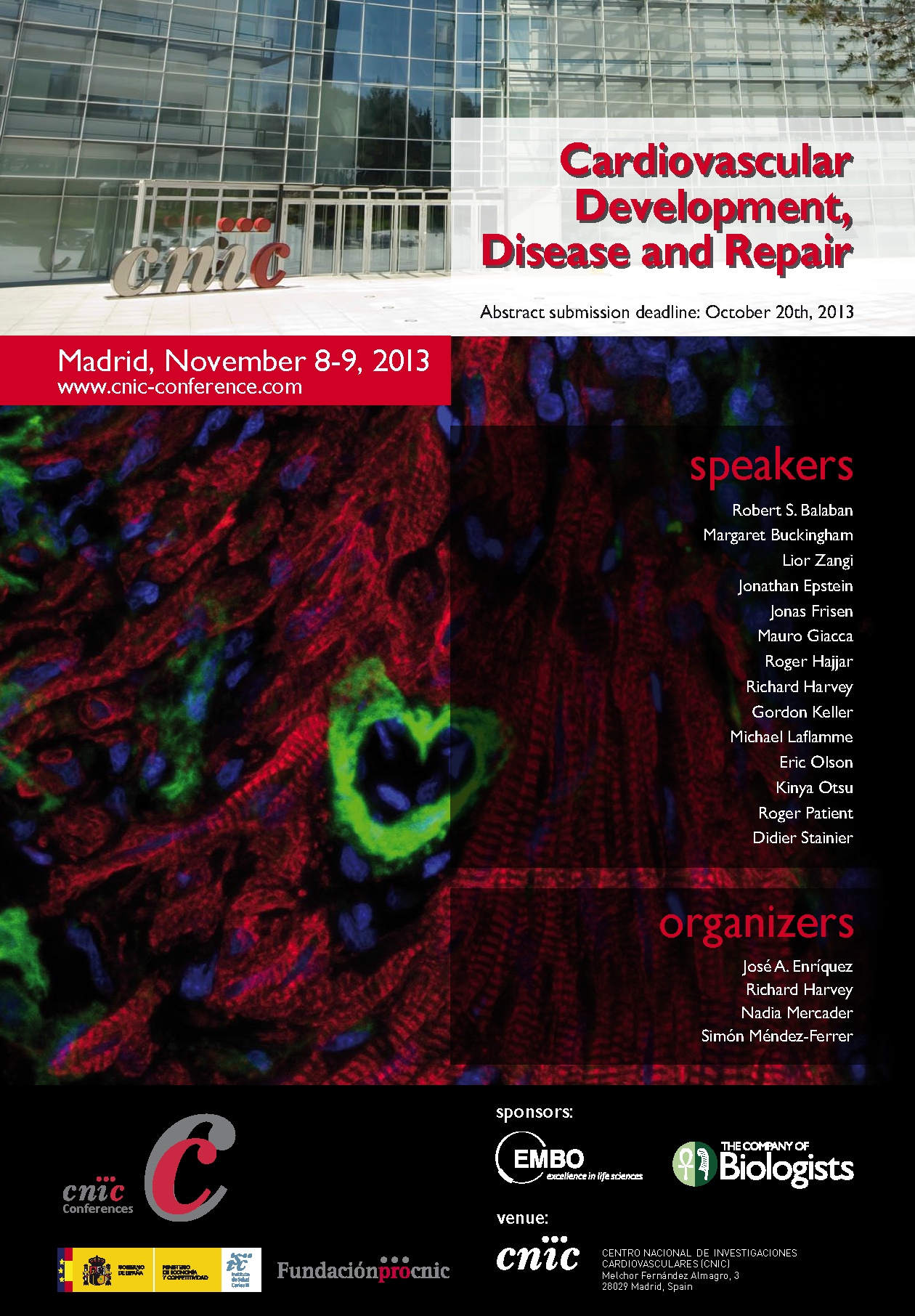
CNIC conference: Cardiovascular Development, Disease and Repair

8-9th November 2013

Centro Nacional de Investigaciones Cardiovasculares CNIC,

Madrid, Spain.

Abstract submission deadline: 20th October 2013

For more information and registration please visit the following webpage:
http://www.cnic-conference.com/
 

Nadia poster 3


Cardiovascular diseases are the leading cause of death worldwide and their treatment is associated with an enormous economic burden. Cardiovascular diseases impact the whole organism, and as such affect cognitive function and accelerate aging. In recent years it has become increasingly clear that the causes of cardiovascular diseases are multifactorial, involving complex interactions between different genes, cells, organs and the environment. Combinations of gene therapy, cell therapy (including cell reprogramming and reactivation of endogenous progenitor cells) and tissue engineering represent promising strategies for the repair and regeneration of the heart and the vasculature. The development and future clinical application of these approaches requires a thorough understanding of the biology of adult stem cells. Similarly, knowledge of cardiovascular development is crucial for understanding reparative processes, since regeneration recapitulates some aspects of the formation of the embryonic cardiovascular system. Research in model organisms with a high regenerative capacity is providing important insights into the mechanisms controlling cardiovascular regeneration.
 
In this CNIC Conference we will present and discuss research at the frontiers of stem cell biology, cardiovascular development, regulation and metabolism, and the mechanisms of cardiac repair.
 
Topics
• Cardiovascular regeneration as a recapitulation of embryonic development.
• Shifting the balance from repair to regeneration.
• Molecular mechanisms of cardiovascular development.
• The emerging role of metabolism in cardiovascular development, homeostasis and repair.
• Origin and fate of cardiovascular progenitor cells.
• The role of stem cells during homeostasis and injury.
• Translating basic research to the clinic: how can basic science impact human cardiovascular health?


Thumbs up (No Ratings Yet)
Loading...

Tags: , , , , , ,
Categories: Events

Navigate the archive

Use our Advanced Search tool to search and filter posts by date, category, tags and authors.

Woods Hole images round 4- choose a movie to be a Development cover!

Posted by , on 5 September 2013

For the last round of Woods Hole images this year we have an exciting development- the last round is a movie round! Below are 4 great movies from last year’s Woods Hole embryology course, and you can vote for your favourite. The most voted movie will be featured in the homepage of Development and a still or collection of stills from the movie will be the cover of a coming issue of the journal. You can see what the cover will look like by clicking on the link below each image.
 
 
Voting will close on noon GMT on the 30th of September.


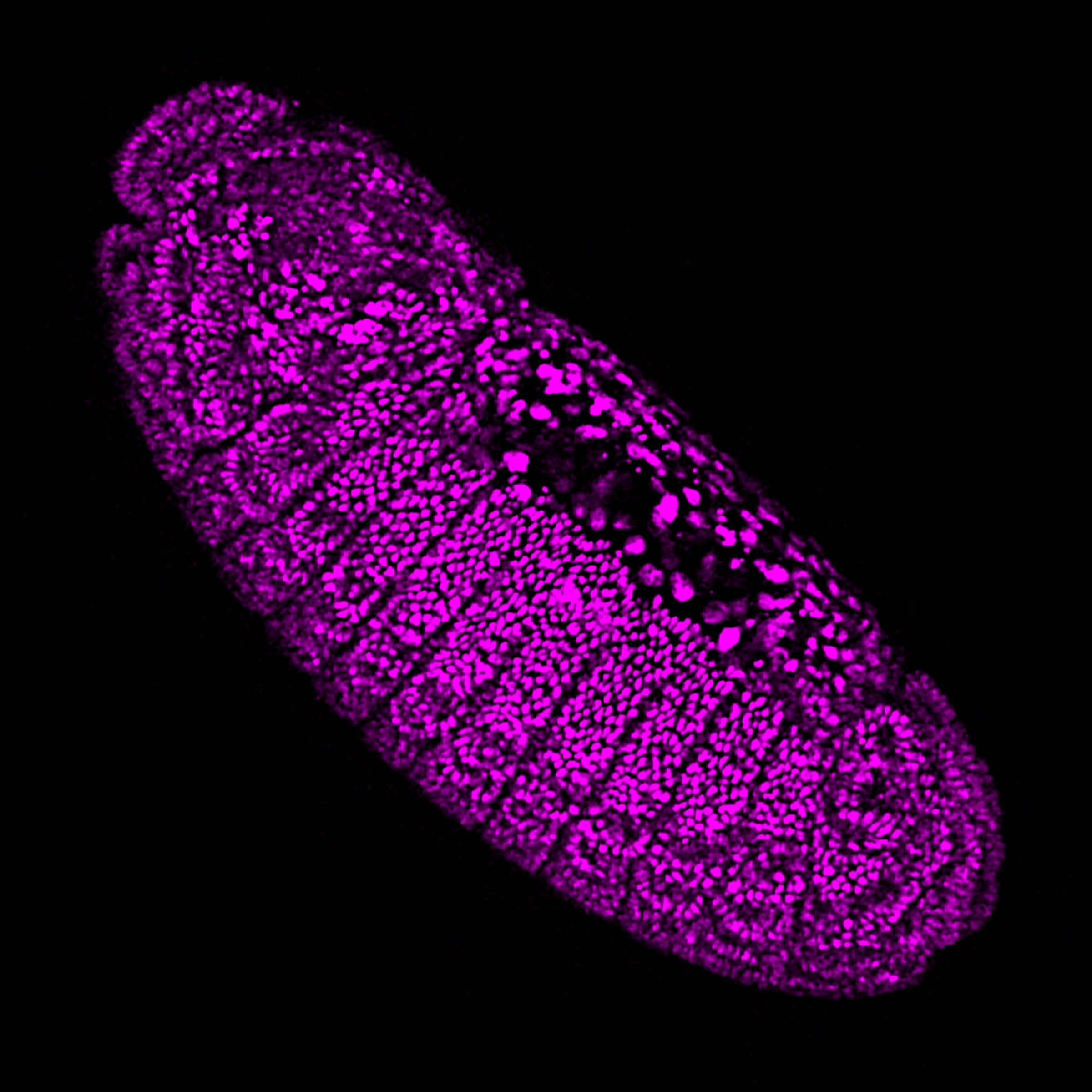
1. Drosophila embryogenesis.  Lateral view of a Drosophila melanogaster embryo with anterior to the left and ventral down.  The embryo carries a Histone 2A-RFP transgene that allows visualization of all nuclei and was imaged by confocal microscopy (maximum intensity projections created from each timepoint).  During the approximately eight hours of development the embryo goes from stage 6 to stage 13, during which time the embryo undergoes gastrulation, germband extension, germband shortening, and the appearance of morphological segmentation. This movie was taken by Marina Venero Galanternik (University of Utah), Rodrigo G. Arzate-Mejía (Universidad Nacional Autonoma de Mexico), Jennifer McKey (Universite Montpellier) and William Munoz (The University of Texas MD Anderson Cancer Center). Cover image.


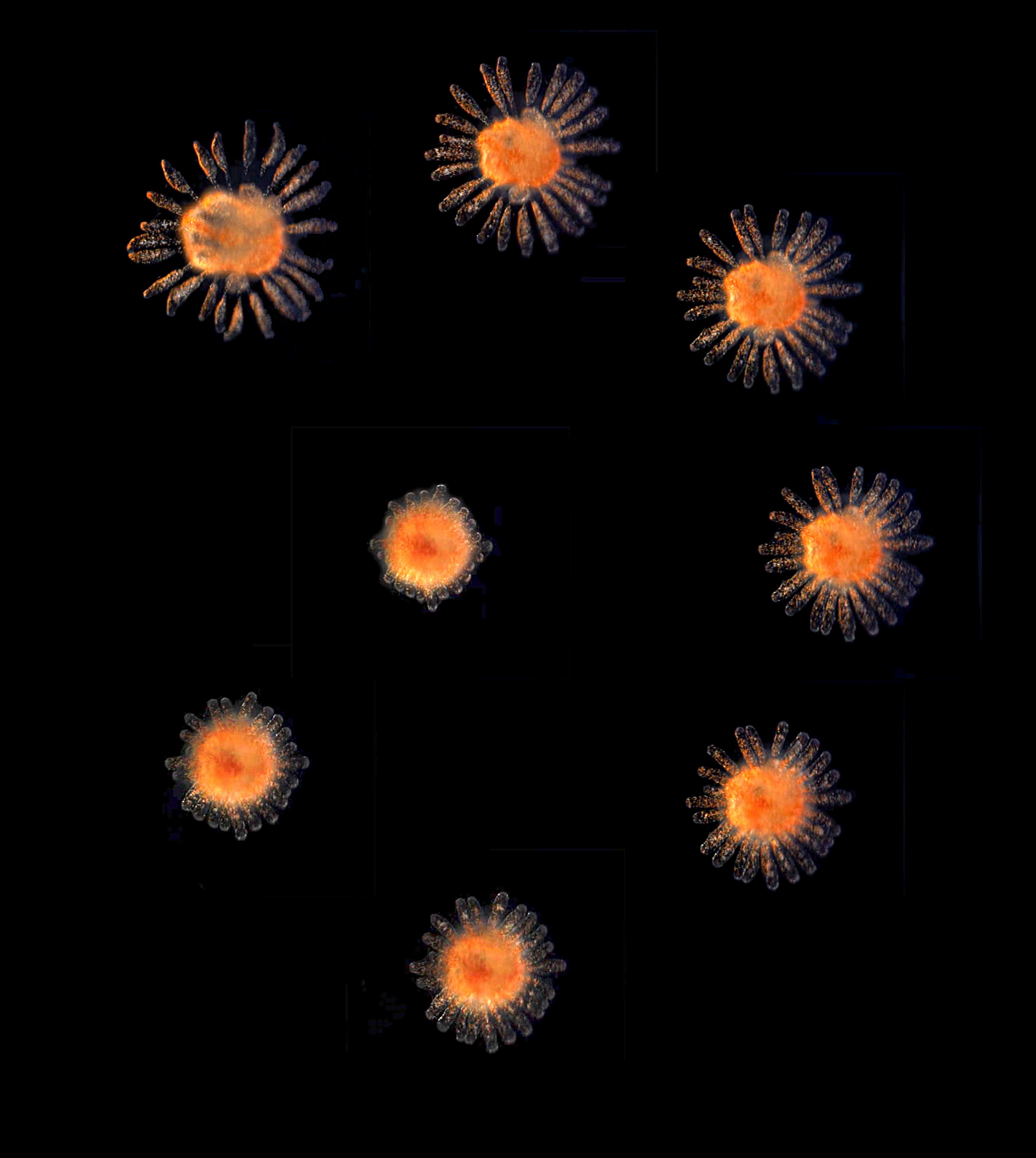
2. Ascidian metamorphosis – extension of ampullae.  Metamorphosis of the colonial ascidian, Botrylloides violaceus, imaged by widefield microscopy.  During the three-hour period the ampullae extend out over the substrate, and eventually this individual will bud off additional colonies. This movie was taken by Matthew Clark (University of Oregon). Cover image.


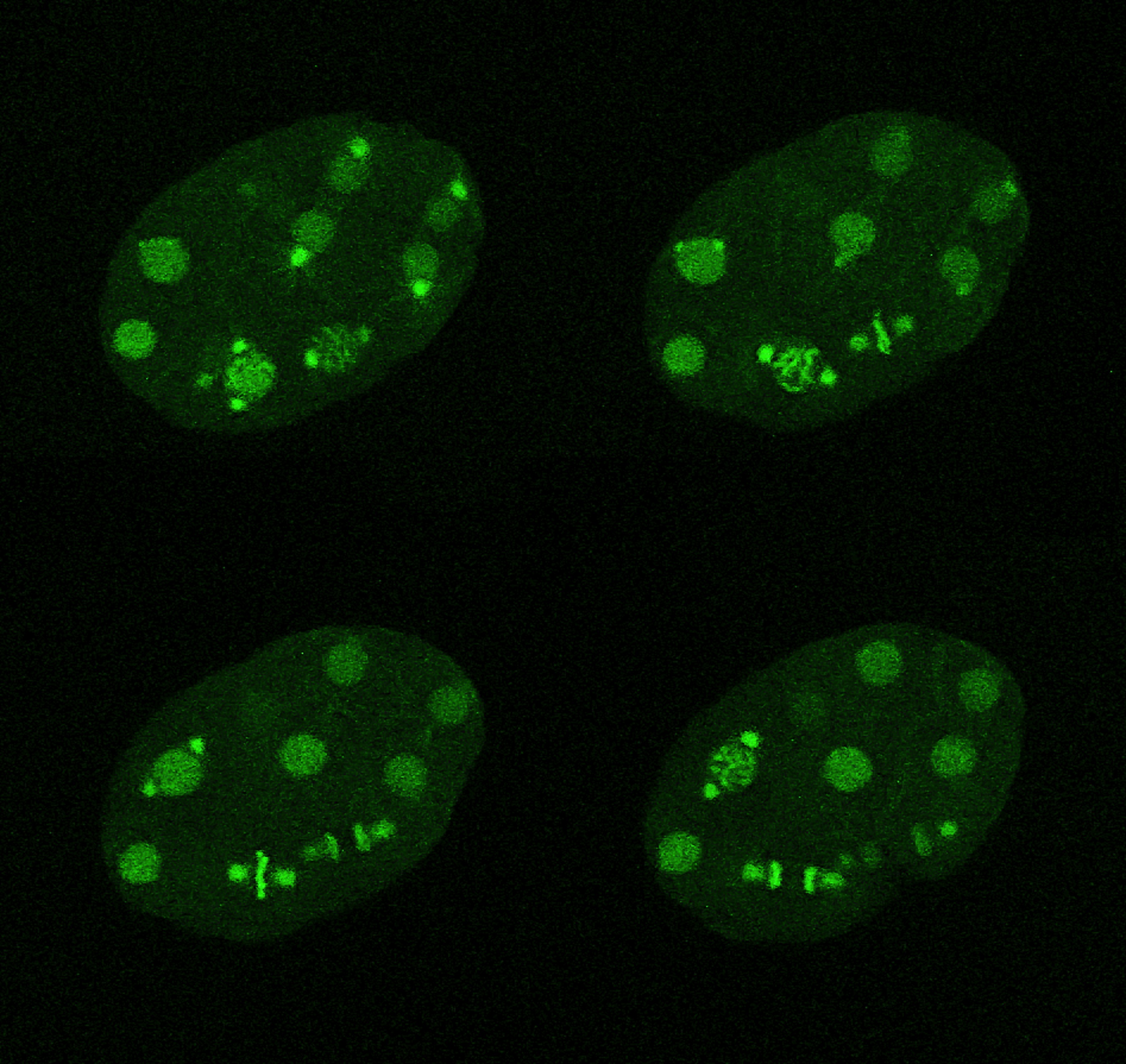
3. C. elegans early cell divisions. The embryo contains both GFP:Histone H2B and GFP:gamma tubulin allowing for visualizaion of both the chromosomes and the centrosomes respectively. At the 8 cells stage, the embryo contains the AB.a1, AB.ar, AB.p1, AB.pr, MS, E, C and P3 cells. The 2 cells that divide at the bottom near the end of the movie are the MS and E cells (with E dividing first). Imaged by confocal microscopy (maximum intensity projections created from each timepoint). Movie covers approximately 17.5 minutes of development. This movie was taken by Daniela Di Bella (Fundacion Instituto Leloir), Joyce Pieretti (University of Chicago), Saori Tani (Kobe University) and Manuela Truebano (Plymouth University). Cover image.


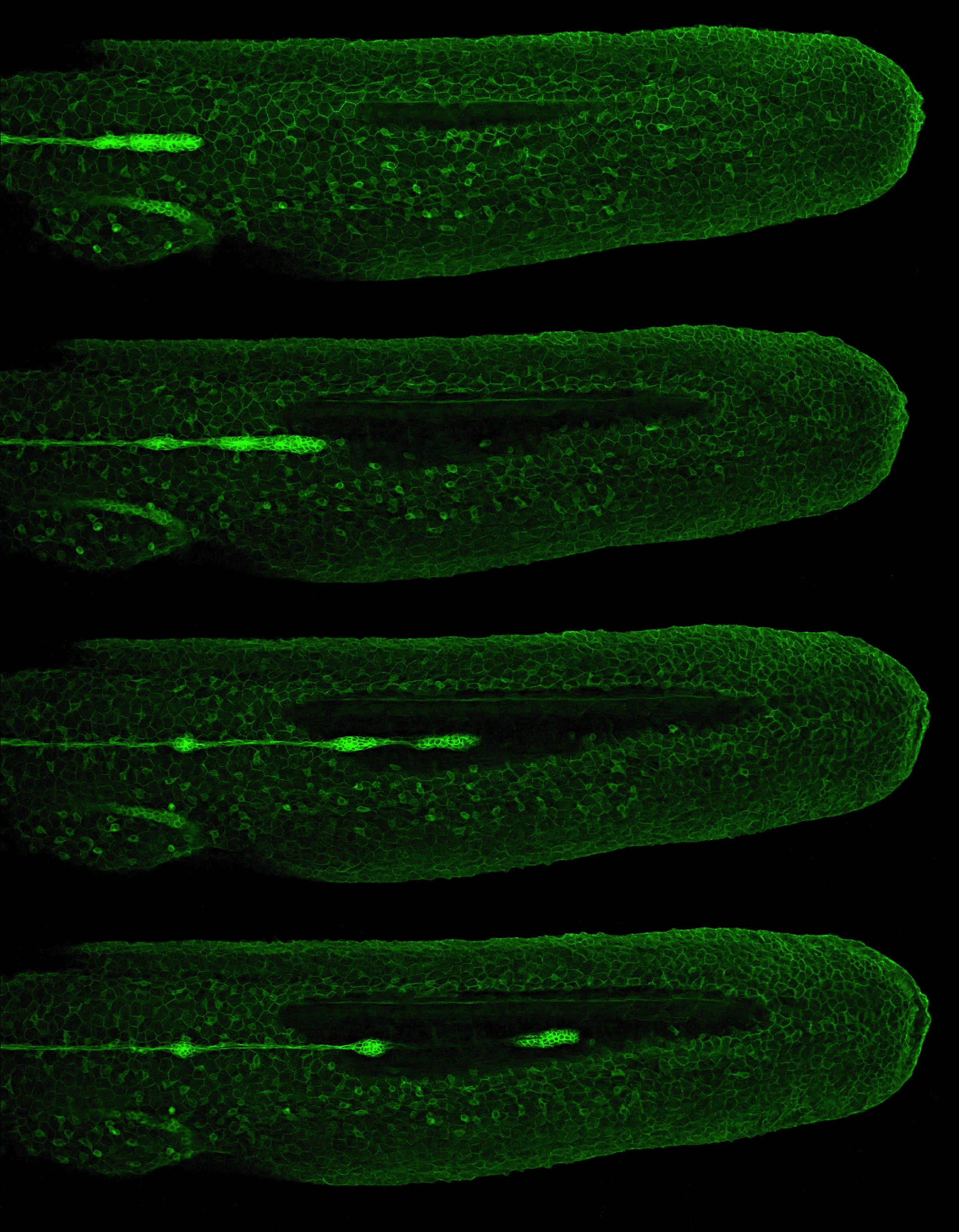
4. Zebrafish lateral line migration.  Zebrafish lateral line primordium migration leaves behind clusters of cells that will form neuromasts, which are mechanoreceptive organs that allow the fish to detect water movement.  Here the cells of the primordium and neuromast clusters are visualized in the Tg(-8.0cldnb:lynEGFP)zf106 transgenic line in which claudin B-GFP fusion protein highlights the cell membranes. Each frame of the movie is a maximum intensity projection of a confocal Z-stack.  Lateral view with anterior to the left and ventral down.  Movie covers approximately 8 hrs of development. This movie was taken by Eduardo Zattara (University of Maryland, College Park ). Cover image.


If you are interested in using any of the images or movies in this post, please contact the Node to request permission


Thumbs up (5 votes)
Loading...

Tags: , , , , , ,
Categories: Images, Video

Frogs shed new light on the midblastula transition

Posted by , on 3 September 2013


After fertilization, embryos undergo rapid, synchronous cell divisions until the point of the midblastula transition (MBT) where the cell cycle lengthens.  This transition is also known as the maternal-zygotic transition (MZT), as the embryo switches from relying on maternally-deposited mRNAs to undergoing its own transcription.


The trigger for this transition was previously unknown but thought to be related to the increasing ratio of nuclear material to cytoplasm.  The embryo does not grow in these early stages, but keeps dividing its cytoplasm between more and more cells.  So as the amount of cytoplasm decreases relative to the nuclear component of the cells, it was proposed that at a critical ratio the embryo undergoes a transition where the cell cycles lengthen and become asynchronous, and embryos begin transcribing mRNA.


Now a recent paper in Science has proposed a mechanism for this observation.  Four DNA replication factors – Cut5, RecQ4, Treslin and Drf1 – are implicated in the cell cycle elongation, which occurs in concert with a decrease in the density and synchrony of DNA replication initiation events, directly related to a decrease in the abundance of mRNA and protein of these replication factors.


This was demonstrated in vitro using Xenopus egg extracts containing sperm nuclei, by addition of in vitro translated protein of the replication factors.  There was an increase in DNA synthesis compared to extract without the addition of protein.  This was also carried out with addition of more nuclei to extract to artificially increase the nucleus: cytoplasm ratio, which reduced the rate of synthesis; addition of proteins to this extract increased the rate of synthesis again.


mRNA microinjection, to direct protein overexpression in vivo in Xenopus embryos, of the replication factors demonstrated no slowdown or loss of synchrony in the cell cycle at the MBT and an increase in the number of cells and DNA content compared to controls.  Animal caps – the top portion of blastulae that later forms ectoderm – were dissected out of injected embryos and dissociated, then used for pulse-chase labelling of replication forks, showing that overexpression of the replication factors resulted in an increased rate of DNA replication.  This was achieved not by affecting elongation, but rather increasing the number of origins of replication.


The authors also found that in embryos overexpressing the four replication factors, there was an earlier activation of the cell cycle checkpoint kinase Chk1, normally activated during the MBT, that had been linked previously to the depletion of the nucleotides required for DNA synthesis.


Whilst overexpressing the four replication factors resulted in increased cell number and no cell cycle lengthening, these embryos were also severely restricted in their ability to undergo gastrulation and form closed blastopores, with high rates of embryo death by the stage of neurulation.  This phenotype was rescued partially by co-injection of morpholinos, small synthetic oligonucleotides that prevent mRNA translation, targeting Cdc6, a protein involved in prereplicative complex formation.  The idea behind targeting this protein was to reduce the extent of origin licensing, illustrating that developmental problems caused by overexpression of the replication factors were indeed caused by increased rates of replication initiation.  The rescued embryos also showed normal lengthening of the cell cycle at the MBT as well as normal activation of Chk1.


Overall, the paper has illustrated the role of replication initiation rates in regulating normal embryonic development, tying in nicely to the observation that an increasing nuclear: cytoplasmic ratio correlates with events at the MBT.  Furthermore the authors speculate that this may be an important mechanism in regulating the length of S-phase across development, and across eukaryotes.


Beware of the Frog


References:

Collart, C. et al. Titration of four replication factors is essential for the Xenopus laevis midblastula transition.  Science 341, 893-896 (2013).

Thumbs up (5 votes)
Loading...

Tags: ,
Categories: Research

Bioscience Futures – enrich your career!

Posted by , on 31 August 2013

“If you’re looking for some really high quality career workshops specifically designed for doctoral and postdoctoral bioscientists then the Society for Experimental Biology’s new Bioscience Futures series could be just what you need!”

I must admit to being somewhat biased when I write the above advertising strapline, since I am not only organsing the initiative but also contributing to it! However, I am proud of the six one-day workshops we have to offer this year. With only 35 participants per workshop there is going to be plenty of interaction and opportunities to really delve into each career subject. The workshops on offer are as follows and include world recognised experts in their field:

1. Planning your career – how to find and keep your perfect job (11th October) – Sarah Blackford (www.biosciencecareers.org)
2. Writing funding proposals (25th October) – Carmen Gervaise (http://www.hfsp.org/)
3. Publishing your research – Beginner level (5th November) – Margaret Cargill (http://www.adelaide.edu.au/directory/margaret.cargill)
4. Successful Applications and interviews (8th November) – Sarah Blackford (www.biosciencecareers.org)
5. Publishing your research – Intermediate/advanced level (26th November) – Irene Hames @irenehames
6. Using social media to promote and enhance your career (25th November) – Anne Osterrieder @AnneOsterrieder

Go to the Society for Experimental Biology website to see an overview of the programme, as well as biographies of the tutors, more information on the workshops and registration (buttons on the left hand side). Note that a fee is levied for each workshop at a break-even cost. If you have difficulties with the finance you can ask your PI or head of department if they have funds available for contract staff or students to attend external professional development courses.
http://www.sebiology.org/meetings/bioscience_futures/Overview.html

I hope you like what you see and maybe I’ll see you in London in the Autumn. If you want to ask me anything in the meantime contact me via twitter @Bioscicareer or email s.blackford@lancaster.ac.uk

Thumbs up (No Ratings Yet)
Loading...

Categories: Careers, Events

This month on the Node- August 2013

Posted by , on 31 August 2013

August might be the month when most people go on holidays, but the Node was still full of activity! Here are some of the highlights:


Research

29 days old embryo – Stefano de Renzis wrote about his recent paper using powerful microscopy techniques to study the role of endocytosis in morphogenesis.

– Tatsuya posted on what is like working with turtles and the background to his paper on the evolution of turtle carapaces.

– Gary discussed a new paper using X-ray tomography and synchrotron radiation to study gastrulation in frogs.

– and Christele started her ‘Stem Cell Beauty’ blog, in collaboration with EuroStemCell, by choosing a great image from a paper describing how to make hepatocytes in vitro.


Interviews

Marianne Bronner photo croppedThis month saw two new interviews on the Node:

– An interview with NIMR developmental neurobiologist and new editor of Development, François Guillemot, focused on his career, research and his lab’s future move to the Crick Institute.

– while the Node interviewed Marianne Bronner at the ISDB meeting, and asked her about her fascination for the neural crest and  her passion for mentoring.


Resources:

– Mario introduced his new software silicoCROSS, which may make your genetic cross writing that little bit easier.

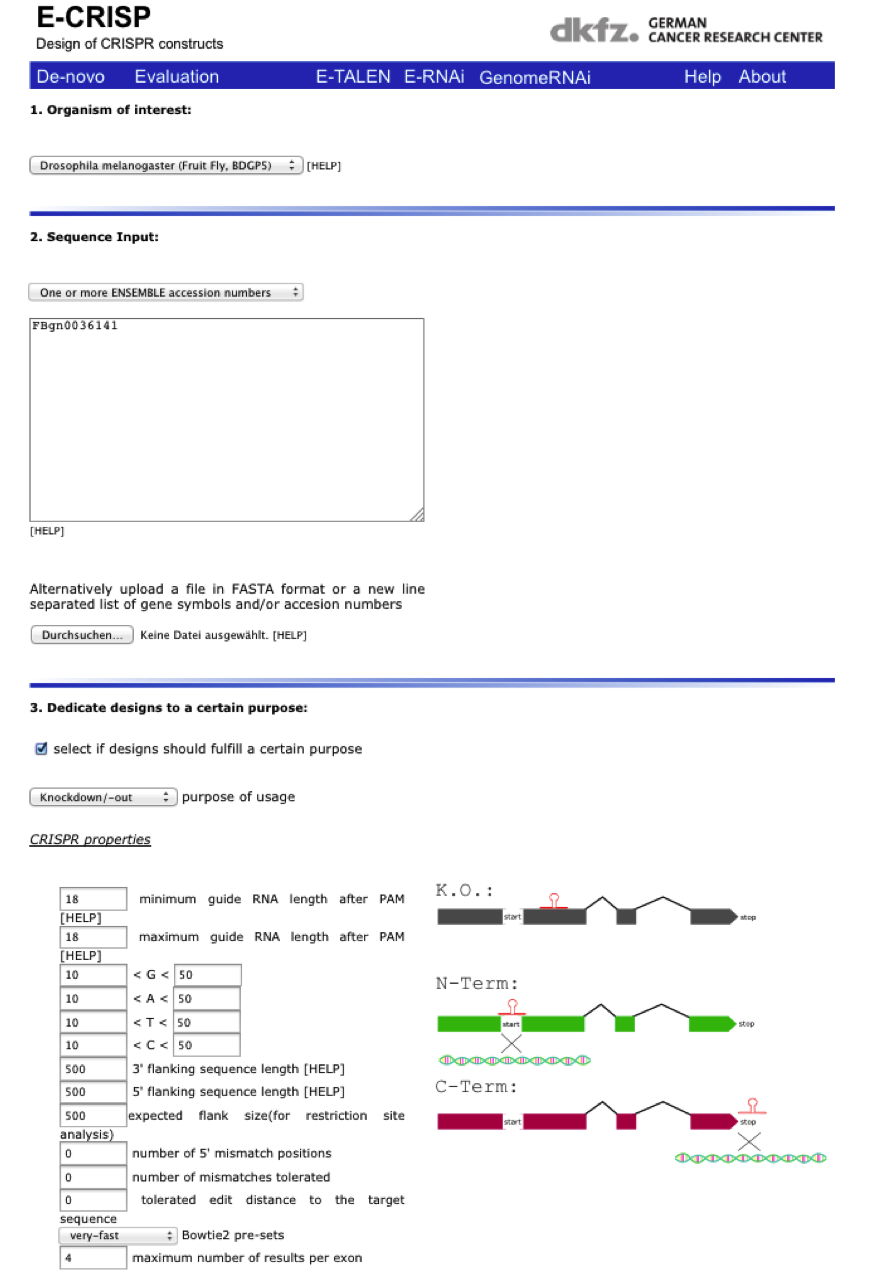
– while Florian described E-CRISP, a software that allows the design of CRISPR constructs in 8 different organisms.


Also on the Node:

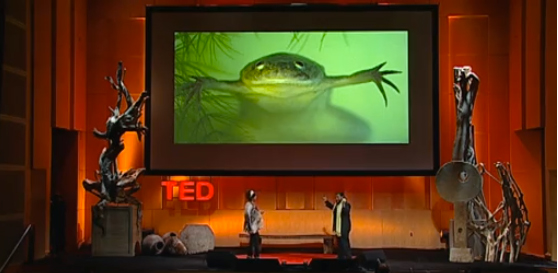
Hayes and Jagessar Chaffer– Patricia chose her favourite Biology TED talks– a great selection!

– Caroline examined how ‘alternative’ careers are perceived in science, by discussing the reactions of people around her to her decision to leave the bench for a career as a reviews editor at Development.

– and check out the jobs page for the several new positions advertised this month.


Node news:

– The Company of Biologists, the non-for-profit company behind Development and the Node, launched its YouTube channel– check it out for some amazing research movies!

– the Node summarised the best (developmental) biology content spotted on the internet this month- look out for more great internet content on the Node in the future!

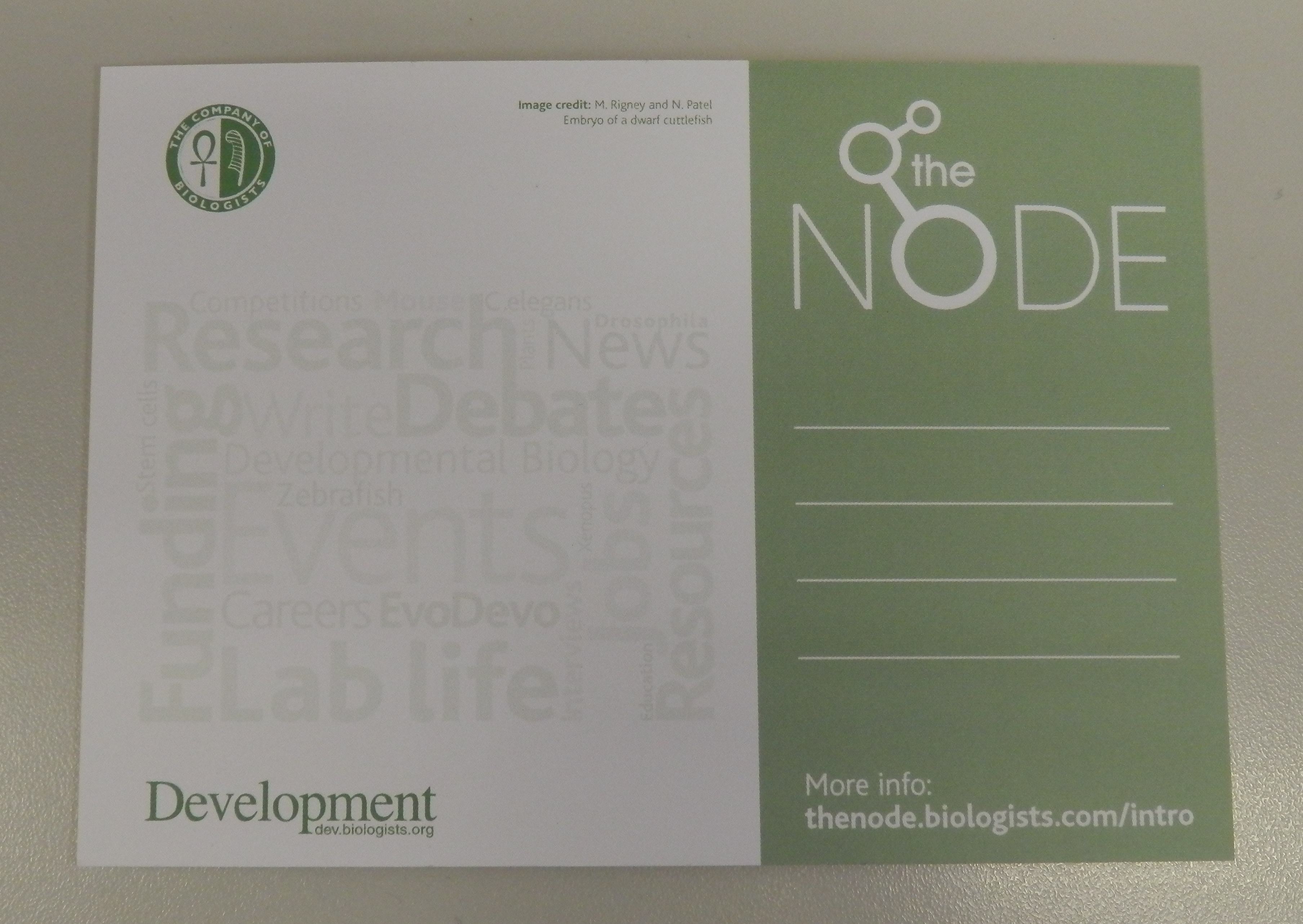
– and we revealed the new Node postcards, which you will be able to collect in future conferences!


Node postcards 2

Happy reading!

Thumbs up (No Ratings Yet)
Loading...

Categories: Highlights

E-CRISP: Design of custom gRNA constructs

Posted by , on 30 August 2013

E-CRISP is now available under: www.e-crisp.org

Genome editing by applying the CRISPR/Cas system has been shown to be a promising new tool in genetics. CRISPR/Cas works by guided DNA double strand breaks (DSB) at specific loci in the genomic or exogenic DNA, where various kinds of sequence alterations can be introduced (exploiting the cellular DSB-repair machinery). As the CRISPR/Cas system is rapidly developing, it remains important to systematically assess which design parameters/properties of CRISPR/Cas constructs influence experimental outcome.

E-CRISP's inout section is partinioned into different categories in order to make it intuitive and user-freindly.
E-CRISP’s inout section is partinioned into different categories in order to make it intuitive and user-freindly.

Bioinformatics methods can be used to find suitable target sites for the DSB in a systematic manner.  We developed E-CRISP to design CRISPR constructs and provide the possibility to alter various design parameters systematically. A fast nucleotide indexing approach and the application of a binary interval tree for construct annotation make E-CRISP very fast.

Until now E-CRISP is available for eight different organisms, including mouse, rat, fish, fly, worm, Arabidopsis, yeast and human, providing the possibility to use it for different model organisms. This list is easily extendable upon request.

The only information needed to design a CRISPR with this application, is the organism of interest and the target gene-symbol or sequence. Default parameters can be used or adapted to suit the particular needs. E-CRISP identifies and evaluates potential CRISPR targets by a combination of options including specificity (should target one locus only), nucleotide composition, experimental purpose and genomic context (if it targets a gene, which exon, lies in CpG island) among others.

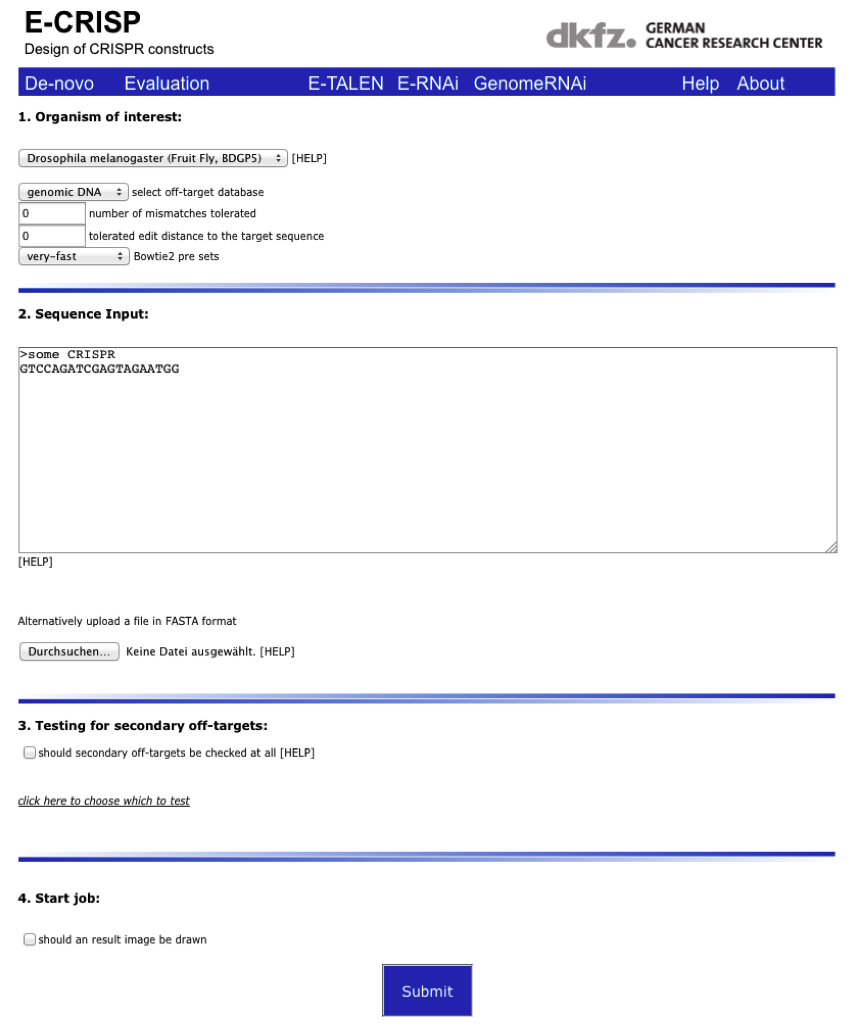
E-CRISP offers a re-evaluation tool, capable of showing on and off-target sites of existing designs.

Additionally, E-CRISP offers a re-evaluation tool to identify and annotate targets of CRISPR constructs designed by other sources (or designed by E-CRISP itself).


Thumbs up (4 votes)
Loading...

Tags: , , ,
Categories: Research

The 1st European BioImage Analysis Symposium, Oct. 7 – 12, 2013 @ Barcelona

Posted by , on 30 August 2013

EuBIAS2013

Image analysis is powerful and essential in modern biology. However, many people working on image analysis might be struggling with following problems:

  • Which tool is appropriate to address my question?
  • Who should I ask my very specific question about image analysis?
  • I want to increase my skills, but I do not know how.
  • I became an image analysis specialist. Is there a community for me?

To deal with these problems, we decided to organize a quite unique type of meeting in Barcelona to strengthen the network among those involved in bioimage analysis and to provide direct solutions:

1. Open Community Meeting (Oct. 7 – 8, 2013): Top-developers, leading analysts and biologists sit together to share current status of each to exchange information and share the problem for a more effective, direct and efficient solutions. Anyone could join to acquire solid information on the front-line of bioimage analysis and to share your views.

2. The open community meeting is followed by a course targeting microscopy facility staffs  (Oct. 9 – 12, 2013) to propagate the knowledge and techniques of image analysts to the scientific community (For a course targeting biologists, we are applying for an EMBO practical course in 2014, the second round after the BIAS2013).

3. In parallel with the course, we startup to build a public webtool that is expected to evolve into a practical solution for building image analysis pipeline. The participants will discuss freely over various tools, manually annotate and added tags to all available image analysis tools. For this symposium participation to this activity will be invitation-based since it is still in an early phase of its development but annotations/taggings will be open to public in near future. We call this precursory trial as “Taggathon (Oct. 9 – 11, 2013).

Please visit the website below for more details and for your registration:

http://eubias2013.irbbarcelona.org

This event was conceptualized at the last European Light Microscopy Initiative meeting 2013 in Arcachon, is mainly sponsored by EuroBioImaging (www.eurobioimaging.eu) and OME, is open to further sponsor contributions and participation from the private sector.

EuBIAS2013 is hosted by IRB Barcelona and is organized by many people from the University of Dundee, EMBL (Heidelberg), IRB Barcelona, CRG (Barcelona), EPFL(Lausanne), ETH (Zuerich), DZNE (Bonn), Institut Curie (Paris).

If BioImage Analysis is key to your research, do not miss this unique event to commit yourself in boosting the accessibility to BioImage Analysis tools and strengthening the community. If you know anyone who might be interested in this meeting, please let them know and pass this information.

Organizers:

  • Kota Miura, EMBL Heidelberg
  • Julien Colombelli, IRB Barcelona
  • Sébastien Tosi, IRB Barcelona
  • Jason Swedlow, Univ. of Dundee


Thumbs up (2 votes)
Loading...

Tags: , , , , , ,
Categories: Events

The Node postcards!

Posted by , on 30 August 2013

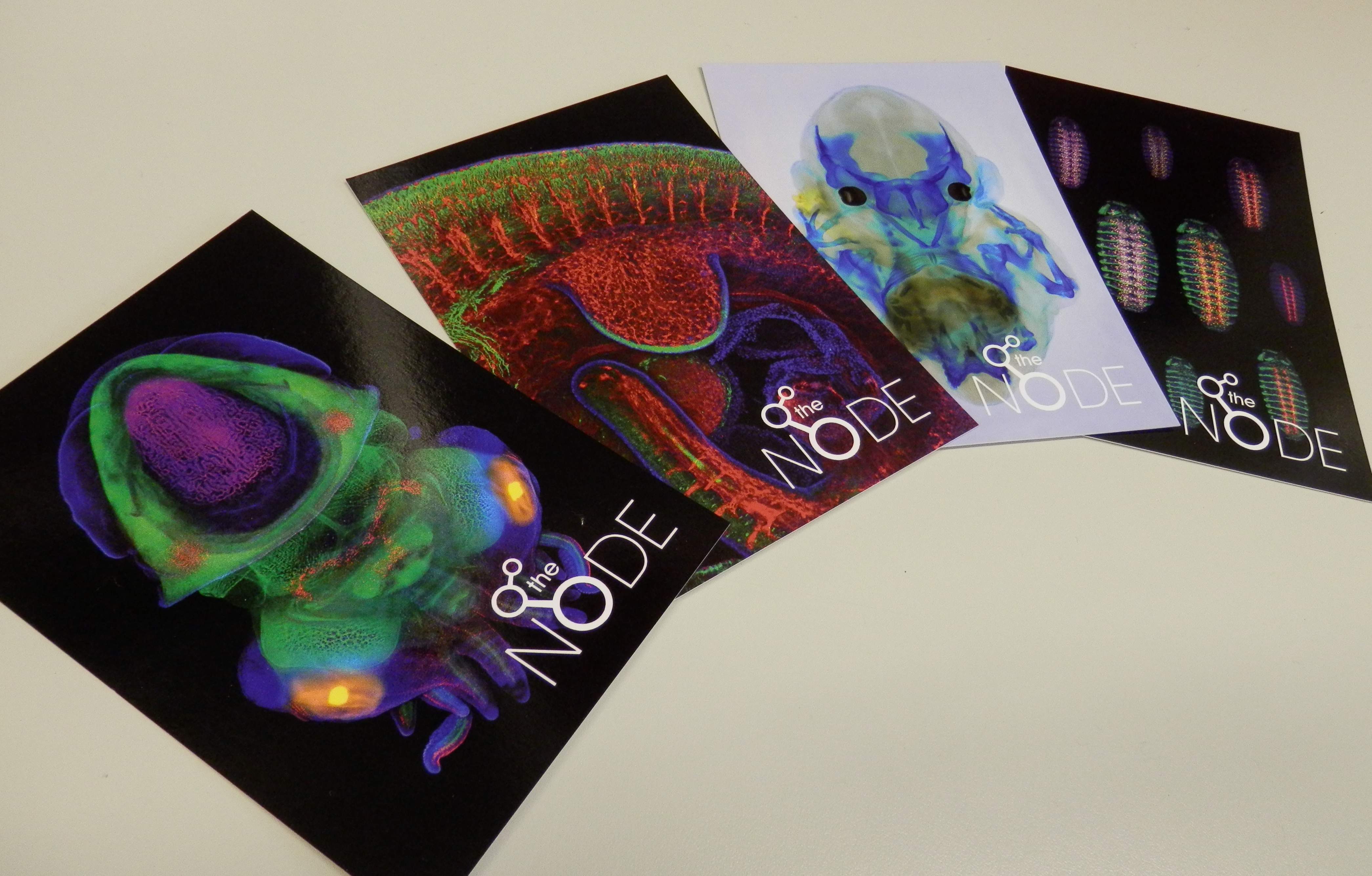
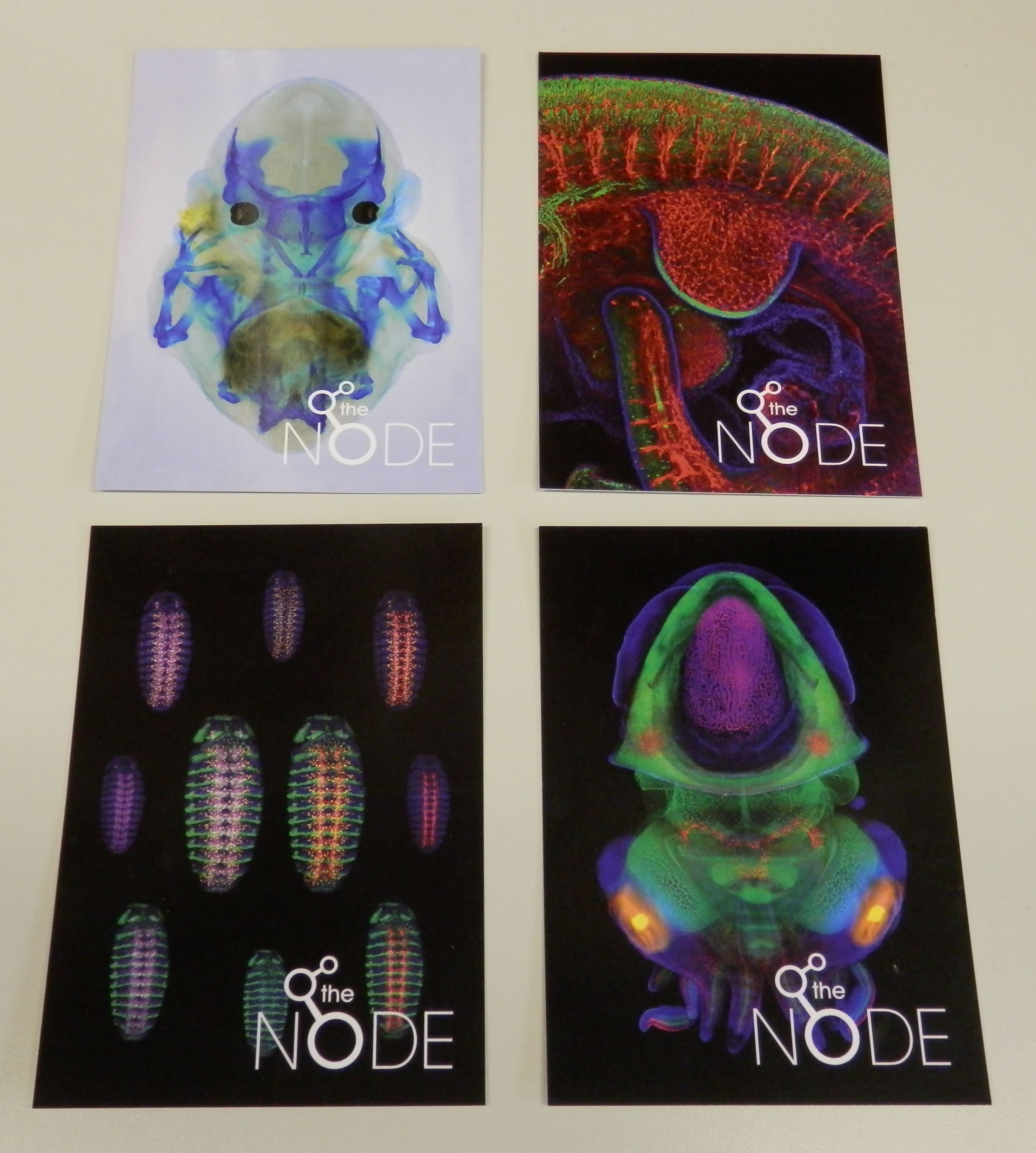
Here at the Node we are very excited about our new conference giveaway- the Node postcards! We have selected a set of 4 beautiful images that have featured in the Woods Hole image competitions in the last few years: the dwarf cuttlefish, the E10.5 mouse embryo, the bat skeleton preparation and the set of Drosophila embryos. And they are not just pretty pictures- the postcards have space at the back where you can write your message, although you might want to follow the lead of the Node team and use them to decorate your desk!

Node postcards 2


We hope that you like our selection, and that you will collect the postcards at the Company of Biologists stand in your next conference! And don’t forget to also collect the Node tea bags, and have a tea break on us!


Node postcards 4

Node postcards 3


Thumbs up (4 votes)
Loading...

Tags: , , , , ,
Categories: News

Postdoctoral Position in Developmental Neuroscience : Sanford Research/USD Children’s Health Research Center, Sioux Falls, South Dakota, United States

Posted by , on 29 August 2013

Closing Date: 15 March 2021

POSTDOCTORAL POSITION IN DEVELOPMENTAL NEUROSCIENCE is immediately available to study signaling factors that regulate cortical development using in vivo mouse models.  In this NIH-funded project, we explore signaling factors that influence the restricted proliferation of intermediate neural progenitors in the developing cerebral cortex.  We focus on regulators of small RhoGTPases, comprised of guanine-nucleotide exchange factors (GEFs) and GTPase activating proteins (GAPs), that control the GTP-loading state and activity of RhoGTPases. Highly motivated candidates who have recently received a PhD or MD (<4 years from completion of degree) with a strong cellular and molecular biology, biochemistry and/or neuroscience background and familiarity with molecular techniques are encouraged to forward their CV, three references, and a brief statement of research interest by email to:

Jill Weimer, PhD
Sanford Research/USD
Children’s Health Research Center
2301 E 60th St. N
Sioux Falls, SD 57104
Phone: 605-312-6407
Email: Jill.Weimer@sanfordhealth.org
website: http://www.sanfordresearch.org/researchcenters/childrenshealth/weimerlab/

Thumbs up (No Ratings Yet)
Loading...

Categories: Jobs

PhD Position in Barcelona

Posted by , on 27 August 2013

Closing Date: 15 March 2021

PhD student position at the IBMB-CSIC, Barcelona

Laboratory of Developmental Neurobiology

 http://www.ibmb.csic.es/index.php?pg=laboratorio&idLaboratorio=18&tab=lab_home

We are looking for: Enthusiastic researchers with a BSc or Masters Degree in biomedical sciences with interest in Developmental Neurobiology Good academic records are required Good spoken and written command of English

We offer: A highly multidisciplinary and competitive training programme in biomedical research. Access to state-of-the-art infrastructures.

The selected candidate will investigate the role of extracellular signals and the genetic networks that control cell numbers, cell identity and cell shape changes during the embryonic development of the neural tube, using live-imaging, cell- and molecular biology in two animal model chick and zebrafish embryos

Those interested please send CV, a cover letter justifying the interest of the applicant in the project to emgbmc@ibmb.csic.es

Application deadline on September 30th, 2013  


Thumbs up (No Ratings Yet)
Loading...

Categories: Jobs